Forgotten Stars Of the 1920s
The 1920s were a spectacular time for entertainment in general and the world of silent film in particular. Movie houses were packed every night, and actors were stars on a global scale.
People lived and breathed their favorite stars as if they were religions. However, in this time before the advent of media to preserve their legacy, many stars faded away into obscurity as time went by.
What is left behind is an intriguing peek into an age in which stardom was vastly different. Some stars were the embodiment of the 1920s, but they faded away as the years went by.
Here’s a peek at some stars of the 1920s who were once in the spotlight but have faded into obscurity.
Clara Bow
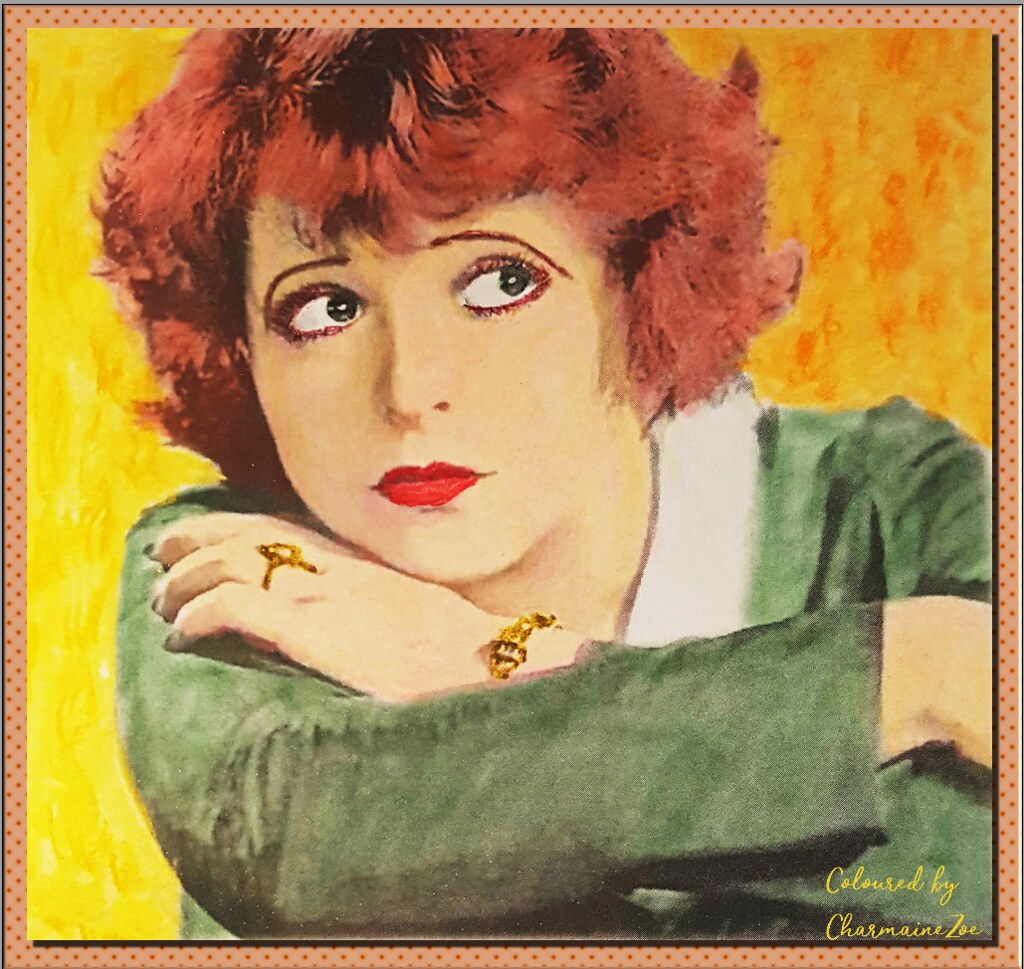
Clara Bow was once one of the most recognizable faces in Hollywood, known as the ‘It Girl’ of the silent film era. Her expressive acting style and vibrant screen presence made her a defining figure of the decade.
Audiences were drawn to her natural charm, which felt modern even by today’s standards. Despite her success, Bow’s career struggled with the transition to sound films.
Personal challenges and the pressures of fame also contributed to her early retirement. Over time, her influence faded from mainstream recognition, even though she helped shape the idea of the modern movie star.
Still, her impact remains quietly embedded in film history. The archetype of the charismatic, independent leading woman owes much to her early performances.
John Gilbert
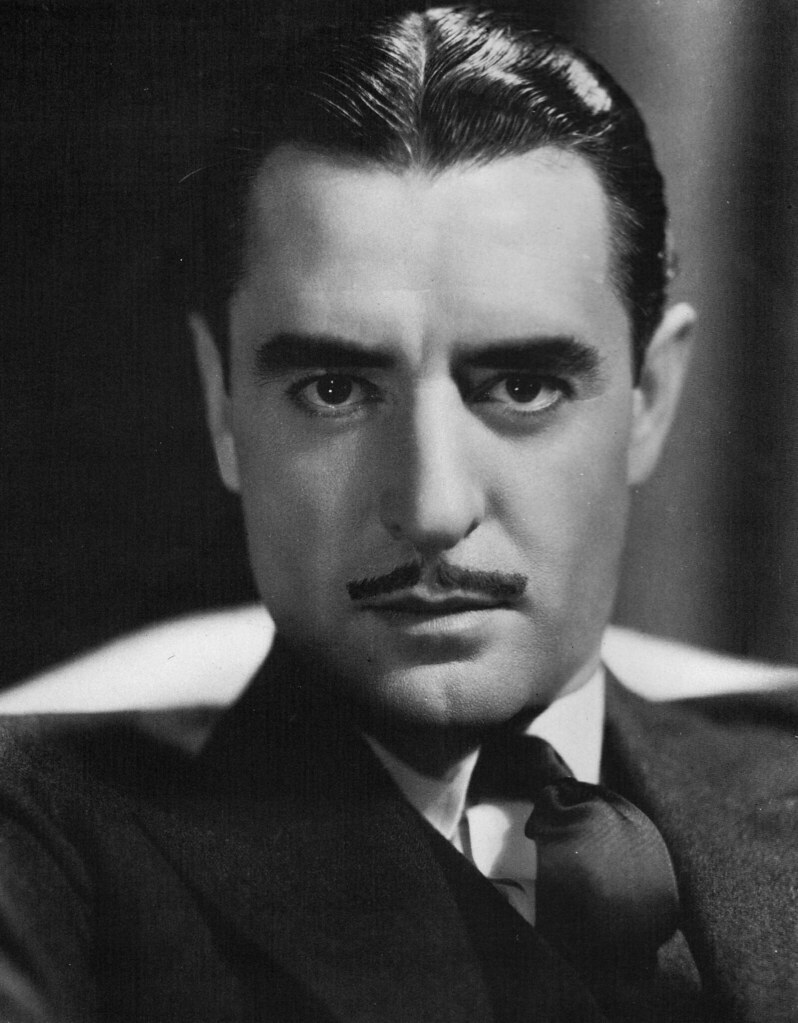
John Gilbert was one of the leading male stars of the silent era, often cast in romantic roles that showcased his intensity and presence. His performances made him a favorite among audiences, and he was widely regarded as one of Hollywood’s top actors.
The arrival of sound films marked a turning point in his career. Stories about his voice and studio conflicts contributed to a decline in his popularity, though historians often debate the accuracy of those claims.
Even so, Gilbert’s fall from stardom illustrates how quickly the industry could change. A performer who once dominated the screen could find themselves sidelined within just a few years.
Colleen Moore
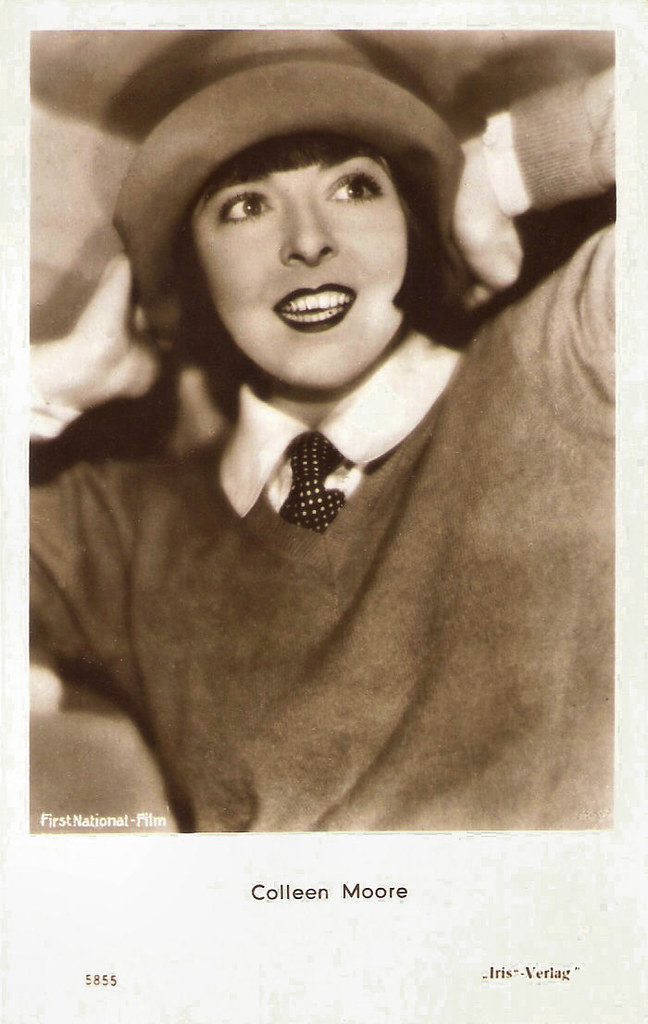
Colleen Moore played a key role in popularizing the flapper image that came to define the 1920s. With her signature bob haircut and lively performances, she captured the spirit of a generation embracing change and modernity.
Her films were widely successful, and she became one of the highest-paid actresses of her time. However, like many silent film stars, her career faced challenges with the shift to sound cinema.
That said, Moore later found success outside of acting, particularly in business. While her name may not be widely recognized today, her influence on fashion and cultural trends during the 1920s was significant.
Ramon Novarro
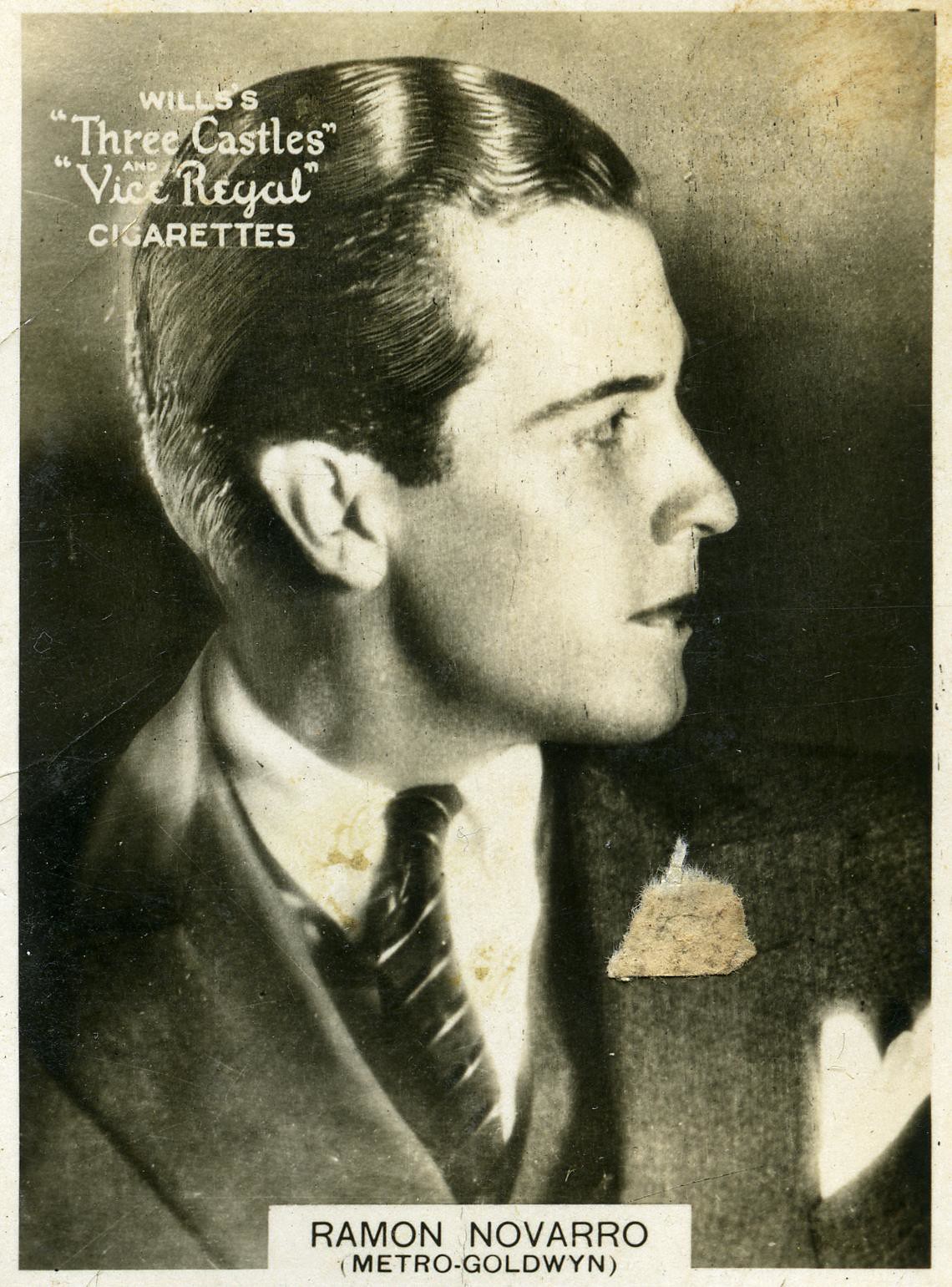
Ramon Novarro rose to fame as a leading man known for his roles in epic and romantic films. His performances carried a sense of elegance and emotional depth that resonated with audiences of the time.
He was often seen as a rival to other major stars, and his popularity extended internationally. However, changes in the film industry and shifting audience preferences gradually reduced his prominence.
Still, Novarro’s career reflects the global reach of early Hollywood. Silent films allowed actors to connect with audiences across language barriers, creating a kind of universal stardom.
Anita Page
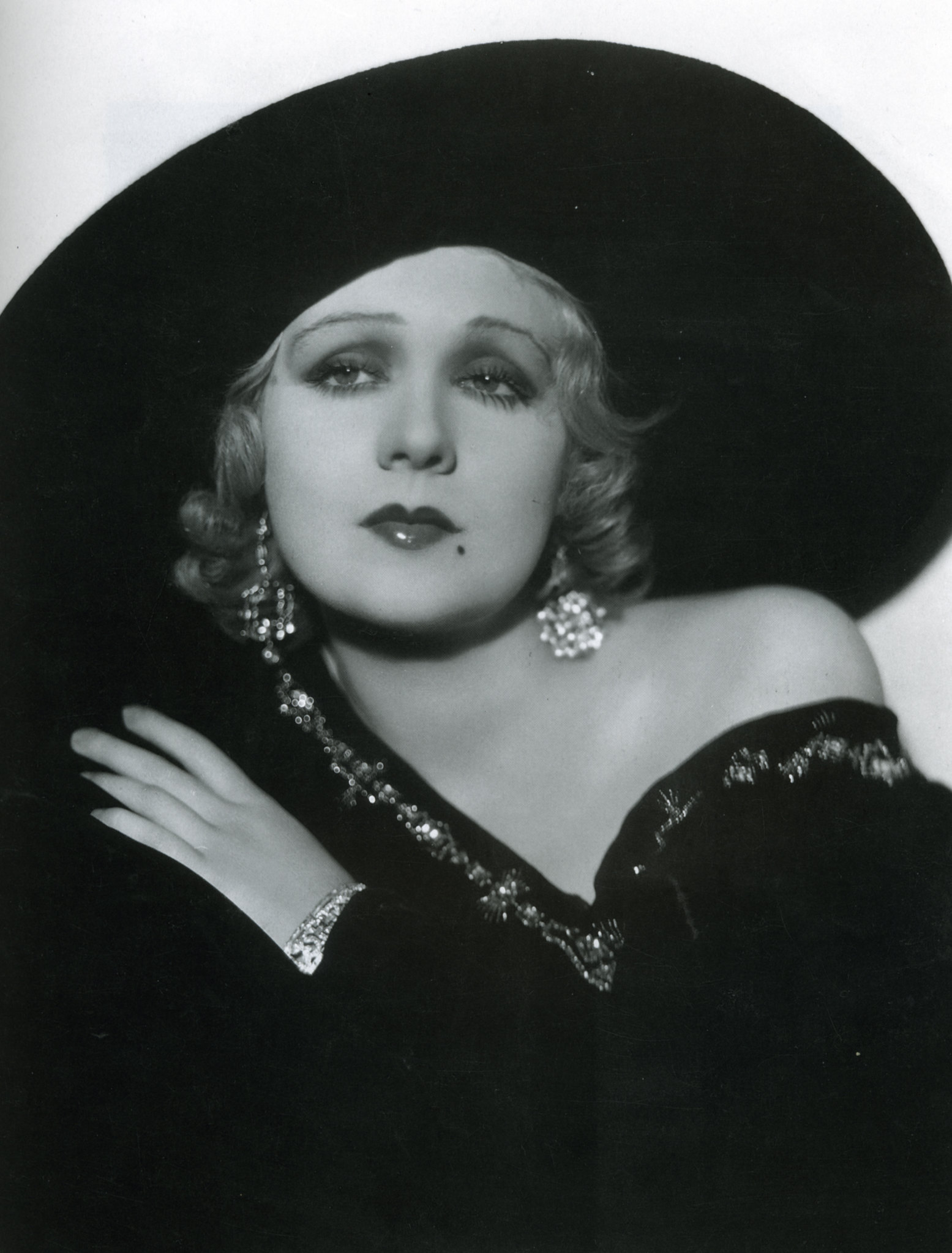
Anita Page gained recognition toward the end of the silent era and successfully transitioned into early sound films. Her delicate screen presence and clear voice made her well-suited for the new format.
For a time, she remained a popular figure, appearing in a range of productions that showcased her versatility. However, her career slowed as Hollywood evolved and new stars emerged.
Even so, Page’s story highlights how quickly attention could shift in the entertainment industry. Success in one moment did not guarantee lasting recognition.
Richard Barthelmess
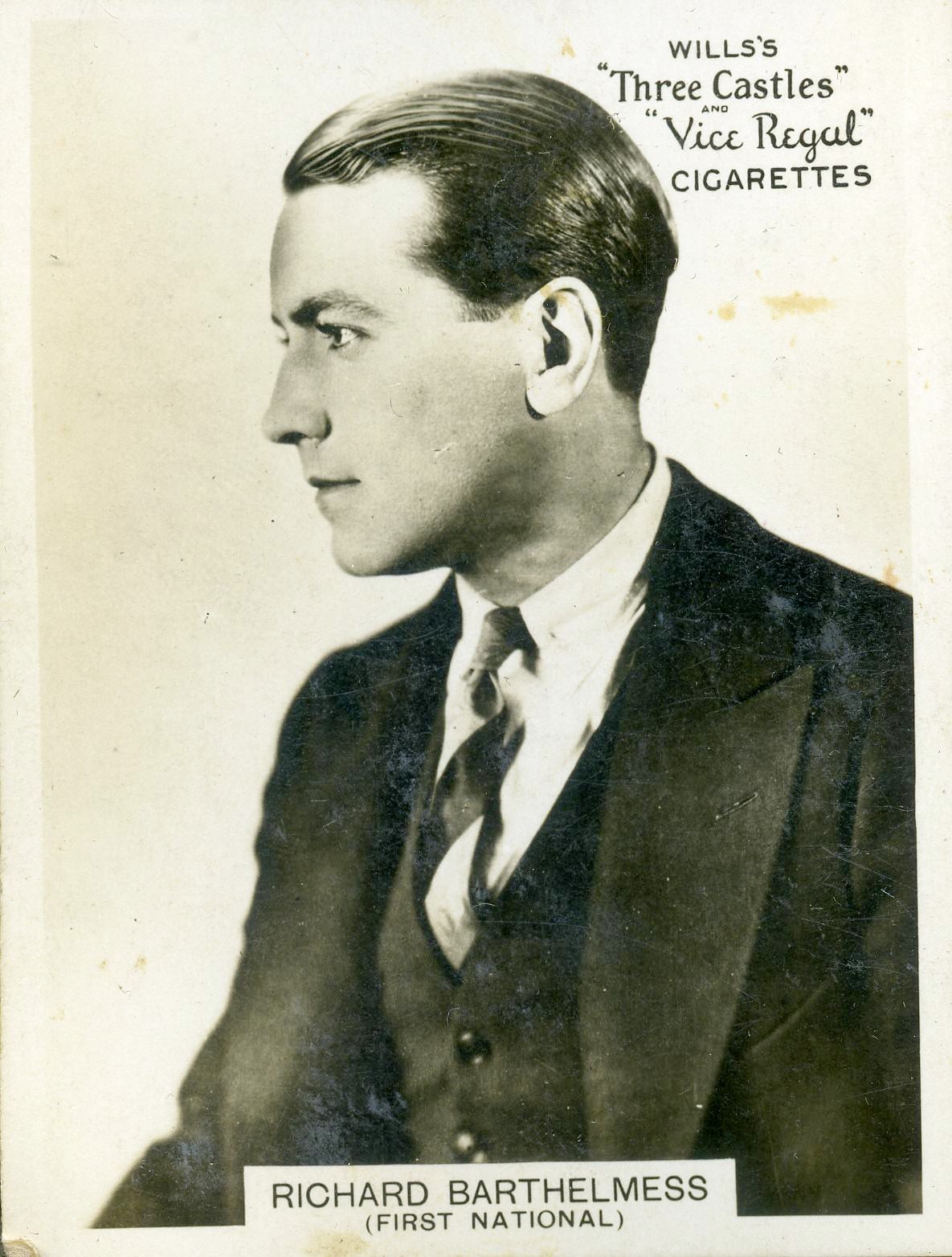
Richard Barthelmess was known for his serious, often dramatic roles in silent films. His performances brought a sense of realism that stood out in an era often associated with exaggerated expression.
He earned critical acclaim and was even nominated for one of the earliest Academy Awards. Despite this recognition, his name gradually faded from popular memory over the decades.
That said, Barthelmess contributed to the evolution of acting styles in film. His work helped bridge the gap between theatrical performance and a more natural approach.
Louise Brooks
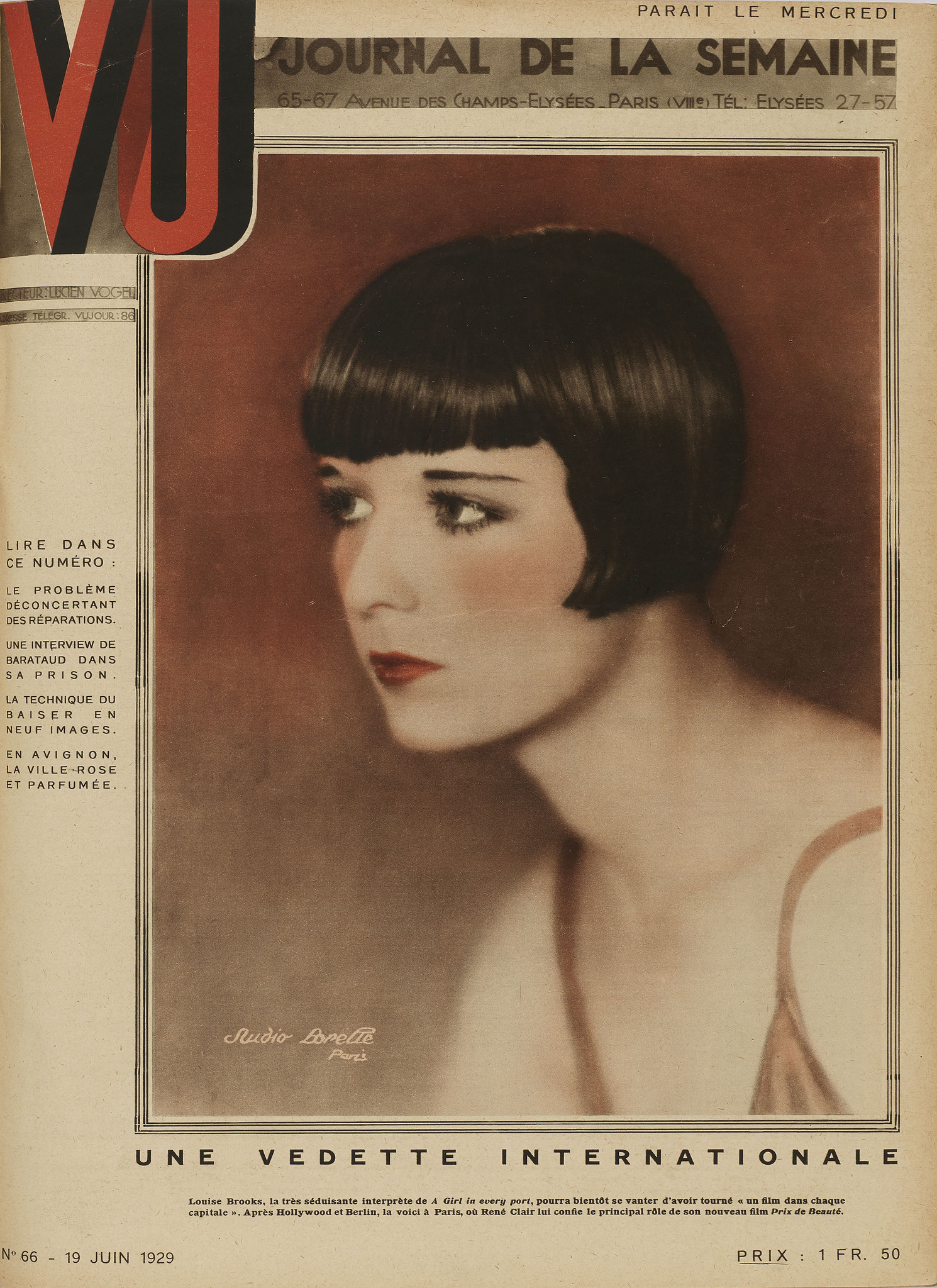
Louise Brooks became an icon of style and sophistication, particularly known for her distinctive bob haircut. Her performances carried a subtle, understated quality that set her apart from many of her contemporaries.
Although she achieved success during her career, much of her recognition came later, as film historians rediscovered her work. For many years, she remained relatively unknown to mainstream audiences.
Still, Brooks represents how artistic influence can outlast immediate fame. Her image continues to inspire fashion and film long after her era.
Bebe Daniels
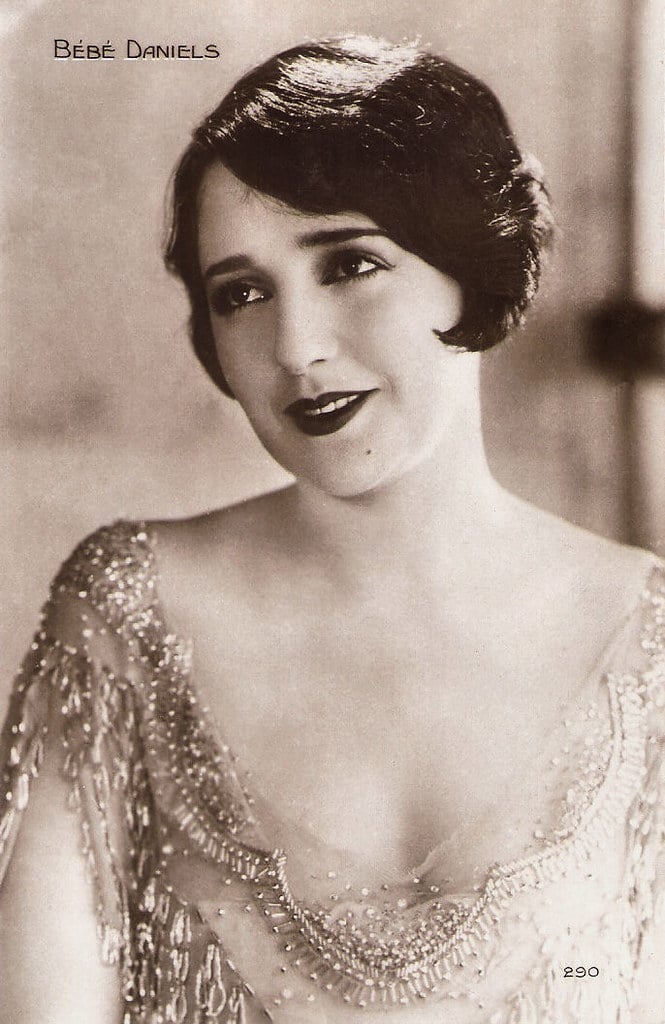
Bebe Daniels began her career as a child actor and later became a prominent star in silent films. She demonstrated versatility, appearing in both comedic and dramatic roles.
She successfully transitioned into sound films and even radio, maintaining a presence in entertainment longer than many of her peers. However, her early stardom in the 1920s is often overlooked today.
Even so, Daniels’ adaptability highlights the importance of evolving with the industry. Her career spanned multiple formats at a time of significant change.
Milton Sills
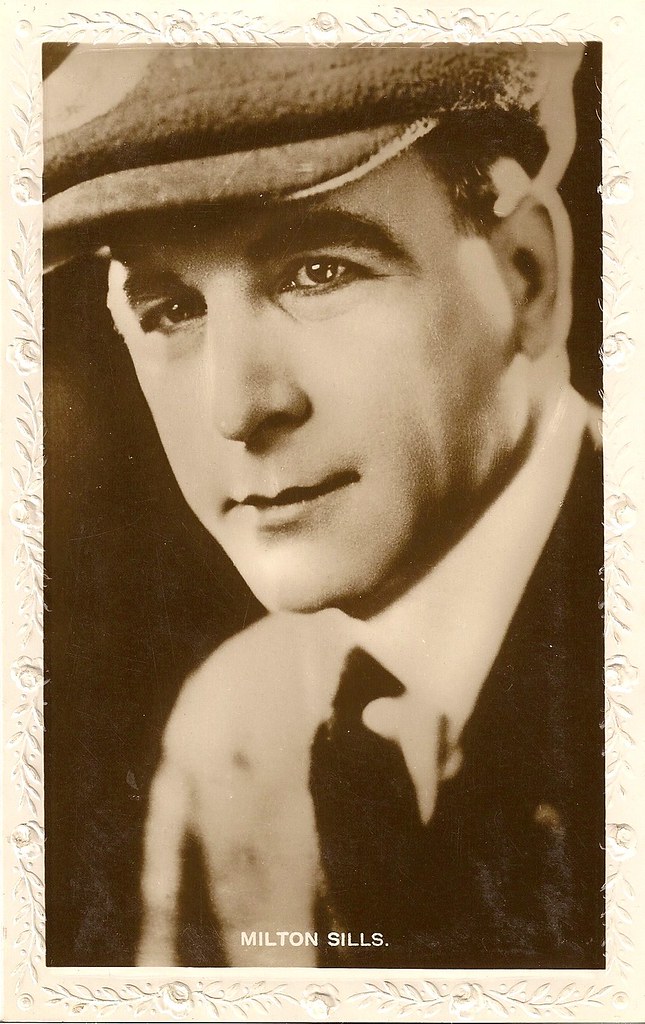
Milton Sills was known for his strong screen presence and roles in dramatic films. His performances often conveyed intensity and authority, making him a popular leading man during the silent era.
He enjoyed considerable success in the 1920s, but his career was cut short by his early death. As a result, his legacy did not have the opportunity to grow in the same way as others.
Still, Sills remains a reminder of how unpredictable fame can be. Even a successful career can be overshadowed by time and circumstance.
Mae Murray
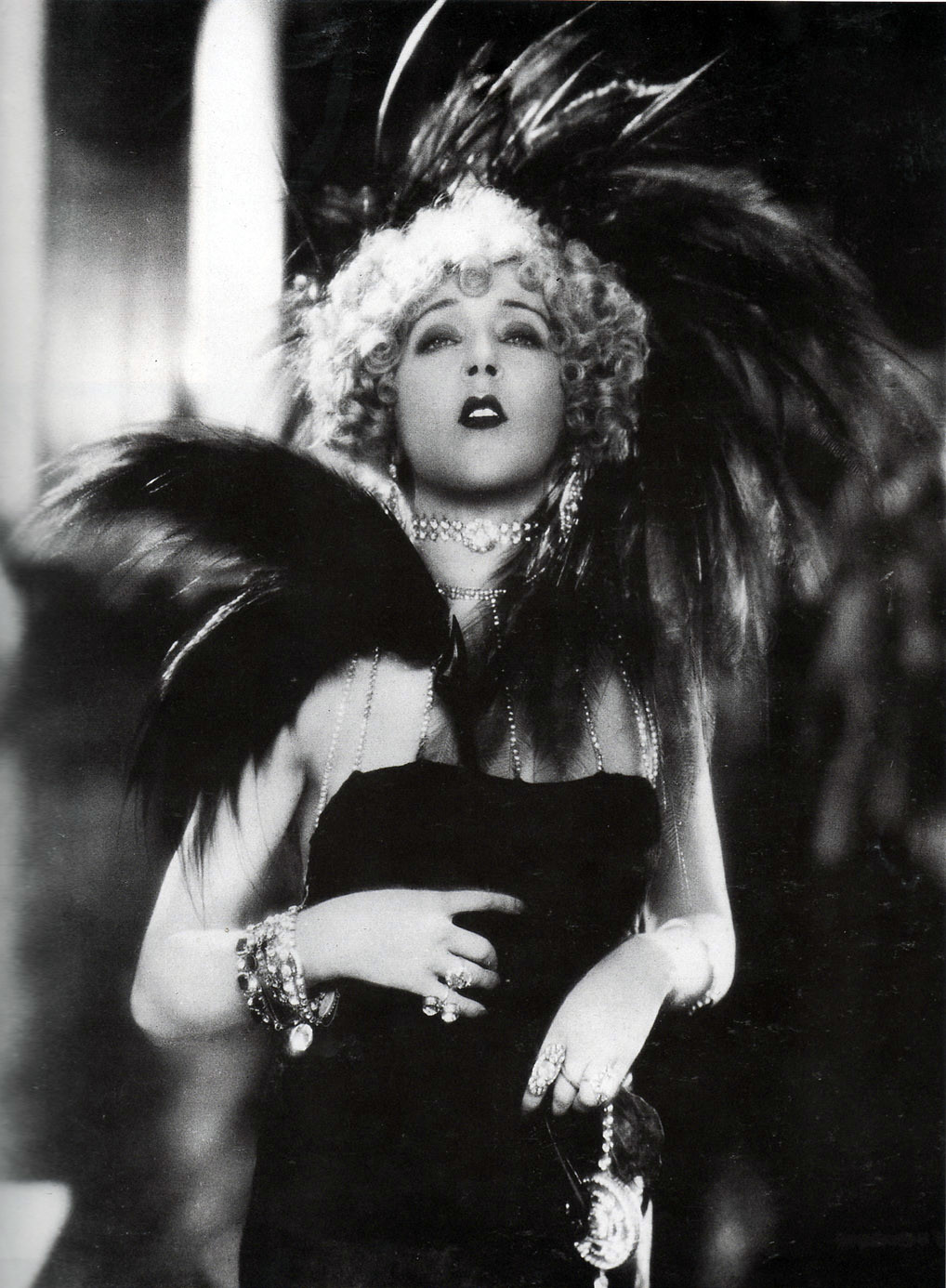
Mae Murray was a major star of the silent film era, known for her glamorous image and expressive performances. She earned the nickname ‘The Girl with the Bee-Stung Lips,’ reflecting her distinctive appearance.
Her films were widely popular, and she became one of the most recognizable figures of her time. However, her career declined as the industry transitioned and new faces emerged.
That said, Murray’s story reflects the fleeting nature of early Hollywood fame. Even the brightest stars could fade as quickly as they rose.
When Stardom Fades But Influence Remains
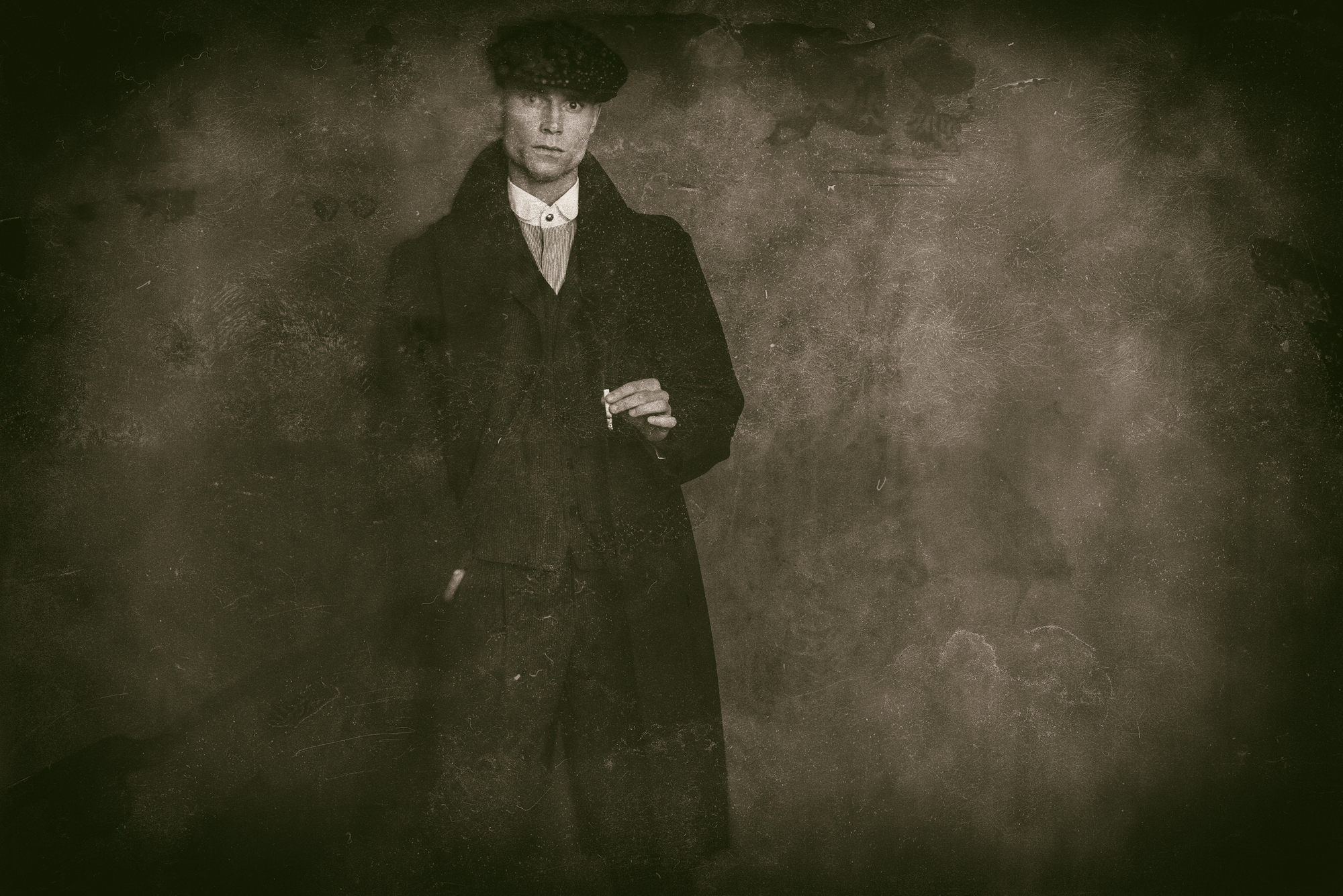
The stars of the 1920s were instrumental in laying the foundations of modern cinema, even though they are no longer household names. These actors were part of a period of great change, in which the very rules of filmmaking were still evolving.
Some of these actors were instrumental in the development of the art of acting, fashion, as well as the concept of celebrity. At the end of the day, the story of these actors serves as a reminder that fame is fleeting, while influence is eternal, though not as glamorous.
More from Go2Tutors!

- The Romanov Crown Jewels and Their Tragic Fate
- 13 Historical Mysteries That Science Still Can’t Solve
- Famous Hoaxes That Fooled the World for Years
- 15 Child Stars with Tragic Adult Lives
- 16 Famous Jewelry Pieces in History
Like Go2Tutors’s content? Follow us on MSN.