16 Incredible Scientific Breakthroughs Changing The World
Science moves fast. While you’re scrolling through daily updates about politics and weather, laboratories around the world are quietly reshaping reality.
The breakthroughs happening right now won’t just fill tomorrow’s textbooks — they’re already changing how you live, work, and understand what it means to be human.
Some will save your life. Others will transform entire industries overnight.
A few might make you question everything you thought you knew about the universe.
CRISPR Gene Editing
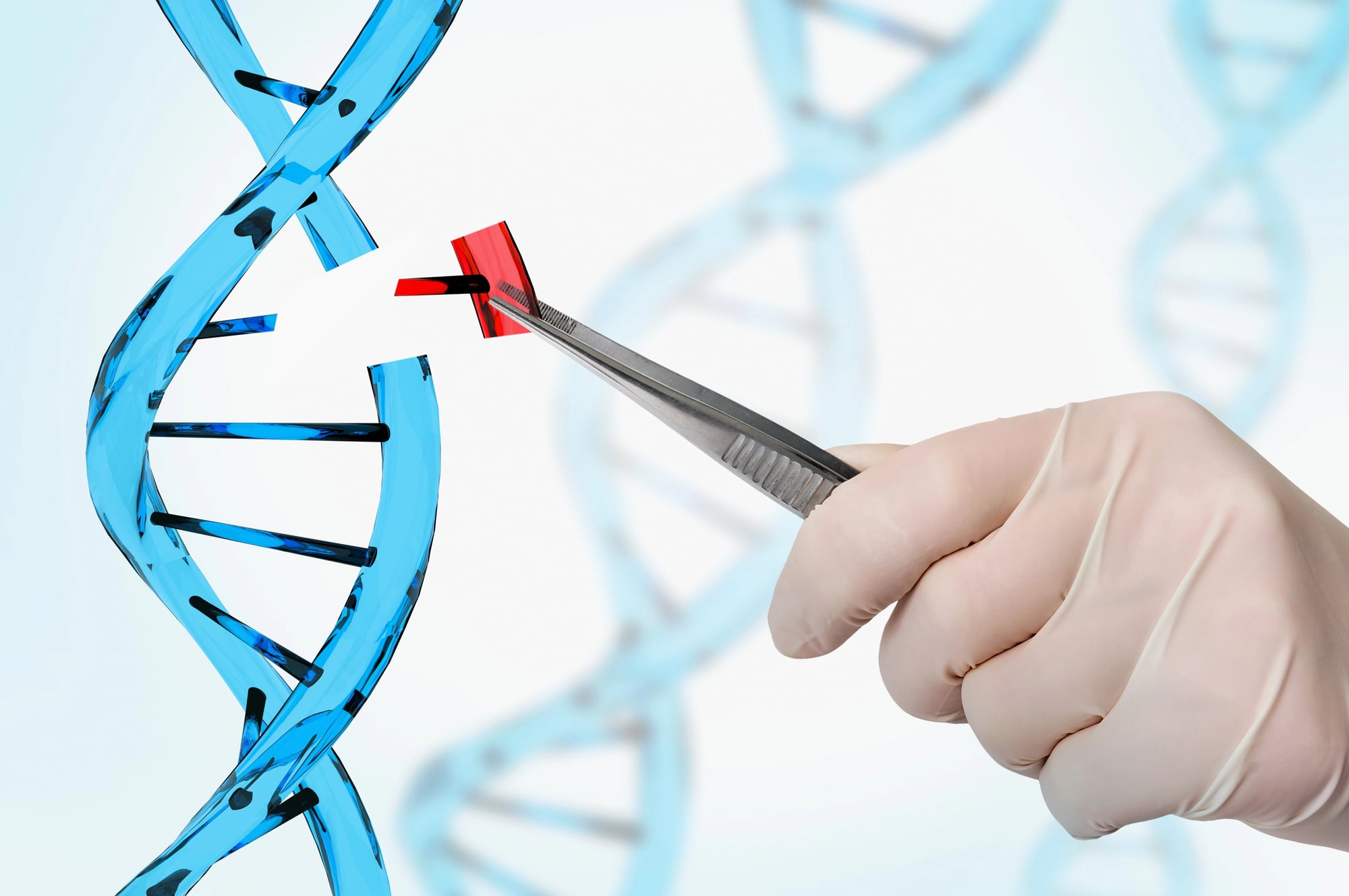
CRISPR cuts DNA like molecular scissors. Precise, fast, revolutionary.
Doctors are already using it to cure genetic blindness and sickle cell disease.
The future just accelerated. Children born today might never know inherited disease.
That’s not science fiction — that’s Tuesday morning in a lab somewhere, happening right now.
Quantum Computing

Quantum computers don’t think the way normal computers think (and honestly, calling what classical computers do “thinking” was already generous). Where your laptop processes information as ones and zeros, quantum systems embrace the weird reality that particles can exist in multiple states simultaneously — which sounds like nonsense until you realize it lets them solve certain problems exponentially faster than anything we’ve built before.
So while your phone struggles to load a webpage on bad WiFi, quantum computers are cracking encryption codes that would take conventional machines longer than the age of the universe.
And yet somehow, they still can’t run Excel without crashing.
IBM, Google, and a handful of startups are racing to build machines that could revolutionize everything from drug discovery to financial modeling.
The timeline keeps getting shorter: practical quantum advantage in specific fields within the next decade, with broader applications following soon after.
Lab-Grown Organs
Growing replacement hearts in laboratories beats waiting for transplant lists. Companies like United Therapeutics and Organovo are already printing tissues and simple organs using patients’ own cells, which eliminates rejection issues entirely.
The technology works by seeding biodegradable scaffolds with stem cells, then letting biology take over in carefully controlled environments.
Kidneys, livers, and hearts are all in various stages of development.
Current success rates for simpler tissues like skin and cartilage are remarkably high.
mRNA Vaccines

The COVID vaccines were just the opening act. mRNA technology can theoretically target any disease where you know the genetic signature — which includes most cancers, autoimmune disorders, and infectious diseases that have plagued humanity for millennia.
Moderna and BioNTech (working with Pfizer) have vaccine candidates for melanoma, pancreatic cancer, and seasonal flu that showed remarkable results in early trials.
The platform allows for rapid adaptation when new threats emerge, turning vaccine development from a years-long process into something measured in weeks.
But perhaps most intriguingly, researchers are exploring whether mRNA can be used not just to prevent disease, but to reverse aging at the cellular level — essentially reprogramming cells to behave as if they were younger.
The implications stretch far beyond medicine: this is programmable biology, where the instructions that run living systems can be rewritten like software code.
And like all powerful technologies, it arrives with questions about access, equity, and what happens when the ability to rewrite biology becomes commercially available.
Brain-Computer Interfaces
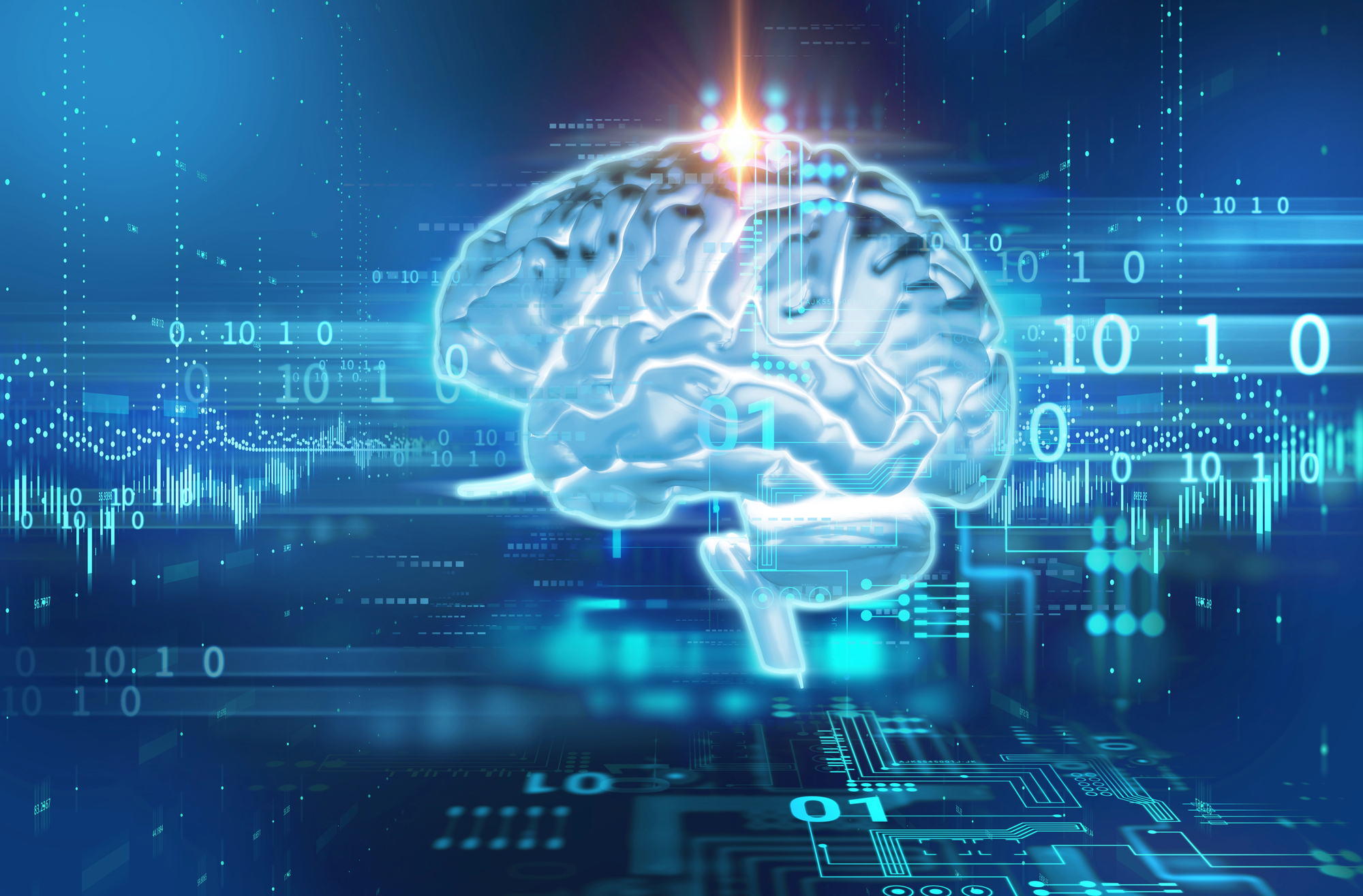
There’s something unsettling about watching someone control a computer cursor with pure thought, but that’s exactly what paralyzed patients are doing in clinical trials with Neuralink, Synchron, and other brain-computer interface companies. The technology bypasses damaged spinal cords and connects neural signals directly to external devices.
The immediate applications focus on medical restoration — giving quadriplegic patients the ability to type, control wheelchairs, or operate robotic arms through thought alone.
But the broader implications circle around questions nobody feels quite ready to answer yet.
Early results show people can achieve typing speeds of 40+ words per minute using only brain signals.
The learning curve exists, but it’s surprisingly short.
Artificial Photosynthesis

Plants figured out how to eat sunlight billions of years ago. Humans are finally catching up.
Artificial photosynthesis systems use engineered materials to split water and carbon dioxide using only solar energy, producing hydrogen fuel and useful chemicals without any fossil fuel input.
It’s basically industrial-scale plant biology, minus the leaves and roots and complicated organic chemistry.
Several research teams have achieved efficiency rates approaching natural photosynthesis, with some specialized systems actually exceeding what plants can do.
The technology could turn atmospheric carbon dioxide from a climate liability into an industrial feedstock.
Smart Contact Lenses

Smart contact lenses monitor glucose levels, track eye pressure, and display information directly onto your field of vision — no smartphone required. Mojo Vision and other companies have working prototypes that feel like regular contacts but contain microscopic sensors and displays.
The medical applications arrive first: diabetics can track blood sugar continuously without finger pricks, glaucoma patients get real-time pressure monitoring, and people with various vision disorders receive computational assistance that adapts to changing conditions.
The consumer applications follow naturally — navigation overlays, message notifications, and augmented reality that doesn’t require holding a device.
Early users report that the adjustment period is surprisingly short, though the psychological shift takes longer.
There’s something profound about information appearing directly in your visual field that changes how you relate to digital connectivity entirely.
Room-Temperature Superconductors

Superconductors carry electrical current without any energy loss, but historically they’ve only worked at extremely cold temperatures that require expensive cooling systems. Room-temperature superconductors would revolutionize power grids, transportation, and computing by eliminating energy waste entirely.
Recent claims of room-temperature superconductivity have been met with skepticism and ongoing verification attempts, but the potential impact justifies the intense research focus.
Lossless power transmission could eliminate roughly 8% of global energy waste, while superconducting magnets could enable practical magnetic levitation transportation and more powerful MRI machines.
The breakthrough that sticks will transform infrastructure in ways that make current electrical systems look primitive.
And yet the path from laboratory demonstration to practical application remains frustratingly unclear, with each promising discovery followed by months of attempted replication and qualified enthusiasm from the scientific community.
Fusion energy gets the headlines, but superconductors might actually reach practical deployment faster.
The engineering challenges are different, but the materials science is advancing rapidly across multiple research groups worldwide.
Cellular Reprogramming

Your skin cells can become heart cells. Your blood cells can become neurons.
Cellular reprogramming takes fully mature, specialized cells and convinces them to become something entirely different — essentially biological time travel that reverses development and opens up new possibilities.
The process involves introducing specific transcription factors that reset cellular identity, allowing scientists to generate any cell type from easily obtained samples.
It’s regenerative medicine without embryonic stem cells, personalized therapy without immune rejection concerns.
Clinical trials are using reprogrammed cells to treat macular degeneration, Parkinson’s disease, and heart failure.
The results suggest that biological age might be more flexible than anyone previously imagined.
Atmospheric Carbon Capture

Direct air capture machines pull carbon dioxide straight from ambient air and either store it underground or convert it into useful products like concrete, plastics, or fuel. It’s industrial-scale atmospheric cleaning that could actually reverse climate change rather than just slowing it down.
Companies like Climeworks and Carbon Engineering have operational facilities that process thousands of tons of CO2 annually.
The current cost per ton is dropping rapidly as the technology scales, approaching economic viability for widespread deployment.
The captured carbon doesn’t just disappear — it becomes raw material for manufacturing, creating a circular economy where atmospheric cleanup generates valuable products.
Some facilities are already carbon-negative, pulling more CO2 from the air than their operations produce.
Longevity Escape Velocity

Aging research has moved beyond supplements and lifestyle interventions into fundamental cellular biology. Scientists are identifying and targeting the root causes of aging itself — cellular senescence, DNA damage accumulation, mitochondrial dysfunction, and protein misfolding that happens as biological systems degrade over time.
Companies like Altos Labs, funded by tech billionaires, are approaching aging as an engineering problem rather than an inevitable biological process.
Early interventions in mice have extended healthspan (the period of healthy life) dramatically, with some treatments actually reversing age-related damage in organs and tissues.
But here’s where it gets interesting: if aging can be slowed significantly, people might live long enough to benefit from even better anti-aging treatments developed during their extended lifespans, creating what researchers call “longevity escape velocity” — the point where medical advances extend life faster than time passes.
The mathematics of mortality start looking very different when the aging process itself becomes treatable.
And while nobody can predict exactly when these treatments will become widely available, the biological mechanisms are becoming increasingly clear, which historically has been the longest part of the development timeline.
Autonomous Robotics

Robots are finally getting good at the things humans find easy — walking on uneven ground, picking up random objects, responding to unexpected situations. Boston Dynamics, Agility Robotics, and other companies have machines that move with an eerie naturalness that suggests a fundamental shift in what robots can do.
The applications span everything from warehouse automation to elderly care, disaster response to planetary exploration.
These aren’t the clunky, pre-programmed machines of previous decades — they learn from their environment and adapt in real-time.
Recent advances in AI training have accelerated robotic learning dramatically, with machines acquiring new skills in simulated environments before transferring that knowledge to physical tasks.
Synthetic Biology
Engineering biology like software means designing organisms that produce medicines, materials, and chemicals on demand. Companies like Ginkgo Bioworks and Zymergen are programming bacteria, yeast, and algae to manufacture everything from spider silk to jet fuel using biological processes instead of industrial chemistry.
The approach treats DNA as code and cells as programmable factories, allowing for precise control over biological production systems.
Synthetic organisms can be designed to consume waste products, survive in extreme environments, or produce complex molecules that are difficult or impossible to make through traditional chemistry.
Current applications include insulin production, biodegradable plastics, and sustainable alternatives to petroleum-based products.
The technology scales naturally — biological systems reproduce themselves, making manufacturing potentially much cheaper than conventional industrial processes.
Neuroplasticity Enhancement
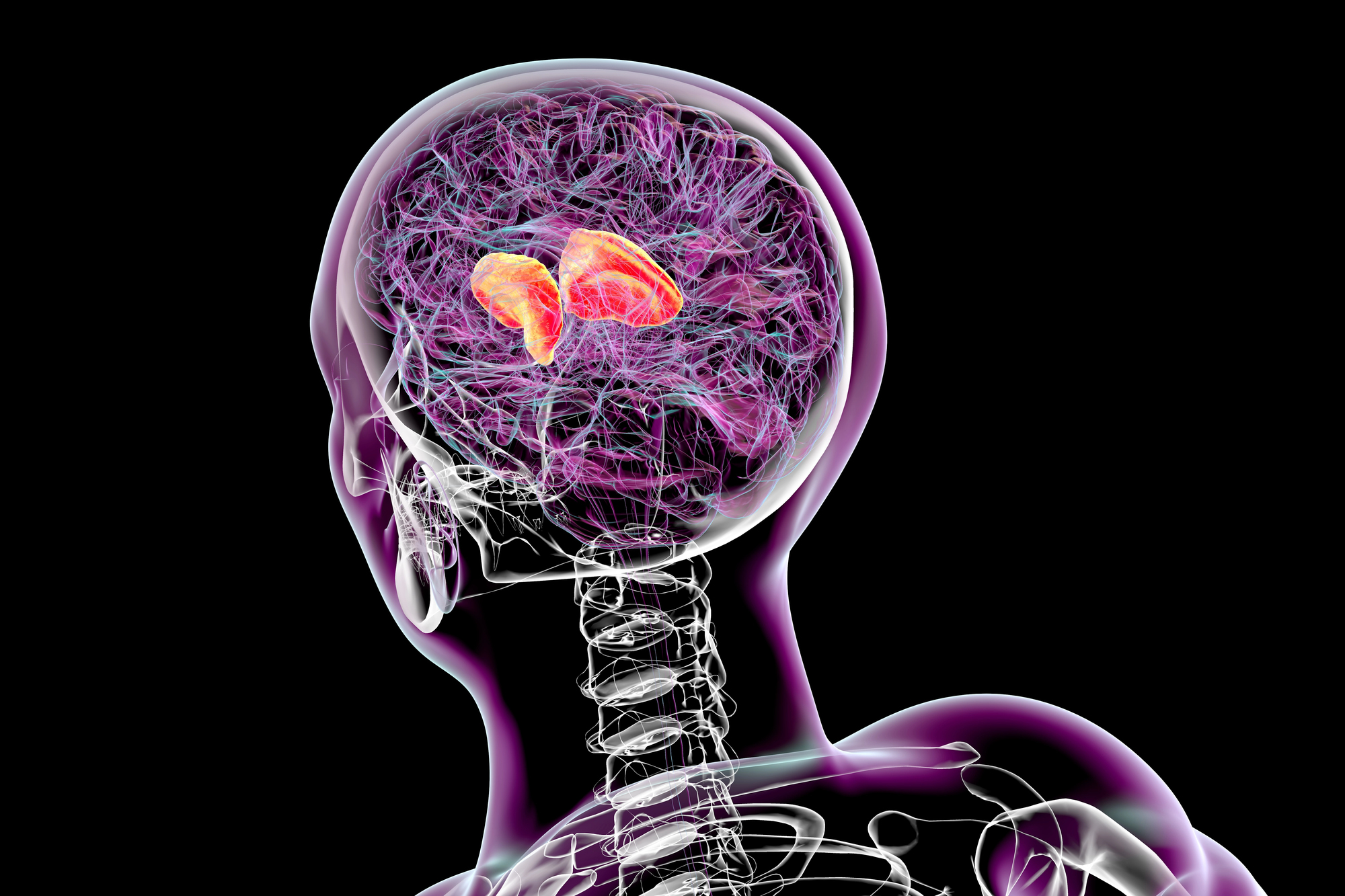
The brain changes throughout life, forming new connections and adapting to experiences, but these changes typically happen slowly and diminish with age. Researchers have identified ways to enhance neuroplasticity directly, essentially increasing the brain’s ability to rewire itself.
Techniques include targeted magnetic stimulation, pharmacological interventions, and novel training protocols that can accelerate learning and recovery from brain injuries.
Some approaches can restore plasticity levels similar to those found in childhood, opening critical periods for rapid skill acquisition in adults.
The implications reach from stroke rehabilitation to education, with early trials showing dramatic improvements in language learning, musical training, and recovery from various neurological conditions.
But perhaps most significantly, enhanced plasticity might allow adults to continue developing cognitively throughout their entire lifespan rather than accepting gradual decline as inevitable.
The Next Decade Unfolds
Science fiction keeps becoming science fact, but faster than the fiction writers anticipated. These breakthroughs aren’t distant possibilities — they’re happening in laboratories and clinical trials right now, with practical applications arriving within the next few years rather than the next few decades.
The convergence accelerates everything. Gene editing enhances cellular reprogramming, which improves longevity research, which benefits from better AI and quantum computing power.
Each breakthrough amplifies the others, creating a cascade of innovation that makes predicting timelines almost impossible but makes the direction unmistakably clear.
More from Go2Tutors!

- The Romanov Crown Jewels and Their Tragic Fate
- 13 Historical Mysteries That Science Still Can’t Solve
- Famous Hoaxes That Fooled the World for Years
- 15 Child Stars with Tragic Adult Lives
- 16 Famous Jewelry Pieces in History
Like Go2Tutors’s content? Follow us on MSN.



