15 Countries That File the Most Patents and What They Are Inventing
Innovation doesn’t happen in a vacuum. It emerges from late-night lab sessions, desperate attempts to solve persistent problems, and the kind of obsessive tinkering that drives neighbors crazy.
Patents tell the story of where that obsession lives — which countries are betting their future on ideas that don’t exist yet, and what kinds of problems keep their inventors awake at night.
The numbers reveal something fascinating about how different cultures approach the act of creating something new. Some countries chase incremental improvements to existing technology.
Others swing for breakthroughs that could reshape entire industries. All of them are racing toward a future that hasn’t been written yet.
China

China files more patents than the next three countries combined. The sheer volume is staggering — over 1.5 million applications annually.
Their focus spans artificial intelligence, telecommunications, and renewable energy technology. Chinese inventors are particularly obsessed with battery technology and electric vehicle components.
The country has essentially decided that the future runs on electricity, and they’re patenting every possible way to store and manage it.
United States

American patent filings reveal a country that still believes it can invent its way out of any problem. The focus remains heavily weighted toward software, biotechnology, and medical devices (though calling software innovation feels generous when half the patents describe ways to display information on a screen — which is saying something about the current state of the patent system, but that’s another conversation entirely).
So you get breakthrough cancer treatments sitting next to patents for “methods of organizing digital photographs,” and somehow both qualify as innovation worth protecting for twenty years. But the medical research coming out of American labs genuinely pushes boundaries, particularly in gene therapy and personalized medicine, where researchers are essentially trying to turn the human body into something that can be debugged like code.
Japan

Japanese patents read like love letters to precision. The country files around 300,000 applications yearly, but the obsession with refinement shows in every application.
Where other countries might patent a basic concept, Japanese inventors patent seventeen different ways to make that concept work 0.2% better. Their strength lies in robotics, automotive technology, and manufacturing processes.
Japanese companies don’t just build robots — they patent the way robots should move their fingers, how they should recognize facial expressions, and the optimal angle for a robotic bow. The attention to detail borders on compulsive, but it produces technology that actually works reliably in the real world.
Germany

Germany treats innovation the way other countries treat infrastructure projects — as a methodical, long-term investment in national competence. German patents focus heavily on engineering solutions, automotive technology, and industrial machinery.
These aren’t flashy consumer gadgets. They’re the unglamorous inventions that make other inventions possible.
The country excels at taking existing technologies and making them work better, faster, and more efficiently. German engineers patent improvements to manufacturing processes that save milliseconds per operation — improvements that seem trivial until you multiply them across millions of repetitions.
South Korea

South Korean innovation moves like a fever dream — fast, intense, and slightly unpredictable. The country’s patent portfolio reads like someone trying to invent the future of human communication all at once.
Semiconductors, display technology, telecommunications equipment, and consumer electronics dominate their filings. Korean companies don’t just compete with existing technology.
And they certainly don’t wait for markets to develop organically. They patent technology for products that don’t exist yet, betting that consumer behavior will eventually catch up to their engineering capabilities.
Sometimes they’re right (flexible displays, advanced memory storage). Sometimes they’re years ahead of what people actually want.
But the willingness to bet on unproven concepts keeps them consistently ahead of the innovation curve.
United Kingdom

British patents reflect a country that has accepted it won’t out-manufacture anyone, so it might as well out-think them instead. The focus has shifted decisively toward software, financial technology, and biotechnology — industries where the primary raw material is human intelligence rather than physical resources.
British inventors are particularly strong in developing new approaches to artificial intelligence and machine learning. They’re not necessarily building the hardware that runs these systems, but they’re creating the algorithms that make the hardware useful.
France

France files patents the way French chefs approach cooking — with an assumption that technique matters as much as ingredients. French innovation clusters around aerospace, luxury goods, and renewable energy, with a particular strength in nuclear technology that reflects decades of national investment in atomic power.
French inventors tend to focus on elegant solutions to complex problems. Their patents often describe systems that accomplish multiple goals simultaneously, reflecting an engineering philosophy that values sophistication over brute force approaches.
Switzerland

Swiss patent filings reveal a country that has turned precision into an export industry. Despite its small size, Switzerland consistently ranks among the top patent-filing nations, with innovations concentrated in pharmaceuticals, medical devices, and precision manufacturing equipment.
Swiss companies approach innovation like watchmakers — every component serves a specific purpose, nothing is wasted, and the final product should work reliably for decades. Their pharmaceutical patents often describe manufacturing processes that produce drugs with unprecedented purity levels, reflecting an obsession with quality that borders on the pathological.
Netherlands

Dutch innovation focuses on solving problems that come from living in a small, densely populated country where efficiency isn’t optional — it’s survival. Their patents cluster around agricultural technology, water management, and logistics systems.
The Netherlands produces more food per square kilometer than almost any other country, and their patent filings reveal the engineering that makes this possible. Dutch inventors patent greenhouse systems that control temperature, humidity, and light exposure with computer precision, turning agriculture into something that resembles advanced manufacturing.
Sweden

Swedish patents reflect a country that decided sustainable technology wasn’t just environmentally responsible — it was economically inevitable. Their innovation focus centers on renewable energy, environmental technology, and telecommunications equipment.
Swedish companies approach innovation with a long-term perspective that assumes current resource consumption patterns are unsustainable. Their patents describe technologies designed to work efficiently for decades, using minimal energy and producing minimal waste.
Italy

Italian patent filings concentrate on mechanical engineering, automotive technology, and manufacturing equipment. Italian innovation tends toward physical systems rather than software — they’re more likely to patent a new type of gear mechanism than a new mobile app.
This reflects an engineering culture that still values tangible solutions to tangible problems. Italian inventors excel at improving existing mechanical systems, making them lighter, stronger, or more efficient.
Canada

Canadian innovation clusters around natural resource extraction, biotechnology, and telecommunications. The country’s vast geography and harsh climate create unique engineering challenges, and Canadian patents often describe solutions for operating technology in extreme conditions.
Canadian inventors are particularly strong in developing technologies for remote monitoring and communication systems — essential capabilities for managing resources across massive distances in conditions that would destroy equipment designed for more temperate climates.
Israel

Israeli patent activity reflects a country that has turned national security concerns into a competitive advantage in global technology markets. The focus areas include cybersecurity, military technology, and medical devices, with innovations often crossing between civilian and defense applications.
Israeli inventors approach problems with an urgency that produces genuinely novel solutions. Their patents often describe technologies that work under constraints that would stop other engineering teams — limited power, hostile environments, or requirements for absolute reliability.
Australia

Australian patents concentrate on mining technology, agricultural innovation, and medical research. The country’s unique geography and climate create engineering challenges that don’t exist elsewhere, producing innovations that often find unexpected applications in other markets.
Australian inventors are particularly skilled at developing technologies that work reliably in harsh conditions with minimal maintenance — essential capabilities for a country where the nearest repair facility might be hundreds of kilometers away.
Finland
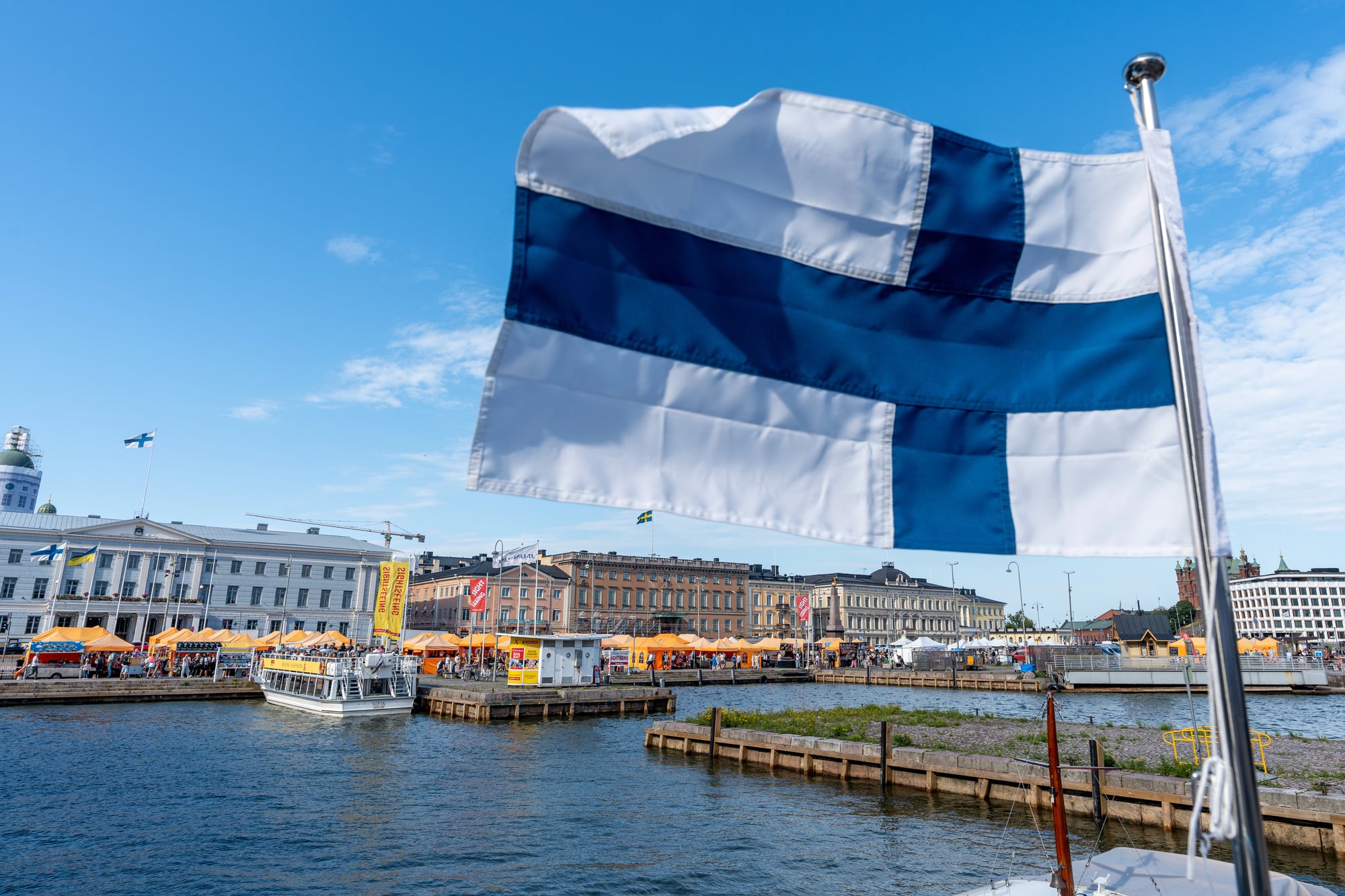
Finnish innovation reflects a country that has successfully transitioned from a resource-based economy to a technology-based one. Patent filings focus heavily on telecommunications, software, and clean technology, with Finnish companies consistently producing innovations that punch above their weight relative to the country’s small population.
Finnish inventors approach problems with a minimalist philosophy — they patent solutions that accomplish their goals with the fewest possible components and the least possible energy consumption.
The Innovation Map
These patent numbers sketch a map of where human ingenuity is currently concentrated, and what kinds of problems different cultures consider worth solving. Some patterns emerge that feel inevitable — countries with aging populations focus on medical technology, countries with harsh climates innovate around energy efficiency, countries with limited natural resources develop technologies that maximize output from minimal inputs.
But the most interesting insight might be what these patents reveal about how different societies think about the future. Some countries patent incremental improvements to existing systems.
Others bet everything on technologies that might not find markets for another decade. All of them are making calculated guesses about what the world will need next, and history will eventually reveal which guesses were worth making.
More from Go2Tutors!

- The Romanov Crown Jewels and Their Tragic Fate
- 13 Historical Mysteries That Science Still Can’t Solve
- Famous Hoaxes That Fooled the World for Years
- 15 Child Stars with Tragic Adult Lives
- 16 Famous Jewelry Pieces in History
Like Go2Tutors’s content? Follow us on MSN.



