Incredible 1950s Slang We Need to Bring Back
The 1950s gave us more than just poodle skirts and drive-in movies. The decade produced some of the most colorful, inventive slang ever spoken on American soil.
These weren’t just random words teenagers threw around — they were linguistic snapshots of an era when optimism ran high and creativity flowed freely. Most of this vocabulary disappeared with the decade, buried under layers of newer slang that somehow never quite captured the same playful spirit.
But maybe it’s time to dust off some of these forgotten gems and give them another shot.
The Cat’s Pajamas

The 1950s loved anything that was “the cat’s pajamas.” This phrase meant something was absolutely wonderful, the best thing around.
It had staying power from the 1920s but really found its groove in the ’50s. Something about comparing excellence to feline sleepwear just works.
Made in the Shade

When everything was going your way, you were “made in the shade.” Cool, comfortable, set up perfectly.
The phrase captures that specific feeling when life clicks into place and you can finally relax a little. Modern equivalents never quite nail that sense of effortless success.
Don’t Have a Cow

Long before Bart Simpson made this phrase famous again, 1950s teens were telling each other not to have a cow. It meant don’t overreact, don’t get upset over something small.
The absurdity of the image (suddenly birthing cattle in a moment of frustration) somehow made perfect sense as a way to deflate tension, and perhaps that’s exactly what conversations need now — a little barnyard humor to remind everyone that most crises aren’t worth the emotional real estate they demand.
But the phrase does something cleverer than just telling someone to calm down. It turns the very act of getting upset into something ridiculous.
You can’t take your own anger seriously when someone’s just reminded you how silly you look.
Cruisin’ for a Bruisin’

Someone looking for trouble was “cruisin’ for a bruisin’.” The rhyme made it stick, but the meaning was dead serious.
This was the 1950s way of saying someone was pushing their luck and about to face consequences. The playful sound softened what was essentially a threat.
Daddy-O
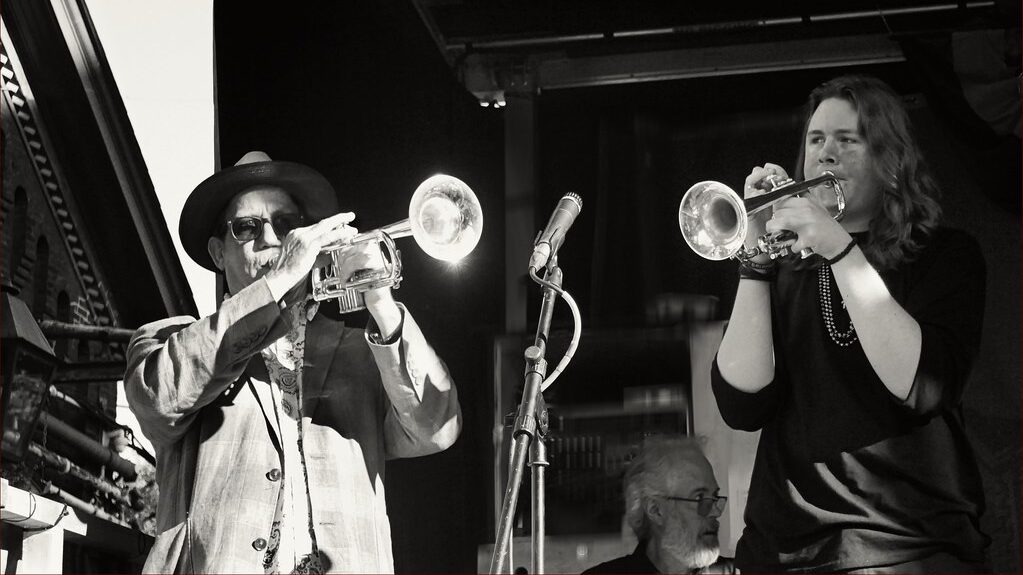
“Daddy-O” was how you addressed someone cool, usually a guy. It carried respect mixed with familiarity — you wouldn’t call just anyone Daddy-O.
The term had jazz roots and brought some of that musical coolness into everyday conversation. It’s direct address with style.
Dullsville

When something was boring beyond belief, it was “Dullsville.” Not just dull — an entire municipality dedicated to tedium.
The “-ville” suffix turns boredom into a destination, which makes it somehow funnier and more vivid than just calling something boring.
Picture boredom as a place with its own mayor, street signs, and zip code. The image sticks because it transforms a feeling into something you can almost see, and once you’ve been to Dullsville in your mind, you recognize it immediately the next time you encounter soul-crushing tedium in real life.
The word also suggests you can leave — boredom becomes a temporary location rather than a permanent condition. That’s more hopeful than just being stuck with something dull.
Far Out

“Far out” meant something was amazing, incredible, mind-blowing. The phrase suggests distance — whatever impressed you was so remarkable it existed beyond normal boundaries.
It’s enthusiasm with a sense of exploration attached. Something far out wasn’t just good; it was adventurously good.
Flip Your Wig

Getting extremely excited or upset meant you were going to “flip your wig.” The image of someone’s hairpiece flying off from sheer emotional intensity is both ridiculous and perfectly descriptive.
It captures that moment when feelings overwhelm composure entirely.
Gone

When someone was really into something — music, a person, an idea — they were “gone.” Completely absorbed, lost in the experience.
It’s the 1950s version of being totally immersed, but with a sense of romantic abandon that modern equivalents somehow miss.
You weren’t just focused; you were swept away.
The word works because it suggests voluntary disappearance, like stepping willingly into quicksand made of whatever captured your attention — and there’s something beautifully reckless about that kind of total engagement with life.
Being “gone” implied you’d crossed over into a different state of consciousness entirely. Not distracted or interested, but transformed by the experience.
That’s a more dramatic way to describe enthusiasm, and maybe enthusiasm deserves more drama.
Hotdog

“Hotdog!” was an exclamation of excitement or approval. Not the food, just pure enthusiasm compressed into two syllables.
It worked as both surprise and celebration — flexible enough to use whenever good news struck or something impressive happened.
Jellybean

A “jellybean” was someone young and inexperienced, usually said with mild affection rather than insult. The candy comparison suggests someone sweet but not substantial yet.
It’s gentle teasing that acknowledges youth without being cruel about it. Better than most alternatives for describing someone still figuring things out.
Keen

Something impressive or appealing was “keen.” Sharp, interesting, worth attention.
The word borrowed from blade terminology but applied to anything that caught your interest. It’s approval with an edge — literally.
Keen things cut through the ordinary and demand notice.
Let’s Split

“Let’s split” meant it was time to leave. Simple, direct, and somehow more decisive than “let’s go.”
Splitting suggests cutting ties with wherever you are and moving on with purpose. It makes departure sound like an action rather than just movement.
Nifty

“Nifty” described something clever, useful, or well-designed. It’s appreciation for smart solutions and good ideas.
The word has a crisp sound that matches what it describes — nothing wasteful or excessive, just neat efficiency that works exactly as intended.
Smooth Operator

A “smooth operator” was someone who knew how to handle situations with style and confidence. Usually applied to guys who could navigate social situations without breaking a sweat.
It’s competence with charm — someone who makes difficult things look easy and does it with flair.
Solid

When something was reliable, excellent, or trustworthy, it was “solid.” The building metaphor works perfectly — solid things don’t crumble under pressure.
It’s praise that emphasizes dependability over flash, substance over style. Solid people and solid ideas last.
What’s the Scoop?

Instead of asking “What’s new?” or “What’s happening?”, 1950s folks asked “What’s the scoop?” It borrowed from journalism — you wanted the inside information, the real story behind whatever was going on.
The phrase suggests there’s always more to discover beneath surface appearances, and maybe that curiosity about hidden details deserves to make a comeback (though hopefully with less actual snooping and more genuine interest in understanding what’s really happening around us). Getting the scoop meant you cared enough to dig deeper, which is increasingly rare in an age of surface-level everything.
Swinging Back to the Future

These phrases survived decades for good reason. They’re playful without being silly, expressive without being overwrought.
Most importantly, they carry an optimism that feels increasingly rare — a sense that language should be fun, that words can be both meaningful and entertaining.
Maybe bringing back a few choice expressions from the 1950s isn’t just nostalgia. Maybe it’s exactly what conversations need right now.
More from Go2Tutors!

- The Romanov Crown Jewels and Their Tragic Fate
- 13 Historical Mysteries That Science Still Can’t Solve
- Famous Hoaxes That Fooled the World for Years
- 15 Child Stars with Tragic Adult Lives
- 16 Famous Jewelry Pieces in History
Like Go2Tutors’s content? Follow us on MSN.