17 People With the Highest Iqs in the World
Intelligence has always fascinated humanity, perhaps because it’s one of those qualities that seems both measurable and mysteriously elusive. We’ve developed tests to quantify it, scales to rank it, and endless debates about what it actually means.
Yet when you encounter someone with an extraordinarily high IQ, there’s something undeniably compelling about how their mind works—the way they process information, solve problems, or see patterns that escape the rest of us. The people on this list represent the upper reaches of human cognitive ability, with IQ scores that place them in rarified company.
Some have used their exceptional intelligence to advance science, others to create art, and a few to challenge our understanding of knowledge itself. Their stories reveal not just what exceptional intelligence looks like, but how it shapes a life.
Marilyn vos Savant

vos Savant held the Guinness World Record for highest IQ for years. Her score of 228 made her famous, but her weekly column in Parade magazine made her influential.
She answered reader questions about everything from logic puzzles to probability problems, turning abstract mathematics into something accessible.
Christopher Hirata
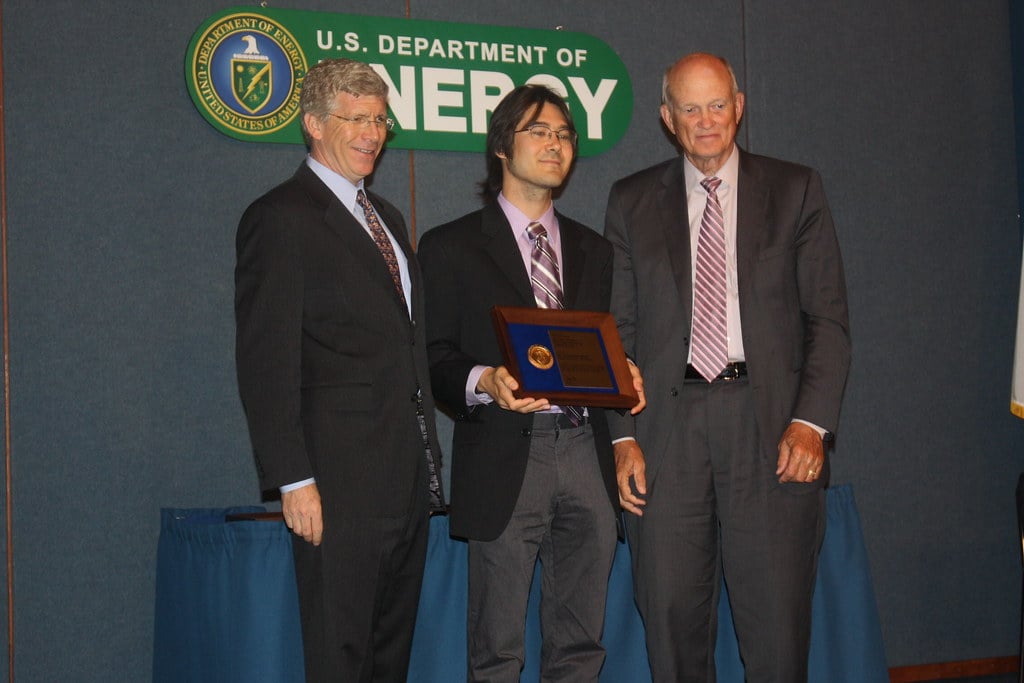
At 13, Hirata became the youngest American to win a gold medal at the International Physics Olympiad. By 16, he was working with NASA on Mars colonization projects.
His IQ of 225 seems almost secondary to what he’s accomplished—astrophysics research that pushes the boundaries of how we understand the universe.
Kim Ung-Yong
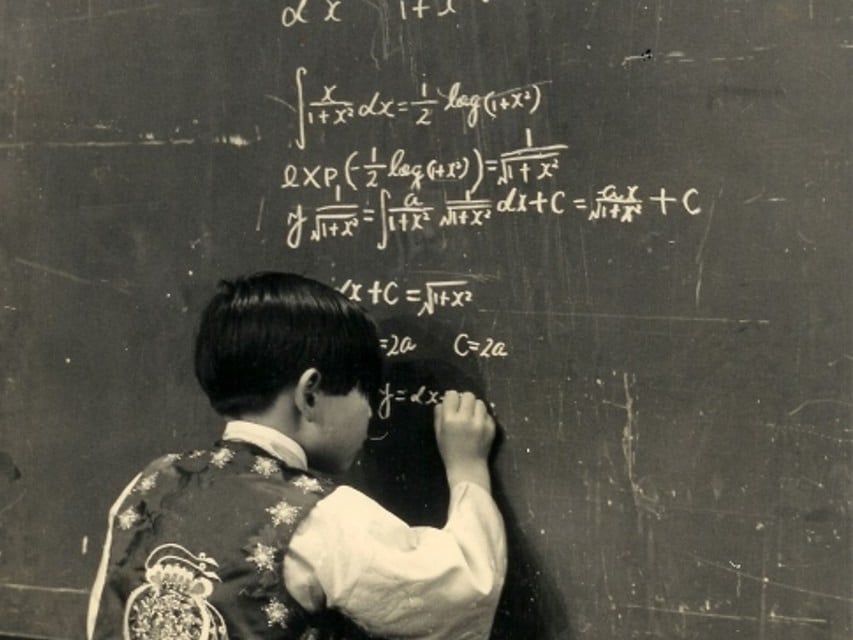
The way exceptional intelligence unfolds in childhood can feel almost supernatural, like watching time itself bend around a developing mind. Kim Ung-Yong spoke four languages by age 4, was solving calculus problems while other children were learning to tie their shoes, and had written poetry that revealed an emotional sophistication far beyond his years.
But perhaps the most telling detail isn’t his IQ of 210—it’s that he eventually stepped away from academic celebrity to become a civil engineer. There’s something quietly profound about that choice.
The world wanted him to be a symbol of human potential, a living reminder of what intelligence could achieve. Instead, he chose to build things.
Garry Kasparov
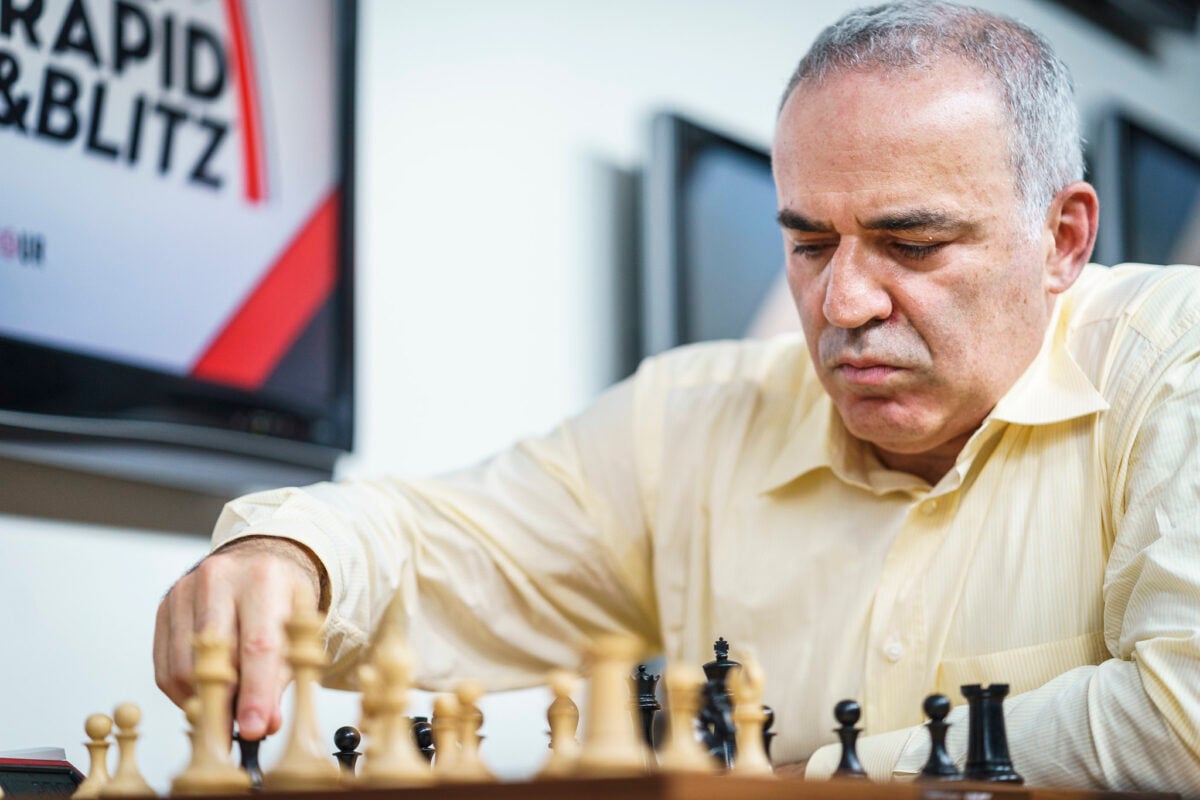
Kasparov didn’t just master chess—he redefined what mastery looked like. His IQ of 194 served him well in a game where pattern recognition and strategic thinking determine everything, but what made him legendary was his psychological warfare at the board.
He understood that chess wasn’t just about finding the best move; it was about finding the move that would unsettle his opponent most effectively. When Deep Blue finally defeated him in 1997, it marked the end of an era.
Human intelligence, no matter how exceptional, had met its match in computational power.
Philip Emeagwali
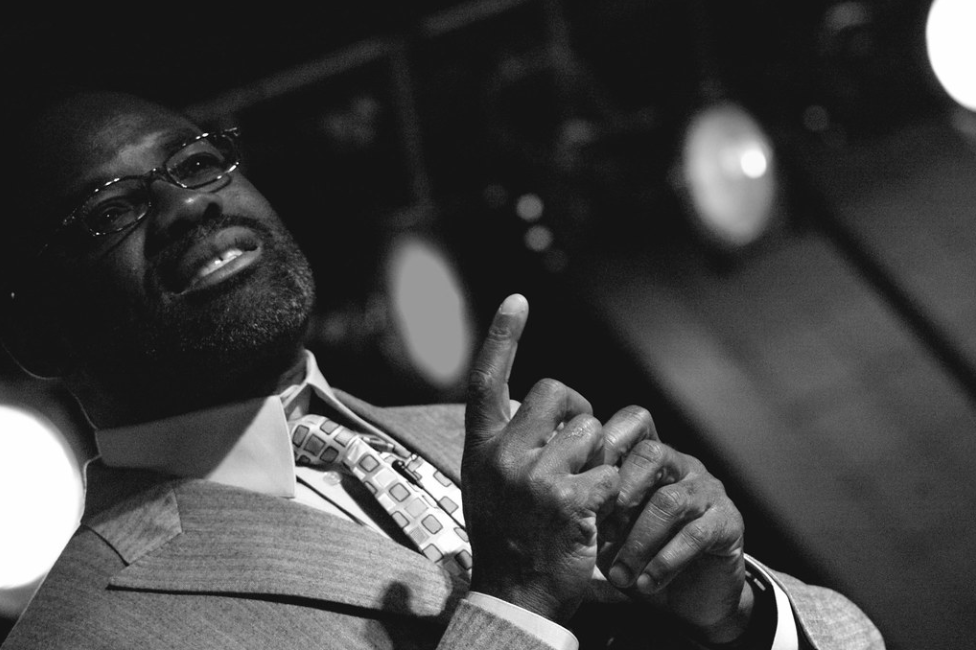
Emeagwali’s approach to supercomputing was fundamentally different from his peers—he saw connections where others saw separate problems, found ways to harness thousands of processors when the conventional wisdom said it couldn’t be done. His IQ of 190 helped, but his real breakthrough came from thinking like a physicist about computing problems.
The oil companies that used his algorithms to find petroleum deposits probably didn’t care much about his test scores. They cared that his methods worked.
Judit Polgár

The Polgár family conducted what amounts to a decades-long experiment in human potential, and Judit was their most successful subject (though calling any of the sisters a mere “subject” misses the point entirely). Her father believed that genius was made, not born, so he and his wife created an environment where chess wasn’t just encouraged—it was the family language.
Judit’s IQ of 170 certainly helped, but what made her the strongest female player in history was something harder to measure: the willingness to compete against men in a game where psychological intimidation often mattered as much as tactical skill. She retired from competitive chess to focus on education, which feels like the closing of a circle.
The experiment worked so well that she decided to run it herself, with different subjects and broader goals.
Terence Tao
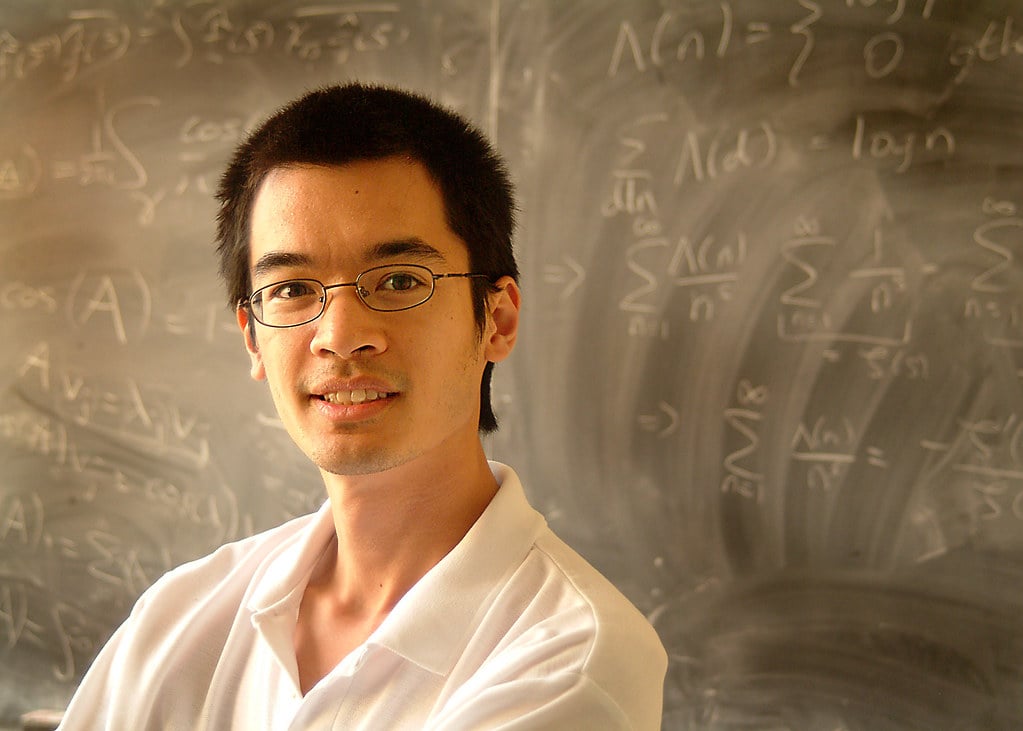
Mathematics seems to bend around Tao the way space-time warps near a massive star. His IQ of 225-230 shows up in work that spans multiple fields—harmonic analysis, partial differential equations, number theory—areas where most mathematicians spend entire careers mastering just one.
But the remarkable thing isn’t the breadth of his knowledge; it’s how he makes connections across seemingly unrelated domains. His colleagues describe a particular moment in seminars when Tao will ask a question that cuts straight to the heart of whatever problem is being discussed.
The question usually sounds simple. It never is.
Christopher Langan

Langan calls his work the “Cognitive-Theoretic Model of the Universe,” and with an IQ between 195-210, he might be one of the few people capable of understanding it fully. He’s been called the smartest man in America, but he spent years working as a bouncer and ranch hand rather than pursuing academic careers that seemed to fit his intellectual capacity.
There’s a stubborn independence in that choice that’s hard to ignore. Academia wanted to claim him, but he decided his ideas were too important to be filtered through institutional politics.
Evangelos Katsioulis
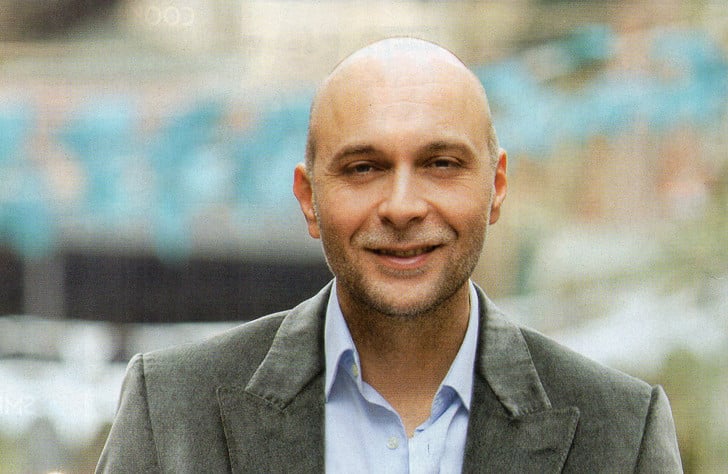
Sometimes exceptional intelligence expresses itself not through a single breakthrough but through an almost compulsive drive to master multiple disciplines (and Katsioulis, with his IQ of 198, has certainly done that—medicine, philosophy, mathematics, painting). He founded the World Intelligence Network, which sounds grandiose until you realize it’s essentially a support group for people whose minds work in ways that can be isolating.
The loneliness of extreme intelligence is something most people never consider. When your thought processes operate at a fundamentally different level, even casual conversation can feel like translation work.
Katsioulis seems to have decided that if you can’t find your intellectual peers, you create a network to connect with them.
Rick Rosner

Rosner’s resume reads like someone deliberately collecting unusual experiences: bouncer, model, stripper, television writer. His IQ of 192-198 didn’t push him toward conventional academic success—instead, he seems to have used it to explore what intelligence looks like when applied to completely different challenges.
He’s spent years developing cosmological theories that challenge mainstream physics. Whether he’s right or wrong matters less than the fact that he’s willing to think independently about the biggest questions science faces.
Nadia Camukova

Camukova holds multiple advanced degrees and works as a consultant, but her IQ of 200+ is probably less interesting than how she’s chosen to use it. She’s focused on practical applications—helping organizations solve complex problems rather than pursuing theoretical research that might never leave academic journals.
There’s something refreshing about intelligence deployed for immediate, tangible results. Not every exceptional mind needs to revolutionize human understanding.
Some can simply make things work better.
Michael Kearney

Kearney graduated from college at 10 and earned his first master’s degree at 14, which sounds impressive until you realize the real challenge was figuring out what to do next. His IQ of 200-325 (depending on the test) opened doors that most people don’t even know exist, but it also created expectations that might have been impossible to fulfill.
He became a college instructor, which makes perfect sense. Teaching allows him to use his intellectual gifts while remaining connected to the learning process that has defined his entire life.
Ainan Celeste Cawley

Child prodigies often struggle with the gap between their intellectual development and their emotional maturity, but Cawley seems to navigate this territory with unusual grace (his IQ of 263 certainly doesn’t hurt). By age 7, he was giving chemistry lectures to college students.
By 8, he had memorized pi to 518 decimal places. But perhaps the most telling detail is that his parents moved from England to Singapore partly to find educational opportunities that could accommodate his abilities.
Sometimes exceptional intelligence requires not just individual adaptation, but family-wide restructuring of normal life.
William James Sidis

Sidis entered Harvard at 11, spoke multiple languages fluently, and demonstrated mathematical abilities that astounded his professors. His estimated IQ of 250-300 should have guaranteed him a place among history’s great intellectuals, but fame destroyed him before he could fulfill that potential.
The press hounded him, turned his childhood into a circus, and made his intelligence feel more like a burden than a gift. He spent his adult years deliberately avoiding attention, working ordinary jobs under assumed names.
Genius, it turns out, requires more than exceptional cognitive ability—it needs the social space to develop naturally.
Johann Goethe
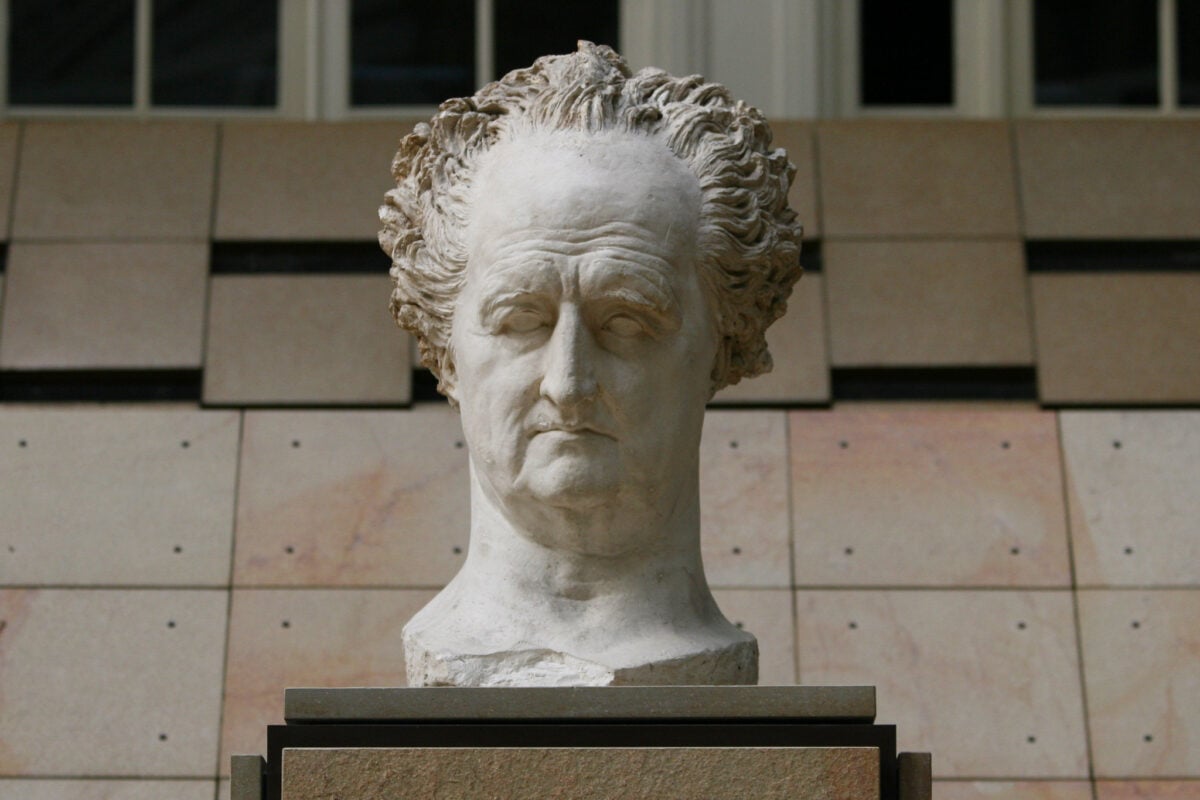
Goethe’s estimated IQ of 210-225 manifested across an almost impossible range of disciplines—literature, science, philosophy, politics. He wrote “Faust,” developed theories about color and plant morphology, served as a government minister, and somehow found time to conduct one of history’s most famous correspondences with Schiller.
What’s remarkable isn’t just the breadth of his interests, but the depth he achieved in each area. Most polymaths dabble; Goethe mastered.
Leonardo da Vinci
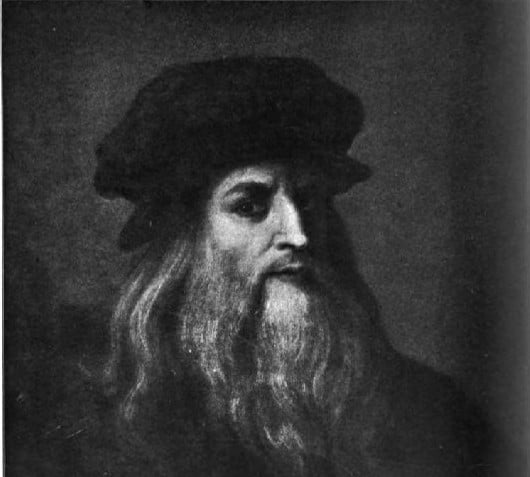
Leonardo’s notebooks reveal a mind that saw connections everywhere—between anatomy and engineering, between art and mathematics, between observation and invention (his estimated IQ of 180-220 helped, but curiosity was probably more important). He studied the flow of water and applied those principles to designing canals.
He dissected corpses to understand muscle structure and used that knowledge to paint more realistic figures. Five hundred years later, we’re still discovering that ideas he sketched in the margins were decades or centuries ahead of their time.
That’s not just intelligence—that’s imagination powered by systematic thinking.
Albert Einstein
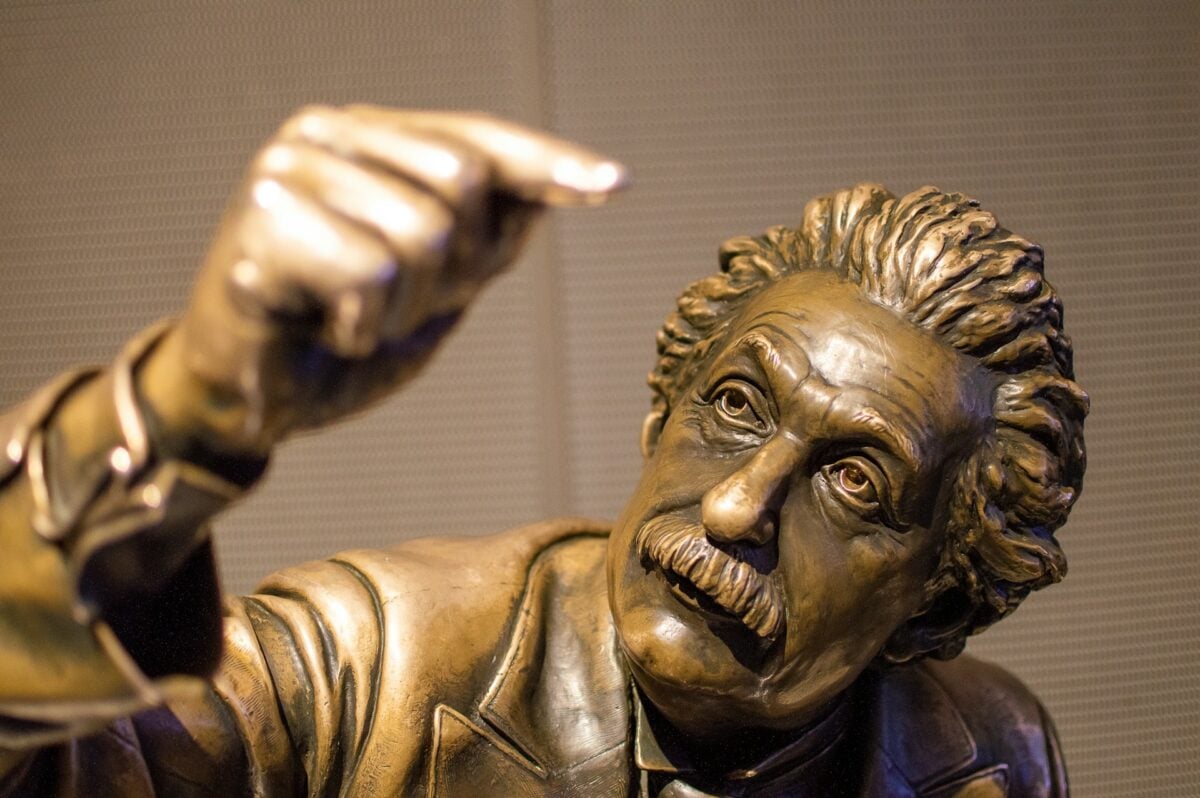
Einstein’s IQ of 160-190 seems almost modest compared to others on this list, but raw cognitive horsepower was never really the point. What made him revolutionary was his willingness to question assumptions that everyone else took for granted.
Time isn’t absolute. Space can bend.
Mass and energy are interchangeable. These weren’t just mathematical insights—they were acts of philosophical courage.
Einstein looked at the universe and decided that common sense was wrong about some very fundamental things.
The Pattern Behind the Numbers

Intelligence at this level doesn’t just solve problems—it reframes them entirely. The people on this list didn’t simply score well on tests; they found ways to apply their cognitive abilities to questions that mattered, whether those questions involved chess positions, mathematical theorems, or the fundamental structure of reality itself.
Their IQ scores might grab attention, but their contributions reveal something more important: exceptional intelligence is only as valuable as the courage to use it in service of something larger than itself.
More from Go2Tutors!

- The Romanov Crown Jewels and Their Tragic Fate
- 13 Historical Mysteries That Science Still Can’t Solve
- Famous Hoaxes That Fooled the World for Years
- 15 Child Stars with Tragic Adult Lives
- 16 Famous Jewelry Pieces in History
Like Go2Tutors’s content? Follow us on MSN.


