Bizarre Food Contests People Actually Try
Most people think competitive eating begins and ends with hot dogs at Coney Island. They’re missing the truly strange stuff.
Around the world, people gather to compete in food contests so bizarre they make a Nathan’s hot dog competition look downright normal. These aren’t your typical county fair pie-eating contests either.
World Grilled Cheese Eating Championship
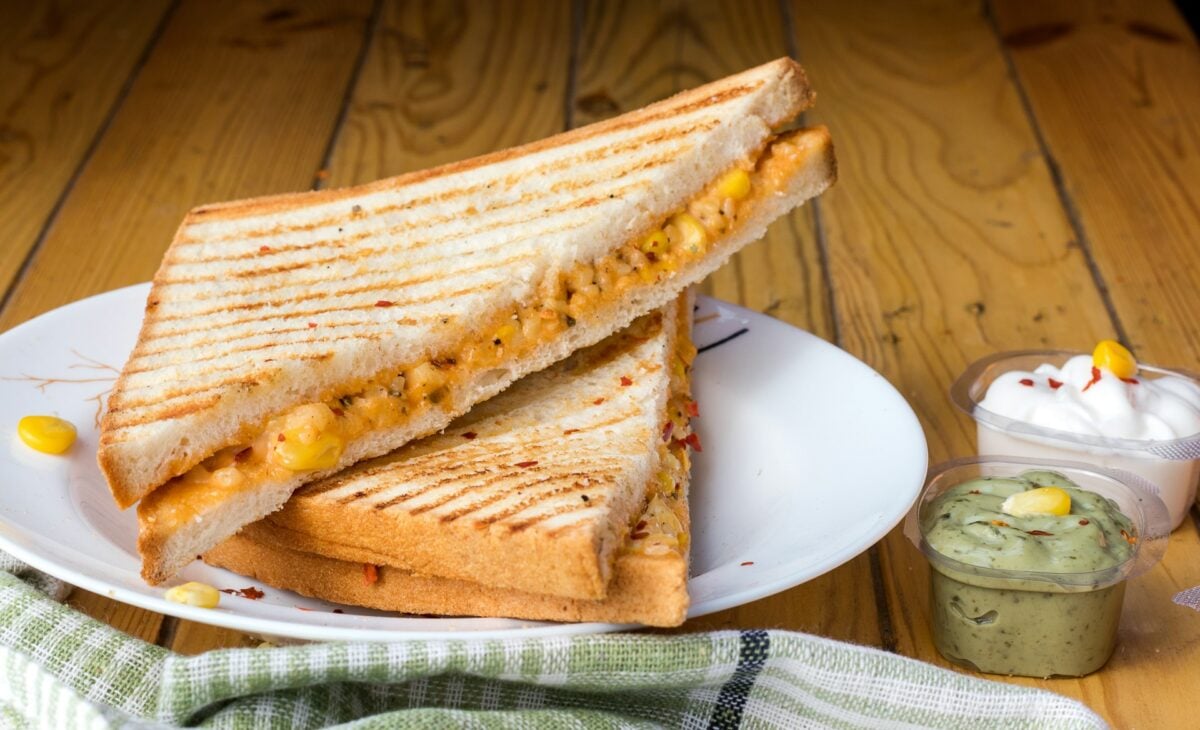
The grilled cheese championship happens every year in California, and it’s exactly as messy as it sounds. Contestants devour as many grilled cheese sandwiches as possible in ten minutes.
The current record sits at 13 sandwiches, which means someone managed to consume over 3,000 calories of melted cheese and bread in less time than it takes to watch a YouTube video. The strategy involves minimal chewing and maximum dunking in water.
Watching grown adults attempt to unhinge their jaws like pythons while cheese drips down their chins creates a scene that’s equal parts impressive and disturbing.
Oyster Eating Contest
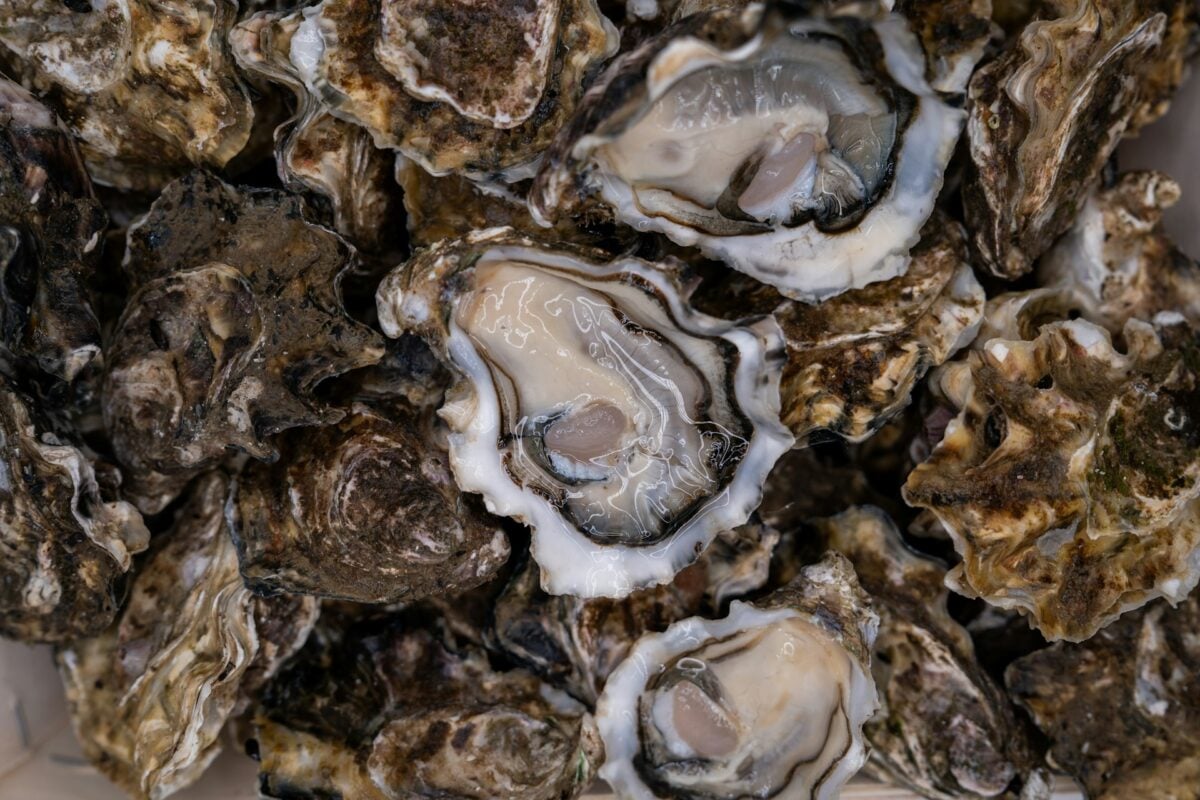
There’s something primal about watching someone slurp down dozens of raw oysters in rapid succession, and the annual Acme Oyster House competition in New Orleans brings out that primal energy in full force. Contestants face plates of freshly shucked oysters while crowds cheer them on with the enthusiasm usually reserved for gladiators (which, considering the intestinal risks involved, isn’t entirely inappropriate).
The current world record holder managed to consume 42 dozen oysters in ten minutes. That’s 504 individual oysters.
But here’s where it gets interesting — and this is the part that separates casual oyster enthusiasts from the truly committed — each oyster has to be completely consumed, including whatever ocean debris might be clinging to it. So you’re not just testing your stomach capacity; you’re testing your trust in shellfish quality control.
And given that this happens in Louisiana, where the relationship between humans and potentially dangerous wildlife has always been a bit more casual than elsewhere, contestants know they’re signing up for something that could go sideways in spectacular fashion.
Spam Eating Championship
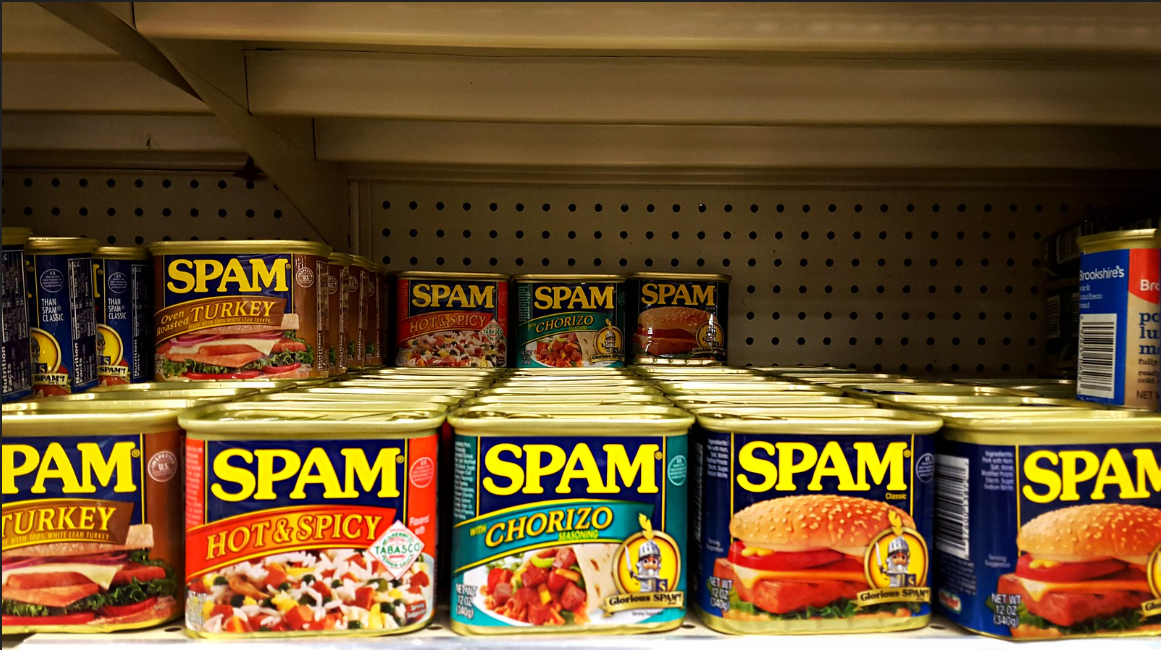
Spam gets a bad reputation, but the annual Spam eating contest in Hawaii treats it with the respect of a delicacy. Contestants consume as much canned meat as possible while trying not to think about the ingredients list.
The texture becomes the real challenge — after the third can, even the most dedicated competitor starts questioning their life choices. Hawaiian contestants dominate this competition, which makes sense given the islands’ unique relationship with canned meat.
Spam occupies a place of honor in Hawaiian cuisine that mainlanders struggle to understand.
Cricket Eating Contest
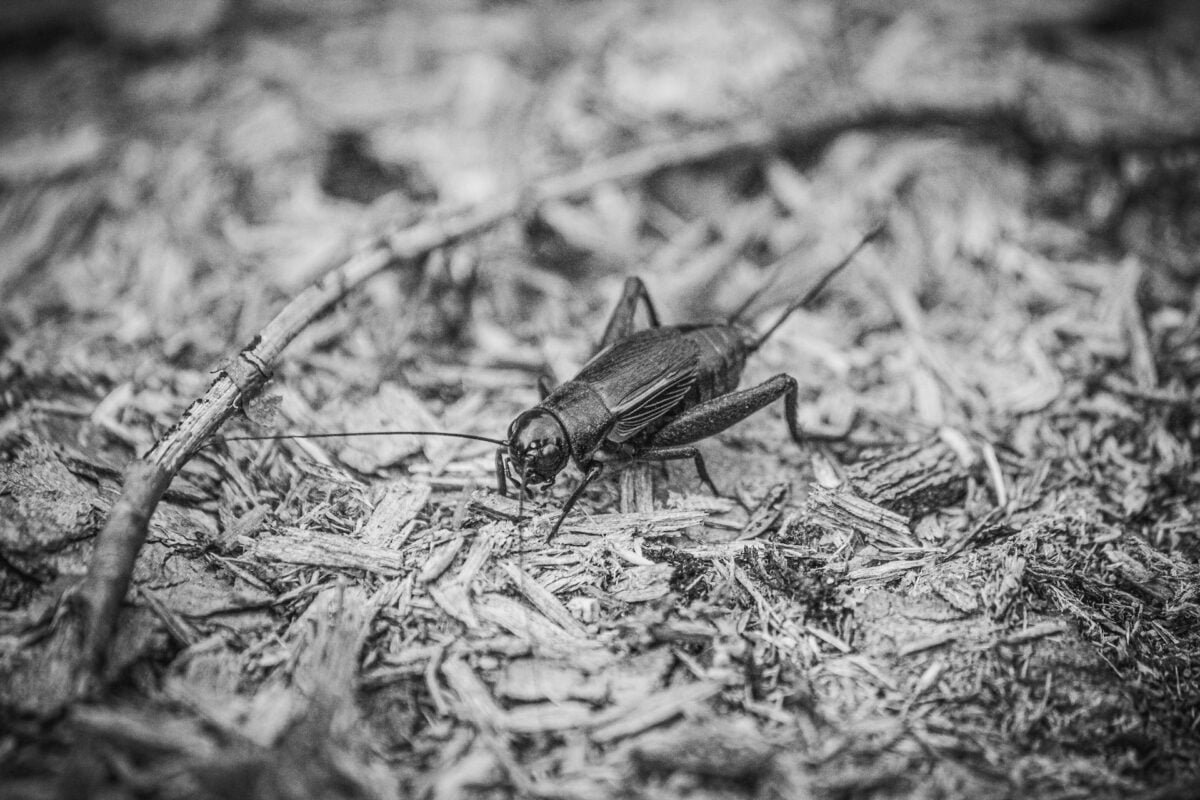
Bug eating contests strip away every pretense about food being pleasant, reducing the entire experience to something that feels like a dare that got way out of hand. The annual cricket eating championship asks contestants to consume as many whole crickets as possible while maintaining some semblance of dignity — a task that proves nearly impossible when you’re crunching through insect exoskeletons while a crowd watches.
Winners describe the experience as “nutty,” which is the kind of culinary description that makes you wonder whether they’re talking about flavor or their mental state. The protein content is apparently excellent, though that nutritional fact provides cold comfort when you’re picking cricket legs out of your teeth afterward.
Children often perform better than adults in these contests, which says something unsettling about either childhood fearlessness or adult wisdom.
Pickle Eating Contest
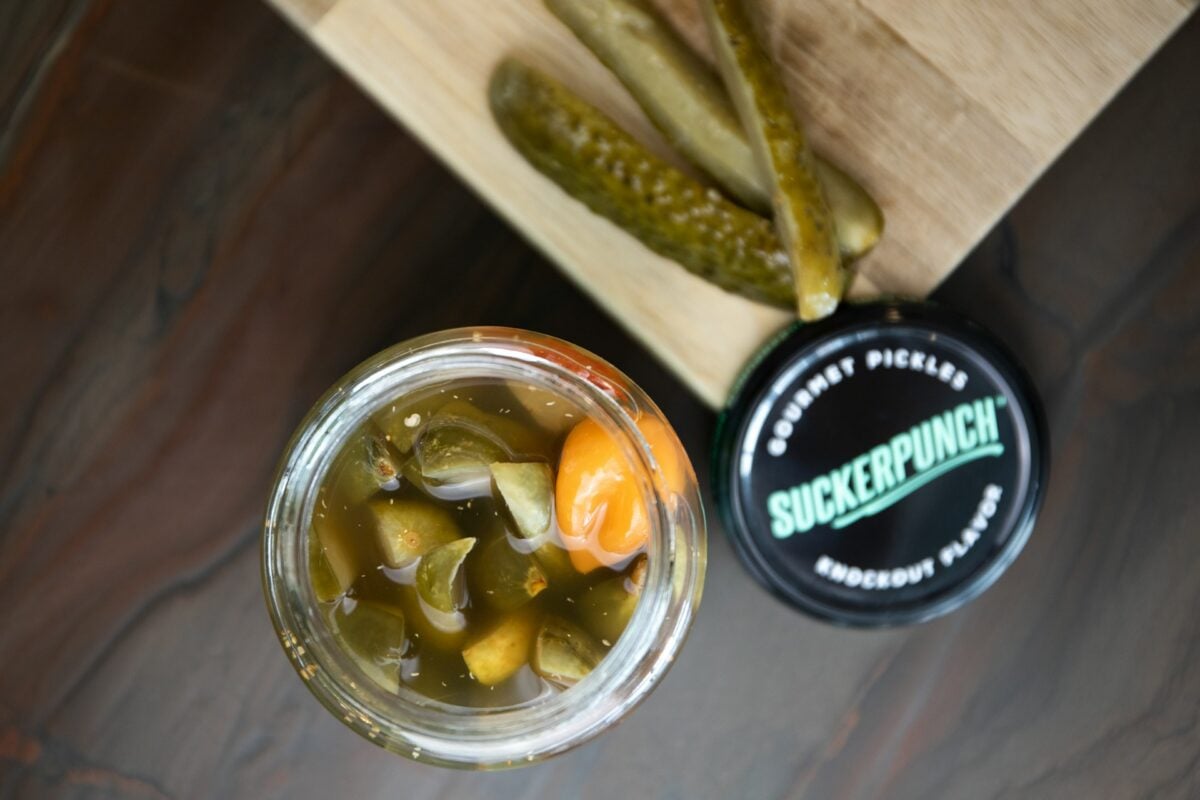
Pickles seem harmless until you’re trying to eat 30 of them in five minutes. The Pickle Eating Contest turns what should be a simple snack into an endurance test of sodium tolerance.
Winners report immediate and intense thirst, followed by the kind of stomach discomfort that makes you reconsider every life decision that led to this moment. The vinegar becomes the real enemy here.
After the first dozen pickles, contestants start making faces that suggest they’re questioning not just their strategy, but their fundamental understanding of what constitutes food. Yet they keep going, because apparently the human competitive drive can overcome even the most aggressive pickle brine.
Butter Eating Contest
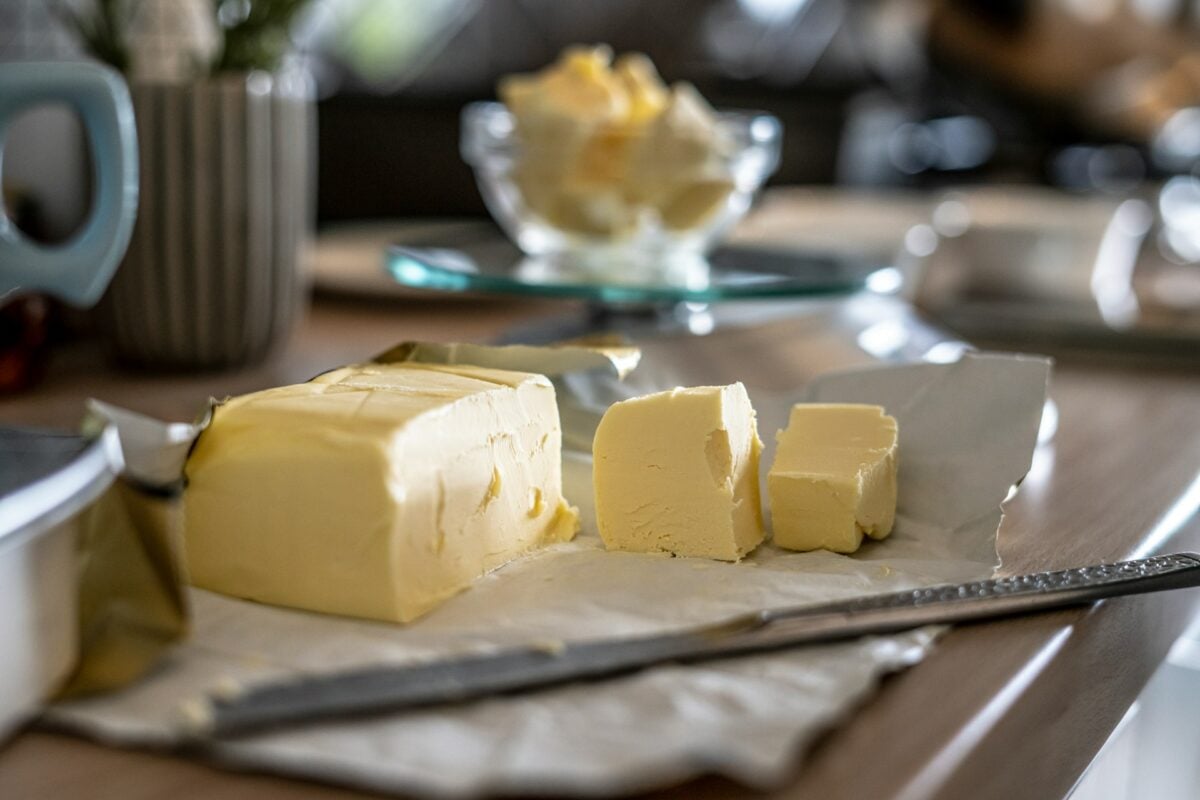
The butter eating contest represents perhaps the purest test of human determination over biological common sense, where contestants attempt to consume sticks of butter as if they were candy bars. This isn’t churned butter mixed into other foods or spread across bread — this is straight butter, room temperature, eaten with the same urgency most people reserve for escaping burning buildings.
Watching someone bite into a stick of butter creates a visceral reaction in observers that’s difficult to shake. The human digestive system wasn’t designed for this kind of concentrated dairy assault, and contestants’ faces reflect this biological reality with expressions that suggest they’re experiencing flavors the human palate was never meant to process.
And yet people line up for this contest every year, which speaks to either the power of prize money or some deeply buried human instinct to prove dominance over dairy products.
Banana Eating Contest
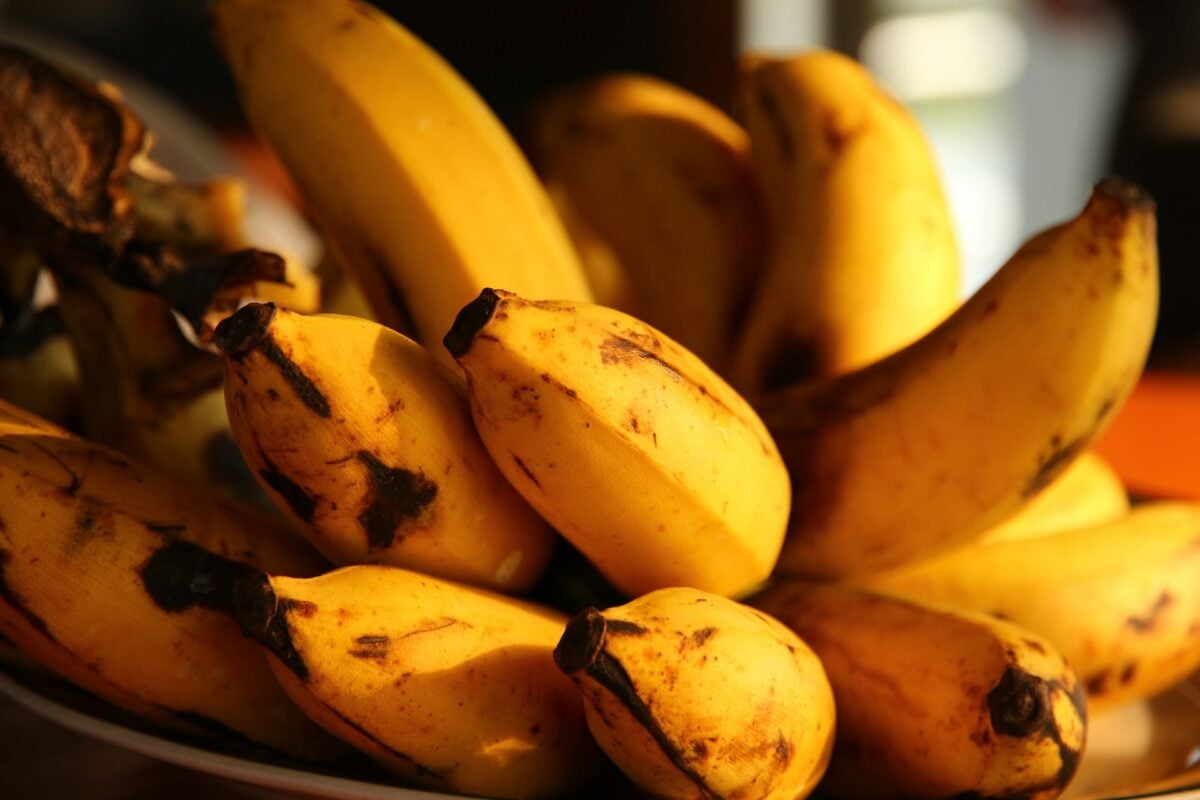
Bananas seem innocent compared to butter or crickets, but competitive banana eating presents its own unique challenges. The fruit’s texture becomes problematic at volume — what starts as a pleasant snack quickly becomes a mushy ordeal that tests your gag reflex more than your appetite.
Winners typically consume 8-10 bananas in under five minutes. The strategy involves minimal chewing and maximum swallowing speed, which creates a scene that looks less like eating and more like someone trying to solve a geometry problem with their mouth.
Potassium overdose becomes a legitimate concern around banana number six.
Doughnut Eating Contest
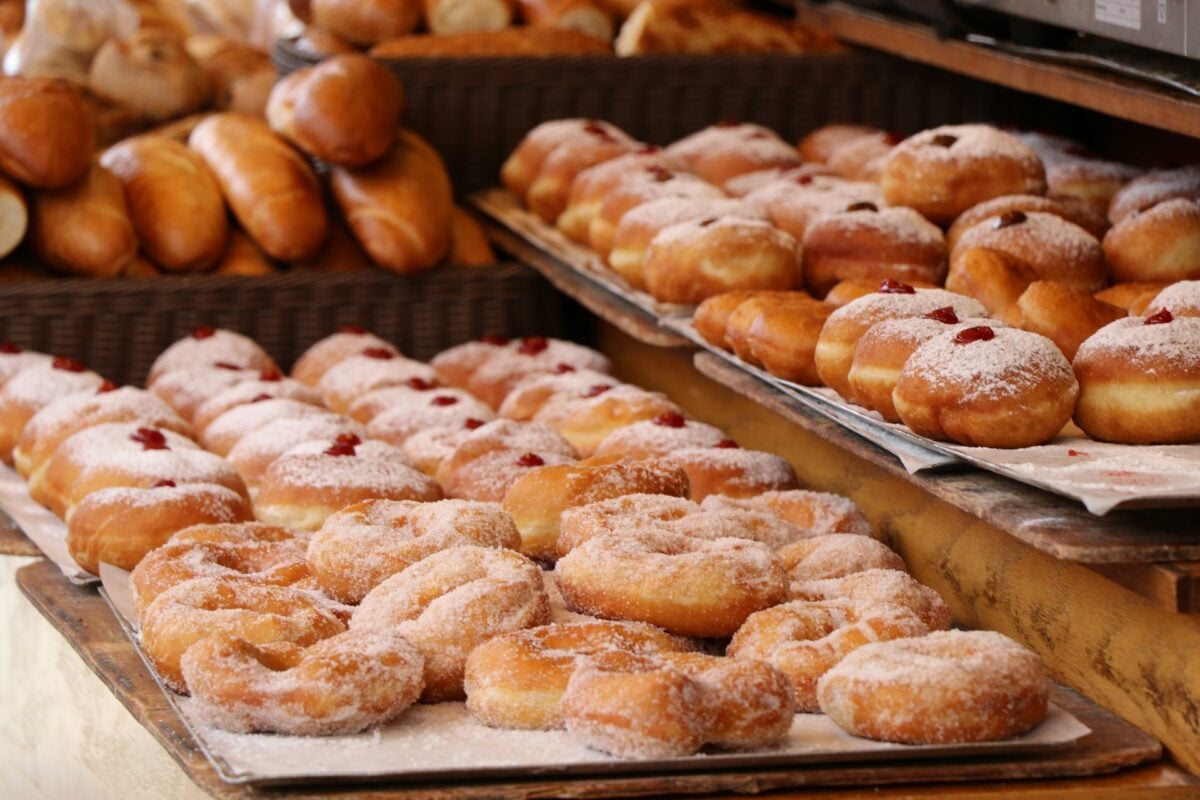
Doughnut contests sound delightful until you realize they’re typically done without beverages, turning what should be a sweet treat into a flour-based endurance trial that leaves contestants looking like they’ve been caught in a bakery explosion. The sugar rush hits around doughnut number four, followed immediately by the sugar crash that makes finishing the competition feel like climbing a mountain made of glaze.
Glazed doughnuts present the additional challenge of sticky fingers, which means contestants end up wearing as much of their competition as they consume. The visual of someone trying to maintain competitive speed while covered in doughnut debris creates a scene that’s simultaneously hilarious and slightly concerning.
But the real test comes from the yeast and sugar combination, which expands in your stomach with all the subtlety of a science experiment gone wrong.
Chili Pepper Eating Contest
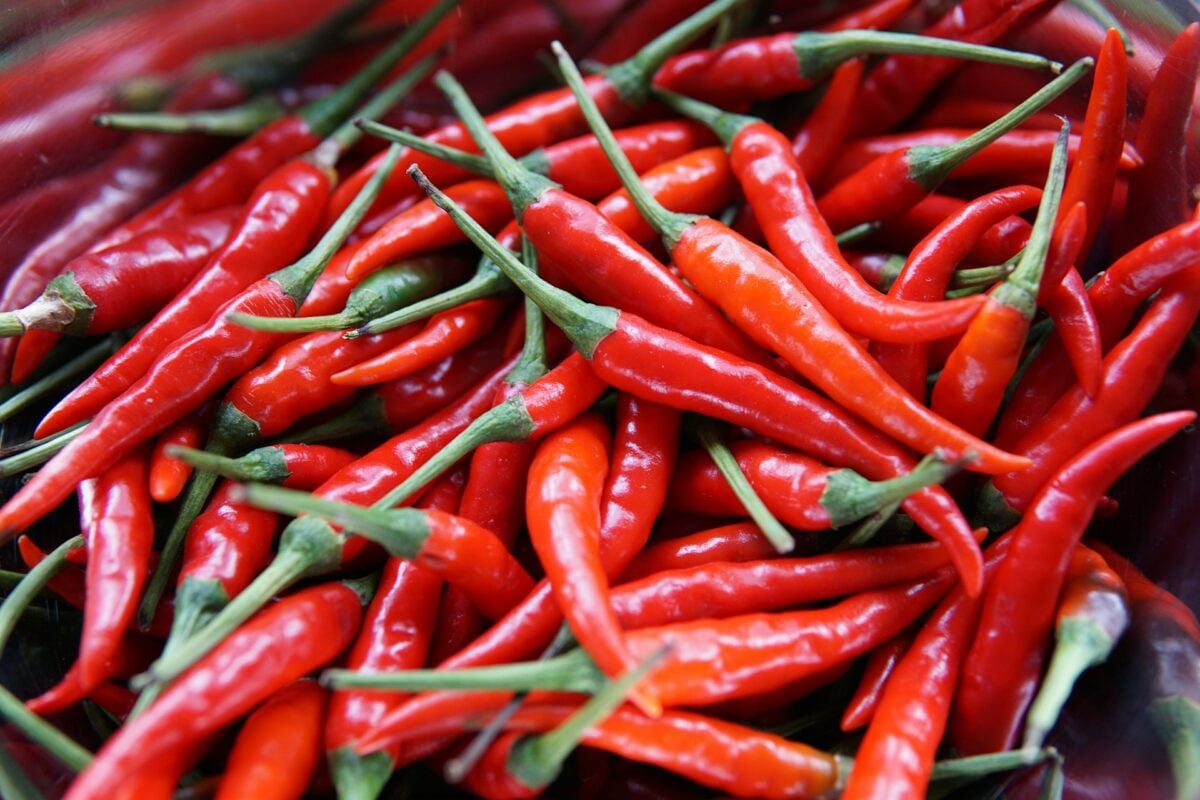
Heat tolerance separates casual spice enthusiasts from people who view pain as a hobby. Chili pepper eating contests start with mild varieties and work up to peppers that require contestants to sign waivers.
The Carolina Reaper, long recognized as one of the world’s chilliest pepper, clocks in at over 2 million Scoville units — hot enough to use as a weapon in some jurisdictions. Contestants develop elaborate preparation rituals involving milk, bread, and what appears to be meditation techniques borrowed from people who walk on hot coals.
The aftermath involves tears, sweating, and the kind of regret usually reserved for major life decisions.
Pie Eating Contest
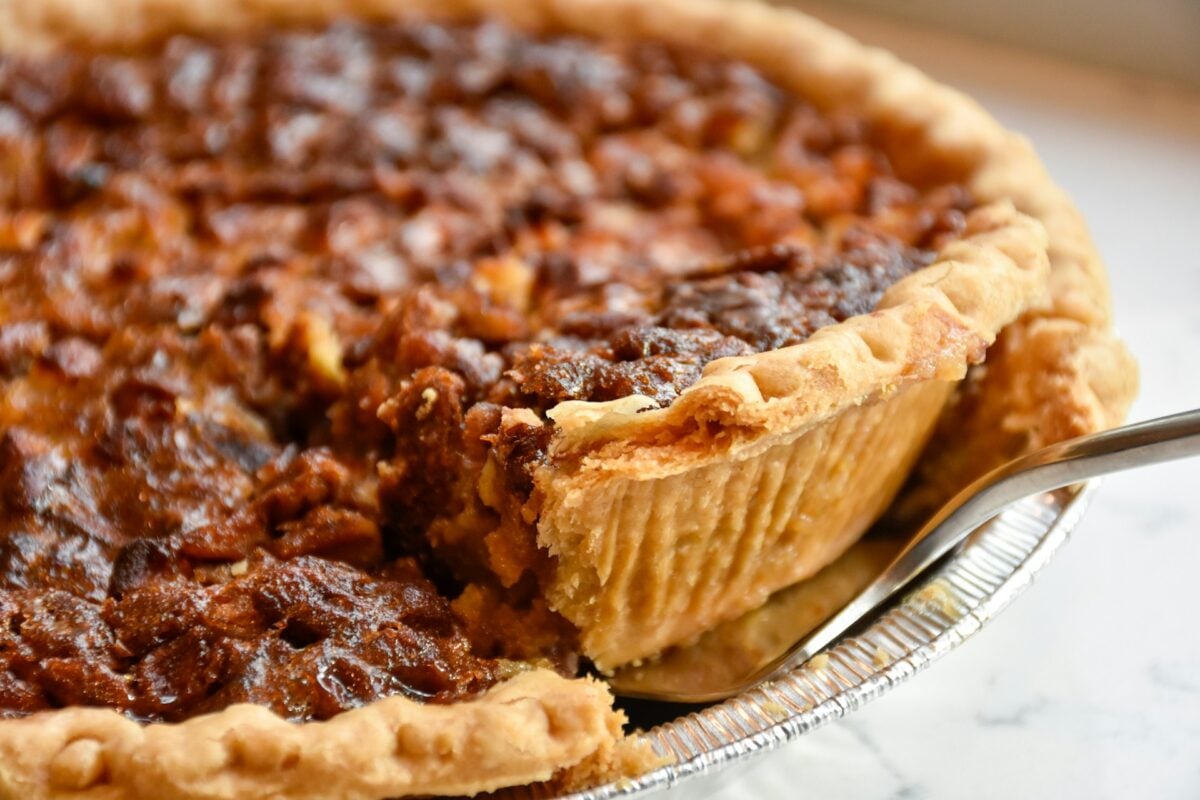
Traditional pie eating contests eliminate utensils, forcing contestants to approach dessert with the grace of farm animals at feeding time. Blueberry pie creates the most dramatic visual effect, turning competitors’ faces purple while berry filling flies in all directions.
The no-hands rule transforms what should be a pleasant dining experience into something resembling a food fight where only one person is participating. The challenge isn’t just consumption speed — it’s maintaining any semblance of human dignity while face-deep in pie filling.
Winners emerge looking like they’ve survived a dessert-based natural disaster, covered in enough pie remnants to feed a small family.
Watermelon Eating Contest
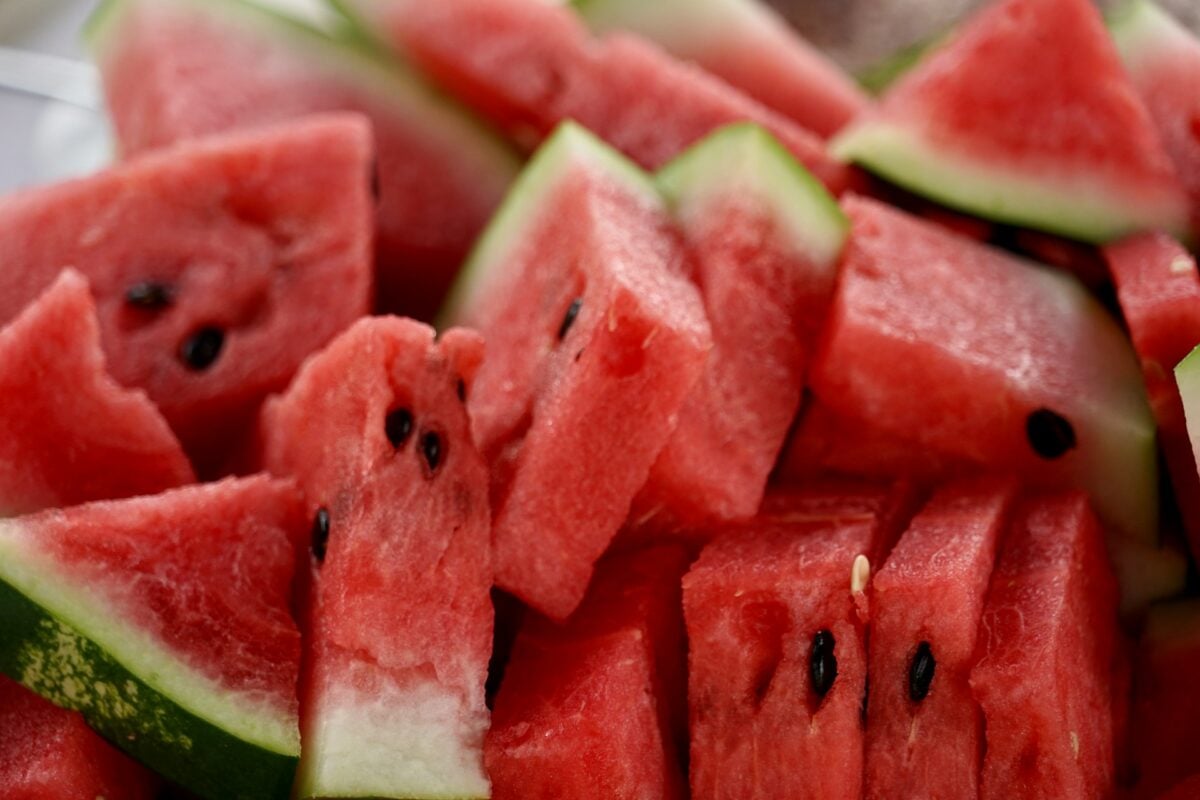
Watermelon contests celebrate summer with all the messiness that implies, turning contestants into sticky, seed-spitting machines who attack fruit with competitive fury. The sheer water content makes this contest as much about liquid consumption as solid food, creating unique strategic challenges around timing and stomach capacity.
Seeds become projectiles, pink juice flows like rivers, and contestants develop techniques that involve more aggressive gnawing than actual eating. The mess factor alone makes this contest memorable — participants end up looking like they’ve been in a fruit-based battle, covered in watermelon debris from head to toe.
Ice Cream Eating Contest
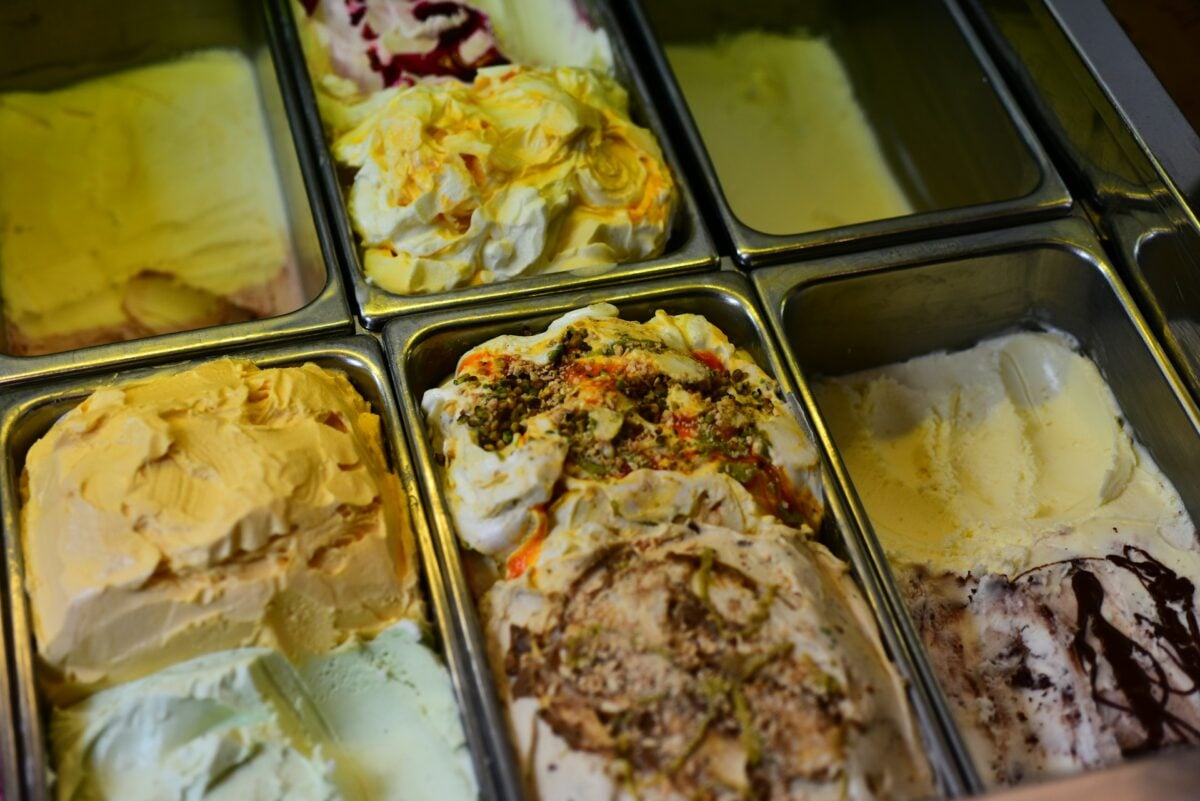
Brain freeze transforms ice cream contests into neurological endurance tests where contestants battle both volume and temperature while trying to maintain consciousness. The cold becomes more challenging than the quantity — winners develop techniques for warming ice cream in their mouths before swallowing, creating strategies that feel more like survival skills than eating methods.
The contrast between ice cream’s reputation as a pleasant treat and the reality of consuming it competitively creates cognitive dissonance in both participants and spectators. What should be enjoyable becomes a test of cold tolerance that leaves winners nursing headaches and questioning their relationship with dairy products.
Jalapeno Eating Contest
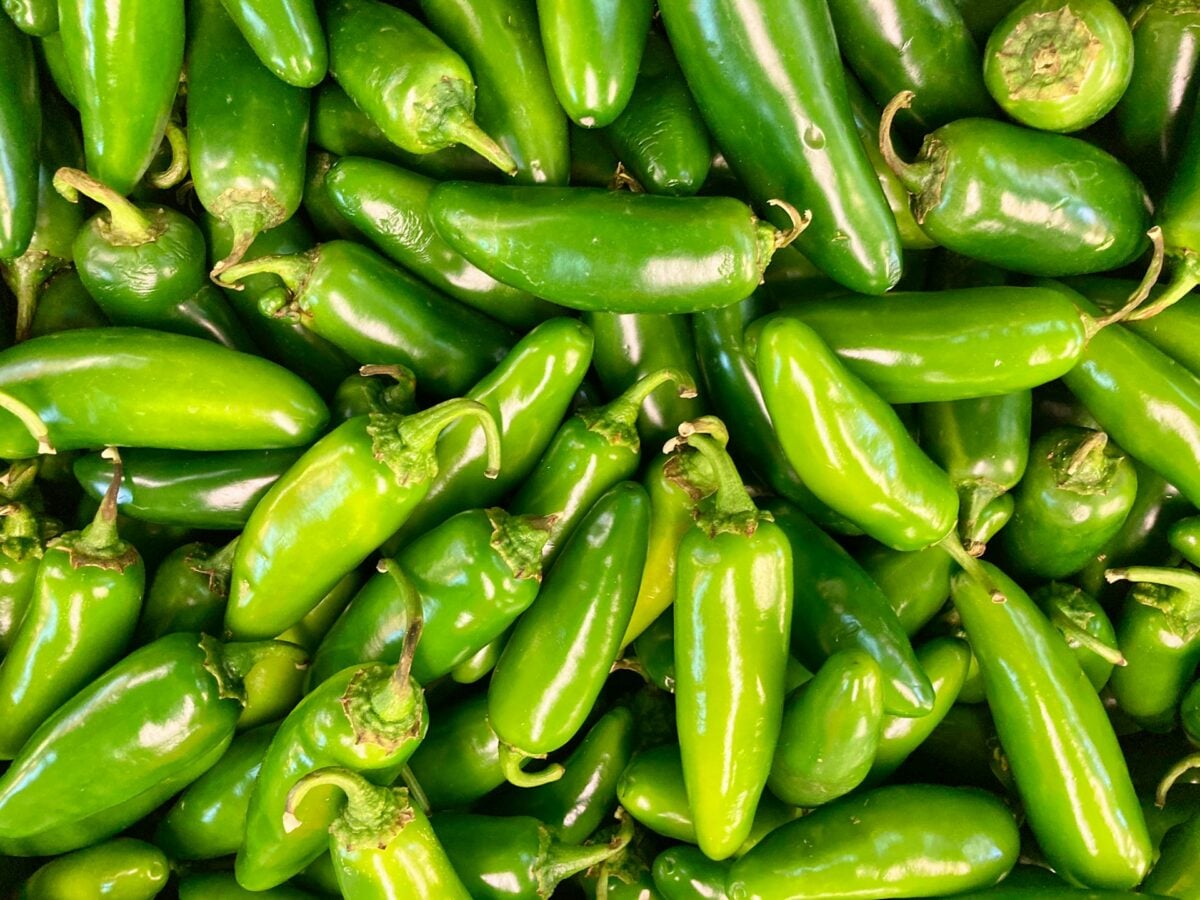
Jalapeno contests occupy the middle ground between mild pepper competitions and the serious heat challenges, creating a sweet spot of manageable pain that attracts competitors who want to suffer but not quite enough to require medical attention. Fresh jalapenos vary wildly in heat level, adding an element of agricultural roulette to each bite.
The capsaicin builds gradually, starting pleasant and escalating to the point where contestants begin making faces that suggest they’re reconsidering their participation. Seeds become the real challenge — they concentrate the heat and stick to teeth, creating lingering reminders of competitive choices long after the contest ends.
The beautiful madness of competitive eating

Food contests reveal something fundamental about human nature — the drive to turn even the most basic survival activity into competition. These events exist in the space between celebration and self-punishment, where community gathering meets individual endurance testing.
People gather to watch others push biological limits with the same enthusiasm they’d bring to any sporting event, cheering for someone’s ability to consume ridiculous quantities of things that probably shouldn’t be consumed in ridiculous quantities. The contestants themselves occupy a unique space in competitive culture, pursuing victories that offer little practical value but somehow matter deeply in the moment.
There’s something honest about competitions where the only prize is bragging rights and the only skill is the willingness to keep going when common sense suggests stopping.
More from Go2Tutors!

- The Romanov Crown Jewels and Their Tragic Fate
- 13 Historical Mysteries That Science Still Can’t Solve
- Famous Hoaxes That Fooled the World for Years
- 15 Child Stars with Tragic Adult Lives
- 16 Famous Jewelry Pieces in History
Like Go2Tutors’s content? Follow us on MSN.