Complex Military Drill Routines Performed at Parades
The sharp crack of boots hitting pavement in perfect unison, the gleam of brass buttons catching sunlight, the synchronized movements of hundreds of personnel moving as one — military parades showcase some of the most demanding physical choreography you’ll ever witness. Behind those flawless formations lie months of grueling practice, where every step, turn, and gesture must be executed with mechanical precision.
These aren’t just marching displays; they’re athletic performances that push human coordination to its absolute limits.
Precision Marching
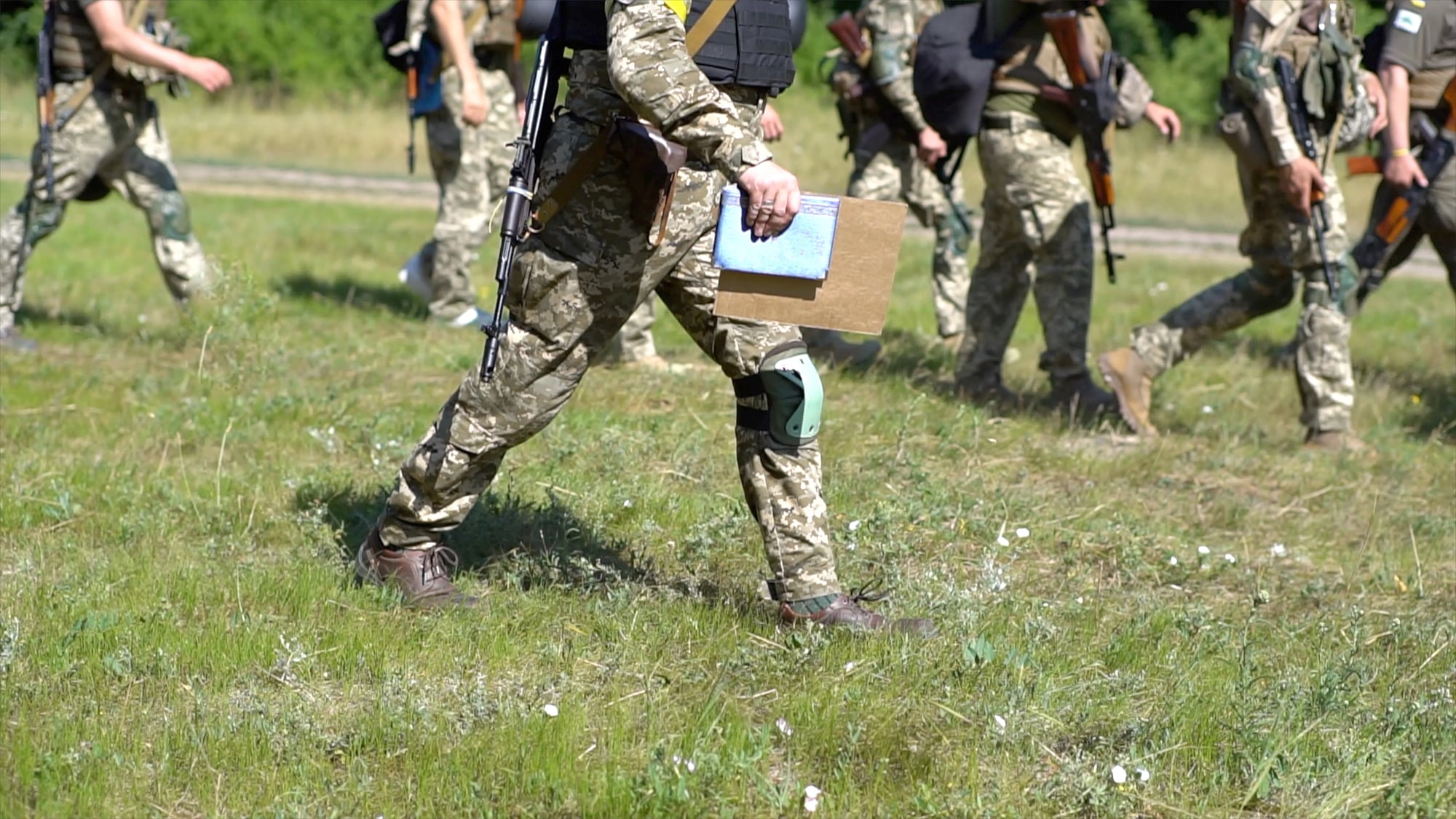
Every stride covers exactly 30 inches. Every boot strikes the ground at the identical angle.
The human metronome doesn’t exist — except when it does, and it’s wearing a uniform. Precision marching demands that dozens (sometimes hundreds) of people move as a single organism.
Miss the timing by a fraction of a second and the entire formation ripples with visible error.
Rifle Drill Exhibitions
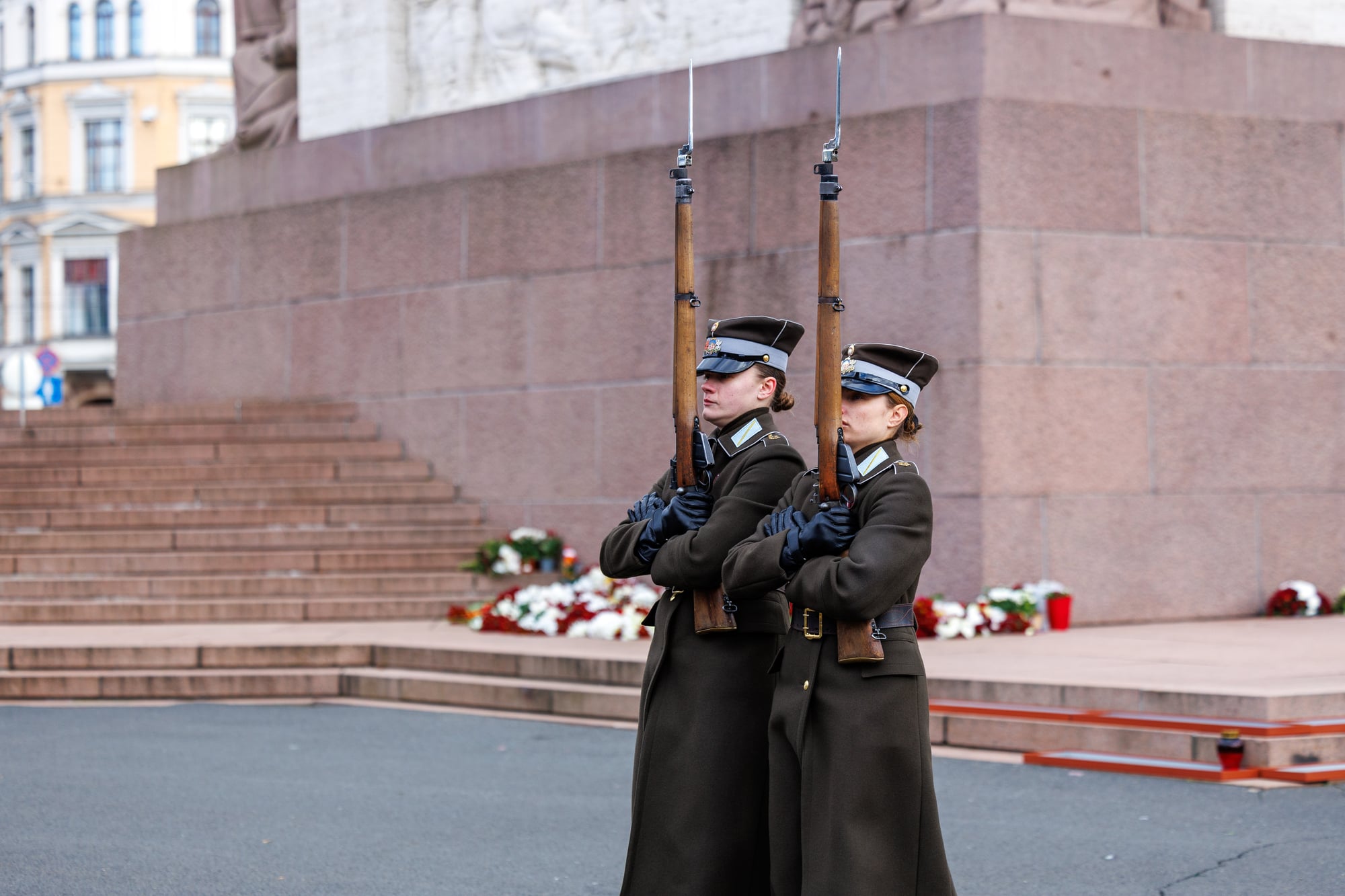
Military personnel become jugglers with eight-pound rifles, but the stakes are higher than dropped pins. These weapons spin through the air in complex patterns — behind backs, over shoulders, between squad members — while maintaining perfect formation timing.
The rifles travel in arcs that intersect inches from faces and hands. One miscalculation sends a weapon flying into the crowd or, worse, into a fellow performer.
Catching a spinning rifle requires the same hand-eye coordination as professional athletics, except athletes don’t typically perform their routines while marching in lockstep.
Fixed Bayonet Formations
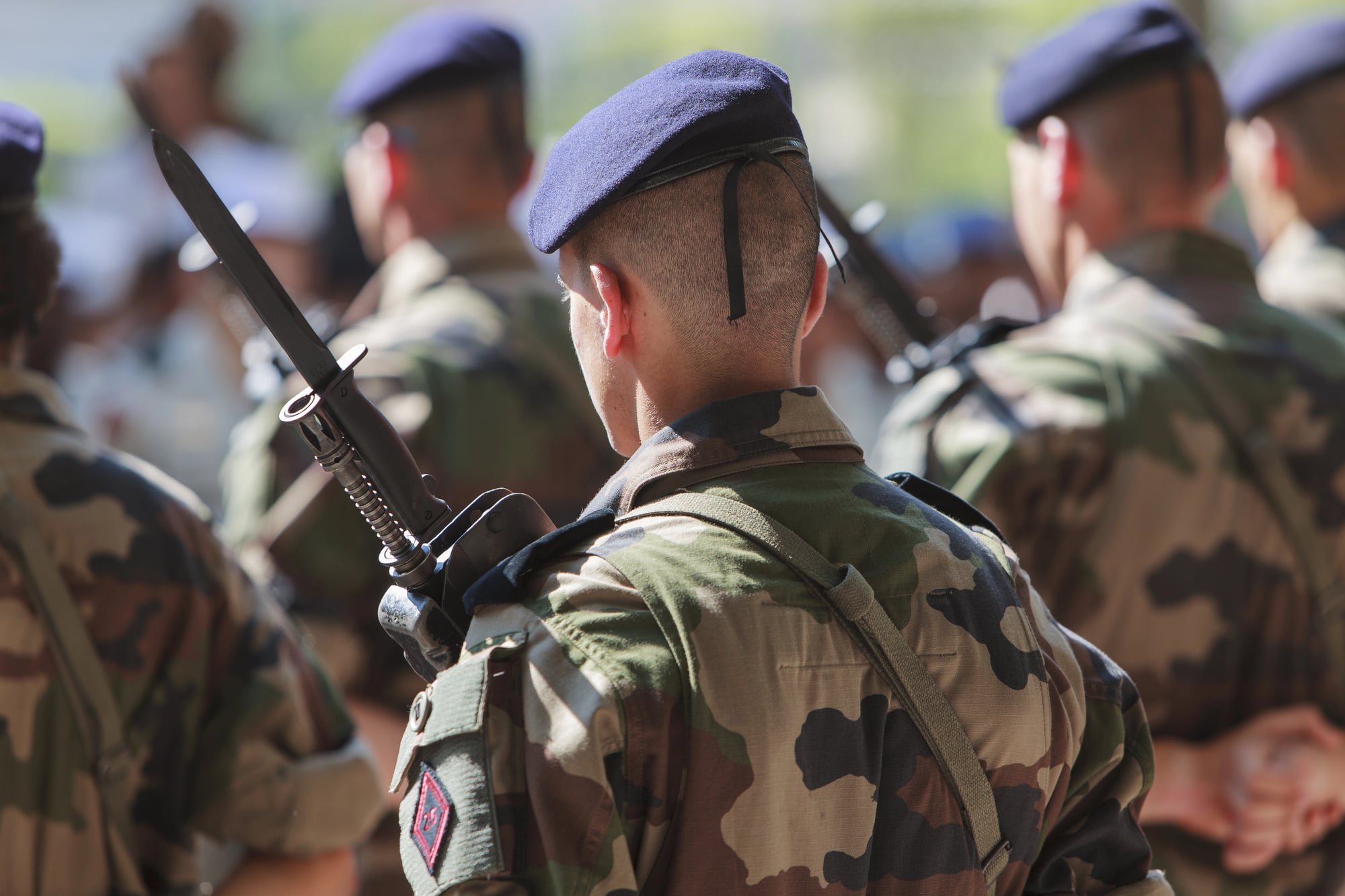
There’s something unsettling about watching people move in tight formation while holding pointed steel, and that’s entirely the point (no pun intended, but there it is). Fixed bayonet drills require spatial awareness that borders on supernatural — each person must track not just their own weapon, but the razor-sharp tips of everyone around them.
The formations compress and expand like a breathing organism, bayonets sweeping in coordinated arcs just inches from neighboring performers. And yet, watching it unfold feels less like danger and more like watching a master craftsman work — the kind of controlled precision that makes the impossible look effortless.
Which is exactly what makes it so unnerving.
Ceremonial Guard Changes
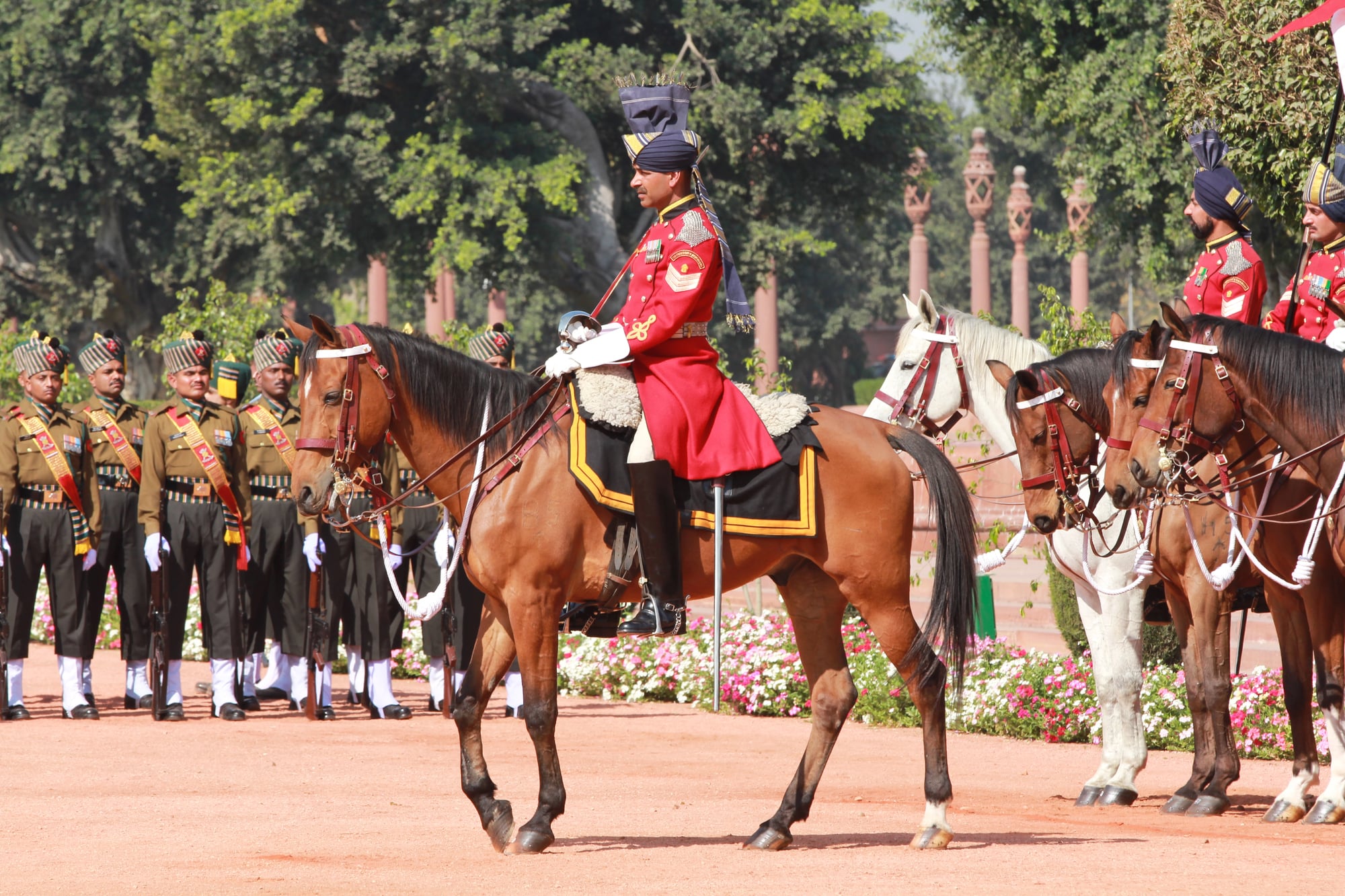
Guard changes turn routine shift swaps into theatrical performances. Every movement gets amplified, slowed down, and executed with the kind of deliberate precision usually reserved for defusing bombs.
A simple step forward becomes a calculated lift, hold, and placement that takes three times longer than walking normally requires. The guards move like they’re underwater — or like they’re being controlled by an external force that doesn’t quite understand how human joints work naturally.
Mounted Cavalry Displays
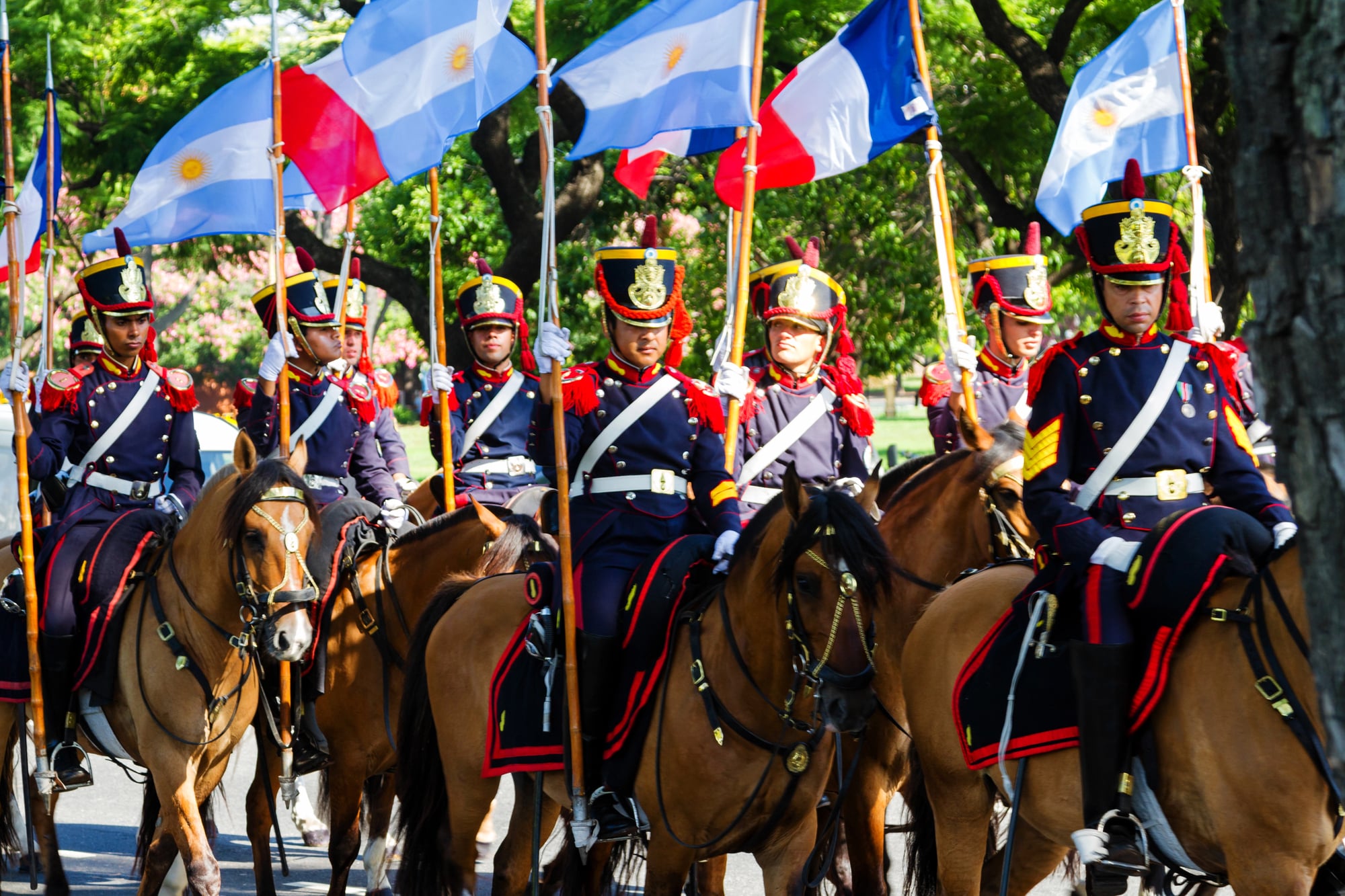
Horses don’t read drill manuals, which makes mounted cavalry displays exponentially more complex than their ground-based counterparts. The rider must execute their own choreographed movements while simultaneously controlling a 1,200-pound animal that has its own opinions about timing and direction.
The horses themselves become part of the performance — stepping sideways in formation, turning in perfect synchronization, maintaining precise spacing while dozens of other horses move around them. So you have human choreography layered on top of animal psychology, all while wearing ceremonial uniforms that weren’t designed for athletic performance.
And somehow it works, which says something remarkable about both the training involved and the partnership between horse and rider (even if that partnership occasionally involves one party being significantly more cooperative than the other).
Color Guard Ceremonies
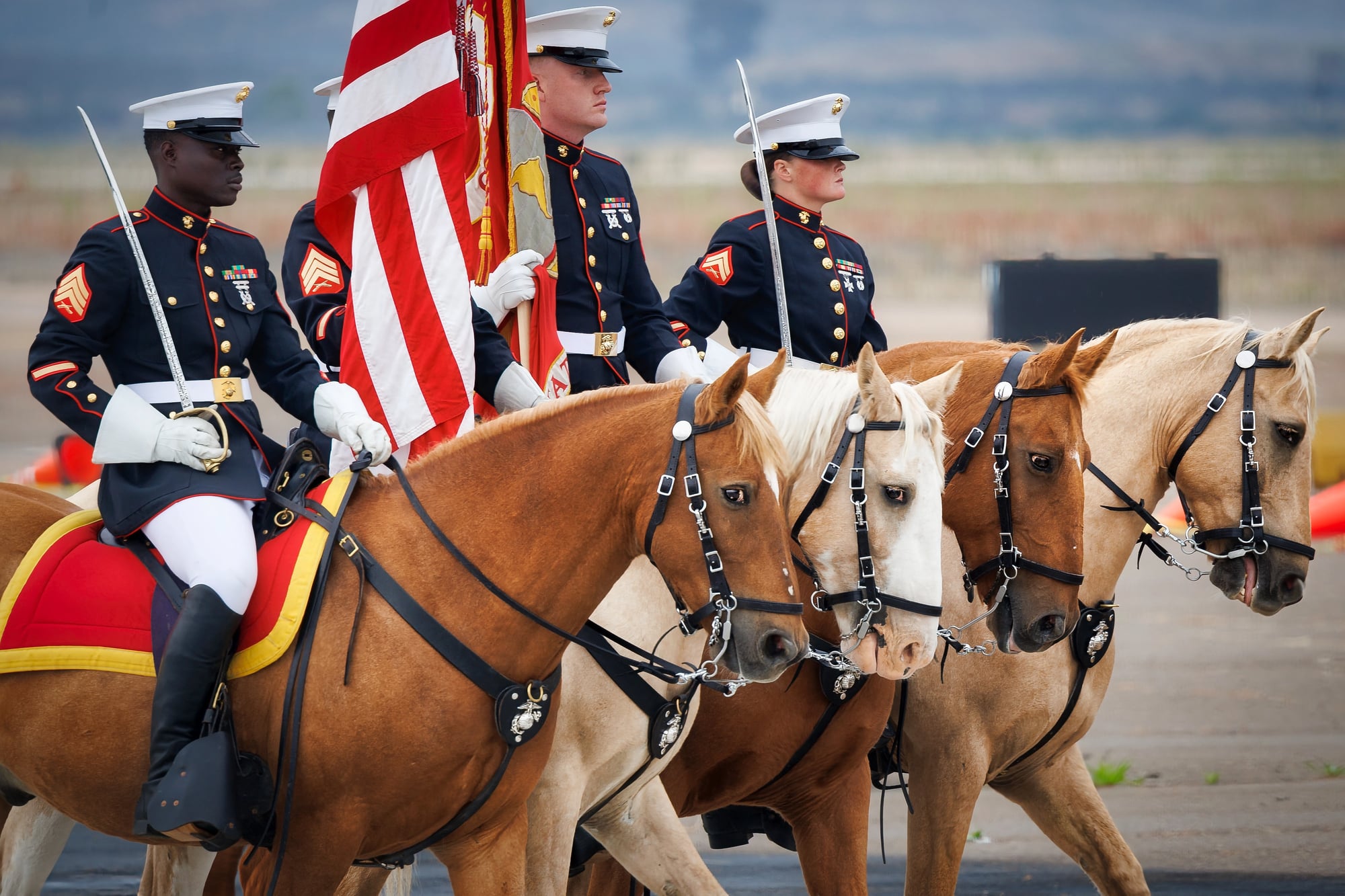
Flag handling becomes an art form when the fabric weighs thirty pounds and the wind has its own agenda. Color guards must keep their flags perfectly positioned regardless of weather conditions — no easy task when you’re dealing with what amounts to a sail attached to a ten-foot pole.
The flags move in sweeping patterns that mirror the formation’s movements below. Crossed colors, synchronized raises, complex weaving patterns between multiple flag bearers — all while marching and maintaining the same rigid posture as everyone else in the formation.
Wind resistance becomes a real factor here; what looks graceful in still air can quickly turn into a wrestling match with physics.
Drill Team Competitions
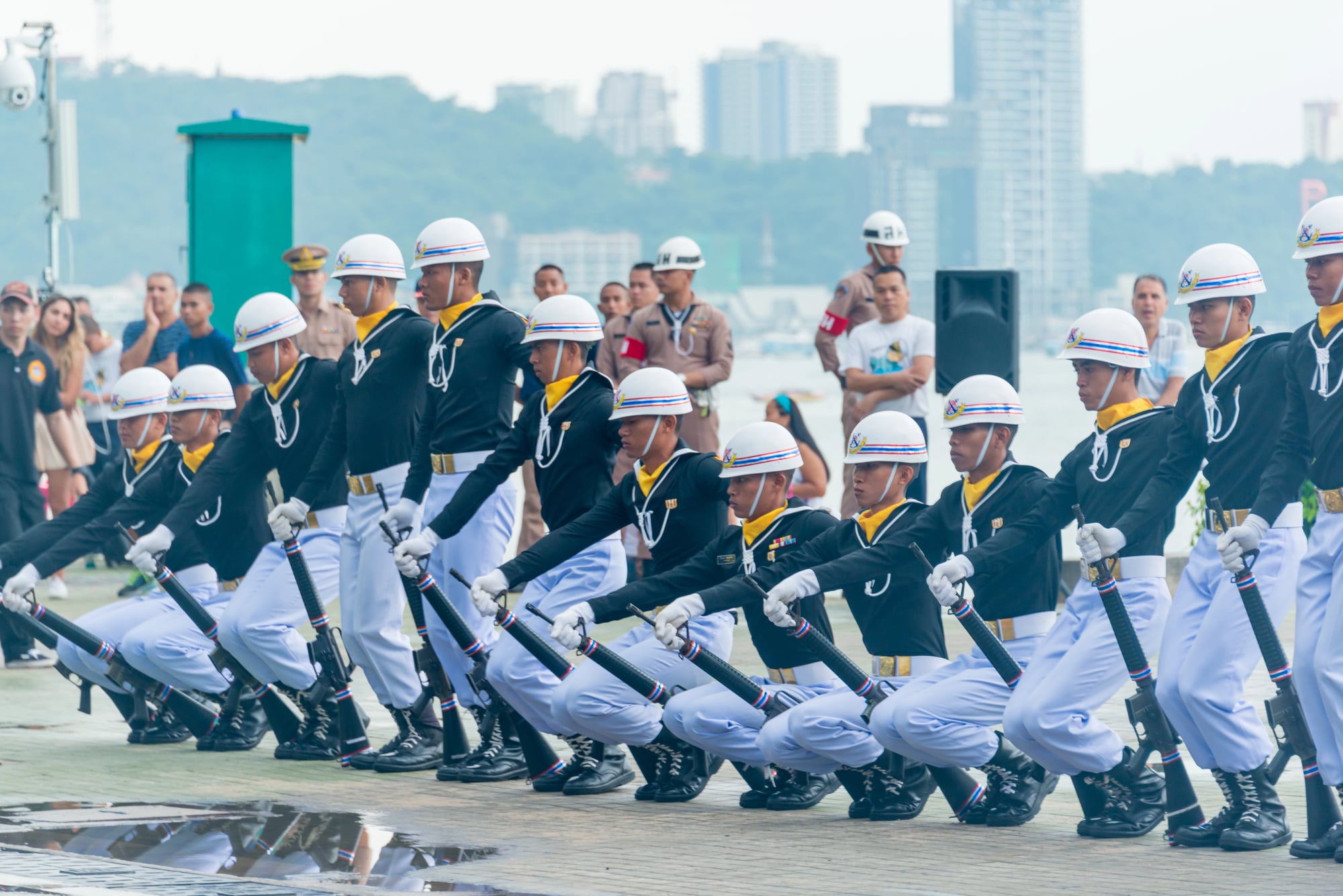
Competition drill teams take standard military movements and push them into the realm of extreme sports. These squads perform routines that would challenge professional dancers — spinning rifles, complex footwork, formations that require split-second timing to avoid collisions.
The routines include elements that would never appear in actual military operations: rifles thrown between team members in high arcs, synchronized spins where the entire squad rotates while maintaining formation, intricate weaving patterns that require each person to follow a different path while staying coordinated with everyone else.
Silent Drill Performances
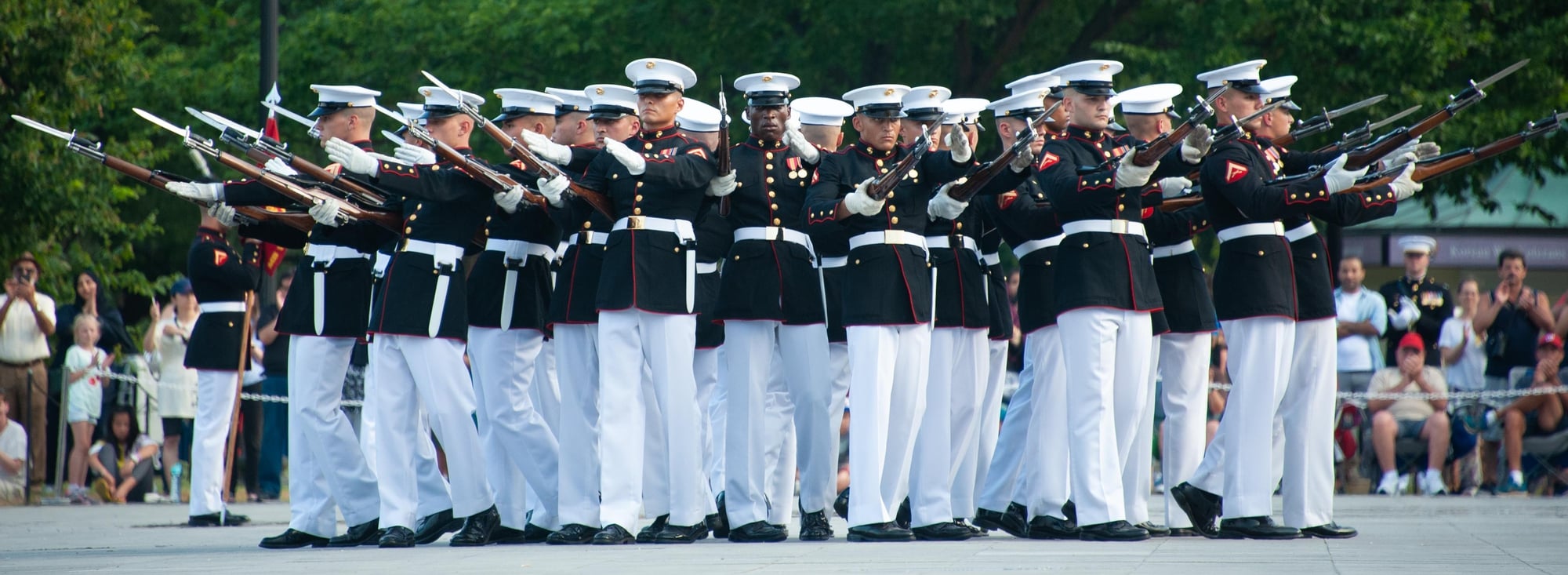
Remove the shouted commands and drill becomes an exercise in collective mind-reading. Silent drill teams execute complex routines without any verbal cues — just the subtle sounds of boots on pavement and rifles moving through the air.
The silence amplifies every small imperfection. A boot hitting the ground a fraction of a second late becomes clearly audible.
The swish of a rifle spinning through the air carries across the entire parade ground. Teams performing silent drill develop an almost supernatural awareness of each other’s movements, responding to visual cues so subtle they’re barely perceptible to observers.
Even so, watching a silent drill performance feels like witnessing something that shouldn’t quite be possible — dozens of people moving in perfect coordination without any apparent communication.
Inspection Parades
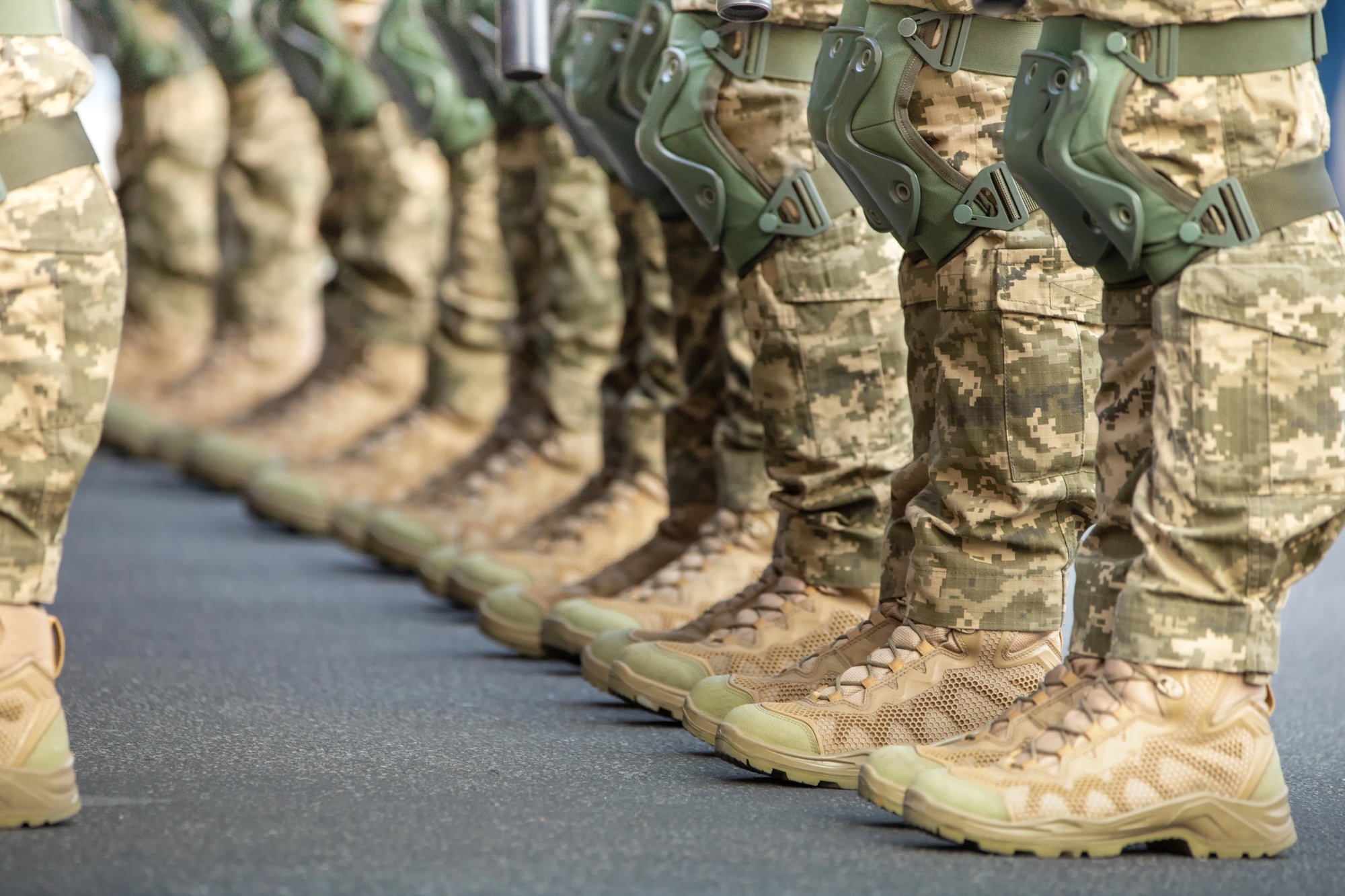
Inspection parades turn standing still into an athletic event. Personnel must maintain perfect posture for extended periods while officers examine every detail of their appearance and equipment.
What looks like simply standing at attention actually requires significant physical conditioning — try holding the inspection position for thirty minutes and see how your back feels. The inspections themselves follow choreographed patterns.
Officers move down the ranks in precise steps, pausing at predetermined intervals, examining specific elements in a set sequence. Meanwhile, the personnel being inspected must remain motionless regardless of weather, fatigue, or the occasional insect that decides to explore their face.
Fair enough — it’s harder than it looks.
Formation Flying Coordination
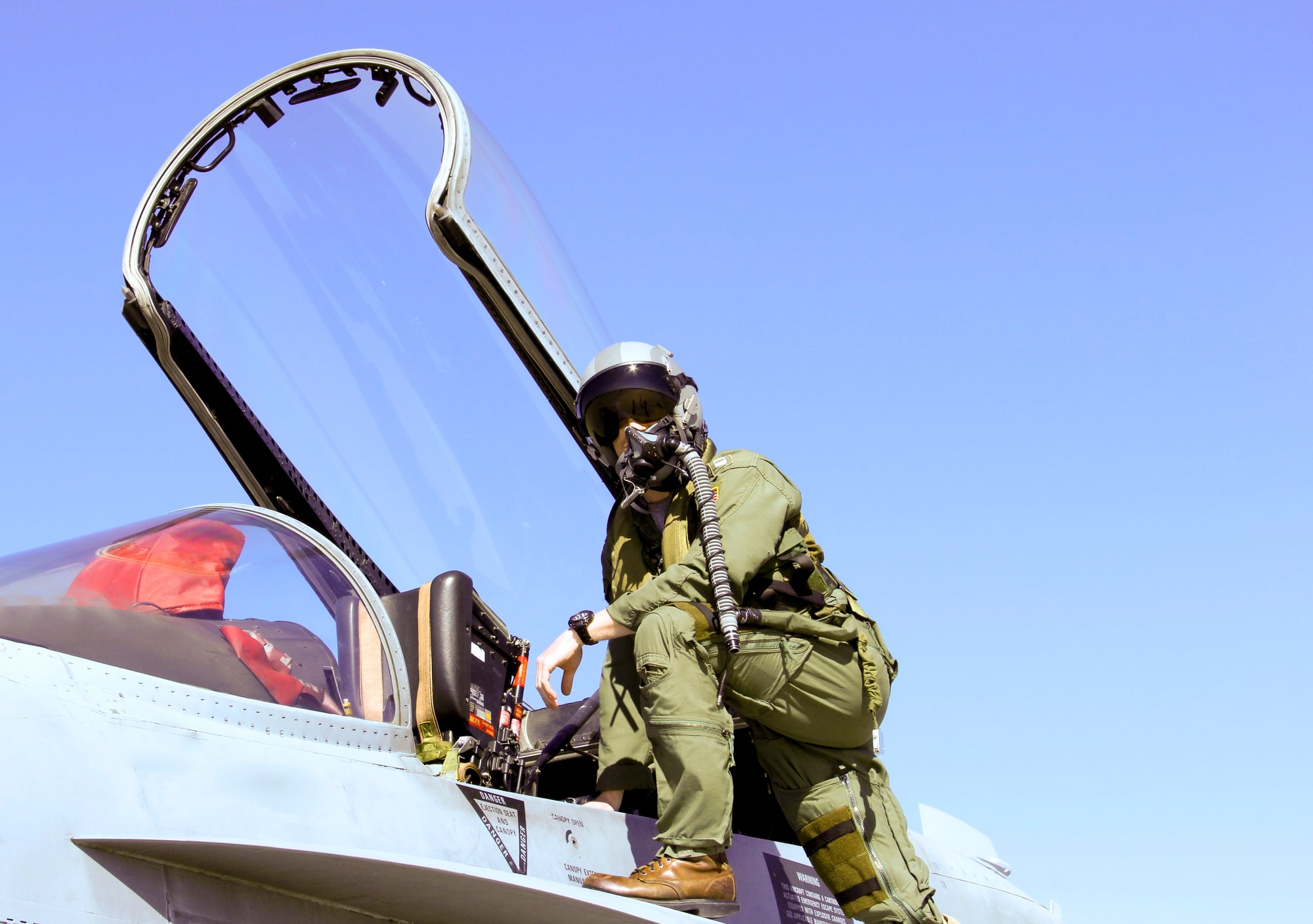
When military aircraft participate in parade flyovers, they’re performing aerial choreography that makes ground-based drill look simple by comparison. Pilots must maintain precise spacing and timing while flying at hundreds of miles per hour, often in formations that leave minimal room for error.
The formations require pilots to fly closer together than they would in any other circumstance (outside of aerobatic teams), often with just a few feet separating wingtips. And they have to time their approach so they pass over the parade ground at the exact moment specified in the ceremony — which means calculating wind speed, approach angles, and coordinating with ground-based activities that might be running ahead or behind schedule.
But when it works, there’s something about the sudden appearance of perfectly aligned aircraft overhead that stops conversations mid-sentence.
Drum and Bugle Corps
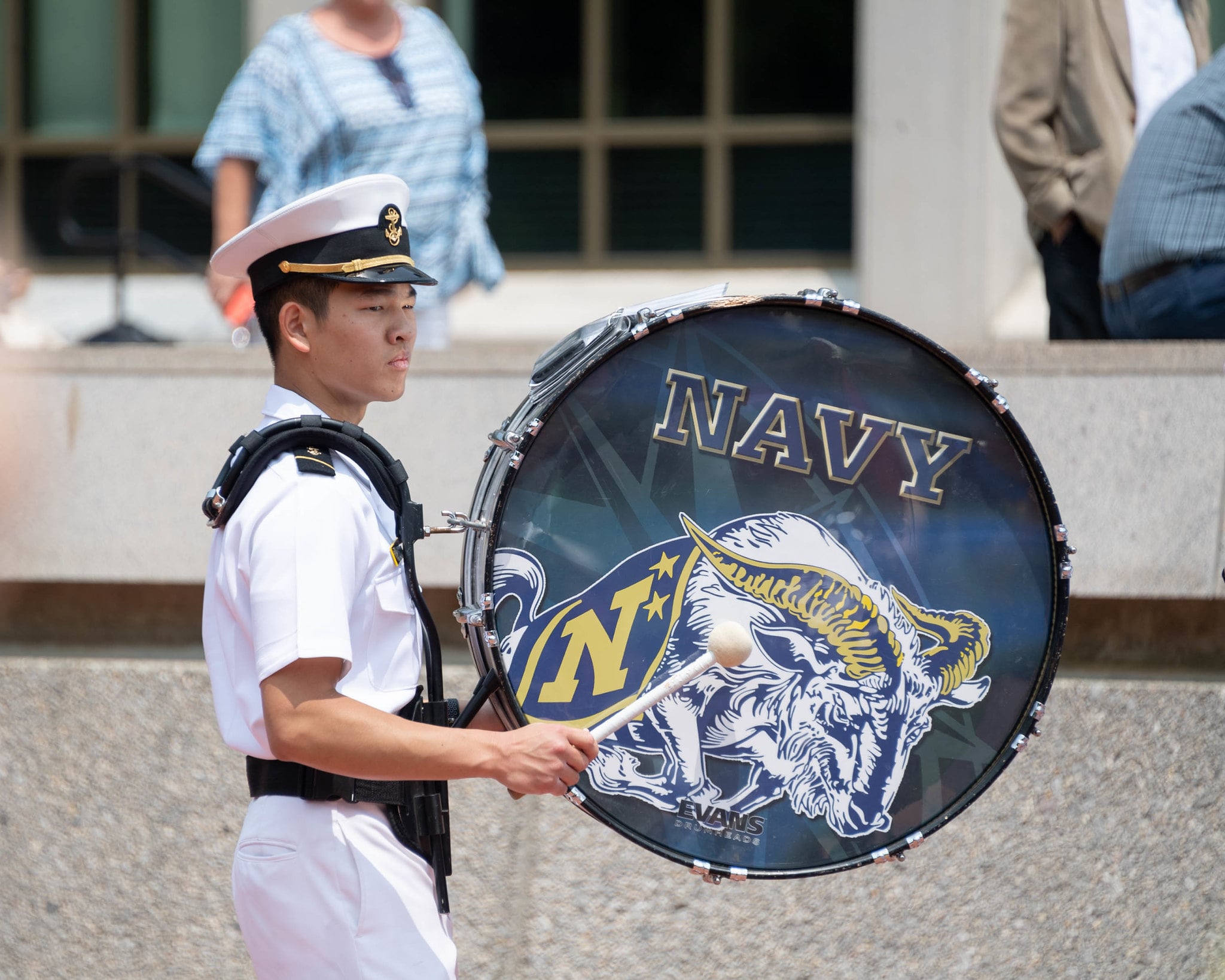
Military musicians perform while marching, which turns playing an instrument into a multitasking challenge that would frustrate most people. Maintaining proper embouchure on a brass instrument while executing precise drill movements requires the kind of breath control and physical coordination that takes years to develop.
The drummers have it particularly challenging — carrying and playing instruments that can weigh twenty pounds or more while marching in formation and executing turns, stops, and direction changes. The music must remain steady and in tune regardless of the physical demands of the drill routine.
So the corps members become athletes who happen to make music, rather than musicians who happen to move around (though the distinction probably matters more to observers than to the performers who are simply trying to hit their marks and their notes simultaneously).
Honor Guard Folding Ceremonies
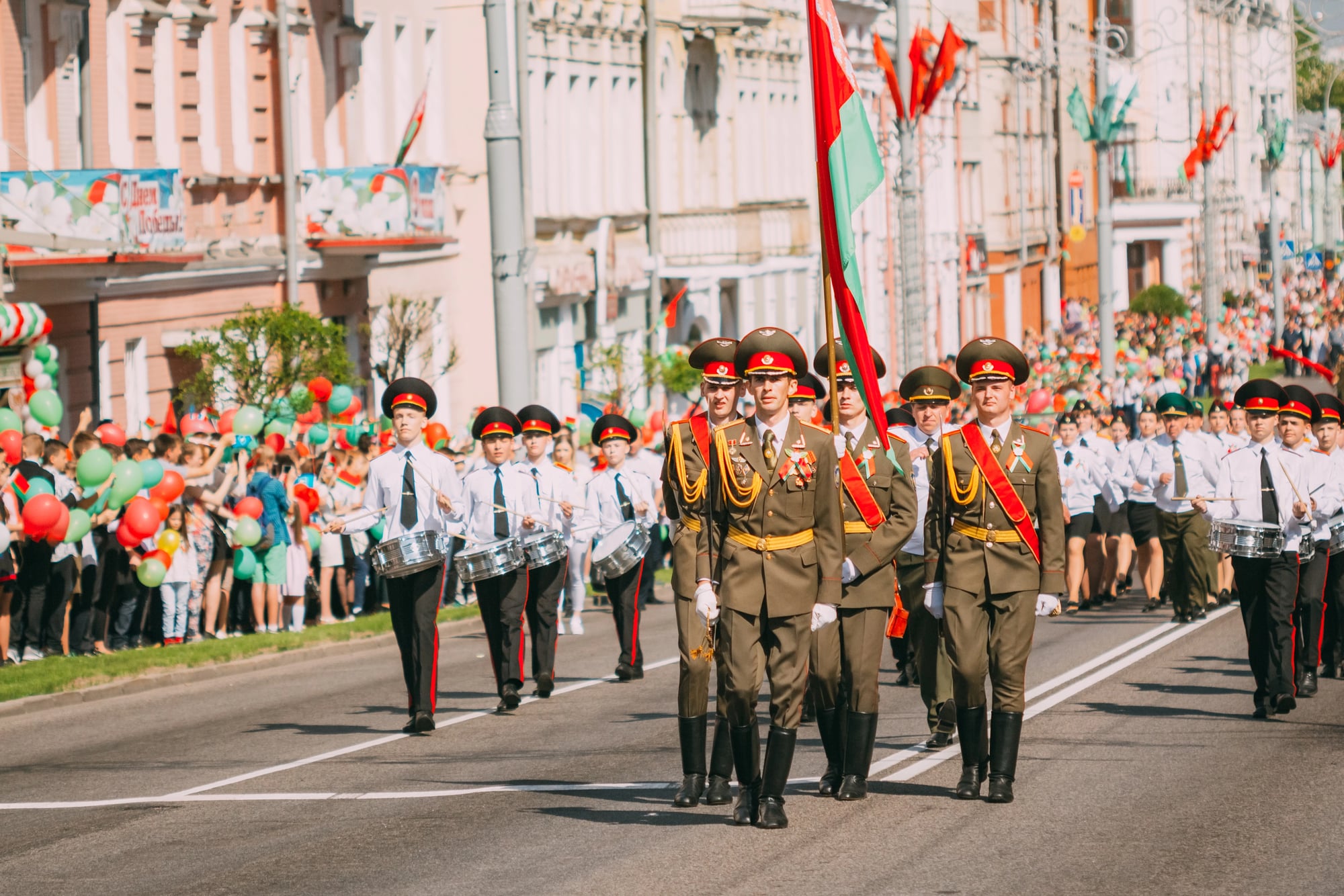
Flag folding ceremonies transform a simple task into a precisely choreographed ritual that can take ten minutes or more. Each fold must be executed with deliberate care, creating the traditional triangular shape while maintaining the dignity and symbolism of the moment.
The honor guard members position themselves at exact distances from the flag and from each other. Every movement is slow, controlled, and synchronized — the kind of precision that makes simple tasks look both more complex and more meaningful than they actually are.
Retreat and Reveille Formations
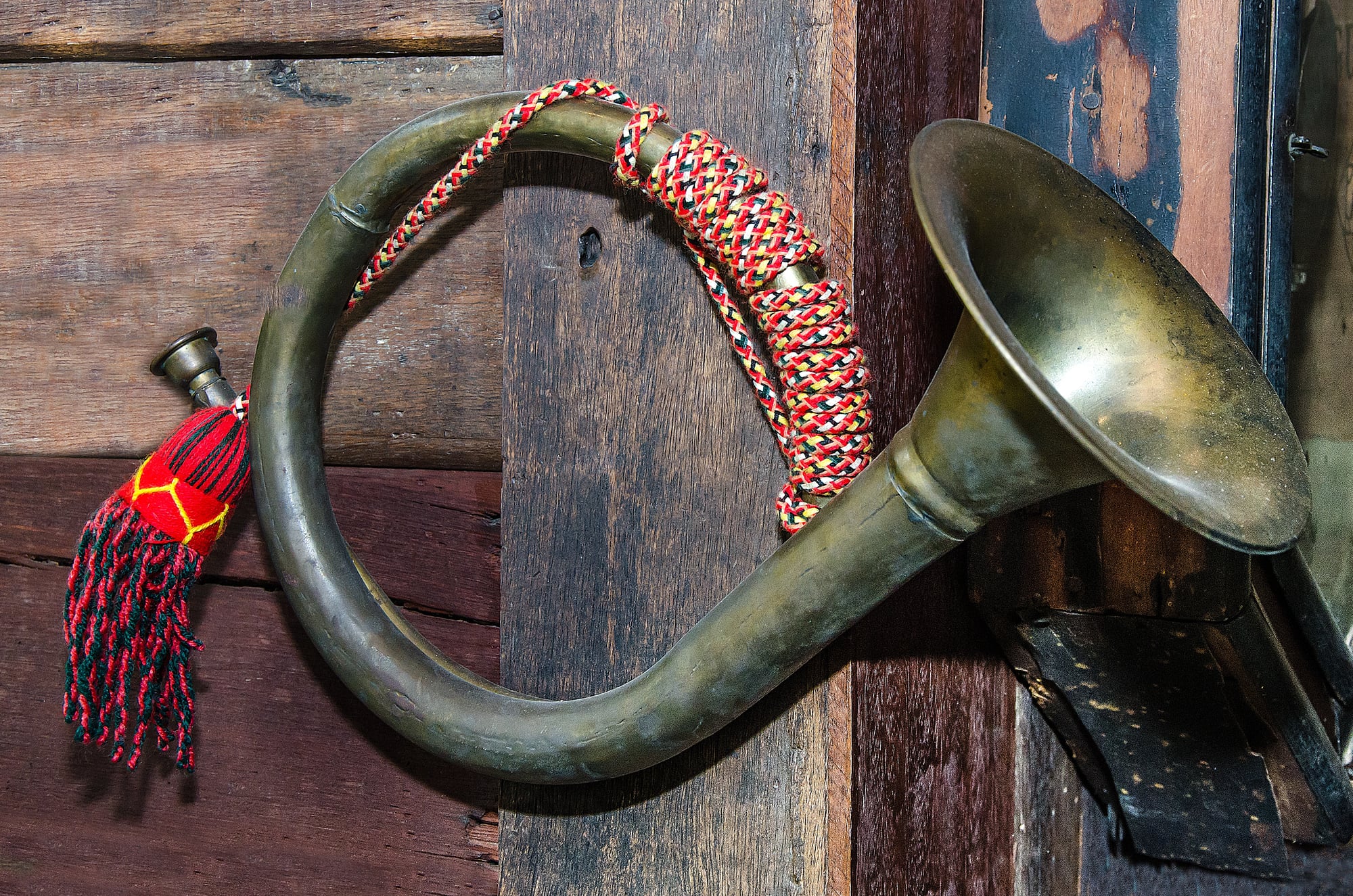
Daily military ceremonies like retreat and reveille turn routine scheduling into formal performances. Personnel must assemble in precise formations, execute specific movements in response to bugle calls, and maintain military bearing throughout ceremonies that mark the beginning and end of each duty day.
These ceremonies happen regardless of weather conditions, which means performing the same precise movements in rain, snow, extreme heat, or high winds. The formations must be exact, the timing must be perfect, and everyone must maintain the same level of military deportment whether it’s a beautiful spring morning or a freezing winter evening.
The Choreography of Discipline
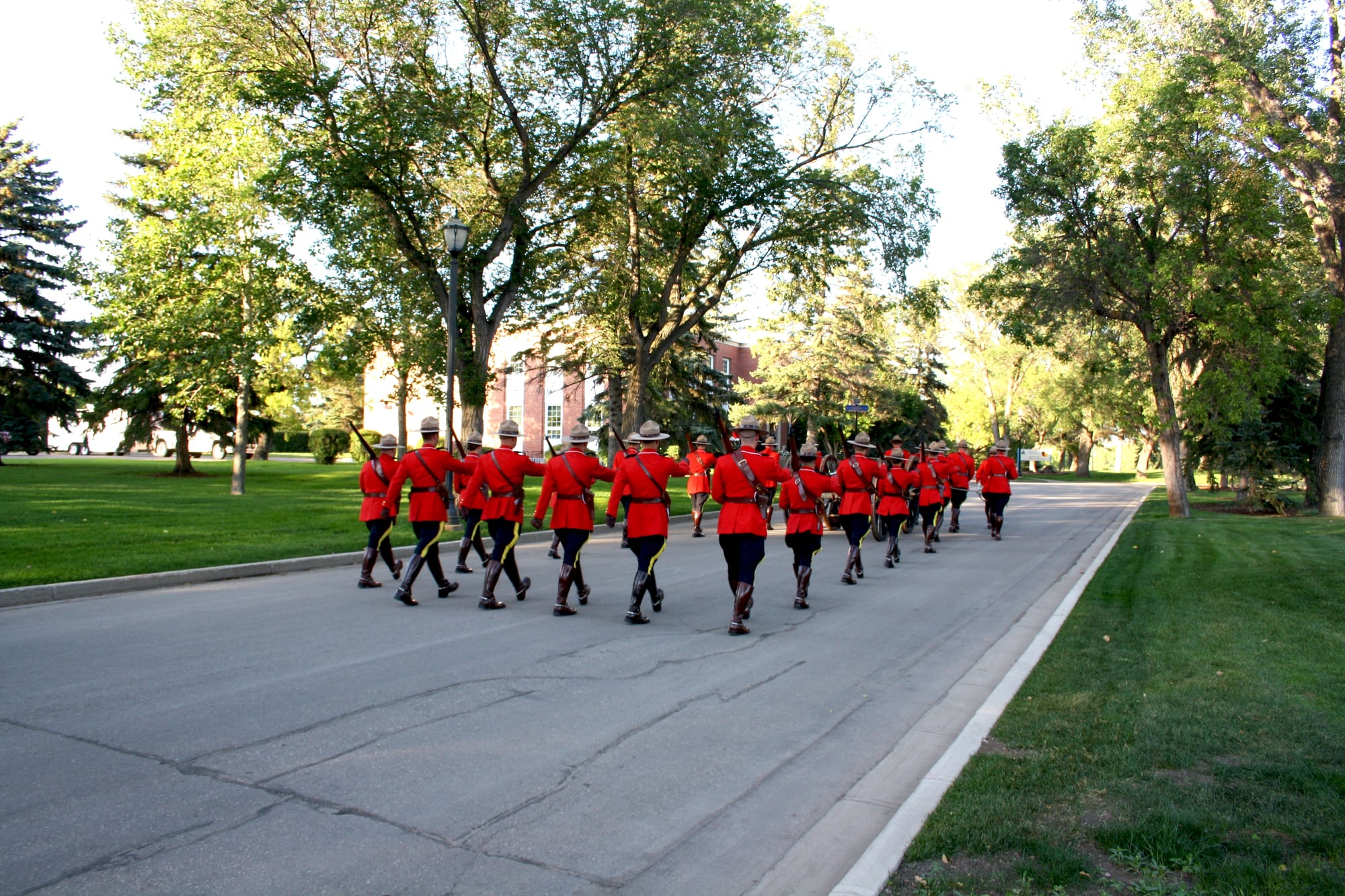
Military drill isn’t just about looking impressive — though it certainly accomplishes that. These routines serve as visible demonstrations of the coordination, discipline, and attention to detail that military operations require.
When you watch hundreds of people move as one, you’re seeing the physical manifestation of the trust and precision that makes military units function effectively. The parades may be ceremonial, but the skills they showcase are anything but decorative.
More from Go2Tutors!

- The Romanov Crown Jewels and Their Tragic Fate
- 13 Historical Mysteries That Science Still Can’t Solve
- Famous Hoaxes That Fooled the World for Years
- 15 Child Stars with Tragic Adult Lives
- 16 Famous Jewelry Pieces in History
Like Go2Tutors’s content? Follow us on MSN.


