18 Puzzling Artifacts with Unknown Purpose
Throughout history, archaeologists have uncovered objects that defy explanation. These artifacts sit in museums and storage rooms around the world, their creators’ intentions lost to time.
Some appear functional but serve no clear function. Others seem decorative yet follow no known artistic tradition.
The mystery deepens when you realize that many of these objects required considerable skill and resources to create — yet nobody knows why anyone bothered making them in the first place.
Roman Dodecahedra
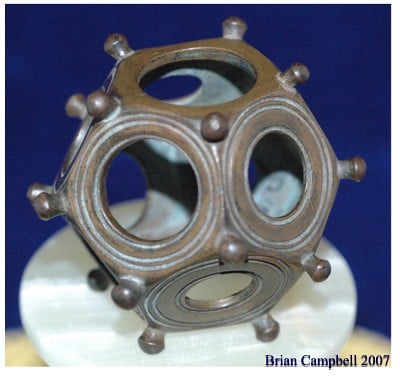
Bronze objects with twelve pentagonal faces and rings of varying sizes. Found across the Roman Empire but never mentioned in Roman texts.
The silence around these artifacts feels deliberate, like walking into a room where conversation stops the moment you appear. Archaeologists have found over a hundred of them scattered from Britain to the Balkans, crafted with the kind of precision that suggests they mattered — but the Romans, who documented everything from bathroom habits to military formations, wrote nothing about dodecahedra.
Nothing at all.
Each one is different. The rings vary in diameter, the knobs at each corner change in size, and some bear inscriptions that make no linguistic sense.
They were expensive to make (bronze wasn’t cheap), required mathematical knowledge to design, and clearly served some purpose important enough to justify their widespread production. And yet centuries of scholarship have produced theories ranging from surveying instruments to children’s toys, with no consensus in sight.
Antikythera Mechanism
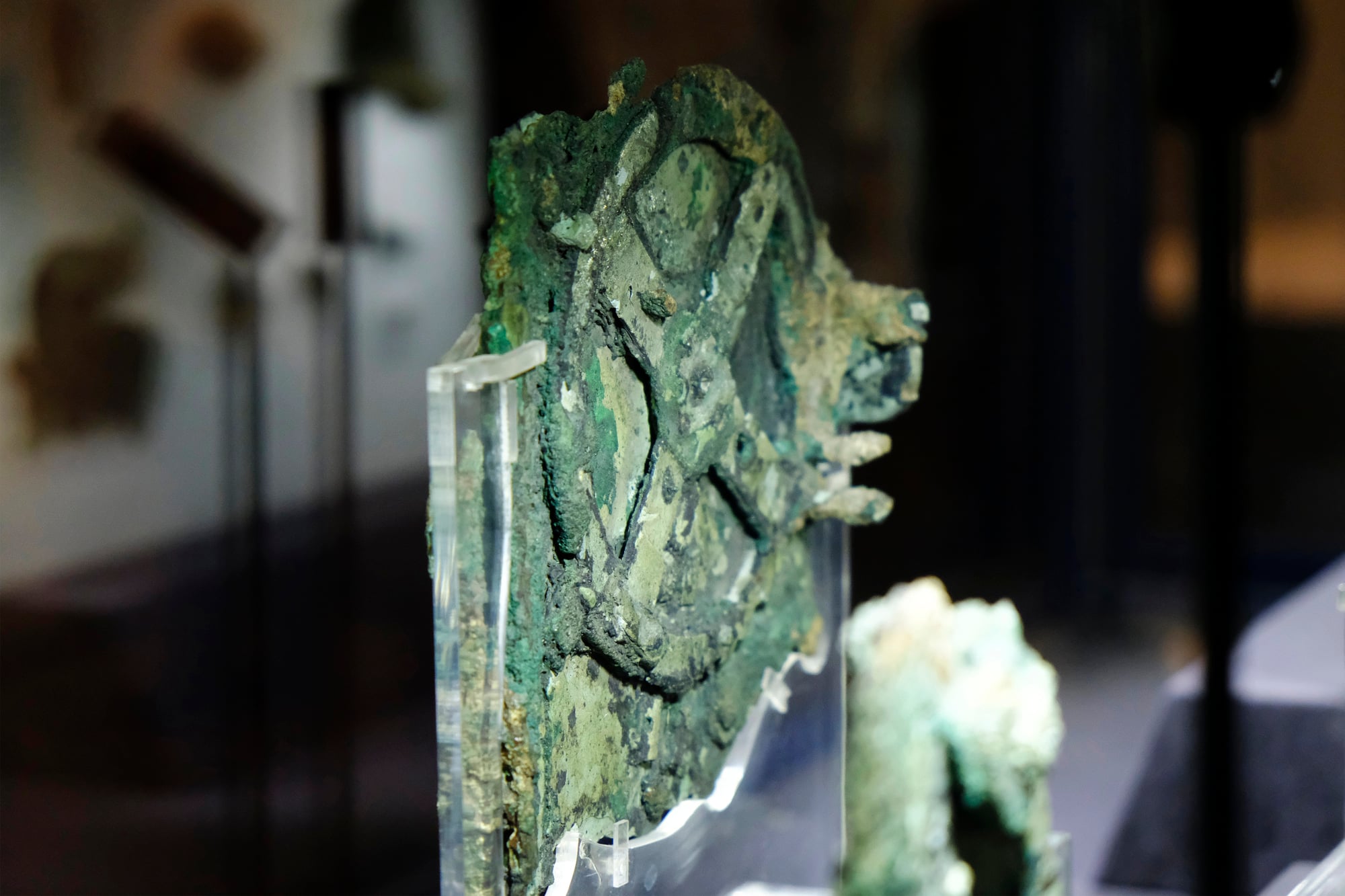
A corroded bronze device pulled from a Mediterranean shipwreck. Contains approximately 30+ major gears and can predict astronomical events with startling accuracy.
This shouldn’t exist — and that’s not archaeological drama, that’s mathematical reality. The mechanism dates to around 100 BCE, which places it in a world where the most complex known technology was, generously speaking, a waterwheel.
But here sits a device with differential gearing (not reinvented until the 1600s) that tracks lunar cycles, predicts eclipses, and follows the wandering paths of planets with calculations so precise that modern computers confirm their accuracy.
The engineering is unsettling in its sophistication. Whoever built this understood concepts about planetary motion that wouldn’t be formally described until Kepler, and they embedded that knowledge in a machine small enough to carry by hand.
So either ancient Greek technology was centuries ahead of what historians believed possible, or someone was working with knowledge that came from sources we don’t understand. Neither explanation is particularly comfortable.
Dropa Stones
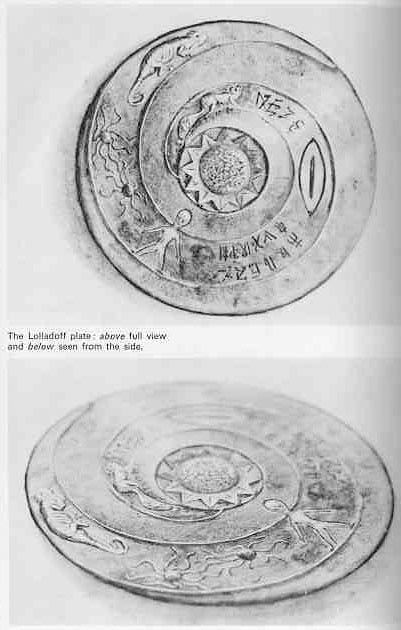
Stone discs found in Chinese caves, carved with spiral grooves containing tiny hieroglyphs that don’t match any known writing system.
You could dismiss these as elaborate hoaxes — many experts do — but the physical objects resist easy explanation.
The discs are cut from granite, a material that requires diamond-tipped tools to carve with precision, yet they supposedly date to around 10,000 BCE.
The spiral grooves contain symbols so small they can only be properly examined under magnification, and the symbols themselves follow consistent patterns that suggest a structured language rather than random decoration.
The story surrounding them is stranger still: discovered in 1938 by archaeologist Chi Pu Tei in caves along the China-Tibet border, the stones reportedly tell the story of a crashed spacecraft and its occupants who were unable to return home.
Russian scientists claimed to have translated portions of the text in the 1960s, but their work has never been independently verified, and several of the original stones have mysteriously disappeared from Chinese institutions.
The London Hammer

A hammer with a wooden handle embedded in limestone that appears to be millions of years old.
Found in 1936 in Texas, this isn’t just any hammer — it’s a tool that belongs in the 19th century based on its design and metallurgy, yet it’s encased in rock that geological dating places in the Cretaceous period.
The metal head shows no signs of rust despite its alleged age, and analysis reveals an iron composition (96.6% iron, 2.6% chlorine, 0.74% sulfur) that doesn’t occur naturally.
Geologists have two options: either the dating is wrong and the limestone formed much more recently than expected, or a perfectly ordinary hammer somehow ended up in rock that predates human civilization by roughly 100 million years.
Both possibilities challenge fundamental assumptions — one about geological processes, the other about the timeline of human technology.
Piri Reis Map
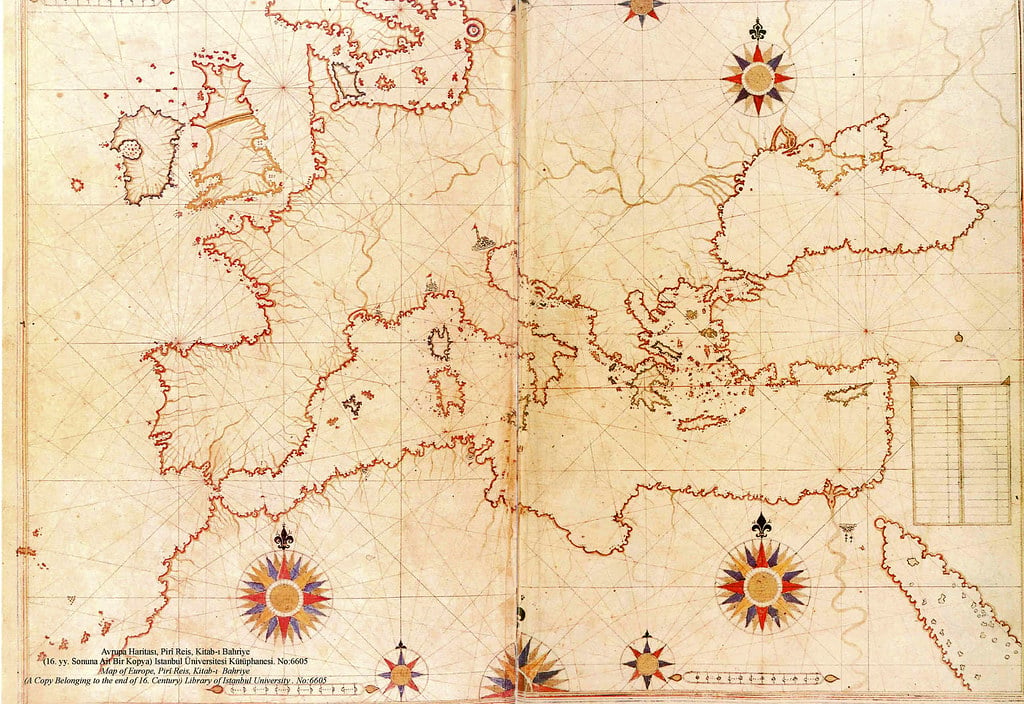
A 16th-century map that accurately depicts Antarctica’s coastline centuries before the continent was officially discovered.
The map was drawn in 1513 by Ottoman admiral Piri Reis, who noted that he based it on older sources, including charts captured from Christopher Columbus.
What catches attention isn’t the age of the map — it’s the precision with which it shows geographical features that European explorers hadn’t yet encountered, particularly the northern coast of Antarctica, which wasn’t officially discovered until 1820.
Even stranger (and this is where historical timelines start feeling unreliable), the map shows Antarctica’s coastline as it appears beneath the ice sheet — a detail that modern mapping only confirmed using ground-penetrating radar in 1958.
Piri Reis somehow had access to information about subglacial geography that required 20th-century technology to verify, and he got it from sources that were already ancient when he consulted them in the early 1500s.
The Baigong Pipes
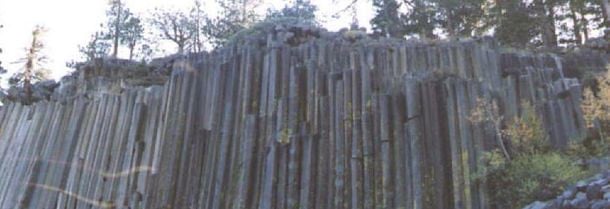
Metal pipes embedded in rock formations near a lake in China, with some extending deep underground and others running toward the water.
These aren’t modern installations that somehow got buried — the pipes are partially fossilized, integrated into the rock in ways that suggest extreme age, and they’re made from an unusual iron-silicon compound that doesn’t match standard metallurgy.
They range from tiny tubes the width of a toothpick to larger conduits big enough to crawl through, and they follow no obvious pattern that would suggest a clear engineering purpose.
The location makes them even more puzzling: Qinghai Province, in a remote area that has never been industrialized, near a salt lake that would corrode standard metals quickly.
Some pipes extend into the lake itself, while others disappear into the earth at angles that suggest they were part of a larger system. Chinese scientists have studied them extensively but can’t determine their age, their purpose, or their origins with any certainty.
Costa Rican Stone Spheres

Hundreds of perfectly round stone spheres, some weighing over 15 tons, scattered across Costa Rica’s jungle floor.
The precision is what stops you cold. These aren’t approximately round rocks that look impressive from a distance — they’re geometrically perfect spheres carved from granite and gabbro, accurate to within centimeters of true spherical form.
Creating even one would require mathematical knowledge, sophisticated tools, and enormous effort. Someone made hundreds of them, in sizes ranging from golf orbs to spheres eight feet in diameter, then arranged them in patterns across the landscape.
The culture that created them left no written records, and the spheres predate European contact by centuries. Many have been moved from their original locations, destroying whatever archaeological context might have explained their purpose, but the precision of their construction remains undeniable.
Modern stoneworkers, even with power tools, struggle to replicate their accuracy.
Voynich Manuscript

A 240-page book written in an unknown script, filled with illustrations of plants that don’t exist and diagrams that serve no clear purpose.
Carbon dating places it in the 15th century, but everything else about the manuscript refuses to fit into known categories.
The text flows like natural language — it has consistent patterns, apparent grammar, and statistical properties that match human communication — yet no linguist has been able to decode it.
The illustrations show botanical specimens that don’t correspond to any known plants, astronomical diagrams that don’t match medieval or Renaissance astronomy, and human figures engaged in activities that make no obvious sense.
The manuscript has defeated some of history’s best codebreakers, including teams that cracked German Enigma messages during World War II.
If it’s a hoax, it’s an extraordinarily sophisticated one that would require creating an entire fictional language with consistent internal logic. If it’s real, it represents knowledge from a tradition that has left no other trace in historical records.
The Genetic Disc
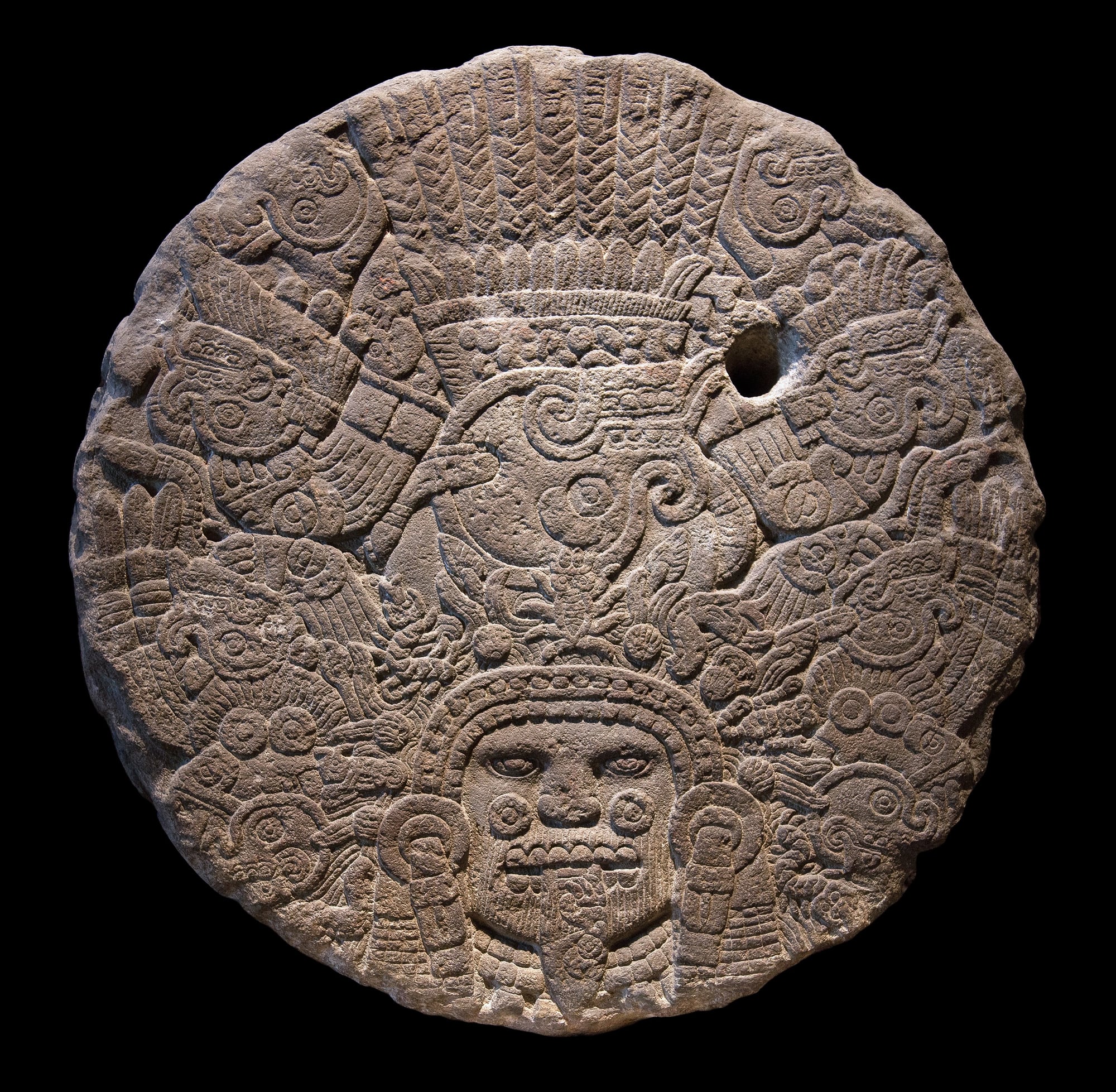
A carved stone disc from Colombia covered in detailed engravings that resemble cellular structures and human development stages.
This falls into the category of artifacts that are either remarkable coincidences or evidence of knowledge that doesn’t belong in pre-Columbian America.
The disc, created by an unknown South American culture, contains carvings that look remarkably like sperm cells, egg cells, embryonic development, and other aspects of human reproduction that weren’t understood scientifically until the invention of microscopes.
The resemblance is unsettling in its specificity. The engravings don’t just vaguely suggest biological forms — they show details of cellular structure and embryonic development that match modern biological illustrations with uncomfortable accuracy.
Either ancient South American cultures had access to knowledge about human reproduction that required advanced technology to discover, or the similarities are purely coincidental, which seems statistically unlikely given the precision of the match.
Phaistos Disc
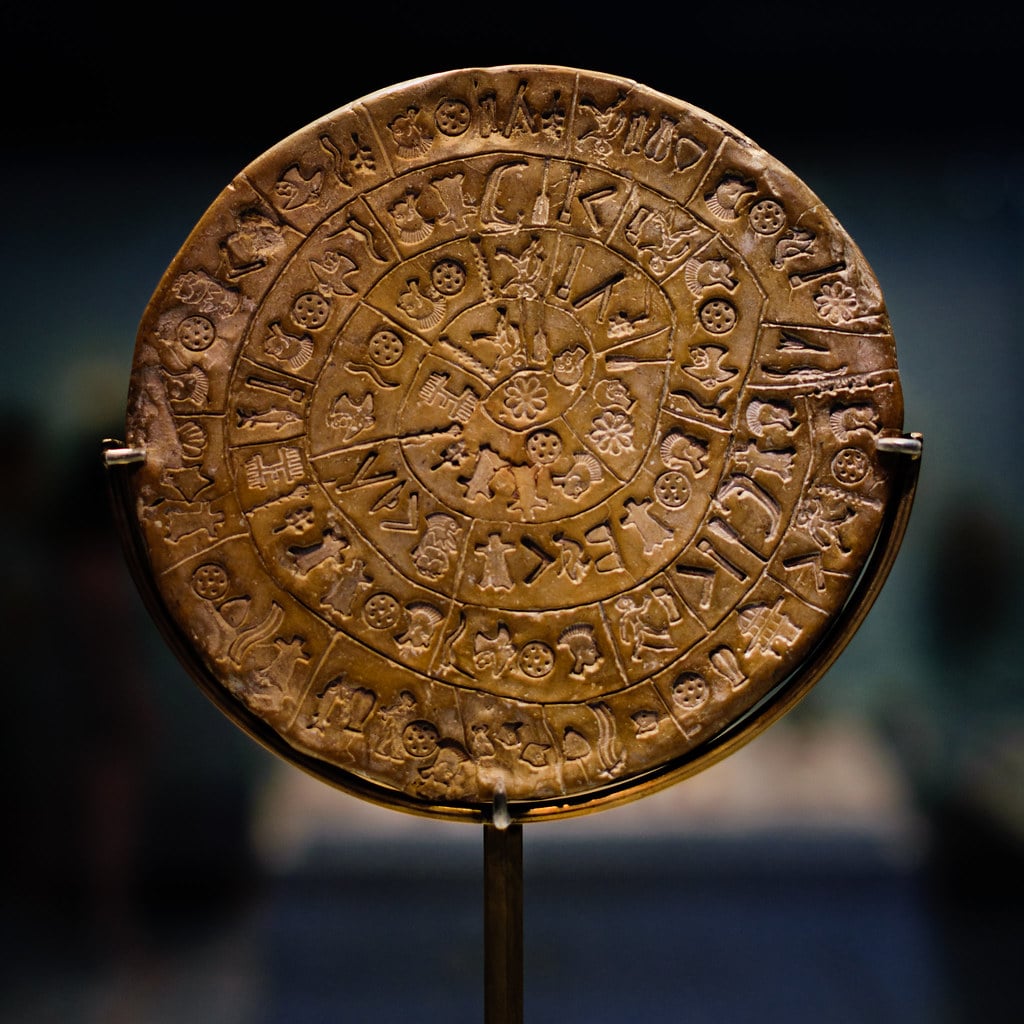
A clay disc from ancient Crete covered in stamped symbols that spiral from edge to center, representing what may be the world’s first example of movable type printing.
The disc was created around 1700 BCE using individual stamps pressed into clay — a printing technique that wouldn’t be reinvented until the Gutenberg press over 3,000 years later.
The symbols themselves don’t match any known writing system from the ancient Mediterranean, and the spiral arrangement is unlike any other form of ancient text organization.
Each symbol was created using a separate stamp, suggesting that whoever made the disc had developed a complete set of movable type centuries before anyone else thought of the concept.
The text remains undeciphered, and no other examples of this printing technique have been found from the same period, making the disc a technological anomaly that sits alone in the archaeological record.
Baghdad Battery

Clay jars containing iron rods and copper cylinders that, when filled with an acidic solution, generate electrical current.
Found in Iraq and dating to around 250 CE, these objects function as galvanic cells — they produce electricity when activated with vinegar or other acidic liquids.
The design is surprisingly efficient: the iron rod acts as a negative electrode, the copper cylinder as a positive electrode, and the clay jar serves as insulation, creating a basic battery that generates about 1.1 volts.
The question isn’t whether they work (they do), but why anyone would build them.
There’s no evidence that ancient Mesopotamian cultures had any use for electricity, no other electrical devices from the same period, and no contemporary texts that describe electrical phenomena.
The batteries exist in a technological vacuum, suggesting knowledge of electrical principles without any apparent application for that knowledge.
Nazca Lines
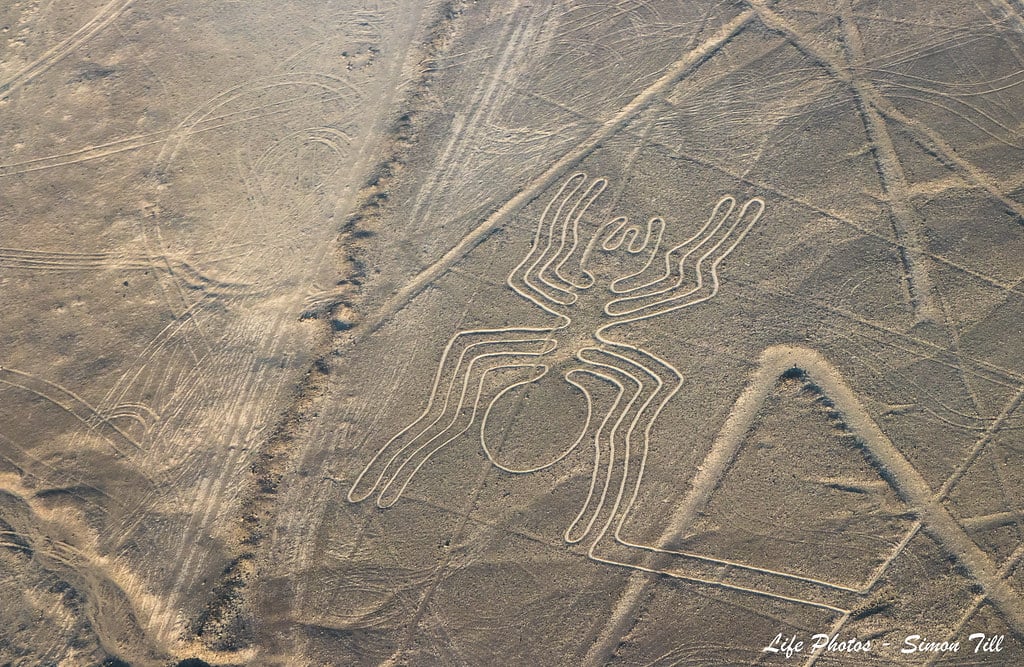
Massive ground drawings in Peru that can only be properly viewed from the air, created by a culture that had no known aviation technology.
The scale makes them invisible from ground level — these aren’t decorations you could appreciate while walking past.
The lines form geometric patterns and animal figures that stretch for miles across the desert, requiring aerial perspective to understand their full design.
The Nazca culture that created them between 500 BCE and 500 CE had no documented flying machines, no tall structures for observation, and no apparent reason to create artwork that they couldn’t see.
The precision is equally puzzling. The lines are perfectly straight across miles of uneven terrain, suggesting surveying techniques that were supposedly unknown in pre-Columbian America.
Some lines point to astronomical phenomena, but others seem to serve no calendrical or religious purpose that archaeologists can identify. They’re simply there: massive, precise, and visible only from a perspective their creators couldn’t achieve.
Göbekli Tepe
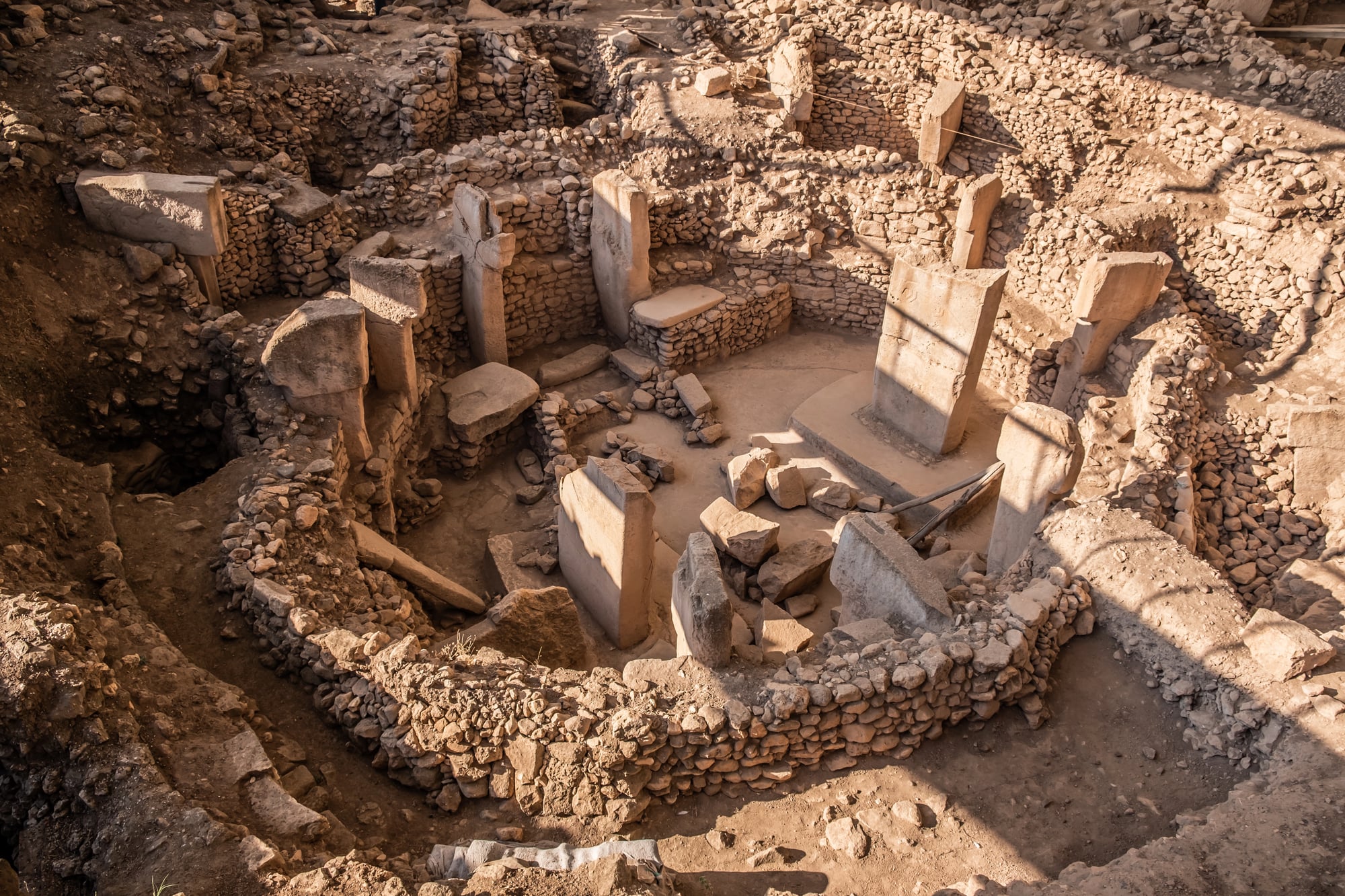
A complex of massive stone temples that predates agriculture, built by hunter-gatherer societies that supposedly lacked the organization for such projects.
The site rewrites assumptions about prehistoric human capability. The stone pillars weigh up to 50 tons each, are arranged in precise circular patterns, and are decorated with sophisticated relief carvings of animals and abstract symbols.
This required organizational skills, engineering knowledge, and social cooperation that archaeologists didn’t think hunter-gatherer societies possessed.
The dating is what makes it revolutionary: around 9600 BCE, which places construction at the end of the last ice age, thousands of years before humans supposedly developed agriculture or permanent settlements.
The builders had to quarry massive stones, transport them across difficult terrain, and erect them with precision — all while living as nomadic hunters. Then, around 8000 BCE, they deliberately buried the entire complex under tons of earth and abandoned it.
Sacsayhuamán
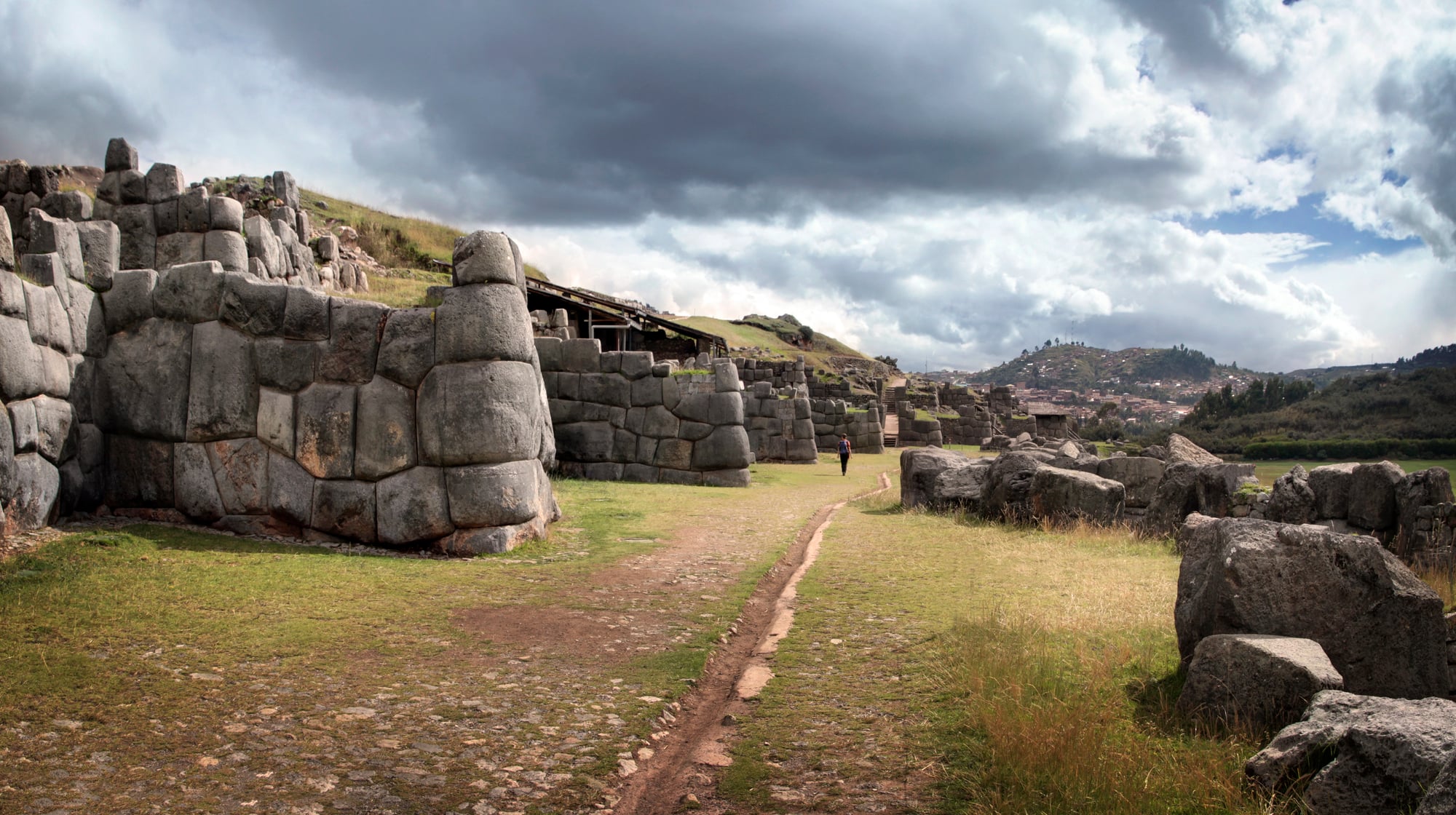
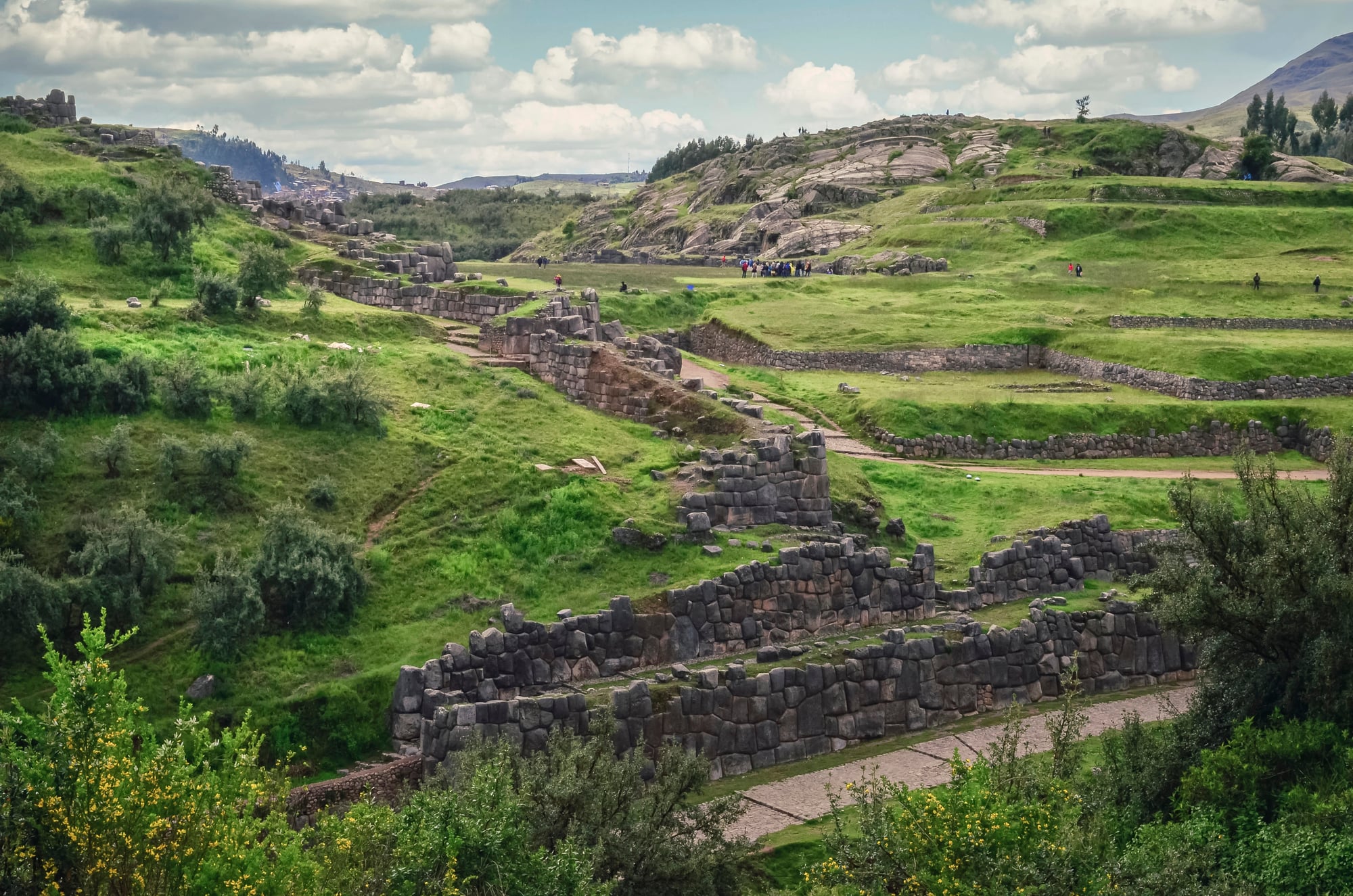
Massive stone walls in Peru built with blocks so precisely fitted that you can’t slide a knife blade between them, despite some stones weighing over 200 tons.
The engineering challenges are staggering: the largest stones are roughly the size and weight of modern freight trains, yet they’re cut and fitted with tolerances that would challenge contemporary construction techniques.
The builders somehow quarried these blocks from sites miles away, transported them up steep mountain slopes, and assembled them into walls that have survived centuries of earthquakes that damaged later Spanish colonial buildings.
What’s more unsettling is that the precision seems unnecessary — these aren’t decorative walls where aesthetic perfection would matter, they’re fortifications where functional strength should be sufficient.
Yet every stone is cut to fit its neighbors with mathematical exactness, suggesting construction standards that exceed practical requirements. The Inca, who are credited with the work, had no wheeled vehicles, no iron tools, and no written records of their construction techniques.
Longyou Caves
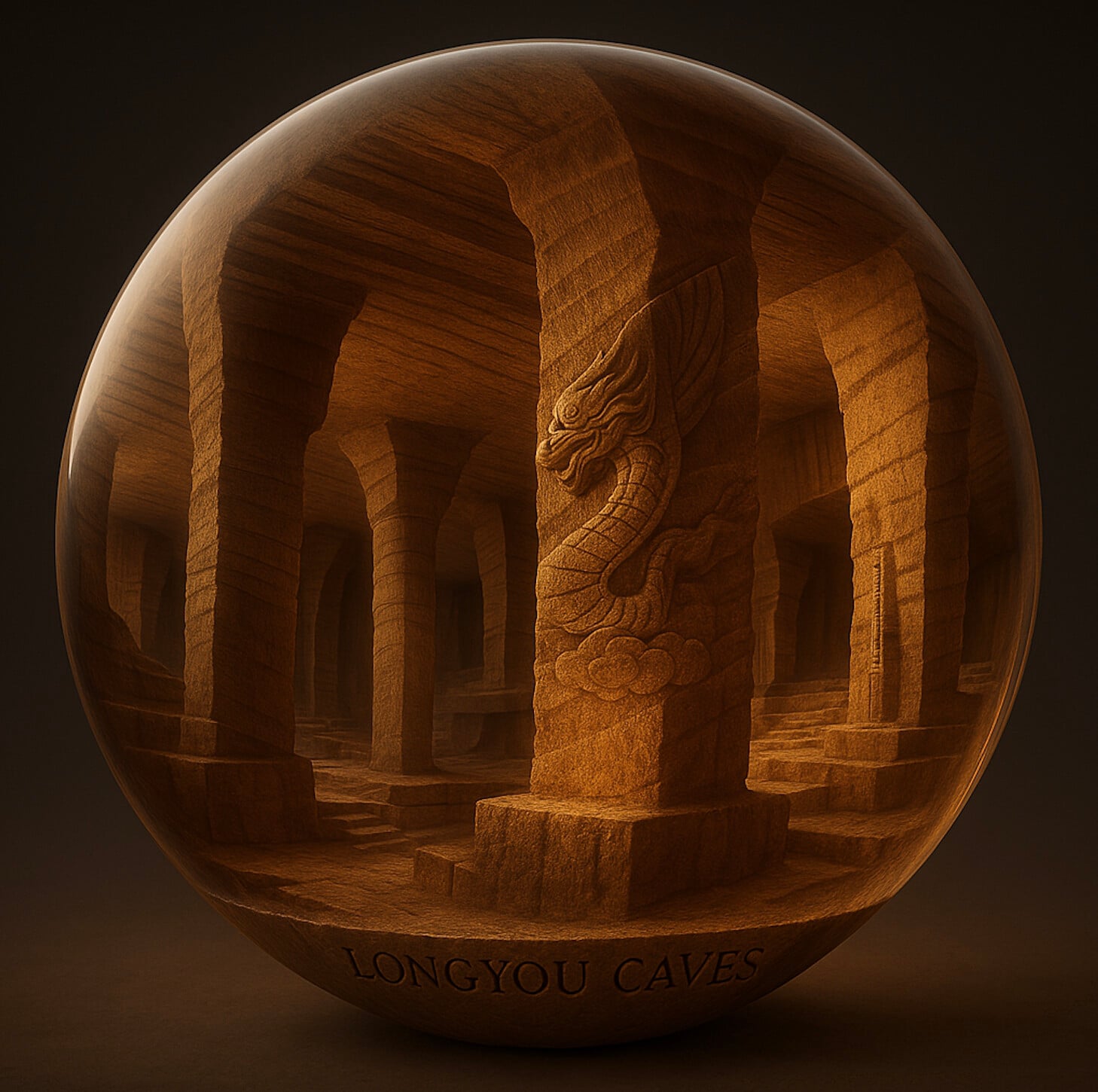
A complex of artificial caves in China carved from solid rock with precision that suggests advanced engineering knowledge.
The caves were carved entirely by hand from sandstone, creating chambers large enough to hold thousands of people, connected by passages and featuring architectural details like pillars, stairs, and decorative elements.
The precision of the work is remarkable — walls are perfectly vertical, corners meet at exact right angles, and the entire complex maintains structural integrity despite removing massive amounts of stone.
What makes them puzzling is the absence of any historical record. There’s no mention of their construction in Chinese historical documents, no local legends explaining their purpose, and no archaeological evidence of the enormous quantities of stone that should have been removed during excavation.
The caves exist as if someone carved out thousands of tons of rock and made both the debris and the historical memory of the project disappear.
Klerksdorp Spheres

Metallic spheres found in South African rock formations that are billions of years old, with grooves that appear to be artificially created.
These objects challenge basic assumptions about geological processes and the history of life on Earth.
Found in pyrophyllite deposits that date to 2.8 billion years ago — long before complex life existed — the spheres are made of a steel-nickel alloy and feature parallel grooves around their circumference that appear too regular to be natural formations.
The spheres are nearly perfectly round and show signs of having been manufactured rather than formed by geological processes.
Some rotate freely within their stone matrix, suggesting they were placed there before the rock hardened around them. If they’re natural formations, they represent geological processes that scientists don’t understand.
If they’re artificial, they predate the existence of any known life forms capable of metallurgy by an almost incomprehensible margin.
The Cochno Stone
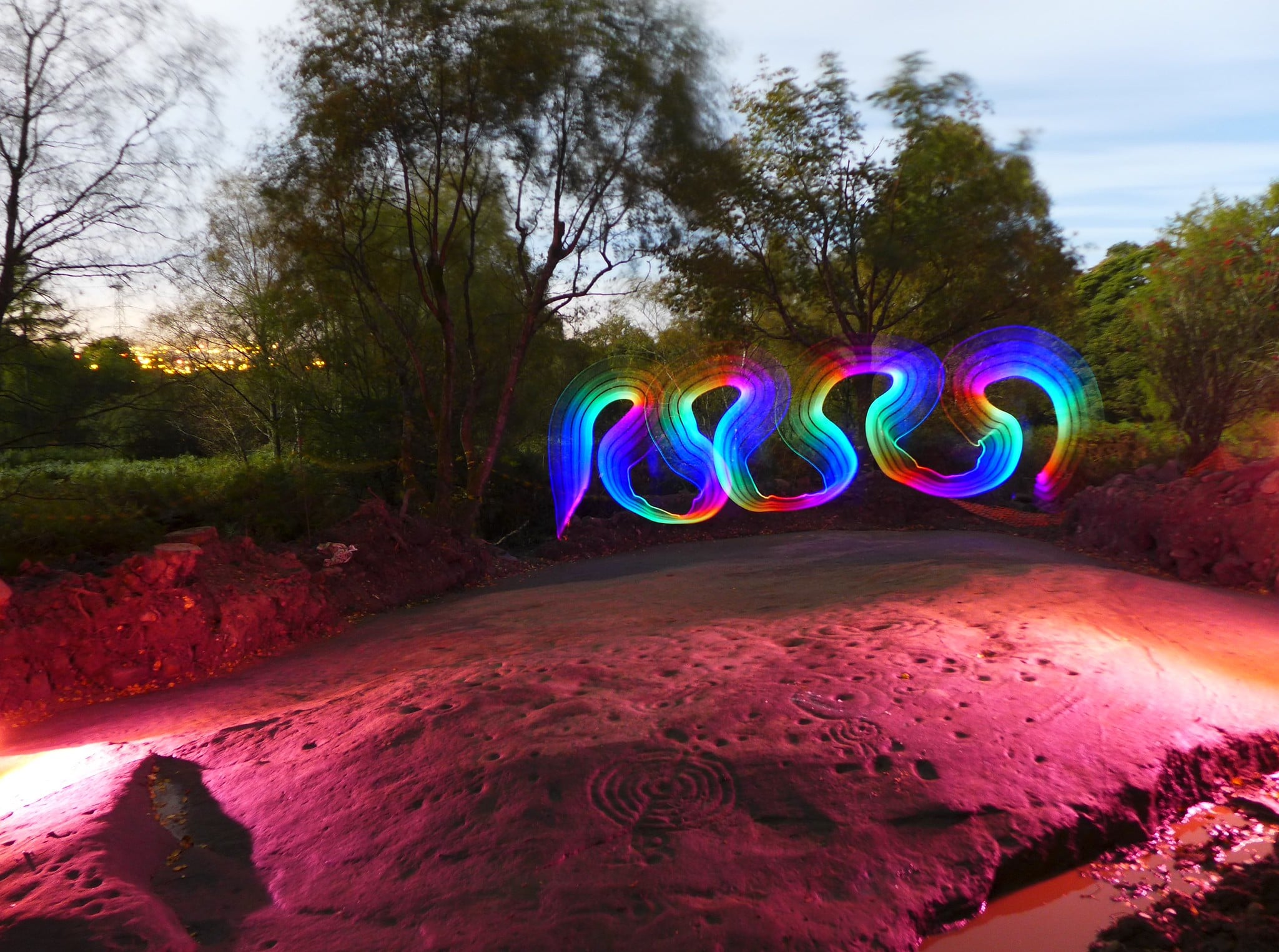
A 5,000-year-old rock carving in Scotland covered with intricate patterns that include what appears to be a detailed map of the surrounding area.
The stone features cup and ring marks — circular depressions surrounded by concentric circles — that appear throughout prehistoric Europe but whose purpose remains unknown.
What makes the Cochno Stone unusual is the complexity and apparent geographic accuracy of its patterns, which seem to correspond to local topographical features with remarkable precision.
The carvings include what appears to be a representation of the surrounding valley system, complete with markers that may indicate specific locations or astronomical alignments.
If the interpretation is correct, it would represent one of the earliest known maps, created by a Neolithic culture that left no other evidence of sophisticated geographical knowledge.
The stone was buried under several feet of earth for protection in the 1960s and has only recently been re-excavated for study.
Yonaguni Monument
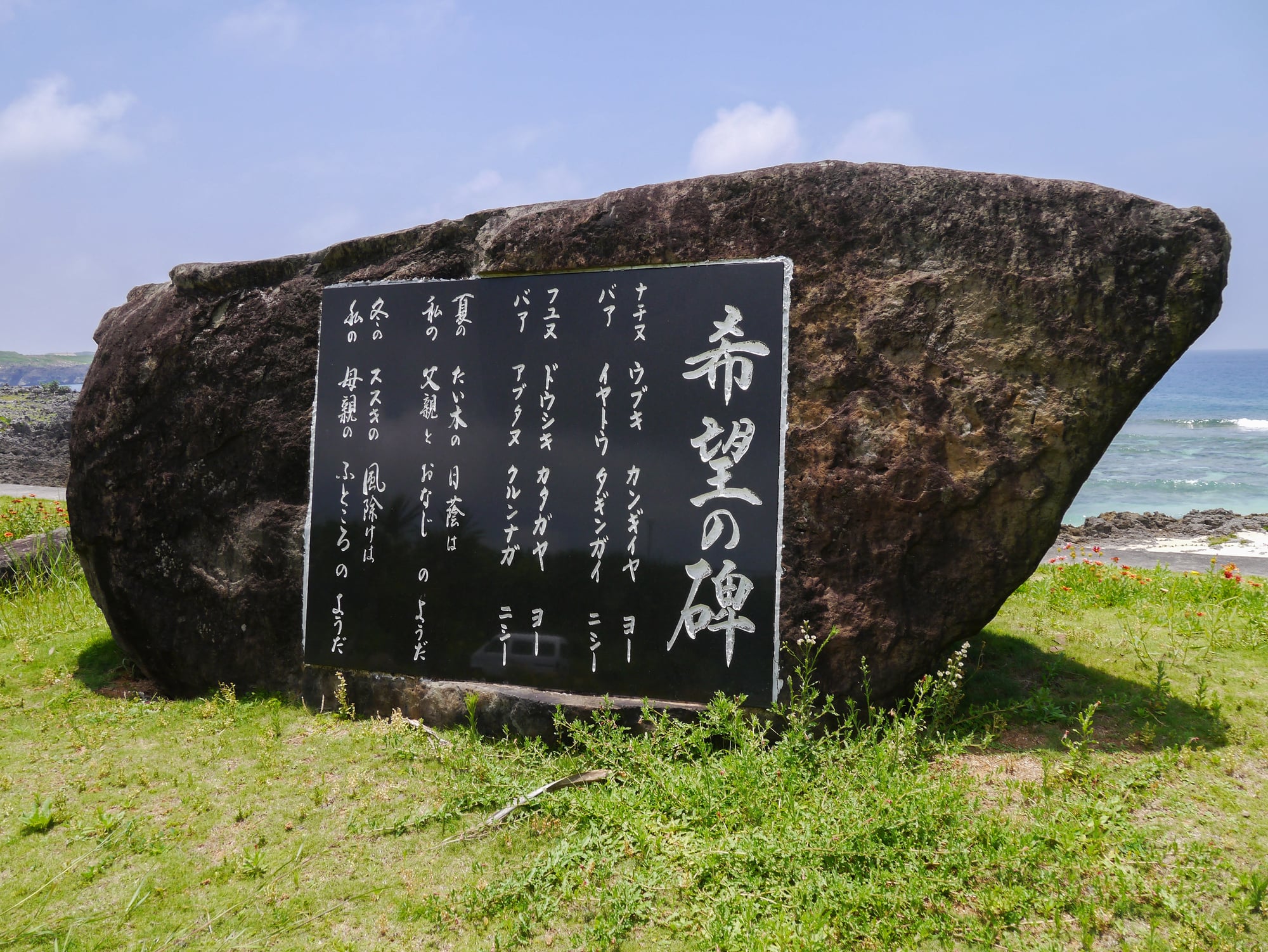
An underwater rock formation off Japan that appears to be a stepped pyramid with carved edges and geometric features.
Discovered in 1987 by a diving instructor, the structure resembles a massive stone temple with terraced levels, right-angle cuts, and features that look deliberately carved.
The formation is about 150 meters long and 50 meters wide (approximately 490 feet by 165 feet), with steps, ramps, and what appear to be drainage channels cut into the rock.
The controversy centers on whether it’s natural or artificial. Geologists point out that sedimentary rock can fracture along straight lines and create step-like formations through natural processes.
But the structure includes features — including what appear to be carved symbols and perfectly straight edges — that are difficult to explain through geological processes alone.
If it’s artificial, it was above sea level when constructed, which would date it to at least 10,000 years ago, before any known advanced civilization in the region.
The Mystery Deepens
These artifacts share a common thread that’s more unsettling than their individual mysteries: they represent knowledge and capabilities that don’t fit into our understanding of human technological development.
Each one, considered alone, might be explained as an anomaly or misinterpretation. Taken together, they suggest that the history of human capability is far more complex than the linear progression from primitive to advanced that we typically assume.
Whether they represent lost technologies, forgotten civilizations, or simply the ingenuity of ancient peoples working within constraints we don’t fully understand, they serve as reminders that the past still holds secrets that resist easy explanation.
More from Go2Tutors!

- The Romanov Crown Jewels and Their Tragic Fate
- 13 Historical Mysteries That Science Still Can’t Solve
- Famous Hoaxes That Fooled the World for Years
- 15 Child Stars with Tragic Adult Lives
- 16 Famous Jewelry Pieces in History
Like Go2Tutors’s content? Follow us on MSN.