Successful Pirates Who Left Behind a Dark Legacy
The romanticized image of pirates as freedom-loving rebels sailing the high seas has dominated popular culture for centuries. Movies, books, and television shows paint them as charming rogues fighting against oppressive authority.
But that glossy Hollywood veneer covers a much darker reality. The most successful pirates in history weren’t just thieves—they were brutal killers, slave traders, and architects of terror who left legacies stained with blood and suffering.
Their success came at an unimaginable human cost that history often conveniently overlooks.
Blackbeard
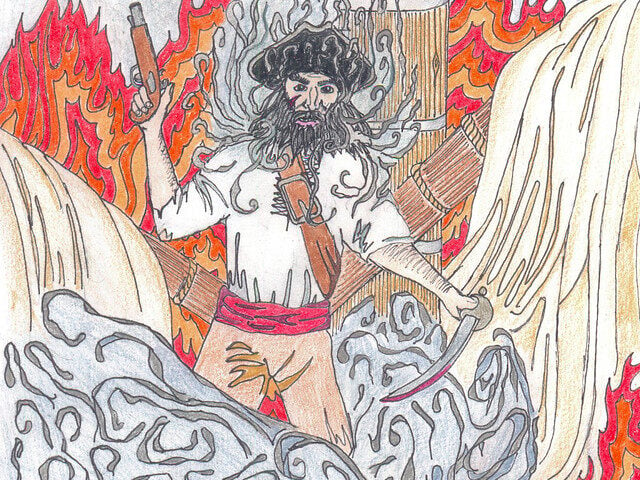
Edward Teach didn’t just steal ships. He perfected psychological warfare on the open ocean.
Slow hemp burning under his hat created a demonic halo of smoke around his face during battle. Most victims surrendered before a shot was fired.
His reign lasted only two years. That was enough to terrorize the entire Eastern seaboard.
Henry Morgan
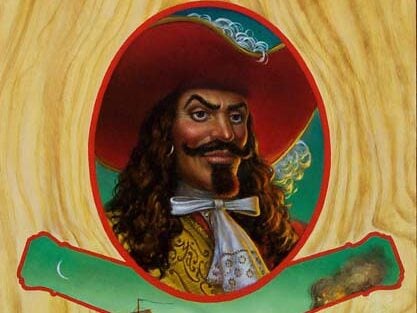
Morgan operated under a technicality that made him technically legal. His letter of marque from the English crown gave him permission to attack Spanish ships—but Morgan expanded that definition to include entire cities.
The sack of Panama in 1671 was so brutal that even his English sponsors (who had quietly encouraged the raid while publicly condemning it) had to arrest him for appearances.
So here’s the thing about Morgan that makes him particularly unsettling: he wasn’t some desperate outlaw operating from the fringes of society—he was a businessman who understood that violence, when properly applied and legally justified, could generate extraordinary profits. The Spanish colonists he butchered weren’t just obstacles to treasure; they were, in his mind, acceptable casualties in a larger economic enterprise that his own government had tacitly approved.
And when the political winds shifted and Panama became an embarrassment, Morgan simply pivoted. Exile.
He returned to England, received a knighthood, and spent his final years as the Lieutenant Governor of Jamaica, where he hunted the very pirates he had once commanded.
Bartholomew Roberts
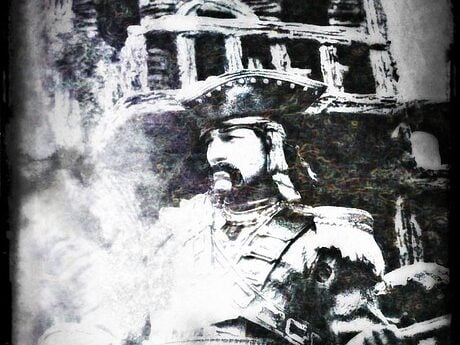
Roberts captured more ships than any other pirate in the Golden Age. Over 400 vessels in three years—numbers that sound impressive until you consider what happened to the crews aboard those ships.
Roberts didn’t take prisoners when the mood struck him wrong.
His Pirate Code sounds civilized in history books. Equal votes, fair shares of treasure, no gambling.
But the code also included burning ships with crews still aboard and torturing captives for information about hidden cargo.
François l’Olonnais
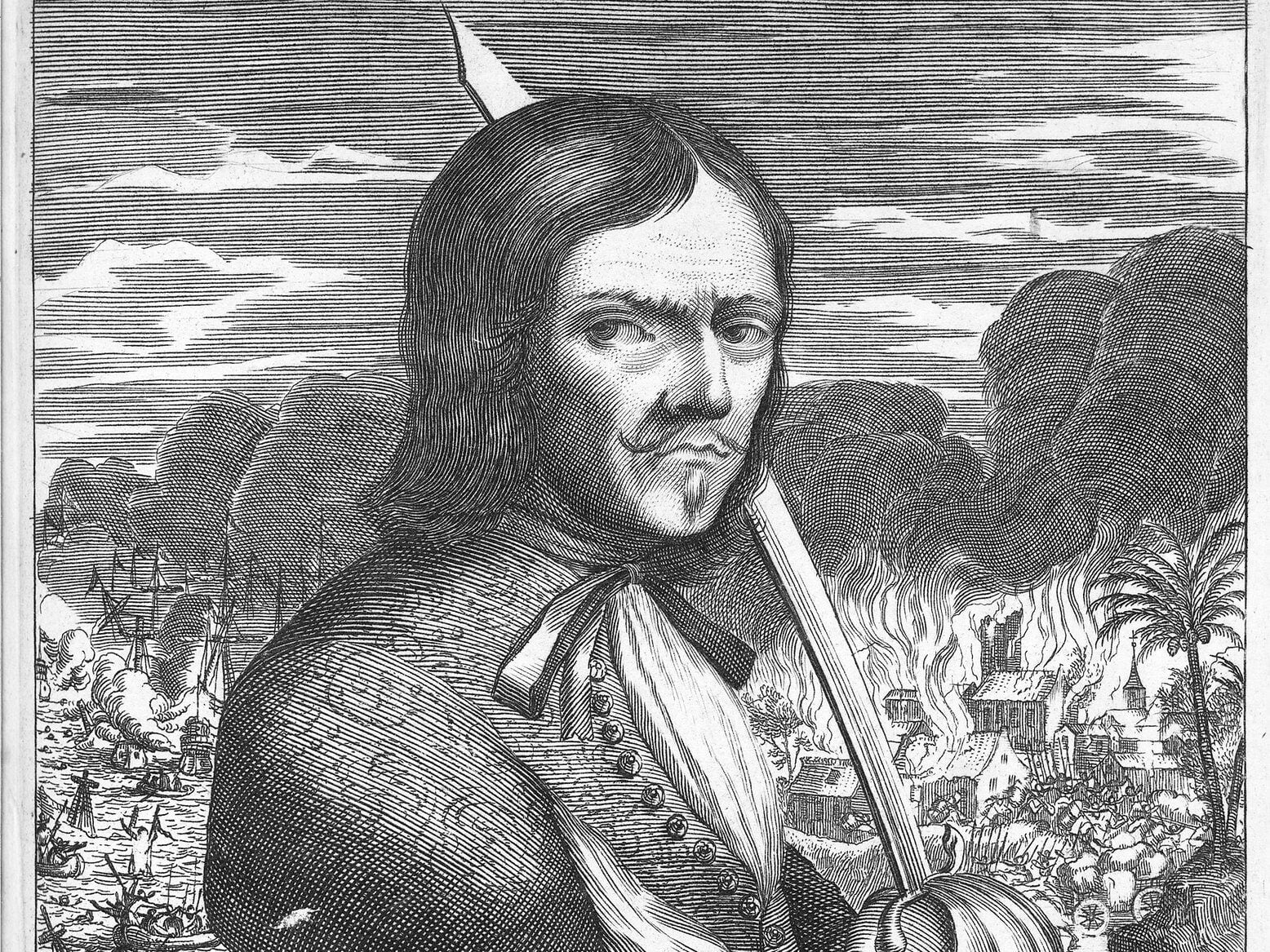
Some pirates killed for profit. L’Olonnais killed because he enjoyed it—and that distinction mattered to everyone unfortunate enough to encounter him in the Caribbean during the 1660s.
Spanish sailors threw themselves overboard rather than be taken alive by his crew, and for good reason.
The stories sound too horrific to be true, but multiple sources confirm them. L’Olonnais once cut out a prisoner’s heart and took a bite to terrorize the remaining captives.
His attack on Maracaibo resulted in mass executions that served no strategic purpose beyond satisfying his appetite for cruelty. Even other pirates found him disturbing, which says something about the general moral climate of 17th-century piracy.
He died as brutally as he lived, torn apart by cannibals on the coast of Nicaragua. There’s a certain grim justice in that ending—though it came far too late for his thousands of victims.
Captain Kidd
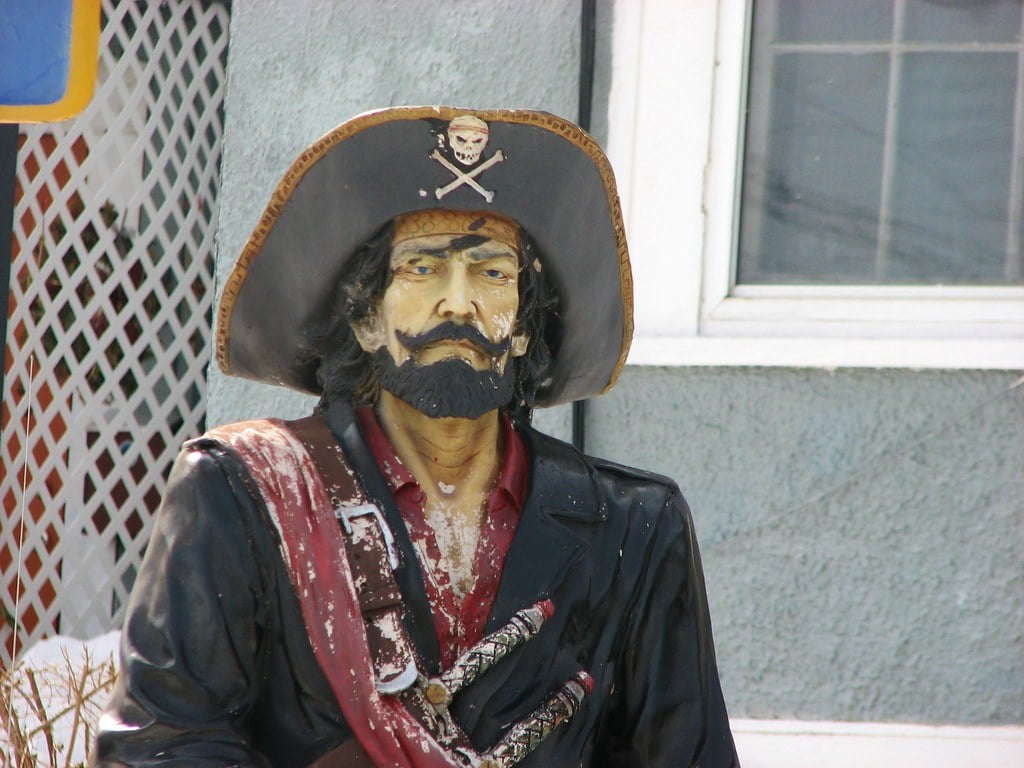
Kidd represents the blurred line between legitimate privateering and outright piracy that defined much of the Golden Age. Commissioned by the English government to hunt pirates in the Indian Ocean, he gradually became the very thing he was supposed to eliminate.
The transformation wasn’t sudden. Kidd’s crew grew restless when legitimate prizes proved scarce, and the temptation of rich merchant vessels carrying no letters of marque became overwhelming.
His attack on the Quedagh Merchant in 1698 crossed the line from privateering into piracy—but by then, Kidd was too deep in to turn back.
His execution in London served as a convenient scapegoat for a government that had quietly encouraged his activities when they proved profitable.
Anne Bonny and Mary Read
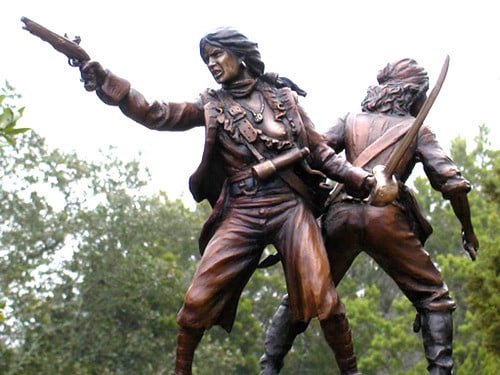
They were the most famous female pirates of the Golden Age, but their gender doesn’t soften the brutality of their actions. Bonny and Read fought alongside Calico Jack Rackham’s crew in the Caribbean, participating in raids that left merchant sailors dead and ships burned.
Their final capture reveals the gender dynamics of pirate society. When Rackham’s crew was cornered by pirate hunters, most of the male pirates hid below deck.
Bonny and Read stayed topside, fighting until the bitter end. Both were pregnant during their trial, which saved them from immediate execution—but their male counterparts, including Rackham, were hanged.
Thomas Tew

Tew pioneered the “Pirate Round”—a route from the Americas to the Indian Ocean that became the blueprint for the most profitable piracy of the era. His success inspired dozens of imitators, but the route’s profitability depended on attacking Muslim pilgrim ships traveling to Mecca.
These weren’t military targets or rival merchants competing for trade routes. Tew and his followers systematically robbed religious pilgrims, many of whom had spent their life savings on the journey.
The cultural and religious significance of these attacks created diplomatic crises that lasted for decades, poisoning relations between European powers and the Ottoman Empire.
Edward Low
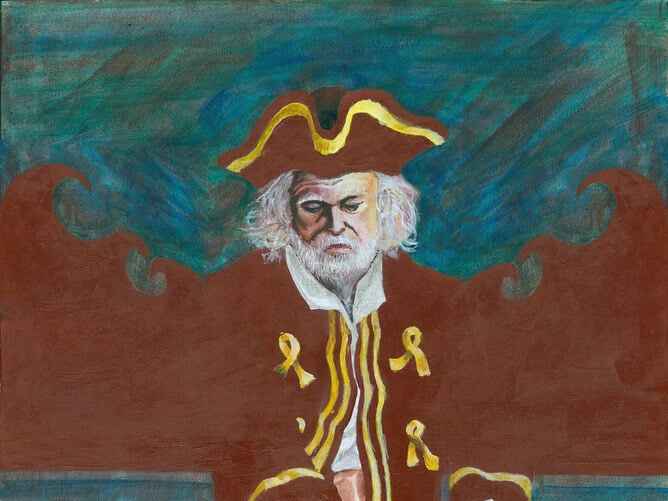
Low’s cruelty stands out even in an era defined by violence. Ship captains who resisted his attacks faced torture that served no practical purpose—Low simply enjoyed inflicting pain.
He once forced a captive to eat his own ears after cutting them off.
The randomness of Low’s violence made him particularly terrifying. Other pirates could be reasoned with, bribed, or appeased through surrender.
Low killed for entertainment, which meant that cooperation offered no guarantee of survival. His psychological profile reads like a case study in sadistic personality disorder, but his success as a pirate captain demonstrates how effectively terror could be weaponized on the high seas.
Low’s own crew eventually marooned him on a deserted island, unable to tolerate his unpredictable brutality any longer. That his own pirates—hardened killers themselves—found him too extreme speaks volumes about the depths of his cruelty.
Stede Bonnet
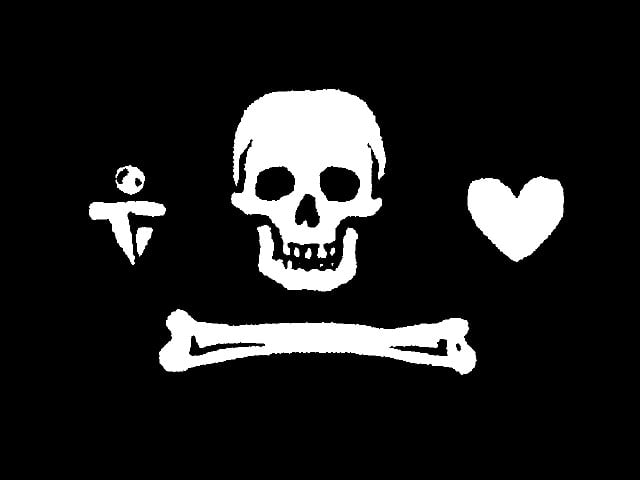
Bonnet was the “Gentleman Pirate”—a wealthy plantation owner who abandoned his comfortable life in Barbados to become a pirate captain. But his privileged background didn’t make him any less brutal than his lower-born contemporaries.
What makes Bonnet particularly disturbing is the deliberate nature of his turn to piracy. This wasn’t desperation or circumstance forcing him into criminal activity.
Bonnet chose piracy as an escape from domestic unhappiness, treating it like an extreme midlife crisis. His victims paid the price for his personal dissatisfaction with suburban plantation life.
Charles Vane

Vane refused the King’s pardon when it was offered to pirates in 1718, preferring to continue his attacks on merchant shipping in the Caribbean. His defiance wasn’t based on principle—Vane simply enjoyed the lifestyle too much to give it up.
His treatment of prisoners was notoriously harsh, even by pirate standards. Vane’s crew tortured captives as a matter of course, not just for information but to maintain their reputation for brutality.
The psychological warfare was deliberate: ships that surrendered quickly suffered less than those that resisted, creating an incentive system built on fear.
John Rackham
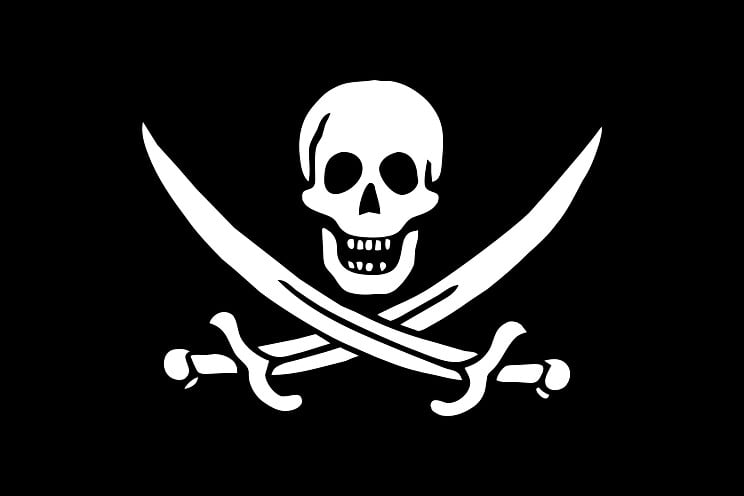
“Calico Jack” Rackham is remembered more for his flamboyant clothing and his relationships with Anne Bonny and Mary Read than for his actual piracy. But his relatively short career still resulted in numerous deaths and the destruction of dozens of merchant vessels.
Rackham’s weakness as a military leader made his crew more dangerous, not less. Unable to plan sophisticated attacks, they relied on overwhelming violence to compensate for poor strategy.
Merchant crews faced longer, more chaotic battles when confronting Rackham’s pirates, increasing casualties on both sides.
Samuel Bellamy
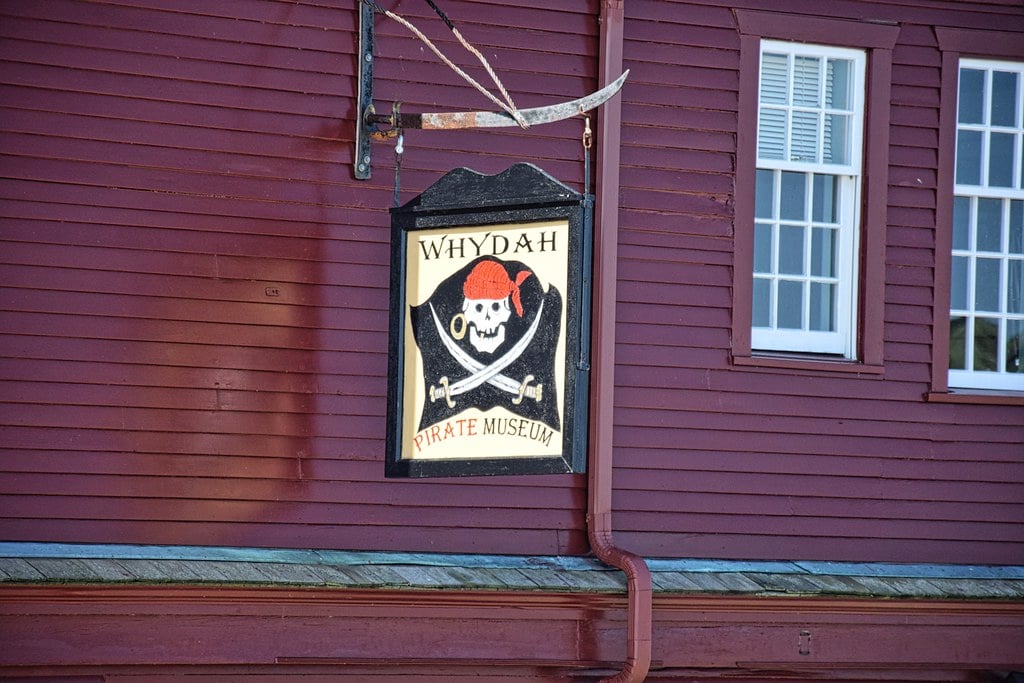
Bellamy styled himself as a “Robin Hood of the seas,” claiming to redistribute wealth from the rich to the poor. The reality was considerably less noble—Bellamy’s crew murdered merchant sailors and enslaved survivors to work captured ships.
His flagship, the Whydah, was a former slave ship that Bellamy captured and converted for piracy. The symbolism is telling: Bellamy built his “democratic” pirate enterprise on the foundation of one of history’s most brutal institutions.
When the Whydah wrecked off Cape Cod in 1717, it was carrying treasure looted from dozens of ships and the bodies of countless victims.
Benjamin Hornigold
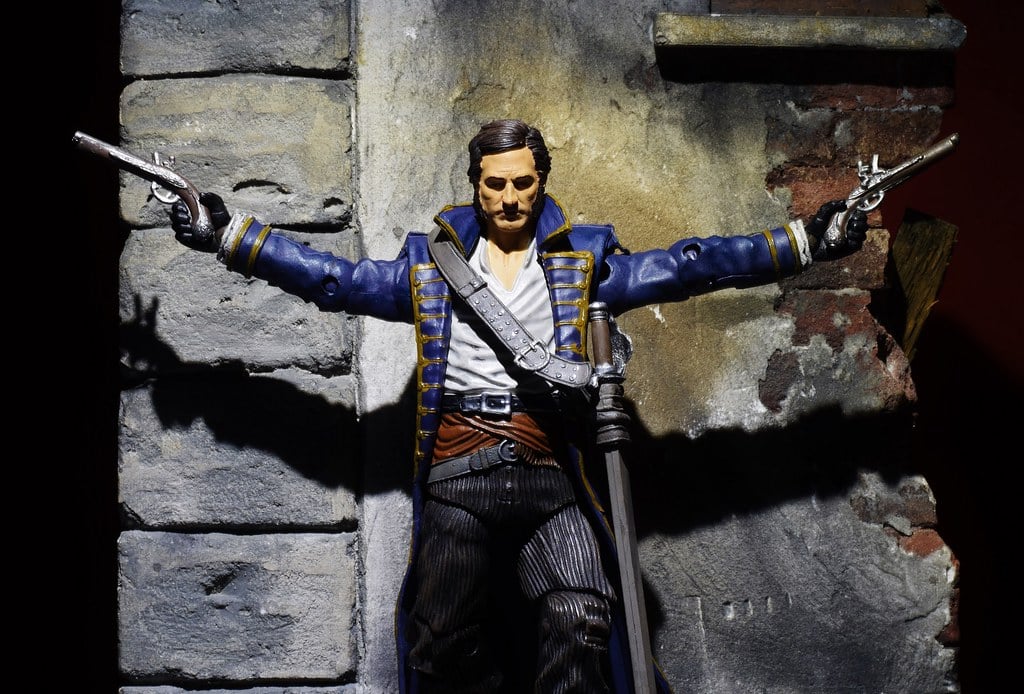
Hornigold mentored many of the most famous pirates of the Golden Age, including Blackbeard. His influence on pirate tactics and organization shaped the entire era, making him indirectly responsible for thousands of deaths.
But Hornigold’s most lasting legacy was his eventual betrayal of the pirate community. When the King’s pardon was offered in 1718, Hornigold accepted and became a pirate hunter, using his intimate knowledge of pirate tactics to track down his former allies.
His pursuit of other pirates was relentless and effective—but it came only after he had spent years training them in the methods that made them so dangerous.
Jean Lafitte
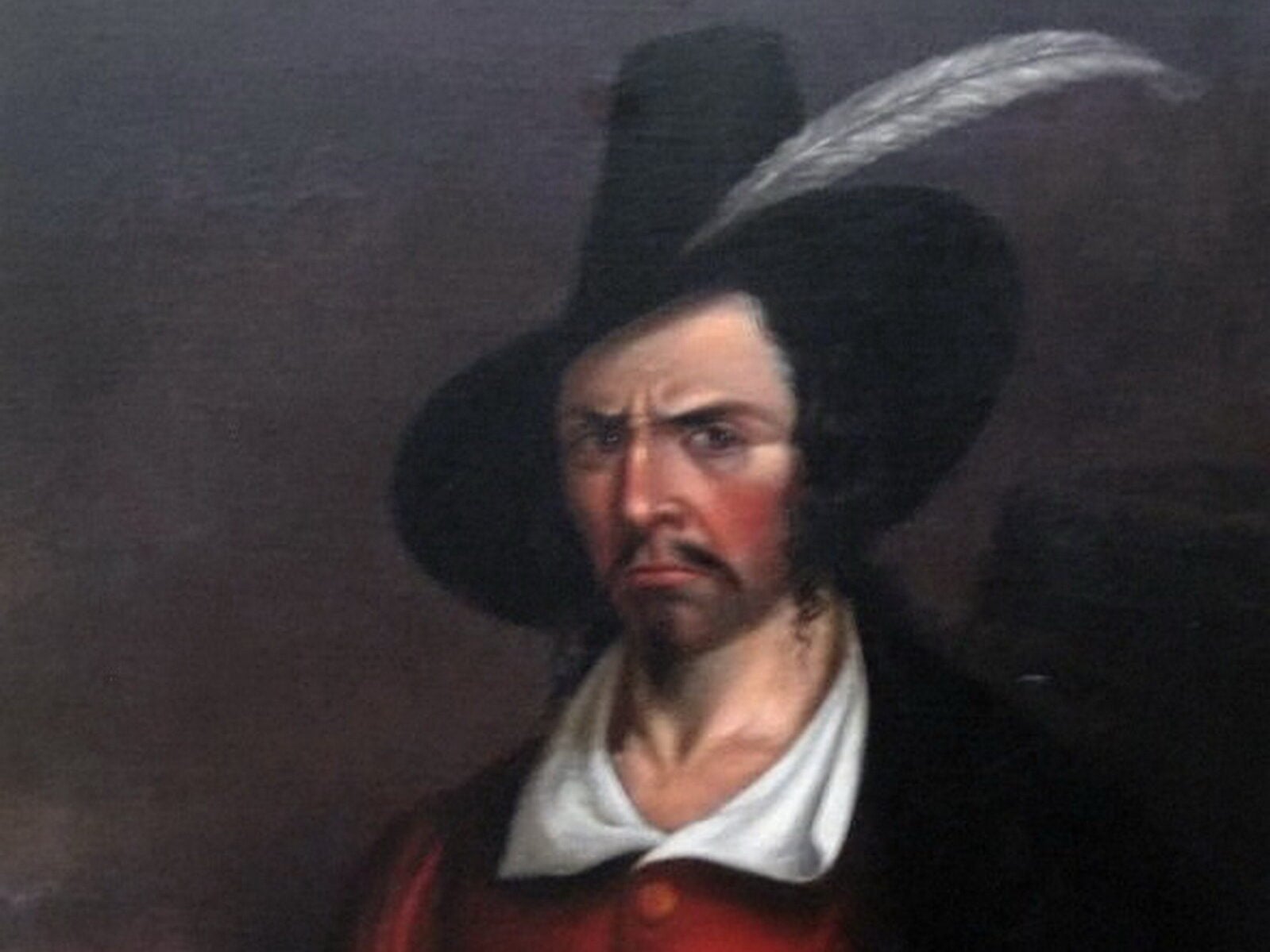
Lafitte operated from the bayous of Louisiana, blurring the lines between piracy, smuggling, and legitimate business. His organization was sophisticated enough to maintain warehouses, conduct auctions, and provide customer service to buyers of stolen goods.
The scale of Lafitte’s operation made him one of the most successful pirates in history—and one of the most destructive. His network facilitated thousands of attacks on merchant shipping in the Gulf of Mexico, and his political connections allowed him to operate with near impunity for decades.
Even his assistance to American forces during the War of 1812 was motivated more by profit than patriotism.
The Weight of History
These names echo through centuries, but the voices they silenced remain unheard. Every successful pirate captain commanded through a combination of charisma and terror that left behind mass graves on remote beaches and ships’ crews who simply vanished into the vast expanse of the ocean.
Their success stories are simultaneously tales of thousands of individual tragedies—merchants who never returned home, sailors pressed into service who died far from their families, and entire communities that lived in fear of ships appearing on the horizon.
The dark legacy isn’t just the immediate violence, though that was staggering enough. These pirates disrupted global trade routes, destabilized colonial governments, and created a culture where brutality was not only normalized but celebrated.
They left behind a world where the line between legitimate business and criminal enterprise had been blurred beyond recognition, and where violence had become an acceptable tool of economic policy.
More from Go2Tutors!

- The Romanov Crown Jewels and Their Tragic Fate
- 13 Historical Mysteries That Science Still Can’t Solve
- Famous Hoaxes That Fooled the World for Years
- 15 Child Stars with Tragic Adult Lives
- 16 Famous Jewelry Pieces in History
Like Go2Tutors’s content? Follow us on MSN.