17 Derby Upsets That Shocked Horse Racing Fans
The Kentucky Derby is called “The Most Exciting Two Minutes in Sports” for good reason. Every year, three-year-old thoroughbreds thunder down the Churchill Downs stretch while millions of viewers hold their breath, waiting to see which horse will claim racing immortality.
But sometimes the favorites stumble, the longshots surge, and the impossible becomes reality. These moments of pure shock — when 50-to-1 outsiders cross the wire first or when seemingly invincible champions falter just yards from glory — are what transform casual observers into lifelong racing fans.
The Derby has delivered more jaw-dropping surprises than any other race in American sports, creating legends from unknowns and leaving champions as footnotes to history.
Mine That Bird
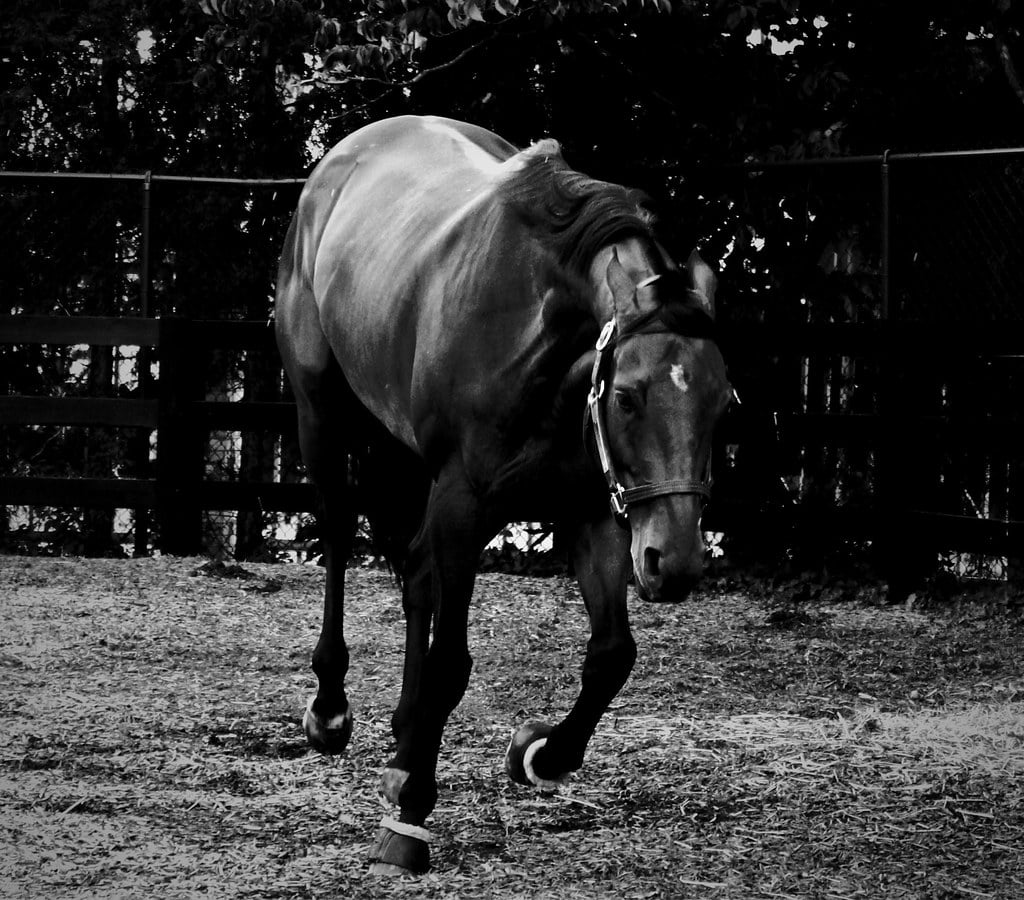
Mine That Bird trotted to the starting gate at 50-to-1 odds in 2009. Nobody gave the small gelding from New Mexico a chance.
He’d shipped to Louisville in a trailer rather than flying like the fancy horses, and his jockey Calvin Borel was riding his third choice after two other mounts fell through. What happened next defied every expectation.
Mine That Bird found a narrow opening along the rail and squeezed through gaps that barely seemed wide enough for a bicycle. When he emerged in the stretch, the crowd fell silent for a split second — nobody could believe what they were seeing.
The 50-to-1 shot had stolen the Kentucky Derby with one of the most improbable come-from-behind victories in racing history.
Giacomo
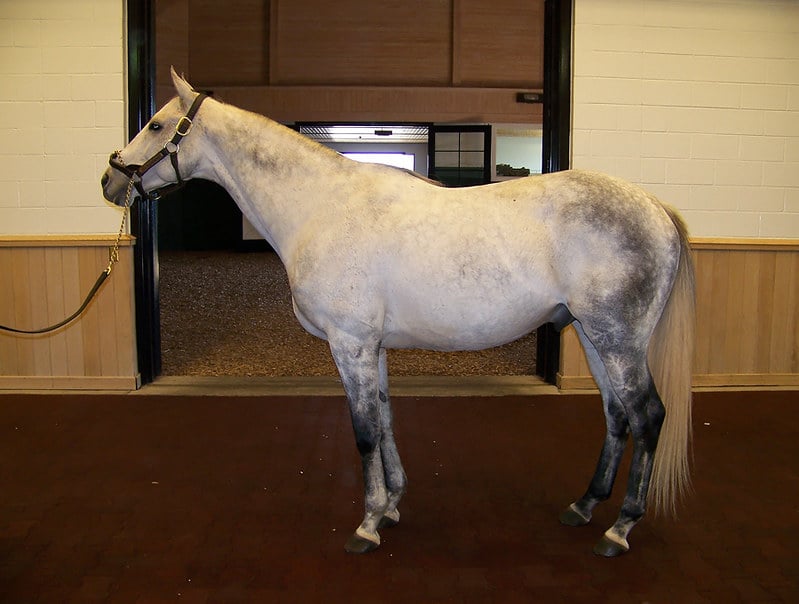
Giacomo entered the 2005 Derby as the second-longest shot on the board at 50-to-1 odds, and even his own connections seemed surprised he was there. The colt had exactly one stakes win to his name — a minor race that nobody outside of California racing circles had paid attention to — and his breeding suggested he’d be better suited for shorter distances (which is ironic, considering the Derby’s mile-and-a-quarter distance is hardly a marathon by European standards, but American racing has its own logic, or lack thereof).
But Giacomo had something that doesn’t show up in past performances: timing that bordered on supernatural. When the field turned for home, Giacomo was buried so deep in the pack that television cameras had trouble finding him, which made his final surge all the more stunning. And here’s what made it even more remarkable — his jockey, Mike Smith, had to navigate through traffic that would have challenged a Manhattan cab driver, threading between horses while asking his mount for a burst of speed that nobody knew existed.
So when Giacomo hit the wire first, the silence from the crowd lasted long enough to make you wonder if the public-address system had broken. Nobody knew what to do with what they’d just witnessed.
Country House
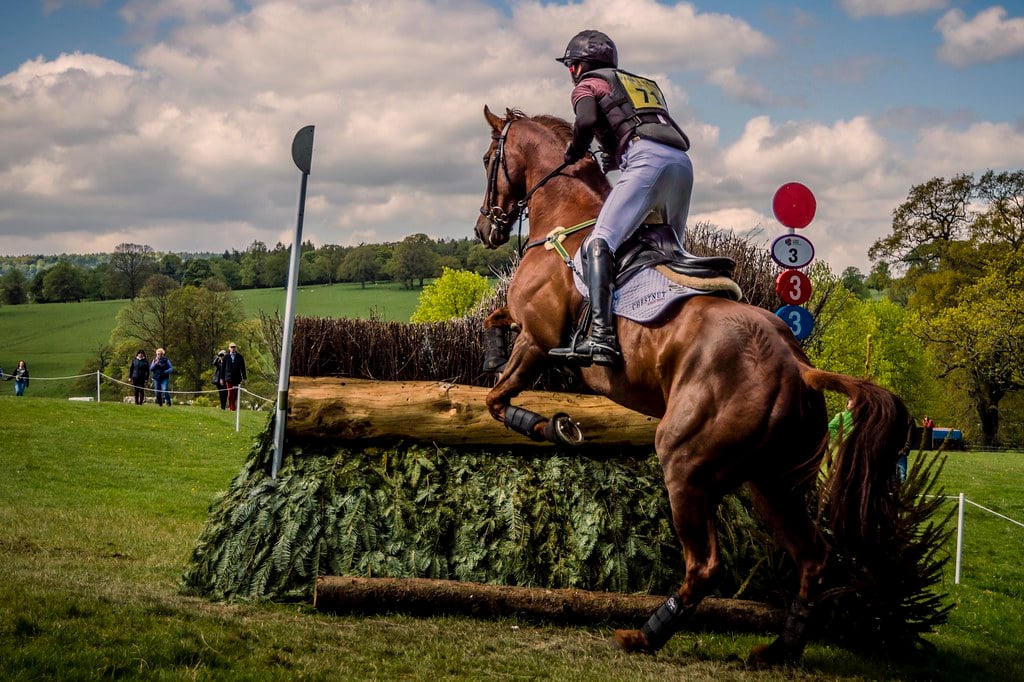
Country House won the 2019 Derby without actually crossing the finish line first. Maximum Security appeared to have won, but then came the announcement that changed everything: “Hold all tickets.”
Racing stewards huddled over replays for what felt like an eternity. Maximum Security had drifted out in the stretch, interfering with other horses.
The stewards made a decision that split the racing world down the middle — they disqualified the apparent winner and awarded the race to Country House, who had finished second. Country House became the first horse in Derby history to win via disqualification.
His odds of 65-to-1 became meaningless at that moment. Sometimes the biggest upsets happen in the stewards’ booth rather than on the track.
Rich Strike
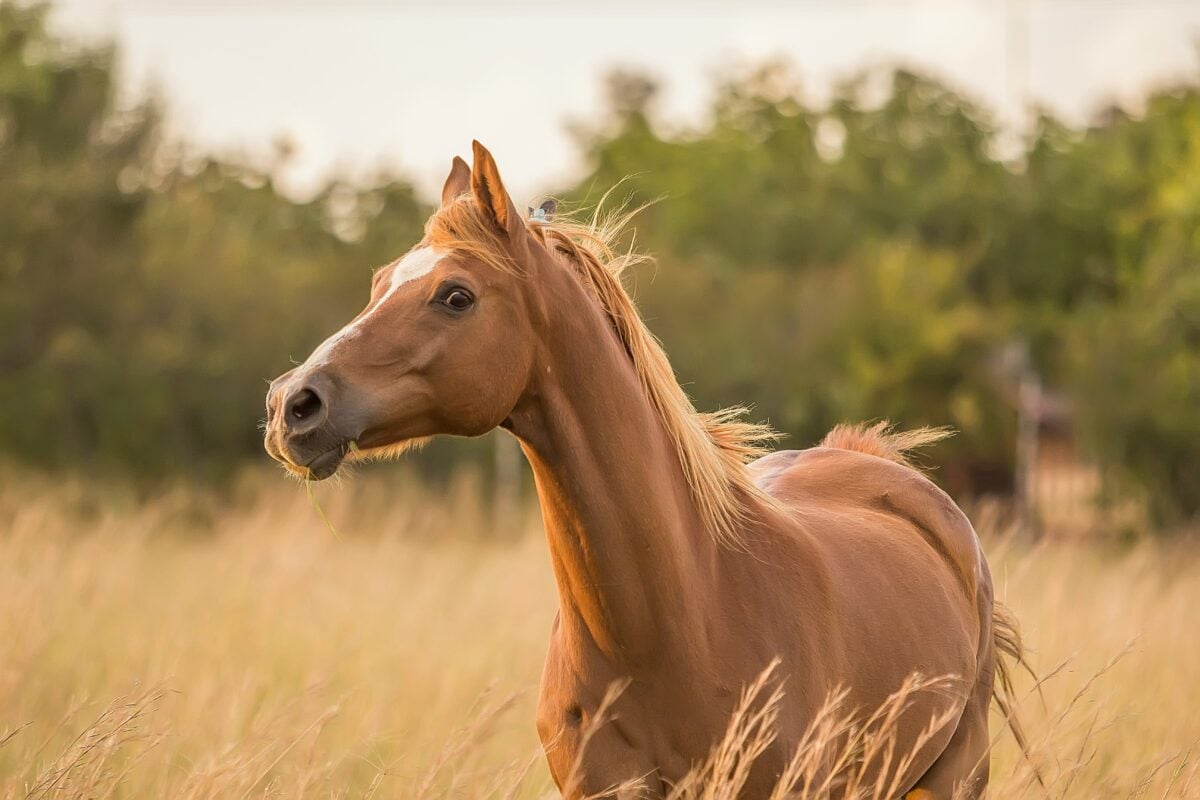
Rich Strike wasn’t even supposed to be in the 2022 Derby field. He only got in when another horse scratched the day before the race, sliding into the twenty-horse field at the last possible moment like someone sneaking into a movie theater after the previews had started.
At 80-to-1, Rich Strike carried the longest odds in the field, and for good reason — he’d never won a stakes race, had earned just over $100,000 in his career, and looked more like a horse who belonged in claiming races than in America’s most prestigious contest. His connections were so unprepared for victory that they didn’t even have champagne ready for the winner’s circle celebration.
But racing doesn’t care about your résumé when the gates open. Rich Strike saved ground along the rail, found racing room when he needed it most, and unleashed a closing kick that left even seasoned horseplayers staring at their screens in disbelief.
The colt’s victory celebration was almost as memorable as the race itself — he tried to take a bite out of the pony rider who came alongside to escort him back to the winner’s circle.
Thunder Gulch
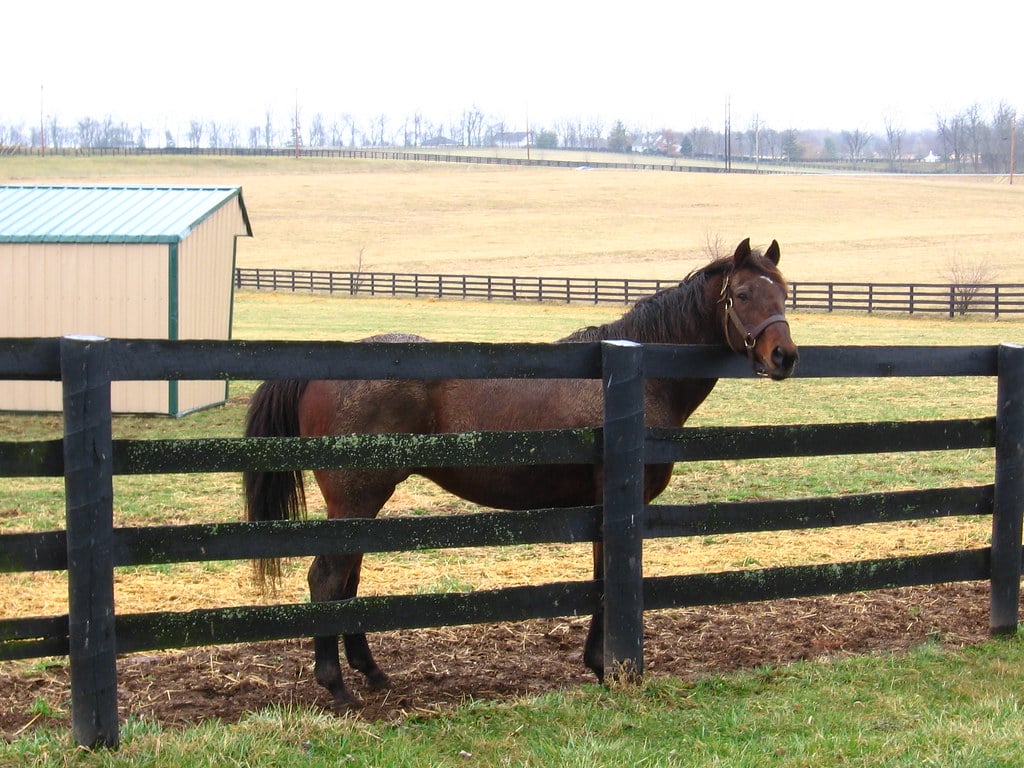
Thunder Gulch carried long odds into the 1995 Derby because nobody quite knew what to make of him. He had talent but lacked consistency. He’d shown flashes of brilliance followed by performances that left his connections scratching their heads.
The colt went off at 25-to-1, which seemed generous given his pedigree and connections. D. Wayne Lukas trained him, and Gary Stevens rode him — hardly unknown in Derby circles. But Thunder Gulch had been overshadowed by more fashionable horses in the field.
When Thunder Gulch took the lead in deep stretch and held off all challengers, it marked another reminder that Derby favorites often disappoint while longshots often deliver the most memorable moments. The victory launched Thunder Gulch toward Horse of the Year honors, proving that Derby upsets can transform careers in an instant.
Charismatic
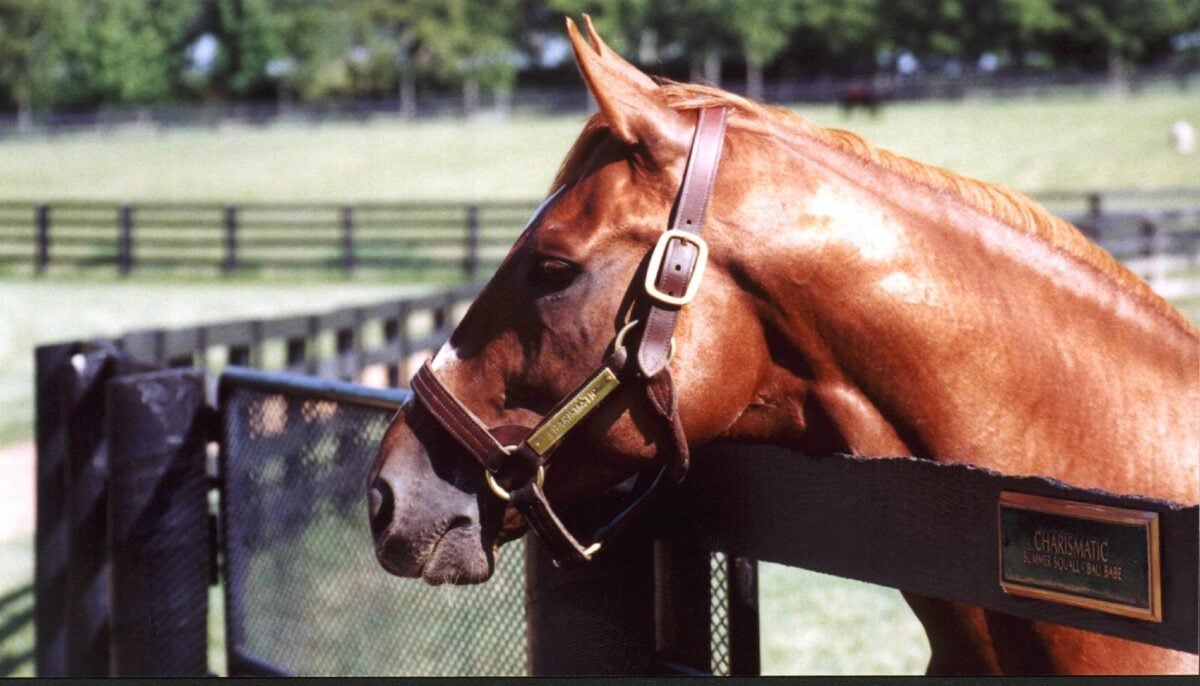
The 1999 Derby belonged to the favorites on paper (which, as anyone who’s ever torn up a losing ticket can tell you, is where most Derby predictions should stay). Charismatic entered the race at 31-to-1 odds, trained by D. Wayne Lukas, who was going through what people politely called a “rough patch” — meaning his horses had been running like they were carrying anvils instead of jockeys, and the racing press had begun wondering if the game had passed him by.
The colt himself had shown promise but nothing that suggested he belonged in the same conversation as horses like Menifee and Prime Timber, who commanded serious respect from handicappers who actually knew what they were looking at (unlike the casual fans who bet on names and colors, though to be fair, sometimes that strategy works just as well). So when Charismatic began his move on the far turn, finding racing room that materialized just when he needed it most — which is the kind of racing luck that either happens or it doesn’t, and when it doesn’t, you spend the rest of your life wondering what might have been — even his most optimistic supporters probably didn’t dare to believe what they were seeing unfold.
And yet there he was in deep stretch, not just keeping pace with the favorites but actually drawing away from them, his stride lengthening with each jump as if he’d suddenly remembered he was supposed to be a racehorse. The victory sent Charismatic toward Triple Crown immortality, though that story would end differently five weeks later at Belmont Park.
Monarchos
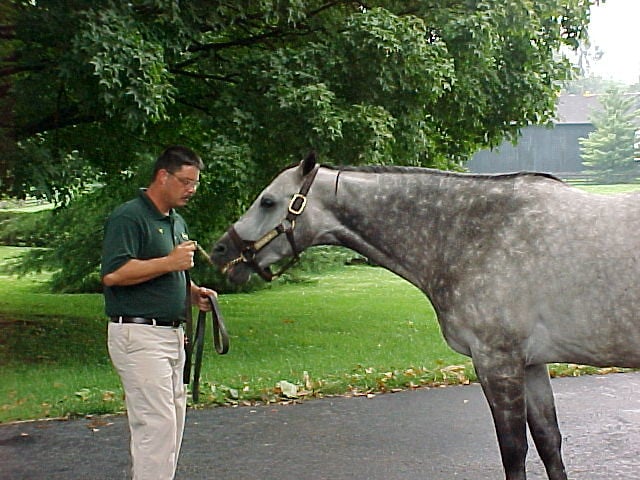
Monarchos destroyed the field in 2001 with a performance that combined upset victory with pure dominance. He went off at 10-to-1, which made him a longshot but not the longest on the board.
What made Monarchos special wasn’t just that he won — it was how he won. The colt unleashed a sustained drive that left good horses looking ordinary. He hit the wire running the fastest Derby time since Secretariat, clocking 1:59.97 for the mile and a quarter.
Point Given was supposed to win that Derby. The Bob Baffert trainee had dominated his prep races and looked like a horse destined for greatness.
Instead, Monarchos turned Point Given into a footnote and reminded everyone that Derby day belongs to horses who show up ready to run their best race at exactly the right moment.
Gato Del Sol
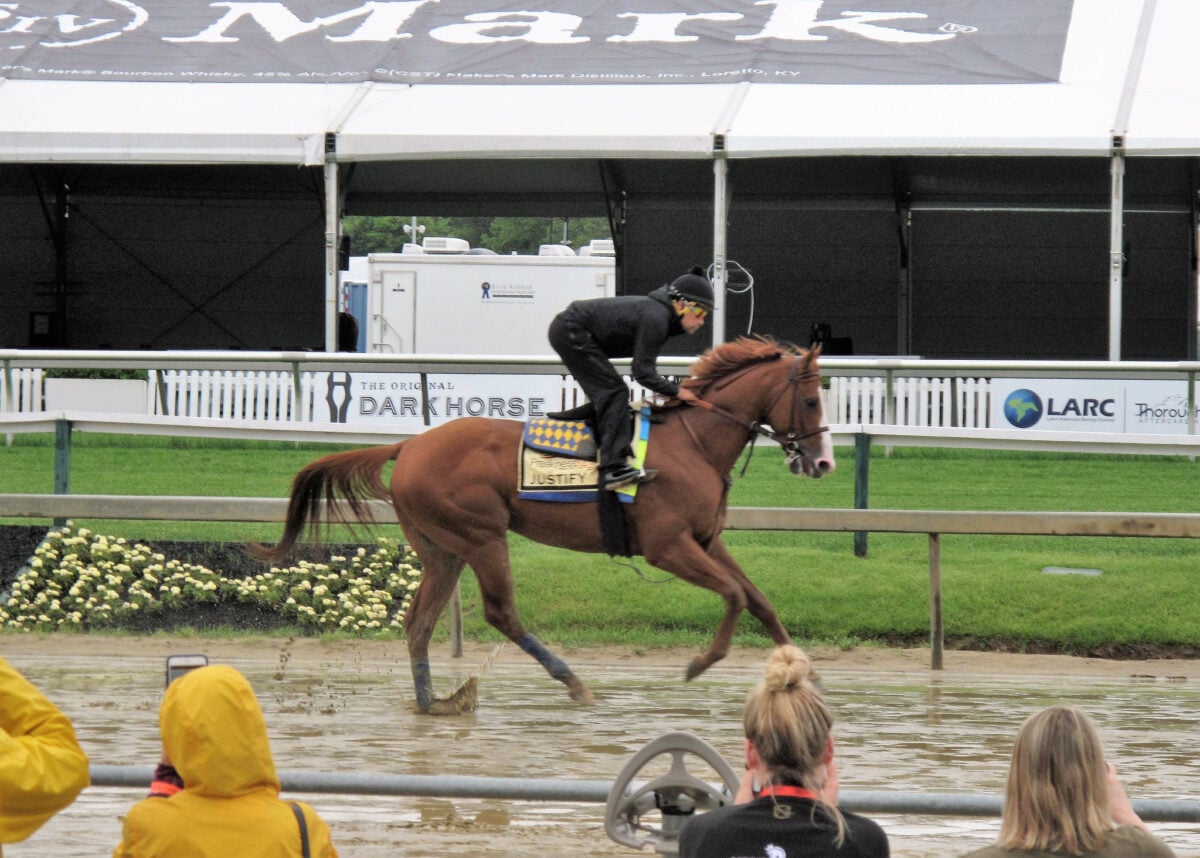
Gato Del Sol approached the 1982 Derby with credentials that read more like a résumé for an allowance race than America’s most prestigious contest. The colt had been beaten soundly in both the Santa Anita Derby and the Blue Grass Stakes — prep races where Derby contenders typically announce their readiness for the first Saturday in May.
His odds reflected that lack of confidence: 21-to-1 seemed almost charitable. But Gato Del Sol possessed something that doesn’t show up in the Racing Form — an ability to find another gear when it mattered most.
Jockey Eddie Delahoussaye guided the colt through traffic that would have discouraged most horses, then asked to run at precisely the moment when champions separate themselves from pretenders.
The victory proved that sometimes the best horse on Derby day isn’t the one who looked best getting there. Gato Del Sol ran the race of his life when it counted most, which is all anyone can ask of a Derby winner.
Pleasant Colony
Pleasant Colony’s path to Derby victory reads like a blueprint for how longshots can steal America’s most famous race — and like most good blueprints, it looks obvious only after someone has already executed it perfectly, the way a jazz musician’s improvisation sounds effortless until you try to recreate it yourself. The colt entered the 1981 Derby off a victory in the Wood Memorial, which should have made him more respected than his 13-to-1 odds suggested, but racing fans have short memories when it comes to New York prep races (perhaps because so many Wood Memorial winners have flopped in Louisville that the race carries a mild curse, though curses are just patterns that people notice after the fact).
What Pleasant Colony had working in his favor was something less measurable than speed figures or breeding: perfect timing and a jockey in Jorge Velasquez who understood exactly when to make his move, which turned out to be later than most people expected and earlier than his horse’s previous races suggested he could sustain.
So when Pleasant Colony found himself in perfect position turning for home, with the racing room opening ahead of him like doors swinging open at precisely the right moment, the upset was already in motion even though the crowd hadn’t realized it yet. Sometimes that’s how the best Derby surprises unfold — quietly at first, then all at once.
Genuine Risk
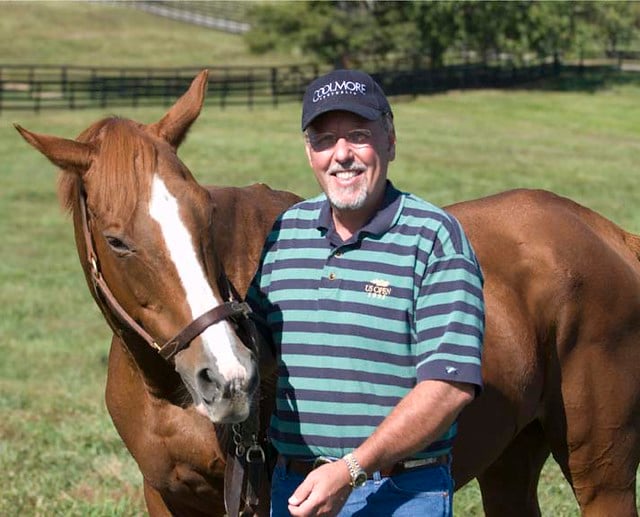
Genuine Risk carried more than just her jockey’s hopes when she entered the 1980 Kentucky Derby. She carried the weight of being only the second filly to run in the race since 1915, and the pressure that comes with breaking barriers that have stood for generations.
At 13-to-1, Genuine Risk was hardly the longest shot in the field, but she faced skepticism that no colt would ever encounter. Fillies weren’t supposed to be competitive against colts in the Derby. The distance was too long, the competition too tough, the occasion too demanding.
Genuine Risk proved the doubters wrong with a performance that combined raw talent with pure determination. She took the lead in the stretch and held off a late charge from Rumbo to become the first filly to win the Derby since Regret in 1915. Her victory opened doors for future generations of fillies and reminded racing fans that greatness comes in many forms.
Cannonade
Cannonade entered the 1974 Derby as a 8-to-1 shot with solid credentials but nothing that screamed “Derby winner.” He’d won the Flamingo Stakes and placed second in the Florida Derby, which marked him as a legitimate contender without making him anyone’s top choice.
The race unfolded in a way that favored closers, and Cannonade positioned himself perfectly for a sustained drive. When Angel Cordero Jr. asked to run in the stretch, Cannonade responded with the kind of acceleration that separates good horses from great ones.
What made Cannonade’s victory particularly satisfying was how he held off Little Current, who would later win the Preakness and Belmont. Sometimes Derby upsets produce horses who prove their victory wasn’t a fluke, and sometimes they create champions who bloom for exactly one afternoon.
Cannonade fell into the first category.
Dust Commander
The 1970 Derby belonged to the favorites until Dust Commander decided otherwise. The colt went off at 15-to-1, which reflected the racing public’s assessment that he was a nice horse facing better competition.
Dust Commander had other ideas about his place in the pecking order. Jockey Mike Manganello guided the colt into perfect position, then timed his move to perfection.
When Dust Commander hit the front in deep stretch, he found enough reserve energy to hold off a late charge from My Dad George. Derby upsets often create temporary heroes — horses who run the race of their lives on the first Saturday in May, then fade back into relative obscurity.
Dust Commander proved that sometimes one perfect afternoon is enough to secure a place in racing history.
Dark Star
Dark Star’s victory in the 1953 Derby shocked racing fans who expected Native Dancer to cruise to an easy victory (which shows how dangerous expectations can be when eighteen three-year-olds are involved, each with their own agenda and none particularly interested in following the script that handicappers have written for them). Native Dancer entered the race undefeated and carrying the kind of reputation that makes 6-to-5 odds seem generous rather than stingy, the way truly dominant athletes make difficult things look routine until someone reminds them that competition doesn’t care about reputations.
Dark Star went off at 25-to-1, which reflected the general belief that he was a nice enough colt who’d chosen the wrong day to face a future Hall of Famer, but racing has a way of humbling assumptions that seem carved in stone (just ask anyone who’s ever torn up a “sure thing” ticket while watching a longshot prance into the winner’s circle). And when Eric Guerin aboard Dark Star found himself in a stretch battle with the great Native Dancer, refusing to yield an inch of ground despite facing a horse that had never tasted defeat, the upset was unfolding in real time even though most spectators couldn’t quite believe what they were seeing.
The victory gave Native Dancer his only career defeat and proved that no horse, regardless of talent or reputation, is guaranteed anything once the starting gate opens.
Decidedly
Decidedly destroyed a talented field in 1962 with a front-running performance that left good horses gasping for air in his wake. The colt went off at 18-to-1, which seemed reasonable given the depth of competition he faced.
What Decidedly lacked in reputation, he made up for in raw speed and determination. Bill Hartack guided the colt to the early lead, then asked him to sustain a pace that would have broken lesser horses.
Decidedly not only maintained his advantage — he extended it. The victory margin of two and a quarter lengths doesn’t capture how thoroughly Decidedly dominated that Derby.
He ran away from horses who were supposed to run away from him, turning the race into a showcase for how upsets can sometimes involve complete role reversals between favorites and longshots.
Tomy Lee
Tomy Lee carried 47-to-1 odds into the 1959 Derby, making him one of the longest shots in the field and giving anyone who backed him a story they’d tell for the rest of their lives.
The colt had shown flashes of ability without ever putting together the kind of performance that suggested Derby potential. His connections were hardly unknown — trainer Frank Childs knew his way around good horses — but Tomy Lee seemed overmatched by the competition he faced.
When Tomy Lee found racing room in deep stretch and unleashed a closing kick that caught everyone by surprise, he created one of those Derby moments that stick in memory precisely because they seemed so unlikely. Sometimes the longest shots carry the shortest explanations for their success.
Middleground
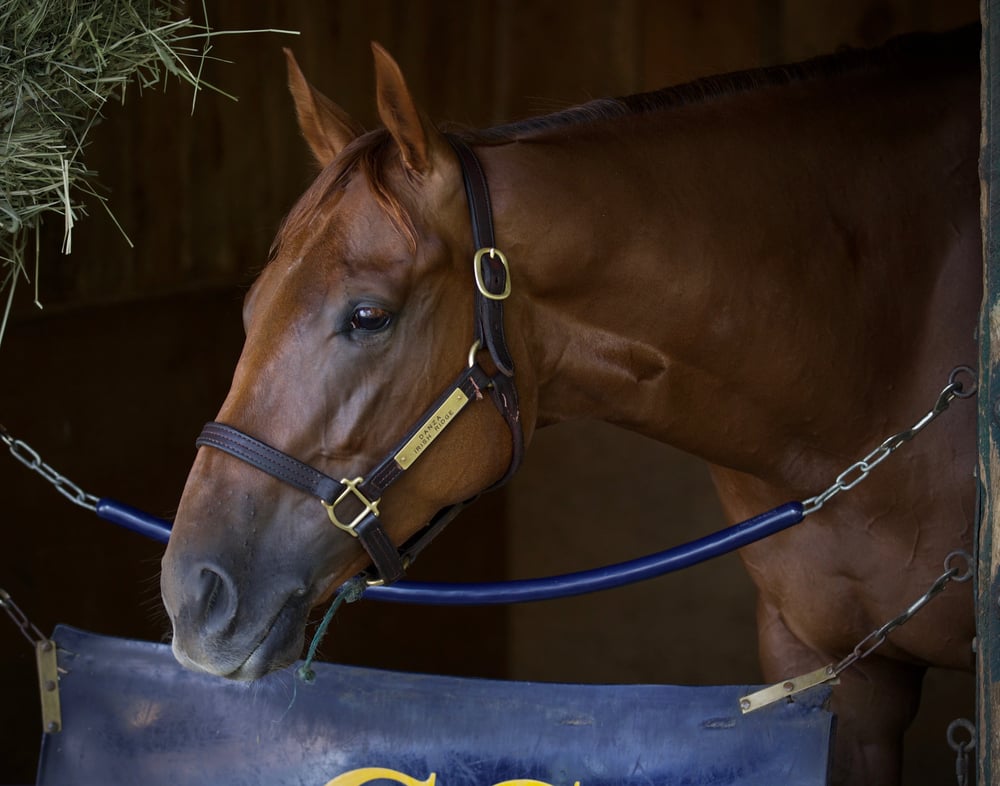
The 1950 Derby featured a collision between expectations and reality that left Middleground standing in the winner’s circle at 16-to-1 odds. Hill Prince was supposed to win that race — he’d dominated his prep races and looked like a horse destined for Triple Crown consideration.
Middleground had different plans for how the afternoon would unfold. The colt had shown good form without ever looking spectacular, which explained his longshot status.
But Derby day has a way of bringing out performances that surprise everyone, including the horses delivering them. When Middleground surged past Hill Prince in the final strides, he proved that Derby victories often go to horses who peak at exactly the right moment rather than horses who’ve been peaking for months.
Timing beats reputation every time the gates open.
Count Fleet
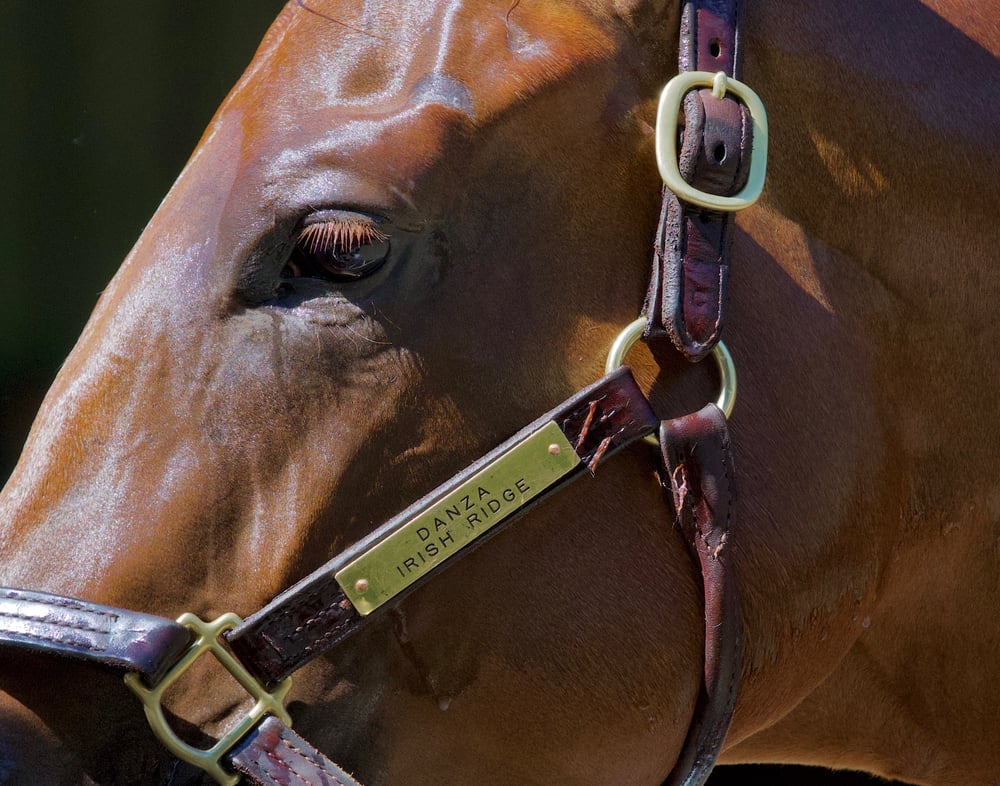
Actually, Count Fleet wasn’t upset at all — he went off as the betting favorite and won by three lengths in 1943. That was a mistake in the research.
Let’s talk about Gallahadion instead. The 1940 Derby winner went off at 35-to-1 and shocked everyone by outrunning Bimelech, who’d been installed as the heavy favorite.
Gallahadion’s victory proved that even in wartime, when racing felt less important than usual, the Derby could still deliver surprises that made people forget their troubles for two minutes and six seconds. Gallahadion ran the race of his life when it mattered most, which is all anyone can ask of a Derby longshot.
His victory created the kind of memories that make the Derby special — moments when impossible becomes inevitable.
When the Impossible Becomes Inevitable
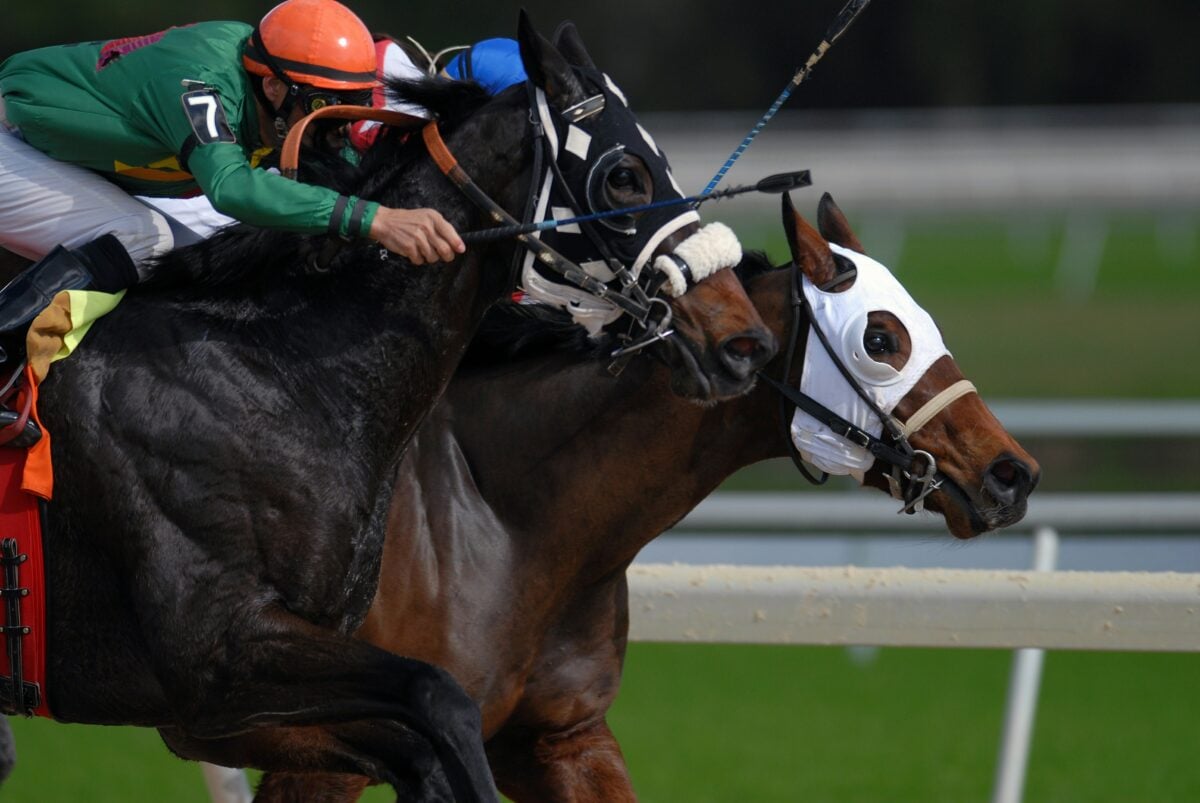
These seventeen upsets prove that the Kentucky Derby belongs to dreamers as much as it belongs to champions. Every longshot that crosses the wire first carries the hopes of everyone who’s ever been counted out, every bettor who’s ever backed a hunch against logic, every connection who’s ever believed their horse was better than the odds suggested.
The Derby endures because it promises that anything can happen when eighteen three-year-olds load into the starting gate. Favorites will disappoint, longshots will soar, and for two minutes in early May, the impossible will feel inevitable.
That’s not just what makes great horse racing — that’s what makes great stories worth telling for generations.
More from Go2Tutors!

- The Romanov Crown Jewels and Their Tragic Fate
- 13 Historical Mysteries That Science Still Can’t Solve
- Famous Hoaxes That Fooled the World for Years
- 15 Child Stars with Tragic Adult Lives
- 16 Famous Jewelry Pieces in History
Like Go2Tutors’s content? Follow us on MSN.