Incredible Facts About the World’s Hidden Bunkers
Some of the most fascinating places on Earth exist completely out of sight. While most people go about their daily lives above ground, an entire hidden world operates beneath their feet—a network of underground facilities built for protection, secrecy, and survival.
These bunkers represent decades of careful planning, enormous financial investment, and engineering marvels that most people will never see.
From Cold War relics to modern-day survival complexes, these underground facilities tell the story of human preparation for the unthinkable. They reveal how governments, organizations, and individuals have responded to threats both real and imagined.
Some were designed to shelter world leaders during nuclear war, others to preserve civilization itself.
Cheyenne Mountain
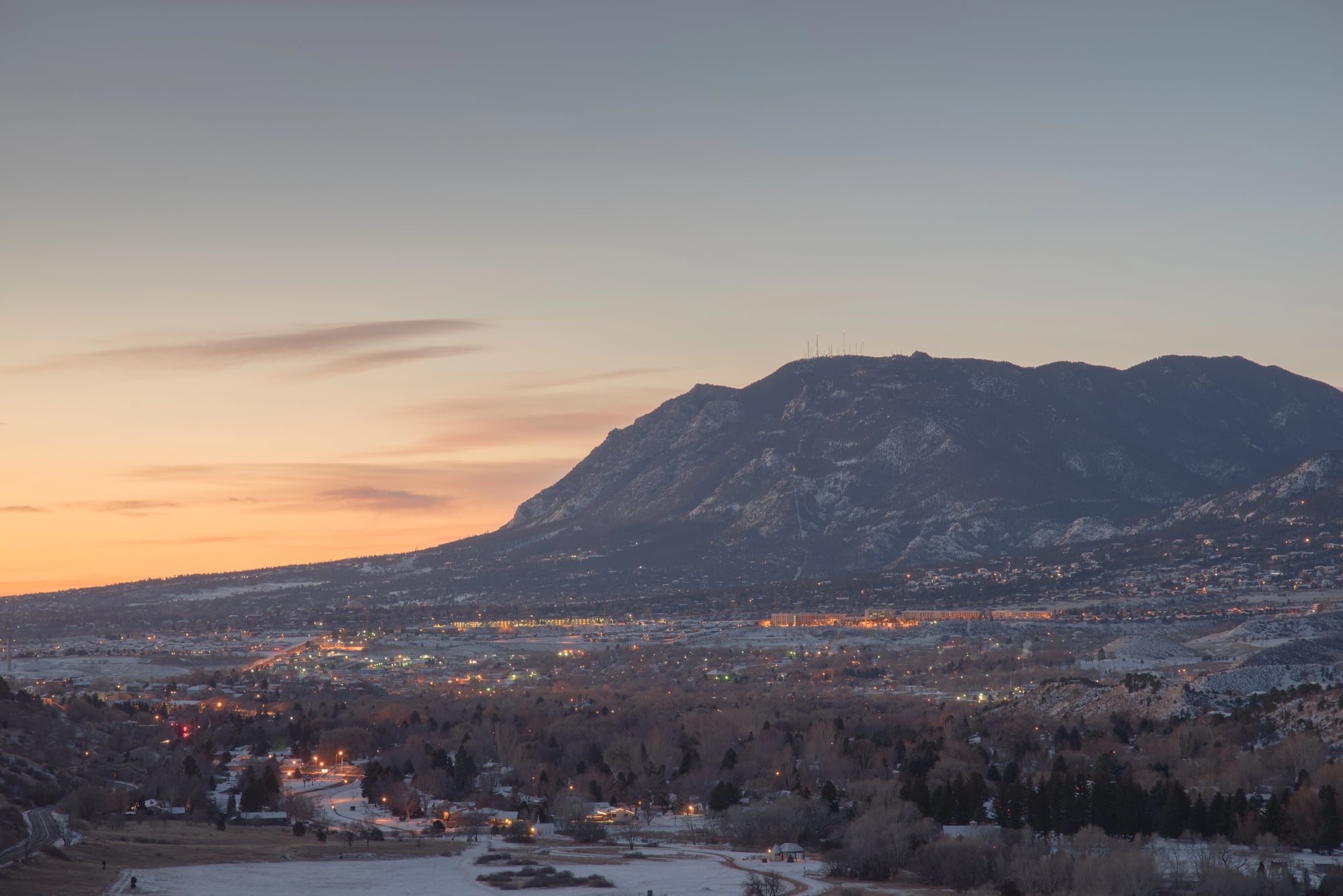
The granite heart of Colorado holds one of America’s most famous military installations. NORAD’s Cheyenne Mountain Complex sits behind 25-ton blast doors, carved directly into solid rock.
The facility can withstand a direct nuclear hit.
The Greenbrier
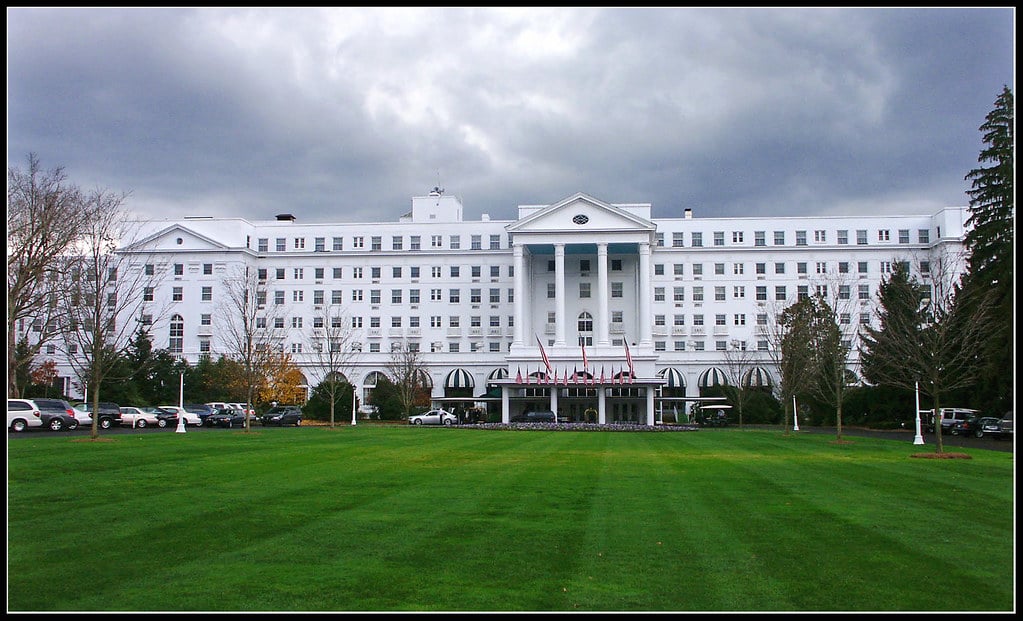
West Virginia’s luxury resort kept a massive secret for decades. Hidden beneath the elegant hotel grounds, a bunker designed to house the entire U.S. Congress waited in perpetual readiness.
The facility remained classified until 1992, when a Washington Post reporter finally exposed its existence—and the reporter had been investigating for years, following rumors that seemed too elaborate to believe, yet the evidence kept pointing to the same impossible conclusion that this resort (which hosted presidents and foreign dignitaries for state dinners) was actually covering one of the most sensitive defense installations in the country. So much for hiding in plain sight.
Raven Rock
Think of it as the Pentagon’s understudy. This facility in Pennsylvania was built to ensure government continuity if Washington D.C. became uninhabitable.
The installation runs on its own power grid and maintains independent communication systems.
Military planners designed Raven Rock with a peculiar kind of optimism—they assumed there would still be a country left to govern after a nuclear exchange. The facility includes conference rooms, sleeping quarters, and command centers that mirror those in the Pentagon.
Which is both reassuring and deeply unsettling.
Survivor Wellness Communities

The 2008 financial crisis taught some wealthy Americans a harsh lesson about stability. The myth of permanent prosperity cracked, and suddenly the unthinkable seemed possible.
Luxury bunker communities sprouted across the country, offering amenities that would make five-star hotels jealous while providing protection against societal collapse.
These aren’t your grandfather’s fallout shelters. Swimming pools, movie theaters, and gourmet kitchens occupy the same space as blast-resistant walls and air filtration systems.
The juxtaposition says something profound about American anxiety—we want to survive the apocalypse without giving up our creature comforts.
Moscow Metro-2
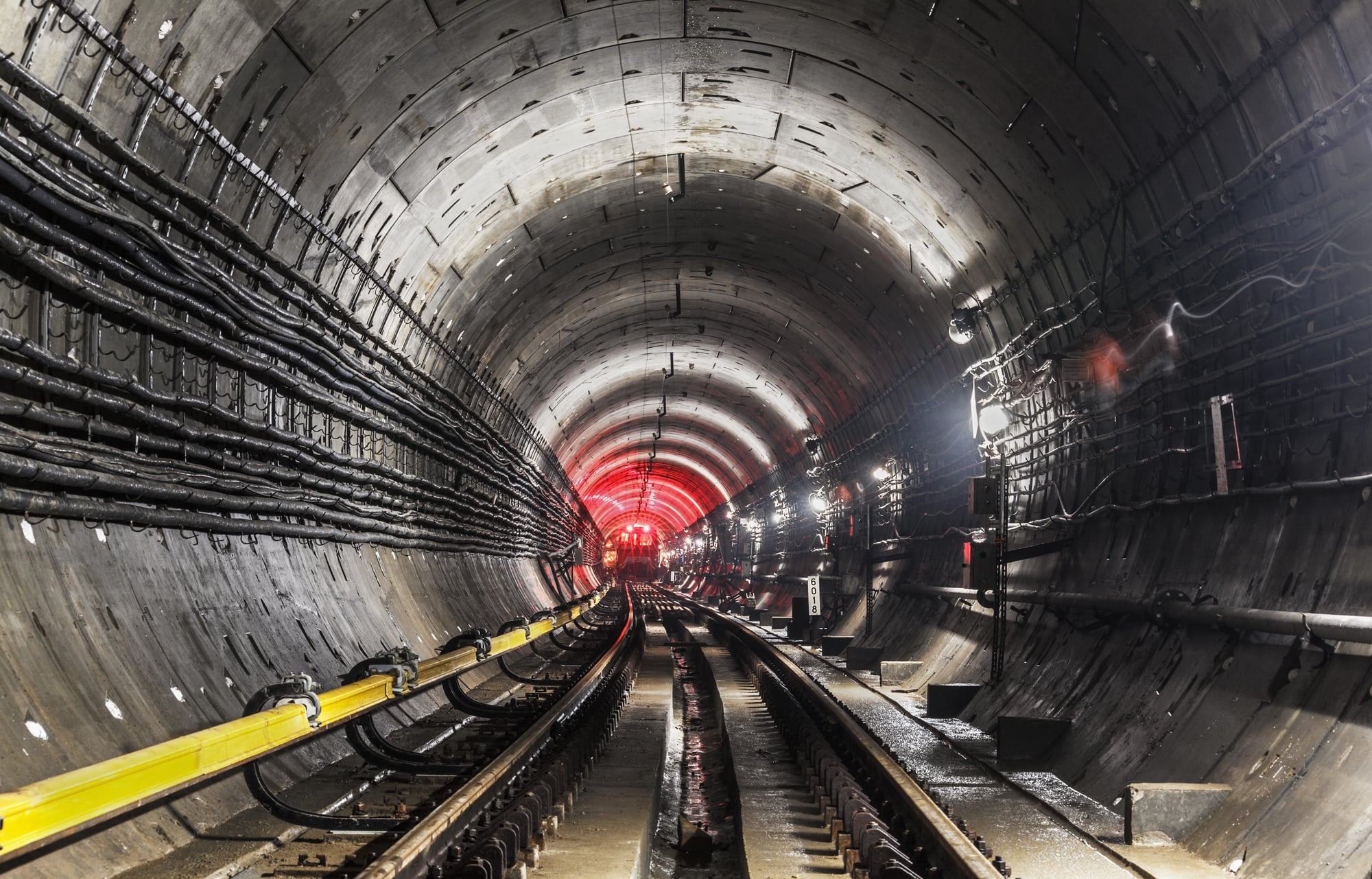
Russia built a shadow subway system beneath Moscow. Metro-2 supposedly connects the Kremlin, FSB headquarters, and other sensitive government buildings through tunnels deeper than the regular metro system.
The Russian government still refuses to acknowledge its existence.
Swiss National Redoubt
Switzerland takes neutrality seriously enough to honeycomb their entire country with bunkers. Switzerland requires extensive nuclear shelter infrastructure, with hundreds of thousands of civil defense bunkers across the country.
Most Swiss citizens have access to designated shelters, though coverage varies by location. The country built enough underground space to protect its entire population.
Alpine mountains hide artillery positions, airbases, and command centers designed to make invasion impossibly costly. Swiss engineers turned geography into weaponry.
Burlington Bunker
England’s secret city lies beneath the Wiltshire countryside. Built to house 4,000 government officials during nuclear war, the Burlington bunker included its own railway station, telephone exchange, and even a pub.
The facility remained operational until the early 1990s.
The bunker’s existence reflects a particularly British approach to doomsday preparation—if civilization must survive underground, it should do so with proper queuing systems and scheduled tea breaks. Plans included space for the Royal Family, though they allegedly preferred their own arrangements.
Fair enough.
Project 131
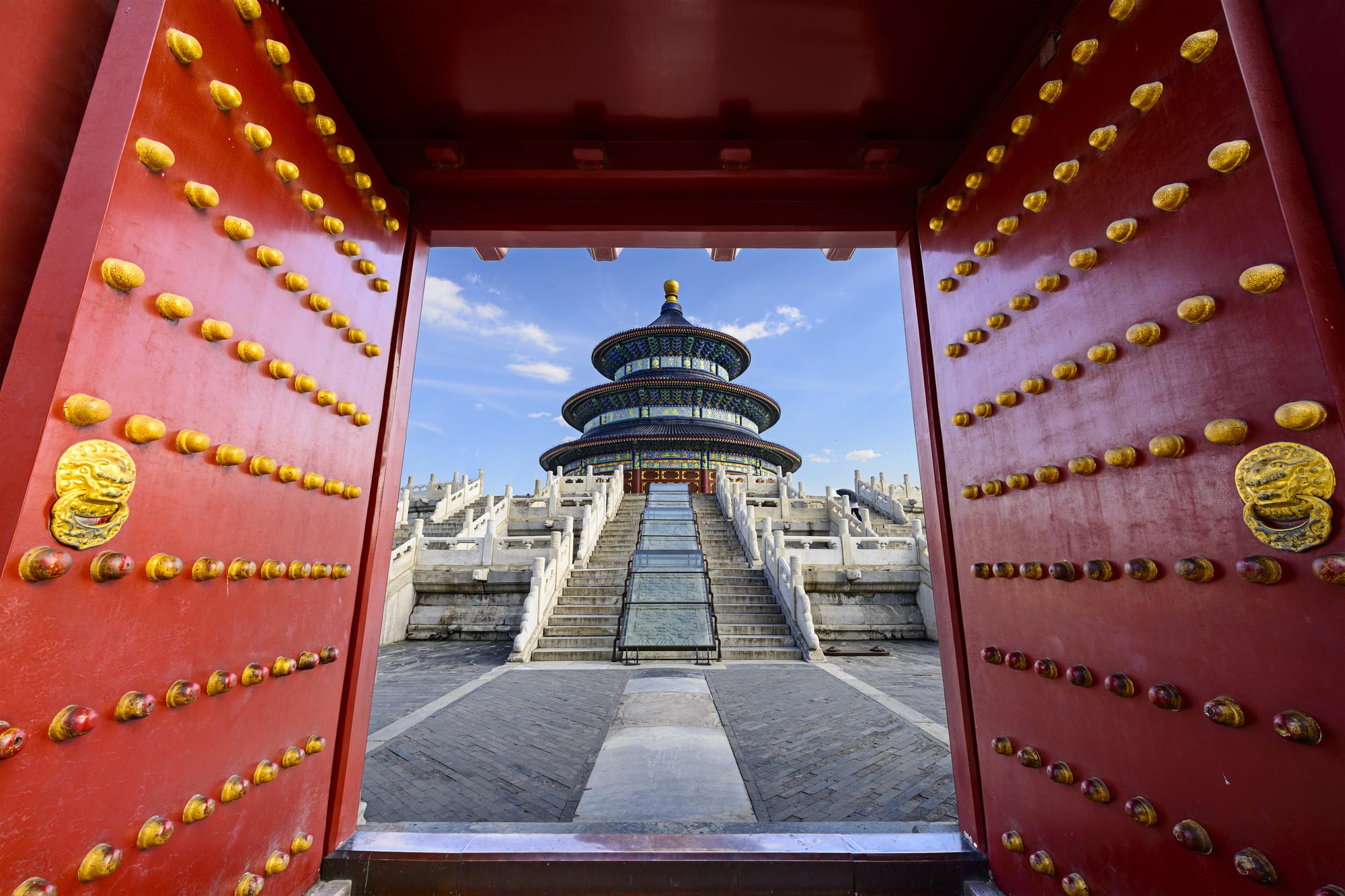
China’s underground cities represent preparation on an unprecedented scale. During the 1970s, Chairman Mao ordered the construction of vast tunnel networks beneath major cities.
Beijing’s system alone includes schools, hospitals, and factories, all designed to function independently from the surface.
These tunnels were built by civilian volunteers using hand tools and determination. The scale defied logic—entire neighborhoods working in shifts, digging through rock and clay to create a parallel civilization below ground.
Today, many sections serve as storage facilities and underground shopping areas.
Site R
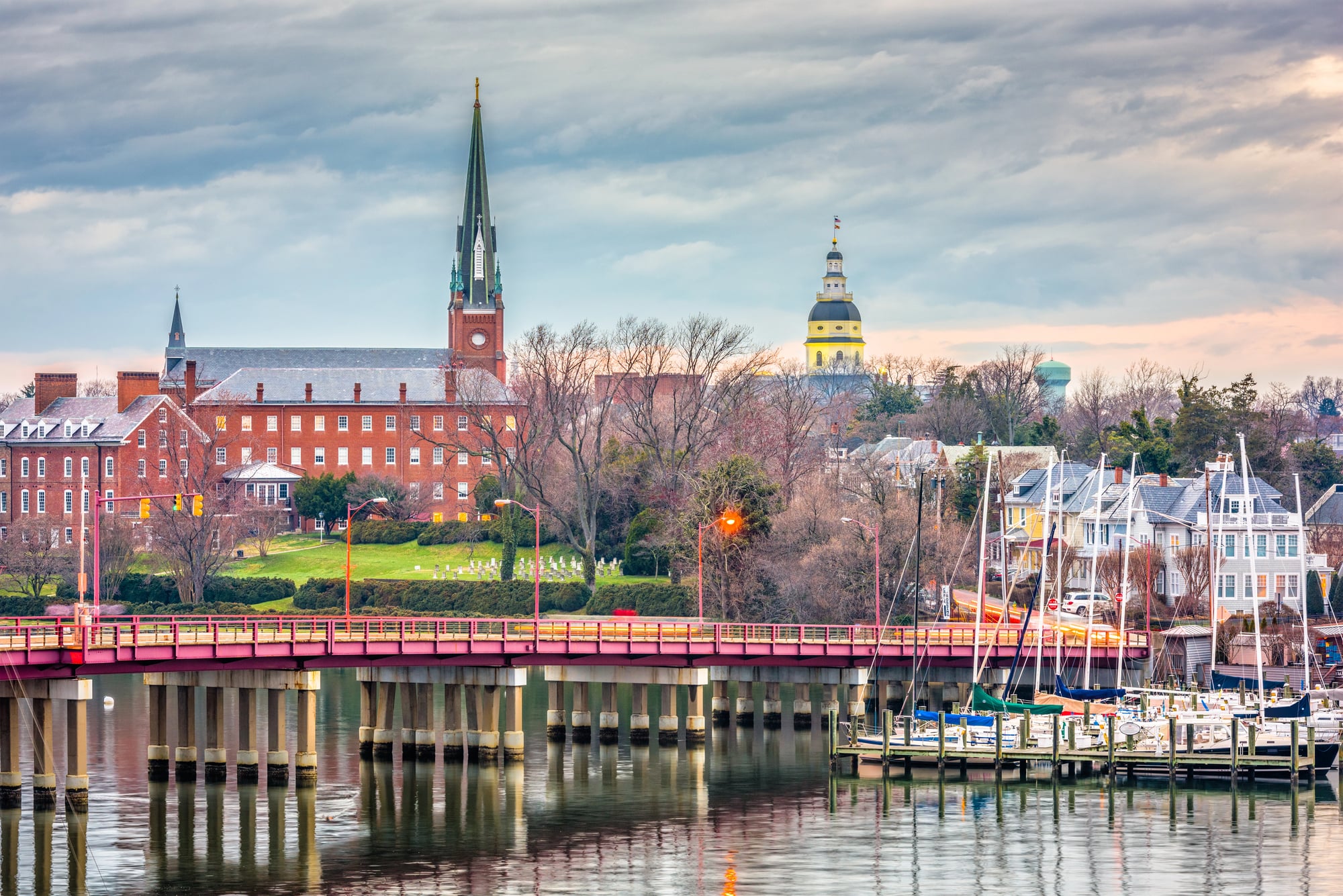
Maryland hosts another critical government continuity facility. Site R functions as an alternate Pentagon, complete with secure communication systems and command capabilities.
The facility exercises regularly with actual government officials to maintain operational readiness.
Vivos xPoint
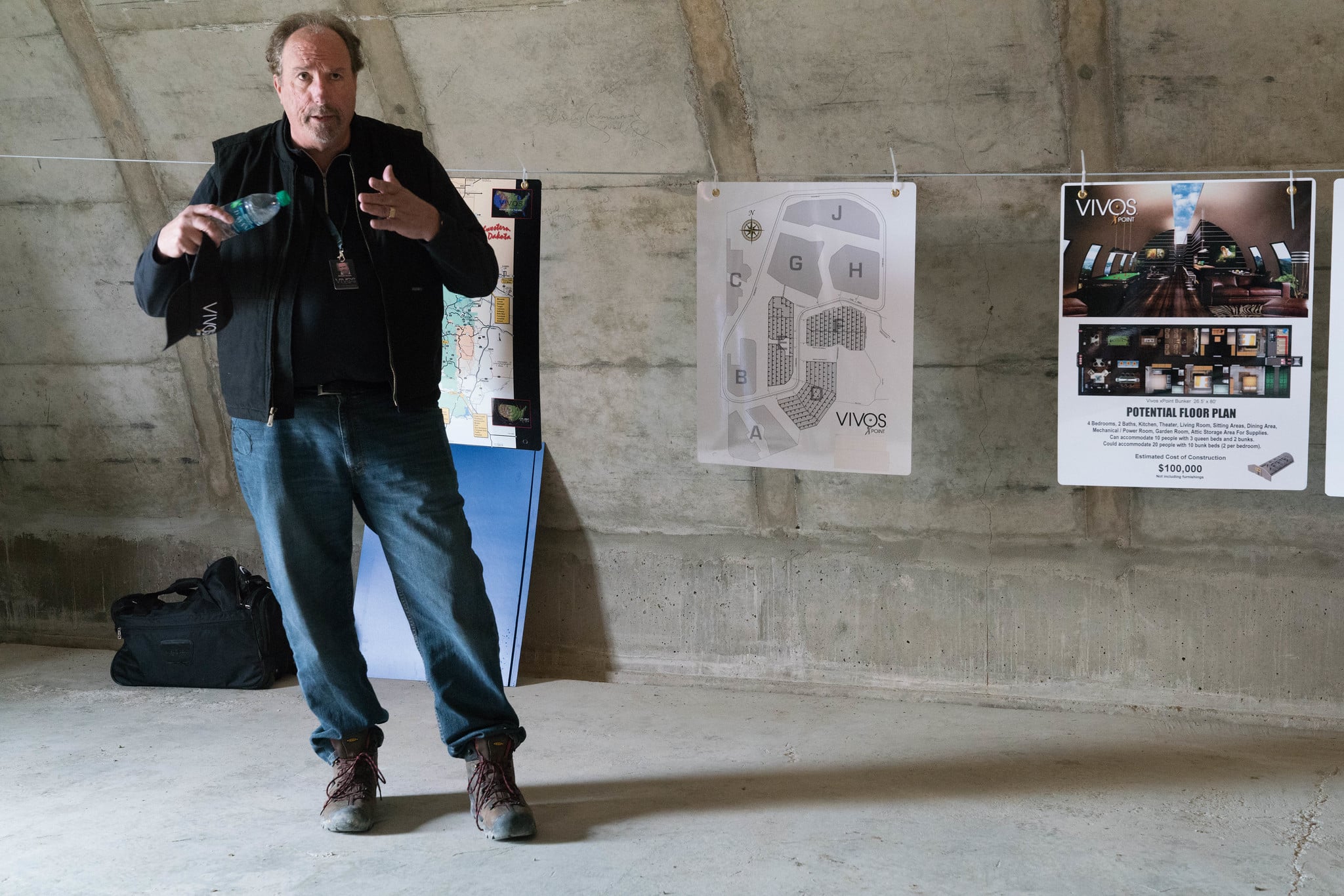
South Dakota’s Black Hills conceal what might be the world’s largest private bunker community. The complex consists of 575 military bunkers spread across 18 square miles.
Each bunker can house 10 to 24 people for a year without outside contact.
Former military munitions storage transformed into civilian survival preparation. The irony runs deep—weapons storage becomes life preservation.
Coral Castle Bunkers
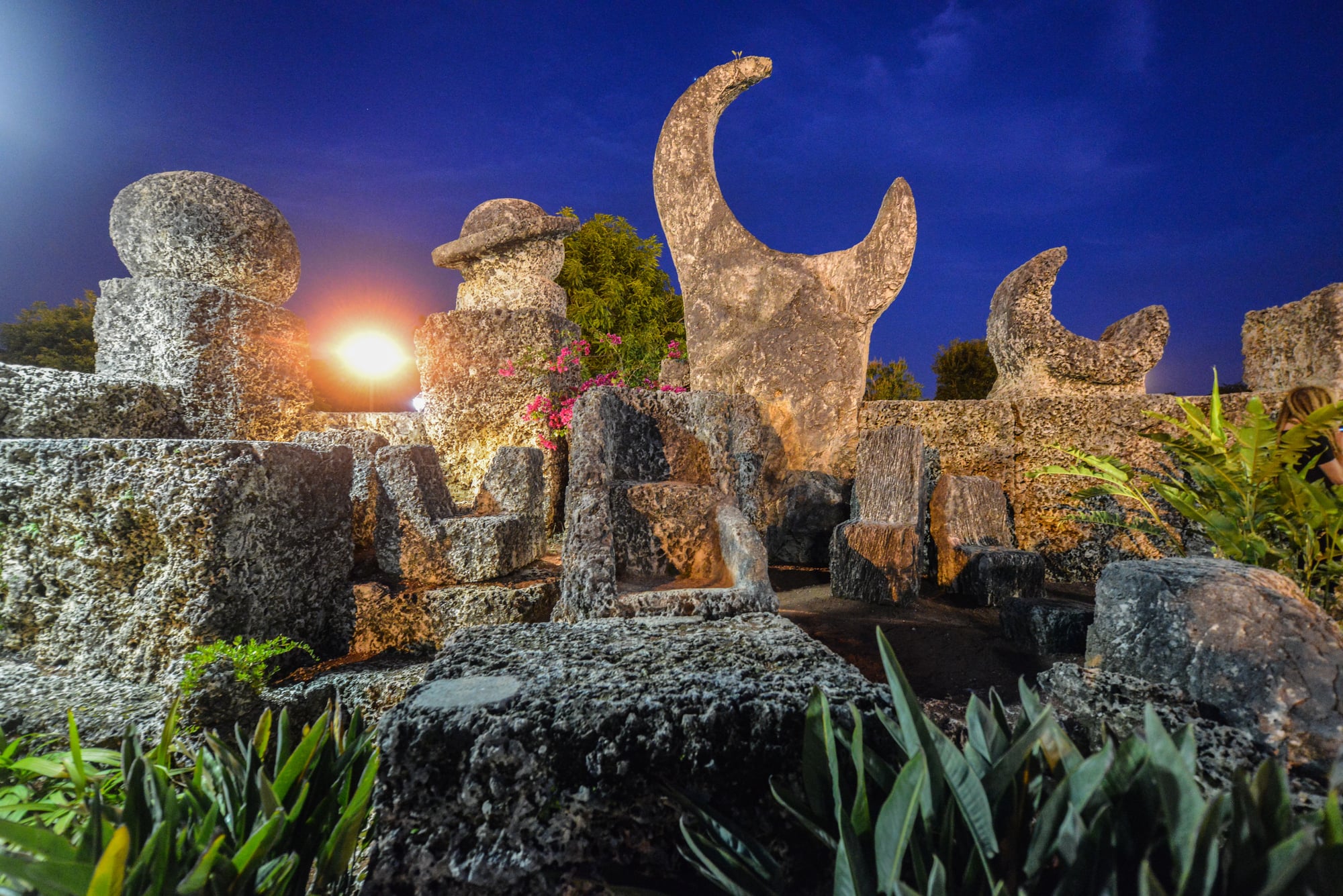
Florida’s hurricane country spawned a different kind of underground architecture. Private bunkers designed for storm survival dot the landscape, though most remain hidden beneath ordinary suburban homes.
These facilities focus on short-term protection rather than long-term isolation.
Storm bunkers represent a more practical approach to underground shelter—protection from natural disasters rather than nuclear war. The psychology differs completely from military installations.
These spaces acknowledge that emergencies end, that normal life resumes, that survival means returning to the surface rather than remaining permanently below.
Iron Mountain
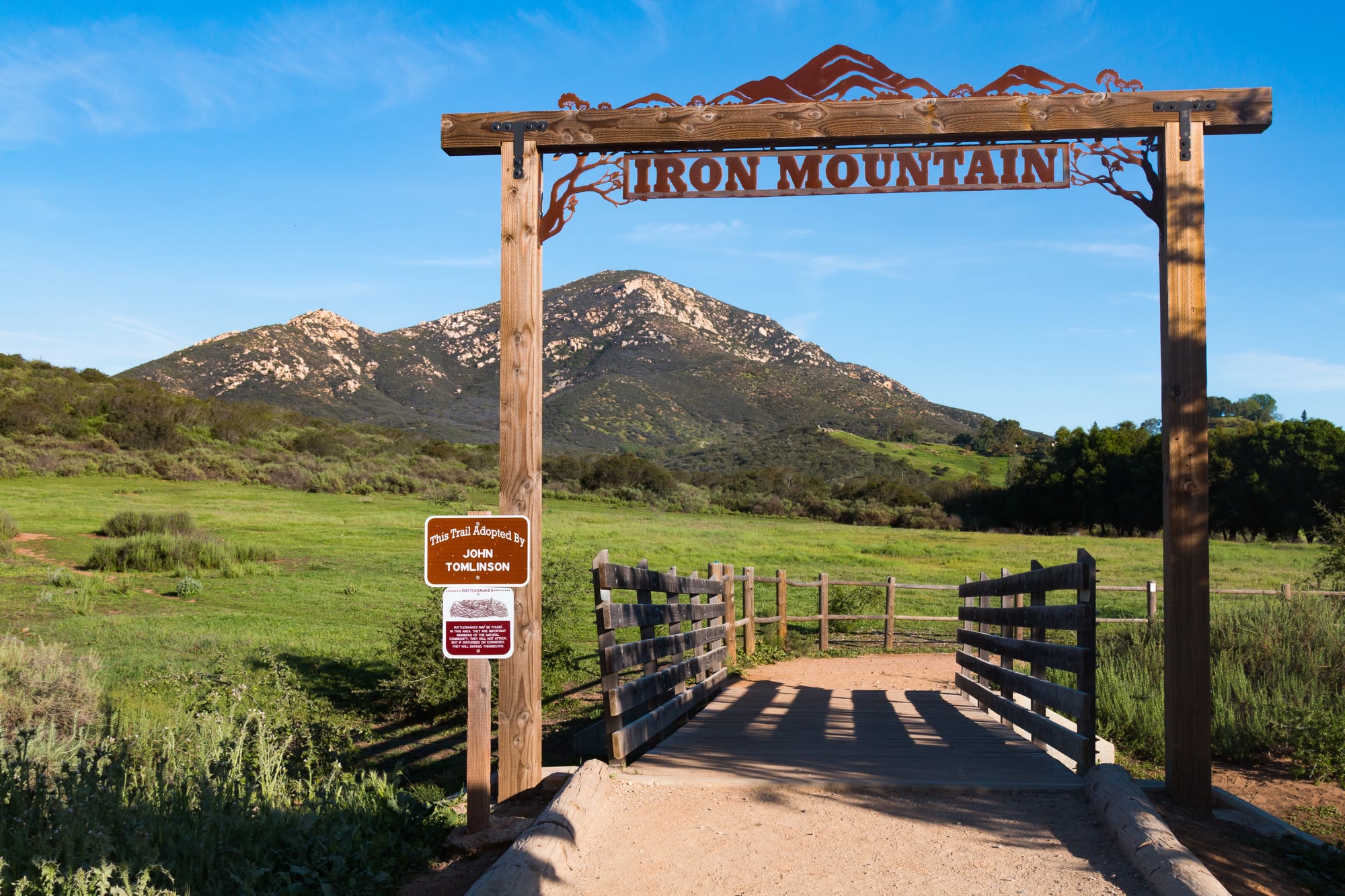
Pennsylvania’s former limestone mine became a fortress for American culture. Iron Mountain stores everything from Hollywood film masters to government records to corporate data.
The facility maintains perfect climate control to preserve materials for centuries.
Norwegian Seed Vault
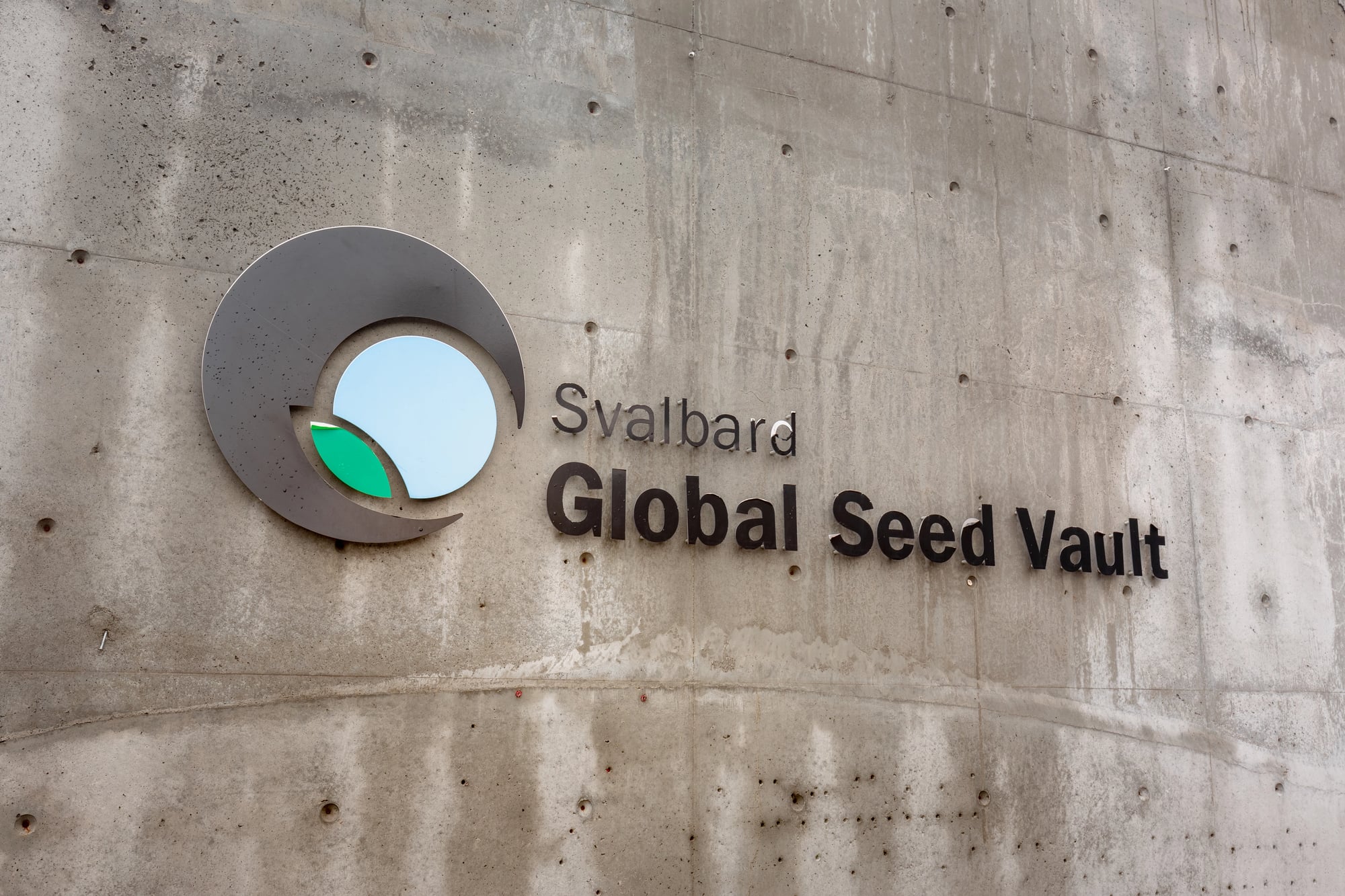
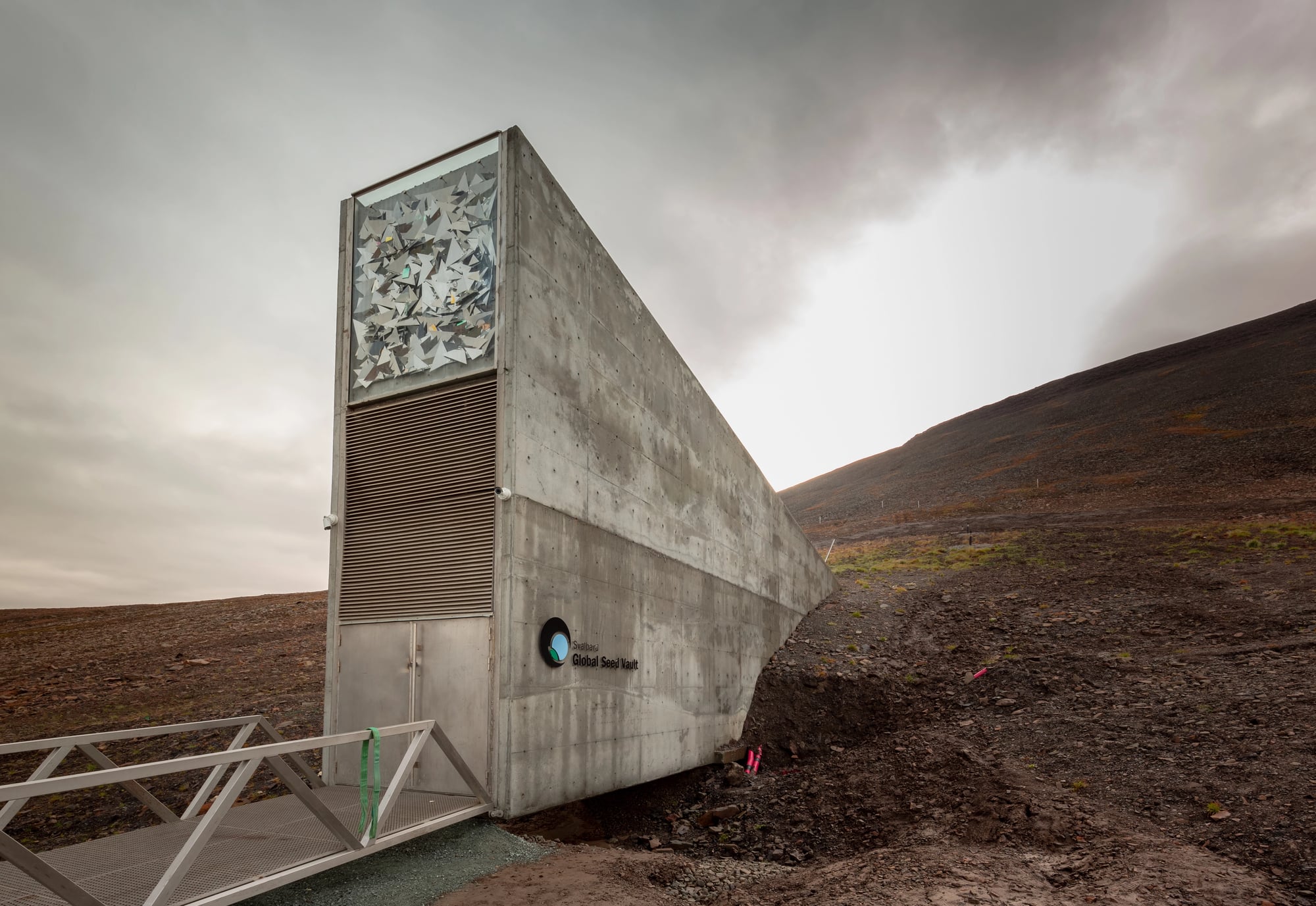
Svalbard’s Global Seed Vault takes the longest view of all. Built into Arctic permafrost, the facility preserves seeds from crops worldwide.
It’s designed to survive climate change, nuclear war, and asteroid impacts—whatever threatens human civilization.
The vault requires no electricity to maintain proper storage temperature. Natural permafrost provides refrigeration that should last millennia.
Engineers planned for scenarios where human society might disappear entirely, leaving only the seeds as a legacy for whoever inherits the Earth.
What Lies Beneath
These hidden spaces reveal something fundamental about human nature. We prepare for the worst while hoping for the best.
Underground bunkers represent both our greatest fears and our stubborn refusal to accept defeat. They’re monuments to pessimism and optimism combined—betting that civilization might end, but that it’s worth preserving.
The engineers who designed these facilities thought in decades and centuries. They considered scenarios most people prefer to ignore.
Yet their work continues protecting secrets, preserving culture, and standing ready for emergencies we hope will never come. Perhaps that’s enough.
More from Go2Tutors!

- The Romanov Crown Jewels and Their Tragic Fate
- 13 Historical Mysteries That Science Still Can’t Solve
- Famous Hoaxes That Fooled the World for Years
- 15 Child Stars with Tragic Adult Lives
- 16 Famous Jewelry Pieces in History
Like Go2Tutors’s content? Follow us on MSN.