Bizarre 1950s Inventions that Actually Worked
The 1950s were a peculiar time for innovation. Post-war optimism collided with atomic age anxiety, creating a decade where inventors believed anything was possible—and occasionally, they were right.
While history remembers the decade for its conformity and suburban sprawl, the patent offices were buzzing with schemes that ranged from brilliantly practical to utterly absurd. Some of these contraptions actually made it to market, worked exactly as advertised, and solved problems you didn’t know existed.
Dog Umbrella

Rain falls on dogs too. The canine umbrella solved this with ruthless efficiency—a clear plastic dome that strapped to your pet’s head, complete with tiny leg openings for maximum coverage.
Pet owners bought thousands. Dogs, predictably, hated them.
Banana Protection Device
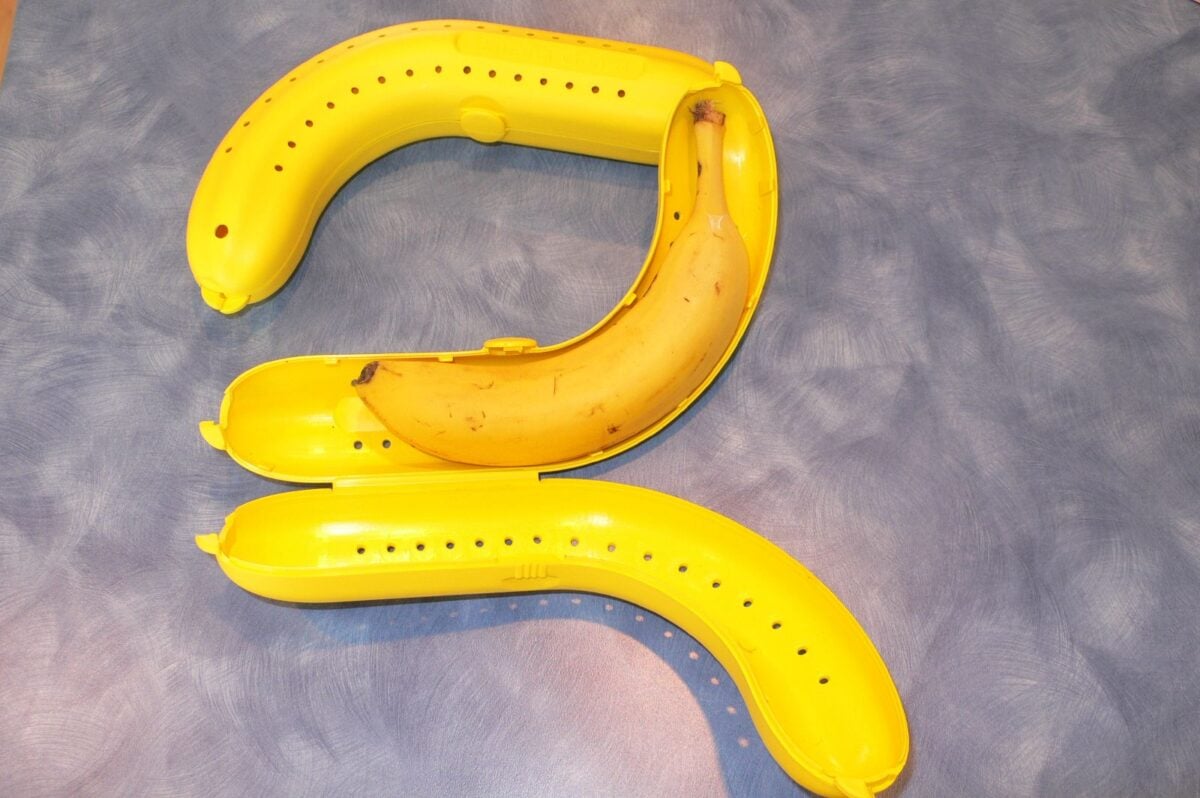
Bananas bruise easily, and in the 1950s, someone decided this was an engineering problem worth solving (because apparently it was—the inventor made enough money to retire comfortably, which says something about how seriously people took their fruit back then). The solution was a curved plastic case that cradled each banana individually, and while it looked ridiculous, it worked flawlessly.
So flawlessly, in fact, that variations of this design still exist today, though modern versions market themselves with more sophisticated language about “sustainable food storage solutions.” And the thing is, once you’ve carried a pristine banana to work in one of these cases, going back to the bruised, pocket-mashed alternative feels genuinely primitive.
The inventors understood something fundamental: people will pay for small improvements to daily annoyances, even when those improvements look absurd to everyone else.
TV Bed

Watching television while lying down is a basic human desire. The TV bed eliminated the neck strain of propping yourself up with pillows—a motorized contraption that adjusted your spine to the perfect viewing angle.
Hospitals still use variations of this design. Comfort doesn’t care about dignity.
Parachute Fire Escape

Urban apartment dwellers faced a genuine problem in the 1950s: how to escape a high-rise fire when stairwells filled with smoke. The personal parachute system seemed like science fiction, but it worked (though the learning curve was steep, and practice jumps were not recommended, which created an obvious problem that nobody wanted to discuss).
Fire departments were skeptical, insurance companies were terrified, and building owners quietly discouraged tenants from purchasing them. But here’s the thing about desperate situations: they make previously ridiculous solutions seem perfectly reasonable.
And so people bought these parachutes, stored them in bedroom closets, and hoped they’d never need to find out whether twenty minutes of instruction was enough to save their lives. The few documented cases of actual use were mixed—some successful escapes, some injuries, and at least one case where the parachute deployed inside the apartment, which solved nothing but provided neighbors with an unforgettable story.
Baby Cage
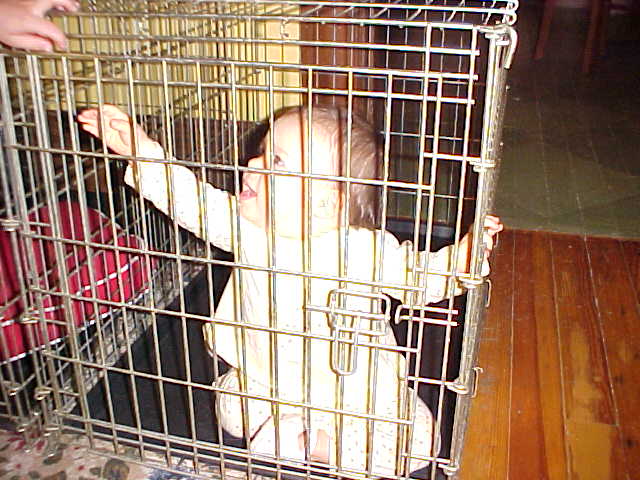
Fresh air was considered essential for infant health, but apartment living made this challenging. The baby cage—a wire enclosure that hung outside high-rise windows—gave urban infants their daily dose of outdoor air while keeping them safely contained.
Parents trusted physics and engineering over anxiety. Different times.
Toilet Paper Hat
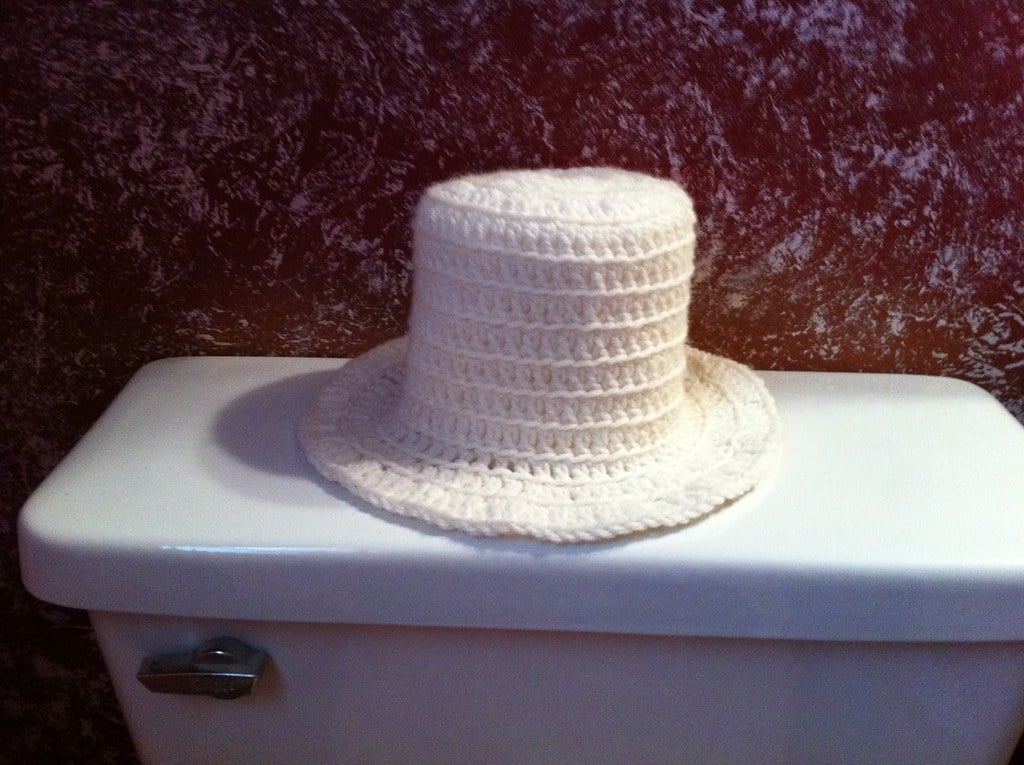
Hay fever sufferers needed portable tissue access, but carrying a tissue box was inconvenient. The tissue hat solved this with a roll of toilet paper mounted on a small hat, complete with a dispenser mechanism that allowed users to tear off sheets as needed.
It looked ridiculous but worked perfectly. Sometimes function trumps fashion.
Dimple Maker
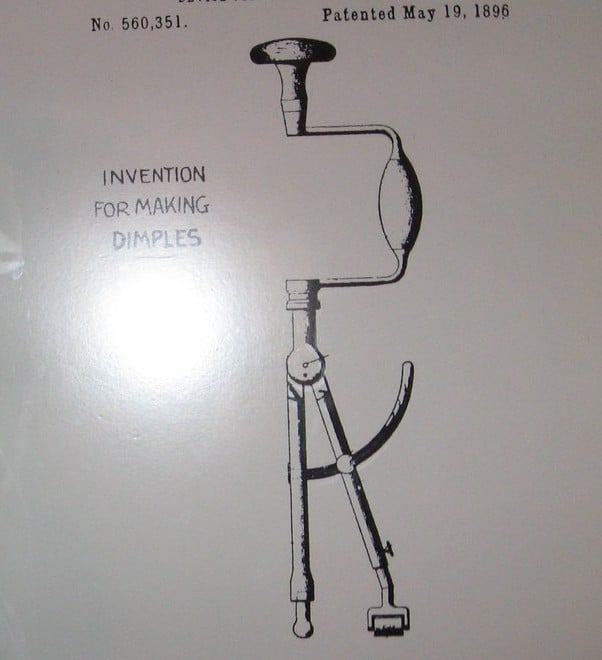
Beauty standards in the 1950s favored dimples, and not everyone was born with them (which seems like the kind of problem that would sort itself out naturally, but apparently the market for artificial dimples was robust enough to support multiple competing products). The dimple maker was a spring-loaded clamp that pressed into your cheeks for several hours daily, creating temporary indentations that, with consistent use, supposedly became permanent.
The science was questionable, but the results were real—at least temporarily. Women wore these devices while doing housework, reading, or listening to the radio, enduring the discomfort because dimples were worth the effort. And in a strange way, this wasn’t entirely different from modern beauty treatments that require similar dedication to achieving arbitrary physical ideals, except those treatments cost significantly more and involve considerably more sophisticated marketing language.
Shower Hood

Hair styling in the 1950s required serious time investment, and women needed to shower without destroying their work. The shower hood was a clear plastic helmet with an adjustable seal that kept hair completely dry while allowing normal washing.
Practical solutions don’t always look elegant. This one worked regardless.
Pedestrian Catcher
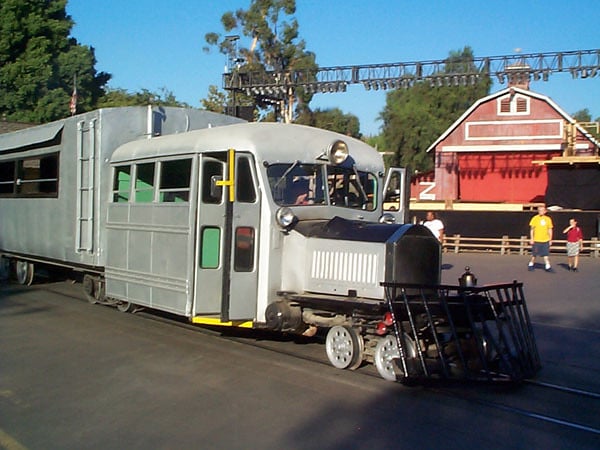
Cars were getting faster, but pedestrian awareness wasn’t keeping pace. The pedestrian catcher was a large scoop mounted on the front bumper that would catch people instead of running them over—theoretically cushioning the impact and depositing them safely to the side.
Testing proved the concept worked, though adoption remained limited for obvious liability reasons.
Atomic Gardening Kit

The atomic age promised to revolutionize everything, including agriculture (and while most atomic-themed products were pure marketing gimmick, this one delivered actual results, though not necessarily the results anyone expected). Home gardeners could purchase seeds that had been exposed to controlled radiation, producing vegetables with unusual colors, sizes, and growth patterns.
The vegetables were safe to eat and often larger than normal varieties, but they looked unsettling—tomatoes in shades of purple and yellow, carrots that grew in spirals, lettuce with leaves that seemed to shimmer slightly in sunlight. Neighbors would peer over fences at these alien-looking gardens, fascinated and disturbed in equal measure.
But the taste was normal, the yields were higher, and the novelty factor made dinner parties considerably more interesting, so the kits sold well until public opinion shifted against anything atomic-related.
Cone Bra
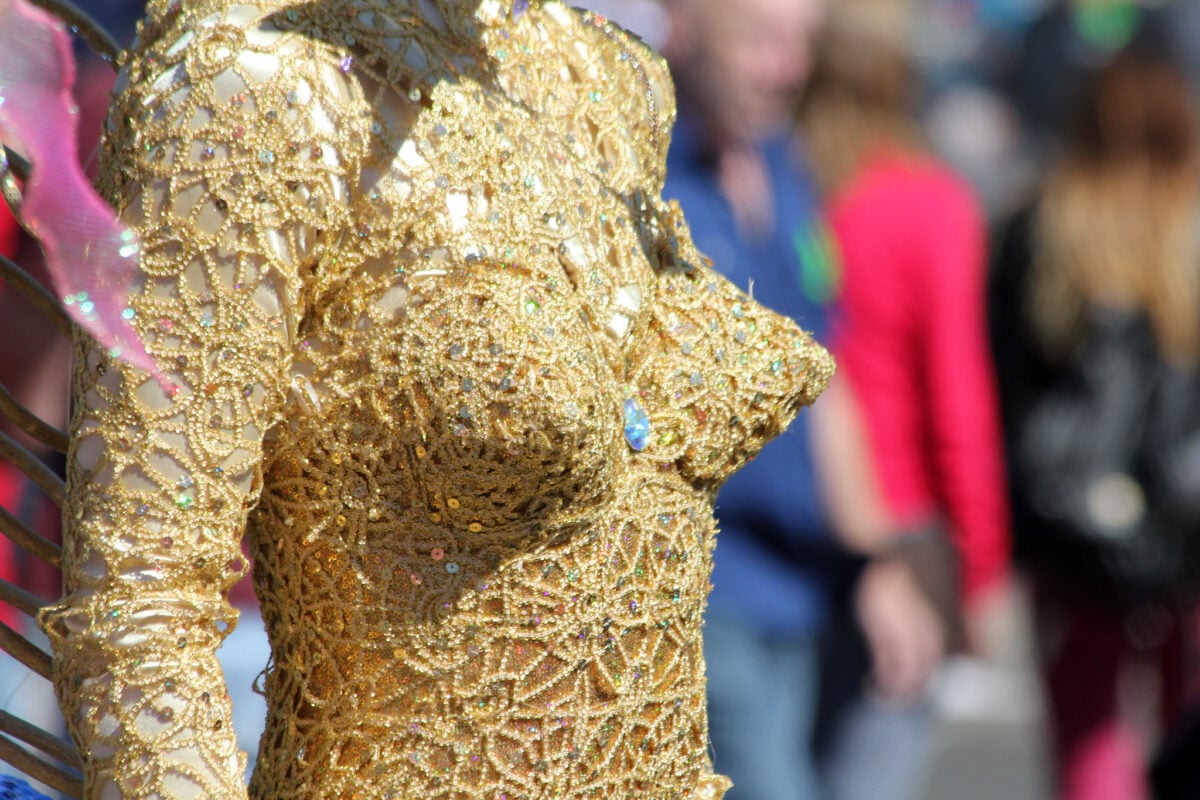
Christian Dior’s New Look required specific silhouettes, and existing undergarments couldn’t create the desired shape. The cone bra used engineering principles to achieve the pointed profile that fashion demanded.
Construction was more architecture than clothing, but it delivered exactly what designers wanted. Function served fashion, even when comfort didn’t.
TV Glasses
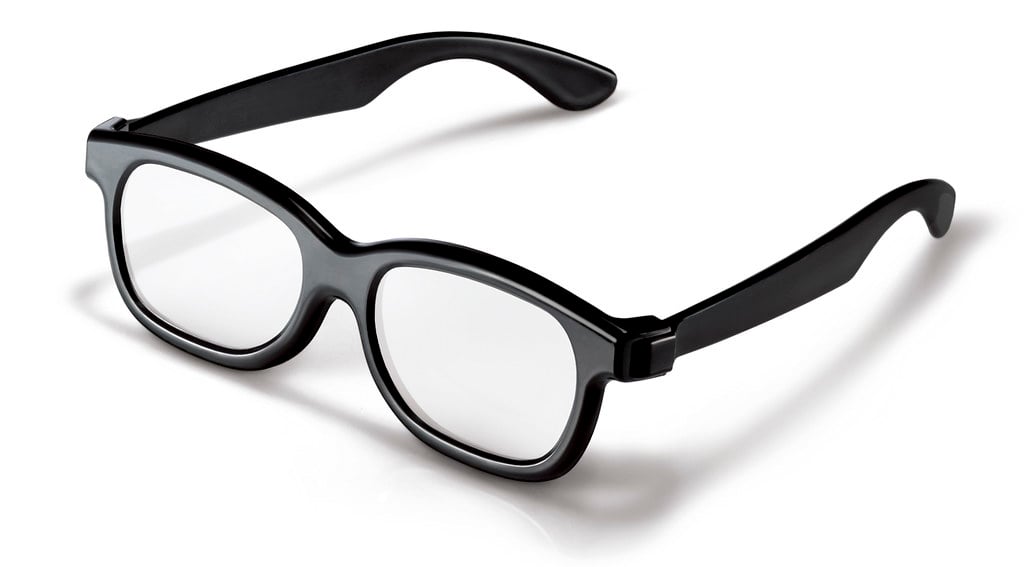
Television screens were small in the 1950s, and watching from across the room meant squinting at tiny figures. TV glasses used magnifying lenses to make the screen appear larger, giving viewers a personal theater experience without requiring a bigger television.
The optics worked flawlessly. Looking ridiculous was apparently an acceptable trade-off for better entertainment.
Vibrating Exercise Belt
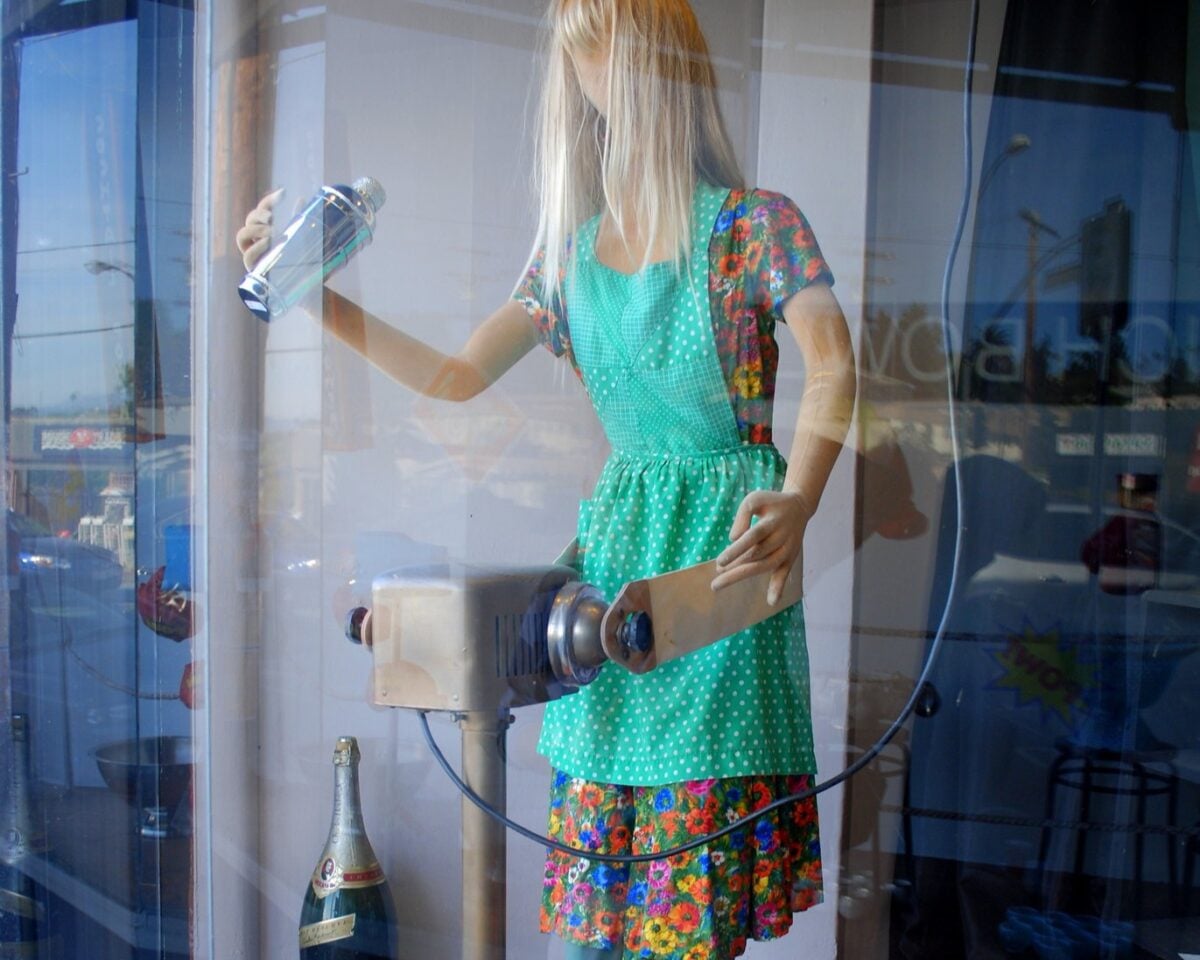
Weight loss through passive vibration seemed too good to be true, but the exercise belt found a devoted following (the machine didn’t actually burn calories or reduce weight, but it did provide a surprisingly effective massage, which meant customers felt like they’d gotten their money’s worth even when the promised results never materialized). Beauty salons and gyms installed rows of these machines, and women would stand there for twenty-minute sessions, belts jiggling their midsections while they read magazines or chatted with friends.
The social aspect turned out to be more valuable than the exercise component. And in retrospect, this wasn’t entirely wrong—any activity that gets people moving, socializing, and feeling good about their health choices has measurable benefits, even if those benefits aren’t the ones advertised on the box.
Modern fitness culture could learn something from the straightforward pleasure these women took in their vibrating belt sessions, unrealistic expectations aside.
Looking Back at Tomorrow

These inventions succeeded because they solved real problems, even when the solutions looked absurd. The 1950s inventors understood something modern innovation often misses: people will embrace strange-looking products if they genuinely improve daily life.
Dignity is optional when convenience is involved, and the market rewards function over form more often than anyone wants to admit. Perhaps the real lesson isn’t about the inventions themselves, but about an era willing to experiment with solutions that looked foolish but worked anyway.
More from Go2Tutors!

- The Romanov Crown Jewels and Their Tragic Fate
- 13 Historical Mysteries That Science Still Can’t Solve
- Famous Hoaxes That Fooled the World for Years
- 15 Child Stars with Tragic Adult Lives
- 16 Famous Jewelry Pieces in History
Like Go2Tutors’s content? Follow us on MSN.