15 Rags to Riches Stories Of Lucky Individuals
There’s something magnetic about the person who started with nothing and ended up with everything. Maybe it’s because most of us know what it feels like to check our bank account and wince, or maybe we’re just hardwired to root for the underdog.
These stories remind us that life can pivot in spectacular ways — sometimes through pure chance, sometimes through the kind of determination that borders on stubbornness, and sometimes through a combination of both that feels almost too wild to believe.
Oprah Winfrey
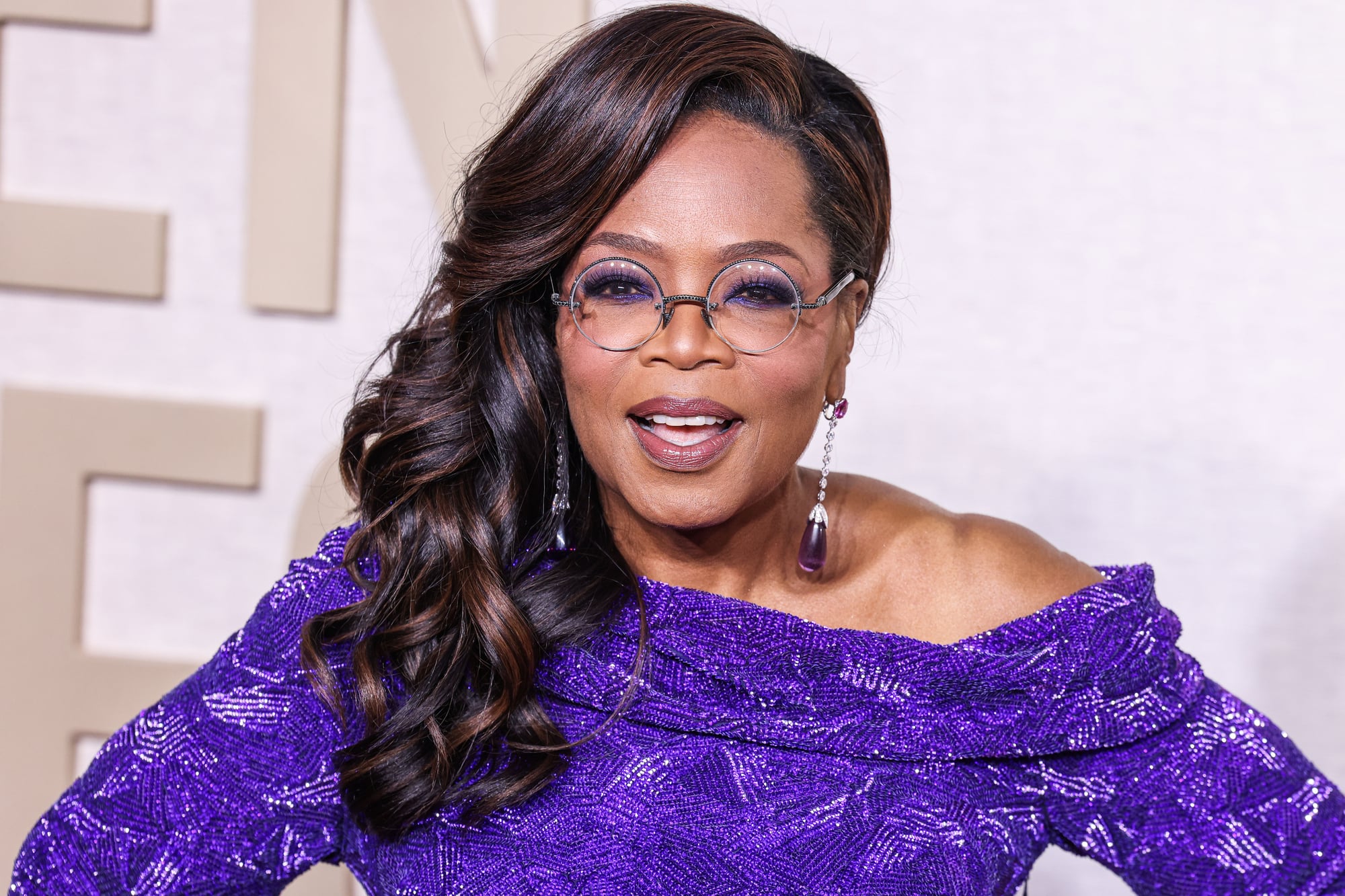
Oprah didn’t just climb out of poverty. She vaulted over it with the kind of force that reshapes everything around her.
Born to an unwed teenage mother in rural Mississippi, she wore potato sack dresses and faced abuse that would have broken most people. But television found her first — or maybe she found it.
Either way, the fit was perfect. Her ability to make strangers feel like close friends turned a local morning show into a media empire worth billions.
The woman who once had nothing now gives away cars on television for fun. Which is saying something.
J.K. Rowling

So here’s the thing about rock bottom (and Rowling has said this herself, so it’s not speculation or dramatic license): it becomes a solid foundation because you know you can’t fall any further. She was a single mother living on welfare in Edinburgh, writing the first Harry Potter book in cafes because her apartment was too cold and depressing, when she could have easily given up and found some office job that paid the bills but killed the dream slowly.
But she didn’t — and this is where the story gets interesting, because it wasn’t just about persistence (though that mattered), it was about the peculiar way rejection can clarify your vision rather than blur it. Twelve publishers said no to Harry Potter.
Twelve. Which means that somewhere in London, there are editors who passed on what became the highest-grossing book series in history, and they probably still wake up thinking about that decision sometimes.
Colonel Sanders
The man who became the face of fried chicken didn’t start frying until he was 65. Before that, Harland Sanders failed at everything he touched.
He sold insurance badly. He practiced law without a degree until the state caught him.
He ran a gas station that burned down. He cooked for travelers at a roadside motel until the interstate bypassed his town and killed his business.
Then he took his fried chicken recipe on the road, sleeping in his car and cooking for restaurant owners who mostly said no. The first person to say yes changed everything.
Now his face is on buckets worldwide, and he never lived to see most of it.
Jay-Z
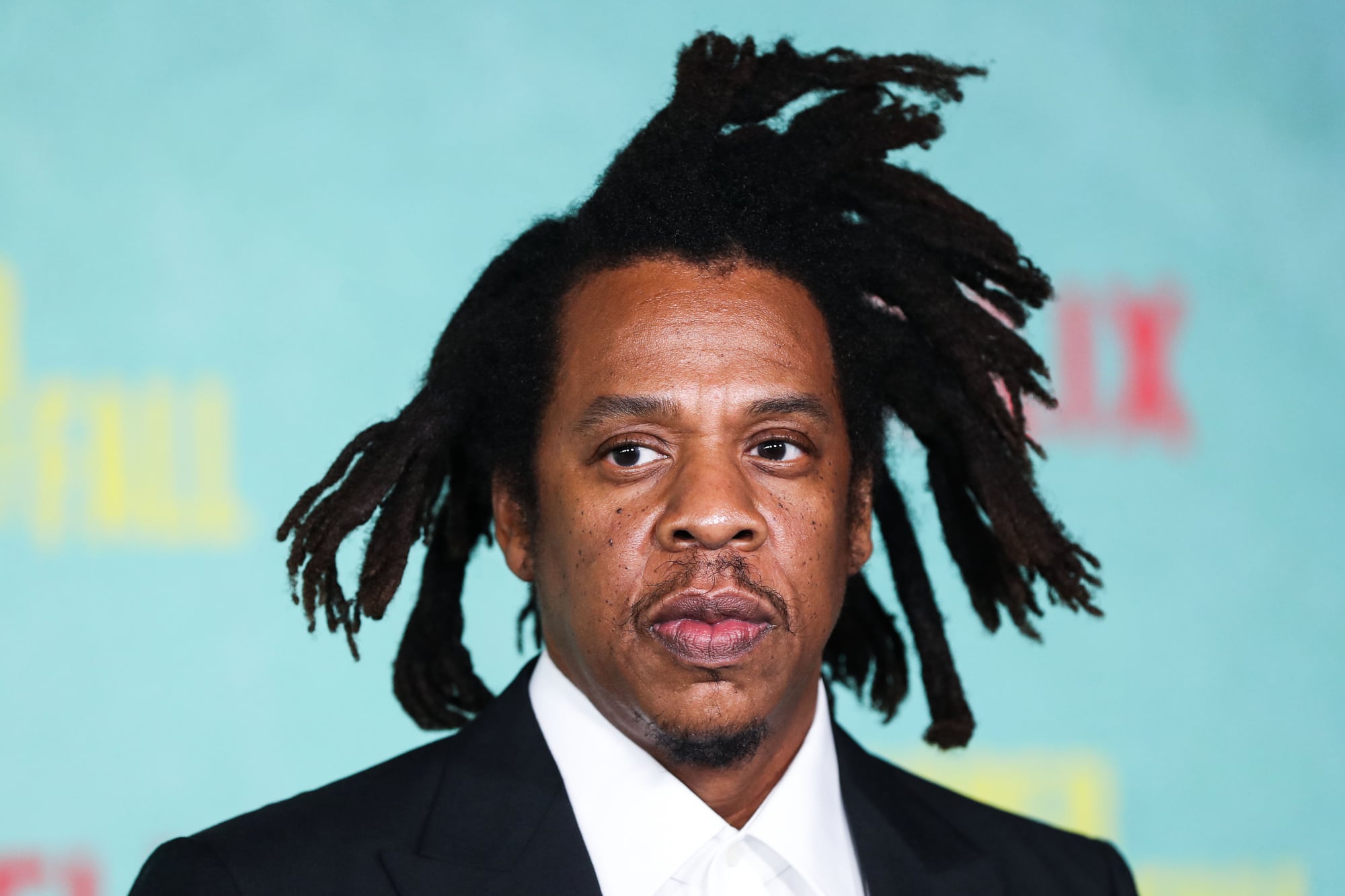
You can trace the path from Marcy Projects in Brooklyn to billionaire status, but the route defies normal logic. It’s like watching someone navigate by a compass that points toward impossibility.
Shawn Carter grew up where hope got mugged before it reached the corner store. His father left when he was eleven.
The neighborhood dealt in substances that promised quick money and delivered quick graves. Music became the escape route, but even that felt like a long shot in a game rigged against kids from his zip code.
The boy who once sold records out of his car trunk now owns streaming services. He turned his pain into poetry, his poetry into profit, and his profit into generational wealth.
The streets that tried to claim him became the foundation of his empire instead.
Howard Schultz

Starbucks wasn’t always the coffee empire that claims every street corner in America. When Howard Schultz joined the company, it was a small Seattle outfit that sold coffee beans to people who knew how to brew their own.
Schultz grew up in housing projects in Brooklyn. His father bounced between blue-collar jobs that never paid enough and never lasted long enough.
College happened on loans and luck. The idea that coffee could become a lifestyle brand seemed ridiculous to most people — including Starbucks’ original owners.
They wouldn’t let Schultz turn their bean shop into a cafe. So he left, started his own company, and eventually bought them out.
Now people pay five dollars for drinks with names they can’t pronounce, and somehow that feels normal.
Ralph Lauren
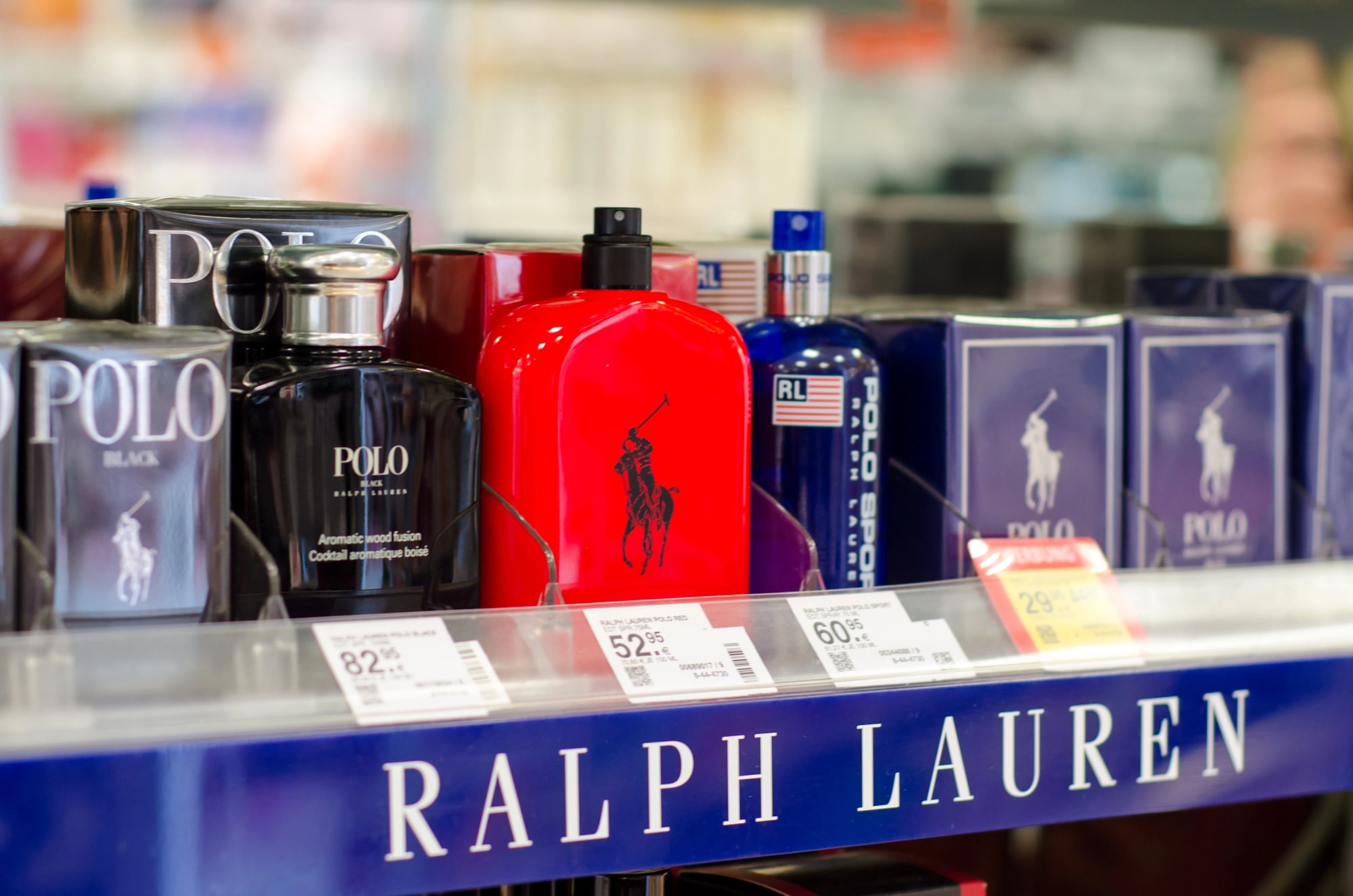
The man who built an empire selling the American dream to Americans never had access to that dream as a kid. Ralph Lifshitz (he changed the name later, which was probably smart from a marketing standpoint) grew up in the Bronx, where his house painter father made enough money to keep the family fed but not much beyond that.
Fashion school? Out of the question. Business school?
Same story. So he sold ties out of a drawer in someone else’s showroom, ties that he designed himself because the existing ones looked boring and safe to him.
The polo player logo came later, along with the idea that clothing could sell aspiration as much as fabric. People didn’t just buy Ralph Lauren shirts; they bought into the fantasy of weekend houses in the Hamptons and horses they’d never actually ride.
Jan Koum
WhatsApp sold for $19 billion, which is the kind of number that stops making sense after a while. But Jan Koum remembers when nineteen dollars felt like a fortune.
He immigrated from Ukraine with his mother when he was sixteen. They lived on food stamps in Mountain View, California.
His father never made it to America. Koum cleaned floors at a grocery store and taught himself computer programming at night because formal education costs money he didn’t have.
The app that made him a billionaire grew out of frustration with expensive international calls to family back home. Simple problems sometimes have billion-dollar solutions.
Go figure.
Dolly Parton

Mountain poverty in Tennessee doesn’t offer many escape routes, but Dolly Parton found one that nobody else had even considered. She turned herself into a character so vivid and compelling that the whole world wanted to be her friend.
She grew up in a one-room cabin with eleven siblings, where running water was something other people had and winter meant choosing between heat and food. Her father paid the doctor who delivered her with cornmeal because cash wasn’t available.
Music was free, though, and it was everywhere — in church, in the hills, in the way her mother hummed while she worked. Nashville tried to change her into something more conventional.
She refused, doubled down on the wigs and the rhinestones and the voice that could make grown men cry, and built a entertainment empire that includes theme parks and literacy programs. The girl who once wore coats made from rags now gives away millions of books to children who remind her of herself.
Roman Abramovich
The oligarch who bought Chelsea Football Club and turned it into his personal trophy case started life as an orphan in northern Russia. His parents died before he turned four.
Soviet orphanages weren’t known for producing billionaires, but Abramovich had the kind of opportunistic intelligence that thrives in chaos. When communism collapsed and state assets went up for grabs, he was young and hungry enough to move fast.
Oil and aluminum made him rich. Politics kept him alive.
He turned billions into international respectability, buying his way into London society one expensive acquisition at a time. Football fans chanted his name every weekend, which must have felt surreal for someone who started with absolutely nothing.
Li Ka-shing

Hong Kong’s richest man fled mainland China as a refugee when he was thirteen. His father died two years later, leaving him responsible for his mother and siblings with an eighth-grade education and no connections.
He worked in a plastics factory sixteen hours a day, learned English at night by listening to radio broadcasts, and started his own company with borrowed money when he was twenty-two. Real estate made him wealthy.
Patience made him legendary. Li understood something about timing that most people miss: you buy when everyone else is selling, and you sell when everyone else is buying.
He applied this philosophy for seventy years and became worth more than most countries’ GDP.
Do Won Chang

Forever 21 built its empire on fast fashion and cheap prices, but Do Won Chang’s story starts in South Korea, where he worked as a janitor and gas station attendant before immigration offered a different kind of uncertainty. He and his wife Jin Sook arrived in Los Angeles in 1981 with eleven thousand dollars, three children, and no English.
Chang pumped gas, served coffee, swept hair in salons — whatever paid the bills while he figured out America. The fashion industry seemed impossible to break into, so naturally that’s where he headed.
The first Forever 21 store opened in 1984 in a cramped Highland Park space, selling knockoffs of expensive trends at prices teenagers could afford. The business model was simple: see what’s popular, make it cheaper, get it to stores faster than anyone else thought possible.
It worked so well that by 2015, Forever 21 was worth billions and Chang had become one of the richest Korean-Americans in history.
Ingvar Kamprad
IKEA founder Ingvar Kamprad learned business lessons in rural Sweden that would eventually furnish homes worldwide, but his education in frugality came from necessity, not choice. His family farm barely generated enough income to survive the harsh Scandinavian winters.
At five years old, Kamprad was buying matches in bulk and selling them to neighbors at a markup. By seventeen, he had registered IKEA as a company (the name combines his initials with his farm and village).
The flat-pack furniture concept came later, born from the practical problem of fitting more inventory into delivery trucks. Kamprad remained famously cheap even as his wealth grew into the billions.
He drove an aging Volvo, flew economy class, and insisted that IKEA’s corporate culture reflect the parsimony that built the company. The boy who sold matches door-to-door created a furniture empire that made good design accessible to people who shared his appreciation for value.
Leonardo Del Vecchio

The man who controlled most of the world’s eyewear market — including Ray-Ban, Oakley, and thousands of retail stores — started life in a Milanese orphanage after his widowed mother couldn’t afford to raise him. Del Vecchio left the orphanage at fourteen to apprentice with a tool and die maker, where he lost part of his finger in an industrial accident.
The injury taught him respect for precision that would serve him well later. He opened his own molding shop in 1958, specializing in eyeglass parts for other companies.
Instead of staying in the background, Del Vecchio decided to control the entire supply chain. He bought the companies he supplied, then the brands they made frames for, then the stores that sold them to customers.
By the time he was done, Luxottica owned virtually every step of the eyewear business from factory to shopping mall.
Kirk Kerkorian
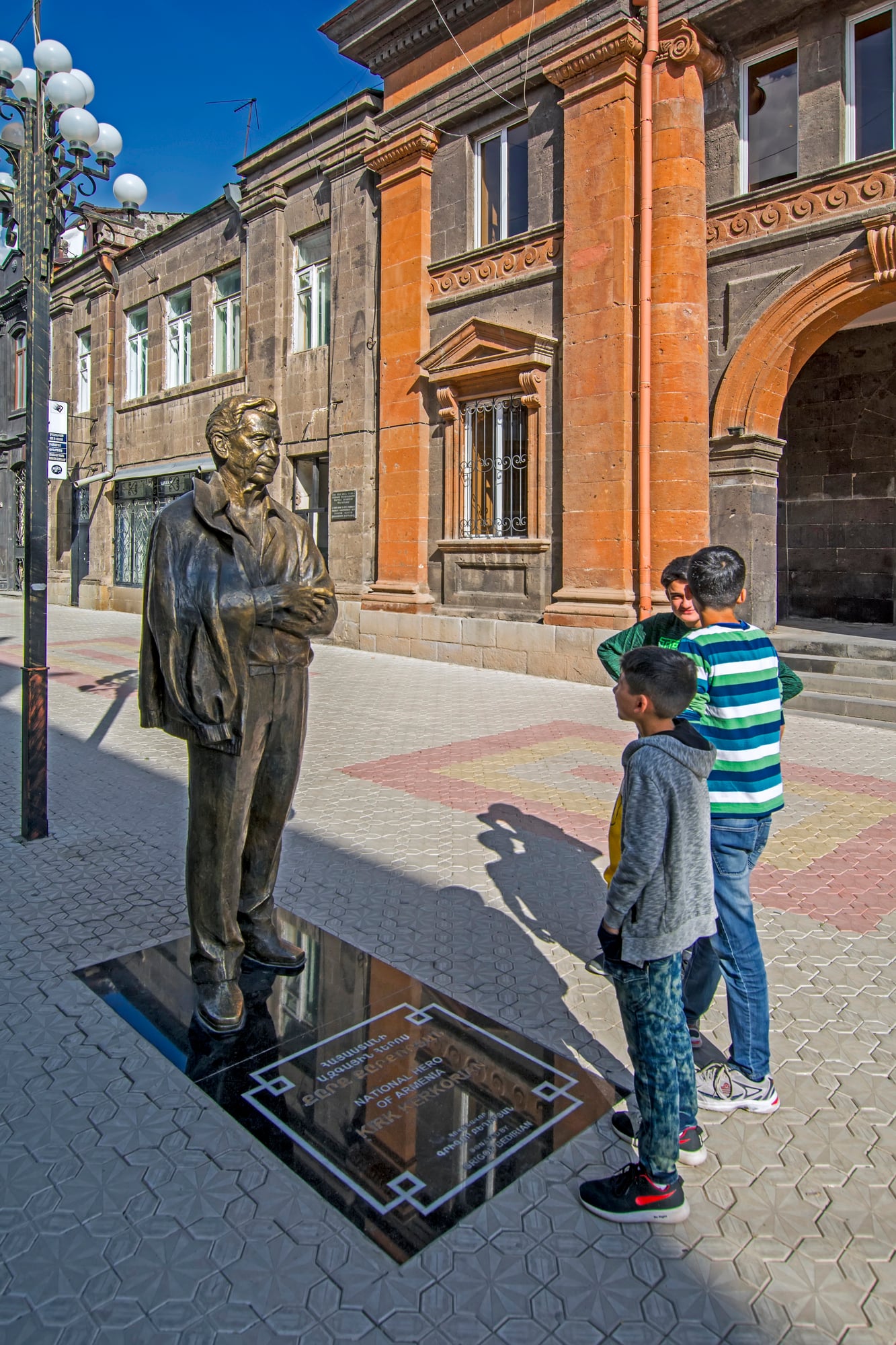
The son of Armenian immigrants who lost their farm during the Depression, Kirk Kerkorian learned early that survival required taking calculated risks that would terrify most people. He dropped out of eighth grade to help support his family.
World War II made him a pilot, ferrying bombers across the Atlantic for money that seemed impossible for a kid from Fresno. After the war, he started an airline with surplus military planes and a willingness to fly routes that major carriers avoided.
Las Vegas became his canvas. He built and sold hotels, bought and sold MGM multiple times, and turned billion-dollar deals into a form of high-stakes entertainment.
The boy who once picked fruit to help his family eat became one of America’s richest men by betting big when others played it safe.
Sheldon Adelson

Sheldon Adelson built a casino empire by understanding that people will pay extraordinary amounts of money for the illusion of luxury, but his own childhood in Boston offered no illusions about anything. His father drove a taxi.
His mother ran a knitting shop. The family lived in a tenement where heat was expensive and privacy was nonexistent.
Adelson started working at twelve, selling newspapers on street corners and learning that persistence mattered more than pedigree. Trade shows made him his first fortune — not the glamorous side of business, but the practical matter of getting buyers and sellers in the same room.
He used that money to buy his way into Las Vegas, where he built The Venetian and proved that people would flock to fake Italian canals in the Nevada desert. The kid who once hawked papers in Dorchester became one of the world’s richest men by selling dreams to people who could afford to gamble on them.
The Common Thread That Binds Them All

What strikes you about these stories isn’t the money, though the numbers certainly grab attention. It’s the stubborn refusal to accept limitations that seemed permanent to everyone else.
Each person on this list looked at circumstances that would have justified giving up and decided to treat them as starting points instead. They shared something beyond ambition — a peculiar blindness to the word “impossible” that served them better than any business school education.
The world told them no in a thousand different ways, and they kept moving forward anyway. Their luck wasn’t really luck at all.
It was preparation meeting opportunity, multiplied by the kind of persistence that most people mistake for foolishness until it pays off spectacularly.
More from Go2Tutors!

- The Romanov Crown Jewels and Their Tragic Fate
- 13 Historical Mysteries That Science Still Can’t Solve
- Famous Hoaxes That Fooled the World for Years
- 15 Child Stars with Tragic Adult Lives
- 16 Famous Jewelry Pieces in History
Like Go2Tutors’s content? Follow us on MSN.