Things Every Family Did on Sunday Mornings in the 1960s
Sunday mornings in the 1960s followed a rhythm that entire families knew by heart. The alarm clock might not have gone off, but everyone woke up knowing exactly what the day would bring.
These weren’t suggestions or occasional activities—they were the unspoken rules that shaped how American families spent their most important morning of the week. Some traditions have faded completely, while others have transformed into something almost unrecognizable.
But for one decade, these rituals defined what it meant to be a family on Sunday morning.
Getting Dressed Up for Church

Everyone owned church clothes. The good dress, the uncomfortable shoes, the tie that only came out once a week.
No exceptions.
Attending Religious Services
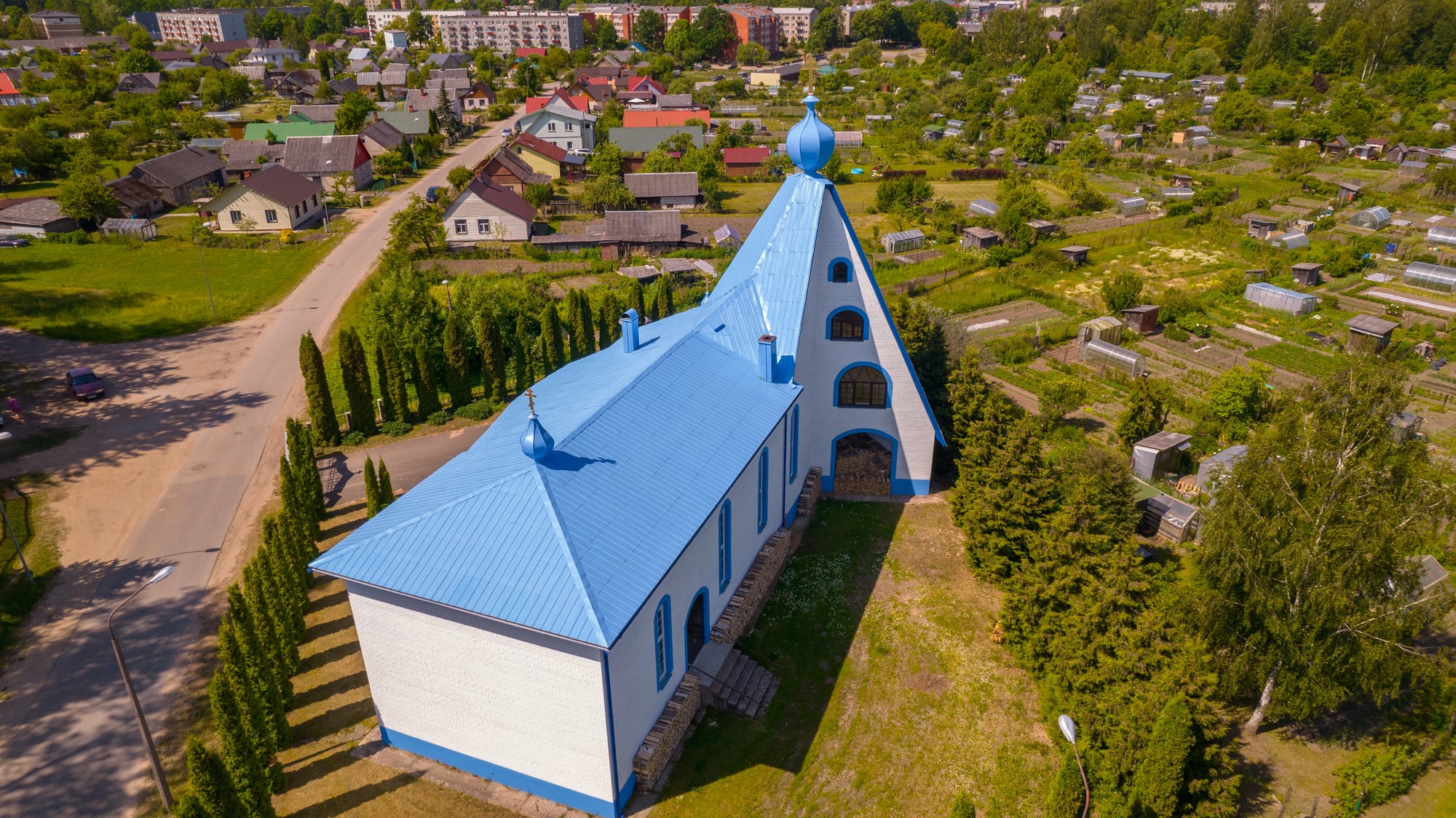
Sunday morning meant church for most American families, whether they felt particularly devout or not. The entire family loaded into the car (often after considerable negotiation about who sat where) and drove to whatever house of worship claimed their membership.
Catholic families attended Mass, Protestant families filled Methodist and Baptist pews, and Jewish families gathered at synagogue on Friday evenings and Saturday mornings, but still maintained Sunday as family day. Even families who rarely cracked open a Bible during the week understood that Sunday morning belonged to something bigger than themselves.
The social expectation was clear, and most families met it without question.
What happened during those services varied wildly—some children listened intently while others perfected the art of silent fidgeting. Ministers delivered sermons to congregations that included crying babies, restless teenagers, and adults who were genuinely trying to pay attention despite staying up too late on Saturday night.
Preparing a Large Family Breakfast

Weekday breakfasts were quick affairs: cereal, toast, maybe scrambled eggs if someone felt ambitious. Sunday breakfast was an event.
Mothers (and it was almost always mothers) rose early to prepare spreads that wouldn’t appear again until the following Sunday. Pancakes from scratch, not a mix.
Bacon that filled the house with its aroma. Fresh orange juice, often squeezed by hand.
Coffee that percolated in glass pots that seemed designed more for ceremony than efficiency.
The kitchen became the center of controlled chaos as someone flipped pancakes while someone else set the table with the good dishes—not the everyday plates, but the ones that spent most of their time in cabinets. Children were assigned tasks: setting out butter, arranging napkins, pouring milk into actual glasses instead of drinking it straight from the carton.
These breakfasts took time to prepare and time to eat, which was exactly the point. Sunday morning breakfast wasn’t about efficiency; it was about abundance and the luxury of not rushing anywhere.
Reading the Sunday Newspaper Together

The Sunday paper arrived thick as a small book, and families treated it like shared treasure. Sections were divvied up according to household hierarchy and personal interest: Dad claimed the front page and sports, Mom took lifestyle and local news, teenagers grabbed whatever featured entertainment or fashion, and children spread the comics across the floor like colorful carpets.
But here’s what made it distinctly 1960s: people read the same paper at the same time in the same room. The living room filled with the rustle of newsprint and the occasional “Listen to this” followed by someone reading aloud an interesting tidbit or absurd headline.
Arguments broke out over who got which section next, and sections were traded back and forth like currency.
The crossword puzzle became a family project, with suggestions shouted from various corners of the room. Even the advertisements were entertainment—families pored over department store spreads and grocery store specials, planning future purchases and comparing prices.
Reading the paper wasn’t a solitary activity; it was a group endeavor that could stretch well into the afternoon.
Listening to Religious or Family-Friendly Radio Programming

Television programming on Sunday mornings consisted mainly of religious services and educational content, so many families turned to radio for background entertainment. AM radio stations programmed specifically for Sunday morning audiences, offering a mix of gospel music, family-friendly variety shows, and religious programming that felt less formal than what was available on television.
Families gathered around kitchen radios during breakfast or living room consoles afterward, letting the programming create a soundtrack for their morning routines. The radio provided a sense of shared cultural experience—everyone in the neighborhood was likely listening to the same handful of stations, hearing the same music and announcements.
Some families tuned in specifically for religious programming that complemented their church attendance, while others preferred the gentle variety shows that featured music and light entertainment suitable for all ages. The radio created background ambiance that felt both festive and peaceful, marking Sunday morning as distinctly different from the rest of the week.
Taking Family Photographs
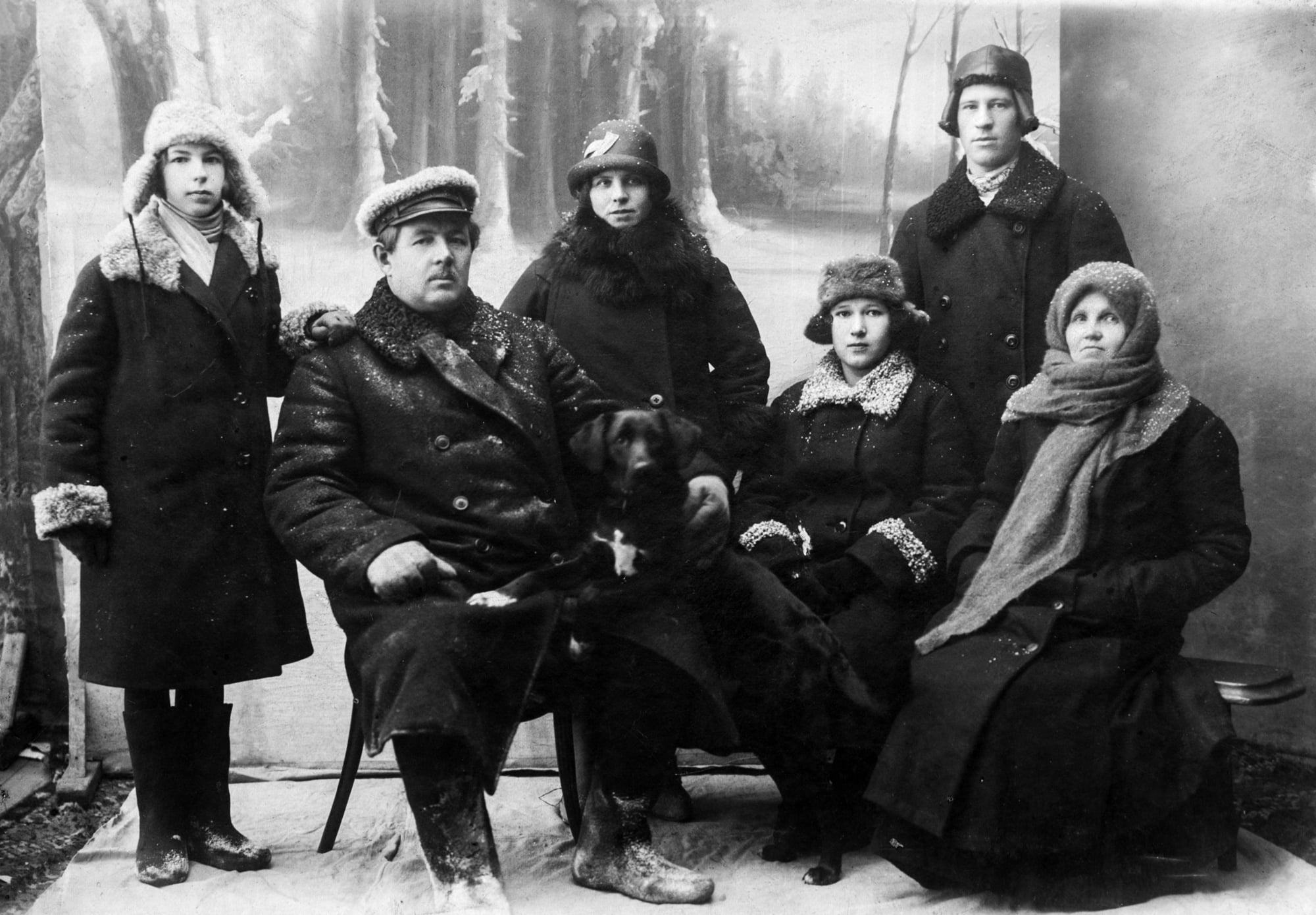
Sunday mornings meant good clothes, good lighting, and families who were all in the same place at the same time—a combination that led inevitably to photographs. Mothers aimed cameras at children in their church outfits, fathers documented family breakfast spreads, and someone always suggested gathering everyone together for a group shot before church or after they returned home.
These weren’t candid snapshots grabbed with phones; they were deliberate photographs taken with cameras that required film, flash bulbs, and careful consideration of each shot. Families posed on front steps, arranged themselves around breakfast tables, and captured moments that felt significant enough to preserve.
Children were instructed to smile, stand still, and look at the camera—directions that led to countless photographs of slightly forced grins and carefully arranged family groupings.
The photographs from Sunday mornings in the 1960s reveal families at their most formal and most together: dressed up, gathered close, and participating in the weekly ritual of documenting their family life.
Hosting or Visiting Extended Family

Sunday morning often expanded beyond the nuclear family to include grandparents, aunts, uncles, and cousins who lived within driving distance. Families either prepared their homes for incoming relatives or loaded into cars to visit family members who had extended invitations for Sunday dinner (which actually happened in the early afternoon, but was always called dinner, never lunch).
These visits required preparation and coordination that began on Saturday night: extra food, extra chairs, and the subtle negotiations about who would visit whom on any given Sunday. Children were reminded about their manners, mothers worried about having enough food, and fathers resigned themselves to conversations about topics they might not find particularly interesting.
The visits themselves followed predictable patterns: adults gathered in living rooms for conversation while children were sent outside to play or downstairs to basement recreation rooms. Coffee was served, family news was shared, and disagreements were politely avoided or quietly nursed.
These gatherings reinforced family connections and provided regular opportunities for relatives to stay current on each other’s lives.
Completing Household Chores as a Family

Sunday morning chores were different from weekday maintenance—they were the tasks that required time and attention that wasn’t available during the rushed weekday schedule. Families tackled these chores together, turning necessary work into shared activity.
Children were assigned age-appropriate responsibilities: sorting laundry, dusting furniture, organizing toys and belongings. Parents handled the more complex tasks while supervising and directing the overall effort.
The goal wasn’t just to maintain the household, but to teach children that family life required everyone’s contribution.
These chore sessions created opportunities for conversation and cooperation that didn’t exist during the week. Working side by side, family members talked about the upcoming week, shared thoughts about the previous week, and simply spent time together while accomplishing necessary tasks.
The work got done, but the real value was in the time spent working together.
Planning the Week Ahead

Sunday mornings provided the natural pause that families needed to organize and prepare for the upcoming week. This planning happened informally during breakfast conversations and more formally during dedicated family meetings that some families held regularly.
The planning covered practical matters: who needed rides where, what events were scheduled, which evenings would be particularly busy, and what preparations needed to happen before Monday morning arrived. But it also included less tangible planning: talking about school projects, discussing family goals, and addressing any concerns or conflicts that needed attention.
Mothers consulted calendars and made mental notes about grocery shopping and meal planning. Fathers considered work schedules and weekend responsibilities.
Children were reminded about school commitments and family expectations. These planning sessions helped families approach the week with clarity and coordination rather than stumbling through each day reactively.
Enjoying Leisurely Conversations
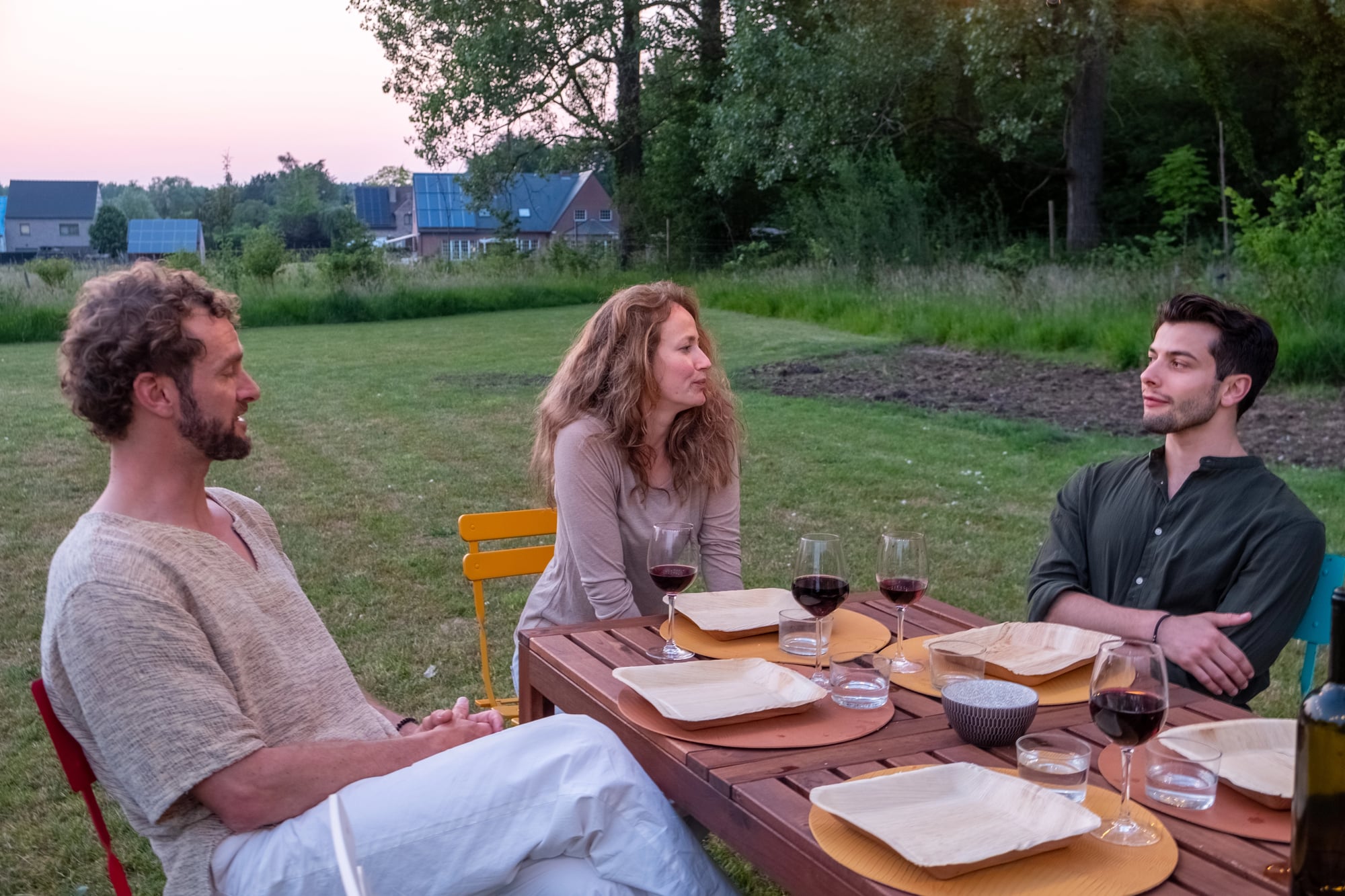
The pace of Sunday morning allowed for conversations that didn’t happen during the rushed weekdays. Without the pressure of getting to work or school on time, families actually talked to each other—not just about logistics and immediate concerns, but about ideas, experiences, and topics that required more than quick exchanges.
These conversations happened naturally during breakfast, while reading the newspaper, or while sitting together in living rooms after returning from church. Children had opportunities to ask questions and receive thoughtful answers.
Parents shared stories about their own childhoods or current experiences. Family members learned things about each other that didn’t emerge during hurried weekday interactions.
The quality of these conversations was different from weekday communication: more relaxed, more exploratory, and more focused on connection than on coordination. Sunday morning conversations strengthened family relationships and created shared understanding that carried through the rest of the week.
Participating in Neighborhood Social Activities

Sunday mornings brought neighborhoods to life in ways that were visible and communal. Families walked to nearby churches, gathered on front porches, and participated in informal social activities that created connections between households.
Children played outside with neighborhood friends while parents supervised from porches or front yards. These interactions led to impromptu conversations between adults and collaborative play between children from different families.
The slower pace of Sunday morning allowed these social connections to develop naturally rather than being scheduled or forced.
Some neighborhoods organized more formal Sunday morning activities: group walks, informal sports games, or shared breakfast gatherings that rotated between different families’ homes. These activities strengthened neighborhood bonds and created extended community networks that supported families throughout the week.
Preparing Special Sunday Dinner

Sunday dinner preparations began on Sunday morning, with families planning and beginning to prepare the elaborate meals that would be served in the early afternoon. These weren’t ordinary dinners—they were the special meals that featured foods and preparations that didn’t appear during weekday dining.
Roasts went into ovens, side dishes were planned and coordinated, and desserts were prepared from scratch. The preparation process often involved multiple family members: children helped with simple tasks while mothers orchestrated the overall effort and fathers occasionally contributed their specialties (often grilling or carving).
The preparation was almost as important as the meal itself. Working together in the kitchen created opportunities for teaching, conversation, and shared accomplishment.
The anticipation of the special meal added excitement to the morning and gave everyone something to look forward to as the centerpiece of their Sunday celebration.
Engaging in Quiet, Reflective Activities

Sunday morning’s peaceful pace encouraged activities that required calm attention and created space for reflection. Families read books together, worked on puzzles, played quiet games, or simply sat together without feeling the need to be constantly entertained or productive.
These reflective activities provided contrast to the busy pace of weekday life and allowed family members to slow down and connect with themselves and each other. Children learned that not every moment needed to be filled with stimulation, and adults experienced the restorative value of unhurried time.
The quiet activities varied by family and season, but the common element was their contemplative quality: activities that encouraged thought, creativity, or simply peaceful coexistence rather than excitement or competition.
When Sundays Meant Something Different

Sunday mornings in the 1960s created a rhythm that families could count on—a weekly pause that brought everyone together in shared activity and shared time. These weren’t perfect families participating in perfect activities, but they were families who understood that some things mattered enough to happen regularly, regardless of individual preferences or momentary convenience.
The specific activities weren’t as important as the commitment to spending Sunday morning as a family unit, creating weekly traditions that children would remember decades later and, in many cases, attempt to recreate with their own families.
More from Go2Tutors!

- The Romanov Crown Jewels and Their Tragic Fate
- 13 Historical Mysteries That Science Still Can’t Solve
- Famous Hoaxes That Fooled the World for Years
- 15 Child Stars with Tragic Adult Lives
- 16 Famous Jewelry Pieces in History
Like Go2Tutors’s content? Follow us on MSN.



