25 Discontinued Candy Bars And Snacks From The ’70s That People Still Crave
The grocery store candy aisle doesn’t hit the same way it used to. Walk down those fluorescent-lit rows today, and you’ll find plenty of options, but something feels missing.
The thrill of discovering your favorite treat, the anticipation of that first bite, the way certain candy bars could make an ordinary afternoon feel special — it’s all been dulled by decades of corporate mergers, recipe changes, and the slow disappearance of the weird, wonderful confections that made the 1970s such a golden era for candy lovers.
That decade gave us some of the most beloved and bizarre treats ever created, many of which vanished without warning, leaving behind only fond memories and the occasional desperate plea on social media for their return.
These weren’t just candy bars and snacks — they were small pieces of childhood magic that happened to come wrapped in cellophane.
Marathon Bar
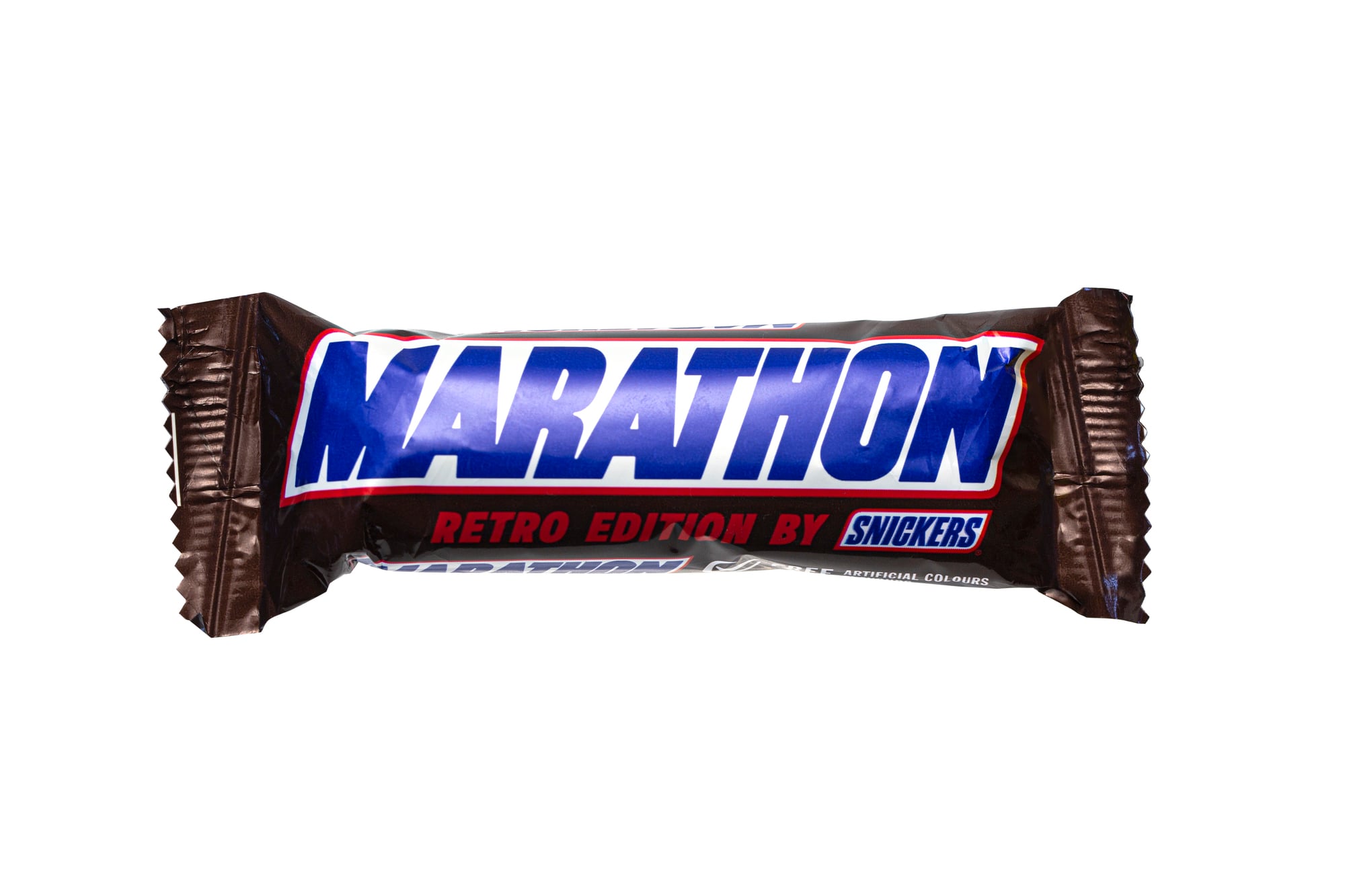
The Marathon Bar lasted exactly as long as its name suggested it should have — which is to say, it felt like it went on forever, and people loved every minute of it. This wasn’t your typical candy bar that disappeared in three bites.
The braided caramel covered in chocolate could stretch to eight inches when you pulled it apart, turning a simple snack into an interactive experience that killed serious time during long car rides.
Introduced in 1973, the Marathon Bar disappeared in 1981, though it remained available in the UK under the Marathon brand name for several more years before being discontinued there as well. The packaging even included a ruler printed on the wrapper, just so you could measure exactly how far you could stretch your candy before it snapped.
Space Food Sticks
NASA never officially endorsed these, but that didn’t stop kids from feeling like astronauts every time they unwrapped one. Space Food Sticks came in flavors like chocolate, caramel, and peanut butter, and they had the dense, chewy texture of energy bars decades before energy bars became a thing (which is probably why they felt so futuristic at the time, and also why they tasted like sweetened cardboard to anyone over the age of twelve).
But here’s the thing about Space Food Sticks — and this is where the magic happened, if you were the right age — they came in a pouch that looked exactly like something an astronaut would pull out during a spacewalk.
So while the adults were shaking their heads at yet another gimmicky snack, kids were floating around the kitchen table, pretending to repair satellites between bites.
The sticks vanished sometime in the early ’80s, though the original manufacturer, Pillsbury, kept making them for actual NASA missions long after they disappeared from grocery stores. Which means that somewhere up in space, astronauts might still be eating the same snacks that made Earth-bound kids feel like space explorers.
Reggie Bar
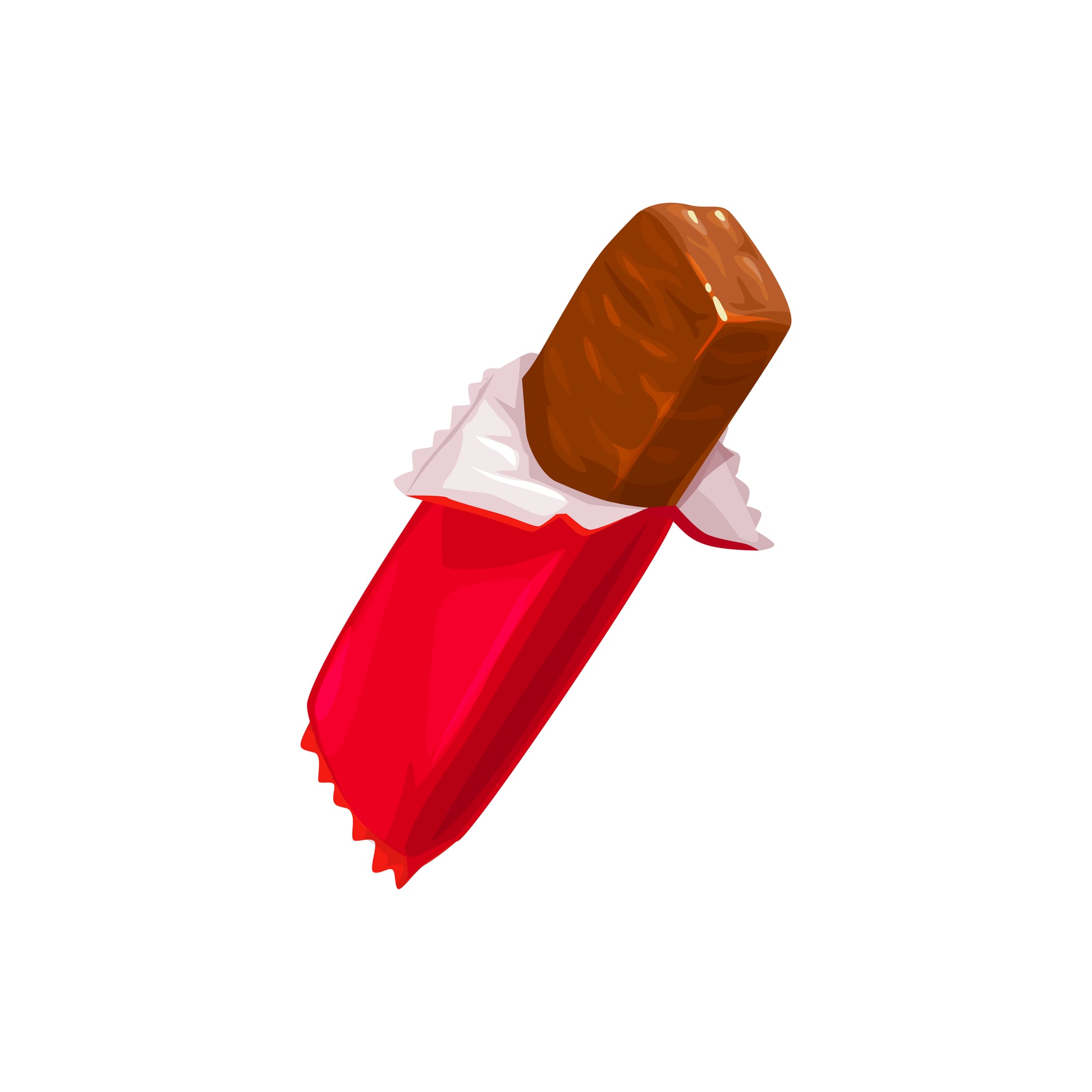
Named after Yankees slugger Reggie Jackson, the Reggie Bar was a peanut-and-caramel confection covered in chocolate that lasted about as long as Jackson’s tenure in pinstripes. The bar debuted in 1978, right at the height of Jackson’s fame, and it came with all the swagger you’d expect from something bearing the name of a player who called himself “Mr. October.”
The problem with celebrity-endorsed candy bars is that they rise and fall with the celebrity’s popularity, and by 1982, both Jackson and his namesake candy bar were past their prime.
The Reggie Bar disappeared from shelves, leaving behind only the memory of its distinctive wrapper and the occasional reference in Yankees lore.
Coconut Grove
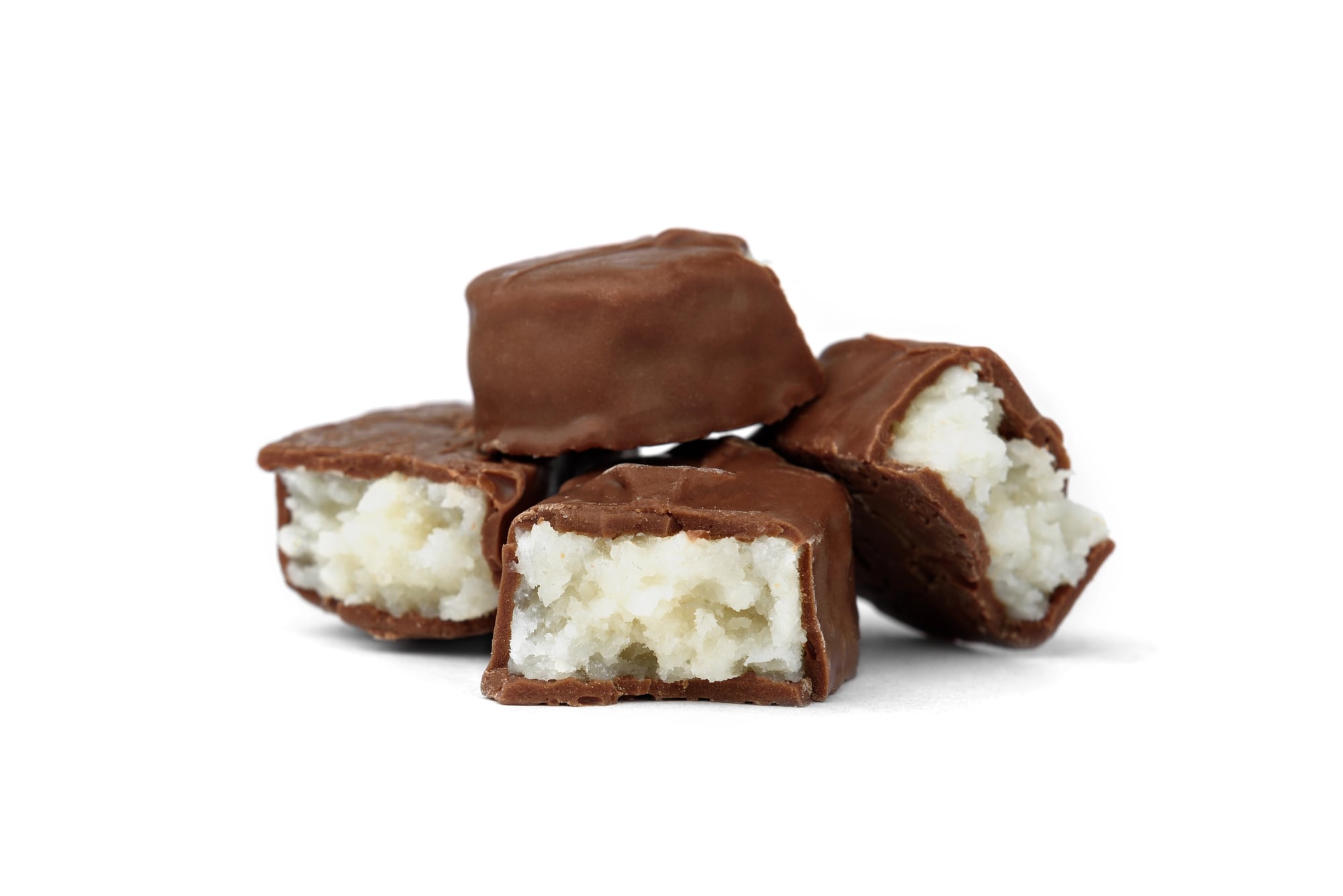
Coconut Grove bars were what happened when someone decided that regular candy bars weren’t tropical enough. These milk chocolate bars came loaded with coconut and nuts, creating a texture that was part candy bar, part granola cluster.
They had a distinctly different vibe from other candy bars of the era — less processed, more substantial, like something you might find at a health food store if health food stores had existed in suburban malls during the 1970s.
The bars came from the Peter Paul company, which also made Mounds and Almond Joy, so they knew their way around coconut. But Coconut Grove had a rougher, more rustic texture than its smoother cousins — chunks of coconut and nuts scattered throughout the chocolate rather than neatly layered.
It felt less manufactured, more handmade, which was either exactly what you wanted in a candy bar or exactly what you didn’t, depending on your tolerance for texture surprises.
Whipps
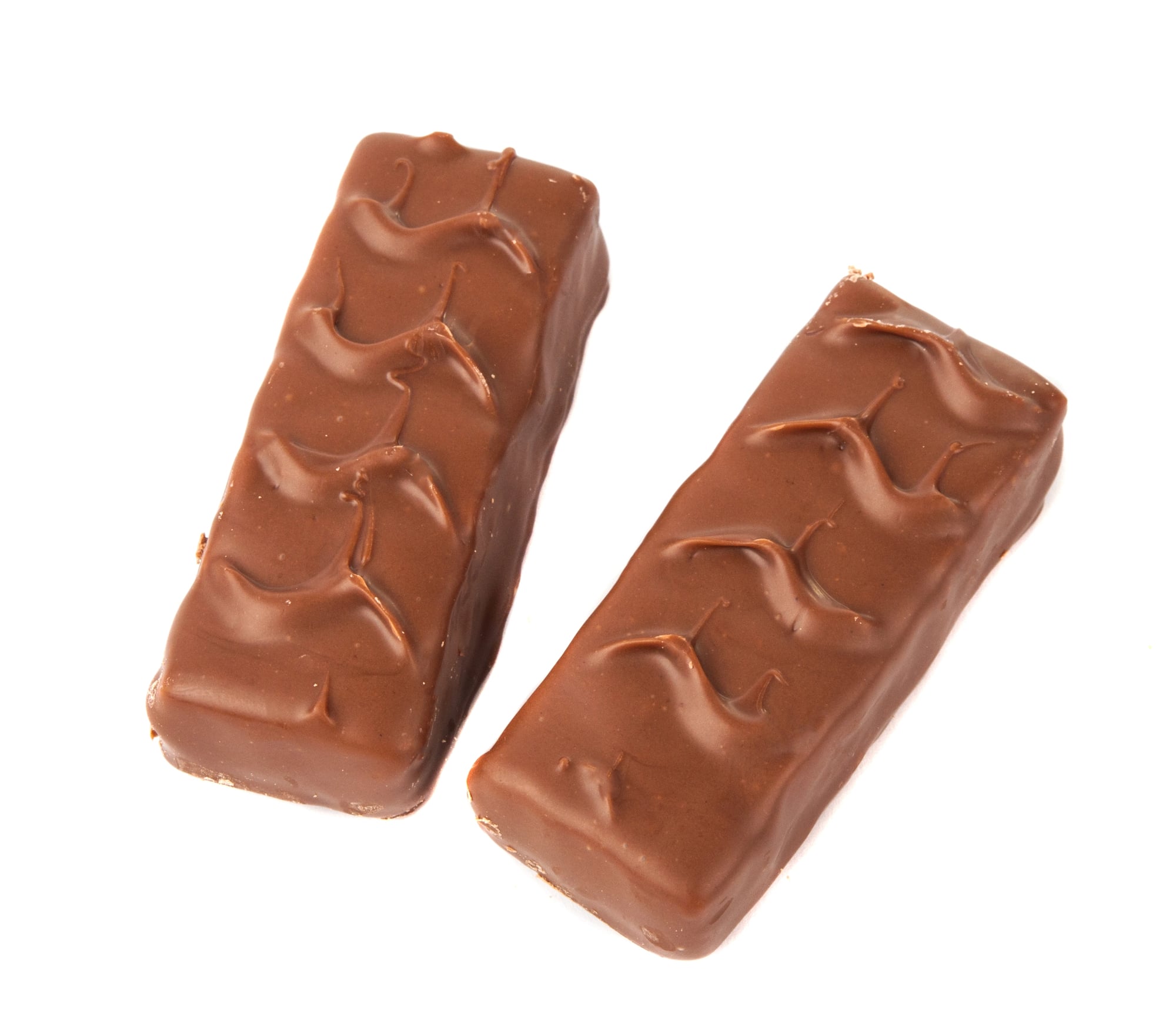
Whipps bars were essentially what would happen if someone took a Charleston Chew and decided it needed more air and less jaw-breaking density. These chocolate-covered bars had a light, whipped center that dissolved on your tongue instead of requiring serious dental work to consume.
The texture was closer to a chocolate mousse that had been somehow solidified and wrapped in candy bar form.
The name said everything about the experience — this was candy that had been whipped into submission, lightened and softened until it became something almost delicate.
Which made it an odd choice for the candy bar market of the 1970s, where most successful treats were dense, chewy affairs that required commitment to finish. Whipps disappeared sometime in the early 1980s, probably because they were too refined for their own good.
Chocodile
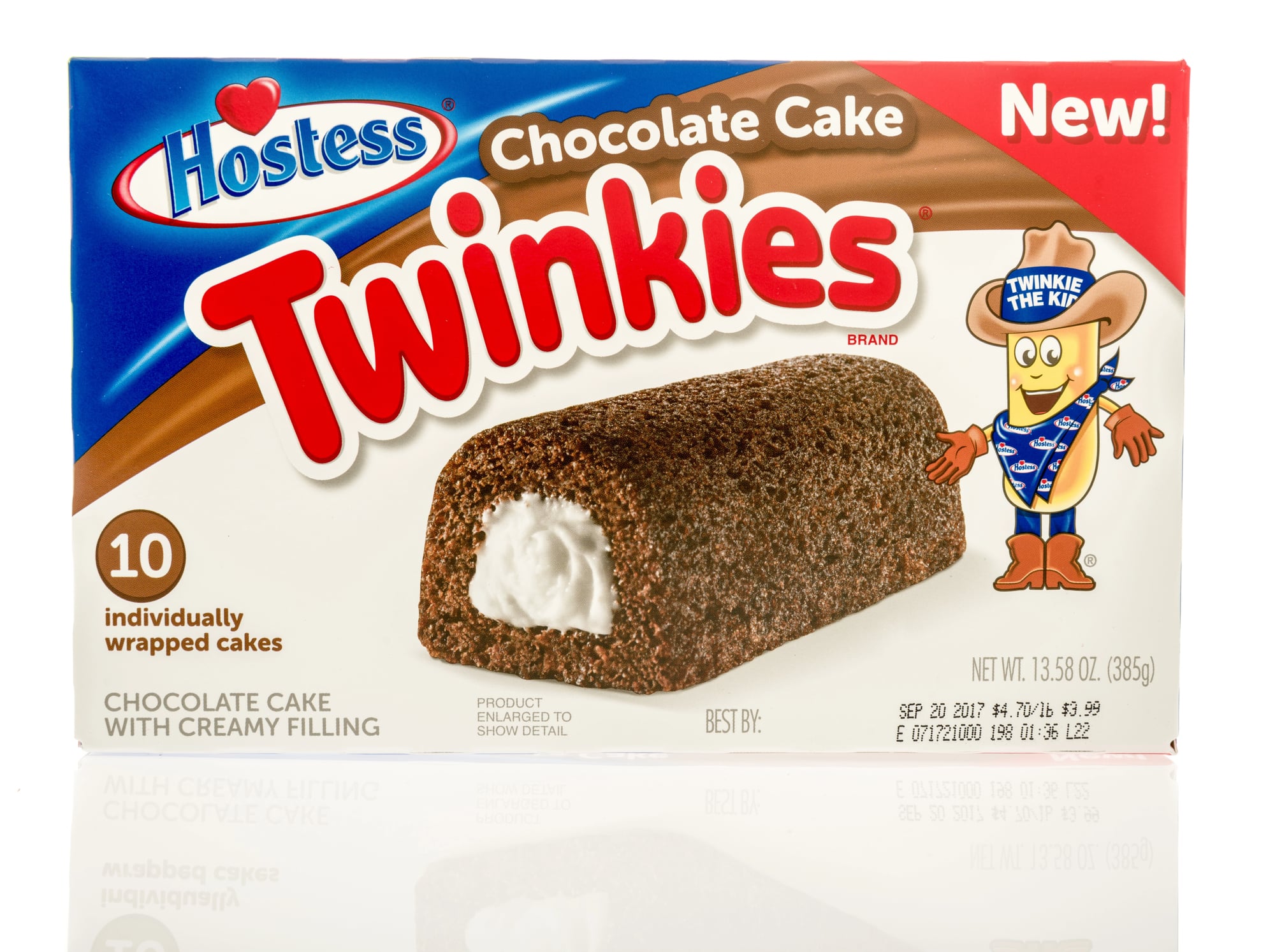
Hostess took their popular Twinkies and decided they needed a chocolate makeover, which sounds like the kind of decision that gets made during late-night brainstorming sessions when everyone’s running on sugar and caffeine. The result was Chocodile — a chocolate-covered Twinkie that somehow managed to be both familiar and completely new at the same time.
The chocolate coating changed everything about the Twinkie experience. Instead of that soft, spongy exterior that compressed under your fingers, you got a thin shell of chocolate that cracked when you bit into it, revealing the same cream-filled cake underneath.
It was like discovering that your favorite comfort food had been keeping secrets.
Chocodiles disappeared from most markets in the 1980s, though they hung on in certain regions for years afterward, creating a strange geography of chocolate-covered nostalgia where finding one became a minor treasure hunt.
Screaming Yellow Zonkers

The name alone was worth the price of admission, but Screaming Yellow Zonkers delivered on their promise of controlled chaos in snack form. These were essentially popcorn clusters covered in a bright yellow, buttery coating that turned your fingers the color of a school bus and left a sweet, slightly artificial aftertaste that lingered just long enough to make you reach for another handful.
They came in a distinctive black box that made them look more like a prank item than actual food, which was probably intentional.
The whole concept felt like it had been designed by someone who understood that sometimes the best snacks are the ones that make you slightly embarrassed to be eating them in public.
The Zonkers vanished in the early 1980s, taking with them one of the most aggressively named snack foods ever created. No other popcorn treat has come close to matching their combination of ridiculous branding and surprisingly addictive flavor.
Bar None
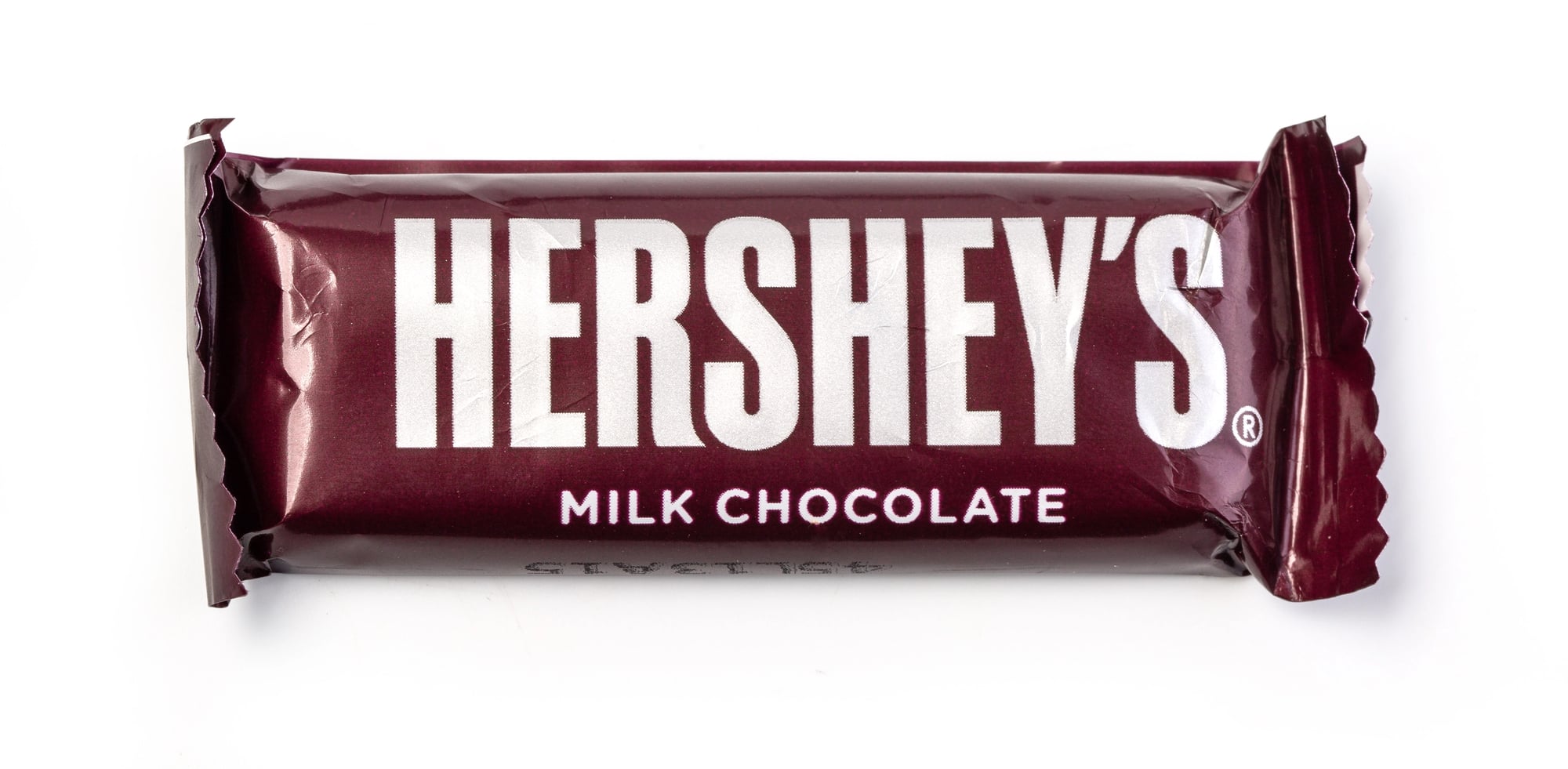
Hershey’s Bar None was an ambitious attempt to create the ultimate candy bar — wafers, chocolate, nuts, and caramel all layered together in a way that was supposed to deliver multiple textures and flavors in every bite. The concept was solid, the execution was competent, and the marketing campaign promised that this was the candy bar that would make all other candy bars obsolete.
It lasted from 1987 to 1997, which means it technically survived into the ’90s, but its heart belonged to the excess-driven candy philosophy of the previous decade.
Bar None was peak 1970s thinking applied to late-1980s manufacturing — more was always better, complexity was automatically superior to simplicity, and if you could fit five different elements into a single candy bar, you absolutely should.
The problem was that Bar None tried to be everything to everyone and ended up being not quite enough for anyone. It was good, but it wasn’t anyone’s favorite, and in the candy bar business, being second-best to several different competitors is a recipe for quiet disappearance.
Bonkers
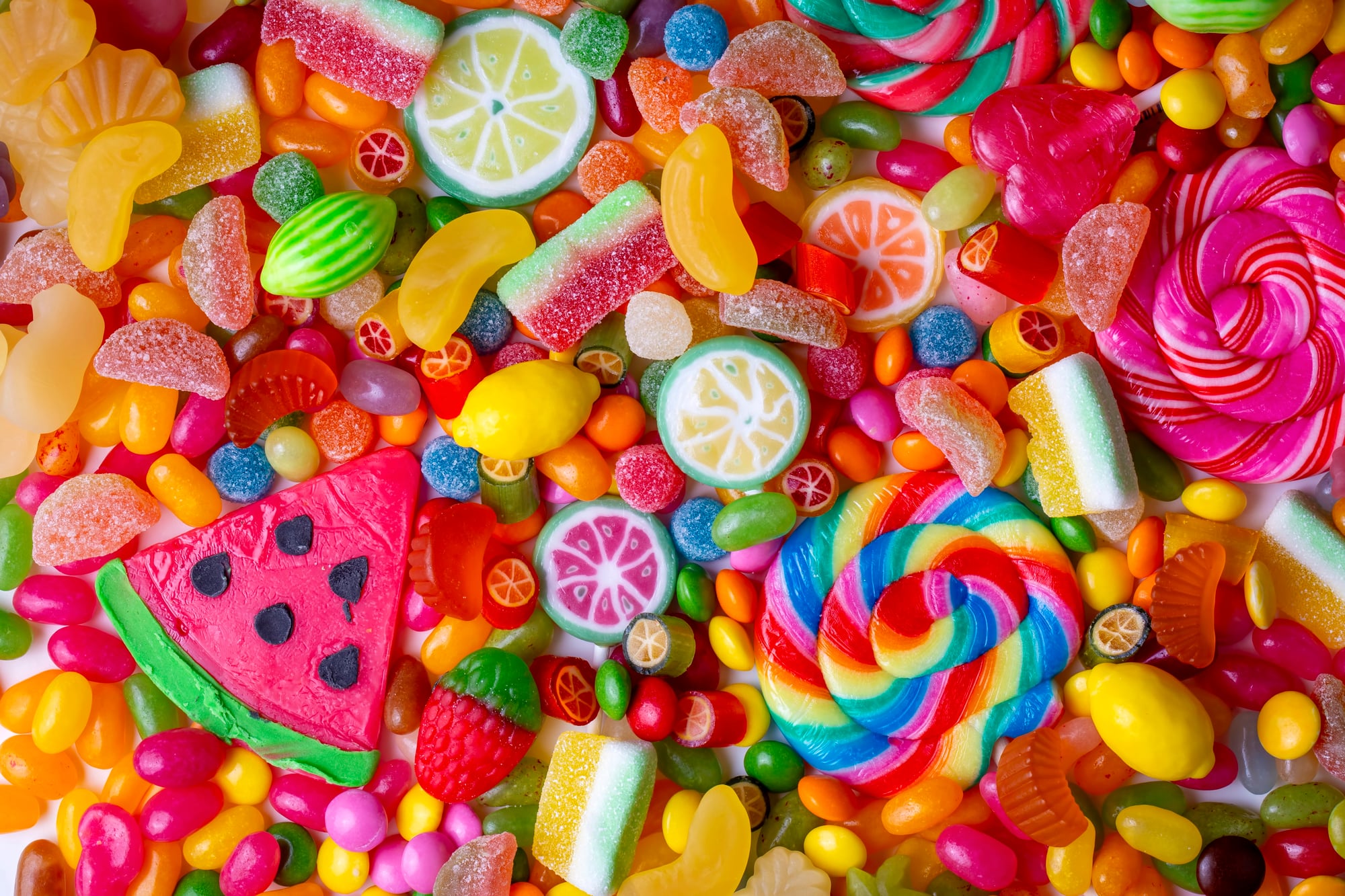
Bonkers were fruit chews that took their flavor intensity seriously — maybe too seriously. These weren’t subtle, nuanced fruit flavors; these were aggressive, in-your-face interpretations of what strawberry or cherry or grape could be if they really committed to the concept.
The tagline was “Bonkers! Bonks you out!” which pretty accurately described the experience of eating them.
Each piece was dense and chewy, requiring real jaw work to get through, but the flavor payoff was substantial.
They tasted more like concentrated fruit than actual fruit did, which was either thrilling or overwhelming depending on your tolerance for artificial intensity. The packaging featured cartoon characters getting literally knocked over by the flavor, which wasn’t entirely hyperbole.
Bonkers disappeared in the 1990s, victims of changing tastes and perhaps a general cultural shift away from snacks that promised to assault your senses.
But for a brief window in the late 1970s and early 1980s, they represented the perfect intersection of aggressive marketing and actual product performance.
Charleston Chew
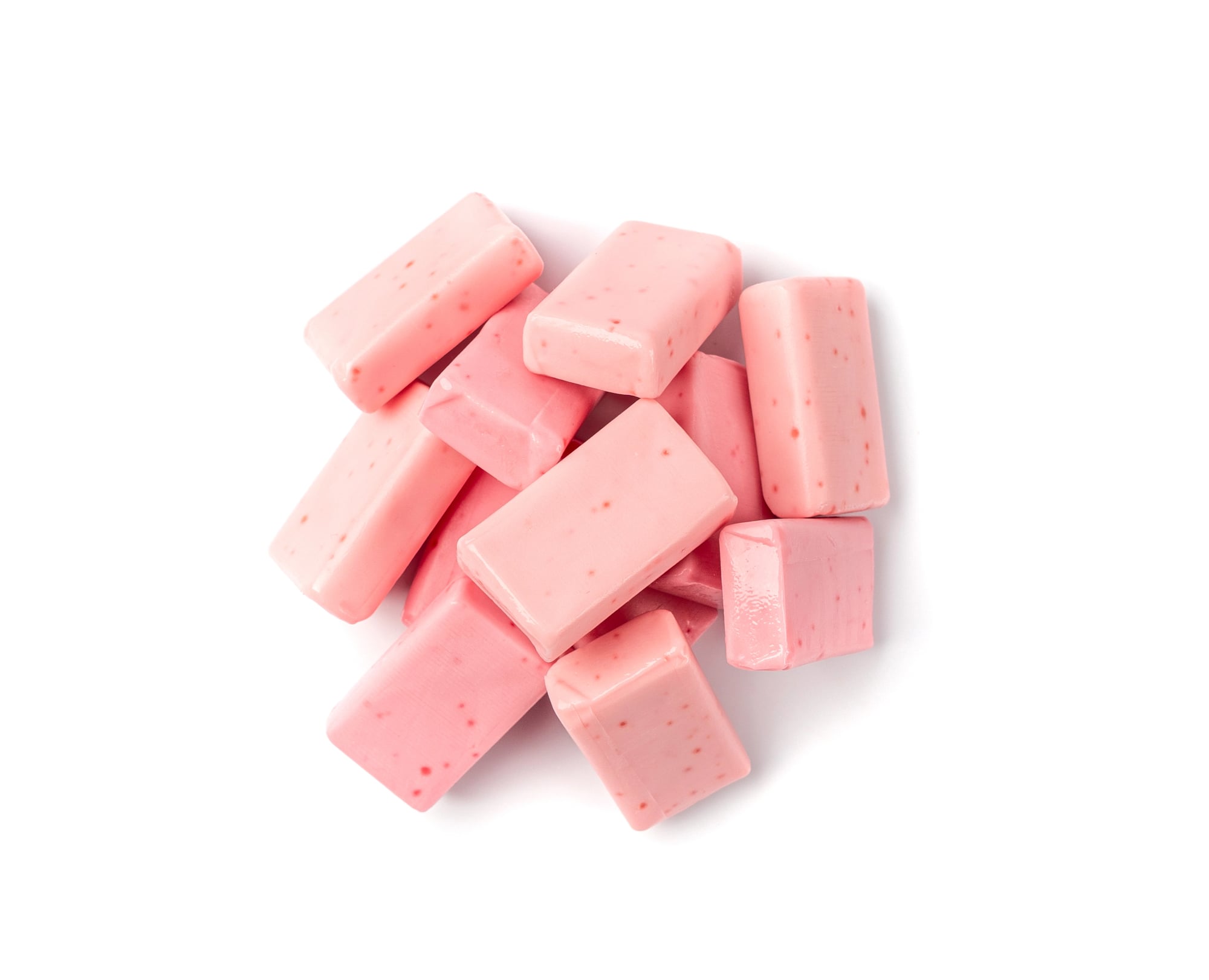
Charleston Chews technically still exist, but the ones you can find today are pale shadows of the jaw-breaking monsters that terrorized dental work throughout the 1970s. The original Charleston Chews were serious business — dense, chewy bars of nougat covered in chocolate that required strategy to consume safely.
The texture was the whole point.
These weren’t candy bars you mindlessly munched while watching television; these were edible puzzles that demanded your full attention and considerable jaw strength.
Smart kids learned to freeze them first, then shatter them with a hammer, turning each bar into a dozen manageable pieces. Others preferred the room-temperature challenge, working each bite slowly until it finally surrendered.
The modern versions are softer, more approachable, and significantly less likely to cause dental emergencies. Which makes them objectively better candy but somehow less memorable.
The original Charleston Chews weren’t just treats; they were tests of commitment.
Freshen Up Gum
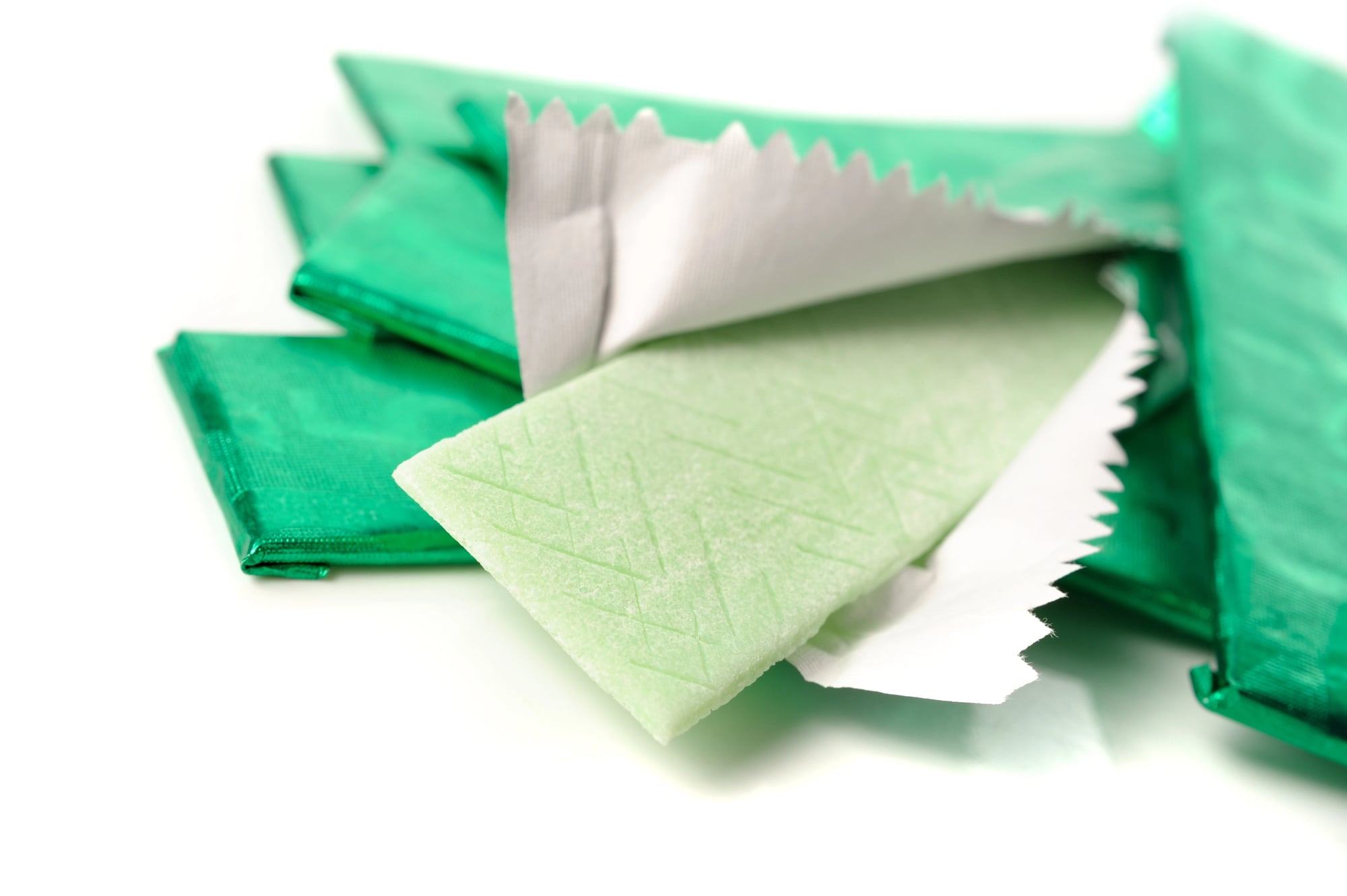
Freshen Up wasn’t technically candy, but it occupied the same mental space as candy for anyone who grew up in the 1970s. These were pieces of gum with liquid centers — usually mint or cinnamon — that would burst in your mouth when you bit down.
The concept was simple, the execution was flawless, and the first-time experience was genuinely surprising.
The liquid center was the innovation that set Freshen Up apart from regular gum. Instead of gradually building flavor as you chewed, you got an immediate burst of intense mint or cinnamon that slowly faded into regular gum flavor.
It was like a two-stage flavor experience packed into something the size of a Chiclet.
Freshen Up disappeared sometime in the 1990s, probably because the novelty wore off once everyone knew what to expect.
But for kids experiencing that liquid burst for the first time, it felt like the future of gum had arrived ahead of schedule.
Carnation Breakfast Bars
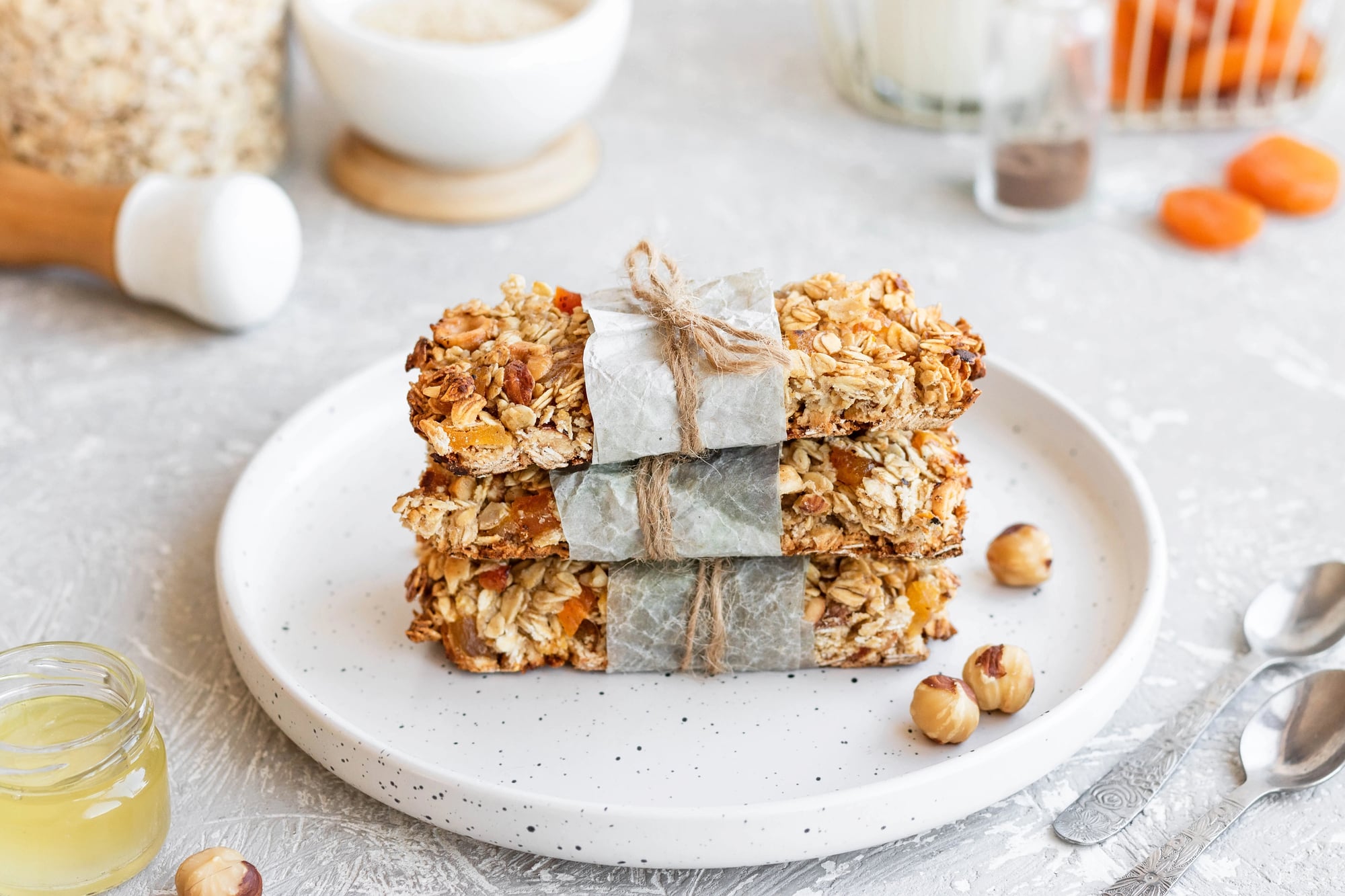
Carnation convinced an entire generation of parents that chocolate-covered granola bars counted as nutritious breakfast food, which was either brilliant marketing or a sign that nutritional standards were more relaxed in the 1970s. These bars came in flavors like chocolate chip and peanut butter, and they had the dense, slightly dry texture of health food that was trying really hard to taste like candy.
The genius of Carnation Breakfast Bars was in the positioning.
They weren’t marketed as snacks or treats; they were breakfast, which meant kids could eat what was essentially a candy bar first thing in the morning and parents could feel good about it.
The bars contained vitamins and minerals, which was enough to overcome any concerns about the fact that they were also loaded with sugar and chocolate.
They disappeared in the early 1980s, replaced by a wave of granola bars that were either more honest about being candy or more committed to actually being healthy.
But for a brief window, Carnation Breakfast Bars represented the perfect compromise between parental guilt and childhood desire.
Pop Rocks
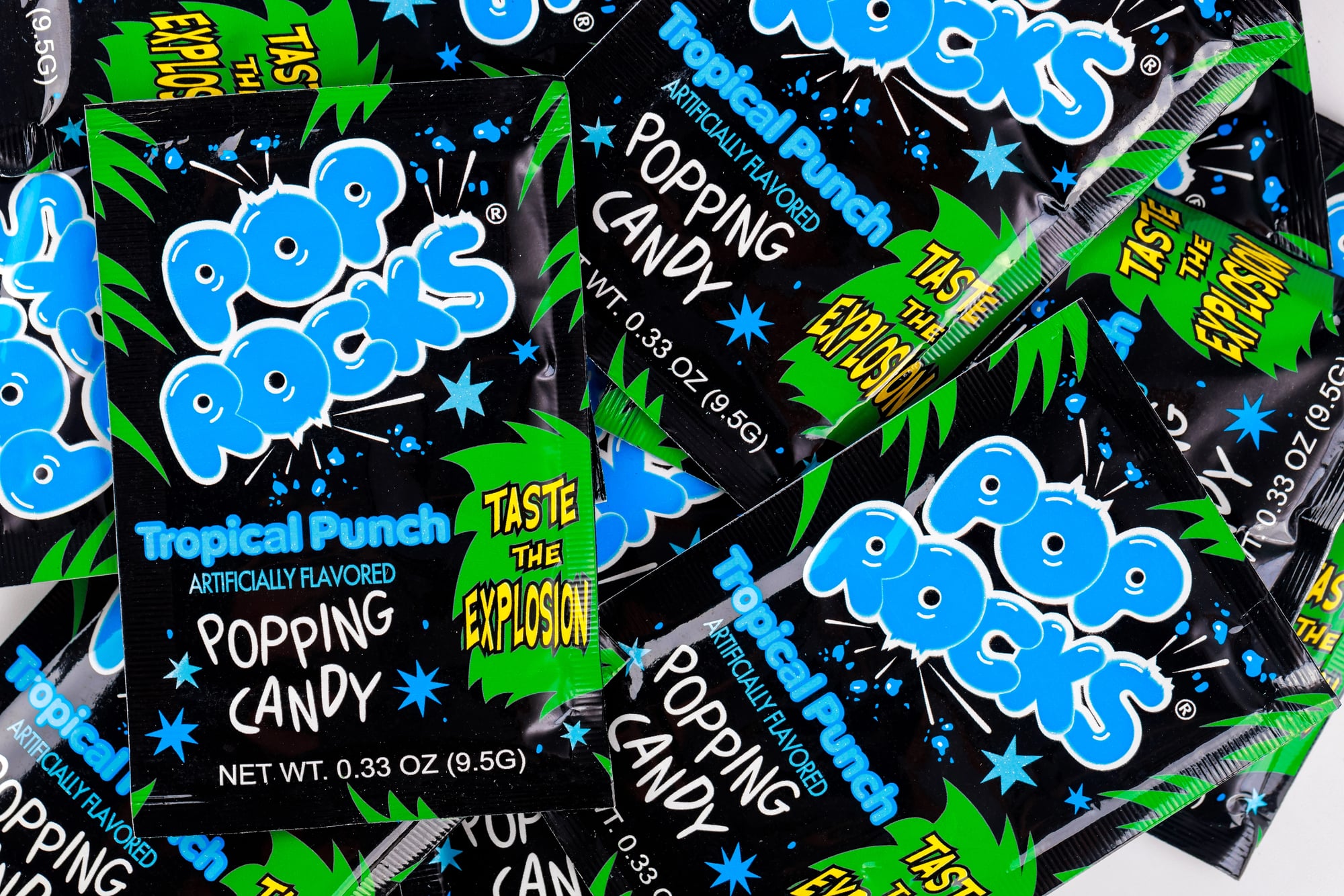
Pop Rocks were less candy than they were edible science experiment. These tiny pieces of hard candy were infused with carbon dioxide under pressure, which meant they literally exploded in your mouth when they came into contact with saliva.
The sensation was unlike anything else in the candy universe — a series of tiny pops and crackles that turned eating into a form of entertainment.
The urban legends surrounding Pop Rocks were almost as entertaining as the candy itself. Kids swapped stories about what would happen if you ate them with soda (nothing) or if you ate an entire package at once (still nothing, but louder).
The myths were so persistent that the manufacturer eventually had to take out ads explaining that their product was not, in fact, dangerous.
Pop Rocks still exist in various forms, but the original intensity has been toned down over the years, probably due to liability concerns.
The modern versions pop politely; the originals detonated like tiny fireworks shows happening inside your skull.
Swedish Fish
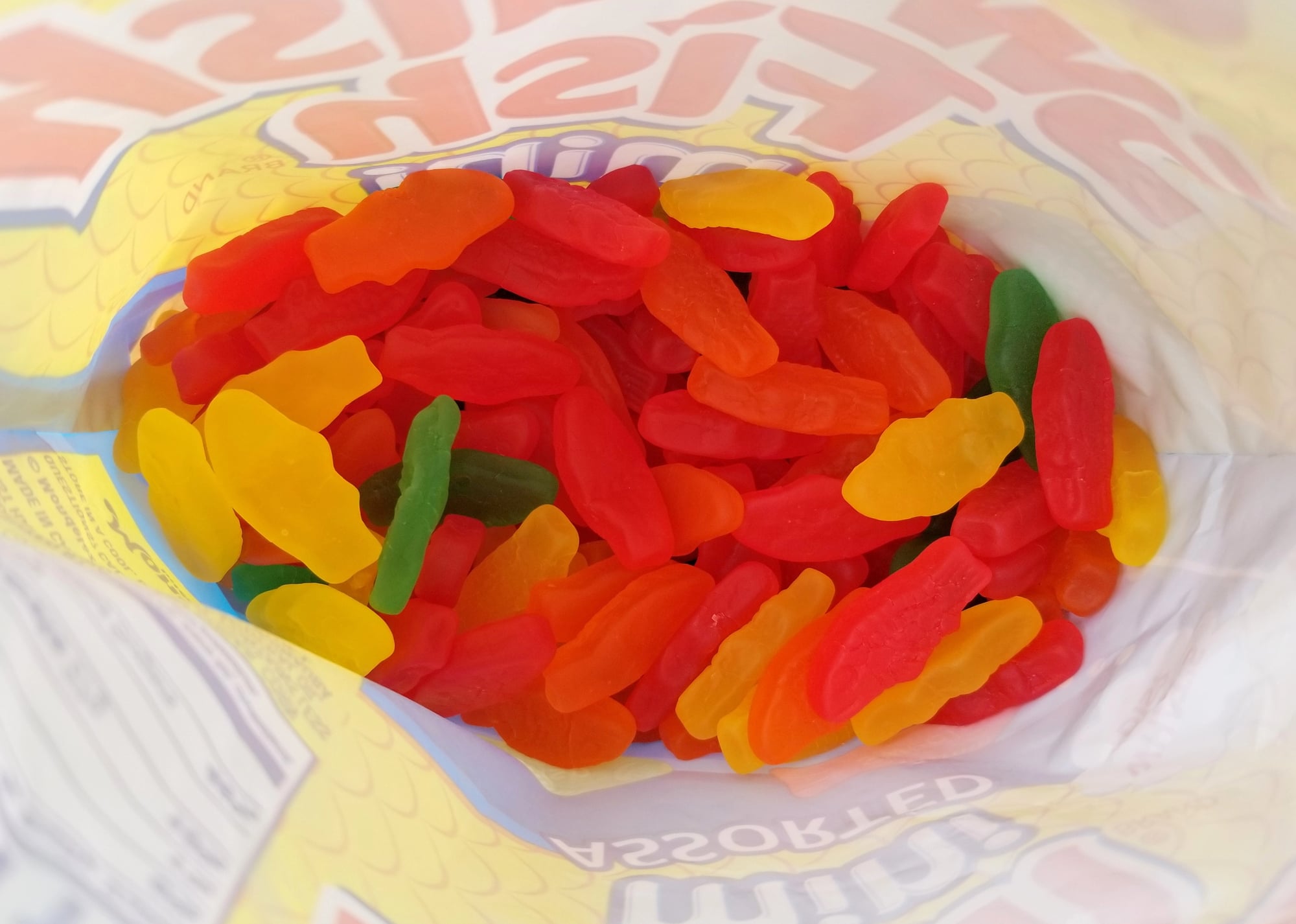
Swedish Fish are another survivor, but the modern versions taste like they’ve been focus-grouped into submission. The original Swedish Fish had an aggressive artificial cherry flavor that was both slightly medicinal and completely addictive — like candy that had been designed by someone who had heard cherry described but never actually tasted one.
The texture was perfect: firm enough to provide satisfying chewing resistance, but soft enough that you could work through a handful without developing jaw fatigue.
And the flavor, despite being completely unnatural, had a consistency that made each piece taste exactly like the last one, which created a reliable loop of expectation and satisfaction.
Today’s Swedish Fish are softer, milder, and generally more palatable to adult tastes. But they’ve lost that aggressive artificial edge that made the originals so memorable.
Sometimes improvement is actually regression in disguise.
Zotz
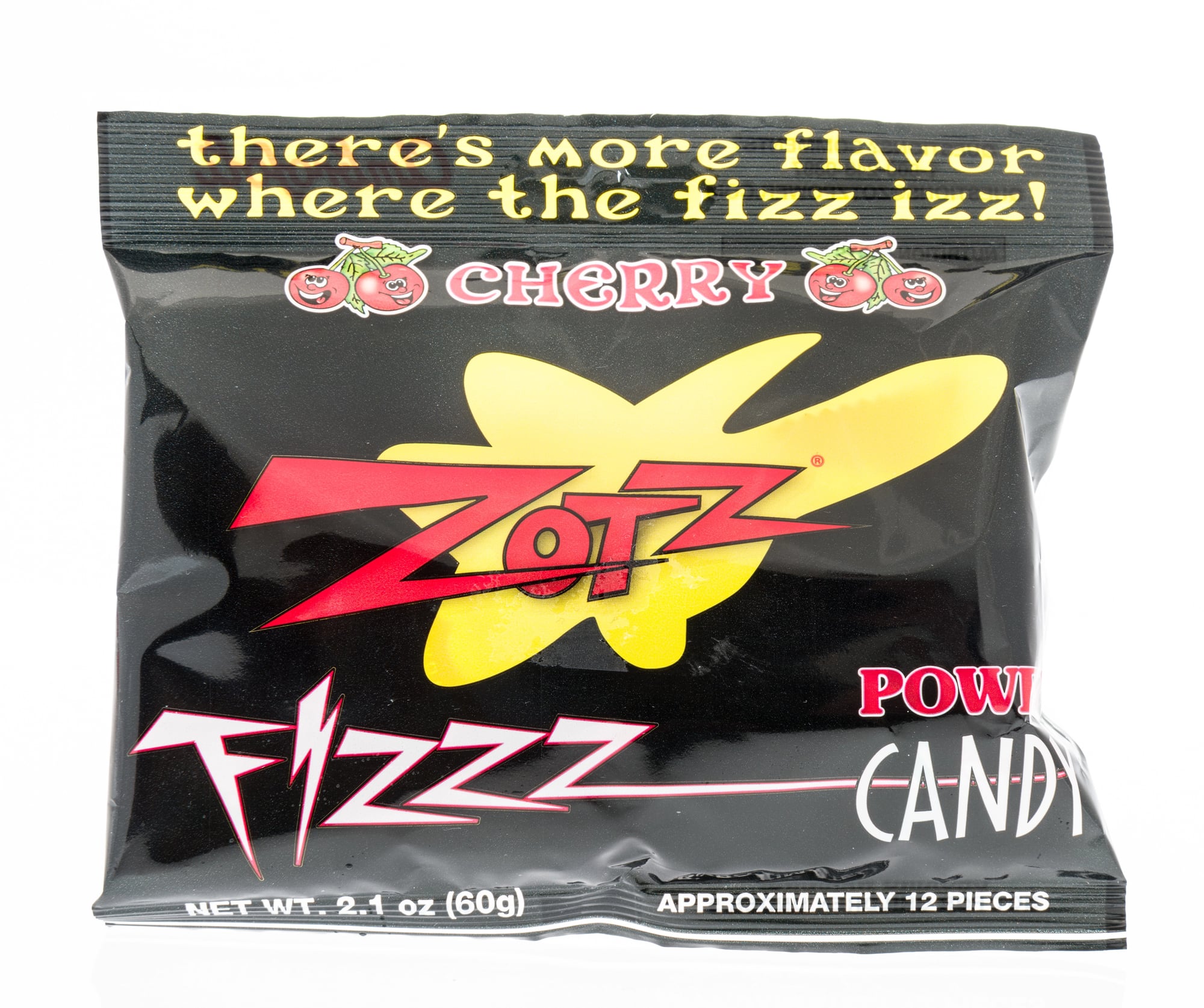
Zotz were hard candies with fizzy powder centers that turned your mouth into a small chemistry lab every time you bit through the outer shell. The concept was similar to Pop Rocks, but the execution was completely different — instead of tiny explosions, you got a sustained fizzing sensation that lasted until the powder dissolved.
The flavors were standard fruit varieties — cherry, apple, orange — but the real appeal was the textural surprise.
You’d consume on what seemed like a normal hard candy until you bit down and suddenly your mouth filled with foam.
It was candy that came with its own special effect.
Zotz still exist, but they’re harder to find and the fizzing seems less intense than it used to be.
The original versions could generate enough foam to make you worry about overflow, which was both alarming and delightful in the way that only childhood treats can manage.
Kaboom Cereal
Kaboom wasn’t exactly candy, but it occupied the breakfast table slot that rightfully belonged to candy, which made it close enough for most practical purposes. This was brightly colored cereal that turned milk into a rainbow and provided enough sugar to power a small child through several hours of sustained hyperactivity.
The pieces were star-shaped and came in colors that didn’t exist in nature — electric blue, neon orange, violent purple.
The milk at the bottom of the bowl looked like something that had been mixed in a laboratory, which was probably accurate given the amount of artificial coloring involved.
Parents tolerated it because it was technically cereal, kids loved it because it was essentially candy soup.
Kaboom disappeared in the early 1980s, probably because even the relaxed nutritional standards of the 1970s had limits.
But for a few glorious years, it represented the perfect breakfast for anyone who believed that morning should begin with a sugar rush.
Jolly Rancher Stix
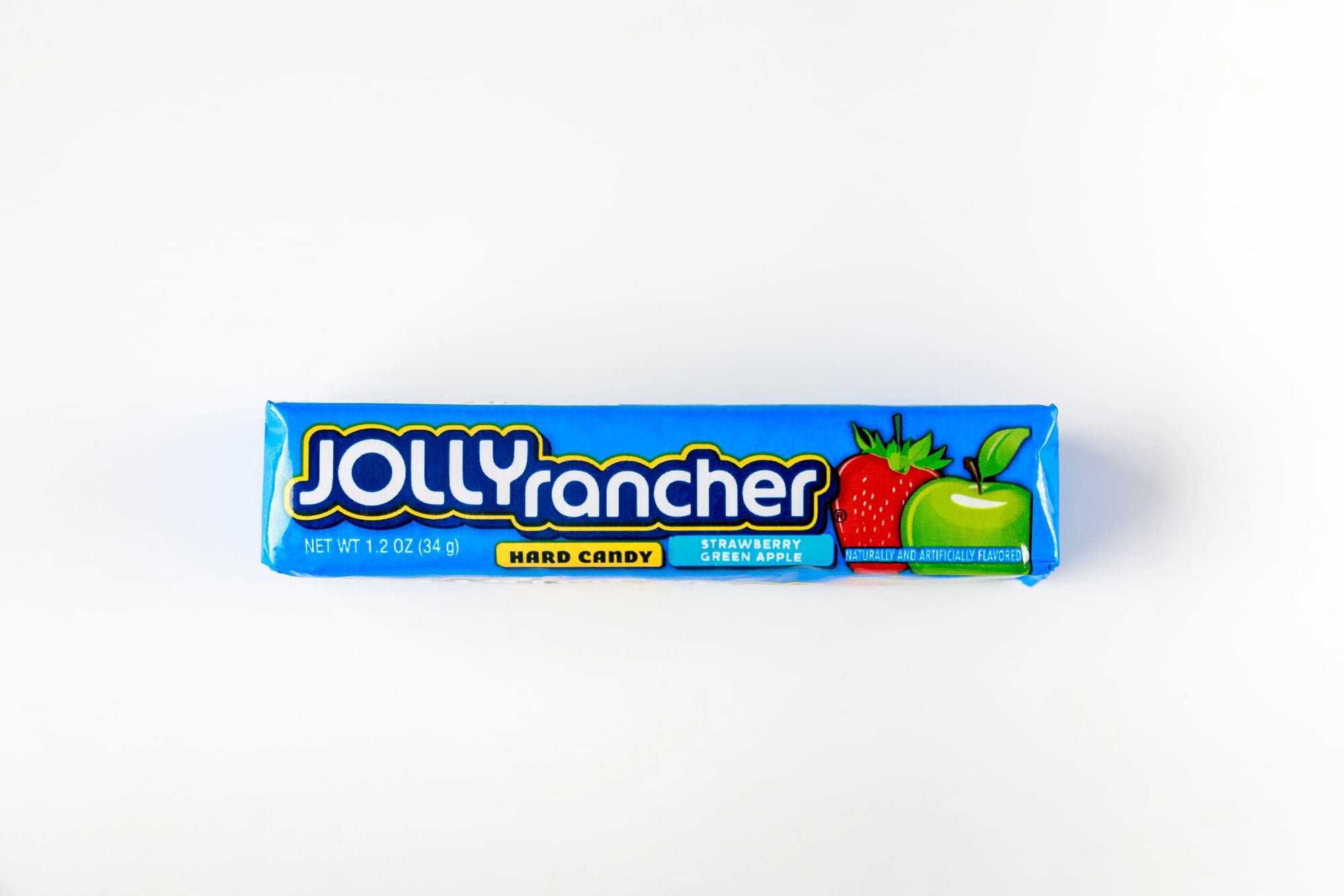
Before Jolly Rancher became synonymous with small, hard candies, they made these long, thin sticks of intensely flavored hard candy that lasted forever and turned your tongue whatever color matched the flavor.
The sticks were about the size of a pencil and just as hard, requiring serious commitment to consume completely.
The flavors were aggressive — watermelon that tasted more like watermelon than actual watermelon, cherry that could be detected from across the room, apple that was so artificial it wrapped around and became its own distinct fruit category.
These weren’t subtle flavor experiences; these were candy that announced itself loudly and refused to be ignored.
The sticks disappeared sometime in the 1980s, replaced by the bite-sized candies that made Jolly Rancher a household name.
But the original sticks offered a different kind of candy experience — one that required patience and resulted in a mouth that stayed flavored for hours afterward.
Wacky Packages
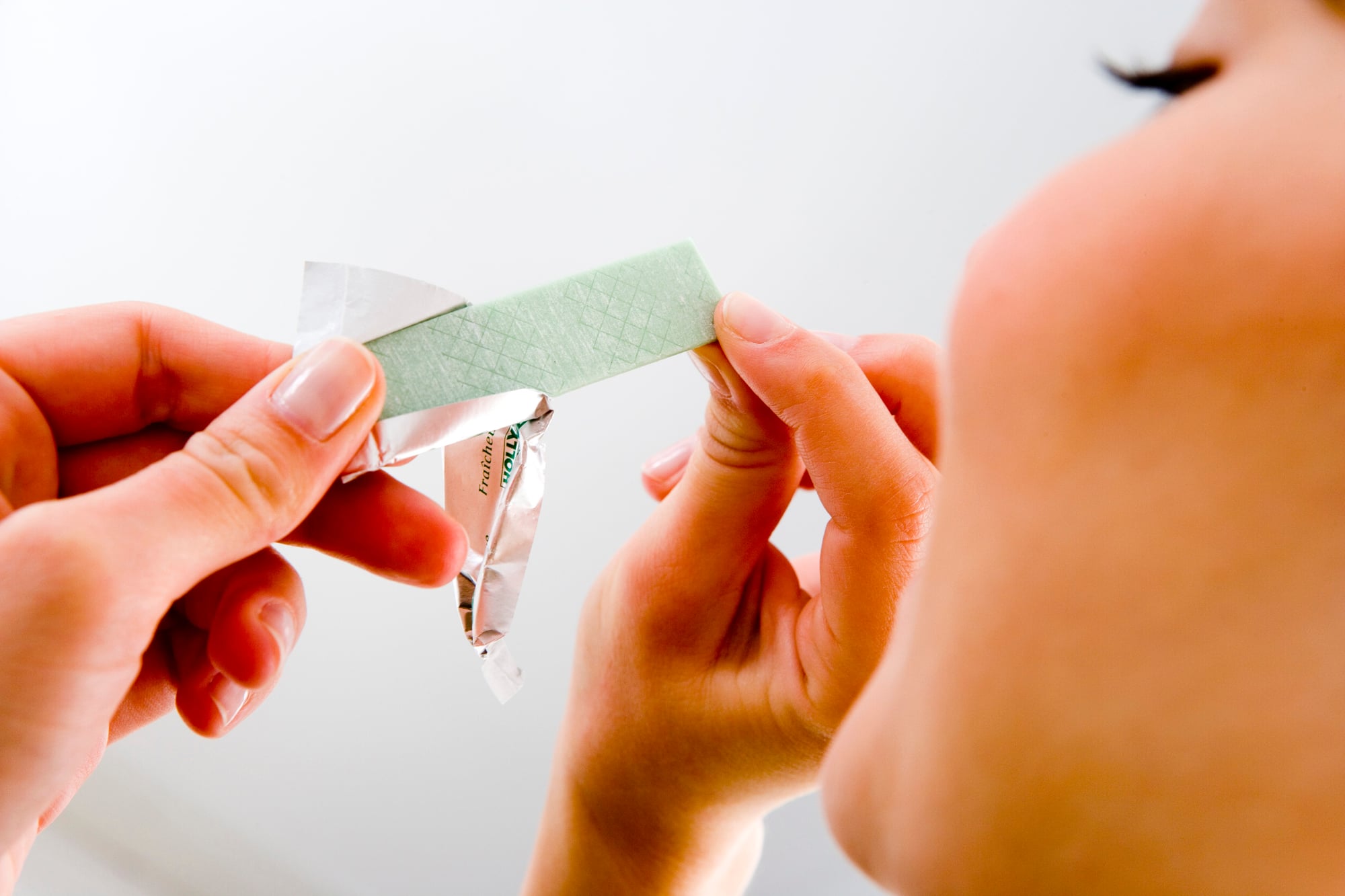
Wacky Packages weren’t edible, but they came with gum, which was close enough to qualify for candy consideration. These were parody stickers that mocked popular products — “Weakies” instead of Wheaties, “Grave Train” instead of Gravy Train — and they came with a stick of pink bubble gum that had the flavor duration of about thirty seconds.
The gum was terrible, but that wasn’t the point.
The real appeal was the stickers, which offered a form of subversive humor that felt genuinely rebellious to kids who were still young enough to think that making fun of breakfast cereal was edgy.
The artwork was detailed and professional, which made the jokes feel more legitimate than they probably deserved.
Wacky Packages disappeared and reappeared several times over the decades, but the original 1970s run had a cultural impact that went way beyond bubble gum.
They introduced an entire generation to the concept of parody and product satire, which was probably more educational than anyone intended.
Choco-Lite
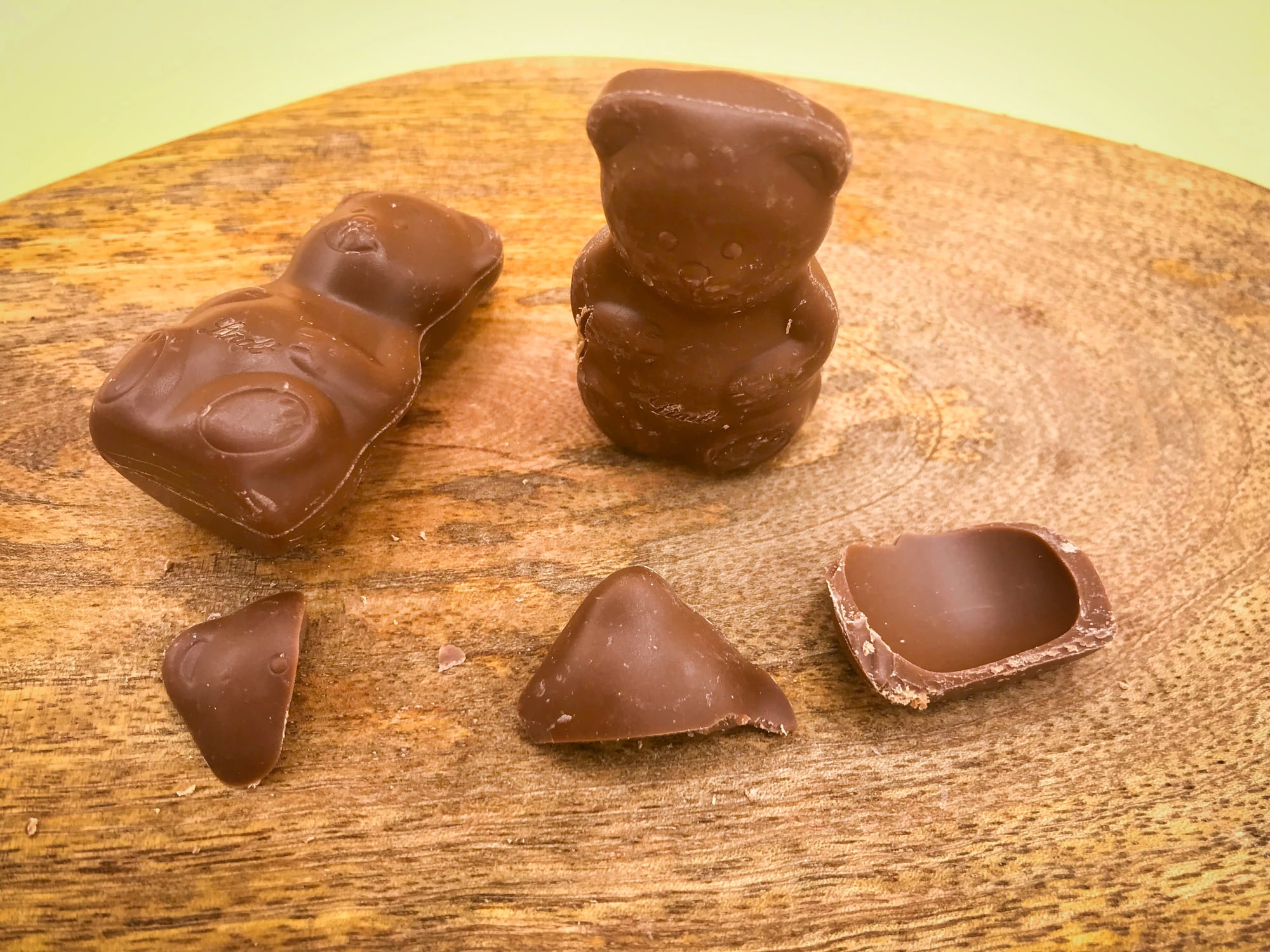
Choco-Lite bars were an early attempt at diet candy — milk chocolate bars with fewer calories achieved through some kind of manufacturing process that introduced air into the chocolate structure. The result was candy that felt lighter and dissolved faster, but somehow still delivered enough chocolate flavor to satisfy the craving that brought you to the candy aisle in the first place.
The concept was ahead of its time, targeting an audience that wanted chocolate but felt guilty about chocolate, which was a growing demographic in the health-conscious late 1970s.
The bars looked like regular chocolate but felt different in your hand — lighter than they should have been, almost suspiciously so, like picking up a box you expected to be full and finding it half empty.
Bite in and the aerated interior collapsed in soft little pockets, melting away faster than solid chocolate ever could.
Nestlé pulled Choco-Lite from American shelves in the 1980s, and the bar never came back.
The frustrating part is that bubbly chocolate didn’t die with it — similar bars still sell briskly overseas — but the original, with its crackly texture and guilt-reducing promise, exists now only in memory.
Sometimes the candy aisle gives an idea to the wrong decade.
Caravelle Bar
The Caravelle was Peter Paul’s answer to the crisped rice and caramel formula, and the people who remember it will tell you — with surprising heat — that it beat its surviving competitor in every way that mattered. The bar layered crunchy rice over a band of soft caramel, then sealed the whole thing in milk chocolate that was noticeably thicker than the industry standard.
That extra chocolate was the difference.
It turned a familiar combination into something that felt almost indulgent.
When Cadbury absorbed Peter Paul at the end of the 1970s, the Caravelle quietly fell off production schedules, and by the early 1980s it was gone.
Decades later, online petitions still circulate asking for its return. Few discontinued bars inspire that kind of loyalty.
The Caravelle earned it.
Summit Bar
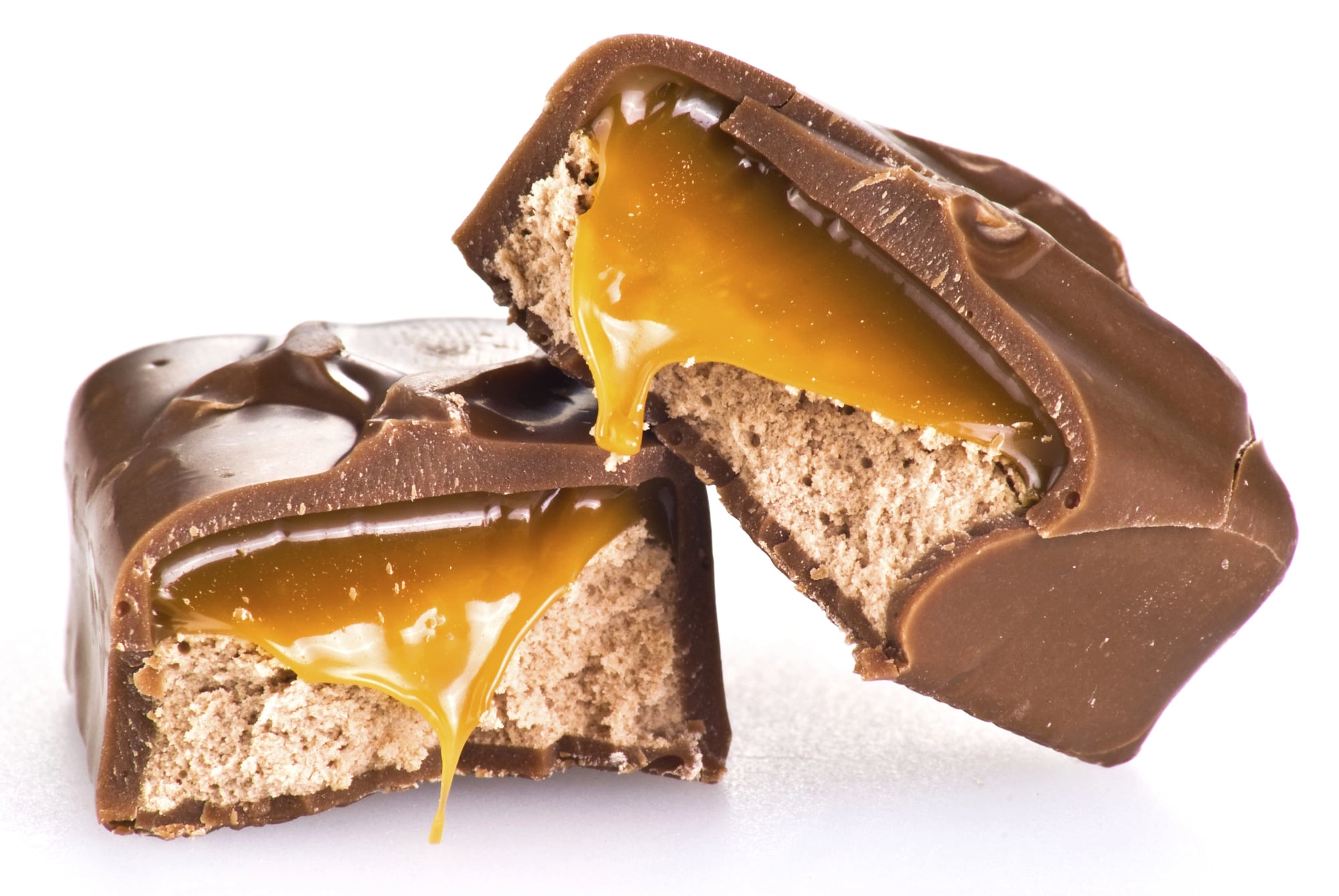
Mars launched the Summit in 1977 as two crisp wafer fingers topped with peanuts and drenched in chocolate coating, a format that put it somewhere between a candy bar and a cookie.
That in-between identity was both its charm and its curse.
The wafer kept things light, the peanuts added crunch, and the whole package felt like a treat you could justify eating with lunch rather than after it.
The problem was heat.
Summit bars melted with almost comical ease, arriving at corner stores fused to their wrappers during warm months, and Mars spent years tinkering with the recipe and packaging to fix it.
Nothing worked well enough.
The bar disappeared in the mid-1980s, remembered now mostly by people who learned to check the wrapper for softness before paying.
Rally Bar
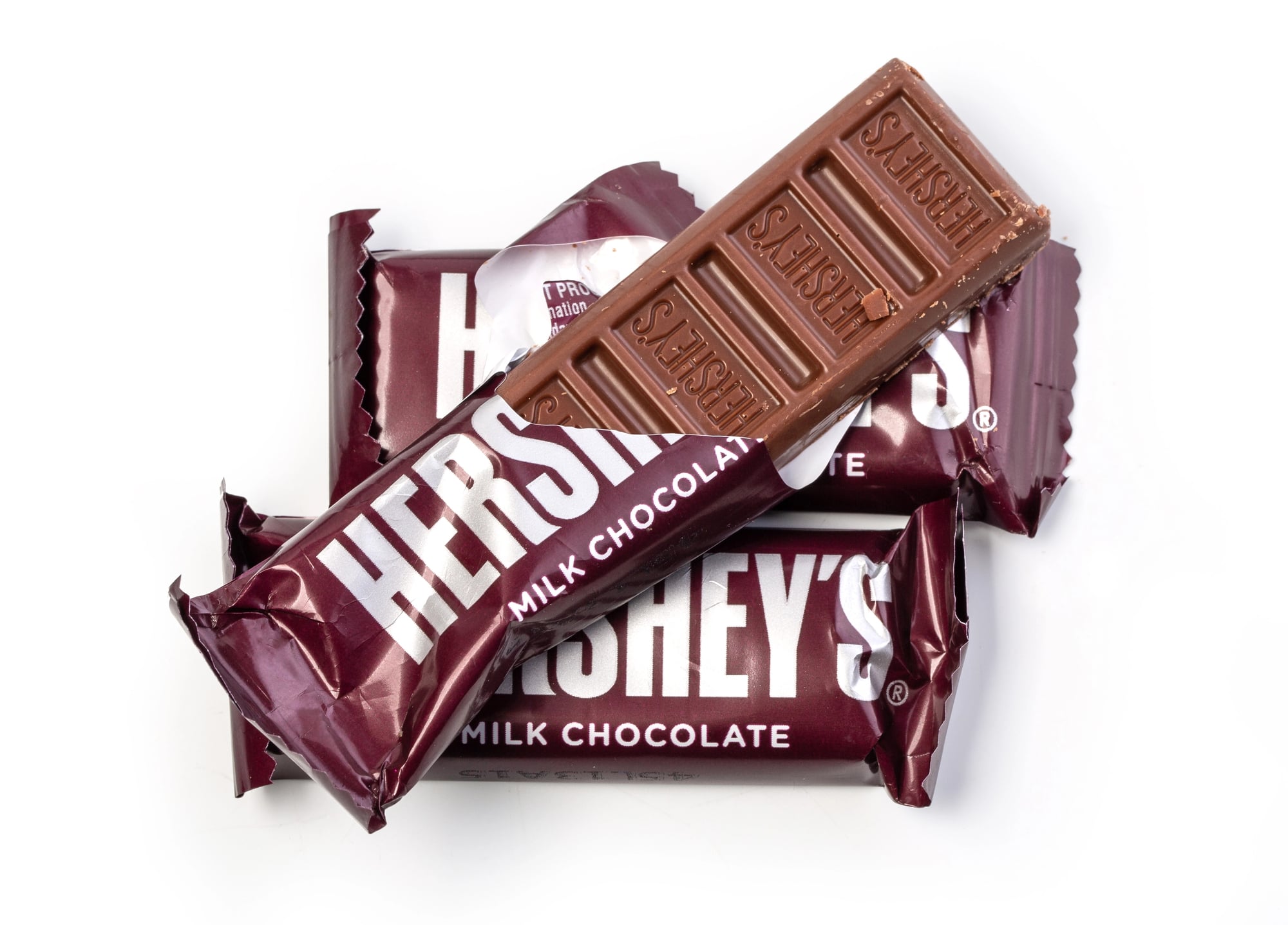
Hershey built the Rally as a direct shot at the peanut-and-caramel heavyweights of the era — a log of fudge wrapped in caramel, studded generously with whole peanuts, and covered in milk chocolate.
It was a substantial bar, the kind that sat heavy in your hand and made other candy feel flimsy by comparison.
One Rally could carry you through an entire afternoon of riding bikes around the neighborhood.
It vanished from national distribution in the late 1970s, though Hershey briefly revived it decades later for regional markets, proving that somebody inside the company still remembered.
The revival didn’t stick. But the fact that it happened at all says something about how loudly people had been asking.
Gator Gum
Gator Gum took the logic of sports drinks and applied it to chewing gum, which sounds absurd until you remember that the 1970s ran on exactly this kind of confident absurdity.
Made under license from the Gatorade name, it came in lemon-lime and orange, and the pitch was that it quenched your thirst while you chewed.
It didn’t, really.
But the flavor was a dead-on match for the drink, sharp and salty-sweet, and for kids sitting on the bench during Little League games, chewing it felt like part of the uniform.
The gum faded out in the late 1980s, resurfaced briefly in the 2000s, then disappeared again.
The lesson, apparently, is that thirst-quenching gum is an idea the market keeps testing and keeps rejecting.
The people who loved it remain unconvinced.
Bub’s Daddy
Bub’s Daddy was bubble gum sold by the foot — a long, soft rope of it, coiled into a wrapper and offered in flavors like grape, sour apple, and watermelon.
The format was the entire appeal.
Regular gum came in modest little sticks, but Bub’s Daddy handed you what felt like an irresponsible quantity of the stuff, and deciding whether to bite off a polite inch or cram in three was a genuine moral test for an eight-year-old.
The grape flavor in particular had a synthetic intensity that no gum since has matched, the kind of purple taste that announced itself on your breath for the rest of the school day.
Production ended in the early 1980s, and while rope gum still exists in various forms, none of it carries the same swagger.
Bub’s Daddy wasn’t just gum.
It was abundance you could fit in your back pocket.
Pizza Spins
General Mills made Pizza Spins for kids who thought regular crackers were too quiet about their intentions.
These were small, wheel-shaped corn snacks dusted in a tangy tomato-and-cheese seasoning that tasted less like actual pizza and more like the idea of pizza, concentrated and shaken over something crunchy.
The shape mattered too — little spoked wheels that you could stack on your fingers, race across the table, or eat one spoke at a time if you were the methodical type.
They rolled off shelves for good in the mid-1970s, early casualties of a crowded snack market, and they’ve since become one of the most-requested revivals in the General Mills archive.
Decades of copycat pizza-flavored snacks have come and gone.
None of them got the seasoning right.
One Last Walk Down the Aisle
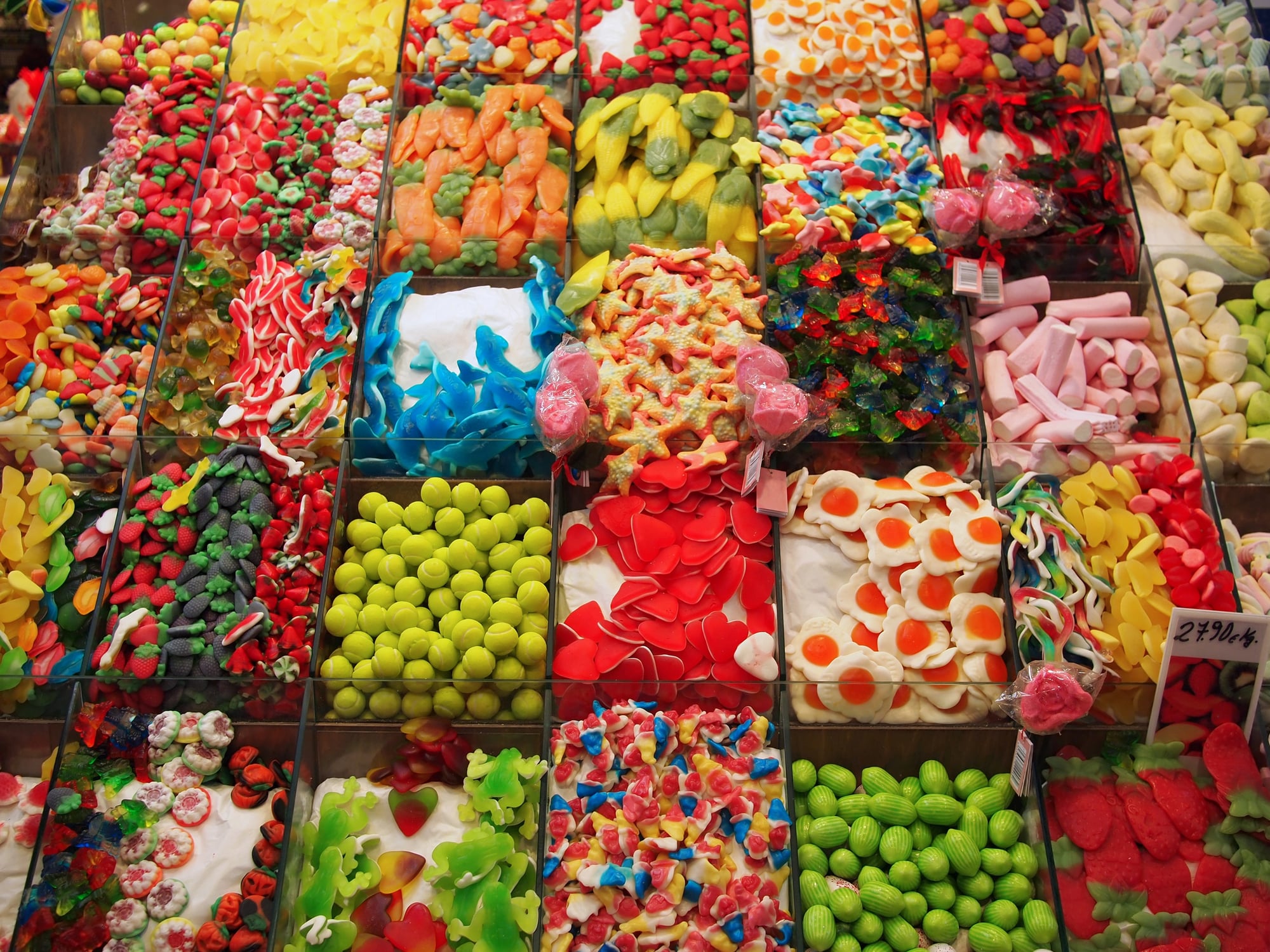
Here’s the strange thing about all these vanished treats: nobody craves them because they were objectively great.
Plenty of them were, by any honest measure, kind of terrible — chalky, melty, aggressively artificial, structurally unsound in summer heat.
What people actually miss is the version of themselves that ate them.
The kid counting out coins at the corner store, weighing a Marathon Bar against a Rally, knowing the decision mattered.
Candy companies discontinue products for sensible reasons.
Sales dip, ingredients get expensive, factories retool.
But every quiet discontinuation erases a small landmark from somebody’s childhood map, and that’s why grown adults still sign petitions for the Caravelle and hunt expired Chocodiles in forgotten regional markets.
The craving was never really about sugar.
So the next time you’re standing in a candy aisle that all looks the same, spare a thought for the weird ones — the bars that stretched, the gum that fizzed, the cereal that turned milk purple.
They didn’t survive.
But they’re the reason the survivors had to get better.
More from Go2Tutors!

- The Romanov Crown Jewels and Their Tragic Fate
- 13 Historical Mysteries That Science Still Can’t Solve
- Famous Hoaxes That Fooled the World for Years
- 15 Child Stars with Tragic Adult Lives
- 16 Famous Jewelry Pieces in History
Like Go2Tutors’s content? Follow us on MSN.