28 Vintage Band T-Shirts from the ’70s and ’80s Selling for More Than Concert Tickets Cost
Remember when band t-shirts were just something you grabbed at the merch table to remember a great show? Those days are long gone.
What once cost fifteen or twenty bucks at a concert venue now commands prices that would make your teenage self faint. The vintage band tee market has exploded into a collector’s paradise where pristine condition shirts from legendary tours can fetch thousands of dollars.
Tour shirts that survived decades in closets and dresser drawers have become cultural artifacts worth more than many people’s monthly rent.
The Ramones CBGB Shirt
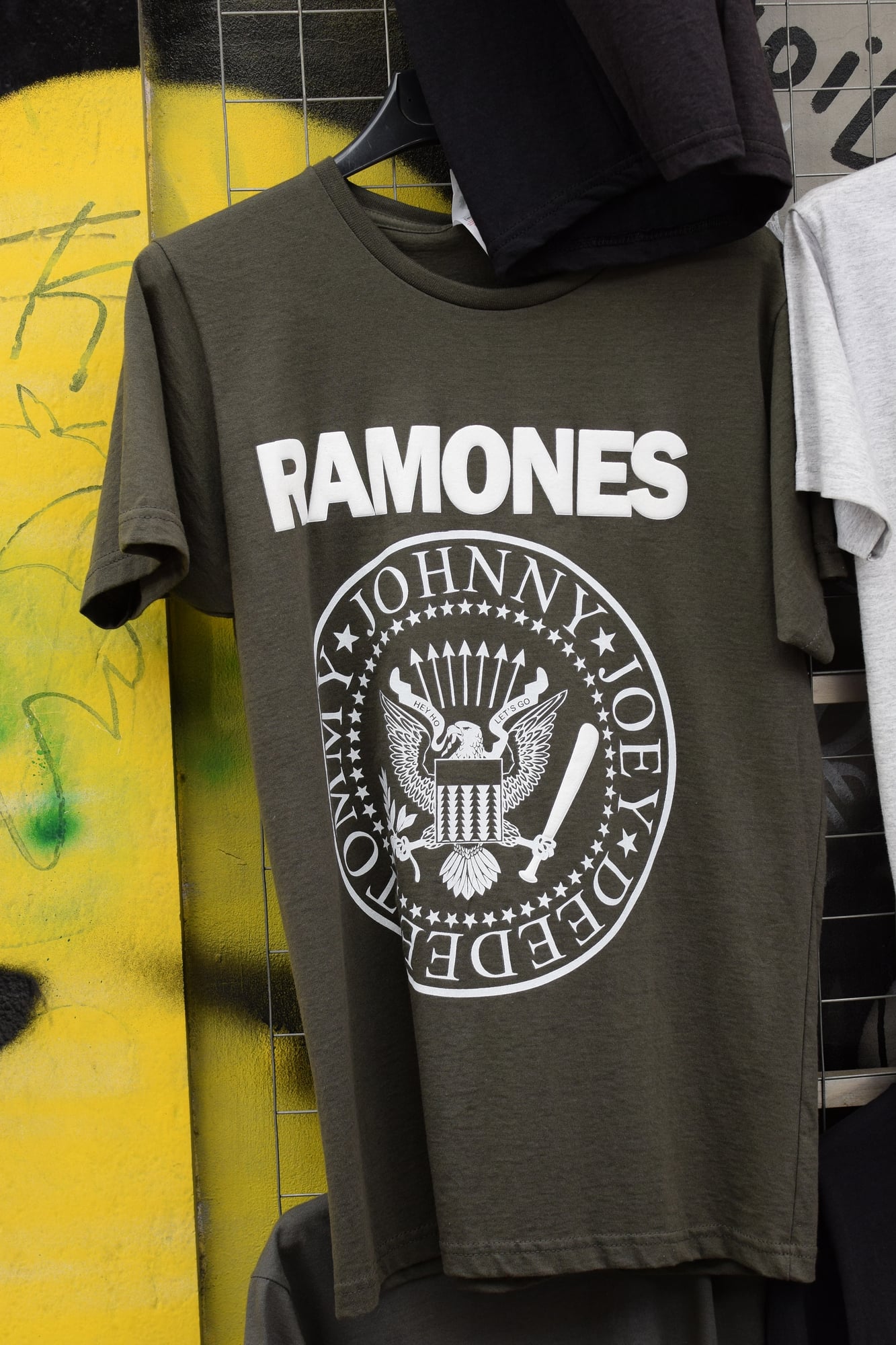
The Ramones practically invented the punk rock uniform. Their CBGB shirts from the mid-’70s sell for astronomical prices today.
Original tour shirts start around $2,000 and climb from there.
Pink Floyd The Wall Tour 1980-81
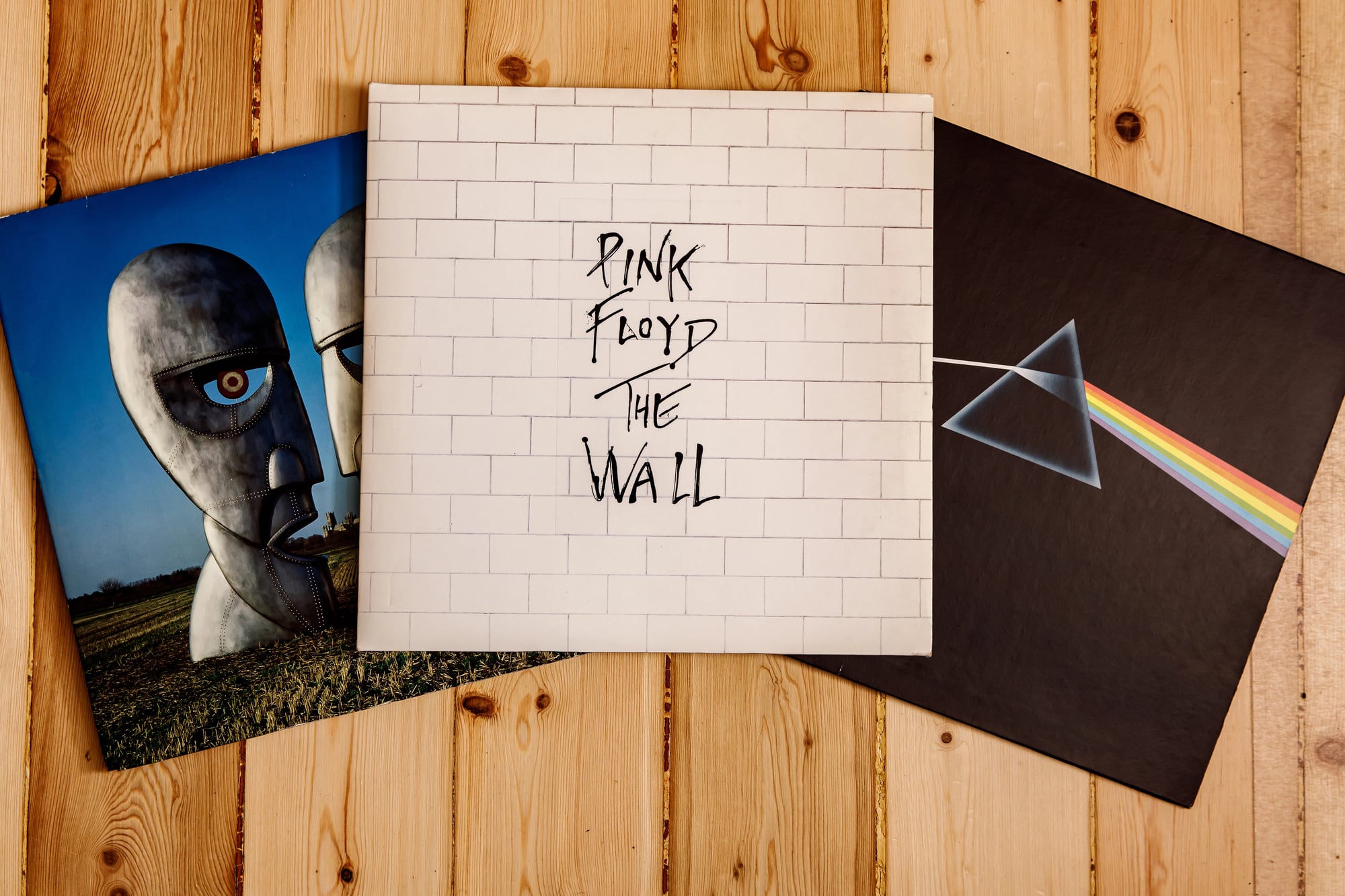
Pink Floyd’s theatrical masterpiece translated into equally valuable merchandise. (The Wall tour was one of the most elaborate productions ever mounted, with its massive stage props and narrative structure.)
Original tour shirts from this era command between $1,500 and $3,000, depending on condition — which is saying something for a band that sold millions of records and presumably thousands of shirts. But then again, most people wore their Pink Floyd shirts until they fell apart.
The ones that survived did so because someone tucked them away and forgot about them for forty years. So the shirts that made it through intact became accidental treasures.
And yet finding one in truly pristine condition remains nearly impossible, which only drives the prices higher.
Led Zeppelin 1975 Physical Graffiti Tour
There’s something almost sacred about an original Zeppelin tour shirt, like holding a piece of rock history that was actually there when the music happened. These shirts don’t just represent a band — they represent the moment when rock and roll became mythology.
The fabric itself seems to carry the weight of those legendary performances, the kind where Jimmy Page’s guitar seemed to channel something beyond human capability. Original shirts from the Physical Graffiti tour hover around $2,500 to $4,000.
The design was simple: band name, tour dates, maybe a venue list. Nothing fancy, because nothing fancy was needed.
Black Sabbath Paranoid Era Merchandise
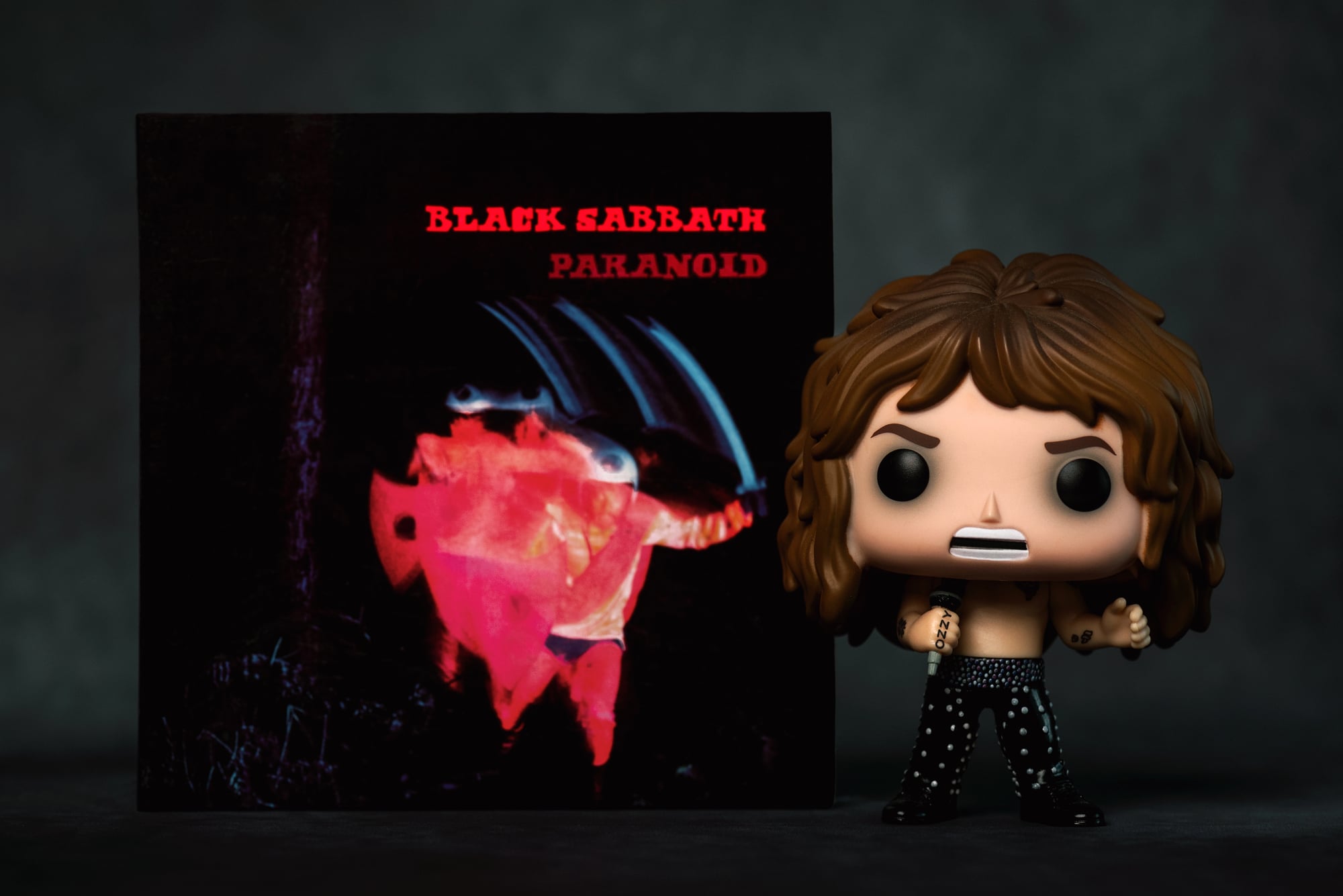
Black Sabbath invented heavy metal, and their early shirts are priced accordingly. Paranoid-era merchandise commands serious respect from collectors.
Authentic pieces start around $1,800 and climb rapidly for anything in decent condition. The irony here is that Sabbath’s fans were exactly the type to wear their shirts into the ground.
Finding an unworn Black Sabbath shirt from 1970 is like finding a unicorn — theoretically possible but practically mythical.
The Clash London Calling Tour 1979
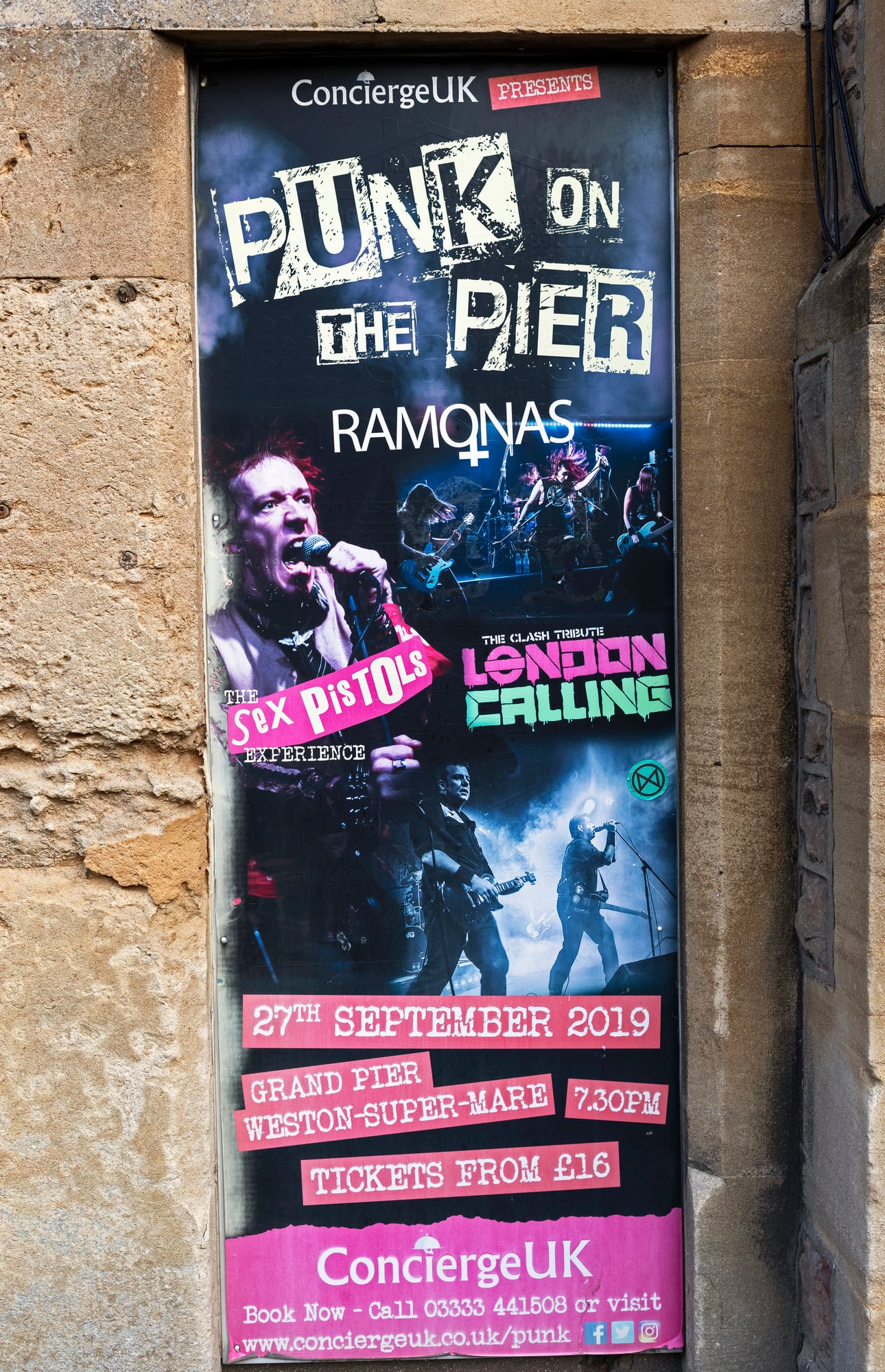
The Clash represented punk’s commercial breakthrough without losing its edge, and their London Calling tour merchandise reflects that perfect balance between underground credibility and mainstream appeal. (This was the tour that proved punk could fill arenas without compromising its principles, though some would argue that point.)
The shirts captured that moment when rebellion became accessible — dangerous enough to feel authentic, polished enough to wear in public without starting a riot. These shirts typically sell for $1,200 to $2,000, depending on which specific dates and venues appear on the back.
And here’s the thing about Clash fans: they were passionate enough to keep everything, which means more of these shirts survived than you might expect. But that hasn’t driven prices down — it’s just created more opportunities for collectors to obsess over minor variations in printing and design.
So finding one becomes less about rarity and more about finding the exact version that speaks to whatever specific moment in punk history the buyer wants to own.
AC/DC Highway to Hell Tour 1979
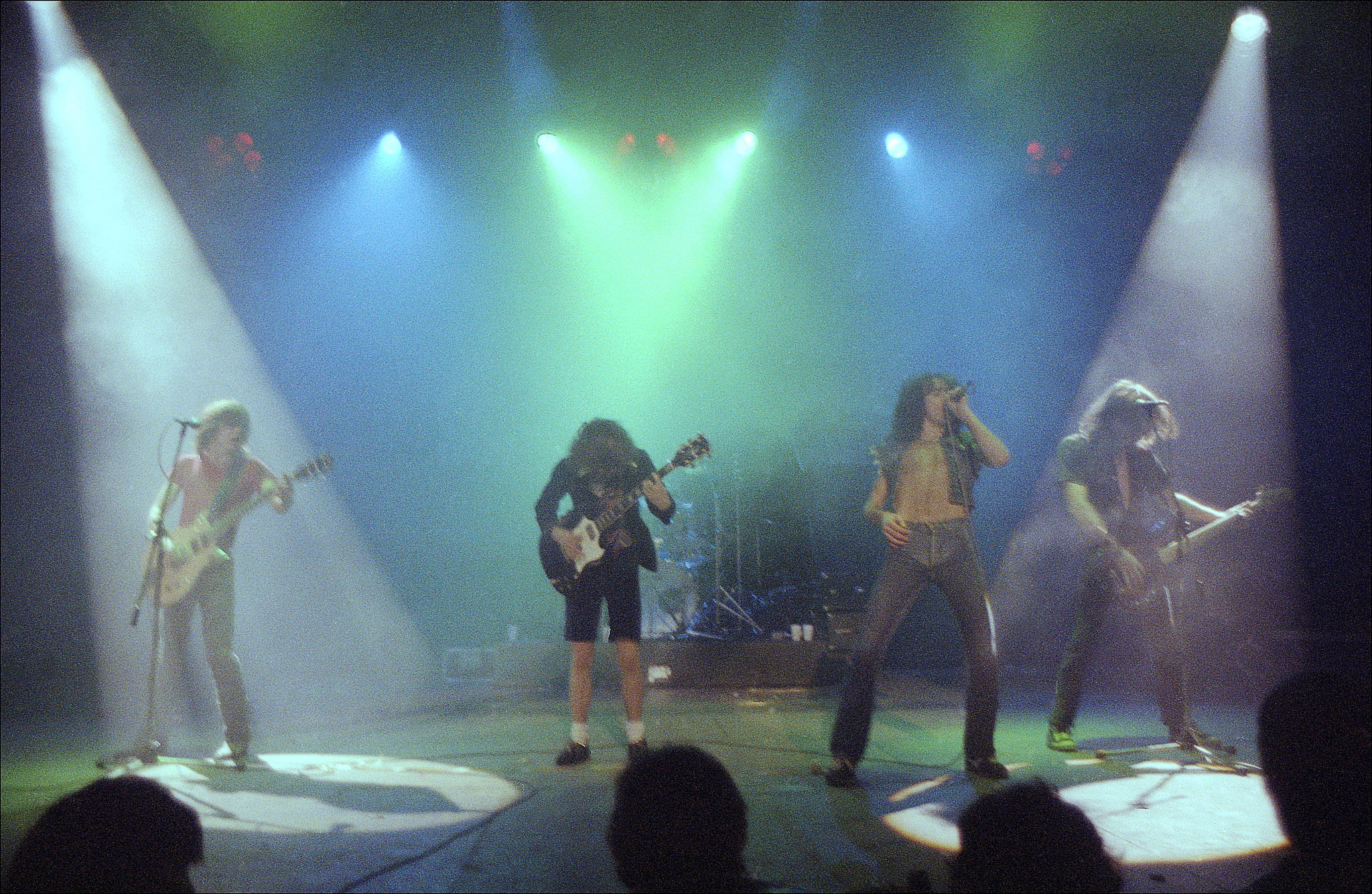
AC/DC knew how to make a statement. Their Highway to Hell tour shirts are blunt, effective, and worth a fortune today.
Original pieces command $1,500 to $2,800, which seems fitting for a band that never believed in subtlety.
Kiss Dynasty Tour 1979
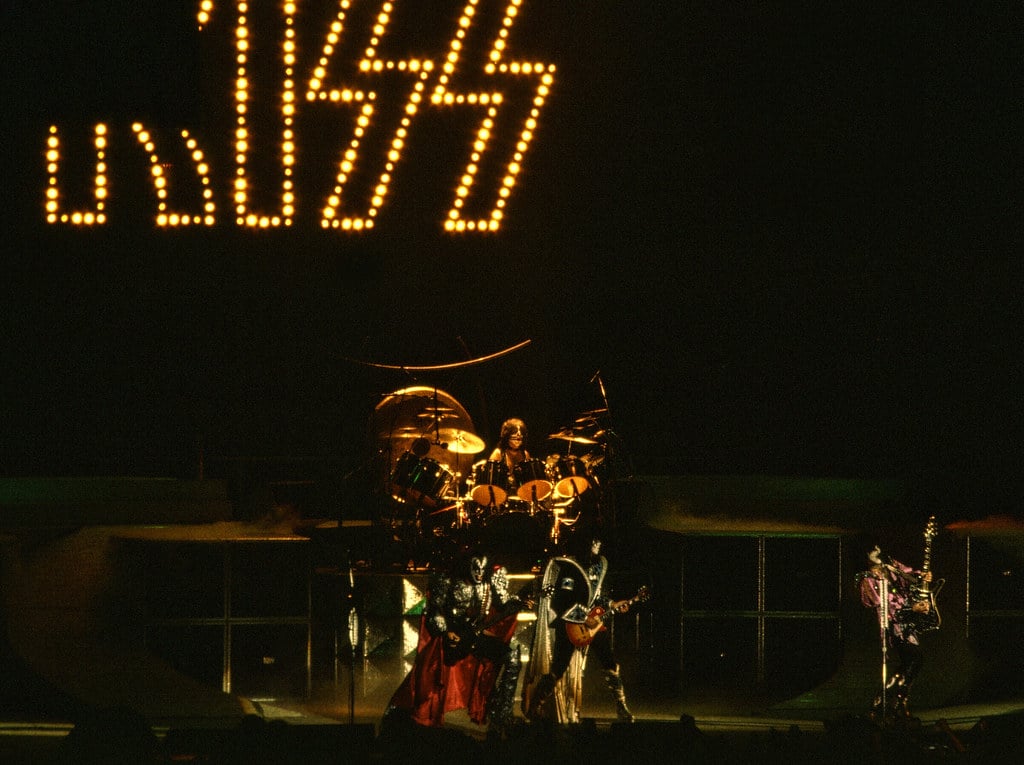
Kiss turned concerts into theater and merchandise into costume pieces. Dynasty tour shirts reflect the band’s peak commercial period and sell for $1,000 to $2,200.
The theatrical excess that made Kiss famous also made their shirts collector gold.
Blondie Parallel Lines Tour 1978
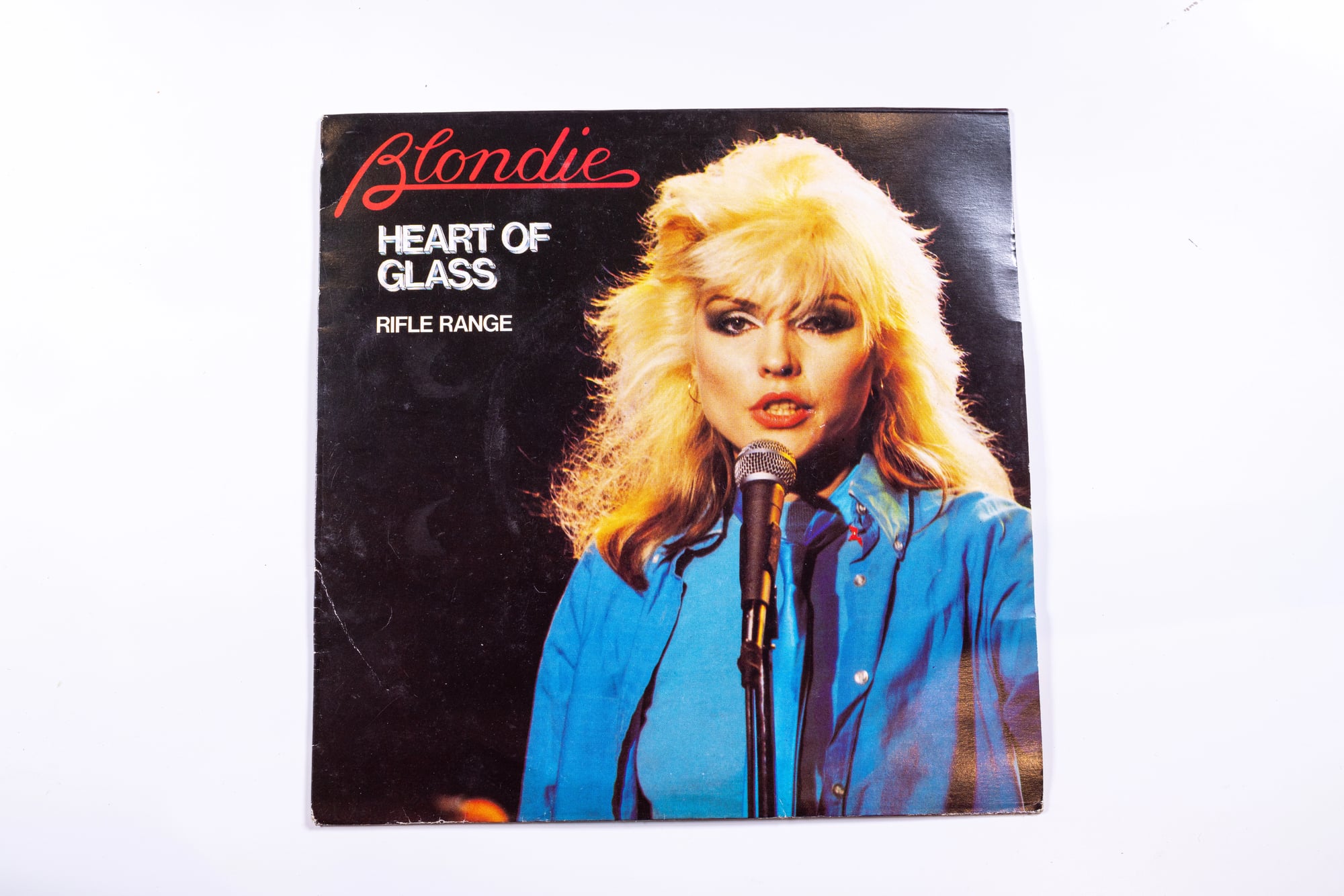
Blondie bridged punk and pop in ways that seemed impossible at the time, and their Parallel Lines tour merchandise captures that unlikely alchemy between underground credibility and radio-friendly accessibility. (Debbie Harry became punk’s first real crossover star, which created a fascinating tension in the band’s image.)
The shirts from this tour represent the exact moment when new wave stopped being a New York curiosity and became a global phenomenon. Collectors pay $800 to $1,500 for original Blondie tour shirts, and the demand comes from an interesting mix of punk purists and pop culture enthusiasts.
The design aesthetic was cleaner than most punk merchandise — more sophisticated, more commercial, but somehow still authentic. And that balance between underground and mainstream is what makes these shirts so compelling to collectors today.
But finding one in good condition means finding someone who bought a Blondie shirt and then didn’t wear it constantly, which goes against everything the band represented about living fast and loving music completely.
Deep Purple Machine Head Era
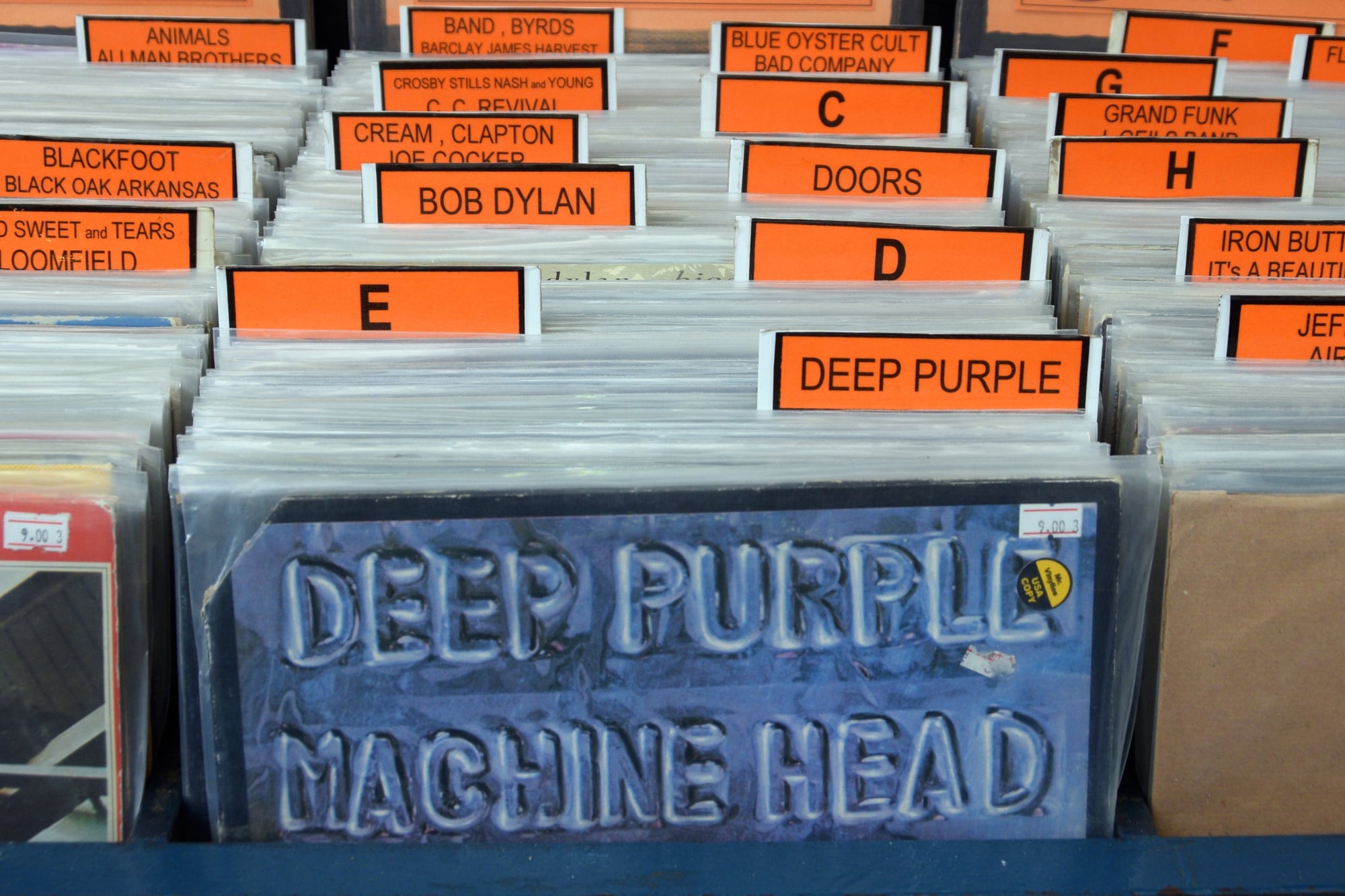
Deep Purple wrote the heavy metal playbook during their Machine Head period. Tour shirts from this era start around $1,400 and climb based on condition and specific tour dates.
The band’s influence on hard rock makes these shirts essential for serious collectors.
Aerosmith Rocks Tour 1976
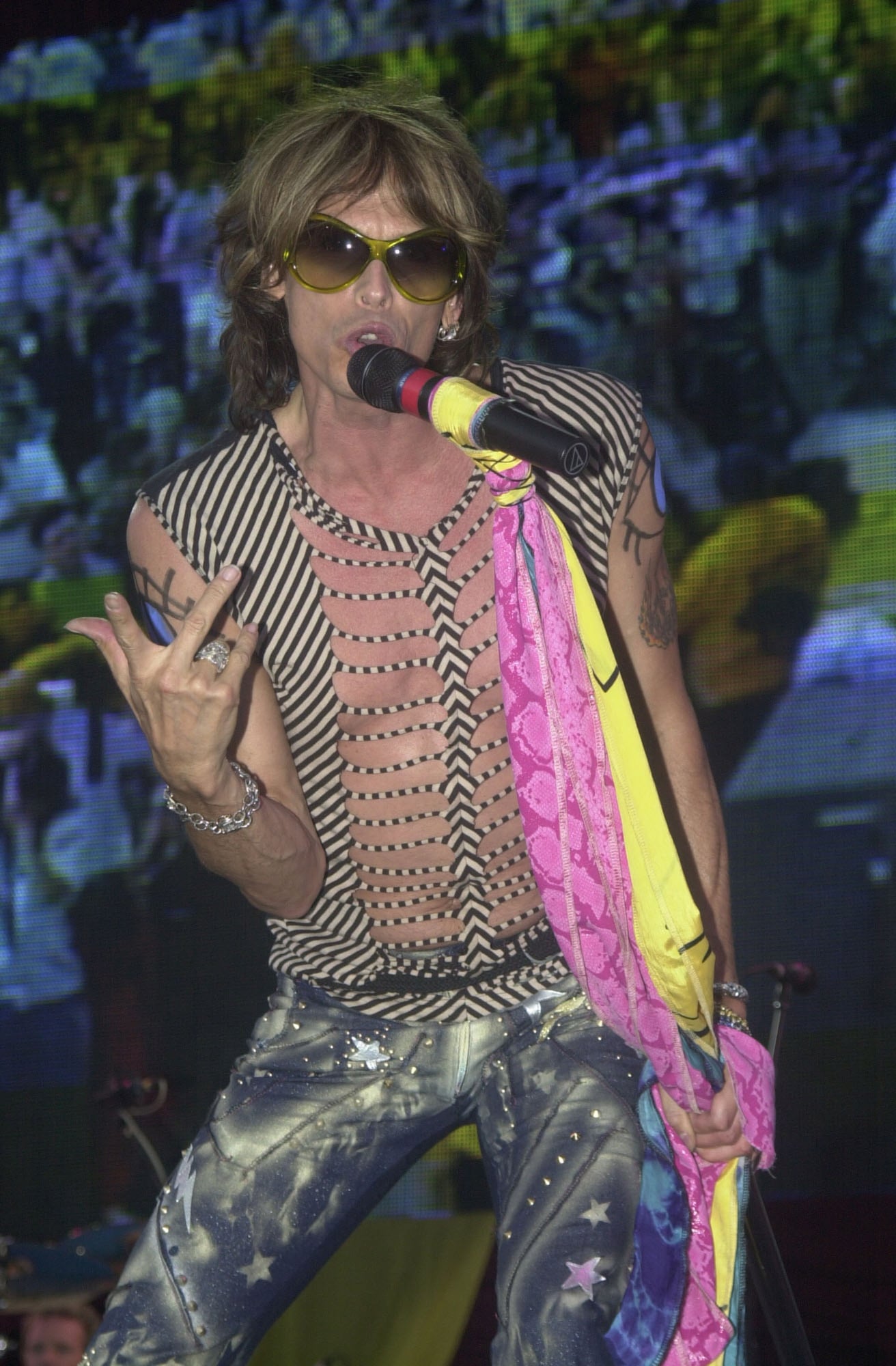
Aerosmith hit their creative and commercial peak with Rocks. Tour merchandise from this period sells for $1,200 to $2,000.
These shirts represent American hard rock at its finest, before the band’s well-documented struggles derailed their momentum.
David Bowie Ziggy Stardust Era
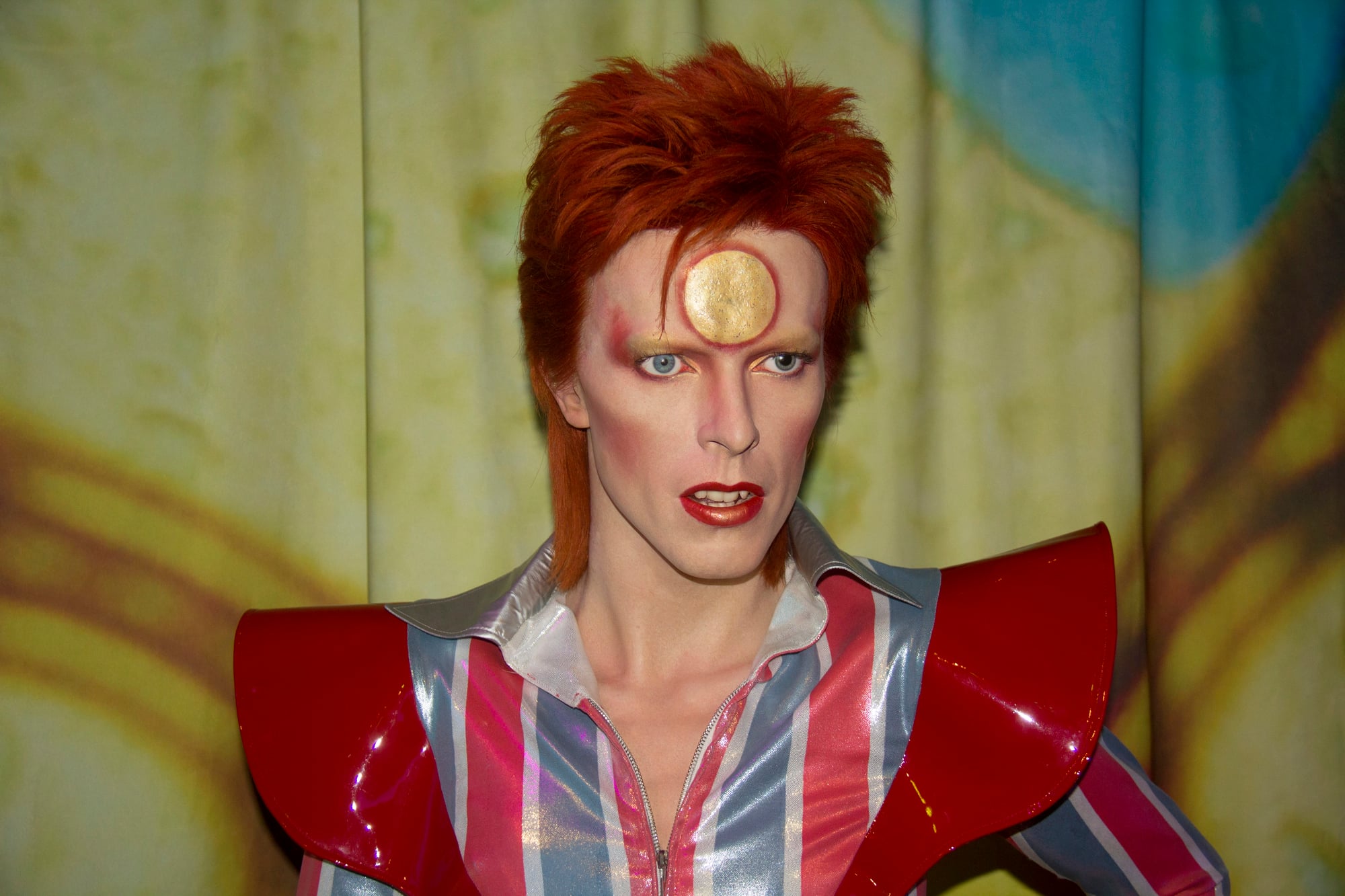
Bowie merchandise from the Ziggy Stardust period transcends typical band shirts — these are artifacts from one of rock’s most important theatrical experiments. The shirts themselves were part of the performance, extensions of Bowie’s elaborate costume design that invited fans to participate in his alien rock star fantasy.
Original Ziggy-era shirts command $2,000 to $4,000, but finding authentic pieces requires expertise. Bowie’s visual sophistication attracted bootleggers almost immediately, which means the market floods with reproductions.
Real collectors develop an eye for authentic printing techniques, fabric quality, and design details that separate genuine artifacts from clever fakes. The shirts that survived did so because someone understood they were witnessing something historically significant.
Not just a concert, but a cultural moment that would influence fashion, music, and performance for decades.
Queen News of the World Tour 1977
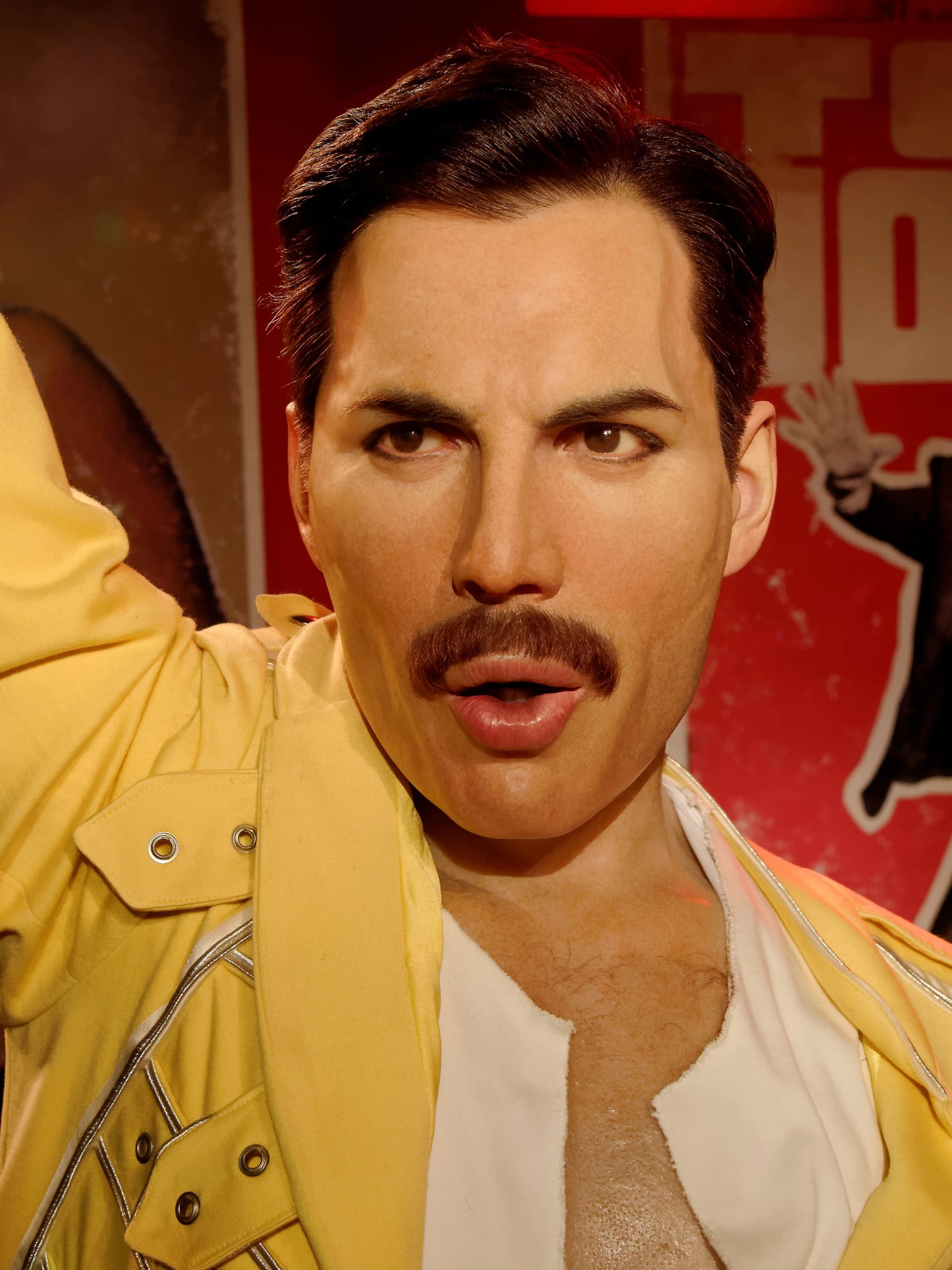
Queen understood spectacle better than almost any band of their era. News of the World tour shirts reflect their theatrical ambitions and sell for $1,300 to $2,400.
The band’s combination of musical complexity and visual drama created merchandise that feels substantial decades later.
Alice Cooper School’s Out Era
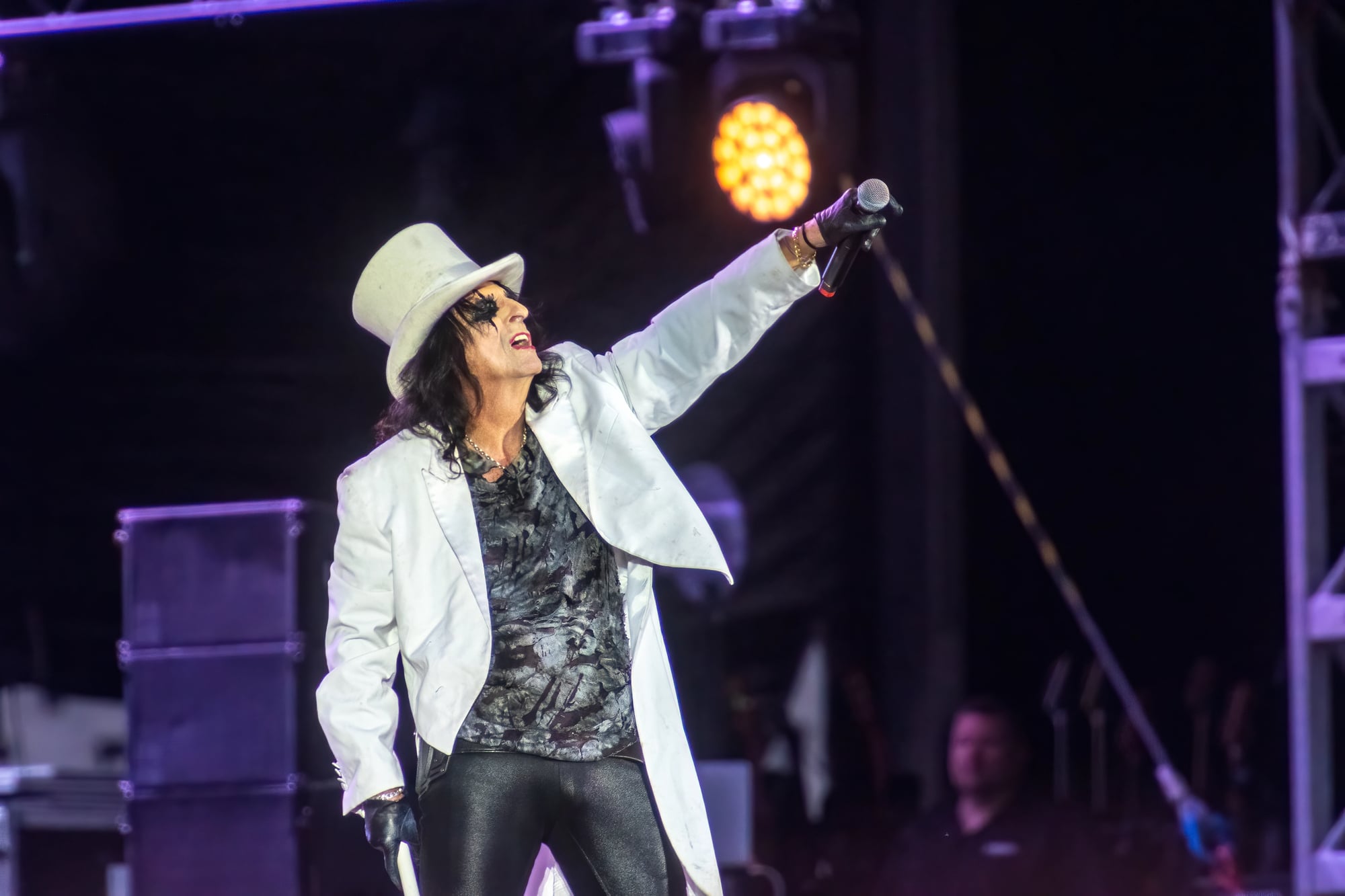
Alice Cooper turned shock rock into theater and theater into commerce. School’s Out era merchandise commands $1,100 to $2,000, reflecting Cooper’s influence on both heavy music and stage performance.
These shirts were part of the show’s aesthetic, not just souvenirs.
Cheap Trick Live at Budokan Tour
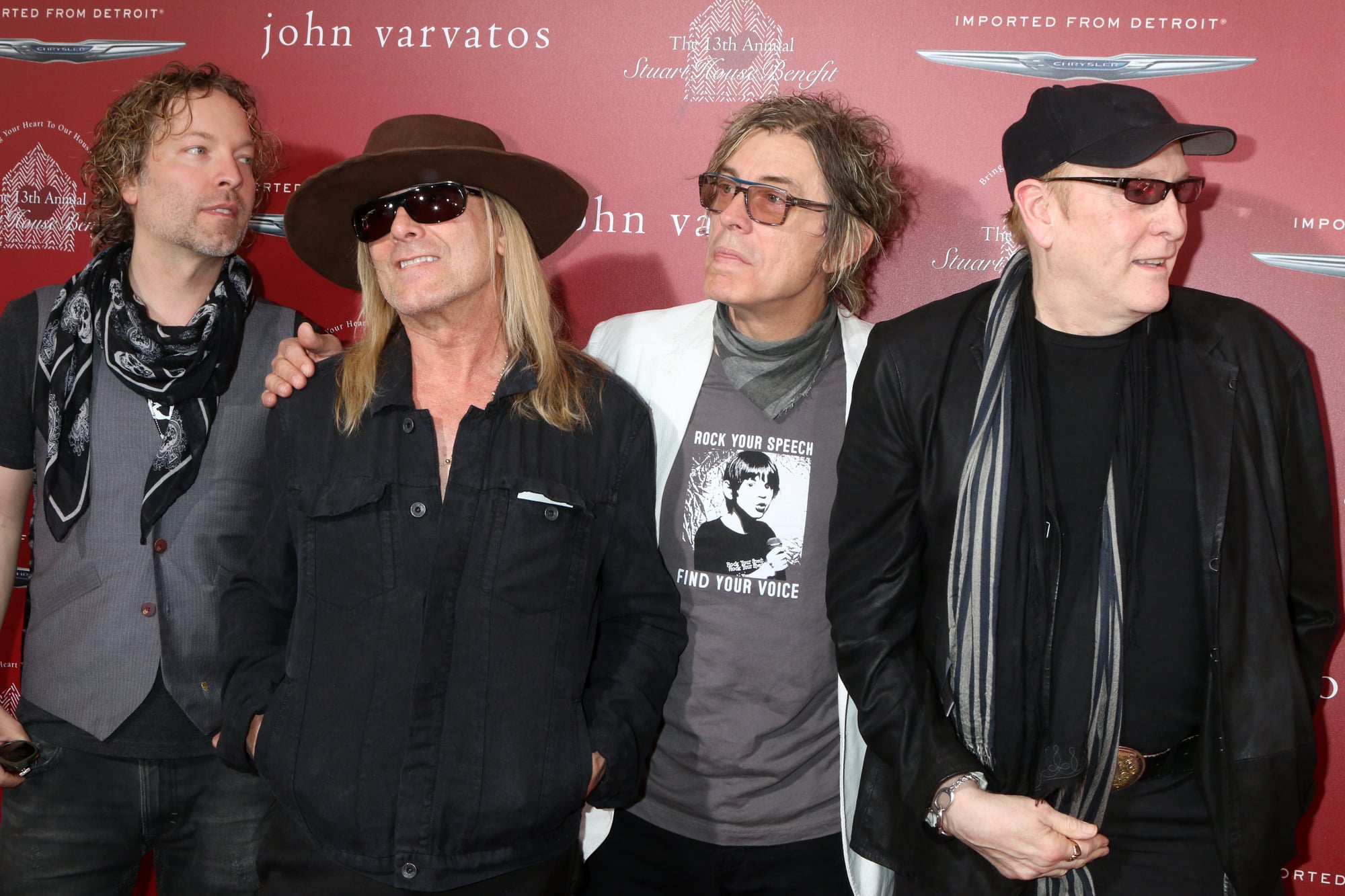
Cheap Trick’s breakthrough happened in Japan, and their subsequent tour merchandise became legendary among power pop collectors. (The Budokan album transformed them from Midwest curiosities into international stars, which nobody saw coming.)
Live at Budokan tour shirts sell for $900 to $1,600, and the demand comes from fans who recognize the album as one of the greatest live recordings ever captured. The interesting thing about Cheap Trick’s merchandise is how it reflects their unique position in rock history — too pop for metal fans, too rocking for pure pop audiences, but perfect for people who understood that great songs could be both catchy and powerful.
The shirts represent that sweet spot between underground credibility and commercial appeal that most bands spend their entire careers trying to find. So collectors aren’t just buying Cheap Trick merchandise — they’re buying proof that melody and volume don’t have to be enemies, that power pop was a legitimate musical movement worth taking seriously.
Blue Öyster Cult Don’t Fear the Reaper Era
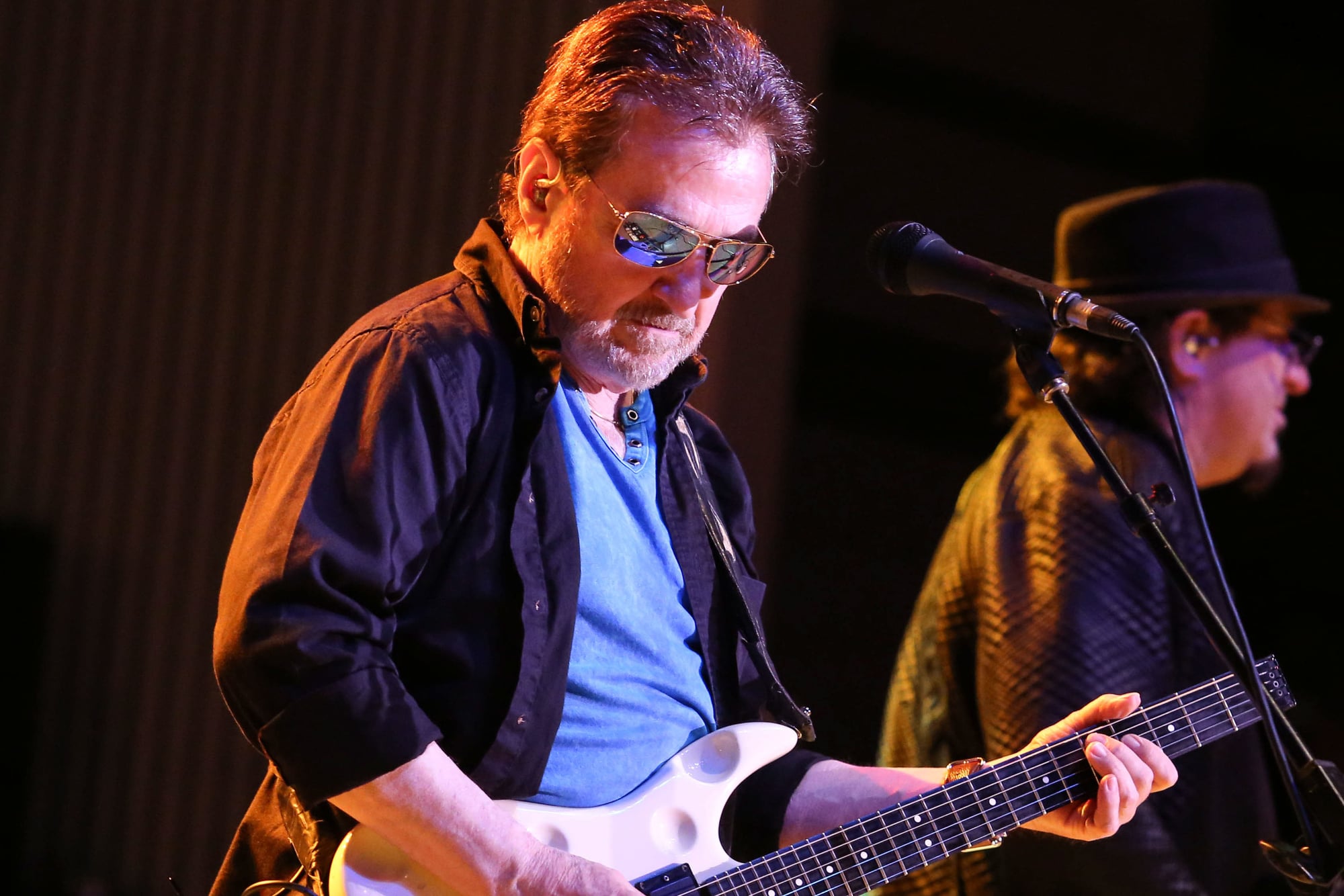
Blue Öyster Cult created intelligent heavy metal before anyone knew that combination was possible. Tour shirts from their Don’t Fear the Reaper period sell for $1,200 to $1,900.
The band’s literary approach to hard rock created a cult following that keeps demand high.
Ted Nugent Cat Scratch Fever Tour 1977
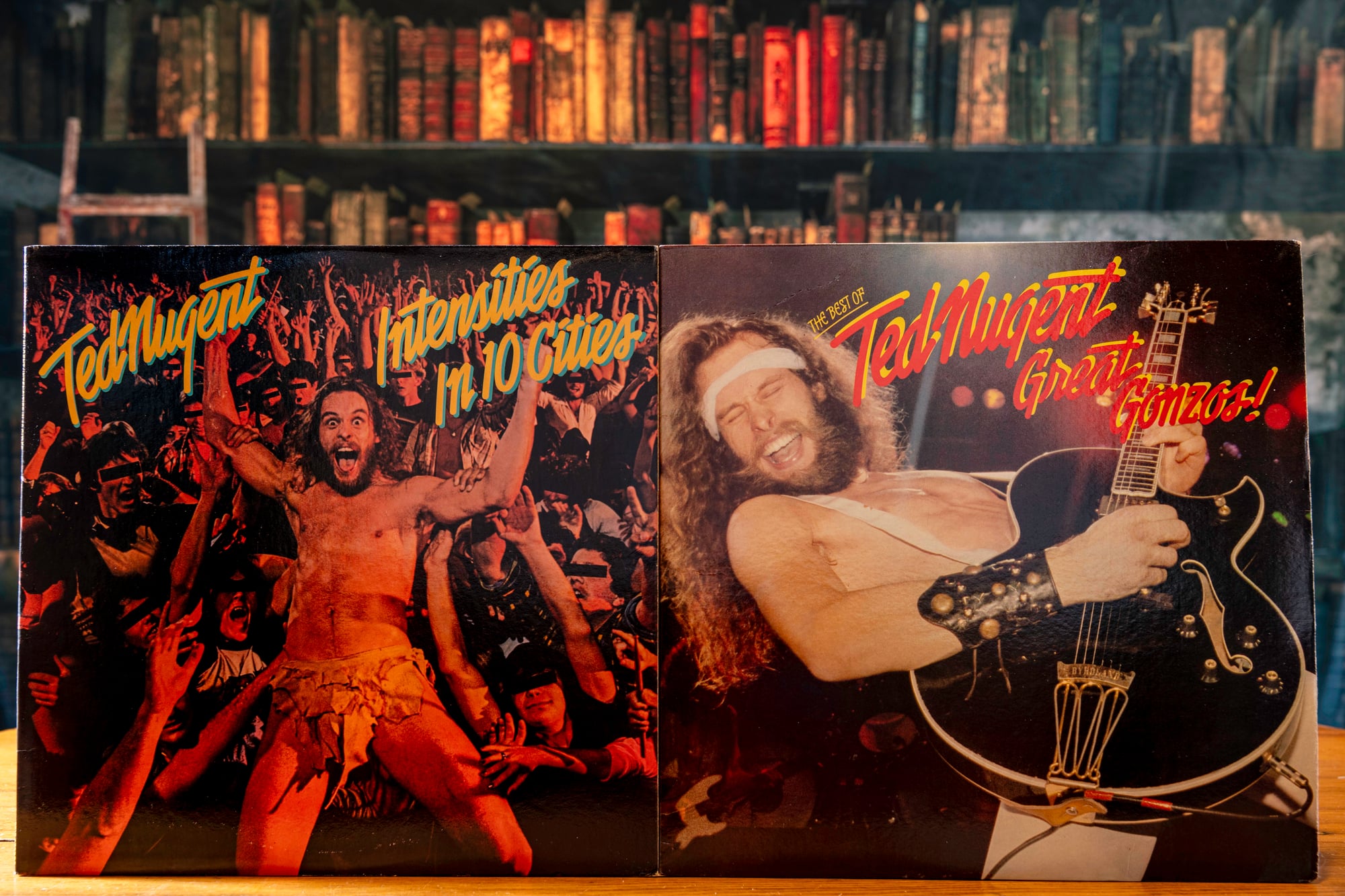
Ted Nugent represented maximum rock excess during the late ’70s. Cat Scratch Fever tour merchandise sells for $800 to $1,400, reflecting Nugent’s popularity during his commercial peak.
These shirts capture American hard rock at its most unsubtle.
Thin Lizzy Live and Dangerous Era
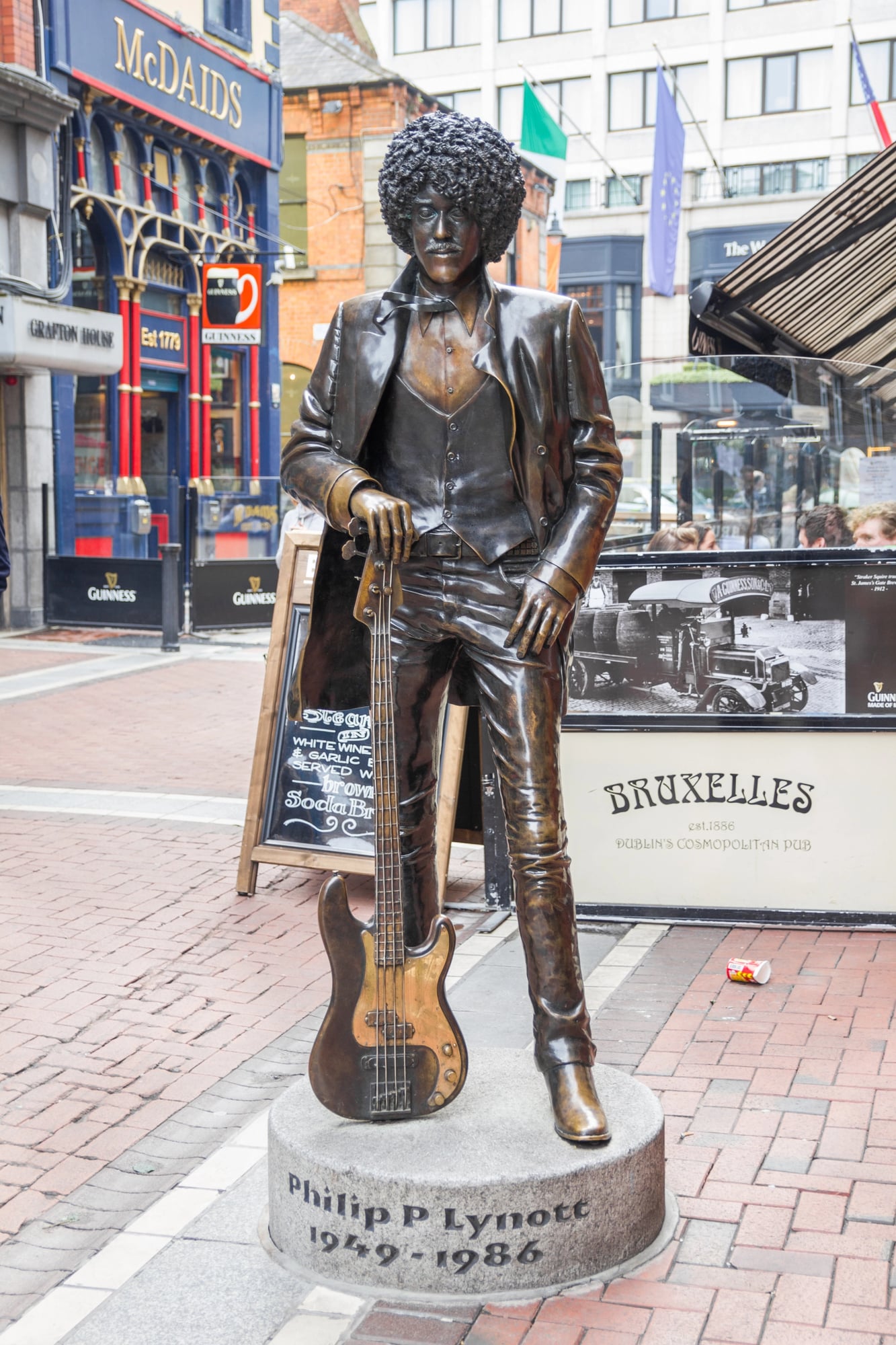
Thin Lizzy never achieved the commercial success their music deserved, which makes their vintage merchandise more valuable to collectors who recognize the band’s influence on hard rock and heavy metal. The Live and Dangerous era represents Phil Lynott’s songwriting at its peak, when the band created some of the most sophisticated heavy music of the 1970s.
Original Thin Lizzy shirts from this period command $1,000 to $1,700, and the collector base includes everyone from metalheads to punk enthusiasts. Lynott’s bass playing and vocals influenced countless musicians, but the band’s Irish origins and working-class aesthetic kept them slightly outside the mainstream rock establishment.
The shirts represent that outsider status — authentic, uncompromising, and somehow more genuine than merchandise from bands that achieved massive commercial success. Finding these shirts requires patience because Thin Lizzy’s fan base was smaller but intensely loyal.
People who bought their merchandise tended to wear it constantly, which means survival rates were low.
Rush 2112 Tour 1976
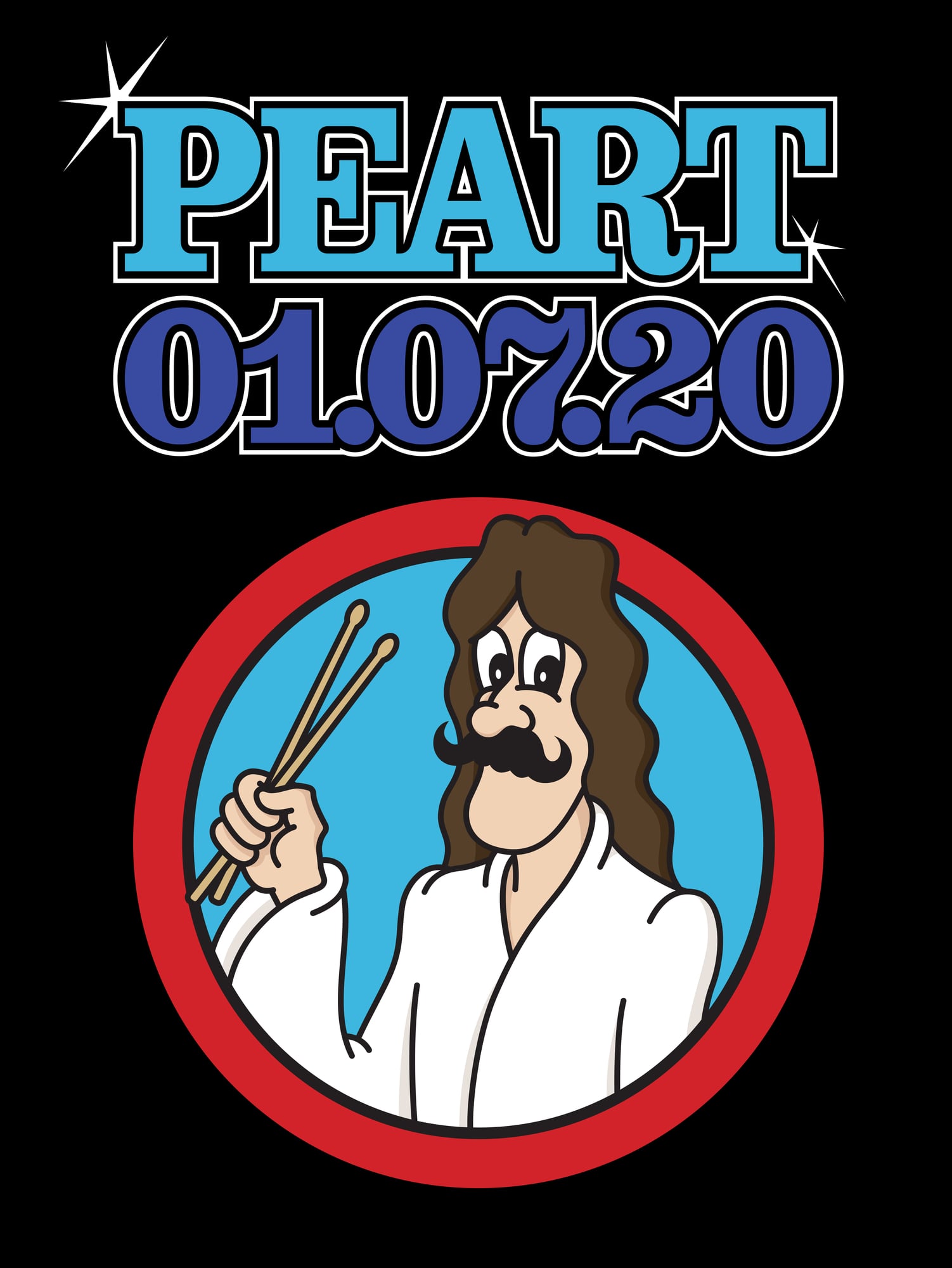
Rush developed one of rock’s most devoted fan bases through their complex, progressive approach to hard rock. 2112 tour shirts sell for $1,400 to $2,300, reflecting the album’s status as the band’s creative breakthrough.
Rush fans are completists, which keeps demand high for authentic vintage pieces.
Boston More Than a Feeling Era
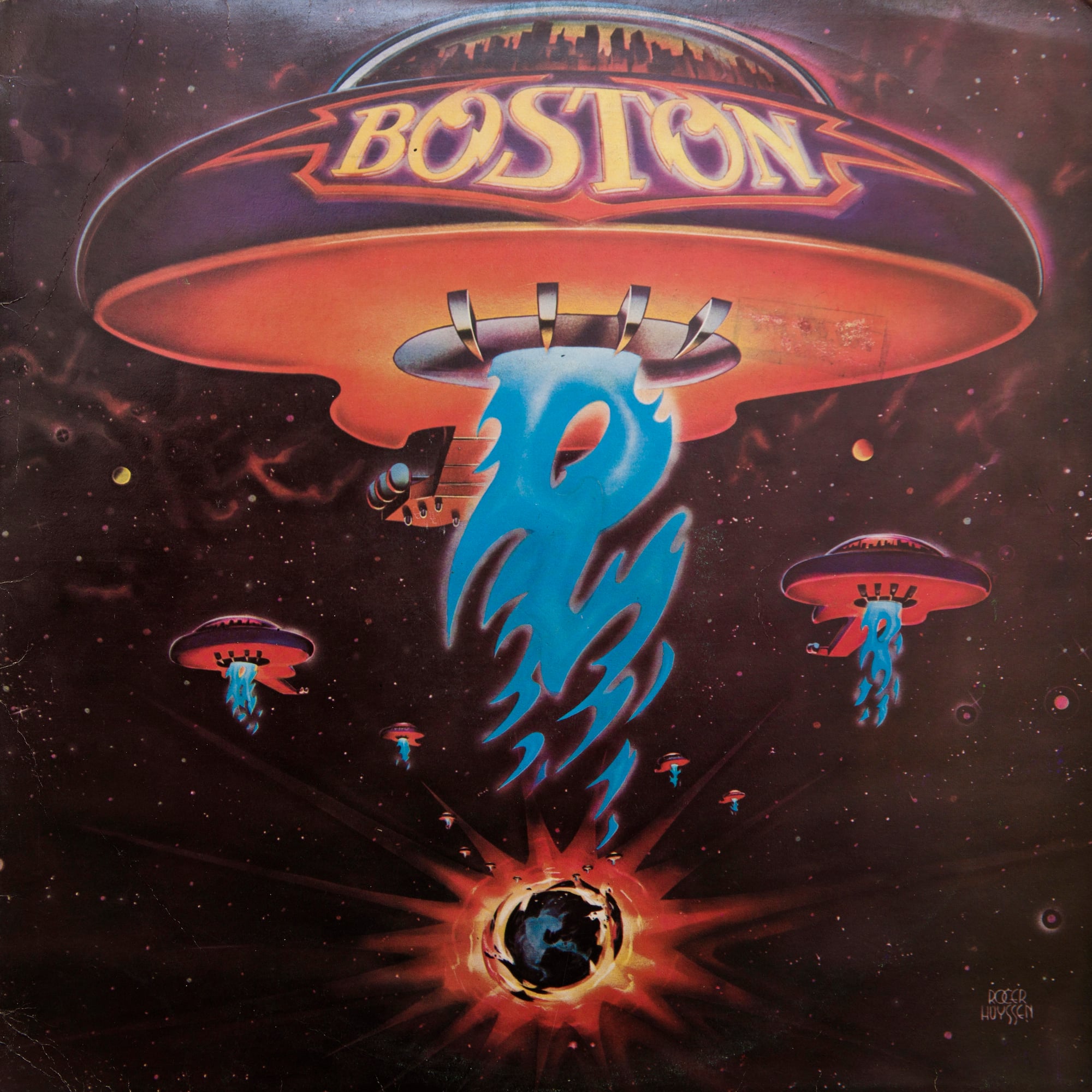
Boston’s debut album became one of the biggest rock records of the 1970s. Tour merchandise from their initial success commands $900 to $1,500.
The band’s arena rock sound defined an era, and their shirts represent that moment when hard rock became stadium music.
Heart Dreamboat Annie Tour 1976
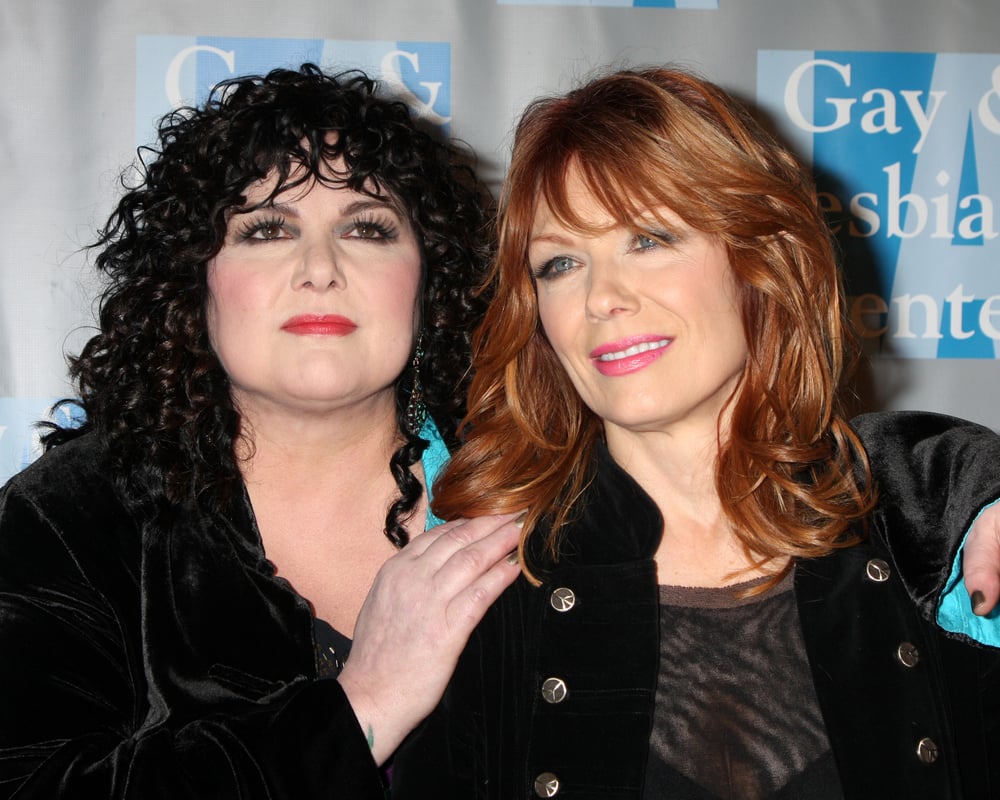
Heart proved that women could rock as hard as anyone, and their early tour merchandise reflects their groundbreaking impact on hard rock. (Ann and Nancy Wilson faced skepticism from industry executives who couldn’t imagine female musicians creating heavy music.)
Dreamboat Annie tour shirts sell for $800 to $1,400, but the real value lies in what they represent about breaking barriers in a male-dominated industry. The shirts capture Heart at their most revolutionary — before commercial pressures softened their sound, when they were just two sisters from Seattle proving that rock and roll belonged to anyone with the talent and determination to claim it.
The band’s combination of acoustic sophistication and electric power created something entirely new, and their merchandise became badges of honor for fans who recognized that musical innovation. But finding authentic Heart shirts from this era means finding pieces that survived the intense loyalty of fans who wore their merchandise until it disintegrated.
Styx The Grand Illusion Tour 1977
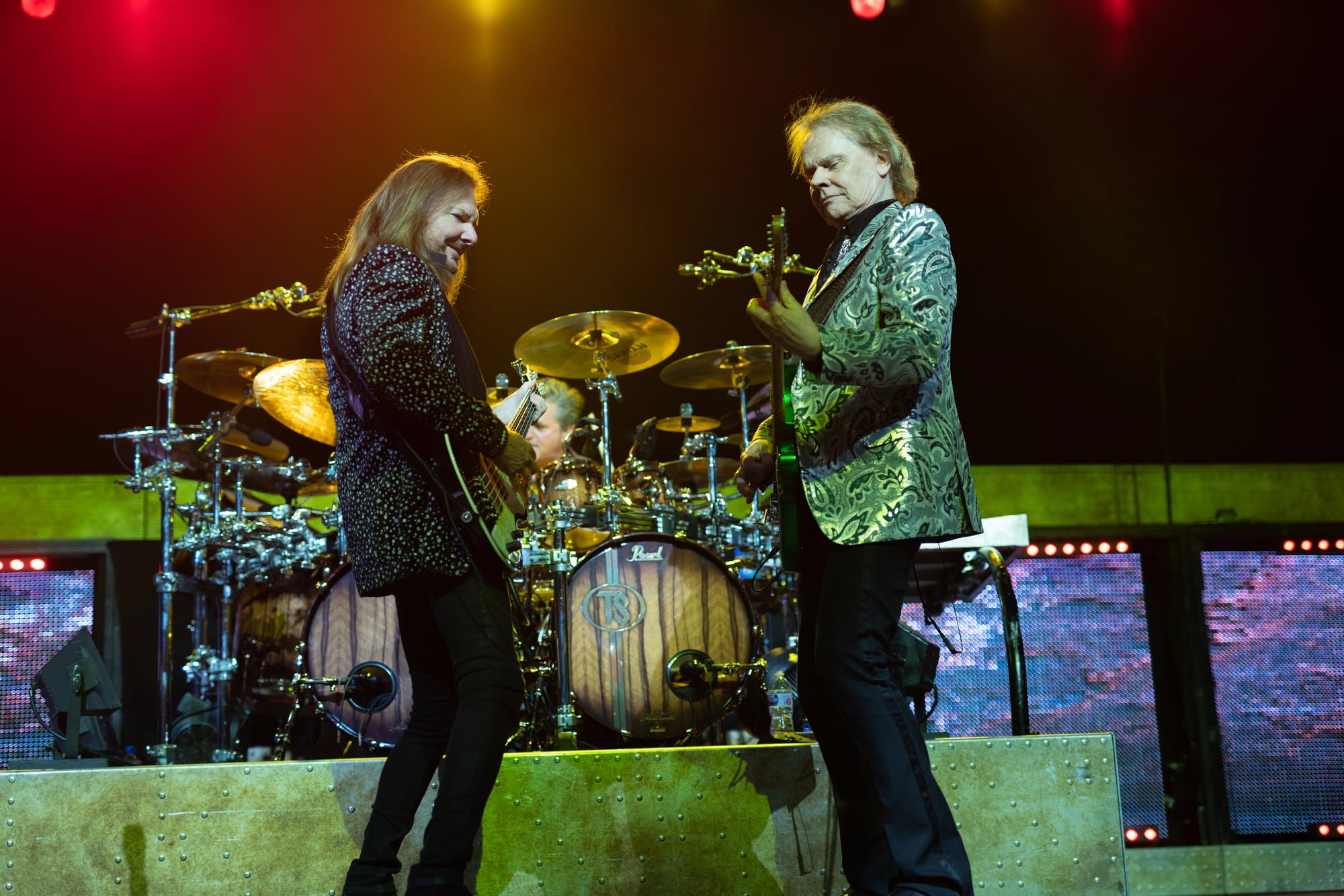
Styx created theatrical rock that bordered on opera. The Grand Illusion tour merchandise sells for $1,000 to $1,600, reflecting the band’s peak commercial period.
These shirts represent arena rock at its most ambitious, when bands weren’t afraid to attempt musical concepts that seemed impossible.
Journey Infinity Tour 1978
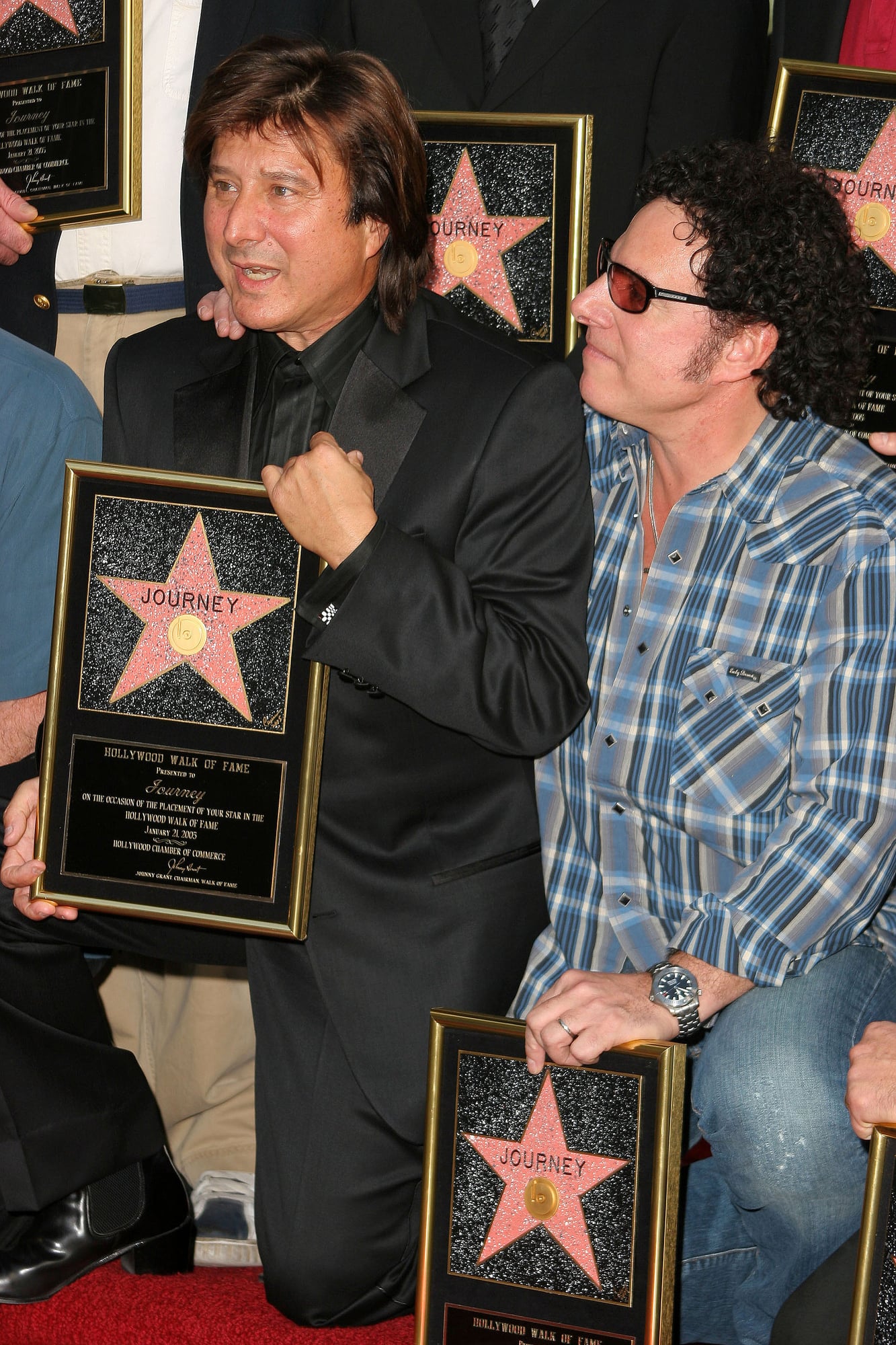
Journey evolved from jazz-fusion experiments into arena rock giants. Infinity tour shirts command $1,100 to $1,800, marking the moment when the band discovered their commercial formula.
These shirts represent one of rock’s most successful reinventions.
Foreigner Double Vision Tour 1978
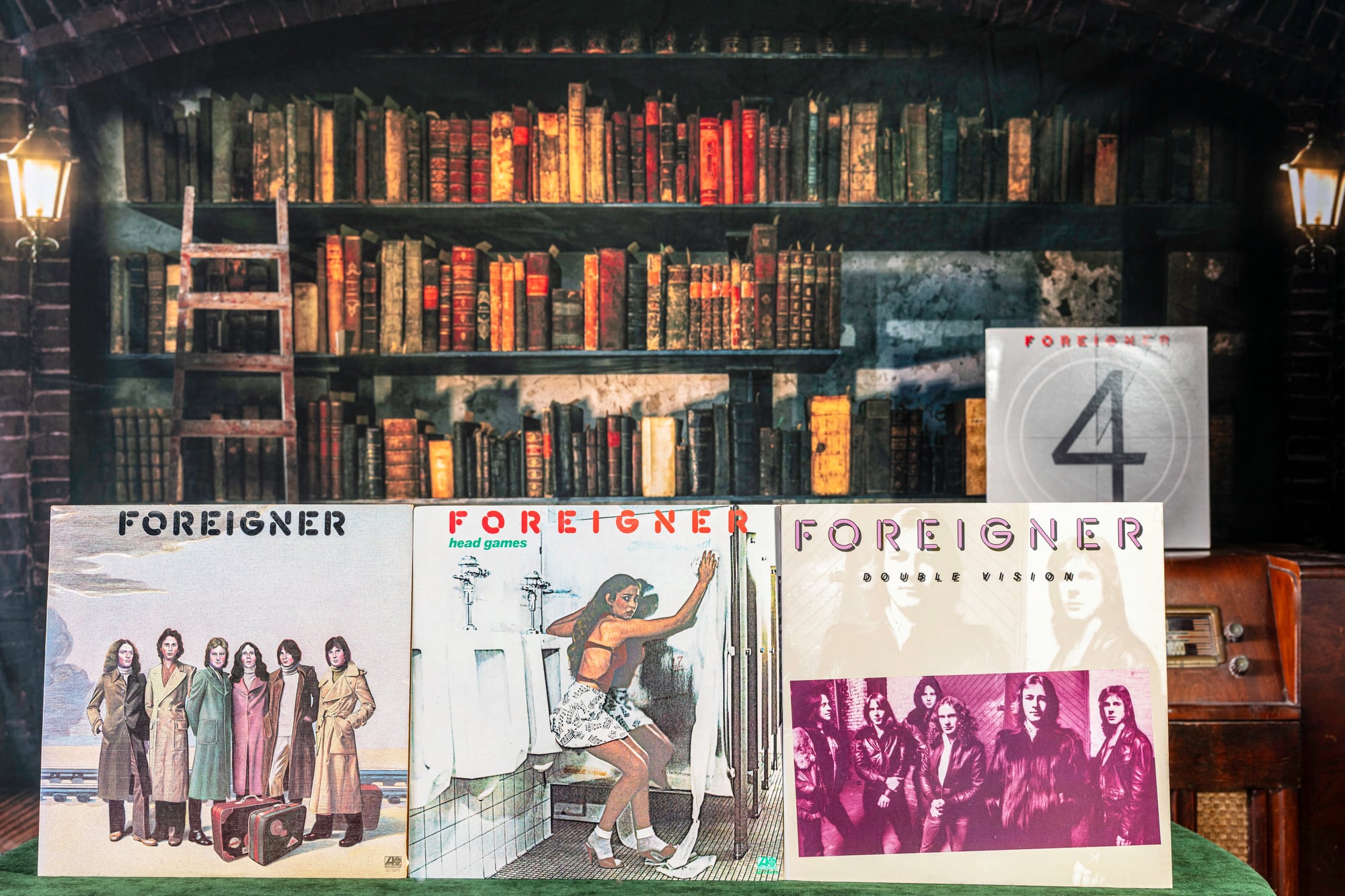
Foreigner mastered the art of arena rock during the late ’70s. Double Vision tour merchandise sells for $900 to $1,500, reflecting the band’s ability to create hard rock that worked on radio and in stadiums.
These shirts capture American rock at its most professionally executed.
Kansas Point of Know Return Tour 1977
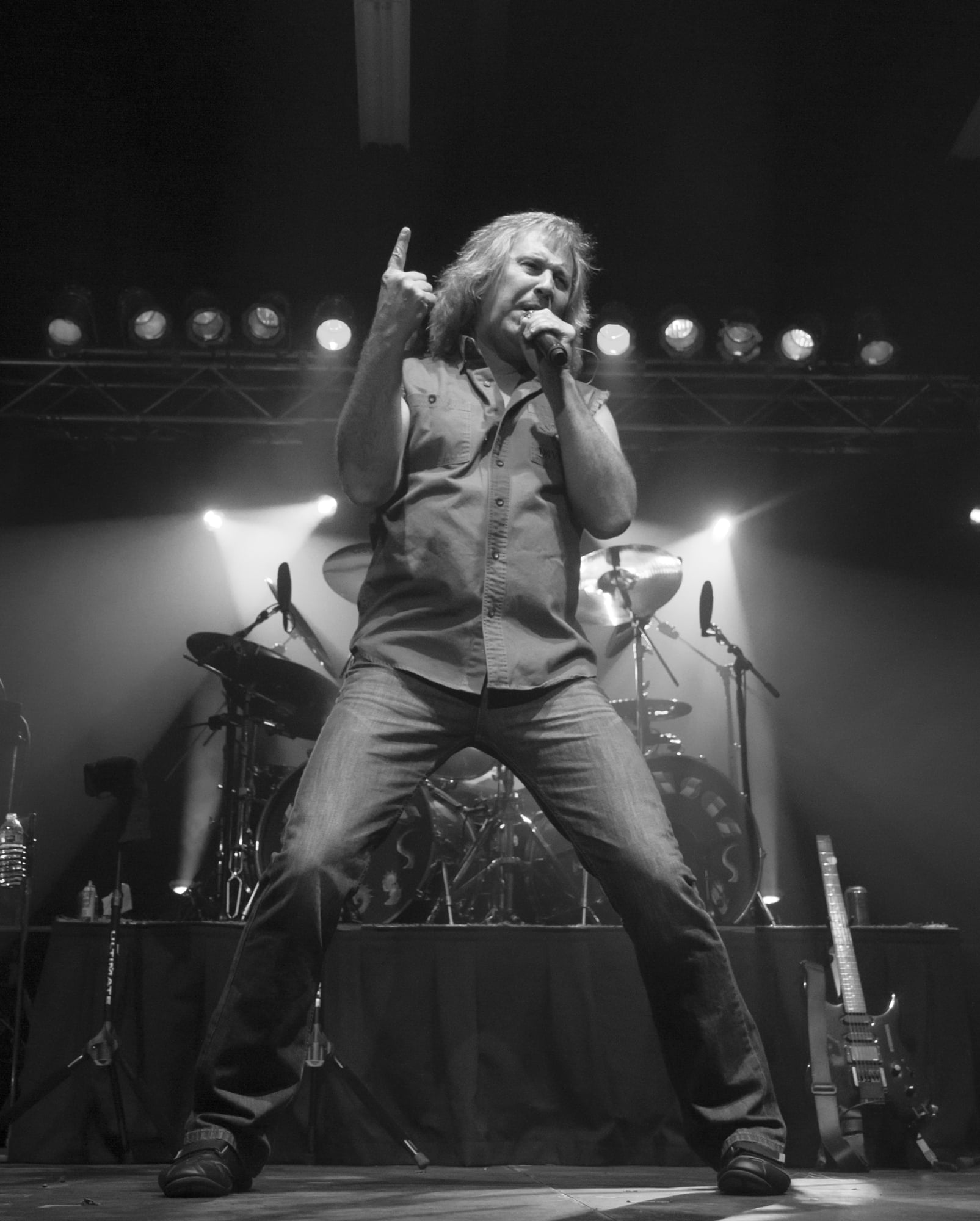
Kansas combined progressive rock complexity with Midwest American sensibilities, creating something that shouldn’t have worked but absolutely did. (Point of Know Return proved that conceptual music could still connect with mainstream audiences, even as punk rock was supposedly killing everything elaborate and theatrical.)
The tour merchandise from this era sells for $1,000 to $1,600, and collectors appreciate how the shirts represent this unlikely balance between musical sophistication and commercial accessibility. The interesting thing about Kansas merchandise is how it attracts both progressive rock collectors and fans of classic American rock.
The band never quite fit into either category completely, which meant their shirts appealed to people who appreciated musical craftsmanship regardless of genre boundaries. The designs were typically understated — band name, album artwork, maybe some tour dates — but the quality was substantial enough to survive decades of wear.
So finding an original Kansas shirt means finding something that bridged the gap between underground complexity and mainstream appeal, which is harder to achieve than most bands realize.
Pat Benatar In the Heat of the Night Tour 1979

Pat Benatar brought operatic vocals to hard rock and proved that women could dominate the genre on their own terms. Tour merchandise from In the Heat of the Night sells for $700 to $1,200.
These shirts represent female empowerment in rock before that concept became commercially fashionable.
Blizzard of Ozz Tour 1981
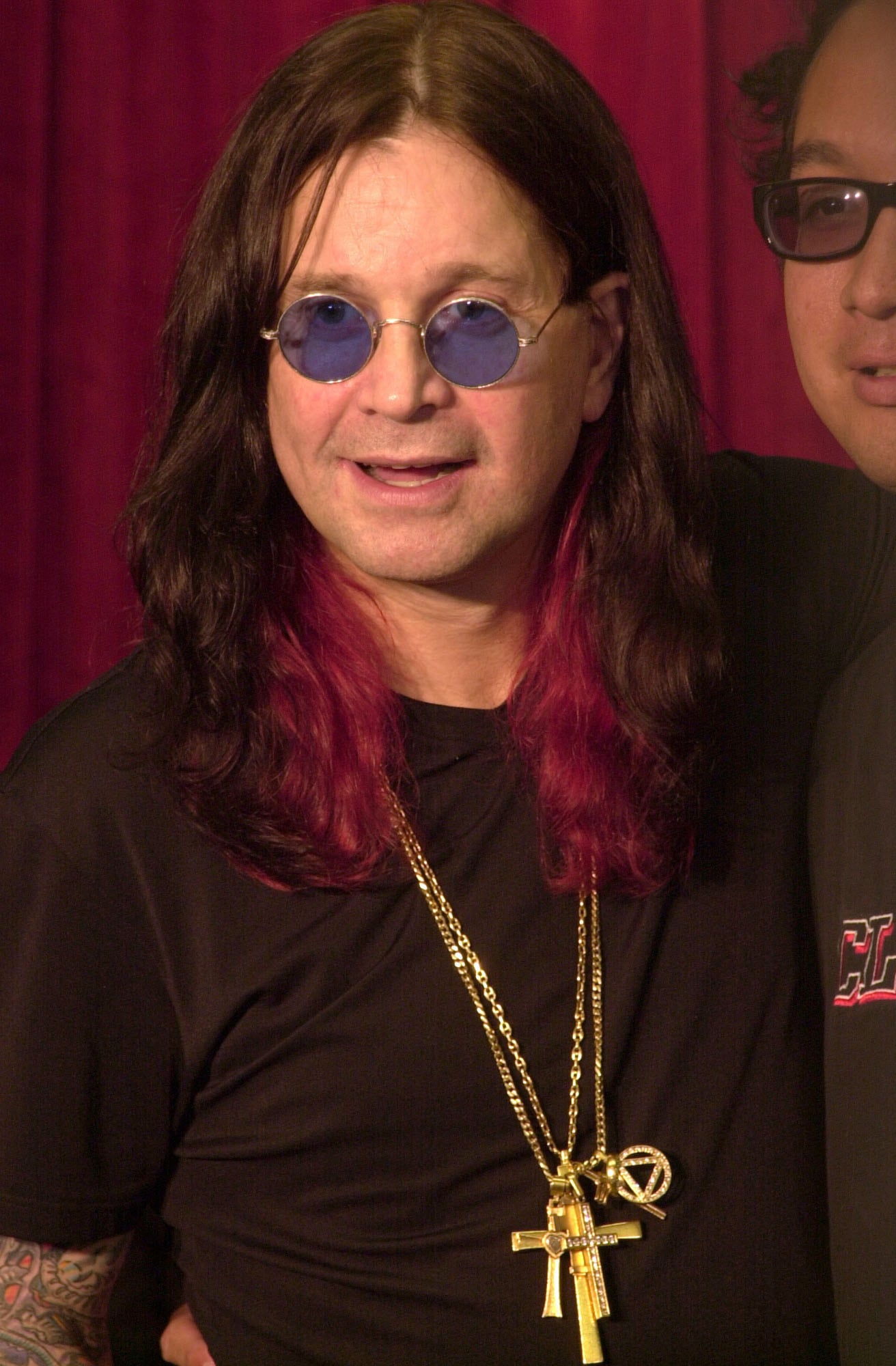
Ozzy’s solo career launched with the Blizzard of Ozz tour, creating merchandise that’s become legendary among metal collectors. Original shirts command $1,200 to $2,100, reflecting both Ozzy’s popularity and the tour’s importance in heavy metal history.
These shirts marked the beginning of Ozzy’s transformation from Black Sabbath member to solo icon.
REO Speedwagon Hi Infidelity Tour 1981
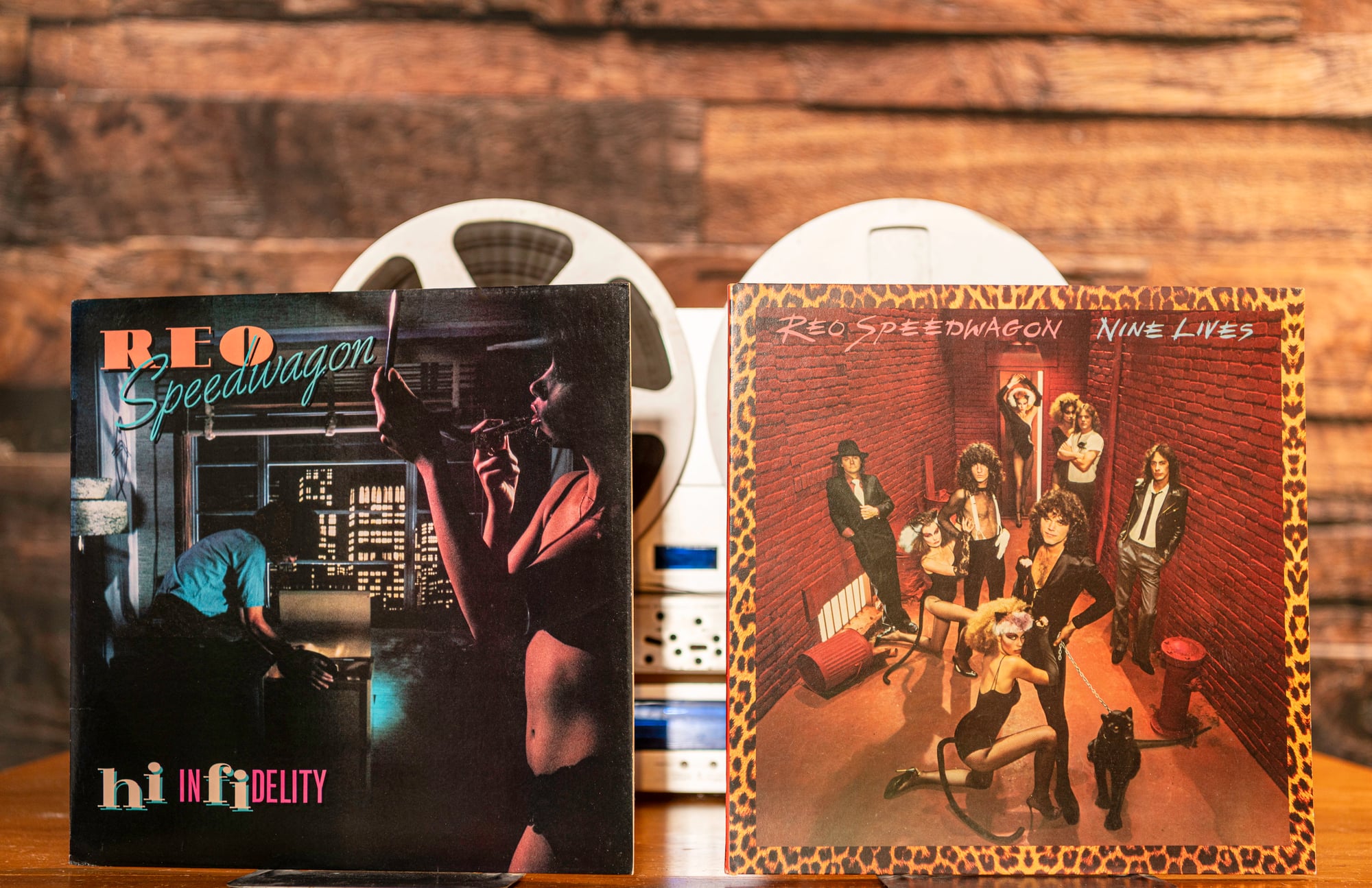
REO Speedwagon achieved massive commercial success with Hi Infidelity, and their tour merchandise reflects that peak popularity. Original shirts sell for $800 to $1,300, capturing the moment when arena rock reached its broadest audience appeal.
Def Leppard High ‘n’ Dry Tour 1981
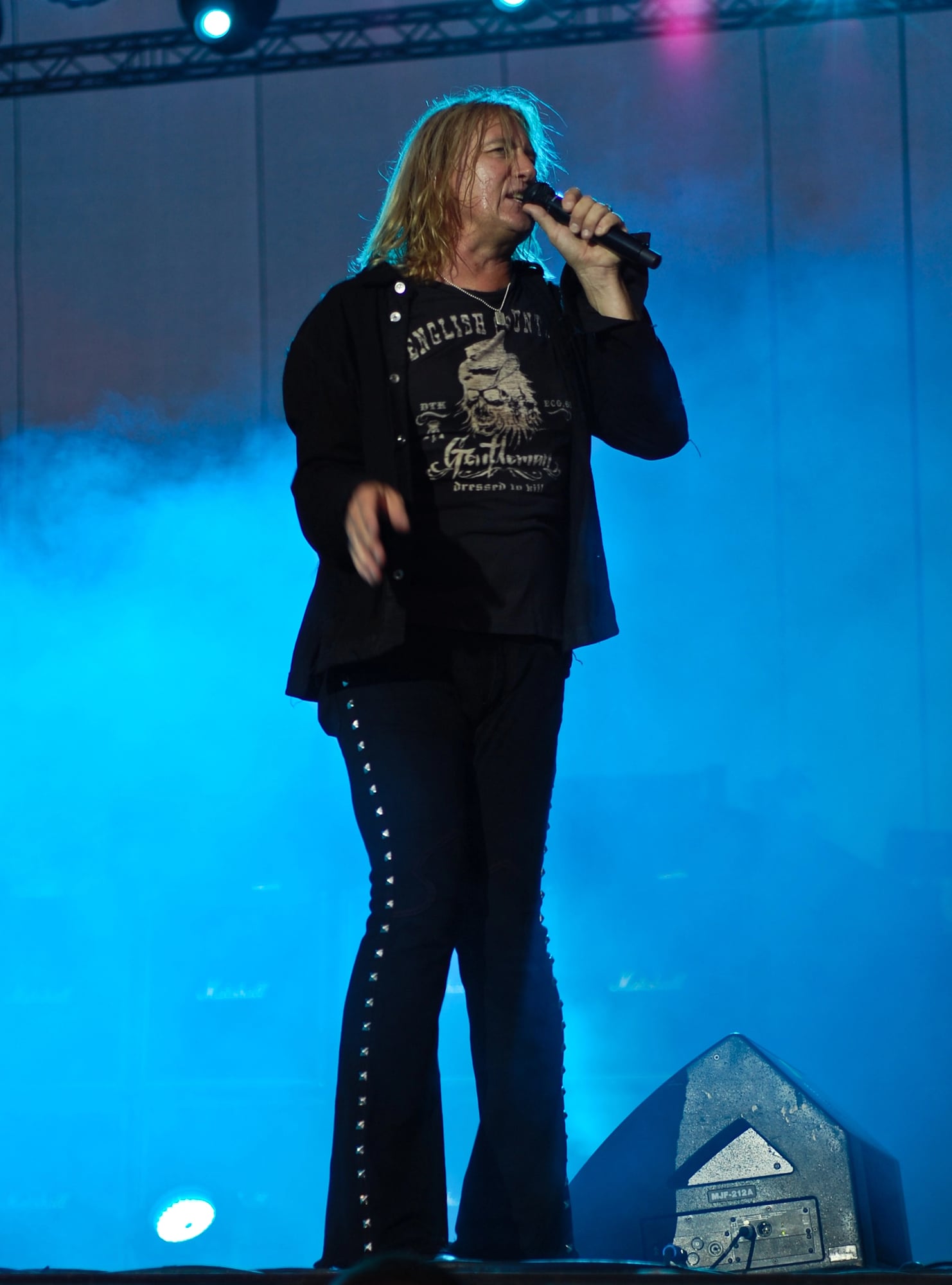
Def Leppard represented the new wave of British heavy metal’s commercial breakthrough. High ‘n’ Dry tour shirts command $1,000 to $1,700, marking the band’s evolution from underground metal act to arena rock giants.
These shirts bridge the gap between metal’s rebellious roots and its mainstream acceptance.
The Fabric of Rock History
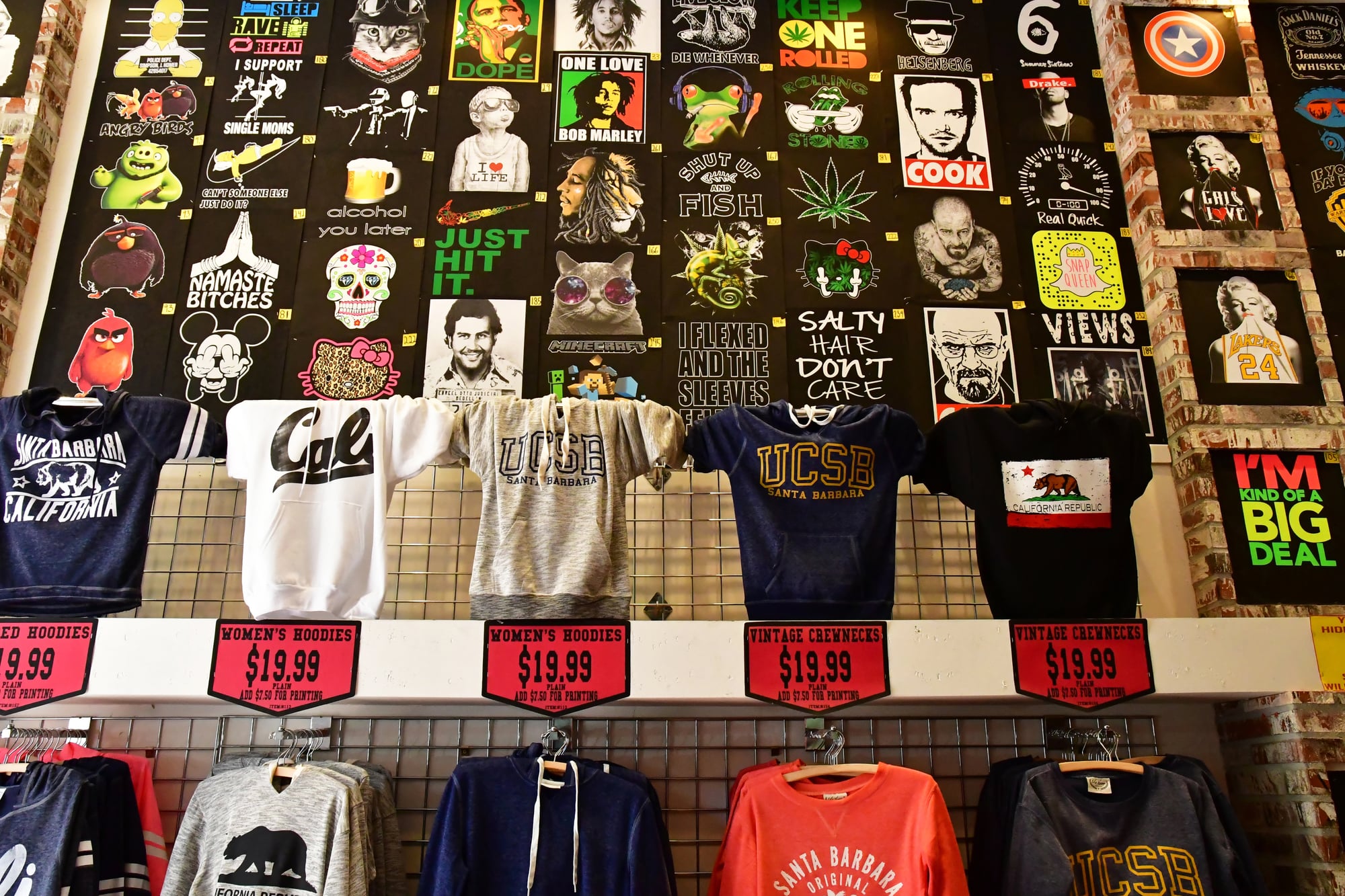
Vintage band shirts have become more than clothing — they’re wearable archaeology, proof that someone was present for rock and roll’s greatest moments. The astronomical prices reflect our collective need to own pieces of musical history, to wear the evidence that these legendary performances actually happened.
In a digital age where everything feels temporary, these faded cotton artifacts represent something permanent and real, something that connected human beings to transcendent musical experiences decades before anyone imagined they’d become priceless collector items.
More from Go2Tutors!

- The Romanov Crown Jewels and Their Tragic Fate
- 13 Historical Mysteries That Science Still Can’t Solve
- Famous Hoaxes That Fooled the World for Years
- 15 Child Stars with Tragic Adult Lives
- 16 Famous Jewelry Pieces in History
Like Go2Tutors’s content? Follow us on MSN.