24 Whistleblowers Throughout History Who Paid a Devastating Price
Speaking up against power has never been safe. History is littered with individuals who saw something wrong, said something about it, and watched their lives unravel as a consequence.
These weren’t reckless troublemakers or attention-seekers — they were ordinary people who found themselves facing an impossible choice between silence and conscience. The price they paid varied, but it was always steep.
Some lost careers built over decades. Others faced imprisonment, exile, or worse.
A few paid with their lives. What unites them isn’t their methods or their causes, but their willingness to sacrifice personal safety for a larger truth.
Their stories remind us that progress often comes at a cost that someone, somewhere, has to be willing to pay.
Daniel Ellsberg
Ellsberg photocopied 7,000 pages of classified documents and handed them to The New York Times in 1971. The Pentagon Papers revealed that four presidents had systematically lied about the Vietnam War.
The government charged him with espionage and conspiracy — charges that could have meant life in prison. His case was dismissed only because the Nixon administration broke into his psychiatrist’s office looking for dirt.
Karen Silkwood
Silkwood worked at a plutonium plant in Oklahoma and discovered that her employer was cutting safety corners. She started documenting contamination problems and missing nuclear materials.
On her way to meet with a New York Times reporter in 1974, her car crashed under suspicious circumstances. She died instantly.
The documents she was carrying were never found.
Jeffrey Wigand
The former Brown & Williamson executive knew that cig companies were deliberately manipulating nicotine levels to increase addiction, and he knew they were lying about it under oath (which is a particular kind of lie that carries particular consequences for everyone involved). When he finally talked to 60 Minutes in 1996, his former employer launched a campaign to destroy his credibility and his life.
They sued him for breach of contract, investigated his personal life, and spread rumors about his mental stability. And yet — the cig industry’s house of lies came crashing down anyway, which is probably the closest thing to justice his story offers.
Frank Serpico
Police departments protect their own, even when their own are corrupt. Serpico discovered this the hard way when he started reporting police corruption in New York City during the 1970s.
His fellow officers made it clear that honest cops weren’t welcome. During a drug raid in 1971, backup mysteriously failed to arrive when Serpico was shot in the face.
He survived, but barely. The message was received.
Mordechai Vanunu
Vanunu worked as a technician at Israel’s nuclear facility and smuggled out photographs proving that Israel had developed nuclear weapons. He gave the evidence to a British newspaper in 1986.
Israeli agents lured him to Rome, drugged him, and smuggled him back to Israel in a shipping crate. He spent 18 years in prison, 11 of them in solitary confinement.
The nuclear weapons program he exposed? It’s still there.
Coleen Rowley

This FBI agent tried to warn her superiors about suspicious flight training activities before September 11th — the same activities that would later be traced to the hijackers (because it turns out that people who want to learn to fly planes but don’t care about learning to land them are worth a second look). Her warnings were ignored.
After the attacks, she testified before Congress about how FBI headquarters had blocked field agents from investigating. The bureau retaliated by reassigning her to meaningless duties and making her professional life miserable until she retired early.
John Kiriakou
Kiriakou was a CIA analyst who confirmed to reporters that the agency was using torture during interrogations. Not much of a revelation, given that most people already suspected as much, but confirmation from the inside was different.
He was prosecuted under the Espionage Act — the first CIA officer ever charged for talking to reporters. He served two years in federal prison.
The torturers he exposed were never prosecuted.
Thomas Drake
Drake tried to blow the whistle on waste and civil liberties violations in NSA surveillance programs through proper channels. When that failed, he talked to a reporter about unclassified information.
The government charged him under the Espionage Act anyway, seeking 35 years in prison. His case eventually collapsed, but not before he lost his job, his security clearance, and his savings fighting the charges.
Bradley Manning

Manning leaked hundreds of thousands of military documents to WikiLeaks, including video footage of U.S. soldiers killing civilians in Iraq — footage that revealed the casual brutality of modern warfare in ways that sanitized news reports never could. She was sentenced to 35 years in military prison, though President Obama commuted her sentence after seven years.
But those seven years included solitary confinement so severe that UN officials called it torture. And the wars she exposed?
They kept going anyway, which raises uncomfortable questions about whether any of this suffering served its intended purpose.
Reality Winner

Winner leaked a single classified document about Russian election interference to The Intercept in 2017. The document was five pages long and revealed that Russian hackers had targeted U.S. voting systems more extensively than the government had publicly acknowledged.
She received the longest prison sentence ever imposed for a federal crime involving leaking to the media: five years and three months. The document she leaked was eventually declassified anyway.
John Crane
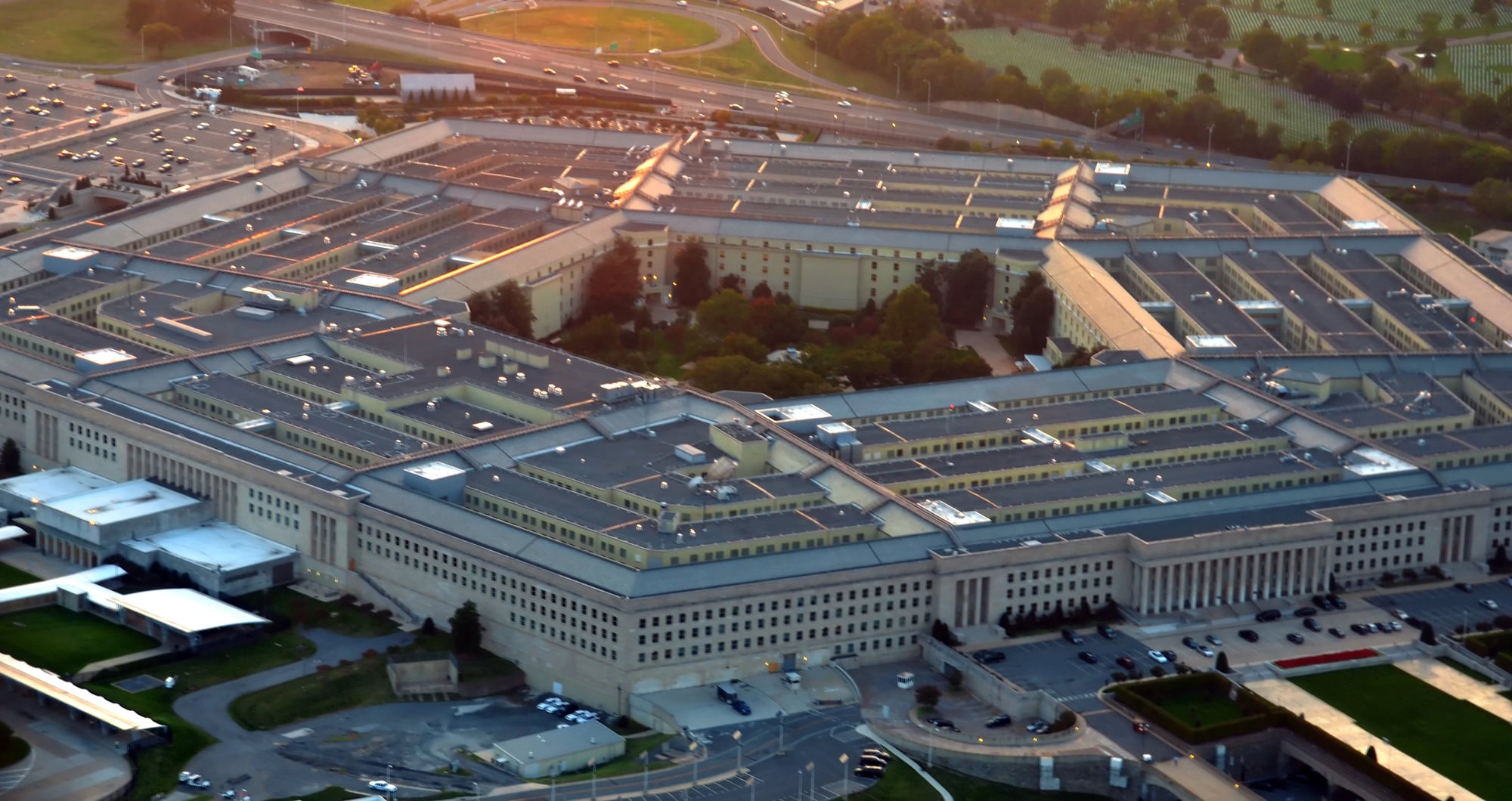
Crane spent decades investigating whistleblower retaliation at the Pentagon’s Inspector General office. He discovered that his own office was routinely revealing the identities of whistleblowers to the very officials they were accusing.
When he tried to fix the system from within, his superiors stripped him of his duties and forced him into retirement. The retaliation system he tried to expose continues operating today.
William Binney
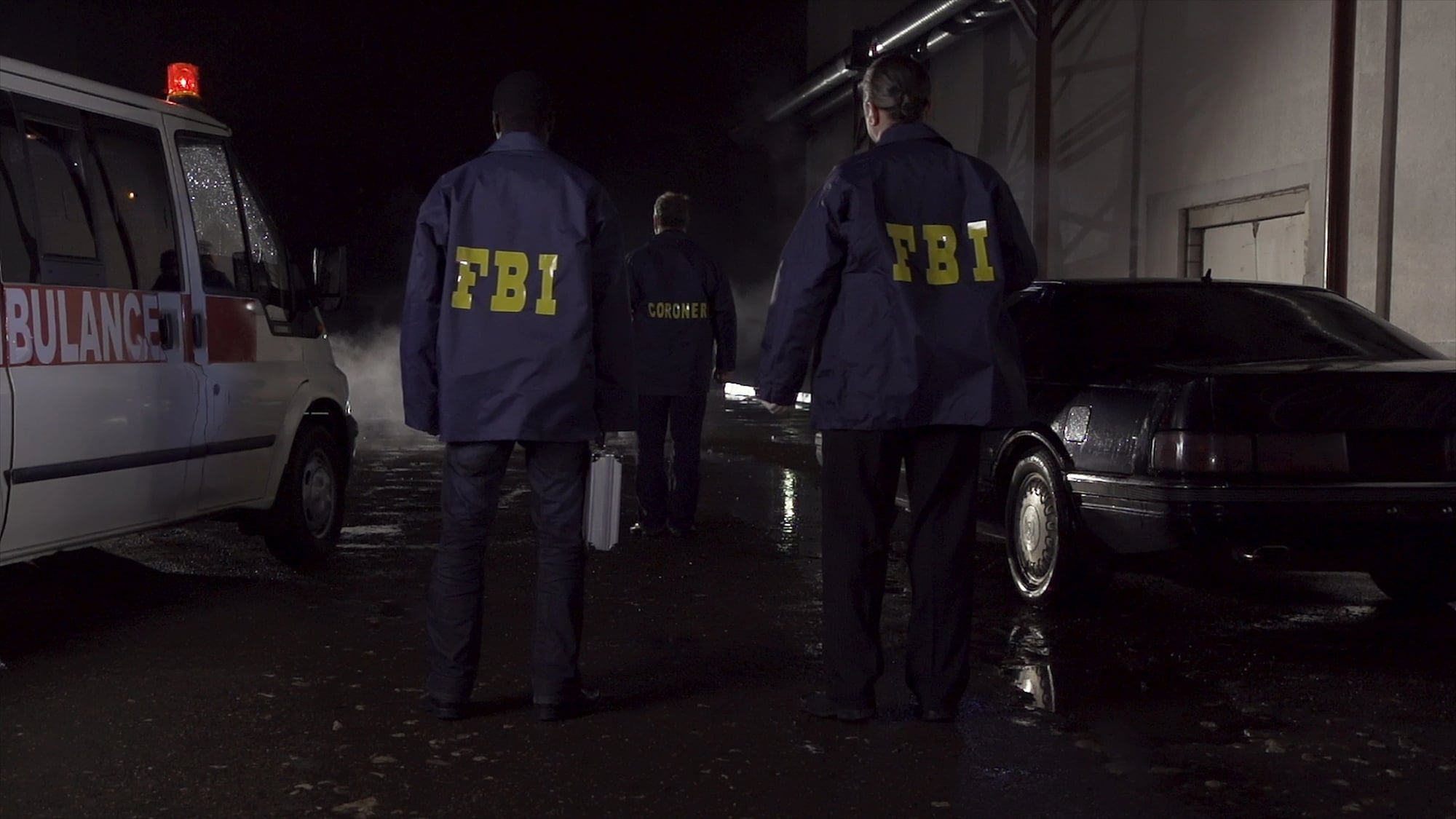
Binney helped design some of the NSA’s surveillance systems, then watched in horror as they were turned against American citizens without warrants or oversight. He resigned in 2001 and tried to report his concerns through official channels.
In 2007, FBI agents raided his home, holding him at gunpoint in his shower while they searched for classified documents. They found nothing, but the message was clear: even retired whistleblowers aren’t safe.
Thomas Tamm
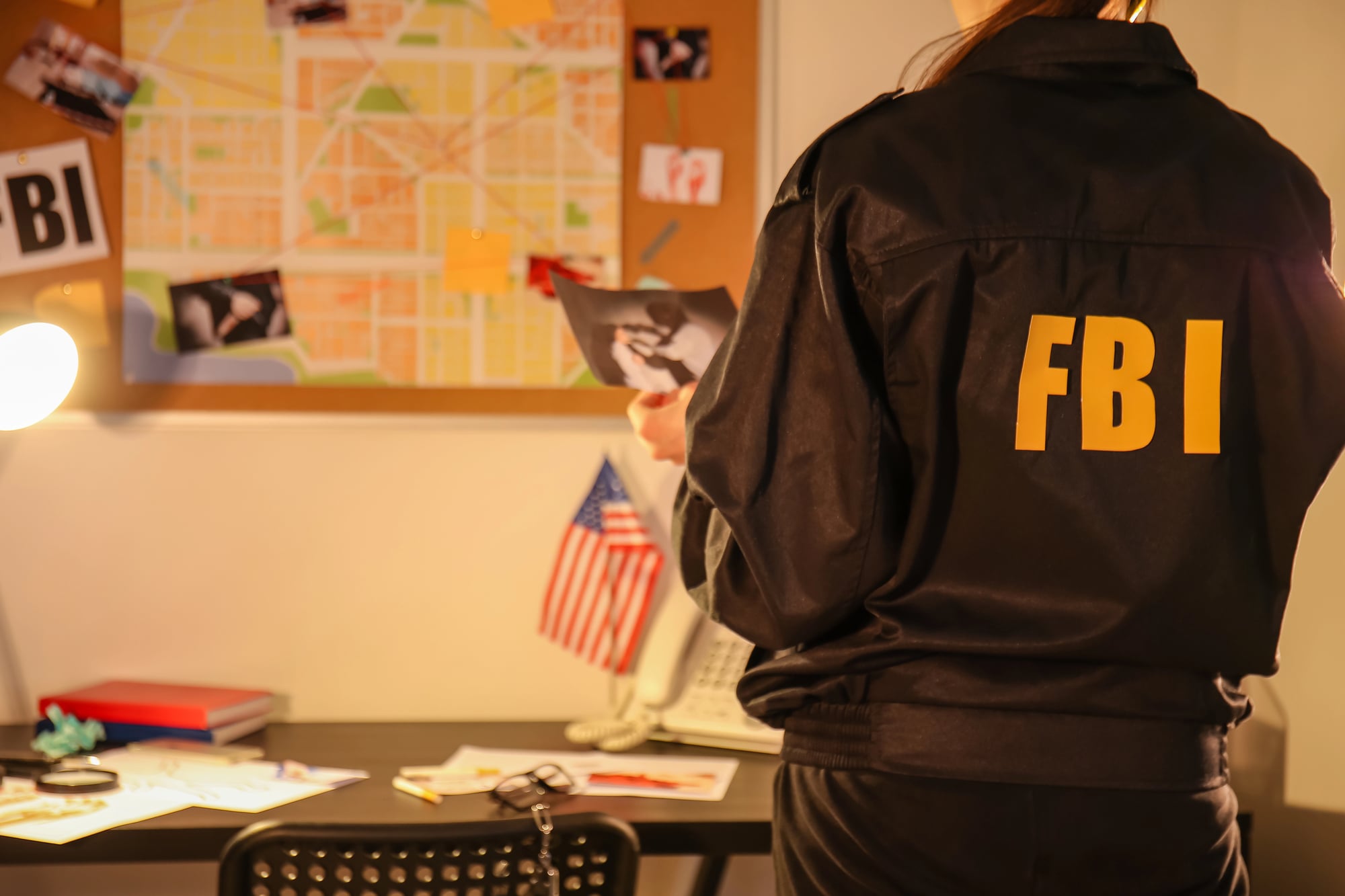
Tamm was a Justice Department lawyer who leaked information about the NSA’s warrantless wiretapping program to The New York Times. The FBI spent years trying to identify him, searching his home and questioning his colleagues.
He lived under investigation for several years before the government decided not to prosecute. His legal career was effectively over anyway.
Jesselyn Radack
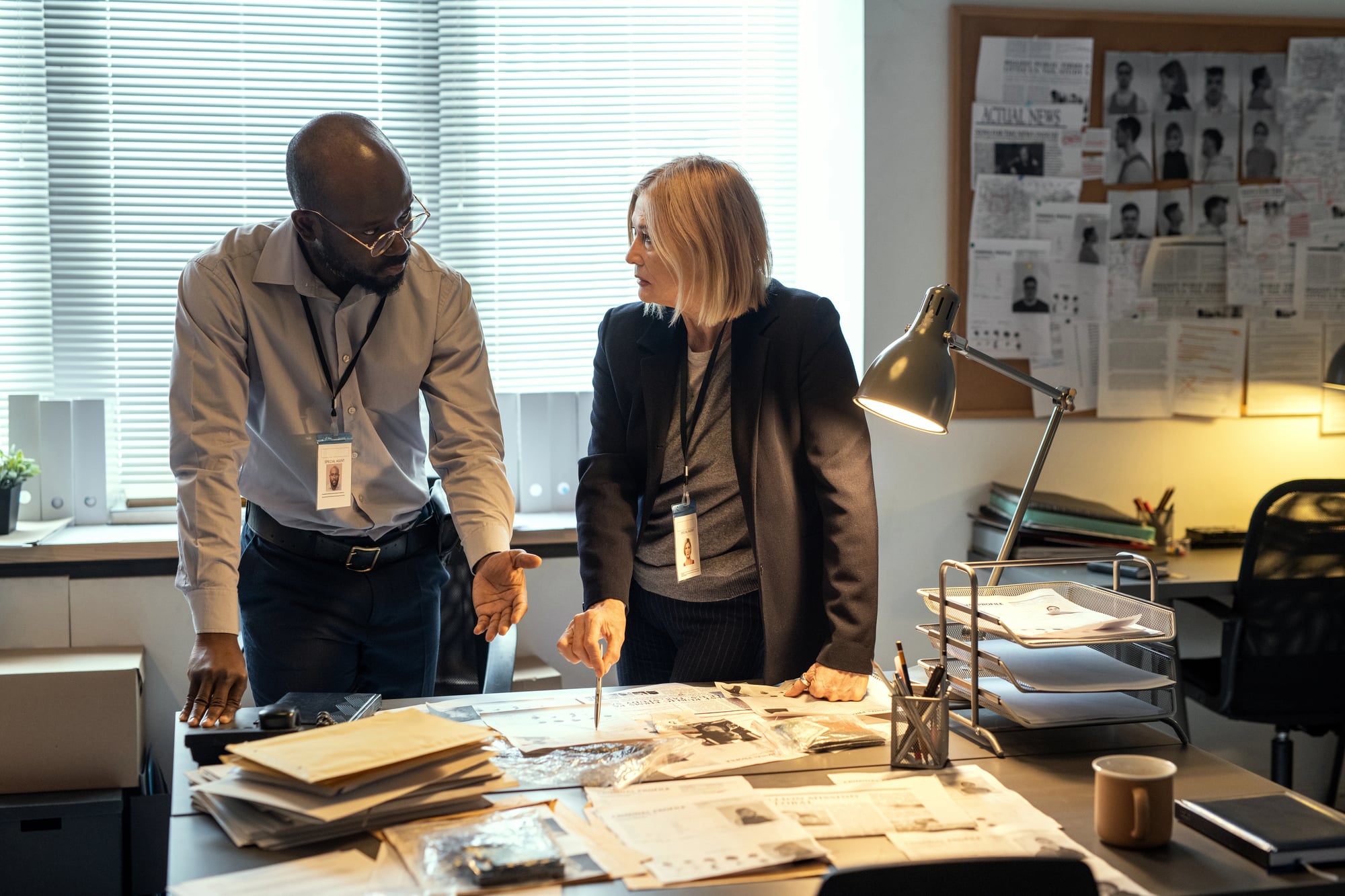
Radack was a Justice Department ethics advisor who raised concerns about the FBI’s interrogation of John Walker Lindh, the so-called “American Taliban” — because it turns out that even accused terrorists have rights, and violating those rights creates problems for everyone involved. When she persisted in raising her concerns, the department forced her to resign.
Later, when she provided documents to a reporter showing that the Justice Department had misled a federal judge, she was investigated by the FBI and had her law license threatened.
Franz Gayl
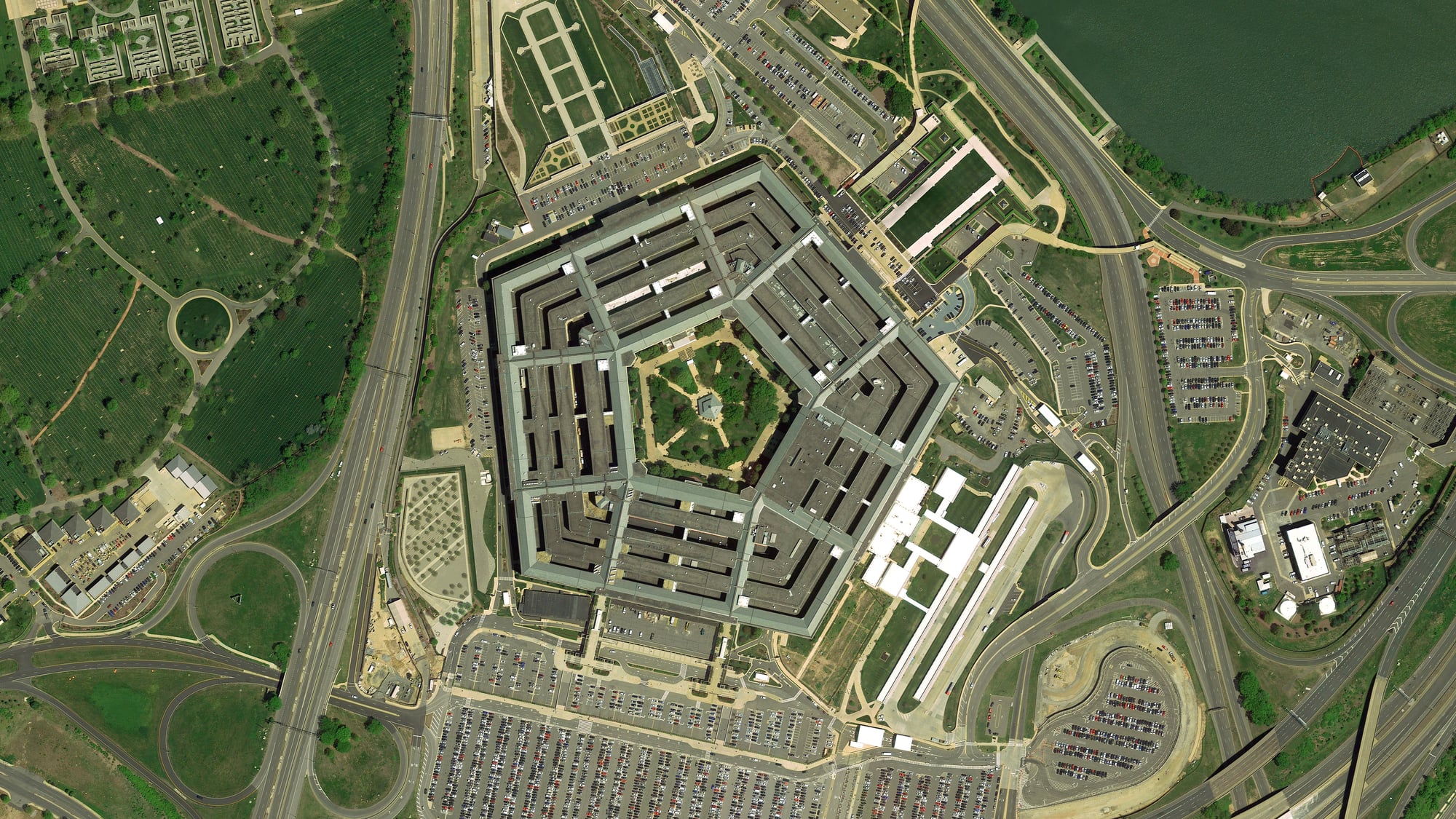
Gayl worked as a civilian military analyst and spent years trying to get better armor for troops in Iraq and Afghanistan. His reports showed that bureaucratic delays were costing lives — soldiers were dying because the Pentagon was taking too long to approve equipment that could save them.
The military responded by revoking his security clearance and transferring him to meaningless assignments. The equipment delays he documented continued.
Sibel Edmonds
Edmonds was an FBI translator who discovered evidence of foreign espionage, drug trafficking, and corruption within the bureau. When she reported her findings to supervisors, they ignored her.
When she persisted, they fired her. The government invoked the state secrets privilege to prevent her from talking publicly about what she had discovered.
She spent years fighting in court just for the right to tell her story.
Antonio Gonzalez
Gonzalez worked for the Department of Homeland Security and discovered that the agency was violating federal laws governing background investigations. He reported the violations through official channels and was promptly fired.
His attempts to appeal his termination were blocked by the same officials he had accused. The legal violations he exposed were never addressed.
Rick Piltz
Piltz worked for the U.S. Climate Change Science Program and discovered that White House officials were editing scientific reports to downplay the risks of global warming. He leaked documents showing how political appointees were systematically altering scientific findings.
After his revelations became public, he was forced to resign. The climate science editing he exposed continued under different administrations.
Linda Tripp
Tripp recorded phone conversations with Monica Lewinsky and turned them over to independent counsel Kenneth Starr. The recordings ultimately led to President Clinton’s impeachment.
Tripp was transferred to a different job, faced death threats, and was prosecuted in Maryland for illegally recording the conversations (though charges were later dropped). She became a national pariah, vilified by Clinton supporters and used by his enemies.
Ernest Fitzgerald
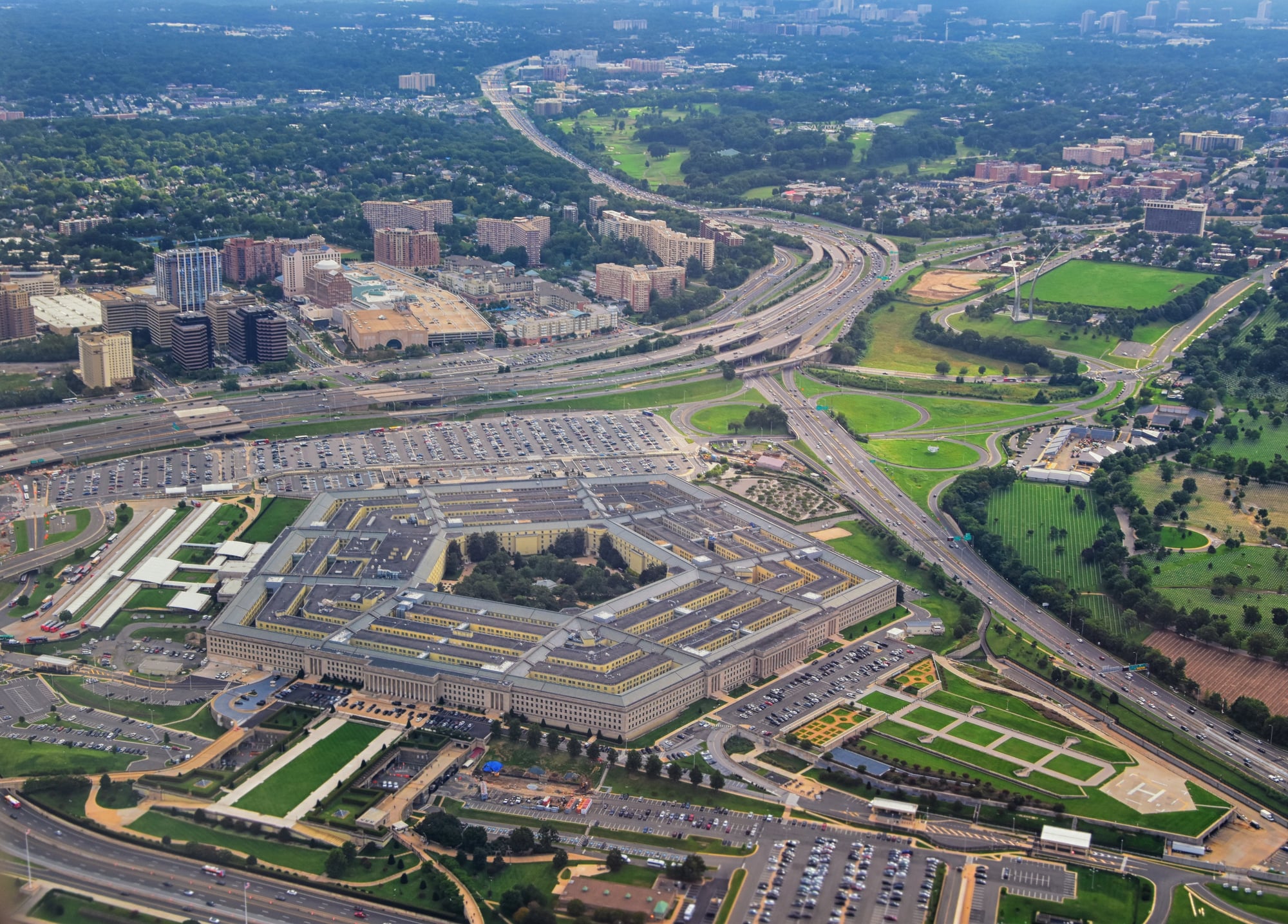
Fitzgerald was a Pentagon cost analyst who testified before Congress in 1968 about massive cost overruns in military contracts. The Air Force eliminated his job in retaliation.
He spent years fighting in court to get reinstated and won, but his career never recovered. The weapons procurement problems he exposed continued for decades.
Frank Grevil
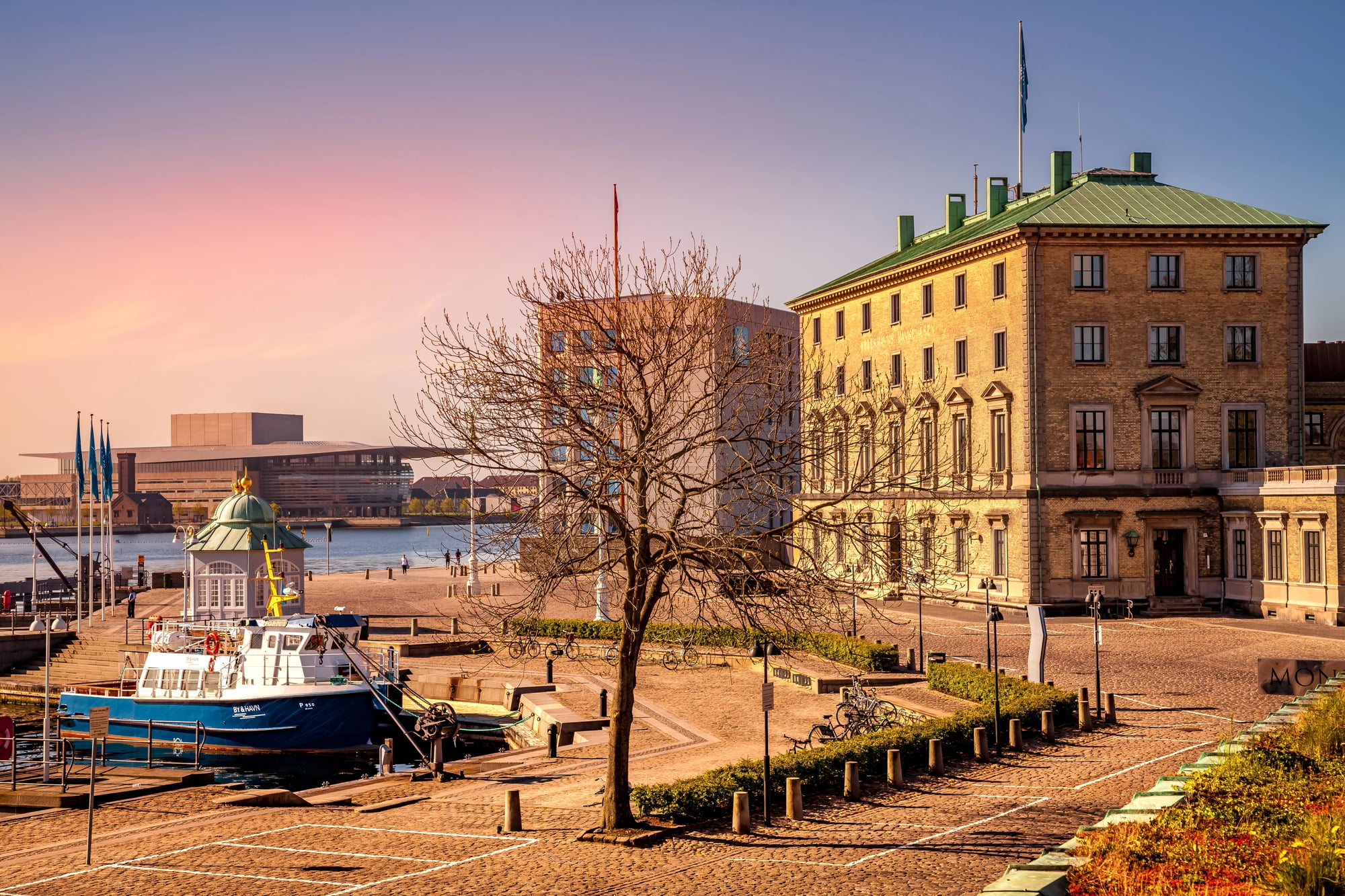
Grevil was a Danish military intelligence officer who leaked documents showing that the Danish government knew there were no weapons of mass destruction in Iraq before joining the U.S. invasion. He was sentenced to four months in prison for revealing state secrets.
The intelligence he leaked proved accurate — no weapons of mass destruction were ever found in Iraq.
Katharine Gun
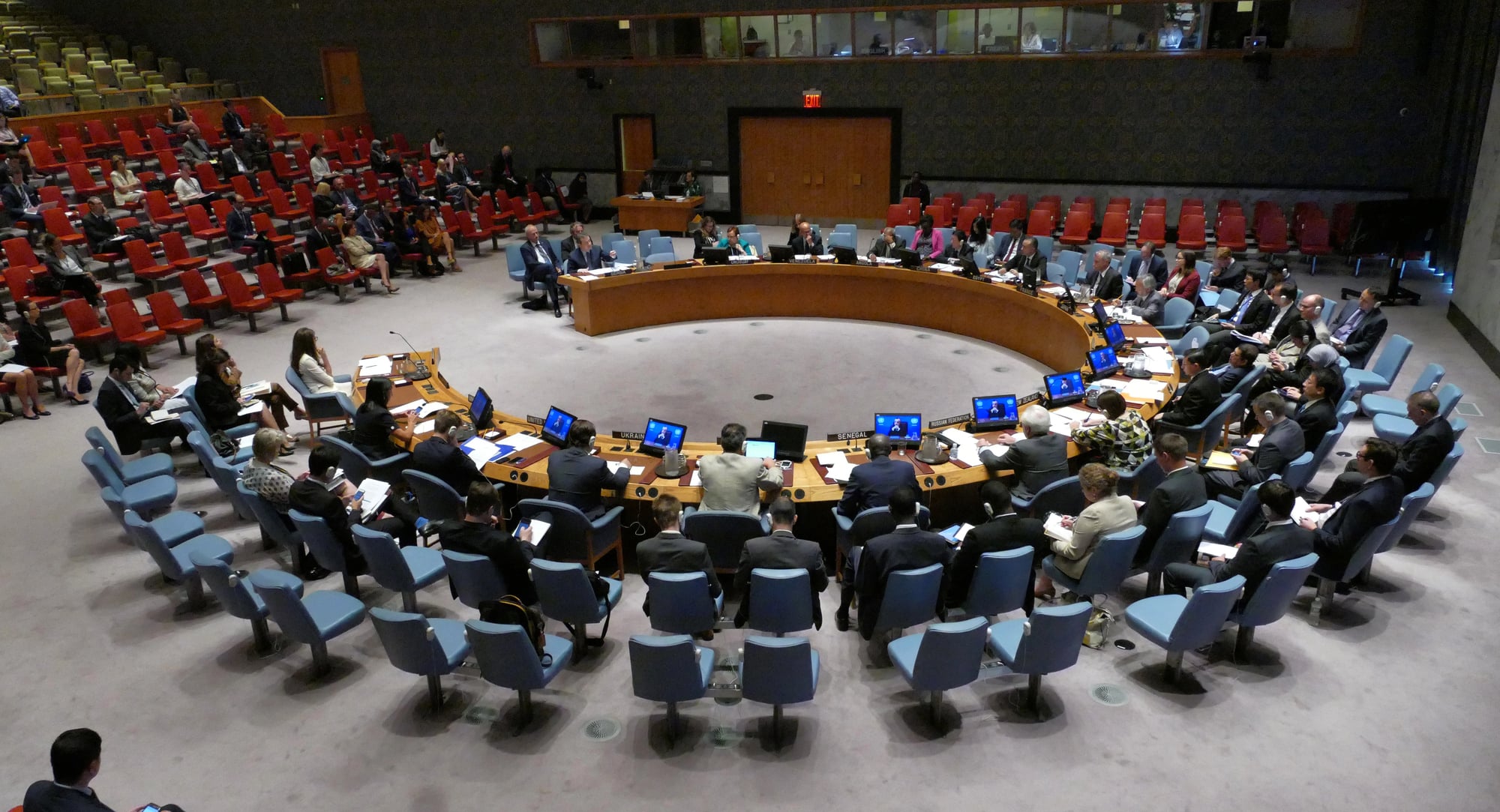
Gun worked for British intelligence and leaked a memo revealing that the U.S. was spying on UN Security Council members to gain advantage in the vote authorizing the Iraq War. She was charged under the Official Secrets Act, though charges were eventually dropped when it became clear that her trial would be embarrassing for the government.
Her career in intelligence was over.
Craig Murray
Murray was the British ambassador to Uzbekistan who reported that the Uzbek government was torturing prisoners and that British intelligence was using information obtained through torture. The Foreign Office forced him out of his position and launched a campaign to discredit him.
The torture he exposed continued with British knowledge.
Sherron Watkins
Watkins was an Enron executive who warned CEO Ken Lay about accounting irregularities that would eventually bring down the company. After Enron collapsed, she became known as one of the primary whistleblowers.
But her warnings hadn’t stopped the fraud — they had simply documented it for posterity. Her career in corporate finance was effectively over.
When Truth Comes At A Price
These stories share a common thread that runs deeper than individual courage or personal sacrifice. They reveal how institutions — whether government agencies, corporations, or other power structures — have developed sophisticated methods for punishing dissent while maintaining plausible deniability.
The whistleblower gets isolated, discredited, or destroyed, but the system that produced the wrongdoing often continues unchanged. What makes these cases particularly troubling isn’t just the personal cost to the individuals involved, but how rarely their sacrifices produced the changes they sought.
Some exposed wrongdoing that everyone already suspected. Others revealed problems that were quietly acknowledged and then ignored.
A few triggered reforms that were later reversed or circumvented. The pattern suggests that speaking truth to power is necessary but not sufficient — and that the people willing to pay the price for doing so deserve better protection than they typically receive.
More from Go2Tutors!

- The Romanov Crown Jewels and Their Tragic Fate
- 13 Historical Mysteries That Science Still Can’t Solve
- Famous Hoaxes That Fooled the World for Years
- 15 Child Stars with Tragic Adult Lives
- 16 Famous Jewelry Pieces in History
Like Go2Tutors’s content? Follow us on MSN.