Outlawed Religions Throughout History That Survived Underground for Generations
Throughout history, some of the world’s most enduring spiritual movements have been the ones forced into hiding. When emperors issued decrees, kings signed edicts, and governments passed laws declaring certain beliefs illegal, something curious happened. Rather than disappearing, these faiths often grew stronger in the shadows, passed down through whispered prayers, secret symbols, and clandestine gatherings that could mean life or death for those who participated.
The story of underground religion reveals something profound about human nature—the way belief systems adapt, evolve, and persist even under the most brutal persecution. These weren’t just abstract theological debates playing out in academic circles. Real families risked everything to preserve traditions, often developing elaborate codes and hidden practices that allowed their faith to survive for centuries beneath the surface of officially sanctioned religion.
Early Christianity

The catacombs tell the story better than any history book. Christians spent nearly three centuries practicing their faith in secret, developing an entire underground infrastructure that stretched across the Roman Empire.
They carved symbols into stone, held communion in private homes, and created networks that could smuggle believers from one safe house to another. The early Church didn’t just survive persecution—it was shaped by it.
The emphasis on martyrdom, the tight-knit community bonds, and the symbolic language that still appears in Christian art today all emerged from those dangerous years when a fish scratched in the dirt could identify friend from foe.
Japanese Christianity
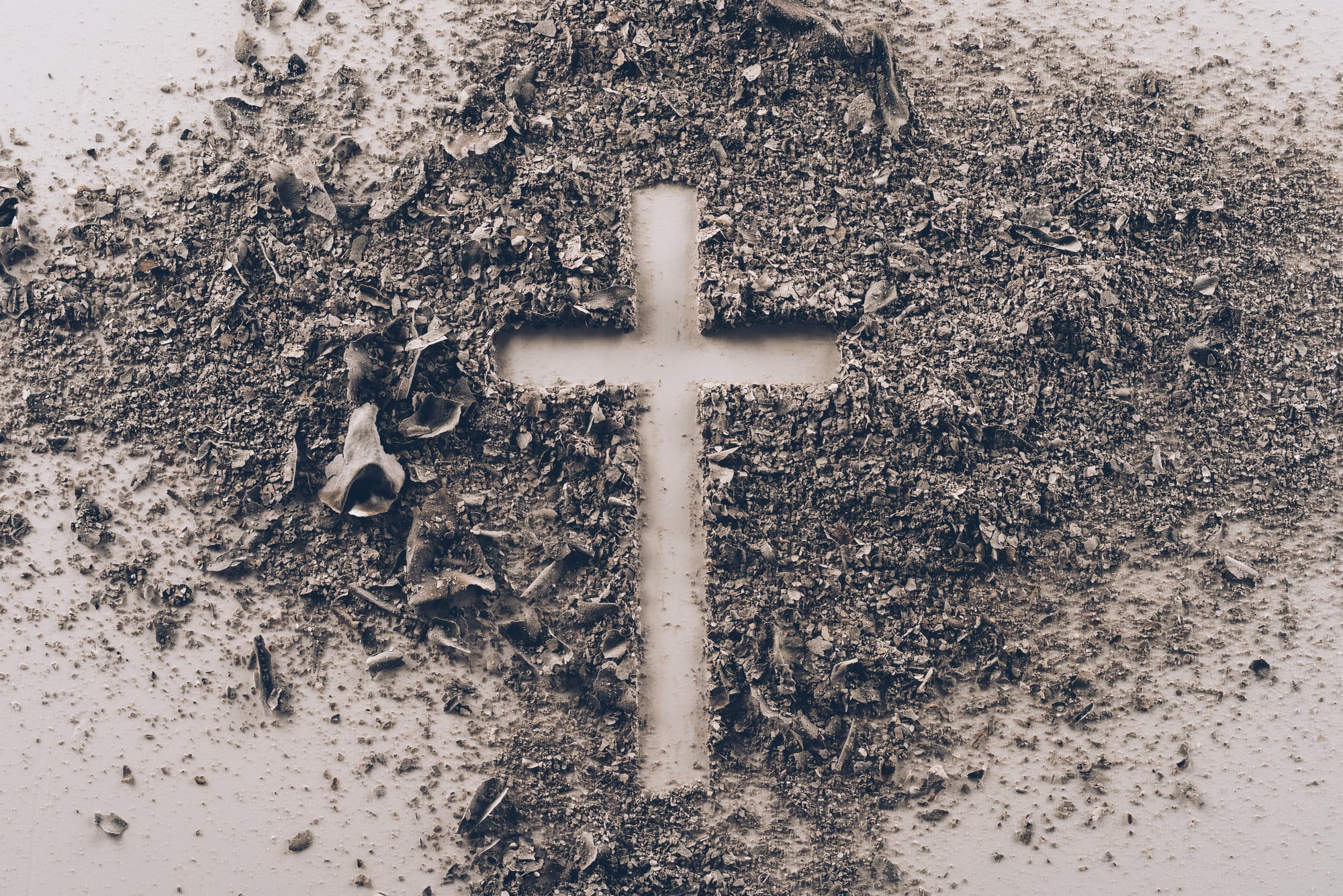
When the Tokugawa shogunate banned Christianity in 1614, they thought they’d solved their foreign influence problem. What they actually created was one of the most sophisticated underground religious movements in history—a faith that would survive in complete isolation for over 250 years, evolving in ways that would have been unrecognizable to the original Portuguese missionaries who brought it to Japan.
The Kakure Kirishitan (hidden Christians) developed an entire parallel religious system that looked perfectly Buddhist or Shinto from the outside, but when you examined the details closely (and you had to know exactly what to look for), the Christian symbolism was everywhere: Buddhist statues with Christian poses, Shinto shrines with crosses worked subtly into the architecture, and prayers that sounded like traditional Japanese chants but told the story of Jesus in carefully disguised language.
Some families passed down Portuguese religious terms for centuries without anyone in the bloodline speaking a word of Portuguese—the sounds had become sacred in themselves, divorced from their original meaning but carrying the weight of faith across generations.
And here’s the remarkable part: when Japan opened up in the 1850s and Catholic missionaries returned, they discovered these hidden communities still practicing, still believing, still maintaining a version of Christianity that had evolved in complete isolation for longer than the United States has existed as a country.
Manichaeism
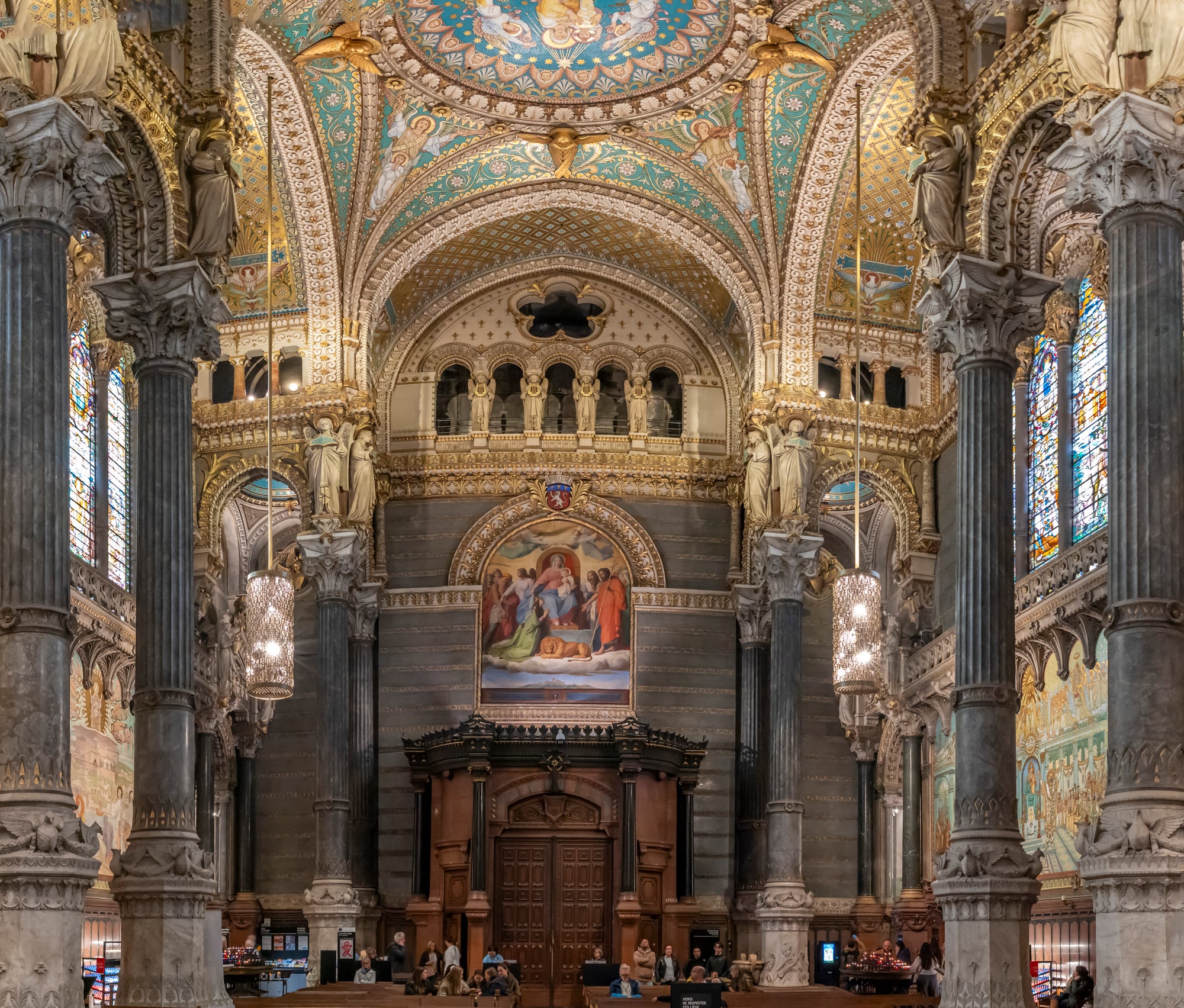
Mani’s religion spread faster and farther than almost any faith in ancient history, reaching from Spain to China before most people had even heard of it. But that success made it a target for everyone—Christians saw it as heresy, Zoroastrians viewed it as competition, and Islamic rulers considered it a threat to orthodoxy.
So Manichaeism went underground, and it got very good at staying there. The faith developed multiple layers of teaching—public doctrines that sounded acceptable to whatever authority happened to be in charge, and deeper mysteries reserved for initiates who had proven they could keep secrets.
For over a thousand years, Manichaean communities survived by becoming masters of religious camouflage, adapting their outward appearance to local customs while preserving their core beliefs in hidden texts and private rituals.
Druze Faith

The mountains of Lebanon and Syria have always been good places to disappear, and that’s exactly what happened when the Druze faith emerged in the 11th century and immediately found itself surrounded by hostile neighbors who considered it blasphemous. Rather than fight an unwinnable war, the early Druze communities made a different choice: they closed their doors to converts, developed elaborate secrecy protocols, and settled into mountain villages where they could practice their beliefs away from outside interference.
What makes the Druze remarkable isn’t just that they survived—it’s how completely they managed to preserve their religious knowledge despite centuries of external pressure. The faith developed a system where only certain initiated members could access the deeper theological teachings, while others participated in the community and cultural practices without necessarily knowing the full doctrinal details.
This created multiple layers of belonging and protection: even if authorities captured and interrogated community members, most genuinely couldn’t reveal secrets they had never been taught. The initiated class, meanwhile, developed methods for transmitting complex religious and philosophical texts across generations, maintaining libraries and educational systems that operated invisibly within what appeared to outsiders as simple mountain farming communities.
Cathars
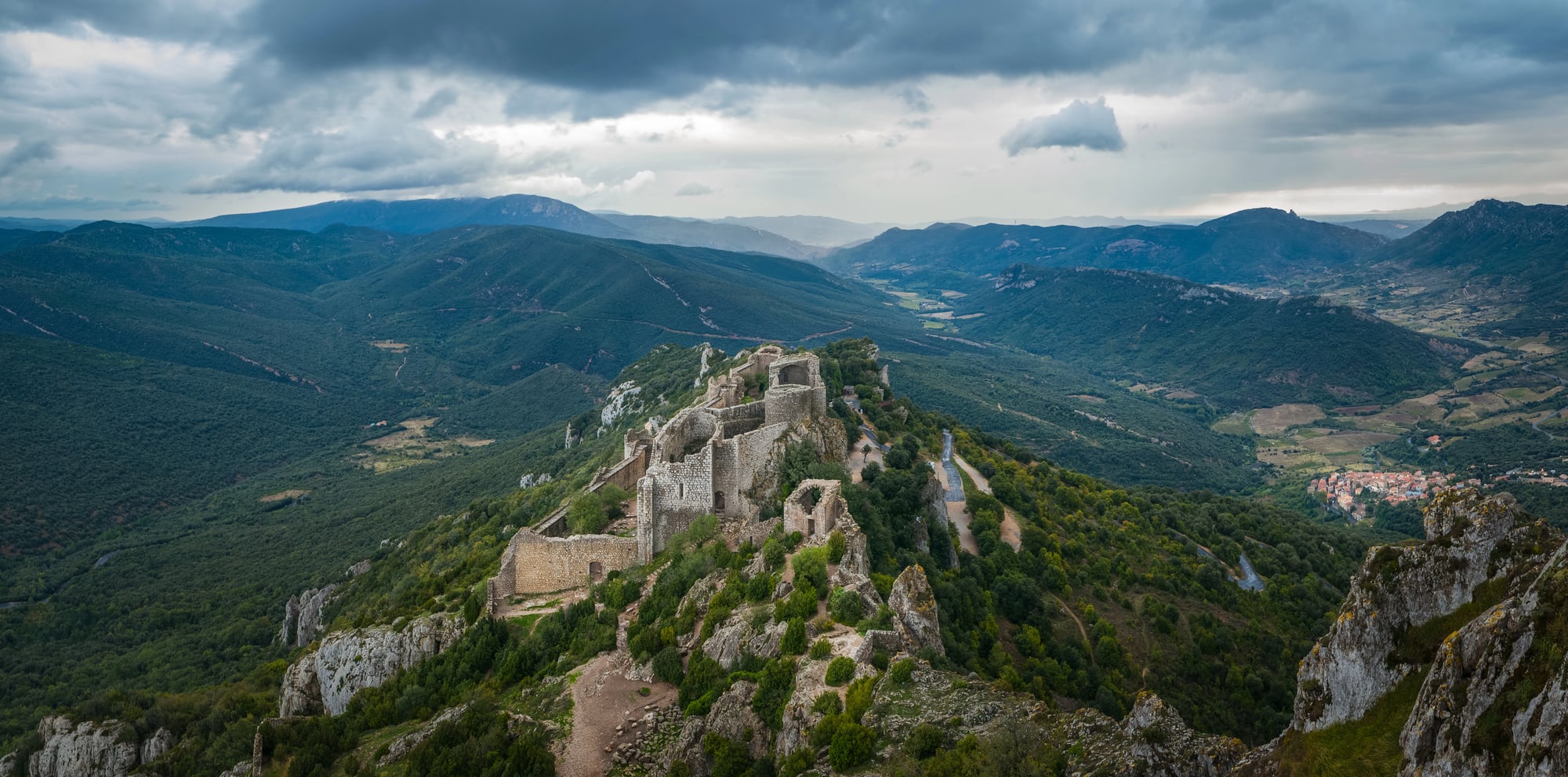
The Albigensian Crusade was supposed to end the Cathar problem once and for all. Twenty years of warfare, systematic massacres, and the full weight of both papal and royal authority turned against a religious movement that had grown powerful enough to threaten orthodox Christianity across southern France.
But the Cathars had deep roots in communities that valued independence, and when the crusaders arrived, many believers simply faded into the countryside. They developed networks of safe houses, coded communication systems, and traveling preachers that could move through hostile territory by disguising themselves as merchants or pilgrims.
For generations after the “official” end of Catharism, inquisition records show a steady stream of trials against people caught practicing the forbidden faith—evidence that the movement continued underground long after history books declared it extinct.
Celtic Paganism

Christianity didn’t replace Celtic religion overnight—that process took centuries, and it was never quite as complete as church authorities liked to claim. In remote areas of Ireland, Scotland, Wales, and Brittany, older practices persisted alongside the new faith, sometimes blending so thoroughly that the line between Christian and pagan became meaningless.
Celtic festivals transformed into Christian holidays but kept their essential character. Sacred groves became church sites, but people continued leaving offerings in the old way.
Druids disappeared, but their knowledge lived on in storytellers and healers who carried forward traditions that were old when the Romans first arrived in Britain. The survival strategy was adaptation rather than resistance—ancient practices wrapped themselves in Christian language and imagery, becoming so thoroughly integrated with official religion that separating them became impossible.
Mandeanism
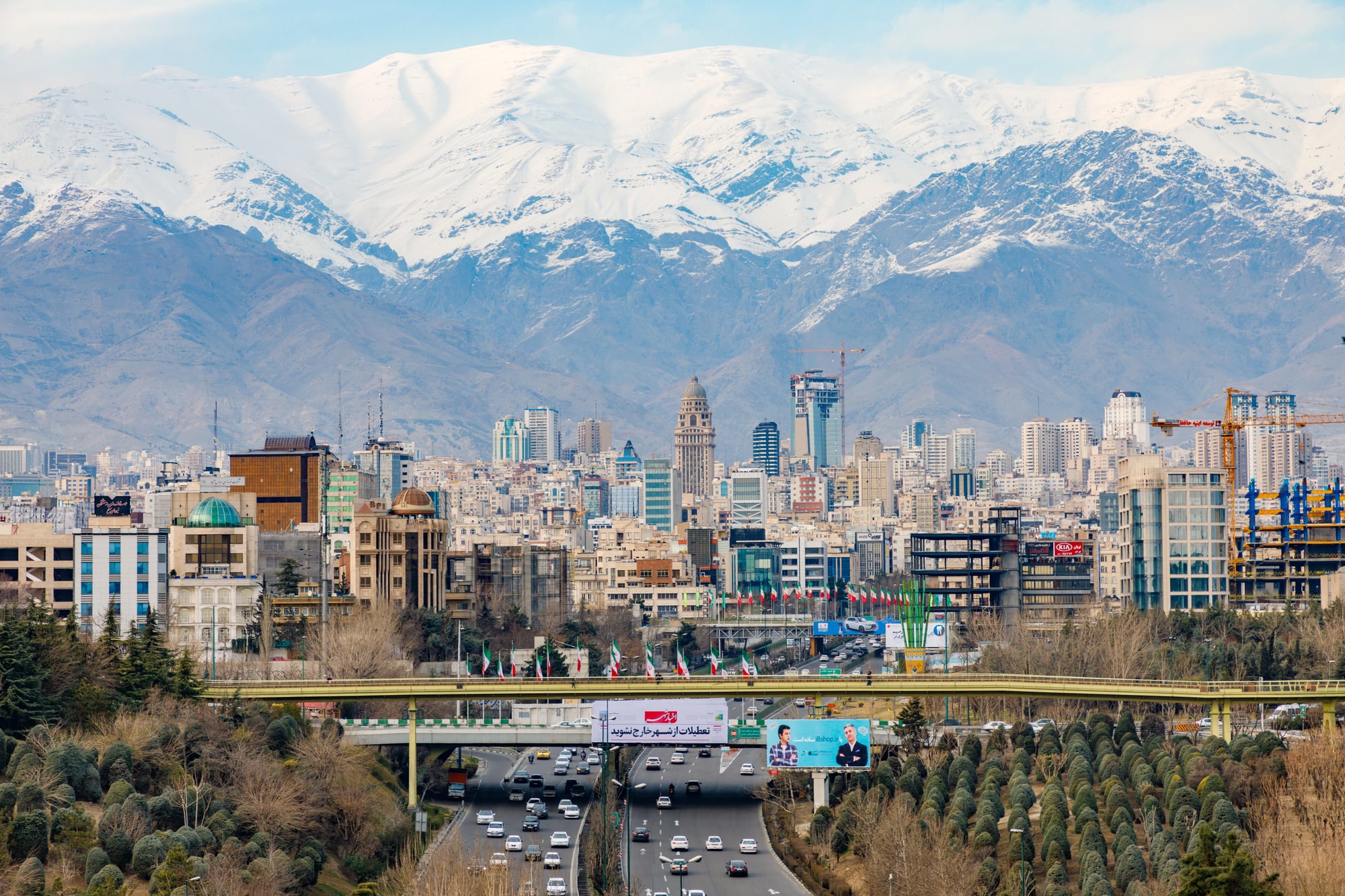
The Mandeans have been called the world’s oldest surviving Gnostic religion, and they’ve managed that survival by becoming experts at keeping their heads down. Centered primarily in Iraq and Iran, they’ve spent over a millennium navigating between larger religious and political powers that didn’t quite know what to make of them.
Their salvation came through a combination of geographic isolation—many communities were located in marshlands that were difficult to reach and control—and careful political neutrality. Mandeans developed a reputation as skilled artisans, particularly metalworkers and boat builders, making them valuable to whatever authority happened to be in charge.
This economic niche provided protection while their remote locations allowed them to maintain religious practices that might have attracted unwanted attention in more visible settings.
Yazidis

Mount Sinjar isn’t just a geographic landmark—it’s been a fortress for one of the world’s most persistently misunderstood religions, and that misunderstanding has been both curse and protection for the Yazidi community. Because their beliefs incorporate elements from multiple traditions and include reverence for figures that other religions view with suspicion, Yazidis have faced repeated accusations of devil worship and heresy from both Islamic and Christian authorities.
The community’s response was to retreat into geographic and cultural isolation, developing a tight-knit society centered around specific sacred sites that were difficult to reach and easier to defend. For over a thousand years, Yazidi religious practices were maintained through oral tradition and family-based teaching systems that kept doctrinal knowledge within trusted networks.
The faith developed strict endogamy—marriage only within the community—and elaborate secrecy protocols that protected religious knowledge while maintaining enough cultural flexibility to coexist with whatever political authority controlled the broader region. This strategy worked remarkably well until modern warfare and the rise of ISIS brought a level of systematic persecution that even mountain fortresses couldn’t withstand, but by then, Yazidi communities had preserved their traditions through more than a millennium of smaller-scale pressures and periodic violence.
Sufi Orders in Various Regions

Sufism occupies a strange position in Islamic history—simultaneously the heart of the faith’s mystical tradition and a frequent target of orthodox suspicion. This tension forced many Sufi orders underground at various times and places, where they developed some of the most sophisticated methods for preserving and transmitting spiritual knowledge under hostile conditions.
Different orders adapted differently depending on local circumstances. Some became traveling merchants, using trade routes to maintain contact between scattered communities while providing economic cover for religious activities.
Others established themselves as craft guilds, teaching spiritual practices alongside metalworking or weaving techniques. The poetry and music that emerged from these underground periods often used elaborate metaphorical language that could express deep religious ideas in forms that appeared secular to casual observers.
Bogomils
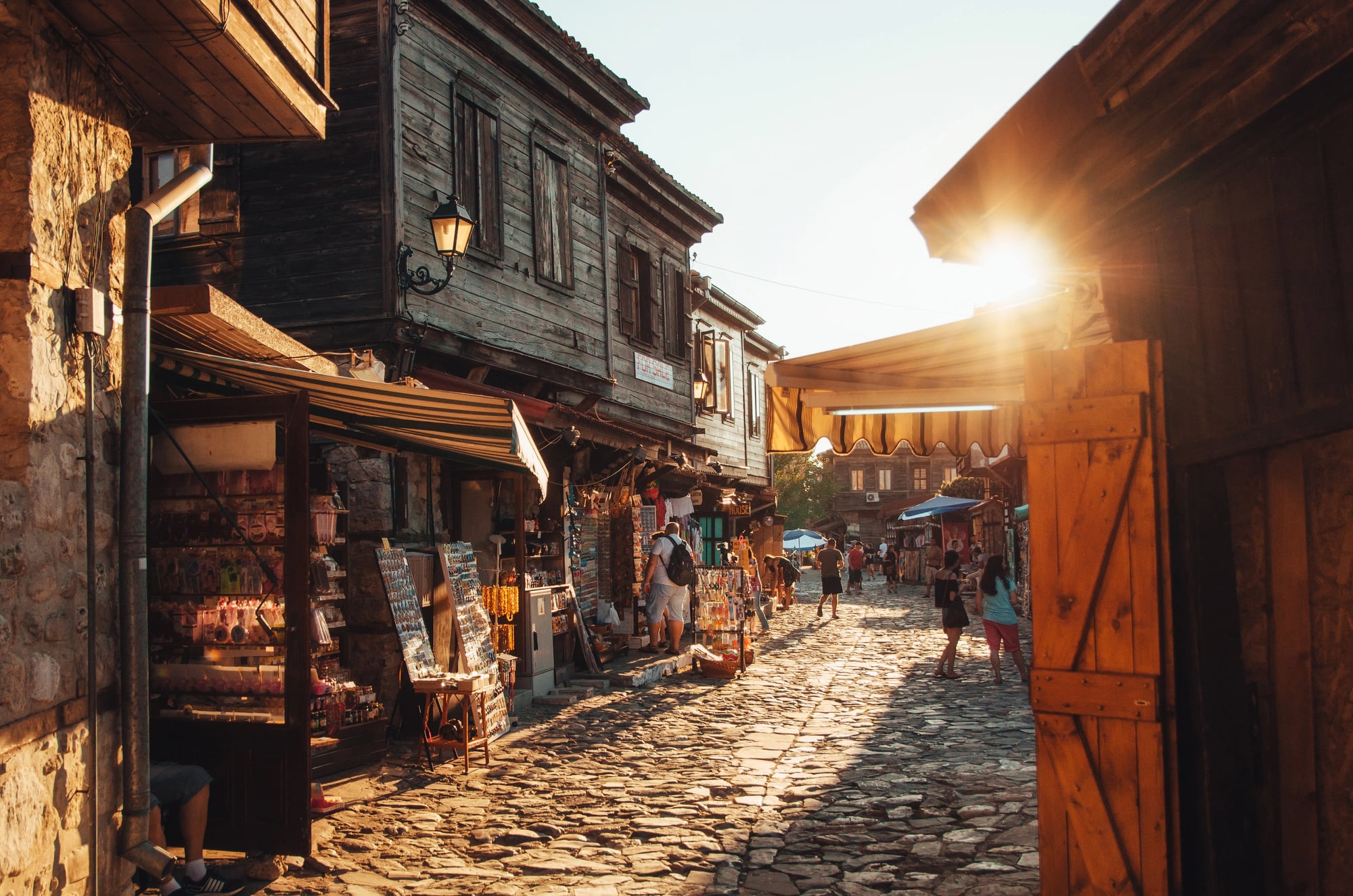
The Bulgarian mountains bred a particular kind of religious independence, and when the Bogomil movement emerged in the 10th century, it found fertile ground among communities that had never been entirely comfortable with either Byzantine orthodoxy or Catholic authority. The faith spread quickly across the Balkans, appealing to people who wanted a more direct spiritual experience than institutional Christianity provided.
When persecution came, Bogomil communities had geography on their side. Mountain villages could be defended, and the rough terrain made systematic suppression difficult.
The movement developed mobile leadership structures and flexible doctrines that could adapt to local conditions. Traveling teachers carried Bogomil ideas across trade routes, establishing communities that could operate independently if communication networks were disrupted.
The faith’s emphasis on simplicity and personal spiritual experience made it easier to practice without elaborate infrastructure or visible religious buildings that might attract unwanted attention.
Waldensians
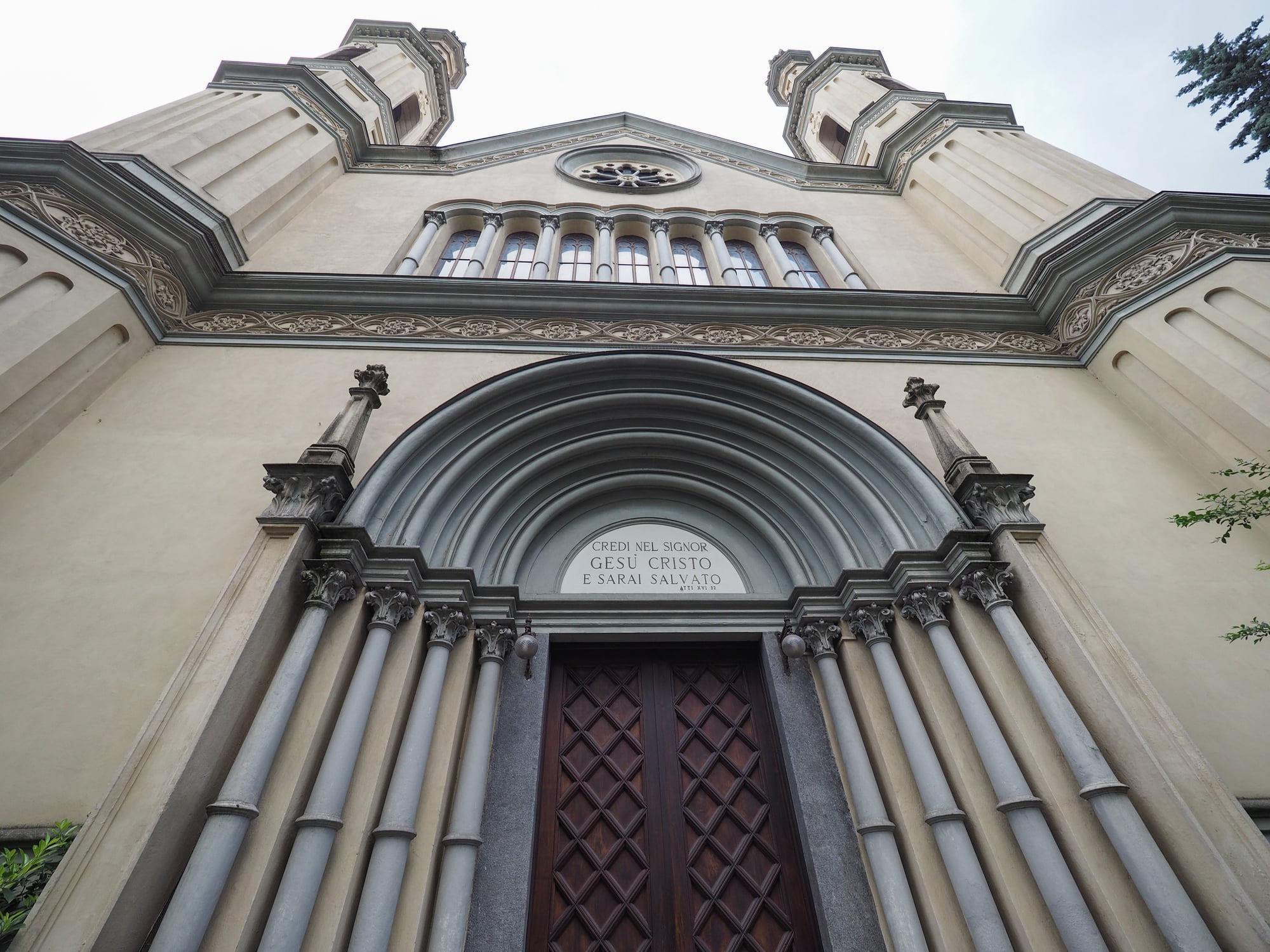
Peter Waldo probably didn’t expect his call for apostolic poverty and biblical literacy to create a religious movement that would survive eight centuries of persecution, but that’s exactly what happened. When the Catholic Church declared the Waldensians heretical in the late 12th century, the movement faced a choice: submit to authority or find ways to preserve their beliefs underground.
They chose resistance, and they got remarkably good at it. Waldensian communities in the Alps developed networks that could hide traveling preachers, smuggle religious texts, and maintain communication across hostile territory.
They became experts at appearing orthodox while preserving their actual beliefs for private practice. Children learned to recite Catholic prayers in public and Waldensian teachings at home.
The movement created an entire shadow church structure that operated parallel to official Catholic authority, complete with its own educational systems and methods for training and ordaining ministers.
Zoroastrianism in Islamic Territories
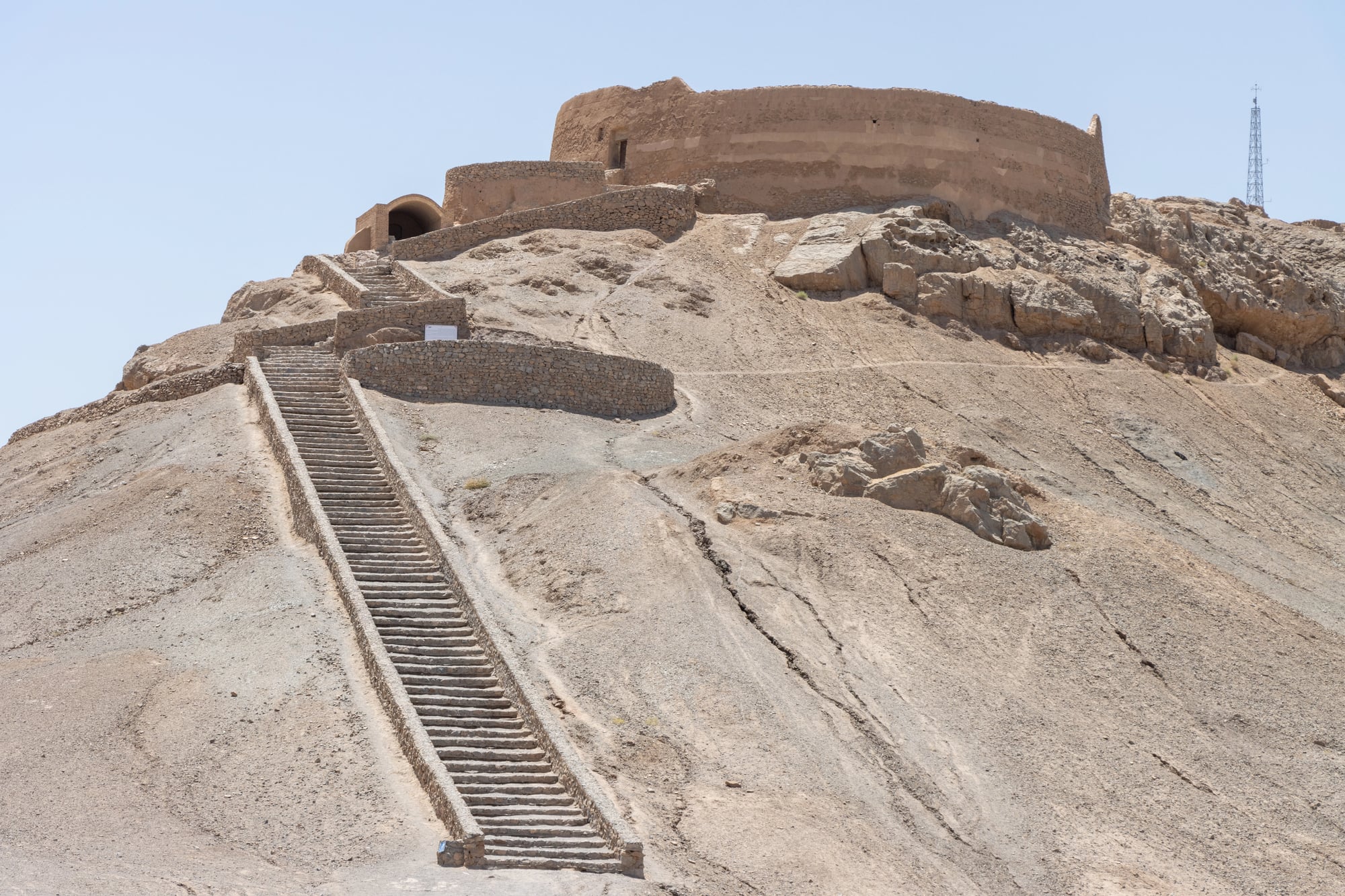
When Arab armies conquered Persia in the 7th century, Zoroastrianism faced the choice that would define its survival strategy for the next millennium: convert, pay the special tax imposed on religious minorities, or find ways to practice the ancient faith without attracting too much attention from new Islamic authorities.
Many Zoroastrian communities chose a combination of all three approaches. Some members converted publicly while maintaining private devotion to Zoroastrian practices.
Others paid the tax and practiced openly but kept certain ceremonies and teachings within family circles. The faith developed elaborate protocols for preserving religious knowledge and maintaining sacred fires—the central element of Zoroastrian worship—in settings where they might need to be hidden or quickly extinguished if authorities arrived unexpectedly.
Jewish Crypto-Communities

The expulsion of Jews from Spain in 1492 created one of history’s most extensive networks of crypto-religious practice. Thousands of families converted to Christianity publicly while maintaining Jewish practices in secret, developing elaborate systems for observing religious law under conditions where discovery could mean death.
The ingenuity was remarkable: Sabbath candles hidden in basements, kosher food prepared using techniques that wouldn’t arouse suspicion, Hebrew prayers memorized and passed down through generations who couldn’t read Hebrew script.
Families developed codes for identifying other crypto-Jews, methods for secretly observing holidays, and ways to maintain religious education for children who would grow up appearing entirely Christian to outside observers. Some communities maintained these practices for centuries, with knowledge of Jewish identity and tradition passing from parent to child long after the original reasons for secrecy had been forgotten.
Shamanic Traditions in Siberia

Russian expansion into Siberia brought Orthodox Christianity and systematic suppression of indigenous spiritual practices, but the vast distances and harsh climate made complete control impossible. Shamanic traditions survived by adapting to new realities while preserving essential practices in forms that could escape official notice.
Many shamans learned to incorporate Christian symbols and language into their work, creating hybrid practices that satisfied Orthodox authorities while maintaining their core spiritual functions within indigenous communities. Sacred sites were often reidentified as locations of Christian miracles or saint appearances.
Traditional ceremonies were preserved but rescheduled and modified to avoid conflict with Christian holidays and requirements. The oral tradition that preserved shamanic knowledge proved remarkably adaptable—stories, songs, and healing practices could be transmitted across generations even when the elaborate public ceremonies that had once accompanied them were no longer possible.
Concluding Echoes

The history of underground religion reveals something essential about how belief systems actually work when they’re stripped of institutional support and forced to survive on their own merits. These faiths endured not because they were protected by political power or backed by military force, but because they offered something valuable enough that ordinary people were willing to risk everything to preserve it.
What emerges from these stories isn’t just a catalog of persecution and survival, but a different way of understanding how spiritual traditions adapt and evolve under pressure. The elaborate secrecy protocols, the coded languages, the hybrid practices that allowed forbidden beliefs to hide inside acceptable ones—these weren’t just survival tactics.
They became part of the faith itself, creating forms of religious experience that were deeper and more personal than what most institutional religions could offer. In the end, the very forces that tried to destroy these movements often made them stronger, more flexible, and more enduring than they might have been if left alone.
More from Go2Tutors!

- The Romanov Crown Jewels and Their Tragic Fate
- 13 Historical Mysteries That Science Still Can’t Solve
- Famous Hoaxes That Fooled the World for Years
- 15 Child Stars with Tragic Adult Lives
- 16 Famous Jewelry Pieces in History
Like Go2Tutors’s content? Follow us on MSN.