26 Board Games with Rules Almost Everyone Plays Wrong Without Realizing It
Board game nights are supposed to be fun, but they often turn into heated debates over rules nobody actually knows. Most families have been playing their favorite games wrong for years, passing down incorrect interpretations like questionable family recipes.
The worst part? Everyone’s absolutely convinced they’re doing it right.
Monopoly
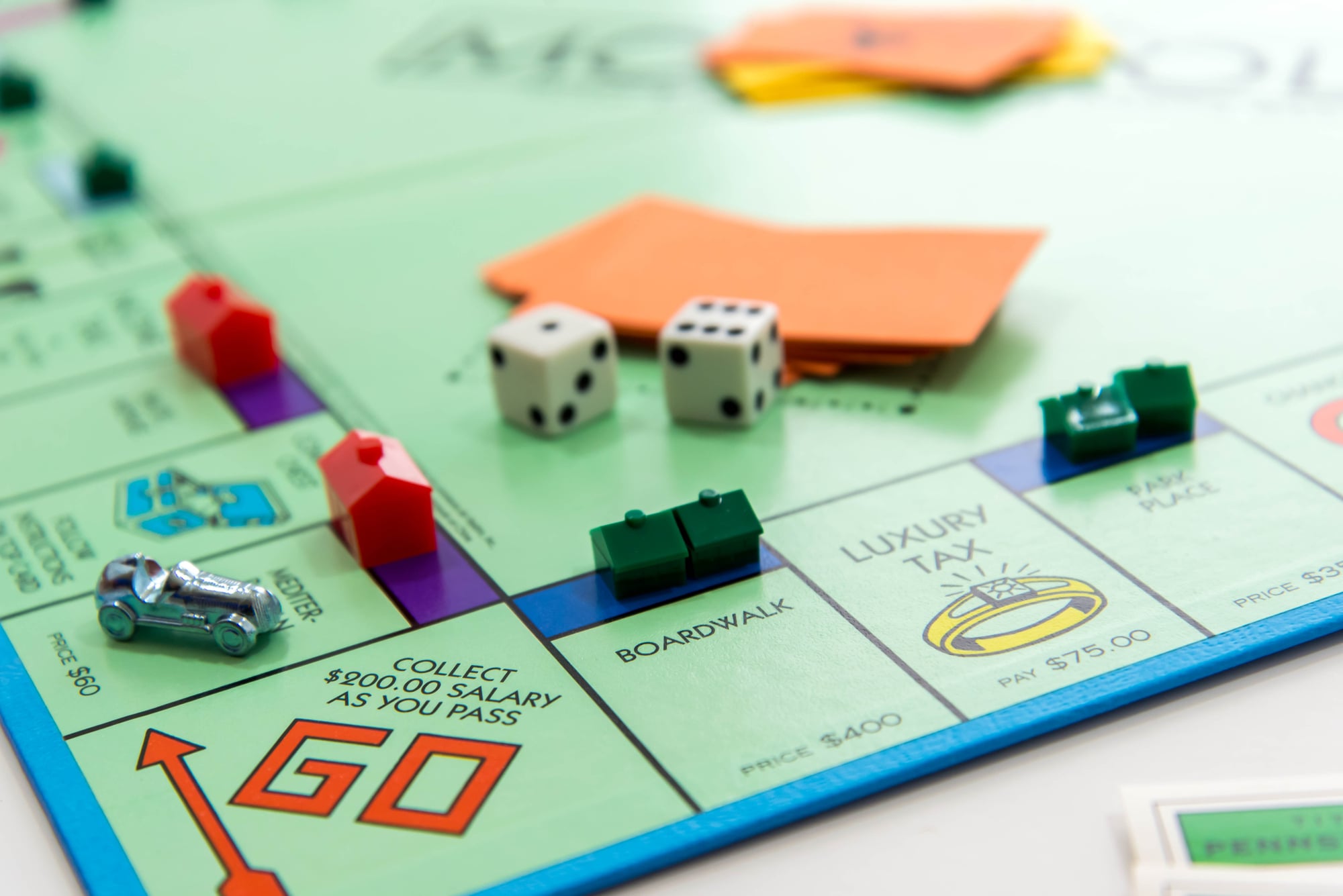
The biggest mistake people make with Monopoly is treating it like a leisurely Sunday drive instead of the cutthroat real estate simulation it was designed to be. When someone lands on a property and doesn’t buy it, that property goes up for auction immediately — not back into the bank’s inventory for later.
Every other player can bid on it, often for much less than the listed price.
Most families skip this rule entirely (which explains why their Monopoly games drag on for six hours instead of wrapping up in 90 minutes like Parker Brothers intended). And here’s another shocker: you can collect rent while you’re in jail.
Being imprisoned doesn’t make you broke — it just makes you stationary.
UNO
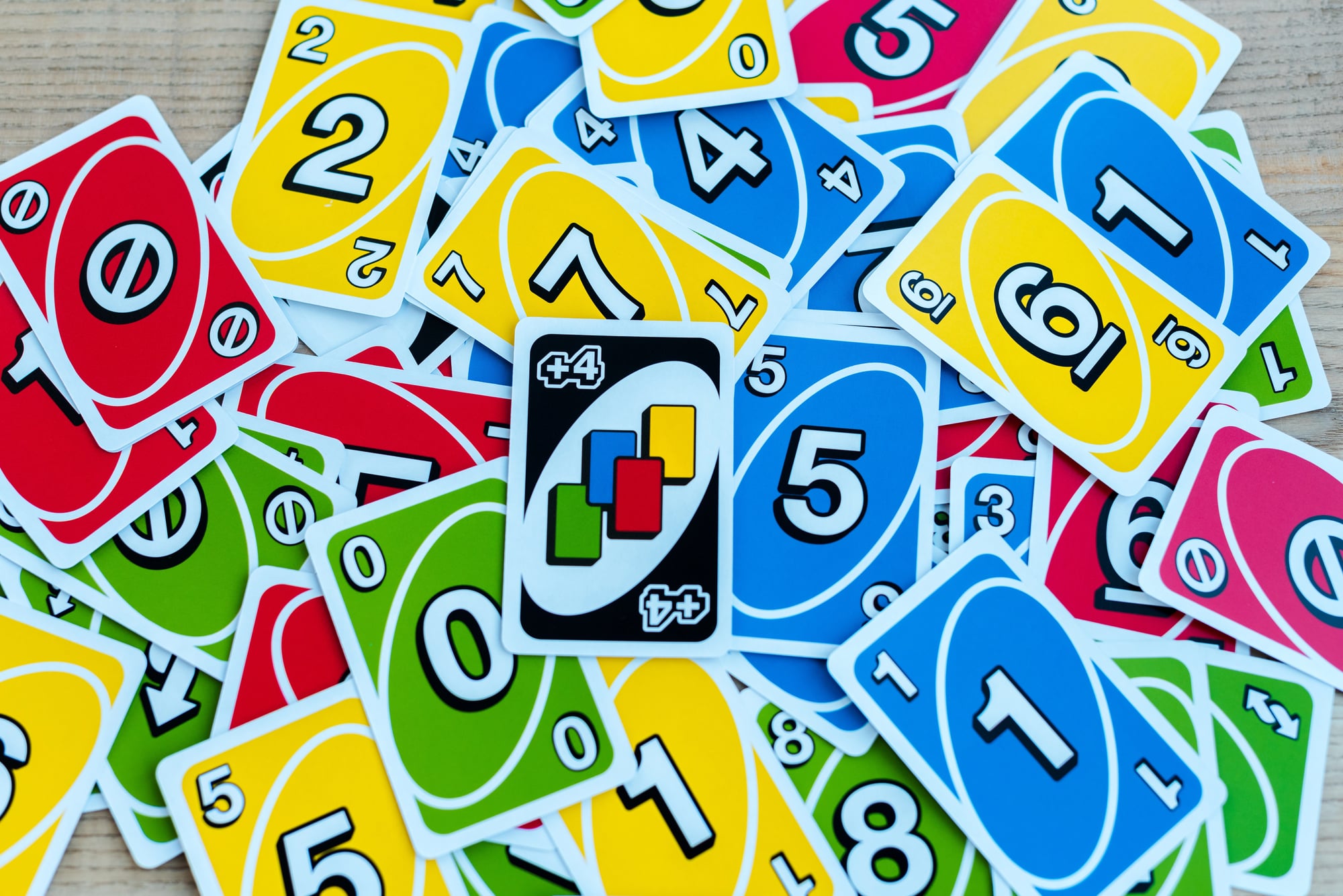
UNO has become the wild west of house rules, but the official version is stricter than most people realize. You cannot stack Draw Two and Draw Four cards to pass the penalty to the next player — that’s a popular house rule, but it’s not in the actual rulebook.
When someone plays a Draw Two, the next player draws two cards and loses their turn, period.
The Draw Four Wild card can only be played when you have no other cards that match the current color. If someone challenges your Draw Four and you’re caught cheating, you draw four cards instead of them.
Most people treat Draw Fours like a nuclear option they can deploy whenever things get desperate.
Scrabble
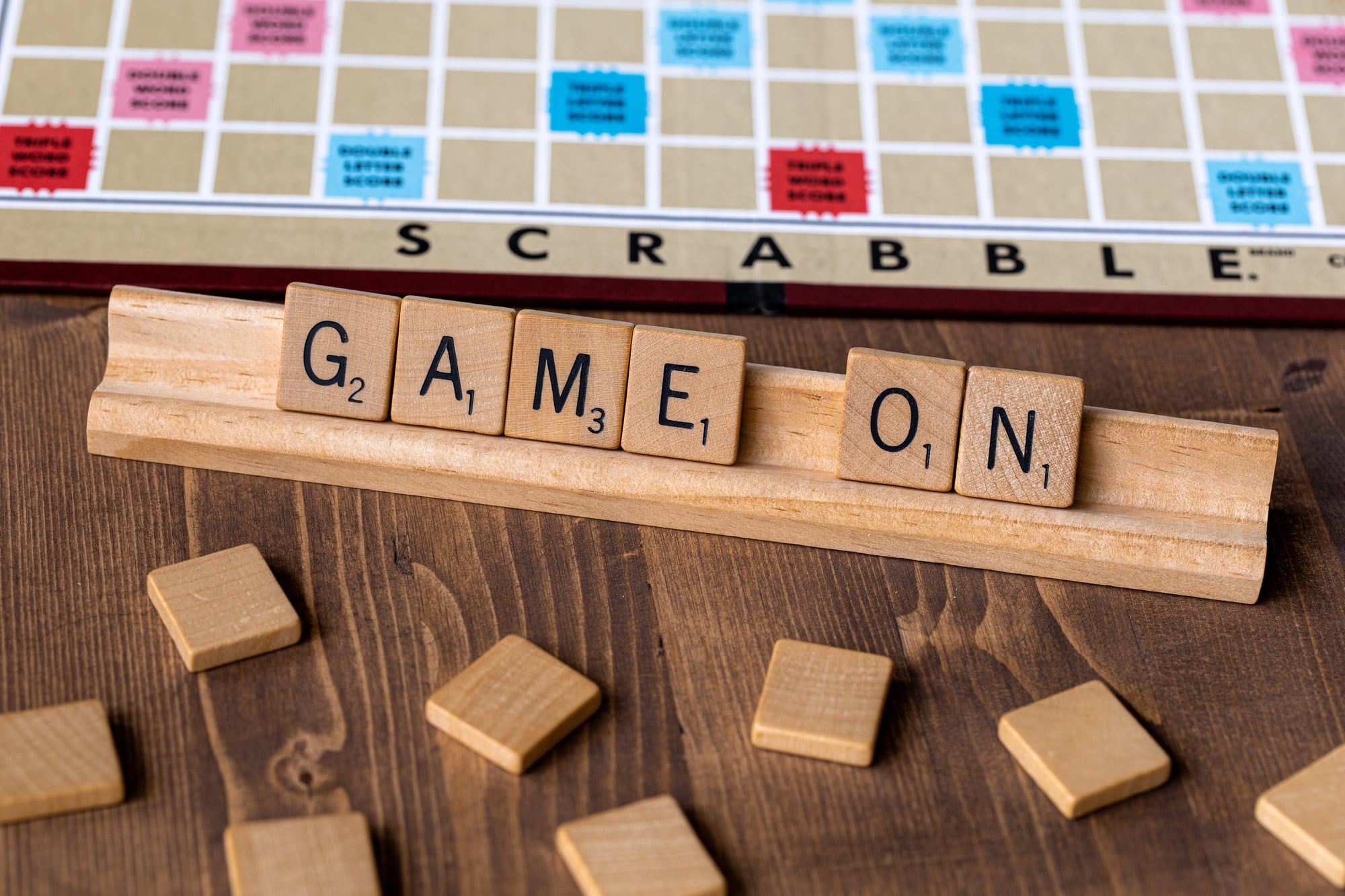
Scrabble players consistently mess up the scoring in ways that would make word purists weep. When you play a word that covers multiple premium squares — like a double letter score and a triple word score — you apply the letter multiplier first, then the word multiplier.
Most people do it backwards or apply word multipliers multiple times.
The blank tiles stay blank for the entire game once you assign them a letter. You can’t change what letter a blank represents later, even if it would help you spell something better.
And those premium squares? They only count the first time someone plays a tile on them.
Clue
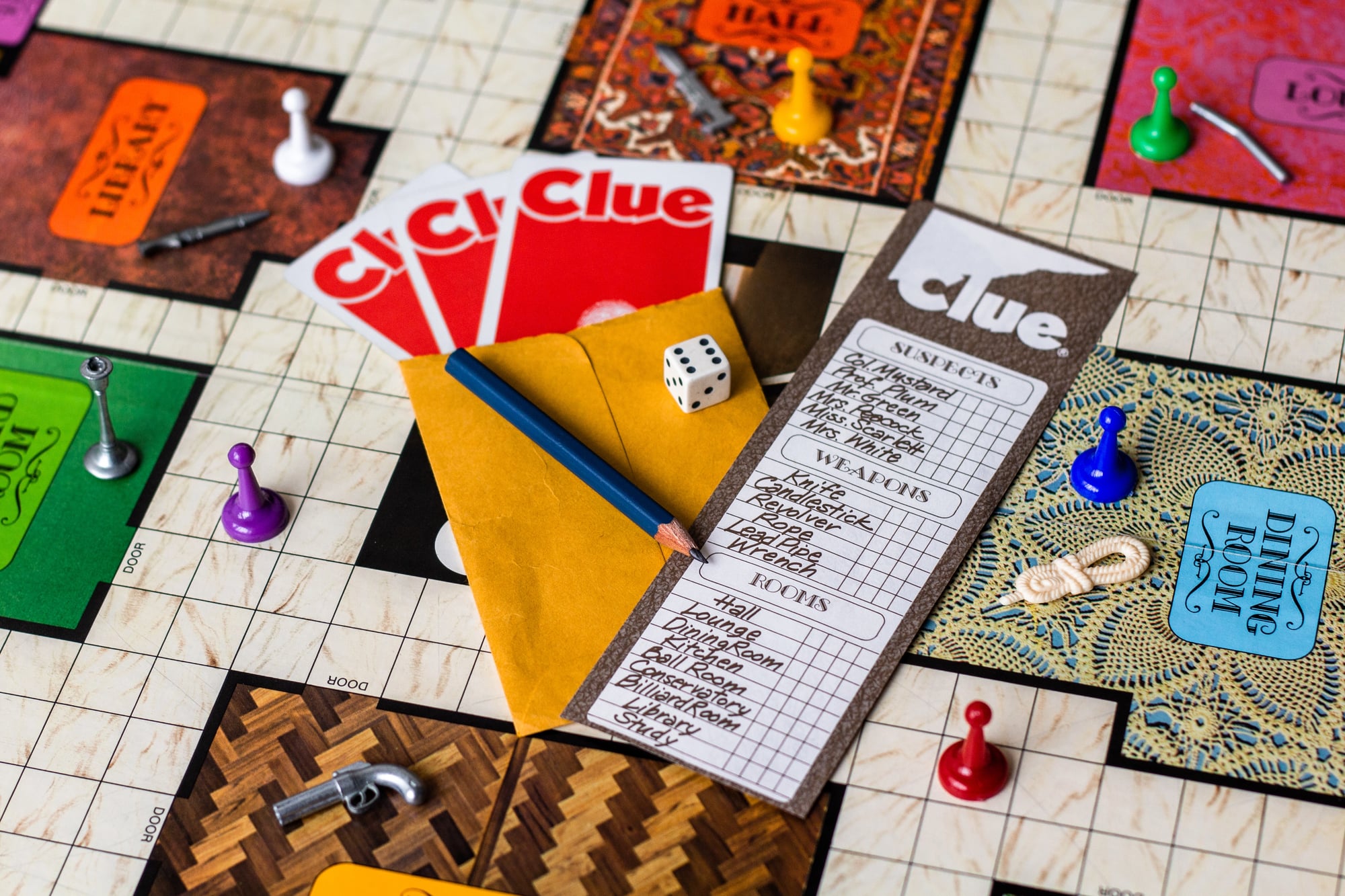
The suggestion system in Clue trips up more players than Colonel Mustard with a candlestick. When you make a suggestion, you must move the suggested character’s piece to the room you’re in — even if it’s another player’s piece.
This isn’t optional, and that player doesn’t get to refuse the relocation.
Players also forget that suggestions and accusations are completely different beasts. You can make suggestions all game long without penalty, but you only get one accusation.
Blow it, and you’re out of the game entirely, relegated to just moving pieces around when other players make suggestions.
Risk
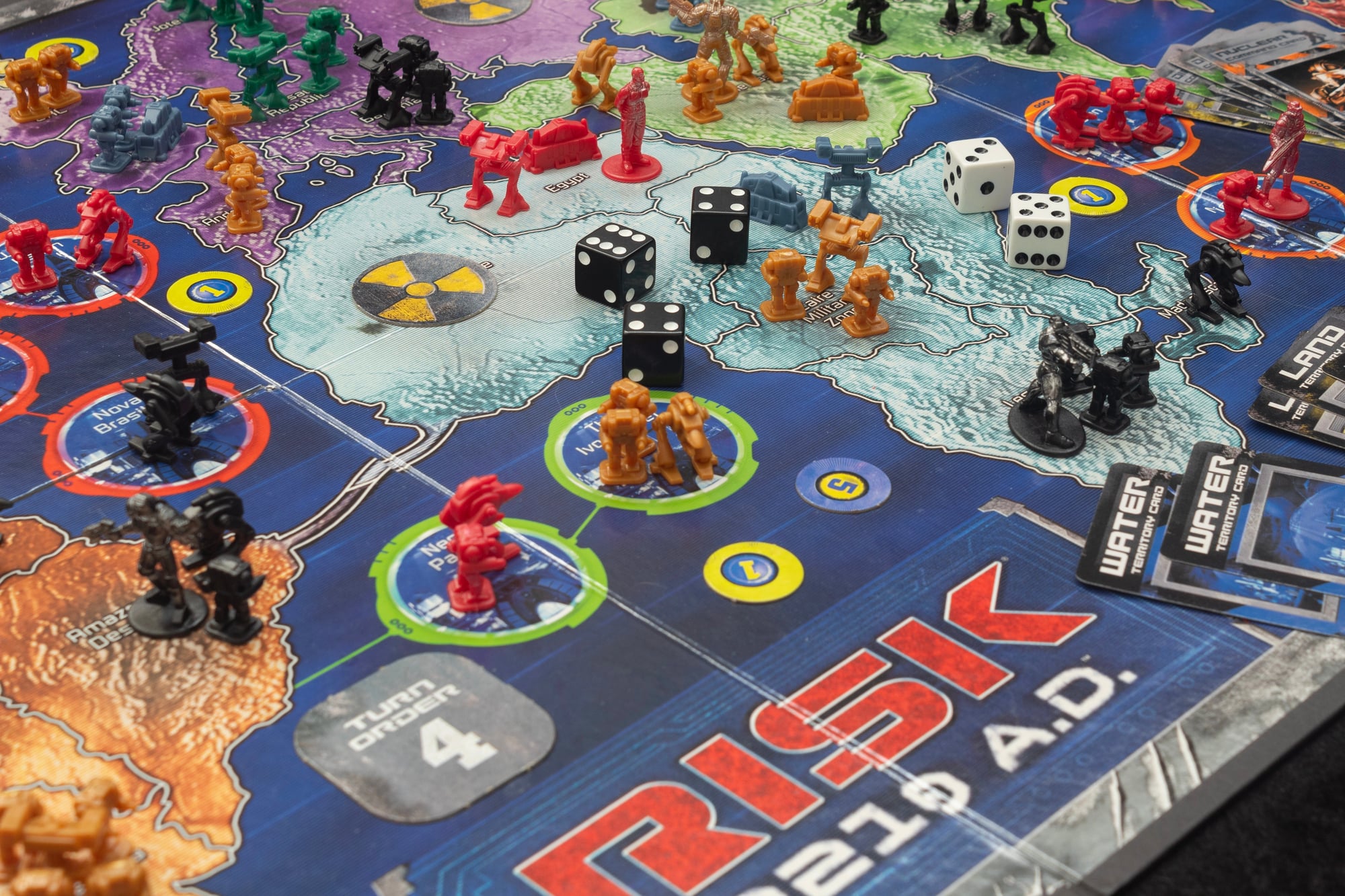
Risk players love to argue about dice, but the rules around combat are actually pretty straightforward — and most people ignore half of them. The attacker can use up to three dice (but must have at least two armies in the attacking territory), while the defender gets a maximum of two dice.
You compare the highest dice first, then the second highest if both players rolled multiple dice.
Here’s what people miss: ties always go to the defender. If both players roll a four, the defender wins.
Also, you must attack with at least one army remaining in your territory — you can’t leave a territory completely empty just to maximize your attack dice.
Yahtzee
Yahtzee scorekeeping becomes creative writing for most families, but the upper section bonus rule is non-negotiable (even though everyone treats it like a suggestion). Score 63 or more points in the upper section — ones through sixes — and you get an automatic 35-point bonus.
This means you need an average of 10.5 points per category, which translates to roughly three of each number per turn.
Most people also don’t realize you can choose to score zero in any category if your roll doesn’t work anywhere else. Sometimes taking a zero in Large Straight is smarter than wasting a good three-of-a-kind opportunity.
Connect Four
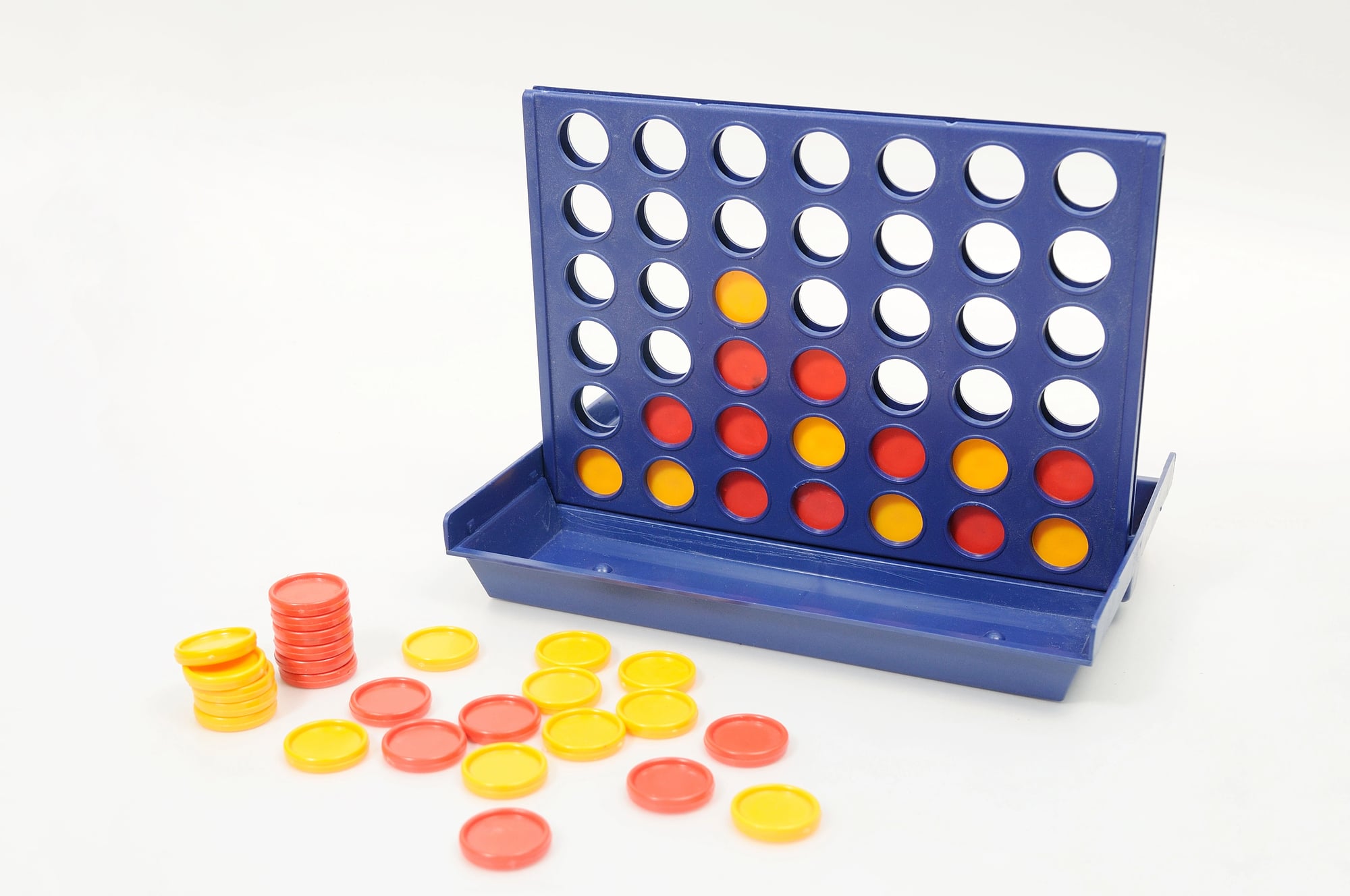
Connect Four seems foolproof until you realize most people misunderstand what constitutes a win. Four in a row means exactly that — horizontal, vertical, or diagonal.
But here’s the catch that trips up casual players: the game ends immediately when someone gets four in a row, even if the same move would create four in a row for both players.
Whoever’s turn it is gets the win.
The strategy runs deeper than most people appreciate, too. Experienced players control the bottom row like chess masters control the center of the board — because everything else builds from there.
Sorry!
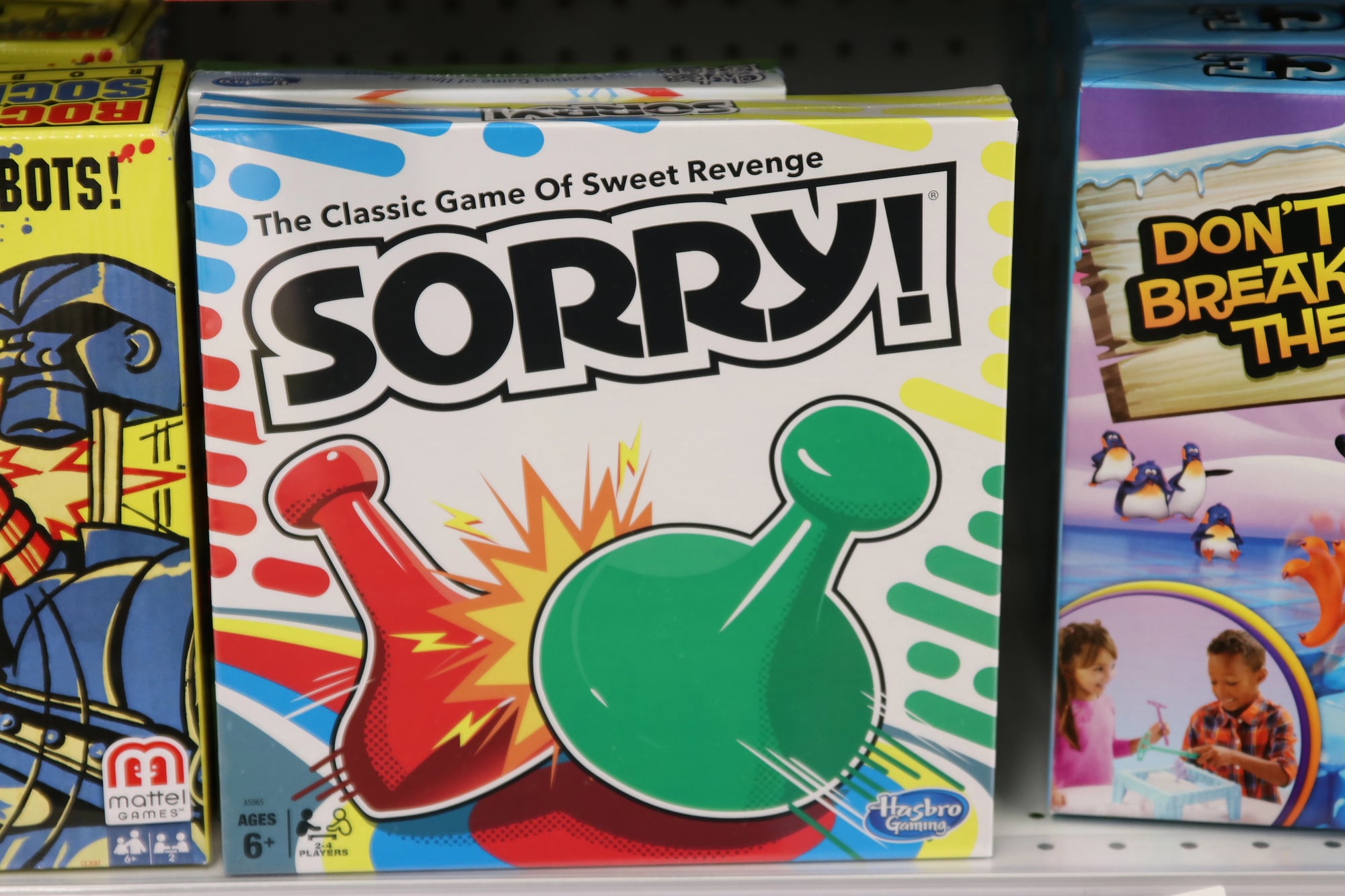
Sorry has become a masterclass in selective rule enforcement, with most families creating their own version that bears only passing resemblance to the original. The Safety Zone works differently than people think: you can only enter your own Safety Zone by exact count, and once you’re in, you’re protected from all Sorry cards and switches.
But here’s the part that starts arguments: you cannot move backwards in the Safety Zone, and you cannot pass your own pawn in the Safety Zone.
If your count would force you to pass your own pawn, you cannot make that move. The game forces you to wait for a different card.
Trivial Pursuit
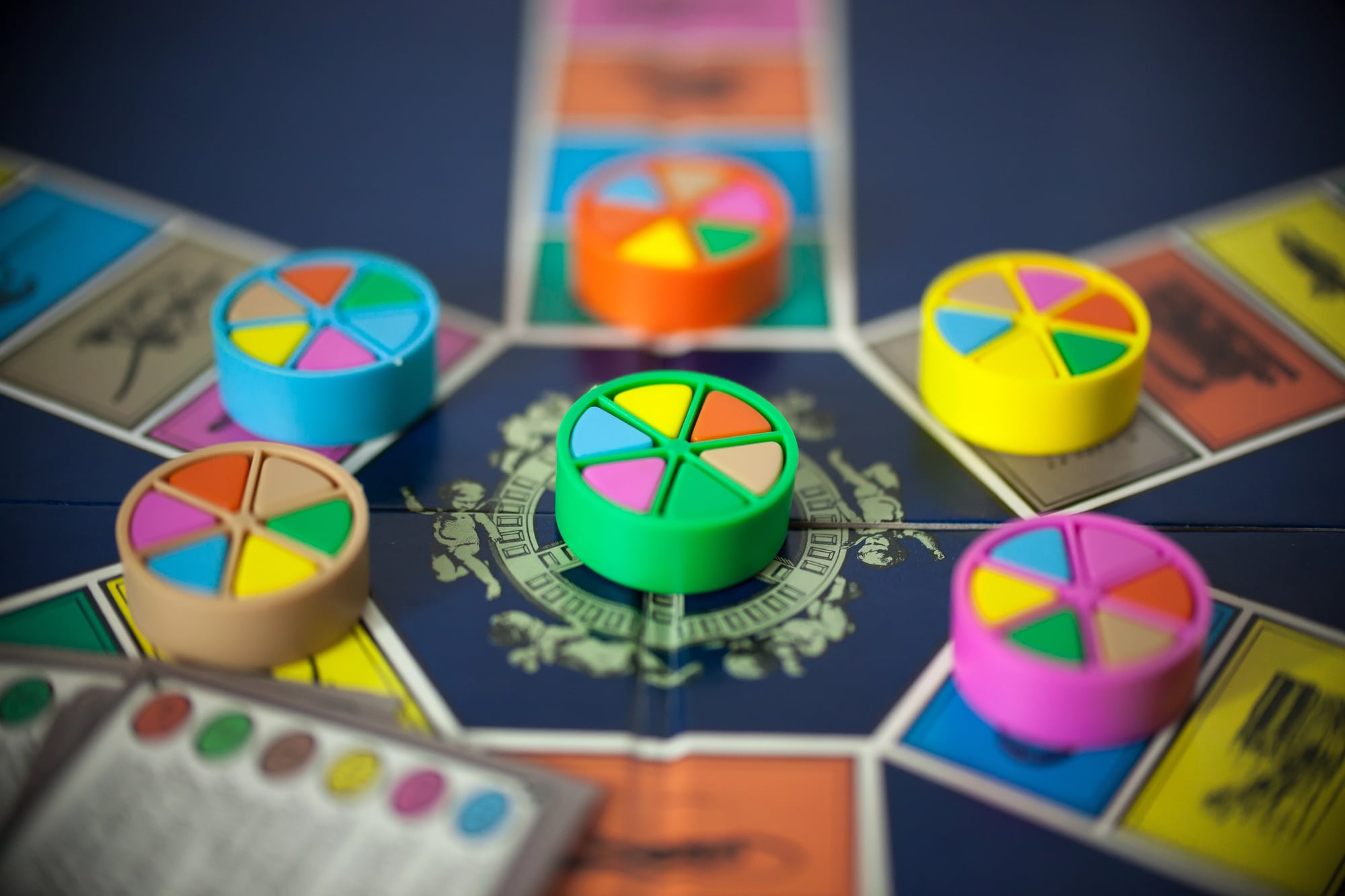
Trivial Pursuit wedges aren’t participation trophies — you have to land on the category headquarters spaces by exact count, not just pass through them. Rolling a six when you need a three doesn’t get you a wedge question, it gets you an overshoot and regular question in whatever space you land on.
Most families also ignore the victory condition: after collecting all six wedges, you must return to the center hub and answer one final question in a category chosen by the other players.
Landing in the center isn’t enough — you have to prove you deserve the win.
Settlers of Catan
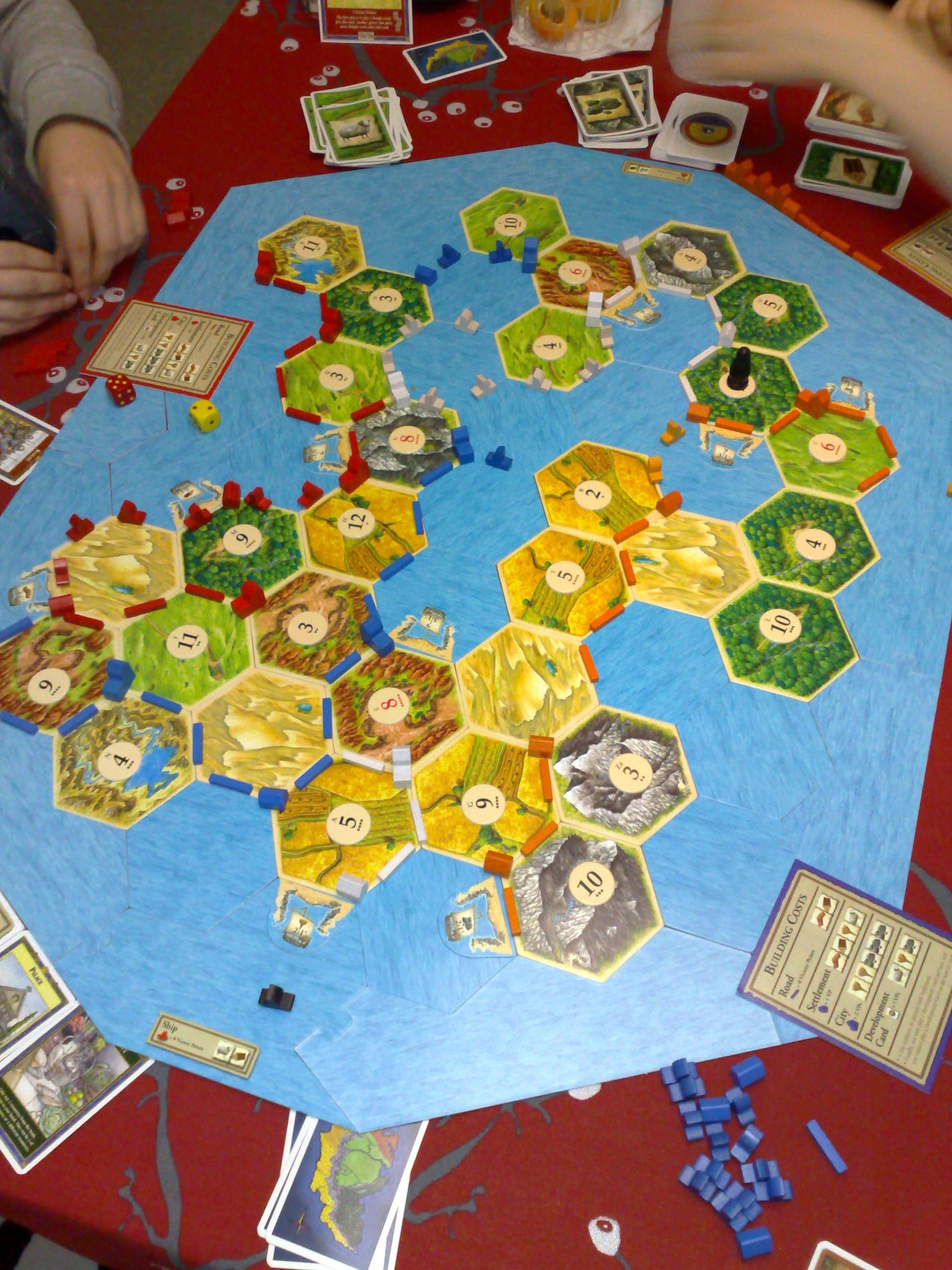
Catan’s trading rules are more generous than most groups realize, which leads to artificially restricted games where everyone hoards resources like they’re preparing for the apocalypse. You can trade resources at any point during your turn — not just before rolling the dice.
You can also make multi-turn deals, though only the current turn’s obligations are binding.
The robber placement rule trips up newer players constantly (and some experienced ones who should know better by now). When you place the robber, you must put it on a different hex than where it currently sits — you cannot leave it in the same spot, even if that spot would benefit your strategy.
Jenga

Jenga’s block removal rules are stricter than the casual “grab whatever looks loose” approach most people take. You can only remove blocks from below the highest incomplete level — that top layer with missing blocks defines your boundary.
Everything above that line is off-limits until you create a new incomplete level.
Testing blocks is allowed, but once you move a block significantly, you’re committed to removing it completely. The “I was just testing it” defense doesn’t work once you’ve shifted a block out of alignment with the others.
Phase 10
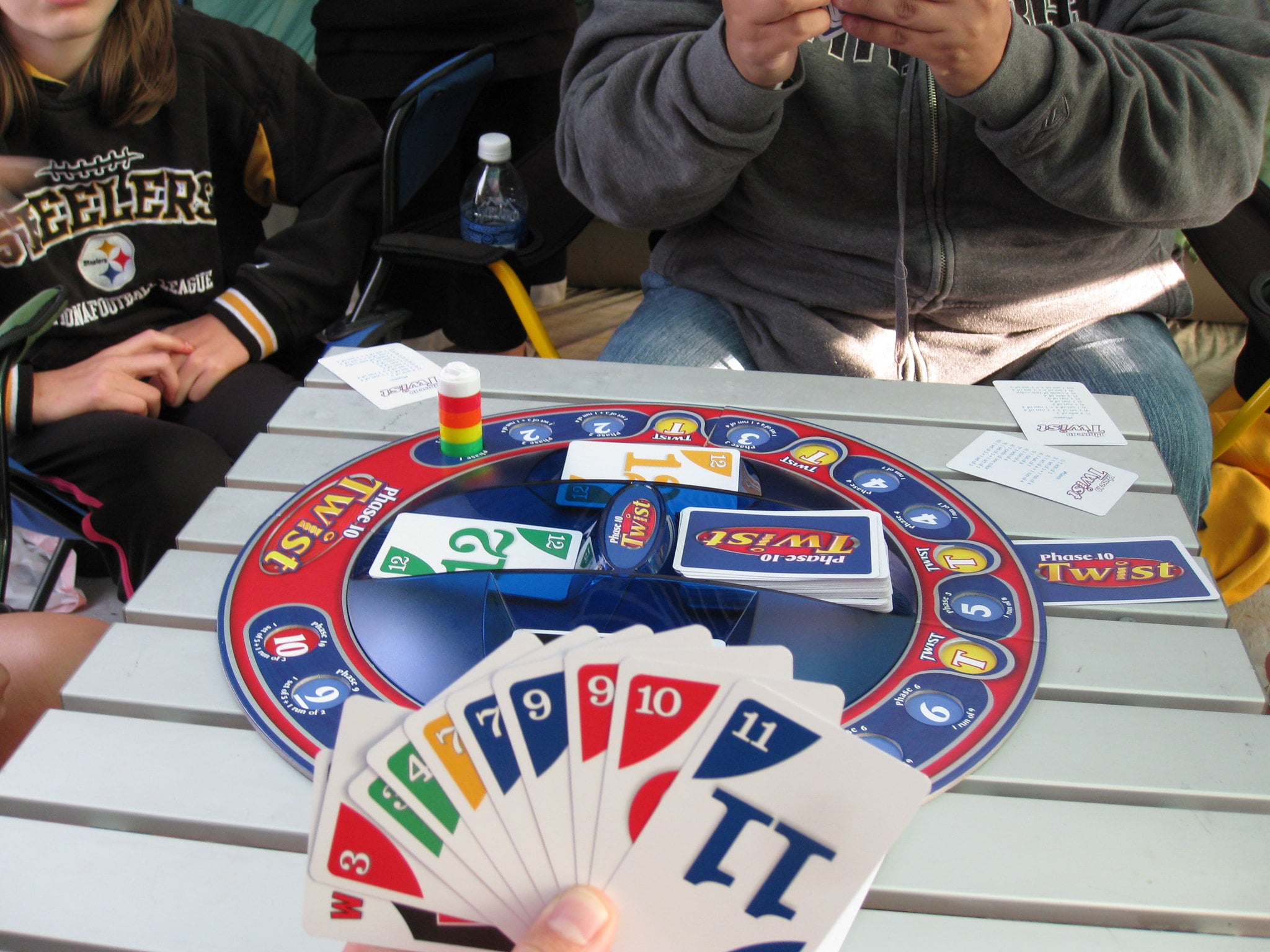
Phase 10 players often treat the phases like a buffet where you can pick and choose, but you must complete phases in numerical order — Phase 1, then Phase 2, then Phase 3, and so on. You cannot skip ahead to an easier phase just because you drew the right cards for it.
This sequential requirement is what gives the game its structure and prevents it from becoming completely random.
When you complete a phase, you must lay it down immediately during your turn. You cannot hold onto a completed phase to wait for a better opportunity or to prevent other players from adding cards to your sets.
Pictionary
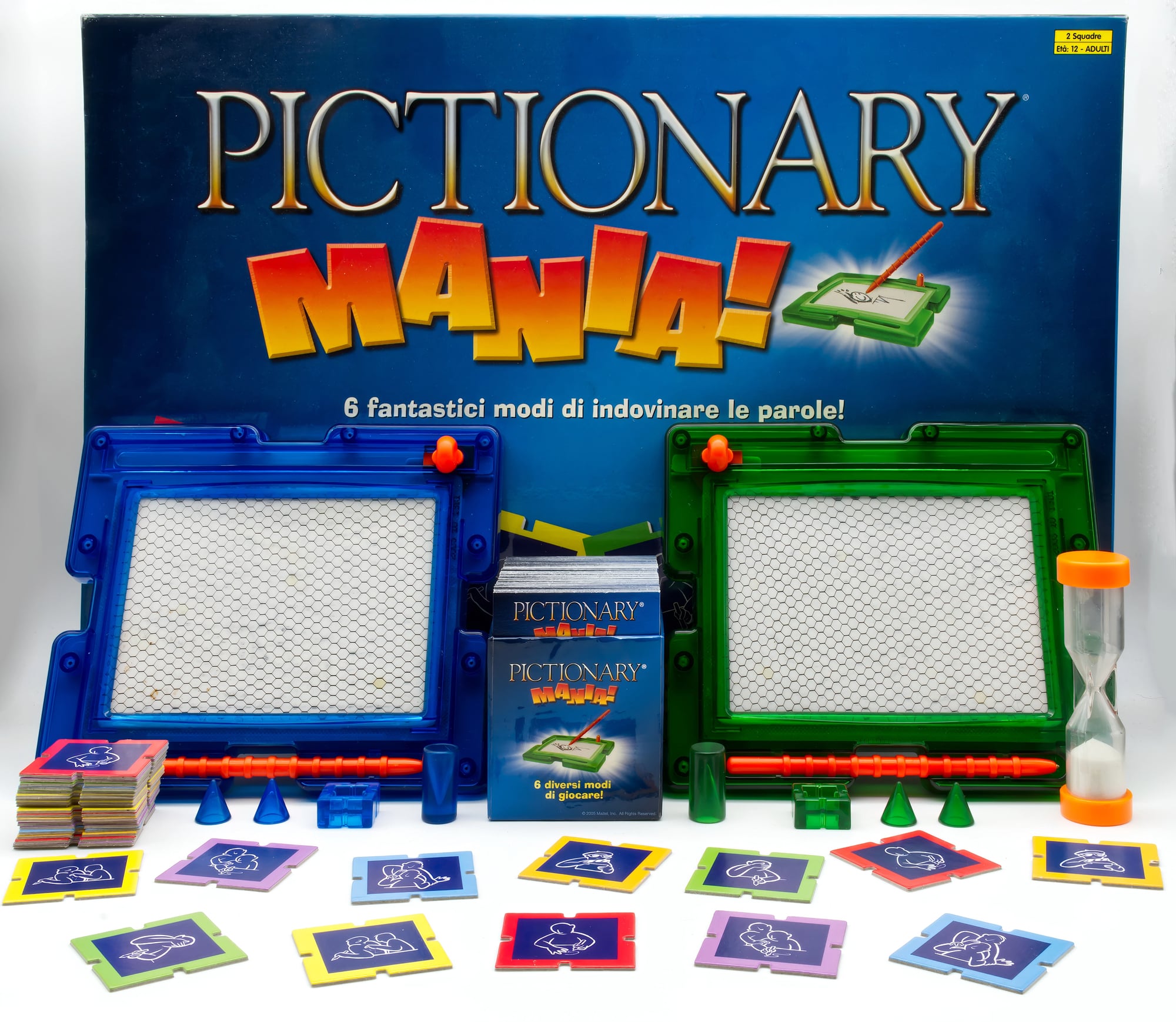
Pictionary’s drawing restrictions are designed to prevent the game from becoming charades with pencils, but most people ignore them until someone tries to draw an arrow pointing to their watch. No letters, numbers, or symbols are allowed — including arrows, question marks, or mathematical symbols.
The drawing must represent the concept visually, not linguistically.
Talking while drawing is completely forbidden, even if it’s just muttering to yourself or making sound effects. The pencil does all the communicating, period.
Life
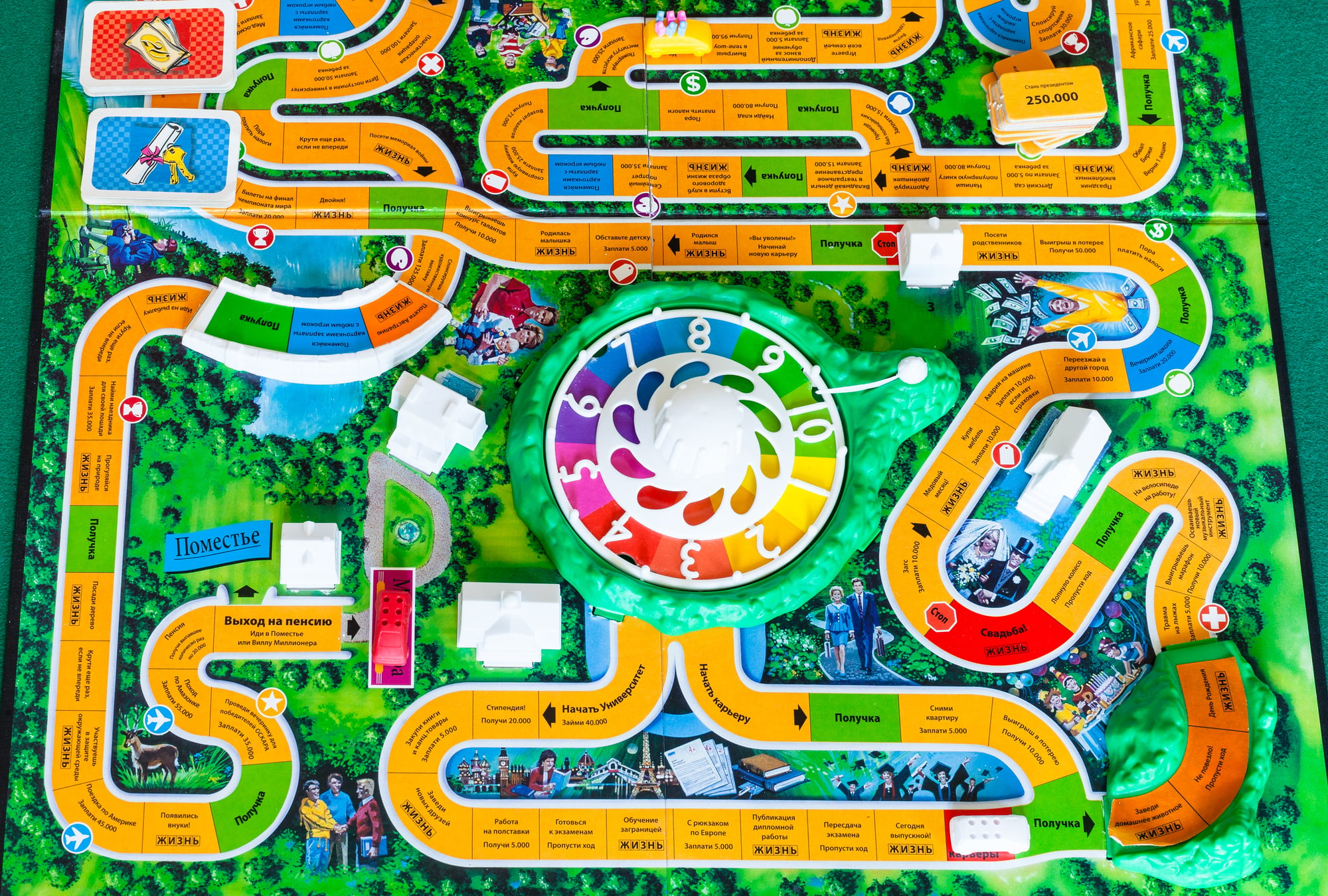
The Game of Life’s salary and retirement system confuses families more than actual tax preparation. When you land on a Salary space, you take that salary card and collect that amount from every other player immediately — not from the bank.
Other players pay you for being successful, which creates the economic interaction that makes the game interesting.
At retirement, you cannot choose which path to take based on your current financial situation. You spin the wheel, and the result determines whether you go to Countryside Manor or Millionaire Estates.
The wealthy don’t get to automatically choose the expensive retirement home.
Twister
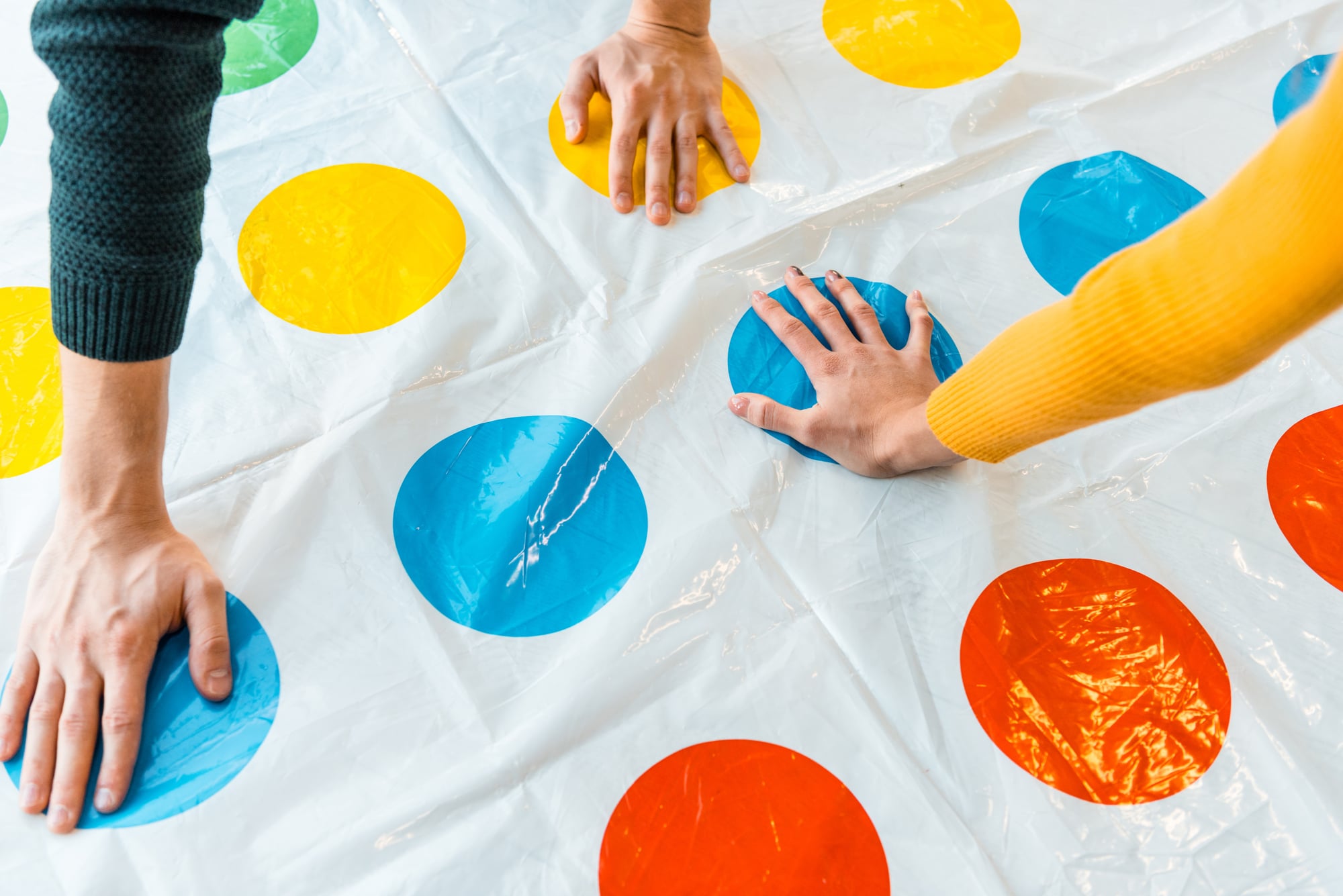
Twister’s body positioning rules get ignored the moment someone’s aunt starts bending in ways that seem structurally unsound, but the game has clear guidelines about what constitutes a legal position. Both hands and both feet must remain on the mat at all times once the game begins.
Knees, elbows, and heads cannot touch the mat for support — only the specified hands and feet.
When players fall or touch the mat with an illegal body part, they’re eliminated immediately. There’s no “almost fell but caught myself” exception in the official rules.
Boggle
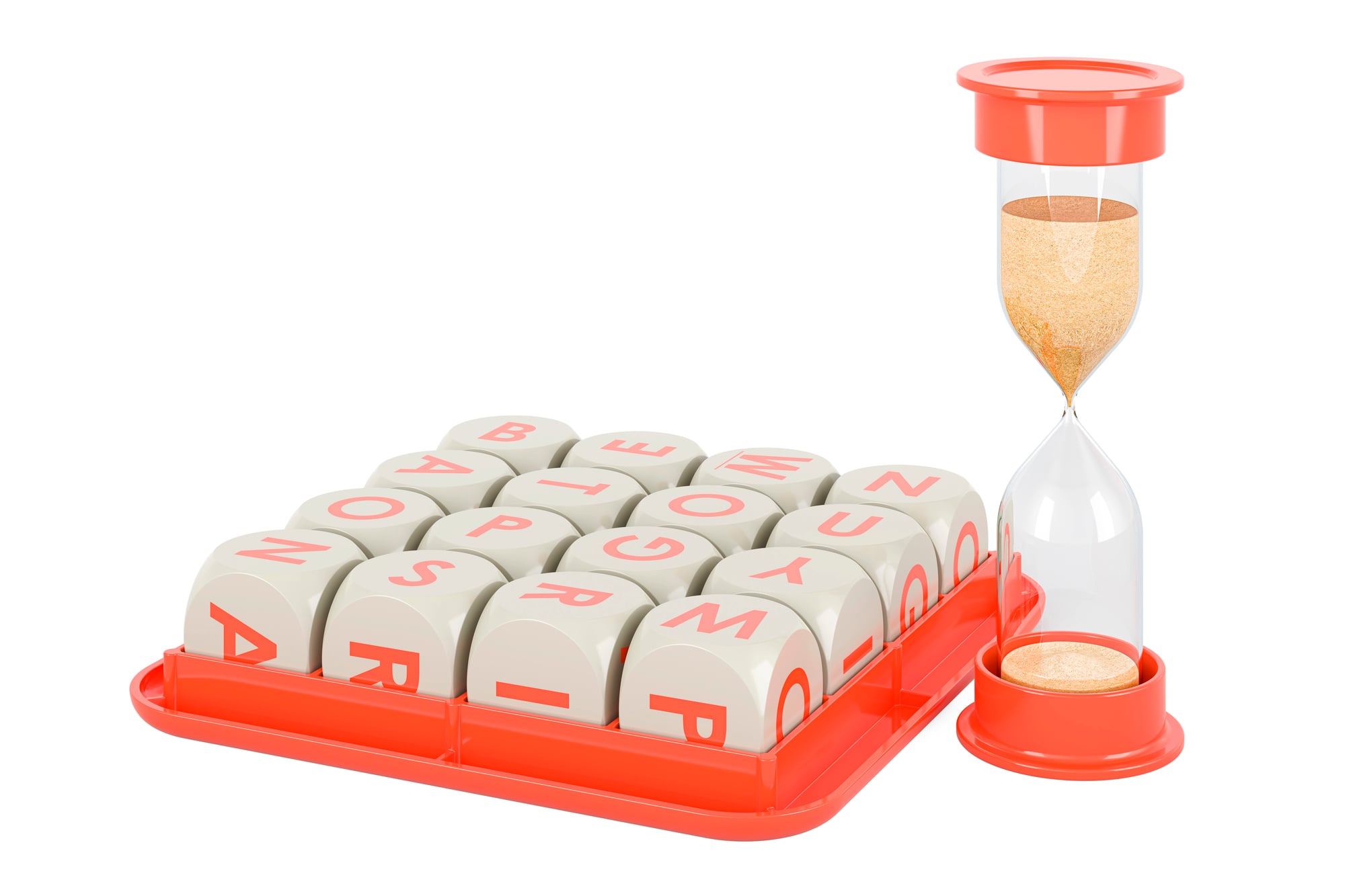
Boggle word formation follows a specific path requirement that casual players often ignore in favor of creative letter-gathering. Each letter in your word must be adjacent to the next letter, and you must be able to trace a continuous path from the first letter to the last without reusing any single cube.
Diagonal connections count as adjacent, but you cannot skip over cubes or jump across gaps.
The path must be physically continuous across touching cube faces.
Cranium
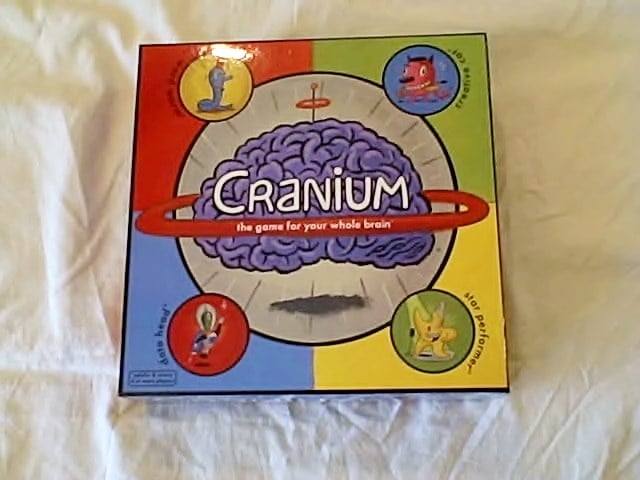
Cranium’s category rotation isn’t optional, despite what groups do when someone desperately wants to avoid the Performance space for the third time in a row. Each team must attempt activities from all four categories — Creative Cat, Data Head, Word Worm, and Star Performer.
You cannot camp in your strongest category or skip categories you dislike.
The timer is non-negotiable for all activities, even if your team is really close to finishing their sculpture or almost has the word on the tip of their tongue.
Scattergories

Scattergories scoring gets more creative than the actual answers when families start awarding points for emotional effort rather than following the actual rules. Answers must start with the designated letter — not just contain it somewhere in the word.
“Ice cream” doesn’t count for the letter C, no matter how much someone argues about compound words.
Proper nouns are generally forbidden unless the category specifically asks for them. “Bob” doesn’t count for “Things in a kitchen” even if your uncle Bob spends all his time raiding the refrigerator.
Battleship
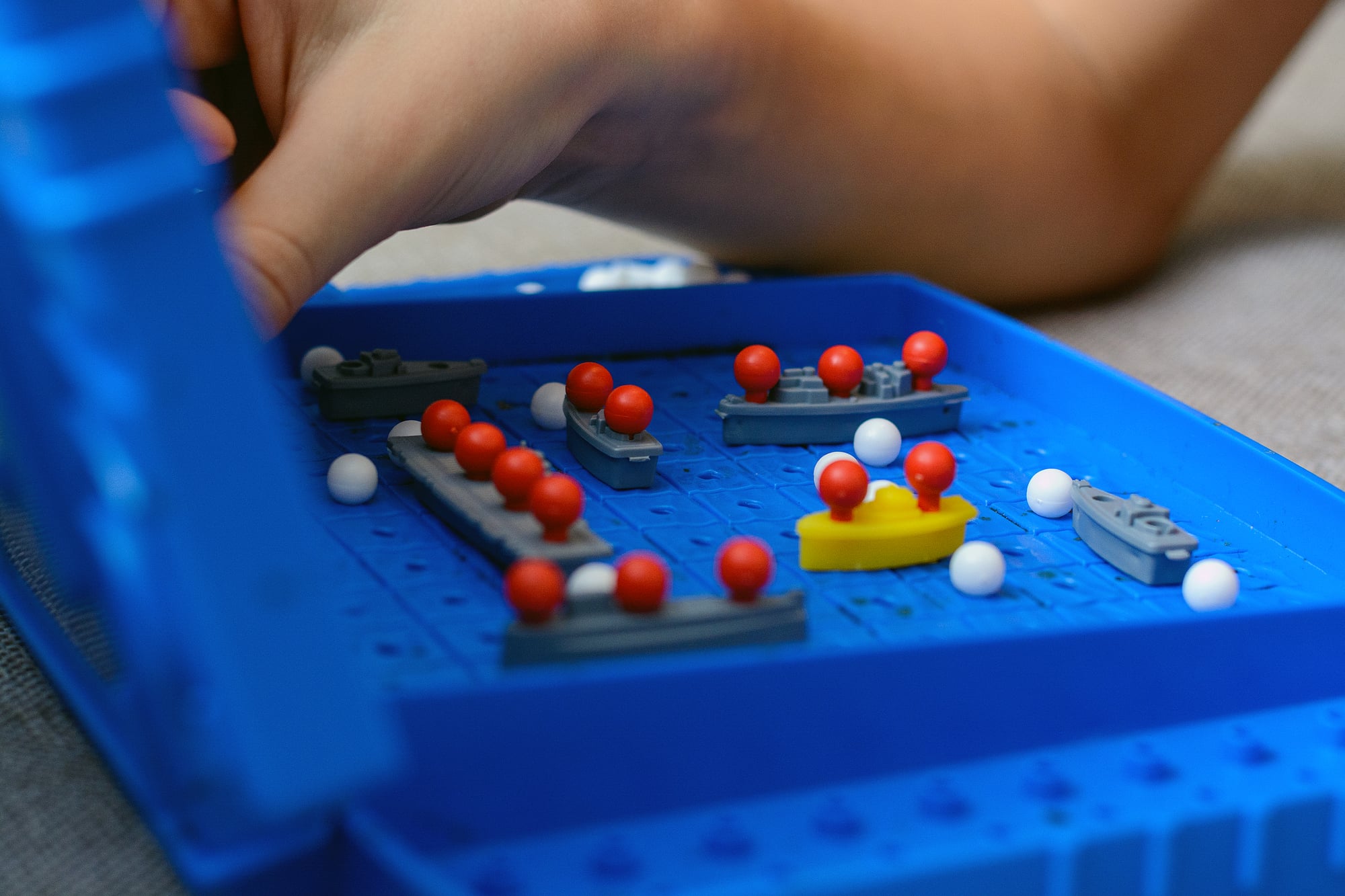
Battleship placement rules prevent the submarine parking strategies that turn the game into a geometric nightmare. Ships must be placed in straight lines — horizontal or vertical only, never diagonal.
Ships cannot touch each other, not even corner to corner. Each ship must be isolated in its own section of the grid.
When you hit a ship, your opponent must say “hit,” not just “you got something.” The feedback must be specific: “hit,” “miss,” or “hit and sunk” for the final blow.
Backgammon
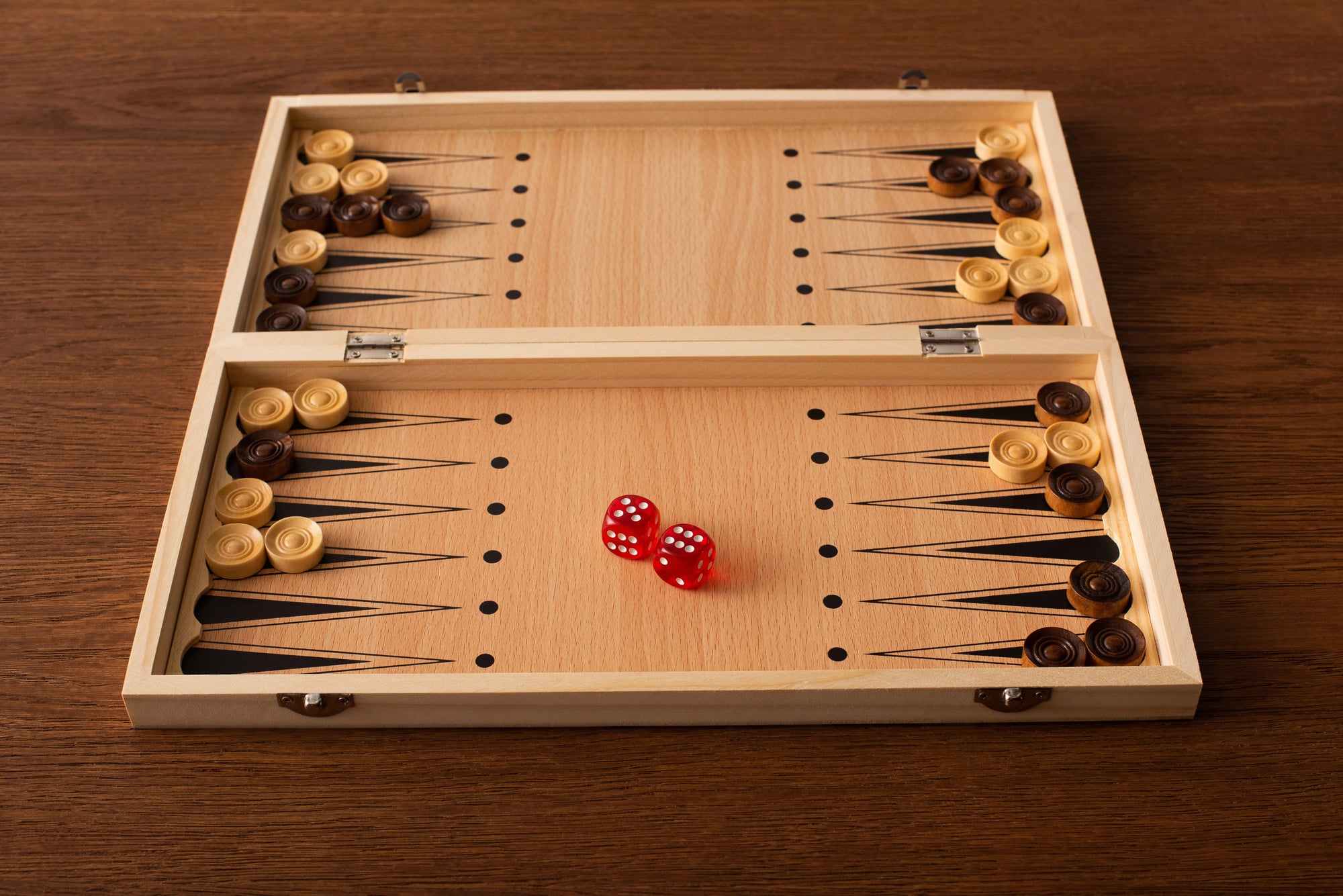
Backgammon’s movement rules create the complexity that makes it more than just “race your checkers to the finish line.” When you roll doubles, you get to move four times instead of two — using the number on the dice four times total.
But here’s what trips people up: each individual move must be legal by itself.
You cannot use part of your roll to move a checker to a space temporarily if that space is blocked, even if the rest of your move would take the checker somewhere legal. Each step in your movement must follow the rules independently.
Mancala

Mancala’s capture rule transforms the game from simple counting into strategic warfare, but most casual players miss the nuance entirely. You can only capture when your last seed lands in an empty pit on your side of the board, and only if the opposite pit contains seeds.
Both your last seed and all the seeds from the opposite pit go into your store.
The game ends when one side of the board is completely empty, not when someone runs out of moves. Any remaining seeds on the other side go to that player’s store for final counting.
Checkers

Checkers jumping rules are mandatory, not optional, which changes the entire strategic landscape of the game. If you can make a jump, you must make a jump — you cannot choose a different move just because it fits your strategy better.
This forced jumping rule prevents players from ignoring obvious captures to pursue their own agenda.
When a piece becomes a King (reaches the opposite end of the board), it can move diagonally in any direction, but it still moves only one square at a time unless jumping.
Dominoes

Dominoes scoring in games like Fives (also called Muggins) requires constant mental math that most families abandon in favor of “close enough” approximations. Points are scored during play whenever the open ends of the layout add up to a multiple of five.
Each multiple of five equals one point — so open ends totaling 15 would score three points.
The hand ends when someone plays all their dominoes or when nobody can make a legal play. In the latter case, whoever has the lowest total of remaining dots wins the difference between their total and each opponent’s total.
Chinese Checkers

Chinese Checkers movement rules allow for spectacular jumping sequences that can cross the entire board in a single turn, but only if you understand the hopping mechanics. You can jump over any single marble (yours or an opponent’s) into an empty space directly behind it.
If that landing space sets up another jump, you can continue jumping in the same turn.
The jumps don’t have to be in a straight line — you can change direction with each hop, creating zigzag patterns across the board. But each individual jump must follow the basic rule: over one marble, into an empty space.
Spades
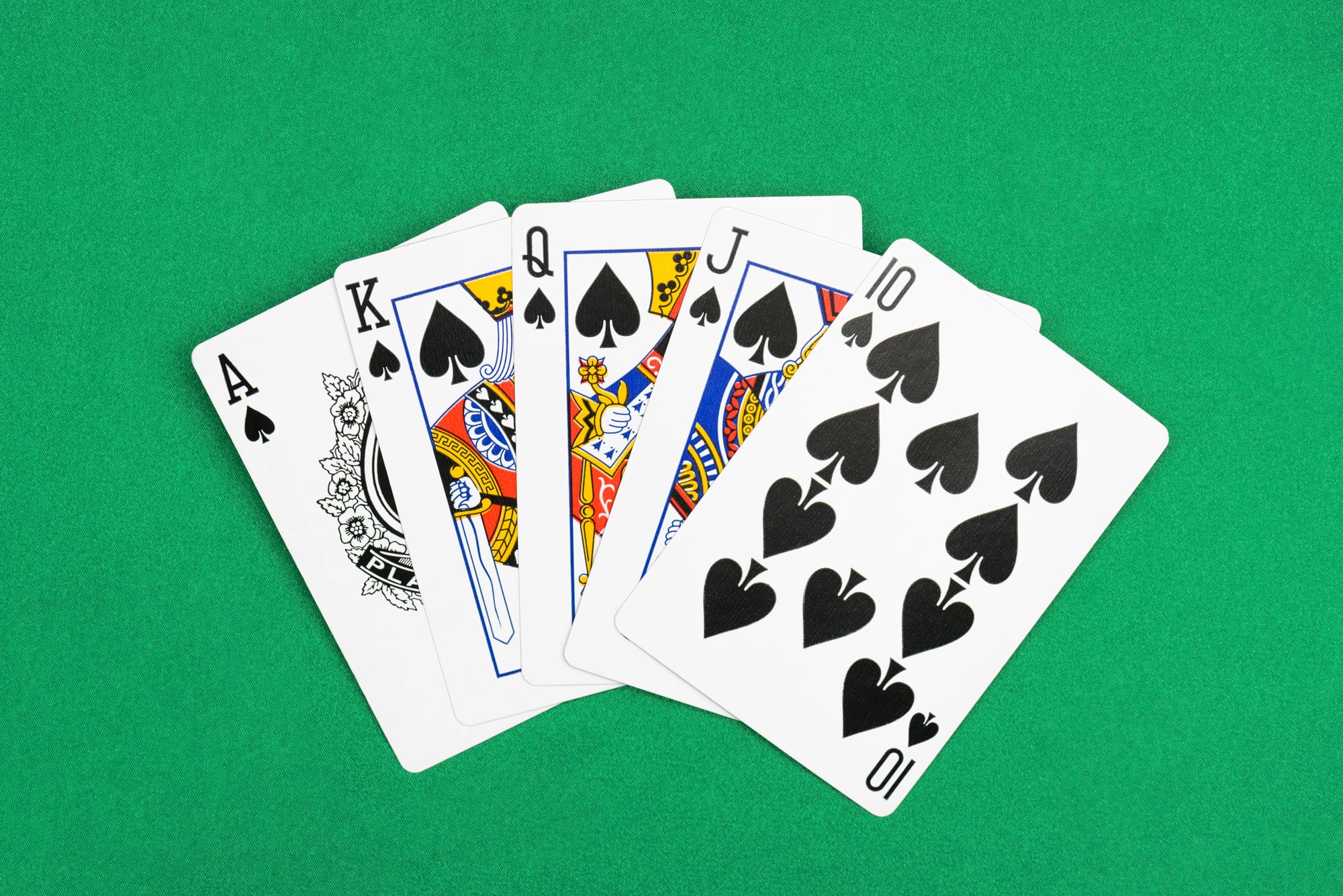
Spades bidding isn’t a casual estimate of how optimistic you feel — it’s a contract you’ll be held to when the scoring happens. Your team must win at least as many tricks as your combined bid.
If you bid 4 and your partner bids 3, your team needs 7 tricks minimum. Making exactly your bid scores 10 points per trick bid, plus one point per overtrick.
Going under your bid is called getting “set” and costs you 10 points for each trick you bid, regardless of how many you actually took. Bid 7 and take 6? That’s -70 points, not -10.
Hearts
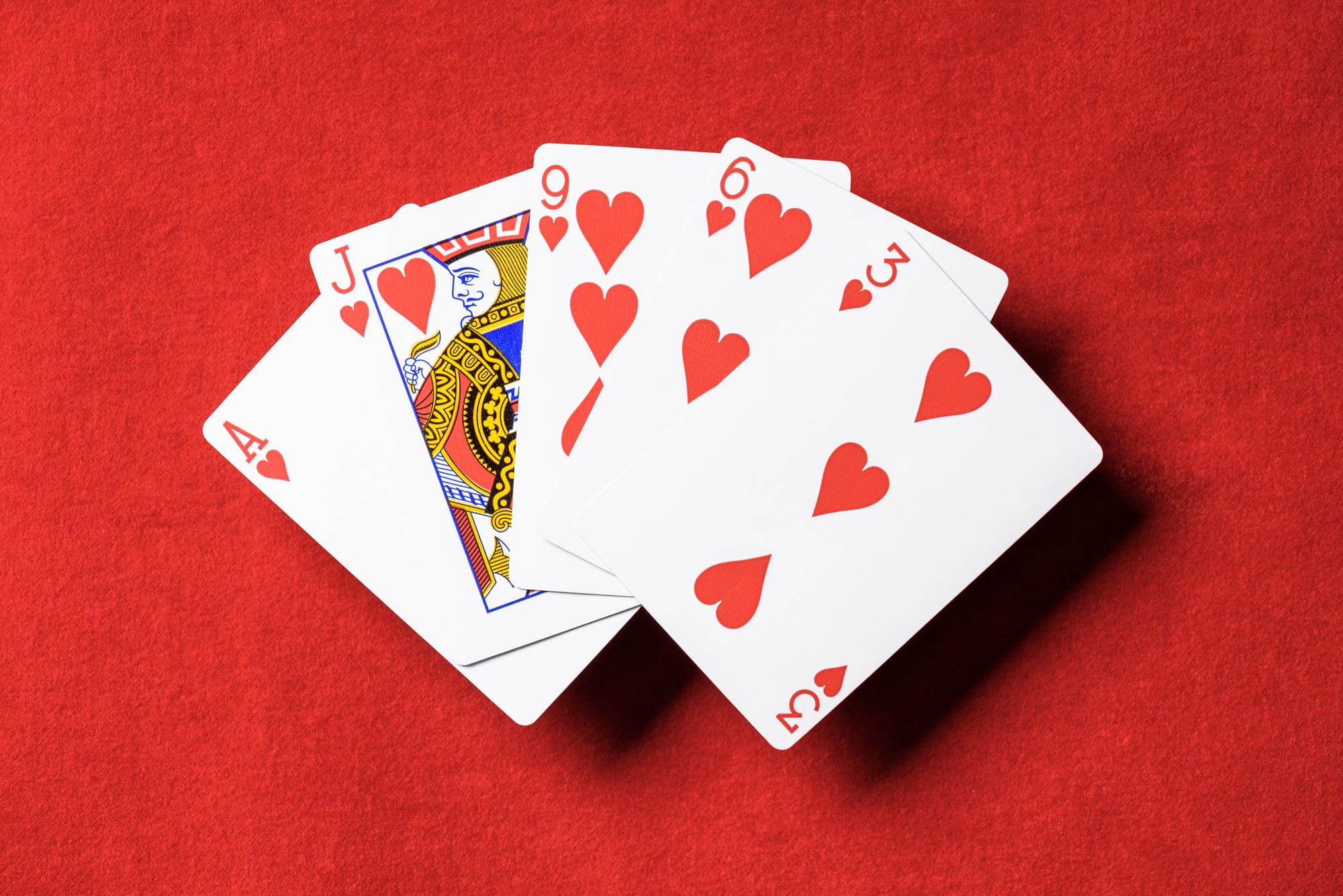
Hearts passing rules follow a specific rotation that prevents the game from becoming a free-for-all of card dumping. The passing goes left, then right, then across (in four-player games), then no passing, then back to left.
This rotation is mandatory — you cannot choose which direction to pass based on who you want to stick with bad cards.
You cannot pass any hearts on the first trick, and you cannot play a heart until hearts have been “broken” by someone else — either by discarding a heart when they cannot follow suit, or by someone taking a trick that contains hearts.
Breaking the Cycle

Board games work best when everyone plays by the same rules — the actual rules, not the comfortable house rules that have accumulated like dust on the game box. Sure, learning the correct way might spark a few arguments during the next game night, but at least they’ll be arguments about strategy rather than whether someone’s interpretation counts as official.
The real joy of board games isn’t winning (though winning doesn’t hurt). It’s the moment when everyone understands what they’re really playing, when the game’s design finally makes sense, and when those arguments about rules transform into arguments about tactics.
That’s when game night stops being about luck and starts being about choices.
More from Go2Tutors!

- The Romanov Crown Jewels and Their Tragic Fate
- 13 Historical Mysteries That Science Still Can’t Solve
- Famous Hoaxes That Fooled the World for Years
- 15 Child Stars with Tragic Adult Lives
- 16 Famous Jewelry Pieces in History
Like Go2Tutors’s content? Follow us on MSN.