25 Old Comic Strip Collections and Sunday Funnies That Are Worth Real Money
Those dusty comic strip collections sitting in your attic might be worth more than the cardboard they’re printed on. What started as weekend entertainment has transformed into a serious collector’s market where the right vintage strips command surprising prices at auction.
The appeal goes beyond nostalgia. Early comic strips represent the birth of American pop culture, and collectors know it.
First appearances, artist signatures, and pristine condition can turn forgotten newspaper clippings into legitimate investments. Some collections have sold for thousands, proving that comics weren’t just meant to line birdcages.
Little Nemo In Slumberland
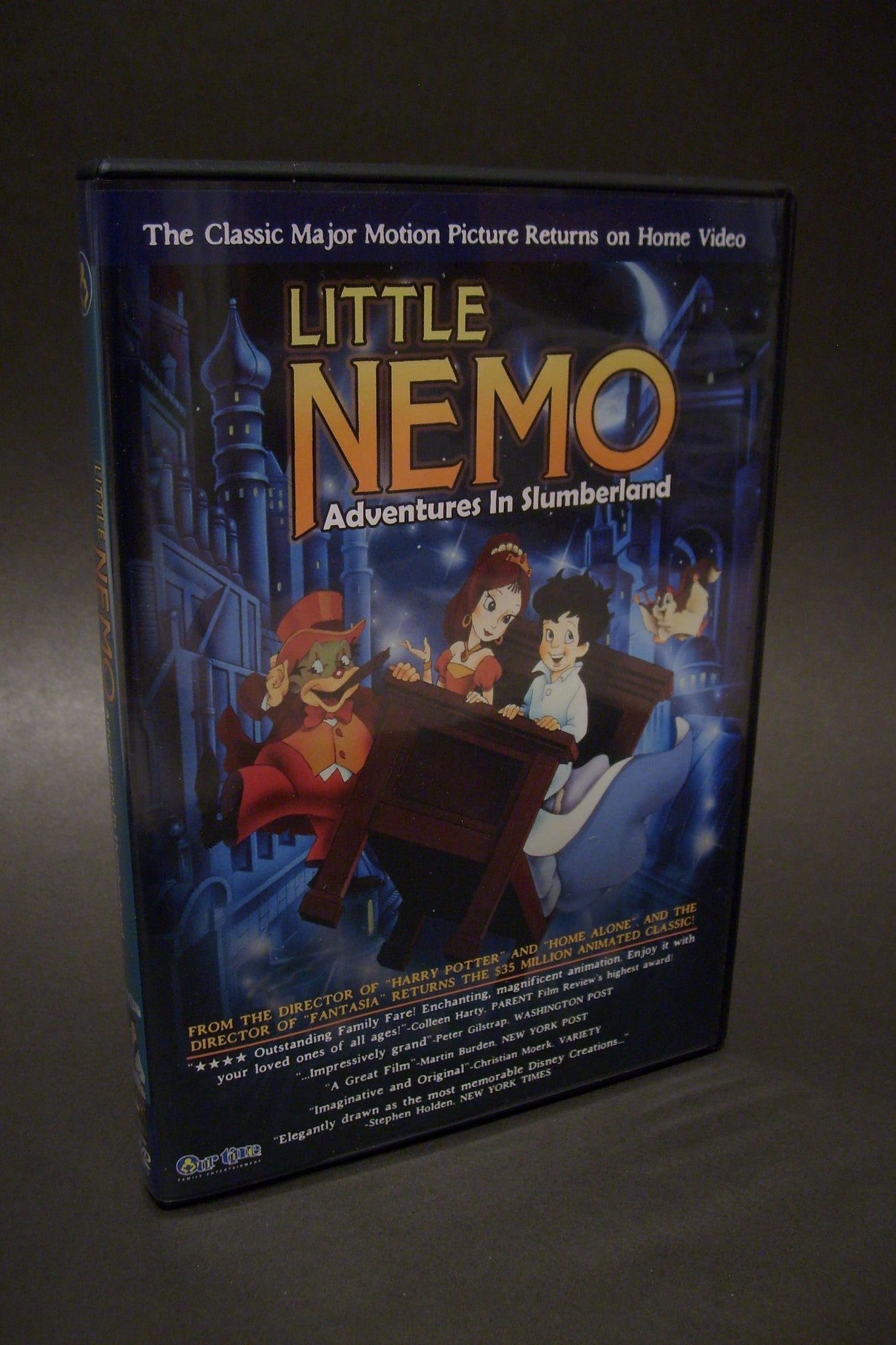
Winsor McCay’s masterpiece strips from 1905-1914 are comic strip gold. Original Sunday pages sell for $50,000 or more at auction.
The artwork alone justifies the price. McCay’s intricate pen work and surreal dreamscapes changed what comics could be.
Complete newspaper sections featuring Little Nemo are worth $500-2,000 depending on condition and date.
Krazy Kat
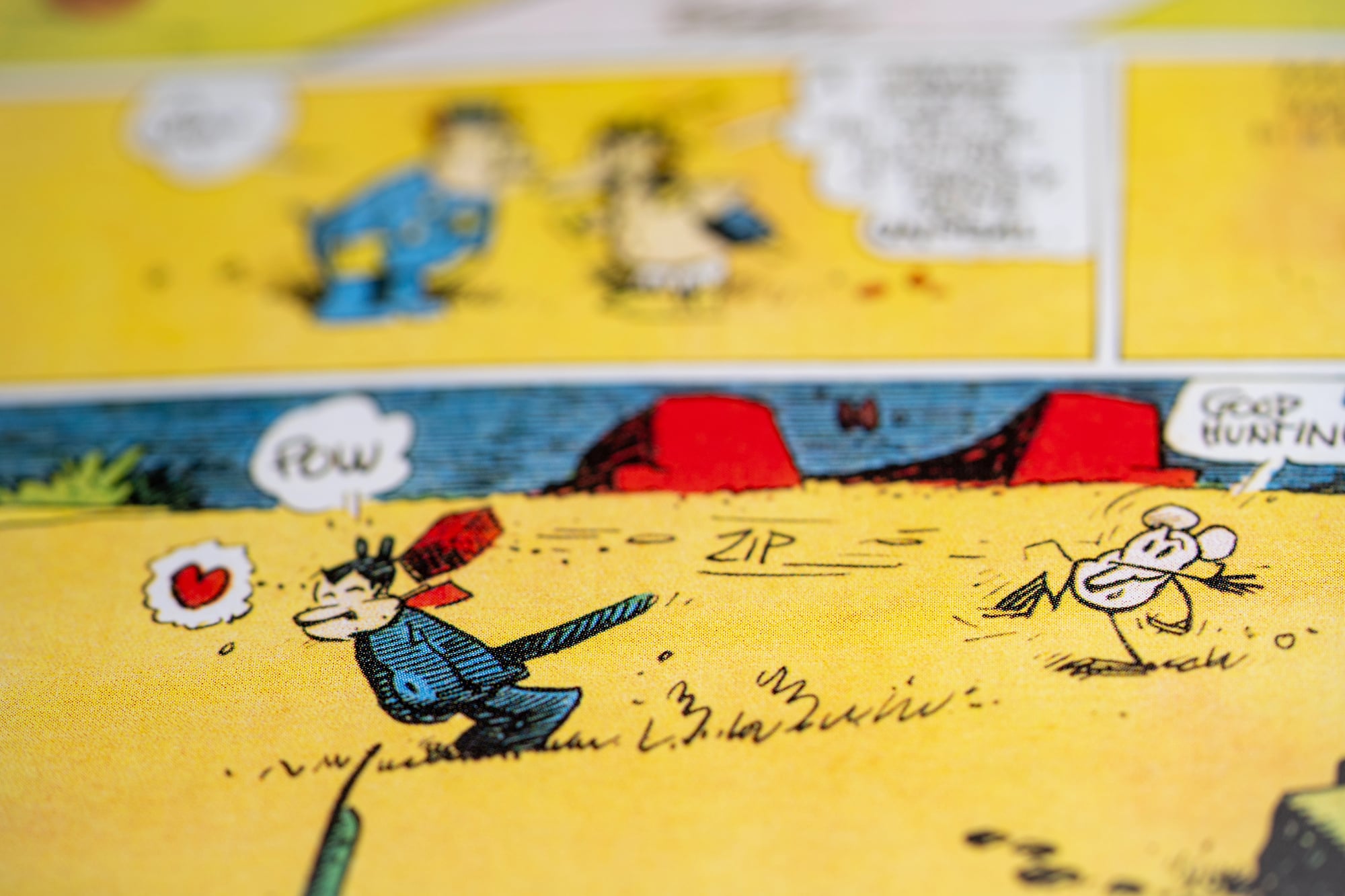
George Herriman’s abstract cat-and-mouse comedy ran for three decades. Original daily strips bring $5,000-15,000 each.
Sunday pages command even more. The strip was ahead of its time, which explains why it appeals to art collectors today.
Even reprints from the 1920s and 1930s hold value. Complete newspaper sections can fetch $300-1,500, particularly those featuring the distinctive desert landscapes that made Herriman famous.
The Yellow Kid
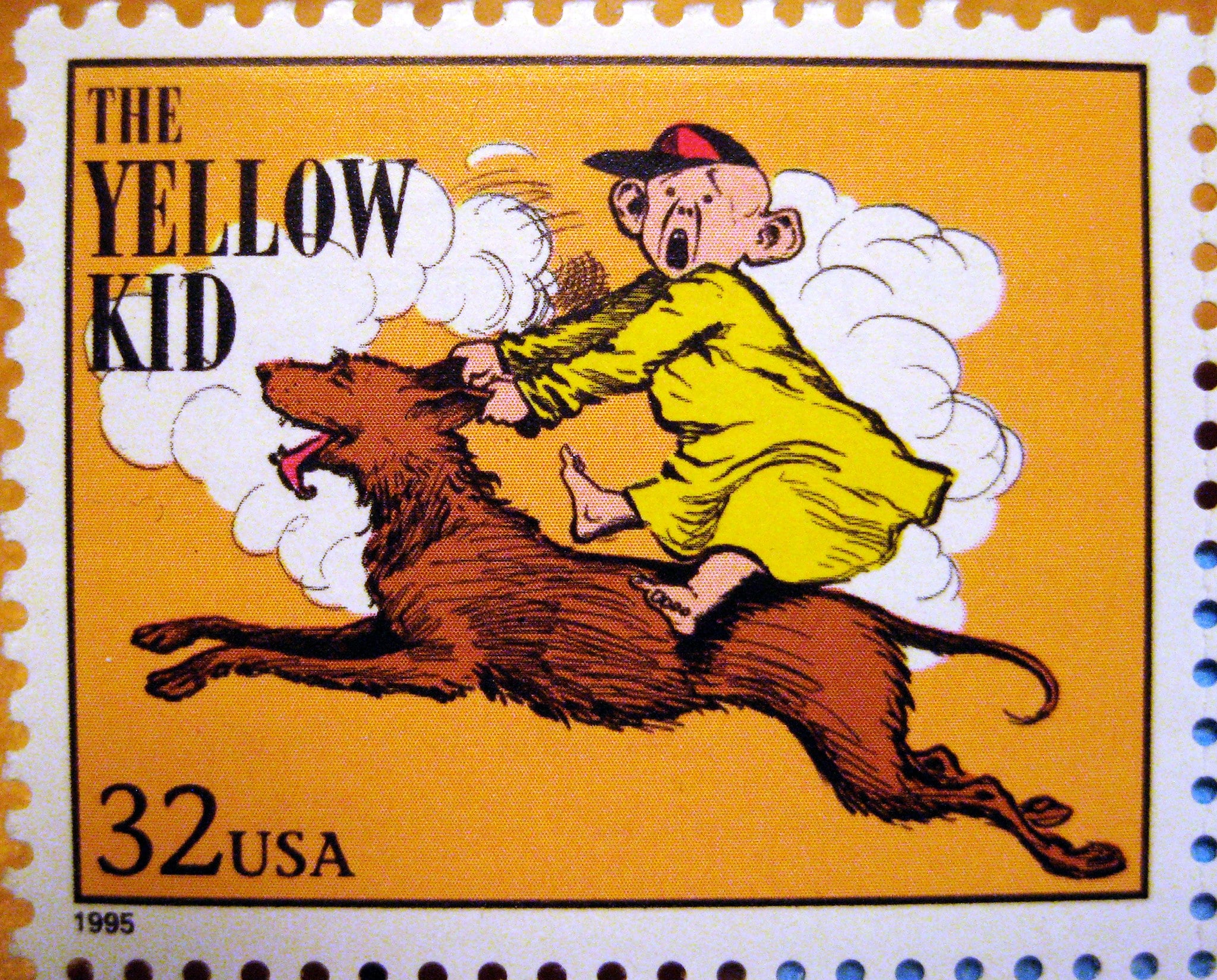
This is where it all started. Richard F. Outcault’s creation from the 1890s established the comic strip format and launched the newspaper circulation wars that would define American media for decades.
The term “yellow journalism” comes directly from this character, whose bold yellow nightshirt required new printing technology that publishers used to outdo each other. Original pages are museum pieces worth $20,000-75,000, but even reprints and merchandise from the era — buttons, toys, postcards — can bring serious money because collectors understand they’re buying a piece of media history.
And yet the character himself, a bald kid in a tenement setting making wisecracks, would probably be unmarketable today, which makes these artifacts feel even more like time capsules from a completely different America.
Peanuts
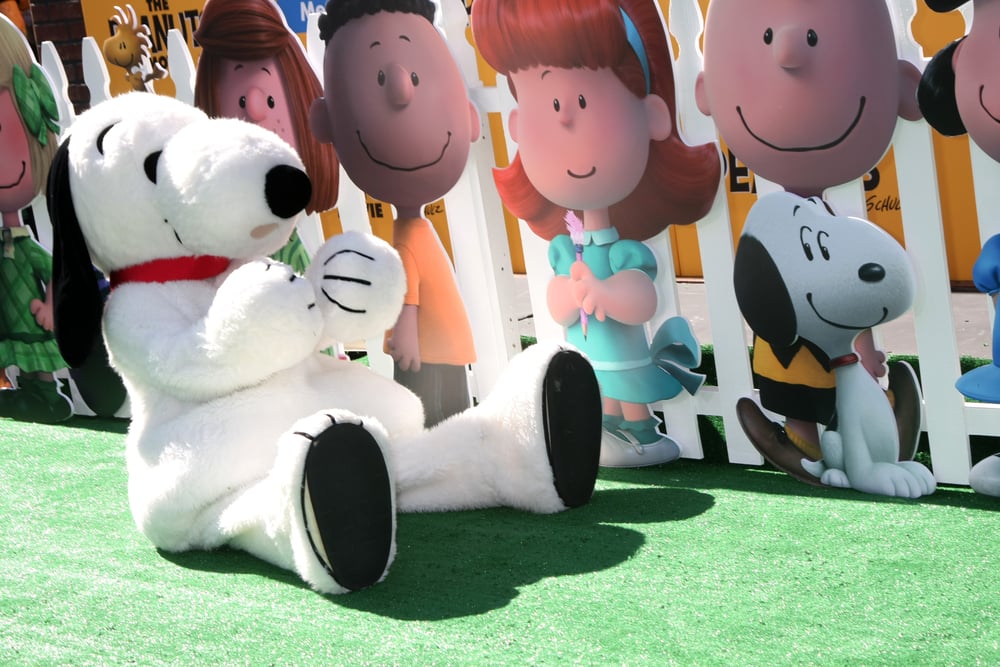
Charles Schulz’s empire started with humble daily strips. Early Peanuts strips from the 1950s sell for $8,000-25,000 per original.
The key is finding strips before Snoopy became a merchandising phenomenon. Hand-drawn originals with Schulz’s signature are particularly valuable.
Even high-quality reprints from the first decade can bring $100-500 per strip.
Flash Gordon
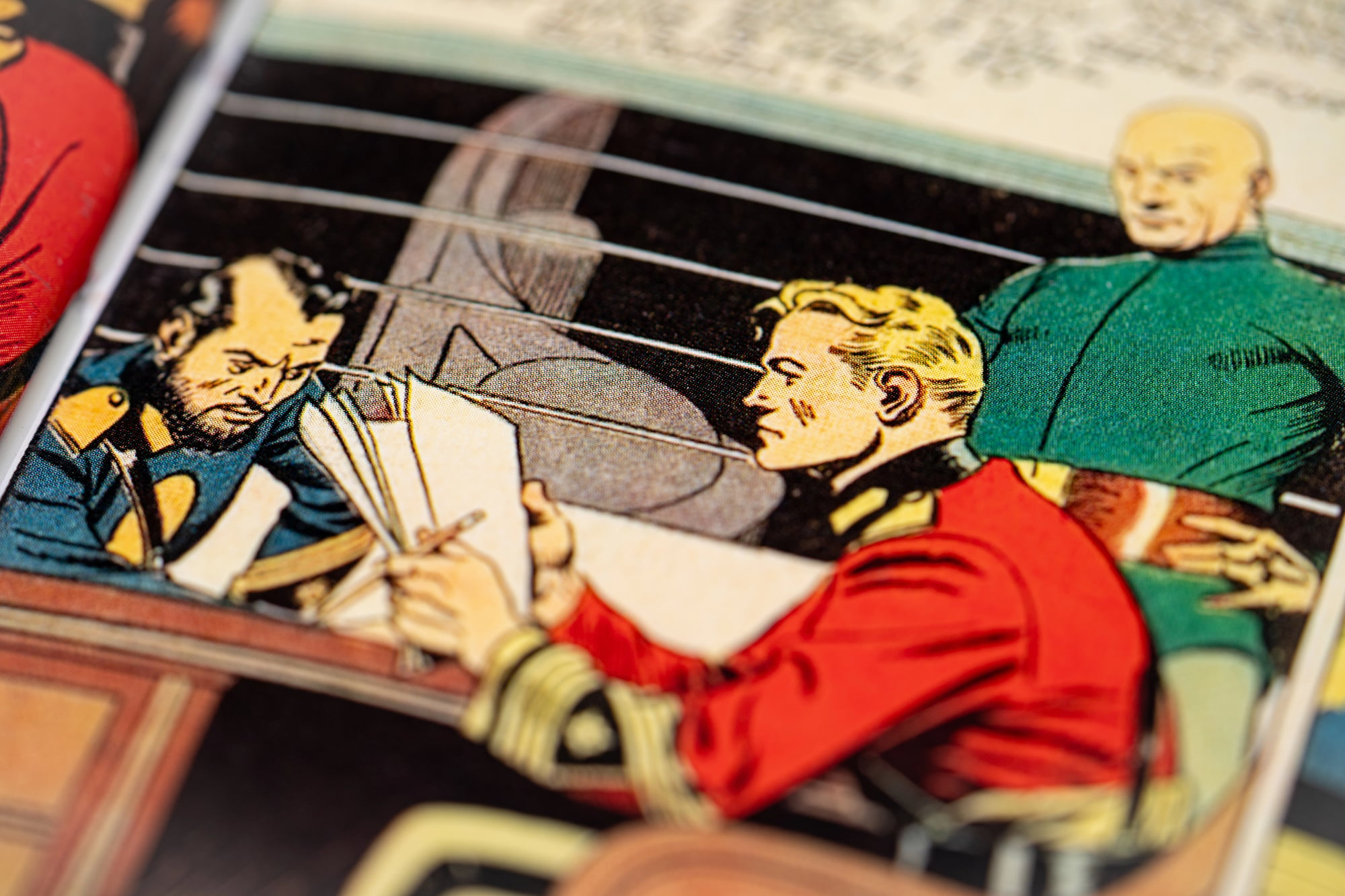
Alex Raymond created the definitive space opera comic. Sunday strips from the 1930s regularly sell for $15,000-40,000.
The artwork set the standard for adventure comics. Raymond’s detailed spaceships and alien worlds influenced everything from Star Wars to modern video games.
Complete Sunday sections are more accessible at $800-3,000, making this a realistic entry point for collectors.
Prince Valiant
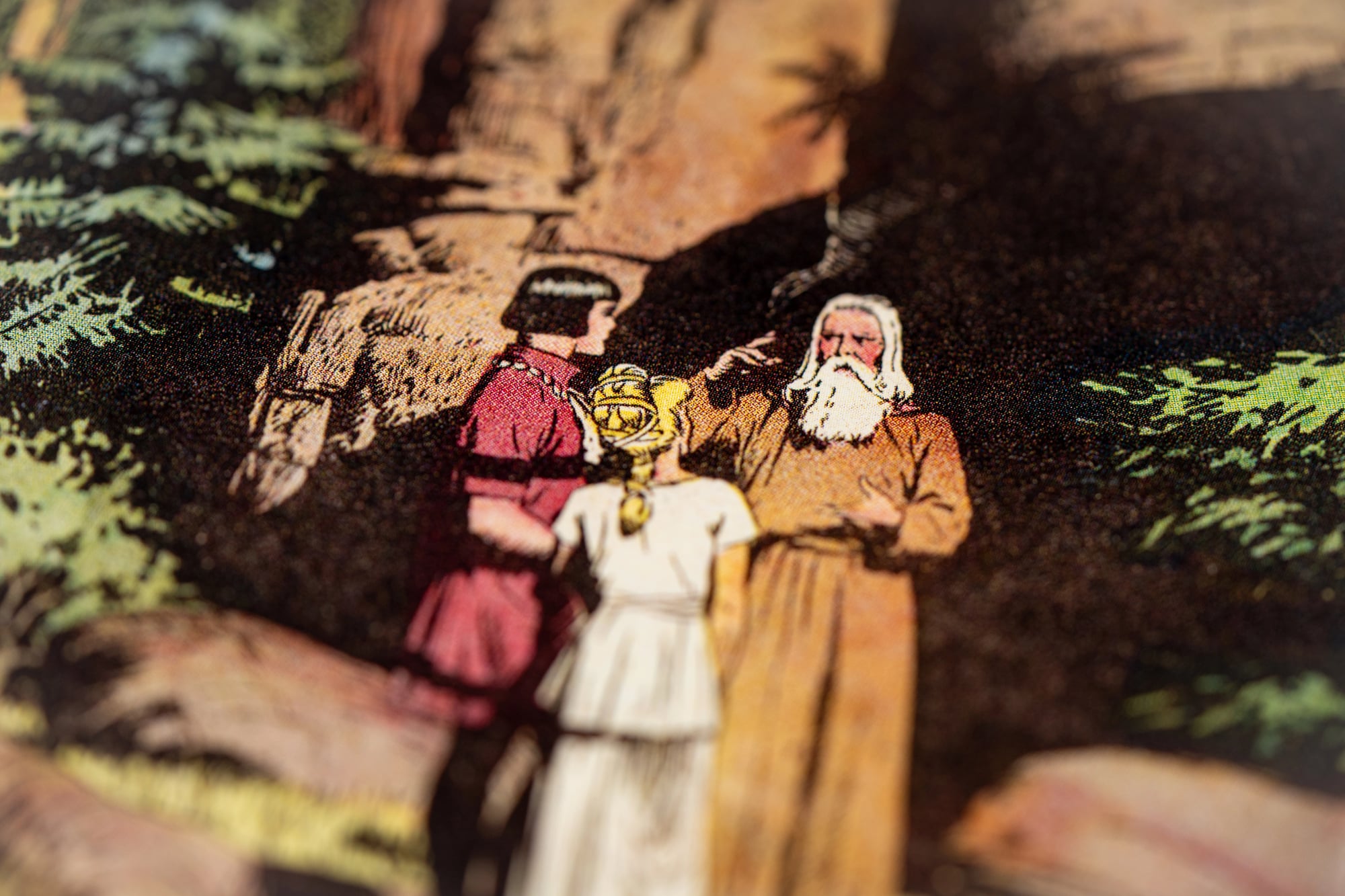
Hal Foster’s medieval epic treated Sunday comics like fine art. Original pages sell for $20,000-60,000.
Foster painted each strip by hand, creating museum-quality artwork that happened to appear in newspapers. The lack of speech balloons gives each page a timeless quality that appeals to art collectors beyond comic fans.
Even newspaper tearsheets command $400-1,200 per page.
Terry and the Pirates
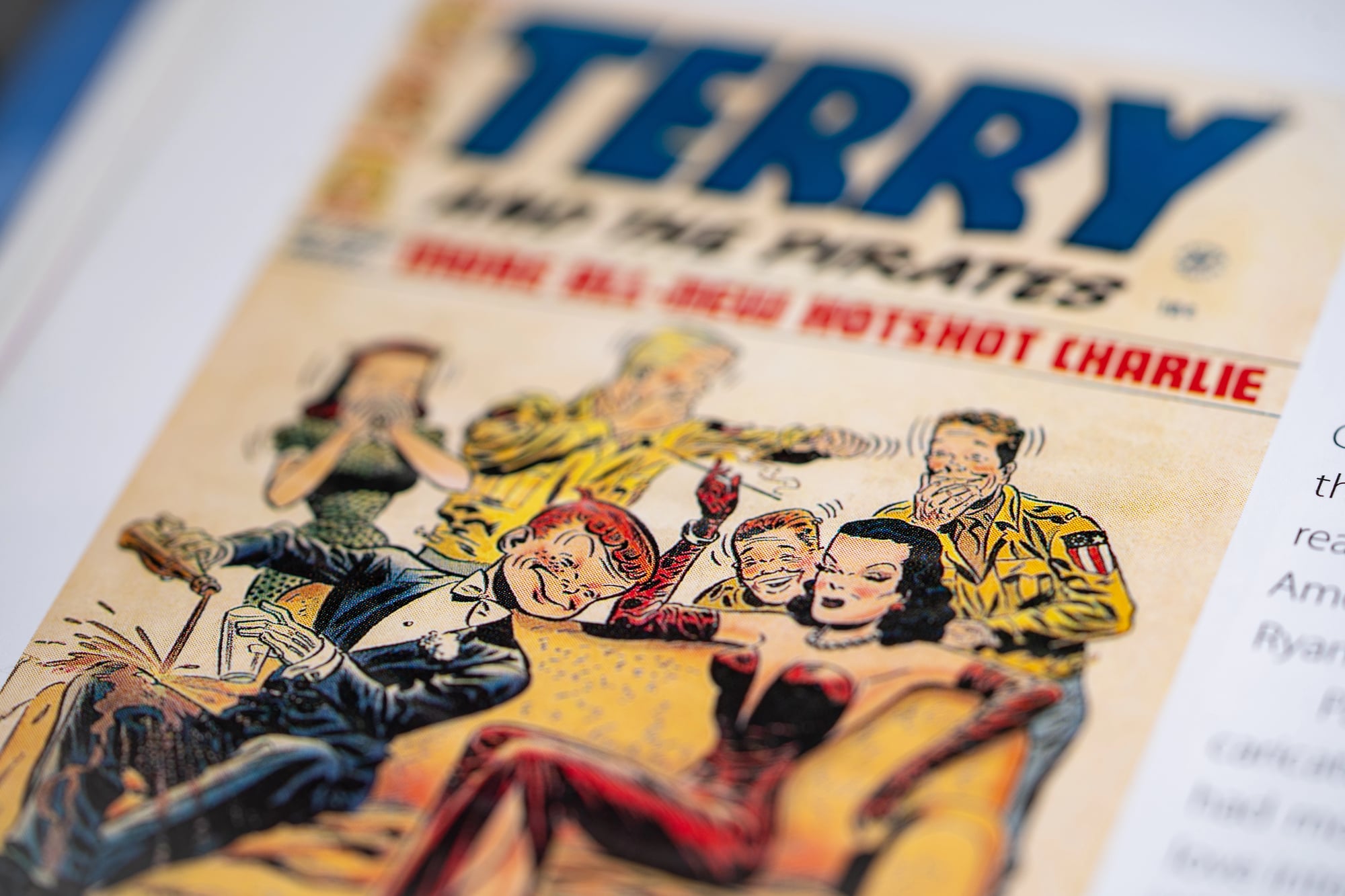
Milton Caniff revolutionized adventure storytelling in comics, but more than that — he created a template for serialized drama that television would later adopt, complete with cliffhangers, ensemble casts, and story arcs that could run for months without losing momentum. Original dailies from the 1930s and 1940s sell for $3,000-12,000 because collectors recognize Caniff as the writer who proved comics could handle sophisticated adult themes without talking down to readers.
The character designs alone influenced decades of comic artists, and you can trace direct lines from Terry’s cast to everything from Steve Canyon to modern graphic novels. So when you find complete newspaper sections featuring Terry, you’re looking at $200-800 per week’s worth of strips, depending on the storyline and condition.
Buck Rogers
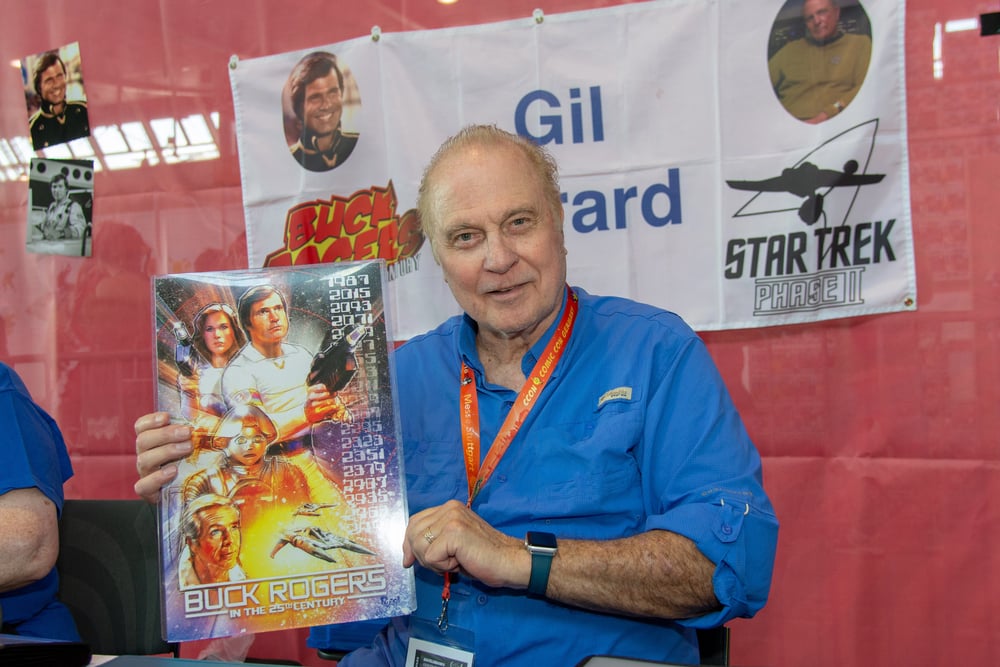
The space age began in the funny papers. Original Buck Rogers strips from 1929 onward bring $5,000-20,000 each.
Calkins and Philip Nowlan created the visual language of science fiction. Rocket ships, ray guns, and futuristic cities all started here.
Sunday strips are particularly valuable, often selling for $1,000-4,000 even as newspaper reprints.
Tracy
Chester Gould’s square-jawed detective defined crime comics. Original strips featuring famous villains like Flattop or Pruneface sell for $8,000-30,000.
The strip’s influence on police procedurals cannot be overstated. Tracy’s two-way wrist radio predicted modern communication technology by decades.
Complete newspaper sections are worth $300-1,500, with villain introduction storylines commanding premium prices.
Gasoline Alley
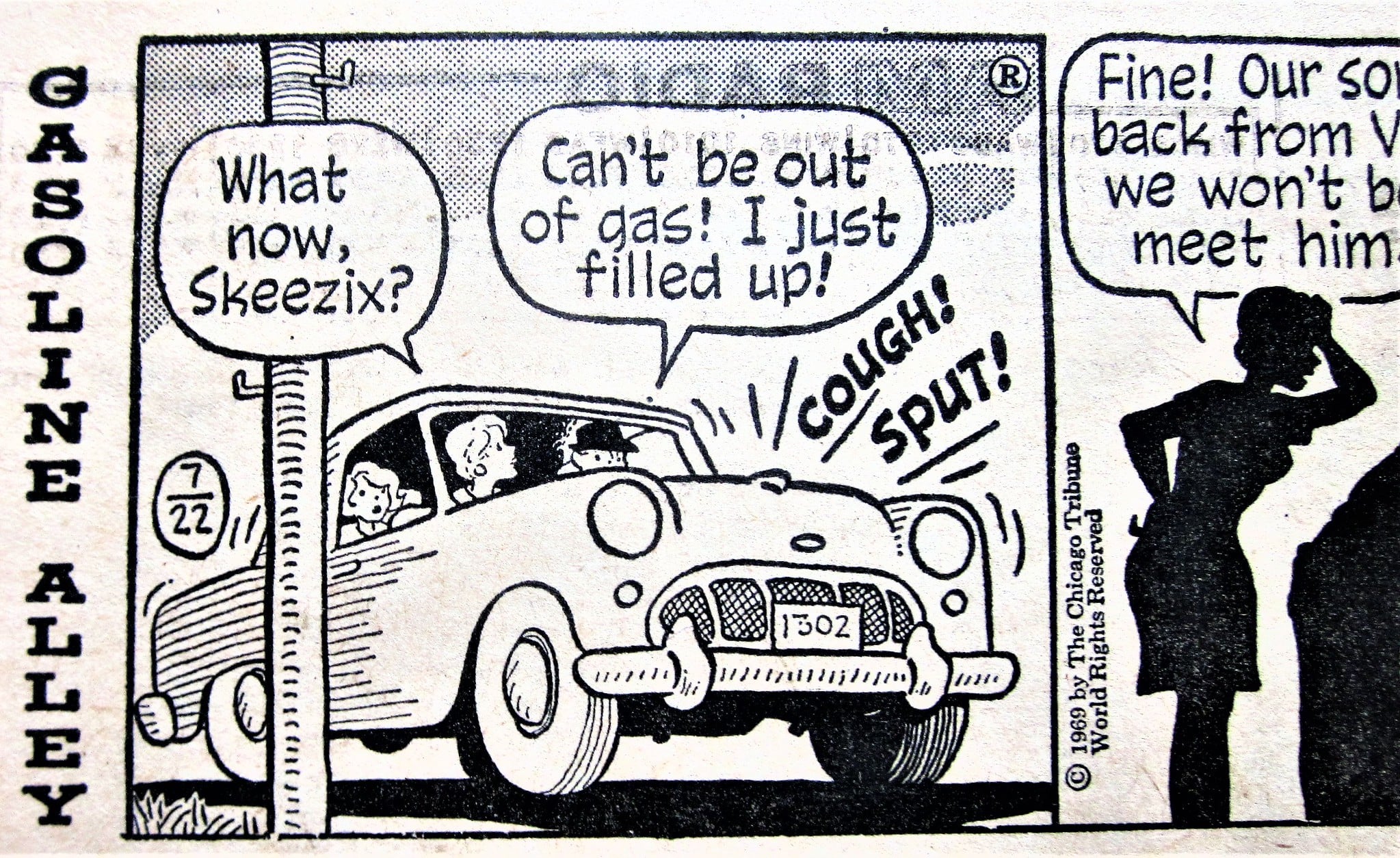
Frank King’s slice-of-life strip broke new ground by aging its characters in real time. Original daily strips sell for $2,000-8,000, particularly those featuring Skeezix growing up.
King essentially created the first comic strip soap opera by letting time pass naturally instead of hitting a reset button every few weeks. Sunday strips command more, often $1,500-5,000 for newspaper sections.
The artwork has this gentle, observational quality that makes even mundane family moments feel significant. King understood that ordinary life was dramatic enough if you paid attention to it.
But here’s what makes these strips particularly valuable: King influenced every family-centered comic that came after, from Blondie to Family Circus, proving that domestic comedy could sustain a strip for decades.
Popeye
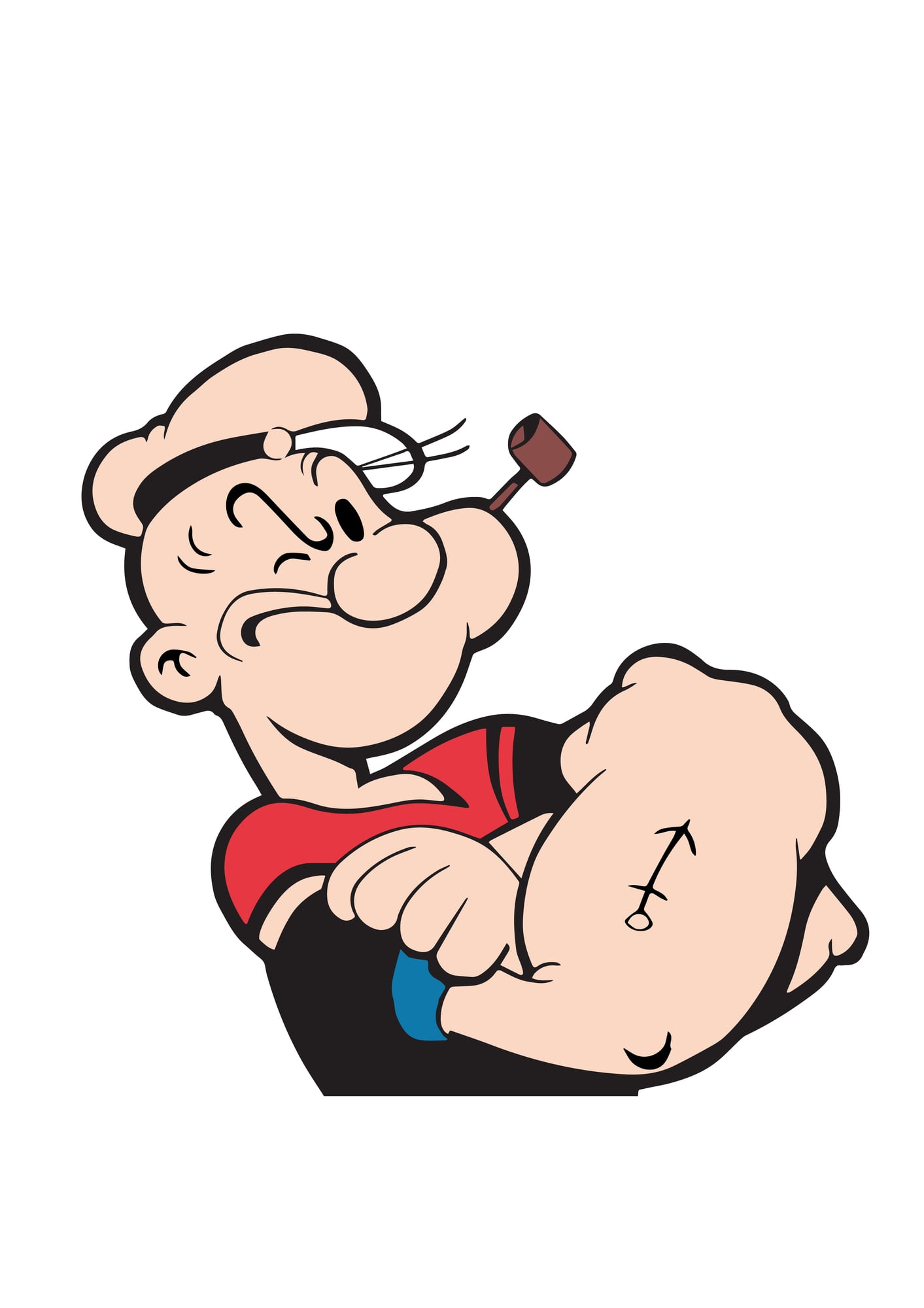
E.C. Segar’s spinach-eating sailor started as a supporting character in Thimble Theatre. Original strips from the 1930s sell for $5,000-18,000.
Popeye’s cultural impact extends far beyond comics. The character influenced animation, spawned a fast-food chain, and made spinach sales spike nationwide.
Early strips before the cartoon fame are particularly valuable. Newspaper sections bring $400-1,200 each.
Steve Canyon
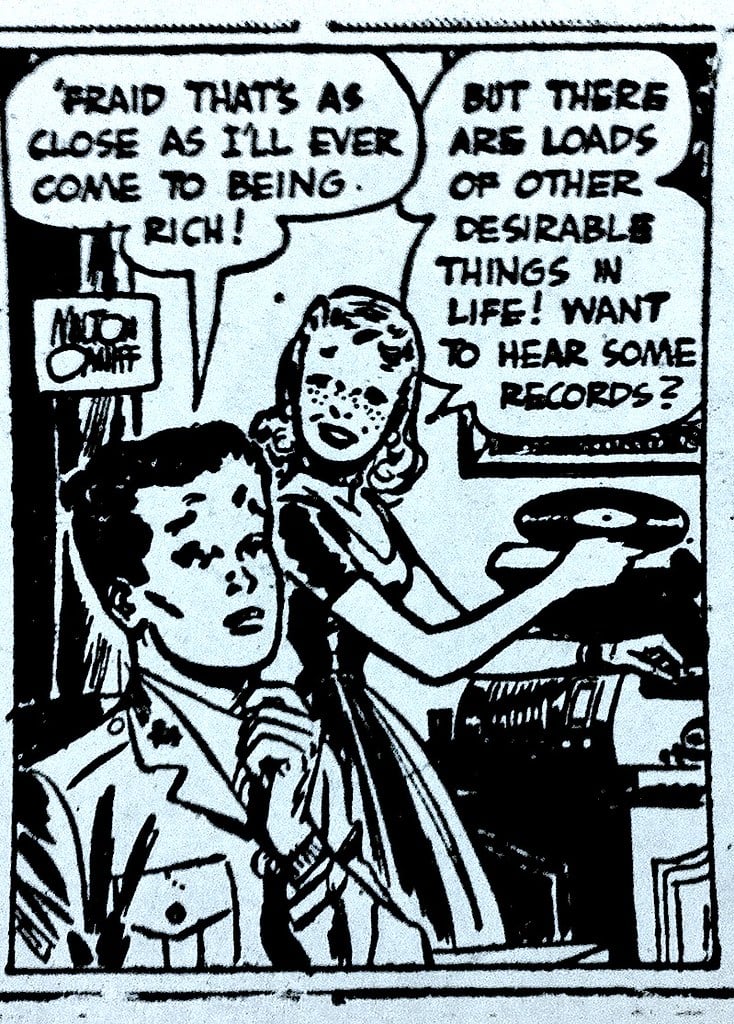
Milton Caniff’s post-war aviation strip showcased his mature artistic style. Original dailies sell for $4,000-15,000 each.
The strip served as Caniff’s artistic showcase after leaving Terry and the Pirates. His use of shadows and cinematic panel layouts influenced graphic novels decades later.
Complete newspaper sections are worth $300-1,000, with Korean War storylines commanding higher prices.
Bringing Up Father
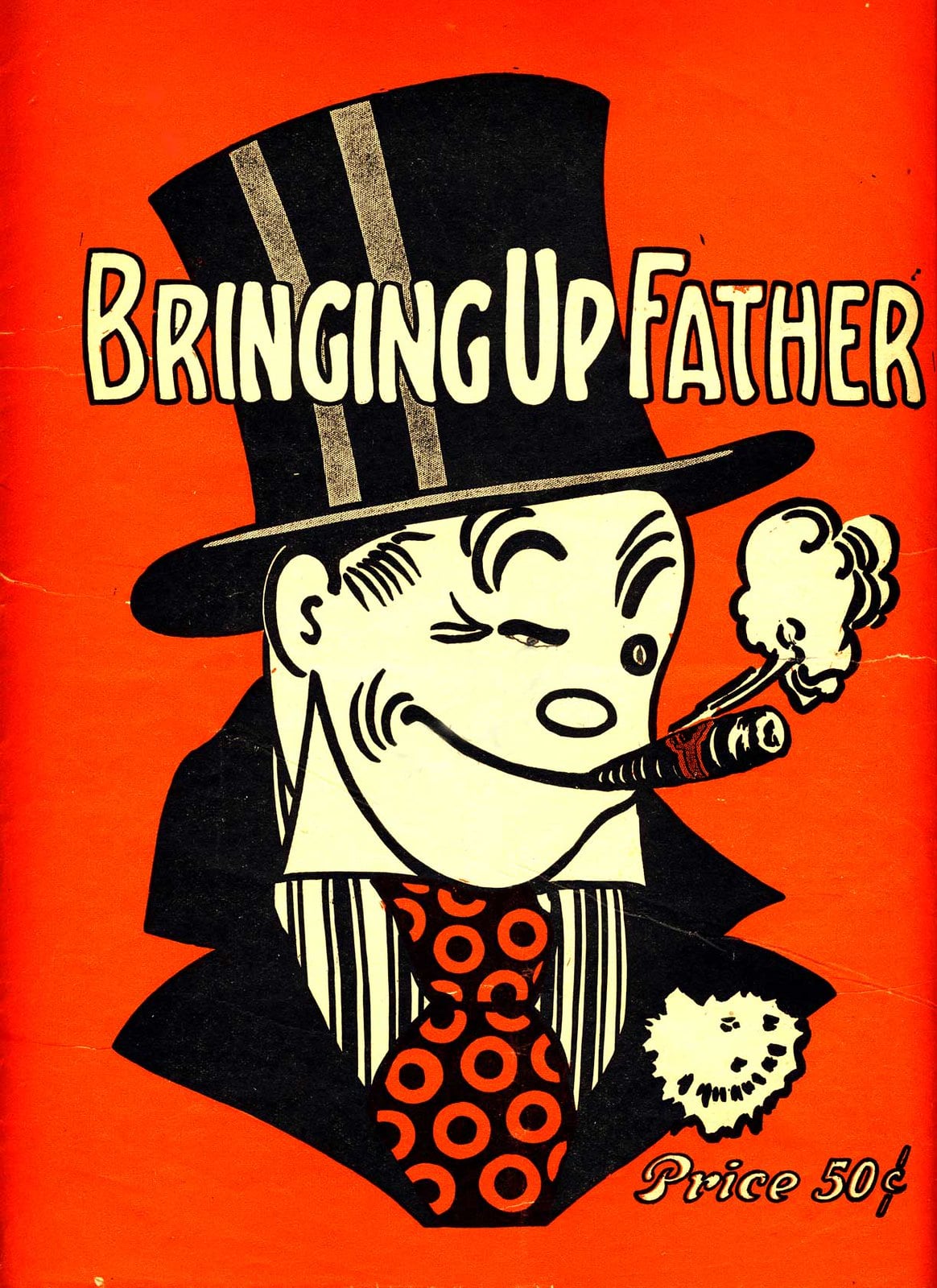
George McManus created the template for domestic comedy with Maggie and Jiggs, and while the humor feels dated now — immigrant-makes-good stories filtered through 1910s social anxiety about new money and old manners — the strip’s influence on situation comedy was massive.
You can trace a direct line from Maggie’s efforts to civilize Jiggs to every “long-suffering spouse” dynamic that followed. Original Sunday strips from the 1910s and 1920s sell for $3,000-12,000 because McManus was essentially drawing architectural blueprints for American suburbia.
The artwork itself has this crisp, decorative quality that makes each panel look like a magazine illustration, and collectors pay $200-800 for complete newspaper sections because they recognize these strips as historical documents about American class mobility.
And yet the basic dynamic still drives half the sitcoms on television, which suggests McManus understood something fundamental about domestic life that transcends the specific cultural moment he was drawing.
The Katzenjammer Kids
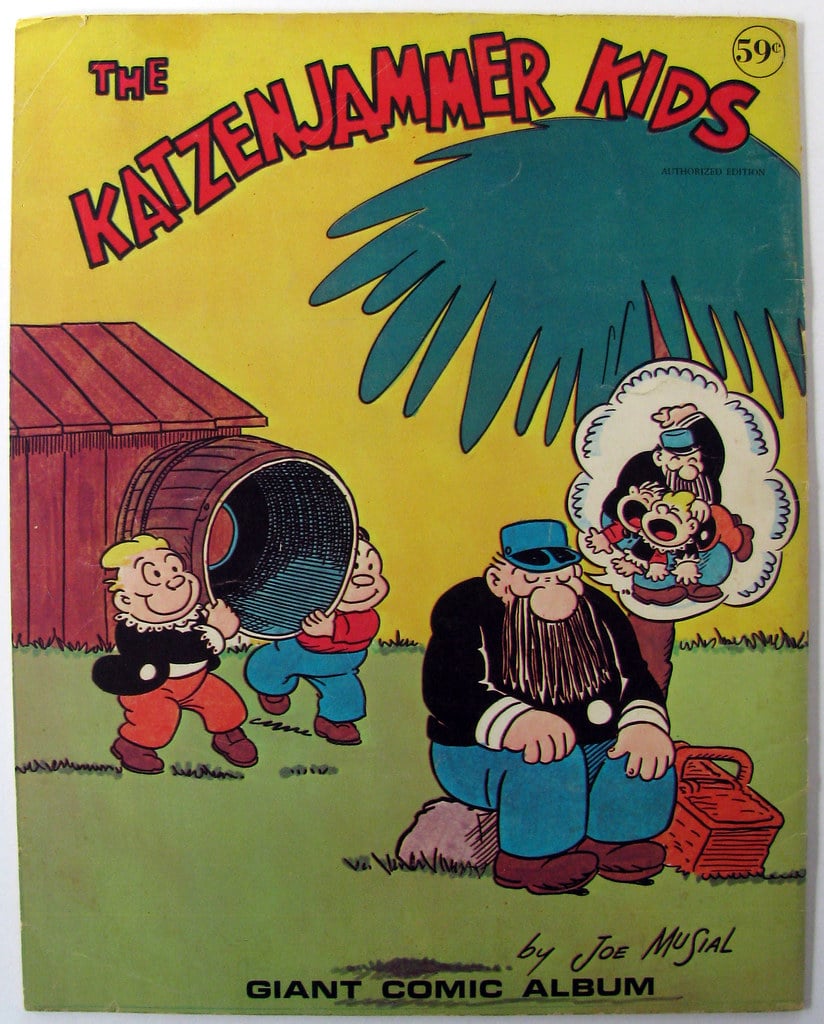
Rudolph Dirks created the first comic strip to use speech balloons consistently. Original strips from the 1890s-1910s sell for $8,000-25,000.
The strip established visual conventions still used today. Panel layouts, speech balloons, and sequential storytelling all trace back to the Katzenjammers.
Even reprints from the early decades can bring $300-1,000 per page.
Mutt and Jeff
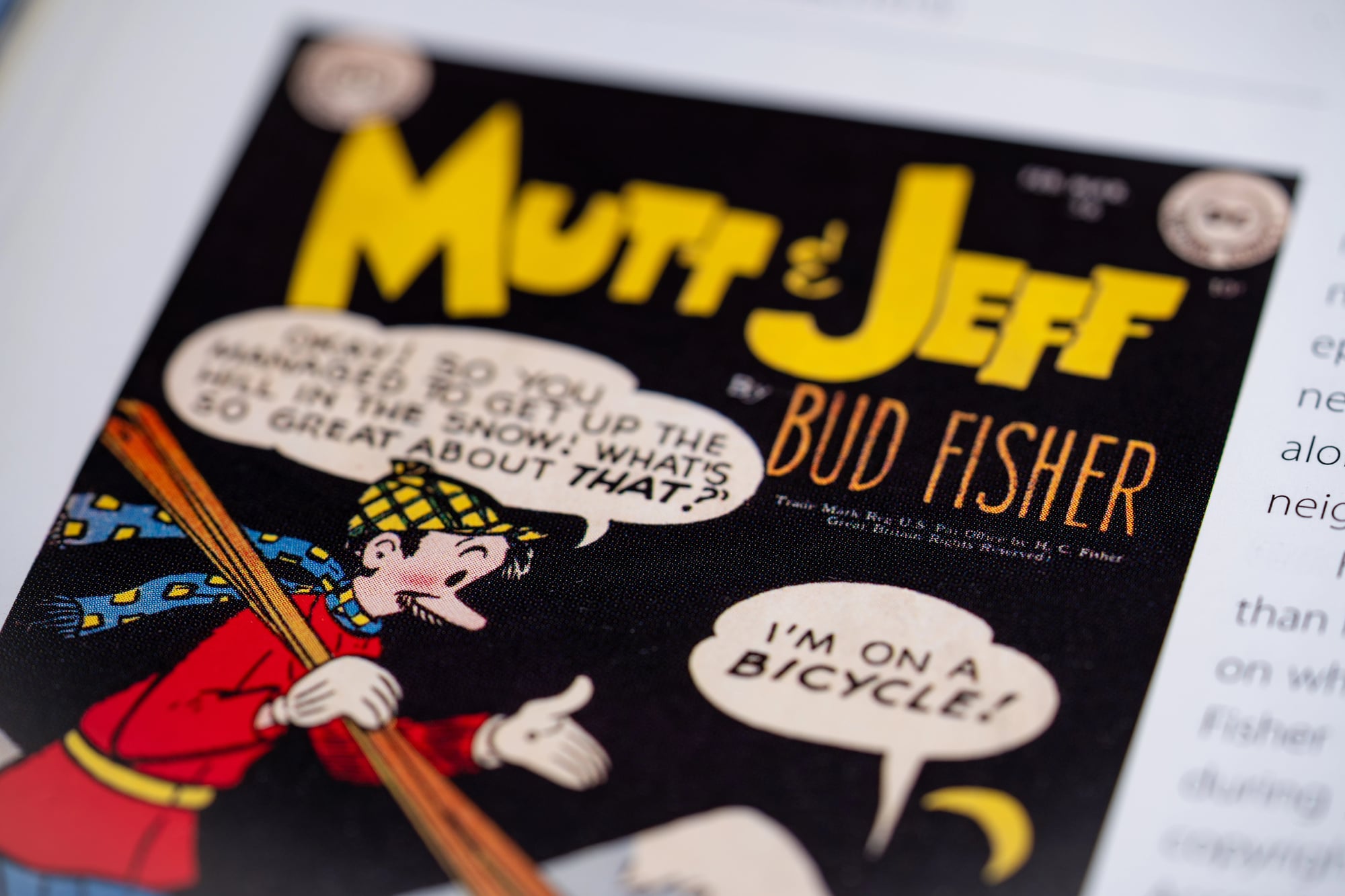
Bud Fisher’s odd couple ran as the first successful daily comic strip. Original strips from the 1910s bring $3,000-10,000 each.
Fisher proved that comics could sustain daily publication and build loyal readerships. The strip’s success convinced newspapers to invest in comics sections.
Complete daily sequences are worth $150-600 per strip, with boxing storylines commanding premium prices.
Wash Tubbs
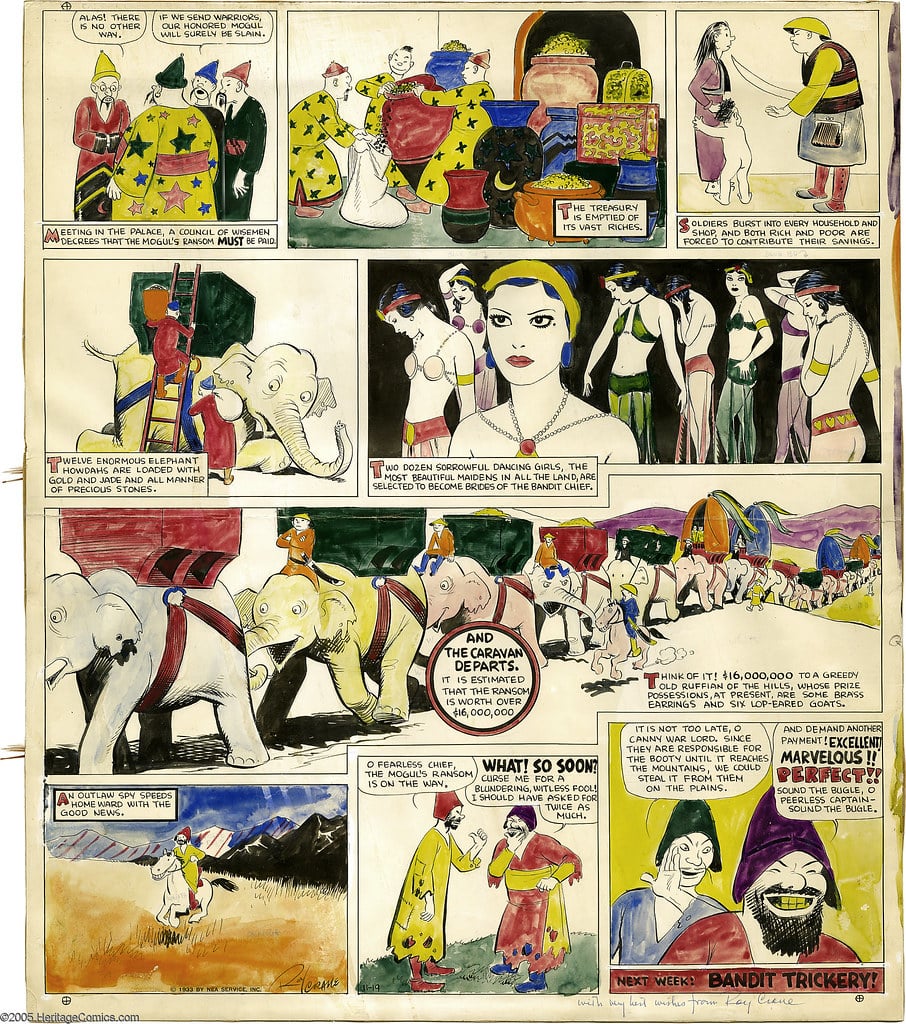
Roy Crane’s adventure strip evolved from gentle comedy into action-packed drama. Original strips featuring Captain Easy sell for $4,000-15,000.
Crane pioneered the adventure comic format that influenced everything from comic books to movie serials. His use of sound effects and action sequences set the template for modern comics.
Newspaper sections bring $250-900 each, with treasure-hunting storylines particularly valuable.
Happy Hooligan
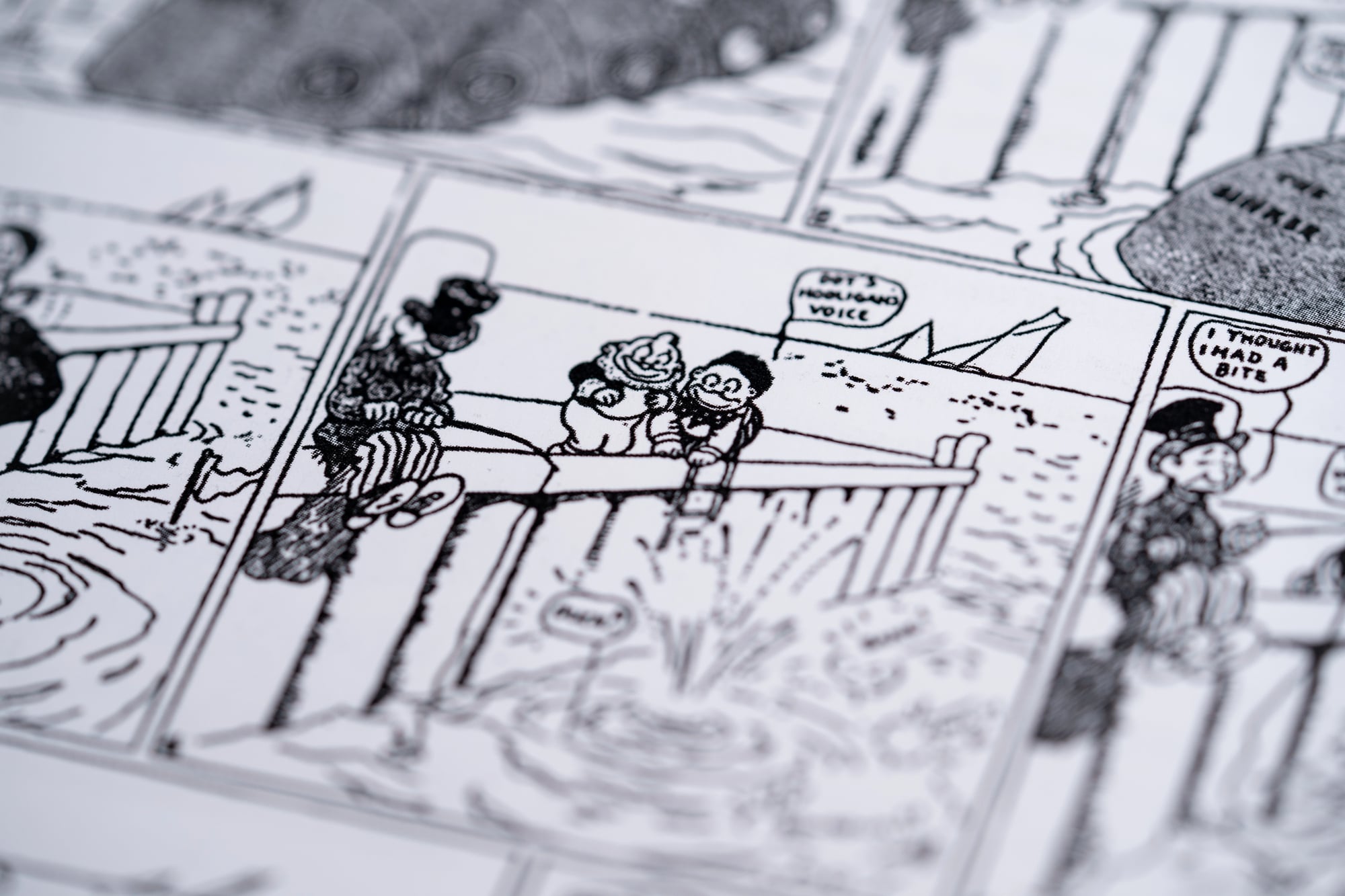
Frederick Opper’s tin-can-hat-wearing tramp was among the first recurring comic characters. Original Sunday strips from 1900-1920 sell for $5,000-18,000.
Happy’s optimism despite constant misfortune created a character who was sympathetic without being pathetic. Opper could make poverty funny without mocking poor people.
Complete newspaper sections go for $400-1,200, and the strips hold up better than most comedy from that era because Happy’s basic decency comes through in every panel.
So these aren’t just historical artifacts — they’re examples of how visual storytelling can create empathy for characters who exist on society’s margins.
Barney Google
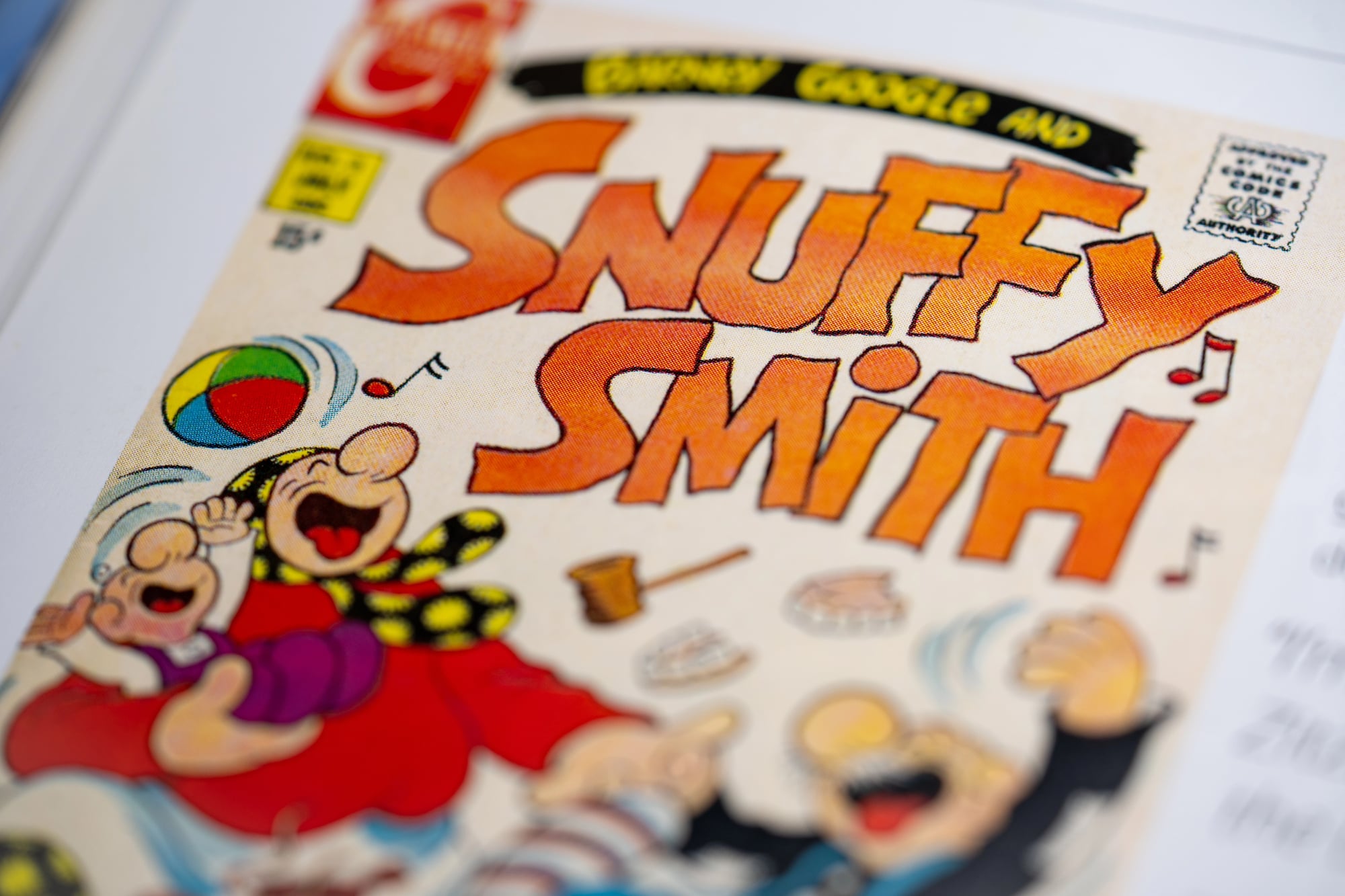
Billy DeBeck’s bug-eyed character with his racehorse Spark Plug captured 1920s America perfectly. Original strips sell for $3,000-12,000.
The strip coined phrases that entered American slang permanently. “Horsefeathers” and “heebie-jeebies” both came from Barney Google.
Sunday strips featuring Spark Plug are particularly valuable, often bringing $1,000-3,000 as newspaper sections.
Moon Mullins
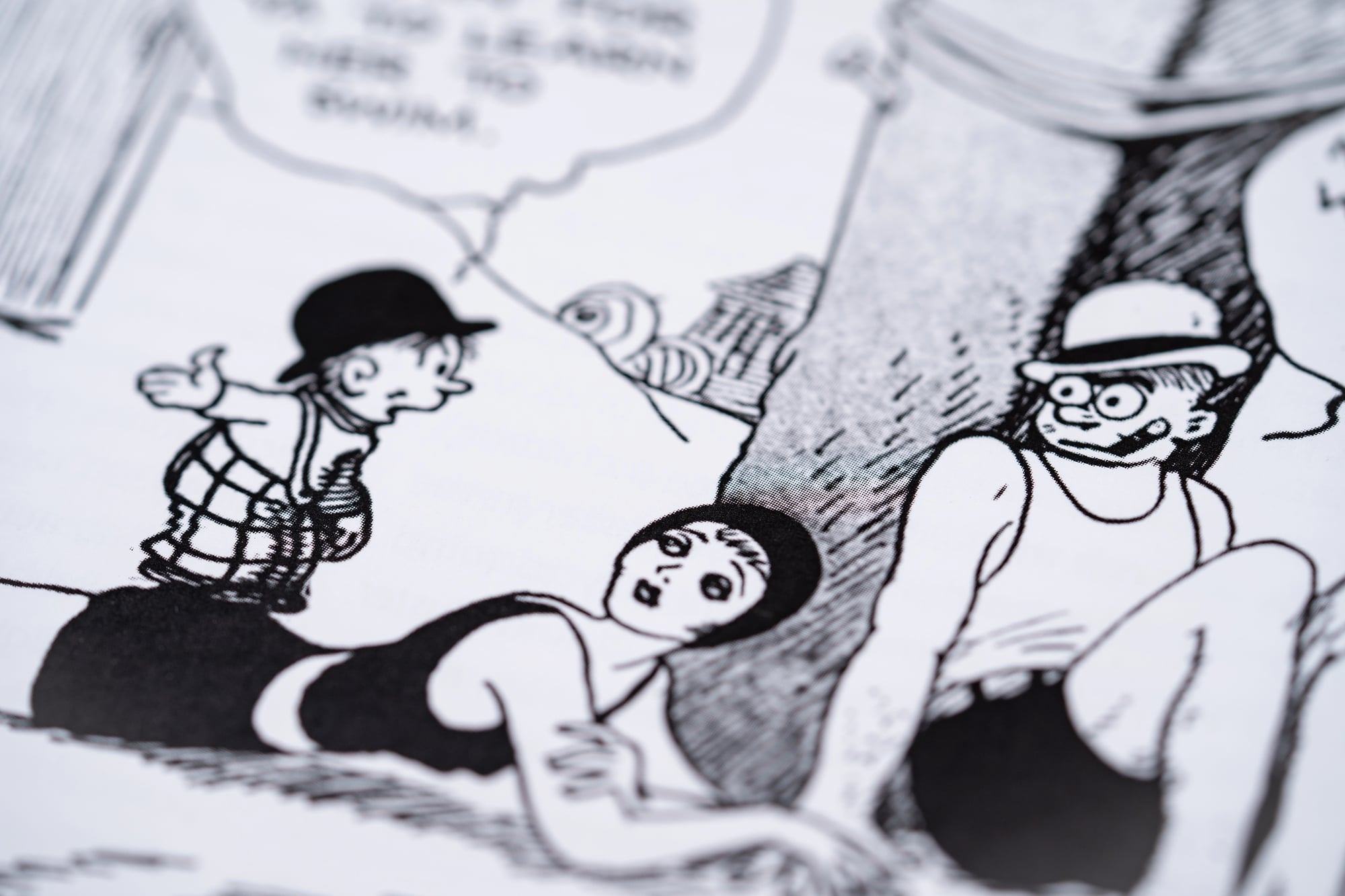
Frank Willard’s working-class comedy ran for over 70 years. Original strips from the 1920s-1940s bring $2,000-8,000 each.
The strip portrayed blue-collar life without condescension. Willard’s characters felt authentic in ways that many contemporary strips did not.
Complete newspaper sections are accessible at $150-500, making this an entry-level collecting opportunity.
Joe Palooka
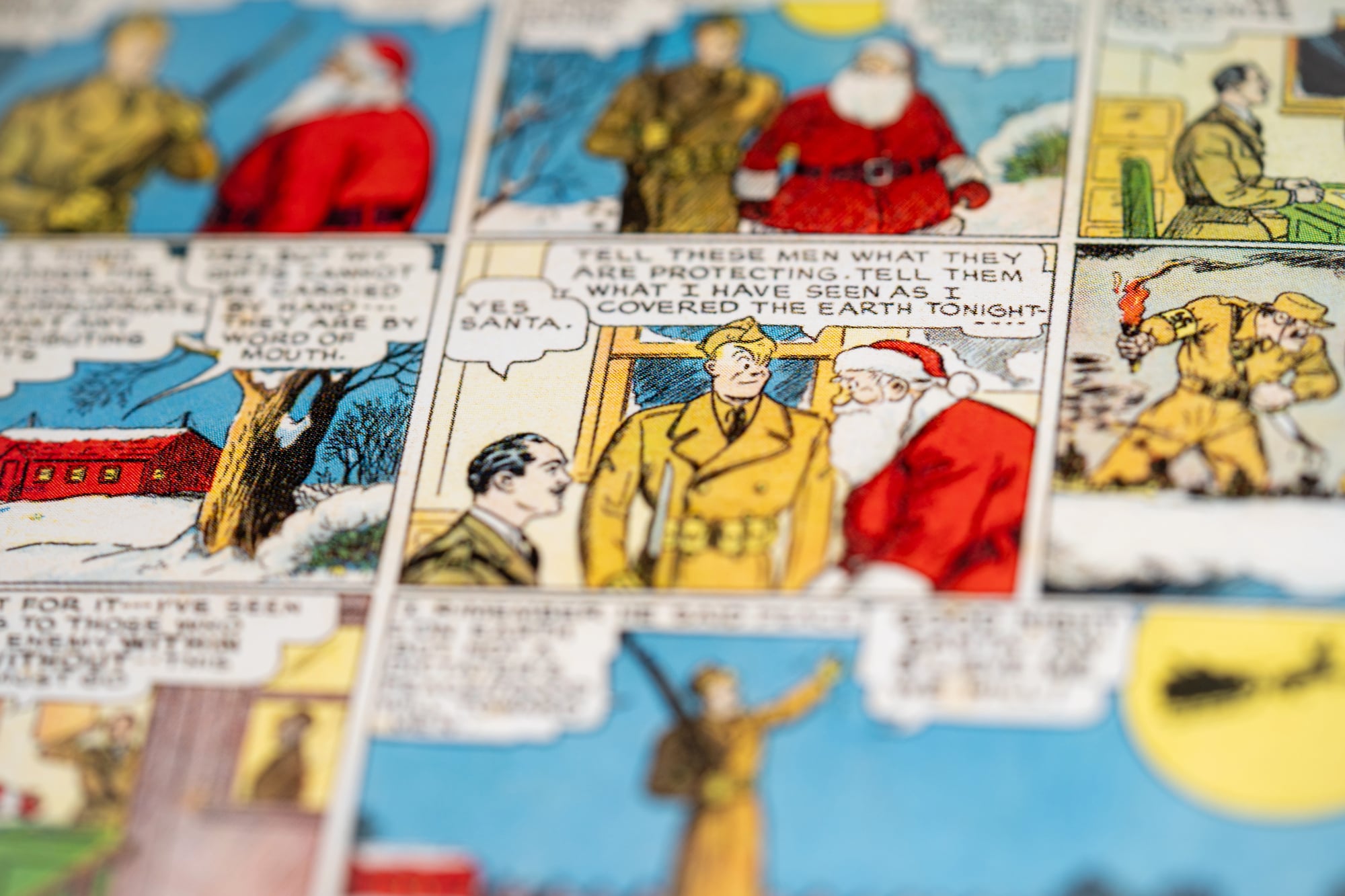
Ham Fisher’s gentle boxer proved that sports comics could work. Original strips from the 1930s sell for $2,500-10,000.
The strip’s popularity during World War II makes wartime storylines particularly valuable. Joe’s all-American image resonated with readers during uncertain times.
Sunday strips often sell for $400-1,200 as complete newspaper sections.
Li’l Abner
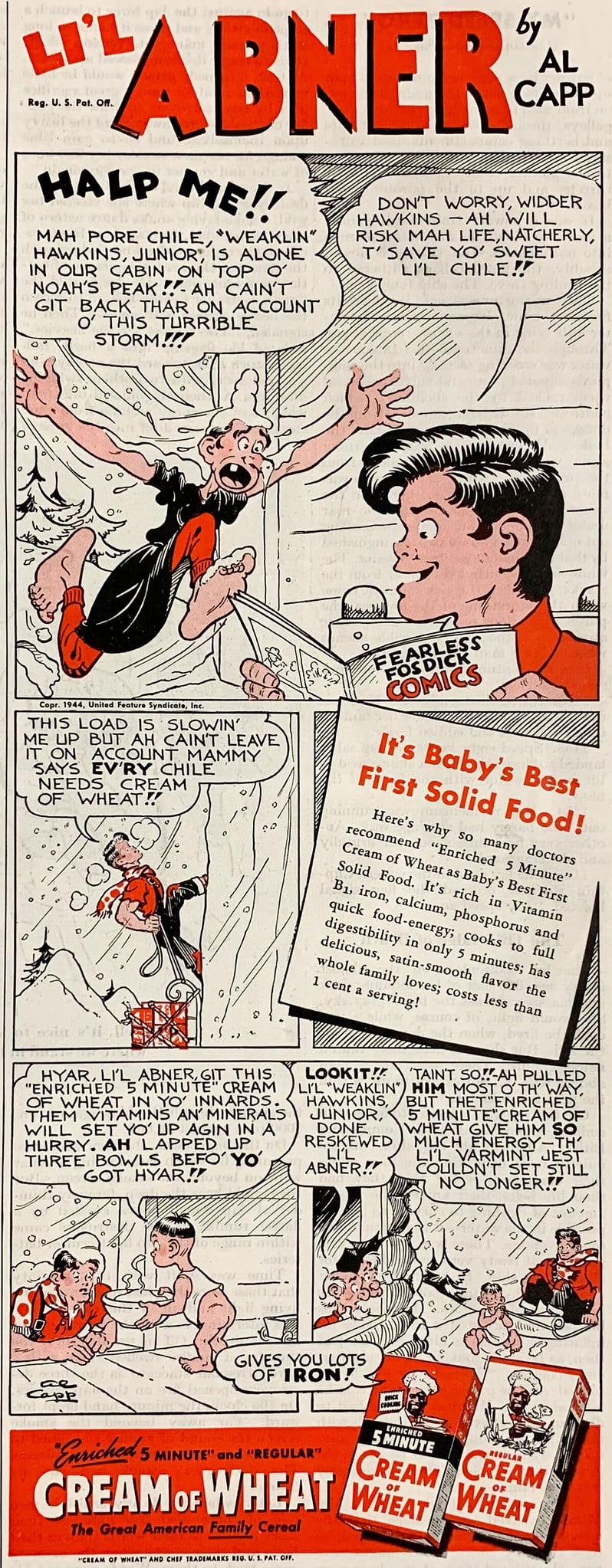
Al Capp’s satirical hillbilly strip skewered American society for 43 years. Original strips featuring Sadie Hawkins Day or Dogpatch politics sell for $4,000-16,000.
Capp’s social commentary was sharper than most editorial cartoons. The strip influenced political humor for decades.
Sunday strips are particularly valuable, with complete newspaper sections bringing $500-2,000 depending on the storyline.
Alley Oop
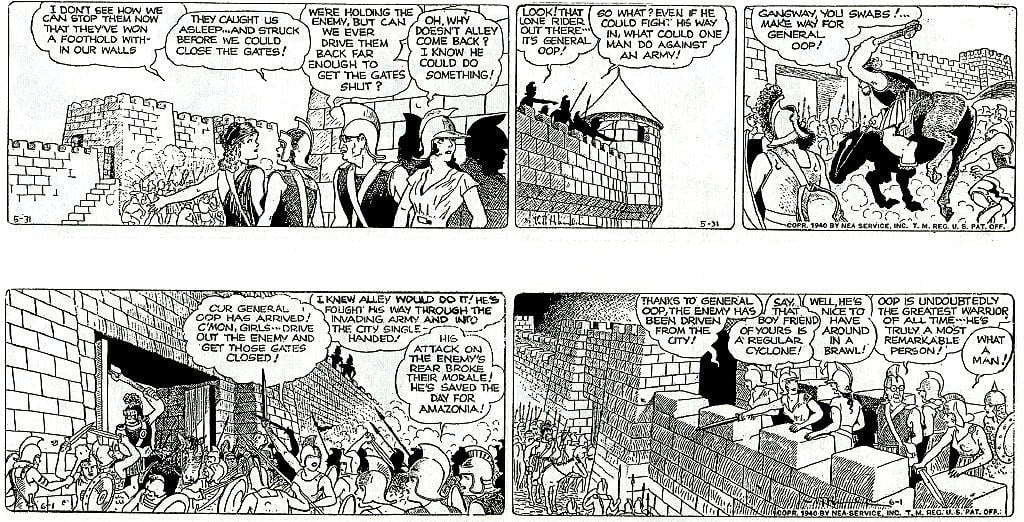
V.T. Hamlin’s time-traveling caveman combined comedy with adventure. Original strips from the 1930s sell for $3,000-10,000.
Hamlin used the time travel gimmick to comment on contemporary issues by showing how little human behavior really changes across centuries. Sunday strips command $300-1,000 for complete newspaper sections.
The artwork has this clean, readable quality that makes even the most absurd storylines feel grounded and logical. Hamlin influenced science fiction comics that came after.
Skippy
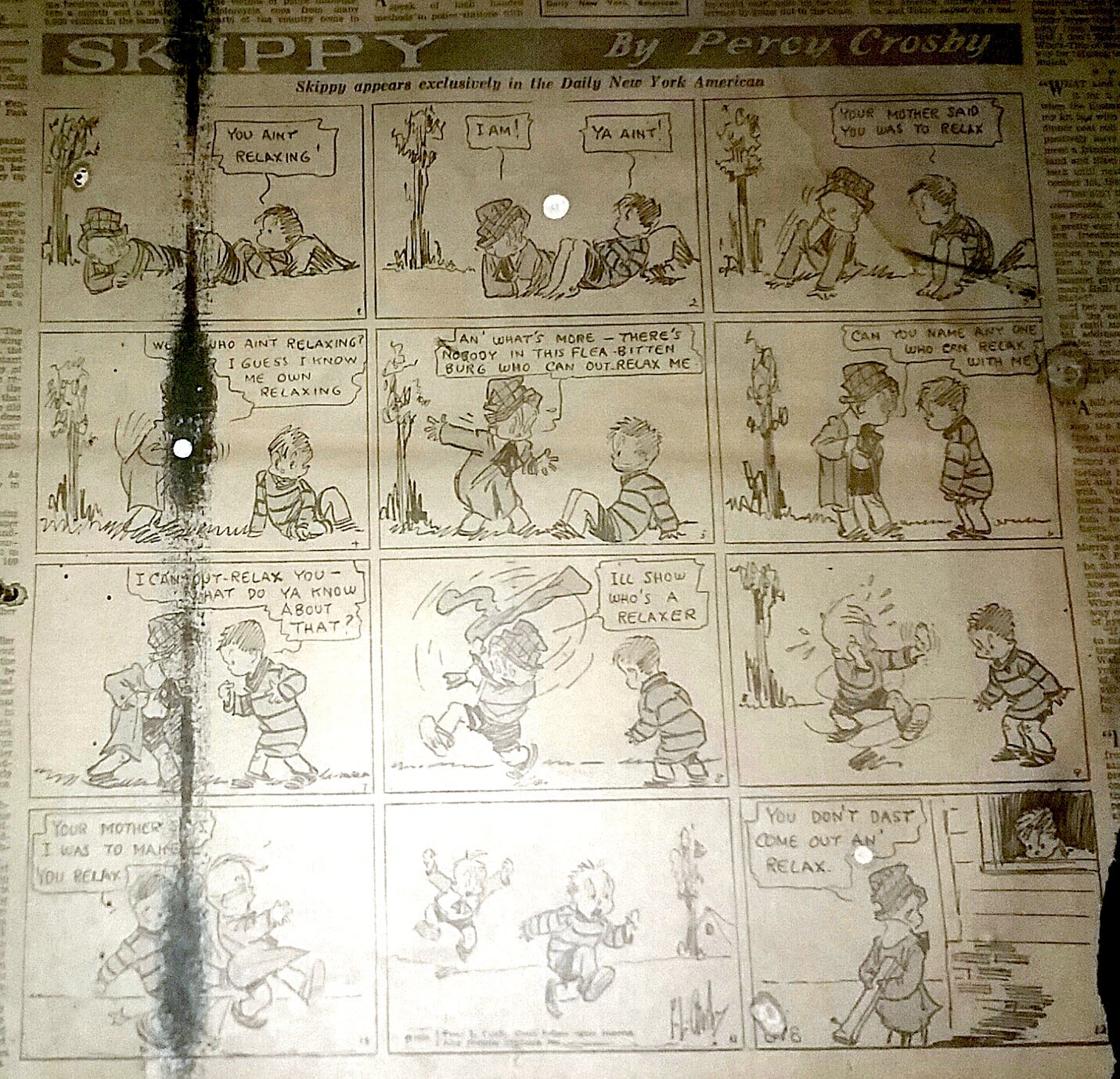
Percy Crosby’s Depression-era kid strip captured childhood with unusual honesty. Original strips from the 1920s-1930s sell for $2,000-8,000.
Crosby wrote children as real people rather than miniature adults. The strip’s authentic voice influenced later kid-centered comics.
Sunday strips are worth $250-800 as complete newspaper sections, with school storylines particularly popular.
Blondie
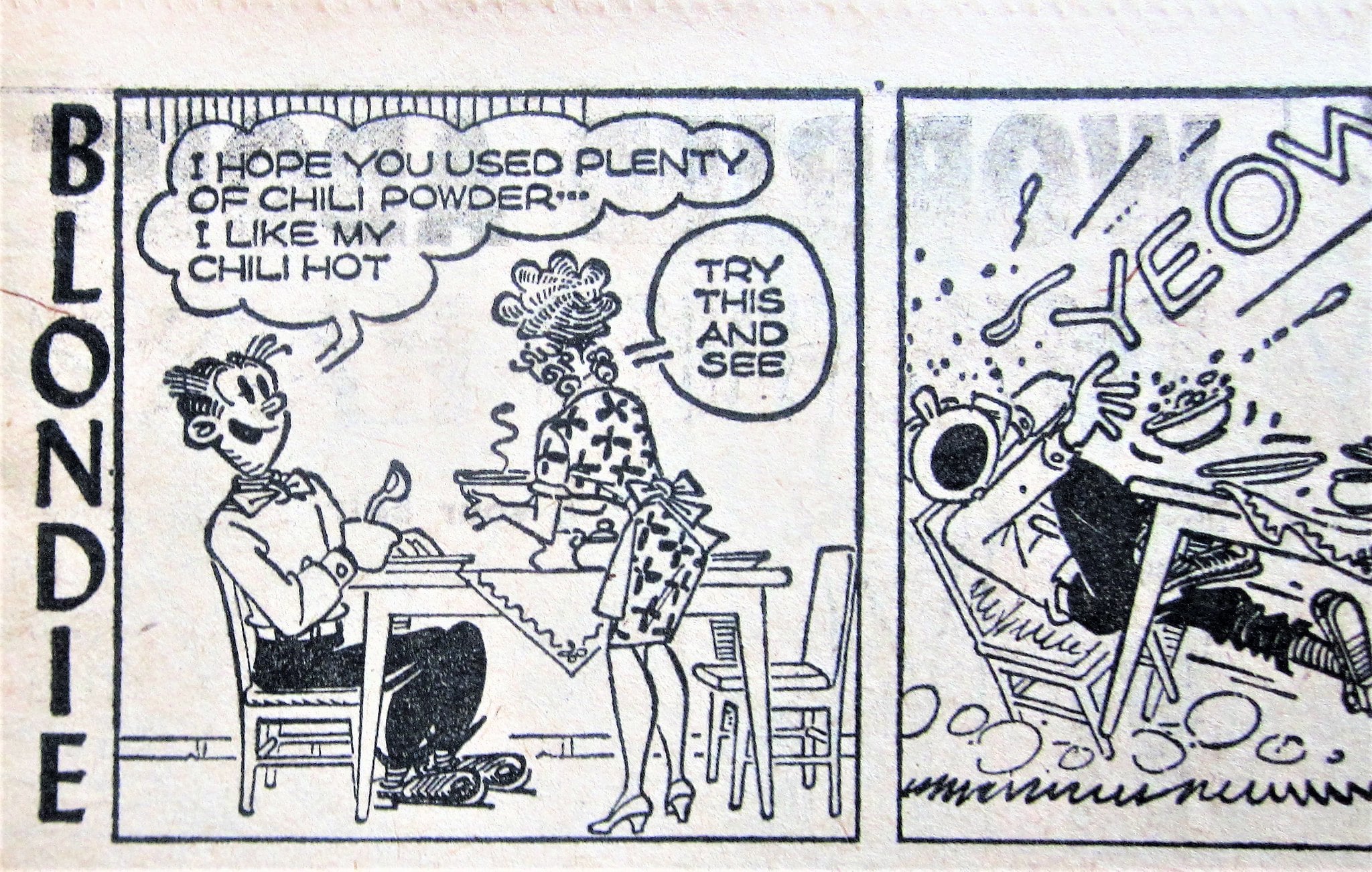
Chic Young’s domestic comedy became the most successful comic strip franchise ever. Early strips from the 1930s before the marriage storyline sell for $3,000-12,000.
The strip’s longevity proves its formula works. Dagwood’s sandwiches and afternoon naps became cultural touchstones.
Original strips featuring the courtship period are particularly valuable. Sunday strips bring $400-1,500 as newspaper sections.
Napoleon And Uncle Elby
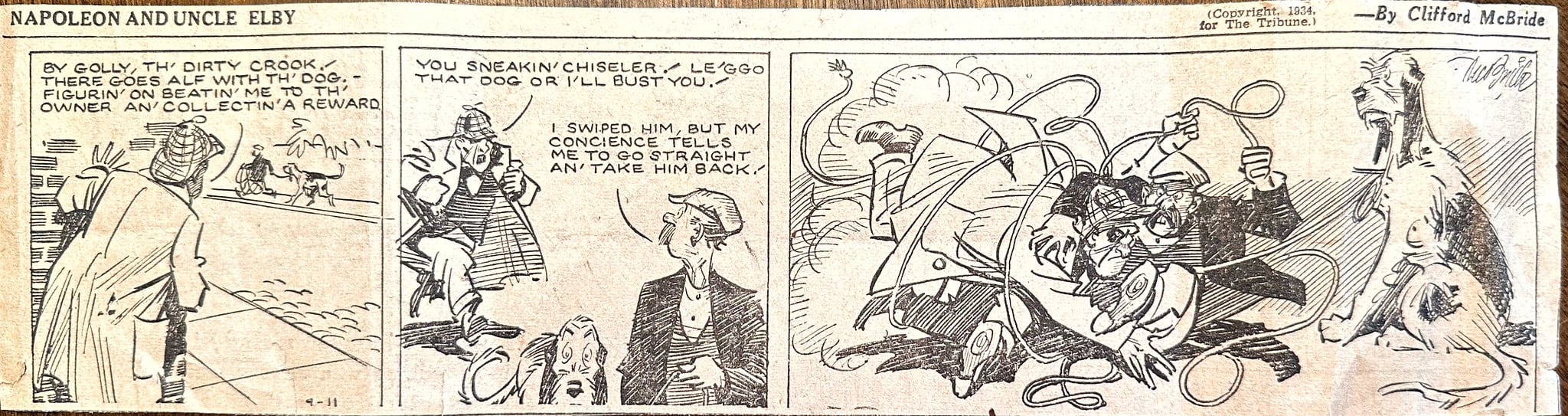
Clifford McBride’s massive dog strip demonstrated that animal characters could carry sophisticated humor without relying on cute poses or obvious gags. Napoleon was drawn as an actual Great Dane who happened to think like a person.
Original strips from the 1930s sell for $2,000-7,000 because McBride understood animal behavior well enough to make the humor feel authentic rather than forced. Collectors recognize this as harder to execute than it looks.
Sunday strips go for $200-600 as complete newspaper sections, and the artwork has this observational quality that suggests McBride spent serious time watching how large dogs actually move and interact with humans.
So these strips work as both comedy and as surprisingly accurate depictions of dog psychology. They influenced later animal-centered comics from Marmaduke to Garfield.
The Wisdom Of Collecting What Made People Laugh
Comic strips documented how America talked to itself for over a century. The jokes changed, the art evolved, but the basic function remained constant: a few minutes of relief before getting back to whatever life demanded.
That shared experience, repeated across generations, creates value that extends beyond mere paper and ink. The collectors who pay serious money for these strips understand something important.
Entertainment that reaches millions of people daily, for decades, shapes culture in ways that individual artworks cannot. These weren’t just comics — they were the background soundtrack of American breakfast tables.
And sometimes the background music matters more than you realize until it stops playing.
More from Go2Tutors!

- The Romanov Crown Jewels and Their Tragic Fate
- 13 Historical Mysteries That Science Still Can’t Solve
- Famous Hoaxes That Fooled the World for Years
- 15 Child Stars with Tragic Adult Lives
- 16 Famous Jewelry Pieces in History
Like Go2Tutors’s content? Follow us on MSN.