Things ’90s Teenagers Wasted All Their Money On
The ’90s were a financial minefield for teenagers. Between the rise of mall culture, the explosion of new technology, and brands that suddenly understood how to market directly to young people, there were more ways than ever to blow through allowance money and part-time job earnings.
Looking back, some of those purchases seem downright ridiculous, but at the time, they felt absolutely essential. Here’s what ’90s teens couldn’t resist spending their hard-earned cash on, even when they probably should have saved it instead.
Beanie Babies
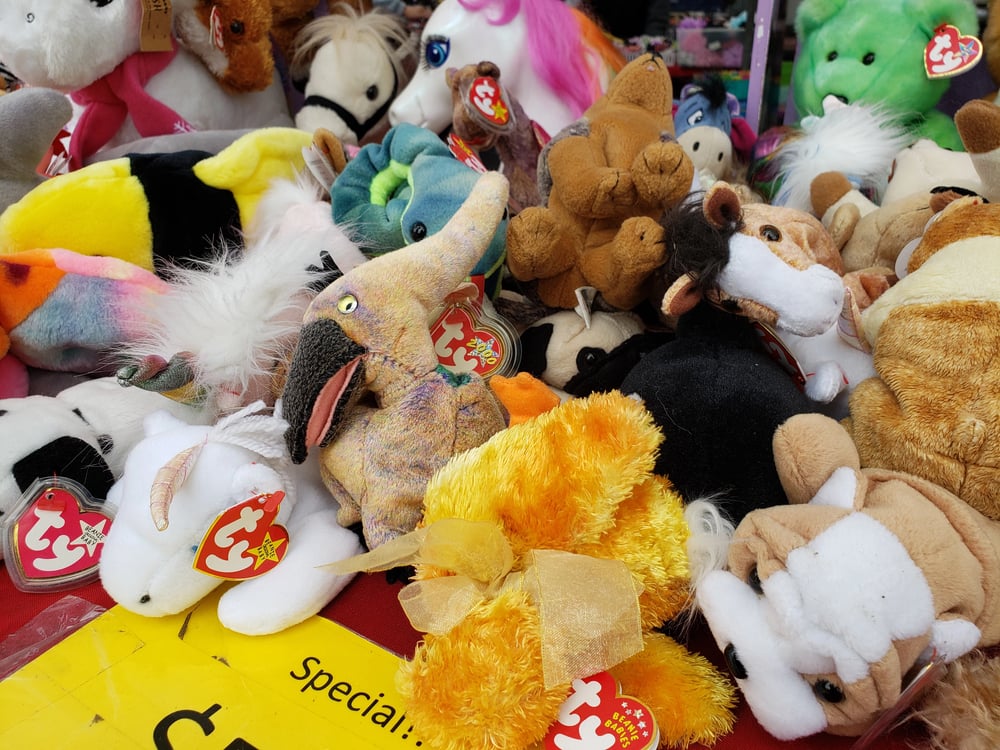
The Beanie Baby craze turned ordinary stuffed animals into investment opportunities that never paid off. Kids convinced themselves that Peanut the Elephant would fund their college education, so they bought multiple copies and kept them in plastic cases.
The secondary market was insane — people paid hundreds of dollars for bears with misprinted tags. Most of those “rare” collectibles are now worth less than their original retail price.
CD Singles
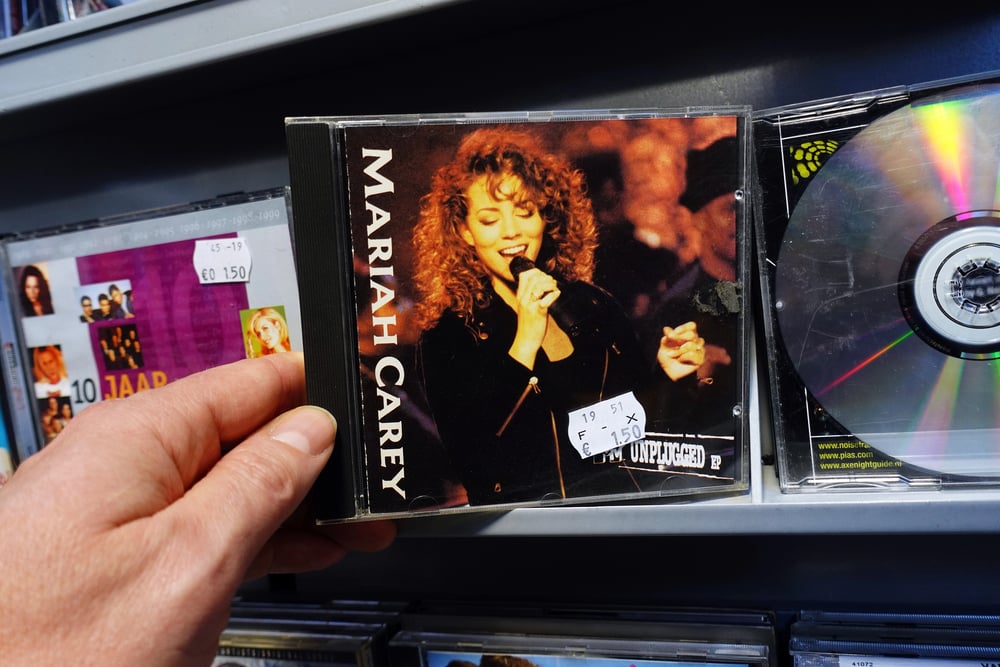
Back when you had to buy an entire album to get one song, record labels discovered they could sell individual tracks on CD singles for three or four dollars each (which was pure genius from a profit perspective, and financial kill from a teenager’s budget standpoint). These discs usually contained the radio edit, an instrumental version, and maybe a remix nobody wanted, but kids bought them anyway because hearing that one song whenever they wanted felt worth the premium.
The math was brutal: five CD singles cost the same as a full album, but teenagers weren’t exactly known for their long-term economic planning — and to be fair, when you’re sixteen and obsessed with a particular song, rational spending takes a backseat to immediate gratification.
Tamagotchis

Keeping a digital pet alive became an expensive obsession that somehow justified itself through the peculiar logic of artificial responsibility. You carried this plastic egg everywhere, feeding it, cleaning up after it, and watching it grow into something that looked vaguely like a chicken or a blob.
The attachment was real, even though the pet was just pixels on a tiny screen. When your Tamagotchi inevitably dies (usually because you forgot to pause it during math class), you’d buy another one and start the cycle all over again.
Pagers
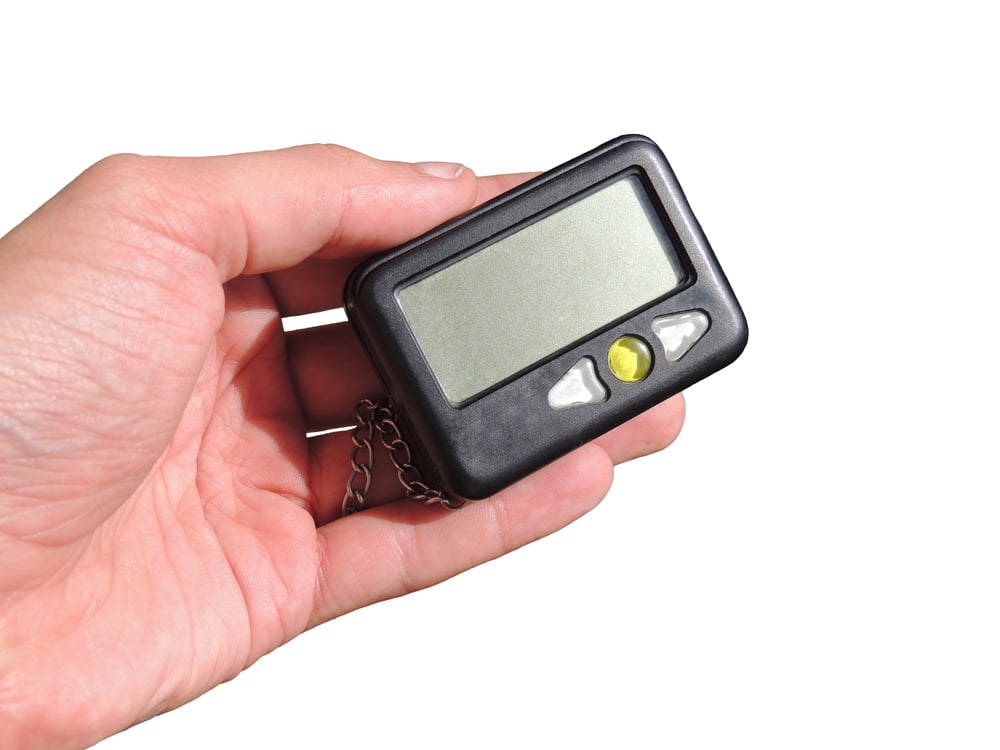
Pagers made teenagers feel important in an era before everyone had cell phones. You’d clip this little black box to your jeans and wait for someone to send you a numeric message that you’d have to decode or call back from a payphone.
The monthly service fee was just high enough to hurt, and the actual utility was questionable since you still needed access to a phone to respond to messages.
Designer Jeans
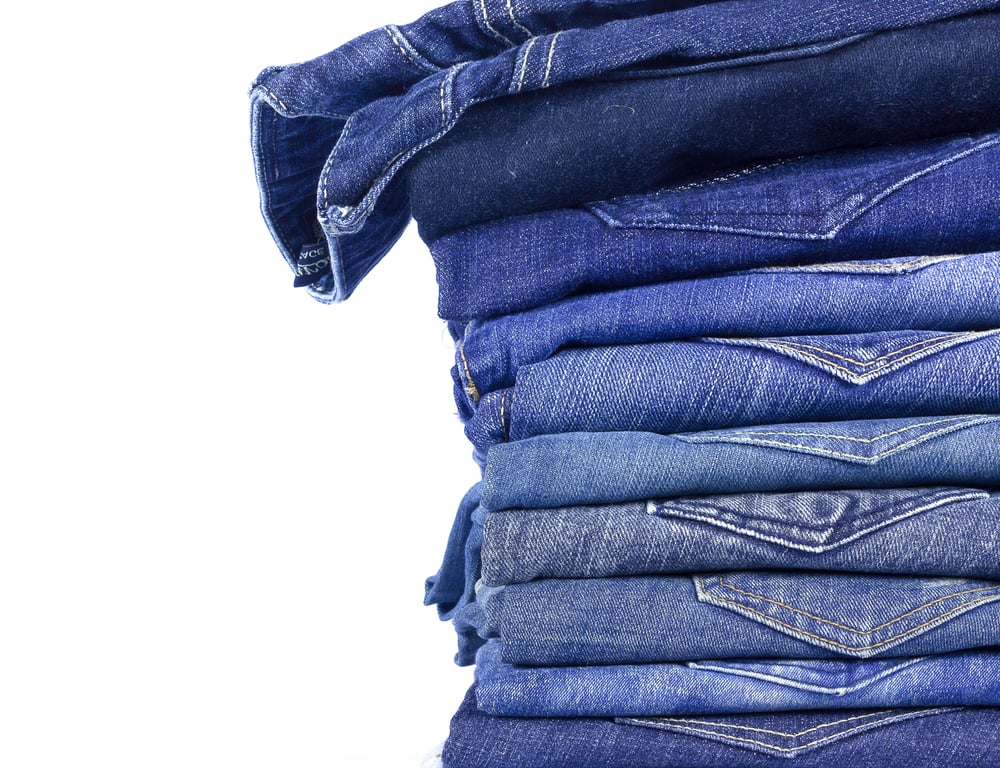
A single pair of jeans could cost more than some teenagers made in a week, but brands like Calvin Klein and Tommy Hilfiger had convinced everyone that the right label was worth the financial sacrifice (because apparently regular denim couldn’t possibly provide the same level of leg coverage, and social status required very specific stitching patterns and logos). The markup was obscene — you were essentially paying fifty dollars extra for a small embroidered name, but the psychological weight of wearing the “right” brand felt heavier than the actual fabric.
And somehow, despite costing a fortune, these premium jeans would still get the same grass stains and tears as their cheaper alternatives, which should have been the first clue about the whole enterprise, but teenage logic doesn’t operate on practical principles.
Hair Accessories
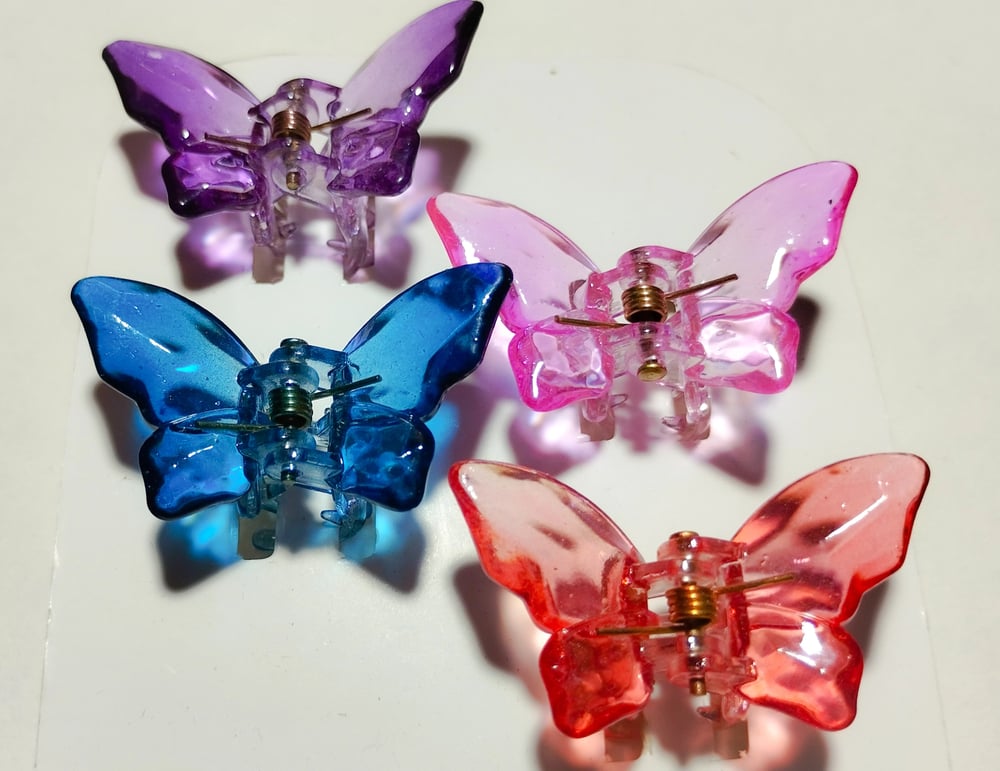
Scrunchies, butterfly clips, and zigzag headbands turned hair into a canvas for self-expression that required constant financial investment. Girls collected these accessories like some kind of textile army, filling entire drawers with elastic bands covered in neon fabric and plastic decorations.
Each new hairstyle demanded a specific accessory, and keeping up with trends meant continuous shopping trips to Claire’s or the drugstore. The cumulative cost was staggering for what amounted to decorated rubber bands, but hair without the proper accessories felt empty and socially unacceptable.
Movie Theater Concessions
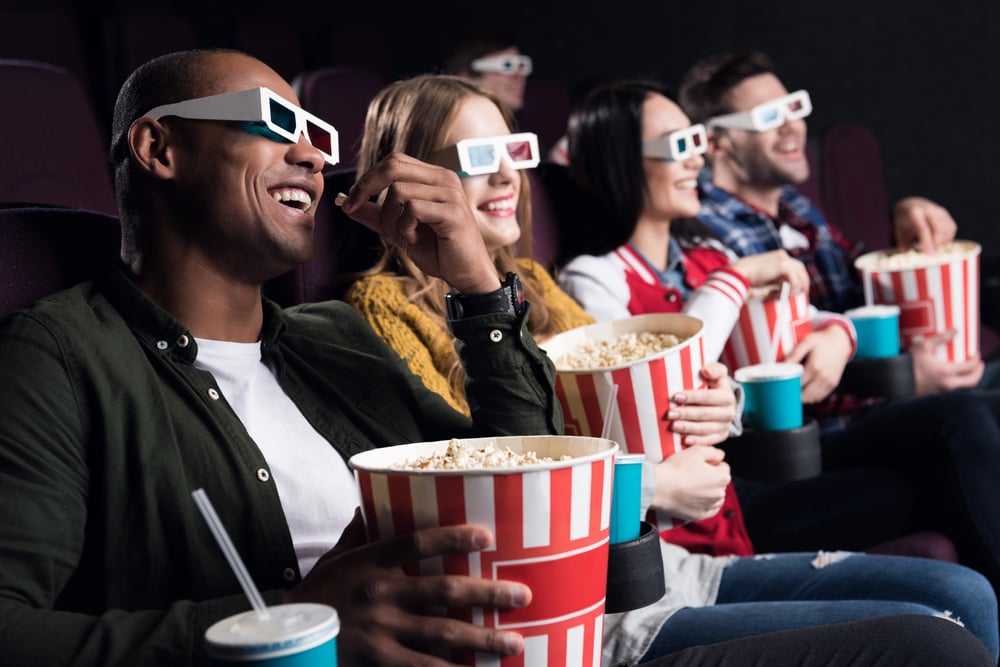
Sneaking snacks into movies was considered either too risky or too cheap, so teenagers paid theater prices for candy and drinks that cost three times what they would at any normal store. A bag of Skittles that cost fifty cents at the grocery store somehow became two-fifty at the concession stand, and everyone just accepted this as the price of the full movie experience.
Video Game Magazines
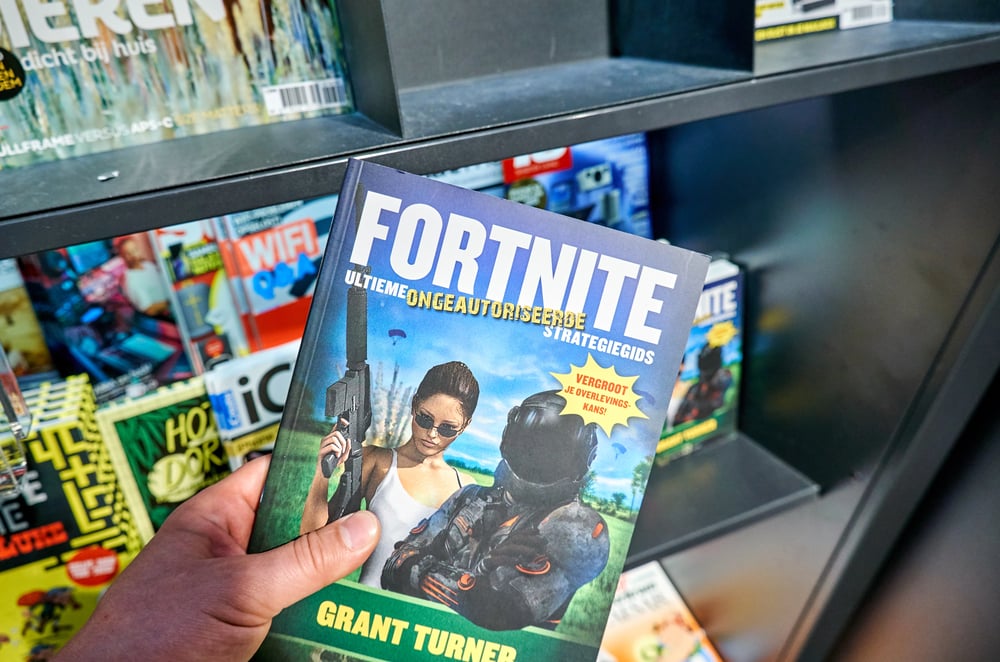
Before the internet made game reviews free and instant, teenagers bought thick monthly magazines filled with screenshots, cheat codes, and previews of games they couldn’t afford. These magazines cost five or six dollars each and were obsolete the moment they hit the stands, but they were the only way to stay current with gaming news.
The strategy guides were even worse — paying fifteen dollars for a book that told you how to beat a game you’d already bought.
Concert T-Shirts
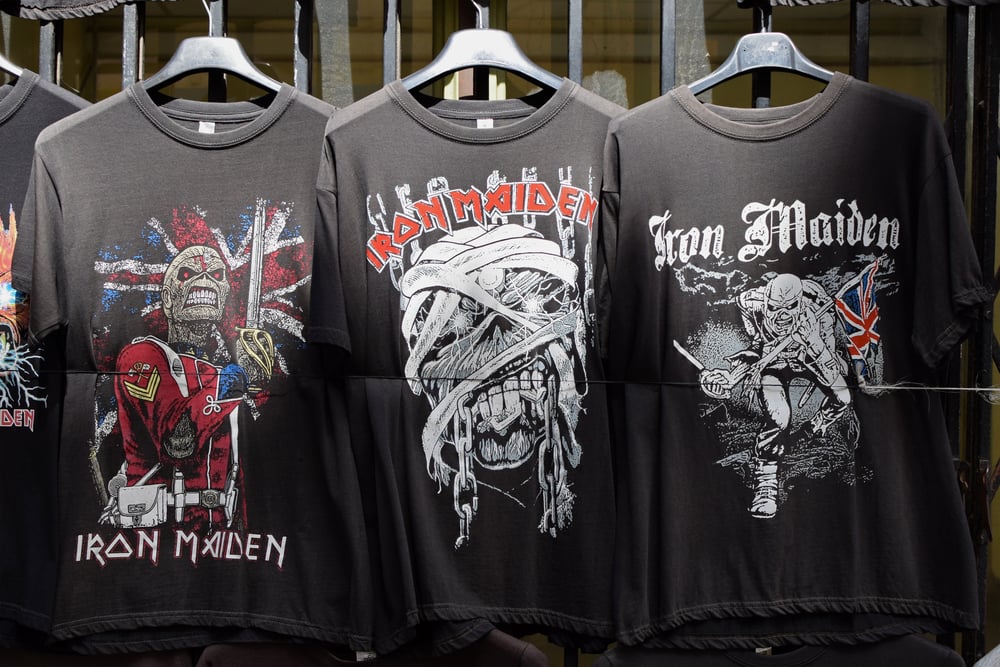
Band merchandise at concerts was criminally overpriced, but refusing to buy a t-shirt felt like incomplete participation in the experience (because apparently enjoying the music wasn’t enough — you needed physical proof that you’d been there, printed on cotton that cost more per yard than some people’s hourly wages). The shirts themselves were often poor quality, with graphics that would crack and fade after a few washes, but in the moment, wearing your favorite band’s name felt like a declaration of identity rather than a questionable financial decision.
And the markup was brutal: a twenty-dollar shirt probably cost three dollars to make, but the emotional value of concert merchandise operated outside normal economic logic. So you handed over the money, even when it meant eating ramen noodles for the rest of the month.
Phone Cards
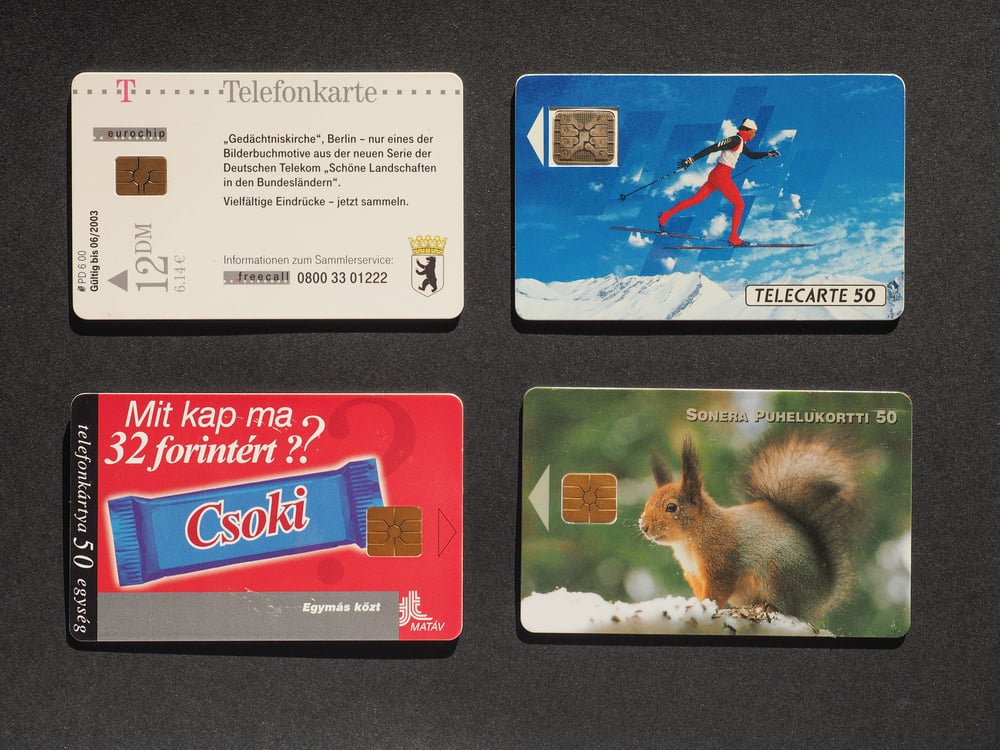
Long-distance relationships and college-bound friends required phone cards that promised cheaper rates but still managed to eat through allowance money at an alarming pace. These cards claimed to offer significant savings over regular long-distance charges, but somehow the minutes disappeared faster than expected, and you’d find yourself buying new cards every few weeks.
The math never quite worked out the way the advertisements suggested.
Disposable Cameras
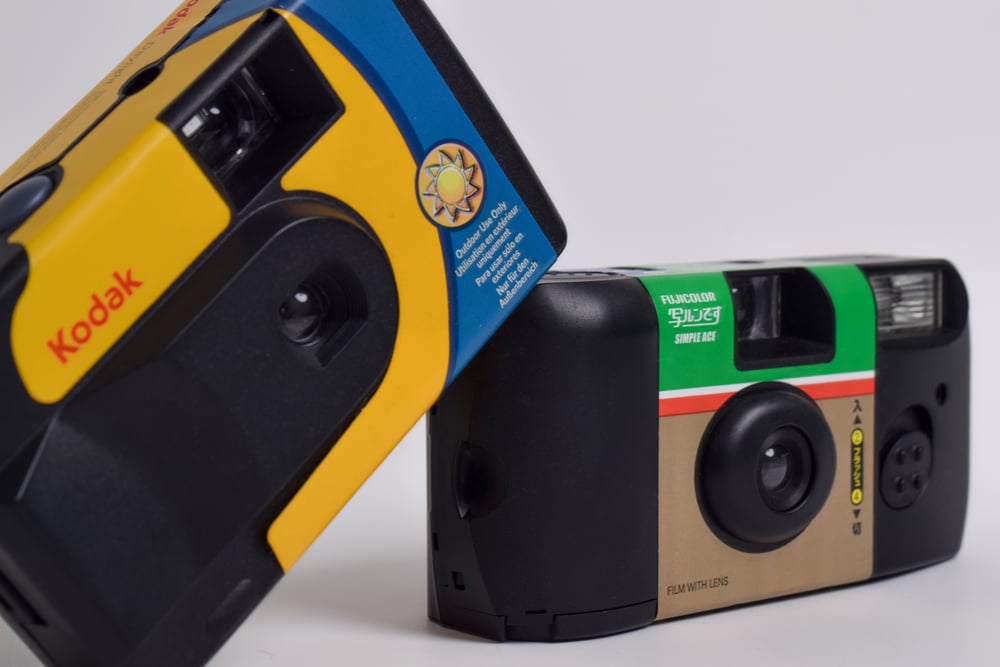
Before digital photography made every shot free, capturing memories required buying rolls of film and paying for development, which turned casual photography into a budget-draining hobby. Each disposable camera cost eight or ten dollars, gave you twenty-seven shots, and then required another eight dollars for processing.
The pictures were often terrible — blurry, poorly lit, or completely dark — but you didn’t know that until after you’d paid for development. Taking photos required genuine financial consideration.
Name-Brand Sneakers
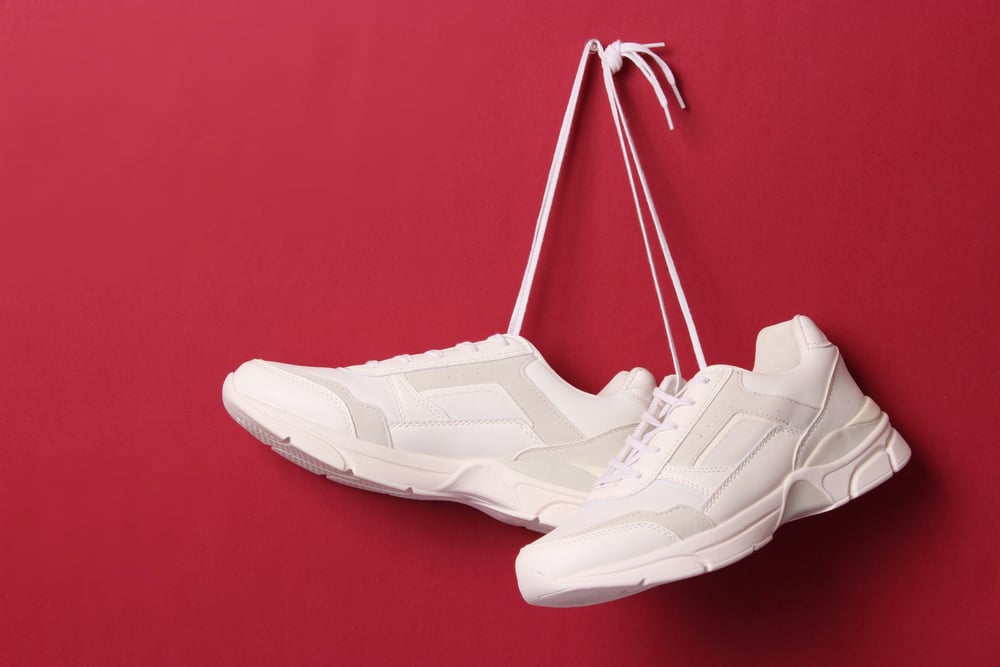
Athletic shoes became fashion statements that cost more than many adults spent on dress shoes, and teenagers convinced themselves that the right brand would somehow improve their social standing or athletic ability. Nike Air Jordans, Reebok Pumps, and similar status symbols commanded prices that would have been ridiculous for actual sports equipment, but these weren’t really about sports — they were about belonging to a specific cultural moment that required very expensive foot accessories.
Lip Smackers and Body Sprays
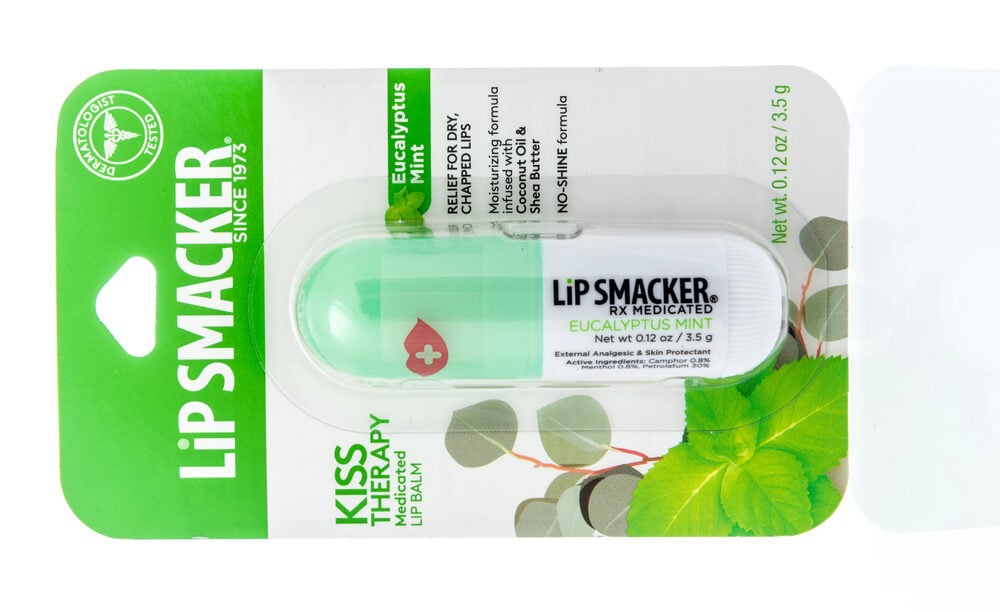
Personal care products marketed specifically to teenagers cost twice as much as adult versions while delivering half the actual utility, but the packaging and scents were designed to feel age-appropriate rather than practical. Lip balm that tasted like cotton candy or vanilla seemed worth the premium, even though regular ChapStick worked just as well for a fraction of the cost.
Body sprays promised to make you irresistible while actually making you smell like a fruit salad exploded in a perfume factory, but teenagers bought them anyway because the alternative was risking social rejection due to inadequate fragrance choices.
Stickers and Temporary Tattoos
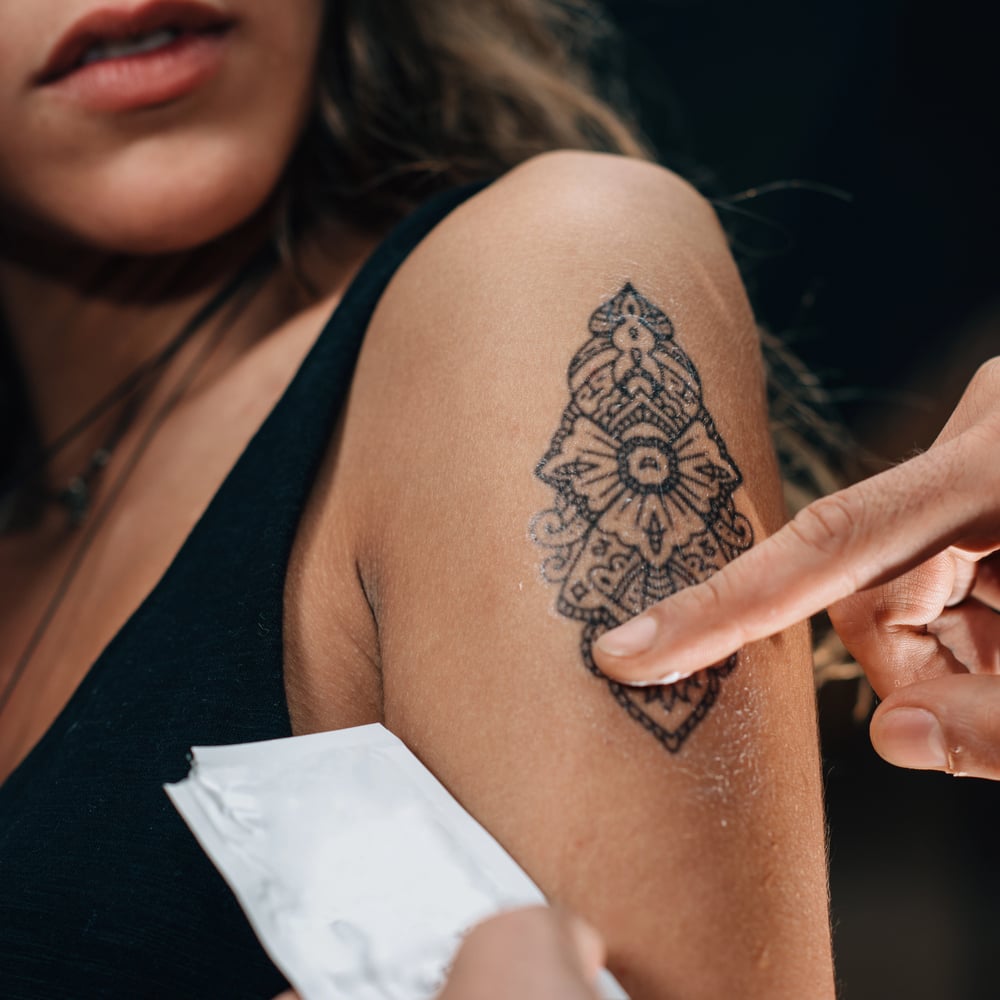
Self-decoration became an ongoing expense that added up quickly despite the low individual cost of each purchase. Sticker collections required constant expansion to stay current, and temporary tattoos offered the thrill of rebellion without permanent commitment.
These seemed like harmless small purchases, but they created a steady financial drain that could easily consume several dollars every week. The stickers would eventually lose their adhesive or be forgotten in drawers, making them some of the most temporary purchases teenagers made.
Friendship Bracelets and Mood Rings
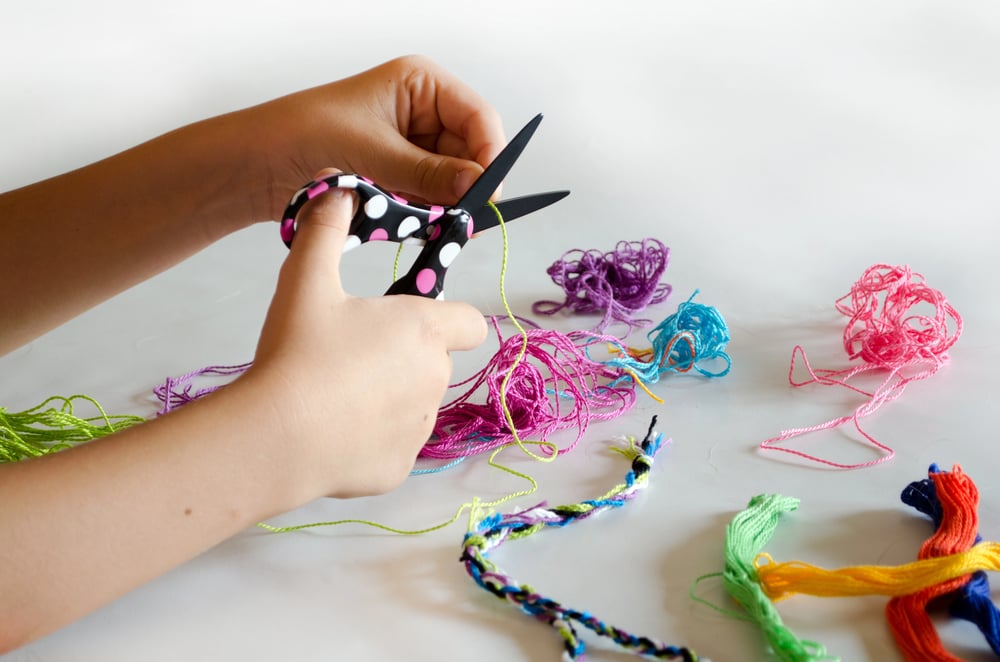
Social accessories that claimed to represent deep emotional connections or mystical insights into your inner state were irresistible to teenagers seeking both belonging and self-understanding. Friendship bracelets required constant replacement as relationships shifted and trends evolved, while mood rings promised to reveal your emotional state through color changes that were actually just responding to body temperature.
The appeal wasn’t really the functionality — it was the feeling that these small objects carried meaning beyond their actual material worth.
Looking Back With Clearer Vision
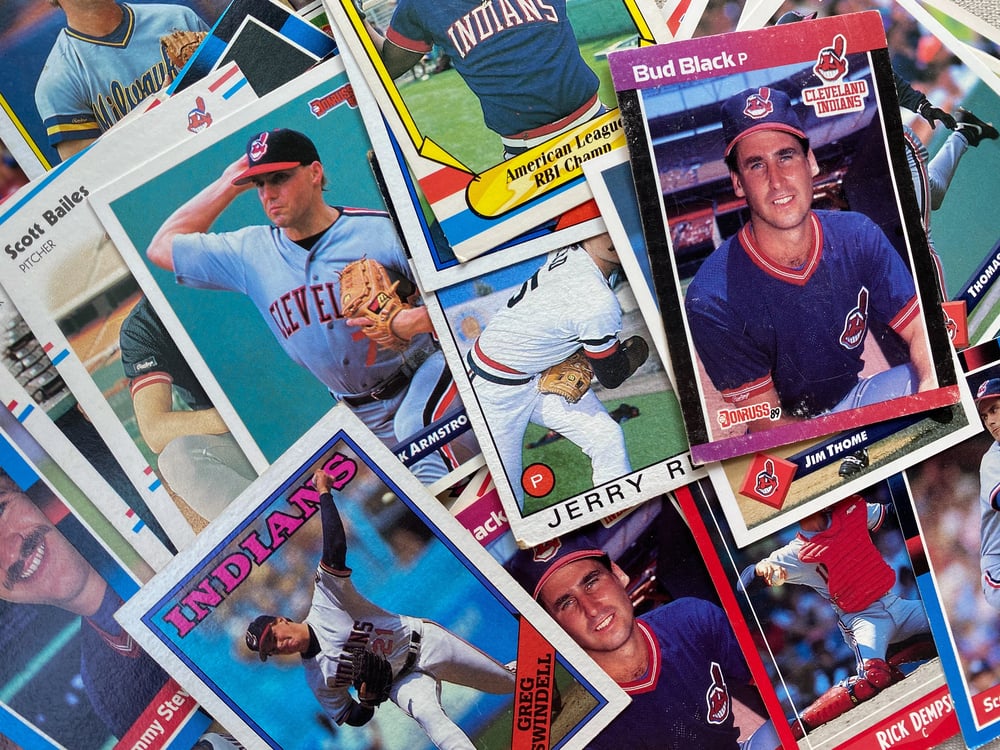
Most of this spending seems absurd now, but it made perfect sense at the time because teenage priorities operate on their own peculiar logic where social acceptance and immediate gratification outweigh long-term financial planning. These purchases weren’t really about the products themselves — they were about belonging, self-expression, and the particular kind of identity-building that happens when you’re trying to figure out who you are with very limited resources and unlimited marketing pressure aimed directly at your insecurities.
More from Go2Tutors!

- The Romanov Crown Jewels and Their Tragic Fate
- 13 Historical Mysteries That Science Still Can’t Solve
- Famous Hoaxes That Fooled the World for Years
- 15 Child Stars with Tragic Adult Lives
- 16 Famous Jewelry Pieces in History
Like Go2Tutors’s content? Follow us on MSN.



