15 Surprising Facts About World Population
The world hit the 8 billion people milestone recently, and our planet keeps evolving in ways that might surprise you. While we often focus on sheer numbers, the real story lies in how populations are shifting, aging, and transforming across different regions.
Here is a list of 15 fascinating facts about world population that reveal the complex demographic changes shaping our planet.
More People Live in Cities Than Ever Before

Today, 55% of the world’s population lives in urban areas, marking a historic shift from our agricultural past. This urban migration happened faster than most people realize. 2007 marked the first year where more of the world’s population lived in an urban setting than a rural setting.
By 2050, nearly 70% of all humans will call cities home.
The World’s Population Growth Is Actually Slowing Down

Despite reaching 8.2 billion people, the global population growth rate fell below one percent for the first time since 1950 in 2020. This represents a dramatic shift from the peak growth rate of 2.3% per year in the 1960s.
The days of explosive population growth are behind us, and demographic experts predict growth will continue decelerating.
We’re Living in the Era of Rapid Aging

In 2020, the number of people aged 60 years and older outnumbered children younger than 5 years for the first time in human history. By the late 2070s, the global population aged 65 and older is projected to reach 2.2 billion, surpassing the number of children under age 18.
This demographic reversal represents one of the most significant population shifts in human civilization.
Japan Leads the World in Aging Populations
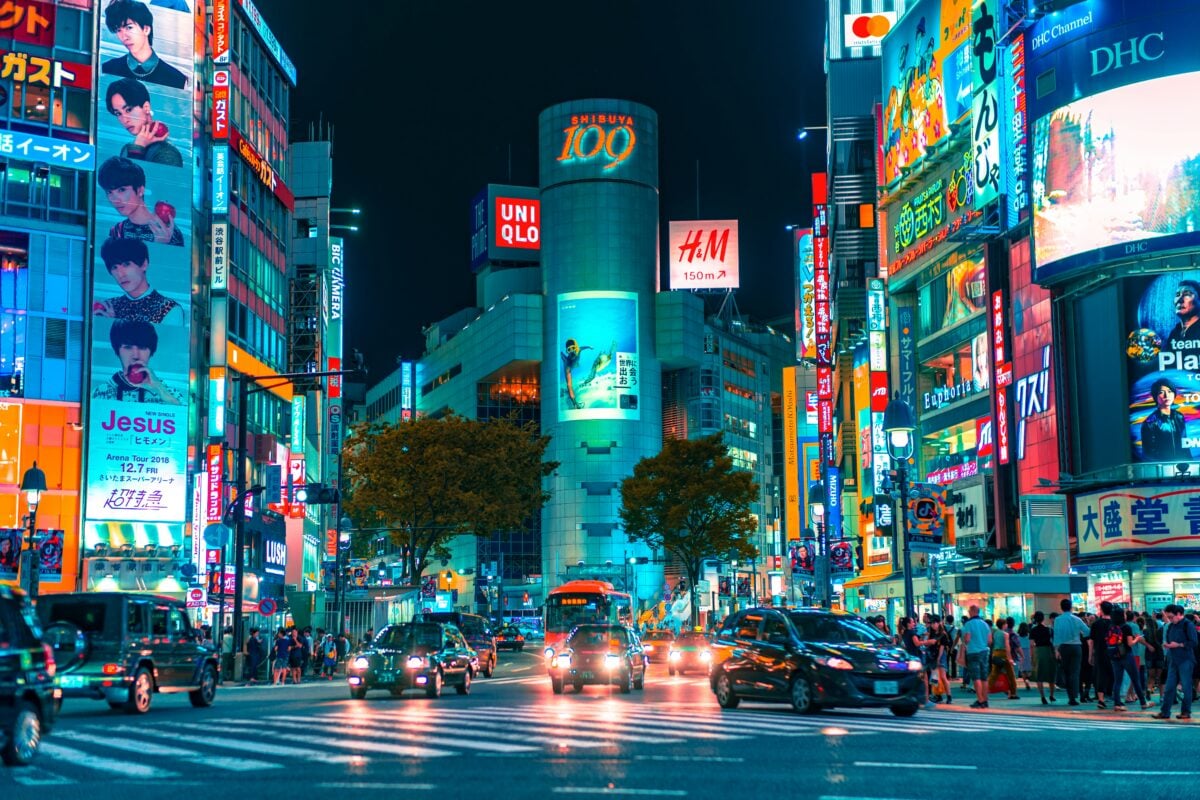
Japan tops the list at 28 percent of its population being 65 and above, followed by Italy at 23 percent. These super-aged societies are pioneering new approaches to healthcare, workforce management, and social services that other countries will soon need to adopt as their populations age.
Global Fertility Rates Have Plummeted by Half

The global fertility rate has declined from 5 children per woman in the 1950s to 2.3 children per woman in 2023. This dramatic decline happened across every region of the world.
The United Nations predicts that global fertility will continue to decline for the remainder of this century and reach a below-replacement level of 1.8 by 2100.
Some Countries Have Fertility Rates Below One Child Per Woman

South Korea and Serbia have fertility rates below 1.1 child per woman, representing some of the lowest rates ever recorded in human history. These ultra-low fertility rates create significant challenges for maintaining population levels and supporting aging societies.
Sub-Saharan Africa Will Drive Future Population Growth
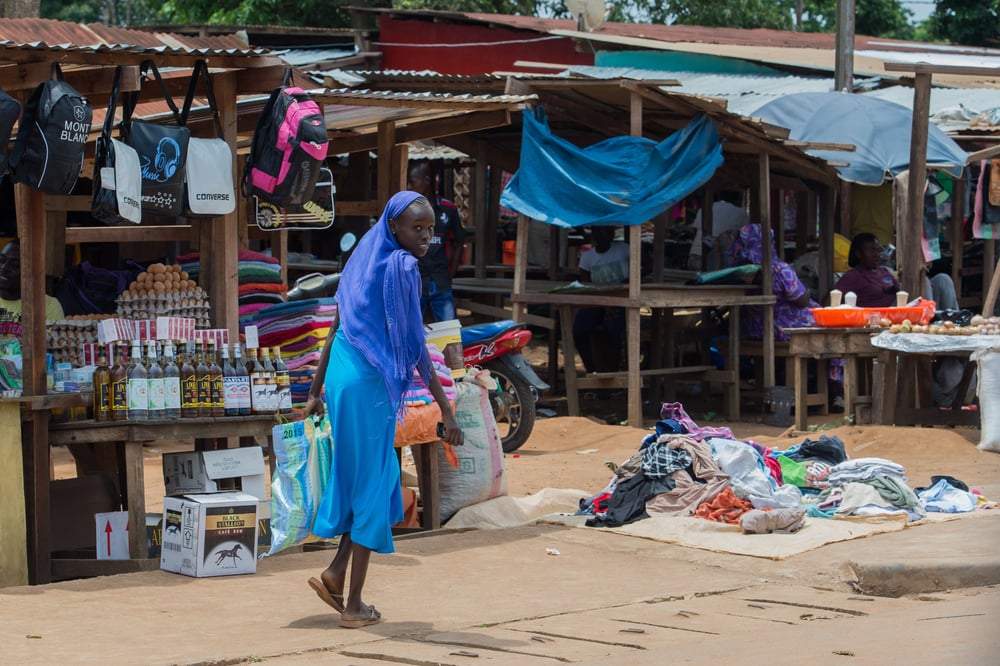
— Photo by alekseevanatoliy
Fertility decline for many countries in sub-Saharan Africa is occurring at a slower pace, and the region is expected to contribute to over half (54%) of the world’s live births by 2100. While most regions experience declining birth rates, sub-Saharan Africa maintains relatively high fertility rates that will reshape global demographics.
More Than Half the World Has Below-Replacement Fertility

Today, more than 60 percent of the world population lives in countries that have a total fertility rate below the ‘replacement level’ of 2.1 live births per woman. This means most countries aren’t producing enough children to maintain their current population sizes without immigration.
China’s Population Peaked and Is Now Declining

China’s annual growth rate is currently -0.23%, meaning the country is experiencing population decline. UN projections predict that China’s population will slide under 1 billion by 2070, a massive demographic shift for the world’s second-largest economy.
India Recently Surpassed China as Most Populous
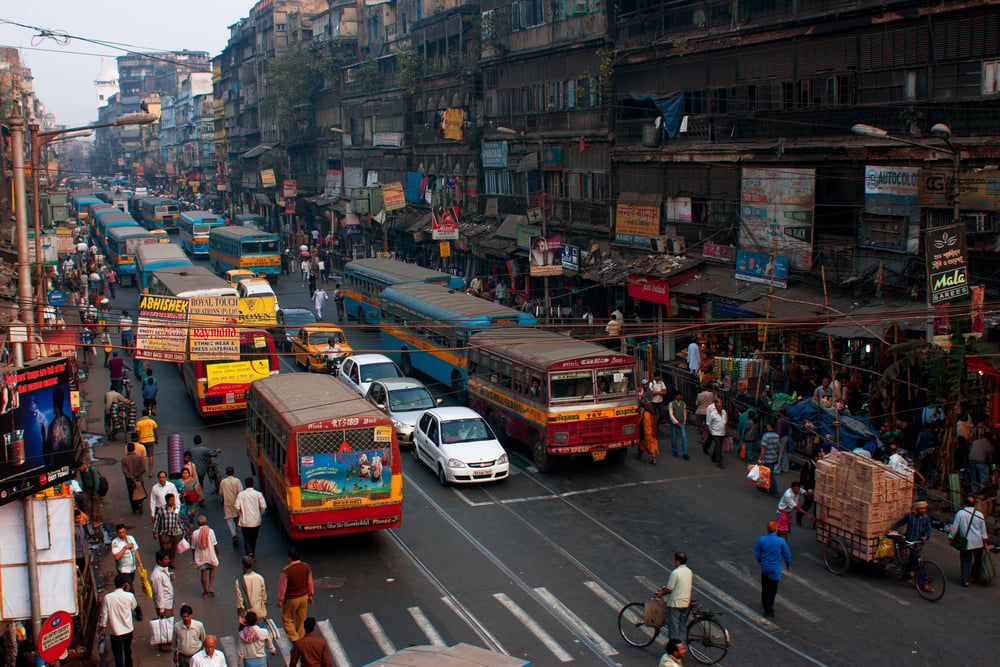
India surpassed China as the most populated country in the world in 2023. India’s growth rate is 0.89%, and projections suggest India’s population will expand to almost 1.7 billion before eventually stabilizing.
Half of All Countries Have Already Hit Peak Population

In 63 countries and areas – containing 28 per cent of the world’s population in 2024 – the size of the population peaked before 2024. This group includes major economies like Germany, Japan, and Russia, indicating that population decline is becoming a widespread phenomenon rather than an isolated trend.
Rural Populations Are Concentrated in Just Two Countries
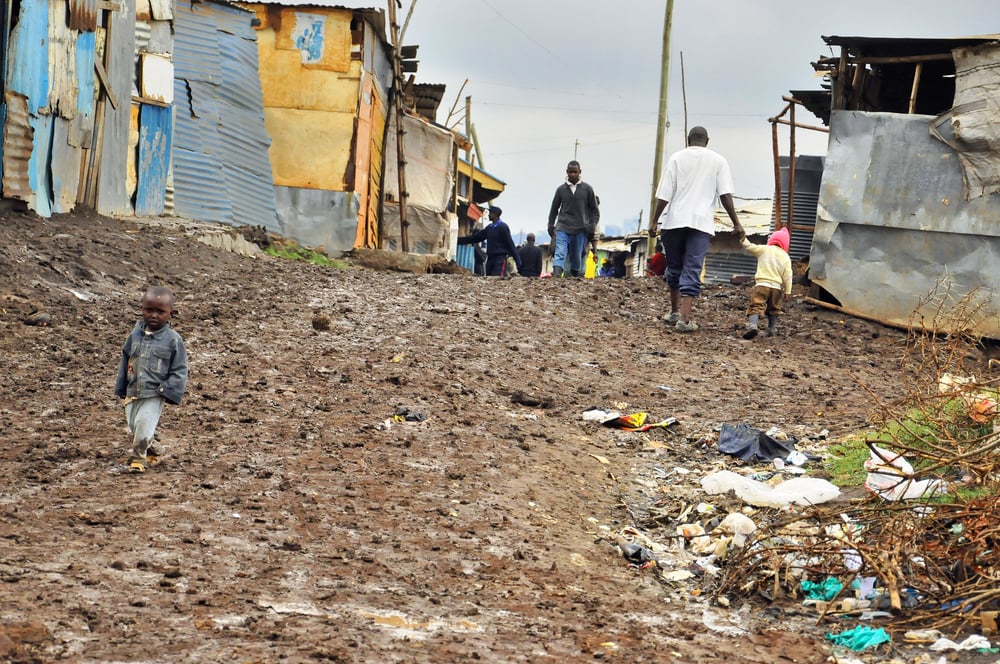
India has the largest rural population (893 million), followed by China (578 million). Africa and Asia are home to nearly 90% of the world’s rural population.
This concentration means that rural development policies in these regions affect the majority of the world’s non-urban population.
The World Will Have 43 Megacities by 2030

By 2030, the world is projected to have 43 megacities with more than 10 million inhabitants, most of them in developing regions. Currently, Tokyo is the world’s largest city with an agglomeration of 37 million inhabitants, followed by New Delhi with 29 million.
These massive urban centers are reshaping how we think about city planning and resource management.
Population Aging Happened Faster Than Ever Before

The pace of population aging is much faster than in the past. Between 1974 and 2024, the worldwide share of people aged 65 almost doubled – increasing from 5.5 per cent to 10.3 per cent.
What took centuries to develop in earlier societies is now happening within decades.
Most Future Population Growth Will Come from Just Three Countries

Together, India, China and Nigeria will account for 35% of the projected growth of the world’s urban population between 2018 and 2050. By 2050, it is projected that India will have added 416 million urban dwellers, China 255 million and Nigeria 189 million. These three nations will essentially drive global urbanization trends.
The New Population Reality

These demographic shifts represent more than just numbers on a chart. We’re witnessing the end of the population explosion era and entering a phase characterized by aging societies, urban concentration, and regional population decline.
The world’s population is expected to keep growing for another 50 or 60 years, peaking at around 10.3 billion in the mid-2080s before beginning a gradual decline. Understanding these trends helps us prepare for a future where the biggest challenge isn’t accommodating explosive growth, but managing the complex realities of an aging, urbanizing, and ultimately stabilizing global population.
More from Go2Tutors!

- The Romanov Crown Jewels and Their Tragic Fate
- 13 Historical Mysteries That Science Still Can’t Solve
- Famous Hoaxes That Fooled the World for Years
- 15 Child Stars with Tragic Adult Lives
- 16 Famous Jewelry Pieces in History
Like Go2Tutors’s content? Follow us on MSN.