25 Items Every Kid’s Backpack Had In The ’90s
The familiar sound of a zipper pulling open on a JanSport backpack was basically the soundtrack to growing up in the ’90s. Inside that nylon treasure chest, you’d find a collection of items that seemed absolutely essential at the time — and looking back, they really were.
These weren’t just school supplies or random junk. They were the tools, toys, and talismans that defined an entire generation’s childhood experience.
No. 2 Pencils
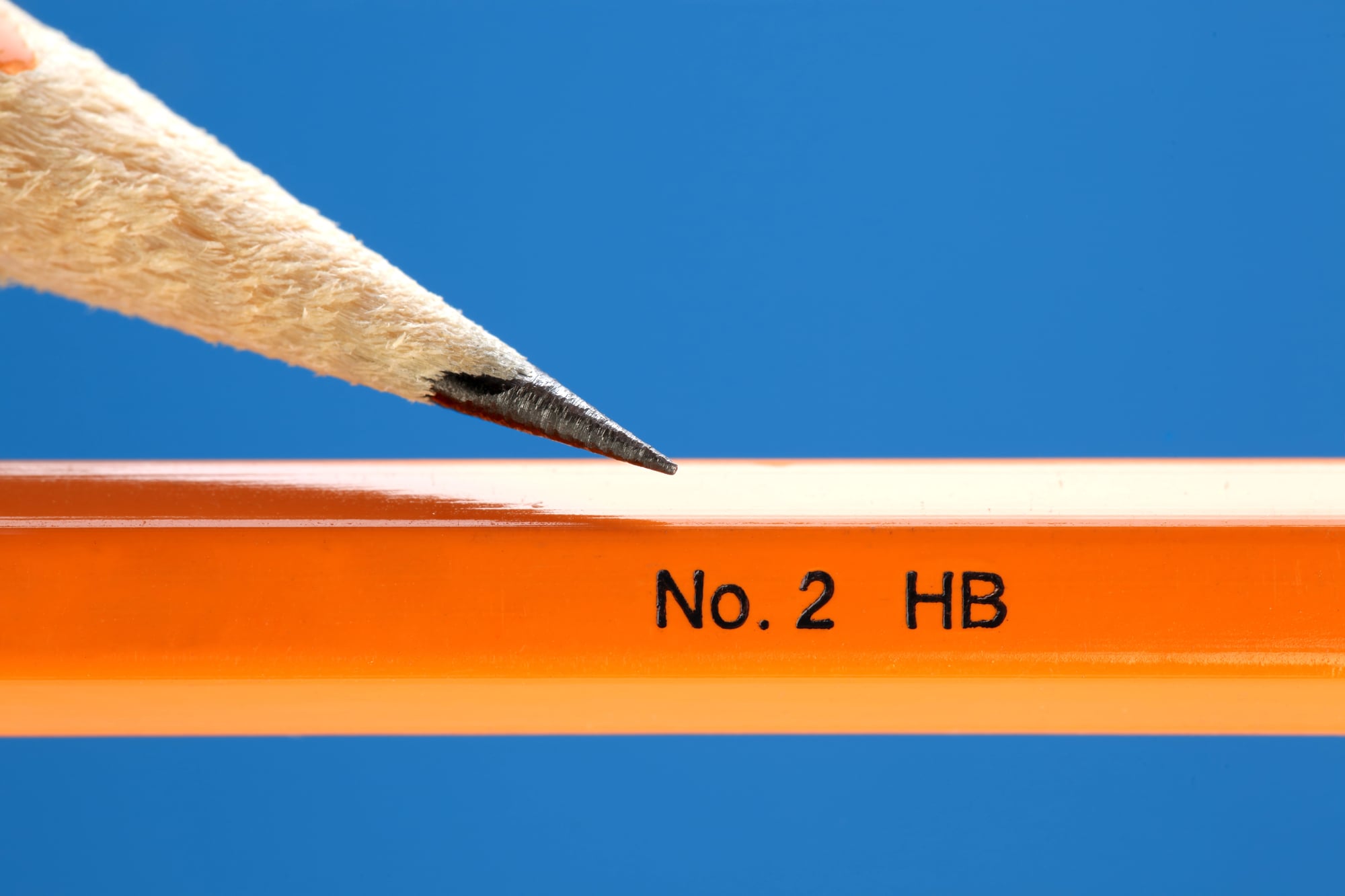
Every kid had a fistful of these yellow weapons of mass instruction. They weren’t particularly exciting, but they were non-negotiable.
Teachers demanded them for standardized tests. Parents bought them by the dozen.
The erasers never worked properly.
Lisa Frank Folders
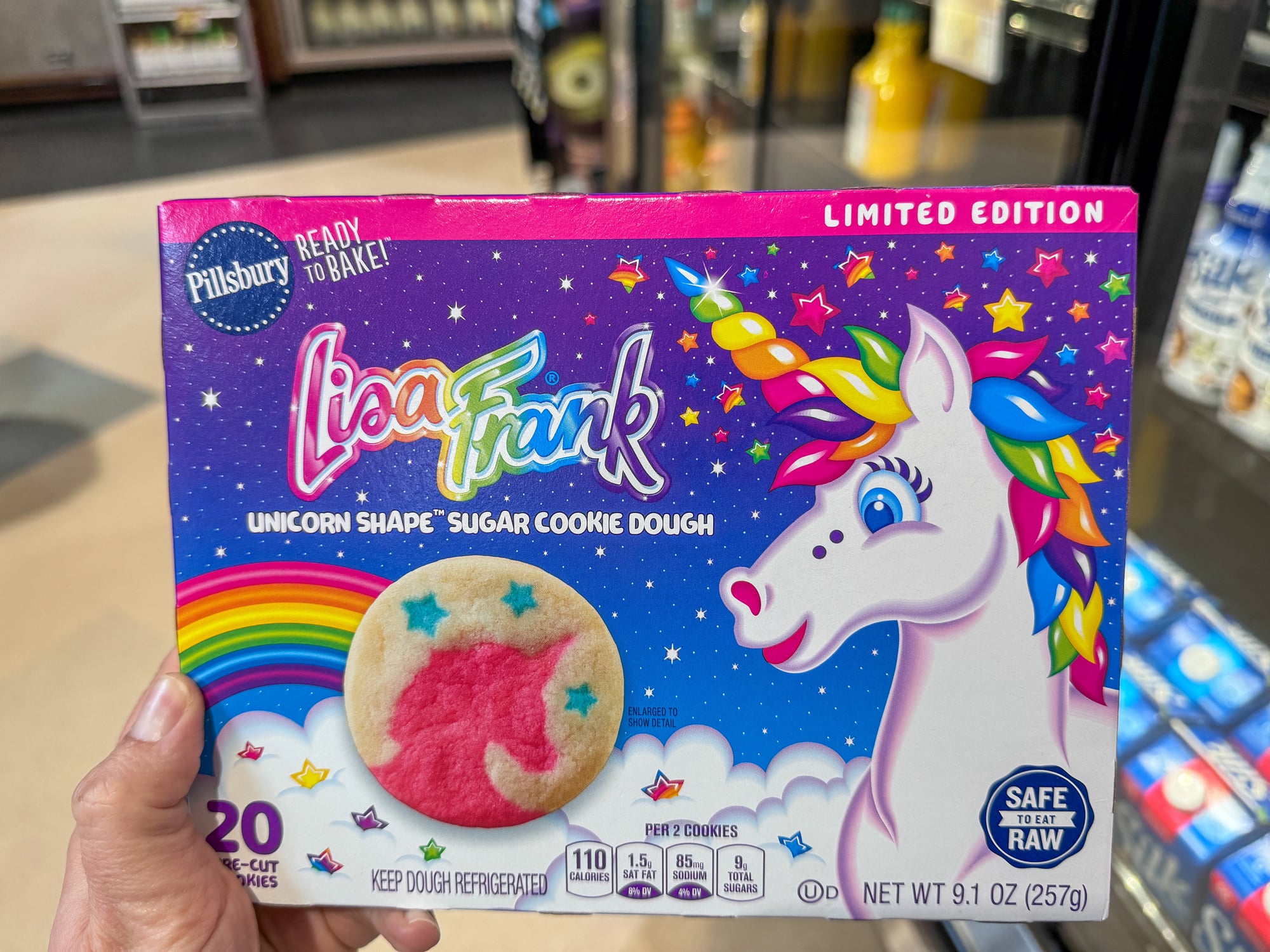
Walking into a classroom without a Lisa Frank folder was like showing up to a party in your pajamas — technically possible, but socially devastating. These weren’t just school supplies; they were declarations of identity wrapped in rainbow leopard print and unicorns that looked like they’d been dipped in liquid candy.
The more psychedelic the design, the better, because subtle wasn’t really in Lisa Frank’s vocabulary (and thank goodness for that). You’d organize your homework behind those glossy, eye-searing panels, feeling like your book reports were being protected by some kind of magical force field of pure, concentrated joy.
Gel Pens
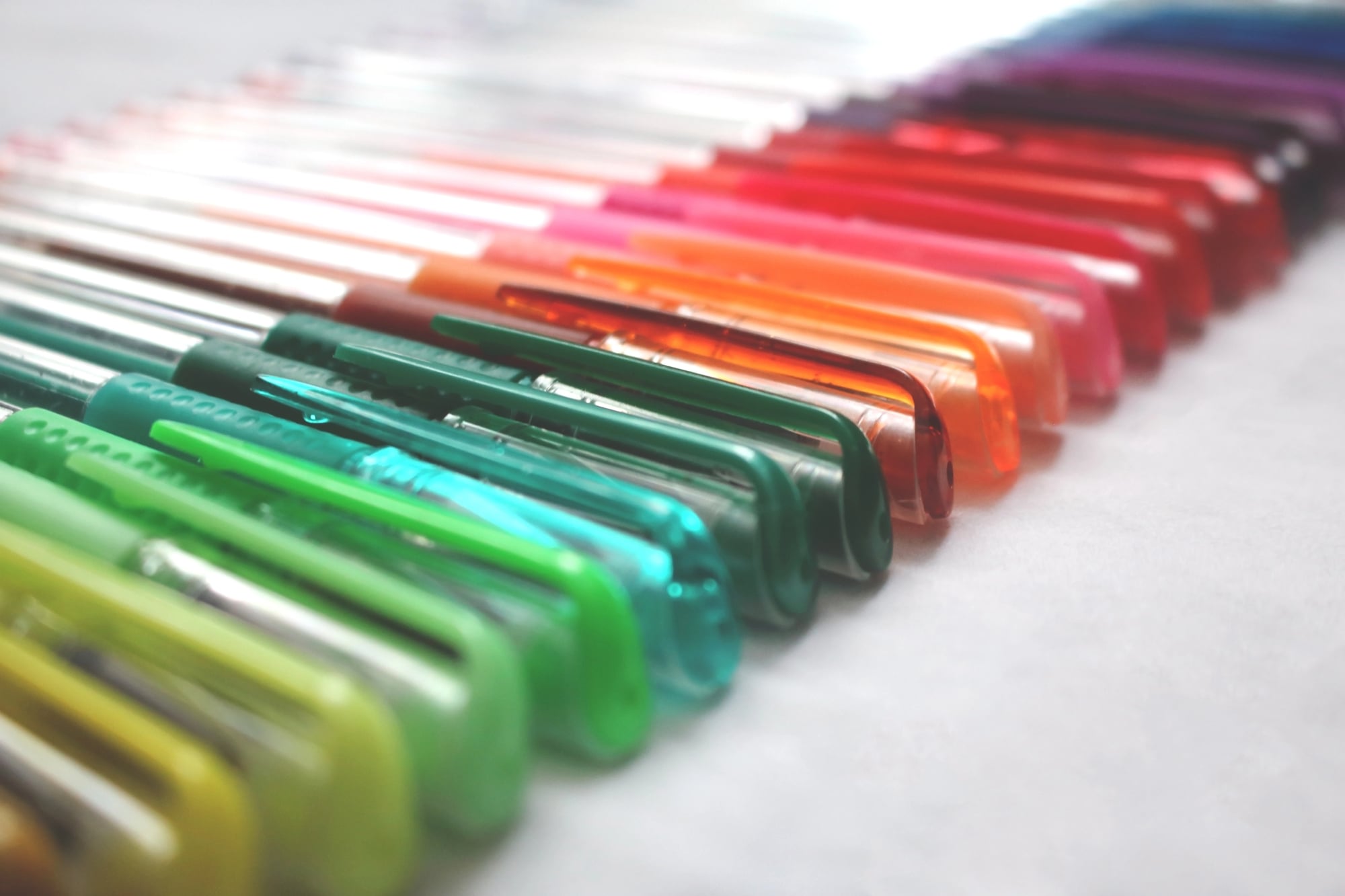
Gel pens were revolutionary. Before them, your note-taking options were black, blue, or red ink — which is saying something about how boring school used to be.
Suddenly you could write in purple, green, orange, and colors that didn’t even have proper names. Kids would hoard them like precious metals.
Running out of gel pen ink felt like a personal tragedy.
Tamagotchi
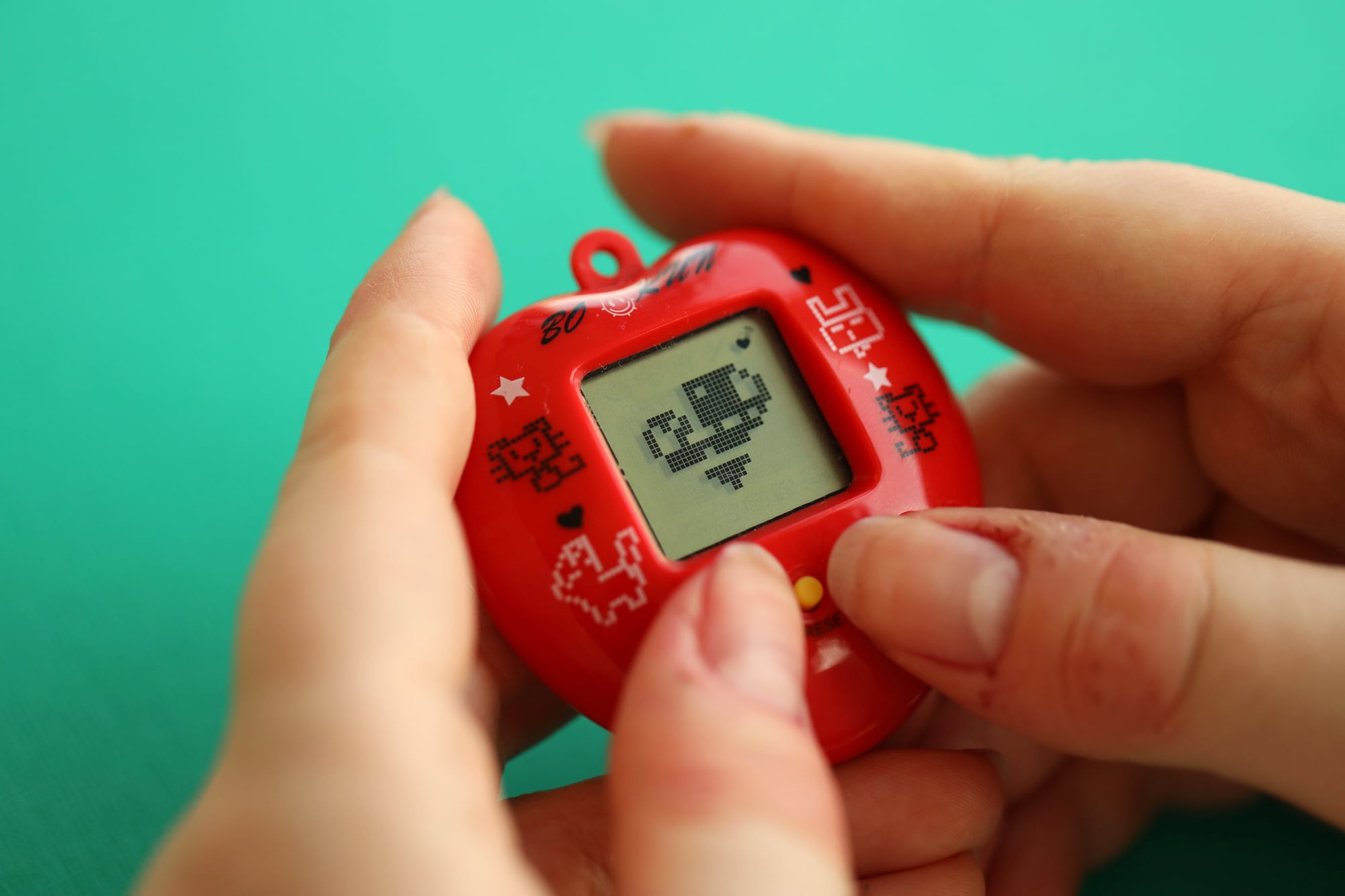
A plastic egg that demanded more attention than most pets, the Tamagotchi turned an entire generation into anxious caregivers before they hit puberty. You’d check on your digital chicken (or alien, or whatever vaguely animal-shaped blob of pixels you’d committed to) between classes, during lunch, sometimes even during class if you were feeling particularly reckless.
Teachers confiscated them with the same urgency they reserved for actual contraband, which only made them more desirable. The thing would die if you ignored it for more than a few hours — talk about teaching responsibility through guilt and low-level panic.
And yet, when that little creature evolved or reached a new life stage, the satisfaction felt genuinely earned. It was like being a parent, except your child lived in your backpack and ran on watch batteries.
Pogs

Milk caps transformed into currency faster than anyone saw coming. Kids collected these cardboard discs with an intensity that would make stock traders nervous.
The designs ranged from cartoon characters to holographic patterns that seemed to shift when you moved them in the light. Your slammer was your most prized possession — preferably metal, preferably heavy enough to demolish the competition.
Calculator Watch

The calculator watch promised to turn every kid into a mathematical genius or at least make them feel like a secret agent from the future. Punching numbers into something strapped to your wrist felt impossibly sophisticated, even if you were just adding up lunch money or calculating how many minutes until recess.
The buttons were tiny enough to require genuine precision, which somehow made using it feel more important than pulling out an actual calculator. Teachers never quite knew how to feel about them — they were technically educational tools, but they also felt suspiciously like cheating devices disguised as timepieces.
Most kids used them more for the novelty than any real computational needs. But wearing one meant you were ready for anything that required basic math, which felt like being prepared for life itself.
Slap Bracelets

Slap bracelets were pure kinetic satisfaction wrapped in fabric. The snap of metal curling around your wrist never got old.
Schools banned them almost immediately, claiming they were dangerous. This only made them more appealing.
Kids would smuggle them in like tiny contraband accessories.
Pokemon Cards
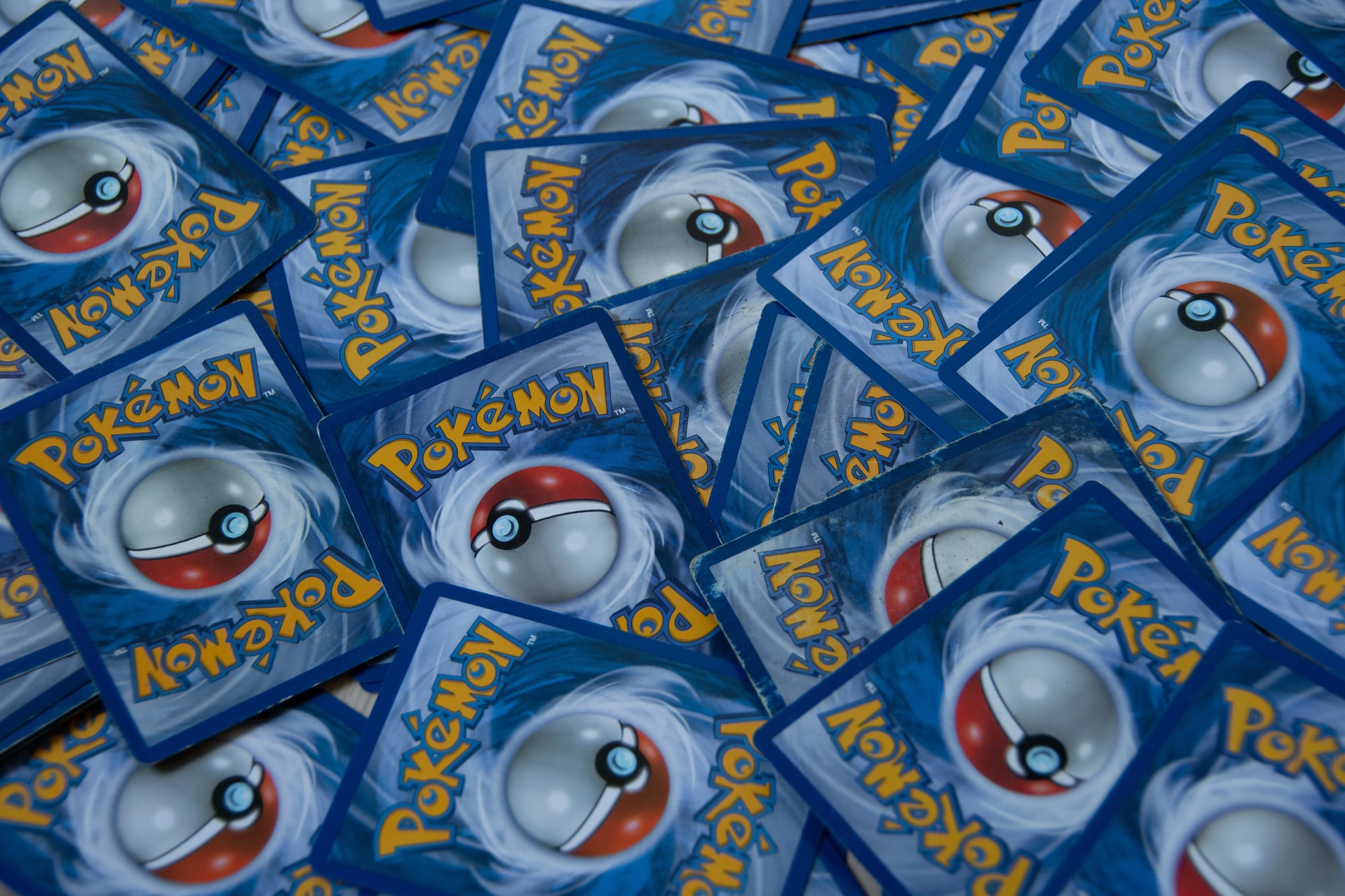
Before smartphones and social media, Pokemon cards were the primary social currency among elementary school kids. Trading happened in hallways, on playgrounds, and anywhere adults weren’t paying close attention — which made every exchange feel slightly illicit and therefore more thrilling.
The holographic Charizard was the holy grail, the card that could elevate your status from nobody to somebody faster than you could say “gotta catch ’em all.” But even the common cards mattered, because building a collection meant you had something to offer, something to trade, something that proved you belonged to the larger conversation happening in backpacks across America.
You’d organize them in three-ring binders with plastic sleeves, turning your collection into something that resembled a professional portfolio. The ritual of flipping through those pages, checking condition, calculating value — it was like running a tiny business, except your inventory was cartoon monsters and your profits were measured in playground respect.
Mechanical Pencils
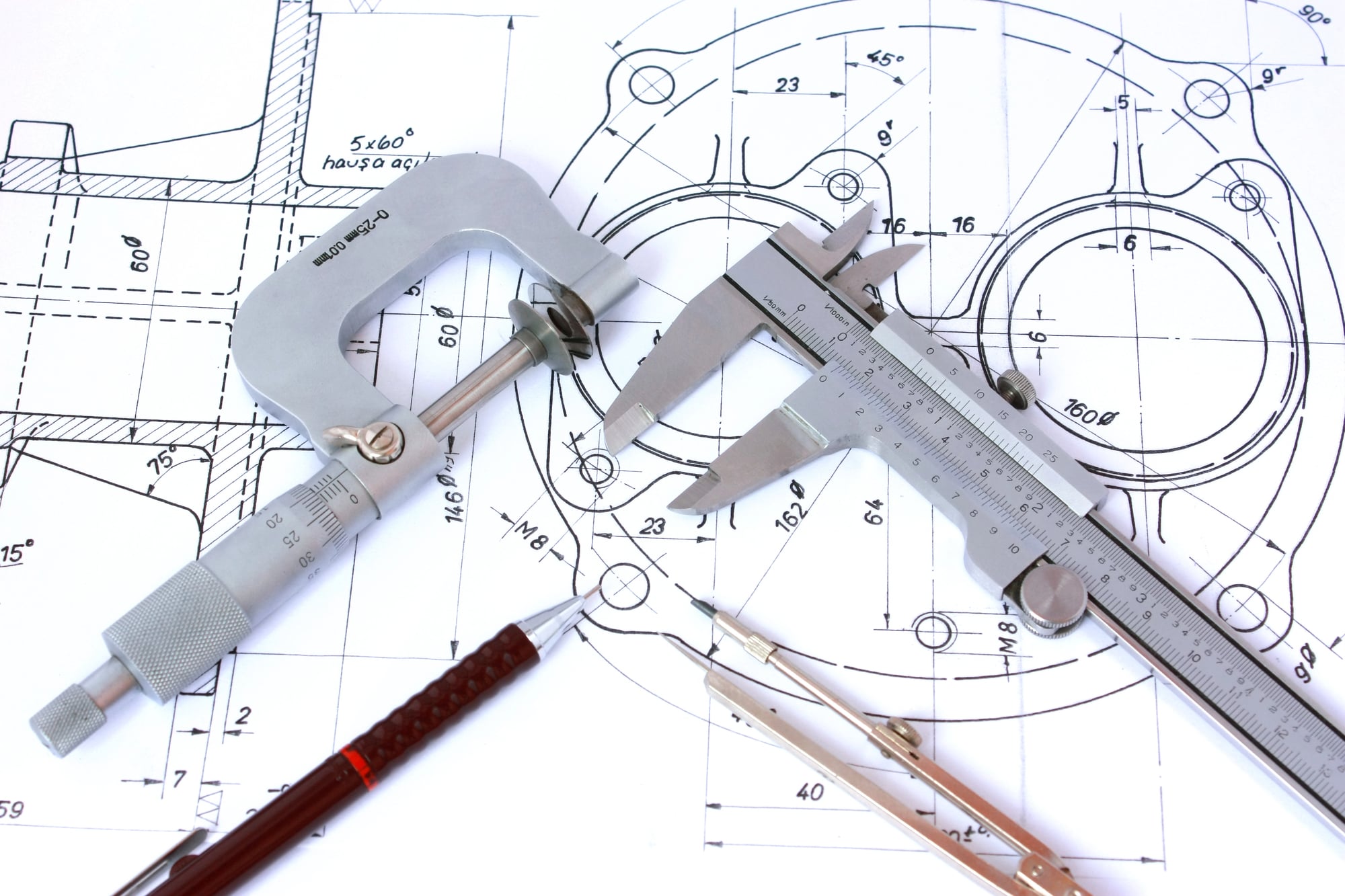
Mechanical pencils separated the serious students from the amateurs. No sharpening required, just click and write.
The lead broke constantly, which was infuriating. But when it worked, you felt like you were operating sophisticated writing technology.
The 0.5mm vs 0.7mm debate was surprisingly intense.
Yikes! Pencil
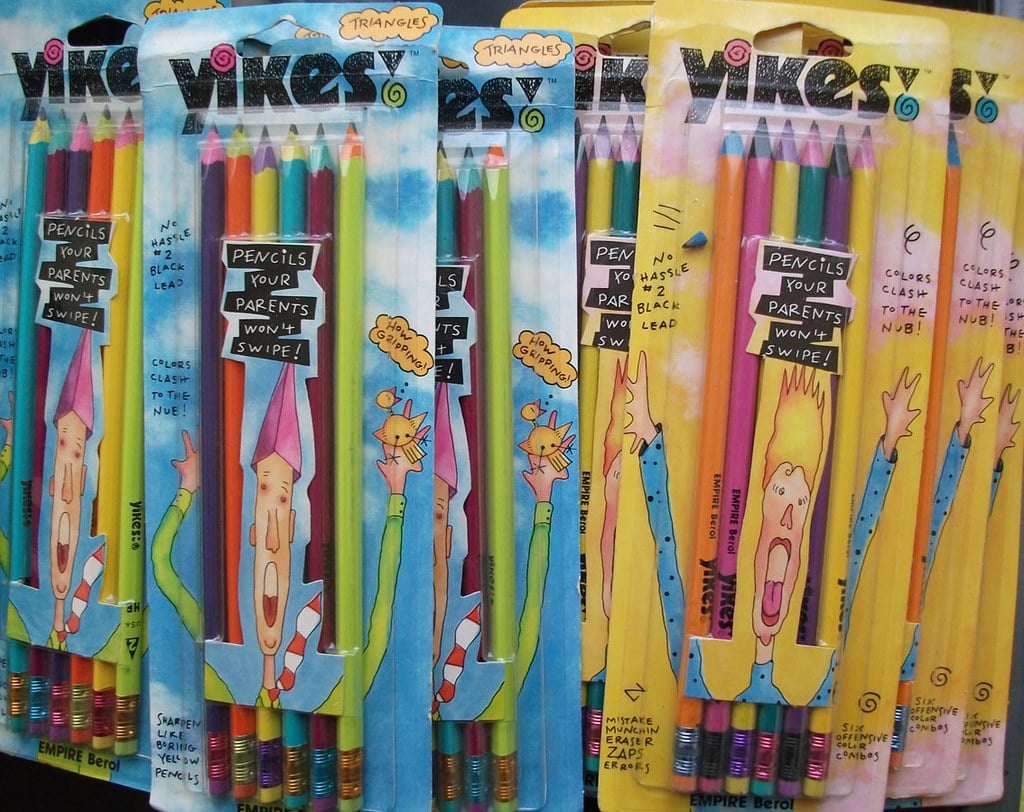
The Yikes! Pencil looked like it had been struck by lightning and somehow survived to tell the story. Its wild, zigzag design defied everything sensible about writing instruments — it was deliberately chaotic, proudly impractical, and absolutely irresistible to kids who spent most of their day being told to color inside the lines.
Holding one felt like gripping a tiny lightning bolt, and writing with it was an exercise in controlled chaos that somehow made even the most boring assignments feel a little more rebellious. Teachers tolerated them because they were still technically pencils, but you could tell they didn’t quite approve of all that visual noise happening in their orderly classrooms.
The eraser never worked particularly well, and the grip was awkward, but none of that mattered. What mattered was that your pencil looked like it had attitude, which by extension meant you did too.
Trapper Keeper
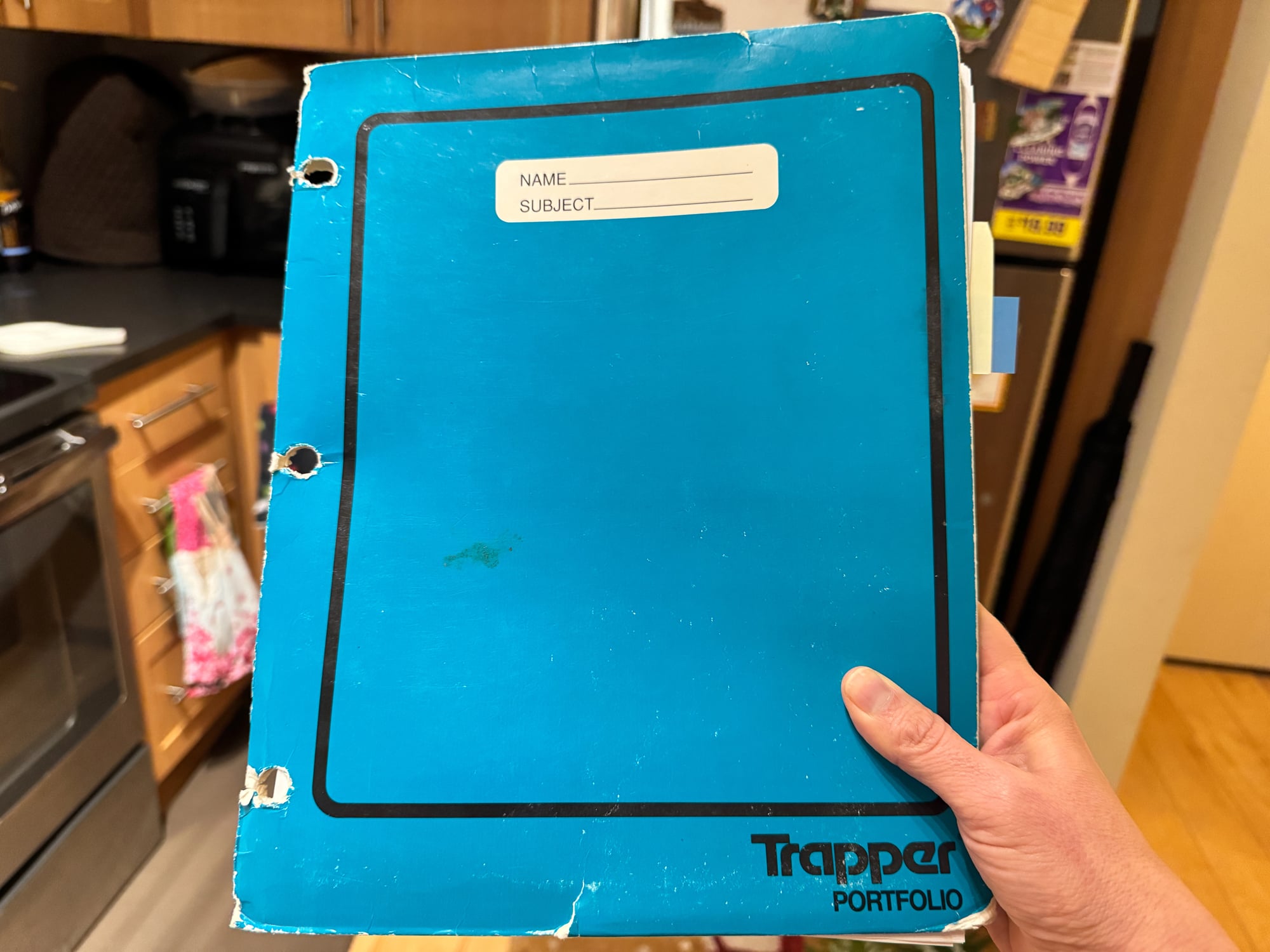
Trapper Keepers were organizational systems disguised as fashion statements. The velcro closure sound announced your arrival to any classroom.
Inside, color-coded folders and pockets promised to transform even the most scattered student into a model of efficiency. The reality rarely matched the promise, but hope springs eternal in school supply aisles.
Friendship Bracelets
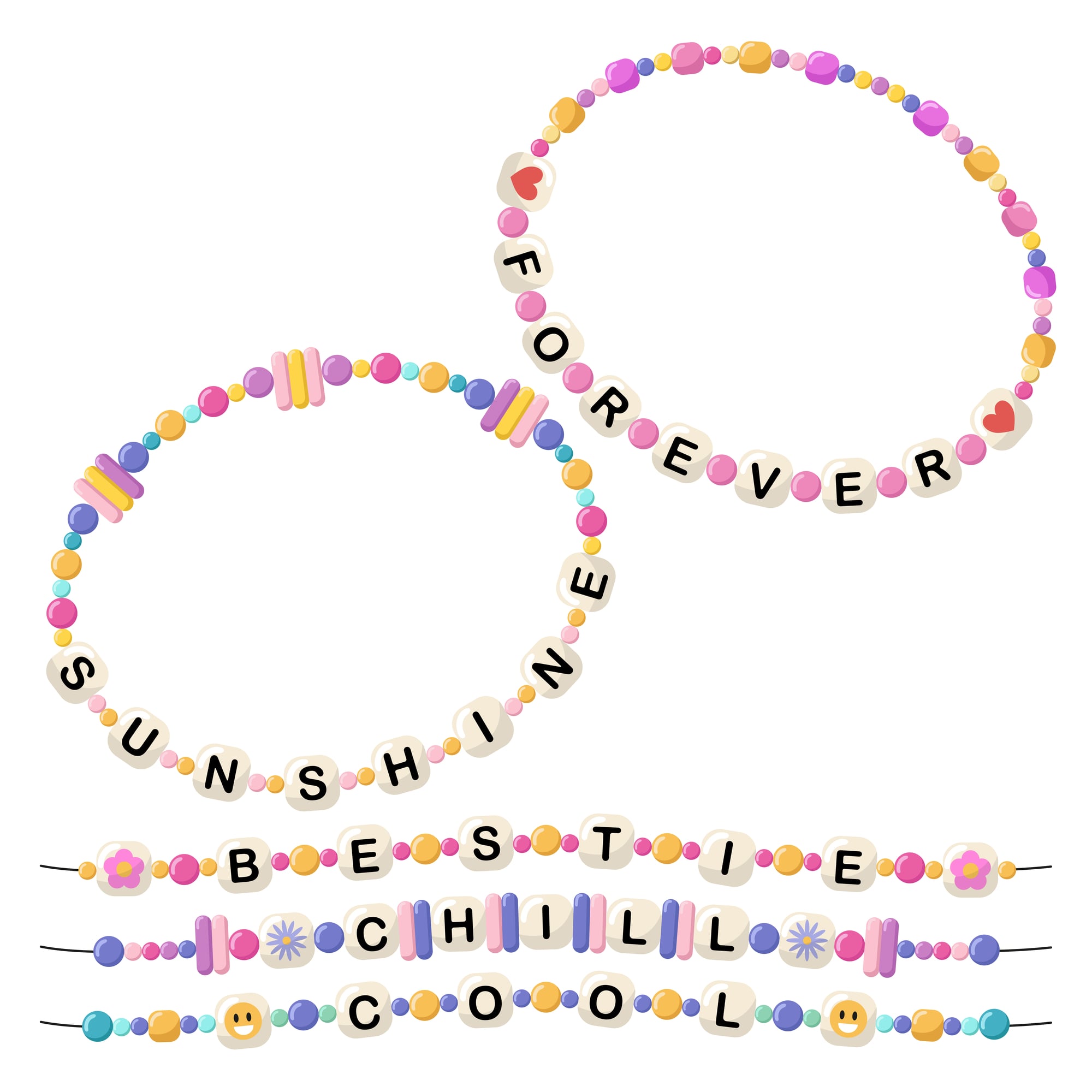
Friendship bracelets were emotional contracts woven from embroidery thread, each knot representing some unspoken promise about loyalty, secrecy, and shared cafeteria tables until the end of time. Making them required patience that most kids didn’t naturally possess, but the investment felt meaningful — hours of careful braiding and knotting that transformed simple thread into something that carried actual weight.
You’d wear them until they fell apart or got so dirty they became health hazards, because taking them off felt like breaking a promise. The colors mattered, the patterns mattered, even the order you wore them in mattered.
Your wrist became a catalog of your social connections, a friendship resume that everyone could see and evaluate. Losing one was genuinely devastating, not because the materials were valuable, but because it felt like losing a piece of a relationship that you weren’t sure how to replace.
Giga Pets
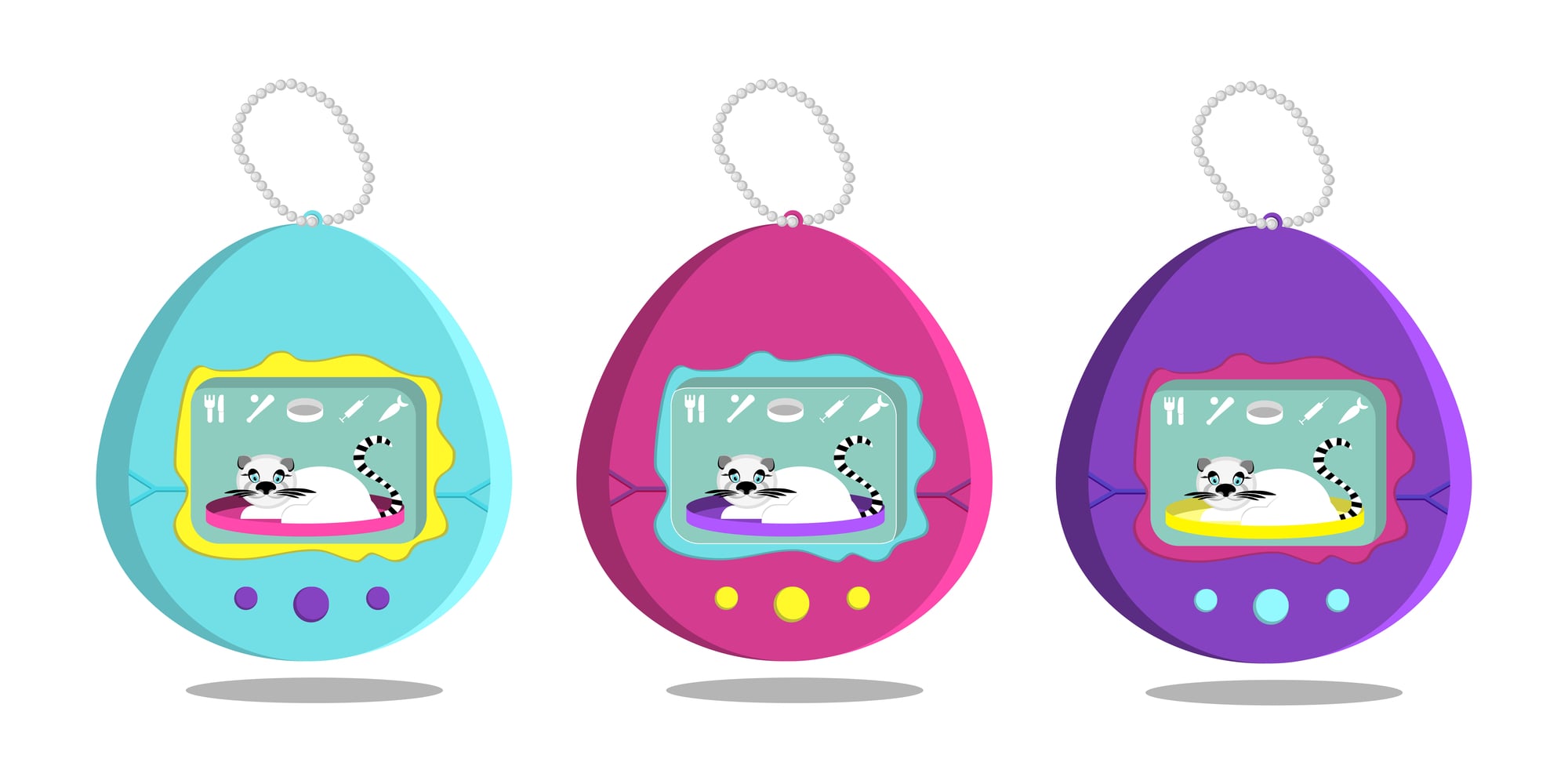
Giga Pets were basically Tamagotchis with different branding and slightly different neuroses. Your digital pet still demanded constant attention, but now it came in different species and personalities.
The competitive aspect was real. Kids would compare how well their pets were doing, turning digital caregiving into a status competition.
Battery death was always a looming threat.
Stickers
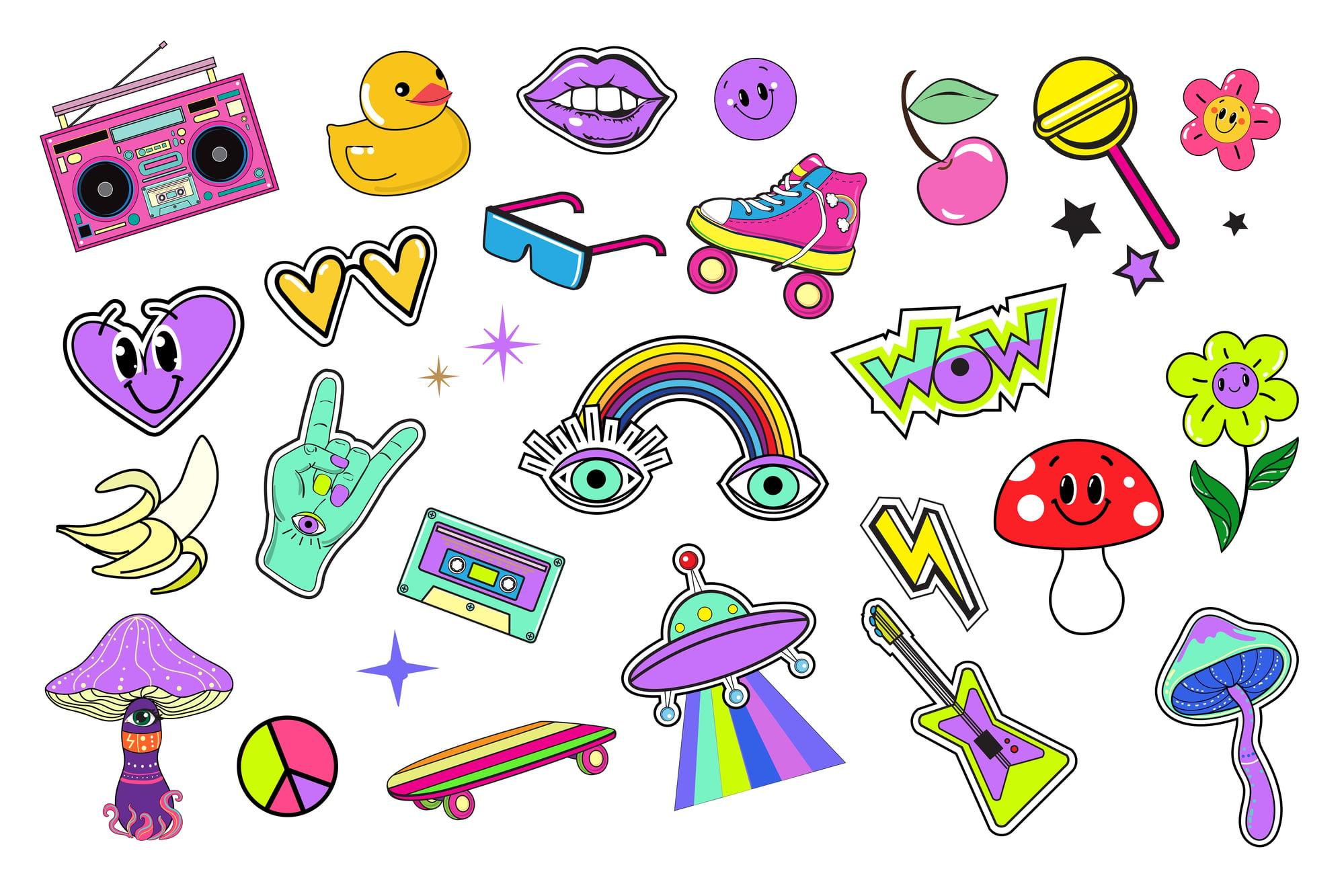
Stickers were the original social media — small, adhesive declarations of identity that you’d carefully place on folders, notebooks, and anything else that needed personalizing. Scratch-and-sniff stickers elevated the experience beyond the visual, turning your school supplies into a multisensory adventure where your math folder might smell like strawberries and your science notebook carried the scent of chocolate chip cookies.
Teachers used them as rewards, but kids treated them as currency, trading rare designs and hoarding the good ones for special occasions that never quite seemed special enough. The permanence was both thrilling and terrifying.
Once you committed a sticker to a surface, that was it — no take-backs, no do-overs. This made placement a genuinely important decision, the kind that required careful consideration of location, visibility, and long-term aesthetic goals.
Some kids planned their sticker arrangements like interior designers, while others went for maximum coverage and let chaos reign.
Skip-It
The Skip-It was a plastic orb attached to a rope that you’d swing around one ankle while jumping over it with the other foot. Physics and coordination combined into one potentially dangerous toy.
The counter on the orb tracked your jumps, turning exercise into competition. Most kids lasted about thirty seconds before tripping themselves into submission.
Beanie Babies
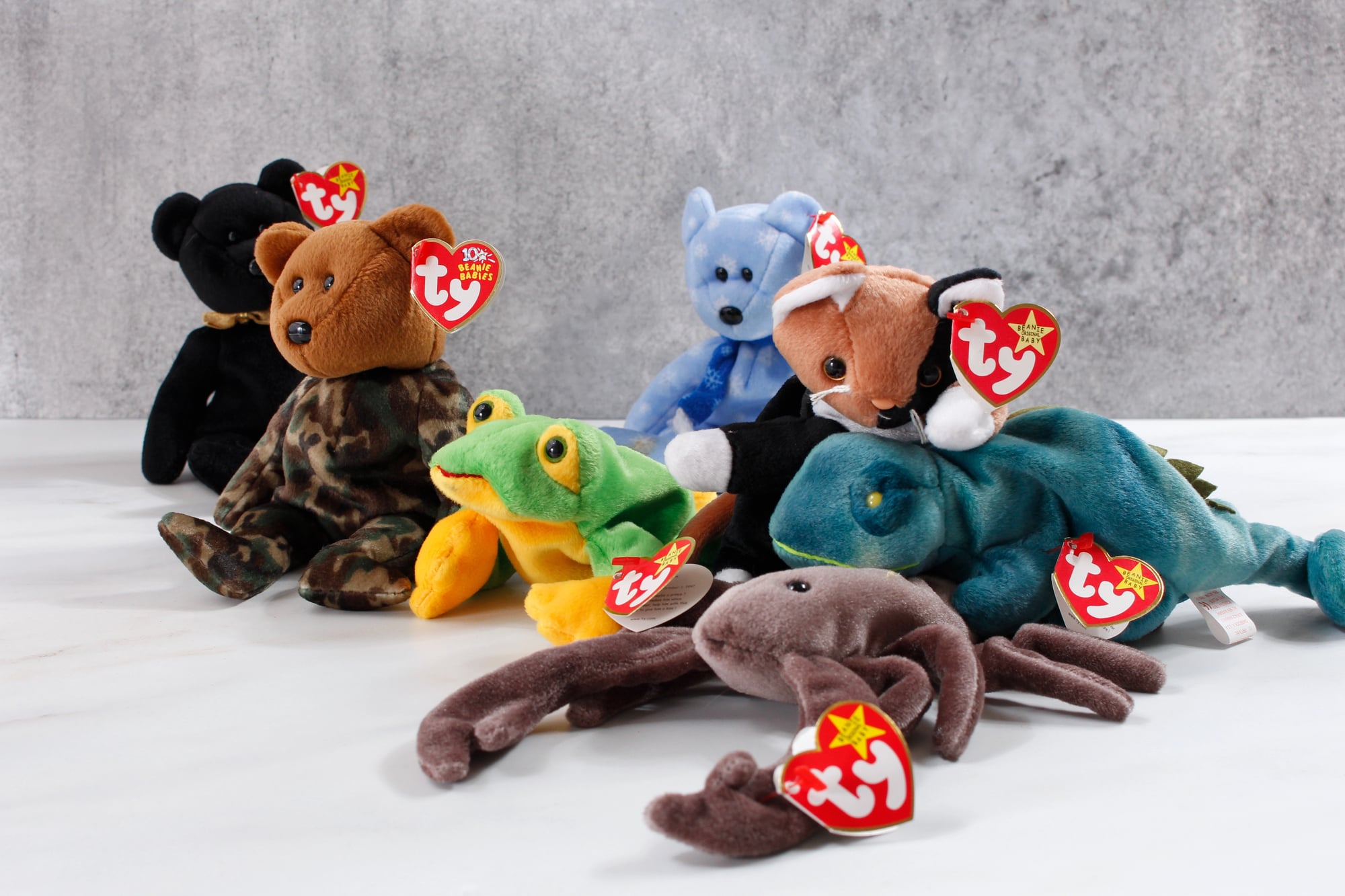
Beanie Babies turned every kid into a speculative investor before they knew what speculation meant. These weren’t just stuffed animals; they were potential retirement funds with button eyes and names like Princess Bear and Peanut the Elephant.
The secondary market was real — kids would pore over price guides like tiny stock analysts, calculating the value of their collections and strategizing about which bears to hold and which to trade. McDonald’s Happy Meal versions created a feeding frenzy that made grown adults competitive about fast food toys.
The tags mattered enormously. A bent tag could devastate a Beanie Baby’s resale value, so kids developed elaborate protection systems involving plastic sleeves and careful storage rituals.
Everyone knew someone who knew someone whose rare bear was supposedly worth hundreds of dollars, though nobody ever seemed to know anyone who had actually sold one for that much.
Fruit Roll-Ups
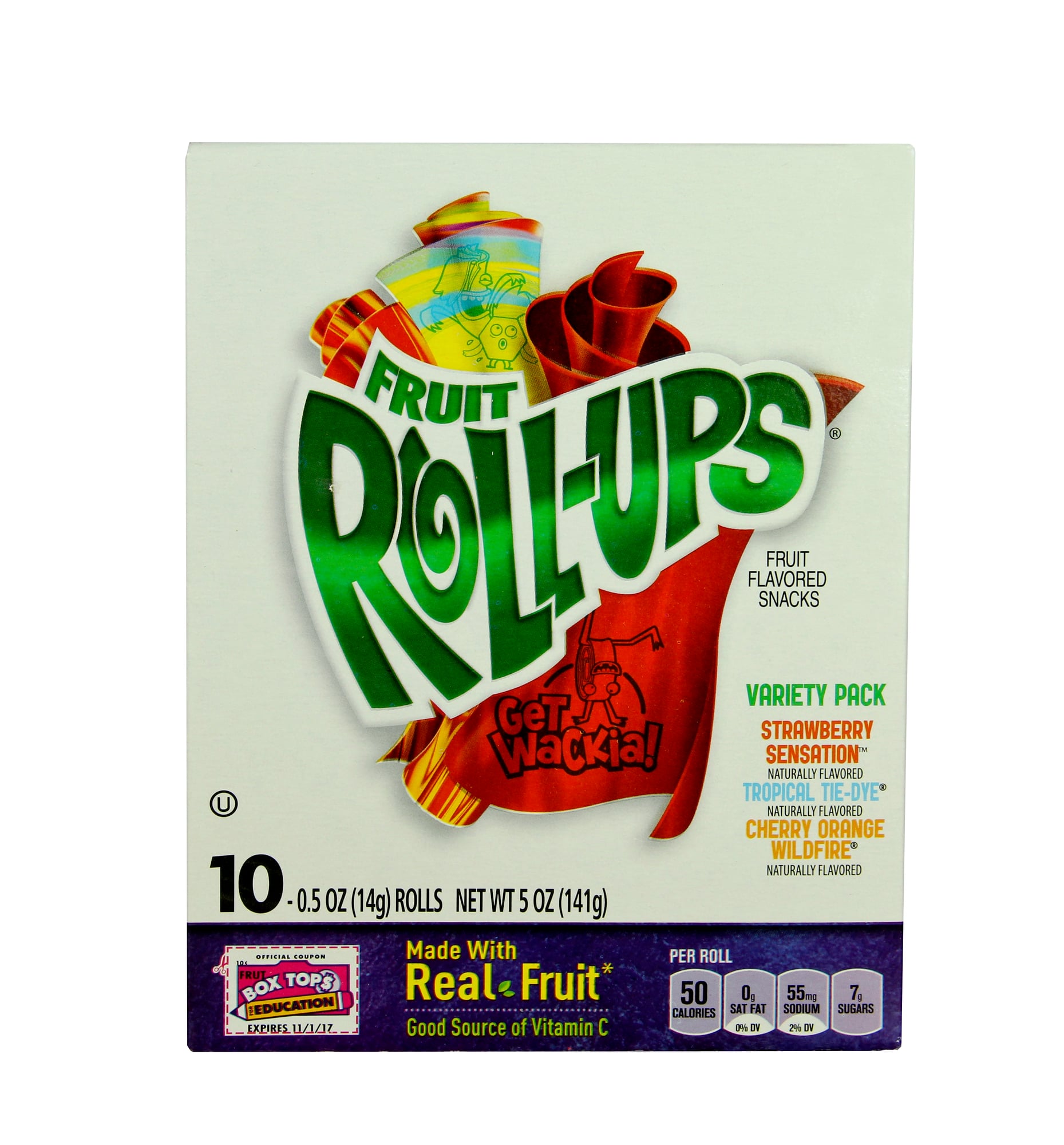
Fruit Roll-Ups weren’t really fruit, but they weren’t really candy either. They occupied some middle ground that parents found acceptable and kids found delicious.
The process of unrolling them was half the appeal. You’d carefully separate the translucent sheet from its plastic backing, then decide whether to eat it normally or round it up into a concentrated sugar bundle.
Box Of 64 Crayola Crayons
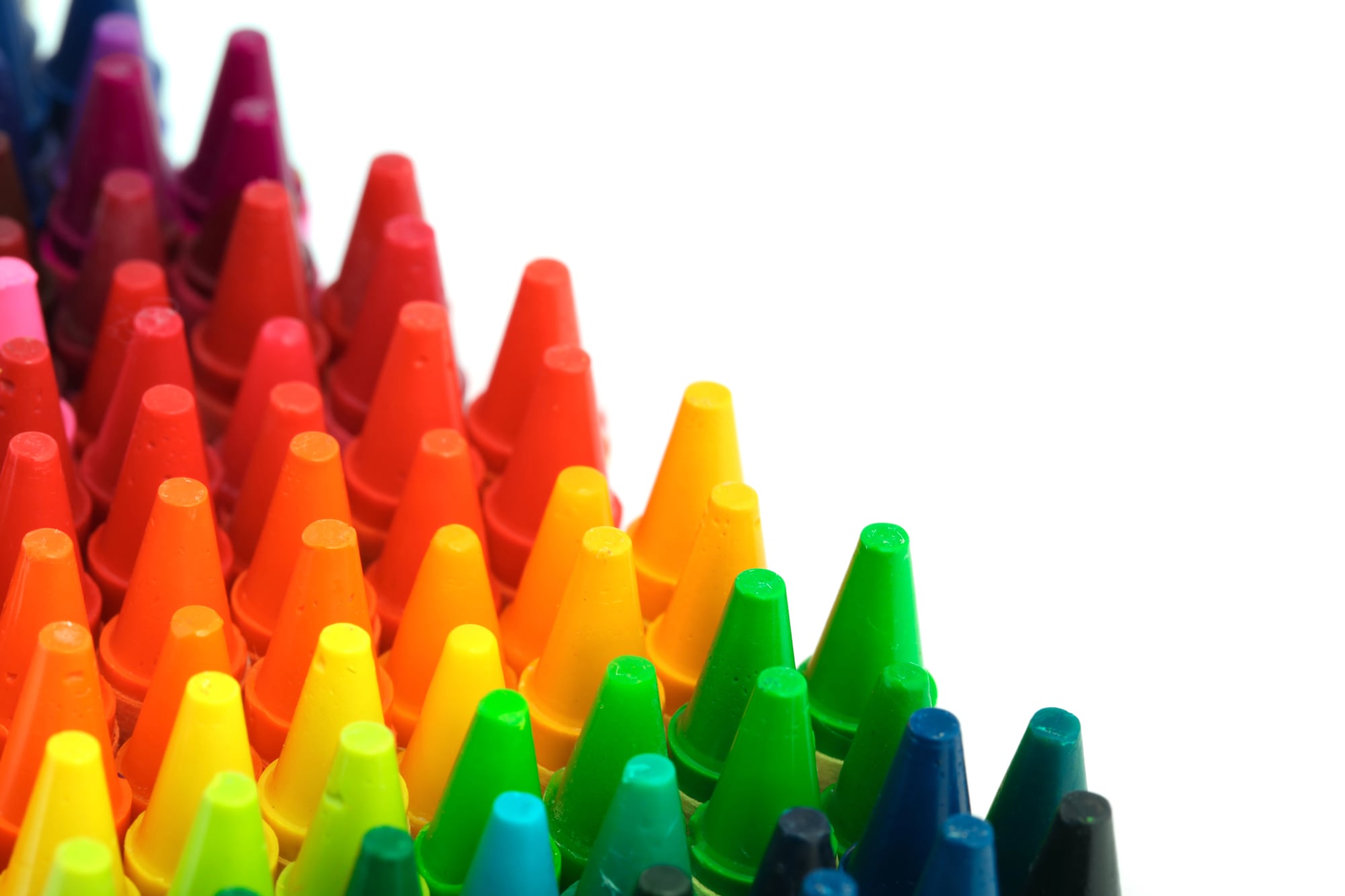
The 64-count Crayola box was a status symbol disguised as an art supply, complete with a built-in sharpener that felt like having professional equipment in your backpack. Opening that box for the first time revealed a rainbow organized into perfect rows, each crayon standing at attention with its tip still pristinely pointed and its paper wrapper unblemished by use.
The color names were half the magic — “Periwinkle,” “Burnt Sienna,” “Magenta” — words that expanded your vocabulary while expanding your artistic possibilities. Having the big box meant you could handle any coloring emergency that arose.
Need to color a sunset? You had seventeen different shades of orange and red to work with.
Want to make your ocean scene realistic? Choose from multiple blues that ranged from sky to navy. The kids with the 24-count boxes would look at your collection with a mixture of envy and respect, knowing they’d have to make compromises you’d never face.
Pencil Grips
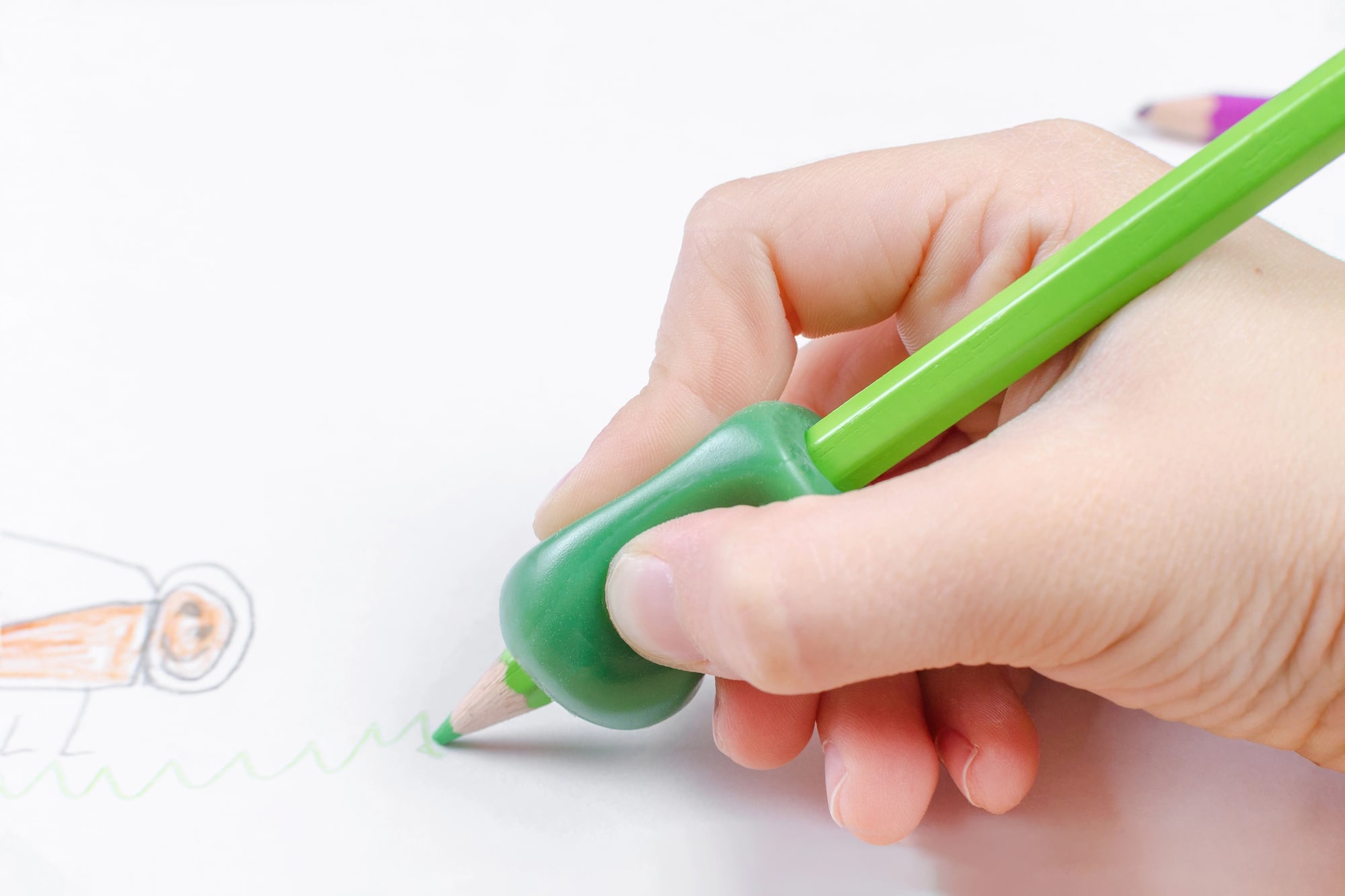
Pencil grips were supposed to improve your handwriting by correcting your grip. Most kids just collected them because they looked cool on pencils.
The rubber triangles and cushioned tubes came in different colors and textures. Whether they actually helped with penmanship was debatable, but they definitely made your pencils more comfortable to hold.
Erasers
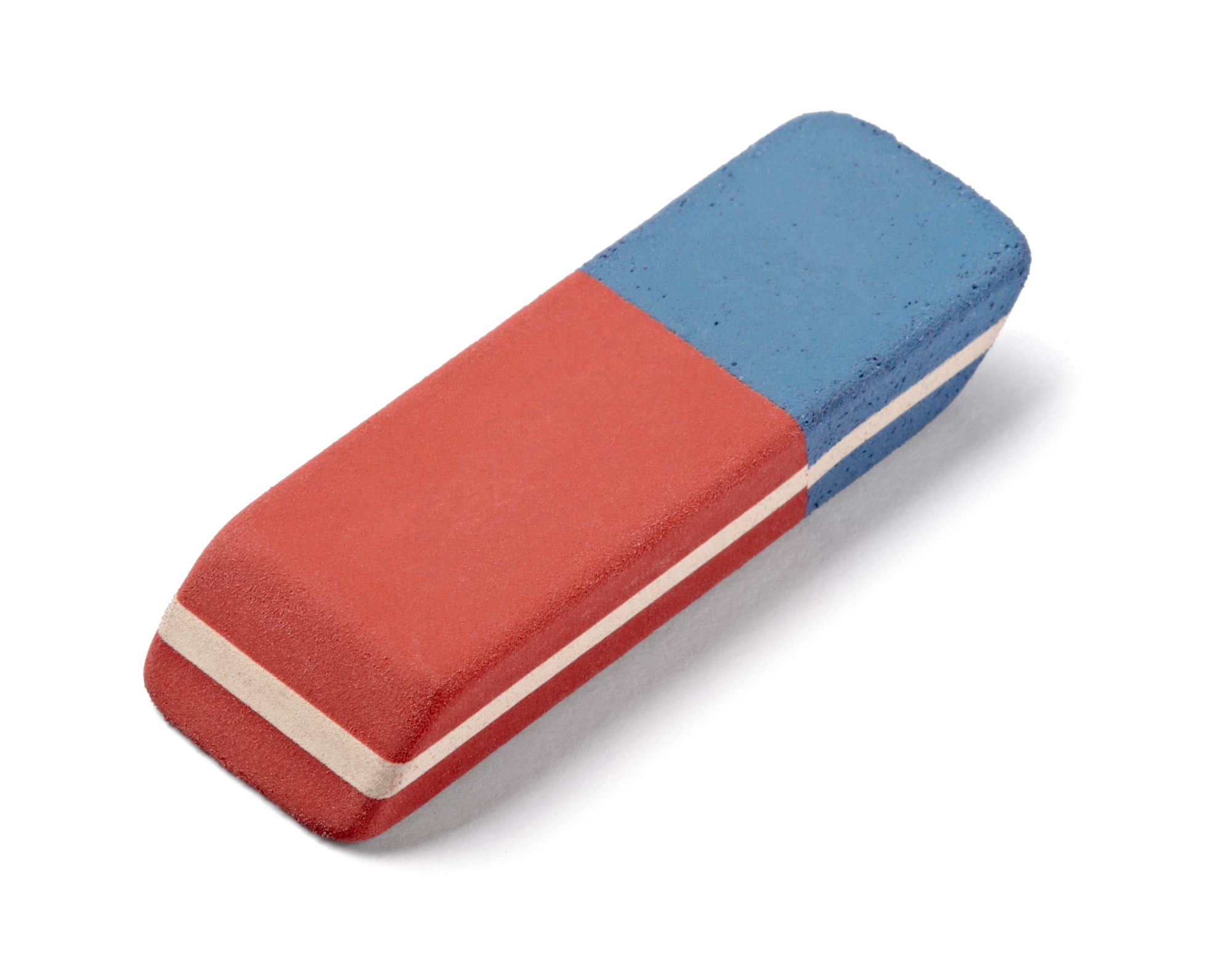
Erasers came in every shape, size, and scent imaginable. Novelty erasers rarely erased well, but erasing wasn’t really the point.
Kids collected erasers shaped like food, animals, and cartoon characters. Using them felt like destroying art, so most stayed pristine in pencil cases for years.
Highlighters
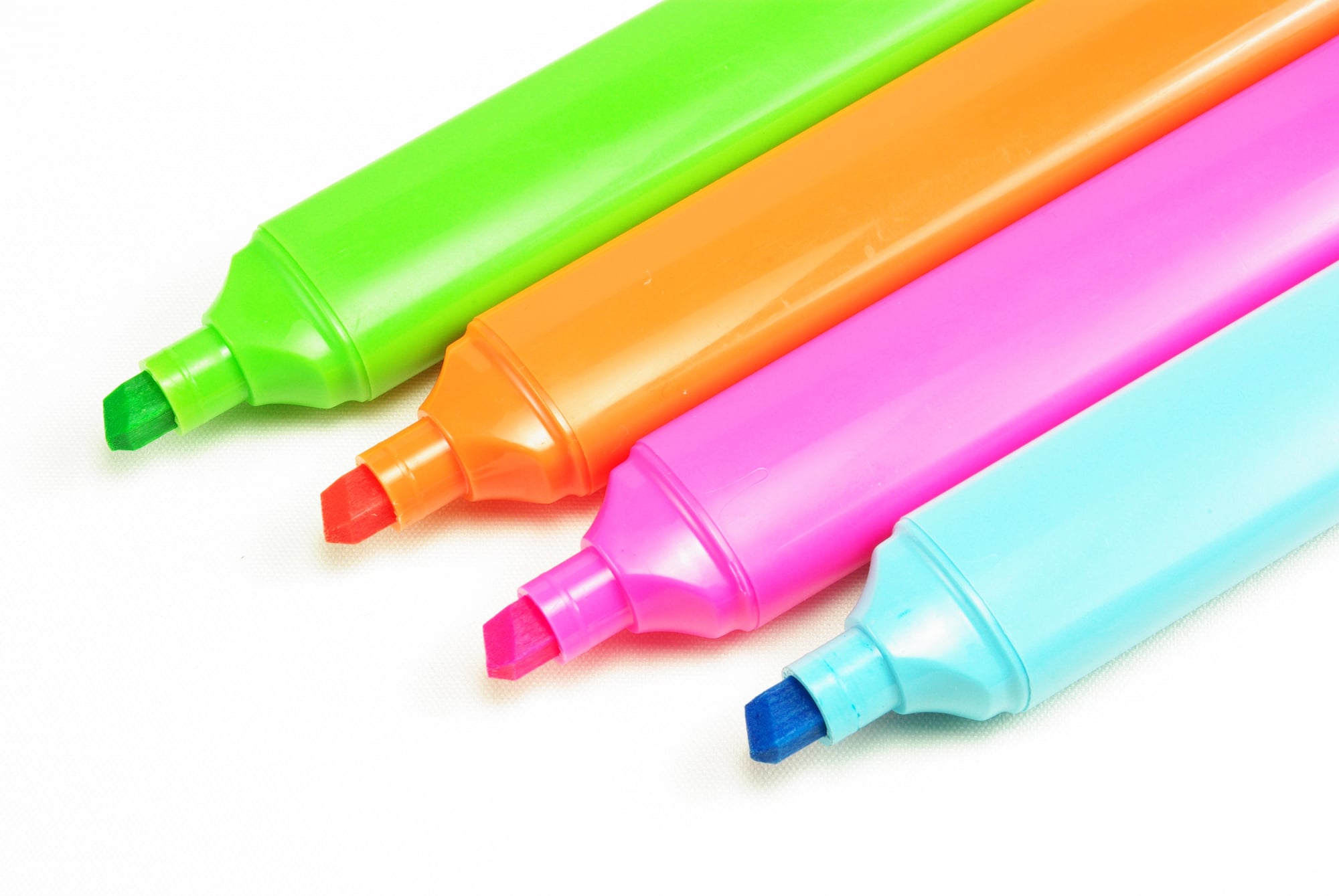
Highlighters promised to make studying more effective through the power of fluorescent ink, and somehow that promise felt genuinely transformative to kids who had never owned anything that glowed quite so aggressively. Yellow was the standard, but pink, green, and orange options meant you could develop color-coding systems that made your notes look professionally organized, even if your actual studying habits remained questionable.
The satisfaction of dragging that felt tip across important text was immediate and tangible — you were literally making information brighter, which felt like making it more important. Teachers encouraged highlighting as a study technique, but most kids used them more for the visual appeal than any systematic approach to learning.
A page covered in multiple highlighter colors looked serious and academic, like the work of someone who really had their educational priorities in order. The fact that you might not remember any of the highlighted information was a problem for future you to solve.
Digital Pets Keychain
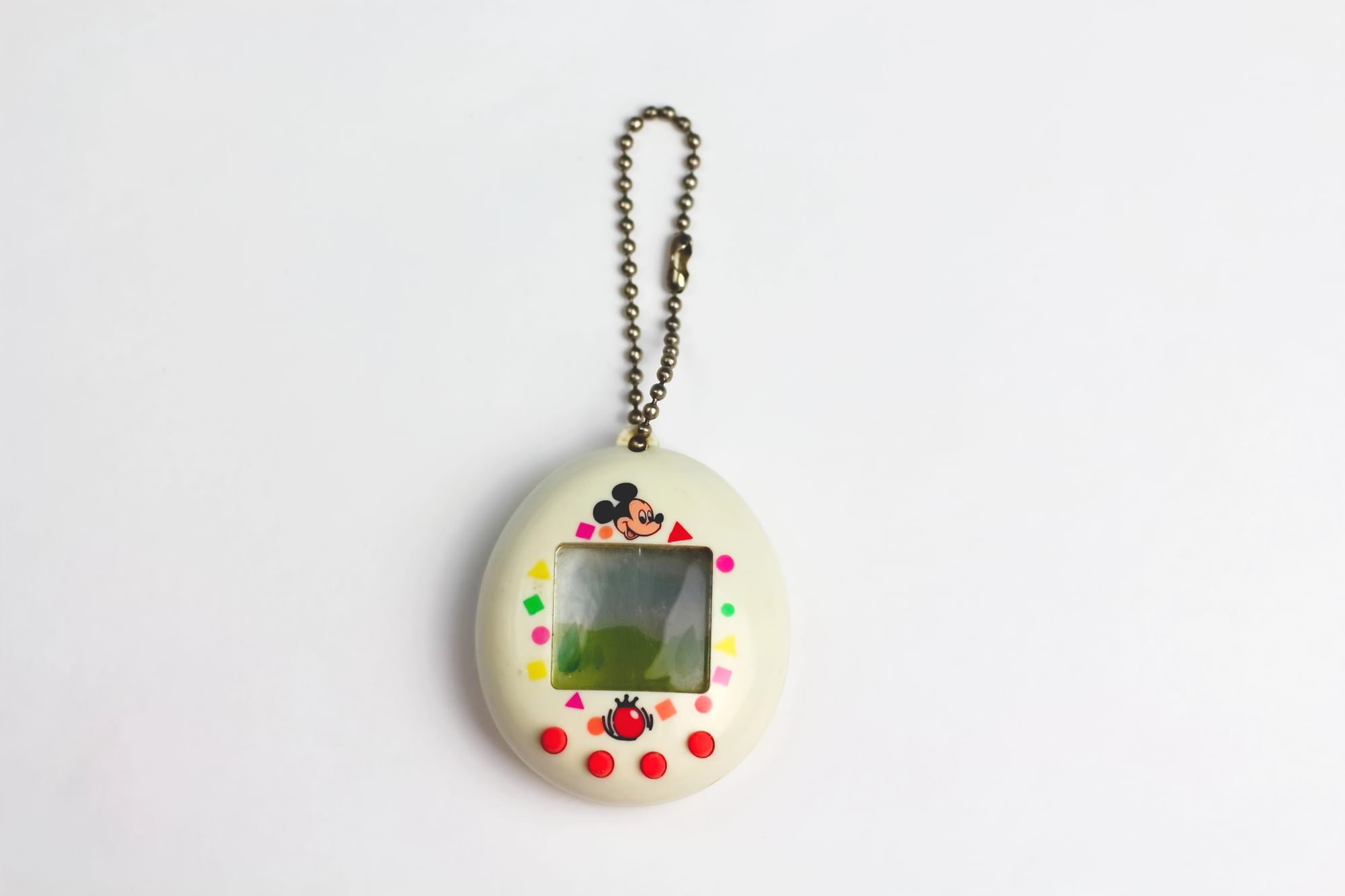
Before smartphones, kids carried their digital responsibilities on keychains attached to their backpacks. These pocket-sized pets demanded attention at random intervals, beeping during inappropriate moments like tests or quiet reading time.
The graphics were primitive, but the emotional attachment was real. Losing your keychain pet was like losing a tiny friend who lived in your pocket.
Stretchy Hands
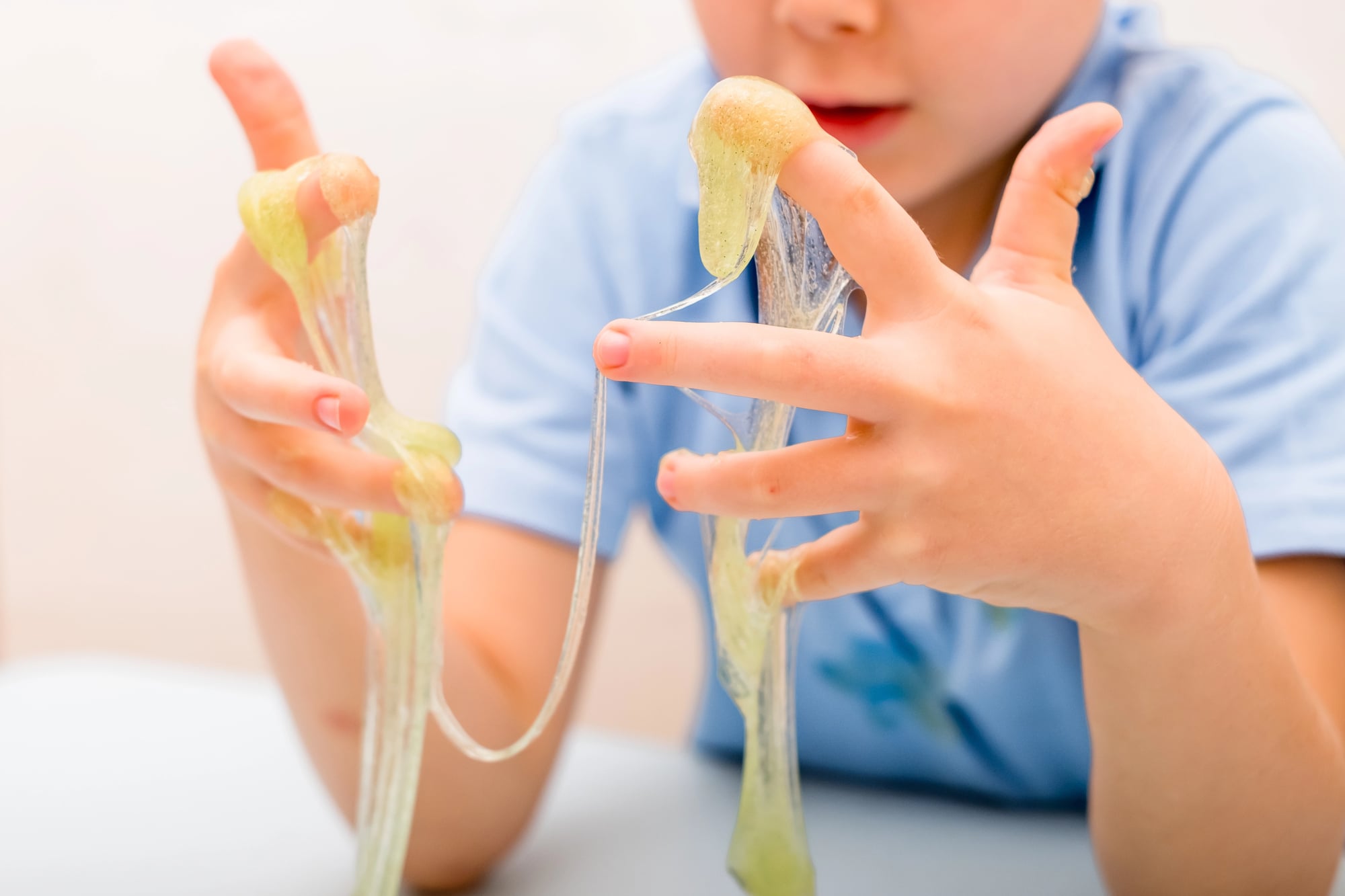
Stretchy hands were simple toys with complex appeal — rubbery appendages that could extend to impressive lengths before snapping back into palm-sized form. The physics were endlessly entertaining: stretch it across a desk, let it go, watch it fly back and potentially smack someone in the face (which was both hilarious and likely to get you in trouble).
They came in different colors and textures, but they all shared the same basic magic of defying expectations about how far a tiny hand could reach. The novelty never quite wore off because each stretch felt like testing the limits of what was possible.
How far could you extend it before it broke? Could you stretch it around corners?
What happened if you tied two together? These weren’t deep philosophical questions, but they provided endless entertainment during boring moments, which made them essential backpack equipment for getting through the school day.
Water Bottle

Water bottles in the ’90s were straightforward affairs — usually plastic, often featuring cartoon characters or sports team logos, and designed to survive being dropped, thrown, or forgotten in hot cars. They weren’t particularly sophisticated, but they were yours, and personalizing your hydration felt like a small but important form of self-expression.
Some had pop-top lids that you could flip open with your thumb, others had straws that pulled up from twist-off caps, but all of them carried the faint taste of whatever liquid had been in them previously. The ritual of filling them at water fountains between classes became second nature, and the sound of sloshing water in your backpack was part of the ambient soundtrack of moving through school hallways.
They got lost regularly, found weeks later under car seats or behind radiators, somehow both familiar and mysterious after their brief disappearance.
Snap-N-Pop
These tiny paper packets filled with gravel and silver fulminate turned any surface into a potential fireworks show. You’d throw them at the ground and get a satisfying snap and small puff of smoke.
Schools banned them immediately, which only increased their underground appeal. Kids would smuggle them in like tiny anarchists planning playground revolutions.
The Weight Of Memory
Looking back at these items now, what strikes you isn’t their individual importance, but how they worked together to create a shared language of childhood. Every kid knew the rules: how to trade Pokemon cards fairly, which gel pen colors were worth hoarding, why a calculator watch made you feel prepared for anything.
These weren’t just things you carried in your backpack — they were the tools that helped you figure out who you were and where you fit in a world that often felt too big and too complicated for small hands to navigate.
More from Go2Tutors!

- The Romanov Crown Jewels and Their Tragic Fate
- 13 Historical Mysteries That Science Still Can’t Solve
- Famous Hoaxes That Fooled the World for Years
- 15 Child Stars with Tragic Adult Lives
- 16 Famous Jewelry Pieces in History
Like Go2Tutors’s content? Follow us on MSN.



