28 Dollar Bin Finds That Resellers Flipped for Hundreds
The Thrift Store Is Not What It Used to Be
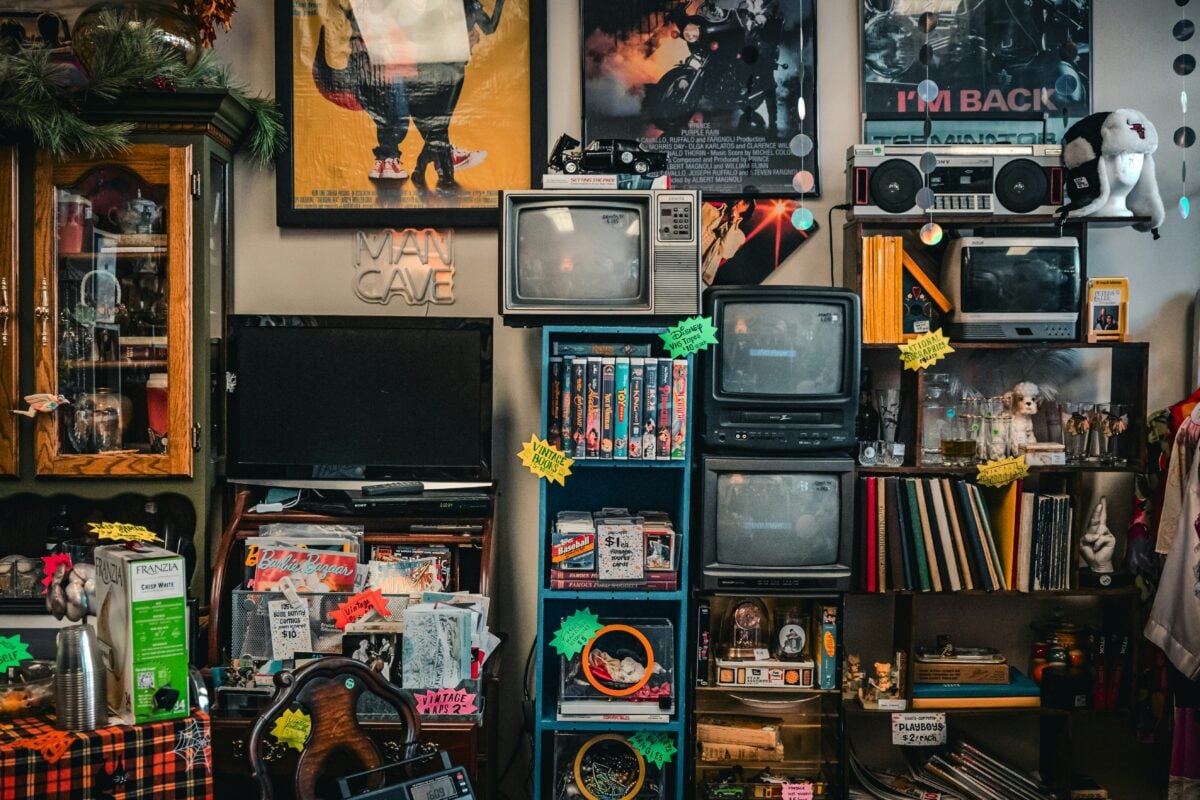
There’s a particular kind of quiet confidence that experienced resellers carry through a thrift store — moving past the polyester blazers, pausing at the glassware, flipping over a ceramic bowl to check the mark on the bottom. Most shoppers see dollar bins as a last resort.
Resellers see them as the whole point. The gap between what something costs at a Goodwill and what a collector will pay for it on eBay is sometimes absurd, and the people who understand that gap have built real income from it — one overlooked item at a time.
Vintage Pyrex
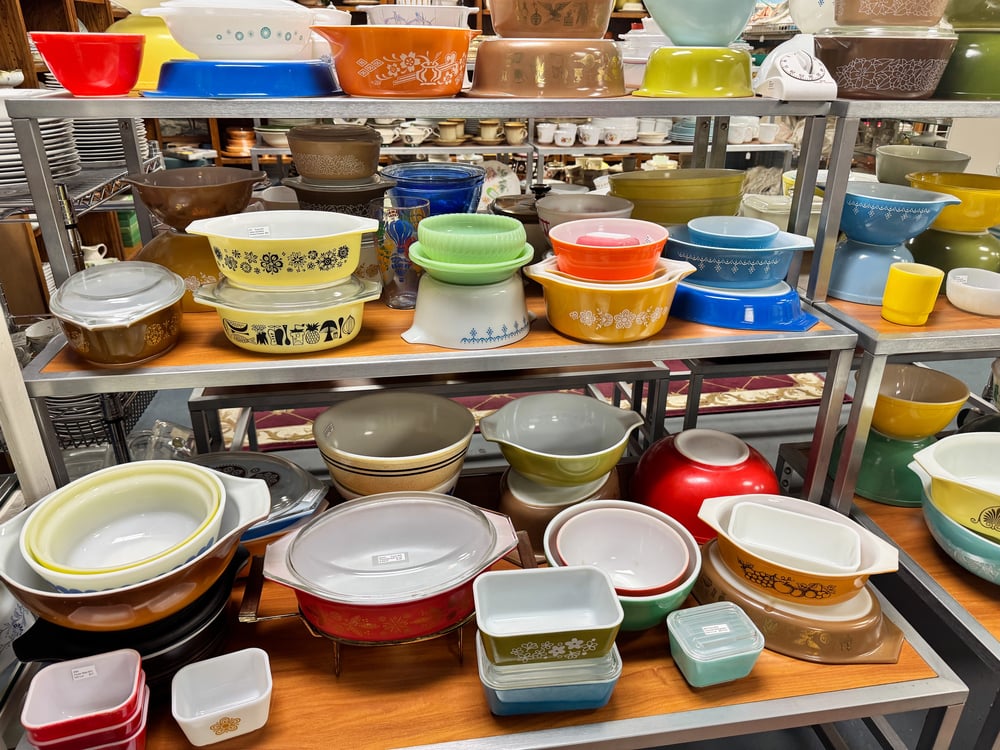
Pyrex from the 1950s and 1960s turns up in dollar bins with startling regularity. A single mixing bowl in the “Gooseberry” or “Butterprint” pattern — often priced at a dollar or two because it looks like old kitchenware to an untrained eye — regularly sells for $80 to $250 depending on condition and rarity.
The nesting sets are the real prize: a complete four-bowl set in mint condition has cleared $400 on eBay without much fuss.
First Edition Books

Most thrift stores price every paperback the same regardless of what’s inside the cover. So a first edition of a significant novel — identifiable by the number line on the copyright page, which reads “1” at the end — sits next to a water-damaged romance novel at the same price.
Resellers who know how to read a copyright page have pulled first editions worth $150 to $600 from dollar bins, particularly for mid-century American fiction.
Cast Iron Skillets
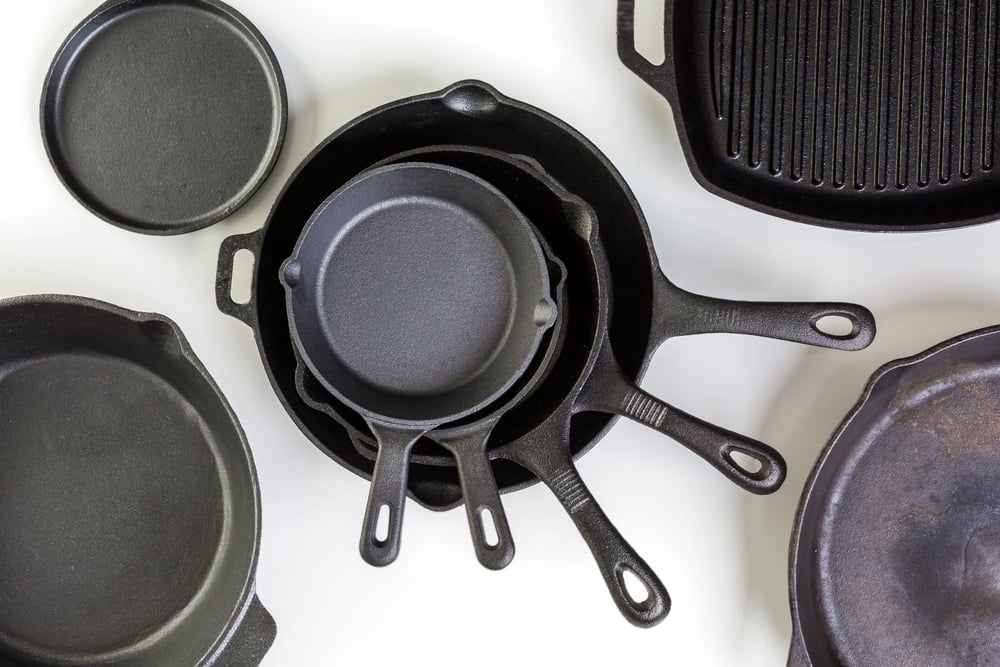
Cast iron is nearly indestructible, which is exactly why it ends up in thrift stores. A Lodge skillet or, better yet, a Griswold or Wagner pan from the early 20th century looks like a heavy, crusty pan to most people — but to collectors, a clean Griswold No. 8 skillet is worth $100 to $300 depending on the logo variant.
Resellers who know the difference between a “slant logo” and a “block logo” Griswold are essentially reading a price code that most shoppers walk right past.
Vintage Lego Sets
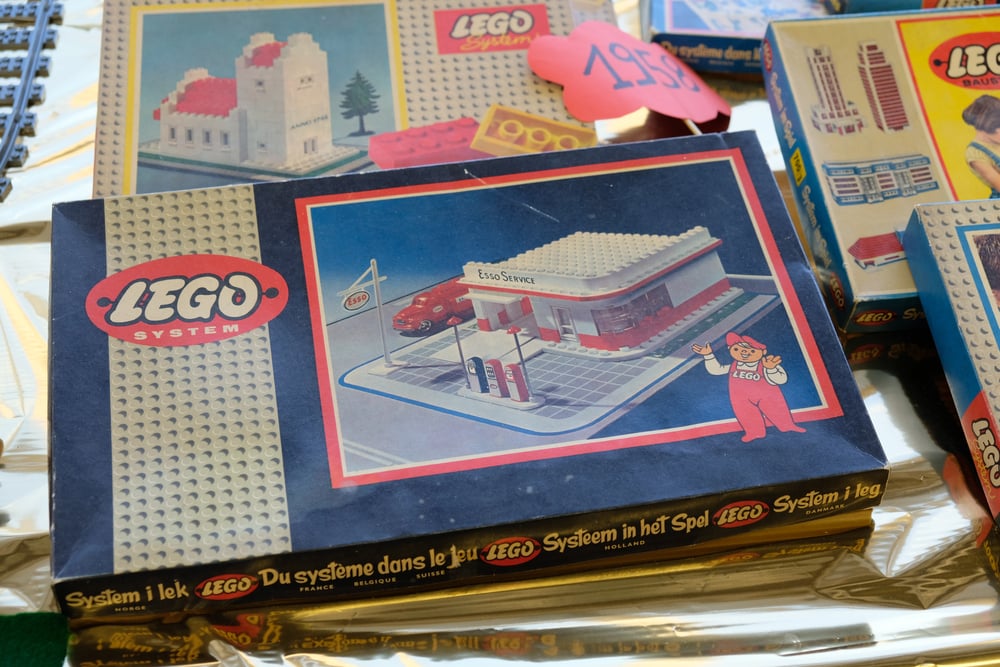
A sealed vintage Lego set from the 1980s or 1990s is genuinely valuable, and incomplete sets aren’t far behind. Resellers who understand that a Lego Castle or Space set — even missing a few pieces — can fetch $75 to $200 have turned many dollar bin toy hauls into respectable returns.
The key detail most people miss: the set number is printed on the bricks themselves, making identification possible even without the box.
Sterling Silver Flatware
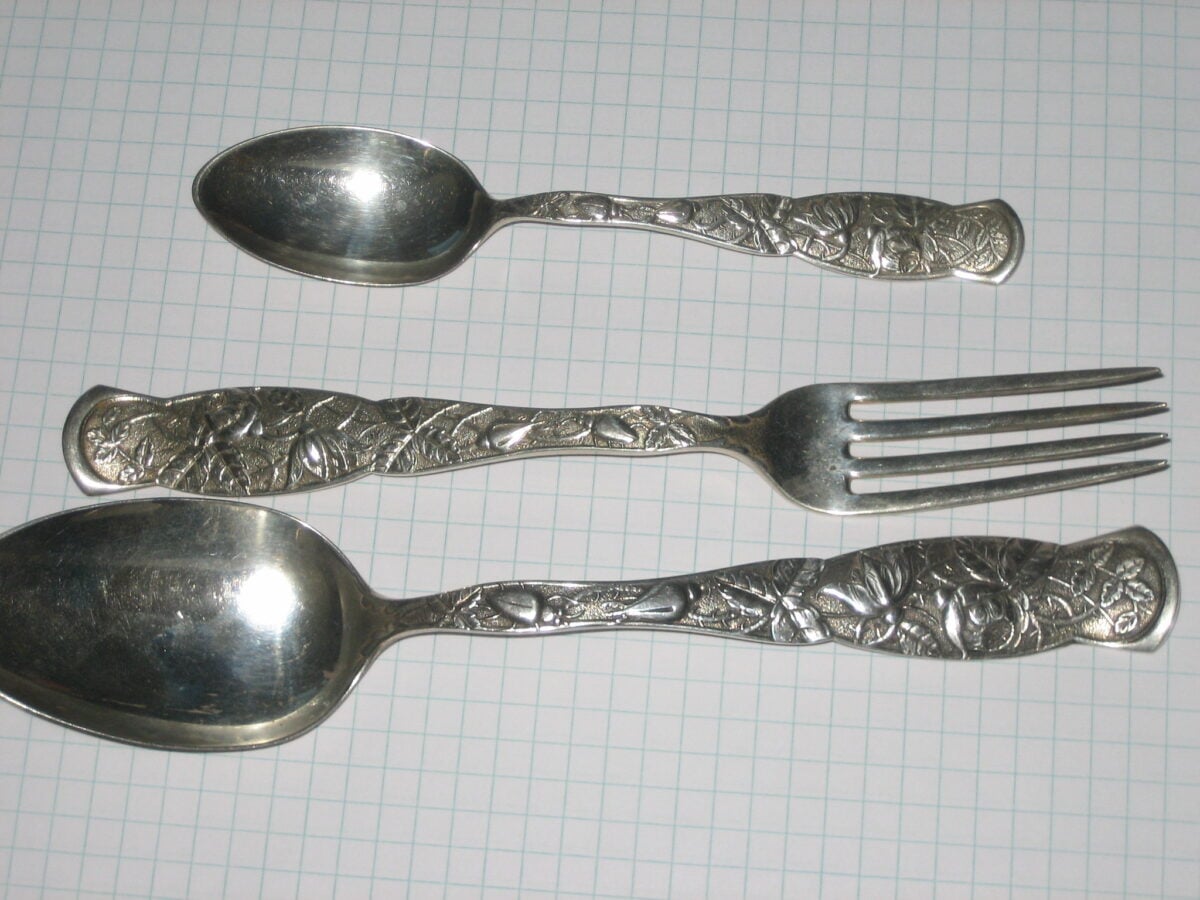
Sterling silver flatware gets donated constantly because people inherit it, don’t use it, and have no interest in polishing it. But sterling — marked “.925” or “STERLING” — has both melt value and collector value, and a set of eight place settings in a desirable pattern like Gorham’s “Chantilly” can sell for $300 to $600.
Even individual pieces carry weight: a single sterling serving spoon picked up for a dollar can resell for $25 to $40 without much effort.
Vintage Cameras
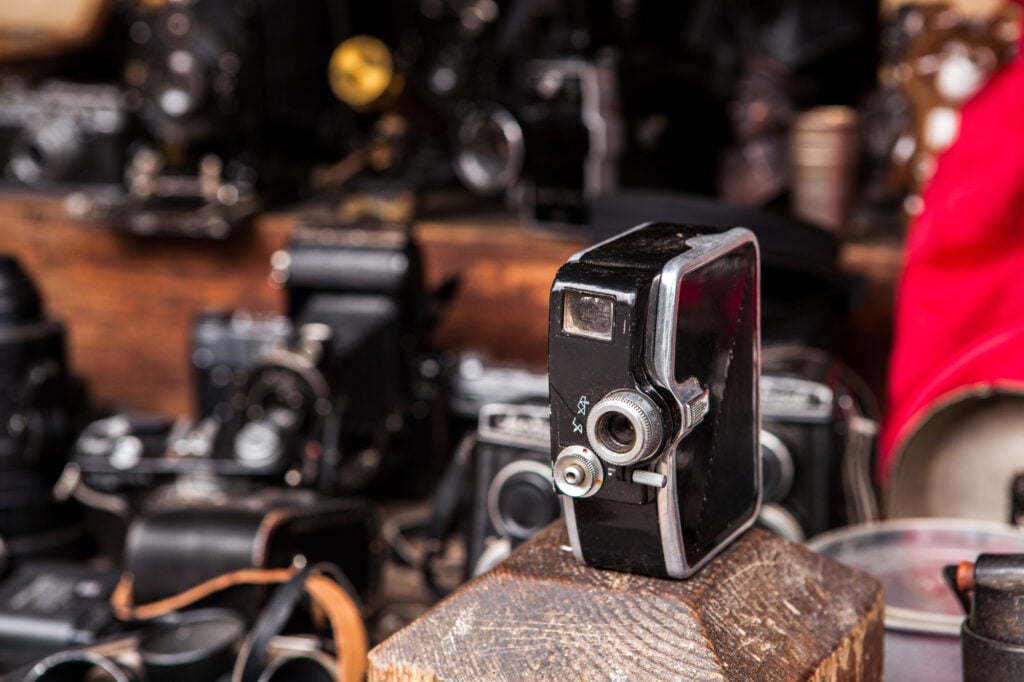
Film cameras from the 1960s through the 1980s have a dedicated collector base, and they end up in dollar bins more often than you’d expect — donated by people who associate them with outdated technology rather than functional art objects. A Pentax K1000, a Minolta X-700, or a Canon AE-1 in working condition can sell for $80 to $250 on eBay, and the lenses that come with them are sometimes worth more than the body.
Resellers who know how to test a shutter and check a lens for haze have turned $2 thrift store cameras into $200 listings with some regularity.
McDonald’s Happy Meal Toys
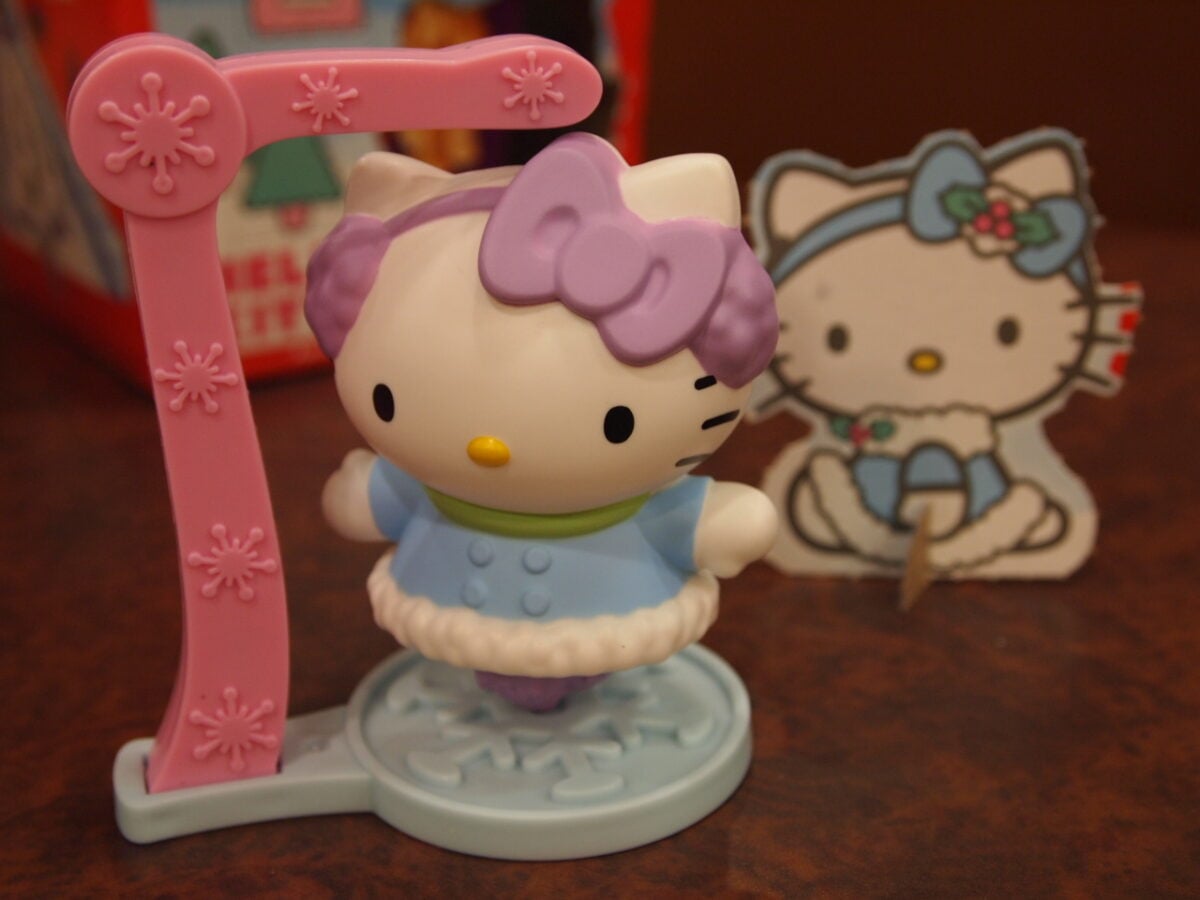
The 1990s McDonald’s Happy Meal toys — particularly the Teenie Beanie Babies sets and the Transformers Happy Meal series — have developed a collector market that most adults find either endearing or bewildering. A complete set of 1997 Teenie Beanie Babies in original packaging sells for $80 to $150, and individual pieces from limited regional promotions go higher.
Dollar bins at estate sales are where these appear most reliably, stuffed into a bag with other toy odds and ends.
Vintage Tupperware
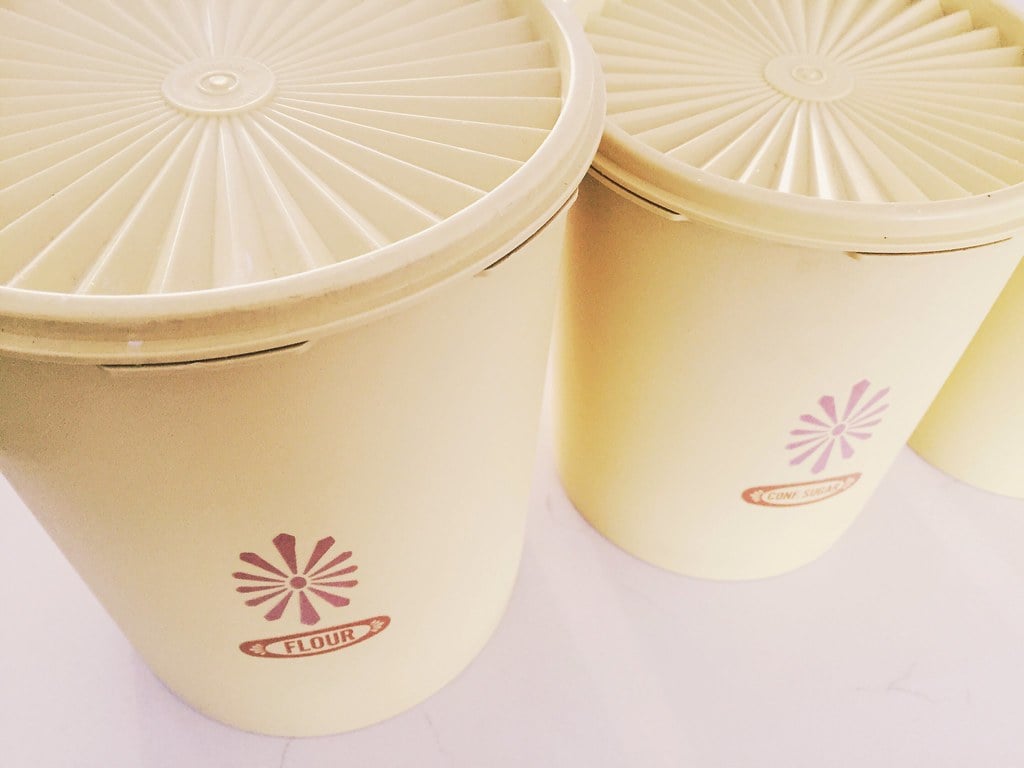
Tupperware from the 1960s and 1970s — particularly the pastel-colored pieces in avocado green, harvest gold, or burnt orange — has crossed from practical kitchenware into collectible territory. A set of nesting canisters in excellent condition can fetch $60 to $120, and the harder-to-find “Wonderlier” bowls in original colors regularly sell for $40 to $80 per piece.
The resellers who understood this early have been quietly cleaning out thrift bins while everyone else walked past.
Vintage Board Games
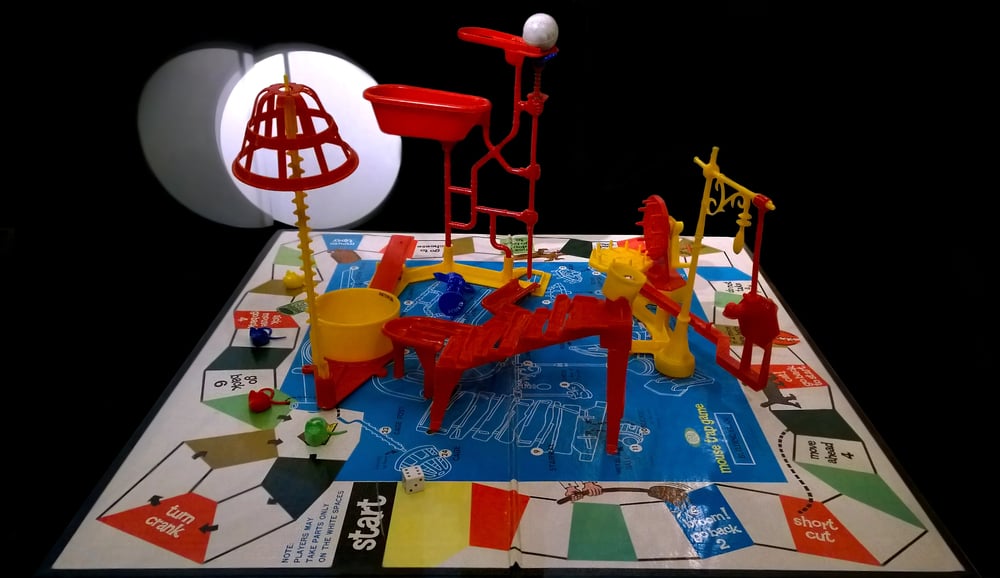
A complete vintage board game in its original box is worth real money to the right collector — and the right collector absolutely exists. Games like 1960s-era Careers, the original Acquire, or early printings of Diplomacy in complete condition sell for $75 to $200, and sealed examples go considerably higher.
The word “complete” is doing a lot of work here: resellers who sort through donated games and verify the piece counts are the ones who actually make the sale.
Depression Glass
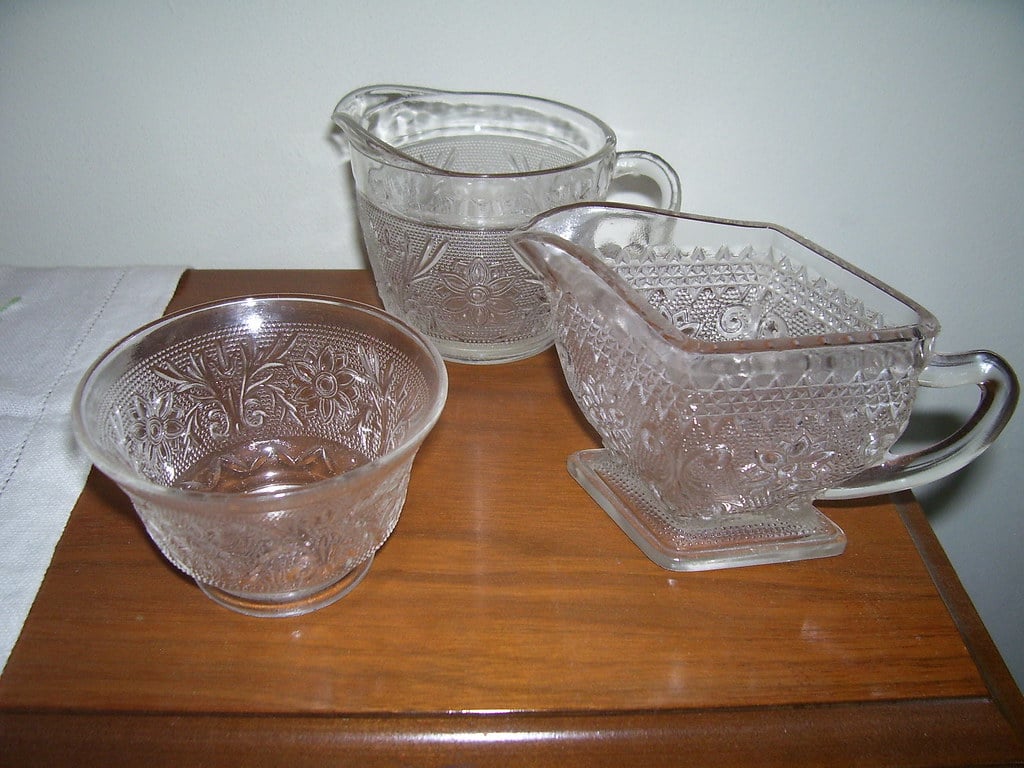
Depression glass — the colored, translucent glassware mass-produced in the 1920s and 1930s — is one of those categories where a single piece can look like a dollar store item and sell like an antique. A pink “Mayfair” pattern cookie jar in mint condition sells for $80 to $150, and rarer colors like ultramarine or ice blue command more.
Resellers who know their Depression glass patterns have been treating dollar bins like a research project with a cash reward at the end.
Vintage Fishing Lures
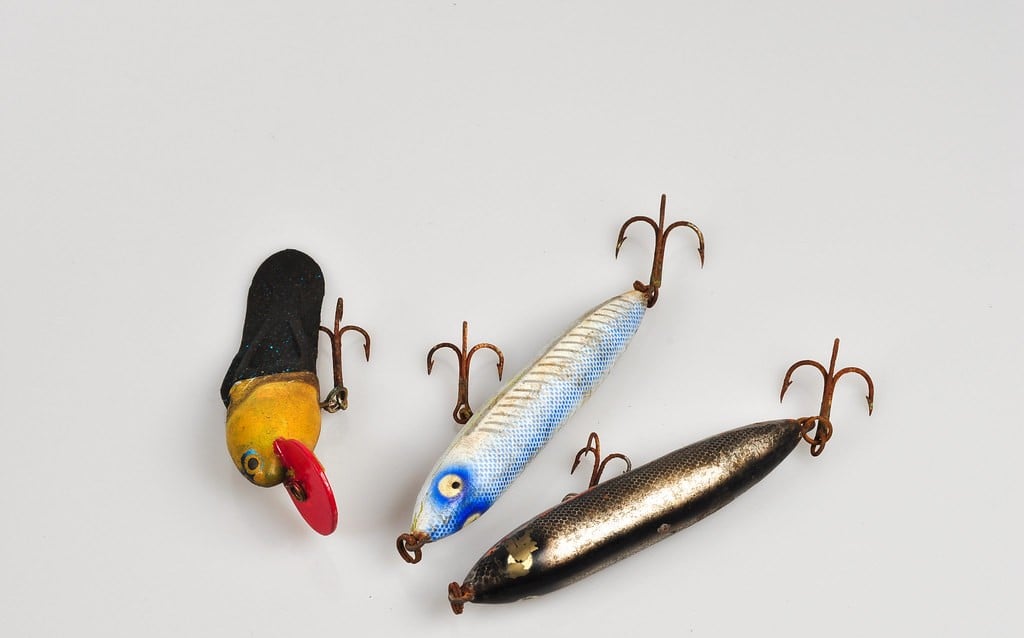
Old fishing lures — particularly the painted wooden plugs from manufacturers like Heddon, Creek Chub, and South Bend — look like junk to most people and look like money to collectors. A Heddon Torpedo in the original glass-eye version sells for $75 to $200 depending on the paint condition, and rarer color patterns push higher.
The cruel irony is that the worn-looking ones sometimes command more, because age and use are exactly what collectors are paying for.
Vintage Lunchboxes
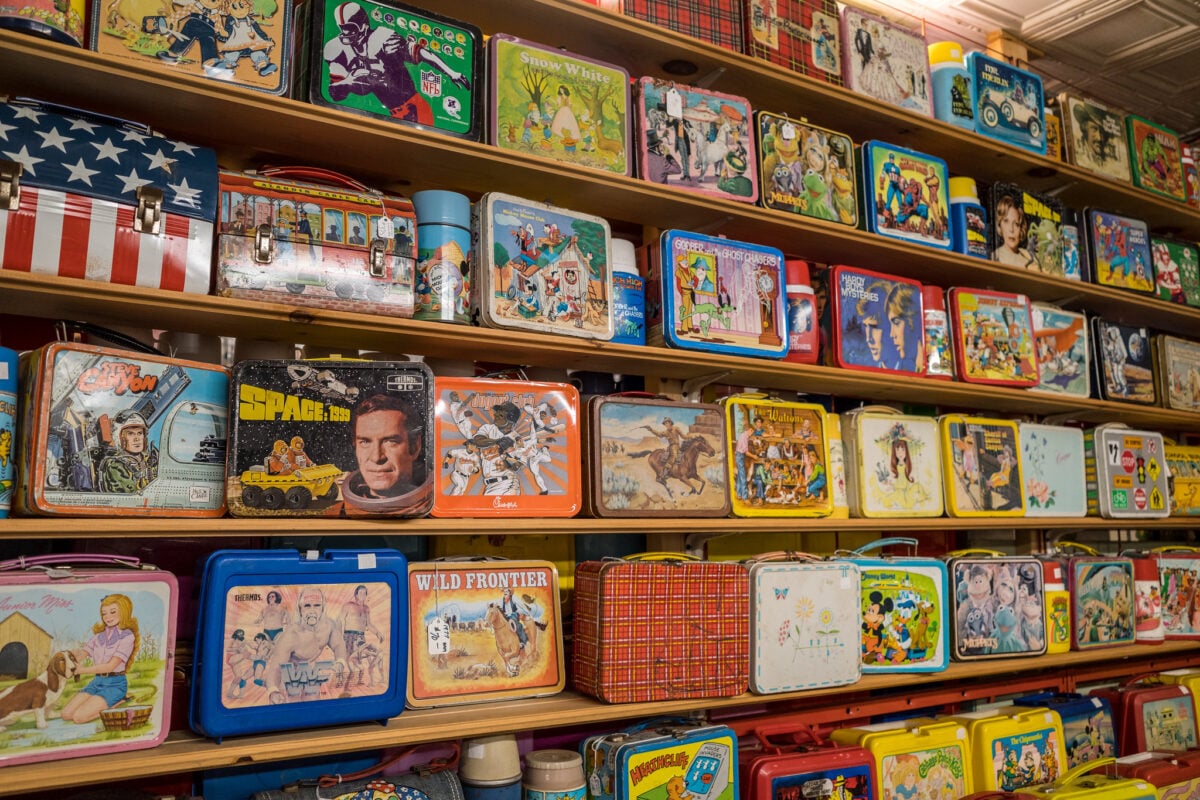
A metal lunchbox from the 1960s or 1970s — particularly one with a matching thermos — is a legitimate collectible, and they turn up at thrift stores and estate sales constantly. A 1967 “The Monkees” lunchbox with its original thermos sells for $100 to $200 in good condition, and rarer TV tie-in boxes from short-lived shows go higher because fewer were produced.
Dollar bin lunchbox finds are among the most visually unmissable flips in reselling: they’re right there, colorful and obvious, and most people walk past them anyway.
Vintage Watches
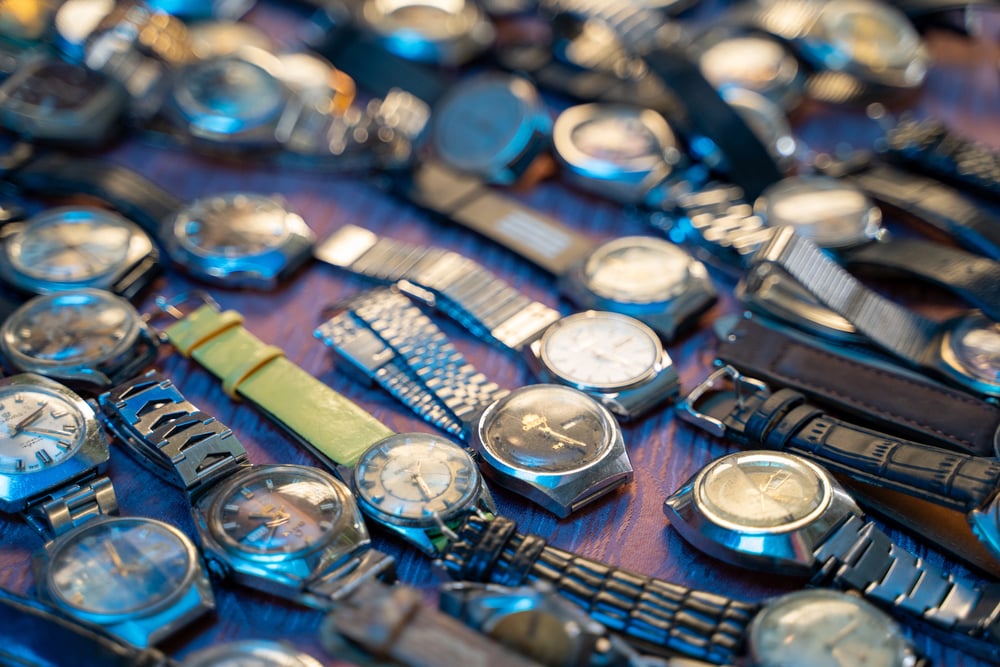
A non-working watch in a dollar bin is almost certainly worth something to someone — and often worth considerably more than nothing. Vintage Bulova, Hamilton, and Elgin watches from the 1940s and 1950s frequently sell for $80 to $300 in working condition, and even non-runners sell for parts to watchmakers and hobbyists.
Resellers who know how to identify a 14k gold-filled case from a base metal one have turned dollar bin watches into some of their most consistent returns.
Vintage Postcards
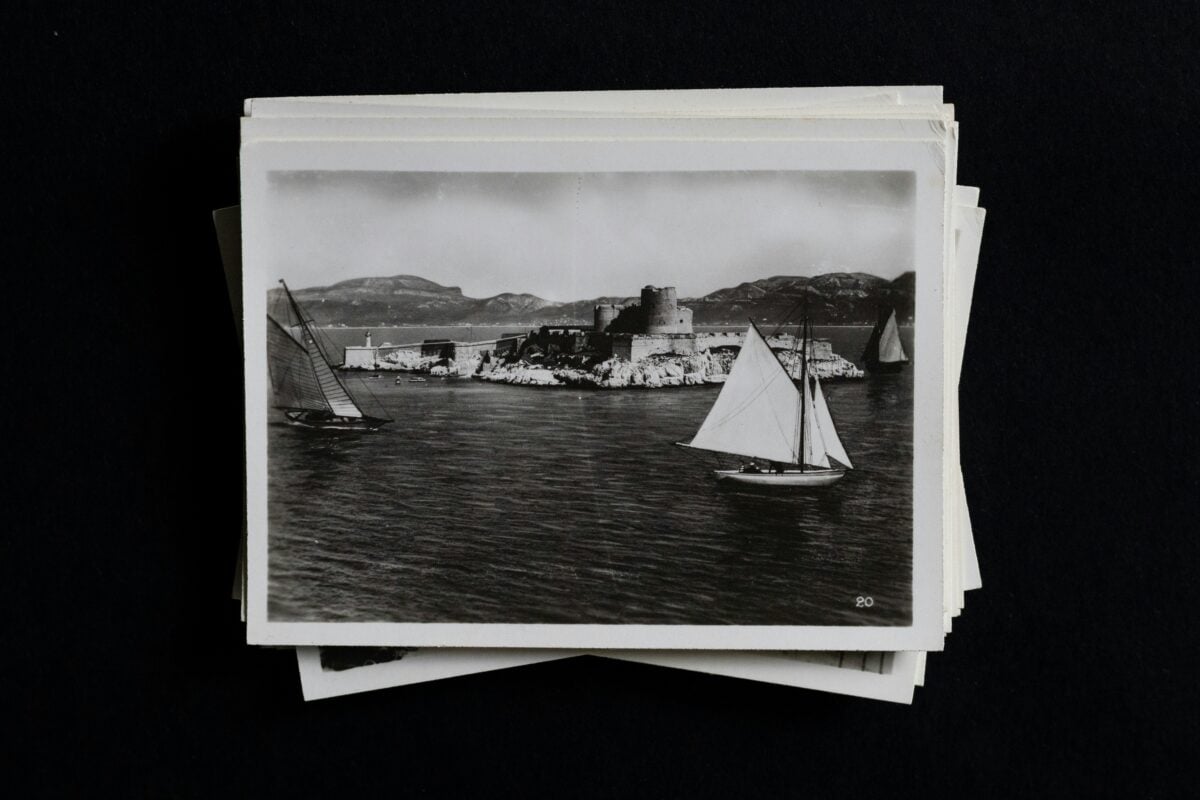
Old postcards look like ephemera — fragile, sentimental, easy to overlook — but certain categories carry real collector value. Real-photo postcards (RPPCs) from the early 1900s, particularly those depicting occupations, disasters, or unusual subjects, sell for $30 to $150 each, and town-view cards from small or disappeared communities go higher.
So a shoebox of mixed postcards priced at $2 total is a potential haul worth sorting through very carefully.
Levi’s Denim
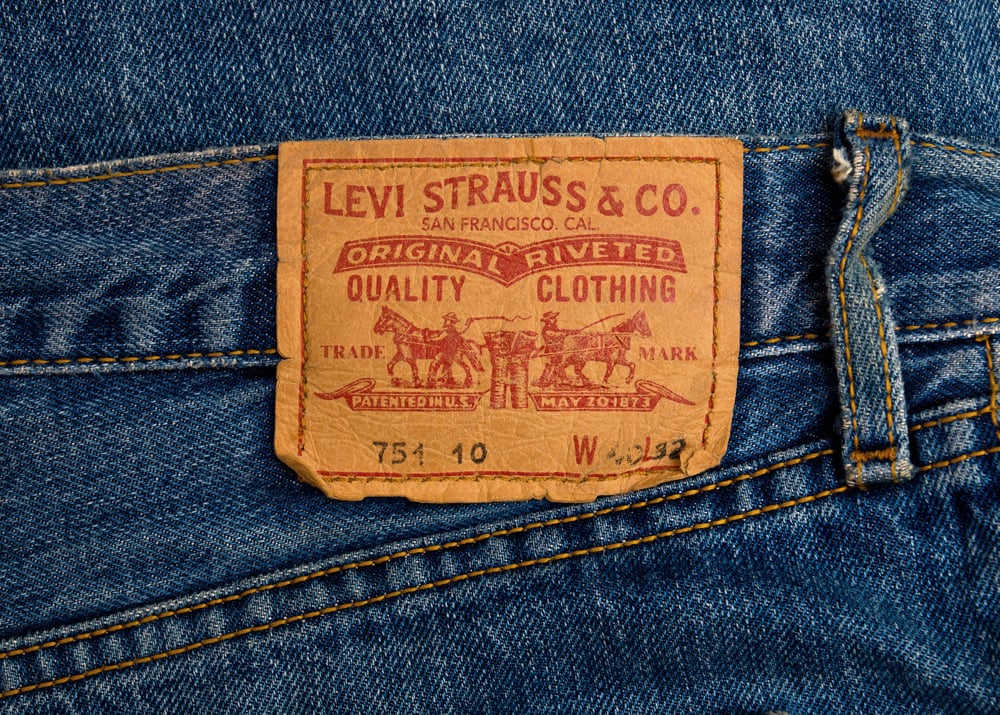
Vintage Levi’s — specifically anything with a capital-E “LEVI’S” on the red tab, which was used before 1971 — command serious prices from denim collectors and vintage clothing buyers. A pair of capital-E 501s in good condition sells for $150 to $400, and rarer cuts or deadstock examples go considerably higher.
Thrift stores misprice these constantly because they look like used jeans, which is technically what they are — just used jeans that happen to be worth more than a car payment.
Vintage Tin Toys
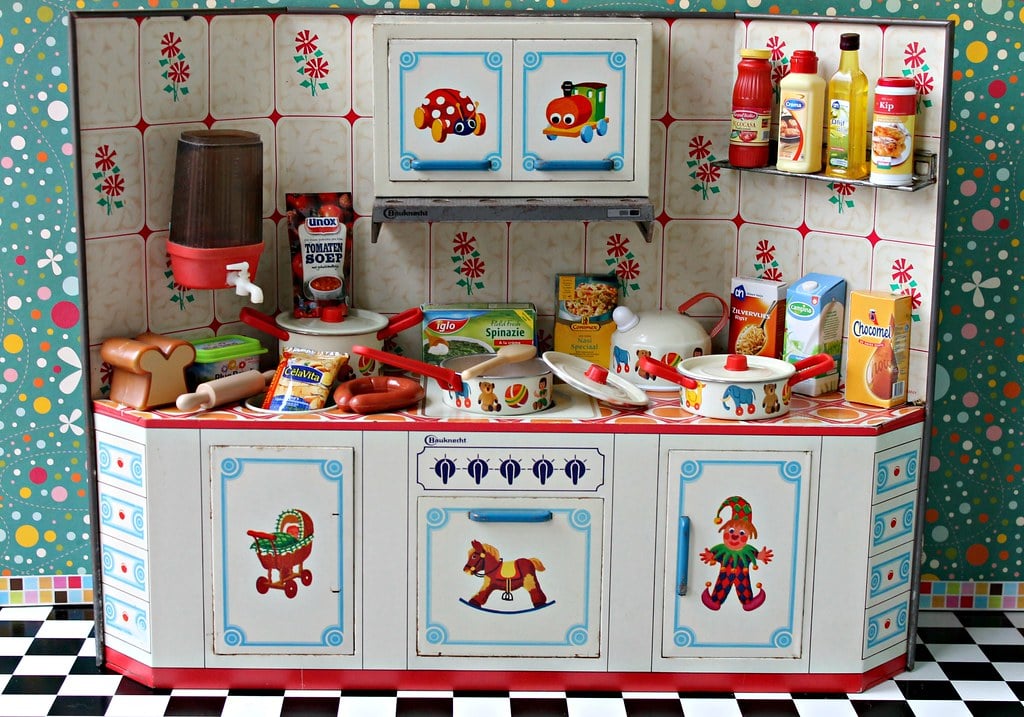
Lithographed tin toys from the 1940s and 1950s — robots, cars, and wind-up animals manufactured primarily in Japan and Germany — are a firmly established collector category with a global buyer base. A working tin robot from the late 1950s can sell for $200 to $500, and rare examples from manufacturers like Masudaya or Alps go well beyond that.
The condition bar is lower than you’d expect: collectors accept wear on the lithography because pristine examples are genuinely rare, which means even a banged-up toy can still flip for meaningful money.
Vintage Cookbooks
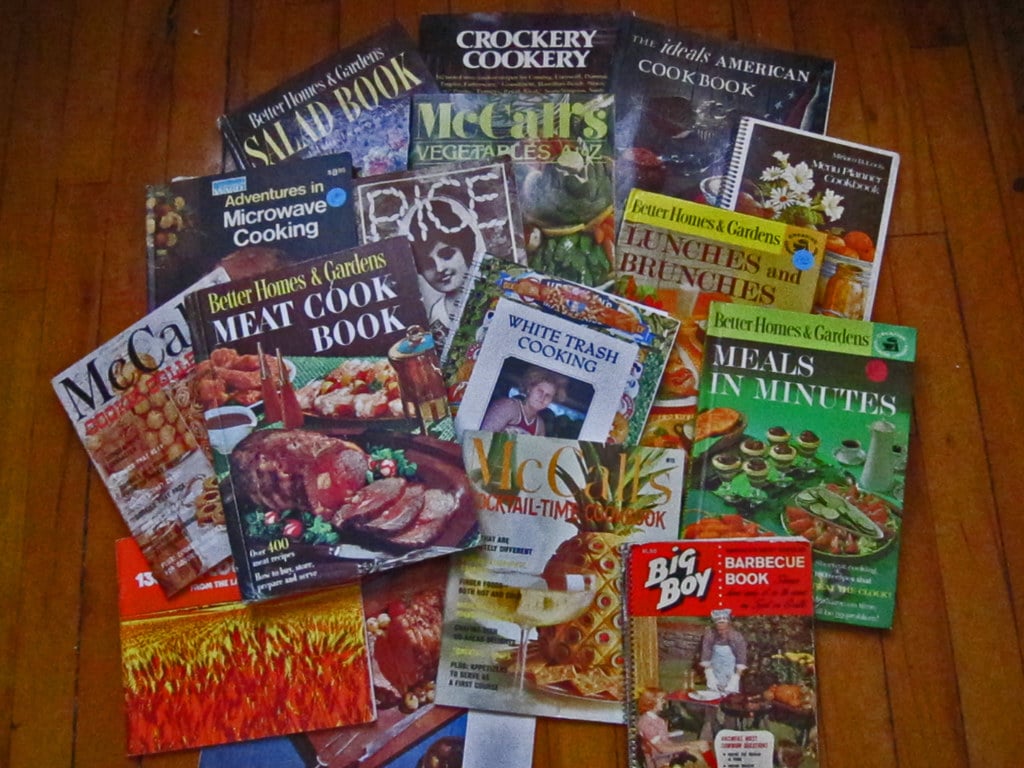
A first-edition Joy of Cooking, a signed Julia Child, or an early edition of a regional community cookbook might look like ordinary kitchen clutter — but cookbooks have a dedicated collector market that most people completely underestimate. A first edition of the 1931 Joy of Cooking sells for $200 to $400, and certain regional spiral-bound church cookbooks from specific communities have cleared $100 based entirely on their cultural specificity.
The dollar bins at estate sales in older homes are the most reliable source.
Vintage Advertising Tins
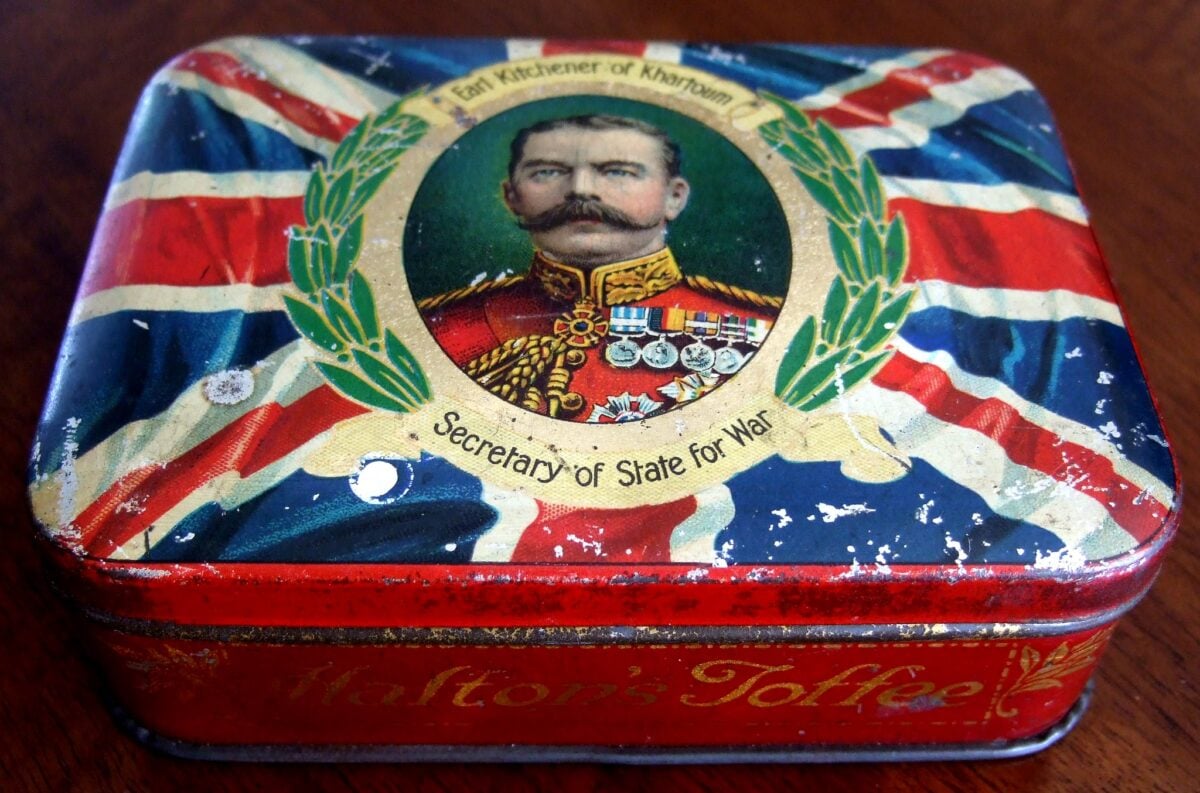
Old advertising tins — cig tins, coffee tins, talcum powder tins with original graphics intact — sell reliably to collectors who focus on specific brands or product categories. A Prince Albert cig tin (the flat pocket variety) in excellent condition sells for $20 to $60, and rarer advertising tins from regional companies or defunct brands sell for $80 to $200.
What makes these finds genuinely satisfying is that they’re visually distinct: the graphics are right there on the surface, and anyone who knows the category can spot value from three feet away.
Hot Wheels Redlines
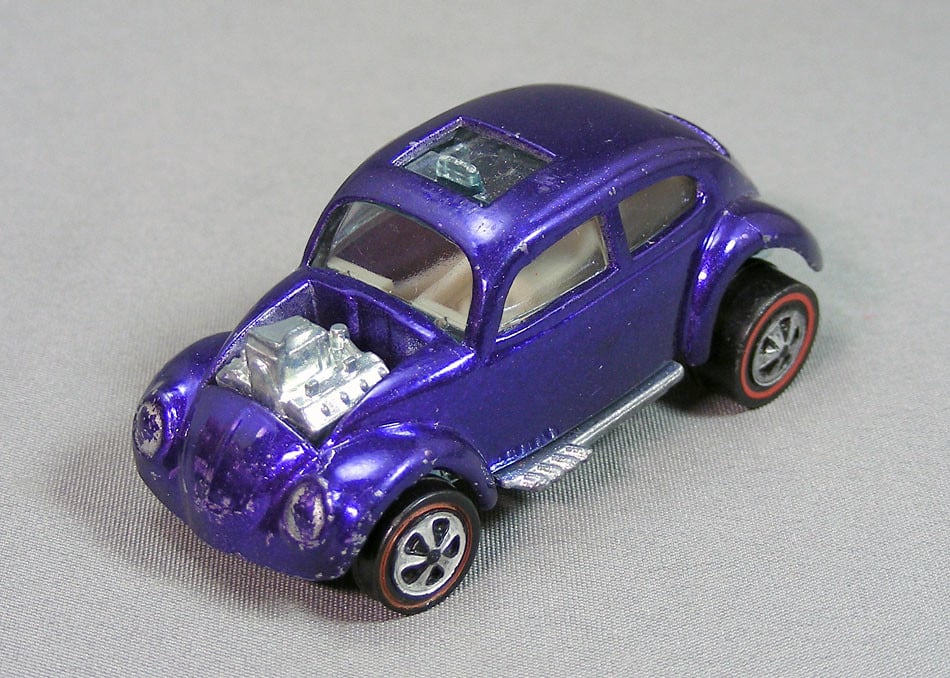
Hot Wheels cars produced between 1968 and 1977 — identifiable by the red stripe on the tires, which is where the “Redline” nickname comes from — are among the most reliably valuable dollar bin finds in existence. A 1969 Pink Rear-Loading Beach Bomb (the rarest production variant) is worth thousands, but even common Redlines in good condition sell for $20 to $80 each, and a small bag of mixed Redlines pulled from a toy bin for $5 total is not a rare scenario.
The paint condition matters enormously: a Redline with original, unchipped paint is worth multiples of a worn one in the same casting.
Vintage Map Prints
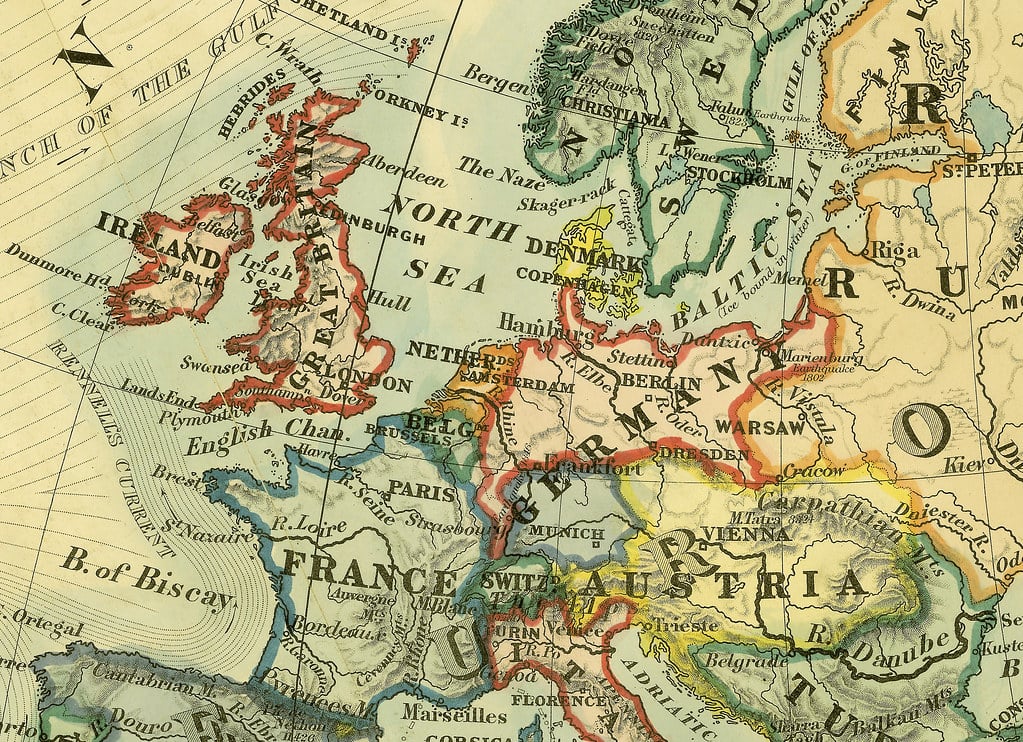
Old maps — particularly decorative city maps, coastal charts, or antique atlas pages from the 1800s — have a consistent buyer base among interior designers and collectors. A hand-colored atlas map from an 1860s atlas, folded into an old book and donated without anyone noticing, sells for $50 to $200 depending on the region depicted.
Resellers who check every old book for inserted papers, folded maps, or loose illustrations are doing something that looks eccentric and pays surprisingly well.
Vintage Perfume Bottles
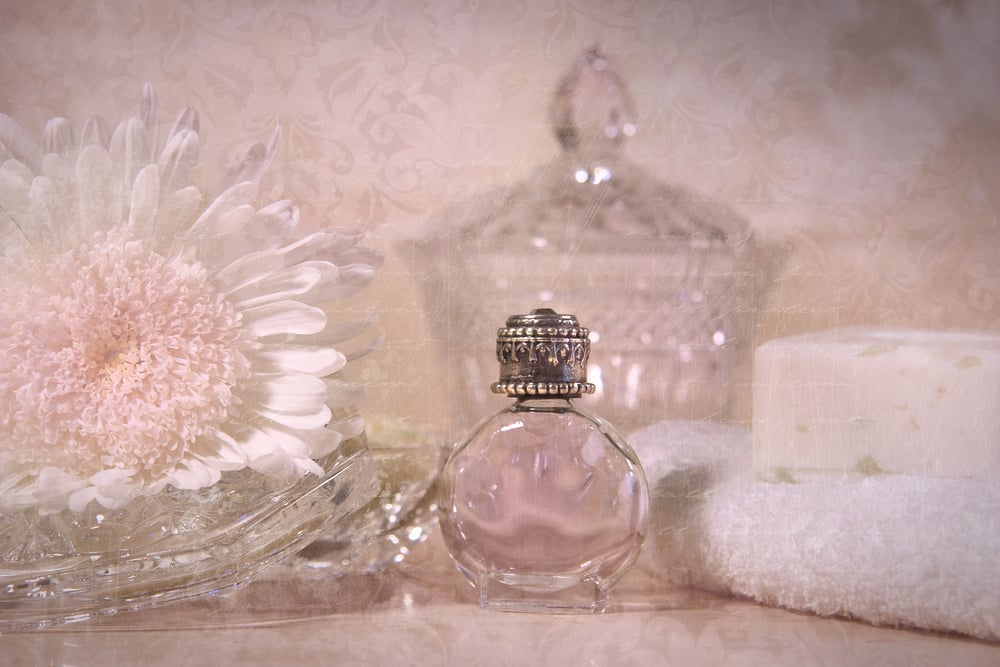
Empty perfume bottles — particularly Art Deco-era Czechoslovakian bottles with elaborate stoppers — are collected specifically as decorative objects, which means their value has nothing to do with what was originally inside them. A Czechoslovakian perfume bottle from the 1920s or 1930s in mint condition with an intact stopper sells for $60 to $200, and matched pairs go higher.
Dollar bins at estate sales in homes that belonged to older women are statistically the best source, which is a sentence that sounds absurd and is completely accurate.
Vintage Tablecloths
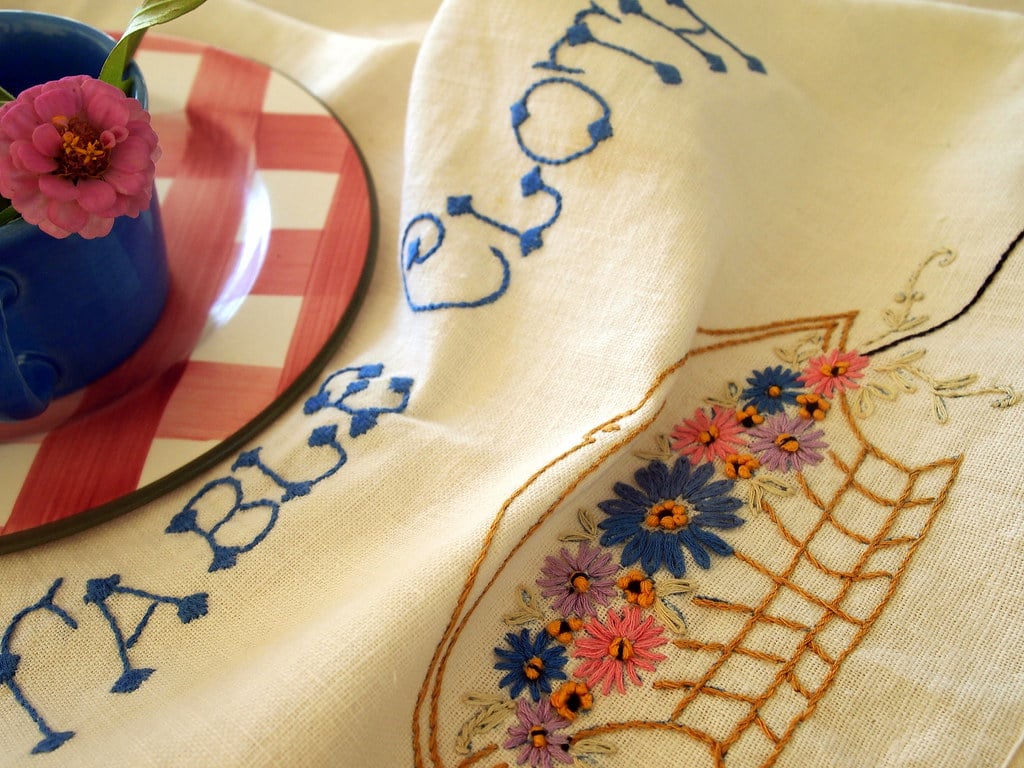
Hand-embroidered or printed cotton tablecloths from the 1940s and 1950s — particularly the “Wilendure” style or novelty printed designs with fruit, roosters, or regional Americana — sell to vintage textile collectors and prop stylists for $40 to $120. The condition bar is tighter than with most categories: a single stain drops the value considerably, but a clean example in a desirable pattern can flip quickly.
Resellers who fold and check linens at estate sales while other shoppers head straight for the furniture are consistently finding money in overlooked places.
Vintage Christmas Ornaments
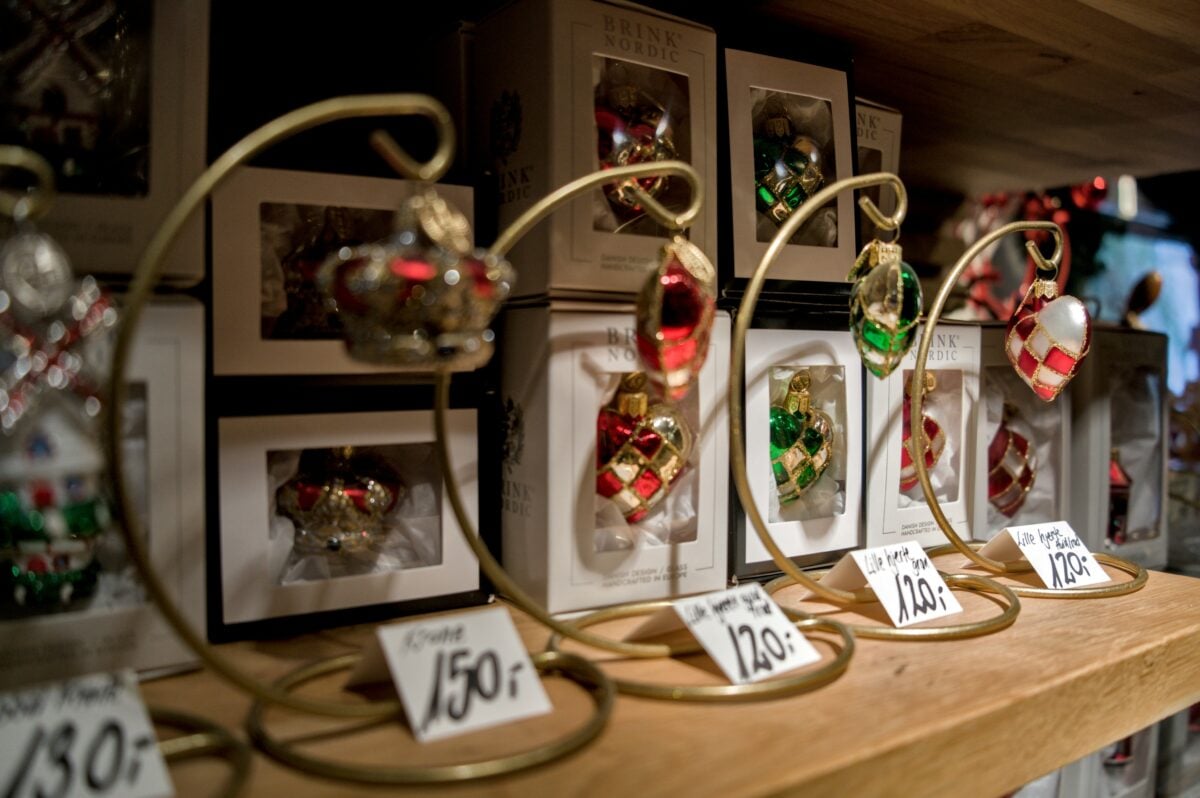
Antique German glass ornaments — the hand-blown, mercury-glass figural ornaments produced before World War II — turn up in boxes of mixed holiday decorations at estate sales and thrift stores more often than their value would suggest. A single figural ornament in the shape of an icicle, a Father Christmas, or a pickle in mint condition sells for $30 to $100, and a matched set in original packaging is worth considerably more.
The people donating these items usually know they’re old; they rarely know they’re worth sorting carefully.
Vintage Typewriters
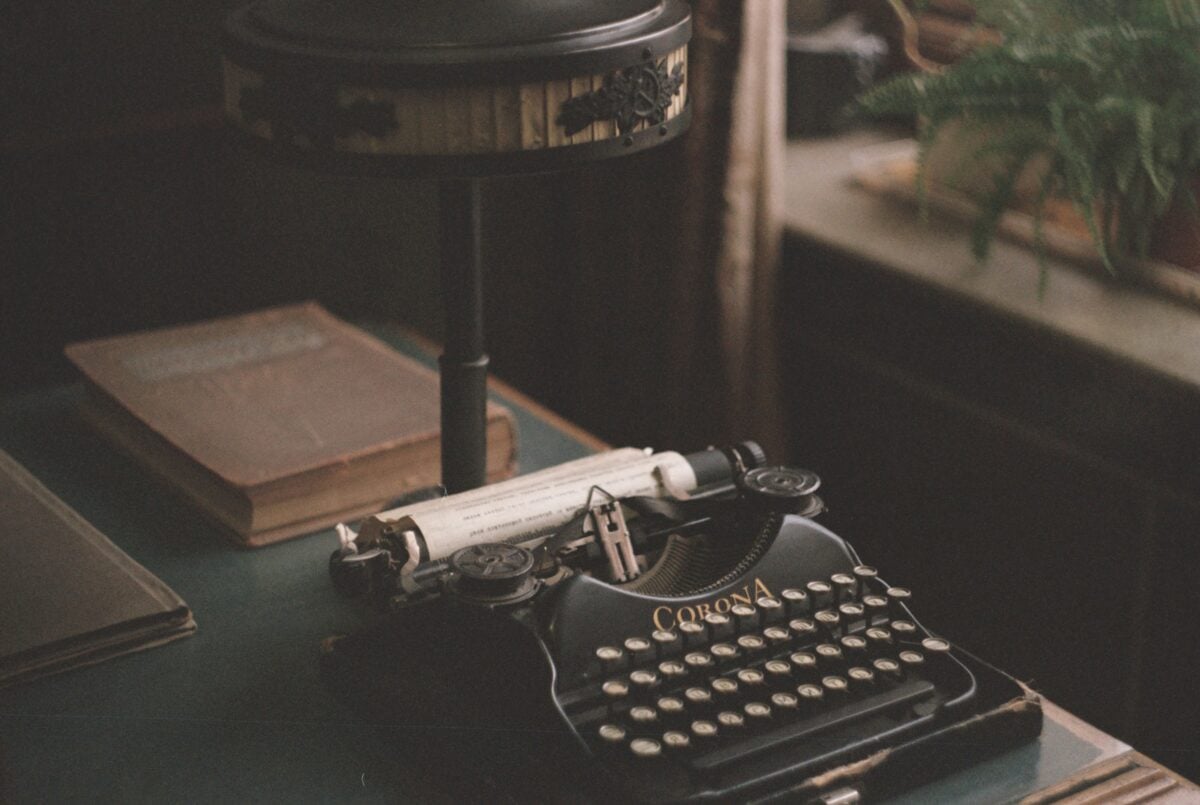
A working typewriter from a desirable manufacturer — Hermes, Olivetti, Royal, or Underwood — has become a genuine lifestyle object for writers, students, and collectors who have decided that the tactile feedback of a manual typewriter is worth the inconvenience. An Olivetti Lettera 32 or a Hermes 3000 in working condition sells for $150 to $350, and rarer models or unusual color variants push higher.
Resellers who know how to test a typewriter in a thrift store — which requires about thirty seconds and a sheet of paper — are consistently clearing $200 to $300 on items picked up for under $5.
Vintage Marbles
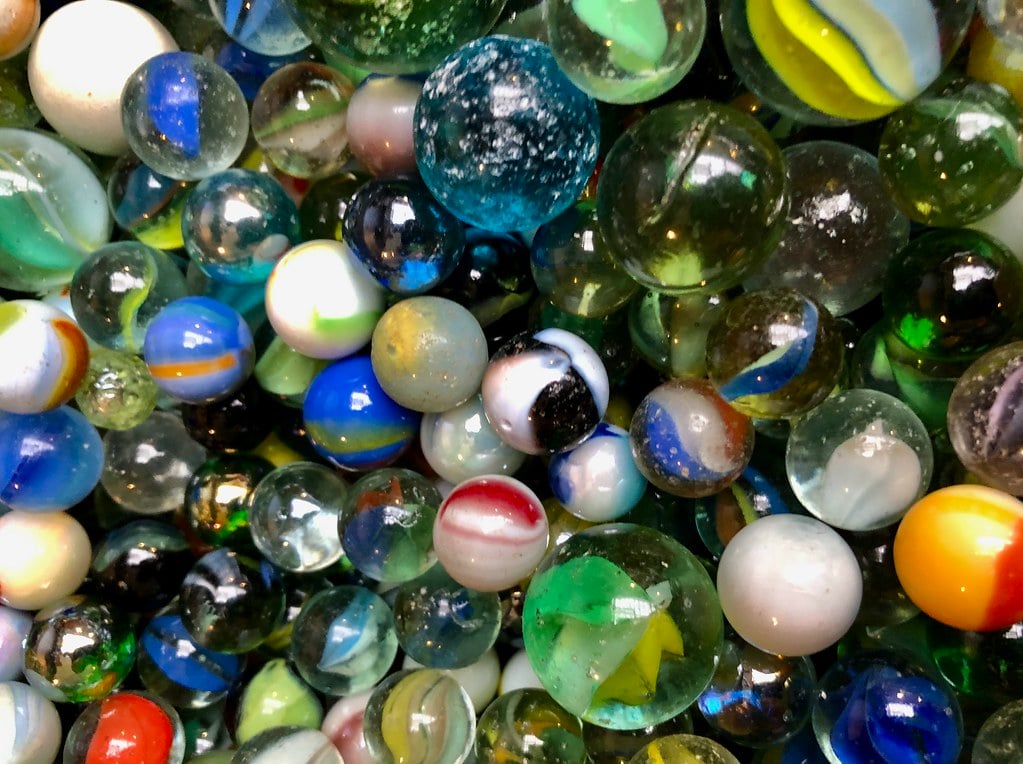
Old marbles — handmade glass marbles from before approximately 1950, particularly German-made sulphide marbles with figures inside or American-made swirls with complex internal patterns — are a firmly established collectible. A single handmade German swirl marble in perfect condition sells for $30 to $100, and rare sulphide examples with a figure (an animal, a numeral, or a portrait) go for $100 to $500 depending on the subject.
A mesh bag of old marbles pulled from a dollar bin for $2 is exactly the kind of find that makes resellers deeply reluctant to share their thrifting locations.
Vintage Wilton Cake Pans
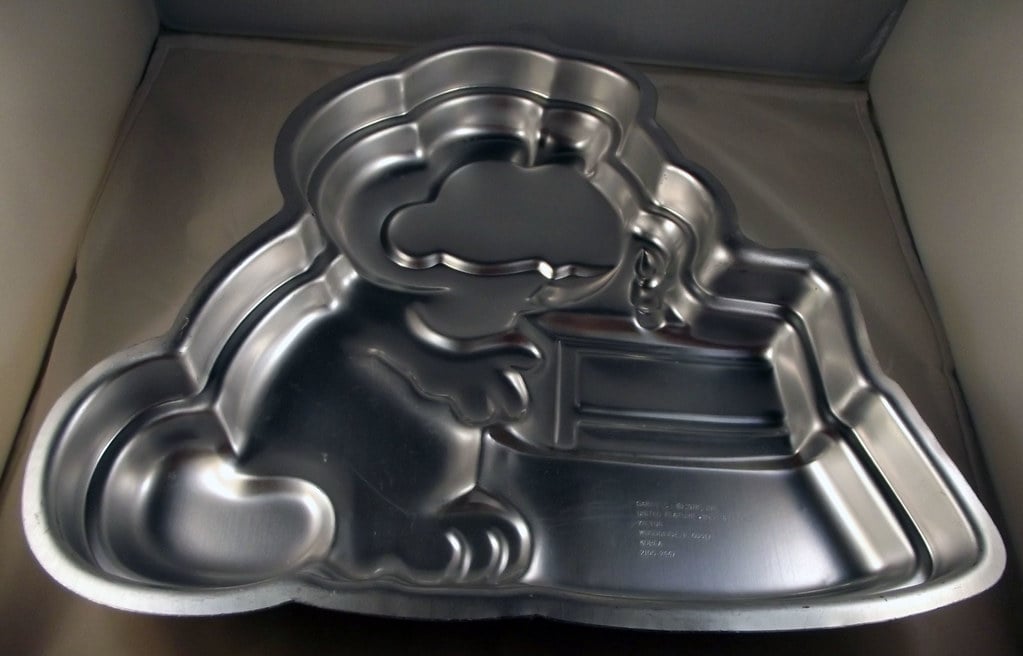
Character-shaped cake pans from Wilton — the kind sold through party supply stores in the 1970s and 1980s — have developed a collector market that is either charming or confusing, depending on your perspective. A vintage Wilton “Garfield” or “Holly Hobbie” pan with its original instruction insert sells for $30 to $80, and the harder-to-find character pans from limited production runs go higher.
Dollar bins are the most reliable source because the pans look like old kitchen equipment to everyone who isn’t already looking for them.
Vintage Fiestaware
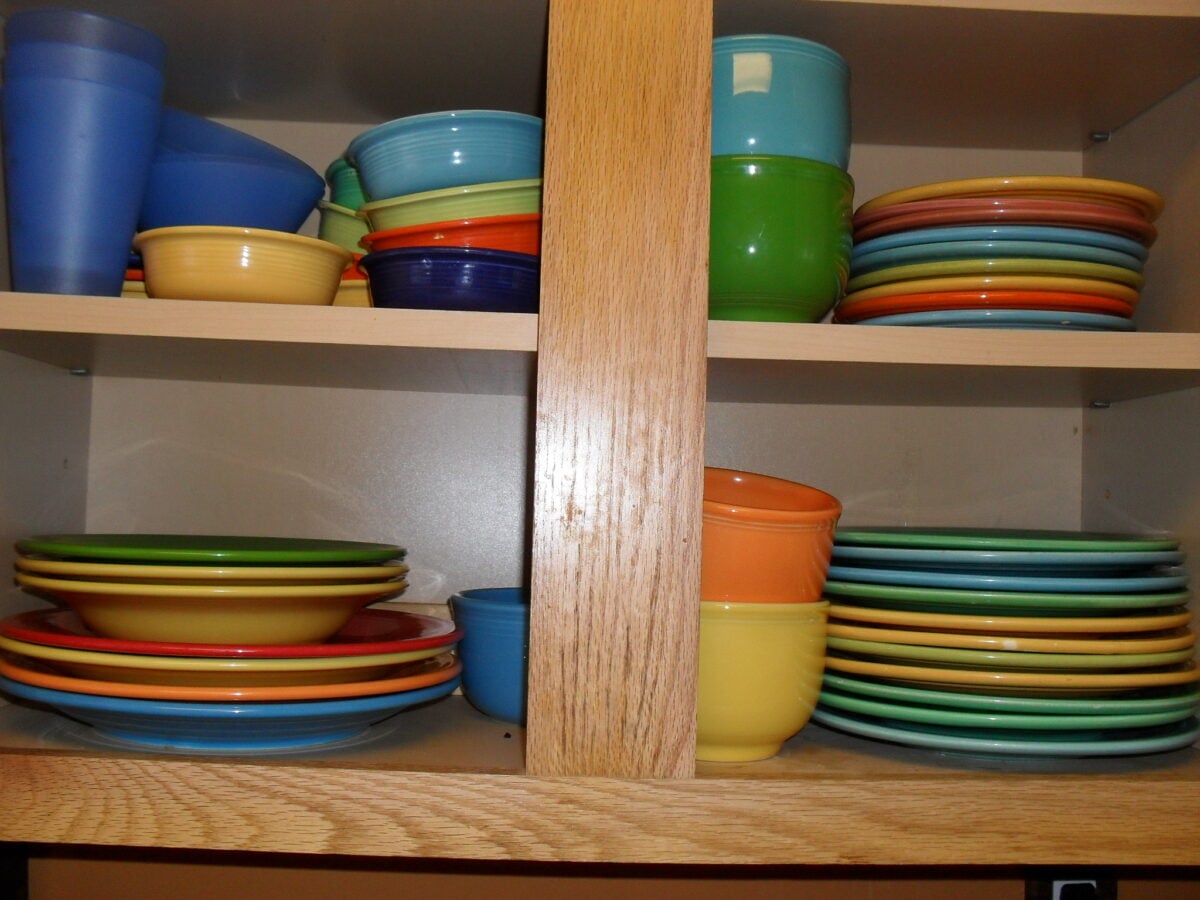
Homer Laughlin’s Fiestaware — particularly the original production colors discontinued in 1973, like medium green, red, and cobalt — is one of the most reliably valuable thrift store finds in the ceramics category. A medium green disc pitcher in excellent condition sells for $150 to $300, and the original red pieces (which contain uranium oxide in the glaze, which is a sentence that surprises people every time) sell for $80 to $200 per piece.
Resellers who know their Fiestaware colors and can identify a genuine vintage piece versus a 1986 reissue are essentially operating a private knowledge arbitrage.
The Gap Between What People Know and What Things Cost
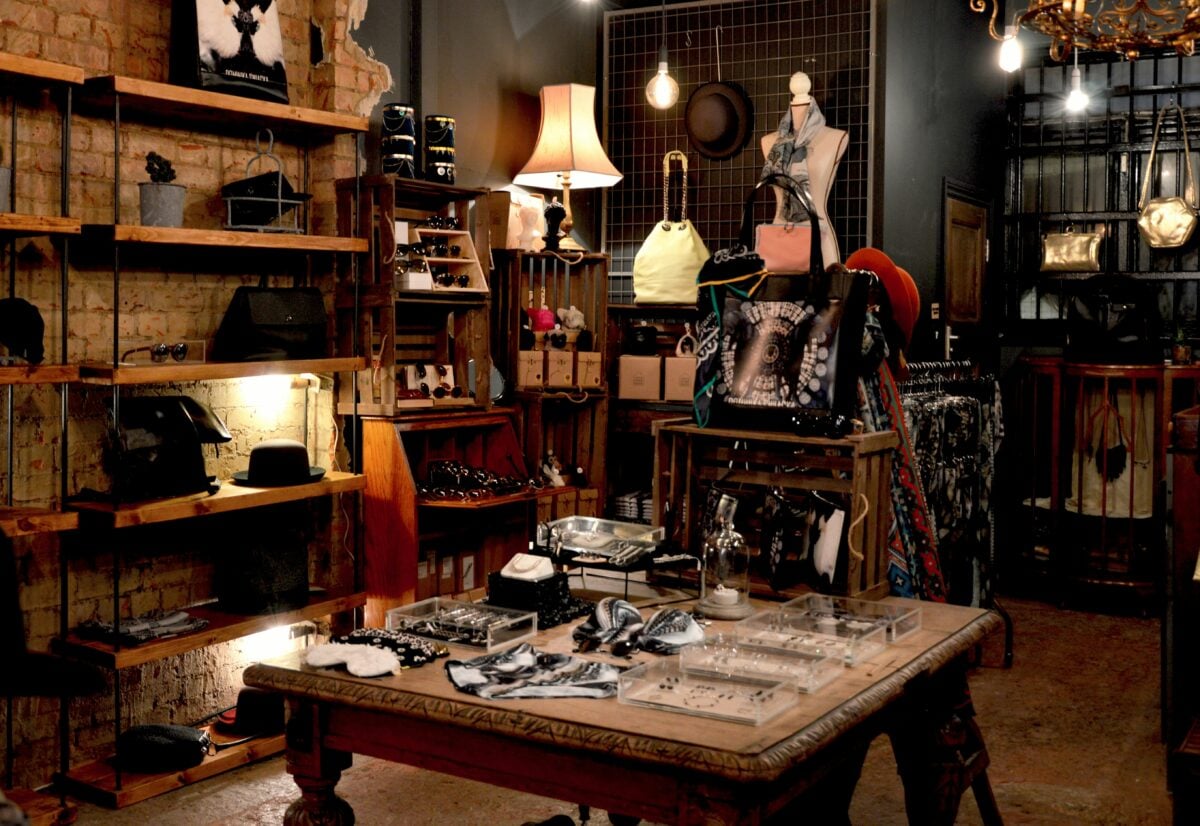
The dollar bin, looked at honestly, is a monument to the unevenness of knowledge — some things are priced at a dollar because whoever priced them genuinely did not know better, and the reseller who does know better is simply being paid for their expertise. That’s not exploitation; that’s how every market works, from antique auctions to stock exchanges.
The people who consistently find the most valuable items in the least expected places are the ones who studied before they showed up — who spent time with reference books, price guides, and collector forums until the difference between a Griswold and a Lodge, or a capital-E Levi’s tab and a lowercase one, became second nature. The dollar bin hasn’t changed. The knowledge gap is still exactly where it always was.
More from Go2Tutors!

- The Romanov Crown Jewels and Their Tragic Fate
- 13 Historical Mysteries That Science Still Can’t Solve
- Famous Hoaxes That Fooled the World for Years
- 15 Child Stars with Tragic Adult Lives
- 16 Famous Jewelry Pieces in History
Like Go2Tutors’s content? Follow us on MSN.