33 Drive-In Theaters Across America That Are Still Open and Thriving
There’s something about a drive-in movie theater that resists easy explanation. It’s not just nostalgia, though that’s part of it — it’s the specific combination of being alone in your own space while being surrounded by hundreds of other people doing exactly the same thing.
You’re in your car, technically private, and yet you’re sharing something. The popcorn tastes better. The movie feels bigger.
And the fact that these places still exist, in an era when streaming services have colonized every quiet room in America, is either an act of defiance or proof that some experiences are simply too good to kill.
Across the country, dozens of drive-ins have survived the multiplex era, the DVD era, the Netflix era, and a global pandemic — and quite a few of them are doing better than ever. Here are 33 of them worth knowing about.
Bengies Drive-In Theatre — Middle River, Maryland
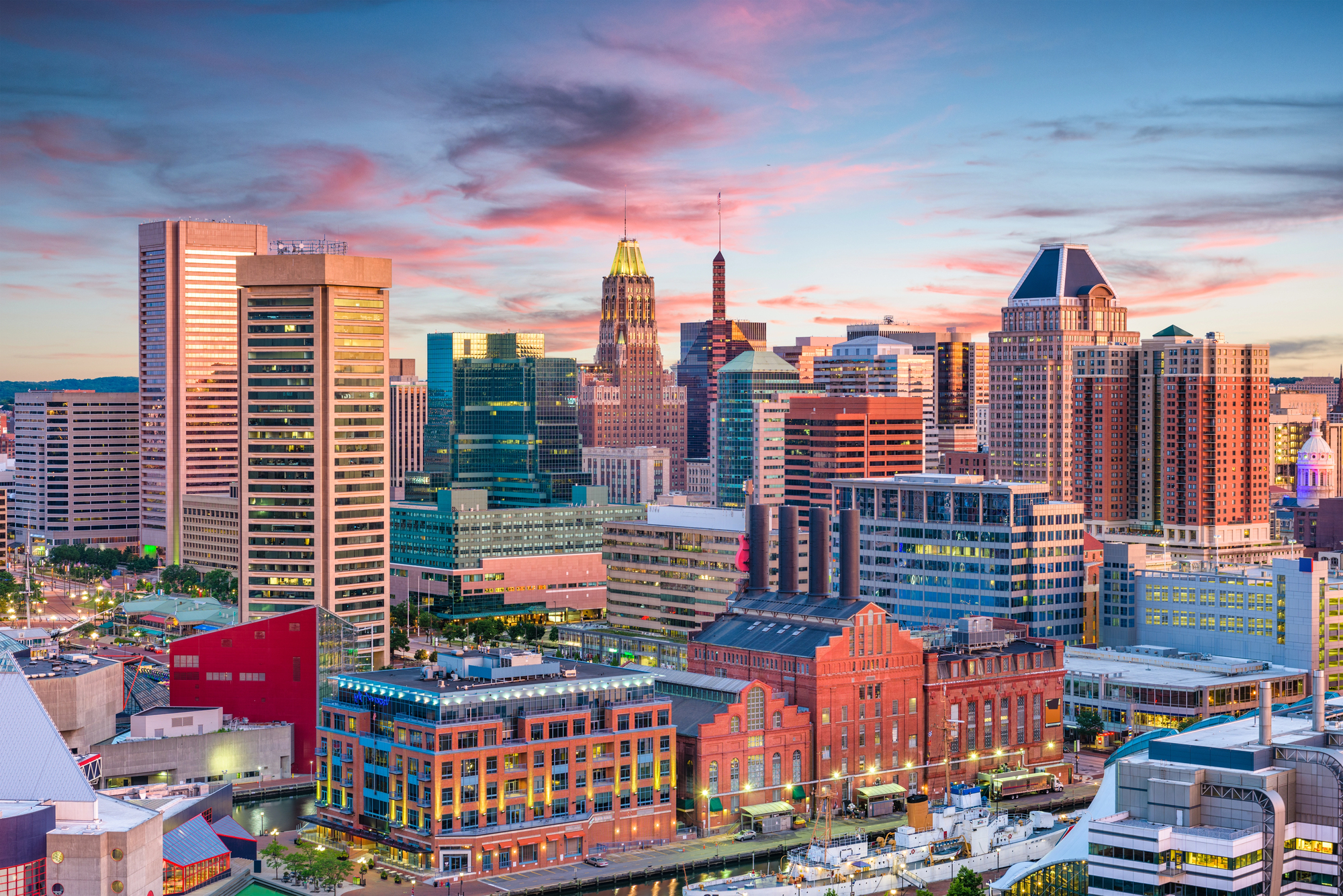
Bengies holds a record worth knowing: it operates the largest movie screen on the East Coast, measuring 52 feet tall and 120 feet wide. That’s not a boast — that’s a fact that lands differently when you’re parked in front of it and the opening credits roll.
It’s been running since 1956, and it still doesn’t let you forget it.
Skyview Drive-In — Litchfield, Illinois
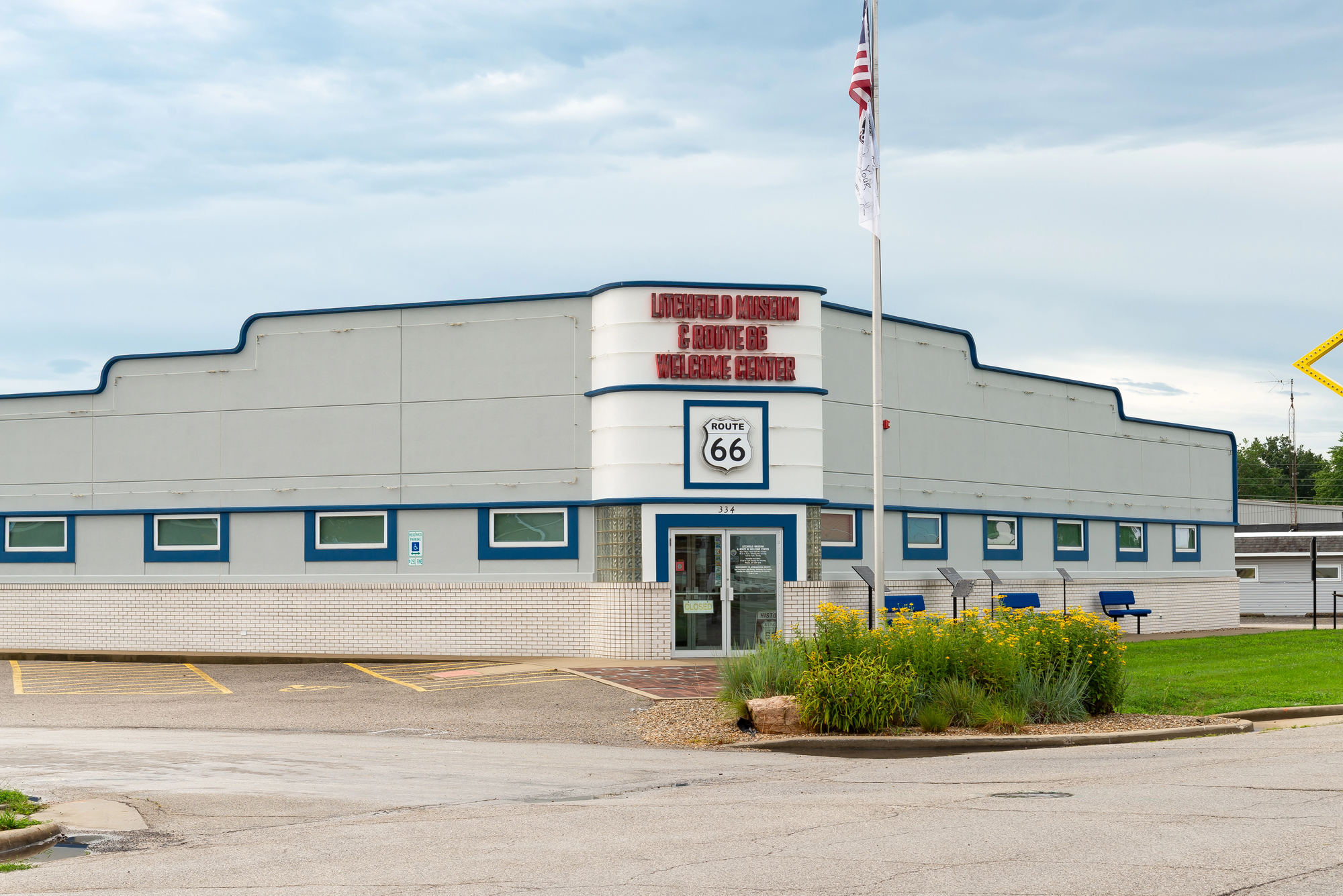
The Skyview opened in 1950 and has barely blinked since. It sits along old Route 66, which is either a coincidence or the most on-brand location a drive-in could possibly occupy — a relic of American road culture parked on the road that built American road culture.
Two screens, FM audio, and a sense of place that most newer theaters spend millions trying to manufacture.
Shankweiler’s Drive-In Theatre — Orefield, Pennsylvania
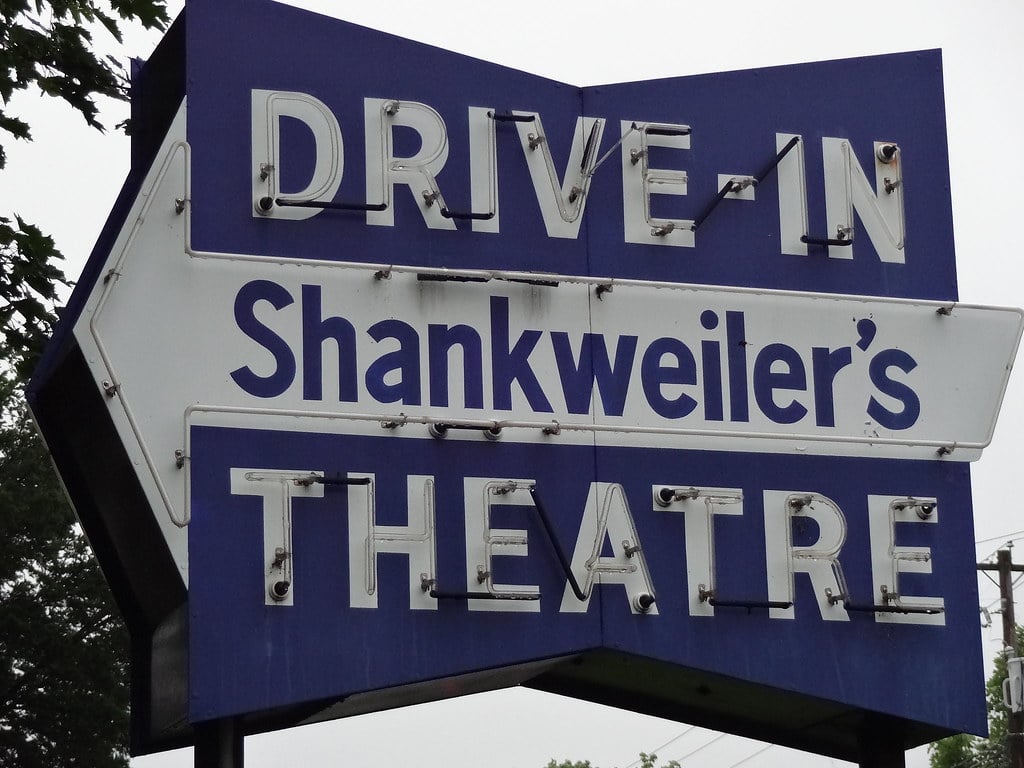
Shankweiler’s is the oldest operating drive-in in the country, open since 1934, which means it predates the interstate highway system, television, and most of the films considered classic today. What’s remarkable isn’t just its age — it’s that the place still draws crowds on summer weekends, still smells like fresh-cut grass and engine oil, still feels like it belongs to a different version of time.
Wellfleet Drive-In — Wellfleet, Massachusetts
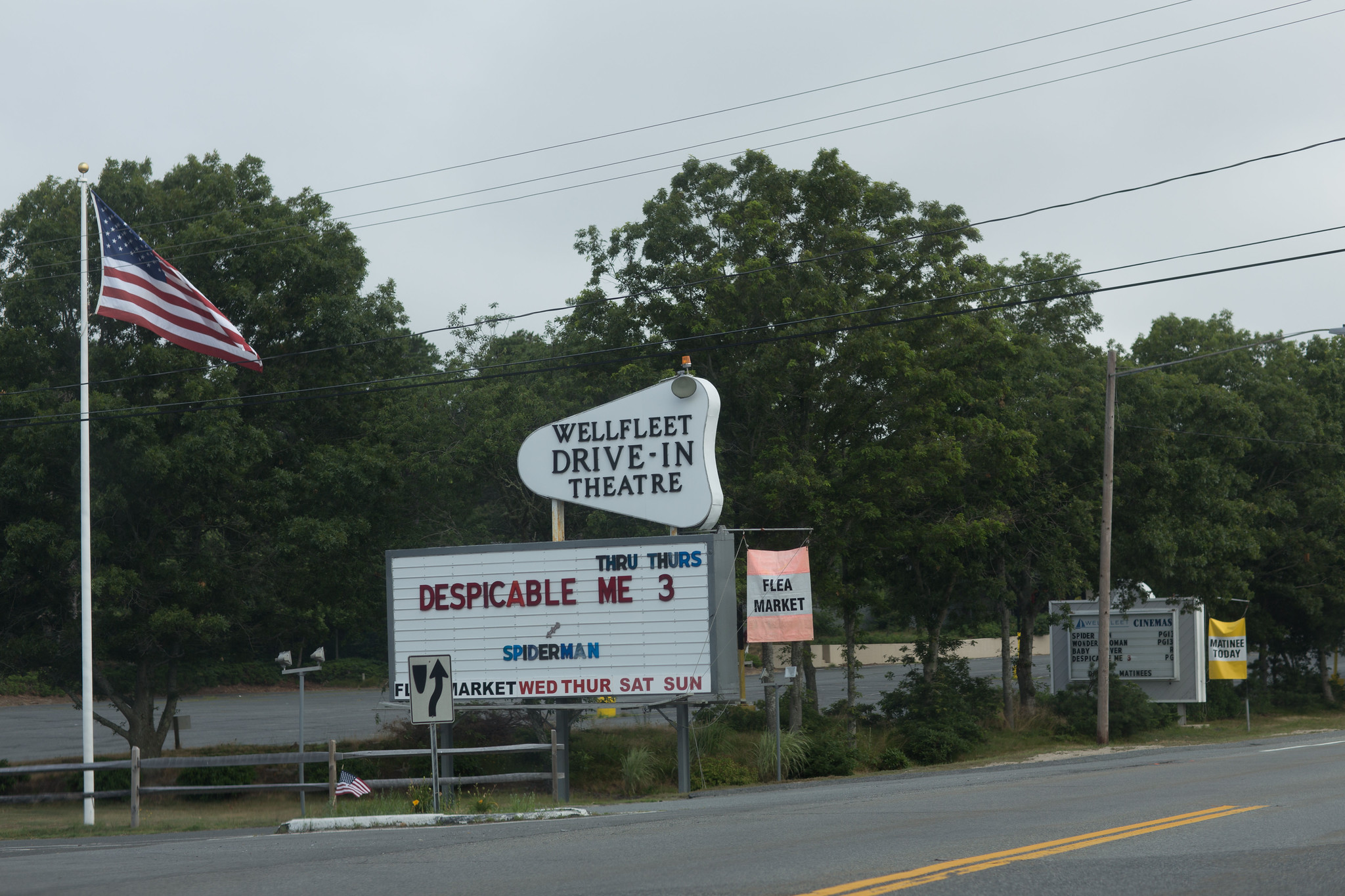
Wellfleet sits on Cape Cod, which already sounds like a setting for a novel, and the drive-in leans into its surroundings without apology. It’s been running since 1957, it hosts a flea market during the day, and when the sun drops over the Atlantic, the screens come alive.
Turns out, ocean air makes a mediocre movie feel considerably better.
Dependable Drive-In — Archbald, Pennsylvania
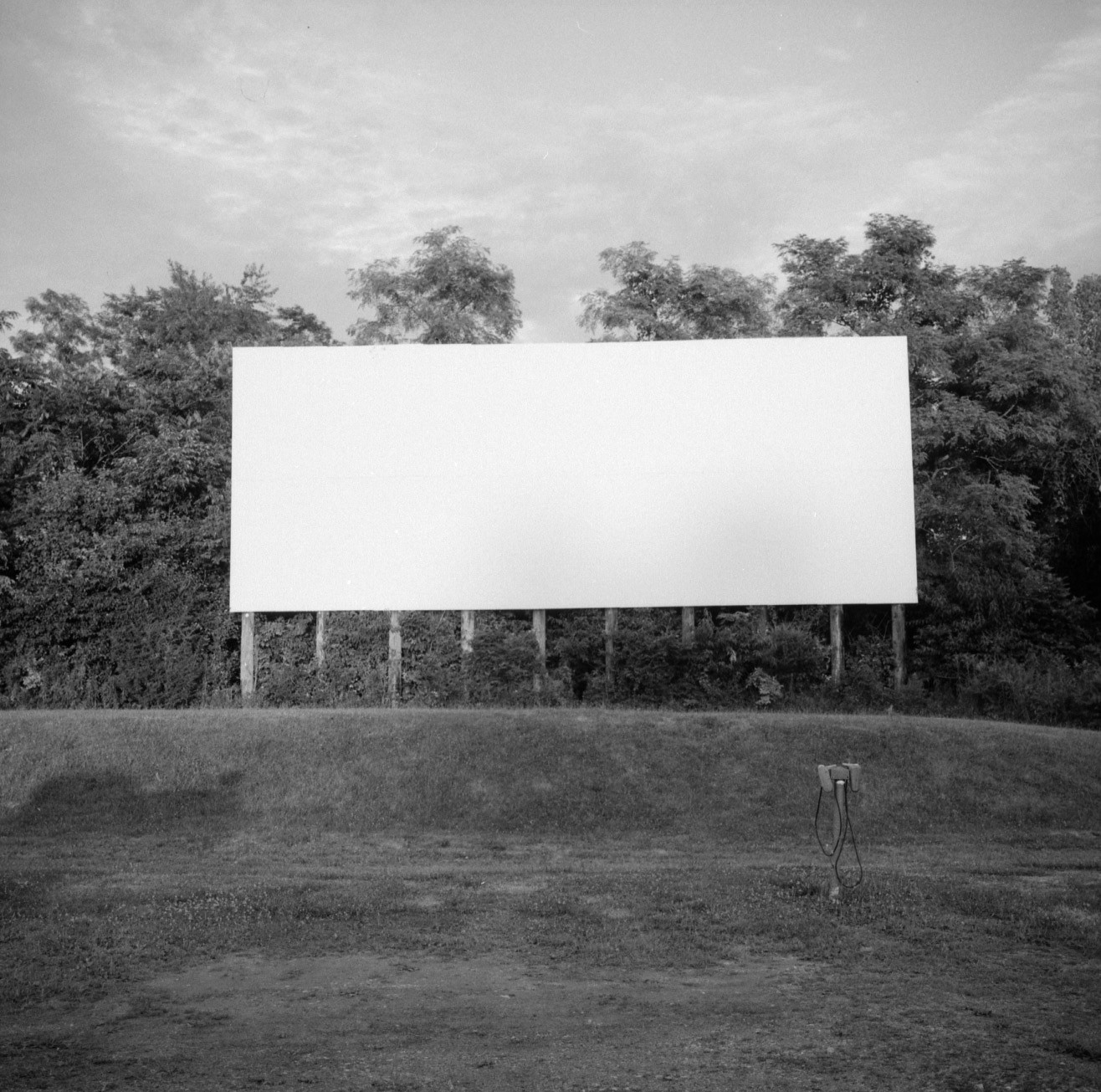
The name is doing real work here, and fair enough — this place has been dependable since 1949. It operates four screens, runs double features regularly, and prices its tickets the way drive-ins should: low enough that you feel like you got away with something.
Pennsylvania, quietly, has one of the strongest surviving drive-in cultures in the country.
Stardust Drive-In — Watertown, New York
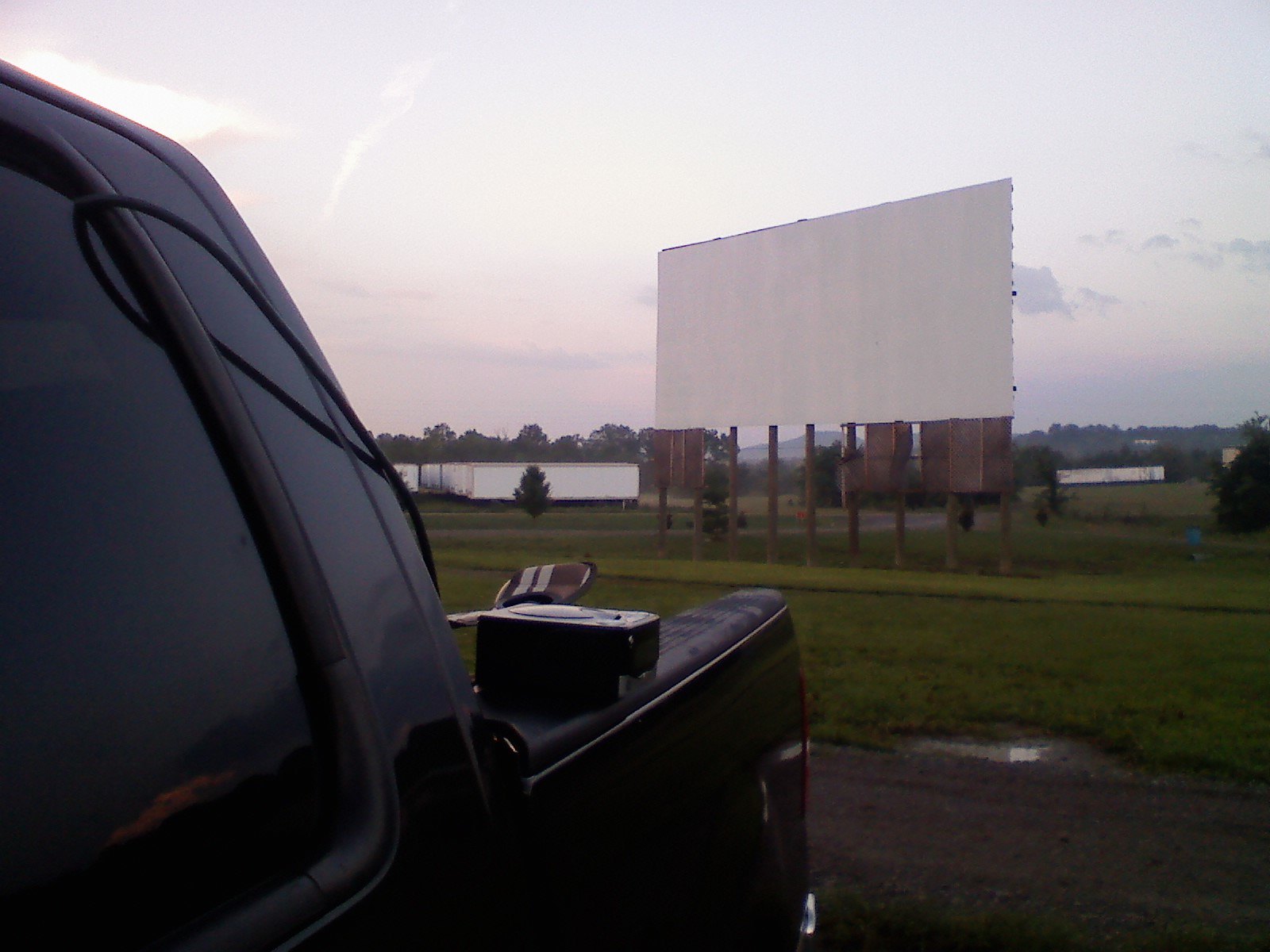
Stardust is the kind of place that functions as a community anchor without advertising itself as one. Families return season after season, the same spots filling up the same way, a kind of informal choreography that builds across years rather than weeks.
The screen sits against the open sky, and on clear nights in upstate New York, the stars above it compete.
Nellis Drive-In — Nellis, West Virginia
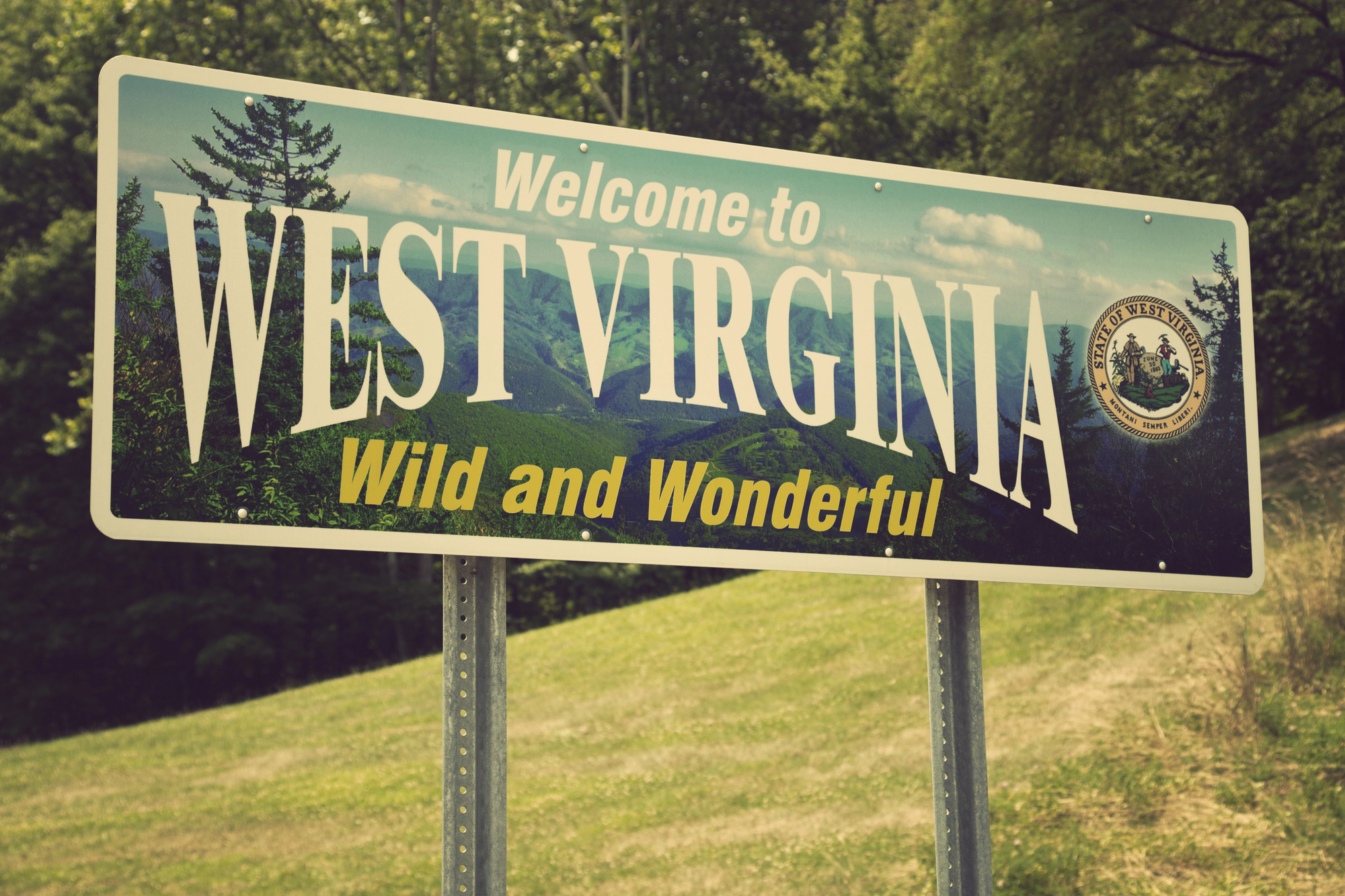
Nellis Drive-In operates in a hollow in the mountains, which sounds like a metaphor but is just geography — the hills cradle the screen on three sides, and the sound seems to bounce back off them. It’s been open since 1962, runs first-run films, and charges what would feel like an embarrassingly low price if embarrassment weren’t so irrelevant here.
Some things just don’t need to cost much.
Holiday Twin Drive-In — Garrett, Indiana
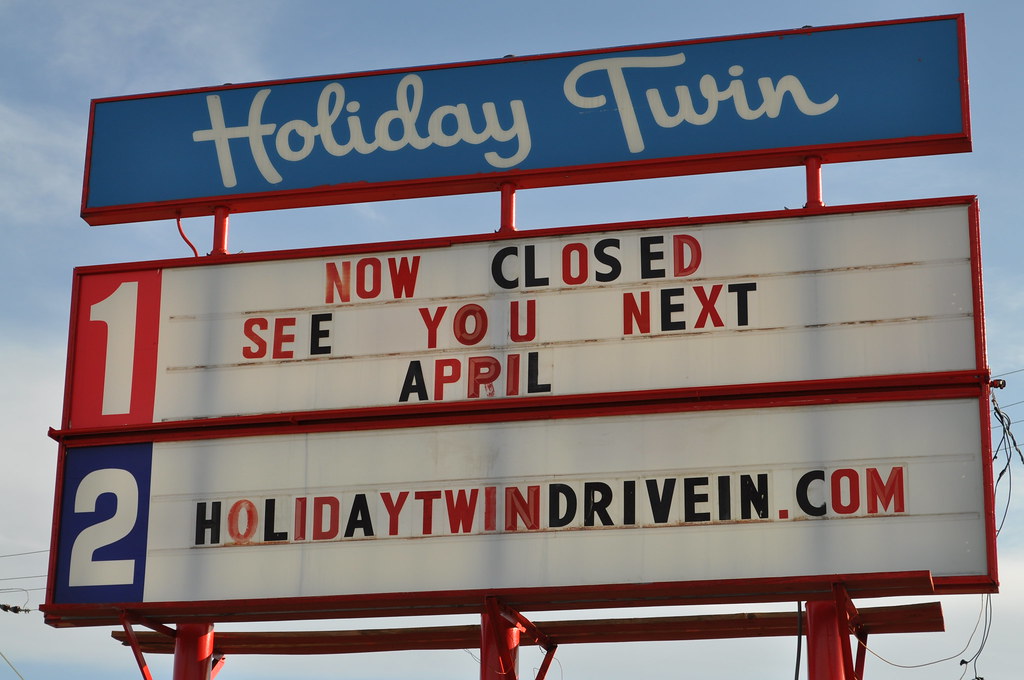
Holiday Twin runs two screens and still offers the classic double-feature format that the multiplex age decided wasn’t worth the trouble. To be fair, the multiplex was probably right about the economics.
But economics aren’t the only thing running a community institution — and the people who come back to Holiday Twin every summer weren’t coming for efficiency anyway.
Capri Drive-In — Coldwater, Michigan
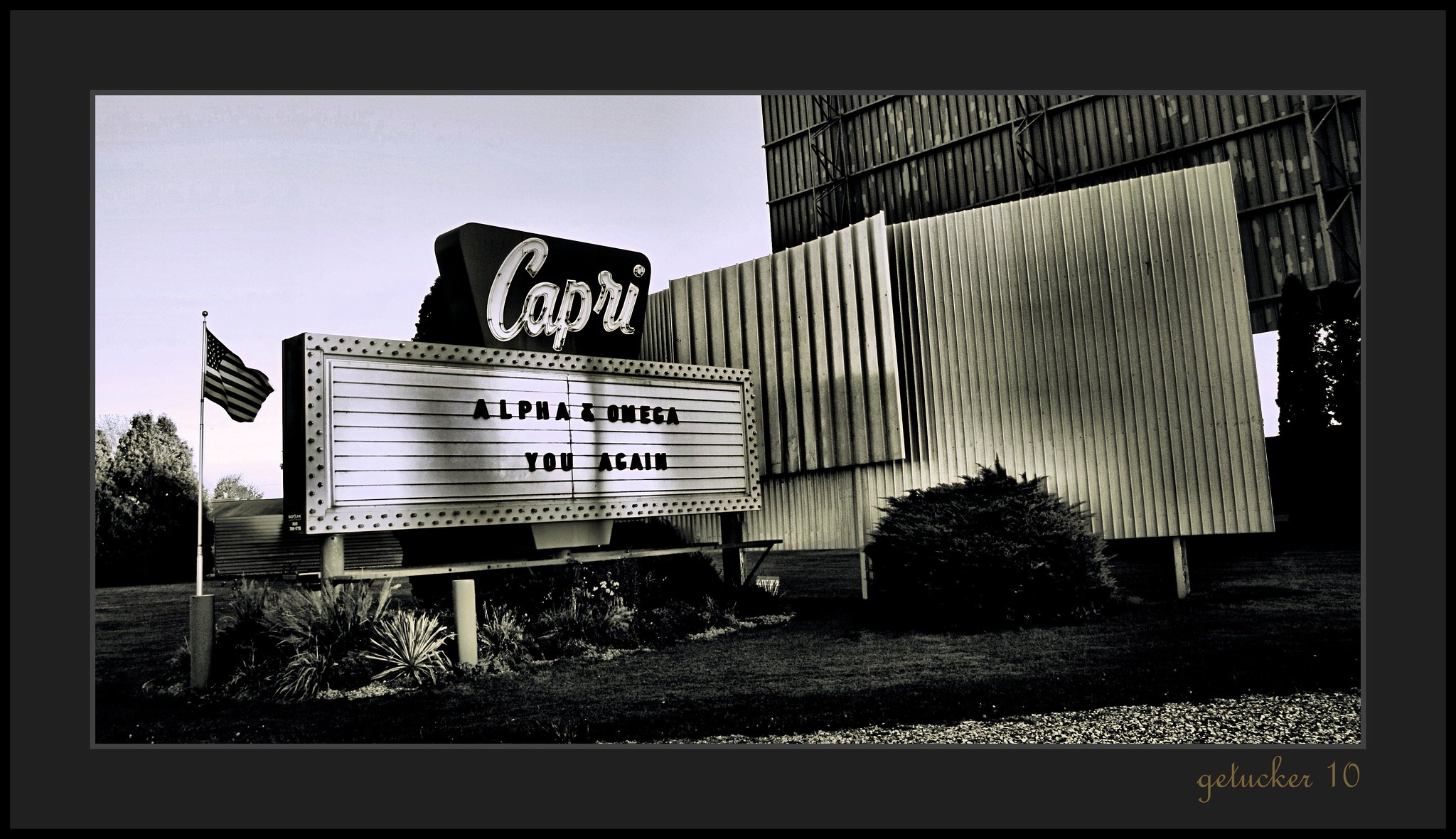
The Capri has been operating since 1964, and it has the unhurried feel of something that has never needed to reinvent itself. Michigan summers are short and people treat them accordingly — urgently, gratefully — and the Capri fills up fast on warm nights because everyone knows summer in the Midwest is a loan, not a gift.
Getty 4 Drive-In — Muskegon, Michigan
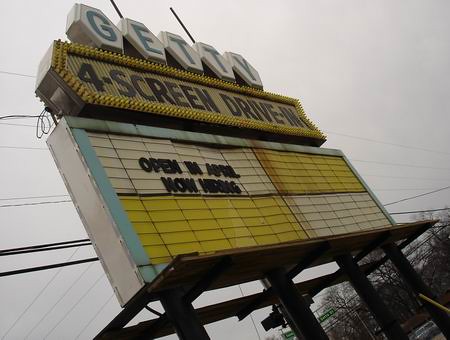
Getty 4 runs four screens simultaneously, which makes it one of the larger drive-in operations still running in the Midwest. It pairs first-run Hollywood releases with the kind of snack bar food that nutritionists quietly agree to ignore.
The FM broadcast system is clean, the sight lines are wide, and the parking lot fills up in a way that feels genuinely communal rather than simply crowded.
McHenry Outdoor Theatre — McHenry, Illinois
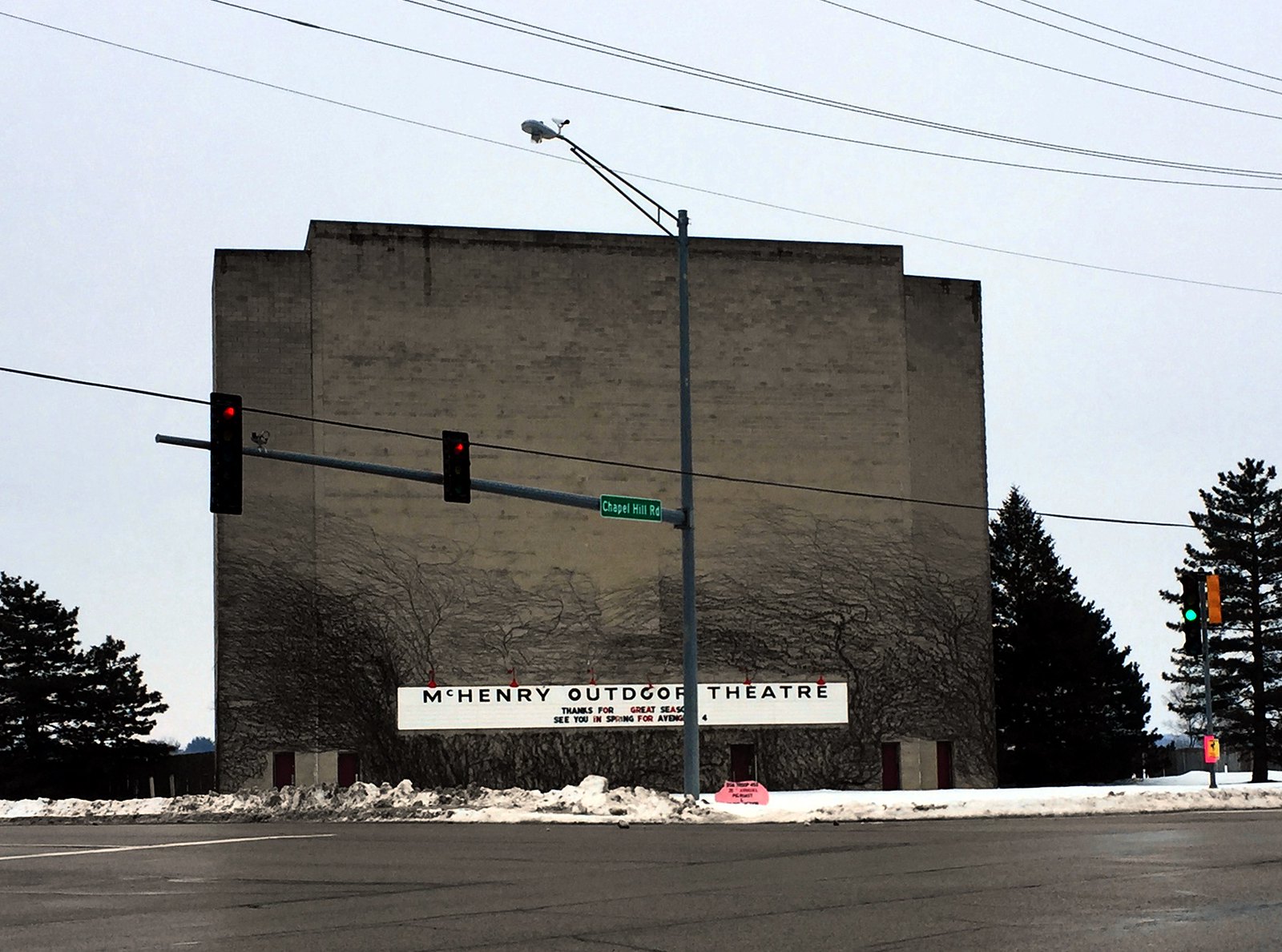
McHenry has been running north of Chicago since 1953, and it has survived everything the Chicago suburbs could throw at it: retail development, highway expansion, multiplex saturation, and decades of weather that does not cooperate with outdoor entertainment. And yet.
It runs double features on two screens, and on a warm Friday in June, it’s one of the better places to spend an evening in northern Illinois.
Harvest Moon Drive-In — Gibson City, Illinois
Harvest Moon opened in 1954 and sits in the flat agricultural center of Illinois, where the sky is wide and uninterrupted and a 60-foot screen looks exactly the way it should — enormous against nothing. There’s something clarifying about watching a film in a place with no visual competition.
The screen wins by default, and the movie gets your full attention.
Transit Drive-In — Lockport, New York
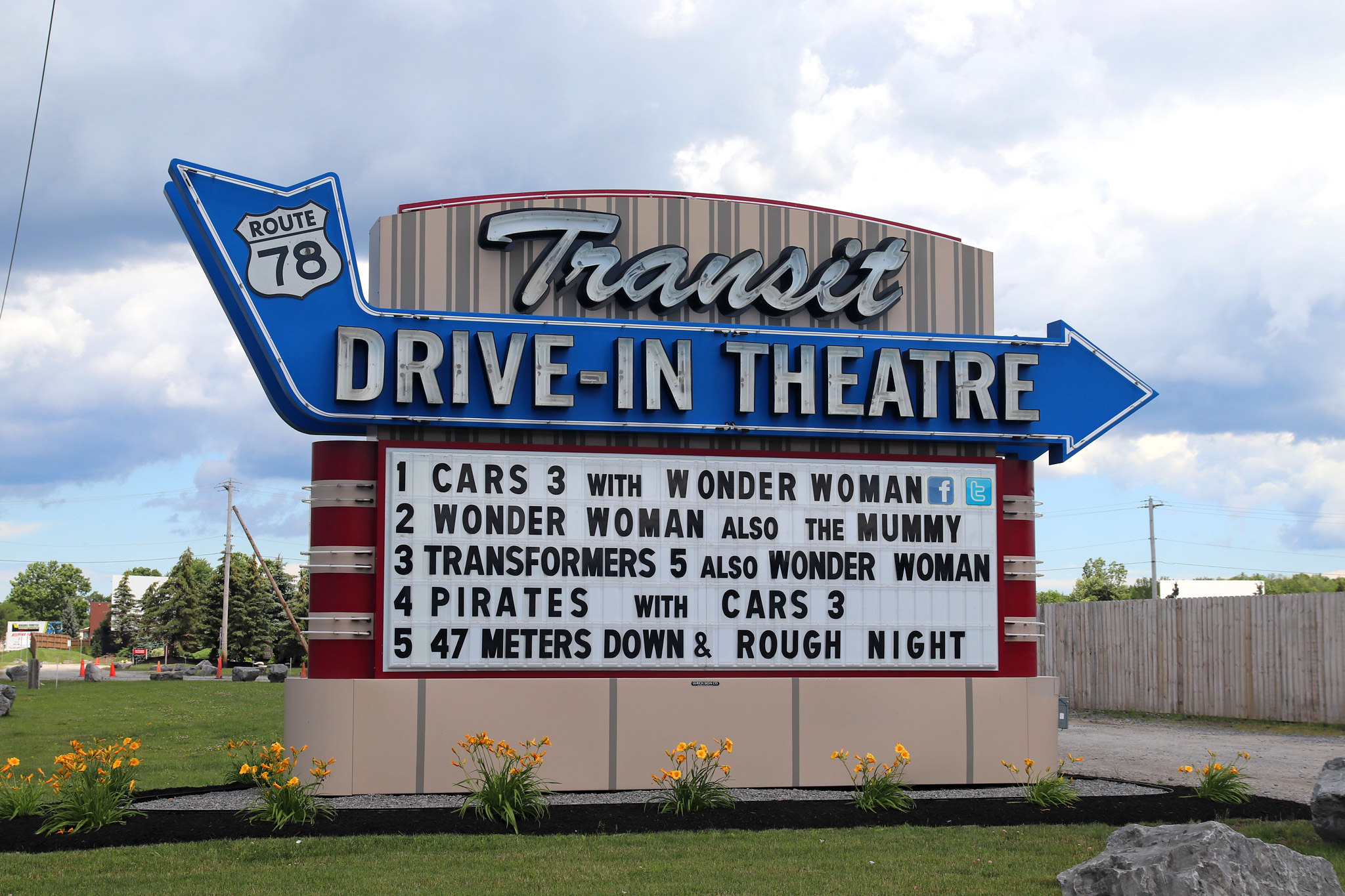
Transit Drive-In operates five screens, making it one of the largest drive-ins still running on the East Coast by sheer real estate. It’s been part of western New York since 1948 and has a loyal following that treats the summer season like a standing appointment.
The concession stand is a genuine operation — not an afterthought.
Aut-O-Rama Drive-In — North Ridgeville, Ohio
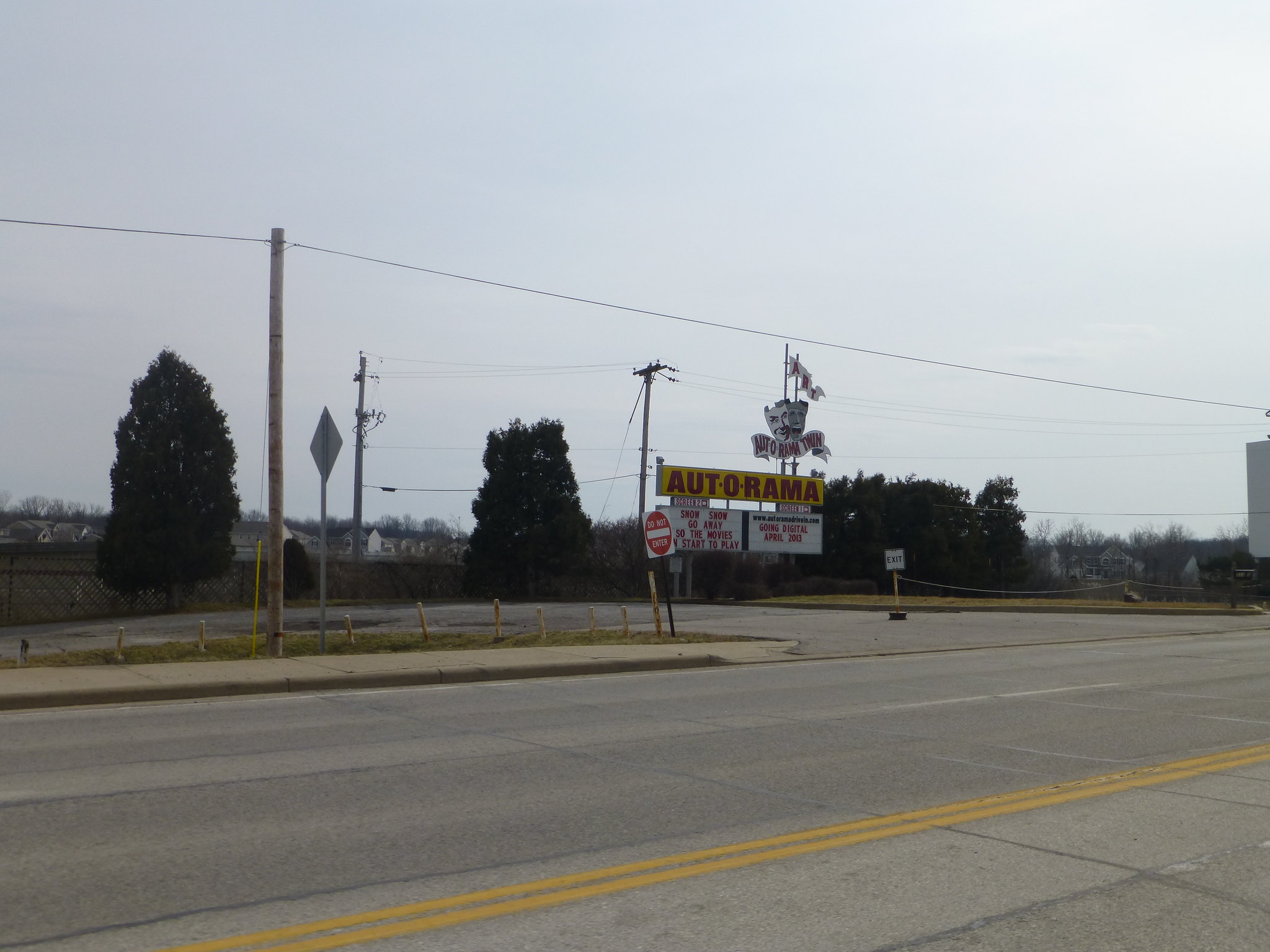
The Aut-O-Rama has been turning customers away on peak summer nights since 1965, which is a nice problem to have and says everything you need to know about its standing in northeast Ohio. It runs two screens, hosts seasonal events, and maintains the kind of family-friendly atmosphere that doesn’t feel enforced — it just happens to be what the place is.
Riverside Drive-In — Vandalia, Ohio
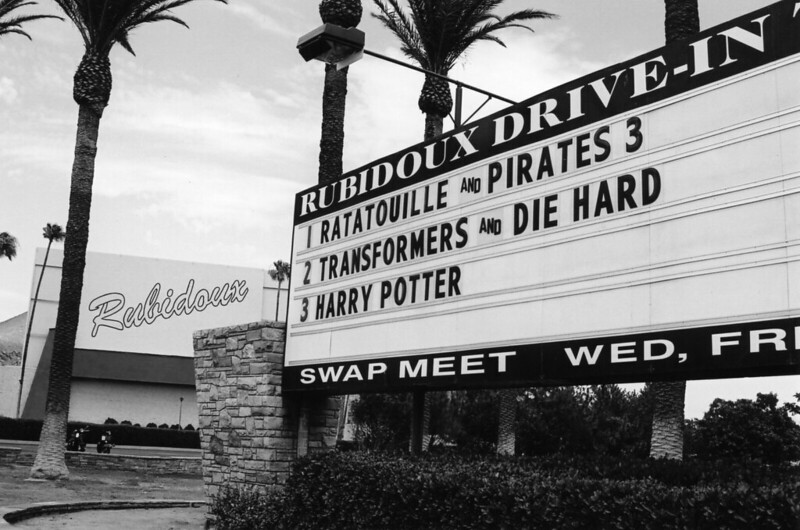
Vandalia, Ohio sits just north of Dayton, and the Riverside Drive-In has been its summer institution since 1966. The layout is generous — wide rows, good sight lines regardless of where you park — and the FM broadcast is reliable enough that you can watch from a car with the windows down and not miss a word.
Small details like that matter more than they should.
Milky Way Drive-In — Harrodsburg, Kentucky
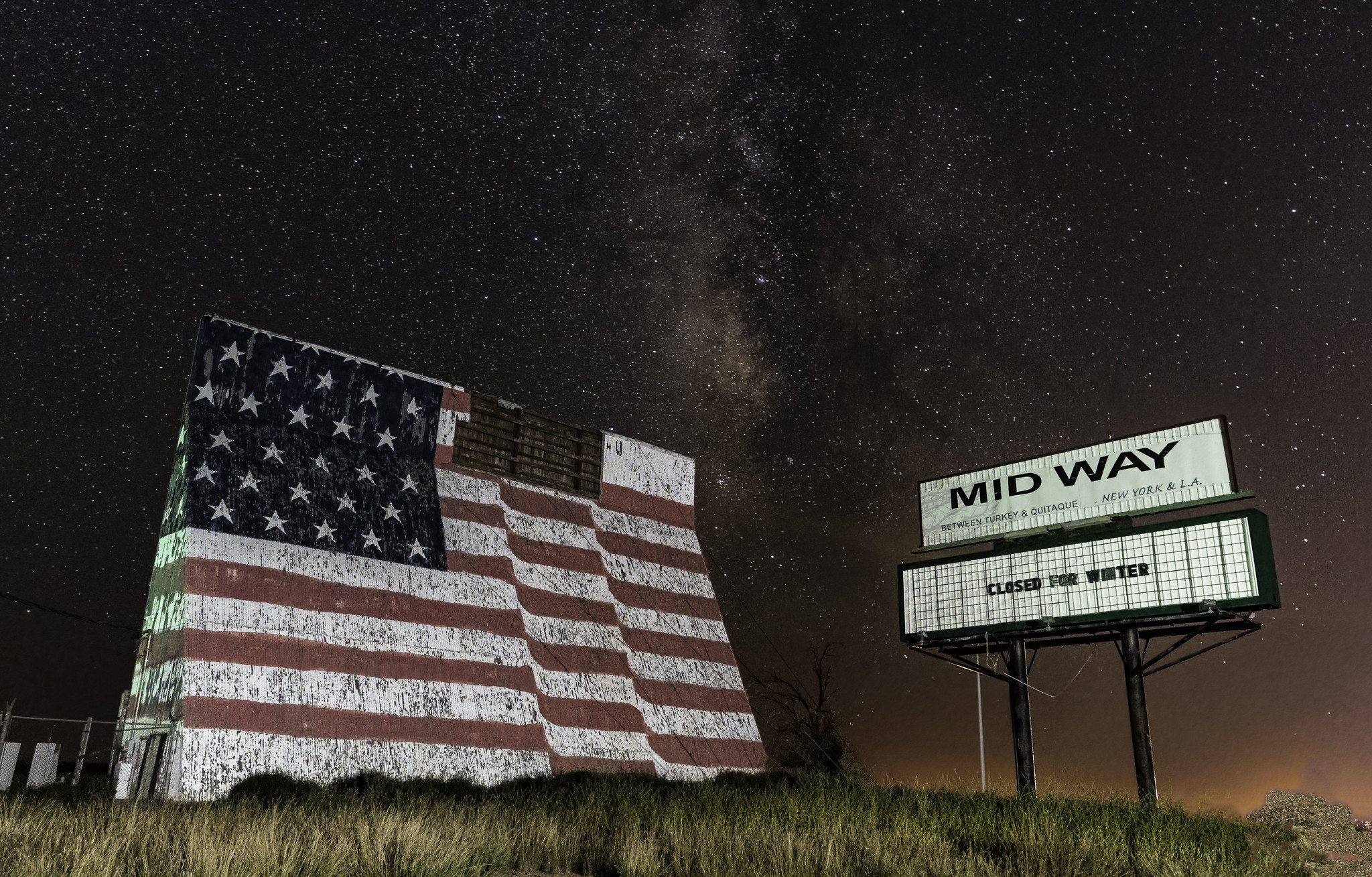
The Milky Way opened in 1951 and is one of the few surviving single-screen drive-ins in Kentucky that still draws consistent crowds. The name is doing double duty — the sky above Harrodsburg on a clear night actually delivers, and watching a film under a genuinely dark sky with no light pollution makes you wonder how indoor theaters ever felt like an upgrade.
Dogpatch Drive-In — Harrison, Arkansas
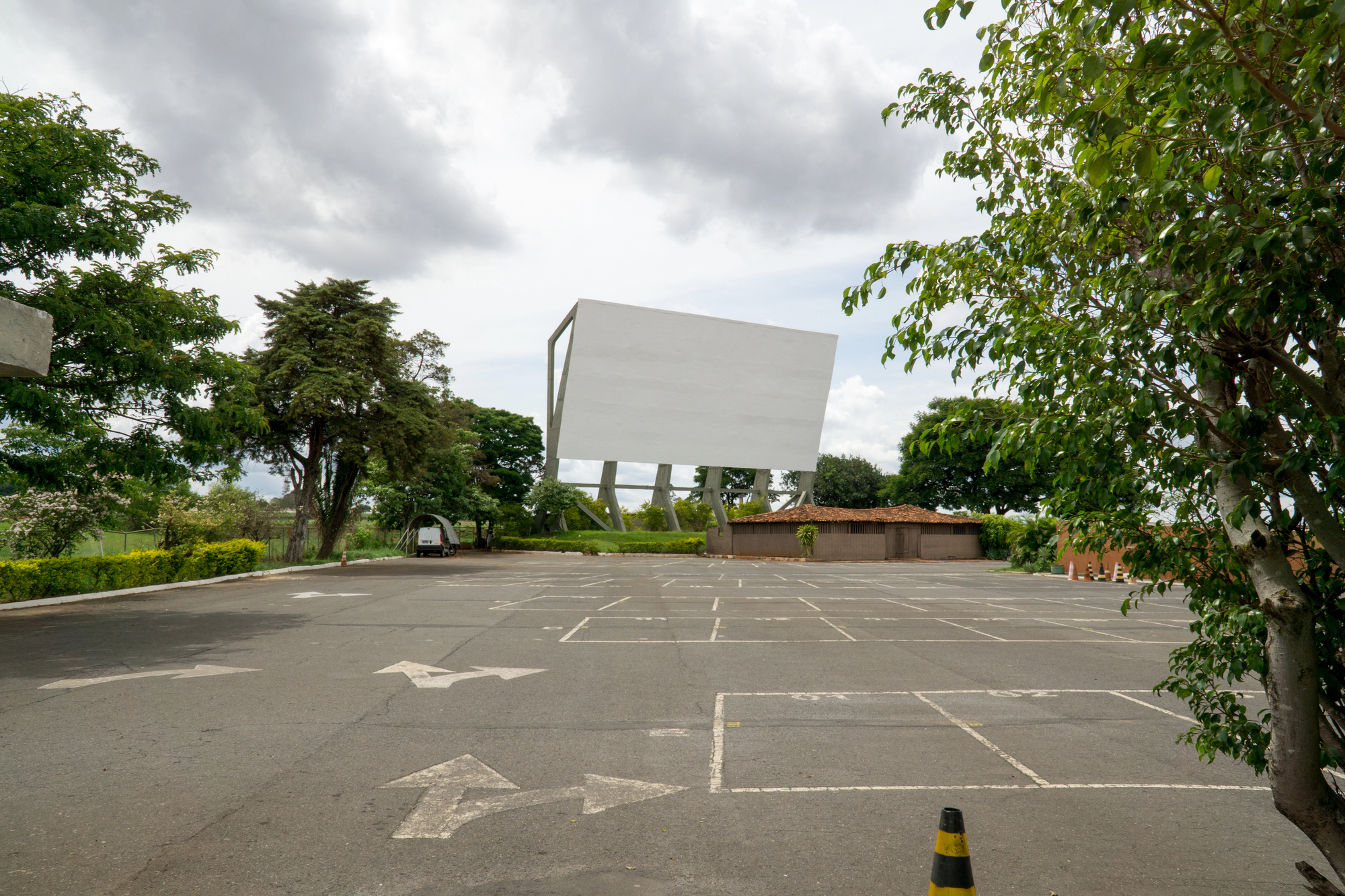
Dogpatch sits in the Ozarks, and the Ozarks do not do anything halfheartedly — the terrain is dramatic, the nights are dark, and the drive-in fits the landscape the way a well-worn object fits a familiar hand. It’s been running since the 1970s and shows double features on weekends.
Arkansas doesn’t have many drive-ins left. This one matters.
Brazos Drive-In — Granbury, Texas
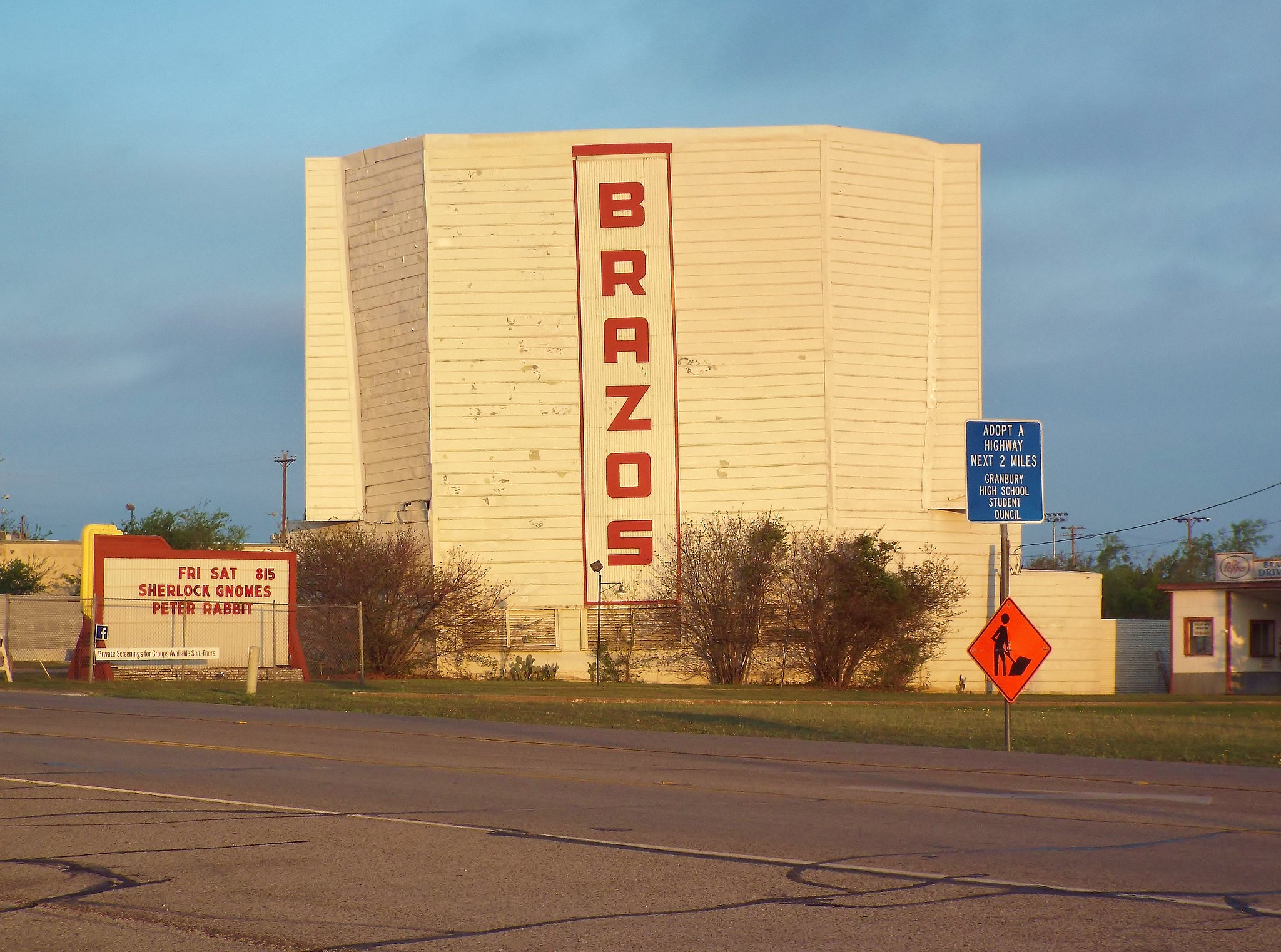
The Brazos Drive-In is one of the few surviving drive-ins in Texas, which is notable given that Texas once had more drive-ins per capita than almost any other state. It operates one screen, shows first-run films, and sits in the Hill Country in a way that feels deliberately picturesque — though the landscape did that on its own, without anyone’s permission.
Galaxy Drive-In — Ennis, Texas
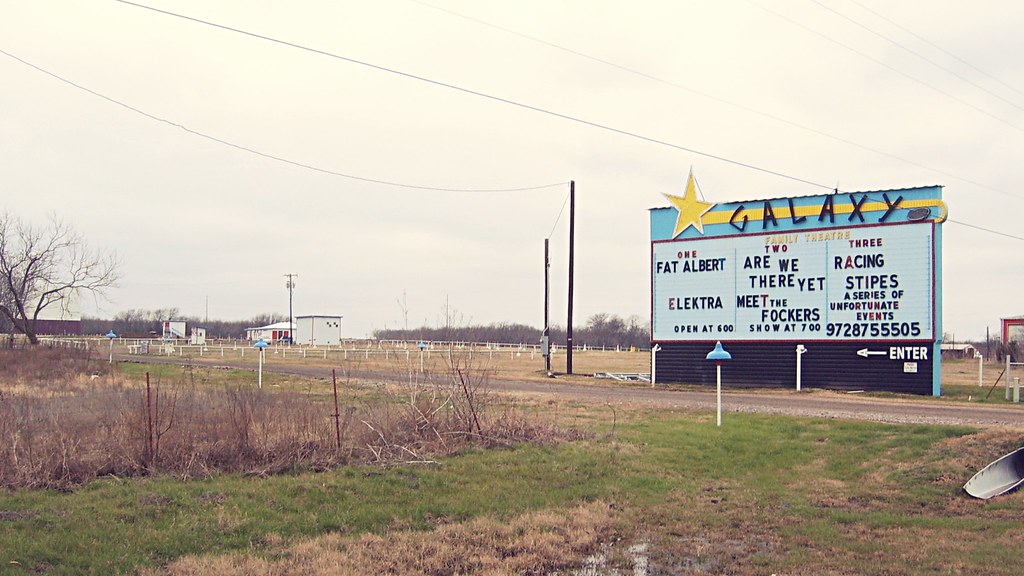
Galaxy runs two screens on the outskirts of Ennis and has been drawing Dallas-area visitors willing to make the 45-mile drive south for the experience. That kind of voluntary pilgrimage — choosing a longer drive for a better evening — says something about what a well-run drive-in actually offers that a conventional theater cannot.
The concession stand is large. The screens are larger.
Ocala Drive-In — Ocala, Florida
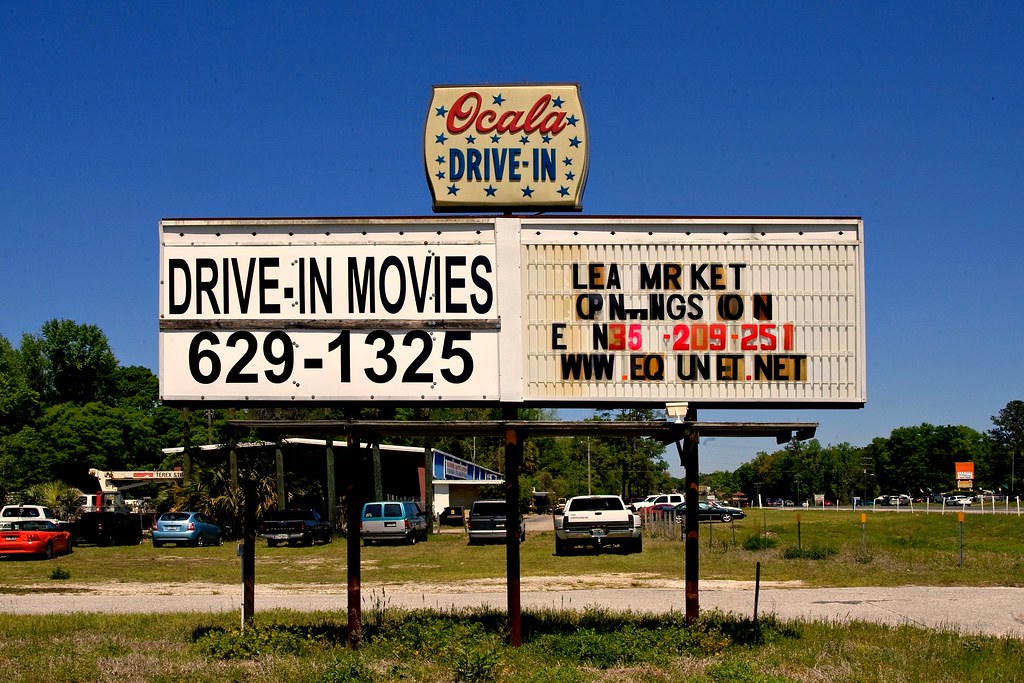
Florida’s drive-in numbers have dwindled considerably, but Ocala holds on with two screens and a year-round calendar that benefits from the state’s refusal to have a genuine winter. It opened in 1968, updated its screens to digital projection years ago, and draws a crowd that mixes retirees, young families, and people who drove an hour simply because they wanted to watch a film outside.
All of those reasons are valid.
Silver Moon Drive-In — Lakeland, Florida
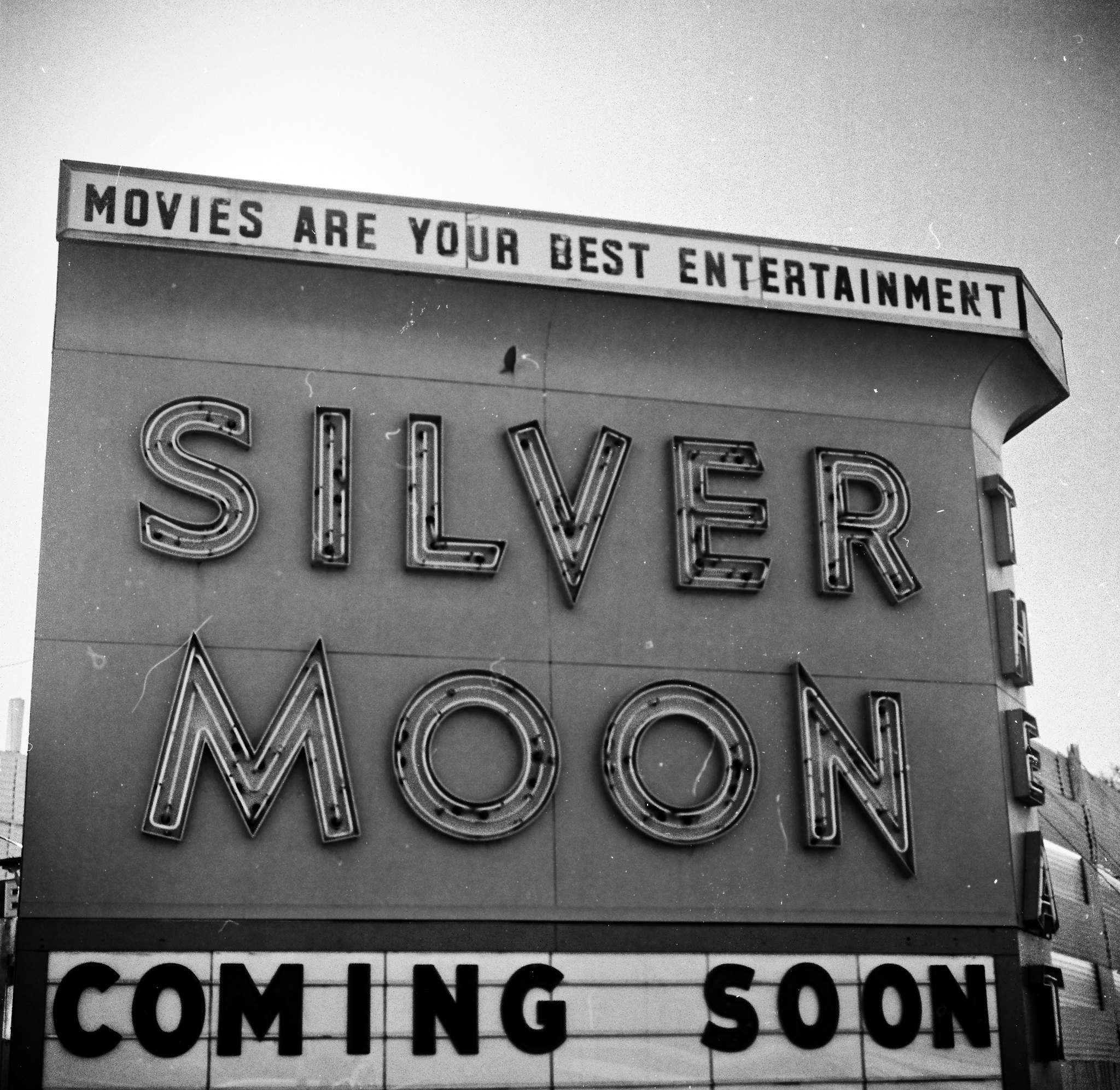
Silver Moon has been operating in Lakeland since 1948, making it one of the oldest continuously running drive-ins in the Southeast. It runs double features on three screens, keeps its prices low in a way that feels almost principled, and has the kind of regulars who bring lawn chairs and set them up outside the car because the Florida night in late spring is simply too good to sit inside.
Hi-Way 14 Drive-In — Kennewick, Washington
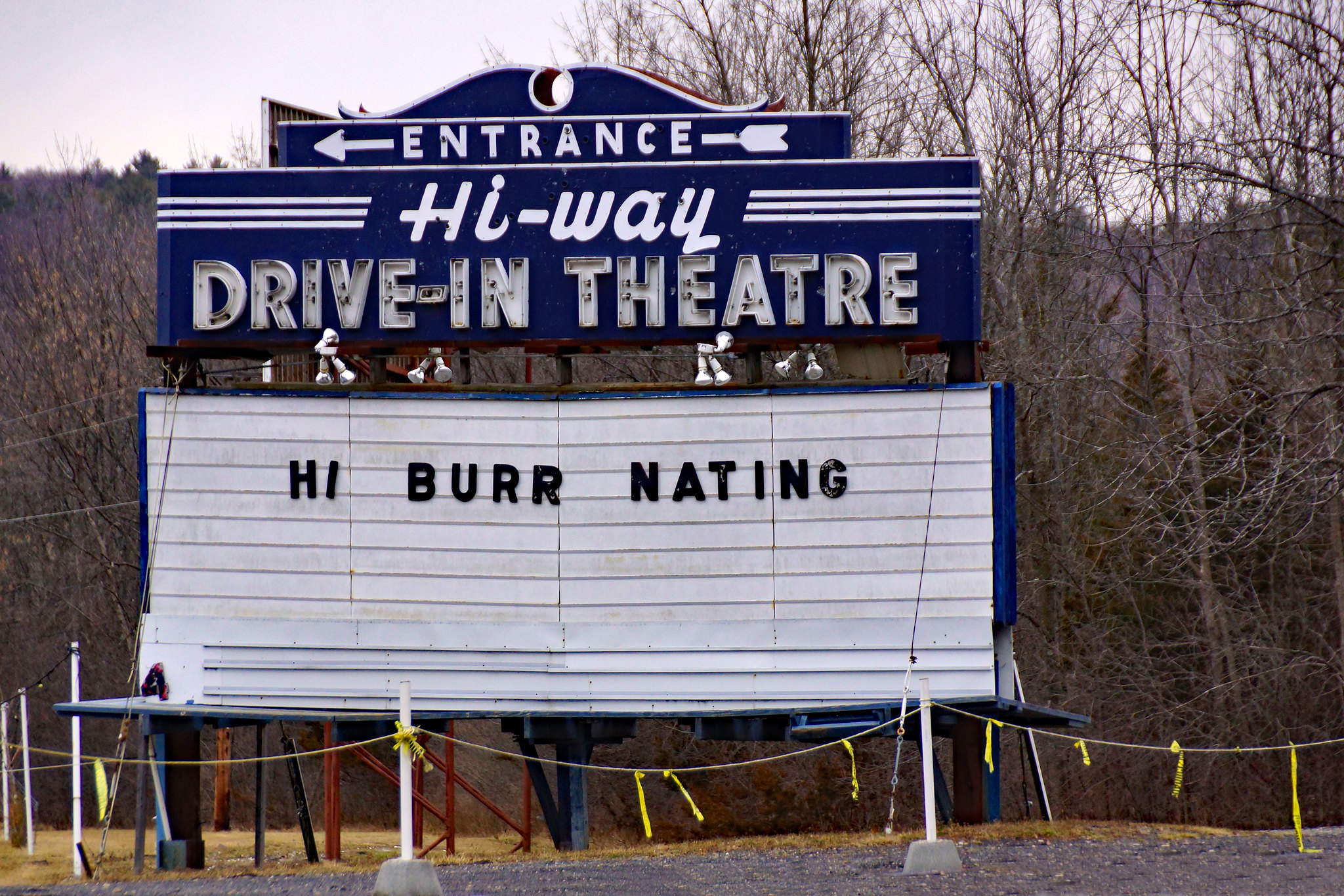
Hi-Way 14 operates in the high desert of eastern Washington, where summer nights are warm and the sky turns a specific shade of dark blue before full dark that makes everything feel cinematic before the film even starts. It runs three screens and has been a fixture in the Tri-Cities region for decades.
The Columbia River is close enough that you can sometimes smell it.
Valley Drive-In — Grandview, Washington
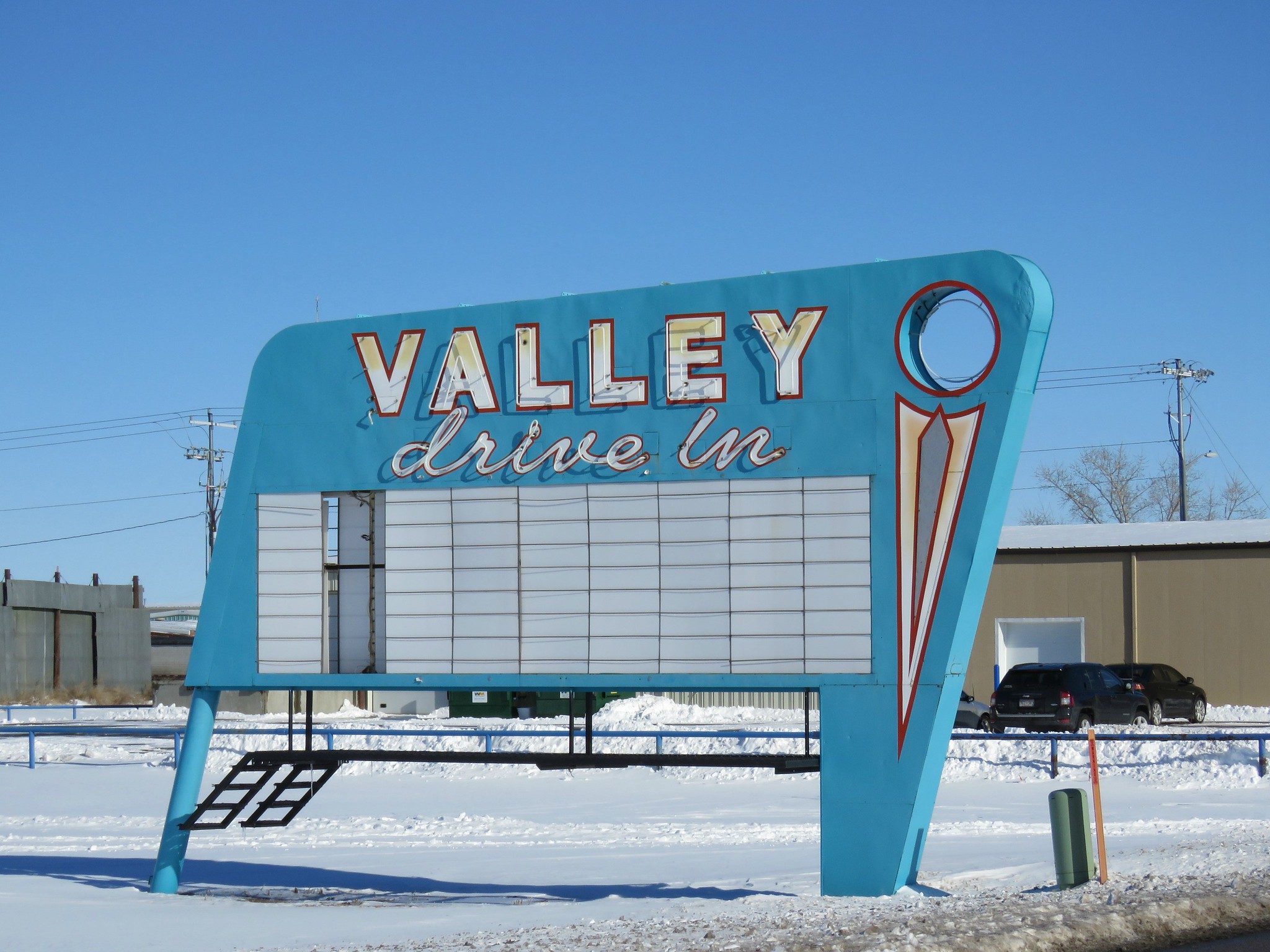
Valley Drive-In sits in Yakima wine country, which is a strange and perfect combination — vineyards and apple orchards in every direction, and a drive-in screen rising out of the flat valley floor like something planted there on purpose. It operates seasonally, shows double features, and represents one of the last remaining drive-ins in a state that once had dozens.
Blue Fox Drive-In — Oak Harbor, Washington
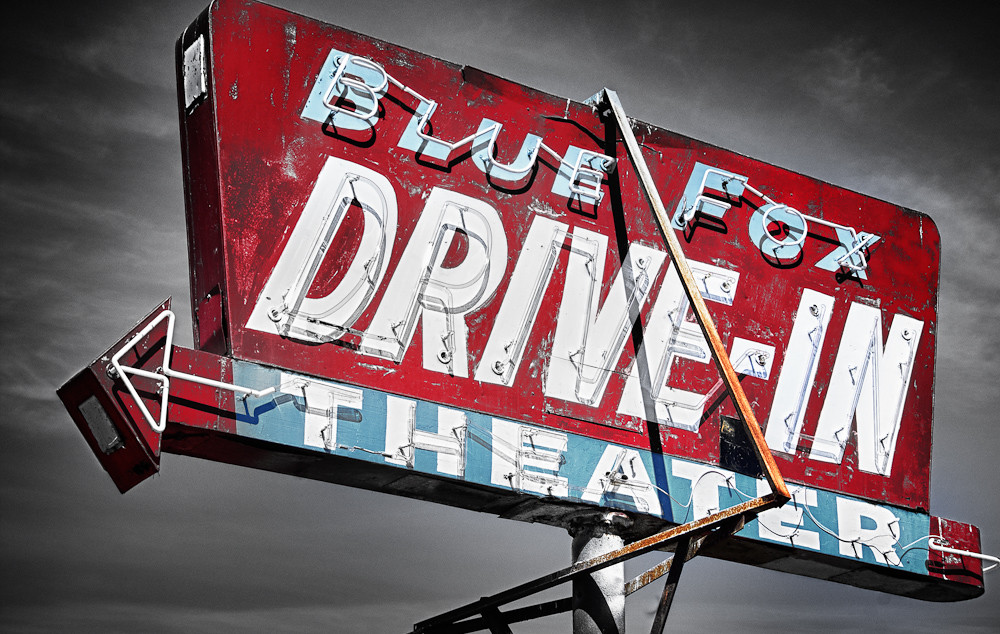
Blue Fox sits on Whidbey Island, which means getting there requires a ferry ride — and it still draws crowds. That’s not a minor detail.
People cross water to watch films outdoors, which is either a testament to the experience or a comment on how little a ferry crossing actually discourages a Pacific Northwesterner. Probably both, honestly.
Skyway Drive-In — Fish Creek, Wisconsin
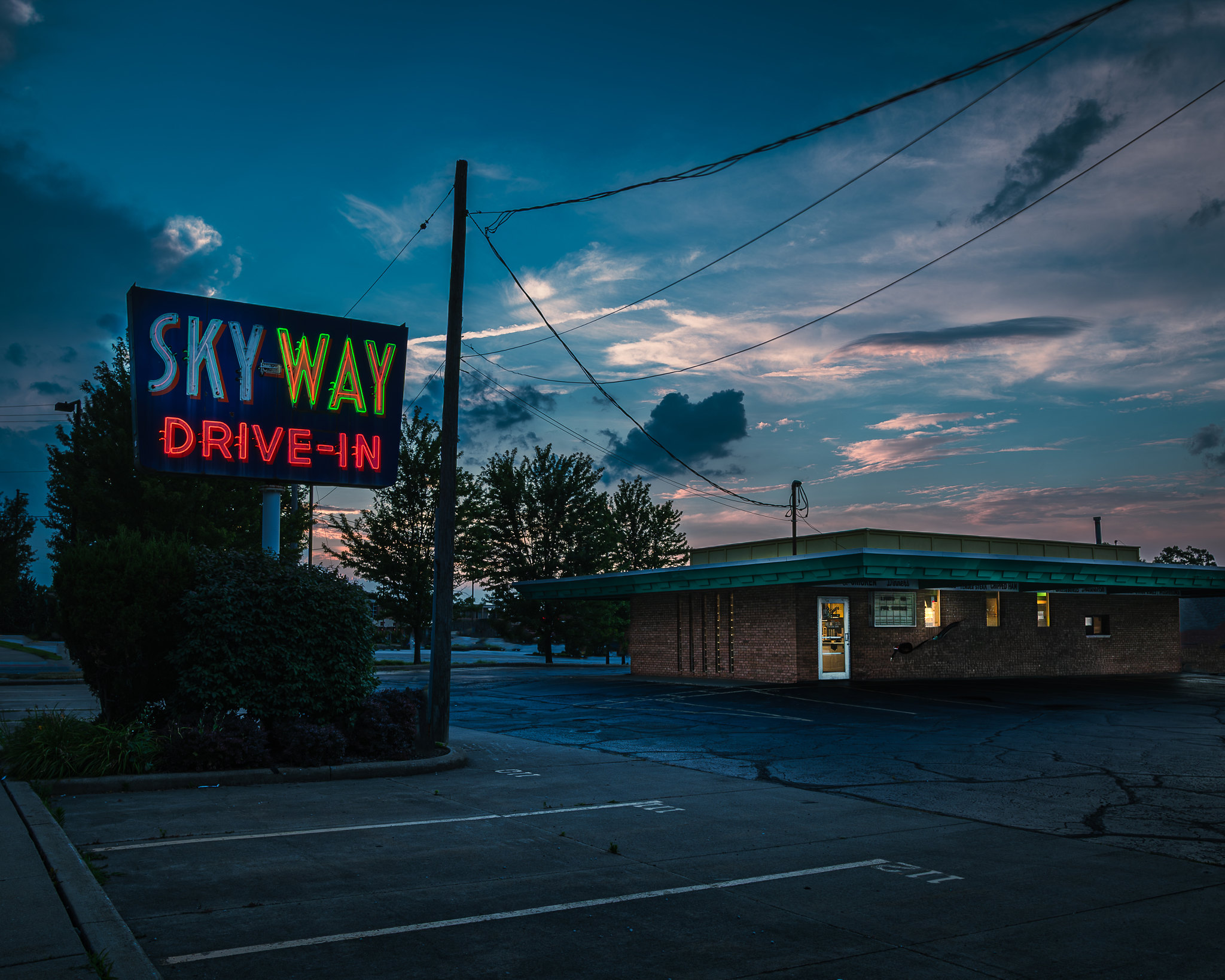
Skyway operates in Door County, that narrow peninsula of Wisconsin that juts into Lake Michigan like an afterthought. It opened in 1950, runs double features on summer weekends, and benefits from a location surrounded by cherry orchards, lakeside towns, and tourists who came for the scenery and stay for the films.
The screen faces west. Sunsets arrive before the movie does.
Big Sky Drive-In — Havre, Montana
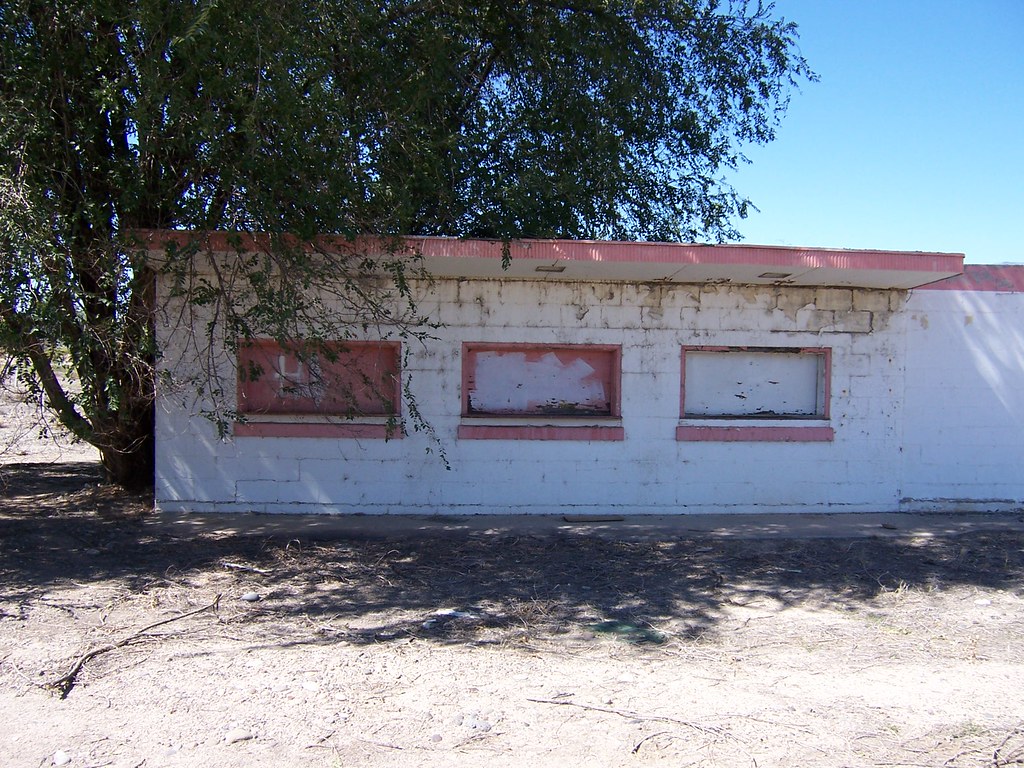
Montana has a handful of surviving drive-ins, and Big Sky in Havre earns its name without effort — northern Montana flatland pushes the sky so far overhead that it genuinely feels like a different atmosphere than the one you breathe in cities. The drive-in opened in the 1950s and serves a community where entertainment options are few and the ones that exist are taken seriously.
Star Drive-In — Montrose, Colorado
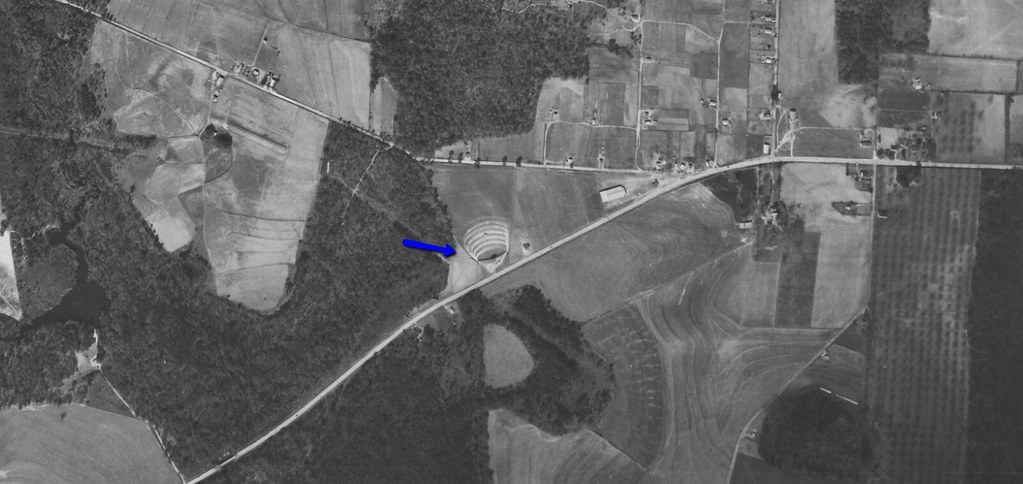
Star Drive-In sits in western Colorado, high desert terrain with a different quality of darkness than most of the country produces, and it has been running since 1952. The air at altitude cools fast once the sun goes down, so bring something to put over your shoulders — but the screen against the black San Juan Mountain sky makes the discomfort feel worth tolerating.
It usually is.
Sunland Drive-In — Las Cruces, New Mexico
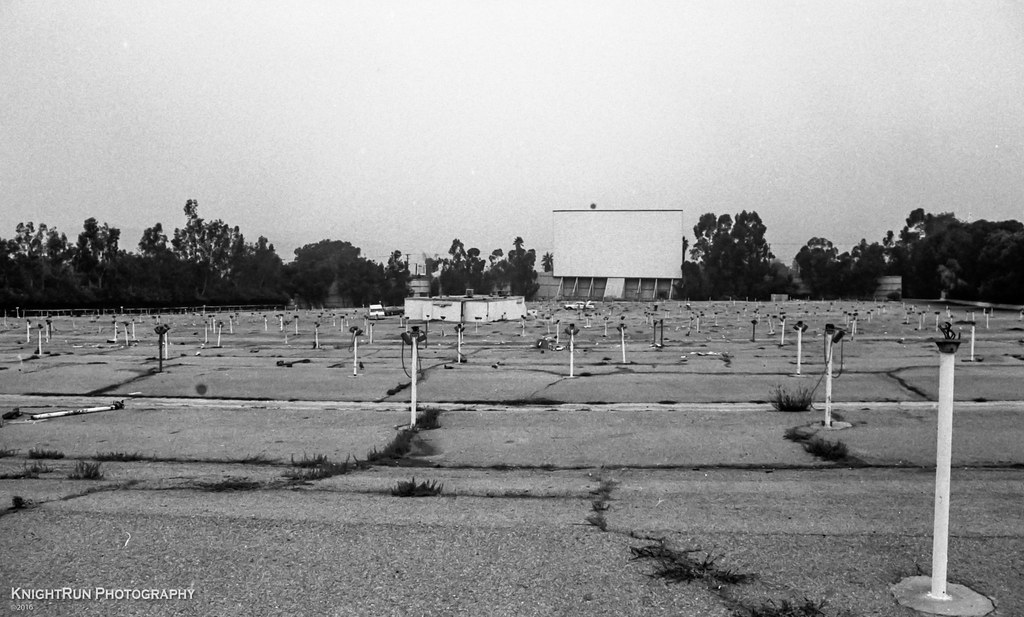
Sunland operates in Las Cruces with four screens and a year-round schedule that uses the New Mexico climate correctly — warm nights, clear skies, and air that smells like creosote after rain. It’s one of the largest drive-ins still operating in the Southwest by number of screens and one of the few that stays open in winter without much adjustment required.
The desert, for once, cooperates.
Fiesta Drive-In — Las Vegas, New Mexico
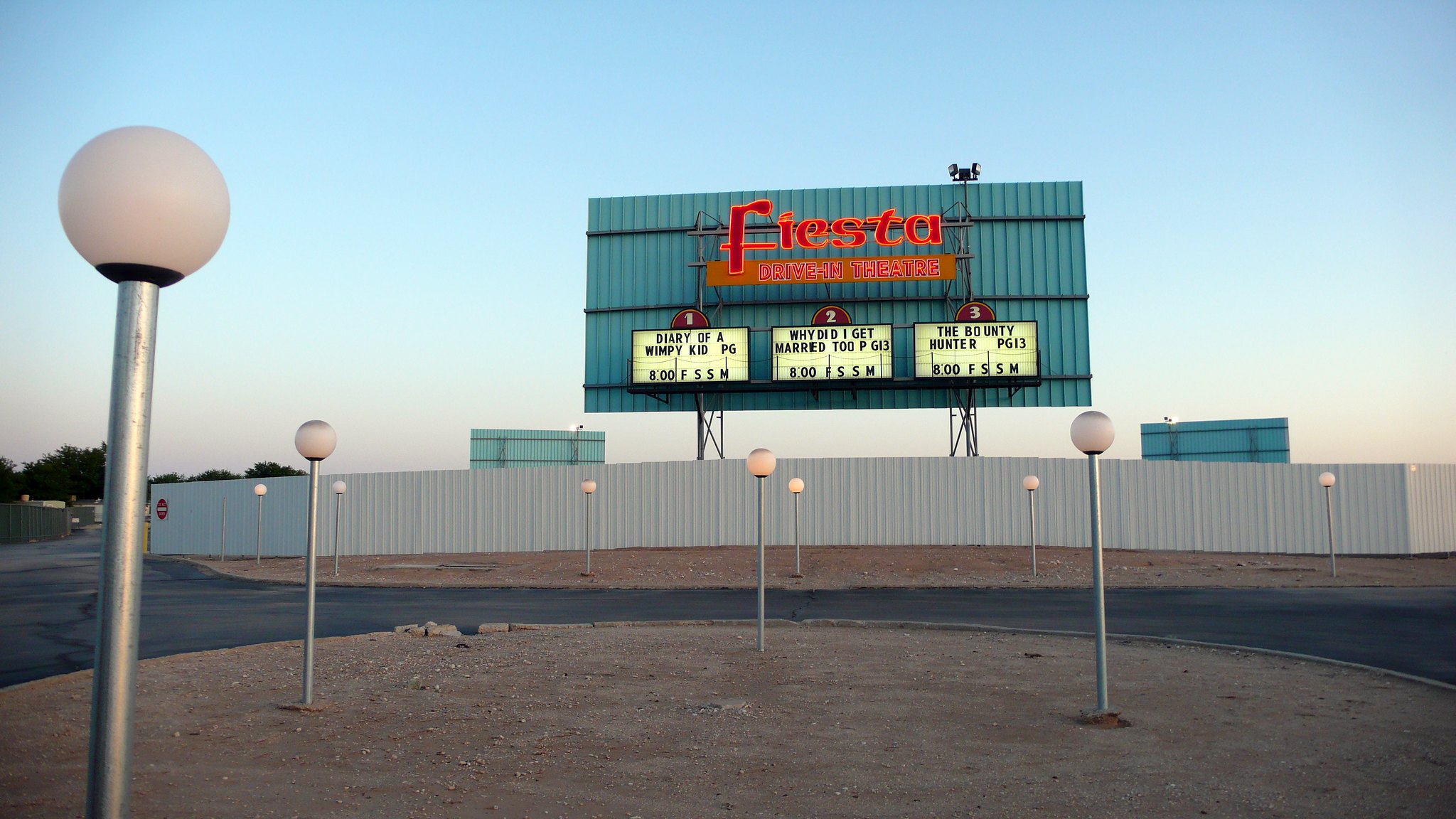
Not to be confused with the other Las Vegas — this one is in the high plains of New Mexico, quiet and relatively unhurried, and the Fiesta Drive-In has been part of the town since 1949. It operates one screen, shows double features on weekends, and has a hand-painted marquee that updates each week with a care that suggests someone genuinely enjoys doing it.
Motor-Vu Drive-In — Billings, Montana
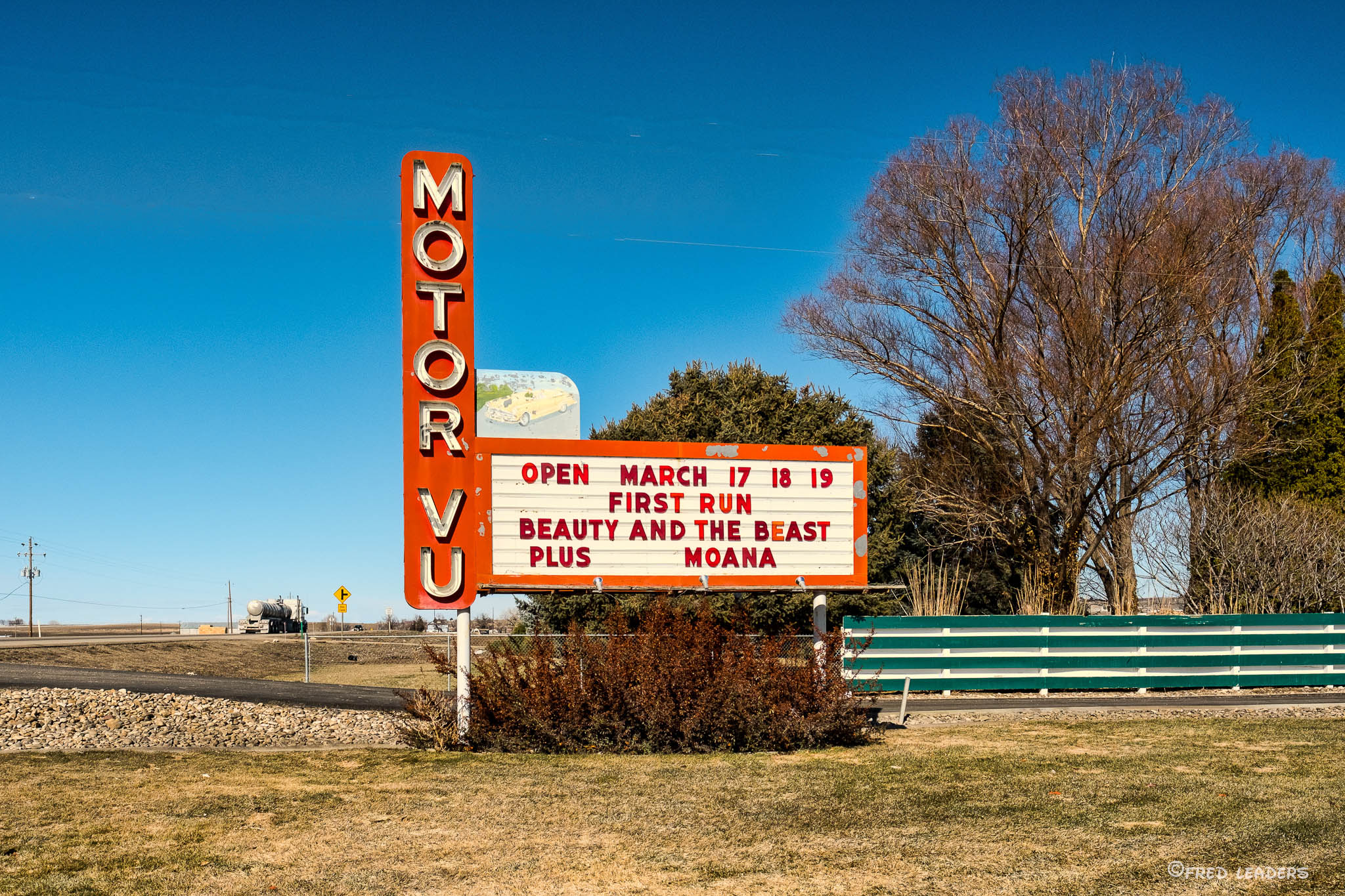
Motor-Vu runs three screens in Billings, Montana’s largest city, which still isn’t large enough to kill a drive-in the way density usually does. It’s been operating since 1954, updated to digital projection, and maintains a concession stand that takes the food seriously — the kind of place where the nachos are an actual decision, not a reflex.
Midway Drive-In — Hastings, Nebraska
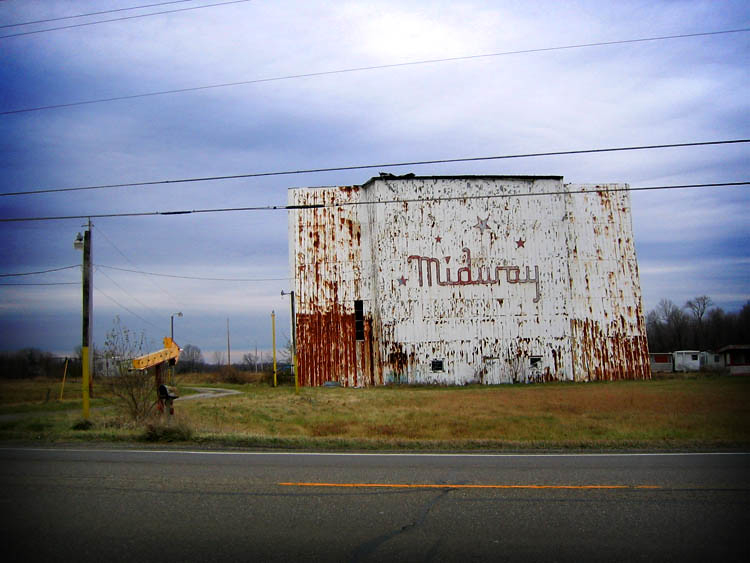
Nebraska is one of the quieter states for drive-in survival, and the Midway in Hastings represents what remains. It runs two screens, shows double features, and sits in a part of the Great Plains where the horizon is so flat and far away that a drive-in screen changes the landscape in a way that indoor theaters simply cannot replicate.
The proportion of screen to sky is the whole point.
Tru Vu Drive-In — Delta, Colorado
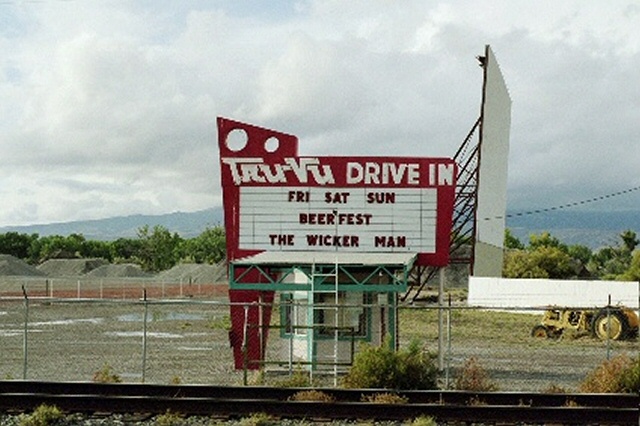
Tru Vu has been running in Delta, Colorado since 1955, tucked against the western slope of the Rockies in a valley that gets good summer evenings and leaves you largely undisturbed. It runs single-screen double features, and the crowd it draws is loyal in the specific way that small-town institutions produce loyalty: not loudly, but reliably, season after season without needing to be reminded why.
Magic City Drive-In — Minot, North Dakota
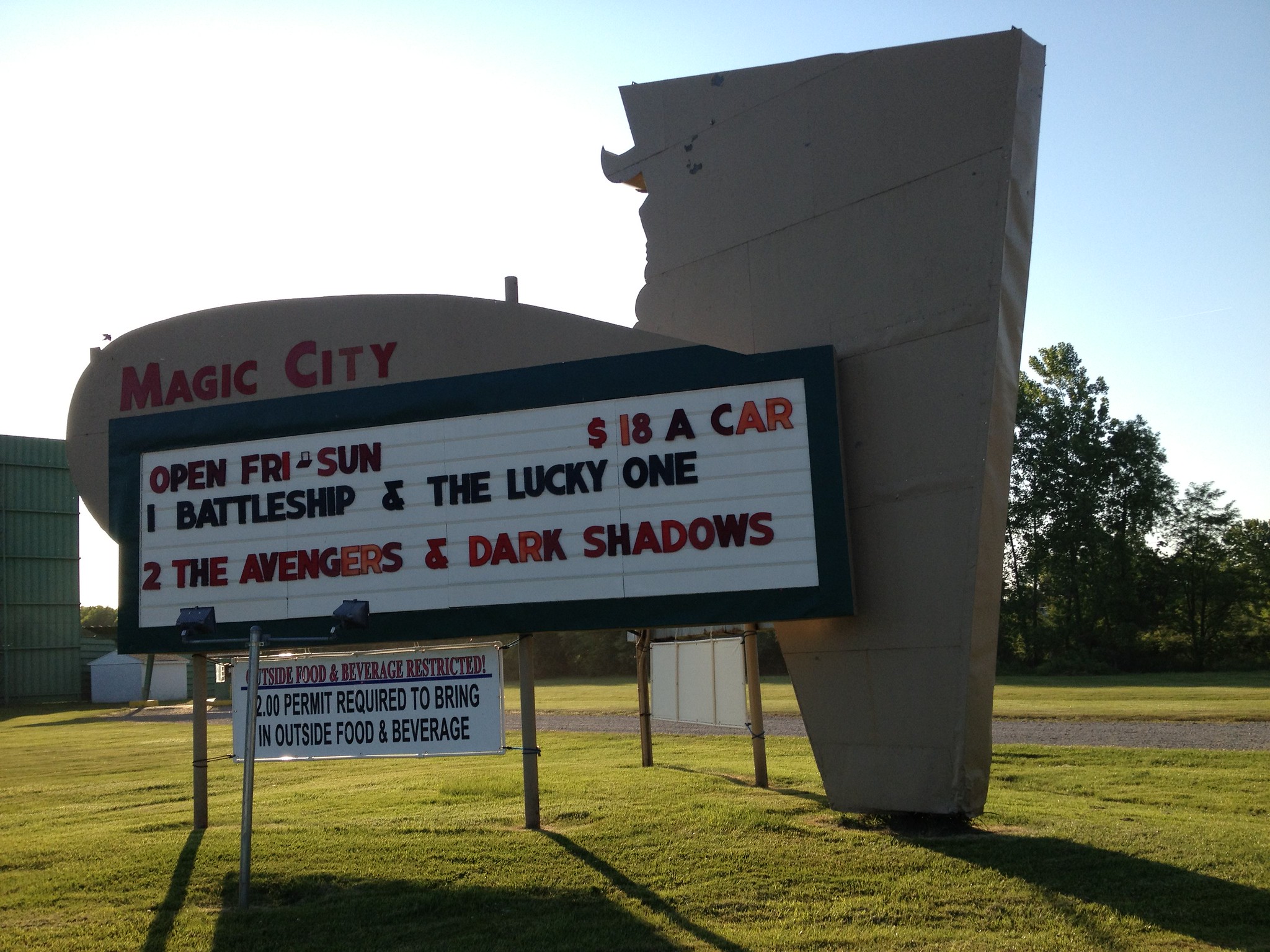
North Dakota has a short summer and the Magic City Drive-In does not waste it. Operating in Minot since the 1950s, it packs a full season into a compressed window between May and September, and the community treats the opening weekend like an event rather than a formality.
The cold that surrounds those warm months makes them sharper, and the drive-in knows that — opens early, closes late, gets every night it can.
The Glow That Stays With You
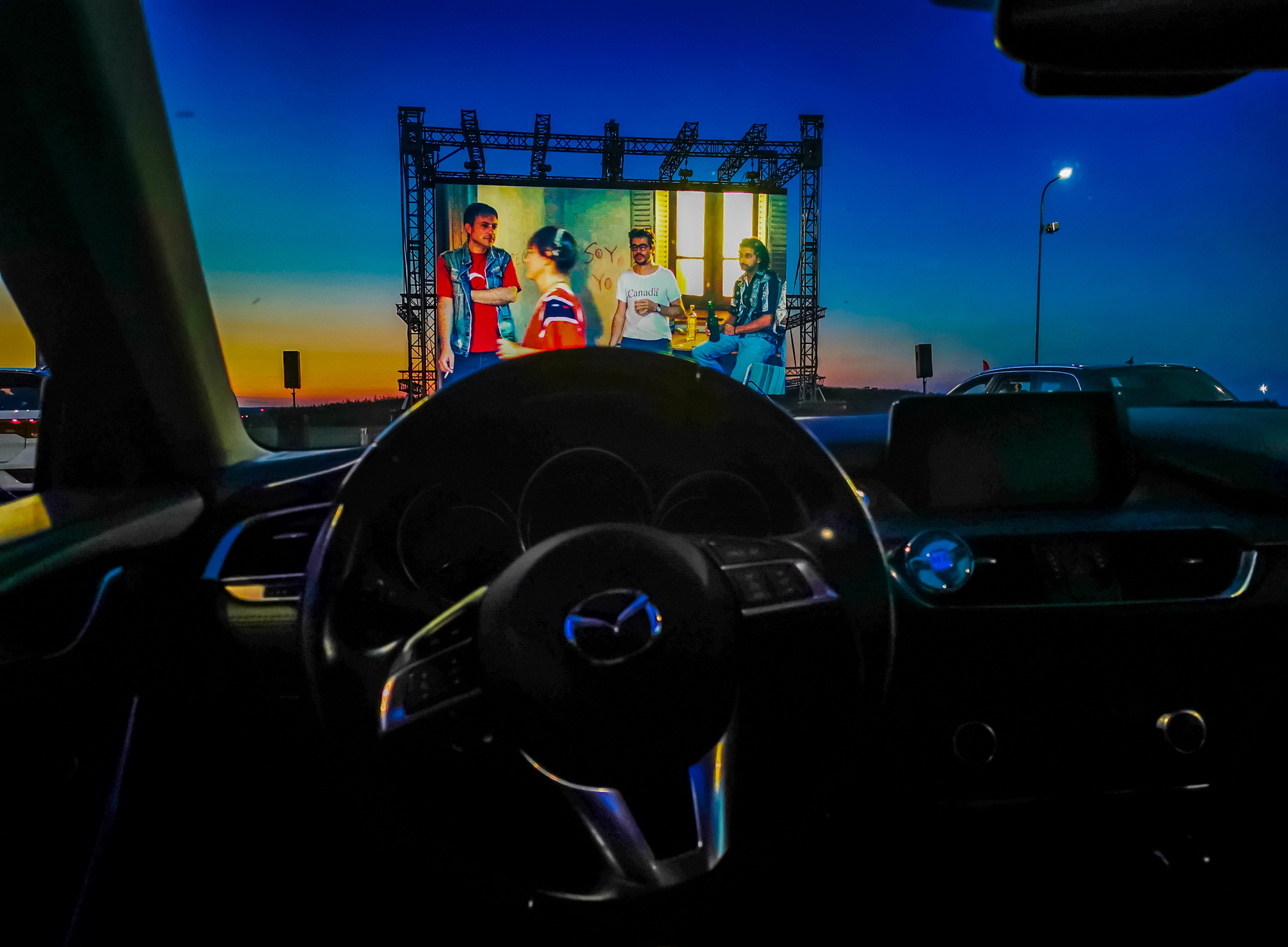
Drive-in theaters are stubborn things. They’ve been declared dead at least three times in the past fifty years, and each time they’ve quietly ignored the announcement and kept the lights on.
What keeps them alive isn’t sentiment, exactly — it’s something more practical: the experience they offer doesn’t exist anywhere else. You’re outside, you’re in your own space, the screen is enormous, and the night is right there around you.
Streaming cannot do that. Multiplexes cannot do that.
A hundred-dollar projector in your backyard cannot quite do that either. So the drive-in survives, not because America is sentimental about the past, but because the present hasn’t yet produced a substitute worth settling for.
More from Go2Tutors!

- The Romanov Crown Jewels and Their Tragic Fate
- 13 Historical Mysteries That Science Still Can’t Solve
- Famous Hoaxes That Fooled the World for Years
- 15 Child Stars with Tragic Adult Lives
- 16 Famous Jewelry Pieces in History
Like Go2Tutors’s content? Follow us on MSN.