26 Archaeological Finds That Rewrote What Historians Thought They Knew
History has a way of seeming finished. You learn the dates in school, memorize the timelines, and somewhere along the way you get the impression that the past has already been sorted out — labeled, catalogued, and shelved.
Then someone digs an opening in the wrong field in Turkey, or dredges up a corroded lump of bronze from the seafloor near Greece, and the whole story has to be told again from the beginning. These 26 discoveries didn’t just fill in gaps. They overturned assumptions that entire academic careers had been built on, forcing scholars to look at the ancient world with fresh — and sometimes deeply uncomfortable — eyes.
Göbekli Tepe
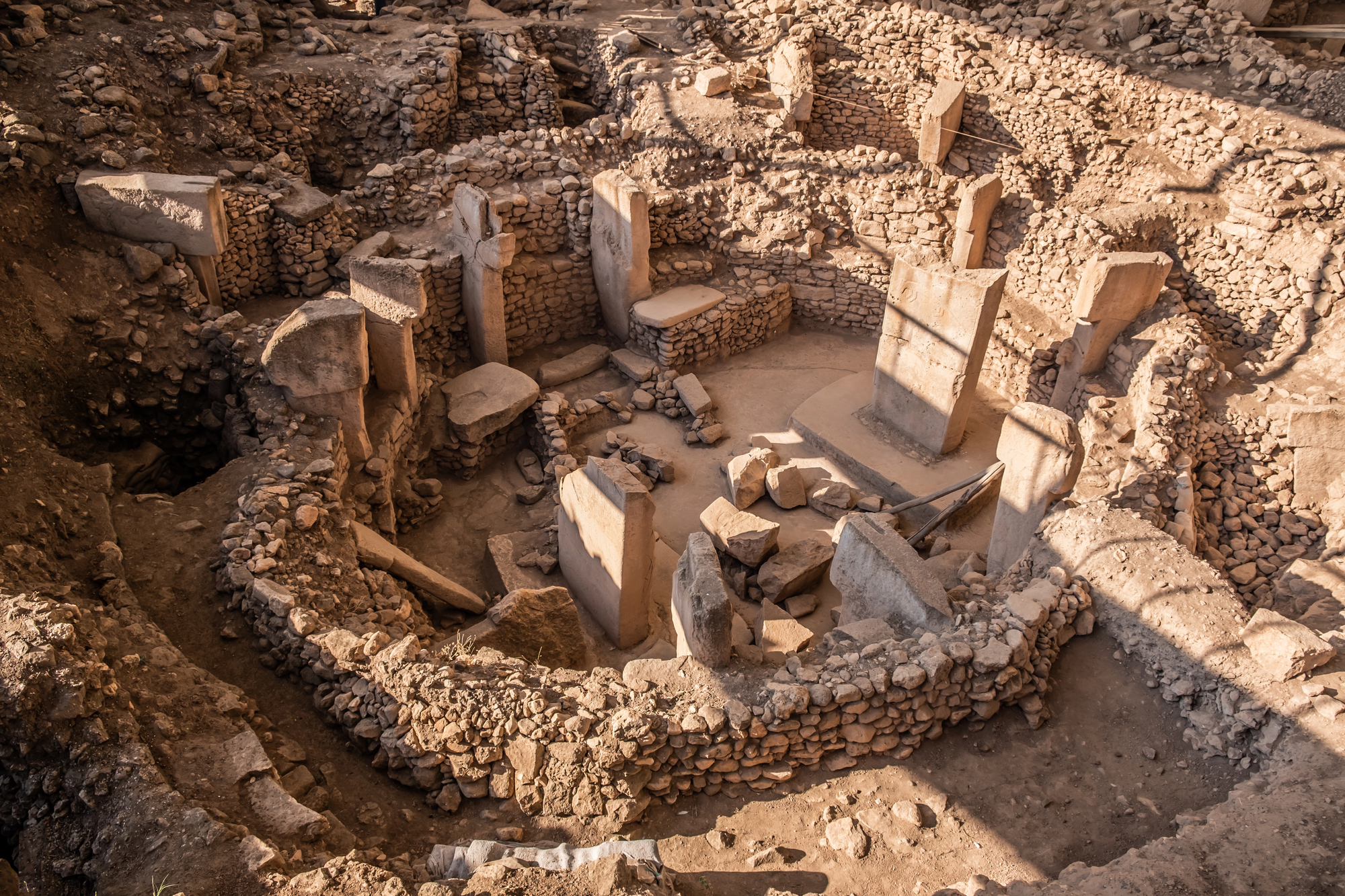
Archaeology assumed organized religion followed civilization. Göbekli Tepe destroyed that assumption completely.
Built around 9600 BCE in what is now southeastern Turkey, it’s a massive ceremonial complex — carved limestone pillars, animal reliefs, deliberate construction — predating the invention of pottery, writing, and agriculture. The people who built it weren’t supposed to be capable of it.
The Antikythera Mechanism
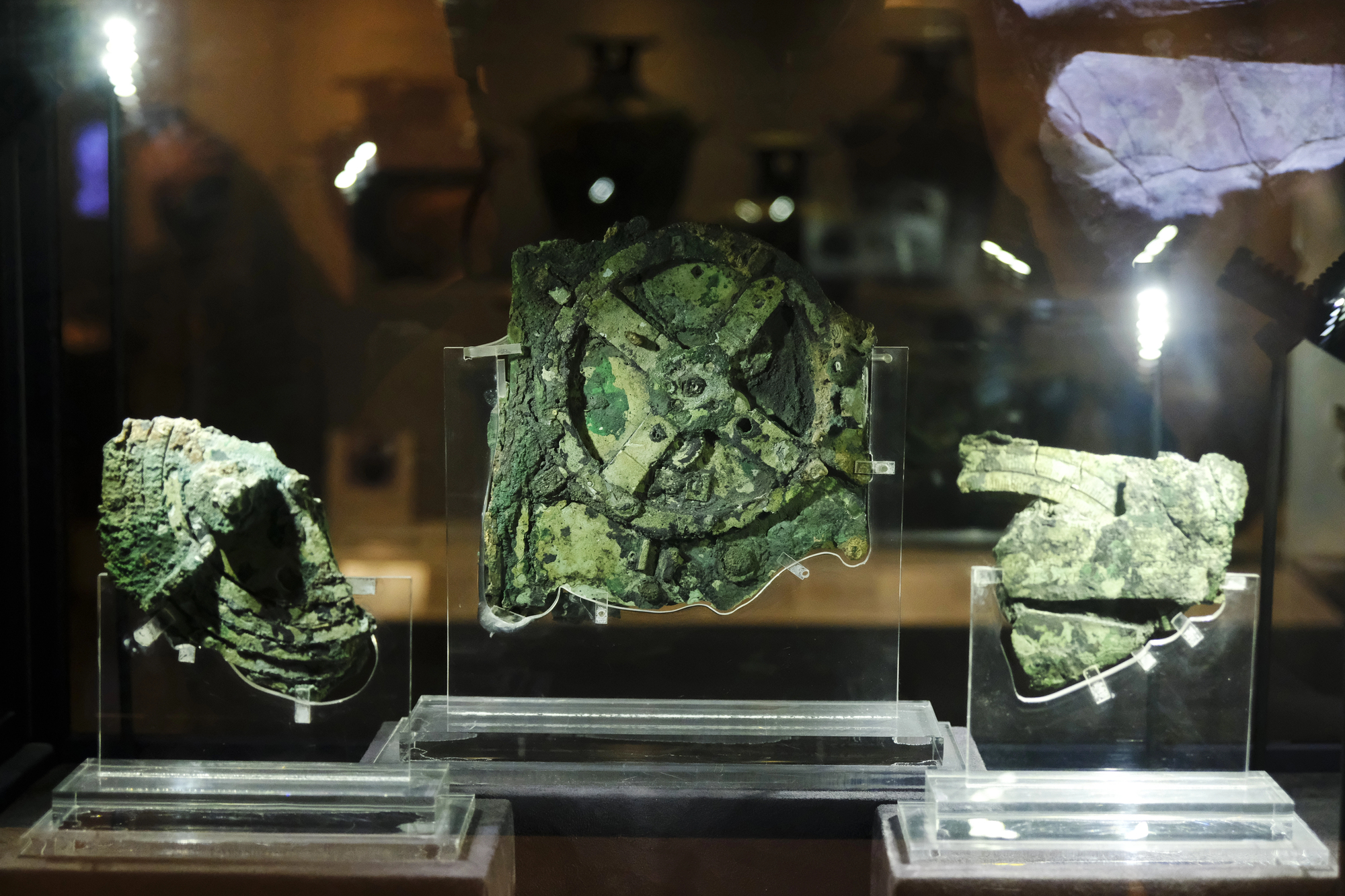
There’s a fragment of corroded bronze sitting in an Athens museum that has spent over a century confounding everyone who looks at it — because inside that unassuming lump of oxidized metal (recovered from a shipwreck off the Greek island of Antikythera in 1901) is a system of interlocking gears so precisely calibrated that it could predict lunar cycles, solar eclipses, and the positions of the planets.
And the date? Roughly 100 BCE, which is: 1,500 years before anyone thought such mechanical complexity was possible in Europe. So historians quietly revised what ancient Greek engineering was capable of, and the question of what else was lost to time became considerably more unsettling.
Saqqara Bird
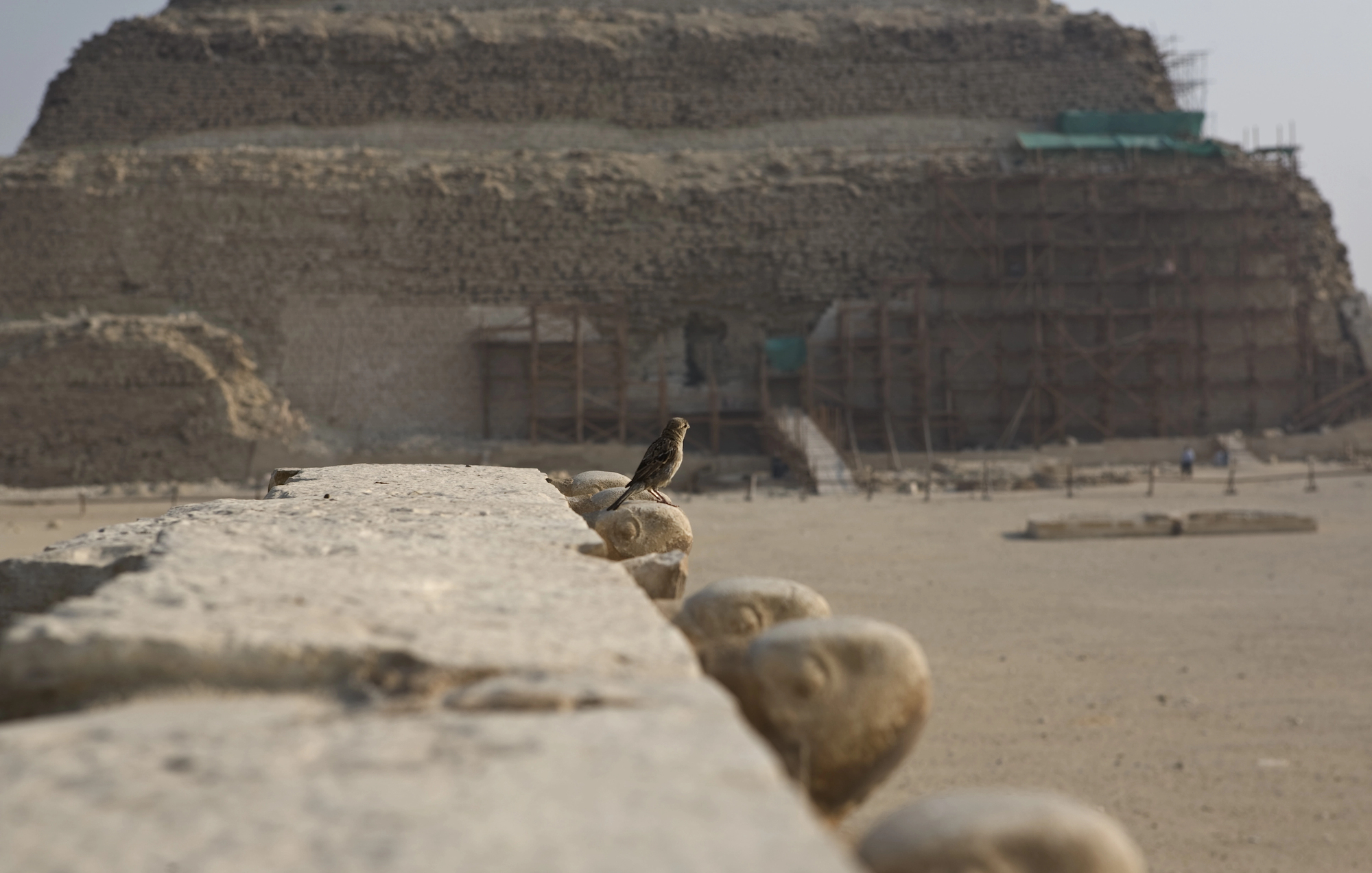
The Saqqara Bird is a small wooden carving found in a 2,200-year-old Egyptian tomb, and it looks — with uncomfortable precision — like a modern glider. Its wings are aerodynamically shaped, its tail is vertical rather than horizontal in the way birds actually sit, and when replicas have been fitted with small tail planes, they fly.
Whether it was a toy, a religious object, or something stranger entirely is still debated, but it corrects the tidy assumption that flight as a concept belonged entirely to the 20th century.
Denisovan Fossils
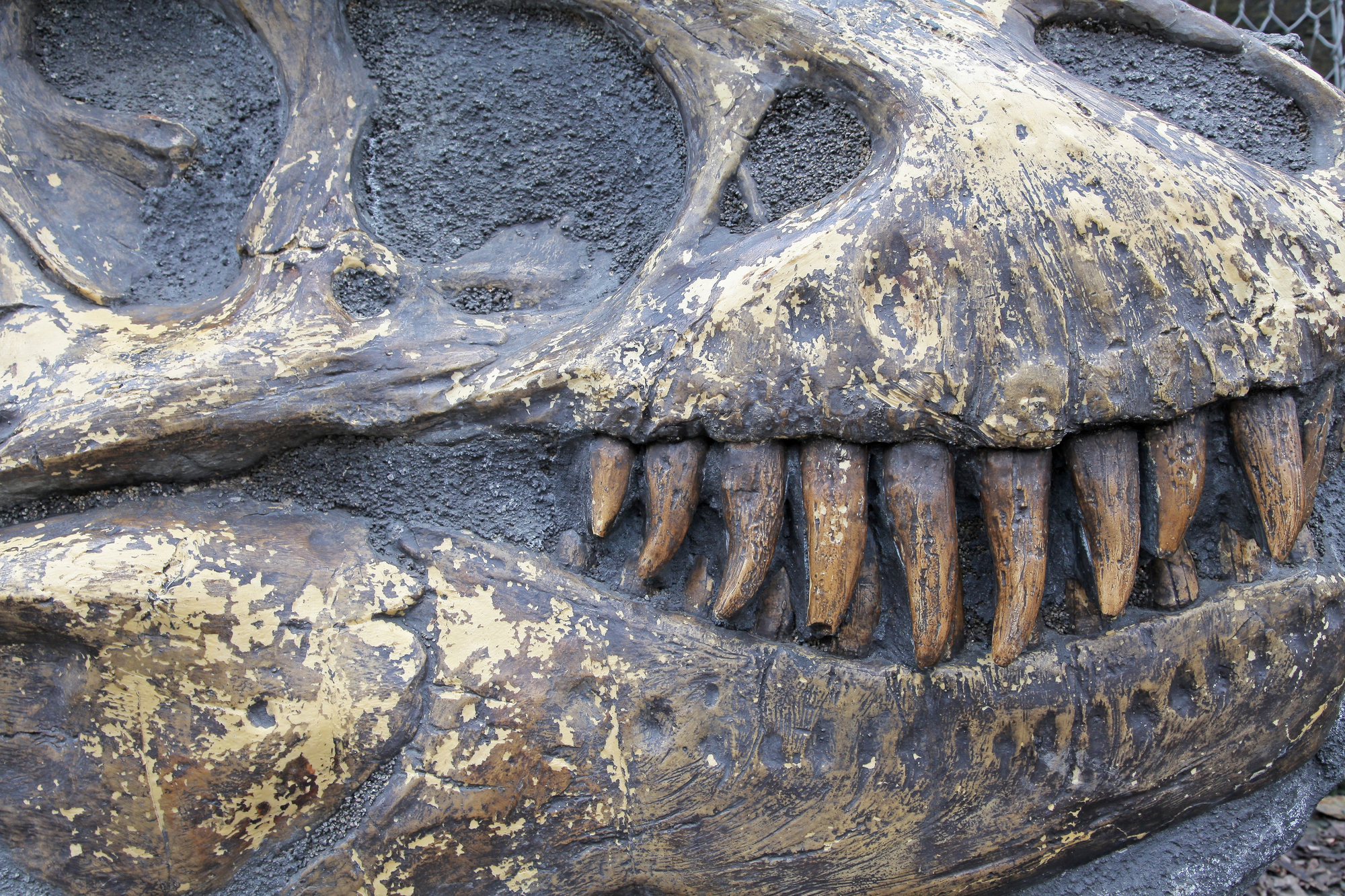
Modern human prehistory used to have two main characters: Homo sapiens and Neanderthals. The Denisovans arrived in 2010 via a single finger bone fragment found in Siberia’s Denisova Cave, and the whole cast list had to be revised.
Turns out this was an entirely separate human species — one that interbred with both Neanderthals and modern humans, left detectable traces in the DNA of people living today across East Asia and Oceania, and vanished without anyone writing down why.
The Baghdad Battery

Three objects found near Baghdad in 1936 — a clay jar, a copper cylinder, and an iron rod — don’t mean much on their own. But reconstructed together, with grape juice or vinegar added, they produce a measurable electrical charge.
Whether the Parthian-era object was actually used as a battery or had some other purpose entirely is still genuinely contested, but the discovery reframed questions about what ancient peoples understood about electricity long before Volta got credited with inventing it.
The Nebra Sky Disk
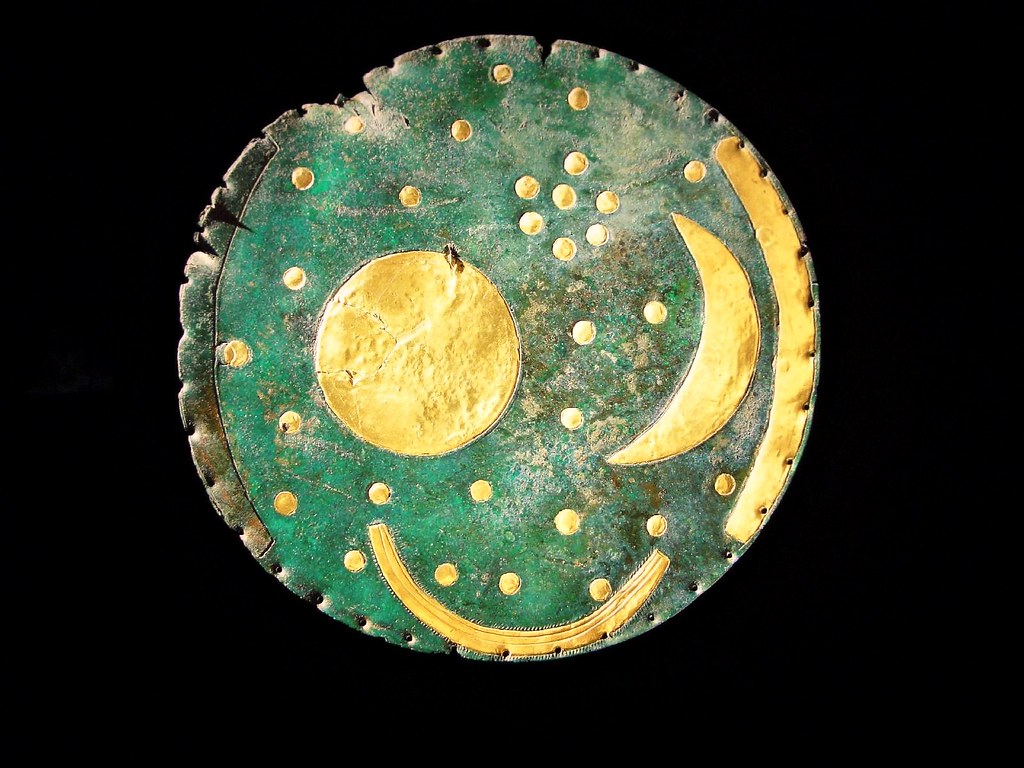
What makes the Nebra Sky Disk almost unbearably strange is not just that it exists — a bronze disk inlaid with gold symbols representing the sun, moon, and a cluster of stars, buried in Germany sometime around 1600 BCE — but that the astronomical knowledge encoded on it is accurate, sophisticated, and came from a culture that left no other written record, no named civilization, no context beyond the disk itself and the swords found with it.
So you’re left holding what amounts to a scientific instrument from people whose very existence had to be reclassified once the disk was authenticated in the early 2000s, and the comfortable image of Bronze Age Central Europe as uniformly primitive simply doesn’t survive the encounter. The disk is in Halle, Germany, if you want to go stare at the thing that broke several textbooks. Fair enough that most visitors just stare in silence.
Hobbits of Flores
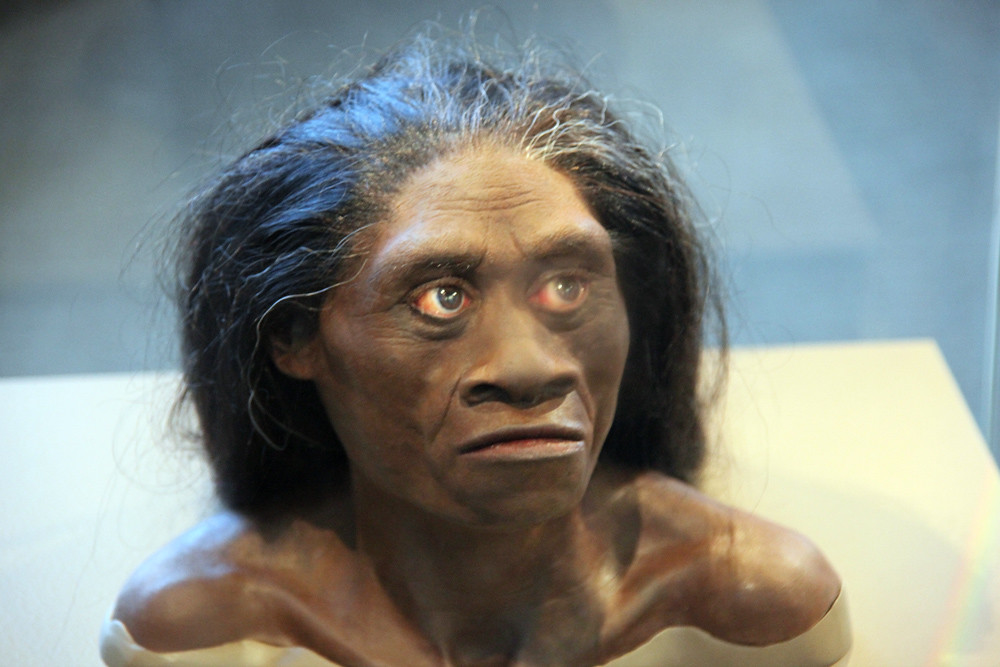
Homo floresiensis arrived like an insult to the clean evolutionary narrative. Discovered on the Indonesian island of Flores in 2003, these hominins stood roughly 3.5 feet tall, had brains the size of a grapefruit, and were making stone tools and hunting pygmy elephants as recently as 50,000 years ago — which means they were alive at the same time as anatomically modern humans.
The discovery didn’t just add a species to the family tree; it bent the branches in directions no one had predicted.
The Vinland Map’s Rivals
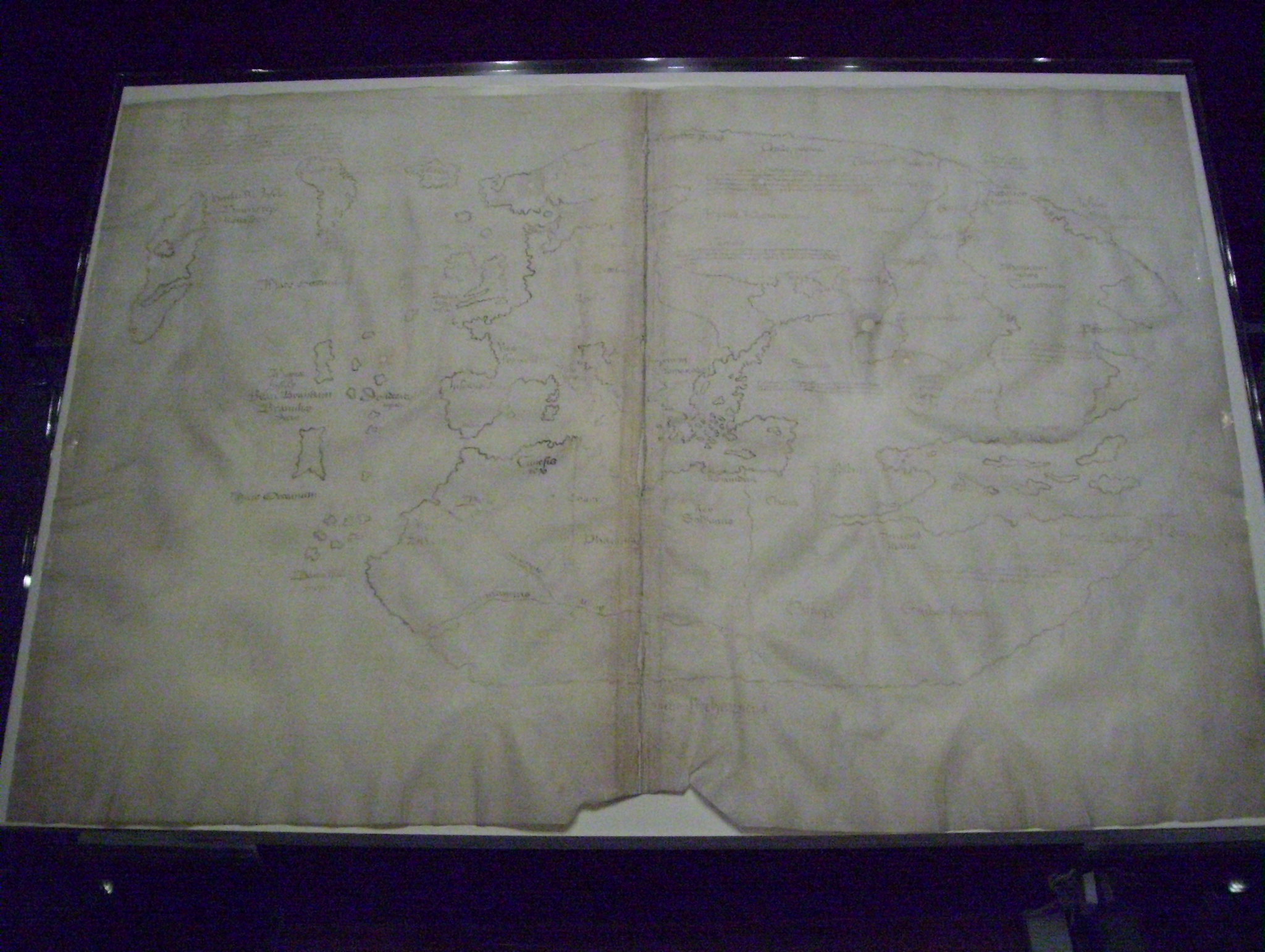
The most compelling evidence that pre-Columbian Europeans reached North America didn’t come from a map — it came from a Norse settlement at L’Anse aux Meadows in Newfoundland, excavated beginning in 1960, where archaeologists found the unmistakable remains of Viking-style longhouses, iron-working debris, and a bronze cloak pin.
The site dates to around 1000 CE, which places Leif Eriksson’s crew in the Americas almost 500 years before Columbus, and it does so not with disputed documents but with actual wood and iron pulled from actual soil. Columbus gets the holiday anyway, which is saying something.
Tlaltecuhtli Monolith
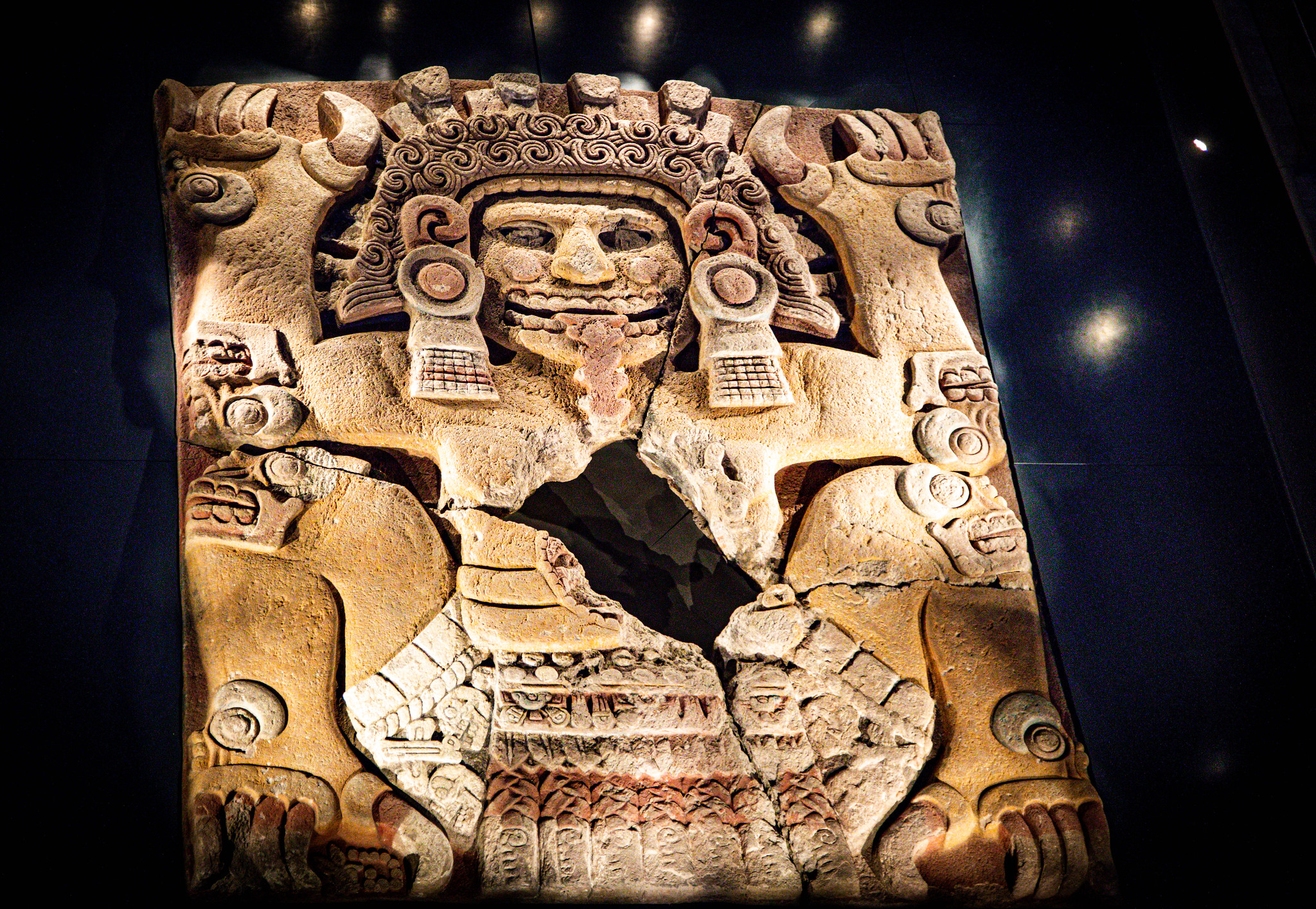
In 2006, construction workers laying electrical cable in Mexico City’s historic center struck something enormous about 8 feet underground. What they’d hit was a monolithic stone carving of Tlaltecuhtli — the Aztec earth deity — weighing around 12 tons and measuring nearly 13 feet across, and it turned out to be the largest Aztec sculpture ever found.
The discovery forced a wholesale rethinking of what lay buried beneath the city and led directly to one of the most significant excavations of Tenochtitlan’s ceremonial center in modern history.
Tarim Basin Mummies
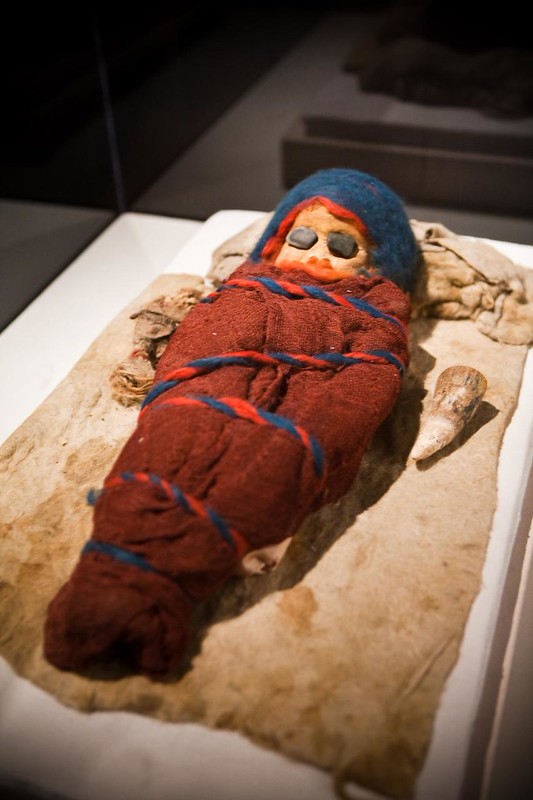
The Tarim Basin mummies — found in the Xinjiang region of western China, some dating back nearly 4,000 years — were not Chinese. They had red and blonde hair, tall frames, and distinctly Western features, and textile analysis showed they wore plaid wool that looked more like it belonged in Celtic Europe than Central Asia.
The discovery scrambled assumptions about ancient migration routes, the early Silk Road, and the ethnic history of a region that remains politically sensitive today, which has made the academic conversation around these mummies considerably more complicated than it would otherwise need to be.
Stonehenge Bluestones
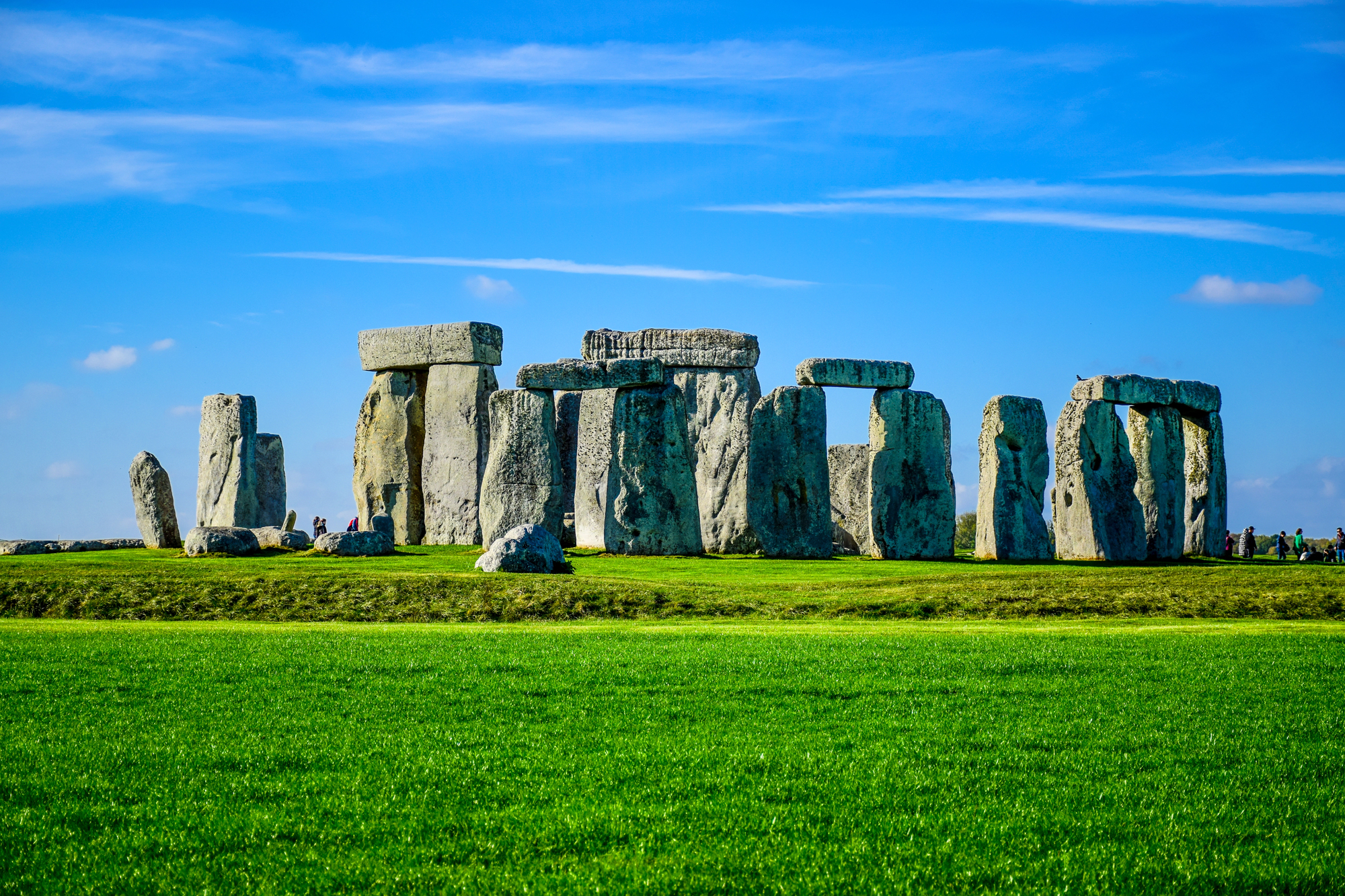
For a long time, Stonehenge’s origin story focused on the sarsen stones — those massive local sandstone blocks everyone photographs. The bluestones are the overlooked ones, and they shouldn’t be.
Weighing up to 4 tons each and sourced from the Preseli Hills in Wales, roughly 150 miles away, they were transported — somehow — to Salisbury Plain around 3000 BCE by people without wheels, without horses, and without any obvious reason to go to that kind of trouble. The why remains one of archaeology’s most stubbornly unanswered questions.
The Uluburun Shipwreck
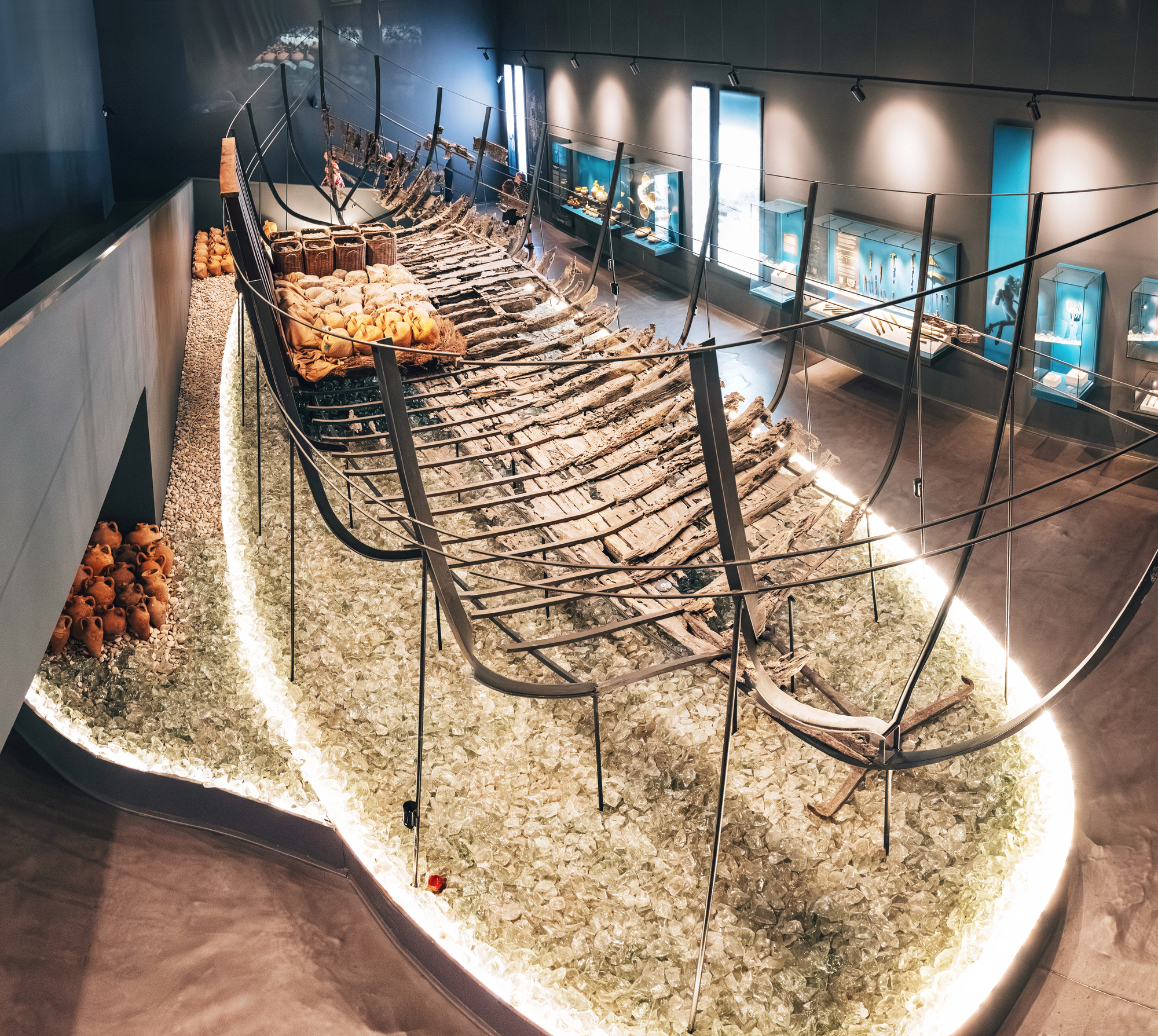
The Uluburun shipwreck, discovered off the southern coast of Turkey in 1982 at a depth of around 150 feet, is a kind of time capsule for the Late Bronze Age world that historians had only partially imagined.
The cargo included raw copper and tin ingots, ebony logs from sub-Saharan Africa, Canaanite jewelry, Egyptian scarabs, Cypriot pottery, Mycenaean swords, Baltic amber, and a gold scarab bearing the name of Nefertiti — on a single merchant vessel, from around 1300 BCE, representing at least seven distinct cultures trading with each other across the Mediterranean. And yet the standard classroom version of ancient trade routes had always been tidier, simpler, and it turns out: significantly wrong.
Khatt Shebib Wall
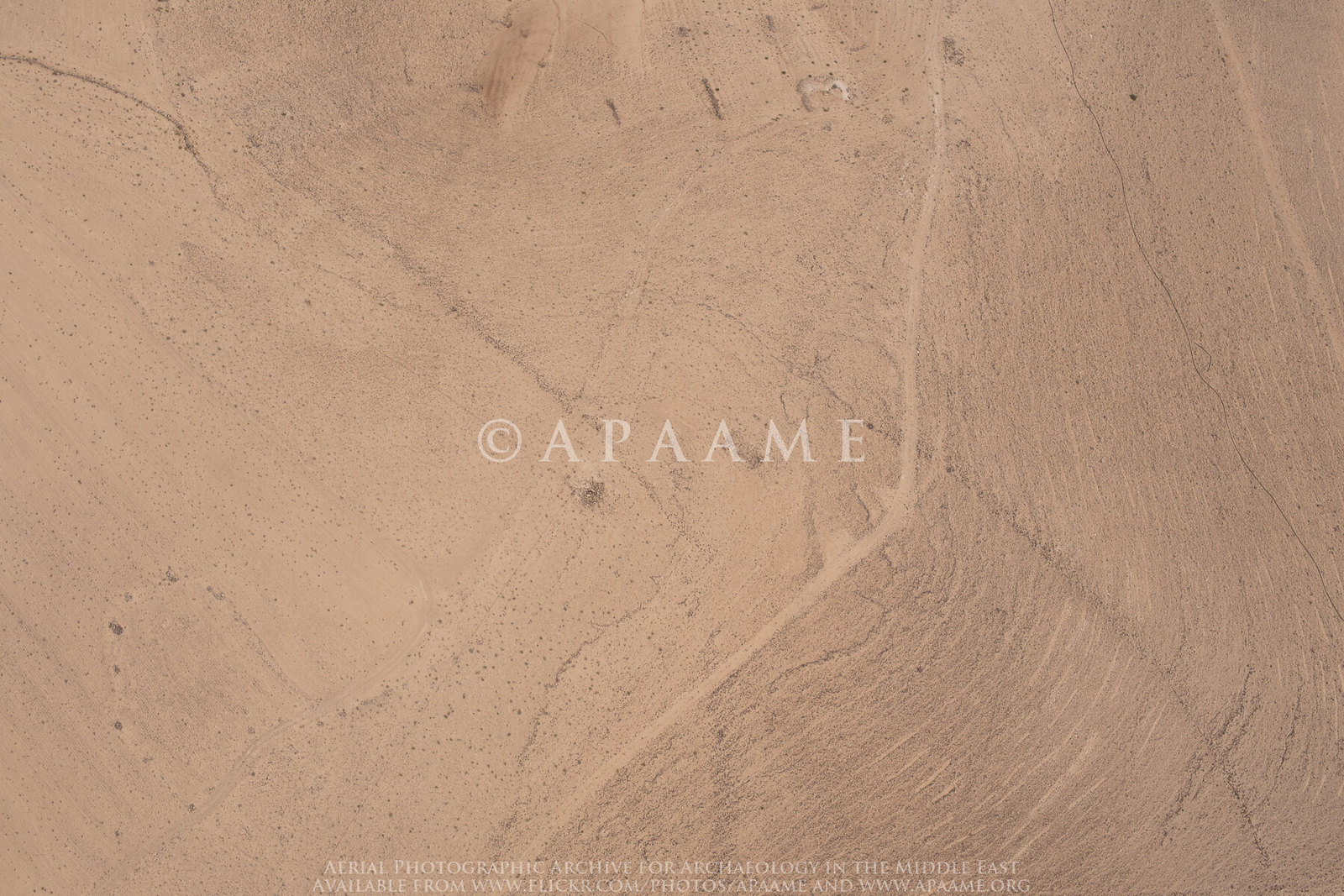
Nobody knew the Khatt Shebib existed until a British diplomat spotted it from the air in 1948. Stretching roughly 93 miles across Jordan, it’s a low stone wall — not a defensive fortification, not a road, probably not a border marker — whose function remains completely unknown.
Radiocarbon dating suggests it was built sometime between the 2nd and 7th centuries CE. An entire civilization went to the effort of building a 93-mile wall across the desert and left no explanation whatsoever.
The Pompeii Fast-Food Bar
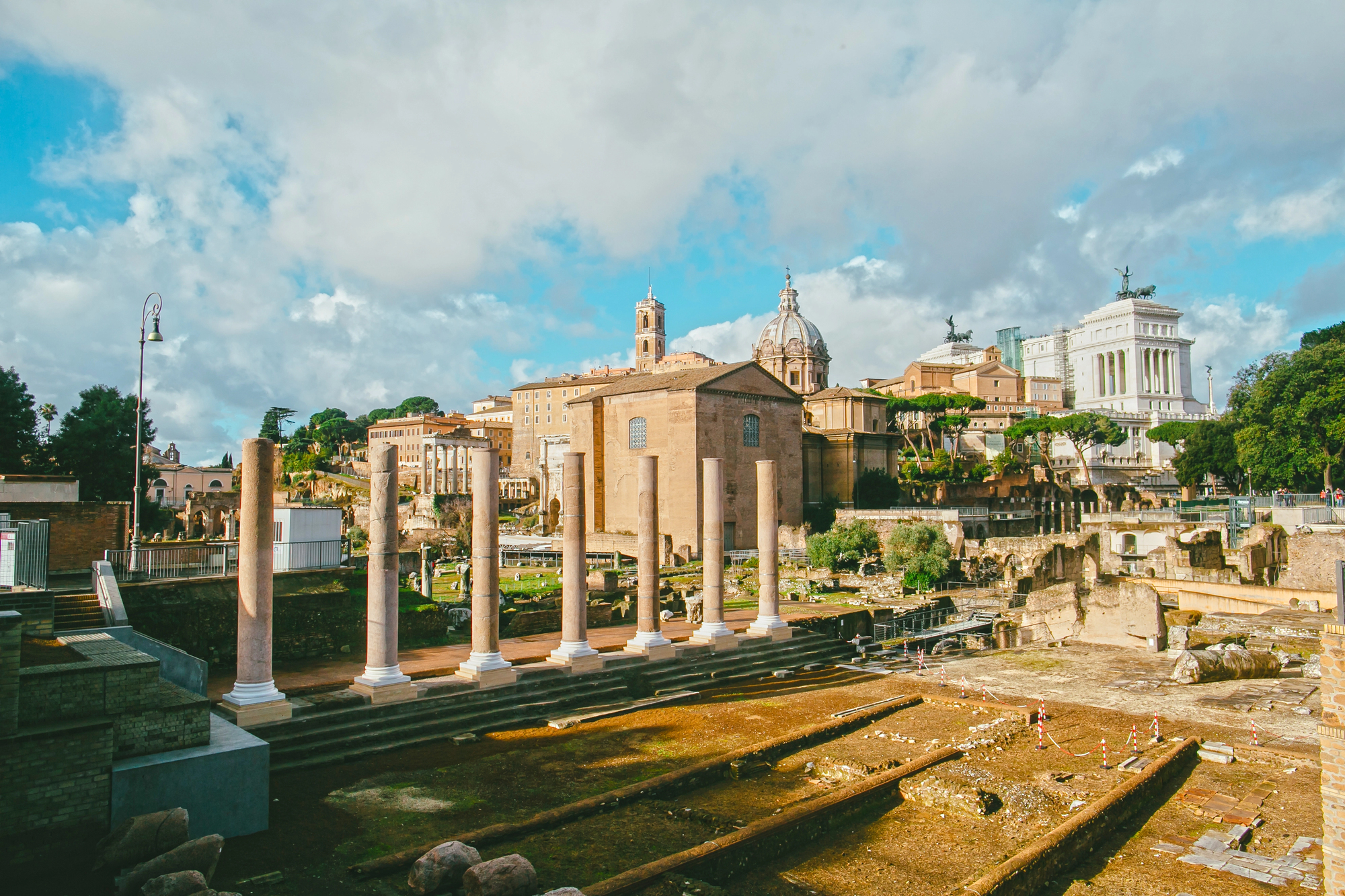
Pompeii keeps handing over surprises, and the thermopolium excavated near the intersection of two major streets in 2020 is one of the better ones. Intact stone counters with circular rounds still held ceramic vessels containing remnants of actual food — duck, pig, fish, snails, wine — and the painted exterior advertised the menu in vivid color.
What it corrected wasn’t some grand historical narrative but something more intimate: the assumption that communal, commercial eating was a modern urban invention, when in fact an ordinary Roman citizen in 79 CE was grabbing street food on the way home from work in almost exactly the way you might today.
Goat’s Cave Burial
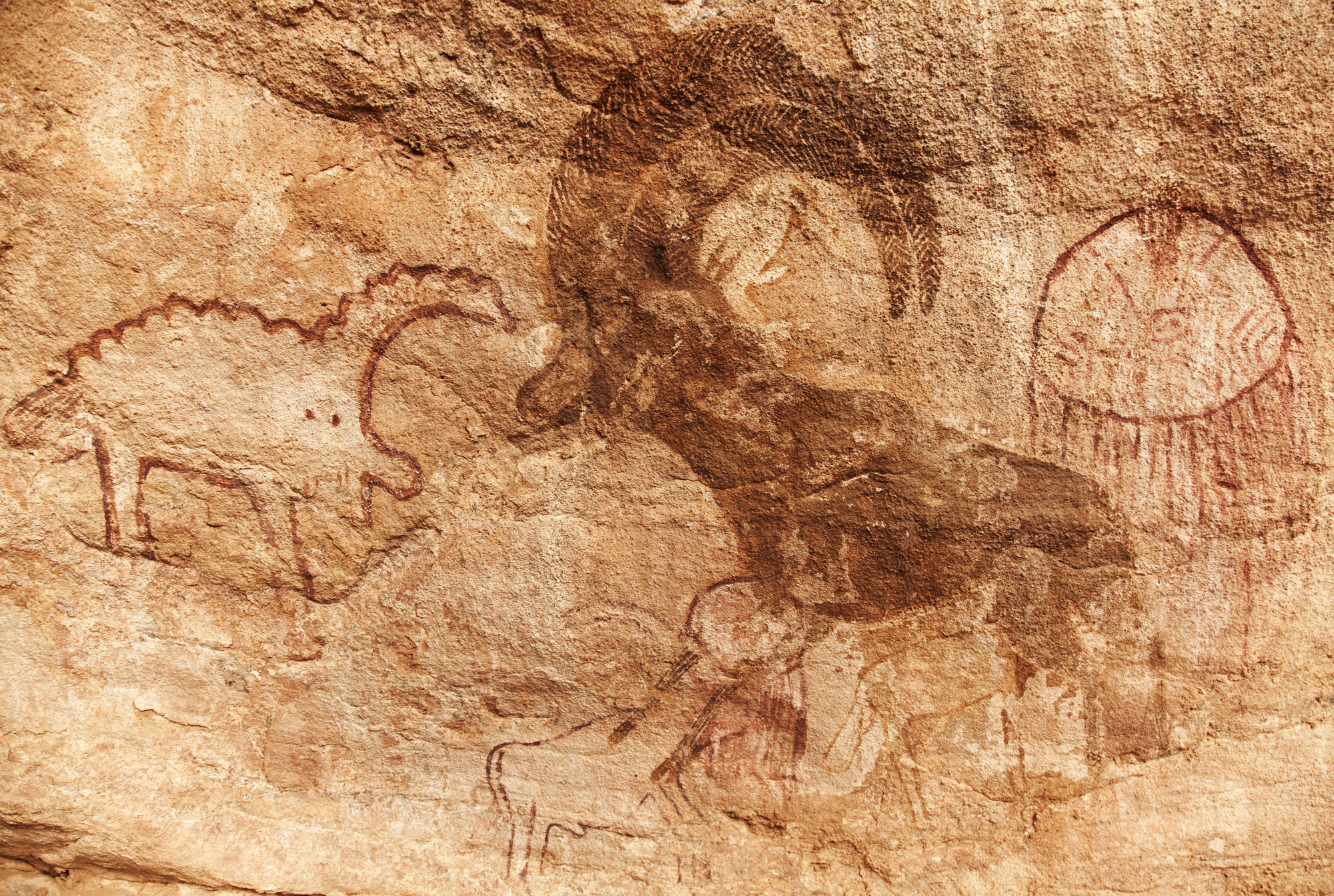
The Red Lady of Paviland is neither red nor a lady — it’s the ochre-stained skeleton of a young man, buried in a cave in Wales around 33,000 years ago with ivory rods, perforated shell ornaments, and what appears to be deliberate ceremony.
When it was discovered in 1823, the presiding scholar declared it a Roman-era prostitute because the alternative — that Ice Age humans were conducting ritual burials with grave goods in Britain — didn’t fit what he was prepared to believe. Subsequent dating made the actual truth unavoidable.
The Rosetta Stone
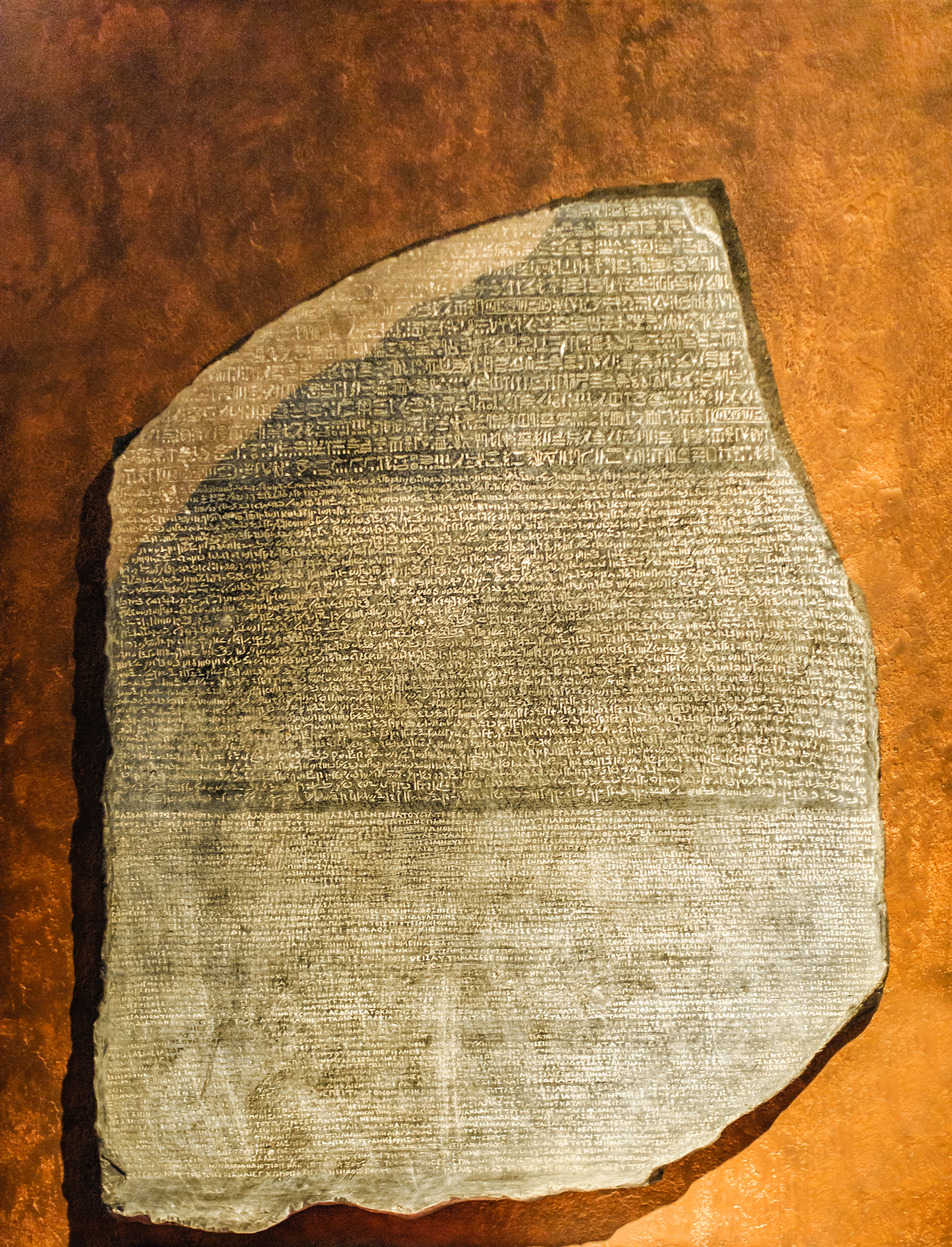
The Rosetta Stone didn’t just unlock Egyptian hieroglyphics — it unlocked the entire intellectual world of ancient Egypt, which had been sitting in plain sight for centuries, carved on temple walls and papyrus scrolls, completely illegible to everyone alive.
Before Jean-François Champollion cracked the code in 1822 using the stone’s parallel texts in Greek, Demotic, and hieroglyphics, scholars could look at Egyptian writing the way you might look at a beautiful painting in a language you’ll never speak: aware of its depth, shut out from its meaning. What poured through once that door opened was not just text but theology, medicine, astronomy, poetry — an entire civilization’s interior life, waiting.
Çatalhöyük
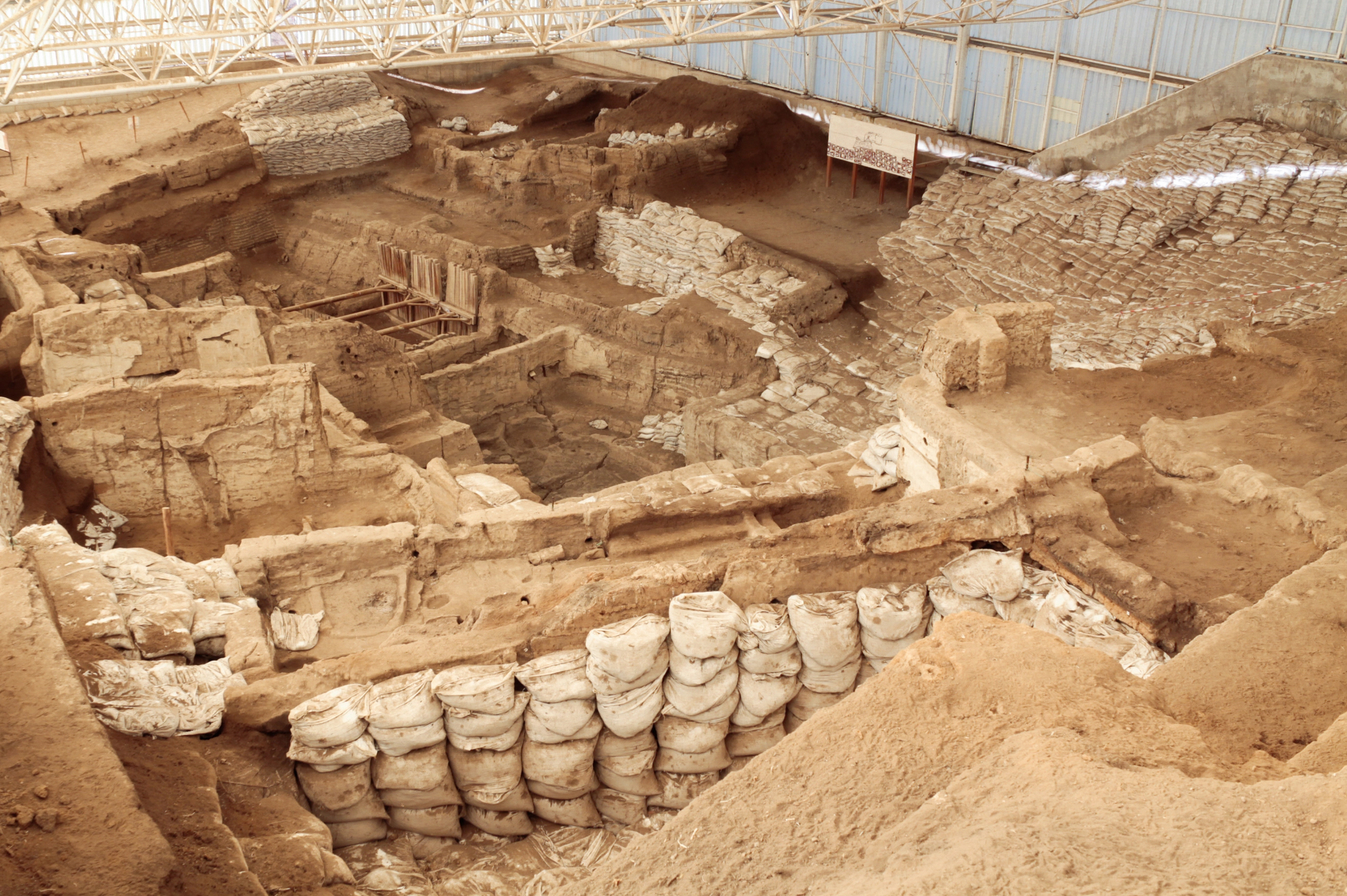
Çatalhöyük, a Neolithic settlement in south-central Turkey occupied from roughly 7500 to 5700 BCE, had no streets. Houses were built wall-to-wall, and residents entered through openings in the roof, climbing down ladders into rooms where they slept, cooked, buried their dead beneath the floor, and decorated their walls with murals of hunting scenes and geometric patterns.
The discovery — begun in earnest by James Mellaart in the 1950s and 60s — flipped assumptions about early urban life and proved that dense, organized human settlement predated what historians had considered the earliest cities by several thousand years.
The Dead Sea Scrolls
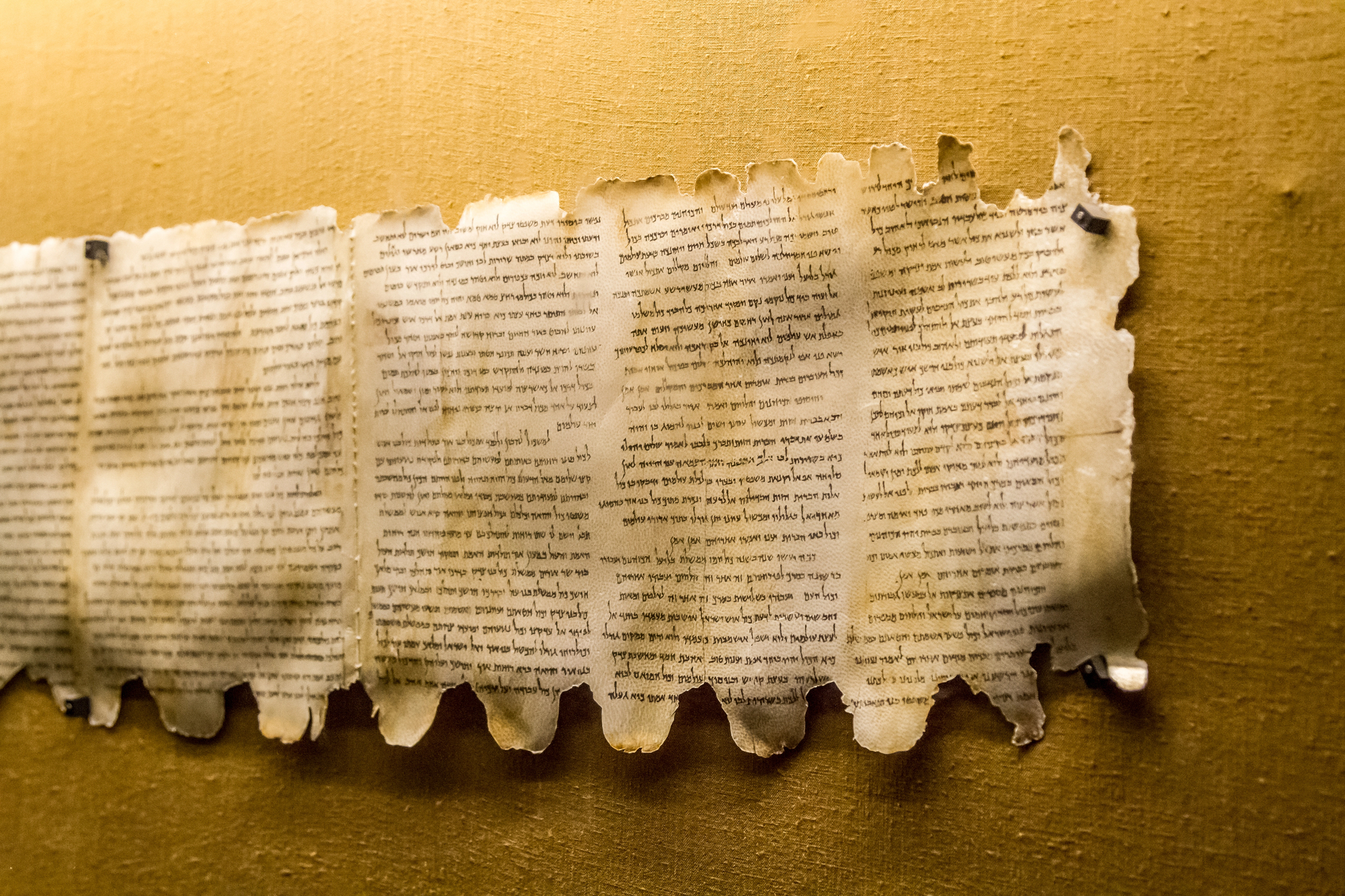
The Dead Sea Scrolls are the oldest known manuscripts of the Hebrew Bible, and a Bedouin shepherd found them in 1947 because his goat wandered into the wrong cave near Qumran.
The scrolls — dating from roughly 250 BCE to 68 CE — confirmed the remarkable stability of biblical texts over centuries while simultaneously introducing variant readings and non-canonical writings that religious communities and scholars are still arguing about. To be fair, “still arguing about” undersells it: the scrolls have reshaped biblical scholarship, archaeology, and religious history all at once, and the arguments show no sign of fatigue.
Sutton Hoo Helmet
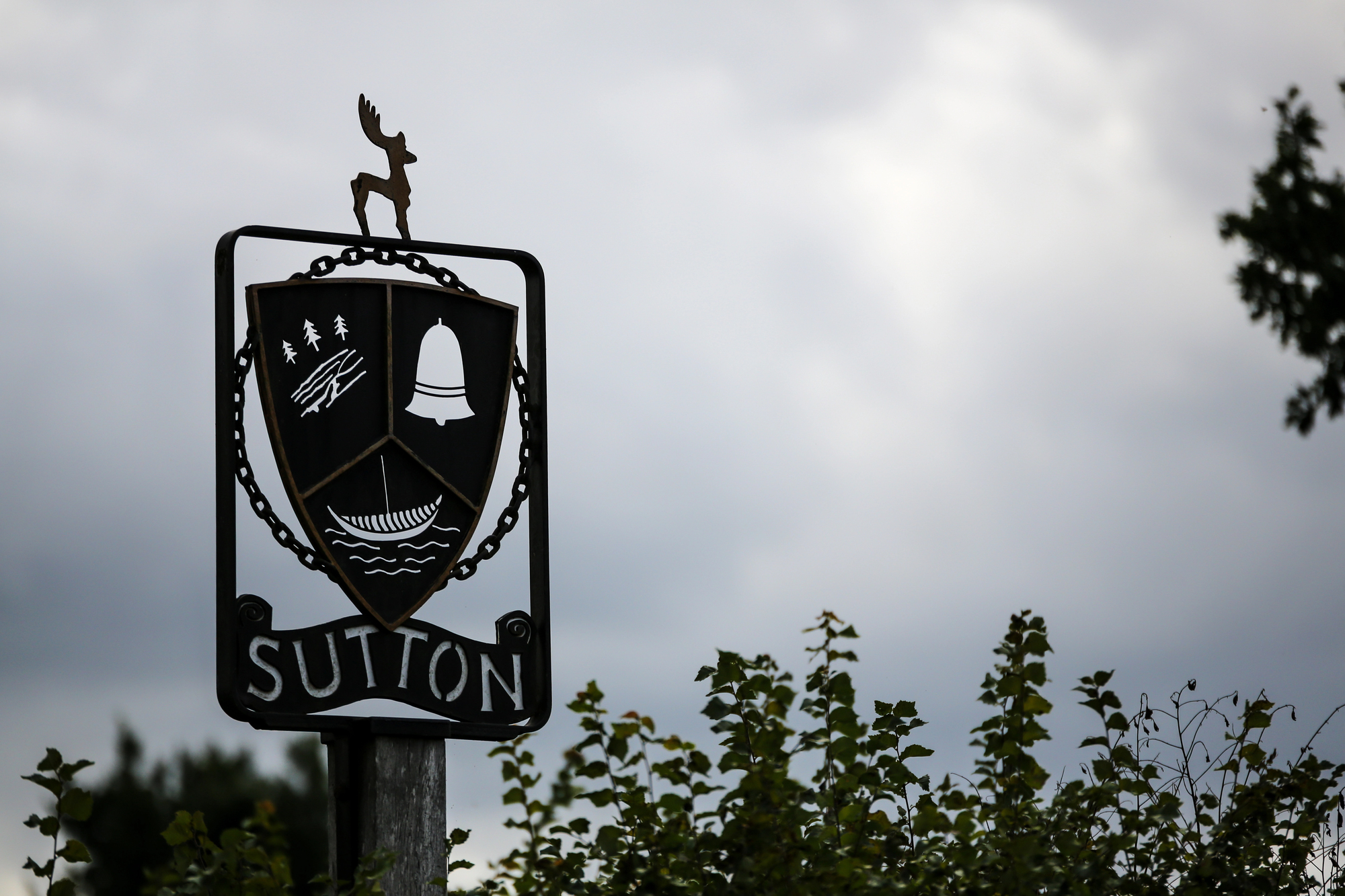
Before Sutton Hoo, the Early Medieval period in England was called the Dark Ages with genuine conviction — the assumption being that after Rome left, civilization essentially went quiet.
Then in 1939, a landowner named Edith Pretty allowed excavation of burial mounds on her Suffolk estate, and what came out of the soil was a 7th-century ship burial of extraordinary wealth: gold, garnets, a ceremonial whetstone, and a full iron helmet with intricate metalwork that belonged to — almost certainly — an Anglian king. The Dark Ages turned out to be lit rather brighter than advertised.
The Sanxingdui Artifacts
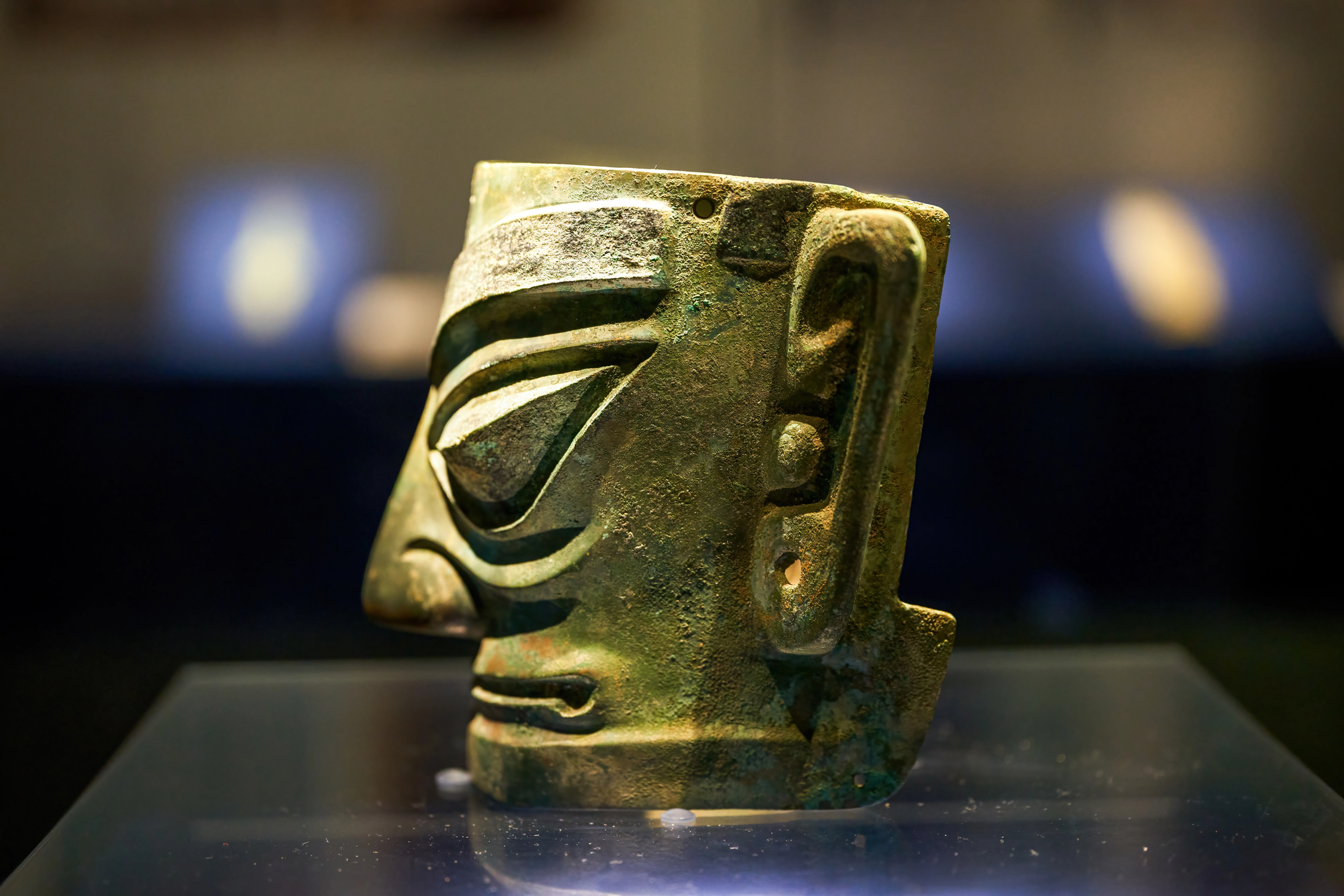
The Sanxingdui site in Sichuan, China, was found accidentally in 1929 when a farmer broke through an ancient pit with his plow. What came out — in the 1980s excavations and again in 2021 — was a trove of bronze masks with jutting eyes, giant bronze trees, gold artifacts, and figurines unlike anything else in the archaeological record, dating to roughly 1200 BCE.
The Sanxingdui culture had no connection to the Central Plains civilization that Chinese history had always treated as the sole origin point of Chinese culture, which quietly reordered the entire early history of a civilization of 1.4 billion people.
Richard III Under a Parking Lot
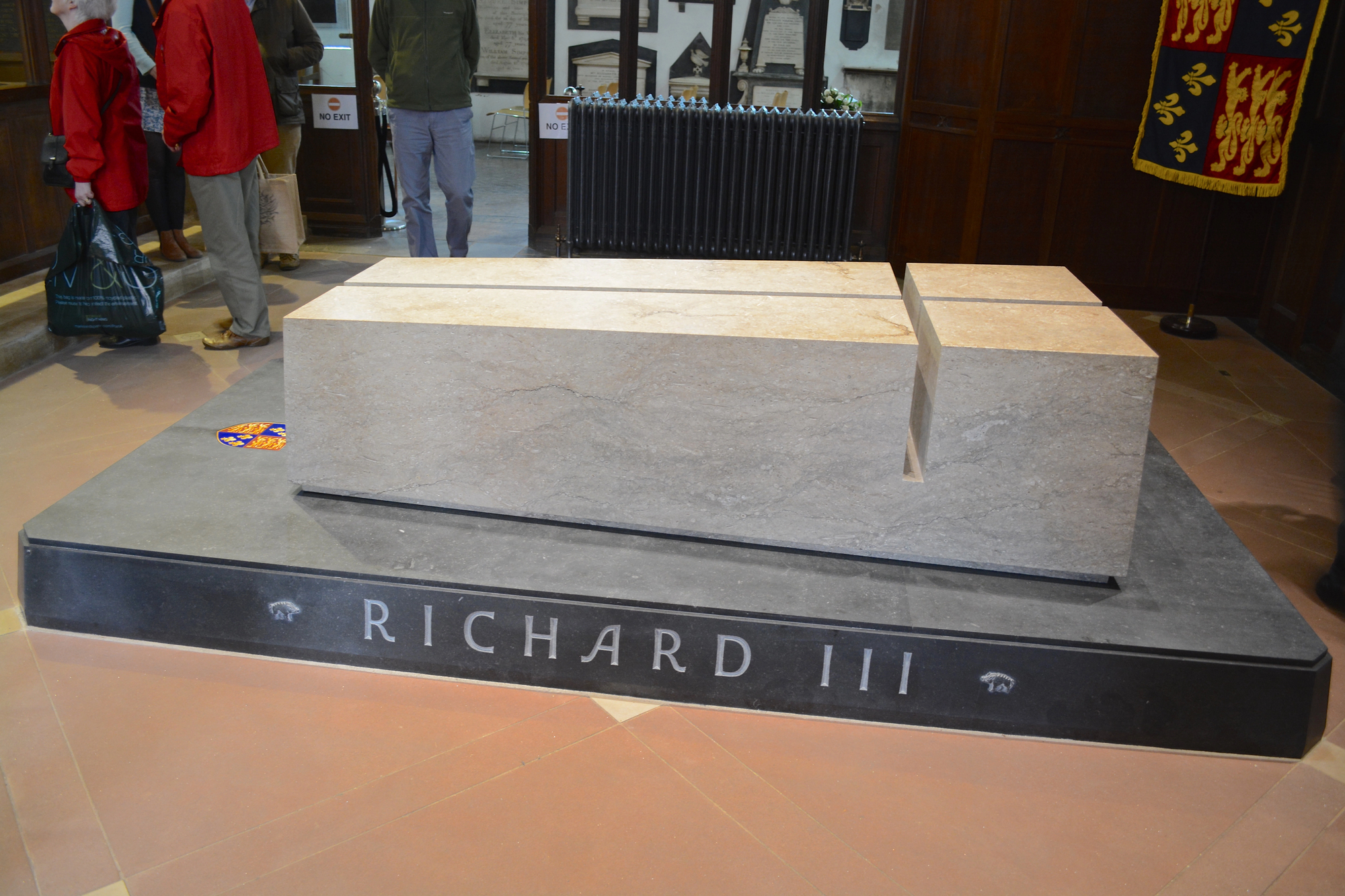
Richard III is the only English monarch in modern times to have been located by academic research, exhumed from under a parking lot, and reburied with a state funeral — in that order.
The skeleton found beneath a Leicester car park in 2012 matched the historical description of Richard III in enough specifics (severe scoliosis, battle wounds, age) that subsequent DNA testing against living descendants confirmed it. What historians had to revise wasn’t just his resting place but the conditions of his death: the skeleton showed ten perimortem wounds, two of them fatal, and the indignity of that death was finally legible in the bone itself.
The Nimrud Lens
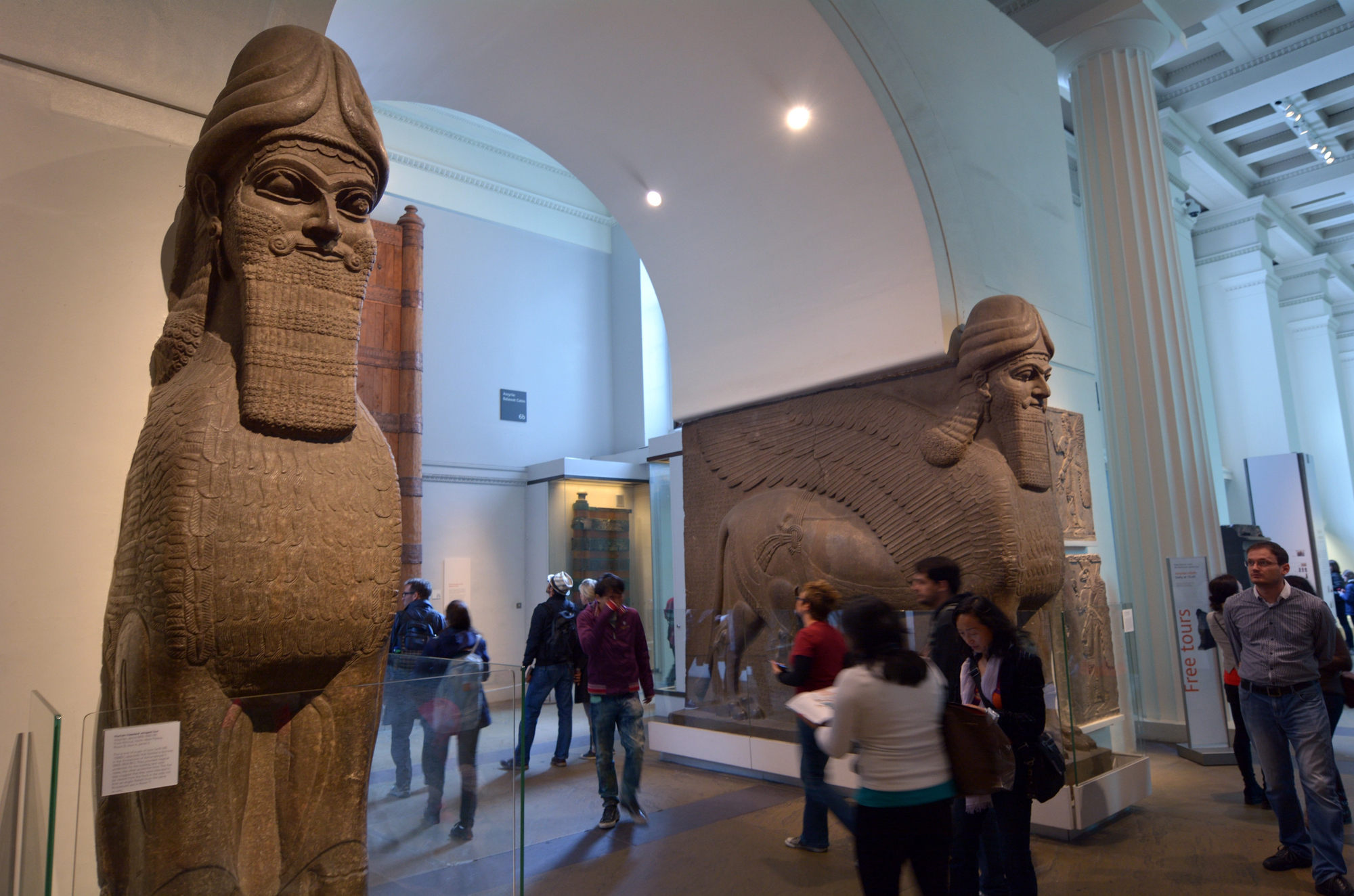
A piece of ground rock crystal found at the Assyrian palace of Nimrud in Iraq — dating to around 700 BCE — is flat on one side, convex on the other, and optically functional as a basic magnifying lens.
Its excavator, Austen Henry Layard, found it in 1850 and wasn’t sure what to make of it; the scholar Giovanni Pettinato later argued it was proof that the Assyrians had optical technology that history had never credited them with. Whether it was used as a lens, a decoration, or something else entirely is still debated, but the object insists on being more complicated than it looks.
Troy
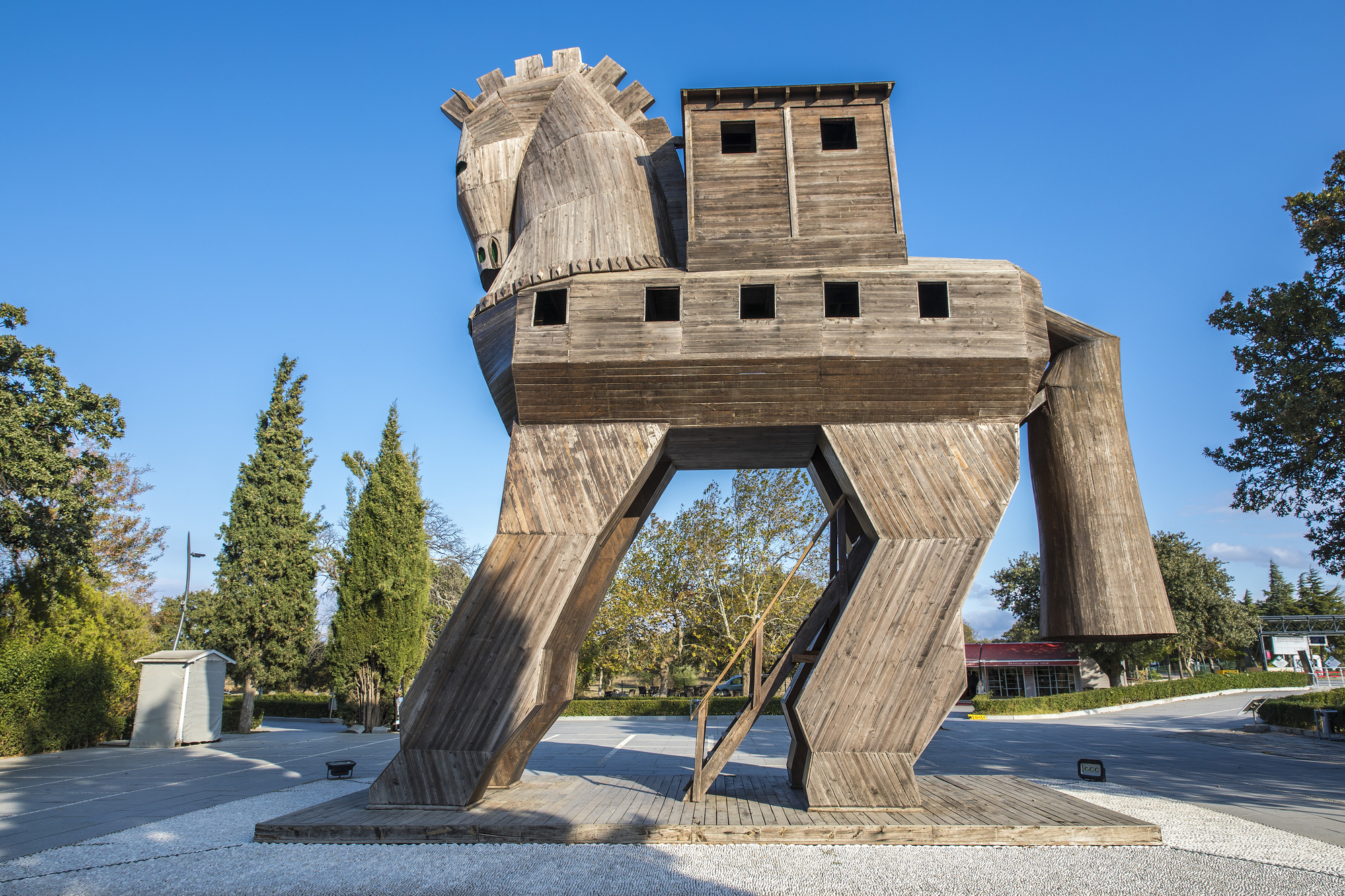
For most of the 19th century, Troy was mythology — a story Homer told, vivid and beautiful and entirely fictional.
Then Heinrich Schliemann started digging at Hisarlik in northwestern Turkey in 1871 and found not one Troy but at least nine layers of successive settlements stacked on top of each other, reaching back to 3000 BCE. The city existed. The walls existed. Whether the war existed in the way Homer described it is another matter, but the point is that the line between legend and history collapsed in a Turkish field, and archaeology has been navigating that collapse ever since.
The Atacama Giant
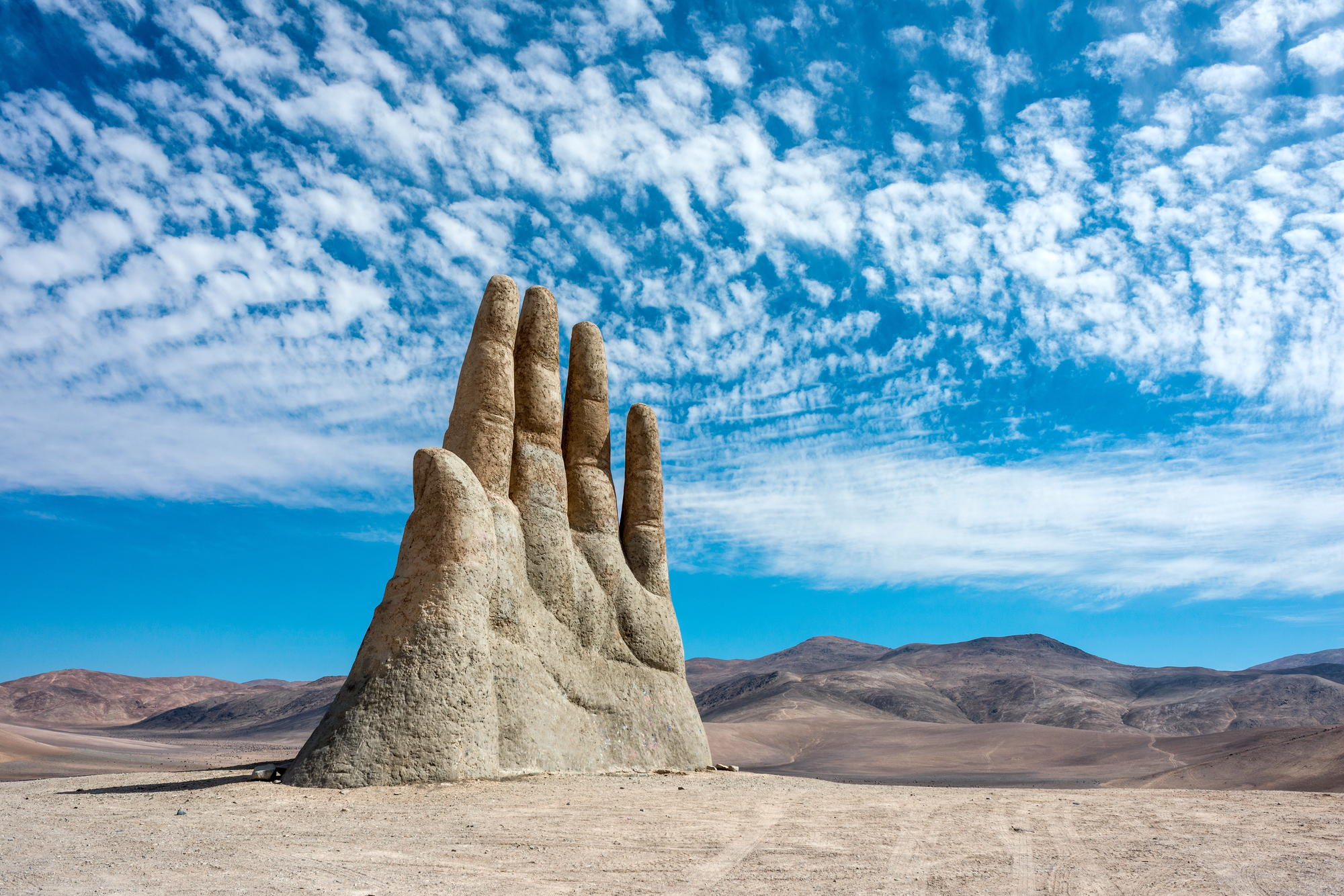
The Atacama Giant is a geoglyph — a figure scraped into a Chilean hillside — measuring 390 feet tall, making it the largest prehistoric anthropomorphic figure on Earth.
Carved by the Tiwanaku people between 1000 and 1400 CE, it functions as a kind of astronomical calendar: different parts of the figure align with the moon at specific times of year, allowing communities below to track agricultural cycles. It rewrote assumptions about pre-Columbian scientific literacy in ways that the discovery of Nazca Lines had already begun — but the sheer scale and precision of the Atacama Giant made the argument impossible to dismiss.
The Void at Giza
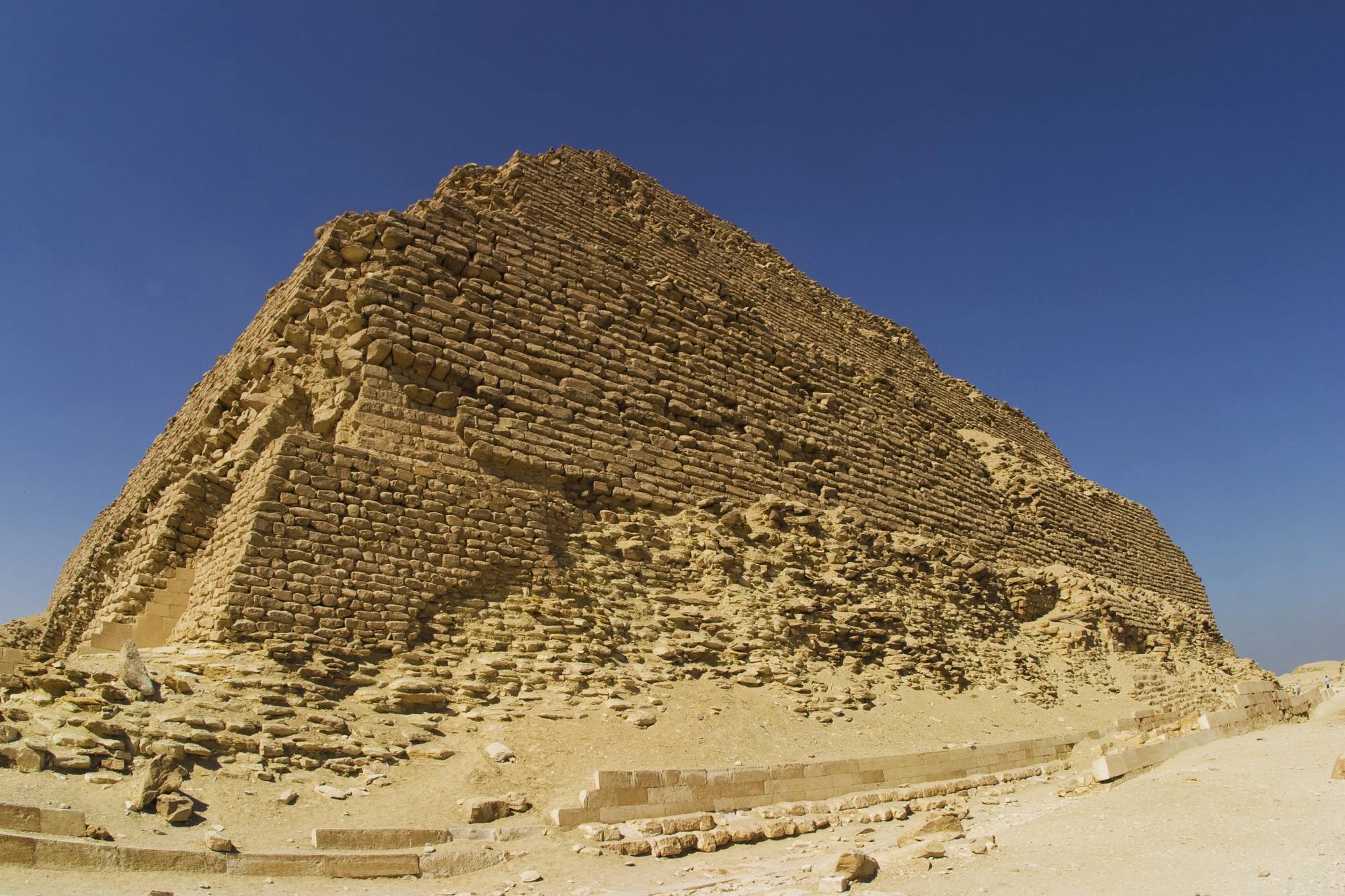
In 2017, researchers using cosmic-ray muon scanning — a technique borrowed from particle physics — detected a large, previously unknown void inside the Great Pyramid of Giza, sitting above the Grand Gallery.
It’s at least 100 feet long. No one has entered it. What it contains, what it was built for, and who designed it remain entirely open questions, and the pyramid that humanity has
More from Go2Tutors!

- The Romanov Crown Jewels and Their Tragic Fate
- 13 Historical Mysteries That Science Still Can’t Solve
- Famous Hoaxes That Fooled the World for Years
- 15 Child Stars with Tragic Adult Lives
- 16 Famous Jewelry Pieces in History
Like Go2Tutors’s content? Follow us on MSN.