Recess Games That Required Nothing but Imagination and Open Space
There’s a particular kind of freedom that only exists between the hours of 11:45 and 12:15 on a school day. No adults directing the plot, no screen setting the rules, no batteries required.
Just a stretch of blacktop or grass, a loose collection of kids, and whatever game someone could invent or remember from the day before. These weren’t organized activities with referees and brackets — they were living, evolving rituals that got passed down through playgrounds the way folklore gets passed through generations: imperfectly, enthusiastically, and with a few details changed every time.
Tag

Tag is the oldest trick in the book, and it still works. One person is “it,” everyone else runs — that’s the whole architecture.
And yet somehow, in the right group on the right afternoon, it produces more genuine panic and laughter than most things that take far longer to explain.
Freeze Tag
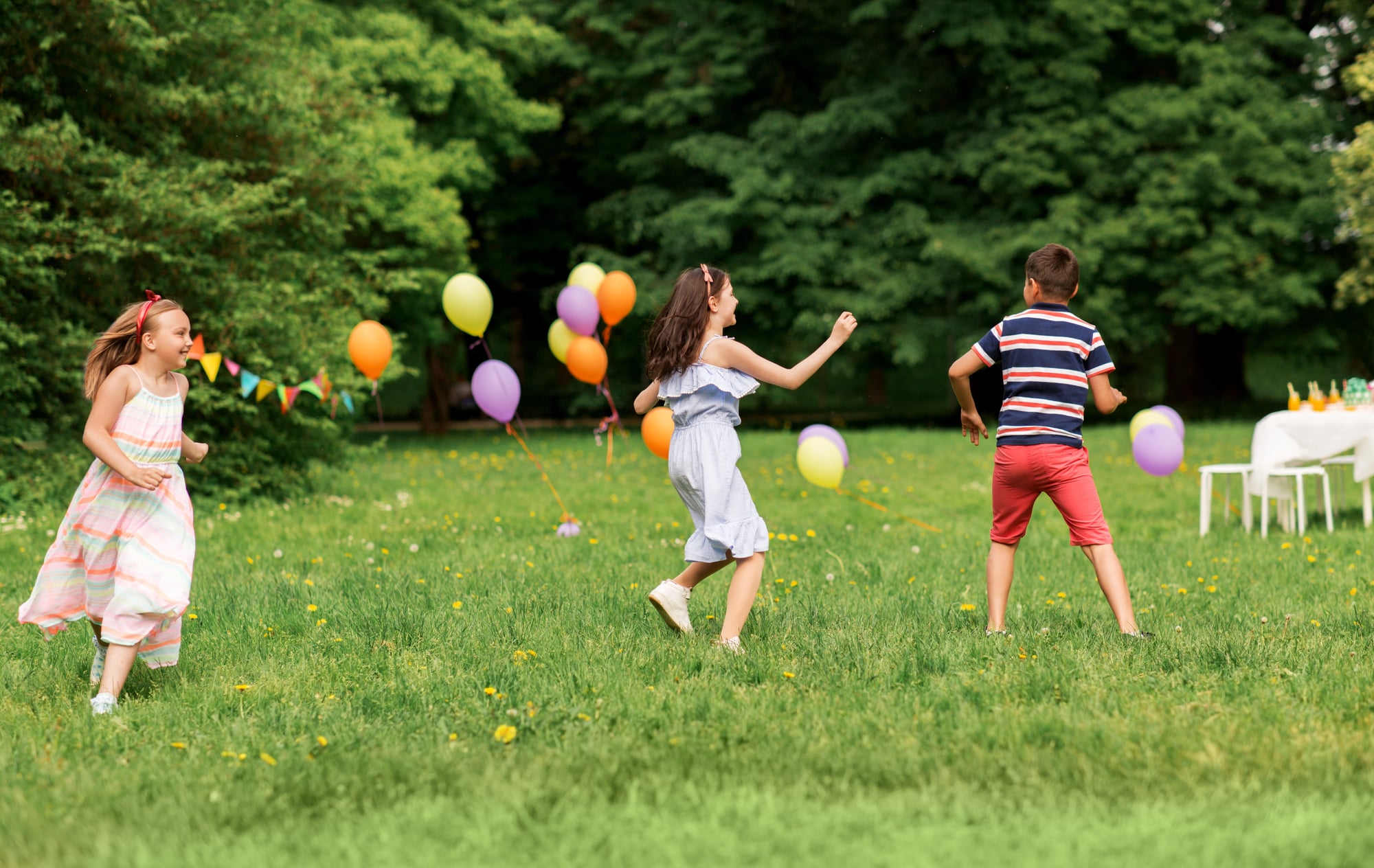
Freeze Tag deserves its own entry because it’s a fundamentally different game wearing the same name. The added rule — that frozen players can be unfrozen by a teammate — introduced something tag never had: solidarity.
So suddenly you weren’t just running for yourself, you were watching your friends, calculating risk, deciding whether to sprint toward danger or sprint away from it.
Red Light, Green Light
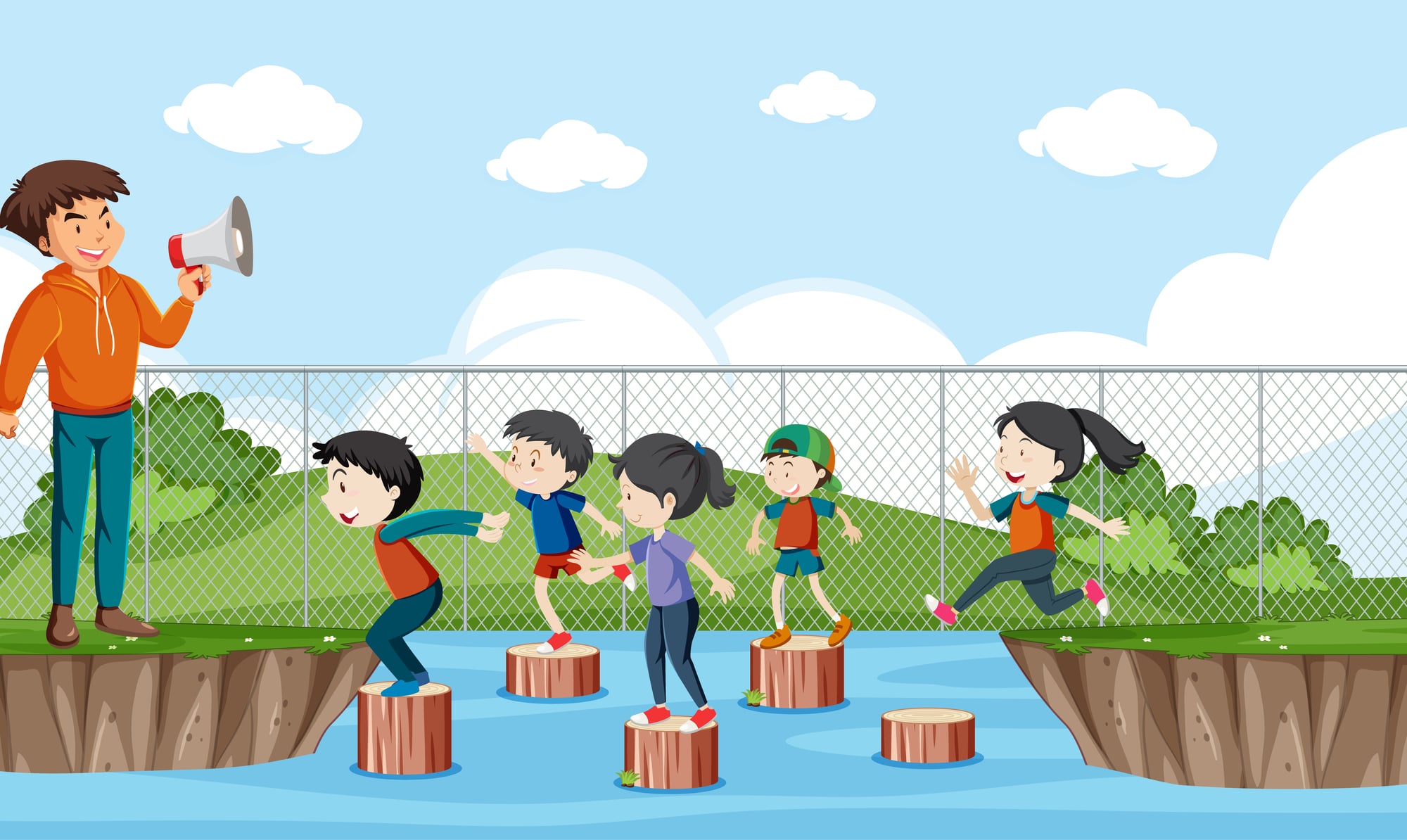
Red Light, Green Light is the rare playground game that rewards patience over speed, which made it quietly subversive in a world of kids who just wanted to sprint. The caller stood at one end, their back to the group, and the trick — that beautiful, agonizing trick — was stopping cleanly before they turned around.
One flinch too many and you were sent back to the start, which felt enormous at the time and, to be fair, sort of was.
Mother May I

There’s something almost theatrical about Mother May I, like a negotiation conducted entirely in the grammar of childhood. Players had to ask permission — “Mother, may I take three giant steps?” — and the answer was never guaranteed, which meant the whole game ran on the kind of low-level social anxiety that teaches you more about reading people than any classroom ever did.
But it was still just a lawn game. Just kids taking exaggerated hops toward a finish line, hoping for yes.
Simon Says

Simon Says is basically a obedience test disguised as entertainment, and the brilliant part is that everyone agreed to it. The whole point is listening for a specific phrase before you move — and the faster the caller goes, the more your brain skips the check.
It’s the kind of game that corrects you the moment your attention softens, which is saying something for something invented on a playground.
Duck, Duck, Goose

Duck, Duck, Goose is less a game and more a pressure cooker shaped like a circle. The tap on the head that changes everything — “goose” — lands like a small thunderclap after the long, lulling repetition of “duck, duck, duck.”
And the chase that follows is over in ten seconds, but those ten seconds carry the full weight of a crowd watching.
Four Square
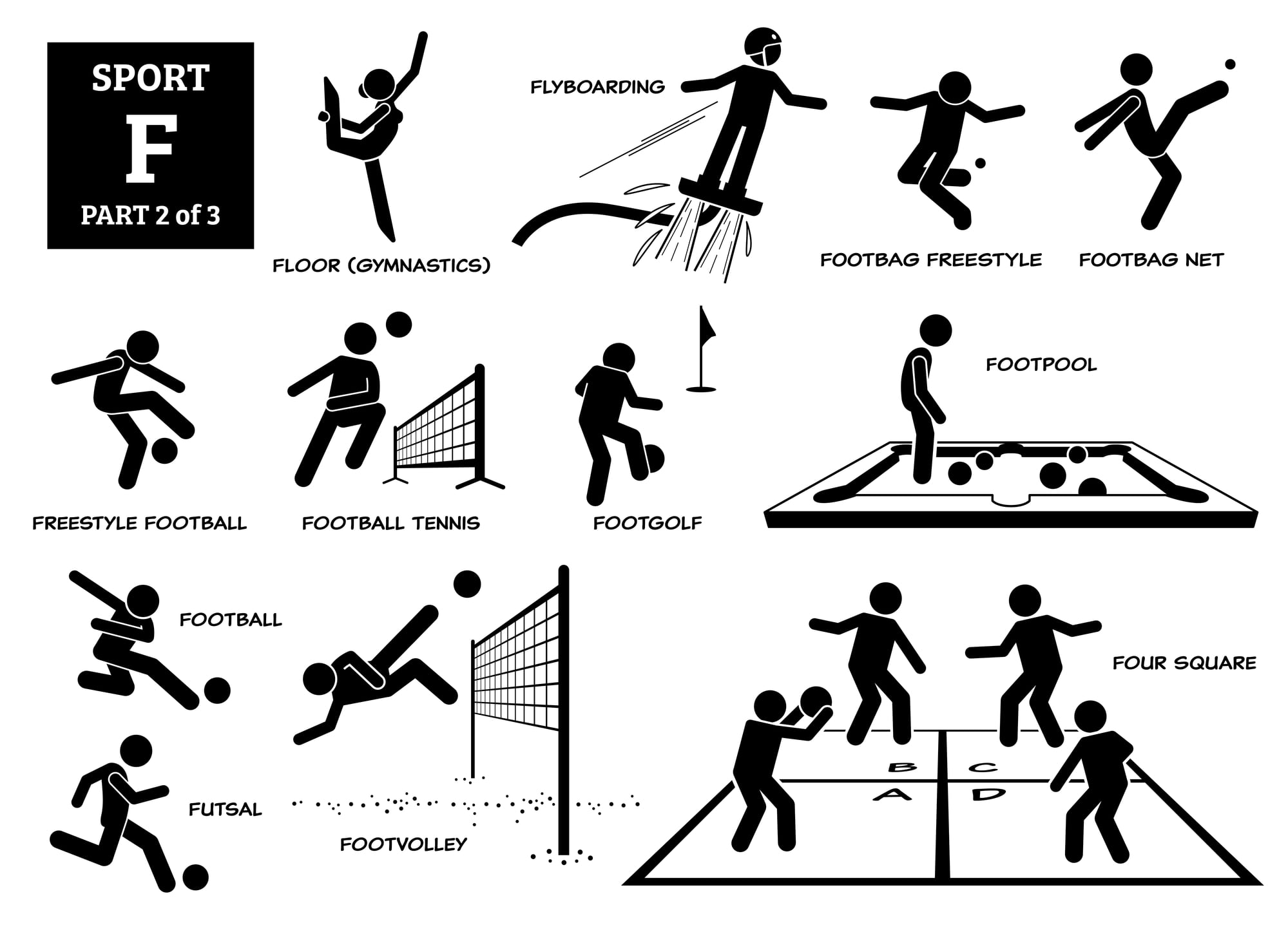
Four Square required a court — usually chalked onto blacktop — and a rubber kickball, but the rules were almost entirely invented by whoever got to the king square first. That’s the actual game within the game: learning the informal power structure of a four-person hierarchy, figuring out who makes the calls, and deciding whether to push back or play along.
Turns out children are remarkably clear-eyed about all of this.
Hopscotch
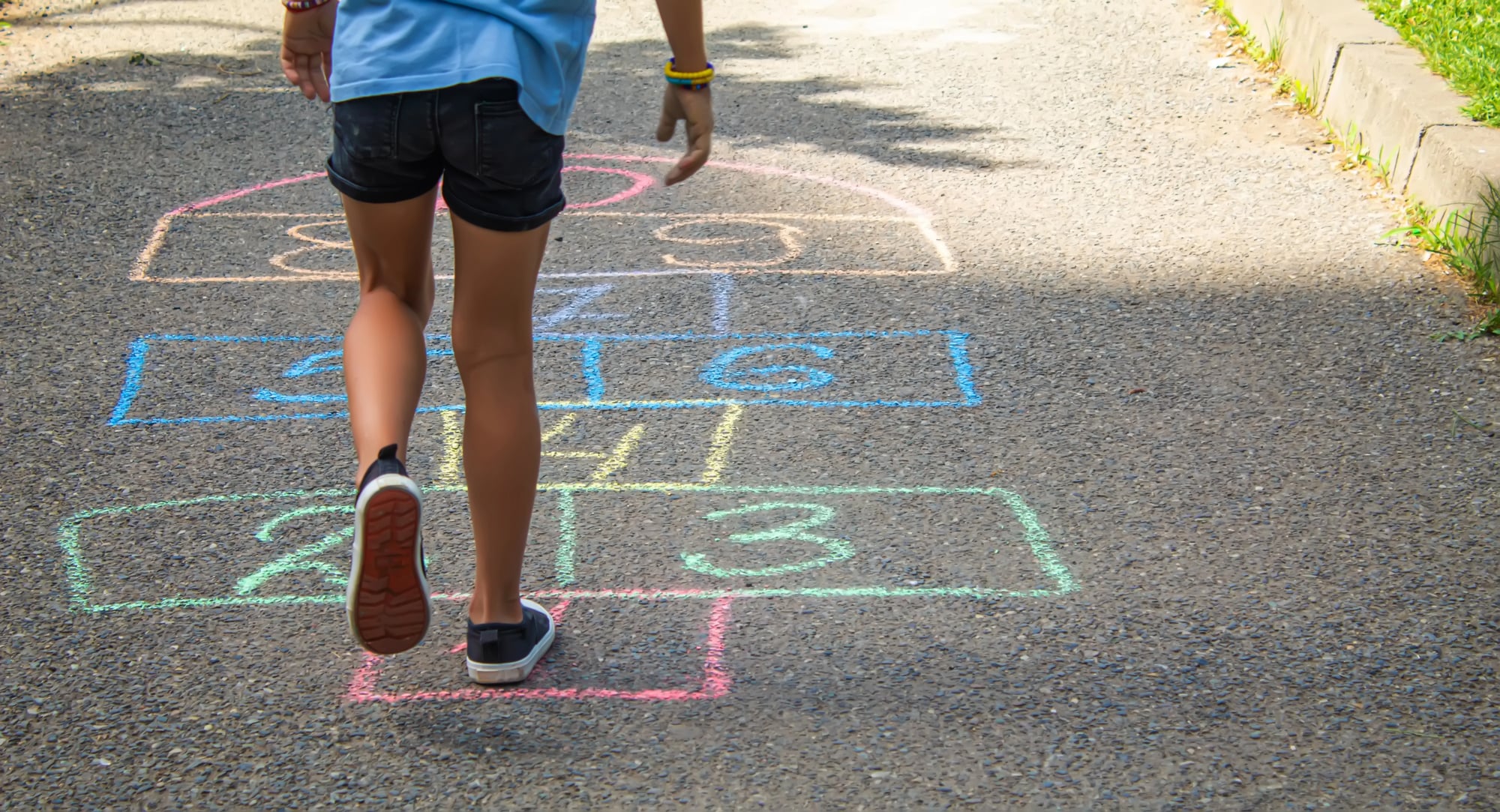
Hopscotch lives at the intersection of physical precision and complete randomness, which is a stranger combination than it sounds. The chalk grid goes down — sometimes sprawling, sometimes barely legible — and then a stone gets tossed into a numbered square, and the whole game becomes about moving through space without disturbing the number where your stone landed.
It’s a tiny, private choreography, performed on a public sidewalk, and the grid just sits there afterward like an open invitation to anyone walking past.
Kickball
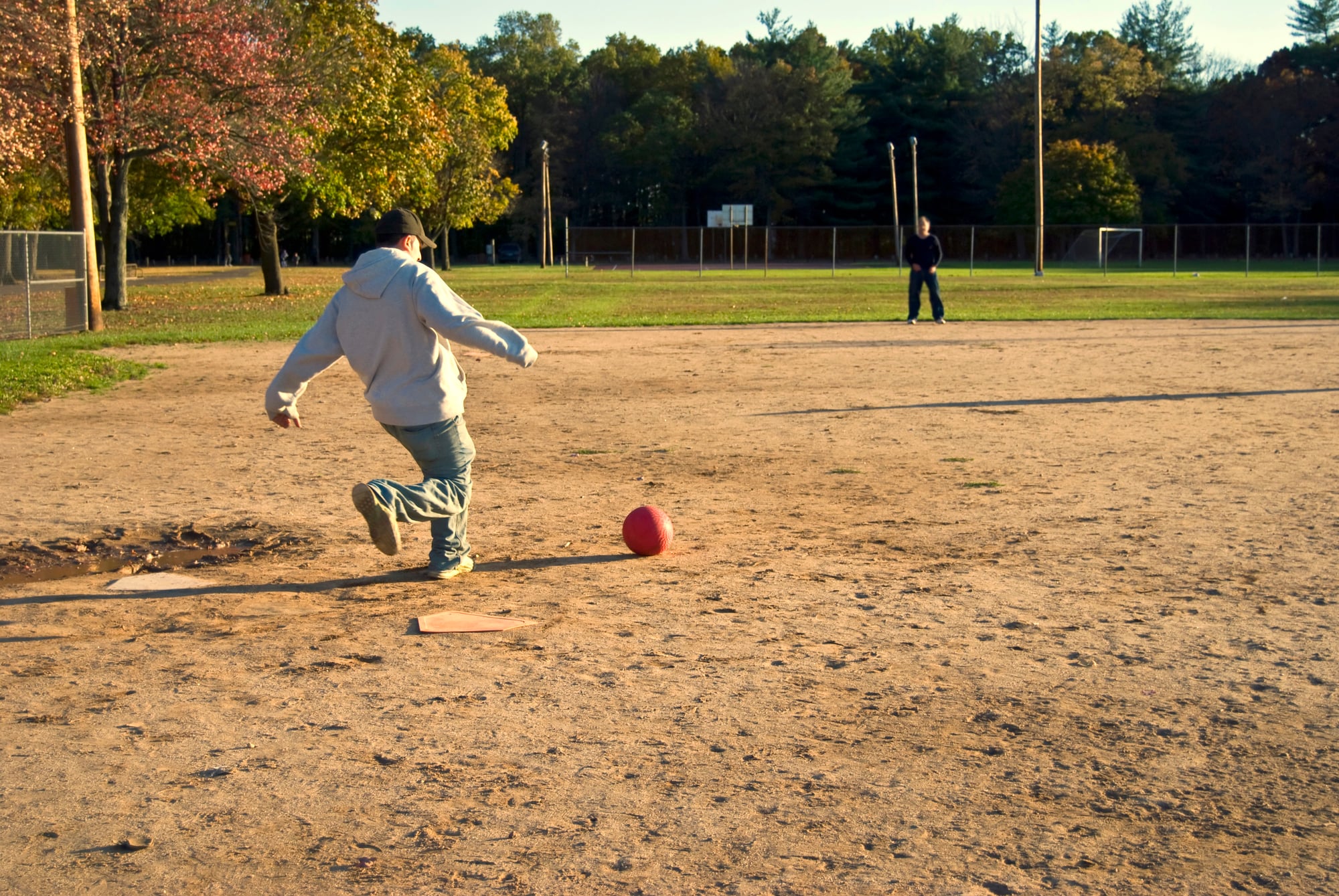
Kickball gave kids who weren’t natural athletes a legitimate way into a game that felt like baseball without all the finesse that baseball demands. The contact point between foot and orb is forgiving — the arc of a well-kicked orb is one of the more satisfying sights on a school playground — and the running bases meant that pure speed could override almost everything else.
Go figure: a sport where you never have to catch anything except maybe your breath.
Capture the Flag
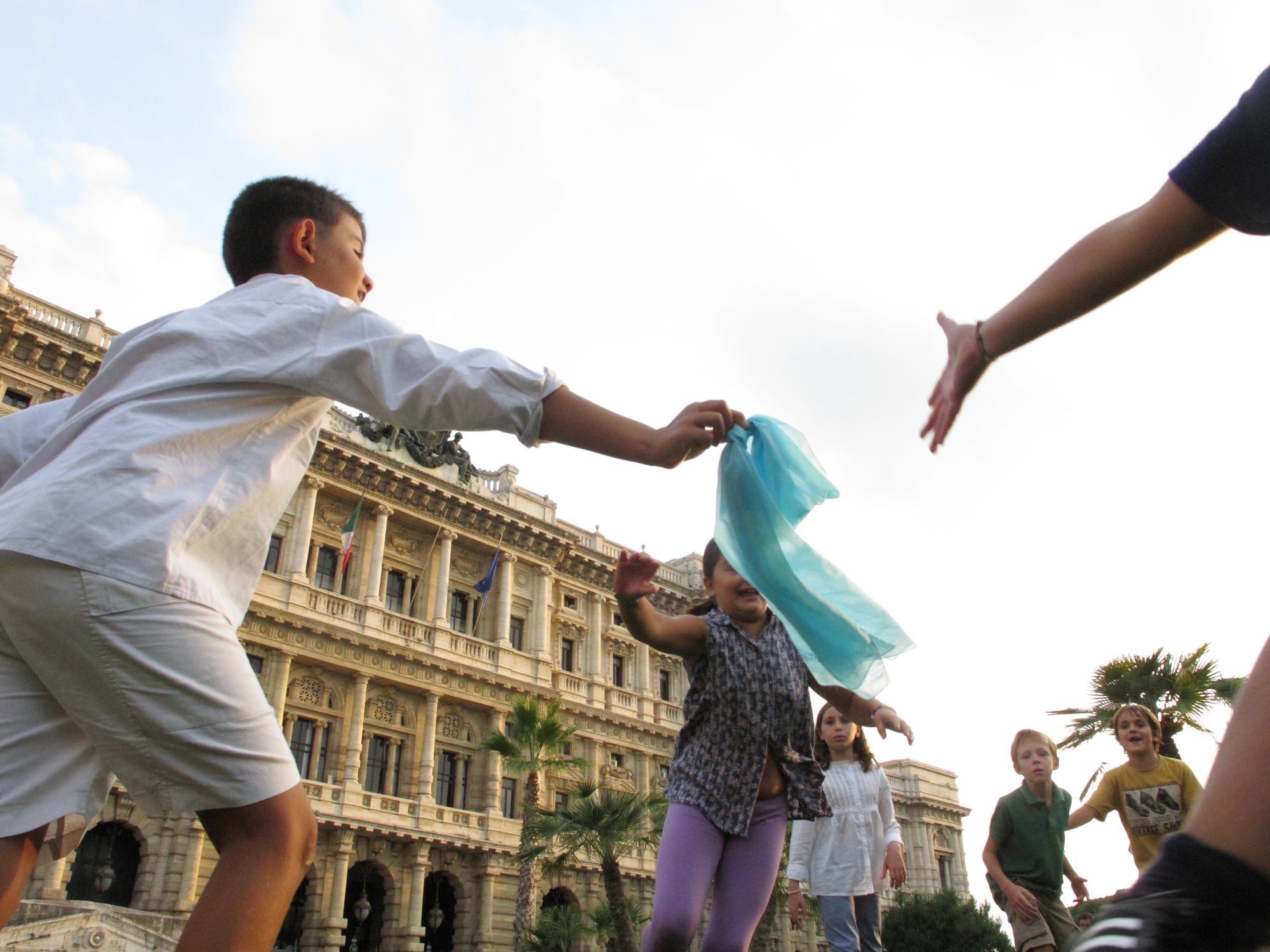
Capture the Flag turned an empty field into a full tactical operation, which is an absurd sentence about a recess game and also completely accurate. Two teams, two flags hidden on opposite sides of a dividing line — and suddenly kids who had never strategized anything in their lives were assigning roles, establishing decoys, and arguing about defensive coverage.
The game had genuine stakes, at least in the way that anything feels like genuine stakes when you’re ten.
Sharks and Minnows

Sharks and Minnows is built on one of the oldest story structures in existence: the many trying to survive the few. One “shark” starts in the middle; everyone else lines up at one end and tries to cross to the other without getting tagged.
Each tagged minnow becomes a shark, and the field slowly fills with predators until the last survivor gets the dubious honor of becoming the first shark next round. That final kid running alone across a field full of outstretched arms — that image doesn’t leave you easily.
Steal the Bacon
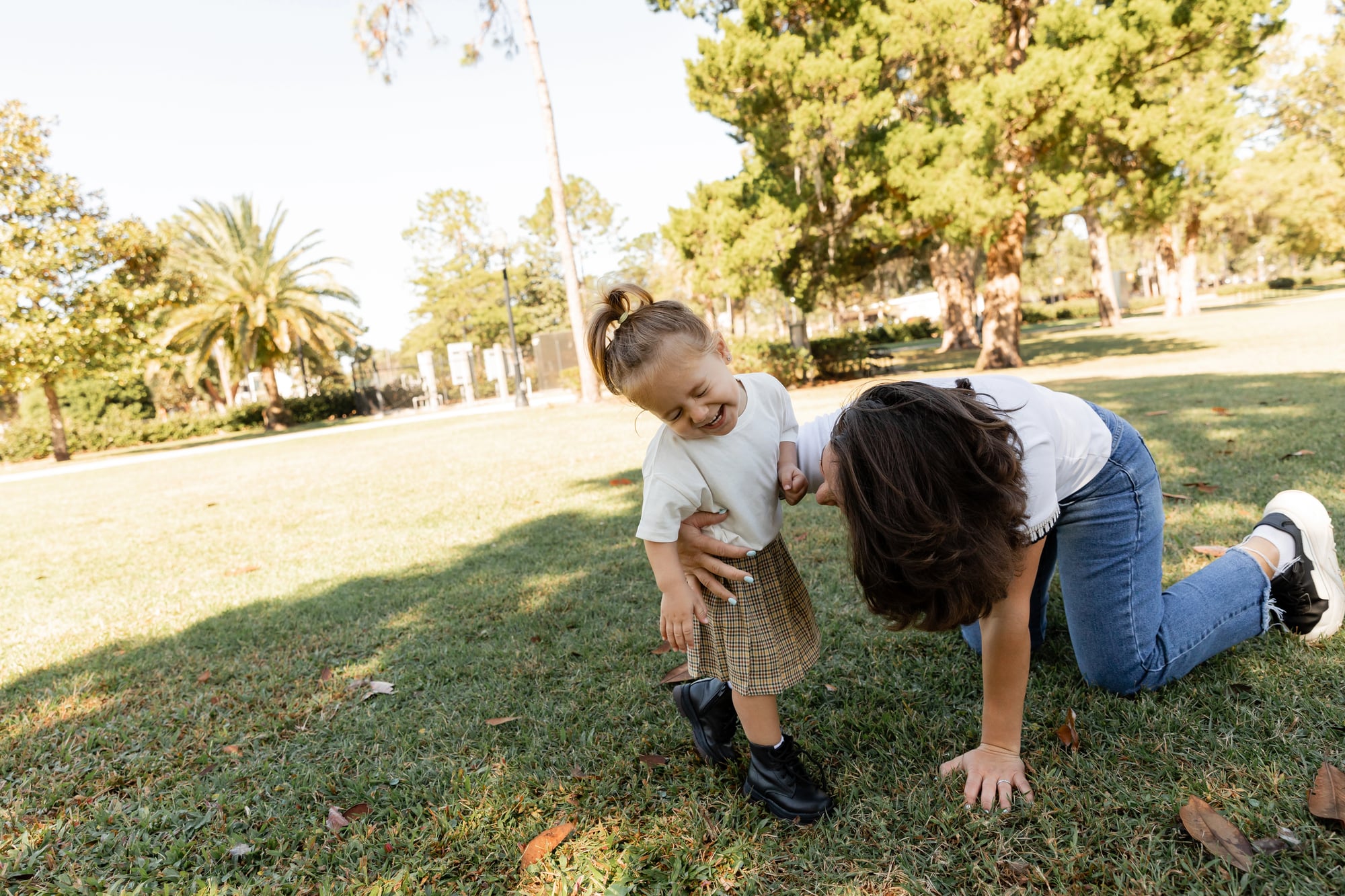
Steal the Bacon is absurdly simple, which is probably why it works as well as it does. Two teams line up facing each other, numbers assigned down the line, and when the caller shouts a number, both players with that number sprint toward a marker in the center — the “bacon” — and whoever grabs it and makes it back to their team without getting tagged scores a point.
The whole thing takes about four seconds per round, and somehow produces more tension than events with actual trophies.
Grounders
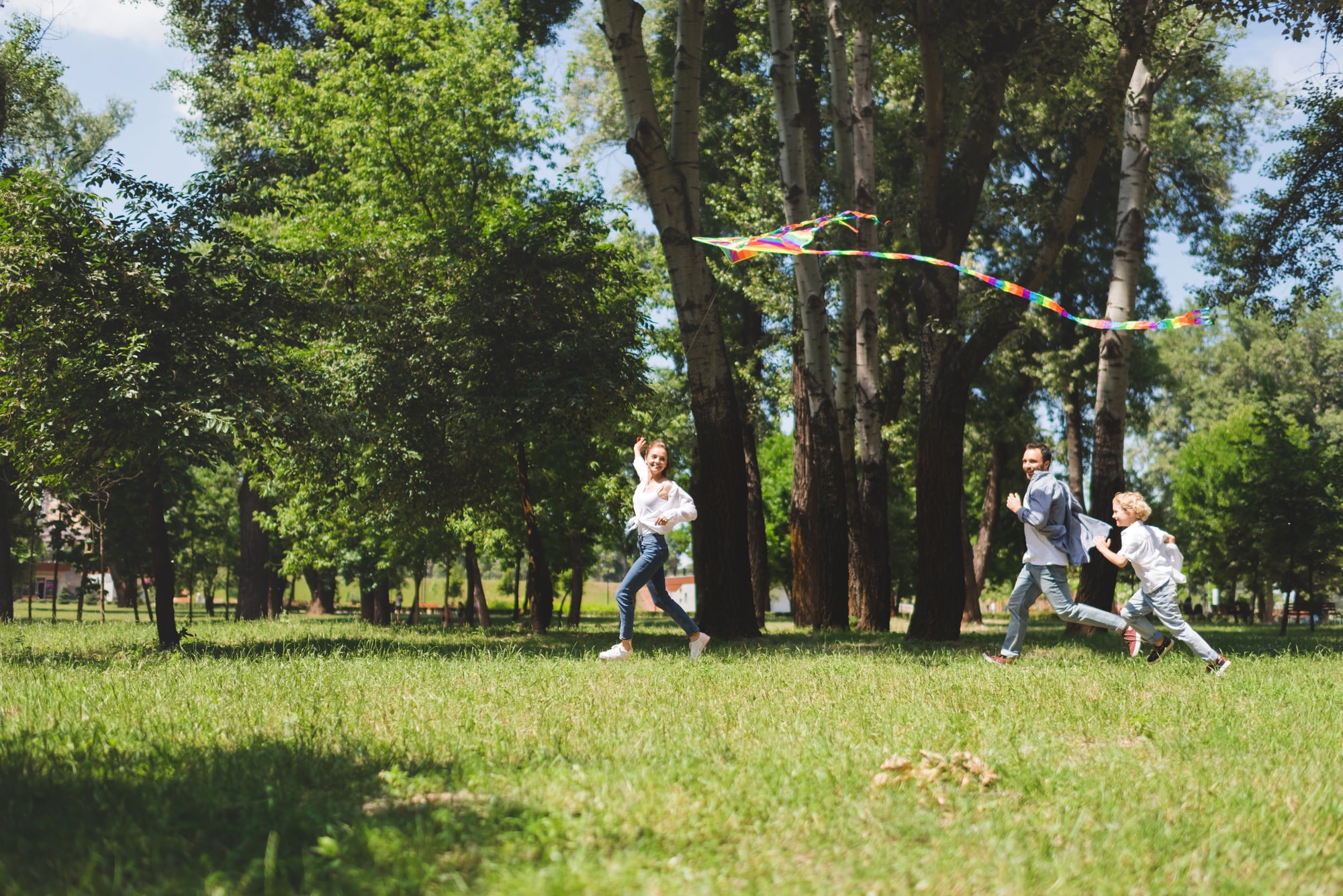
Grounders belongs to the playground equipment era — specifically the kind with a climber or jungle gym — and it had one rule that sharpened everything: the person who was “it” played with their eyes closed. They moved through the structure blind, calling “grounders!” periodically, and anyone touching the ground at that moment was automatically it.
The game turned familiar equipment into something almost sinister, like navigating a known room in complete darkness.
Red Rover
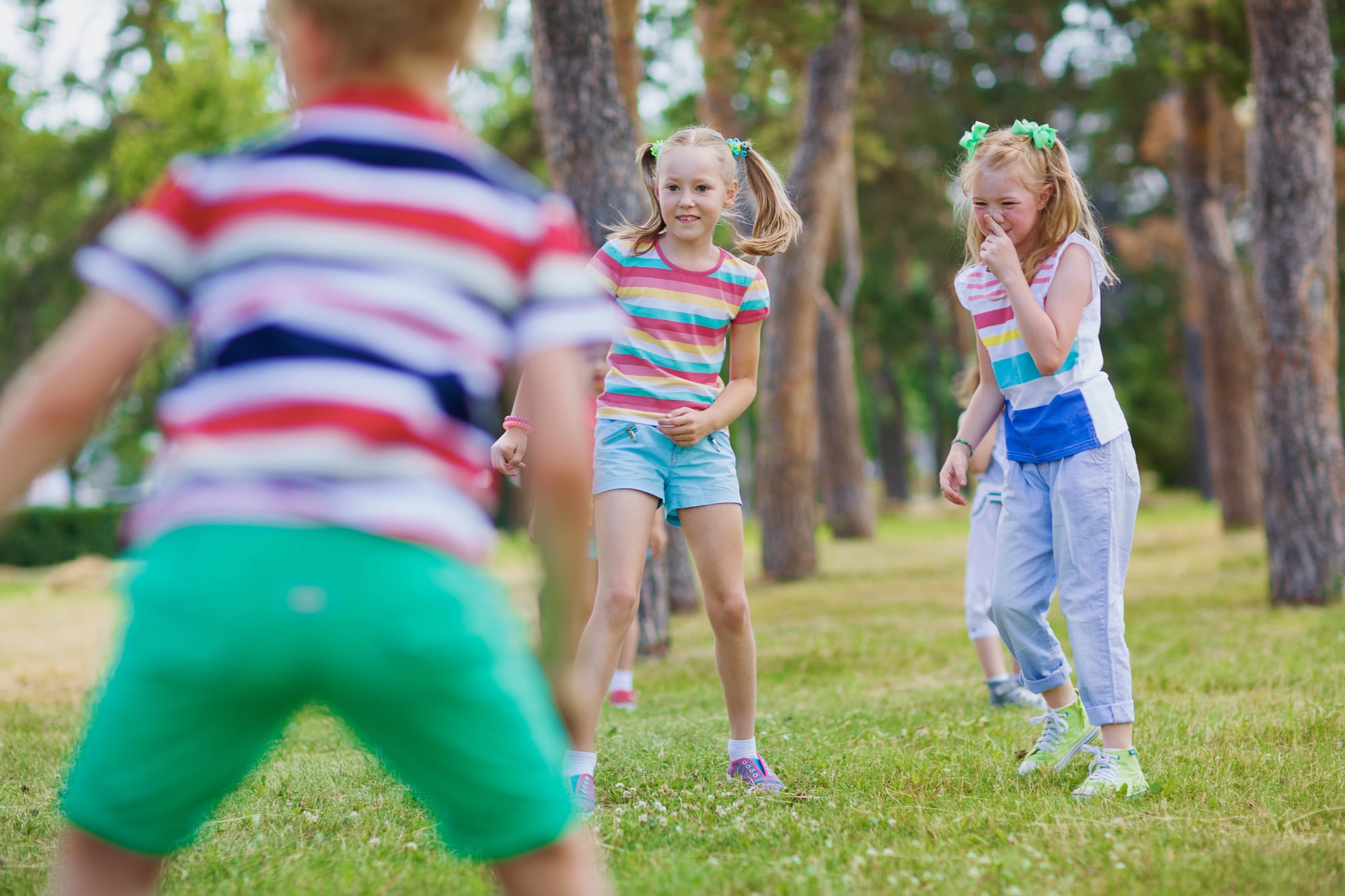
Red Rover is the one game where the objective was literally to break through a chain of linked hands, and it was considered completely normal for decades. Two lines facing each other, maybe thirty feet apart, and one team would call: “Red Rover, Red Rover, send [name] right over.”
The named player ran full speed at the opposing line trying to burst through. It required nothing but open space and a mild disregard for consequences, which children have always had in abundance.
Poison

Poison is a circle game where everyone holds hands around an object in the center — a jacket, a rock, a chalk mark — and the goal is to drag or maneuver someone else into touching it without touching it yourself. The tension lives in the stillness: everyone bracing, waiting for the first person to lose their footing or grip.
It looks like a standoff. It feels like one too.
Blob Tag
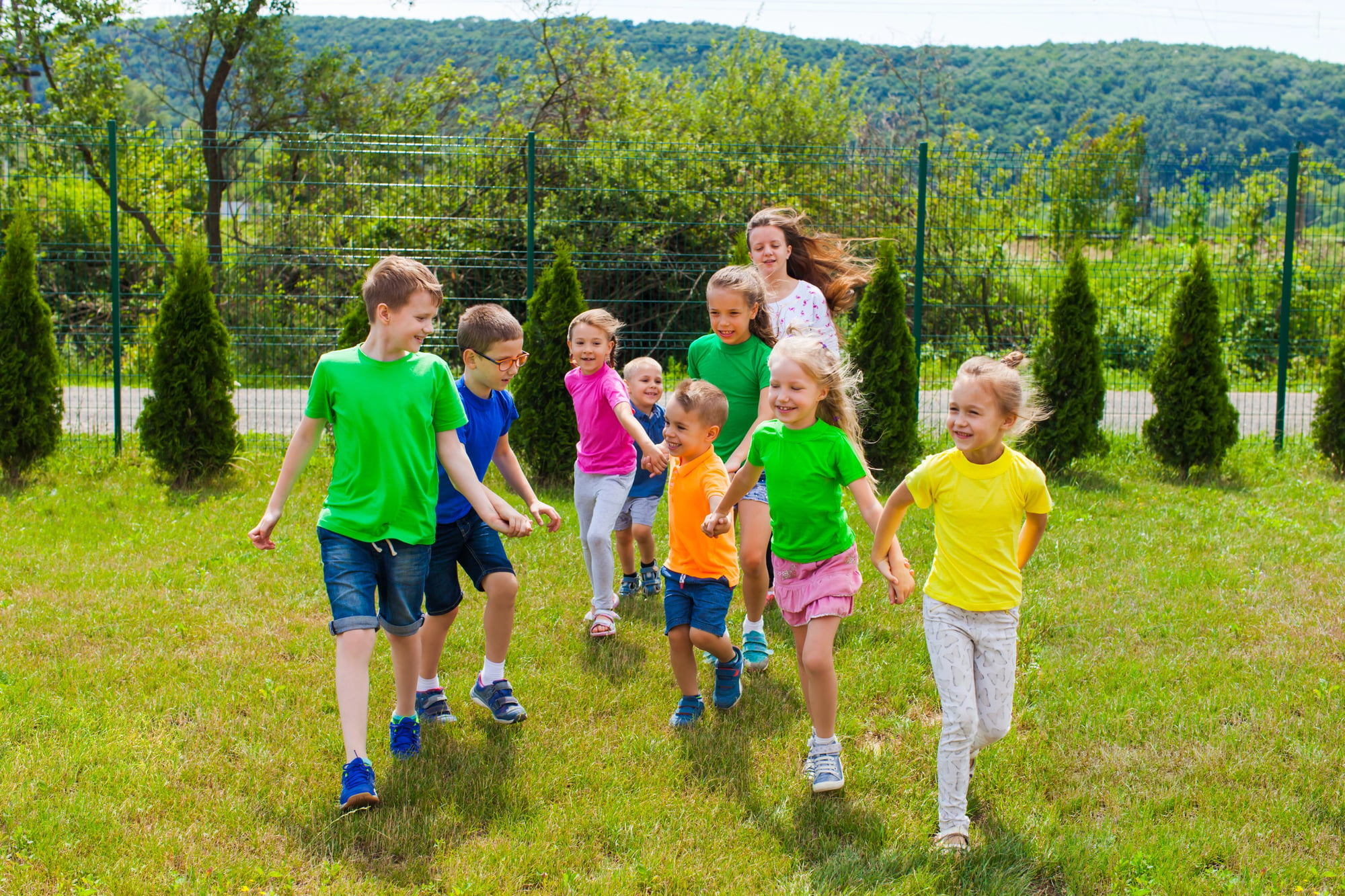
Blob Tag starts with one person who is “it,” but every tagged player joins hands with the tagger, extending the “blob” until it becomes a long, lurching, barely coordinated chain trying to catch someone. The game gets slower and funnier as the blob grows, because coordinating ten kids holding hands and running in the same direction at the same time is essentially impossible.
And yet they kept trying.
What Time Is It, Mr. Fox?
What Time Is It, Mr. Fox is a sneaking game, slow-building and precise, where kids crept toward a caller who stood with their back turned. The caller announced a time — “Three o’clock!” — and everyone took that many steps forward.
But when the caller said “Midnight!” instead, the chase began. It had the rhythm of a lullaby and the ending of a sprint, which is a combination children found reliably delightful.
Ghost in the Graveyard

Ghost in the Graveyard is the nighttime version of hide-and-seek that somehow got played in broad daylight on school playgrounds, losing nothing in the translation. One person hides — the ghost — while everyone else counts at “base.”
Then everyone goes looking, and the first person to spot the ghost screams “Ghost in the Graveyard!” and the whole group races back to base before being tagged. It is, structurally, a horror movie with a ten-minute runtime and no actual consequences.
Spud
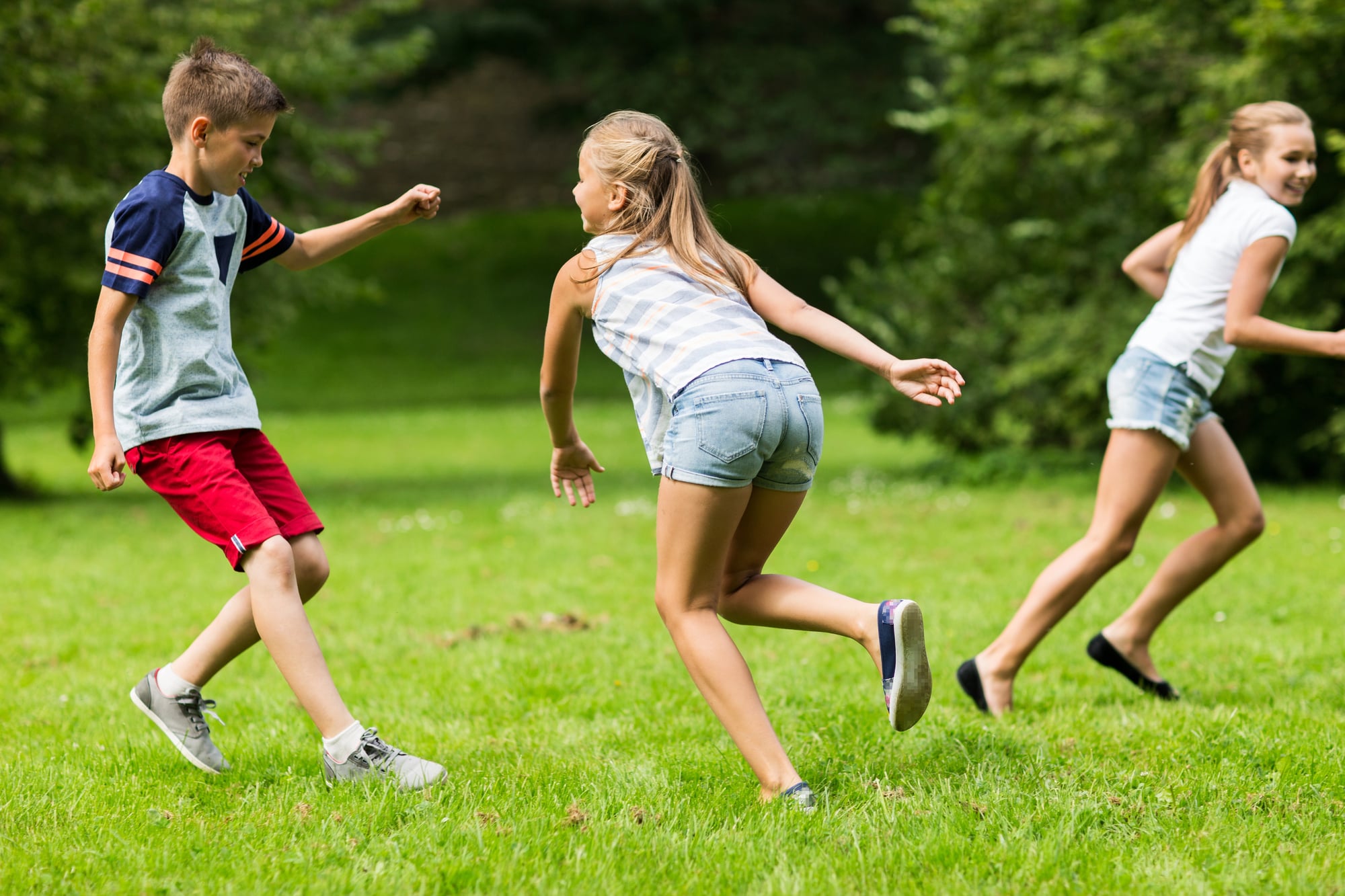
Spud is the one where everyone gets a number, someone throws an orb straight up into the air, and the person whose number is called has to catch it while everyone else scatters. When they catch it, they yell “Spud!” and everyone freezes.
Then they get three steps to try to hit someone with the orb — gently, nominally — and anyone hit earns a letter toward spelling out S-P-U-D. It’s messy and imprecise and deeply enjoyable, which describes most things worth doing.
Cops and Robbers

Cops and Robbers turned the entire playground into a city, a jail, and a getaway route all at once. There were no real rules, just an agreed premise — some kids were cops, some were robbers, and the cops were trying to catch and “jail” the robbers by tagging them.
Jailbreaks were allowed. Negotiations sometimes happened.
The game regularly dissolved into arguments about whether someone was actually caught, which was half the point.
Statue

Statue is what happens when you remove all the running and distill a game down to one moment of physical commitment. One player spins another by the arm and releases them, and wherever they land — whatever shape their body makes — that’s the statue they have to hold.
The best players leaned into the stumble and turned chaos into a pose. The worst stood slightly crooked with a confused expression, which was somehow funnier.
Octopus Tag

Octopus Tag started like standard tag — one person in the middle of a field, everyone else trying to cross — except tagged players didn’t become taggers themselves. They froze in place with arms outstretched, becoming fixed obstacles, tentacles of an octopus spreading across the field.
Each round the crossing became harder, the safe paths narrower, the open field slowly filling with stationary hazards and outstretched arms. It had the architecture of a maze that built itself in real time.
Keep Away

Keep Away is the cruelest game in the recess canon, and also one of the most honest. Two or more people throw something back and forth while one person in the middle tries to intercept it.
The person in the middle is always slightly behind — too slow, too short, positioned wrong — and the whole game depends on that gap staying open just enough. It taught hand-eye coordination, spatial reasoning, and the specific emotional experience of being the person everyone is deliberately avoiding.
Useful preparation for adulthood, to be fair.
The Playground as a Kind of School

There’s a version of education that never makes it into report cards — the kind that happens in twenty-minute bursts between math and lunch. These games didn’t come with instructors or rubrics.
They came with disagreements about the rules, arguments over who was tagged, and the kind of improvised negotiation that happens when no adult is available to settle the dispute. That’s not a flaw in the system.
That was the system. The games themselves were almost incidental to the actual work being done: figuring out how to share space with other people, hold a rule in your head under pressure, lose without a meltdown, and win without making it worse.
Some things don’t have a better classroom than an open field and twenty minutes of unstructured time.
More from Go2Tutors!

- The Romanov Crown Jewels and Their Tragic Fate
- 13 Historical Mysteries That Science Still Can’t Solve
- Famous Hoaxes That Fooled the World for Years
- 15 Child Stars with Tragic Adult Lives
- 16 Famous Jewelry Pieces in History
Like Go2Tutors’s content? Follow us on MSN.