Why Building a Blanket Fort Felt Like Constructing Something That Actually Mattered
There’s a particular kind of concentration that shows up when a kid is building a blanket fort, the same focus you’d expect from someone assembling a car engine or wiring a house. Nobody hands out instructions. Nobody checks your work.
You just start pulling cushions off the couch and hoping the ceiling holds. Somewhere in the middle of that process, something shifts, and what started as an excuse to stay up past bedtime turns into a project you take seriously enough to defend.
The Blueprint Phase

There’s no actual blueprint. There’s a vague picture in your head and a pile of blankets that may or may not cooperate.
You start anyway, because waiting for a plan has never been how forts get built.
Choosing the Right Blankets
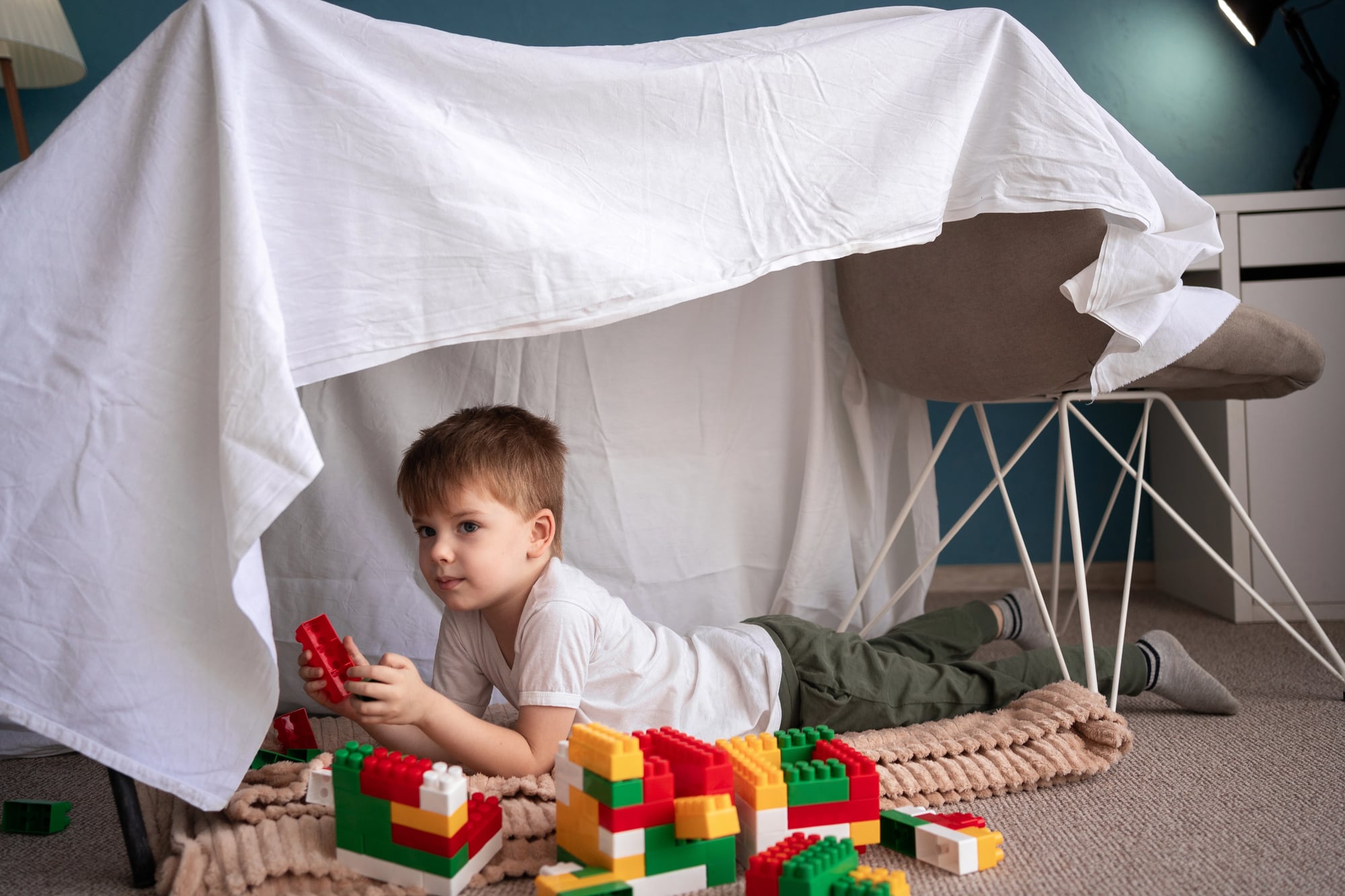
Not every blanket earns a place in the structure, and figuring that out takes longer than it should — the thin fleece one slides off everything, the heavy quilt with the frayed corner actually holds a corner better than anything newer, and somehow the ugliest blanket in the house becomes the load-bearing one. You test this by trial, mostly, tossing one over the chair backs and watching whether it sags in the middle or holds its shape like it means it.
So there’s a hierarchy that nobody wrote down but everyone in the house somehow agrees on: the good blanket, the backup blanket, and the one kept in reserve for when gravity wins. And gravity wins more than people admit.
The Couch Cushions

Cushions in a blanket fort stop being cushions. They become foundation stones, walls, sometimes a door that swings shut with a soft, unsatisfying thud.
Each one gets placed with the seriousness of a mason setting brick, because the whole structure depends on cushions that refuse to be treated as furniture anymore.
Structural Engineering
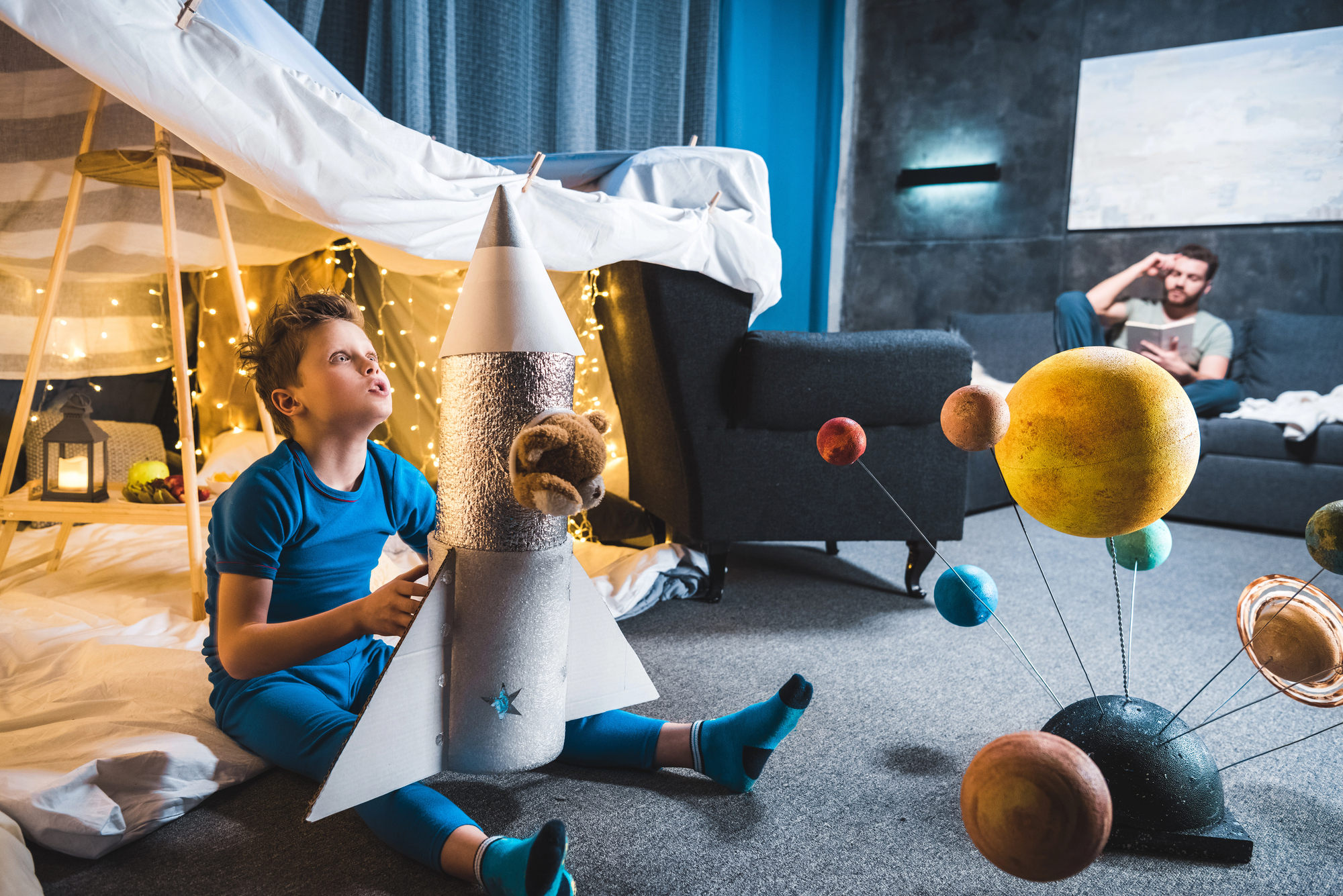
Nobody teaches a seven-year-old about tension and load distribution, but every fort builder learns it anyway, the hard way, usually right before the whole thing folds in on itself. Chairs get dragged from three different rooms. Books get stacked on blanket corners like paperweights holding down a tent in a storm.
The engineering is bad, honestly, but it works often enough to feel like a small miracle every time.
The Flashlight

The flashlight matters more than anything else in the fort. It’s the difference between a dim cave and an actual room.
You guard the batteries like they’re rationed fuel, because in a way, they are.
Negotiating With Furniture

Every fort requires a treaty with the household, usually unspoken, sometimes shouted from another room — the dining chairs can be borrowed but not the good ones, the coffee table can be moved three feet but not into the hallway, and the couch cushions have to go back before anyone notices they’re missing (they never do, not really, but the rule gets repeated anyway). So the fort exists in this strange negotiated space, half-permitted and half-smuggled, built out of furniture that technically belongs to a life going on somewhere else in the house.
And that tension, weirdly, is part of what makes it feel earned.
The Entrance

Getting in shouldn’t be complicated, and yet it always is, a small gap between two blankets that you have to duck through sideways like you’re entering a cave that resents visitors. There’s a specific choreography to it: one hand holding the flap, one knee first, the whole body following in a slow crouch that somehow never feels undignified from the inside.
The entrance is the part of the fort that gets redesigned the most, because getting it wrong means blankets collapsing on your head every single time you try to come home.
Defending the Perimeter

A fort without a perimeter isn’t a fort. It’s just blankets on furniture.
The walls matter because they mean something is being kept out, even if that something is just a sibling with bad intentions and a flashlight of their own.
The Snack Supply

Nobody built a fort without smuggling in provisions, and the provisions were never impressive — crackers in a bag, maybe a juice box balanced carefully so it wouldn’t tip over onto the good blanket, sometimes a single candy bar rationed out over an entire afternoon like it was meant to last a siege. The supply run happened fast, usually in socks, usually while a parent’s back was turned in another room entirely.
Every fort had its own version of this, and every kid remembers exactly what was on hand that day.
Sound Inside the Fort

Sound changes shape inside a blanket fort, muffled and close in a way that makes the rest of the house feel far off even though it’s ten feet away — you can hear your own breathing louder than you can hear the television down the hall, and somehow that quiet feels earned rather than accidental. A whisper carries differently under fabric than it does in open air: it lands closer, sits heavier, means more.
So conversations inside a fort tend to slow down, get a little more honest, the way conversations do in cars at night or tents in the woods.
The Collapse
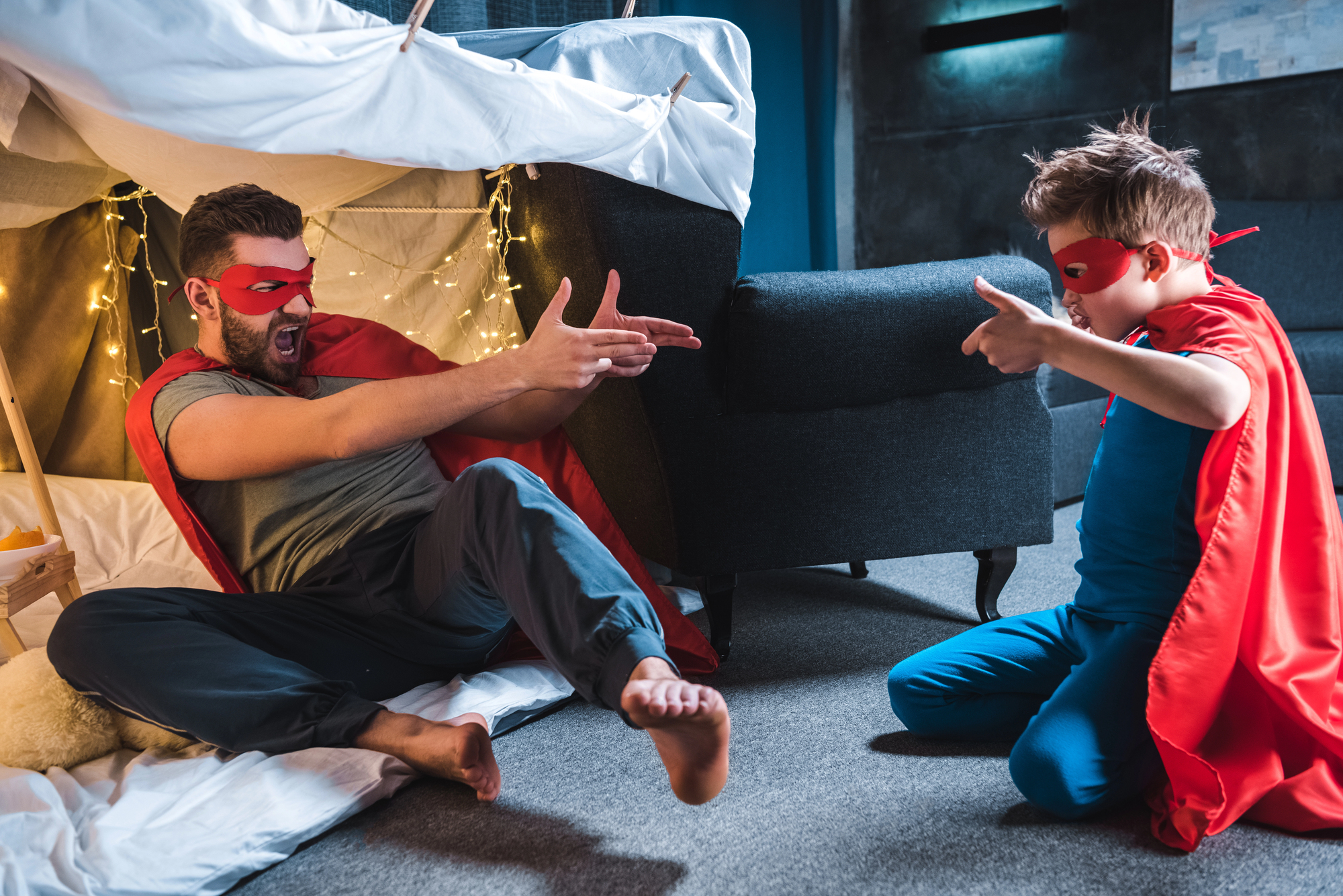
Collapse is not optional. It’s a matter of when.
Gravity, restless siblings, or a poorly placed cushion always finds a way to bring the whole thing down eventually.
Rebuilding
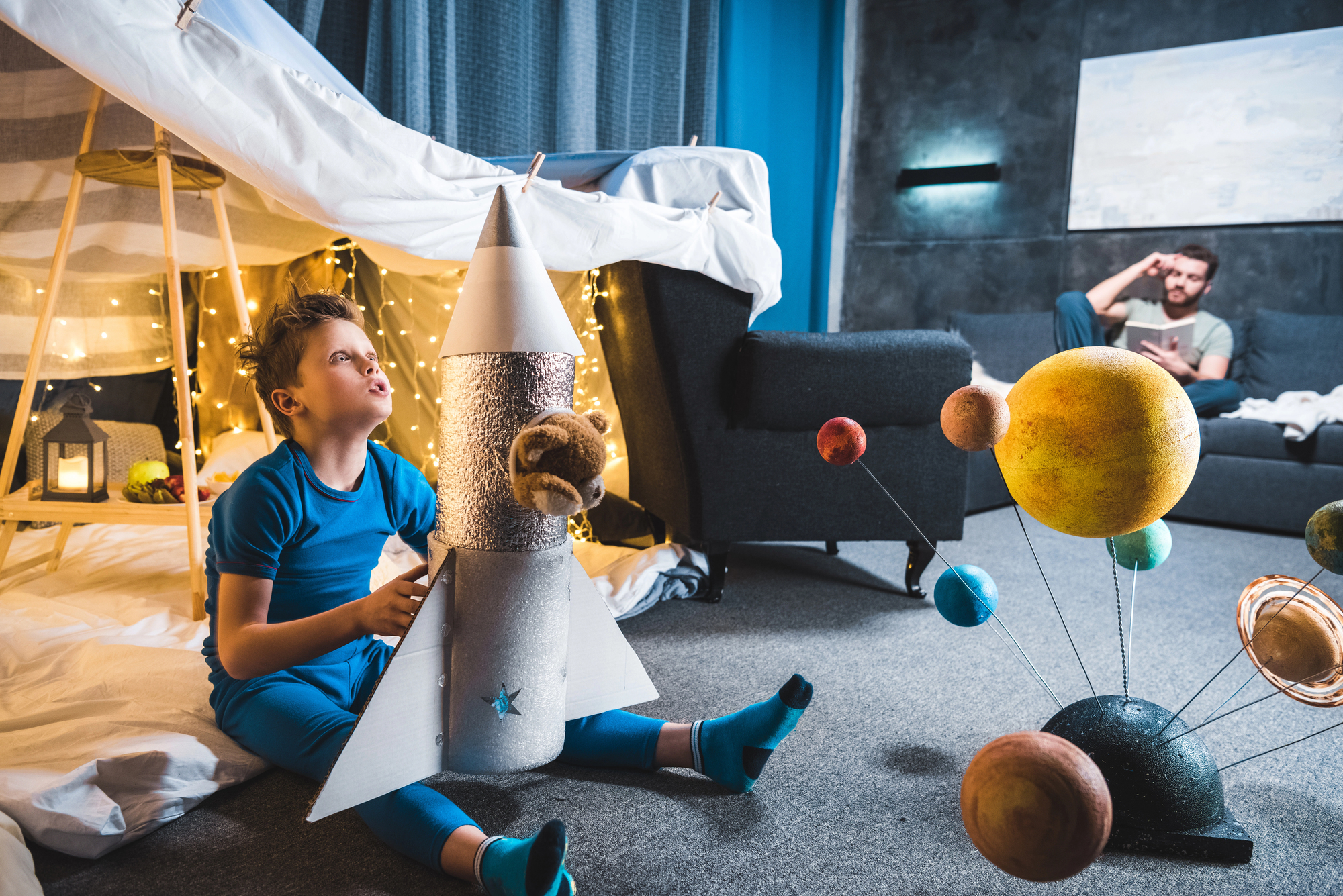
The rebuild says more about a person than the first build ever did, because anyone can throw blankets over furniture once out of enthusiasm, but going back in twenty minutes later to do it again takes something closer to stubbornness — the good kind, the kind that refuses to accept that the ceiling just isn’t cooperating today. You adjust the angle this time, prop the corner with a heavier book, maybe sacrifice one wall to make the roof hold.
And it usually works better the second time, not because the materials changed, but because you paid attention to what failed the first time around.
Bringing in Others

Two people in a fort changes everything about it. Suddenly there are two opinions about where the wall should go.
Suddenly there’s someone else to blame when it falls down, which somehow makes the whole thing more fun rather than less.
The Light Through the Sheets
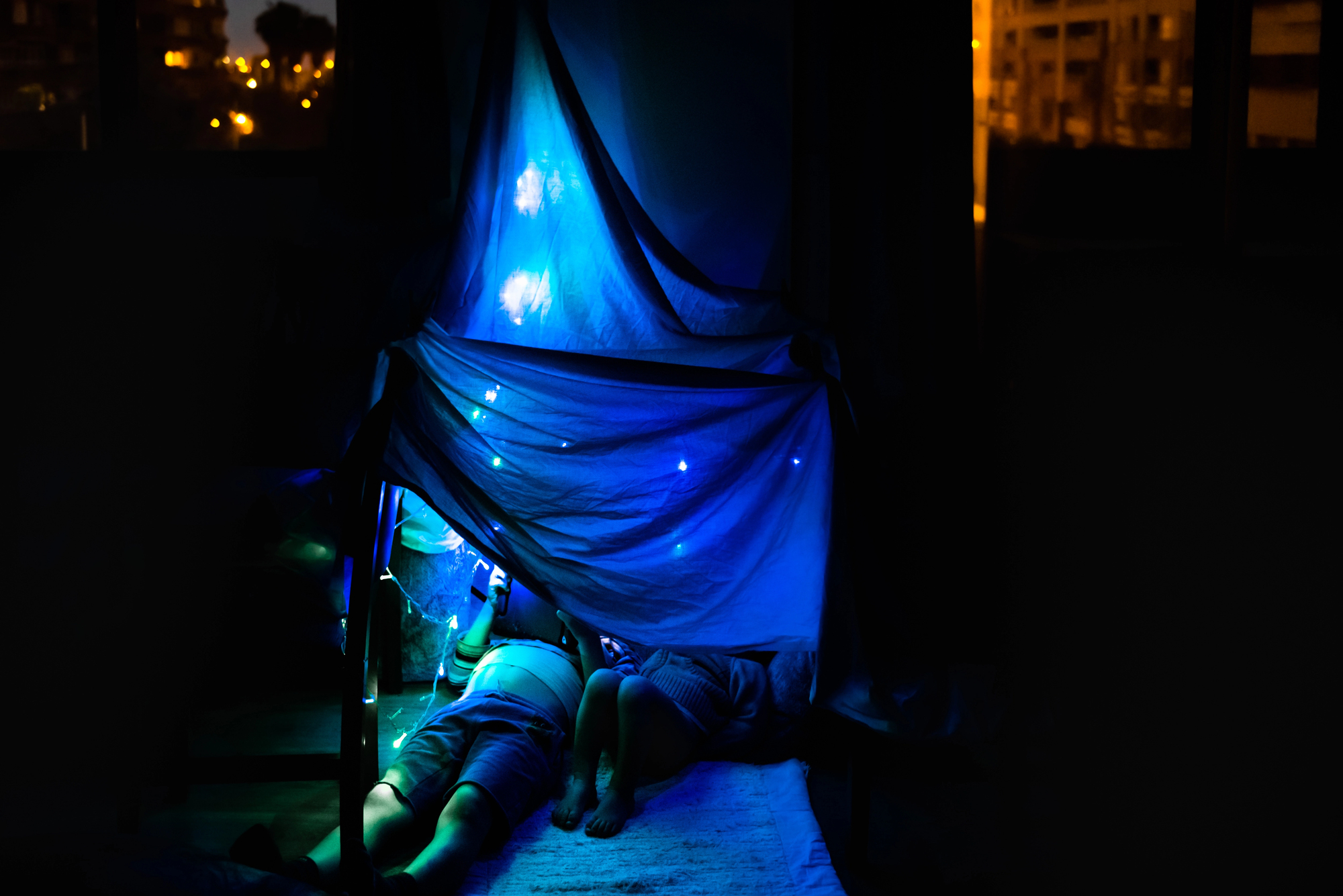
There’s a particular color the world takes on when sunlight comes through a bedsheet ceiling, something between gold and gray, soft in a way that regular daylight never quite manages — and it does something to a room that no lamp or overhead light can replicate, turning an ordinary afternoon into something that feels slightly outside of time. It’s the kind of detail that only registers years later, when you’re an adult standing in some rental apartment wondering why the light in here feels so flat by comparison.
The fort didn’t just block the room out: it filtered it, softened it, made the whole afternoon feel like it was happening underwater in the best possible way. Nobody explains that to a kid building a fort. They just feel it, and remember it, long after the blankets go back on the bed.
Time Inside

Time moves differently inside a fort, the way it does in a movie theater or a car on a long drive — you lose track of it almost immediately, and coming back out feels like surfacing from somewhere deeper than a living room floor. An hour passes and it feels like fifteen minutes, or fifteen minutes drags out like an entire afternoon, and there’s rarely any way to predict which one it’ll be until you check a clock you weren’t paying attention to.
That distortion is part of the appeal, honestly: the fort operates on its own clock, one that answers to nobody upstairs.
The Takedown

Taking a fort apart is nowhere near as fun as building it, and everyone knows this going in. The blankets go back on the bed.
The cushions go back on the couch, usually in the wrong order, which somehow nobody upstairs ever seems to notice.
Why It Mattered
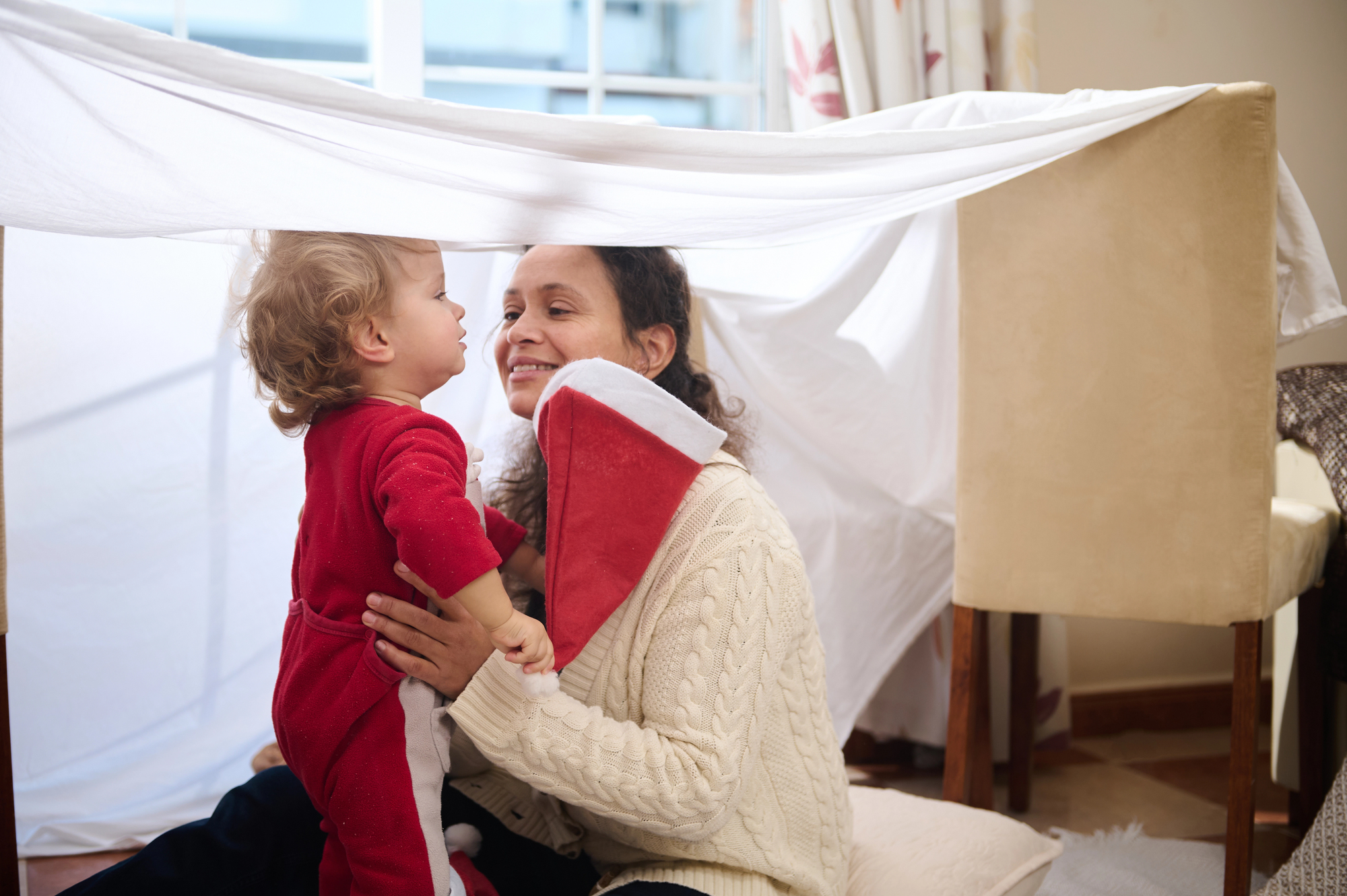
The fort was never really about the blankets, if you think about it long enough — it was about deciding, on your own terms, what counted as a wall and what counted as a door, and having that decision actually hold up, at least for an afternoon. Kids don’t get many chances to build something from scratch and watch it stand, not at that age, not when everything else in the house was built by someone taller and more permanent.
So the fort became a stand-in for control, a small architecture project where the only rules were the ones you made yourself, and where failure just meant trying the cushion arrangement again. That’s a bigger deal than it sounds, even now.
What the Blankets Were Really Holding Up
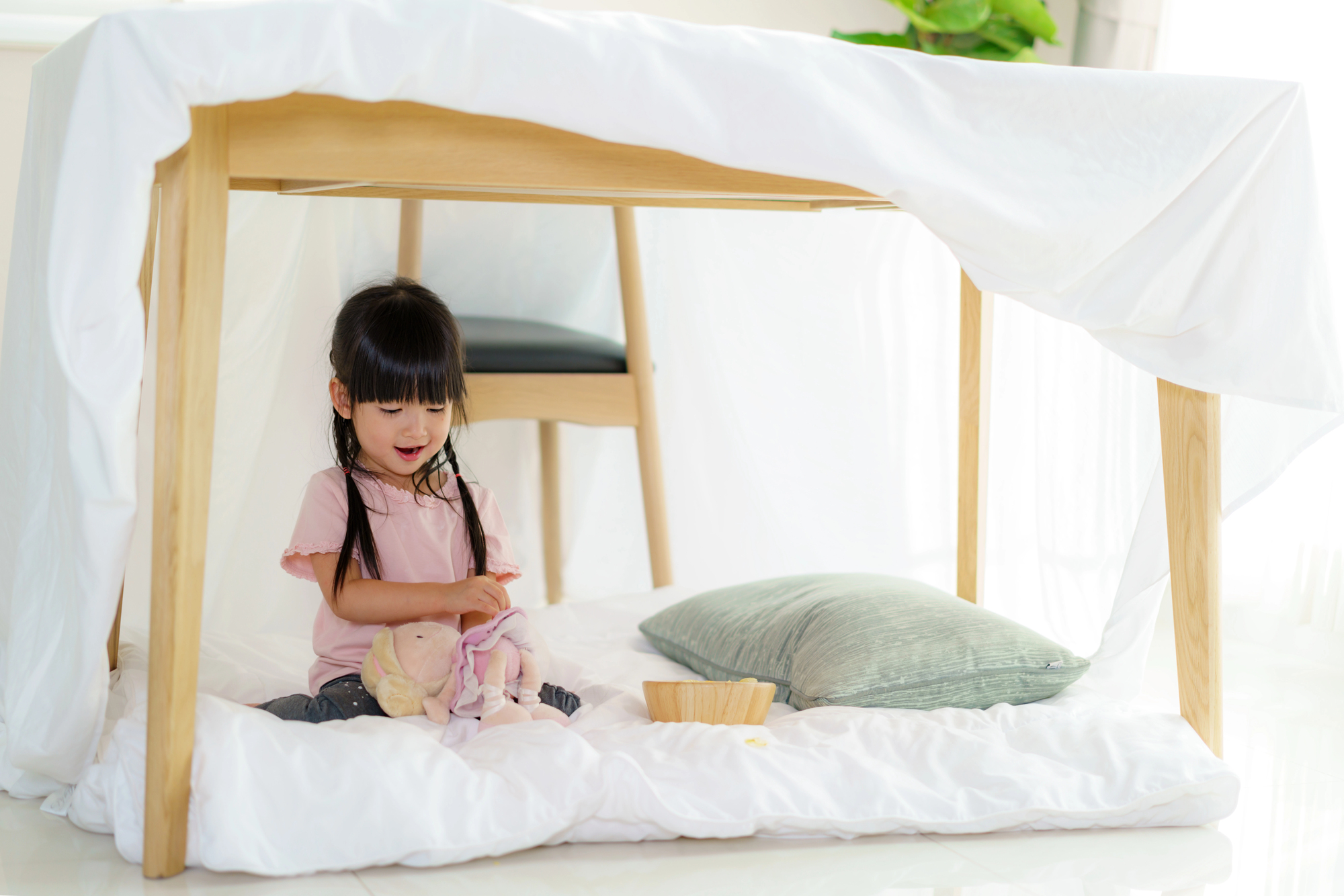
Looking back, the fort was never the point. The point was the version of yourself who built it — patient enough to keep adjusting a lopsided roof, stubborn enough to rebuild after the third collapse, proud enough of a pile of couch cushions to defend it like it meant something.
It did mean something, as it turns out, just not the thing anyone expected at the time. Somewhere between the flashlight and the snack supply, a kid on a living room floor was practicing the exact same instincts that show up later in bigger, less fabric-based projects: build something, watch it fail, build it again anyway.
More from Go2Tutors!

- The Romanov Crown Jewels and Their Tragic Fate
- 13 Historical Mysteries That Science Still Can’t Solve
- Famous Hoaxes That Fooled the World for Years
- 15 Child Stars with Tragic Adult Lives
- 16 Famous Jewelry Pieces in History
Like Go2Tutors’s content? Follow us on MSN.