26 Common Household Items With Surprisingly Dark Origin Stories
Most objects in your home carry a quiet history. The kettle, the cereal box, the shoes by the door — they arrived through a chain of invention, refinement, and commercialisation that began somewhere specific, for a reason that probably had nothing to do with how you use them now.
Sometimes those origins are mundane. Sometimes they’re genuinely unsettling.
The gap between what an object is today and what it was designed to do — or what drove the person who designed it — can be wide enough to change how you look at the thing entirely. That’s not always a comfortable feeling.
It is, however, an accurate one.
The Treadmill

In 1818, British civil engineer William Cubitt invented the treadmill for one purpose: punishing prisoners. Inmates walked on a large paddle wheel for up to ten hours daily, powering grain mills or water pumps through sheer exhaustion.
The device was deliberately designed to be monotonous, grinding, and demoralising — Victorian prison officials described it as reforming offenders by forcing them into industry. It was eventually banned in British prisons in 1898 as cruel.
Less than a century later, it was reintroduced as fitness equipment. Millions of people now voluntarily pay gym membership fees for access to it.
Corn Flakes
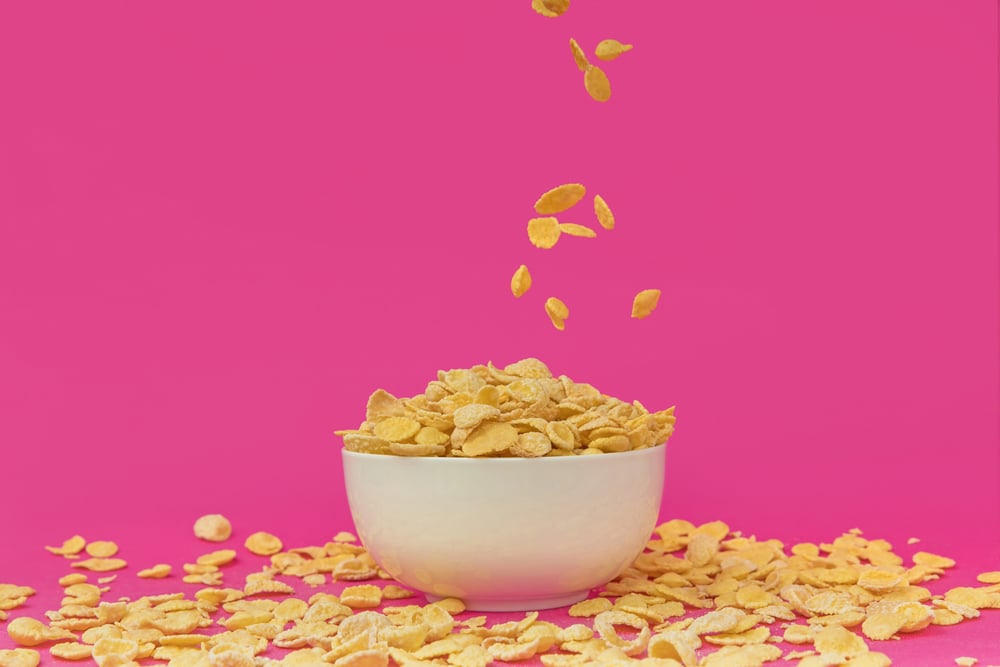
John Harvey Kellogg was a physician running a sanitarium in Battle Creek, Michigan, in the late nineteenth century. He developed corn flakes — bland, flavourless, and deliberately unappealing — as a medical intervention, not a breakfast food.
His theory was that a stimulus-free diet would suppress physical desire and discourage what he considered the primary cause of most physical and mental illness. The cereal was served without sugar to patients whose health he believed depended on reducing sensory pleasure.
The multi-billion-dollar breakfast industry that followed was built directly on this foundation.
Graham Crackers
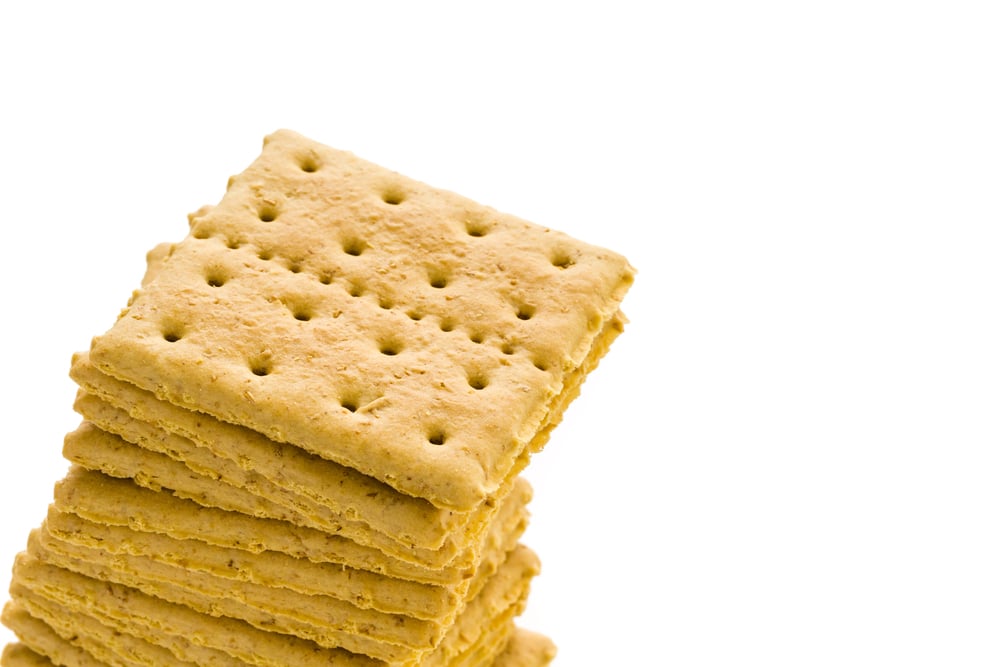
Sylvester Graham, a Presbyterian minister in the 1830s, created his crackers for the same general purpose as Kellogg — dietary control of carnal urges. He was convinced that spices, rich food, and flavoursome meals aroused passions that caused physical and spiritual illness, and that a bland, whole-wheat cracker made from unprocessed flour with no fat, sugar, or salt would calm those instincts.
The crackers were not particularly popular in their original form. Later manufacturers added honey and cinnamon, transforming them into something Graham would have found morally catastrophic.
Ketchup as Medicine
DepositPhotos
Before ketchup was a condiment, it was sold as a patent medicine. In the 1830s, Ohio physician John Cook Bennett marketed tomato ketchup as a treatment for liver complaints, indigestion, and diarrhoea. Tomatoes were at the time viewed with suspicion as food — they were closely related to deadly nightshade, and many Americans avoided them.
Framing tomatoes as medicine was one of the strategies that helped normalise them as edible. The condiment that now sits on almost every dining table in the Western world spent its early decades in a medicine cabinet.
Bubblewrap
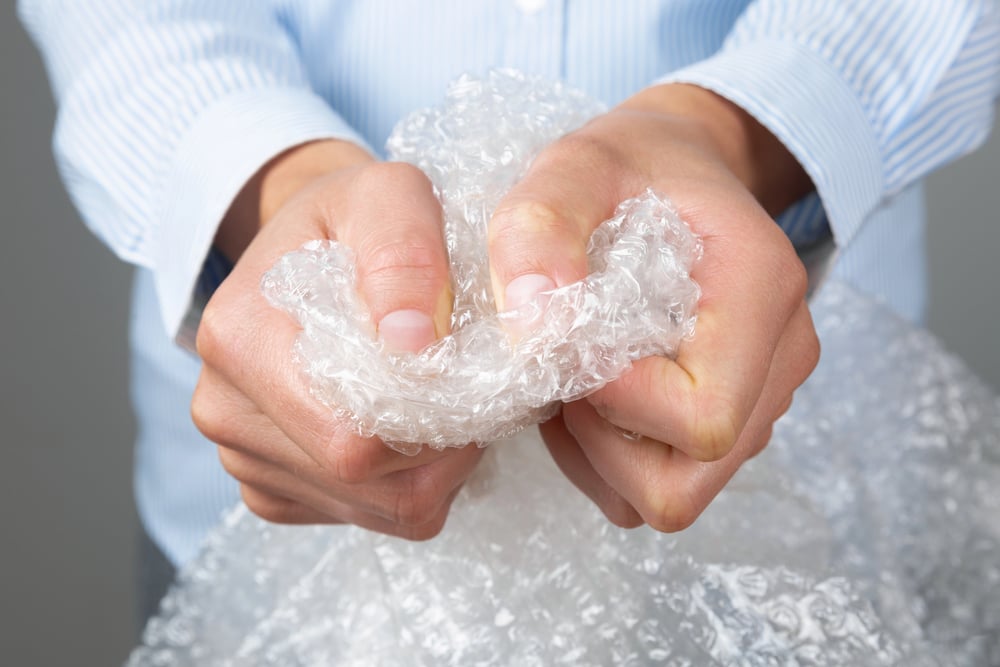
Two engineers — Alfred Fielding and Marc Chavannes — sealed two shower curtains together in 1957 with air bubbles trapped between them, intending to create textured plastic wallpaper. The wallpaper did not catch on.
They next tried to market it as insulation for greenhouses. That also failed.
IBM eventually purchased the material in 1960 as protective packaging for fragile computer components during shipping. What is now one of the world’s most satisfying stress-relief objects began as two consecutive commercial failures.
High Heels
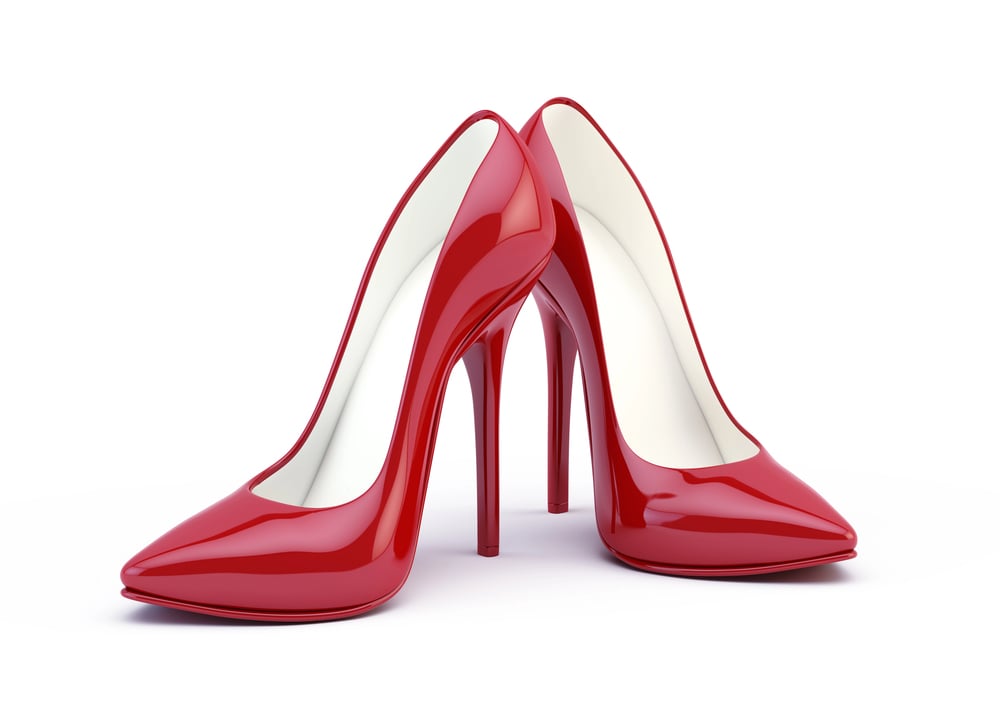
High heels were not originally women’s footwear. Persian cavalry riders in the tenth century used elevated heels to secure their footing in stirrups when firing arrows on horseback — the heel anchored the foot and prevented it from slipping through the stirrup at speed.
The style spread westward through the military aristocracy of Europe, where it became associated with masculine authority and martial status. When women in the early seventeenth century began adopting more masculine fashion elements, they adopted the heel too.
It took roughly two more centuries before heels became primarily associated with women’s fashion.
Rubber Surgical Gloves
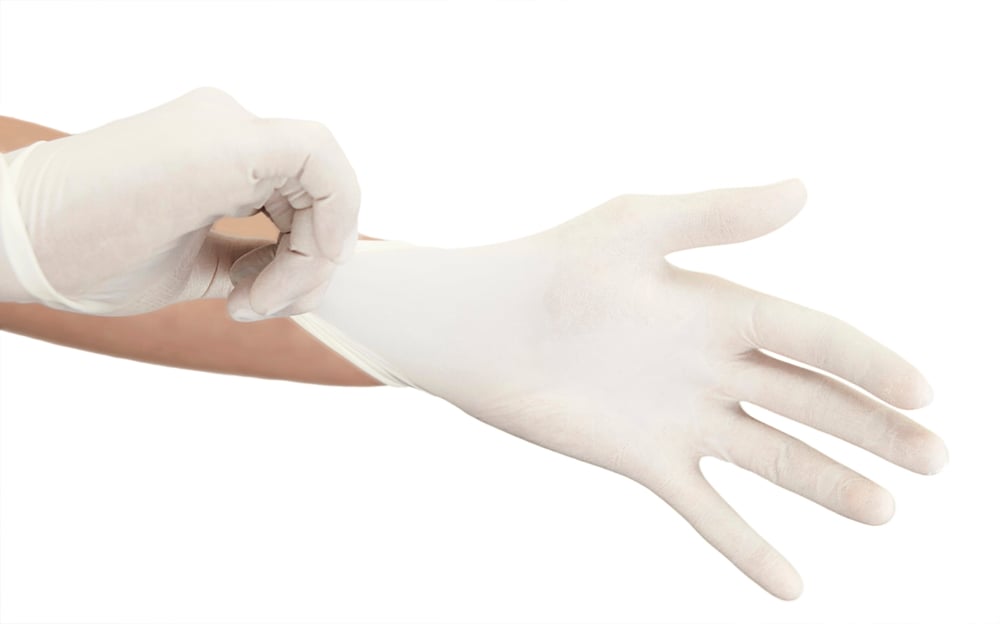
Surgical rubber gloves were not invented to protect patients. They were developed in 1889 by surgeon William Halsted at Johns Hopkins to protect the hands of a specific nurse — Caroline Hampton, who had developed a severe skin reaction to the disinfecting chemicals being used in the operating room.
The gloves were a solution to one person’s dermatitis problem, not a general infection-control measure. Their value in reducing surgical contamination was recognised afterward, as a secondary benefit to the original purpose.
The Teddy Bear

President Theodore Roosevelt went on a hunting trip in 1902 and refused to shoot a captive, tied bear that his aides had provided as an easy target. A political cartoonist documented the moment.
Toy manufacturers created stuffed bears named after Roosevelt as a novelty response to the cartoon. The object that represents childhood safety and comfort for generations of children was born from an incident involving a restrained animal at a staged hunting event.
Listerine

Listerine was formulated in 1879 as a general-purpose surgical antiseptic, and was sold variously for treating a bacterial infection, as a floor cleaner, and as a cure for dandruff before Johnson and Johnson repositioned it as an oral hygiene product in the 1920s. To sell it specifically for mouth use, the company popularised the medical-sounding term “halitosis” — a condition that had existed forever but had never previously been marketed as a disease requiring a product.
The commercial success of this rebranding established halitosis anxiety as a permanent feature of consumer culture.
Fanta
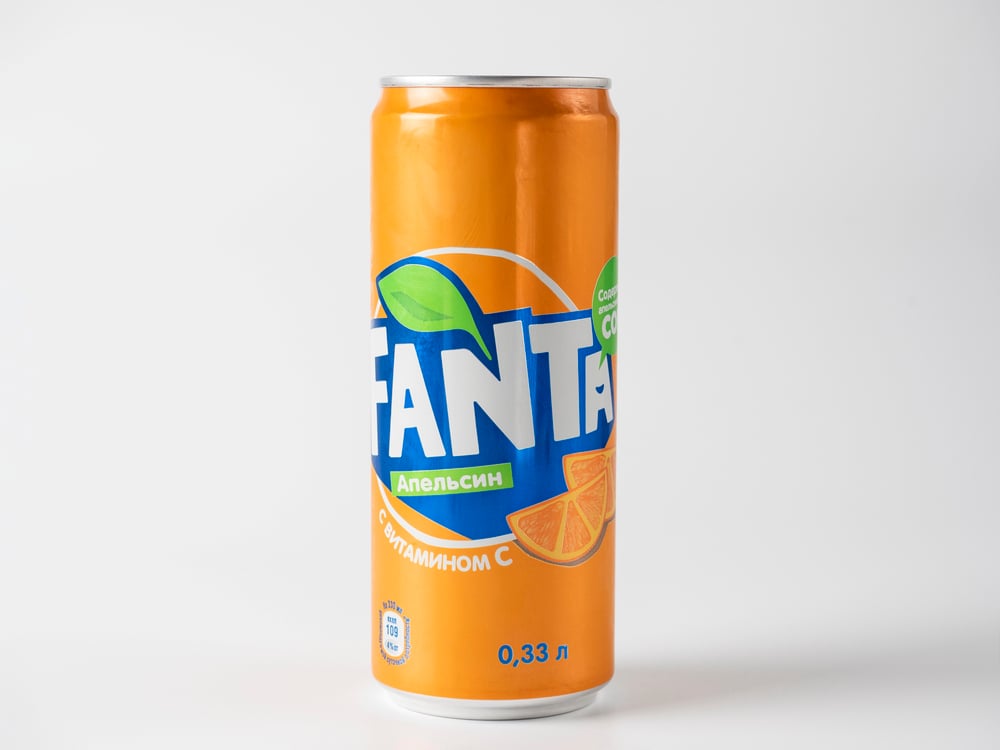
Fanta was created during the Second World War by the German operations of the Coca-Cola Company, when the American trade embargo made it impossible to import Coca-Cola syrup into Nazi Germany. The German bottling division, unable to access the original formula, improvised a substitute from whey — a cheese production byproduct — and fruit pulp left over from other industrial processes.
The resulting drink was called Fanta. The brand survived the war and was eventually acquired by the Coca-Cola Company itself.
What is now a globally marketed fruit soda was originally a wartime workaround assembled from waste materials.
Magnetic Tape
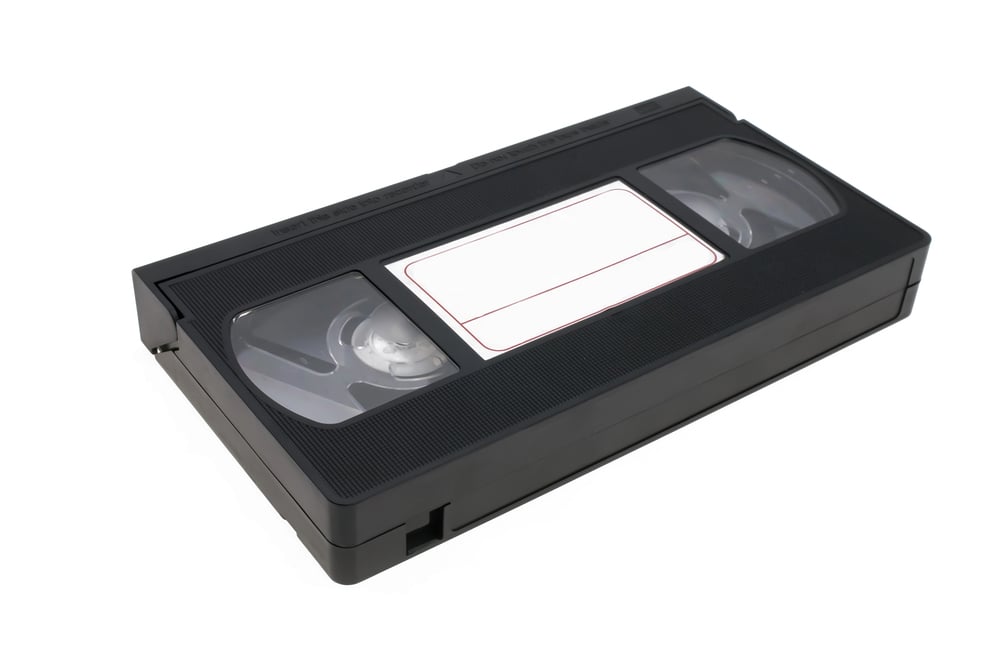
The tape technology behind reel-to-reel audio recording and, eventually, VHS cassettes and audio cassettes was developed in Nazi Germany in the 1930s, used to broadcast propaganda recordings. German engineers developed high-fidelity magnetic recording tape that could play back audio indistinguishable from live broadcasts — which was used to transmit pre-recorded speeches as if they were live.
Allied engineers discovered the technology after the war and brought it back for civilian and commercial development.
Cotton Candy

Cotton candy was introduced at the 1897 World’s Fair in Nashville by two inventors: confectioner John C. Wharton and dentist William Morrison. The fairground staple that rots teeth was invented and actively promoted by a dentist.
Morrison went on to co-found the Tennessee Dental Association.
The Alarm Clock
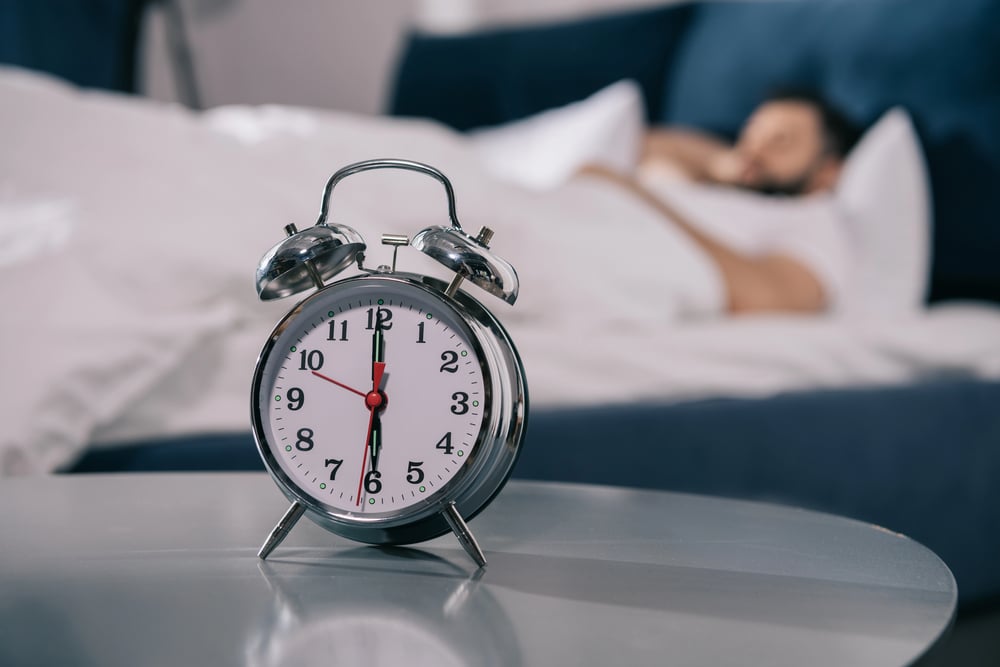
The first mechanical alarm clock was built in 1787 by Levi Hutchins of New Hampshire — but it could only ring at 4 a.m., the time he wanted to wake up. A clock that could be set to any desired time wasn’t patented until 1847.
The widespread adoption of alarm clocks coincided not with personal convenience but with the industrial revolution’s need to synchronise large workforces for long factory shifts. Before mechanical clocks were common enough for every household, “knocker-uppers” were employed to walk through working-class neighbourhoods tapping on bedroom windows with long poles — an occupation that existed in some British cities into the 1940s.
The Charcuterie Board
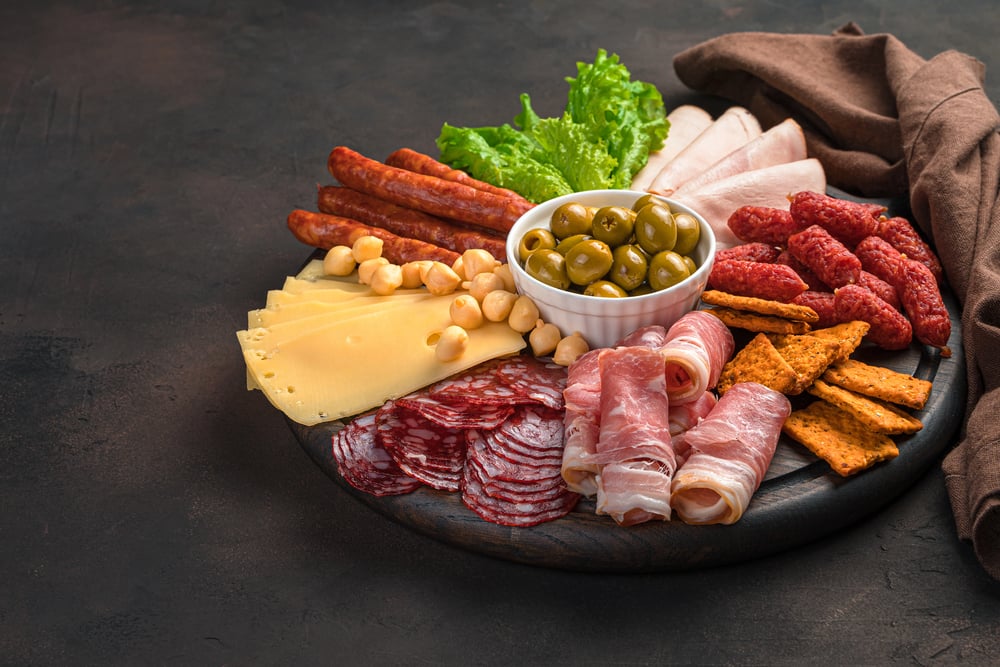
The preserved meats tradition that now appears on restaurant menus and upmarket supermarket shelves as a lifestyle product originates directly from the problem of keeping meat from spoiling before refrigeration existed. Curing with salt, smoke, and fat was a survival technology, not a culinary aesthetic.
The thin-sliced, artfully arranged boards that signal sophisticated entertaining are a commercialised reimagining of what was, for most of human history, a straightforward solution to the threat of starvation.
Matches
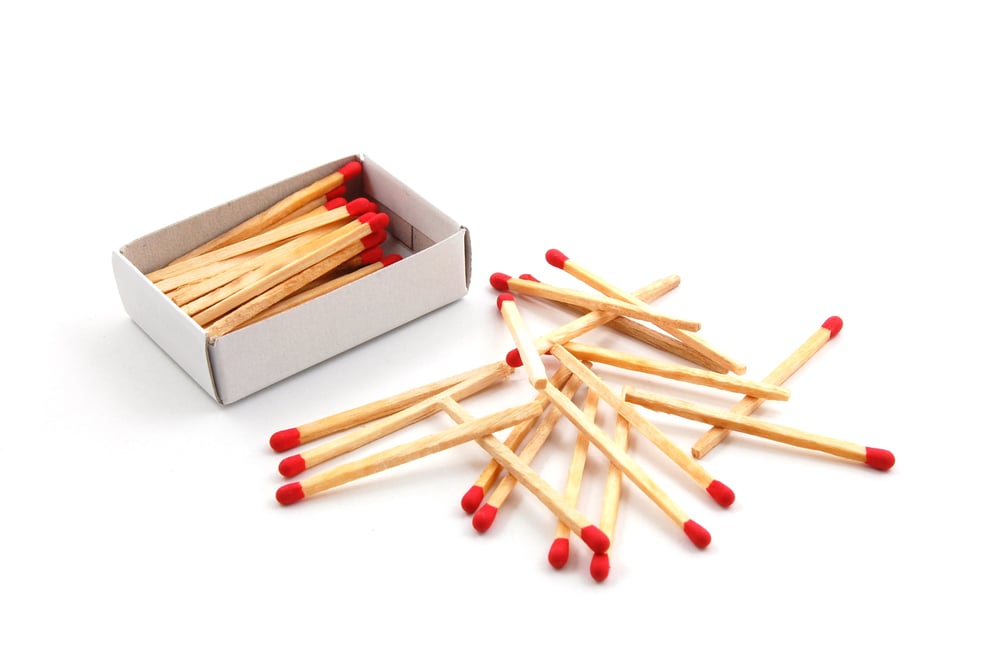
The first friction match was invented in 1826 by English chemist John Walker, who called them “lucifers” — a name borrowed from the Latin for light-bearer, though the hellish association was not accidental. Early matches were notorious for their foul smell (from the white phosphorus used in the tips) and for occasionally igniting spontaneously in pockets, causing fires and burns.
Safety matches, which only ignite when struck against a prepared surface, were not introduced until 1855. Walker never patented his invention, and others immediately copied and improved it.
Fertiliser

Fritz Haber, the German chemist who developed the Haber-Bosch process for synthesising ammonia, is credited with enabling the nitrogen fertilisers that support roughly half the world’s food supply. He is also the person who developed chlorine gas as a weapon during the First World War and supervised its first large-scale deployment at Ypres in 1915, killing thousands of soldiers.
Haber received the Nobel Prize in Chemistry in 1918 for his work on nitrogen fixation. Whether the same mind produced civilization’s most important agricultural advance and one of its most grotesque weapons is not a question of interpretation — it’s a matter of documented record.
The Shopping Cart

Sylvan Goldman, a supermarket owner in Oklahoma City, invented the shopping cart in 1937 after observing that customers stopped buying when their hand-carried baskets became too heavy. His initial customers refused to use it — men thought it looked weak, women thought it looked like a pram, and older customers didn’t want to appear frail.
Goldman hired actors to walk around his store pretending to use the carts while a greeter explained the concept to real customers. The object that is now so standard it defines the entire supermarket experience required a covert marketing operation to make people accept it.
Playing Cards
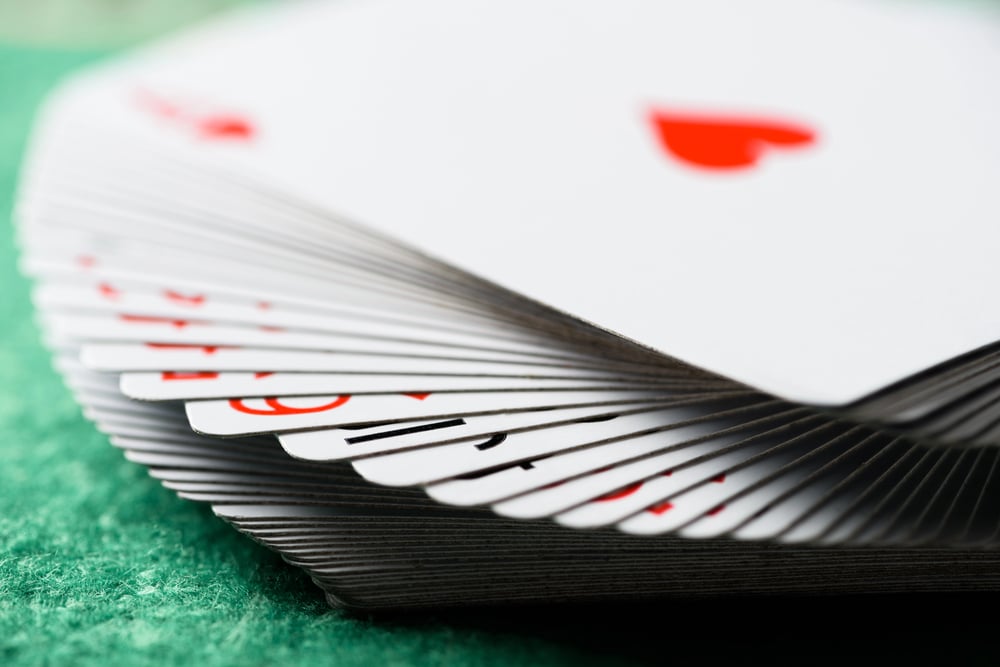
Playing cards arrived in Europe from the Islamic world in the fourteenth century and quickly became associated with gambling, which made them targets for prohibition and moral panic in several countries. The four suits — hearts, diamonds, clubs, spades — derive from earlier regional traditions, but the specific imagery on court cards was frequently used for political satire and propaganda.
Playing cards were banned in various European cities during the medieval period, and their manufacture was heavily taxed as a vice industry. They’re now a standard gift for children’s travel and a staple of family game night.
Early Board Games
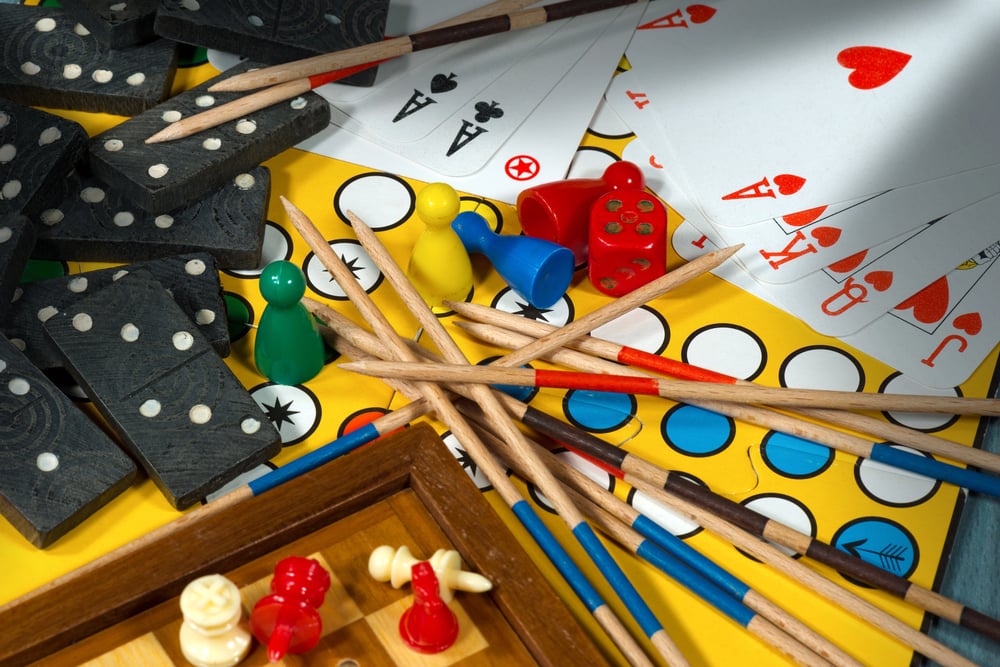
Nineteenth-century board games were predominantly moral instruction tools disguised as entertainment. Milton Bradley’s The Checkered Game of Life and dozens of similar titles punished players for simulated vices — idleness, intemperance, dishonesty — by sending them backward or forcing them to miss turns.
The educational theory was that children would internalise moral lessons through game mechanics. The fun was secondary and sometimes almost incidental.
Modern games have inverted this entirely: entertainment is the point, and moral instruction, where it exists, is buried.
Umbrellas

In ancient Egypt, Assyria, and China, decorated umbrellas were royal objects carried by servants to shade rulers from the sun. Using one without being royalty was a serious social transgression.
Umbrellas for rain weren’t commonly used by the general public in Europe until the eighteenth century, when they were heavily associated with femininity and considered emasculating for men to carry. The English writer and traveller Jonas Hanway is credited with popularising rain umbrellas for men in London in the 1750s, reportedly enduring significant mockery from coachmen who saw umbrella users as a threat to their business.
Chocolate
Cacao was consumed by the Aztecs and Maya as a bitter, often spiced drink believed to have medicinal and ritual properties. When it arrived in Europe in the sixteenth century, it was first received as a medicine — chocolate houses sold it alongside apothecary products.
It remained associated with health claims for decades before the addition of milk and sugar transformed it into confectionery. The medical establishment of the seventeenth and eighteenth centuries recommended chocolate for everything from exhaustion to fevers, which means your dessert habit has surprisingly respectable historical precedents.
Wedding Cake

The modern white tiered wedding cake has a grim structural antecedent. In ancient Rome, a wheat or barley loaf was broken over the bride’s head as part of the wedding ceremony to symbolise the groom’s dominance and ensure fertility.
Medieval European customs continued the symbolic use of bread and cake in weddings, with multiple small cakes sometimes stacked and the couple expected to kiss over the top. The towering white confection familiar today largely derives from Queen Victoria’s wedding cake in 1840 — the white colour specifically popularised white icing as a symbol of purity.
Sunscreen
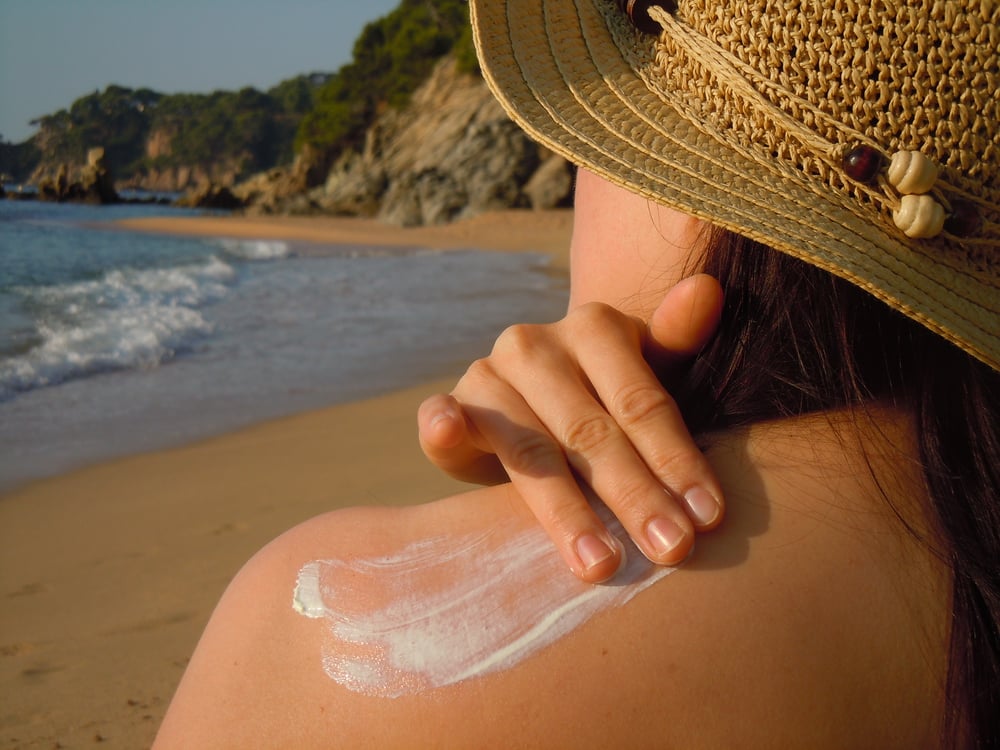
Commercial sunscreen developed from the military’s need to protect soldiers deployed in Pacific and North African theatres during the Second World War, where sun exposure caused significant operational problems. Benjamin Green, an American pharmacist and airman, developed a crude version by spreading red veterinary petrolatum on his own skin.
The product was later acquired and refined into Coppertone. The beach product that now covers millions of holidaymakers began as a wartime logistics problem.
The Internet

The internet originated as ARPANET, a project funded by the United States Department of Defence in 1969, designed to maintain communication networks in the event of a nuclear strike. The architecture of distributed communication — designed so that messages could reroute around destroyed nodes — was a Cold War military innovation.
The academic sharing of research that followed, and eventually the commercial explosion of the 1990s, all grew from infrastructure whose original purpose was survival after a nuclear exchange. Every email and streaming service runs on the skeleton of that original defensive design.
Chewing Gum
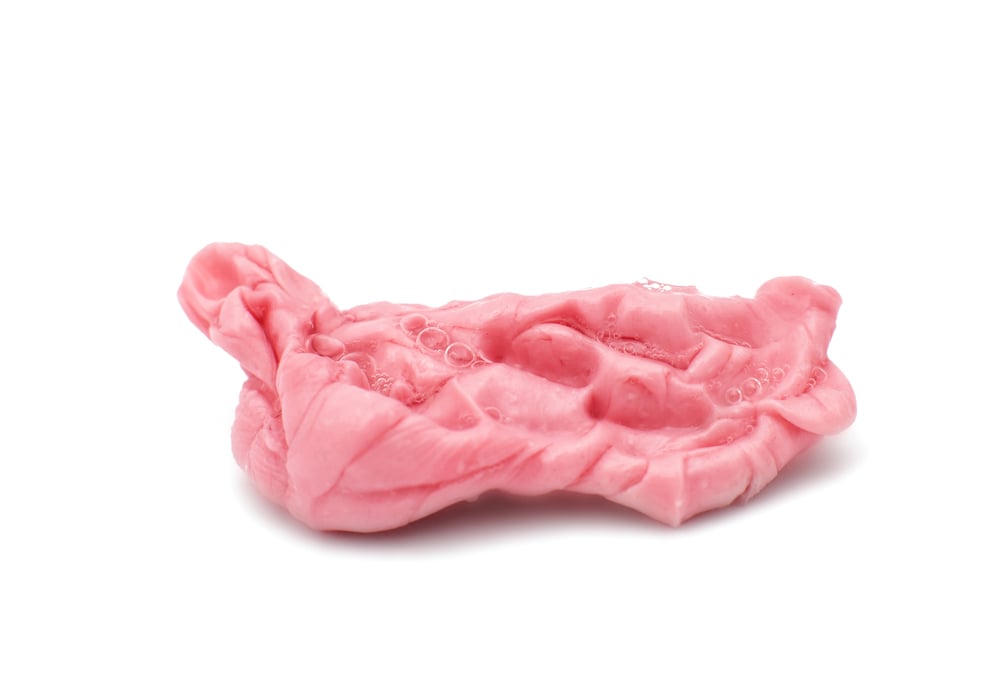
Thomas Adams developed commercial chewing gum in the 1860s after failing to find a use for chicle — a natural latex he had acquired from the exiled former Mexican president Antonio Lopez de Santa Anna, who had hoped Adams would develop a rubber substitute from it. The rubber venture failed completely.
Adams, left with a large supply of chicle he’d paid for, chewed some experimentally and then began selling it from a New York drugstore. One of the world’s most ubiquitous consumer products exists because a rubber business failed and someone needed to recoup their losses.
The Origins Are Always Somewhere
Every object in your home arrived through someone’s need, failure, war, ambition, or panic. The clinical distance between the original purpose and the current use can be vast — a torture device that became a fitness machine, a medical food that became a breakfast staple, a weapon additive that became a sunscreen.
Most of the time, you don’t need to know any of this to use a treadmill or eat cereal. But knowing it does change the texture of ordinary things, in the same way that knowing a building’s history changes how you walk through it.
The objects carry their origins whether you look at them or not.
More from Go2Tutors!

- The Romanov Crown Jewels and Their Tragic Fate
- 13 Historical Mysteries That Science Still Can’t Solve
- Famous Hoaxes That Fooled the World for Years
- 15 Child Stars with Tragic Adult Lives
- 16 Famous Jewelry Pieces in History
Like Go2Tutors’s content? Follow us on MSN.