25 Games Played at the Kitchen Table That Kept the Whole Family Talking
The kitchen table has always been the most democratic piece of furniture in the house. Homework happened there, arguments got sorted there, and birthdays got celebrated there — but some of its best hours were the ones spent with a deck of cards or a board in the middle and everyone arguing about the rules.
No reservation required. No dress code.
Just whoever could be called in from the other room and whatever could be found in the cupboard under the stairs. What made these games different from the ones played on screens or in organised sport was the conversation they produced as a byproduct.
You had to wait for your turn, and in that waiting, people talked. Grudges were aired.
Impressions were done. Family lore was rehearsed and embellished.
The game was often the excuse, and what happened around it was the actual event.
Uno
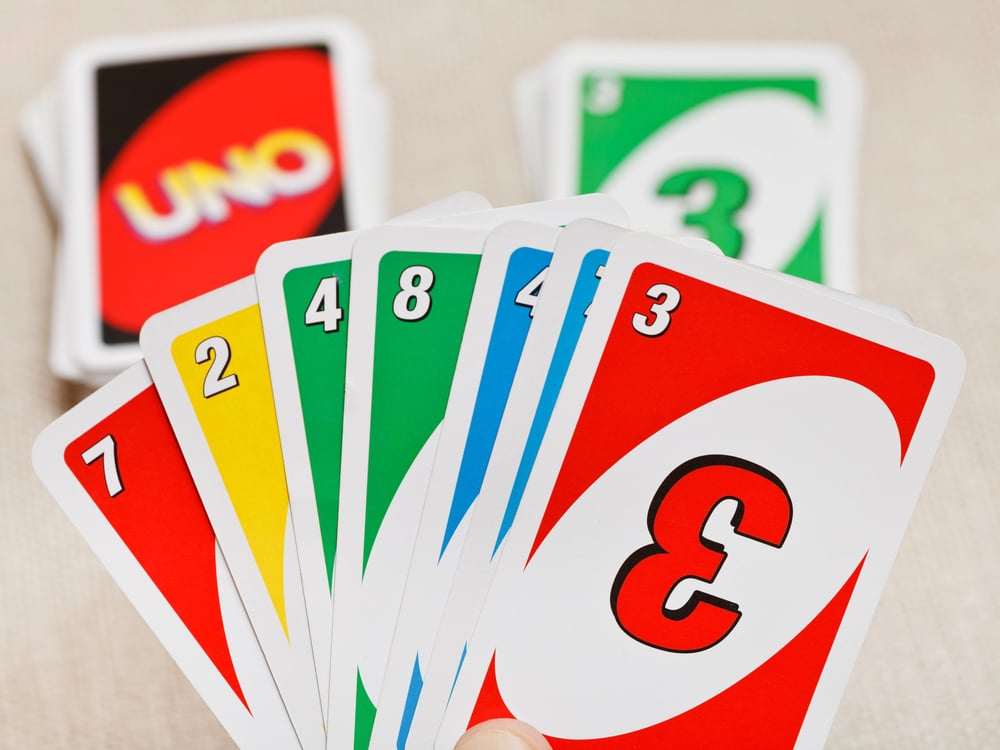
Uno has an unusual property among card games: it generates more genuine outrage per minute than almost anything else you can put on a table. The Draw Four card, deployed at a pivotal moment by a sibling who absolutely knew what they were doing, could produce real feelings.
What kept everyone coming back was the speed of the rounds and the fact that any player could turn the whole game around with one good hand. Families that played Uno regularly developed their own house rules within the first year and defended them for decades.
Snap
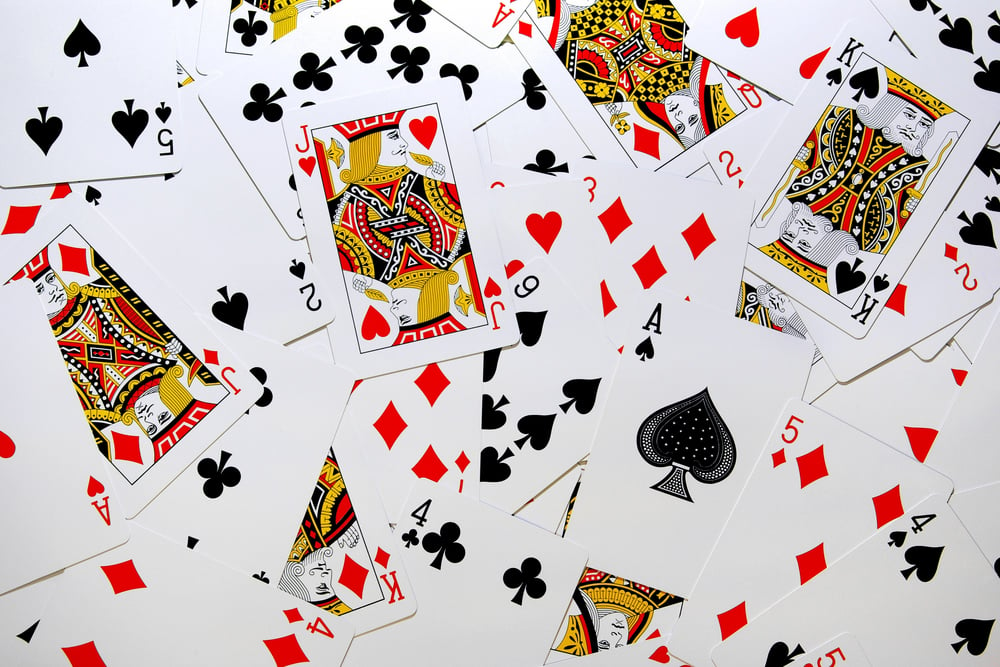
Snap required nothing except a standard deck of cards and the kind of reflexes that children naturally have and adults pretend they still do. The moment two matching cards landed in sequence, every hand went for the pile, and whoever got there first — or claimed most loudly to have gotten there first — took it.
Disputes over who slapped down first were inevitable and rarely resolved to everyone’s satisfaction. This was partly the point.
Go Fish
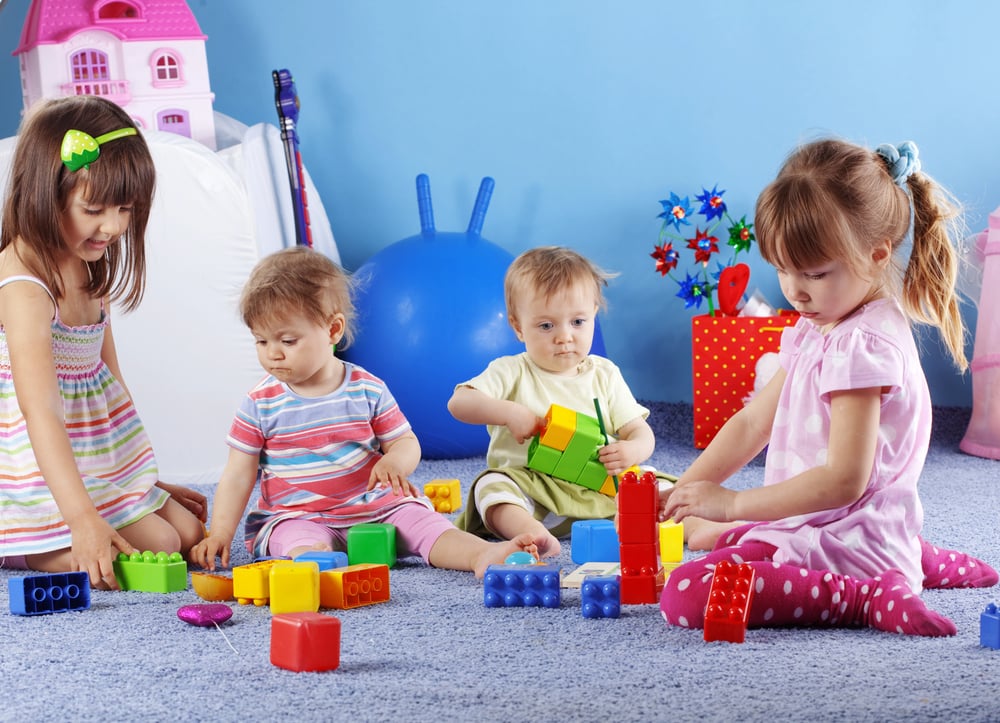
Go Fish was the game that worked when someone at the table was quite young and needed to be included without the game grinding to a halt. You asked for what you needed.
If you didn’t get it, you drew from the pile. The strategy was minimal, but something about requesting a card directly from another person — looking them in the eye, asking politely, getting told no — had a slightly charged quality that made even a straightforward children’s game feel like a negotiation.
Scrabble
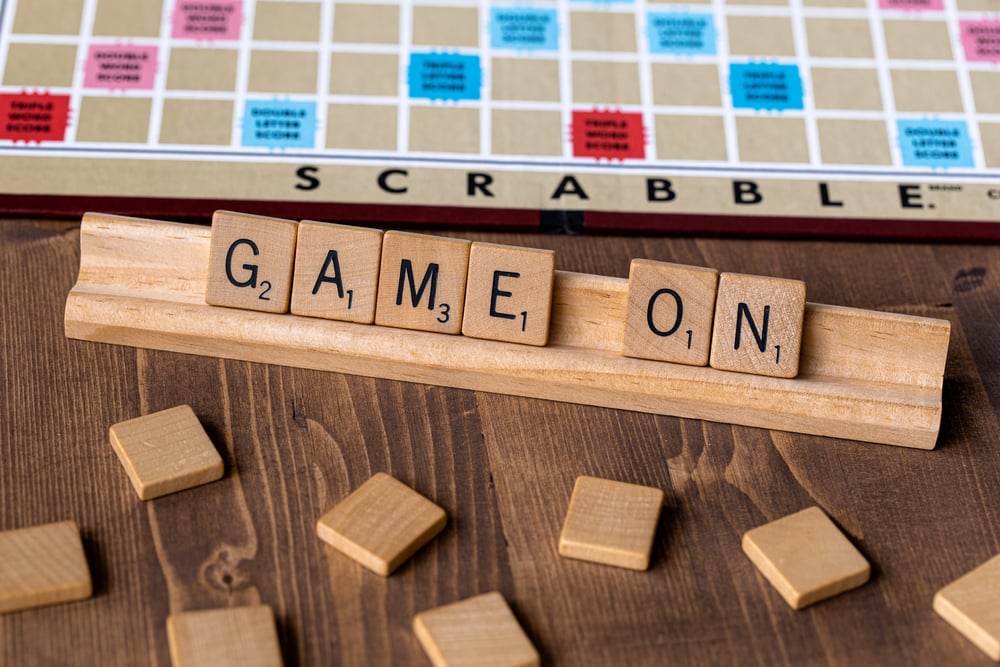
A Scrabble game rarely finished without at least one disputed word, one consultation of a dictionary nobody fully trusted, and one player who took significantly longer on their turn than everyone else considered acceptable. The competitive version of Scrabble, played between family members who genuinely wanted to win, produced the specific tension of intellectual rivalry between people who love each other, which is its own particular flavour of entertainment.
The tiles stayed in the bag for days after and required searching the kitchen floor before the next game could start.
Rummy
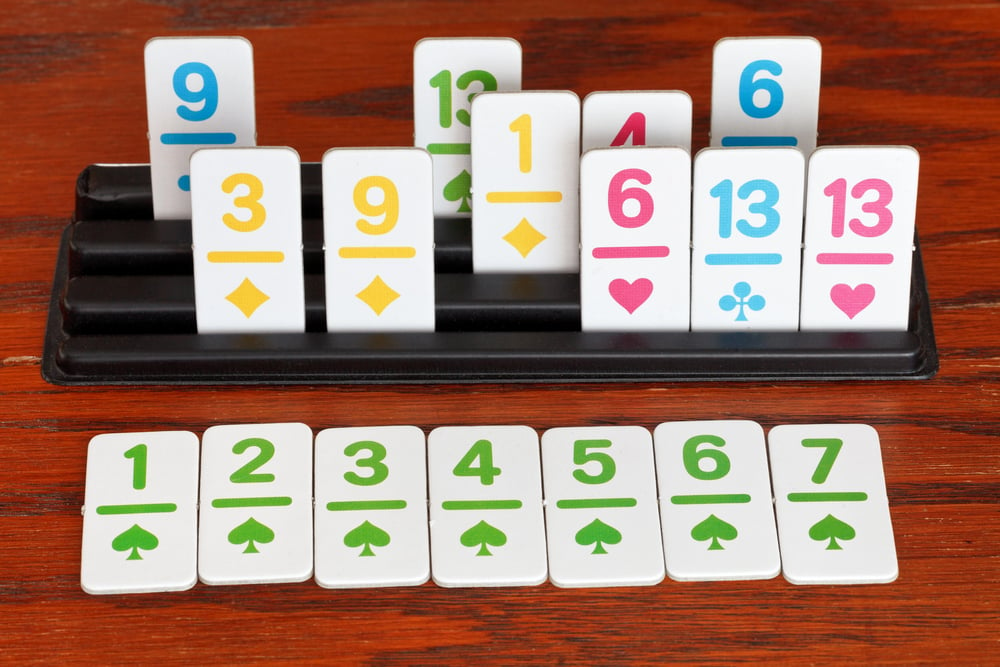
Rummy worked at nearly any scale and could involve almost any combination of age and temperament. The basic logic — draw, discard, build sets and runs — was simple enough to explain in three minutes but deep enough to reward attention over time.
A grandparent who had played for decades would still wipe the table regularly. Someone who had learned that afternoon would occasionally beat everyone through timing and a lucky draw, which was not something that happened easily in chess but was entirely possible in rummy, which made it fair in the best sense.
Cluedo (or Clue)
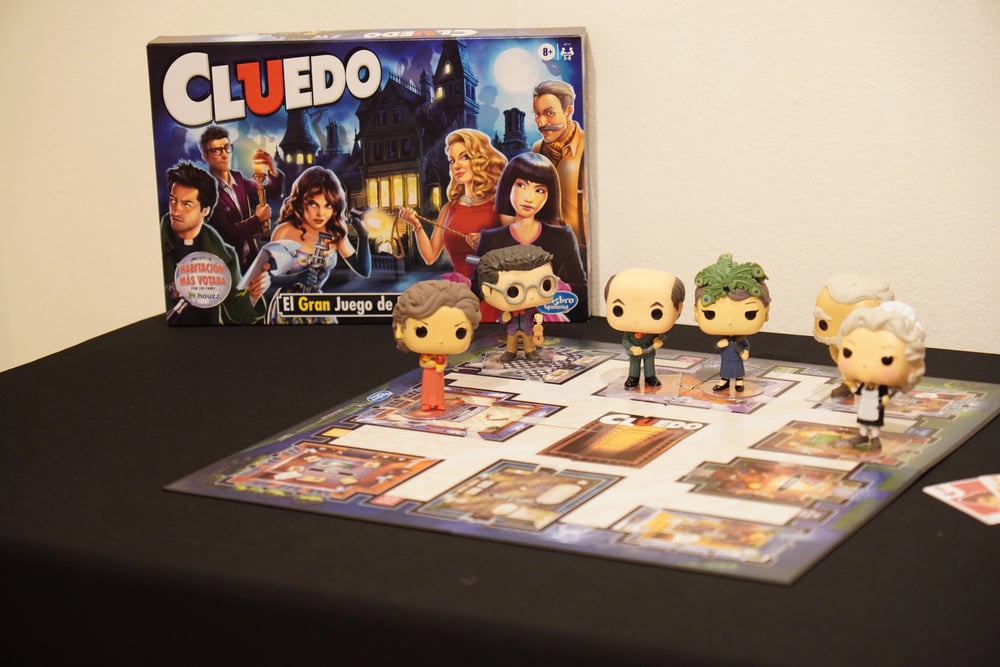
Cluedo put everyone at the table in the role of investigator, which meant that people who normally weren’t particularly competitive suddenly became very focused. The process of elimination that narrowed down the suspect, weapon, and room was slow and deliberate, and the person who solved it first had usually been tracking information more carefully than they let on.
A bluff shown at the wrong moment could give the game away. Cluedo consistently produced the one family player who was very good at keeping their face neutral, and everyone knew who that person was.
Yahtzee
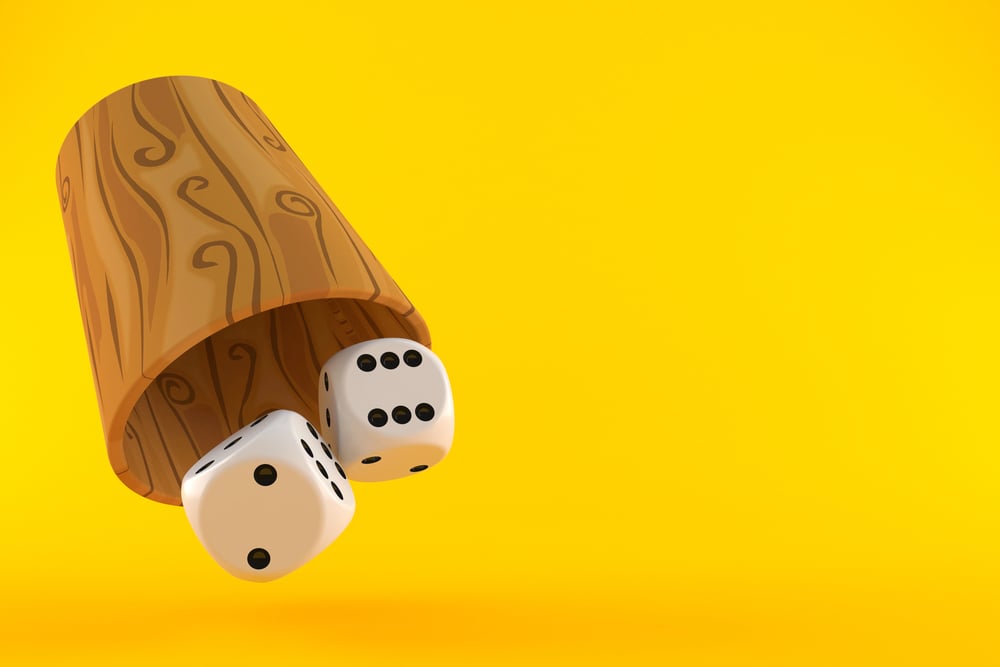
Yahtzee was a dice game, which meant there was always a believable case that luck was responsible for your outcome, even when skill in choosing which dice to keep was clearly the deciding factor. The score sheet, filled in over multiple rounds, created enough complexity to make the game last, and the cup-and-shake ritual before each roll gave everyone at the table something to do even when it wasn’t their turn.
Rolling a Yahtzee — all five dice showing the same number — still produced a genuine reaction from players who had been rolling dice for thirty years.
Snakes and Ladders
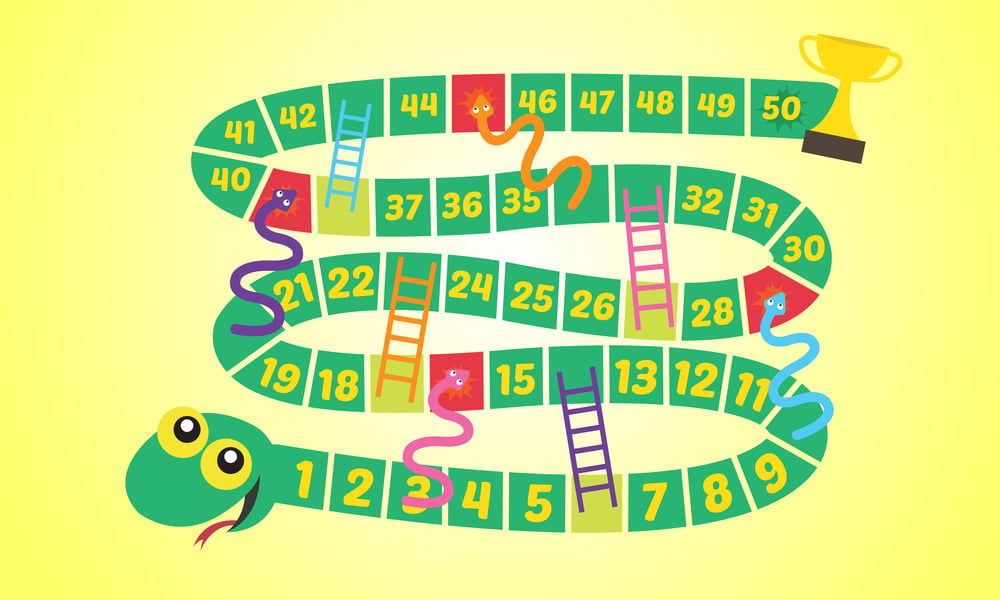
Snakes and Ladders was the game where you could be winning comprehensively and then land on a snake near the top of the board and return to somewhere around square twelve. The complete randomness of this outcome was, depending on who you asked, either the game’s great flaw or its great virtue.
For very young players, it was an introduction to the idea that progress can be reversed without warning and that the best response is to pick up the dice and try again, which is a more useful lesson than most board games explicitly teach.
Twenty Questions

Twenty questions required no equipment and no surface, which made it the game that could be played anywhere — at a table, in a car, waiting for something to arrive. One person thought of an object, animal, or person.
Everyone else asked yes-or-no questions until they identified it or used up their twenty attempts. The skill was in asking questions that covered the most ground, eliminating large categories rather than guessing specifically.
Families who played it regularly got better at it in observable ways, and the one who went first always had the most power.
I Spy

The simplest game on the table had a low entry requirement and no maximum age. One person chose something visible, announced its first letter, and waited while everyone else worked through the options.
The genius of I Spy was that it directed attention to the immediate environment — the room, the table, the objects on it — and forced a kind of careful looking that normal interaction doesn’t require. A well-chosen item could last much longer than expected.
A poorly chosen one ended in thirty seconds and mild embarrassment.
Boggle
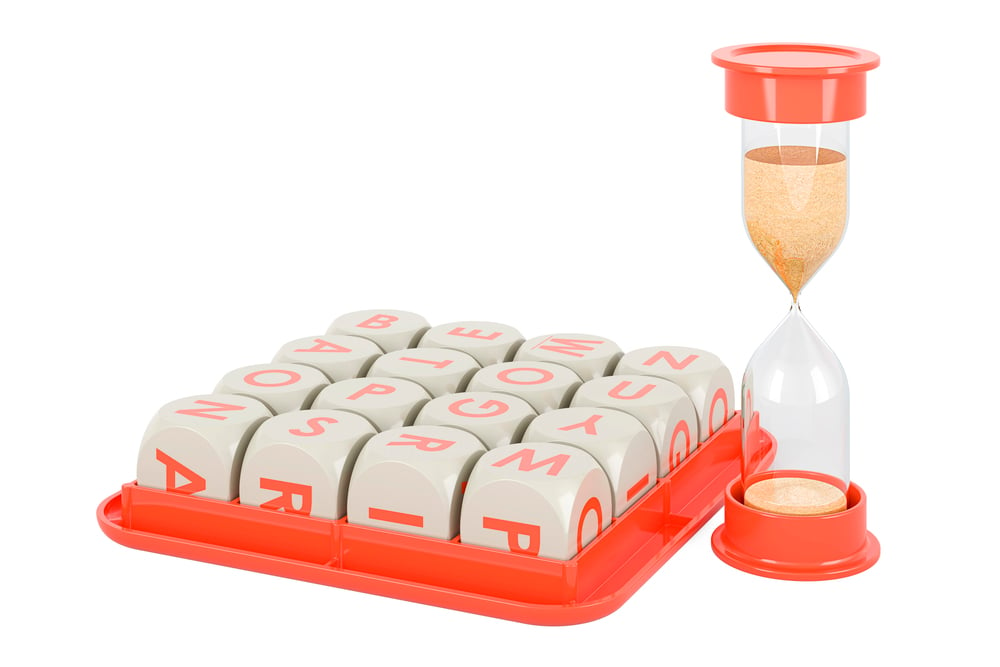
Boggle shook the dice, set a timer, and then sent every player into their own private relationship with the same sixteen letters. You wrote down every word you could find before the sand ran out, then read your list aloud — and crossed off any word that someone else had also found.
Only unique words scored, which meant that the player who found the obscure four-letter word nobody else had spotted often beat the player who had found twenty obvious ones. The arguments over whether something was a real word were loud enough to involve people who weren’t playing.
Draughts (Checkers)
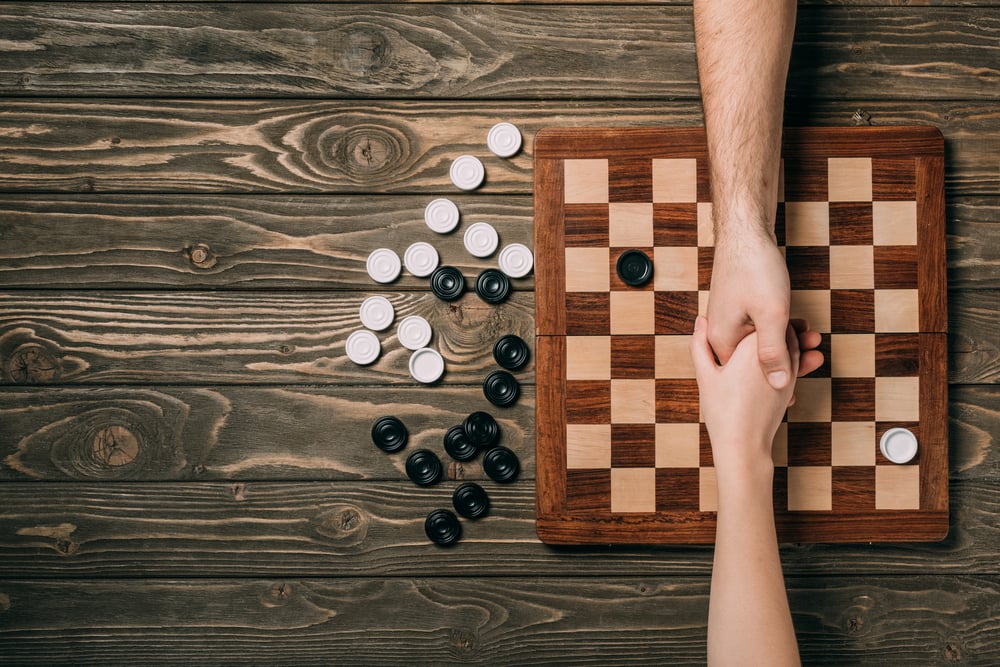
Two players. A checkered board.
Pieces that moved diagonally and jumped opponents. Draughts was austere by board game standards and completely absorbing for the same reason.
Games could end quickly in one direction if a player made an early mistake, or stretch out into a measured endgame where every remaining piece was significant. The moment a piece reached the far end and became a king, able to move backward as well as forward, changed the entire character of the game.
Teaching it to a younger sibling was how many older children first understood that explaining a rule is different from understanding it.
Dominoes
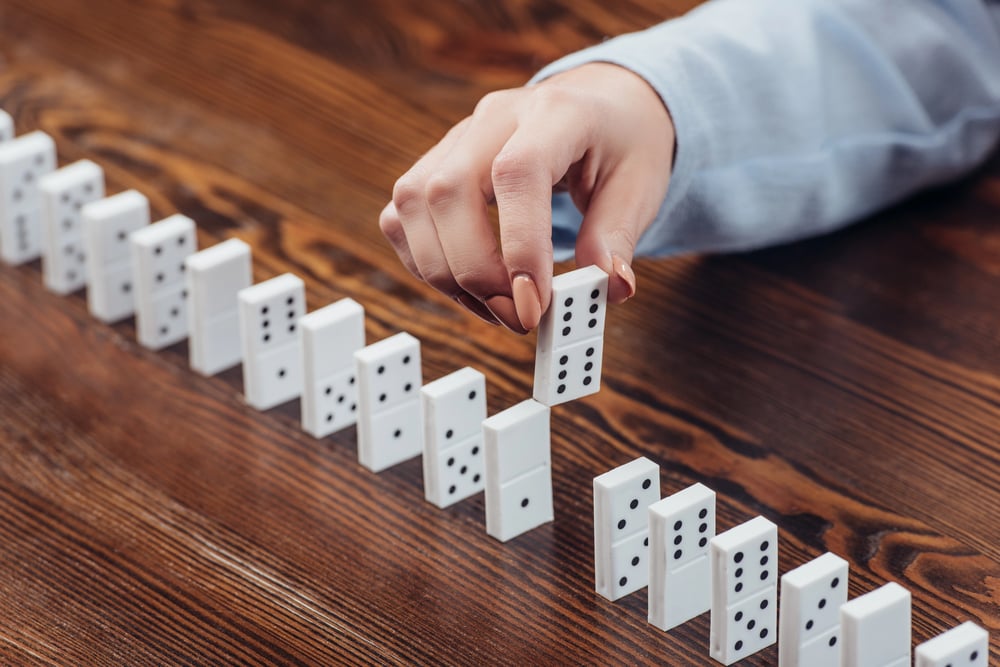
A set of dominoes was often inherited rather than purchased, which meant the tiles were heavier than their modern equivalents and had a satisfying click when laid on the table. The basic matching game — connecting tiles where the numbers touched — was simple to learn and allowed for genuine strategy in placement.
Some families played for points. Some played until the chain of tiles stretched from one end of the table to the other and then collapsed in on itself.
A few played in near-silence. Most did not.
Charades

Charades was the game that revealed who in the family was willing to make themselves look slightly ridiculous in service of communication. Miming a film title or a phrase without speaking required commitment, and the team watching had to interpret gestures that ranged from elegant to baffling.
The moments of total failure — when the person guessing called out something so far from the right answer that the room went quiet in shared bewilderment — were often the funniest of the evening.
The Alphabet Game

The alphabet game — naming something within a category for each letter in sequence — worked best with categories that seemed easy and then turned out not to be. Animals was manageable.
Countries was harder. After Q, things slowed.
After X, the table either cheered or went silent. The game required no materials, could be tailored to any age, and had the useful property of producing conversations that were obviously about something else entirely — the X-countries debate could last longer than the whole rest of the game.
Old Maid
Old Maid was a card game built around a single piece of tension: not getting stuck with the Old Maid card at the end of the round. Every player who passed it on did so with poorly concealed relief, and every player receiving it tried to identify which card in the other person’s hand was the one to avoid.
Over time, everyone developed a tell, and the seasoned players knew whose poker face was weakest. The person who had the best ability to present their hand without giving anything away was disproportionately good at the game and was watched closely.
Word Association
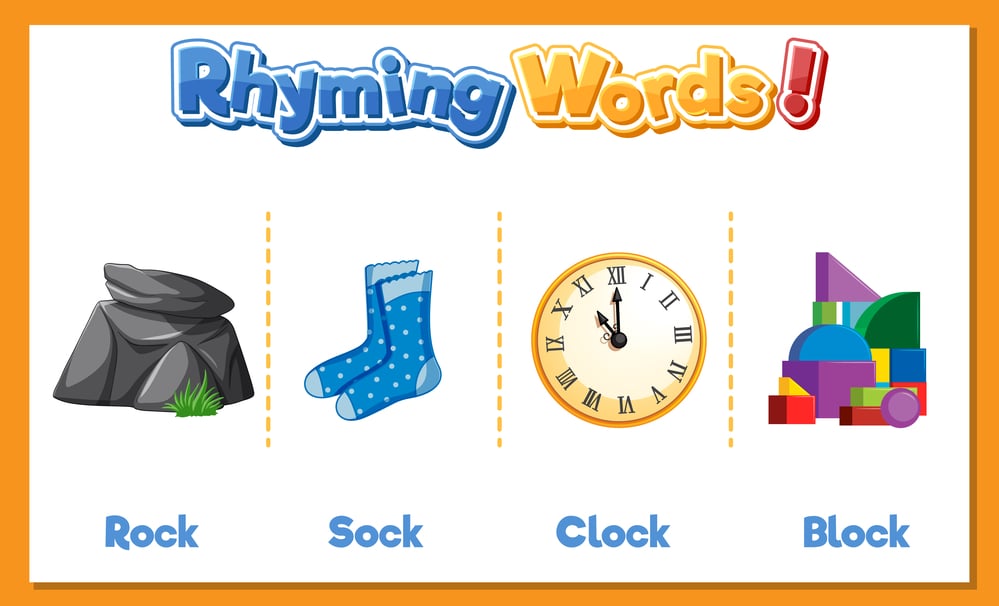
Someone said a word. The next person immediately said the first word it prompted.
No pausing, no reconsidering, no editing. The chain built quickly, and the moment someone hesitated too long or said something completely disconnected from the previous word, the table wanted to know what had happened inside their head to take them there.
Word association was the game that occasionally revealed things about people — preoccupations, anxieties, inside jokes — in a way that surprised even the person playing.
Guess Who?

The two-player elimination game with the hinged board of illustrated faces was ostensibly for children, but adults who sat down to help younger players often stayed for longer than they planned. The process of asking yes-or-no questions — Does your person wear glasses? Is your person a woman? — and folding down the eliminated faces was satisfying in a quiet, methodical way.
The game was fast enough to play multiple rounds, which meant the table shifted partners often, which meant everyone ended up playing against everyone.
Battle (War)
Battle — or War, depending on the household — required two players, a full deck, and a willingness to accept outcomes that had nothing to do with skill. You split the deck, flipped cards simultaneously, and the higher card took both.
When the cards matched, you went to war: three face-down, one face-up, and the winner took the pile. Games could take forty minutes or six.
You never really knew. The total absence of strategy made it strangely meditative, and very young players and very old players were equally matched, which made it an unusually egalitarian way to spend half an hour.
Truth or Dare (The Tame Version)

Played at the kitchen table with a younger crowd, Truth or Dare became something gentler than its reputation suggested. Truths were softened — “What’s the most embarrassing thing that happened at school?” rather than anything sharper — and dares were calibrated to the room.
What made it work as a family game was the revelation structure: even a question that seemed trivial could produce an answer that surprised the person sitting next to you. Families who played it remembered which truths they’d learned, long after they’d forgotten the dares.
Consequences
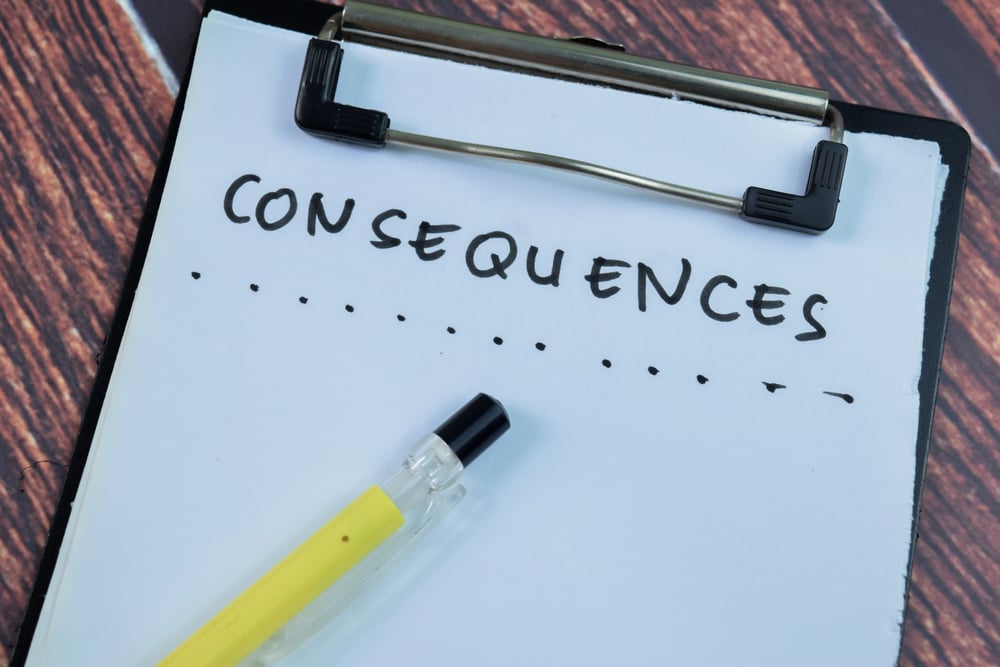
Consequences was the game where each player wrote a phrase — a name, a place, what they said, what happened next — folded the paper to hide what they’d written, and passed it along. When the sheet was unfolded at the end, the combined result was always absurd and always different.
The game was a guaranteed laugh, required nothing except paper and pens, and produced results that were sometimes accidentally more coherent than they had any right to be, which made the laughter sharper.
Pictionary
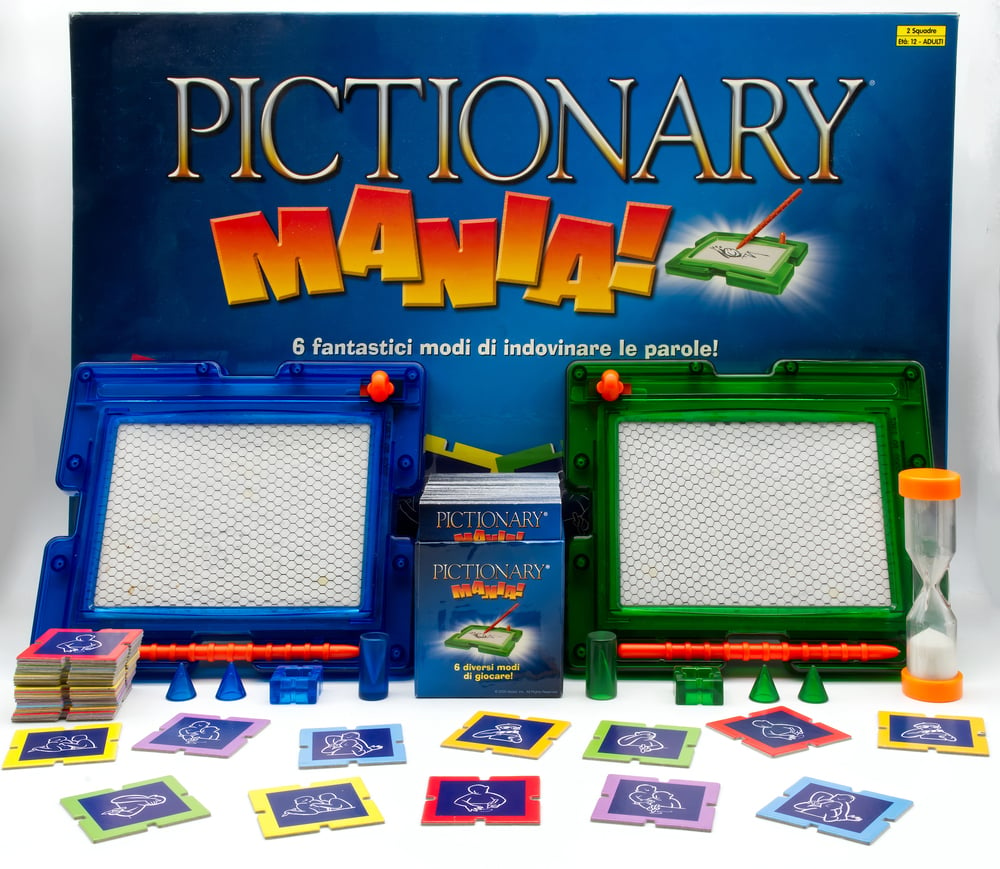
Pictionary required a willingness to draw something recognisable to the person across the table under time pressure while the rest of the table watched. Players who couldn’t draw well and knew it approached the whiteboard with the energy of someone about to publicly fail, and the results were frequently funnier than accurate drawings would have been.
The teams became competitive in a way that felt both genuinely urgent and slightly absurd, which was the exact tonal register most families found most sustainable for the whole evening.
Taboo
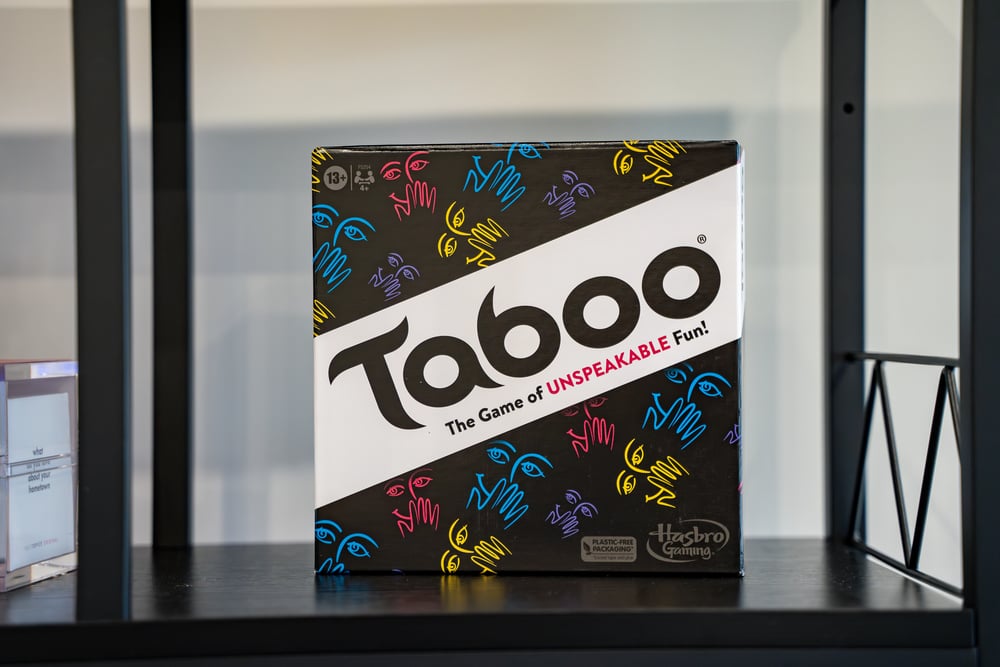
Taboo gave you a word to get your teammate to say without using any of the five most obvious ways to describe it. Saying the word “cold” without saying “cool,” “freeze,” “ice,” “snow,” or “winter” required a different kind of thinking — lateral, associative, often biographical.
The best clues were personal references that only the person across the table would understand, and when those landed, they felt like a small confirmation of how well you actually knew each other.
The Story Game

No equipment required. Someone started a story with one sentence.
The next person added a sentence. It went around the table until someone ended it, or until the story reached somewhere nobody had anticipated and nobody could plausibly resolve.
The best story games took genuine turns — moments where one person’s addition changed the direction so completely that the next player had to stop and think. Stories that started with a child in a forest and ended with a parliamentary debate or an argument about soup were fairly common, and they were always the ones people remembered.
The Game of Life
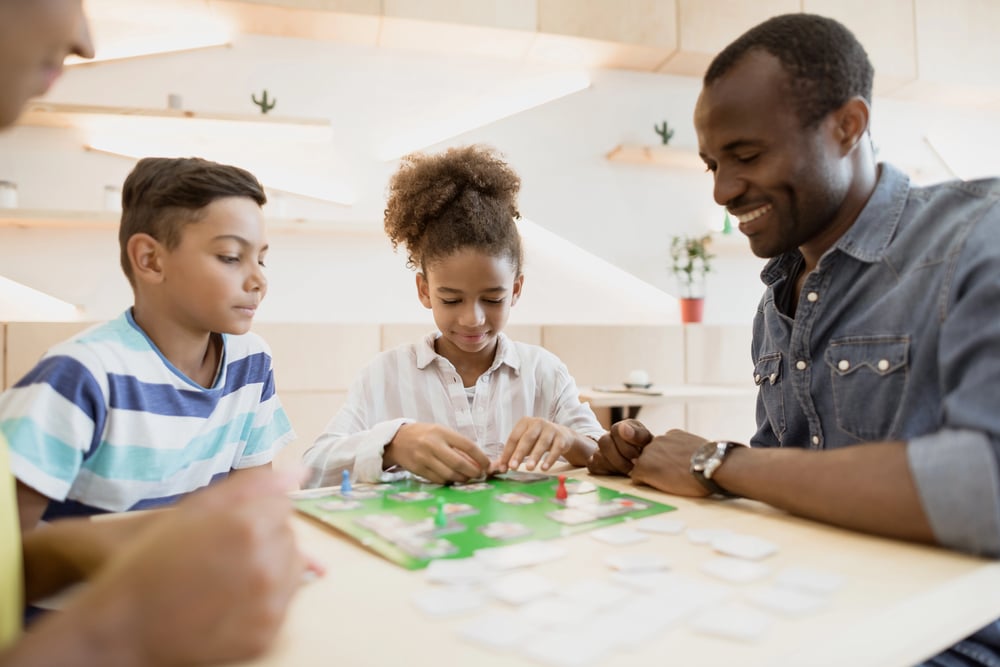
The Game of Life played on a proper board with a spinner and plastic cars and small pink and blue pegs for the family you acquired along the way was an unusually frank simulation for a children’s game. You chose between college and a career, navigated pay days and expenses, made financial decisions that had consequences several squares later, and ended up — along with everyone else at the table — comparing your accumulated wealth and life circumstances at retirement.
It was a game that adults found funnier than children did, for reasons they didn’t necessarily explain.
What the Table Was Really For

The games were not what the table was for. The table was for being together, and the games were a structure that made being together feel intentional rather than accidental.
They gave everyone something to do with their hands and eyes so the conversation could happen in the margins — the remark between turns, the comment when someone made an unexpected move, the laughter that broke out over something only distantly connected to the game itself.
The best kitchen table games were the ones that got played until a piece went missing or the box fell apart. The ones where you’d argue about the rules, discover you’d been playing it wrong for ten years, and decide the wrong version was better anyway.
Long after the games themselves are gone, what people remember is the specific quality of the light in that room, who sat where, and what someone said during a hand of cards that still makes them smile thirty years later.
More from Go2Tutors!

- The Romanov Crown Jewels and Their Tragic Fate
- 13 Historical Mysteries That Science Still Can’t Solve
- Famous Hoaxes That Fooled the World for Years
- 15 Child Stars with Tragic Adult Lives
- 16 Famous Jewelry Pieces in History
Like Go2Tutors’s content? Follow us on MSN.