24 Photographs from History That Were Hidden from the Public for Decades
Photographs that documented significant historical events were systematically suppressed, classified, or relegated to obscurity for decades before public disclosure. These images contradicted official narratives, exposed government misconduct, or revealed uncomfortable truths that authorities preferred to keep private.
The delayed revelation of suppressed photographs demonstrates how visual evidence challenges official accounts and how institutional power attempts to control historical narrative through information control.
The Atomic Testing Photographs
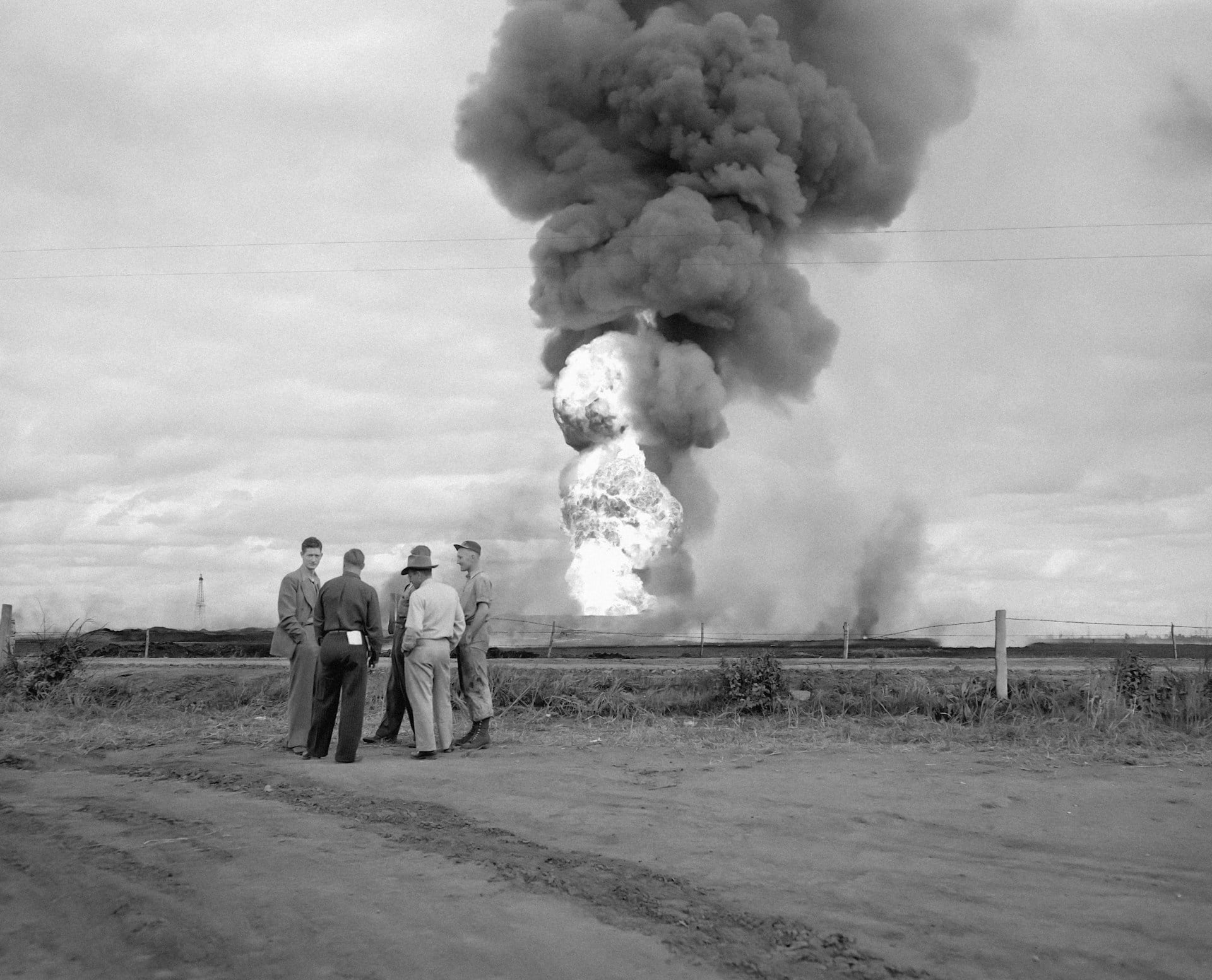
Early atomic bomb test photographs documented the weapons’ destructive capacity and radiation effects in ways that challenged government narratives. These images, initially classified as military secrets, revealed devastation and fallout consequences.
Decades later, declassification showed the weapons’ true impact that government had minimized in public discussions.
The Holocaust Liberation Photographs
Photographs of concentration camps taken during liberation were initially suppressed by military authorities who deemed them too graphic for public distribution. These images, showing skeletal survivors and mass death evidence, contradicted Nazi denials and proved atrocities.
Delayed publication meant decades passed before visual documentation became universally available.
JFK Assassination Photographs
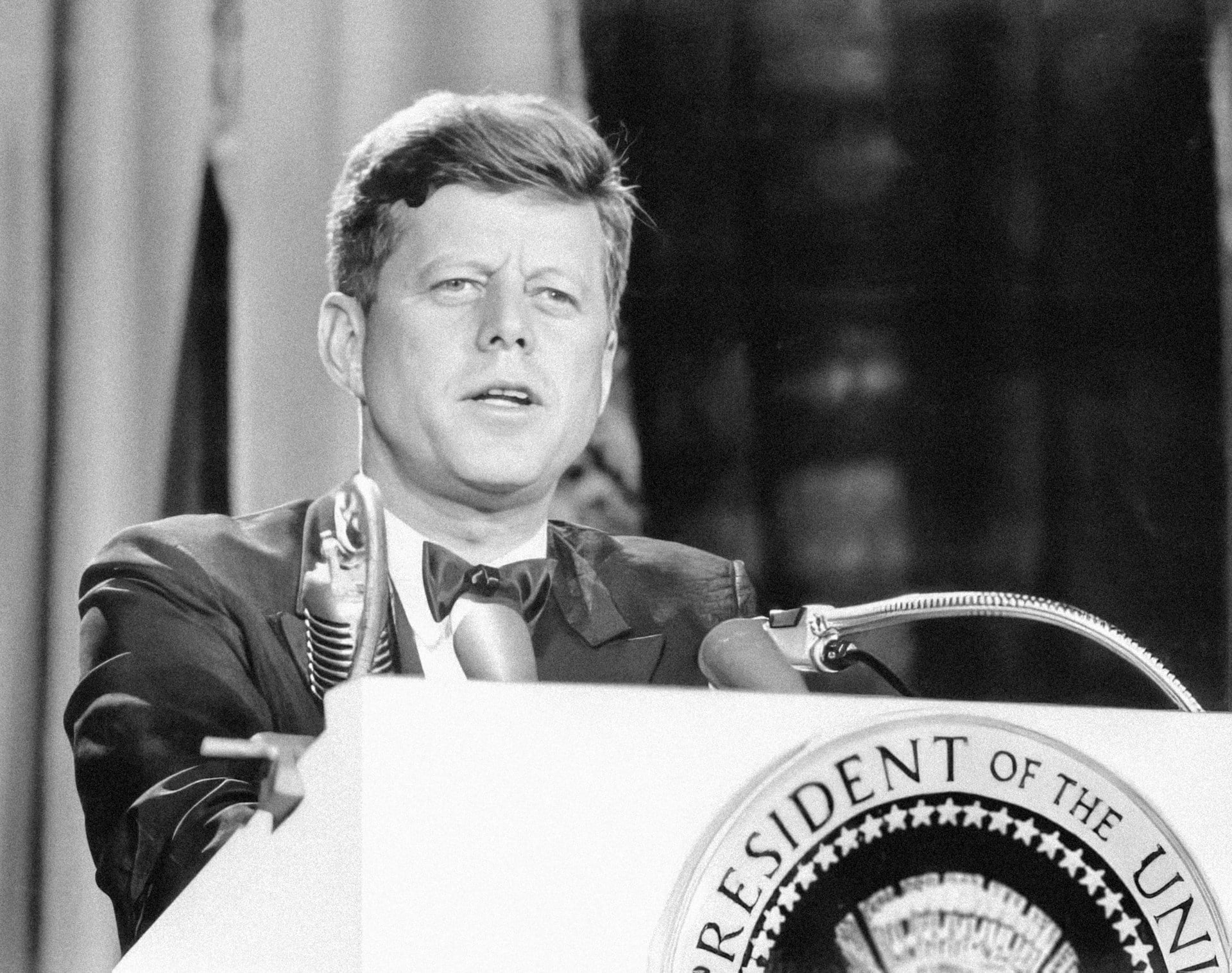
The Zapruder film documenting the Kennedy assassination was initially suppressed from public viewing. The film’s evidence regarding bullet trajectories and the shooting sequence contradicted official accounts.
The film’s delayed release enabled decades of conspiracy theories while awaiting visual evidence confirmation.
Military Torture Photographs
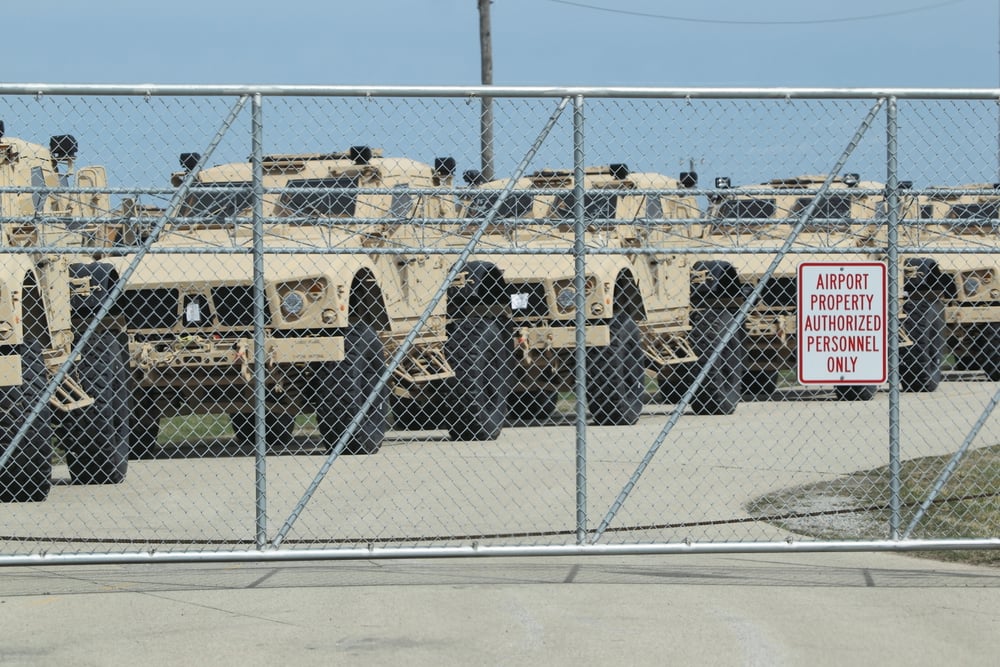
Photographs documenting military torture in Iraq and Afghanistan were officially classified and withheld from public view for years. These images, depicting abuse and detainee mistreatment, contradicted government claims about interrogation practices.
Leaked release produced political controversy and accountability demands.
The Gulf of Tonkin Incident Photographs
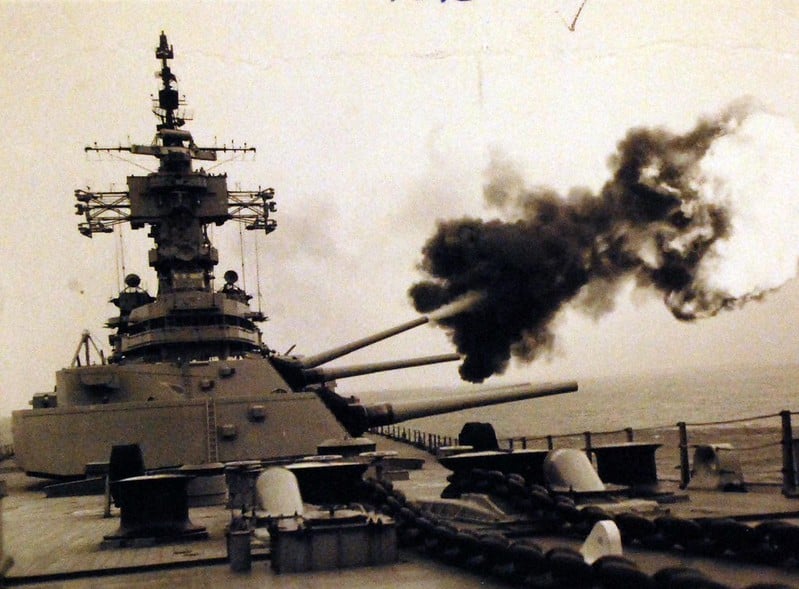
Photographs and documentation of the Gulf of Tonkin incident that justified Vietnam War escalation were classified for decades. Evidence suggested the second incident, used as war justification, never occurred.
Declassified materials revealed the incident’s questionable nature years after war commitment.
Lynching Photographs and Documentation
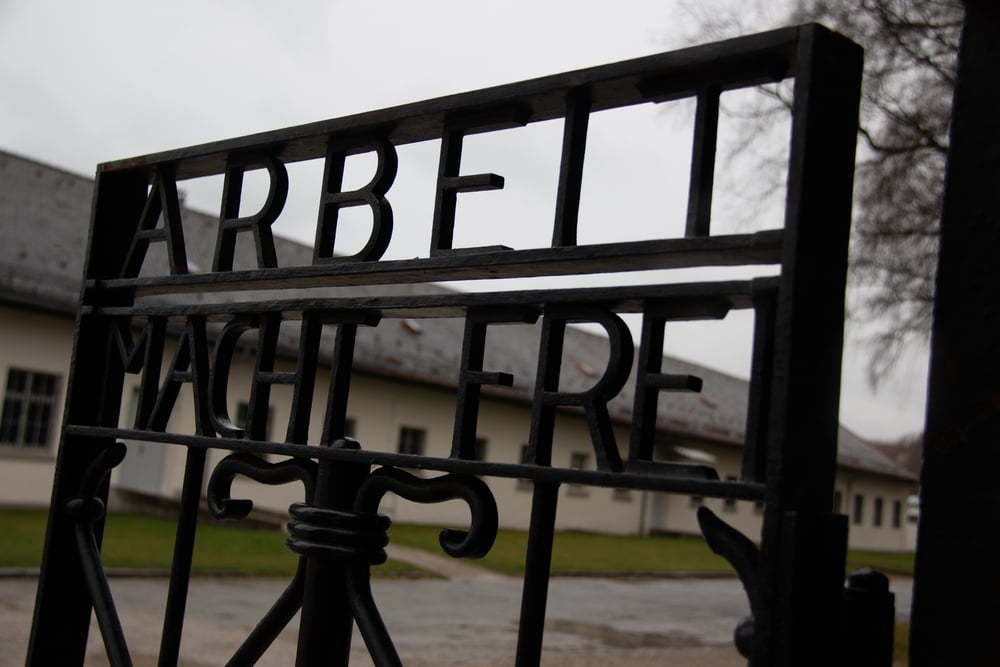
Photographs of lynching atrocities were systematically suppressed and hidden in archives for generations. These images documented racial violence and white mob murder of Black Americans.
Collections of suppressed lynching photographs eventually became available, confronting audiences with visual evidence of systematic racial violence.
The Tiananmen Square Massacre Photographs
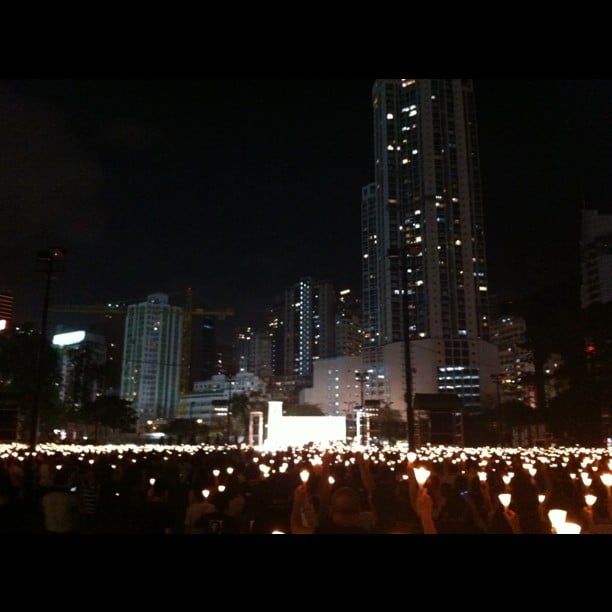
Chinese government suppression of Tiananmen Square uprising photographs attempted to erase evidence of military violence against students. Photographs and video smuggled out revealed government killings and suppression.
Continued Chinese censorship maintains suppression of these images within the country.
The Palestine Refugee Camp Photographs
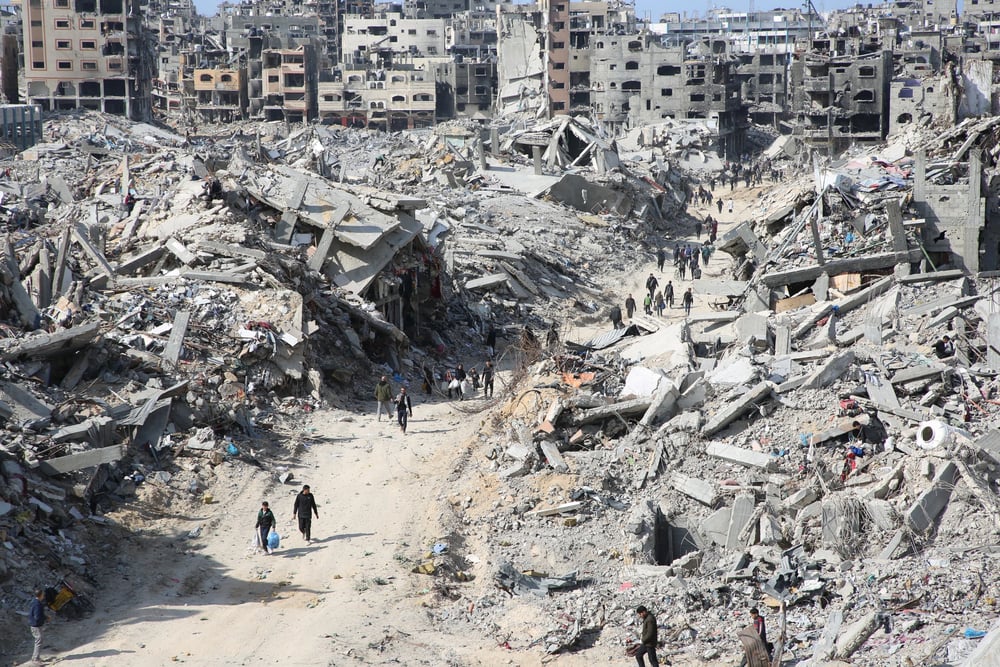
Photographs of Palestinian refugee conditions and Israeli military actions were initially suppressed by media outlets facing political pressure. These images, showing civilian suffering, contradicted Israeli government narratives.
Delayed publication meant years passed before visual documentation of conditions became public.
The United States Nuclear Testing Impact Photographs
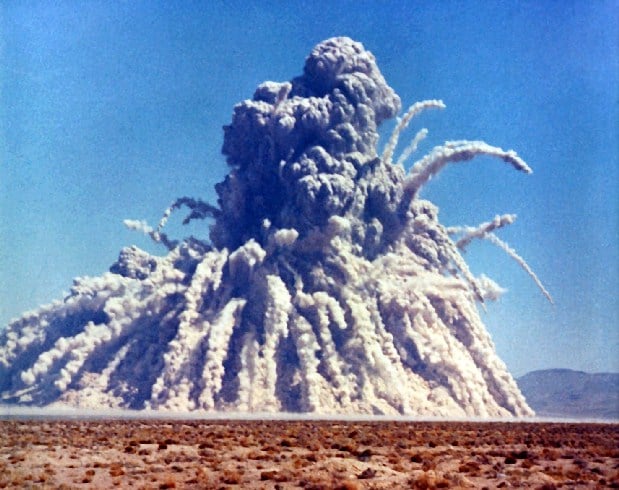
Photographs documenting impacts on Pacific Islanders from atomic testing and radiation exposure were classified for decades. These images showed disease, birth defects, and environmental destruction.
Delayed declassification meant affected populations waited generations for evidence acknowledgment.
The Soviet Gulags Photographs
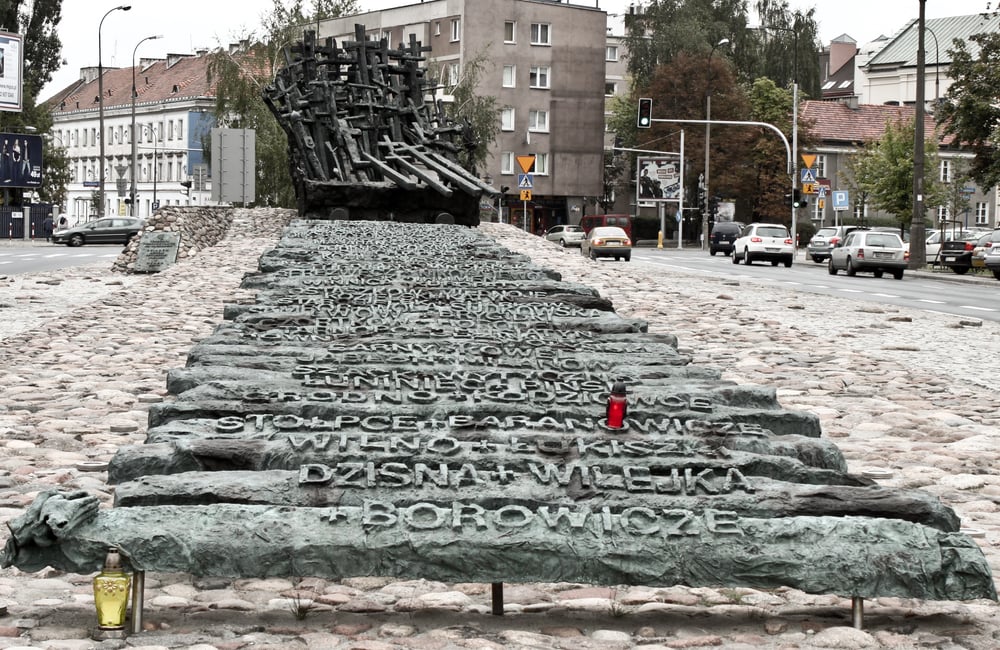
Photographs documenting Soviet concentration camp conditions were suppressed and hidden within the Soviet Union for decades. These images, revealing systematic imprisonment and suffering, contradicted official propaganda.
Western access to the photographs remained limited until Cold War conclusion.
The Chemical Weapons Test Photographs
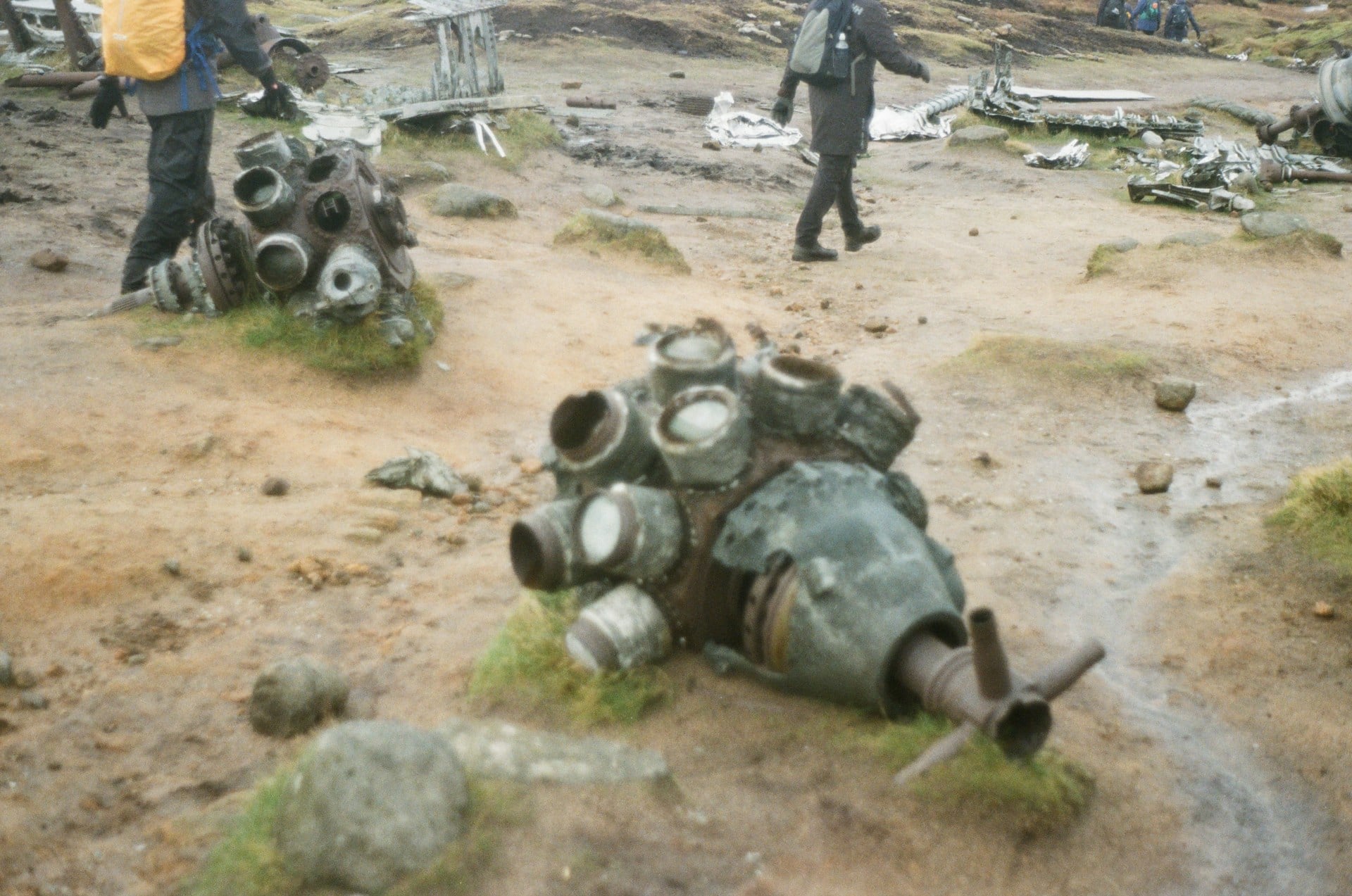
Photographs documenting chemical weapons testing on human subjects were classified as military secrets for decades. These images revealed medical experimentation on vulnerable populations.
Delayed declassification exposed unethical treatment that official narratives had concealed.
The Forced Sterilization Program Photographs

Photographs documenting eugenics-based forced sterilization programs were hidden from public view for decades. These images, showing vulnerable populations subjected to reproductive violation, contradicted official claims.
Delayed publication meant victims’ experiences remained invisible for generations.
The Russian Famine Photographs
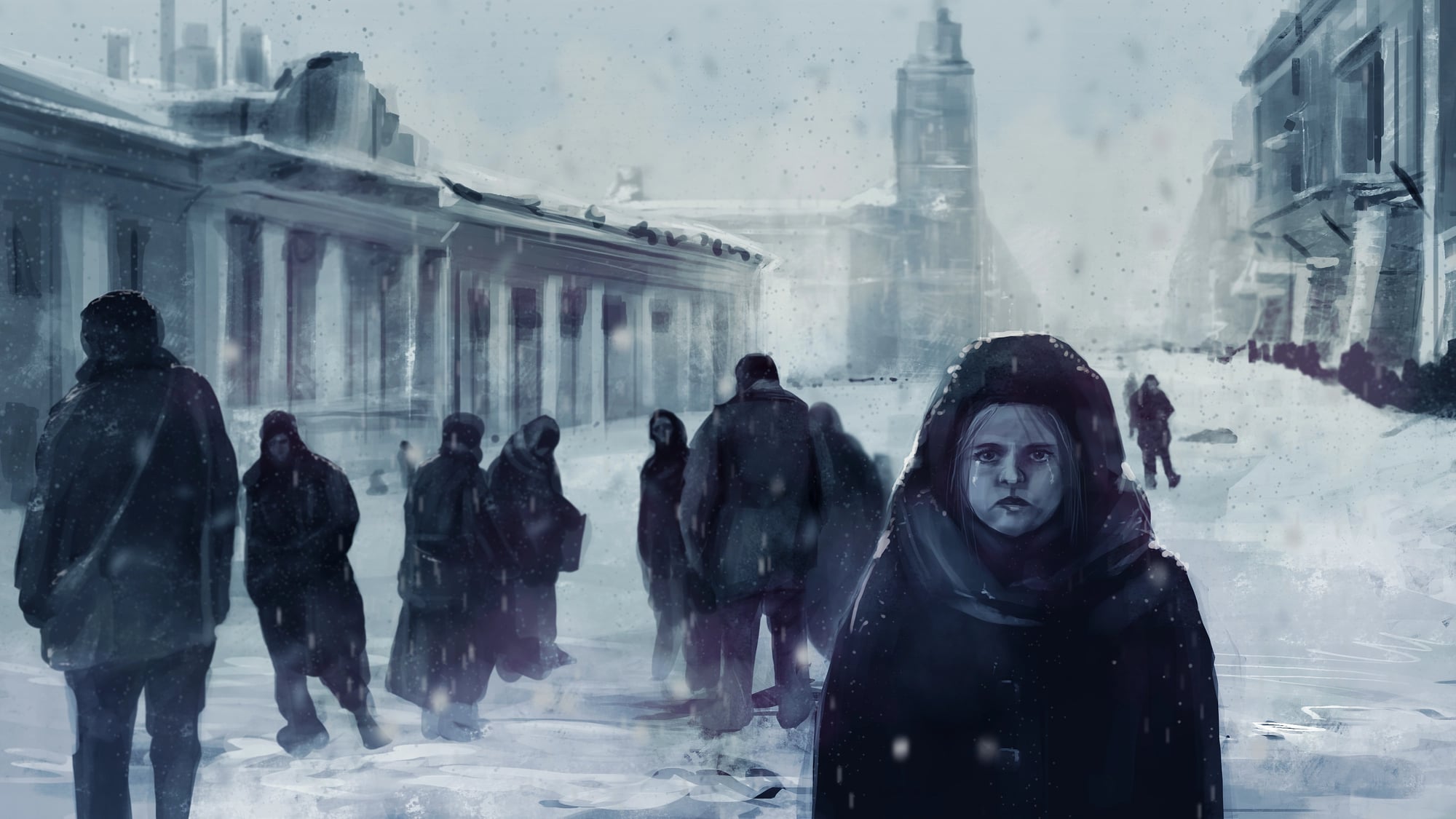
Soviet government suppression of photographs documenting the 1930s famine prevented visual evidence from contradicting official accounts. These images, showing mass starvation, were systematically destroyed or classified.
Decades passed before Western audiences saw documentation of famine scale.
The Indigenous Child Removal Photographs
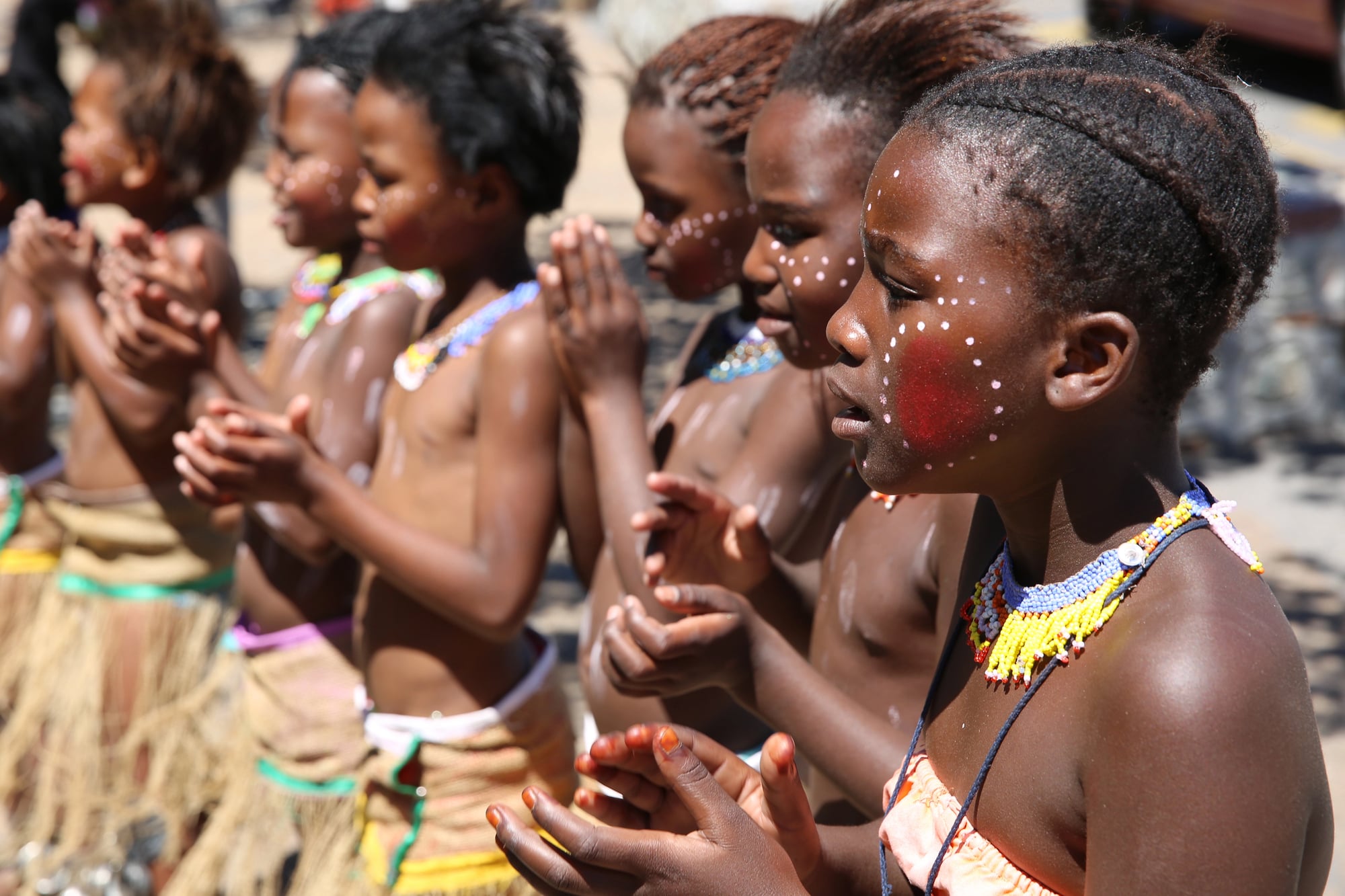
Photographs documenting Indigenous children forcibly removed to residential schools were suppressed and hidden from public view. These images, showing traumatized children and institutional conditions, contradicted official educational narratives.
Recent document releases revealed suppressed evidence of cultural genocide.
The British Colonial Violence Photographs
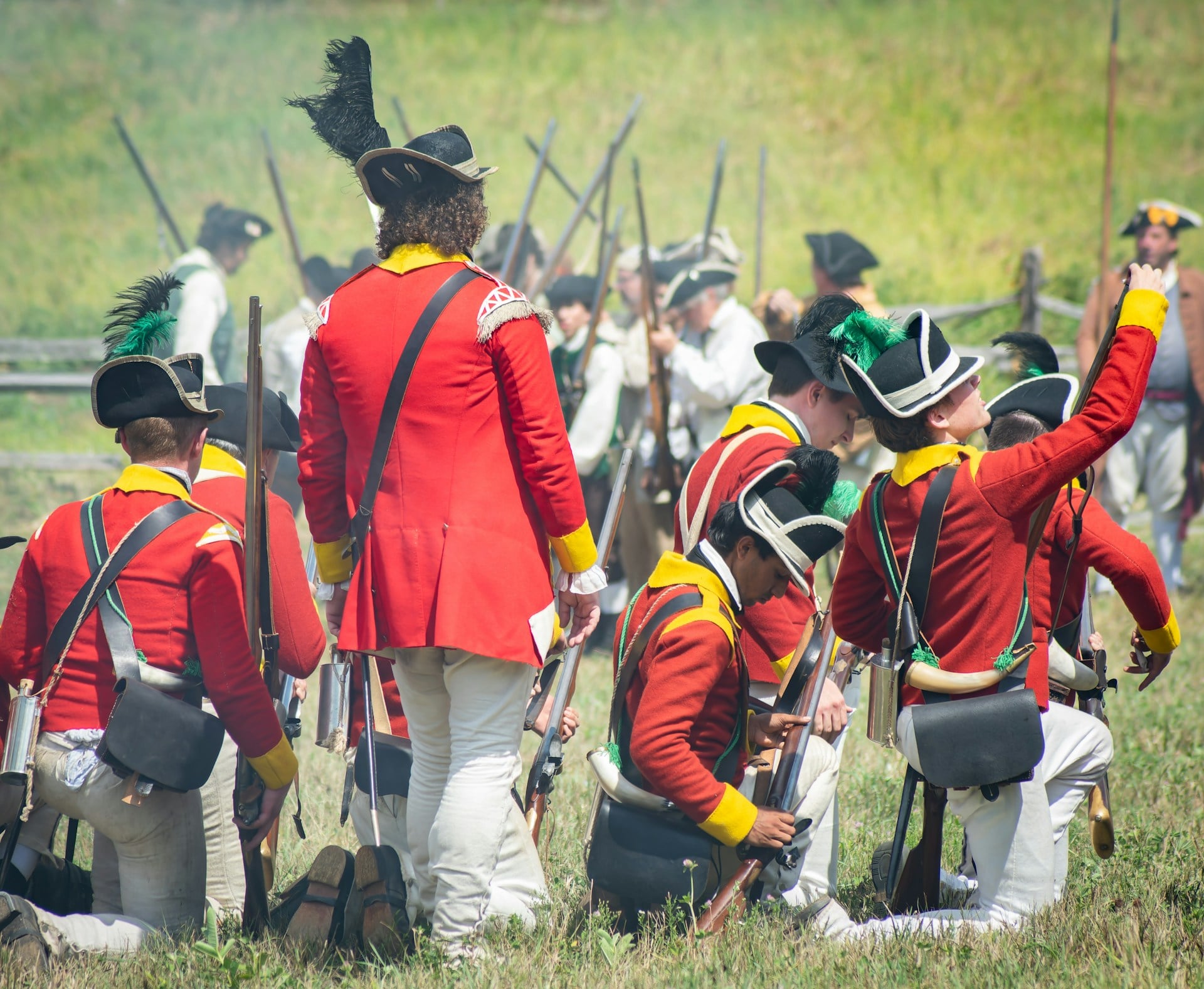
Photographs documenting British colonial military violence in India and other territories were suppressed and archived away. These images, showing civilian casualties and repression, contradicted imperial narratives.
Delayed availability meant decades passed before visual evidence of colonial violence became accessible.
The Japanese War Crime Photographs
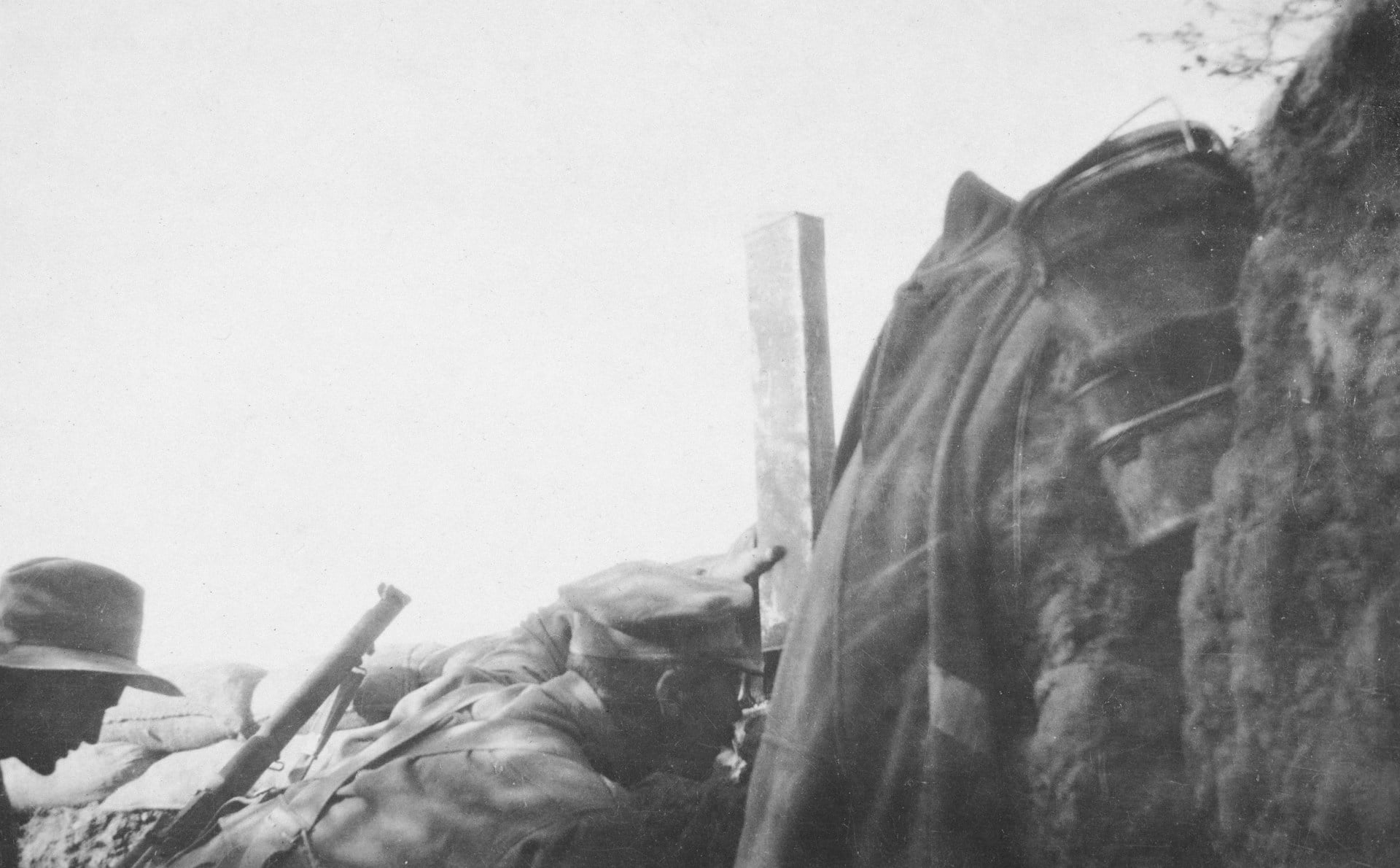
Photographs documenting Japanese military atrocities during World War II were suppressed by occupying American forces and Japanese authorities. These images, revealing systematic violence, contradicted Japanese government minimization.
Delayed publication affected historical reckoning and justice.
The Philippine-American War Photographs
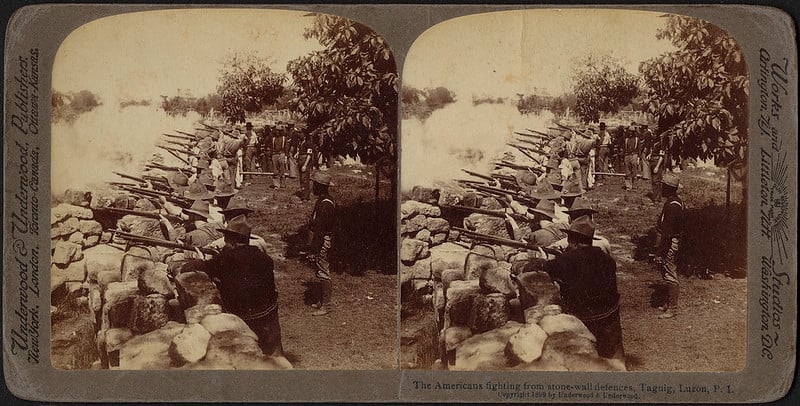
Photographs documenting American military violence against Filipino populations during the colonial war were suppressed by military authorities. These images, showing civilian casualties and military excesses, contradicted official narratives of civilizing mission.
Archived materials eventually revealed suppressed violence.
The Indigenous Population Removal Photographs
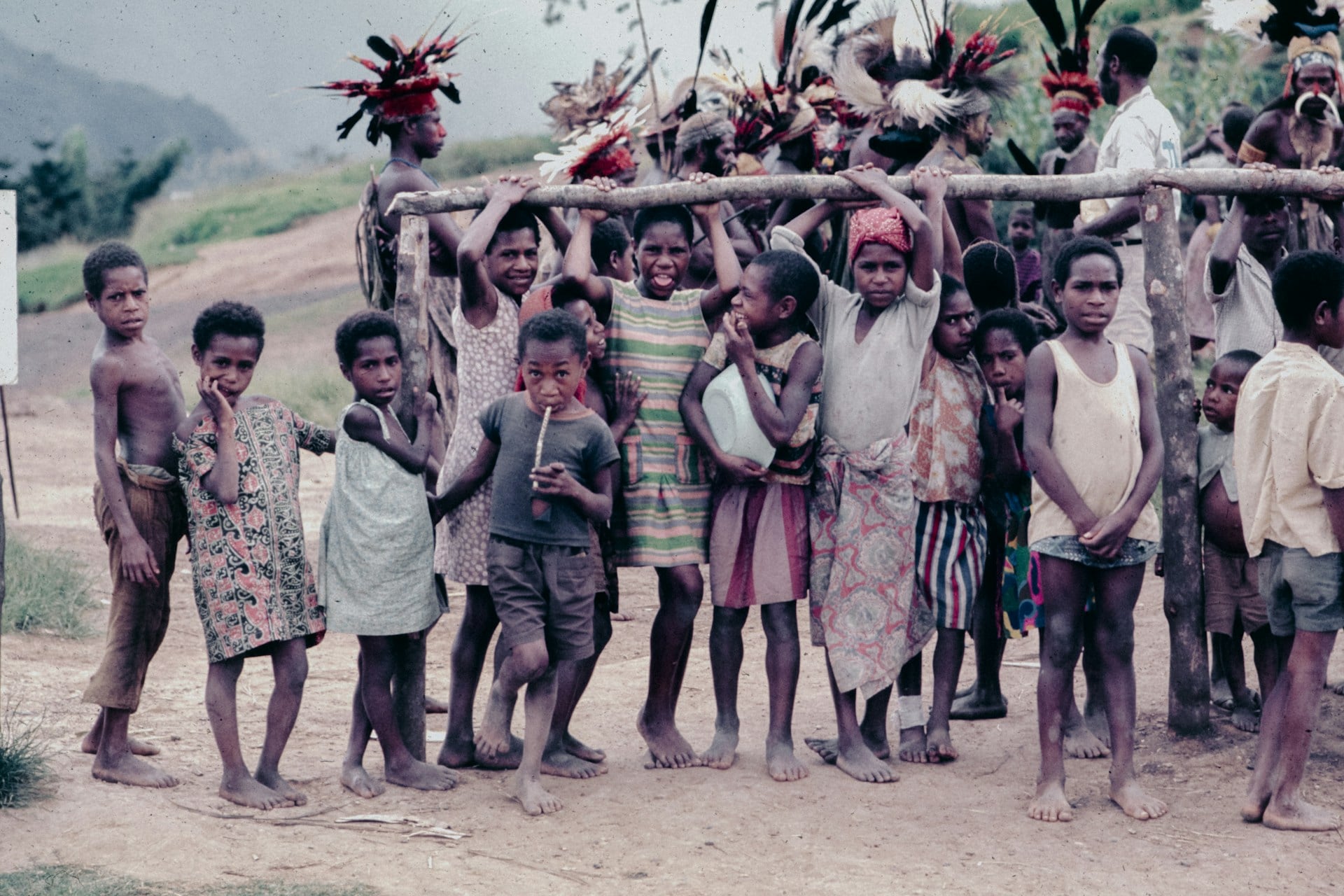
Photographs documenting forced removal of Indigenous populations were suppressed and hidden from public view. These images, showing family separation and trauma, contradicted official claims about benevolent policies.
Delayed publication meant generations passed before visual documentation became available.
The Secret Government Surveillance Photographs
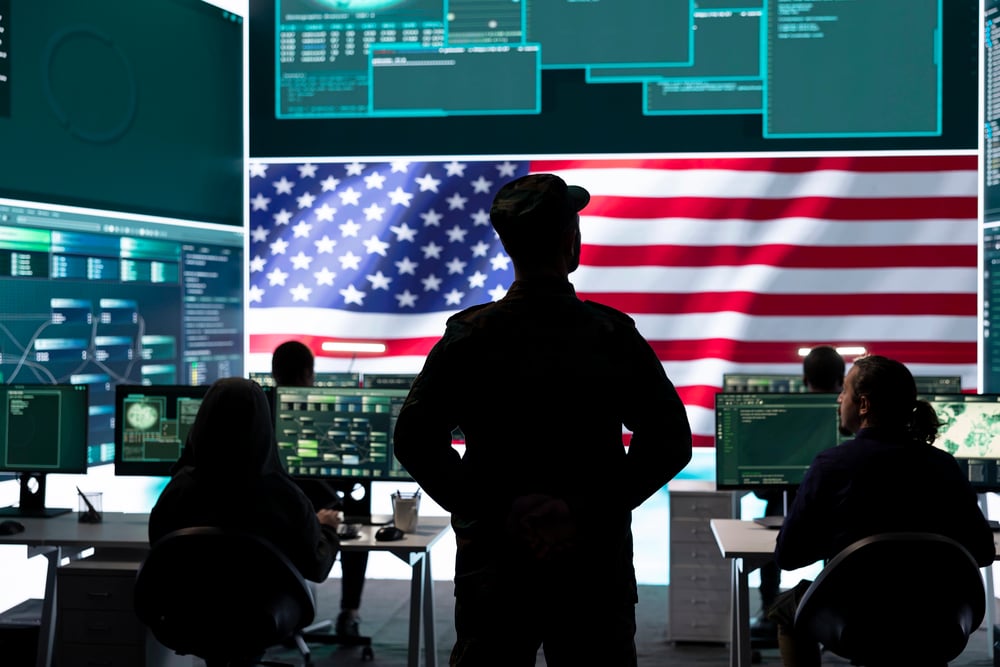
Photographs and evidence of government surveillance programs targeting political activists and civil rights leaders were classified for decades. These images, demonstrating systemic targeting, contradicted official denials.
Delayed declassification revealed surveillance scale after programs had operated for years.
The Environmental Disaster Photographs
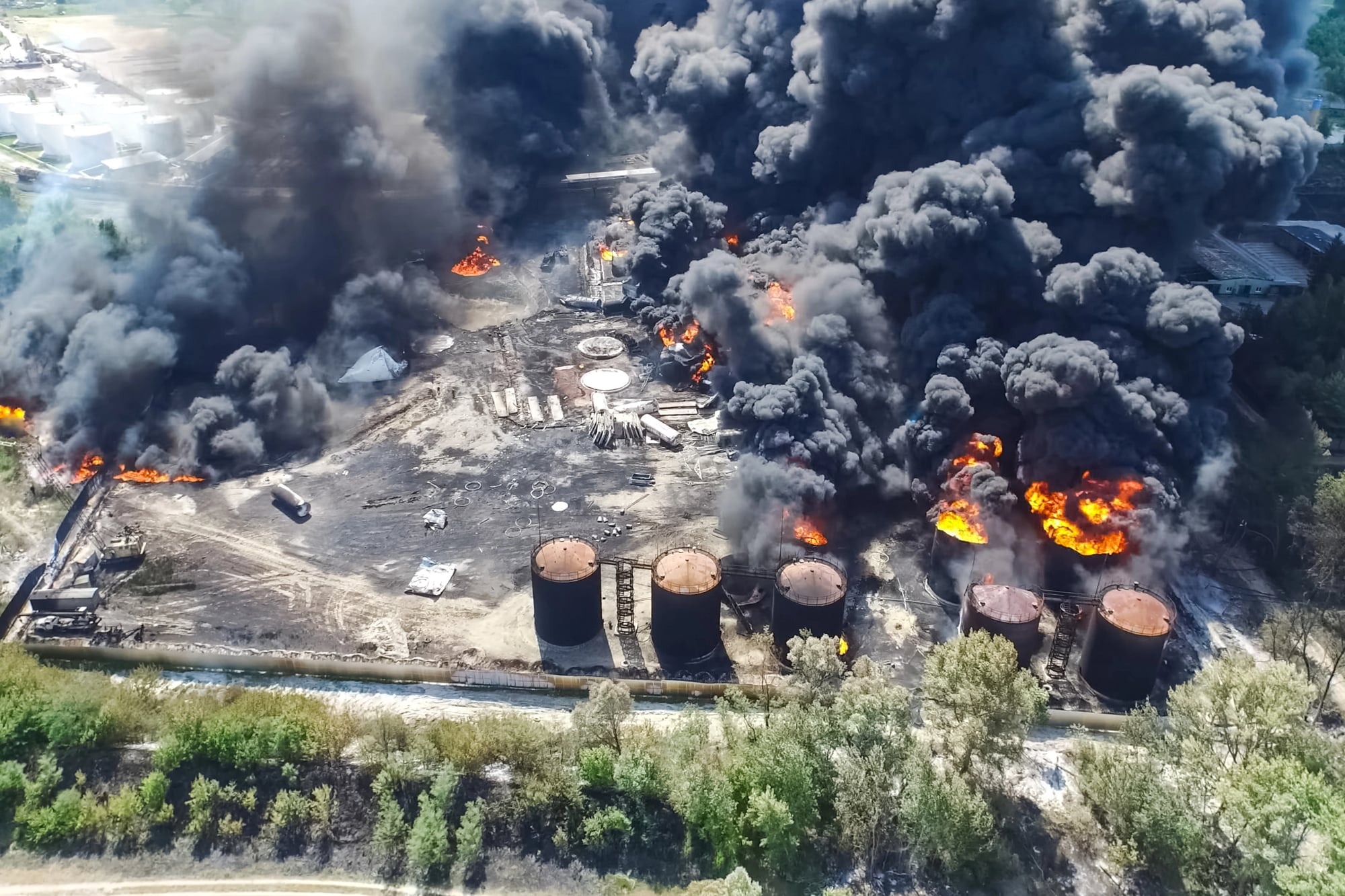
Photographs documenting environmental destruction from industrial operations and nuclear accidents were suppressed by authorities. These images, showing ecological devastation, contradicted corporate and government claims.
Delayed publication meant environmental consequences remained publicly invisible for years.
The Medical Experimentation Photographs

Photographs documenting unethical medical experiments on vulnerable populations were classified as research materials. These images, showing human suffering from unauthorized procedures, contradicted official claims.
Delayed publication meant victims’ experiences remained unknown for decades.
The Police Violence Photographs
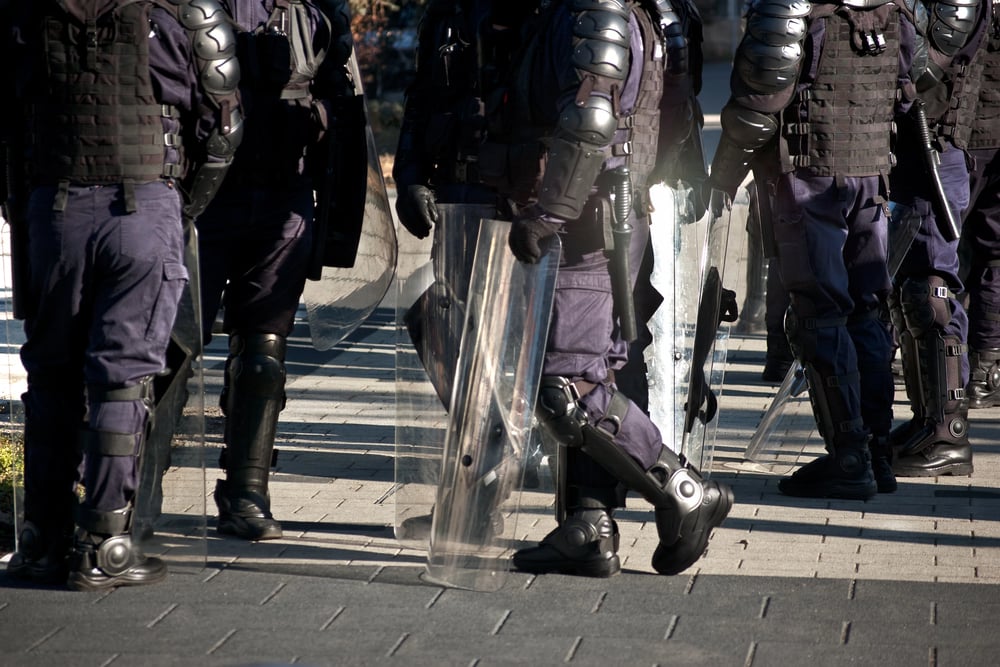
Photographs of police violence against demonstrators and minority communities were suppressed by authorities. These images, showing excessive force, contradicted official accounts.
Delayed or limited publication meant police violence remained undocumented for years before visual evidence emerged.
The Labor Movement Photographs
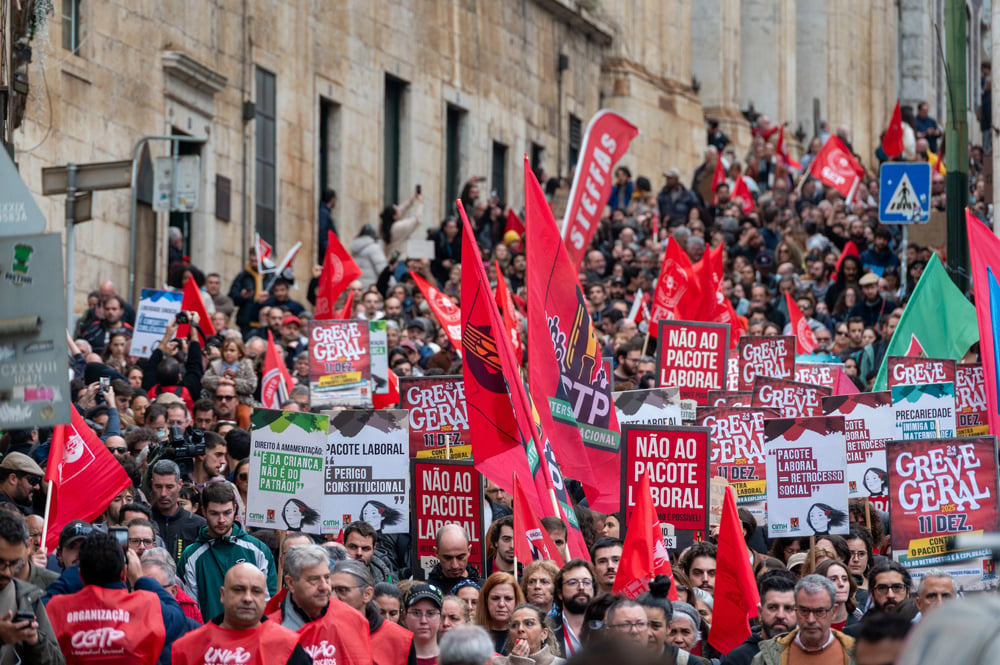
Photographs documenting labor protests and police response were suppressed by authorities and media outlets. These images, showing worker organizing and state repression, contradicted official narratives.
Archives eventually released suppressed documentation years after events.
The Refugee Camp Photographs
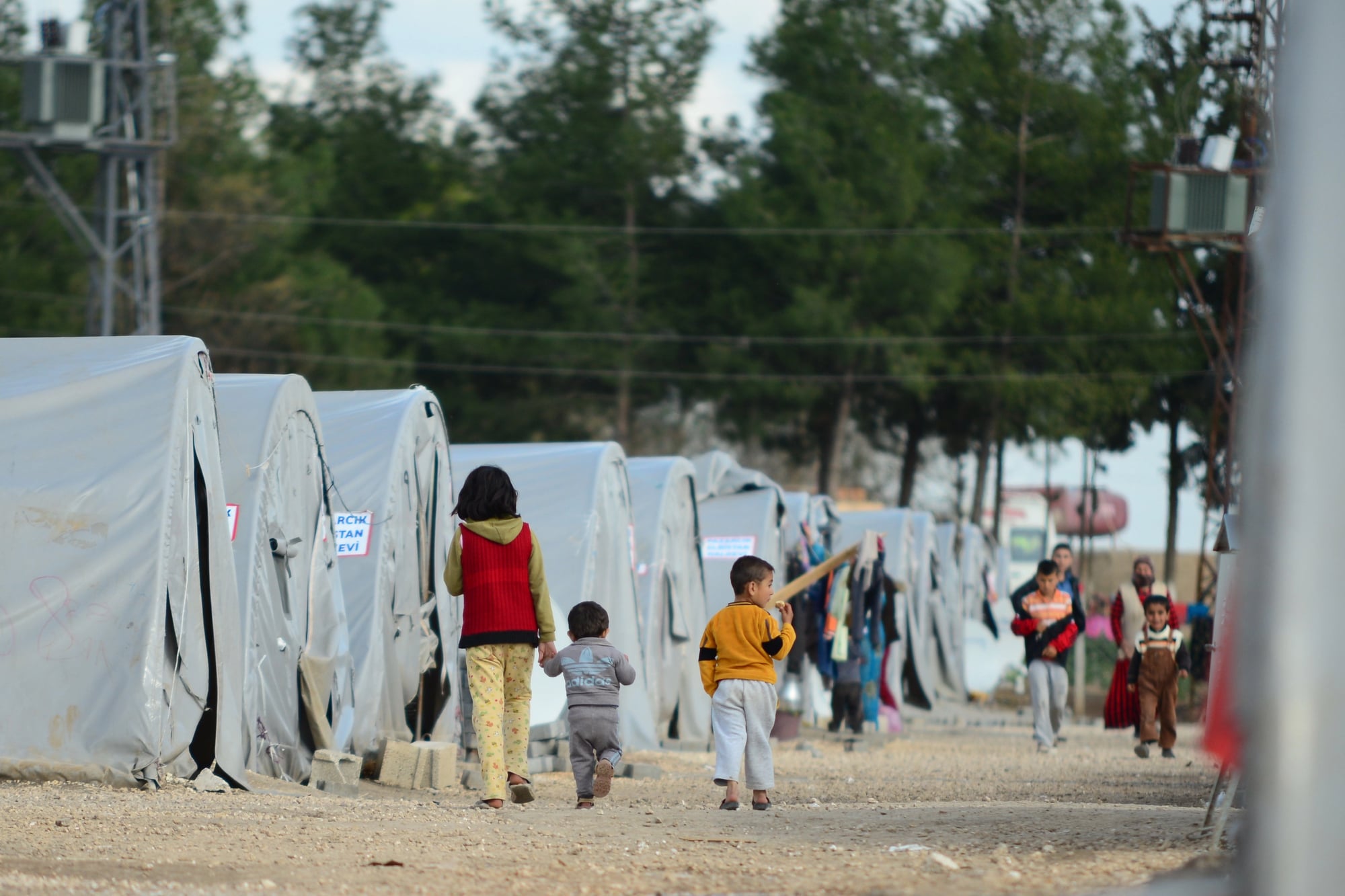
Photographs of refugee conditions, forced displacement, and humanitarian crises were suppressed by governments and international organizations. These images, showing human suffering, contradicted official claims about conditions.
Delayed publication meant visual evidence of humanitarian disaster remained invisible.
The Power of Suppressed Visual Evidence
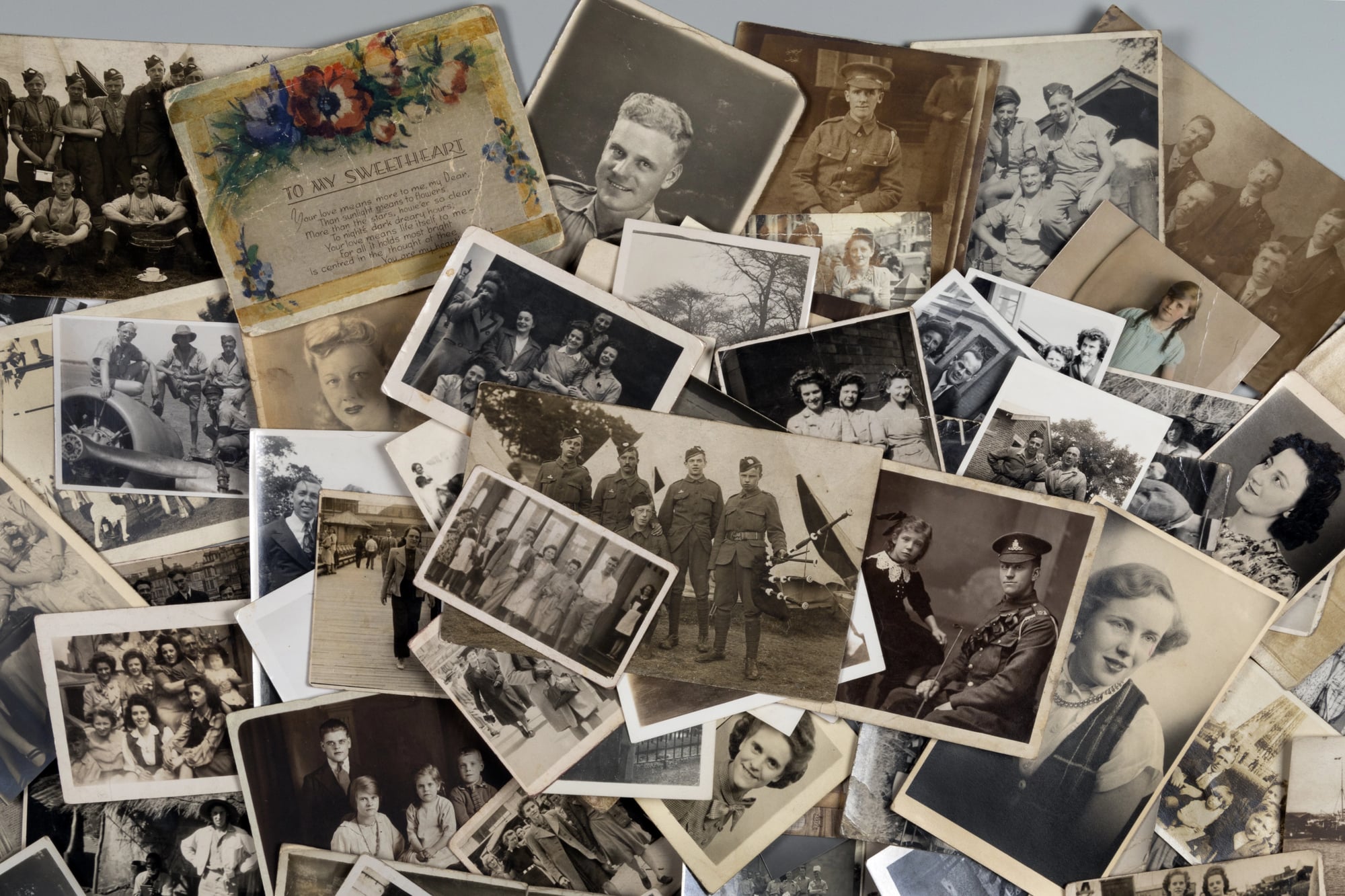
Photographs provide irrefutable evidence that contradicts official narratives in ways documents alone cannot. The systematic suppression of visual documentation demonstrates authorities’ recognition of photography’s evidentiary power.
Eventually released photographs demonstrate how power attempts historical narrative control through information suppression, but visual evidence ultimately challenges those efforts.
More from Go2Tutors!

- The Romanov Crown Jewels and Their Tragic Fate
- 13 Historical Mysteries That Science Still Can’t Solve
- Famous Hoaxes That Fooled the World for Years
- 15 Child Stars with Tragic Adult Lives
- 16 Famous Jewelry Pieces in History
Like Go2Tutors’s content? Follow us on MSN