Things Neighborhood Kids Built Out of Scrap Wood and Imagination
Before organized recreation consumed childhood, before supervised playgrounds replaced empty lots, children constructed their own worlds from materials discarded by adults. A bent nail, a warped board, and a dangerous lack of protective equipment were sufficient for entire summers of creation.
These structures were rarely beautiful, often collapsed under their own poorly calculated weight, and occasionally caused injury—yet they represented a form of hands-on learning that modern children, handed plastic toys engineered by teams of designers, rarely experience. What follows are the wooden contraptions that dominated American neighborhoods from the 1930s through the 1980s.
The Classic Treehouse
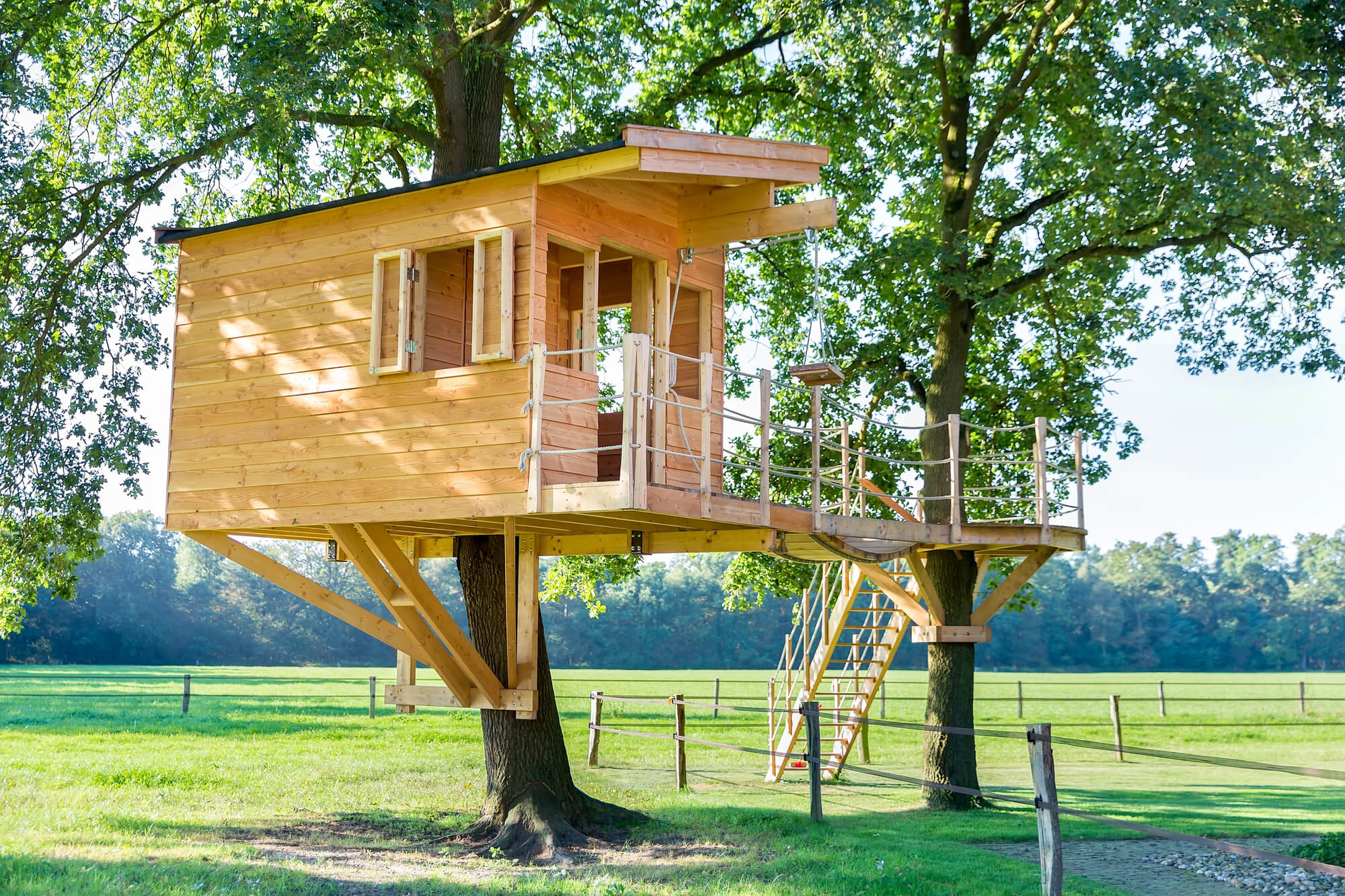
A rope ladder, a wooden platform, and four walls of scrap plywood created the archetypal childhood fortress. Most were rigged disasters held together by rusty nails and the hope that weight distribution didn’t matter.
Real engineering principles were unknown; nails were simply hammered into trees with no consideration for eventual structural failure. Despite their fundamental unsoundness, treehouses persisted through entire decades, suggesting that either children possessed remarkable luck or adult oversight was sufficiently absent that catastrophic failures went unrecorded.
The internal organization varied: some were treasure repositories for stolen comic books, others served as secret meeting halls for clubs with elaborate initiation rituals and bylaws written in crayon.
Soapbox Derby Cars and Gravity Racers
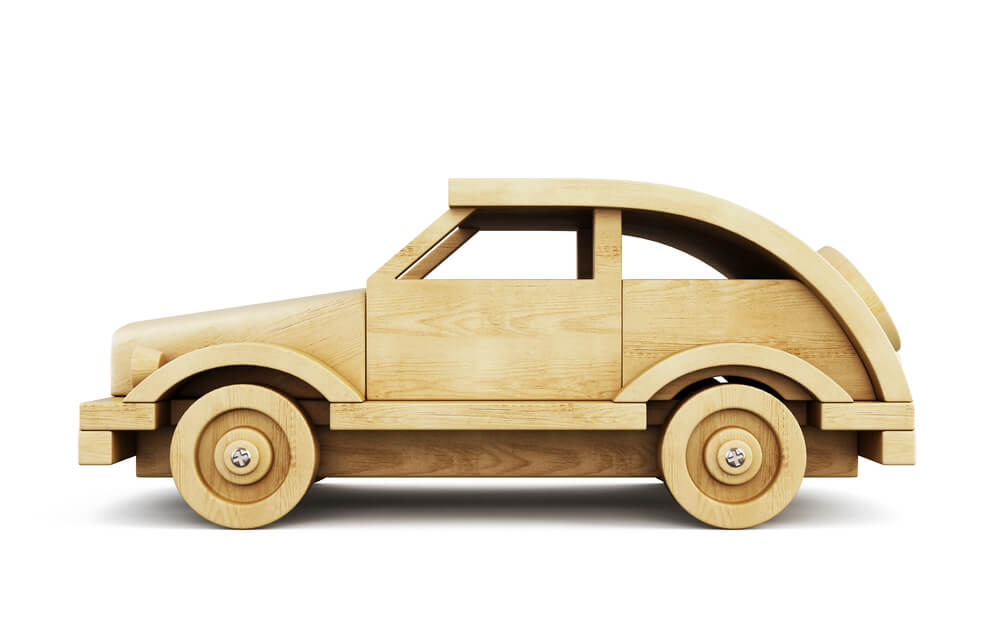
Neighborhood engineers constructed gravity-powered racing vehicles from wooden crates, discarded bicycle wheels, and rope steering mechanisms. These vehicles were inherently dangerous, powered by nothing but gravitational descent down residential hills, with braking systems consisting of a child’s feet dragging against pavement.
The wooden chassis was typically constructed from two-by-fours and plywood scrap, creating machines of shocking weight relative to their structural integrity. The Soap Box Derby became formalized in 1934, but informal versions existed wherever gravity could be harnessed and neighborhood streets sloped downward.
Children died in these devices, yet they persisted as staples of childhood because the combination of speed and self-construction proved irresistible.
Forts and Combat Structures
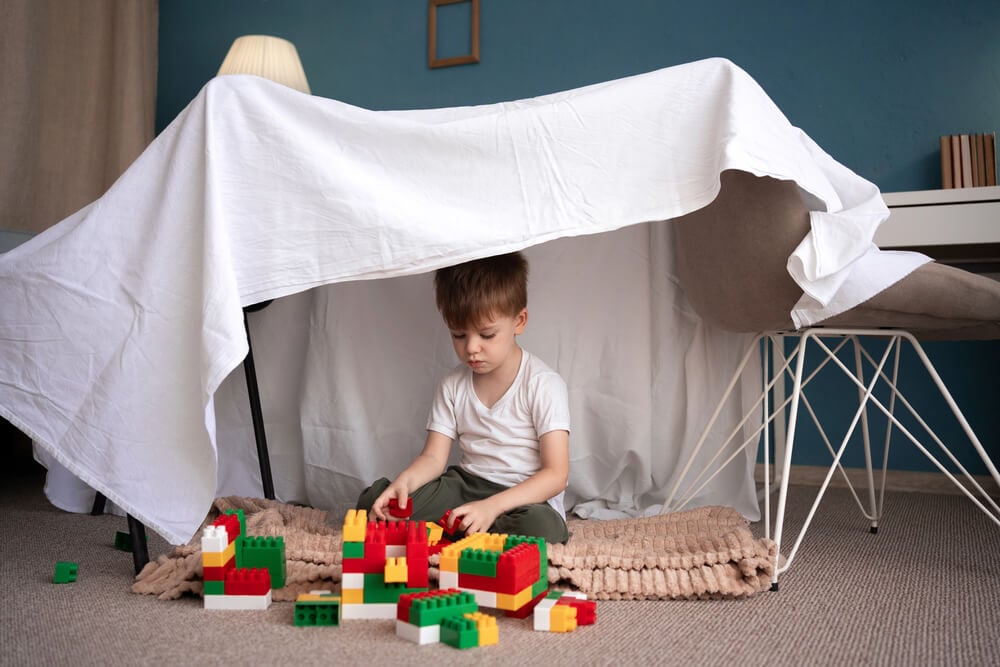
Neighborhood children devoted extraordinary effort to constructing elaborate fort systems. Wooden frames were covered with blankets, tarps, or found wood, creating structures of bewildering complexity.
Some incorporated multiple rooms, secret passages, trap doors, and observation posts. The engineering was entirely ad hoc—if a support beam threatened to collapse, children simply added another beam without considering loads or stress patterns.
Forts served as staging grounds for elaborate games involving feudal hierarchies, military campaigns, or simple territorial defense against rival neighborhood factions. The construction phase often took weeks, with children scavenging materials from construction sites, abandoned buildings, and their parents’ garages.
Water Wheels and Mill Structures

Where creeks or drainage ditches provided flowing water, children constructed miniature water-powered mills using wood scraps and bicycle wheels. The structures ranged from simple wheels that spun in the current to elaborate systems involving dams, channels, and mechanisms that supposedly powered mysterious operations.
Most were non-functional in any practical sense, yet the effort devoted to their construction was genuine. These projects represented attempts to harness natural forces through mechanical means—a hands-on introduction to engineering that required calculation, observation, and iteration when initial designs failed.
Target Ranges and Game Structures

Neighborhood children constructed elaborate structures for games: archery targets made from stacked wood scraps, marble ramp systems involving planks and nails, and slingshot targets using tin cans mounted on wooden frames. These structures were sometimes refined through multiple iterations as children tested designs and modified them based on failure.
The shooting ranges were especially dangerous—homemade bows and arrows created by neighborhood kids demonstrated impressive engineering but frightening disregard for safety. Several children injured siblings or playmates with these devices, yet the structures persisted in neighborhoods throughout North America, modified but not abandoned.
Ramps and Jumps for Bicycles and Skateboards

In later decades, the invention of skateboards and the revival of BMX bicycles prompted the construction of elaborate ramp systems using scrap wood. Neighborhood youth built quarter-pipes, half-pipes, and jump ramps of remarkable sophistication, despite their wobbly construction.
These ramps typically collapsed after a few seasons of heavy use, yet they were rebuilt annually using new scrap materials. The ramps served as early versions of skate parks, with the difference that they were entirely amateur-constructed and thoroughly unsafe.
Broken bones were expected hazards, not reasons to cease using the structures. The engineering knowledge required to construct a functional ramp—understanding angles, weight distribution, and materials—was learned through trial and error rather than classroom instruction.
Siege Machines and Catapults

Inspired by historical accounts of medieval warfare, neighborhood children constructed siege engines using wood, rope, and rubber bands. Catapults, trebuchets, and ballista-inspired devices were built to launch stones, water balloons, or whatever projectiles were available.
These machines demonstrated surprising sophistication in some cases, with children calculating angles and leverage ratios through experimentation. The machines frequently misfired or broke during their first use, resulting in flying projectiles heading in unexpected directions.
Despite the hazards, the construction and testing of siege weapons represented genuine applications of physics principles, learned not through textbooks but through creation and failure.
Zip Lines and Cable Suspension Systems

Where terrain permitted, neighborhood children strung ropes or cables between elevated points—typically between trees or from trees to garage roofs—creating zip lines for fast descent. The engineering was minimalist: a pulley, a rope, and faith that materials would hold.
Multiple children often used the same line simultaneously, exceeding design capacities (which were never actually calculated). Accidents were common, yet zip lines remained persistent features of neighborhoods with appropriate topography.
Some elaborate systems had multiple lines creating circuits through several properties. The danger was proportional to the creativity; the most impressive systems were often the most likely to fail catastrophically.
Secret Passages and Tunnels

In neighborhoods with sufficient space, children dug tunnels or created underground passage systems using scrap wood and dirt. The wooden frameworks were shored up with boards and sticks in configurations that resembled mining operations, though with no consideration for cave-in risks.
Some of these passages collapsed, trapping children and requiring rescue by adults. The projects demonstrated persistence and teamwork, though they also illustrated fundamental misunderstanding of structural engineering.
Parents who discovered tunnels beneath their properties either accepted them as inevitable childhood experiments or filled them in, only to have children begin excavation again elsewhere.
Contraptions and Rube Goldberg Devices

Elaborate chains of causation—water wheels triggering chutes that released orbs, which struck dominoes, which operated pulleys—represented neighborhood children’s attempts at creating mechanical complexity. These machines rarely functioned as intended, but the construction itself represented genuine engagement with principles of physics.
The devices incorporated scraps of wood, string, hinges, and whatever mechanisms could be salvaged from discarded machinery. The failure of these contraptions was not interpreted as reason to abandon the project but as an engineering problem requiring redesign and reconstruction.
Bridges and Aqueducts

Neighborhoods with creeks or other water features prompted the construction of bridges and water channels. These structures used scrap wood to span water or convey water between points.
The engineering was often imaginative but frequently resulted in structures that either flooded their surroundings or collapsed under unexpected loads. Aqueduct systems attempted to move water from natural sources to locations where it could be dammed up for swimming pits or water fights.
The projects combined manual labor, planning, and problem-solving in ways that formal education rarely demanded.
Platforms and Lookout Posts

Tall wooden structures served no function other than to provide height and vantage points. These platforms—built on roof edges, poles, or tree branches—violated every modern safety code yet provided children with genuine thrills and useful surveillance points for observing neighborhood activities.
The structures were often modified repeatedly as children tested their loadbearing capacity and adjusted designs when critical failures occurred. Some platforms persisted for decades, passed down through generations of neighborhood children as established infrastructure.
Swings and Suspended Equipment

While simple swings were common, neighborhood engineers created more complex suspended systems: rotating platforms hanging from chains, standing swings capable of swinging children in multiple directions, and suspension systems that attempted to recreate fairground rides. The chains and attachment points were frequently insufficient for the loads they carried, yet accidents seemed to enhance rather than diminish their appeal.
The equipment was continually being modified, with children adding or adjusting components based on what they learned from previous failures.
Chicken Coops and Animal Shelters

Children who raised rabbits, chickens, or other livestock sometimes built elaborate shelter systems using scrap wood. These structures ranged from simple hutches to complex multi-unit facilities incorporating water systems and feeding mechanisms.
The projects required planning, material gathering, and problem-solving related to animal welfare. Many of these structures reflected genuine care for the animals, though some projects were abandoned when animals died from exposure or inadequate care.
The projects represented early experiences with responsibility for living creatures and resource management.
Fort Gates and Defensive Structures

Elaborate gate systems incorporating locks, pulleys, and lifting mechanisms served to control access to forts and protected territories. These gates were sometimes sophisticated, using counterweights and rope systems to lift barriers.
The engineering demonstrated by children creating these systems was occasionally remarkable, though entirely self-taught and learned through trial and error. The gates frequently malfunctioned, trapping the operators or failing to provide the intended obstruction.
Yet despite their failures, new gates were built and tested in an endless cycle of invention, failure, and redesign.
Ladders and Climbing Systems

Beyond simple ladders, children constructed elaborate climbing systems using rope, wood, and attached pieces of scrap material. These systems typically led to elevated platforms or served no purpose other than to provide the challenge of climbing itself.
The construction was frequently unstable, and climbing these systems resulted in regular injuries. Yet the structures persisted, modified as needed when components failed.
Some elaborate systems represented months of construction, with children continuously improving and extending them.
Pulley Systems and Mechanical Lifts

Inspired by real machinery but constructed from scraps, neighborhood children built systems of pulleys and counterweights to lift loads. Some of these systems were reasonably functional, transporting materials up to elevated platforms or operating gates.
Others were purely mechanical experiments, created to understand how mechanical advantage could be achieved through pulley configurations. The systems frequently failed under load, with catastrophic results for whatever was being lifted.
Nevertheless, the engineering knowledge gained through construction and experimentation was genuine, if costly in terms of damaged materials and occasional injury.
Trampolines and Bounce Systems
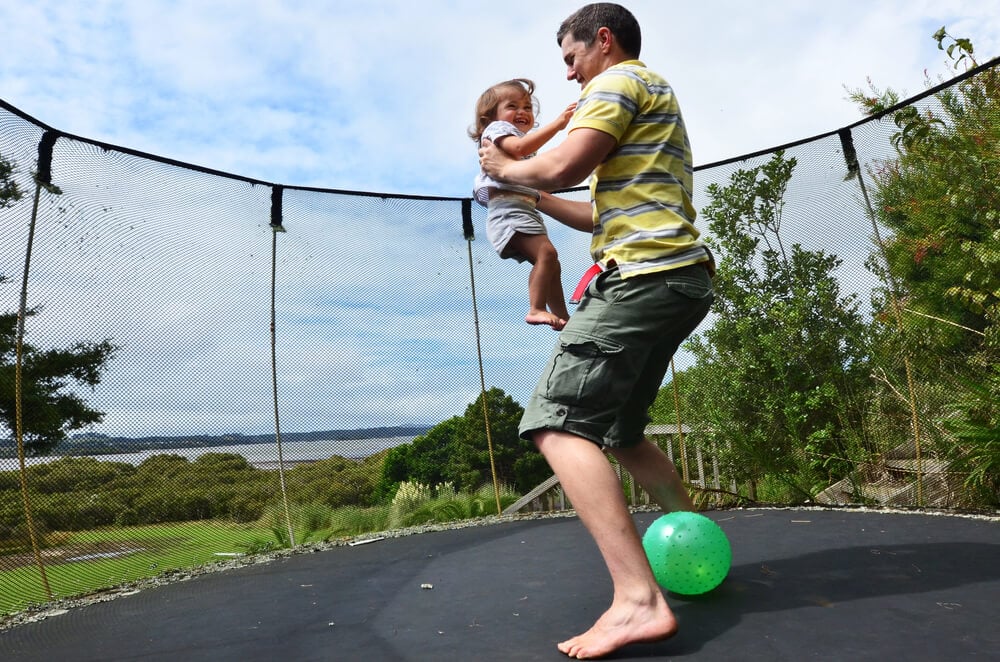
In later decades, children constructed trampolines using old rubber tires or boards supported on springs, attempting to create recreational bouncing systems. These structures were uniformly dangerous, lacking any consideration for how to absorb impact forces.
Children injured themselves regularly on these devices, yet they remained persistent neighborhood features. The improvised nature of the construction meant that each trampoline was unique, with varying degrees of functionality and safety (which is to say, negligible safety in all cases).
Water Slides and Amusement Park Structures

In neighborhoods with appropriate terrain and water access, children constructed crude water slides using scrap wood or plastic sheeting. These structures attempted to recreate commercial amusement park rides using available materials and gravity.
The slides were uniformly steep, often slippery, and lacking any mechanism for controlling speed or preventing collision. Injuries were common, yet the structures were rebuilt annually as summer recreation.
The combination of water, gravity, and inadequate engineering created environments of maximum risk with minimum supervision.
Robot and Costume Structures

Some projects involved building wearable structures from scrap wood, creating armor-like suits or robot costumes. These structures were uncomfortable and limited mobility but provided a form of role-play and creative expression.
The projects demonstrated interest in mechanical design and decoration, even if the results were crude and functionally useless. The costumes were typically used once or twice before being abandoned, though occasionally children returned to develop new versions.
Emergency Signal Systems

Elaborate systems of bells, strings, and pulleys connected different forts or structures, creating communication networks. These systems attempted to transmit information across neighborhoods using mechanical means.
Some were reasonably functional, producing detectable sounds when pulled. Others failed to produce any effect whatsoever.
The projects demonstrated curiosity about how information could be transmitted mechanically, though they rarely achieved any practical communication capacity.
Tool Sheds and Storage Structures

Serious builders constructed buildings specifically to house their tools and materials. These sheds ranged from simple wooden boxes to elaborate structures with shelves, workbenches, and locking mechanisms.
The projects represented early experiences with organization and construction for practical purposes. Some shed structures were remarkably sophisticated, incorporating solutions to weather protection and material preservation.
Other sheds were quickly abandoned as temporary storage arrangements proved sufficient.
Cannon Replicas and Mock Weaponry
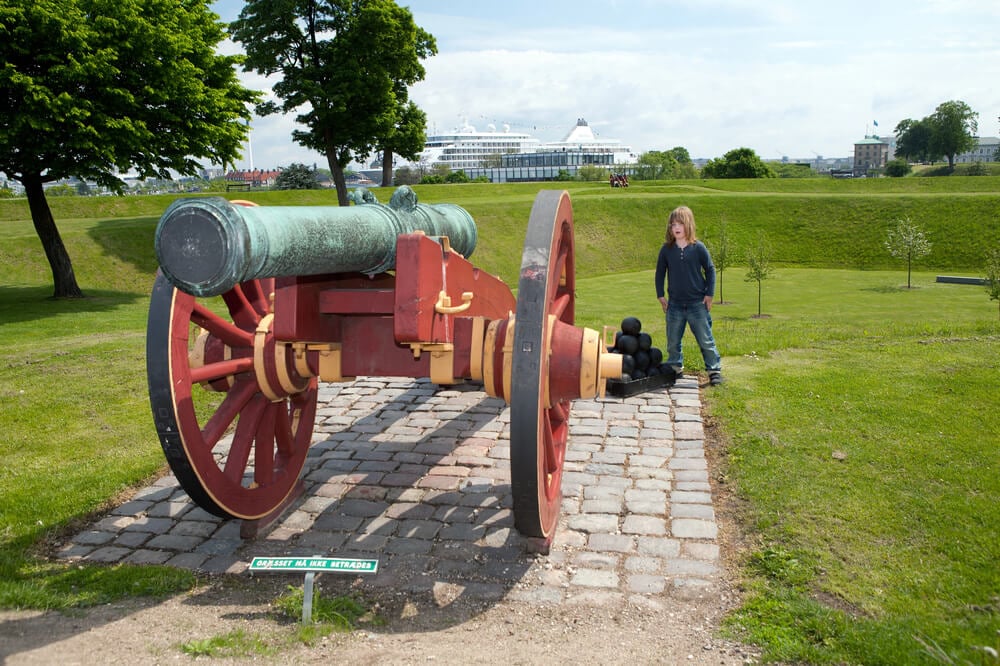
Drawing on historical imagery, children constructed wooden replicas of cannons, mortars, and other weapons. These replicas sometimes incorporated actual launching mechanisms powered by compressed air or springs, capable of firing projectiles with dangerous velocity.
The structures represented both historical interest and creative engineering. The weapons were typically confiscated by adults when discovered, as their danger was more obvious than that of other neighborhood projects.
Obstacle Courses and Parkour Structures
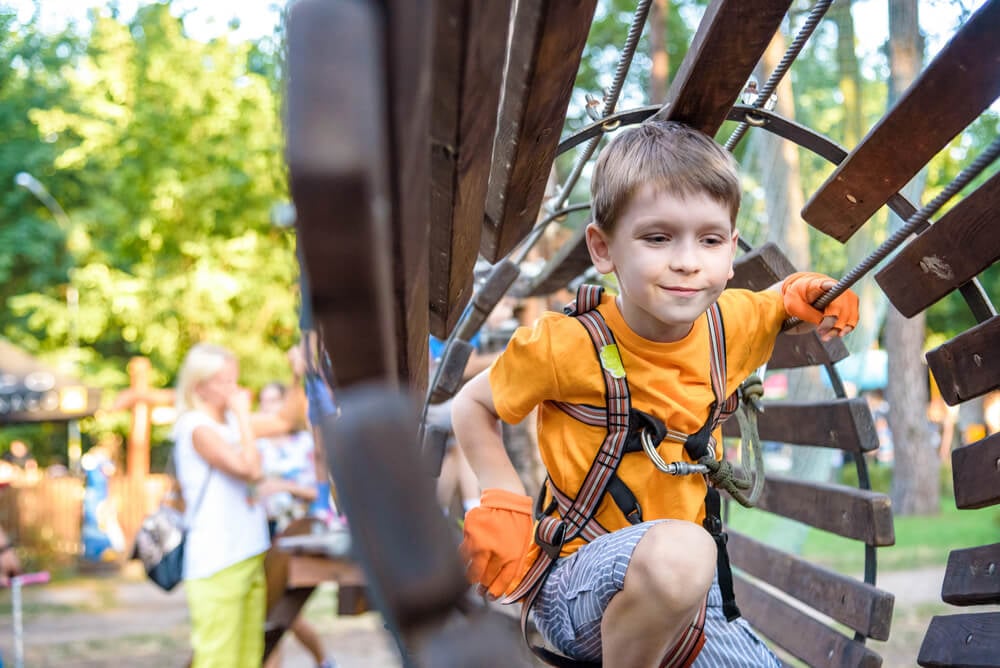
Long before parkour became codified as a discipline, neighborhood children constructed obstacle courses using found materials. These courses incorporated jumps, climbs, balance beams, and crawl spaces, designed to develop physical skills and challenge participants.
The structures were frequently rebuilt and expanded, with children constantly creating new challenges. The courses served as informal training grounds for physical skills, though entirely without safety equipment or adult supervision.
The Passing of an Era

By the 1990s, organized activities, structured playgrounds, and parental concern over liability had largely replaced the era of scrap-wood construction. Modern children grew up in environments of maximized safety and minimized risk, trading the knowledge gained through unsupervised creation for the security of padded equipment and standardized designs.
Yet something was lost in this exchange. The children who built from scrap wood learned problem-solving through failure, gained confidence through successful construction, and developed genuine understanding of how materials behaved under stress.
These lessons could not be gained from manufactured equipment designed by engineers and approved by safety committees. The tradition of neighborhood children as builders, engineers, and inventors faded into nostalgic memory, replaced by carefully curated experiences approved by authorities concerned with injury prevention and liability.
More from Go2Tutors!

- The Romanov Crown Jewels and Their Tragic Fate
- 13 Historical Mysteries That Science Still Can’t Solve
- Famous Hoaxes That Fooled the World for Years
- 15 Child Stars with Tragic Adult Lives
- 16 Famous Jewelry Pieces in History
Like Go2Tutors’s content? Follow us on MSN.