Past Nickelodeon Game Shows Everyone Wanted to Be On
For a generation of kids who grew up in the 1990s and early 2000s, Nickelodeon game shows seemed like the ultimate dream come true. Watching contestants compete in obstacle course races, answer bizarre trivia questions, and get covered in gooey green slime was a kind of madness that was unique compared to other television game shows.
What was so great about Nickelodeon game shows was not necessarily the prizes or the gameplay, but the sets looked like something out of a giant playground, and the hosts seemed to regard the contestants as part of a fun-loving team instead of competitors. Many people still recall what it might be like to stand on those sets, even years after the shows went off the air.
Here are a look back at fifteen Nickelodeon game shows that kids dreamed of participating in:
Double Dare
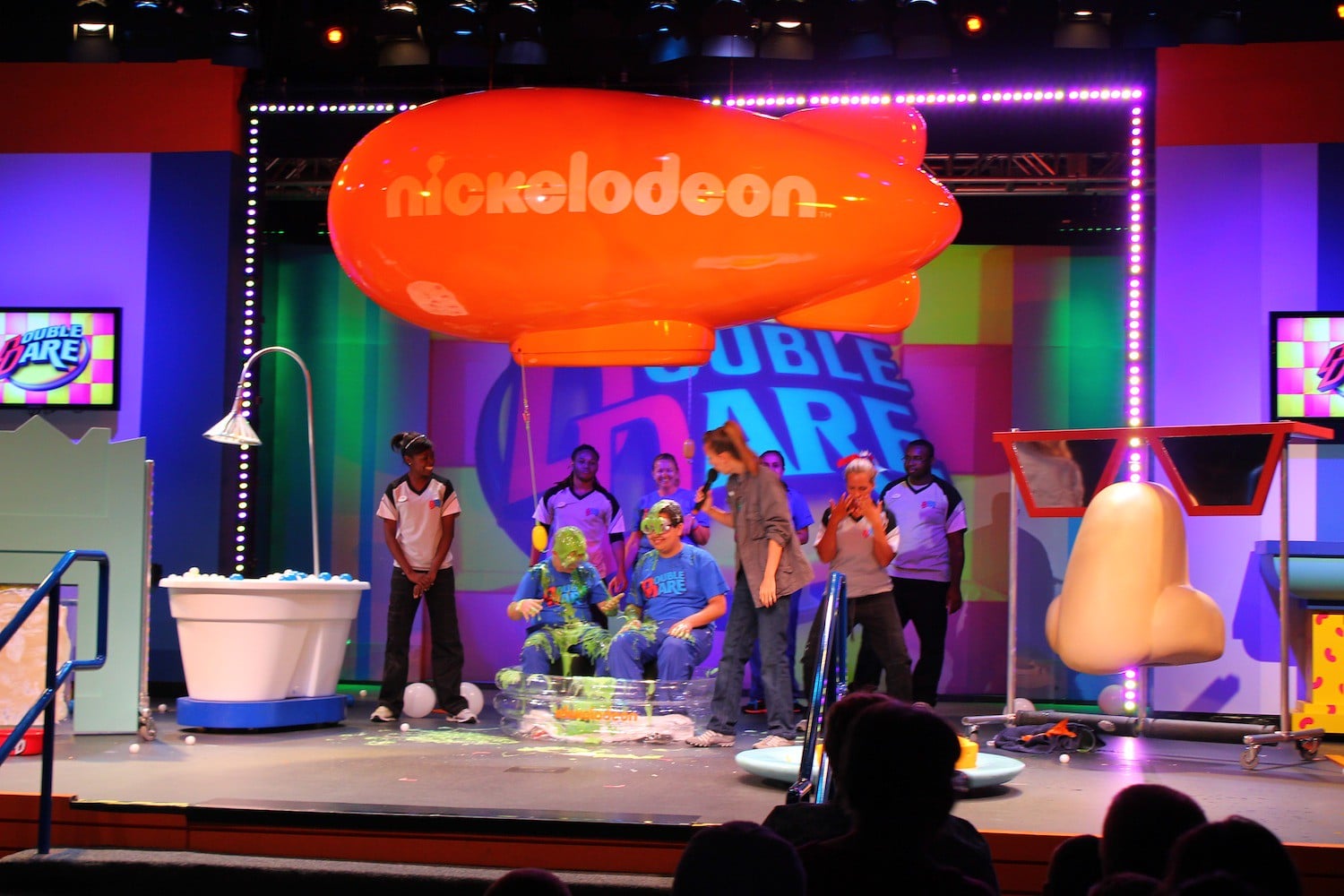
When Double Dare first appeared in the late 1980s, it quickly became one of Nickelodeon’s most recognizable shows. Contestants answered trivia questions and then tackled messy physical challenges that often involved food, foam, or giant props.
The show’s famous obstacle course became the highlight of each episode. Teams scrambled through oversized objects and slippery setups while the clock ticked down.
Winning the final course felt like conquering a giant playground built just for television.
Legends Of The Hidden Temple
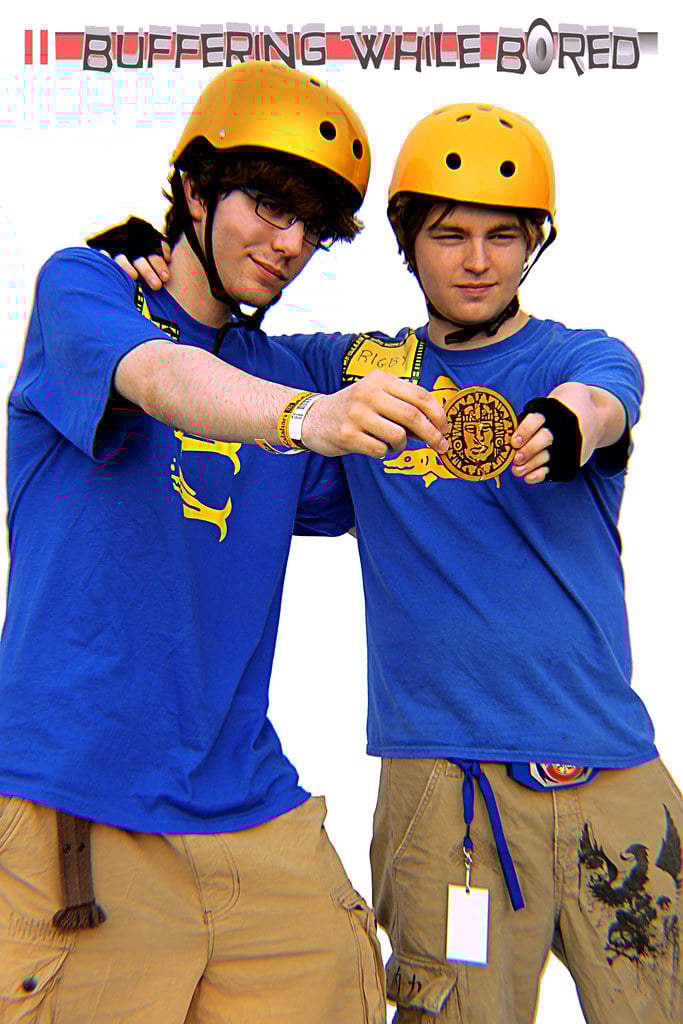
Legends of the Hidden Temple combined game show excitement with adventure storytelling. Contestants joined teams named after animals and attempted to complete challenges based on ancient myths and legends.
The show’s final temple run became one of Nickelodeon’s most memorable moments. Players raced through themed rooms while searching for a hidden artifact, hoping to avoid surprise encounters with mysterious temple guards.
GUTS
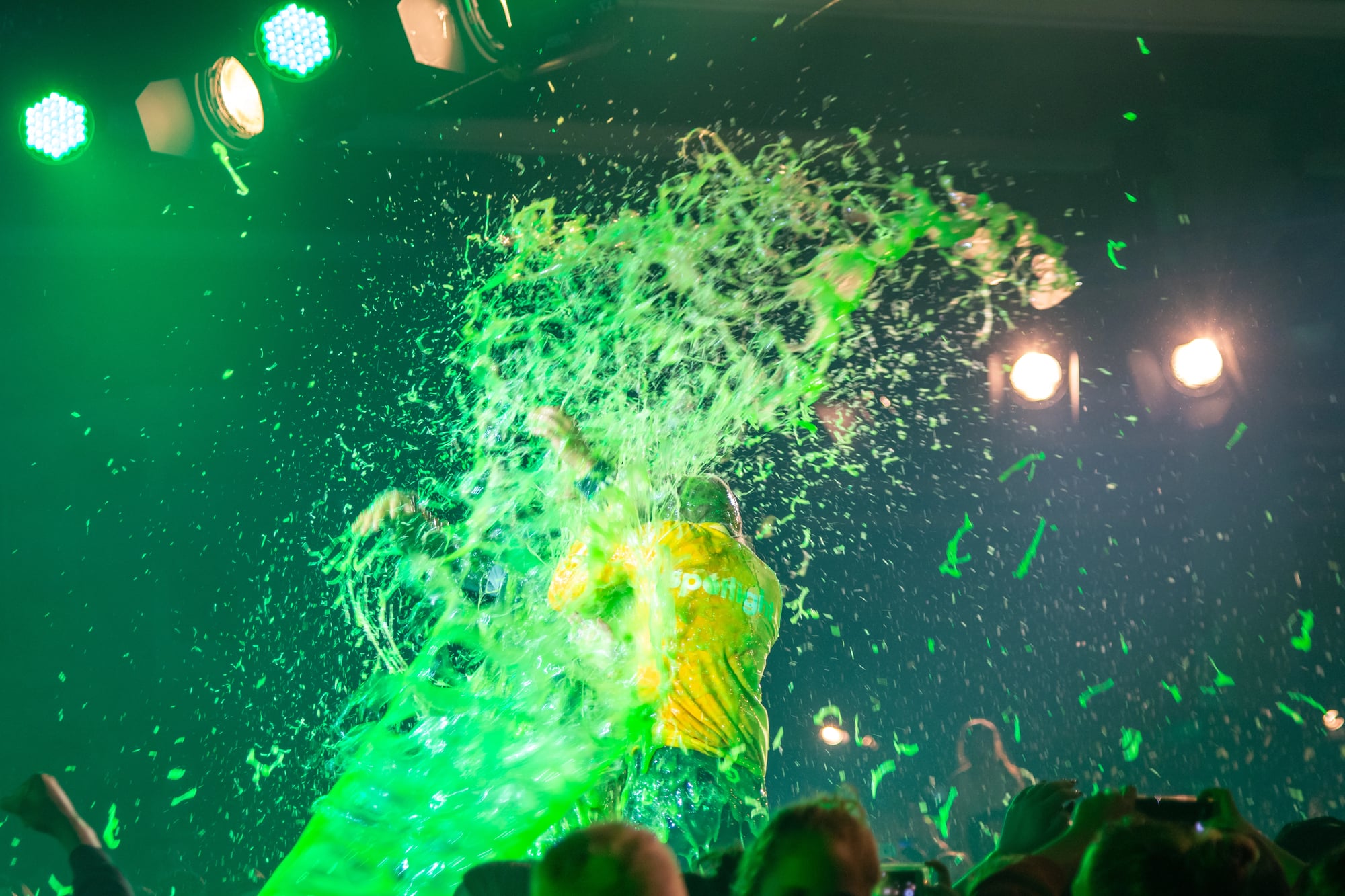
Nickelodeon GUTS focused on athletic competition, giving kids the chance to test their strength, speed, and endurance. The show featured obstacle courses, climbing challenges, and sports-inspired events.
One of its most famous elements was the towering ‘Aggro Crag,’ a colorful mountain that contestants had to climb while lights flashed and foam obstacles appeared. Reaching the top symbolized victory in a way that felt larger than life.
Figure It Out
Figure It Out mixed guessing games with celebrity appearances. Contestants revealed unusual talents or achievements while panelists tried to determine what made them unique.
When the panel struggled to guess correctly, the audience watched as clues slowly appeared across the board. The show’s playful atmosphere and occasional slime surprises kept it lighthearted and unpredictable.
Global GUTS
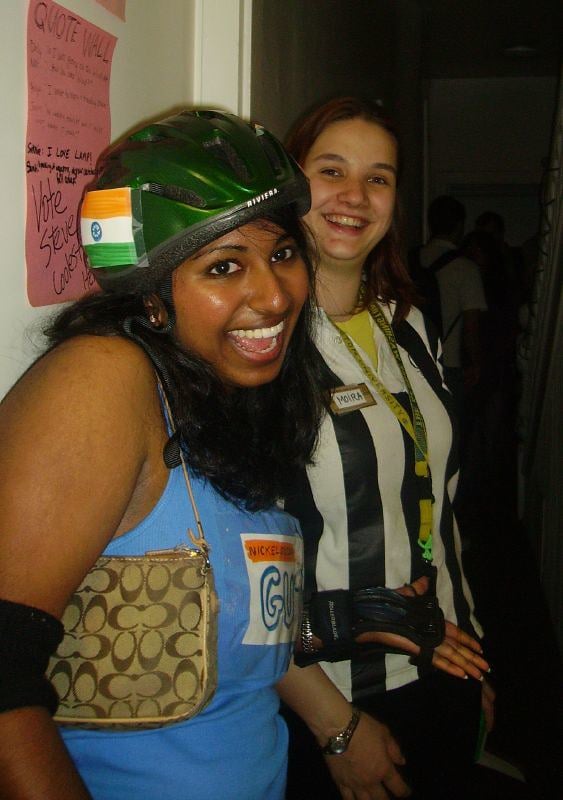
Building on the success of the original series, Global GUTS brought contestants from different countries together to compete in athletic challenges. The show emphasized friendly competition while showcasing international participants.
Events ranged from climbing courses to timed races. The global format gave the show a slightly bigger stage while maintaining the same energetic spirit.
Nick Arcade

Nick Arcade blended video games with physical competition, something that felt especially exciting during the early days of home gaming systems. Contestants answered questions and competed in short challenges to earn turns inside a large virtual game board.
Players eventually entered the ‘Video Zone,’ where they physically interacted with what appeared to be digital environments on screen. The concept felt futuristic at the time and captured the imagination of young viewers.
What Would You Do?
This show thrived on unpredictability. Contestants never knew exactly what they might be asked to do, and the tasks often involved unusual or messy situations.
Audience participation played a big role, and the show’s spontaneous feel kept viewers guessing. The combination of humor and surprise made it one of Nickelodeon’s more unpredictable competitions.
Get The Picture

Get the Picture tested contestants’ ability to recognize images that gradually appeared piece by piece on a large screen. As each section of the picture revealed more detail, teams raced to identify what they were seeing.
The challenge combined quick thinking with visual clues. Although the game itself was simple, the pressure of identifying images before the other team added excitement to every round.
Finders Keepers

Finders Keepers turned an ordinary house into a giant puzzle. Contestants searched through rooms filled with oversized props and hidden compartments while racing against the clock.
The show’s chaotic treasure hunts made it feel like a giant scavenger game. Watching contestants pull apart furniture and search through unusual hiding places created a sense of playful mayhem.
Think Fast
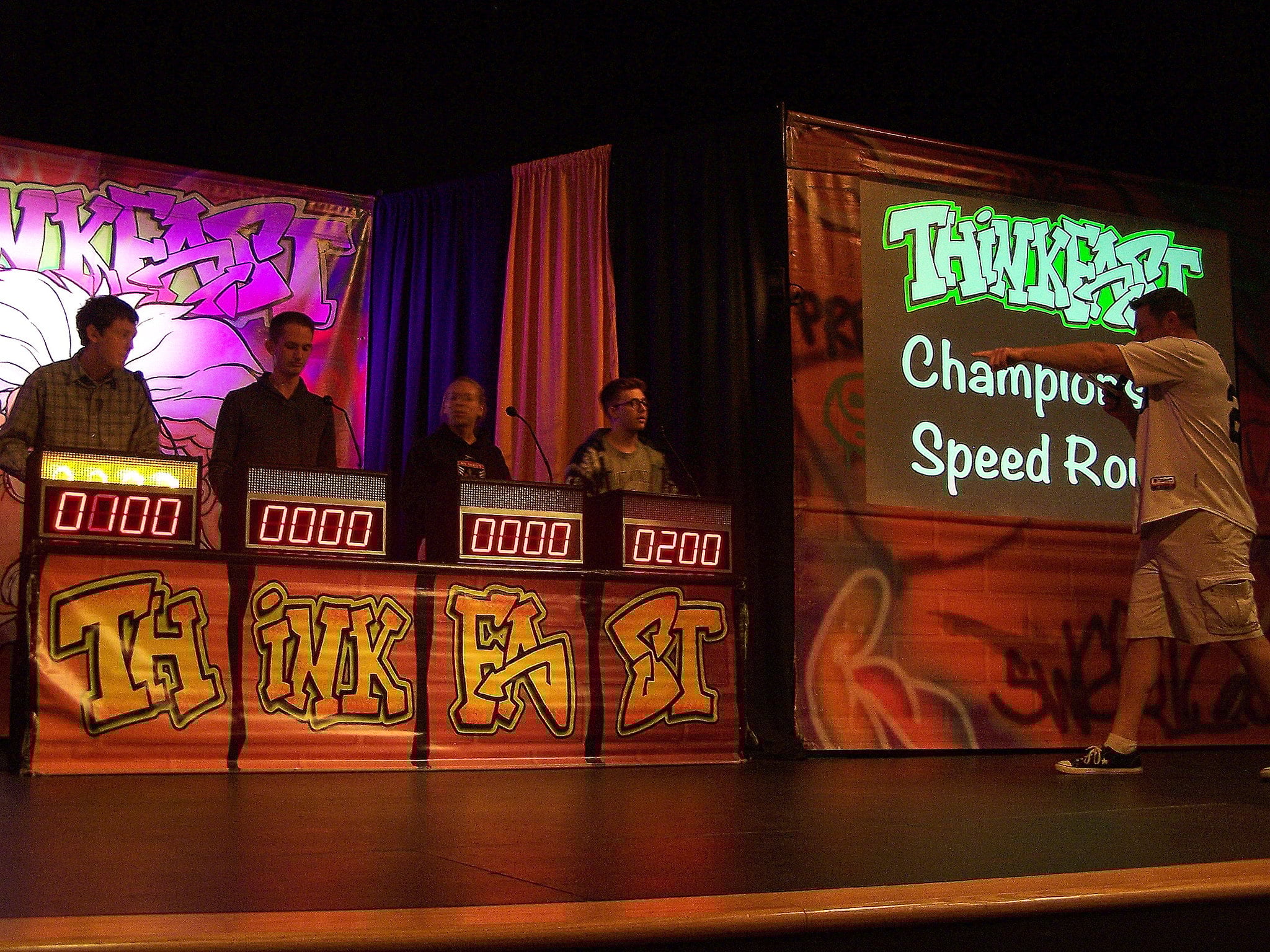
Think Fast emphasized speed and quick thinking. Contestants faced trivia questions, physical puzzles, and quirky challenges that required fast reactions.
The show moved quickly from one activity to the next, giving it a lively pace. Its mix of mental and physical tasks kept both players and viewers constantly engaged.
Wild And Crazy Kids
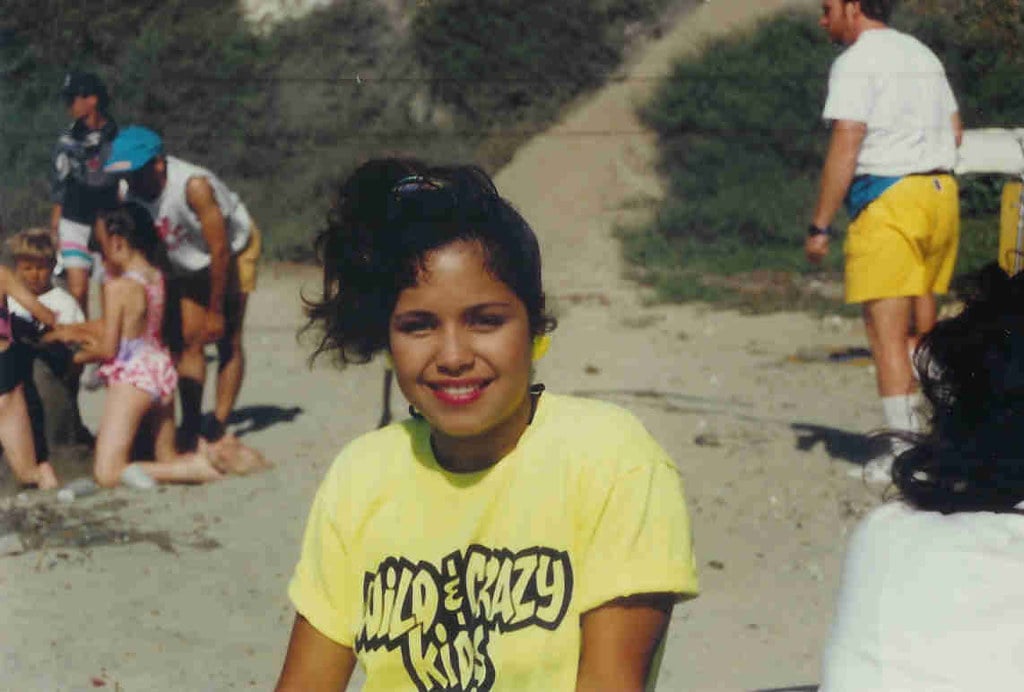
Unlike traditional studio competitions, Wild and Crazy Kids often took place outdoors. Large groups of children participated in oversized games that resembled playground activities on a grand scale.
Water balloons, obstacle courses, and team races created a festival-like atmosphere. The show focused less on individual winners and more on shared fun.
Family Double Dare
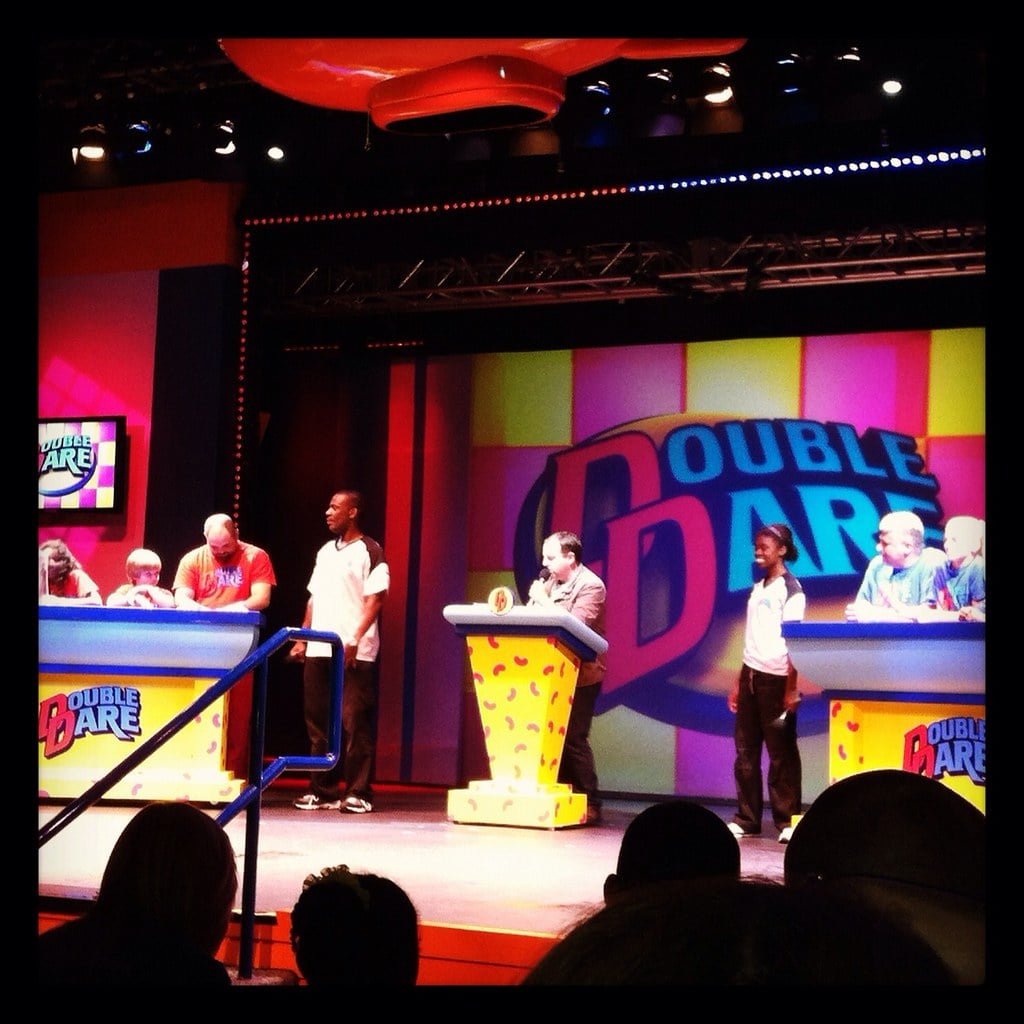
Family Double Dare expanded on the original Double Dare formula by allowing parents and children to compete together. The addition of families created a new dynamic as teams tackled messy challenges side by side.
Watching adults dive into slime-filled obstacles alongside their kids added a humorous twist to the competition.
BrainSurge
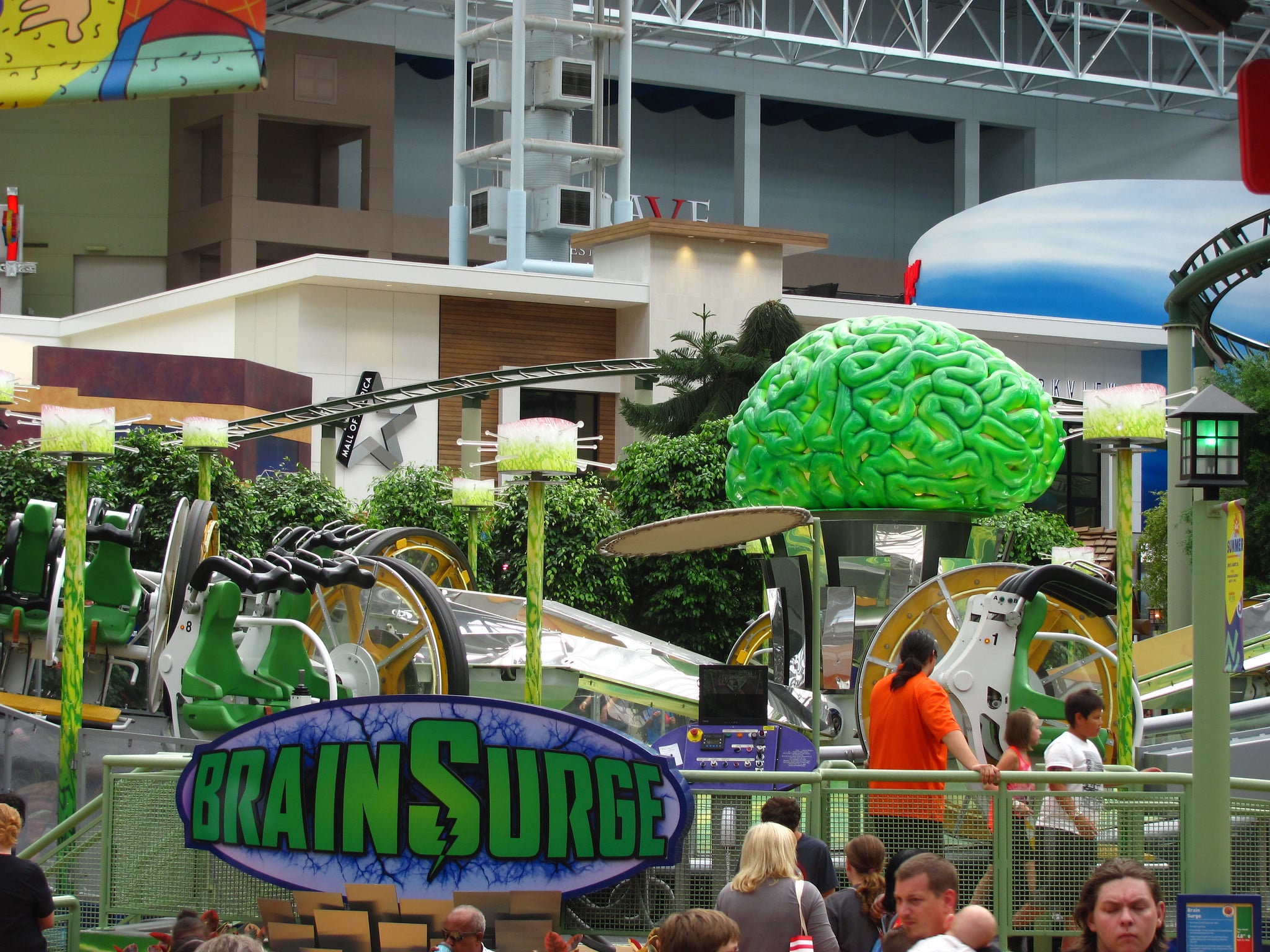
BrainSurge brought Nickelodeon game shows into a more modern era. The show focused on puzzles, memory challenges, and visual games designed to test how quickly contestants could process information.
The bright stage design and fast-moving rounds kept the energy high. Even though the challenges were more mental than physical, the tension remained strong.
Slime Time Live
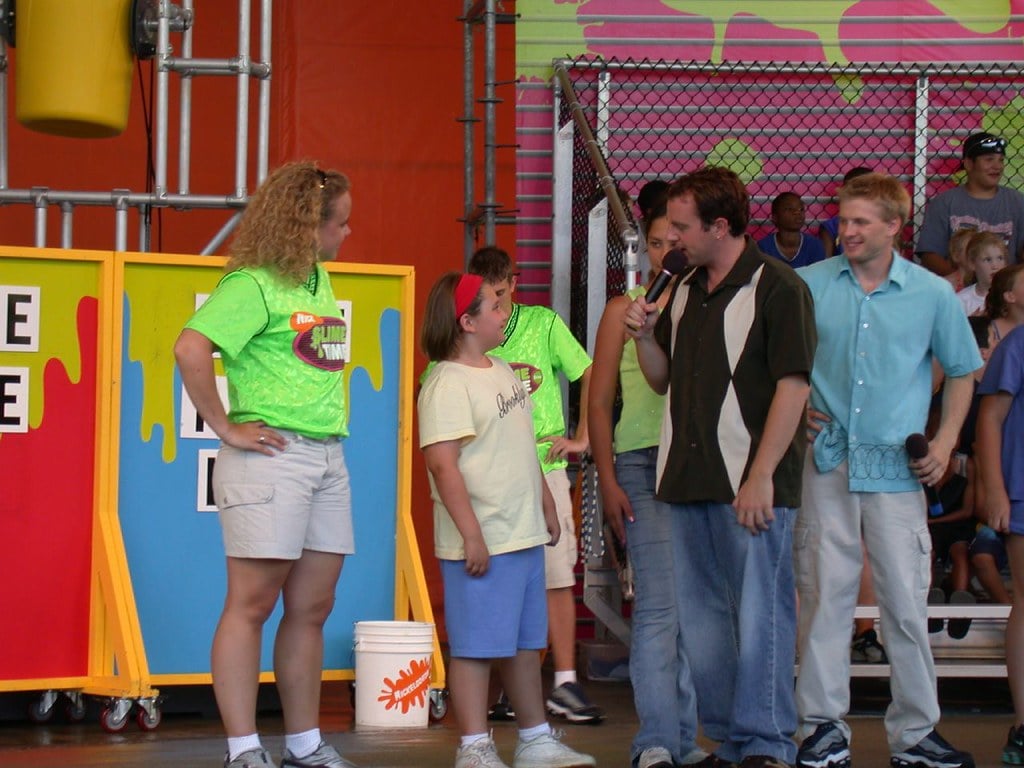
Slime Time Live combined games, audience participation, and the network’s most famous element—green slime. Contestants played quick games for prizes while the audience watched from a colorful studio set.
The show’s playful tone captured the spirit of Nickelodeon’s brand, where getting slimed was often treated as a badge of honor.
Nick GAS Challenges

Nickelodeon’s short-lived game show channel featured highlight competitions and new challenges inspired by earlier programs. The channel celebrated the competitive spirit of the network’s classic shows.
For viewers who loved Nickelodeon’s game shows, the channel felt like a nonstop showcase of energetic competitions.
Why These Shows Still Feel Special

Game shows on Nickelodeon’s programming were unique because they featured competitions that were not too serious. The bright colors, messy games, and energetic hosts all contributed to a show that emphasized the importance of having fun over executing the game perfectly.
Game shows that aired on television when these individuals were younger continue to evoke a level of nostalgia within them today. These game shows were not as serious as the competitions that take place today and were more akin to playgrounds waiting to happen.
More from Go2Tutors!

- The Romanov Crown Jewels and Their Tragic Fate
- 13 Historical Mysteries That Science Still Can’t Solve
- Famous Hoaxes That Fooled the World for Years
- 15 Child Stars with Tragic Adult Lives
- 16 Famous Jewelry Pieces in History
Like Go2Tutors’s content? Follow us on MSN.