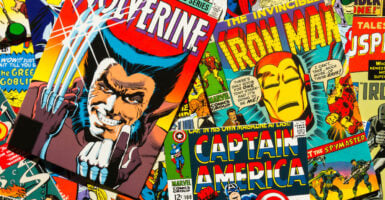
27 Vintage Comic Issues Buried in Boxes That Dealers Hunt Down
Most long boxes in a garage or basement are full of ordinary reading copies worth a few dollars each. But dealers keep showing up at estate sales for a reason.
Certain issues, printed decades ago in numbers nobody thought to track carefully, turned into some of the most searched-for items in the hobby. Here are the ones worth pulling out before the rest go to a donation bin.
Action Comics #1
Published by National Allied Publications in 1938, this issue introduced Superman to the world and effectively created the American superhero genre. Fewer than 100 copies are believed to survive in any condition, and even heavily worn examples with missing pages have sold for six figures.
Most people who owned one as children read it to pieces, which is exactly why intact copies are so rare today.
Detective Comics #27

This 1939 issue marked the first appearance of Batman, then a pulp-inspired vigilante with none of the gadgets he’d later be known for. The cover, showing Batman dangling a criminal off a rooftop, is one of the most recognized images in comics.
Copies graded even in the low range routinely draw serious offers from dealers who specialize in Golden Age material.
Marvel Comics #1
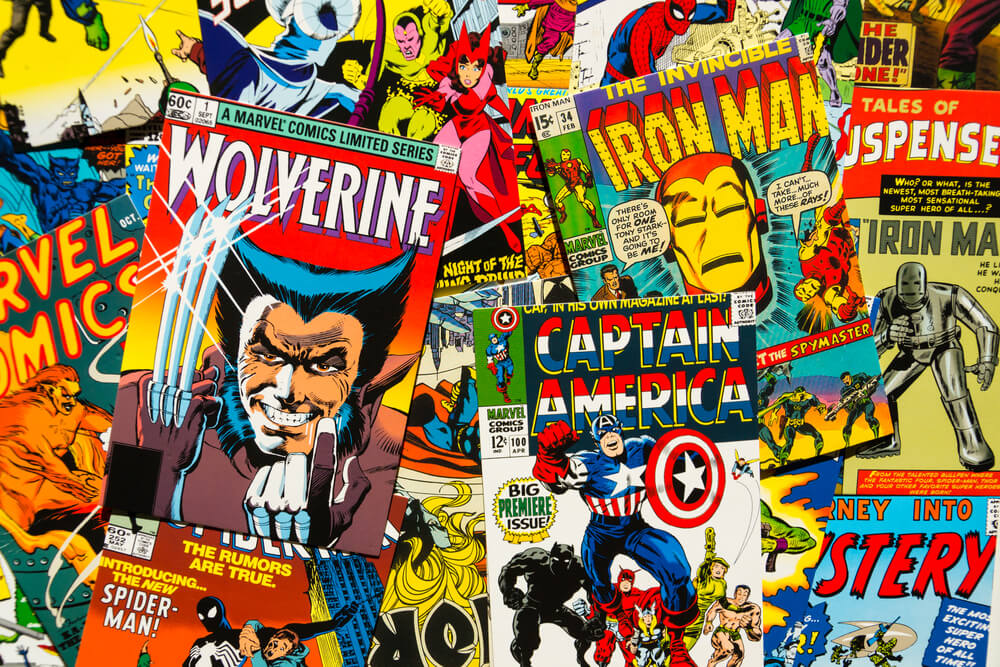
Released in 1939 by Timely Publications, this issue introduced both the Human Torch and the original Sub-Mariner, two characters who predate nearly every other Marvel hero by decades. It sold for a dime on newsstands and is now one of the cornerstone books of the entire Golden Age market.
Collectors specifically look for the variant with the “Human Torch on fire” cover in its earliest first printing.
Batman #1
This 1940 issue gave Batman his first solo title and introduced both the Joker and Catwoman in the same set of pages. Two major villains debuting in one issue is almost unheard of, which is part of why the book carries such weight with collectors.
A well-preserved copy can anchor an entire Golden Age collection.
Superman #1
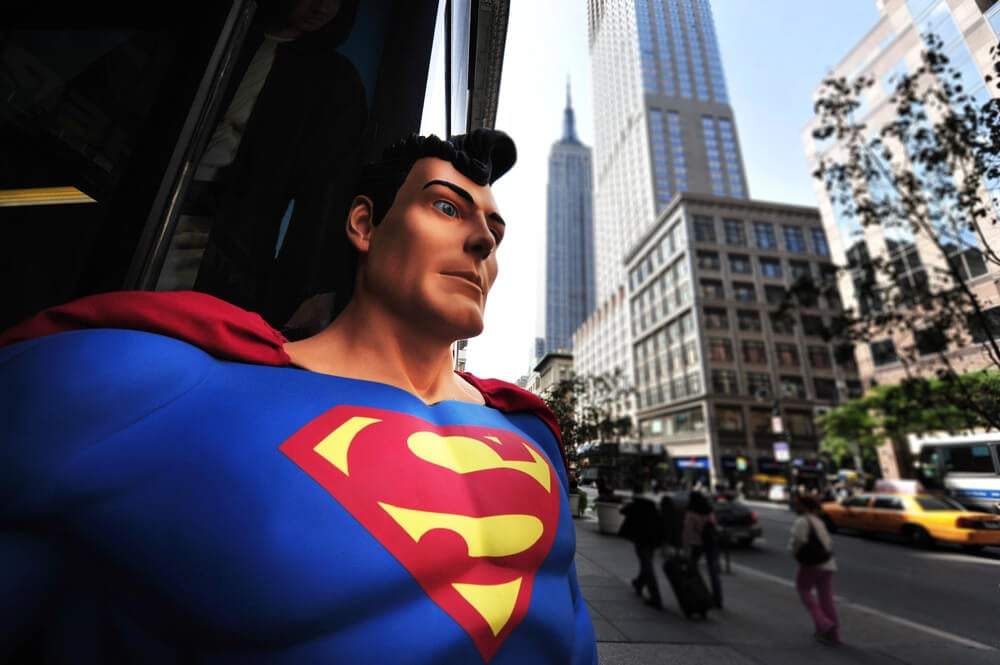
Also from 1940, this was the character’s first stand-alone title after his debut in Action Comics. The cover features six panels of Superman in action rather than a single dramatic image, an unusual choice for the era.
Because so many copies were read and discarded by children, high-grade survivors are scarce enough that dealers track them individually.
Captain America Comics #1
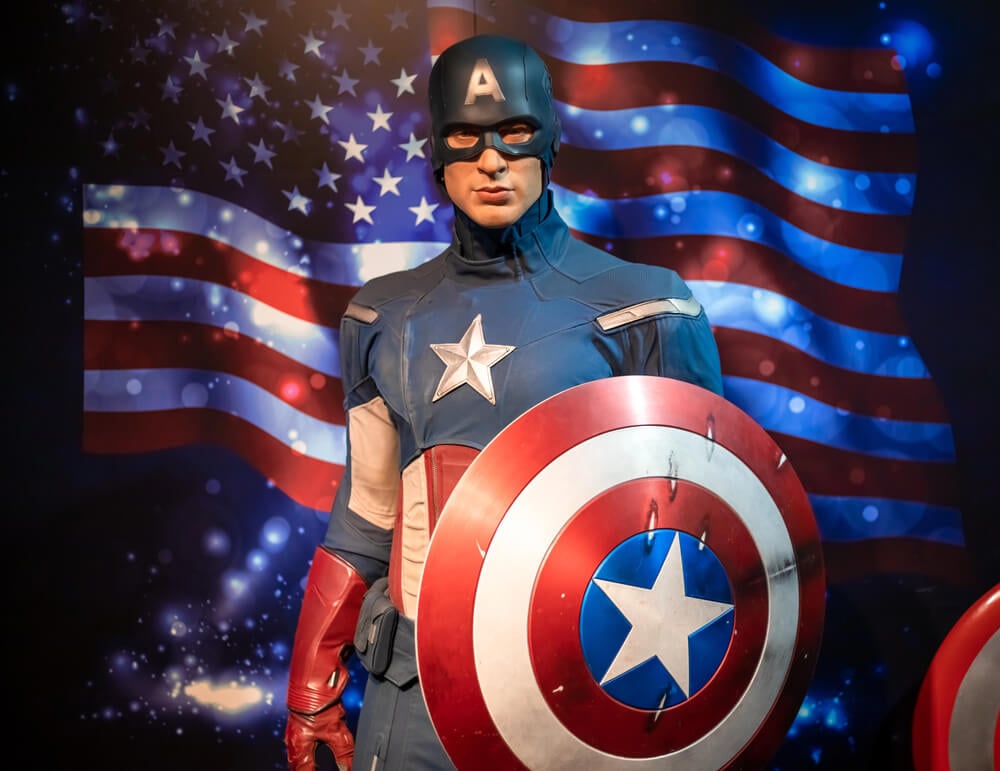
Timely Publications released this book in 1941, months before the United States entered World War II, with a cover showing Captain America punching Adolf Hitler. The political statement made it an instant sensation, reportedly selling close to a million copies at the time.
Surviving copies in strong condition are now some of the most contested wartime comics on the market.
All Star Comics #8
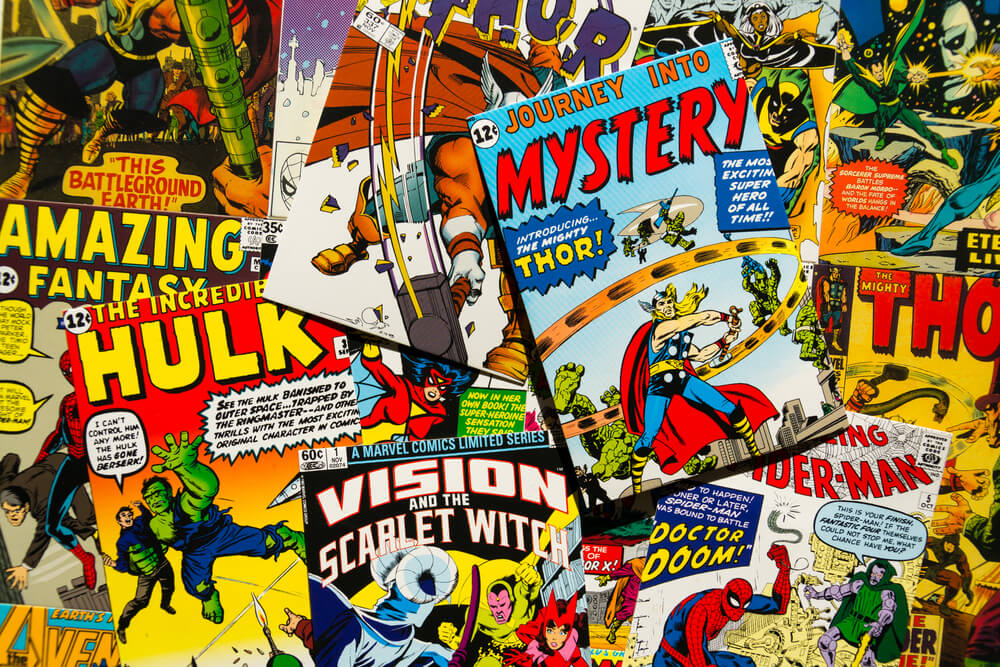
This 1941 issue holds the first appearance of Wonder Woman, tucked into the back pages of an anthology title rather than given the cover. Because collectors initially focused on the Justice Society story up front, many early copies were damaged or discarded before anyone realized what was inside.
It now ranks among the most valuable Golden Age books precisely because of that overlooked debut.
Flash Comics #1
Published in 1940, this issue introduced the original Flash, Jay Garrick, along with Hawkman in the same debut. Two enduring DC characters starting in a single issue gives it unusual weight among Golden Age specialists.
The cover art, featuring Garrick mid-sprint, has become one of the era’s most reproduced images.
Whiz Comics #2
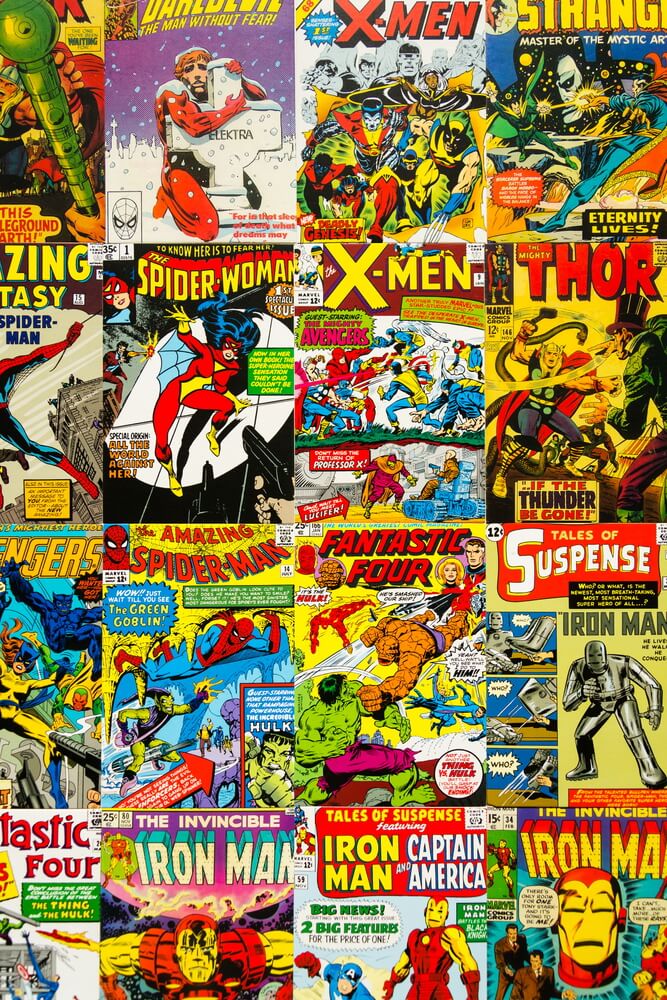
Fawcett Comics released this 1940 issue as the actual first appearance of Captain Marvel, despite the numbering oddity that makes it look like a second issue. A planned “Whiz Comics #1” was never distributed, so this became the true debut by default.
That production quirk alone makes it a favorite topic among Golden Age specialists.
Amazing Fantasy #15

Marvel published this 1962 issue as what was supposed to be the final installment of a canceled anthology series, using the last slot to introduce Spider-Man almost as an afterthought. Reader response was strong enough that the character got his own title within months.
It remains the single most requested Silver Age comic among collectors who focus on Marvel’s early lineup.
Fantastic Four #1
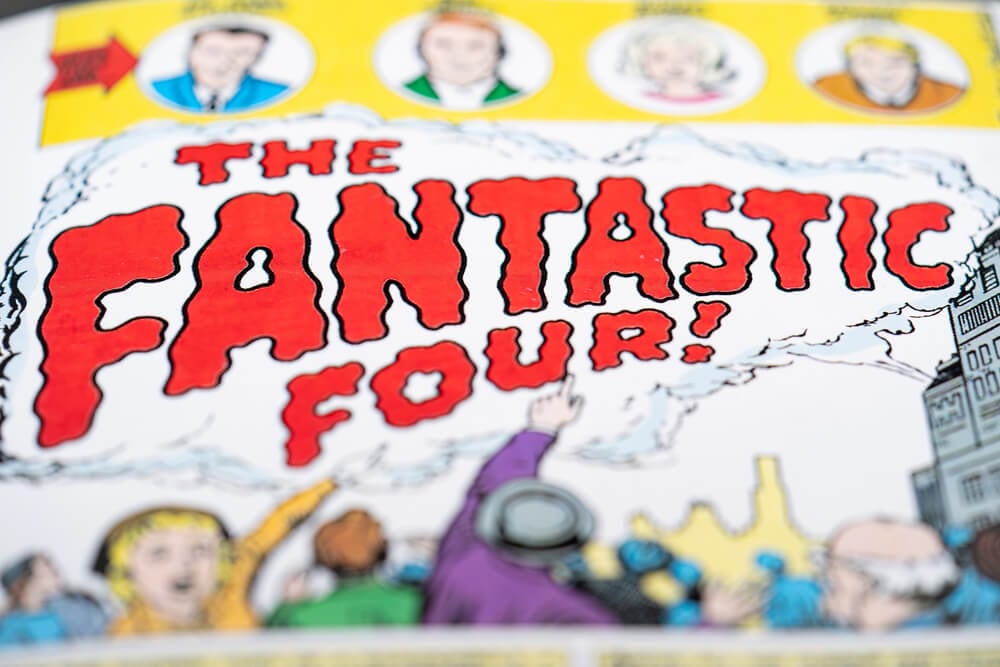
This 1961 issue is generally credited with launching the Marvel Age of Comics, introducing Mister Fantastic, the Invisible Woman, the Human Torch, and the Thing as a family unit rather than a traditional team. Stan Lee and Jack Kirby built the entire modern Marvel Universe outward from this book.
Even mid-grade copies command serious prices because of its foundational status.
X-Men #1
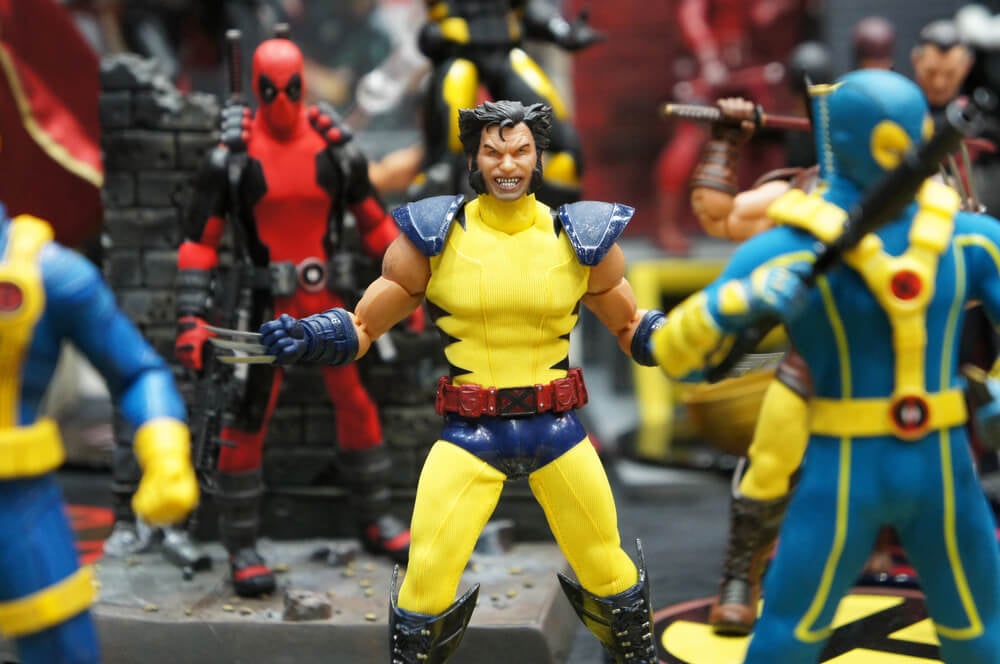
Marvel’s 1963 debut of the original X-Men team, written by Stan Lee and drawn by Jack Kirby, introduced Cyclops, Marvel Girl, Beast, Angel, and Iceman under Professor Xavier. The property sold modestly at the time compared to Marvel’s other titles, which kept print runs lower and makes surviving copies harder to find.
Decades of film adaptations have only intensified demand for the original.
Incredible Hulk #1
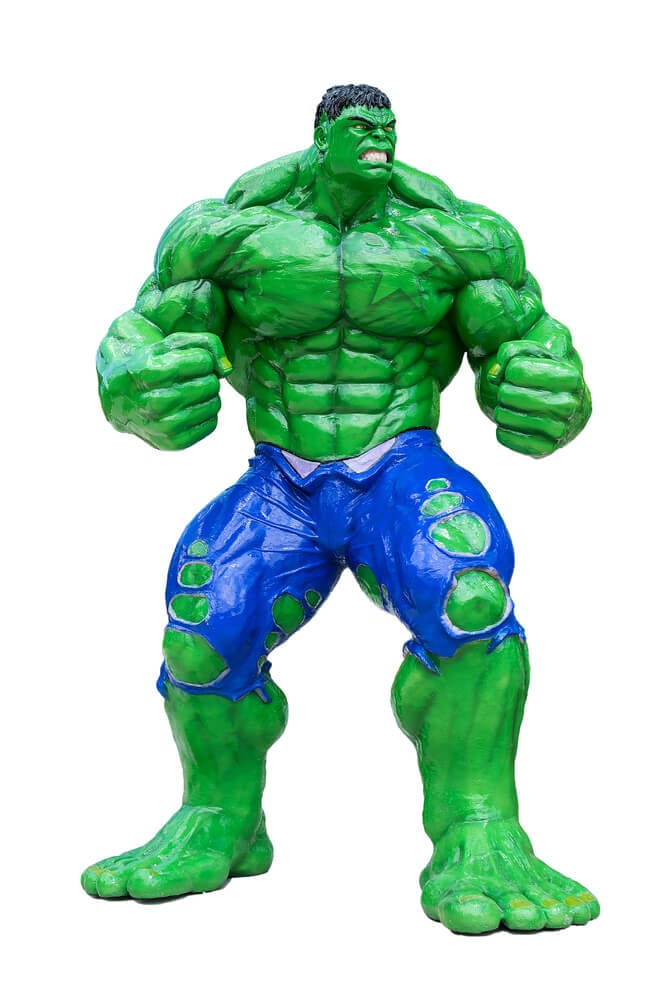
This 1962 issue introduced Bruce Banner and his gray-skinned alter ego, a color that changed to green by the second issue due to printing inconsistencies. The original gray version makes this a favorite for collectors interested in Marvel’s early production quirks.
Low print numbers relative to other 1962 titles keep this one in steady demand.
Journey Into Mystery #83
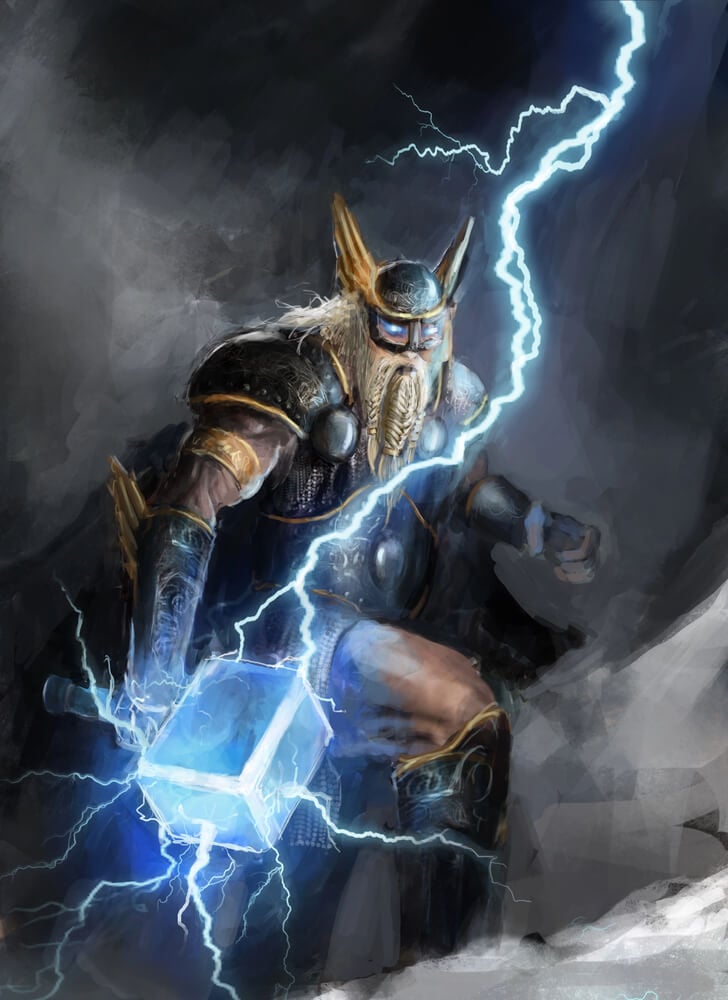
Marvel introduced Thor in this 1962 anthology issue, years before the character got his own dedicated series. Jack Kirby’s depiction of Asgard and Norse mythology set the visual template that later adaptations still borrow from.
Anthology books like this one are often overlooked until collectors realize what’s tucked inside.
Tales of Suspense #39

This 1963 issue marked Iron Man’s first appearance, created partly in response to Cold War anxieties about industrial and military technology. The original armor was clunky and gray rather than the sleek red and gold design that came later.
That early design makes this issue a specific target for collectors who focus on character evolution.
Avengers #1
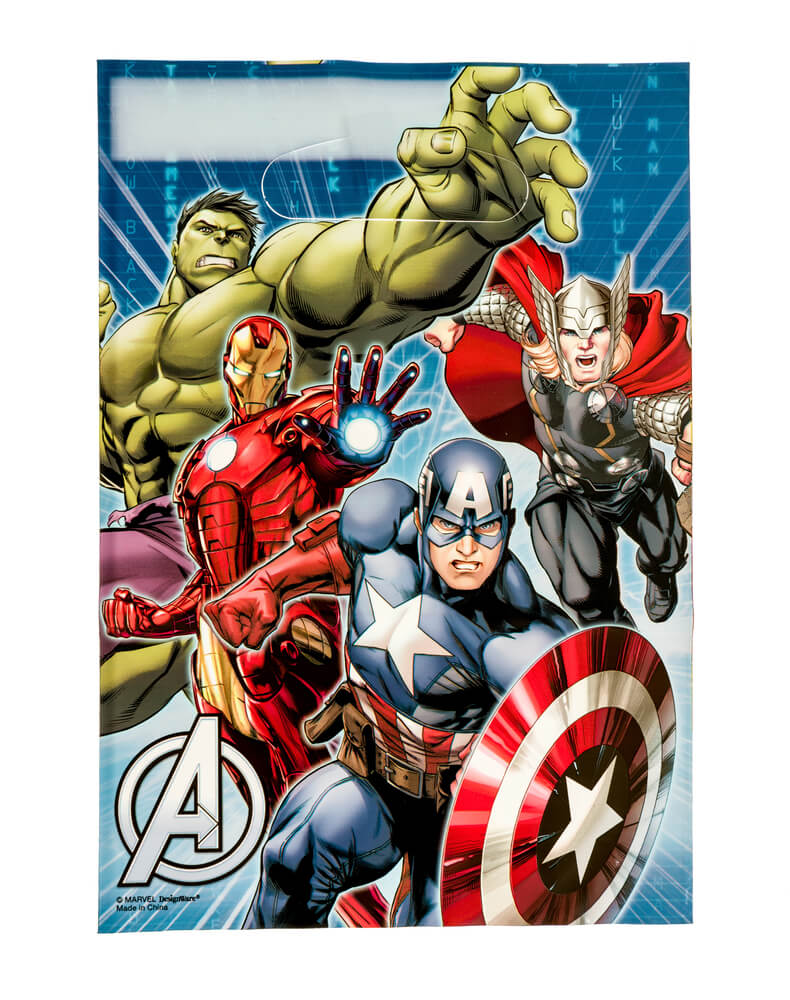
Marvel assembled Iron Man, Thor, Ant-Man, the Wasp, and the Hulk into a single team for the first time in this 1963 issue. The lineup barely resembles later versions of the team, since the Hulk left after just two issues.
Its role as the true origin point of one of the most successful franchises in entertainment keeps demand consistent.
Amazing Spider-Man #1
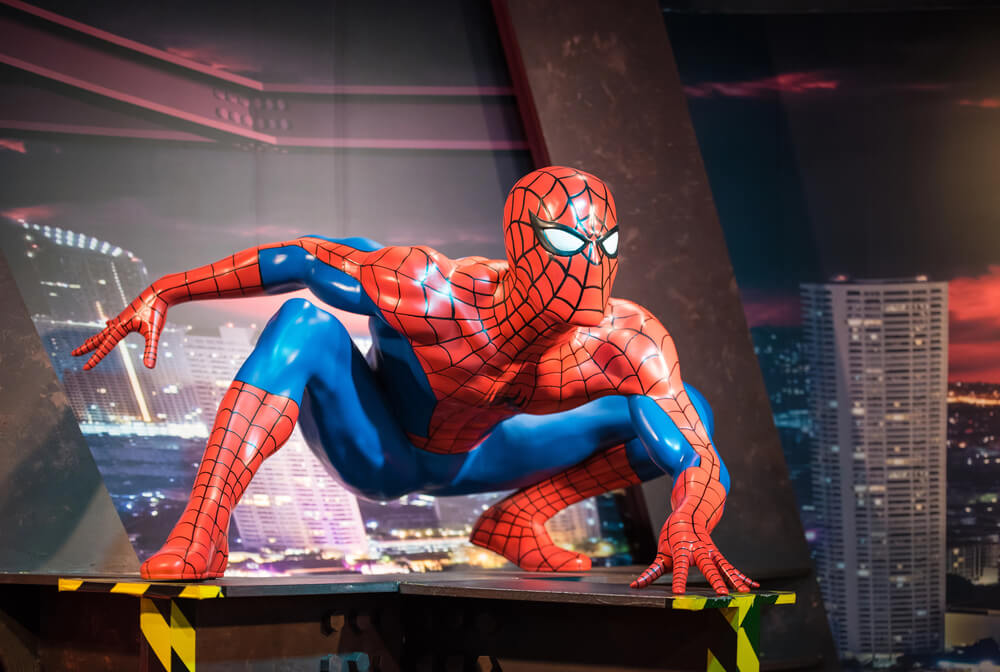
Following his introduction in Amazing Fantasy #15, this 1963 issue gave Spider-Man his own ongoing title and introduced J. Jonah Jameson and the Chameleon. It’s a different book from Amazing Fantasy #15 but sits right beside it in collector priority.
Many boxes pulled from attics turn out to have later reprints rather than this true first issue, so dealers check the fine print carefully.
Giant-Size X-Men #1
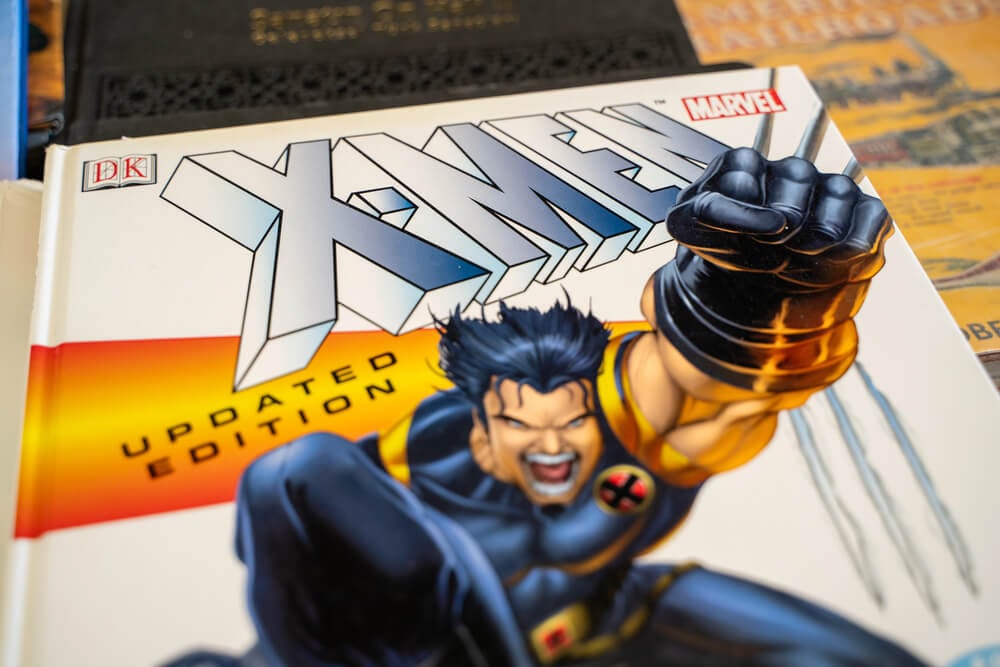
Marvel used this 1975 oversized special to relaunch the X-Men with a new international roster, including Storm, Wolverine, Colossus, and Nightcrawler. The original team from 1963 was largely sidelined here in favor of characters who would define the franchise for the next fifty years.
It’s one of the most significant Bronze Age comics because it essentially created the version of the X-Men most people recognize today.
Uncanny X-Men #94
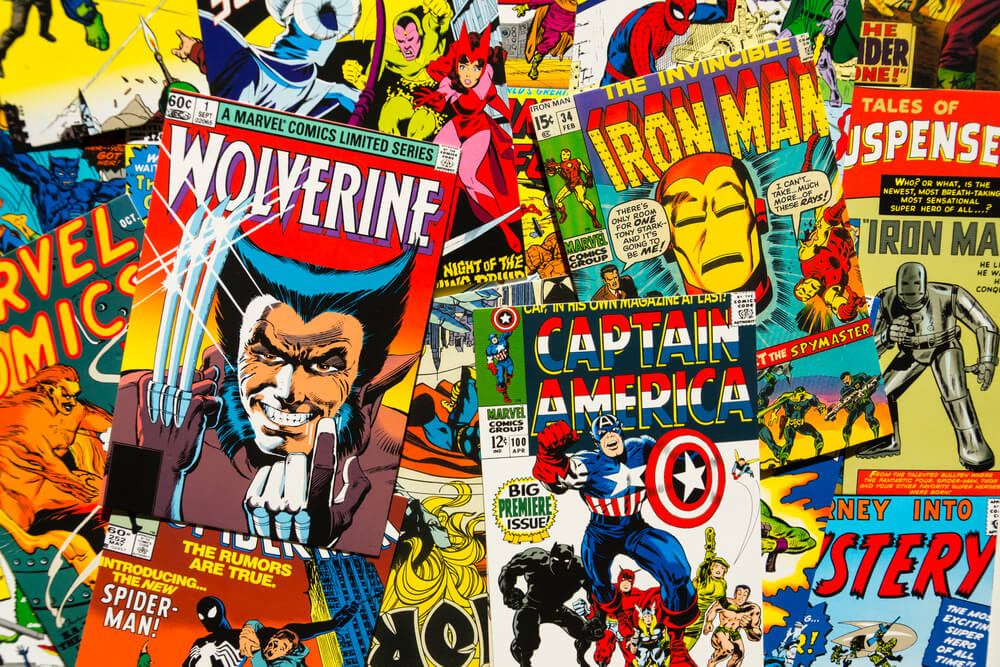
This 1975 issue continued directly from the Giant-Size relaunch and is considered by many collectors to be the true start of the modern X-Men era. The creative team of Chris Claremont and Dave Cockrum built a decade of stories from this starting point.
Bronze Age books like this one were often treated casually by young readers, so clean copies are harder to source than their age might suggest.
Incredible Hulk #181
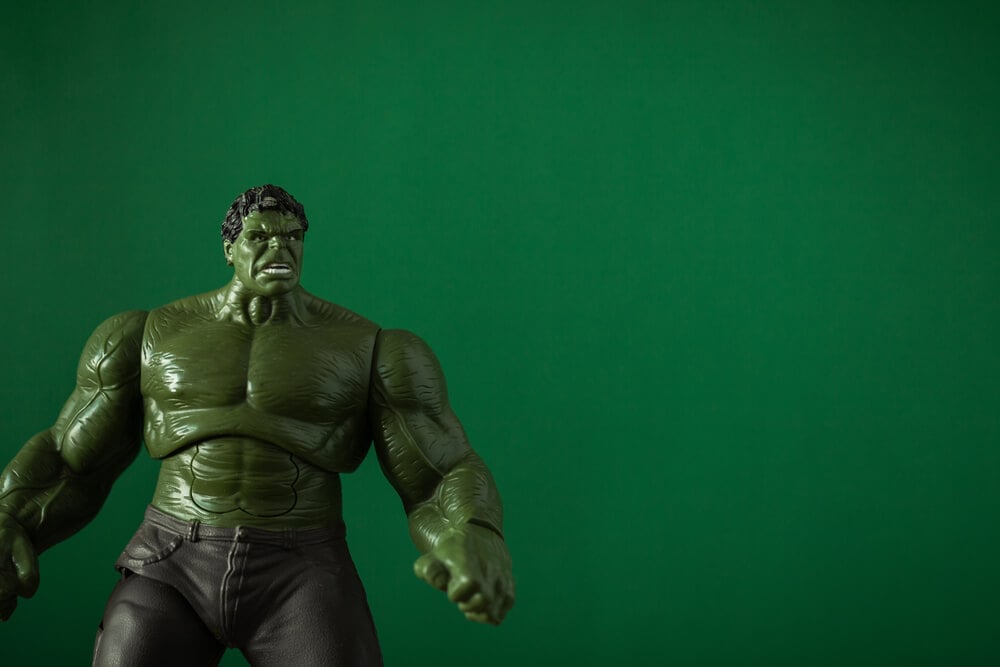
Marvel gave Wolverine his first full appearance in this 1974 issue, following a brief cameo in the previous issue’s final panel. The character’s popularity exploded after his addition to the X-Men the following year, turning this into one of the most requested Bronze Age books in the hobby.
Because it was a mid-run issue with no cover indication of its significance, many original owners had no idea what they were holding onto.
New Mutants #98
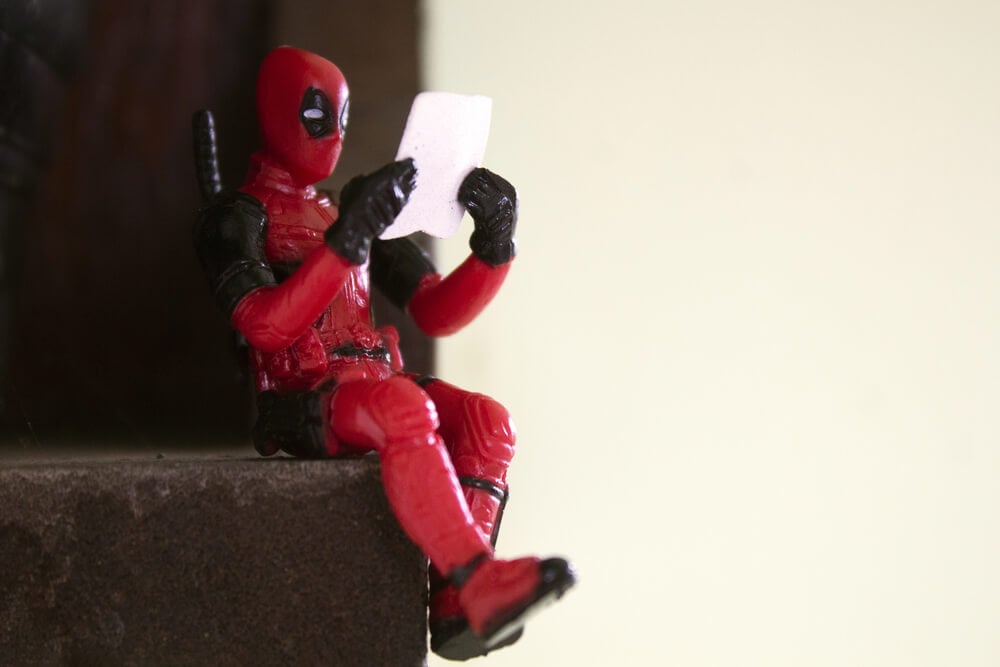
This 1991 issue introduced Deadpool as a villain years before he became one of Marvel’s most bankable characters. Rob Liefeld’s design, created for a group of young mutants in training, was originally meant as a one-off antagonist.
Its value climbed steadily alongside the character’s rising popularity in film and television.
Teenage Mutant Ninja Turtles #1
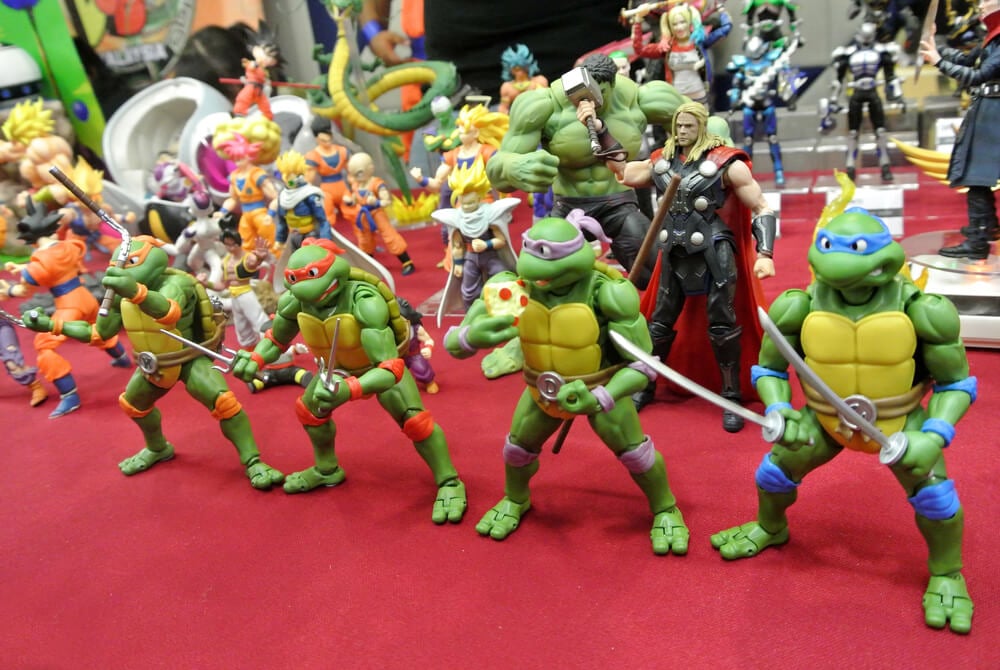
Kevin Eastman and Peter Laird self-published this 1984 black-and-white comic through their own Mirage Studios, printing a first run of roughly 3,000 copies. What started as a parody of gritty 1980s comic tropes turned into one of the most successful media franchises of the following decades.
Original first-printing copies are scarce enough that even well-worn examples draw serious attention from independent comics specialists.
Star Wars #1

Marvel’s 1977 adaptation hit newsstands before the film had even opened wide, and initial low sales expectations led some retailers to treat it as an afterthought. Once the movie became a cultural phenomenon, demand for the comic outstripped supply almost overnight.
It remains one of the most collected media tie-in comics of its era.
Spawn #1

Todd McFarlane launched Image Comics with this 1992 debut, introducing a supernatural antihero that stood apart from the mainstream superhero titles dominating the market at the time. It sold over a million copies at release, an enormous number for an independent launch.
Because so many were bagged and saved by speculators, most surviving copies are in strong condition, but true first-printing examples with sharp corners still hold steady value.
The Walking Dead #1

Robert Kirkman and Tony Moore’s 2003 debut for Image Comics launched with a modest print run before the eventual television adaptation turned it into a cultural phenomenon. Early issues from small independent publishers rarely get saved carefully, which makes clean first printings disproportionately hard to find now.
Dealers specifically watch for the original cover rather than the numerous variant reprints that followed.
Detective Comics #359
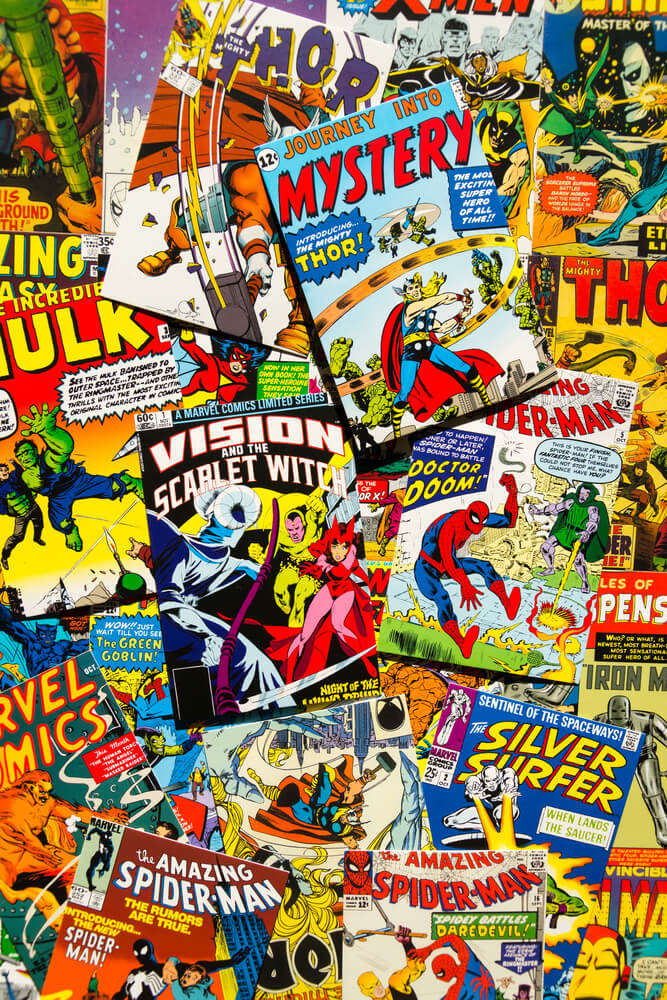
DC introduced Batgirl in this 1967 issue, created in part to give the Batman television series a stronger female character for its third season. Barbara Gordon’s debut here predates her far more famous “Killing Joke” storyline by nearly two decades.
Silver Age character debuts like this one continue to draw dedicated attention even when they lack the fame of an issue like Amazing Fantasy #15.
Fantastic Four #48
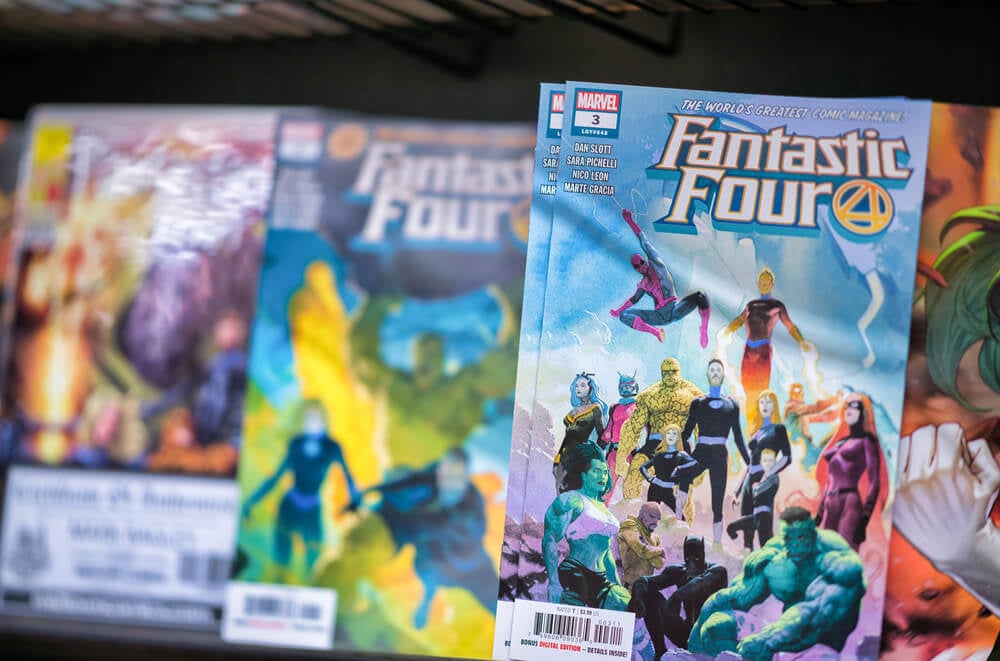
This 1966 issue introduced both Galactus and the Silver Surfer, two characters who expanded Marvel’s storytelling into genuinely cosmic territory for the first time. Jack Kirby’s design work here is often cited as some of his most ambitious.
It marks a clear turning point where Marvel stopped being just a street-level universe.
The Weight of a Dime-Store Purchase
None of these books looked special the week they hit newsstands. They cost a dime or a quarter, got read on a porch step, and in most cases got thrown out the moment a kid lost interest or a parent needed the closet space.
The ones that survived did so almost by accident, tucked into a drawer or forgotten in a box that never made it to the curb.
That’s the part dealers understand better than most sellers do. Rarity in comics was never really about art quality or story importance.
It was about which stack of paper happened to escape a basement flood, a garage clean-out, or a well-meaning relative with a trash bag. Check before you toss anything printed before 1980.
More from Go2Tutors!

- The Romanov Crown Jewels and Their Tragic Fate
- 13 Historical Mysteries That Science Still Can’t Solve
- Famous Hoaxes That Fooled the World for Years
- 15 Child Stars with Tragic Adult Lives
- 16 Famous Jewelry Pieces in History
Like Go2Tutors’s content? Follow us on MSN.