29 Old Coins Still Turning Up in Change Jars With Real Value
Every so often a bank teller or a garage-sale shopper finds one of these mixed in with ordinary pocket change. Most of the coins below were never pulled from circulation on purpose.
They slipped through quality control, got saved by accident, or simply outlasted the millions of ordinary coins minted the same year. Actual resale value always depends on condition, so a worn example brings far less than a sharp one, but every coin here is worth a second look before it goes back into a vending machine.
1943 Bronze Lincoln Cent
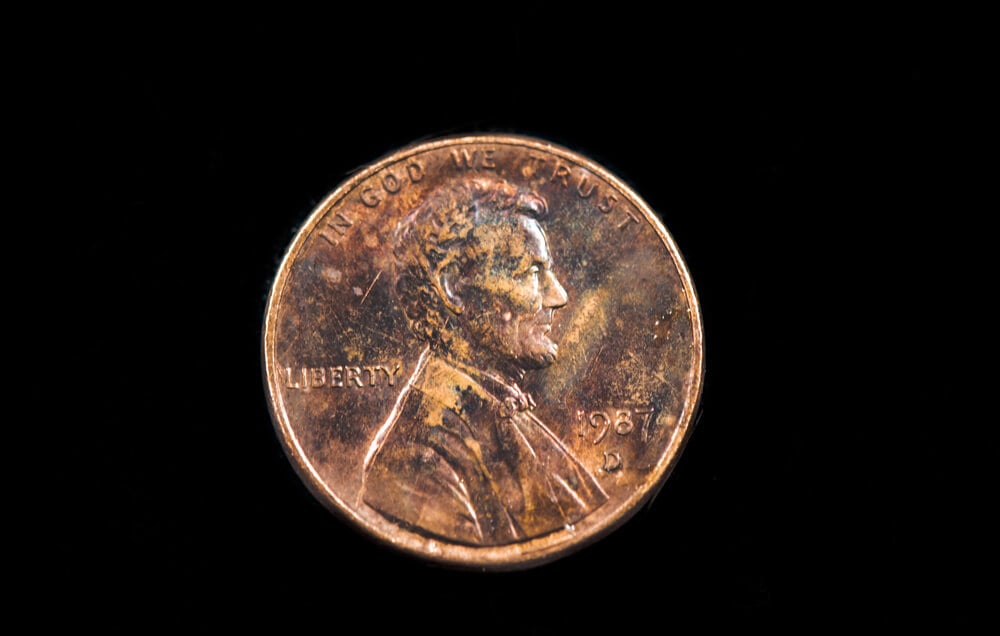
Wartime pennies were supposed to be struck in steel to save copper for the war effort, but a small number of bronze planchets from 1942 got fed into the presses by mistake. Fewer than thirty genuine examples are confirmed to exist across all three mints.
One sold at auction for more than $200,000 in mint condition, and even a heavily worn example is worth a serious appraisal.
1955 Doubled Die Lincoln Cent
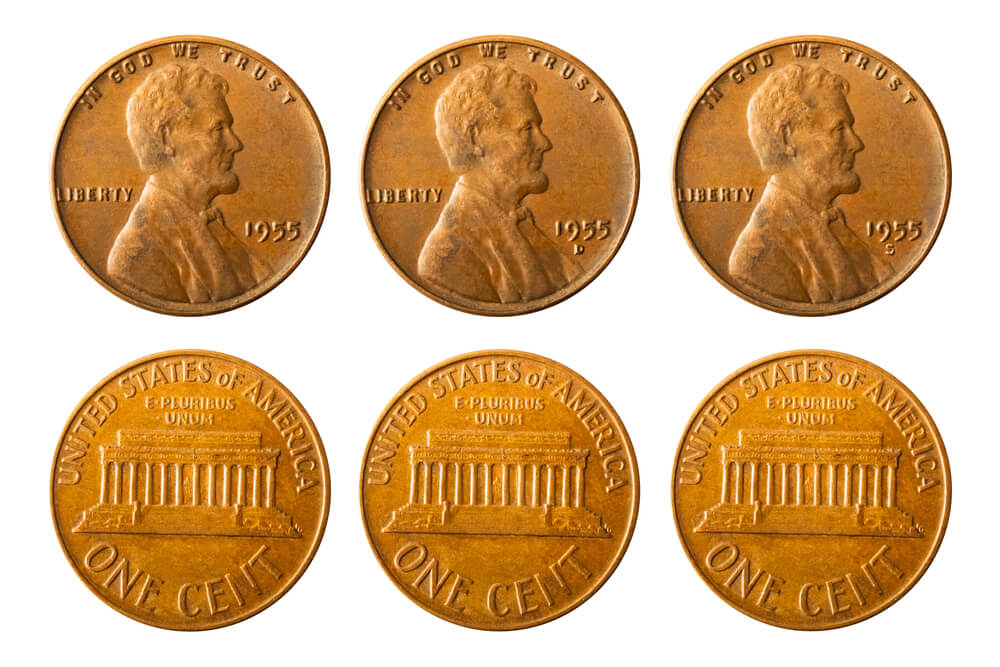
A misaligned die during production caused the date and lettering on this cent to appear doubled and clearly blurred, an error visible without magnification. Roughly 20,000 to 24,000 examples are believed to have entered circulation before the mistake was caught.
Even well-worn copies regularly sell for over a thousand dollars.
1909-S VDB Lincoln Cent
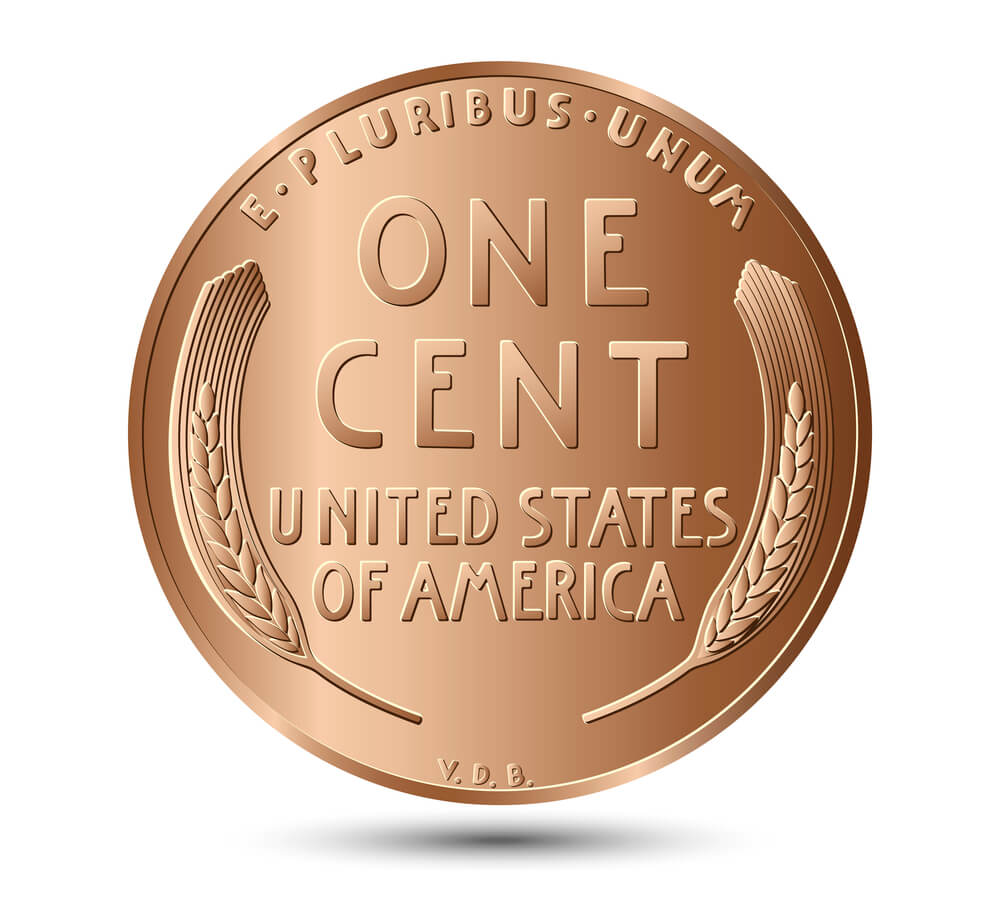
This was the first year of the Lincoln cent, and designer Victor David Brenner’s initials appeared prominently on the obverse before public criticism got them removed later that year. The San Francisco mint only produced about 484,000 of this particular version before the change.
It remains one of the most searched-for dates in the entire Lincoln series.
1922 No D Lincoln Cent
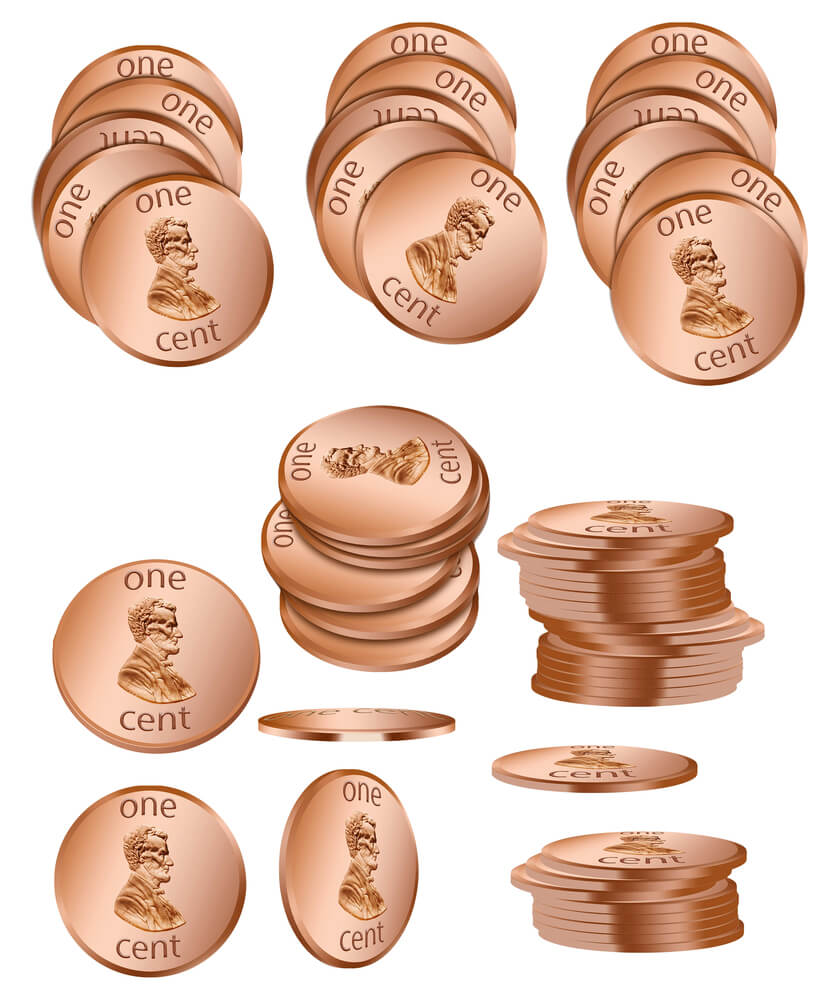
A worn-out die at the Denver mint failed to strike the mint mark on some 1922 cents, creating coins that appear to have no mint mark at all. Since Philadelphia didn’t strike any cents that year, a genuine no-mint-mark 1922 cent can only have come from this specific error.
Collectors check magnification carefully, since a weakly struck D is easy to mistake for a true error.
1972 Doubled Die Lincoln Cent
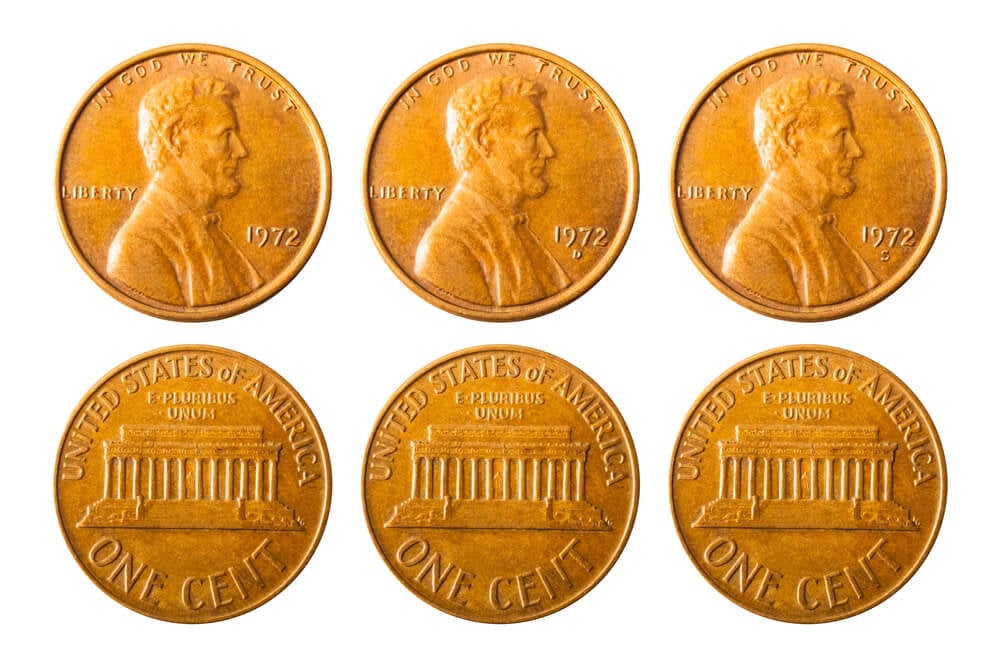
Similar to the 1955 error, this cent shows obvious doubling in the date and inscriptions from a misaligned die. An estimated 75,000 to 200,000 entered circulation, making it more available than the 1955 version but still a solid find.
Clean, sharp examples can sell for several hundred dollars.
1969-S Doubled Die Lincoln Cent
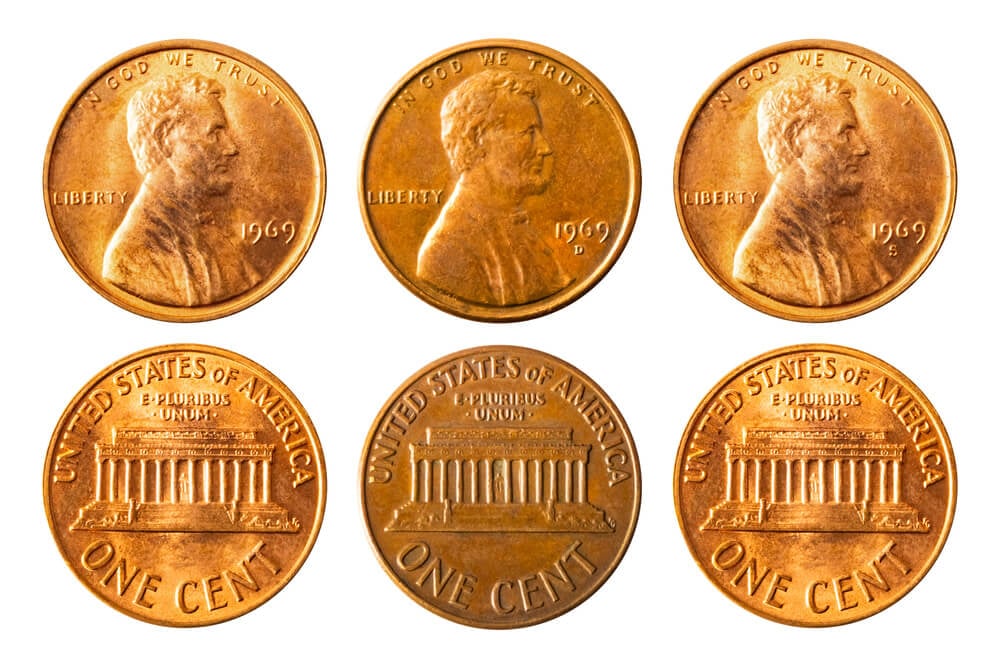
Struck at the San Francisco mint, this cent shows dramatic doubling that’s considered one of the strongest doubled die errors of the twentieth century. It’s also rarer than either the 1955 or 1972 versions, with far fewer confirmed surviving examples.
Because counterfeits and machine-doubling look-alikes are common, authentication through a grading service matters here more than usual.
1995 Doubled Die Lincoln Cent
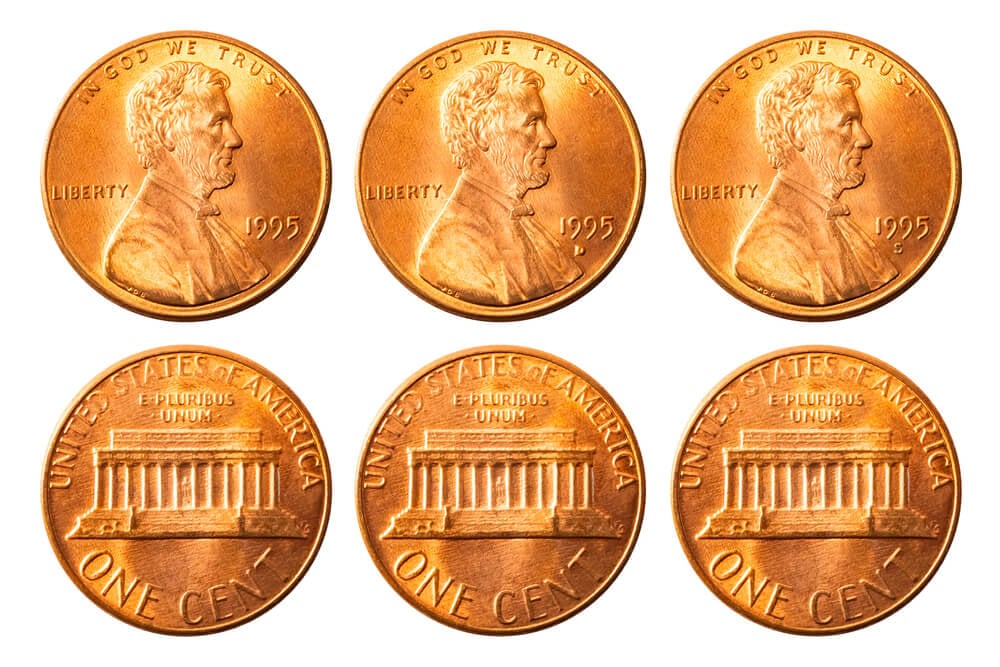
This later doubled die error is far more common than its predecessors, with millions of examples believed to exist. It’s a good entry point for anyone starting to search rolls, since the doubling on “Liberty” and “In God We Trust” is visible without a magnifier.
Value stays modest compared to the rarer doubled dies, but a clean one still beats face value many times over.
1937-D Three-Legged Buffalo Nickel
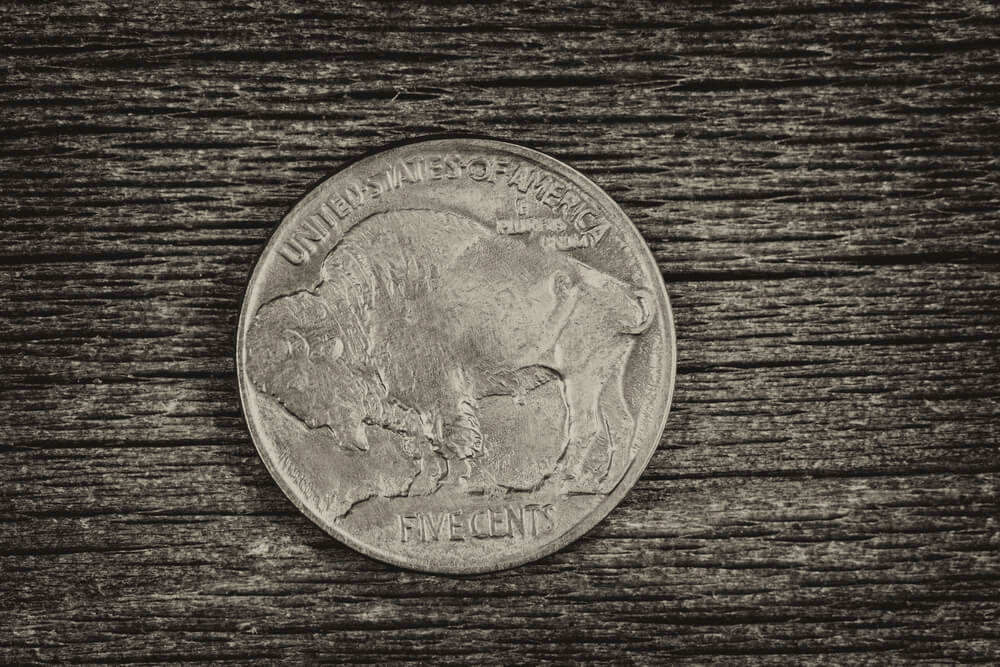
An overzealous attempt to polish a damaged die at the Denver mint accidentally erased one of the buffalo’s front legs on the reverse design. The resulting three-legged buffalo became one of the most recognized errors in American coinage.
It’s popular enough that reproductions and altered coins circulate too, so verification matters.
1918/7-D Buffalo Nickel
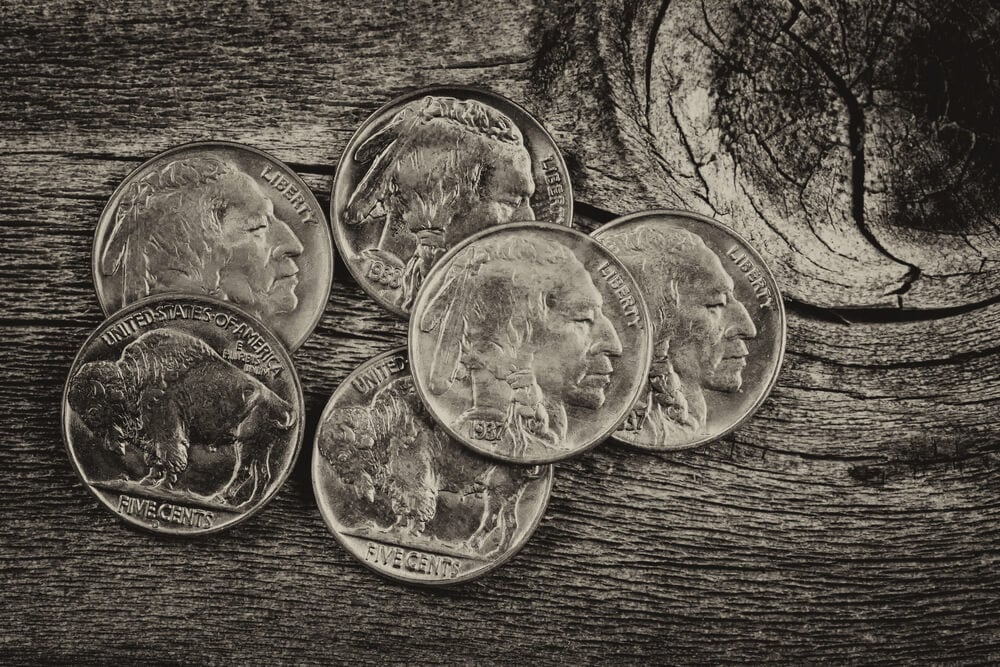
A die originally prepared with a 1917 date was re-punched with 1918 without fully removing the old numbers, leaving a visible overlap known as an overdate. It’s one of the most dramatic overdate errors in the Buffalo nickel series.
Because the error sits on the date itself, it’s relatively easy to spot with a loupe.
1942/1 Mercury Dime
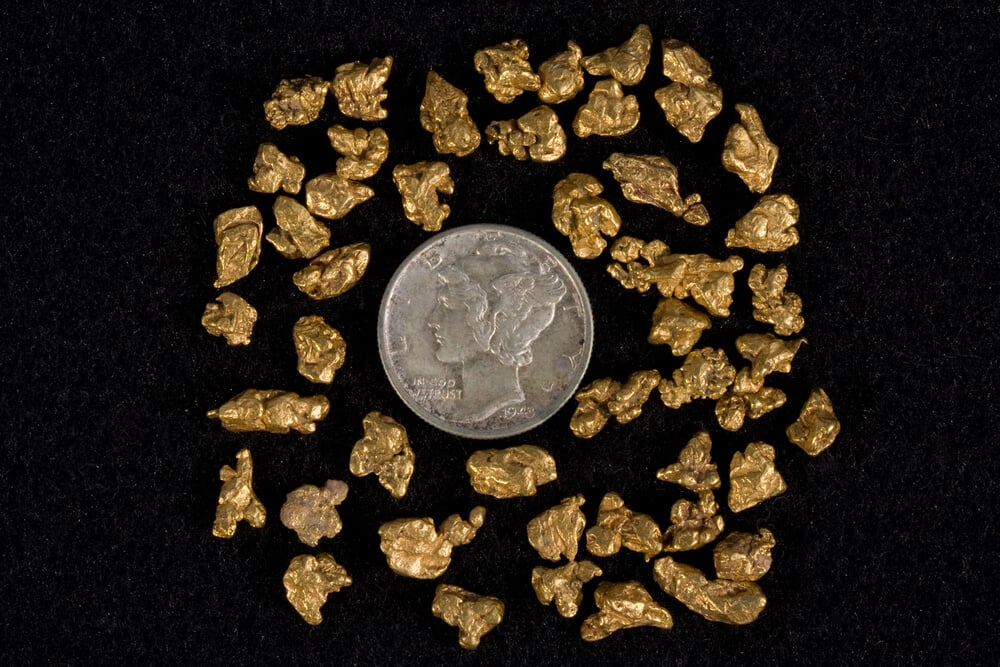
Both the Philadelphia and Denver mints produced this overdate error, where a 1941-dated die was reused and re-punched with 1942 digits. The overlapping numerals are visible on the coin’s date without magnification in strong examples.
It ranks among the most collected overdate errors in American silver coinage.
1916-D Mercury Dime
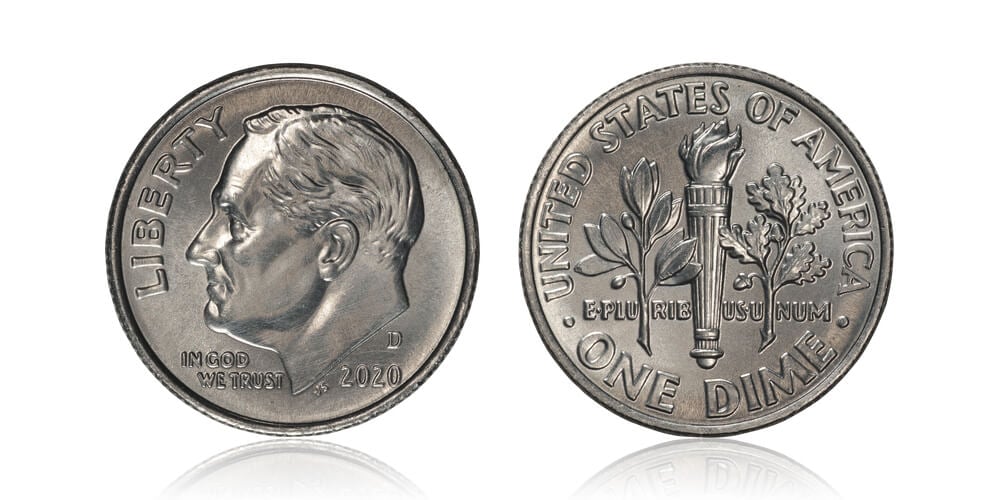
The Denver mint struck the smallest number of Mercury dimes of any year in the series, at just over 264,000 coins. It’s considered the key date for anyone trying to complete the set.
Reproductions with an added mint mark are common enough that dealers check the coin under magnification before buying.
1932-D Washington Quarter
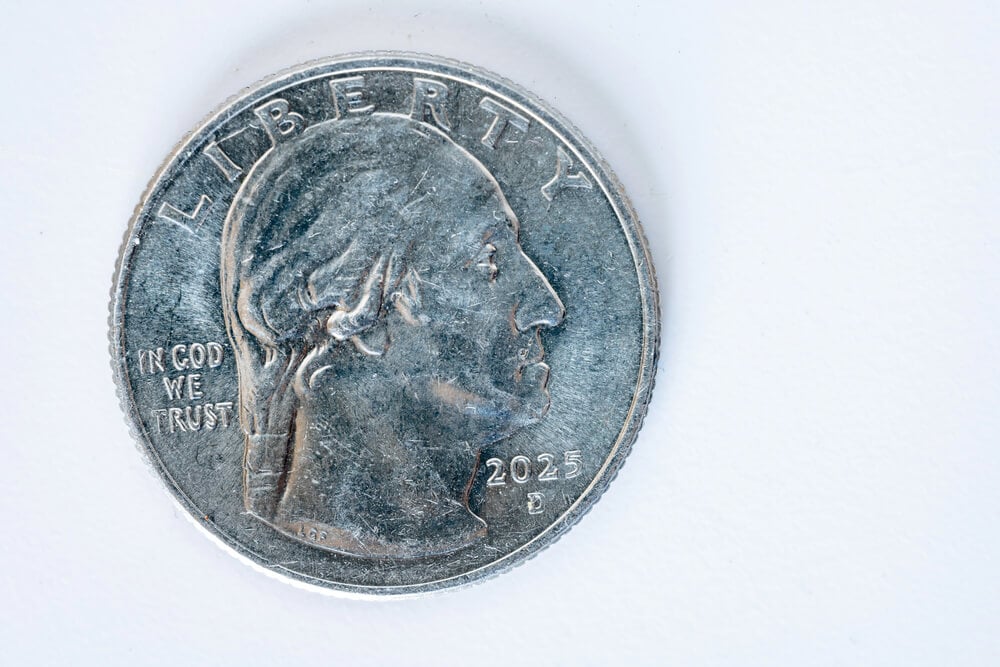
This was the first year of the Washington quarter design, and the Denver mint struck a comparatively small run before demand increased in later years. It’s considered one of the two key dates that anchor the entire series.
Wear on the high points of the coin affects value significantly, since even a slightly circulated example drops well below an uncirculated one.
1932-S Washington Quarter
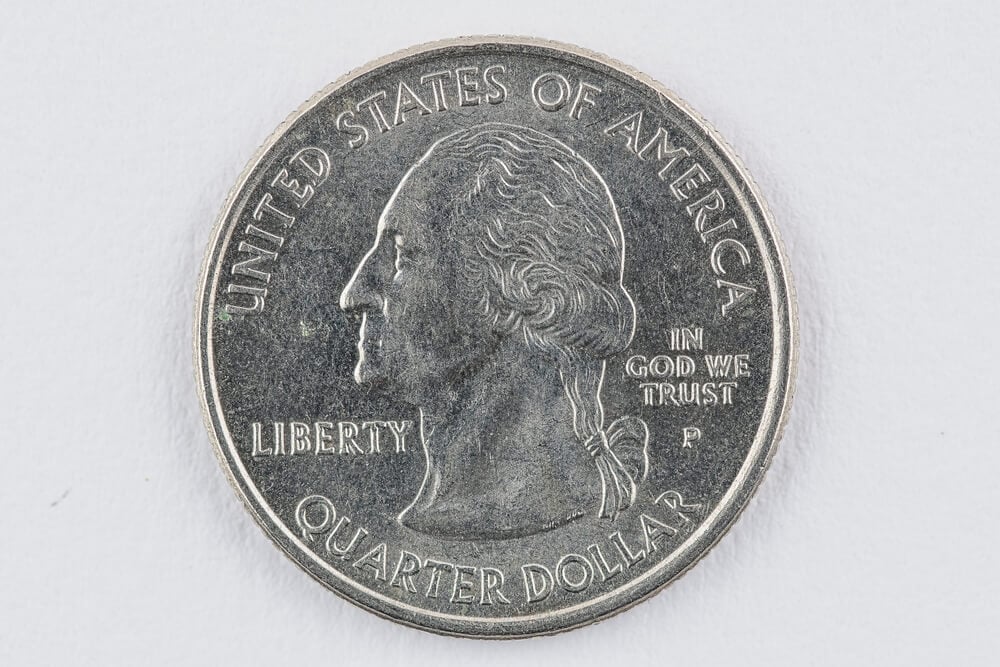
The San Francisco counterpart to the 1932-D shares key-date status in the same series, with an even smaller mintage of roughly 408,000 coins. Both 1932 quarters occasionally surface in old rolls that have sat untouched since before decimal-era coin sorting became common.
A genuine example in any condition is worth pulling aside.
2004-D Wisconsin Extra Leaf Quarter
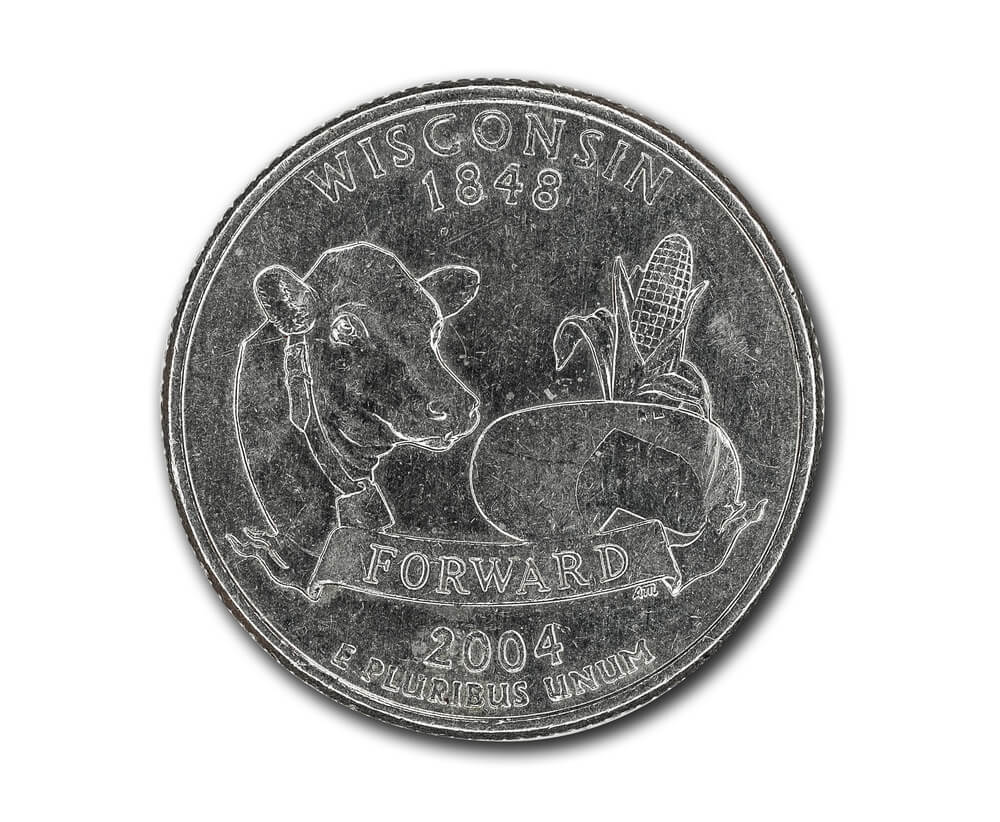
A design flaw during production added an extra leaf to the ear of corn on this state quarter’s reverse, creating two distinct varieties known as “high leaf” and “low leaf.” Both versions still occasionally turn up in circulation decades later.
Clean examples have sold in the low hundreds of dollars depending on which leaf variety is present.
1970-S Small Date Lincoln Cent
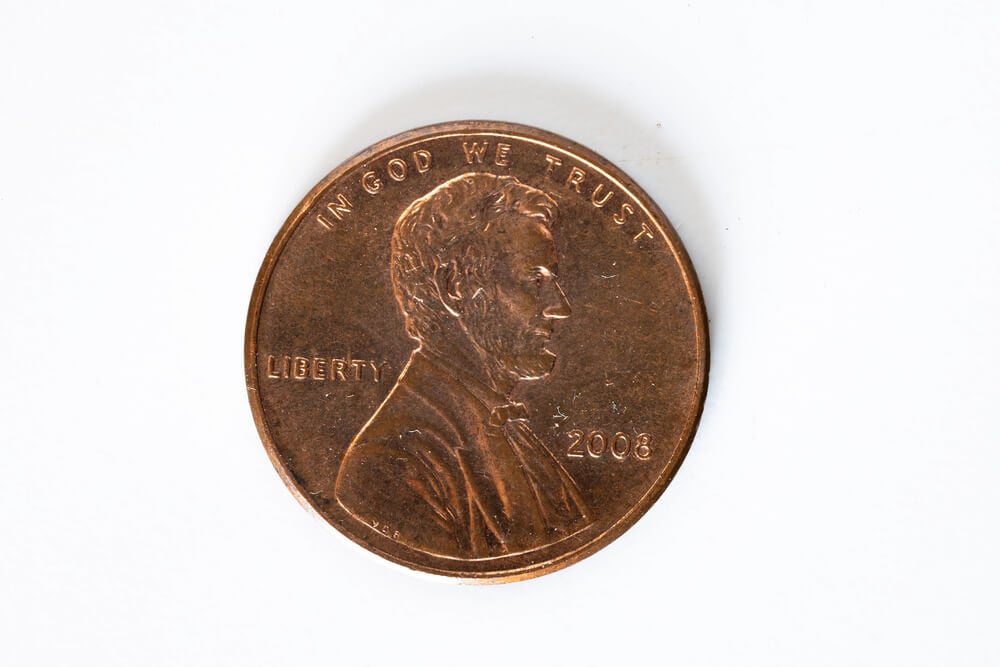
A subtle size difference in the date’s font separates this variety from the far more common large-date version struck the same year. The difference is small enough that most people miss it entirely, which is exactly why it still turns up unnoticed.
Confirmed examples in strong condition bring a solid premium over an ordinary 1970 cent.
Pre-1965 Silver Dimes and Quarters
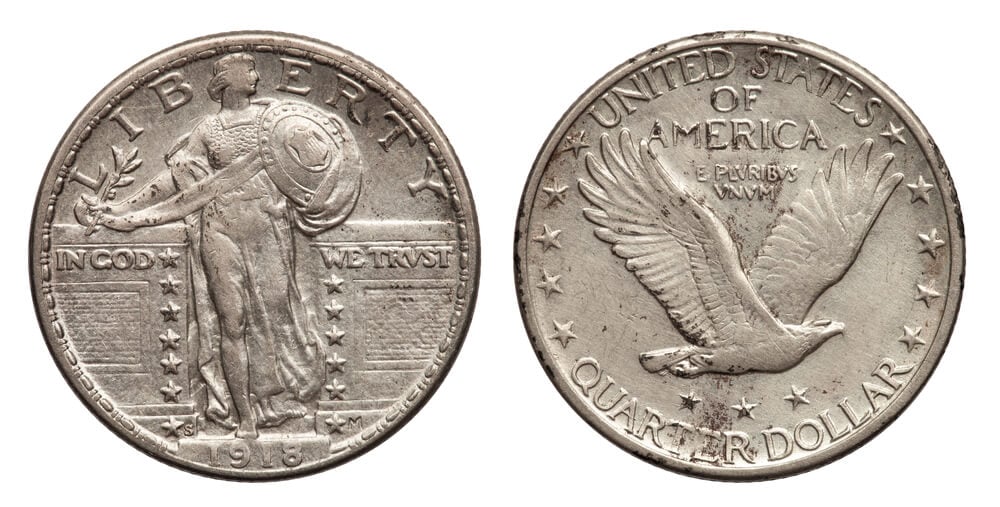
Every dime and quarter struck before 1965 contains 90 percent silver, a composition the mint abandoned once silver prices made the metal too costly for everyday coinage. Even a coin with heavy wear carries several times its face value based on silver content alone.
These occasionally slip through in mixed change from older collections or estate sales where nobody sorted the coins by date.
1970-D Kennedy Half Dollar
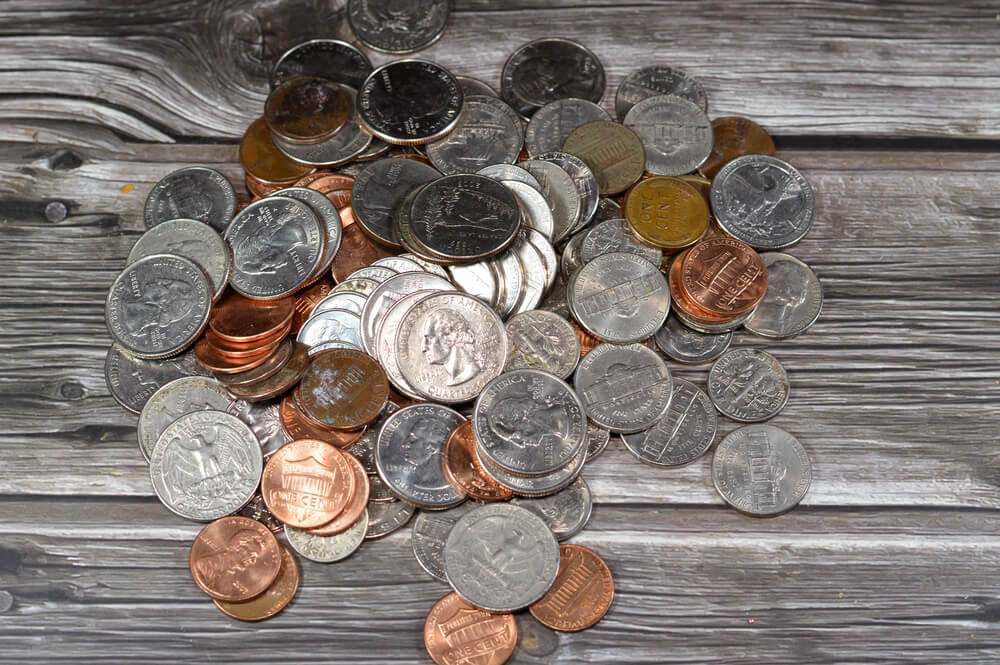
The Denver mint struck a notably small run of half dollars this year, since the denomination had already fallen out of everyday use by the early 1970s. Most examples were saved directly by collectors rather than spent, but a genuine circulated find still carries a strong premium.
It’s one of the more overlooked key dates because half dollars rarely get checked as carefully as pennies and quarters.
War Nickels, 1942 to 1945
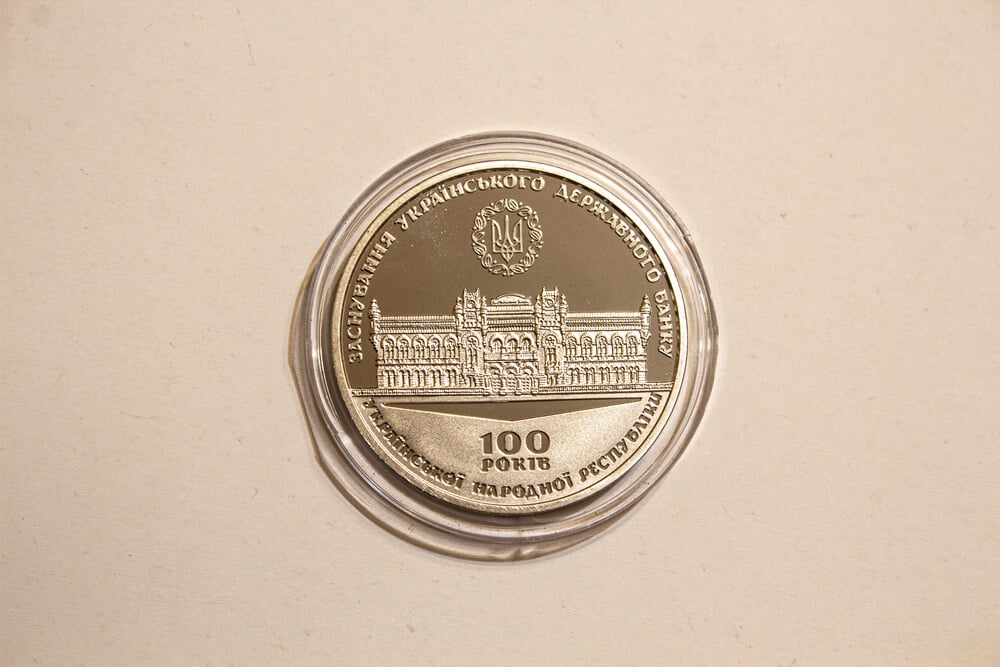
Facing a wartime nickel shortage, the mint temporarily struck five-cent pieces in a silver alloy instead of the usual copper-nickel blend. These coins are marked with a large mint letter above the dome of Monticello on the reverse, making them easy to spot once you know the trick.
Silver content alone puts them well above face value regardless of wear.
Wheat Pennies Before 1958
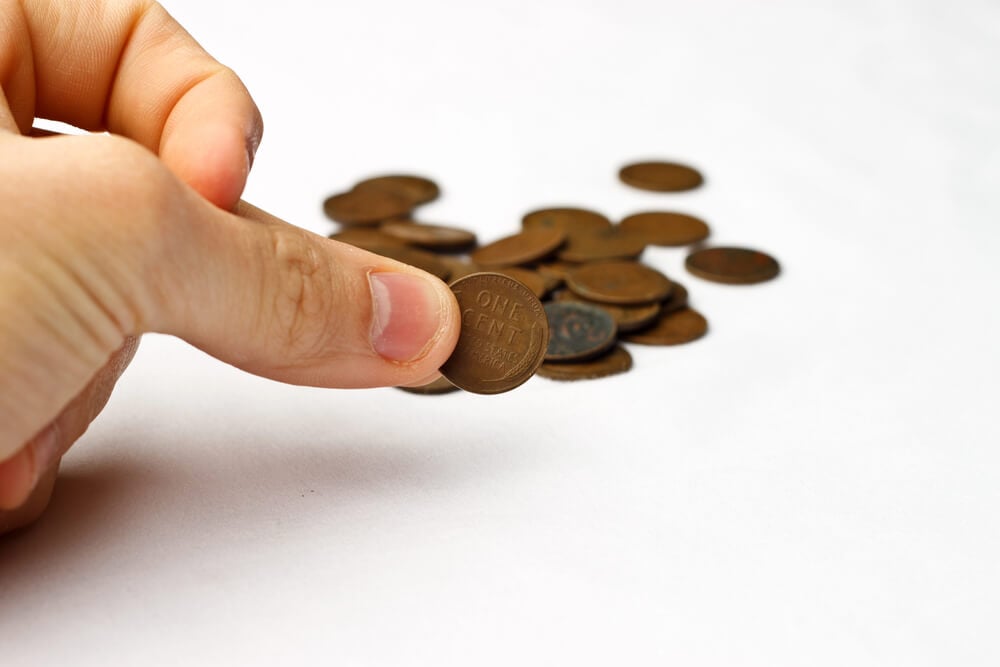
Any Lincoln cent from before 1959 features two wheat stalks on the reverse instead of the later Lincoln Memorial design. While most individual dates are common, the entire category draws steady demand from casual collectors, and certain low-mintage years within the range carry real premiums.
Rolls of old pennies from a relative’s collection are worth sorting by date rather than assuming they’re all the same value.
2000-P Sacagawea Mule Dollar
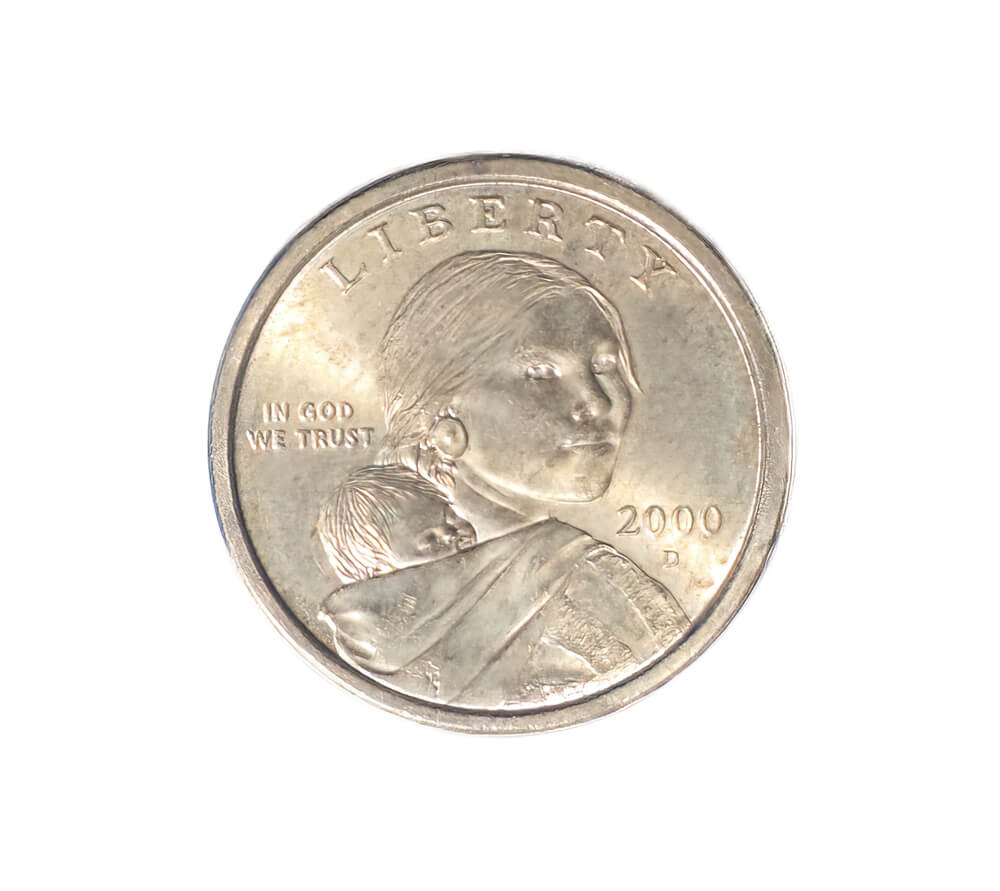
A production mix-up paired a Sacagawea dollar’s reverse die with a Washington quarter’s obverse die, creating a genuine mule error with mismatched denominations on either side. Only a small handful of confirmed examples exist, making it one of the rarest modern American error coins.
A verified specimen has sold for well into six figures.
1950-D Jefferson Nickel
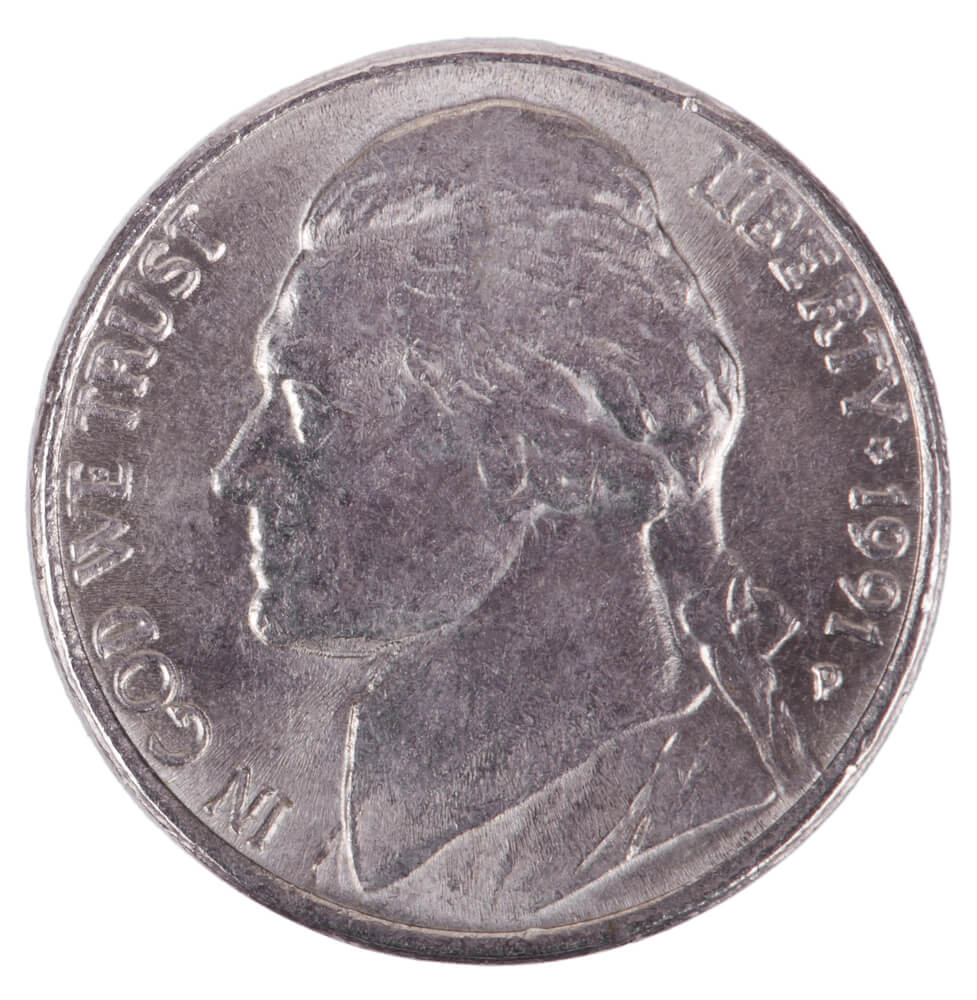
The Denver mint’s 1950 output was unusually low because demand for nickels had dropped that year, and dealers noticed the shortage almost immediately. Speculators hoarded rolls right after release, which paradoxically kept many examples in excellent condition.
It remains a commonly requested date for anyone building a complete Jefferson set.
1877 Indian Head Cent
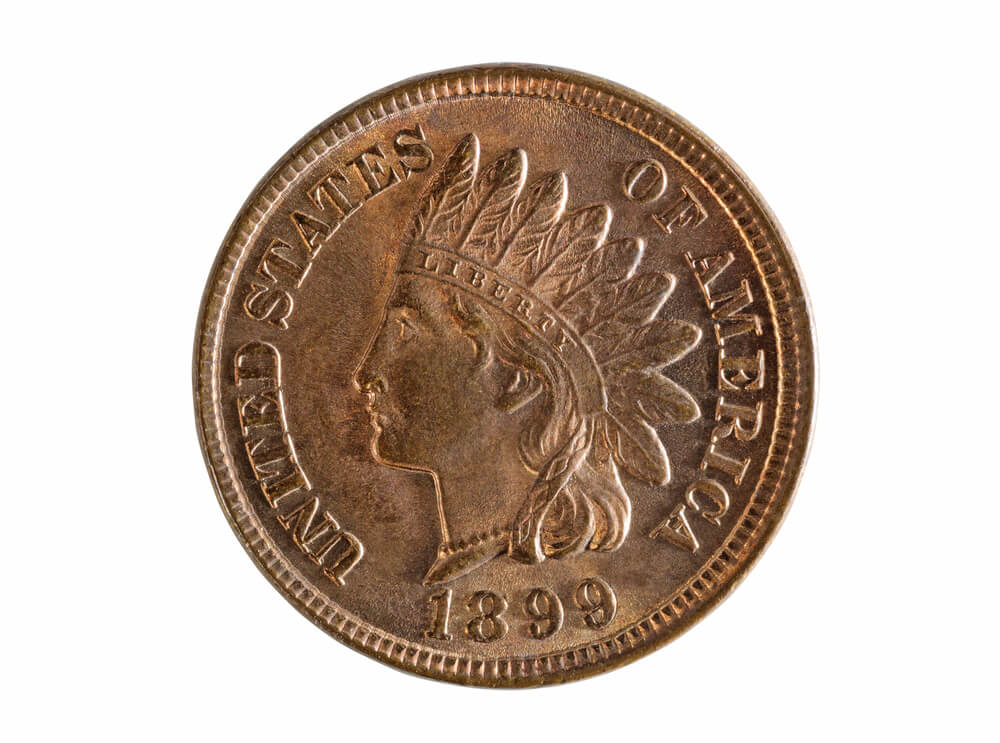
Struck in a mintage of just over 852,000, this date is considered the key to the entire Indian Head cent series produced from 1859 to 1909. Because the coin is now well over a century old, most surviving examples show heavy wear, making sharp copies especially valuable.
It occasionally surfaces in inherited jars of old coins that were never properly sorted.
1943-D Bronze Lincoln Cent
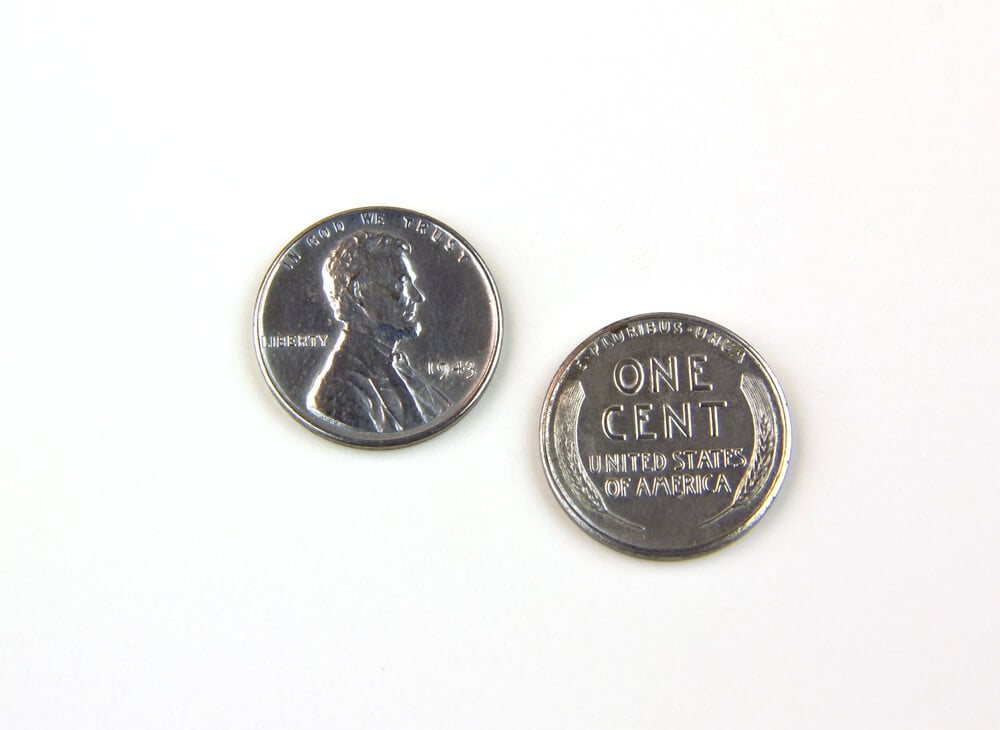
A single confirmed example of the bronze wartime error exists from the Denver mint, making it even rarer than its Philadelphia counterpart. It sold privately for well over a million dollars, a figure that reflects just how singular the coin is.
Most people who think they’ve found one are actually holding a copper-plated steel cent, which a magnet test quickly reveals.
1958 Doubled Die Lincoln Cent
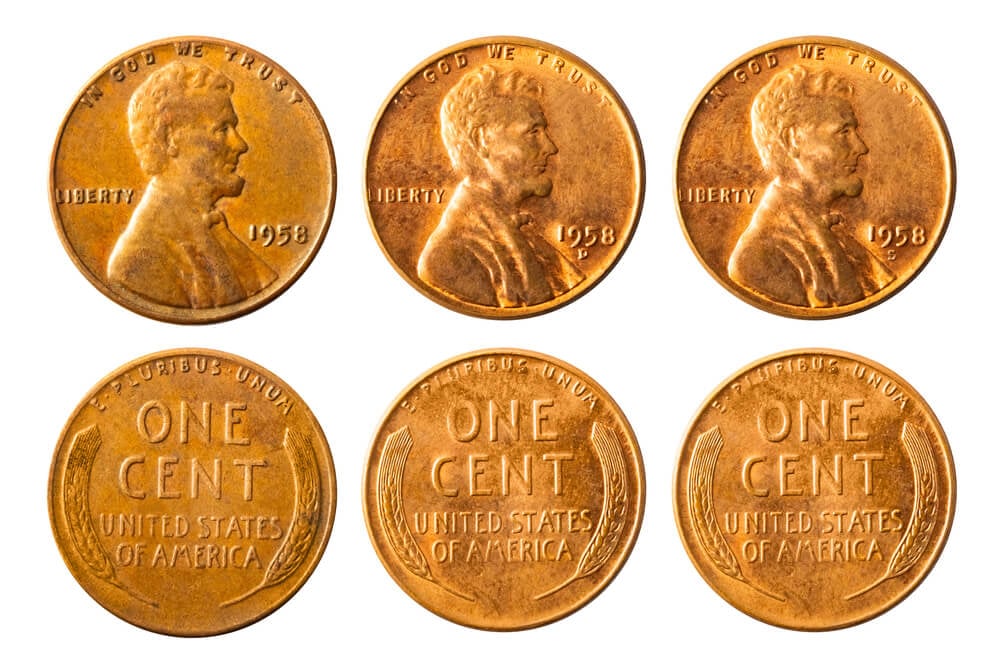
An extremely rare doubled die error from this year shows dramatic doubling on the obverse lettering, with only a handful of confirmed examples known to exist. Because so few are documented, any suspected find requires certification from a recognized grading service before a sale.
Its scarcity puts it well ahead of the more common 1955 and 1972 doubled dies in overall value.
1960 Small Date Lincoln Cent
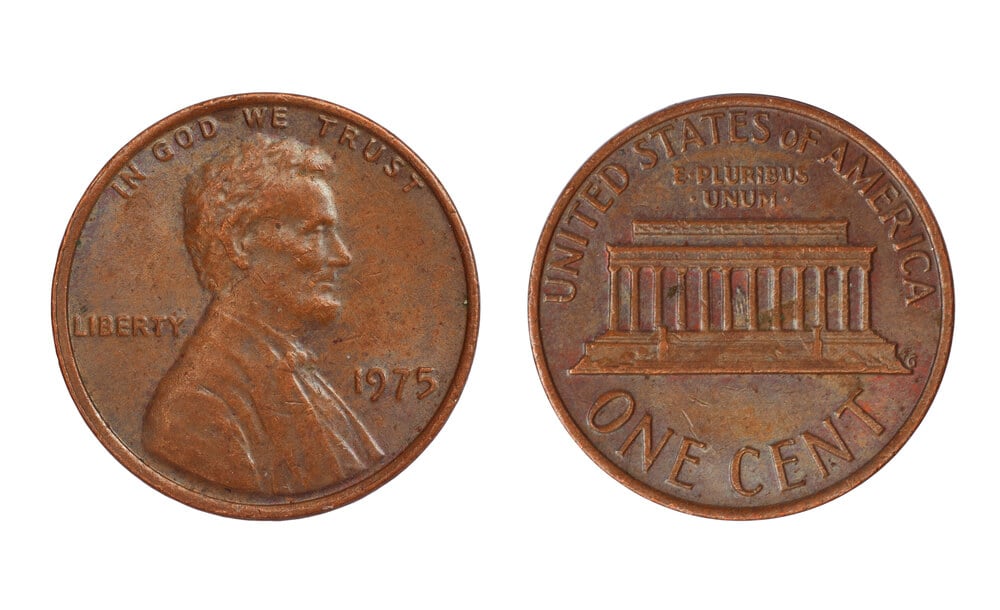
Both the small and large date varieties were struck this year, with the small date version produced in far smaller numbers before the mint adjusted the die. The visual difference comes down to the size and position of the numerals in the date.
A verified small date example brings a real premium over an ordinary 1960 cent.
Transitional 1965 Coinage
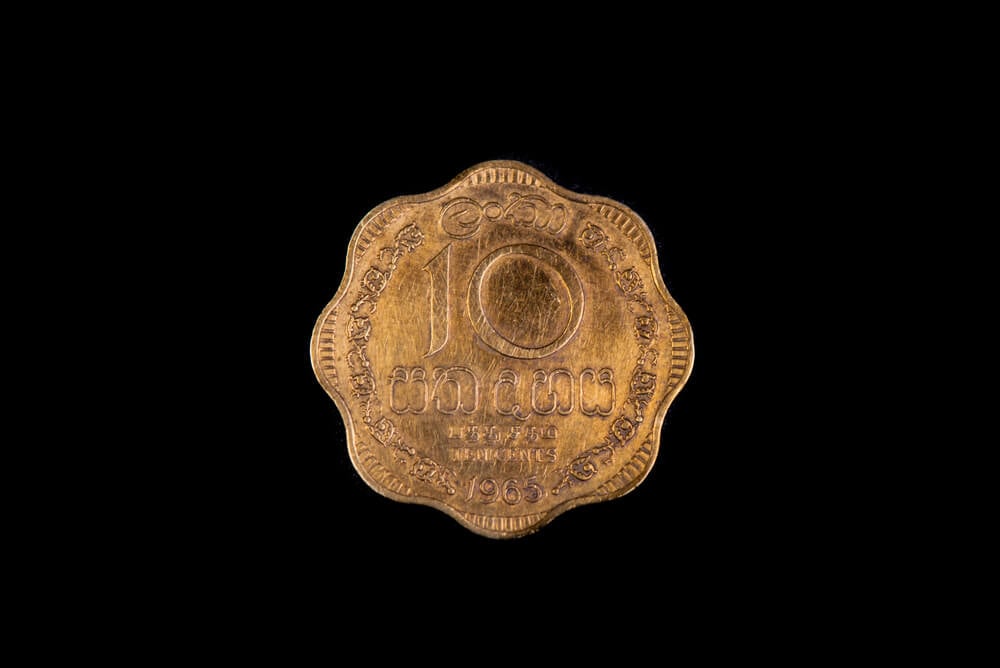
The mint’s shift away from silver coinage happened mid-production, meaning a small number of dimes and quarters dated 1964 were accidentally struck on the new copper-nickel clad planchets, and vice versa. These transitional errors are exceptionally rare because they represent a brief overlap in production.
Any coin that looks like it doesn’t match its date’s expected composition is worth a weight check.
Full Step Jefferson Nickels
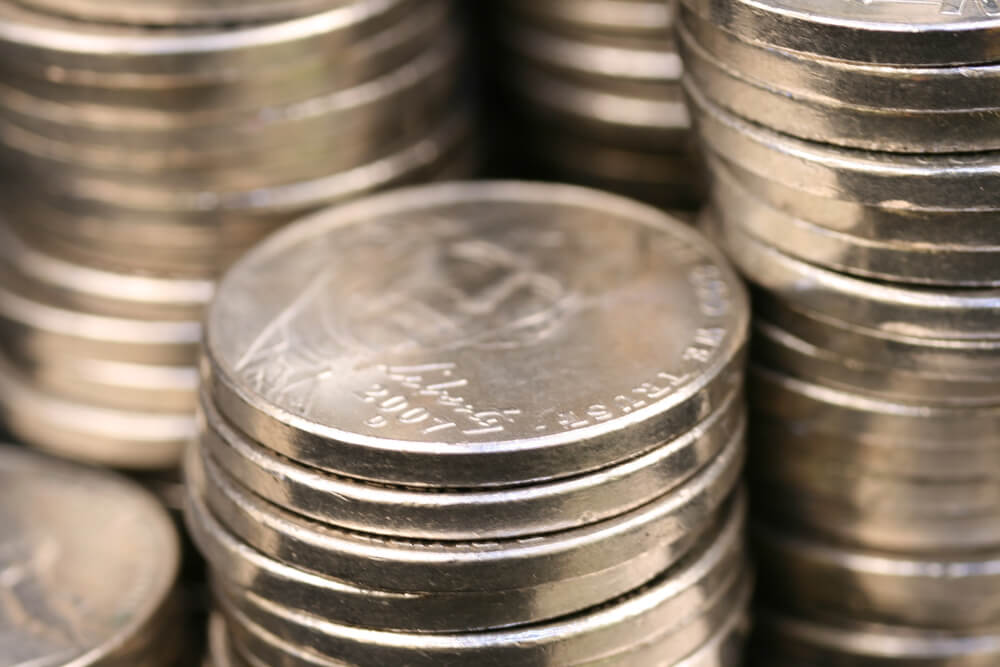
Rather than a single date, this category refers to any Jefferson nickel where Monticello’s front steps are struck with unusual sharpness and clarity, a detail that softens quickly on worn dies. Collectors specifically hunt through rolls looking for this strike quality across many different years.
Because the premium depends entirely on strike sharpness rather than rarity of date, it rewards patient searching more than luck.
1982 No Mint Mark Roosevelt Dime
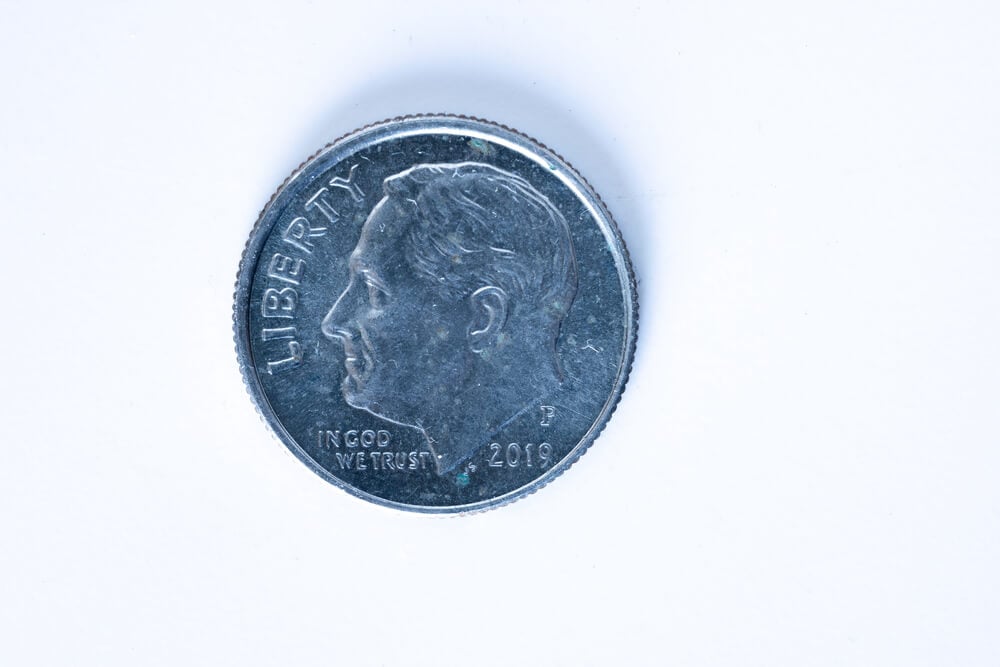
A production error at the Philadelphia mint left the “P” mint mark off a batch of dimes during a year when Philadelphia coins were supposed to carry the mark for the first time. It’s one of the more recent errors still capable of turning up in ordinary change.
Strong examples have sold in the hundreds of dollars.
1996-W Roosevelt Dime
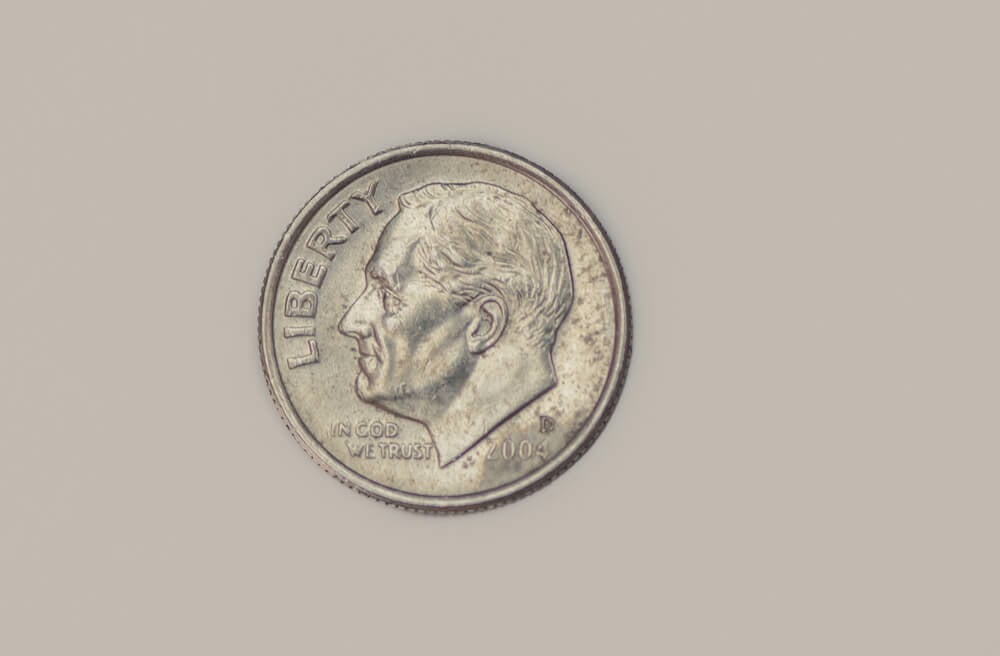
The West Point mint struck a small batch of dimes for inclusion in special mint sets that year, marking one of the only times that facility’s mark appeared on a circulating denomination. Most were kept sealed in their original packaging, but a handful have entered general circulation over the years through broken sets.
A genuine example outside its original packaging is still a legitimate find.
The Habit of Checking
None of these coins announce themselves. They pass through cash registers, get stacked in coffee cans, and sit in the bottom of a purse for years without anyone noticing the doubled date or the missing mint mark.
The value was there the whole time, just unnoticed by everyone who touched the coin without looking closely.
That’s really what separates a coin collector from everyone else: the habit of turning the thing over. A jar of change that most people would roll and deposit without a second thought might be sitting on a few hundred dollars, or considerably more, depending entirely on what nobody bothered to check.
More from Go2Tutors!

- The Romanov Crown Jewels and Their Tragic Fate
- 13 Historical Mysteries That Science Still Can’t Solve
- Famous Hoaxes That Fooled the World for Years
- 15 Child Stars with Tragic Adult Lives
- 16 Famous Jewelry Pieces in History
Like Go2Tutors’s content? Follow us on MSN.