28 Hairstyles From the Eighties and Nineties Coming Back Around
Hair trends tend to move in loops rather than straight lines, and the styles that once required a full can of hairspray or an actual perm chemical treatment are quietly reappearing in salons and on runways again. Some return almost exactly as they were. Others come back reworked just enough to feel new to a generation encountering them for the first time.
None of this is really about nostalgia alone. Most of these cuts and treatments solved real styling problems that current hair trends are running into again.
The Perm
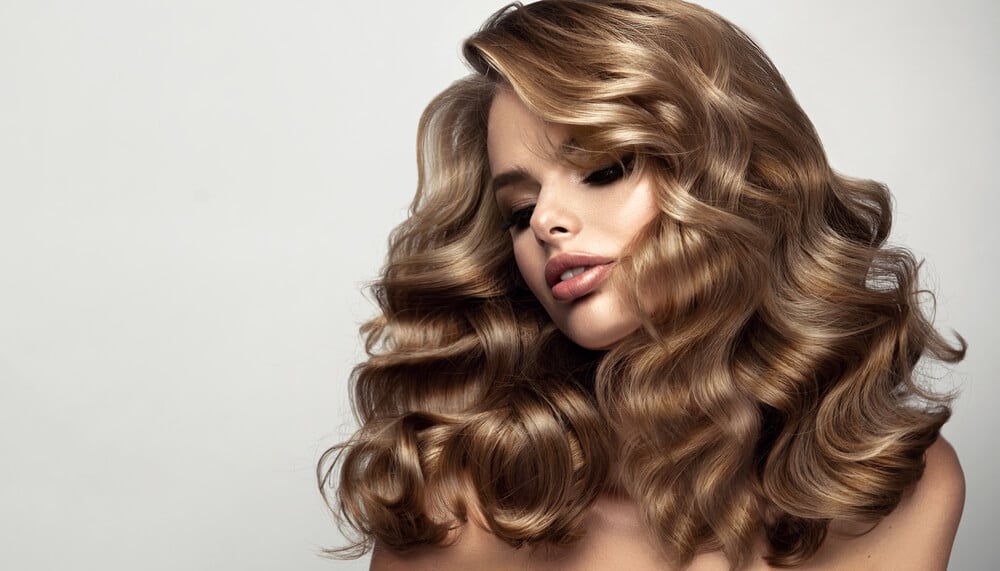
Chemical perms used ammonium thioglycolate solutions to break down and reshape hair’s natural bonds, creating long-lasting curls or waves that could last for months at a time throughout the 1980s. Salons built entire appointment schedules around the multi-hour process. A softer, looser version has returned in recent years, marketed toward people seeking volume and texture without a fully committed curl.
The Mullet
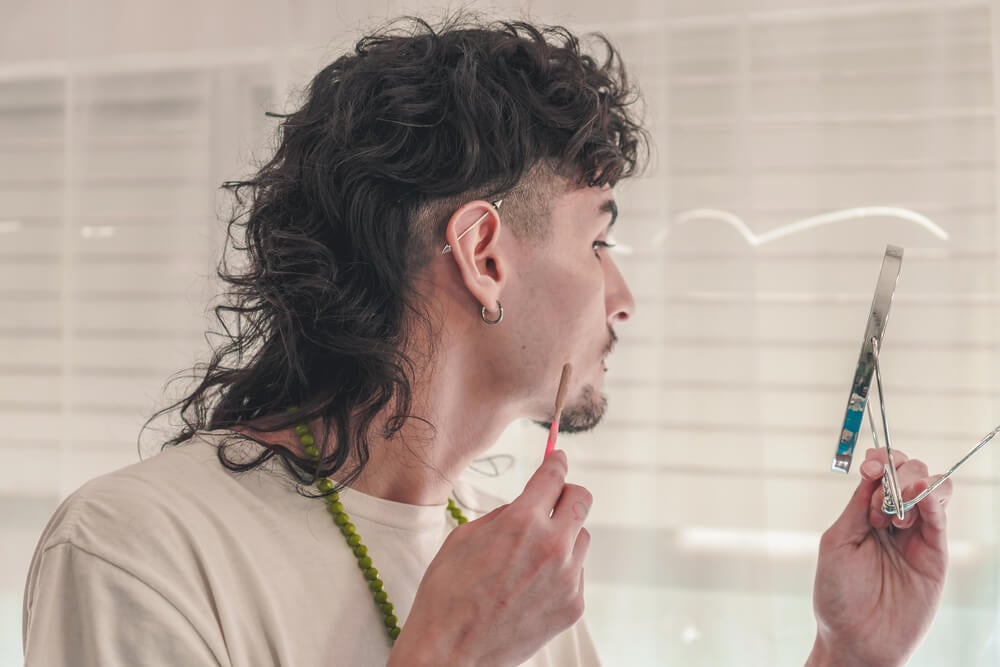
The mullet, short on the sides and top with length left long in the back, became a defining look across music and sports culture through the 1980s. Its unapologetic asymmetry made it a frequent target of ridicule even during its own peak popularity. A modernized, more textured version has resurfaced among younger stylists reinterpreting it as an intentional statement rather than an accident of low-maintenance grooming.
Crimped Hair

Crimping irons pressed hair into tight, zigzag waves using heated ridged plates, a look that dominated the mid-1980s in particular. The style required a dedicated tool separate from a standard curling iron, making it a specific purchase for anyone chasing the trend. Crimping has returned periodically as a runway accent, often applied to only sections of hair rather than an entire head.
The Rachel
Named after Jennifer Aniston’s character on a popular 1990s sitcom, the layered, face-framing cut became one of the most requested salon looks of the decade almost immediately after the show’s debut. Its layers required regular trims to maintain the exact shape stylists had built the cut around. A looser, lower-maintenance variation has returned recently, keeping the face-framing layers while relaxing the overall structure.
Frosted Tips
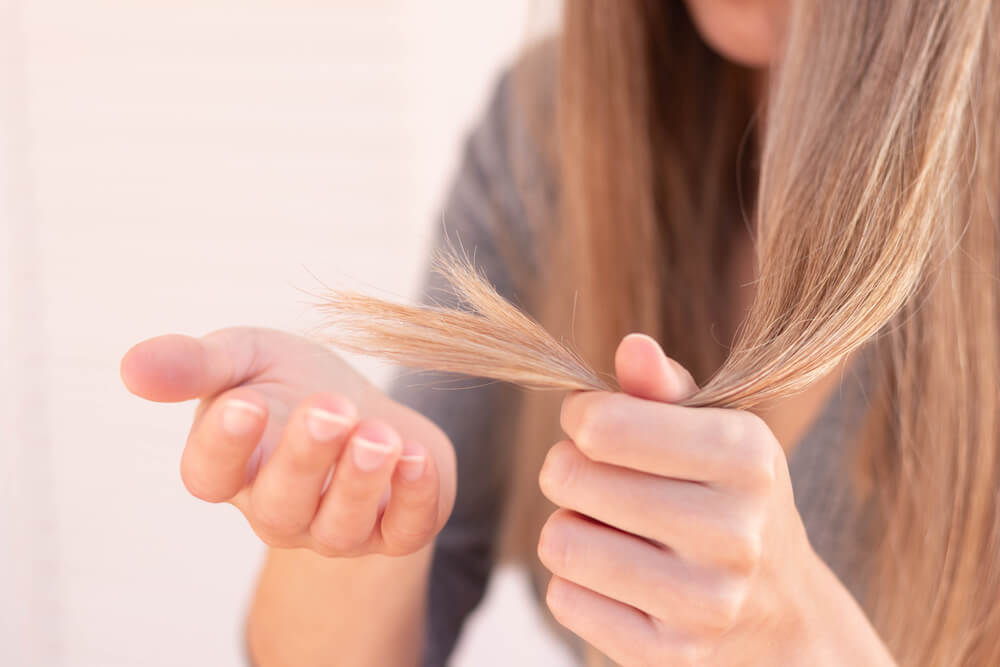
Frosted tips involved bleaching only the very ends of short hair, creating a two-toned contrast that became especially popular among young men in the late 1990s. The look required pulling strands through a specialized cap before applying bleach only to the exposed sections. A subtler version has reappeared, often applied with more precise, painted techniques rather than the original cap method.
The Rat Tail
The rat tail, a single thin section of hair grown long at the nape of the neck while the rest stayed short, became a popular choice among children and teenagers through the 1980s. Its extreme simplicity made it an easy trend for younger kids to adopt without much salon involvement. A more deliberate, styled version occasionally appears among younger stylists treating it as a playful throwback rather than a serious cut.
The Bowl Cut
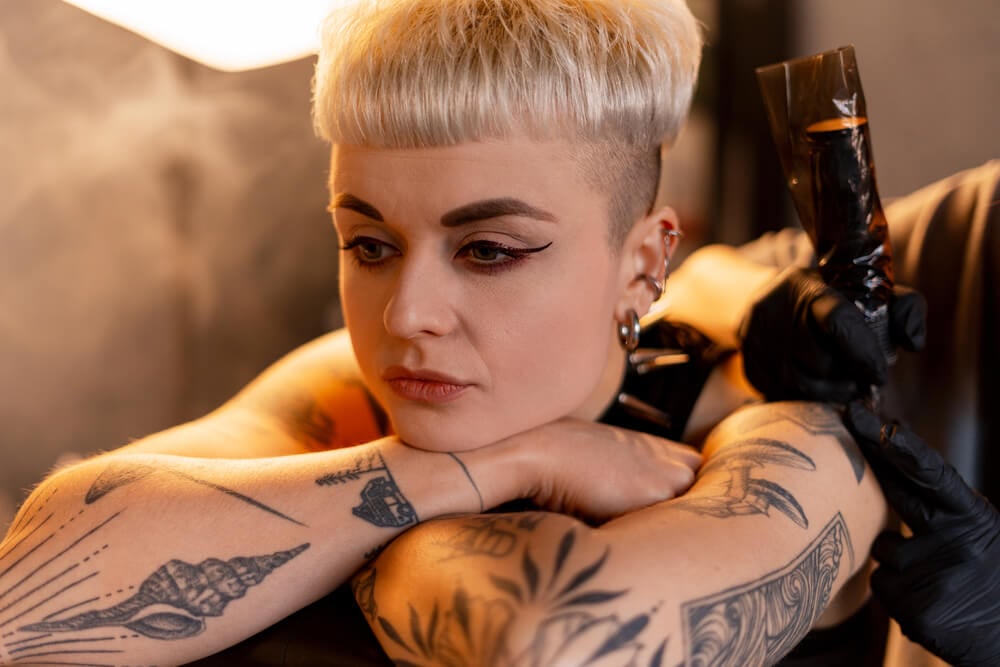
The bowl cut, characterized by a straight, rounded fringe circling the entire head, became closely associated with both children’s haircuts and specific music subcultures through the late 1980s and early 1990s. Its low-maintenance shape made it a practical choice for parents cutting hair at home. A more textured, deliberately messy version has resurfaced recently among younger men looking for a distinctive alternative to standard short cuts.
Big Bangs
Teased, heavily hairsprayed bangs standing several inches off the forehead became a hallmark look of the 1980s, often requiring a full can of aerosol hairspray to hold the shape through an entire day. The style demanded real time investment each morning before leaving the house. A relaxed version with softer volume has returned as a styling option for people wanting height without the rigid, sprayed structure.
The Shag
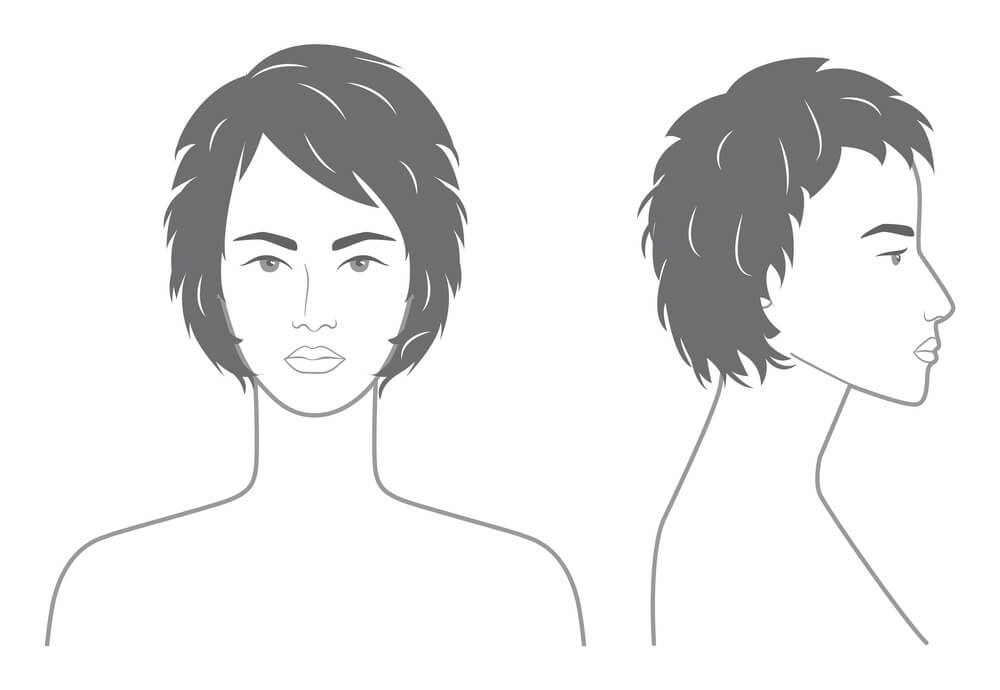
The shag, a heavily layered cut with choppy, textured pieces throughout, moved between popularity peaks across the 1970s and into the 1980s before fading. Its deliberately undone appearance actually required careful cutting to look properly imperfect. A modern shag revival has become one of the most requested cuts at salons in recent years, often paired with curtain bangs.
Curtain Bangs

Curtain bangs, parted in the center and swept to either side of the face, appeared throughout the late 1960s and again through the 1990s before falling out of favor. Their soft framing worked across a wide range of face shapes, which contributed to their repeated popularity over multiple decades. They returned strongly in recent years as one of the most searched hairstyle terms across social media platforms.
The Jheri Curl
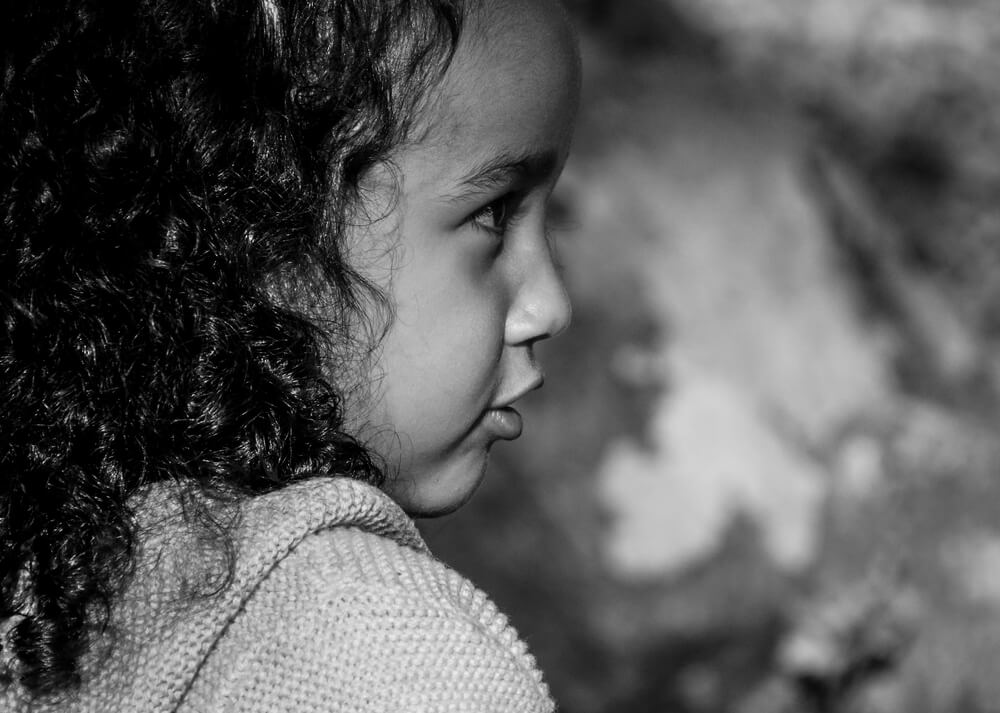
The Jheri curl used a two-step chemical process to create a loose, glossy curl pattern that required a specific activator spray to maintain its wet-look shine throughout the day. It became especially popular in the 1980s across music and entertainment industries. While the exact original treatment has not fully returned, its influence appears in current loose-curl chemical treatments that avoid the heavy, constant moisturizing the original required.
Butterfly Clips
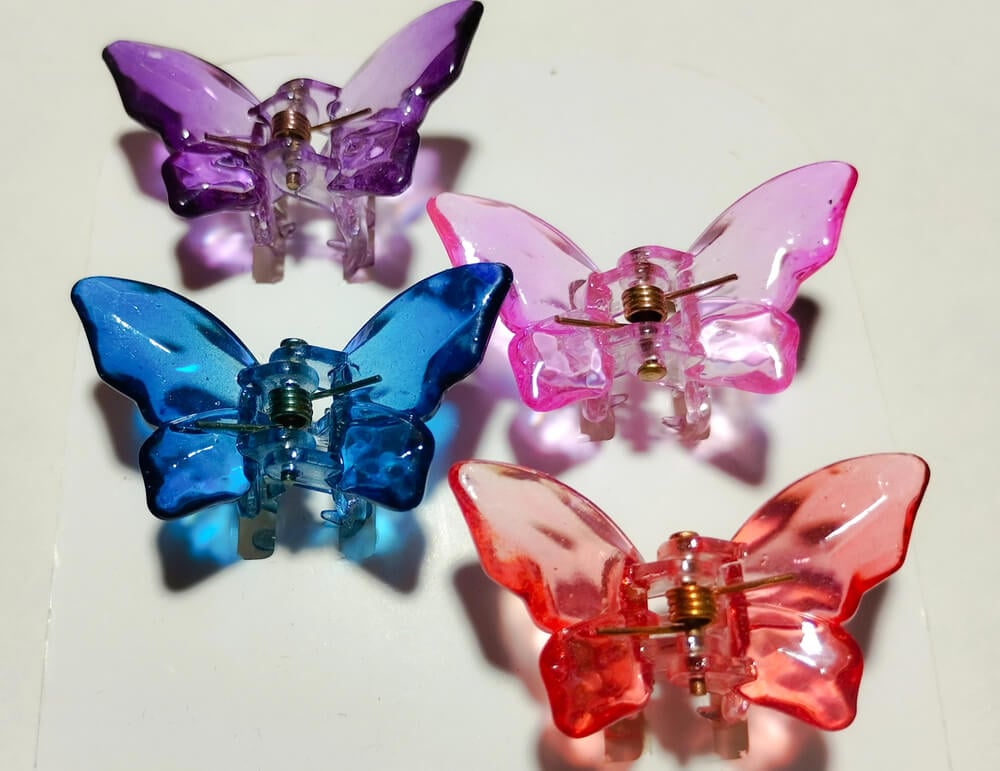
Small plastic butterfly-shaped hair clips became a near-universal accessory among young girls in the late 1990s, often used in large numbers scattered across a single hairstyle. Their bright colors and simple snap closure made them an easy trend for kids to manage independently. They returned strongly in the early 2020s as part of a broader wave of 1990s accessory nostalgia.
The Wolf Cut

Though it gained its specific name more recently, the wolf cut descends directly from the choppy, heavily layered shag styles of the late 1970s and 1980s, combining short layers on top with longer pieces framing the face. Its shaggy, textured look works especially well on naturally wavy or curly hair. It became one of the most requested salon cuts in recent years as a direct callback to its 1980s predecessor.
Side Ponytails

Side ponytails, pulled to one side of the head rather than centered, became a popular casual style throughout the 1980s, often paired with a large scrunchie or fabric-covered elastic. The asymmetry gave an otherwise simple ponytail a more deliberate, styled appearance. The look has resurfaced periodically as scrunchies themselves have returned to mainstream popularity.
Scrunchies
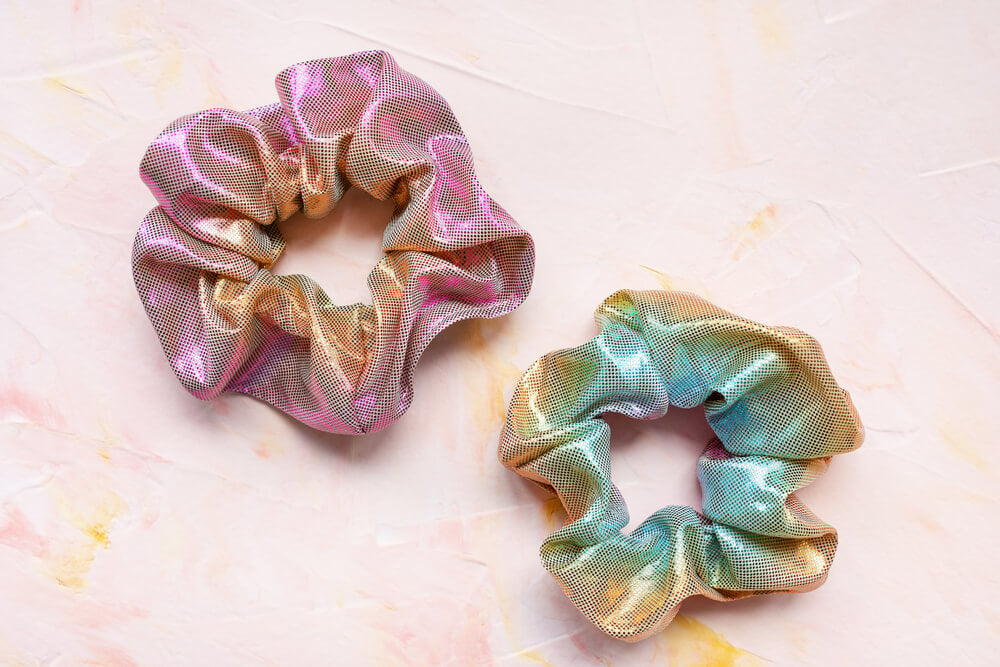
Fabric-covered elastic hair ties, commonly called scrunchies, became a dominant hair accessory throughout the late 1980s and 1990s, prized for being gentler on hair than thin rubber bands. Their bright patterns and oversized shapes made them a visible fashion statement rather than a purely practical tool. They returned to mainstream popularity in the late 2010s, often marketed as a healthier alternative to standard hair ties.
Claw Clips
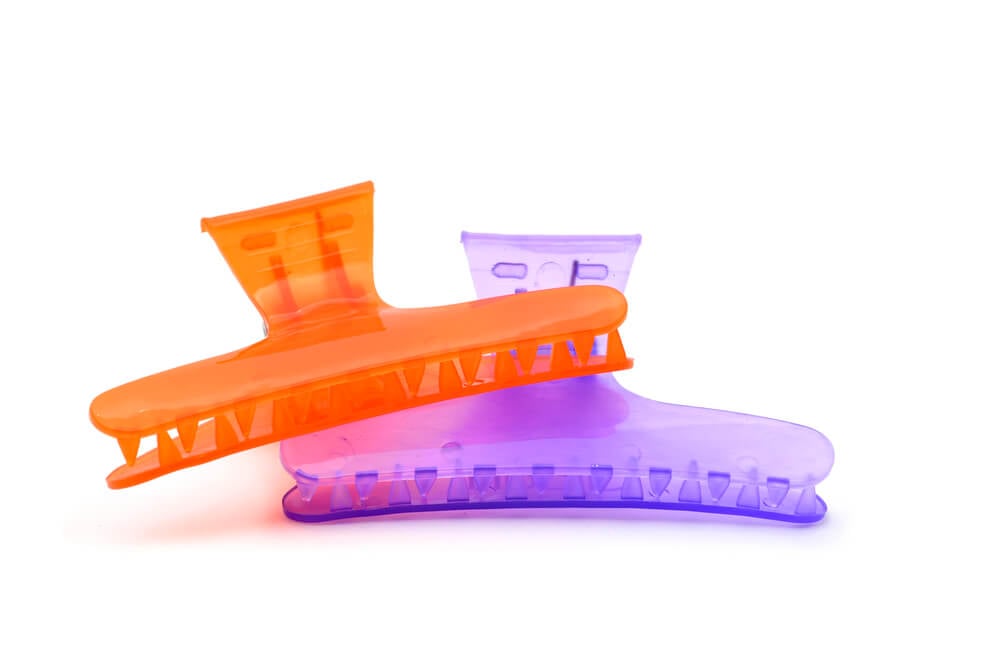
Large plastic claw clips, used to gather and secure hair with a simple squeeze-and-release mechanism, were a common accessory through the 1990s for quickly pulling hair up without a full styling routine. Their practical function made them popular for both casual and more polished looks. They returned strongly in recent years, often in updated colors and finishes while keeping the original mechanism largely unchanged.
The Fade with a Part
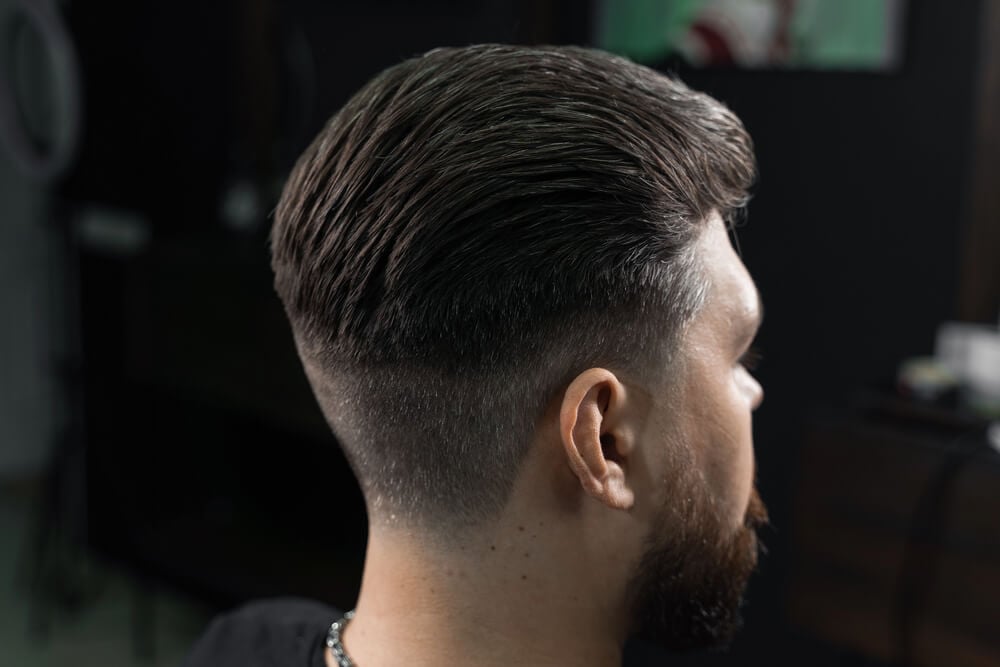
Fades with a sharp, razor-cut part line running through the hair became especially popular among young men in the 1990s, often combined with short, tightly cropped sides. The precise line required regular touch-ups to maintain its clean edge. The style has returned as a foundational cut in modern barbering, frequently paired with additional textured elements on top.
High-Top Fades
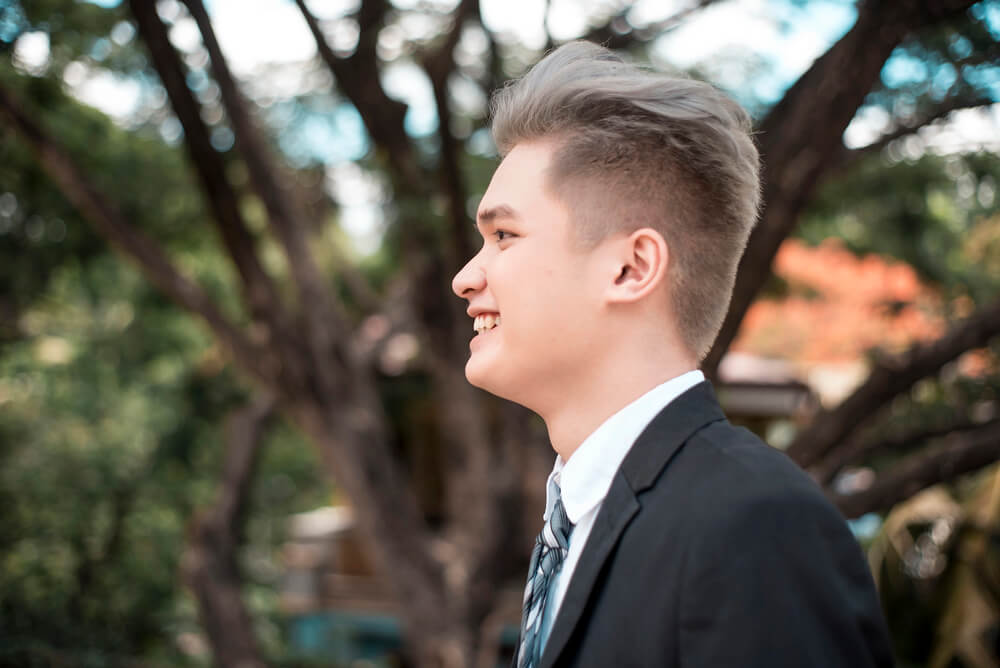
High-top fades, featuring dramatically flat, elevated hair on top over closely shaved sides, became closely associated with hip-hop and music culture through the late 1980s and early 1990s. The style required significant daily maintenance to keep the flat top shape structurally sound. A shorter, more wearable interpretation of the silhouette has appeared periodically in modern barbering as a direct homage to the original look.
Spiral Perms
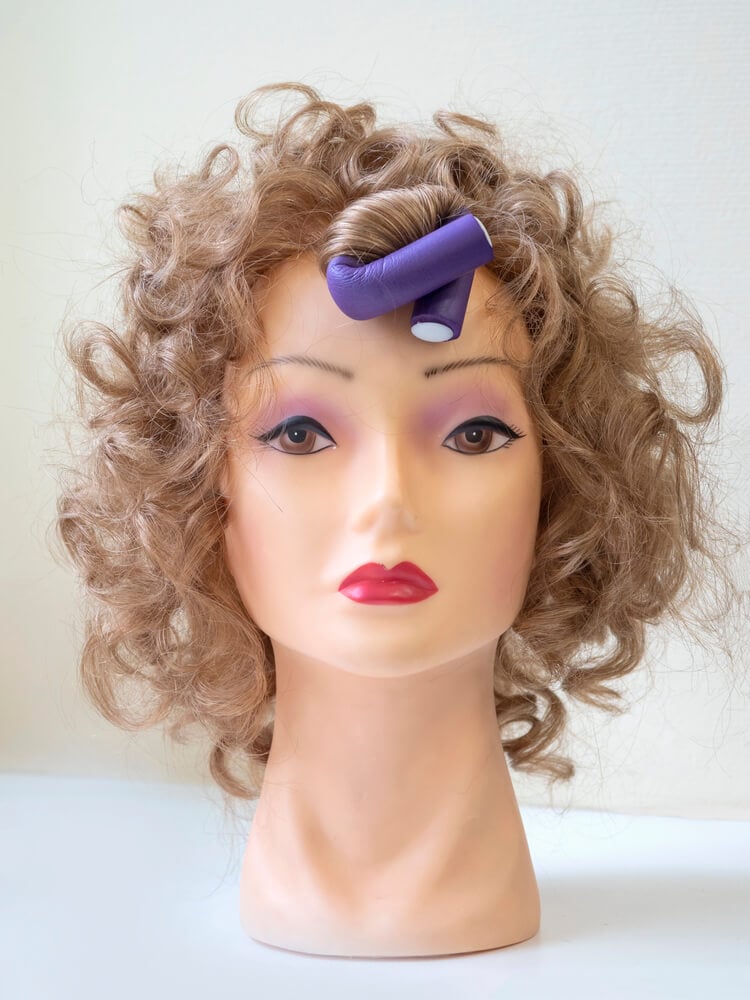
Spiral perms wrapped hair around vertical rods rather than the horizontal rods used in standard perms, creating tighter, more defined ringlet curls that became especially popular in the late 1980s and early 1990s. The technique required more processing time than a standard perm due to the tighter wrap pattern. Modern curl-focused perming techniques have borrowed elements of the spiral method while using gentler chemical formulas than the originals.
The Pixie with Long Bangs
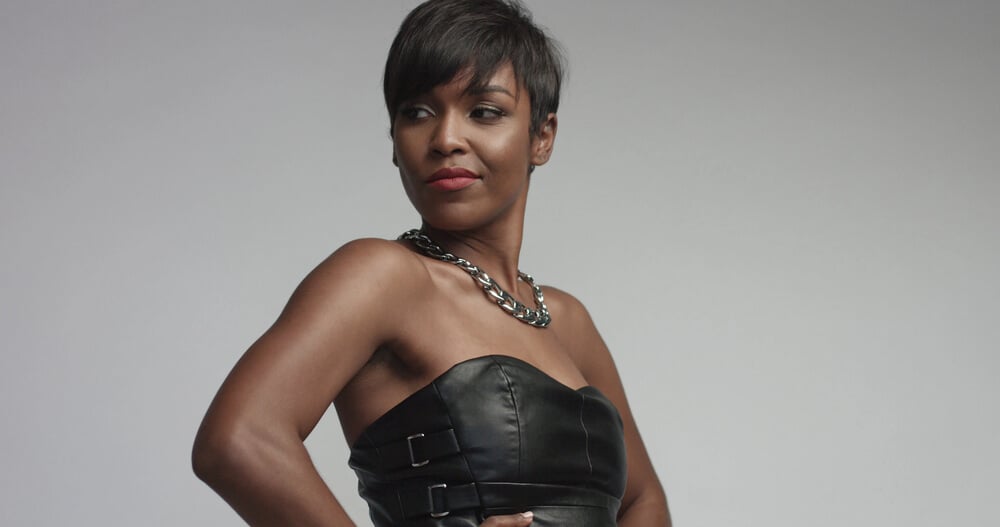
Asymmetrical pixie cuts paired with noticeably longer front bangs became a popular alternative short style through the 1990s, offering a lower-maintenance option than longer layered cuts. The contrast between short back sections and longer face-framing pieces gave the cut visual movement despite its overall brevity. The silhouette has reappeared recently as a popular option for people transitioning away from longer hair.
Chunky Highlights
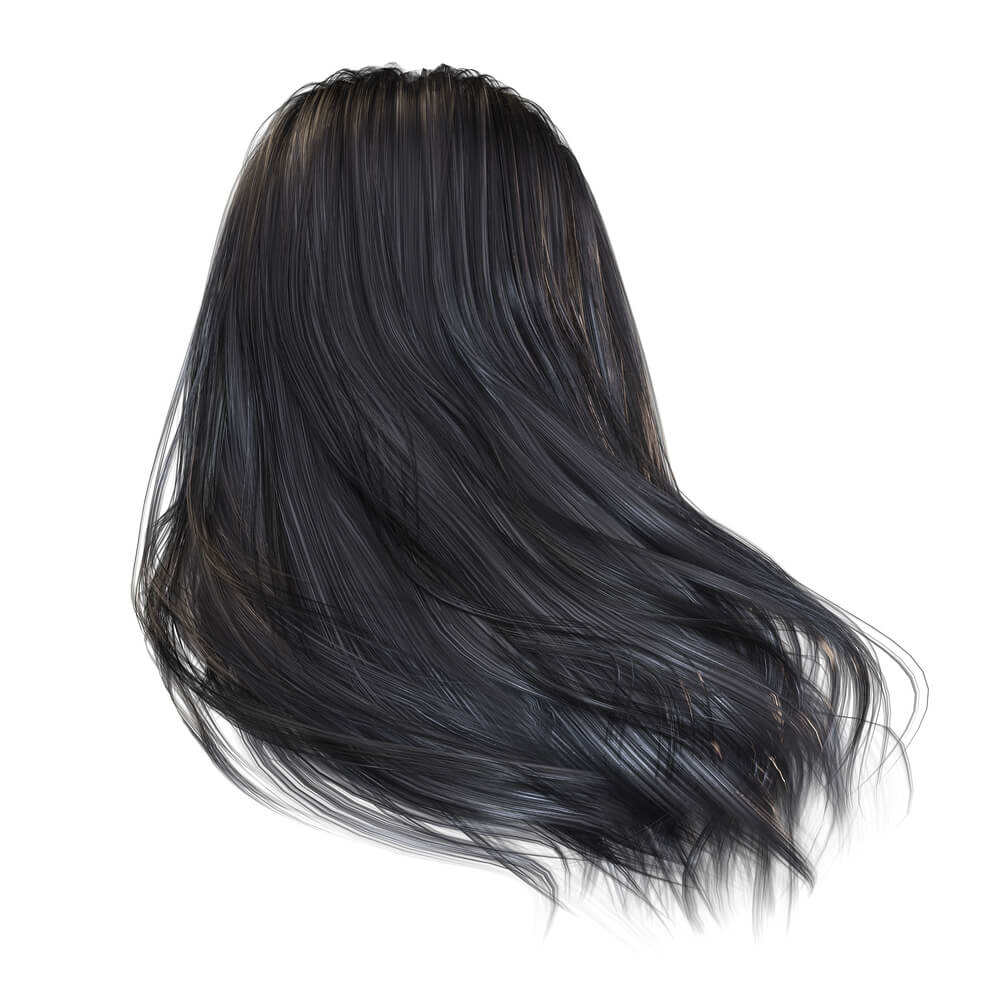
Chunky highlights used noticeably wide sections of lightened hair rather than the fine, blended strands favored in other eras, creating a bold, high-contrast striped effect popular through the late 1990s and early 2000s. The technique required less precision than finer highlighting methods, which made it faster and often cheaper to apply. A more refined version has reappeared recently, using the same bold color contrast with a softer, hand-painted application technique.
Finger Waves
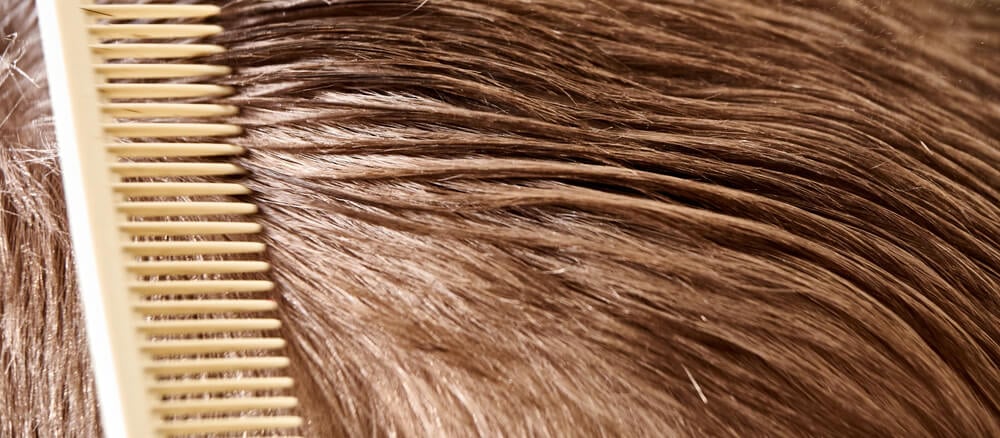
Finger waves, an S-shaped wave pattern pressed close to the scalp using fingers, combs, and setting gel, had roots in earlier decades before experiencing a specific resurgence in the 1990s across both mainstream and hip-hop fashion. The technique required real skill to execute evenly across an entire head. It has reappeared periodically on runways and among stylists specializing in vintage-inspired looks.
The Bob with Bangs

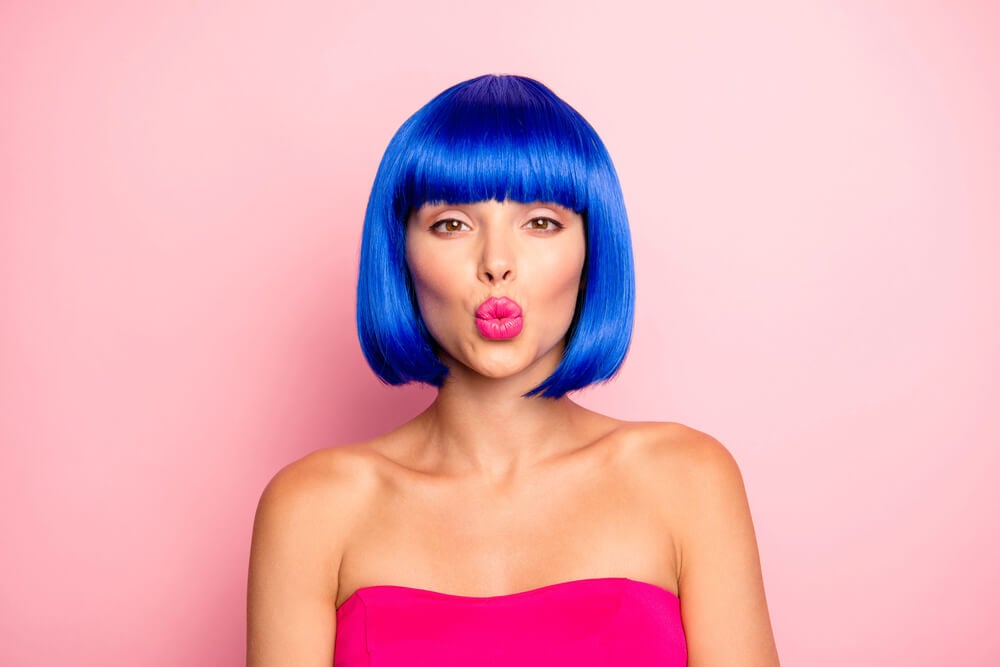
The classic chin-length bob paired with a straight, blunt fringe became a recognizable signature look throughout the 1960s before experiencing renewed popularity in the 1990s among both younger and older women. Its structured shape required precise, regular trims to maintain the clean line. The pairing has returned as one of the more consistently requested combinations at salons over the past several years.
Zigzag Parts
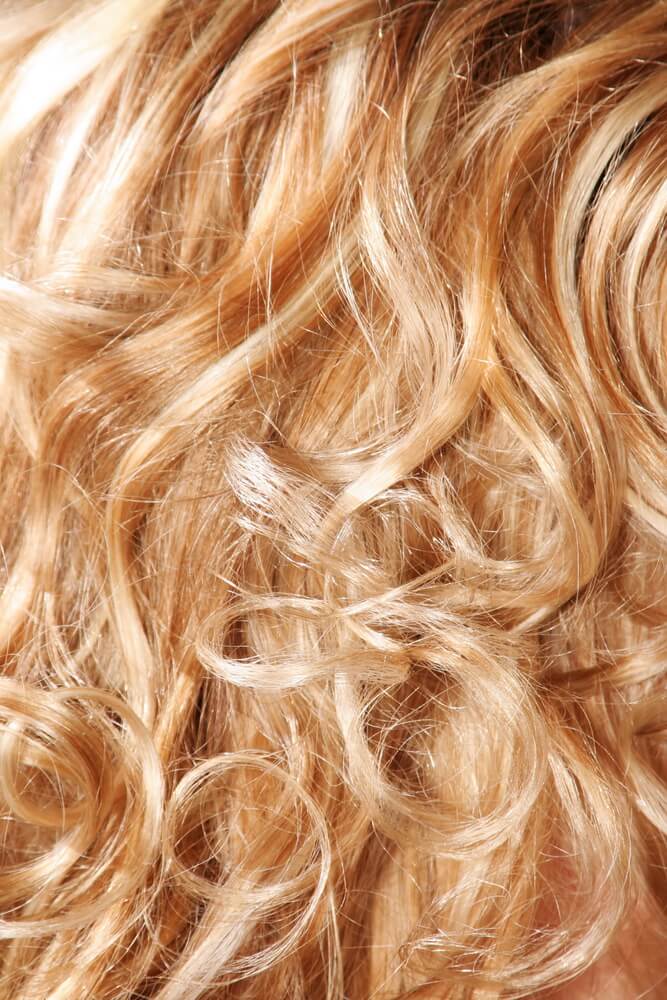
Zigzag parts, created by dragging a comb in a jagged line rather than a straight part down the center or side of the head, became a popular detail among young girls in the 1990s, often paired with butterfly clips or colorful hair ties. The look required a bit more patience than a standard part but no additional tools beyond a fine-tooth comb. It has resurfaced as a playful detail within the broader wave of 1990s accessory nostalgia.
Hair Gel Spikes
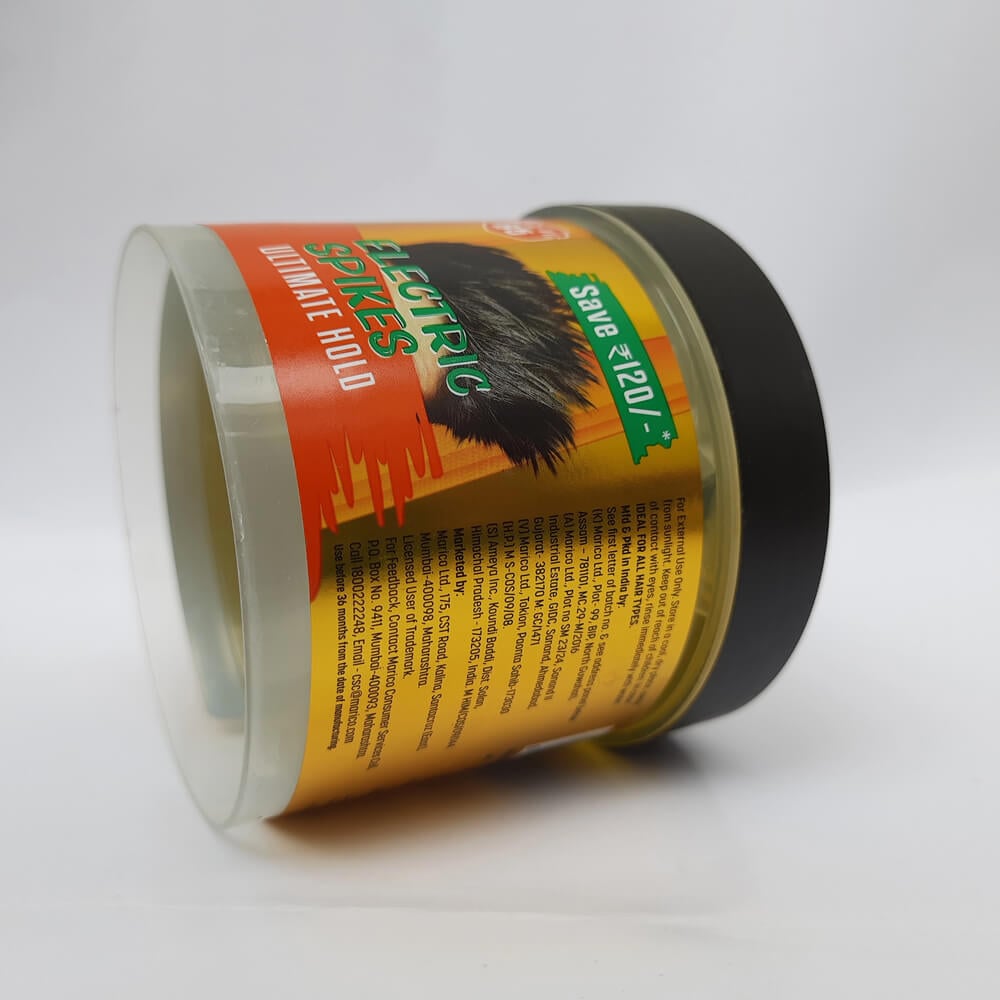
Heavily gelled, spiked hairstyles became especially popular among young men in the late 1990s and early 2000s, using strong-hold gel or wax to create defined, upright pieces across the top of the head. The style required reapplying product throughout the day to maintain its shape against humidity or physical activity. A looser, more textured take on the spiked look has reappeared among younger men as a callback to the era’s boy band and pop culture aesthetic.
The Blowout
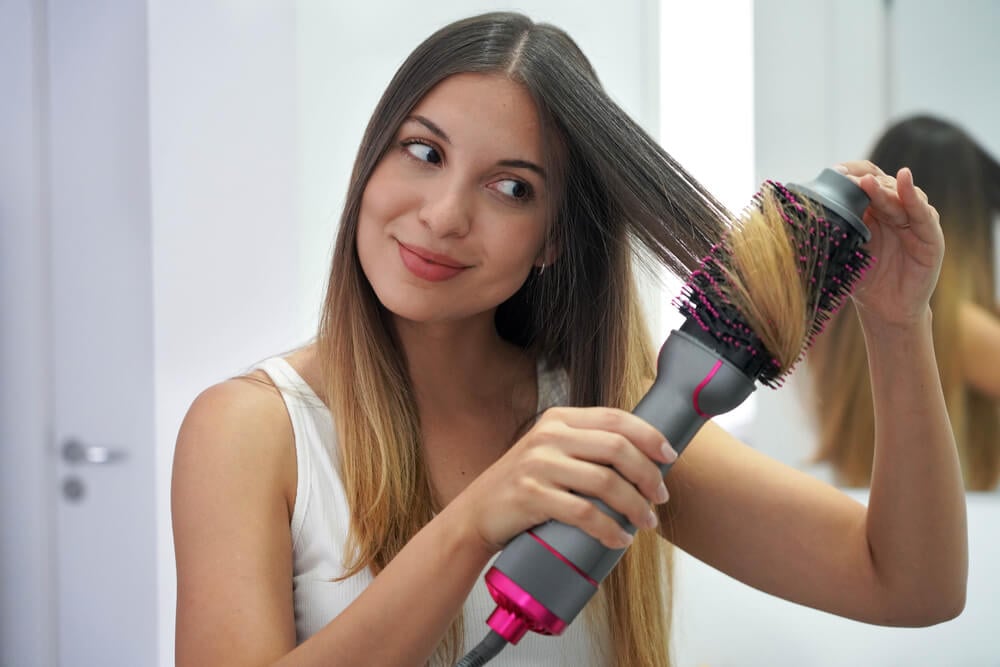
The blowout, characterized by voluminous, smooth curls or waves created with a large round brush and blow dryer, became a defining glamorous look through the 1980s salon industry. Achieving the shape at home required real technique with the brush and dryer working in coordination. Professional blowout bars built entirely around the service became a notable trend in the 2010s, reviving the specific technique for a new generation.
Box Braids with Beads
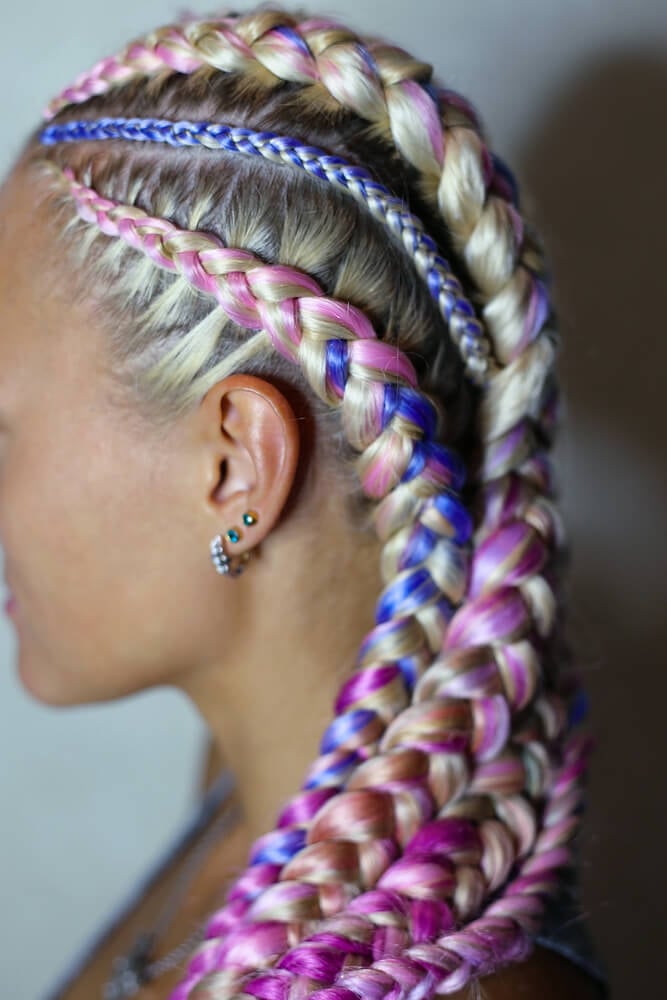
Box braids finished with colorful beads at the ends became especially popular among young girls in the 1990s, giving each movement of the head an audible rhythm alongside the visual style. The style required significant time to install but could last for weeks with proper care. The bead detail has returned as a popular styling choice within the broader resurgence of protective braided styles in recent years.
The Combover with Gel
Slicked-back, heavily gelled hair with a defined side part became a polished, formal look through the 1990s, often associated with both business settings and specific music genres of the era. The wet-look finish required strong-hold gel applied while hair was still damp to achieve maximum shine and hold. A modernized version has returned in recent years, typically paired with shorter sides and a more textured finish on top than the original flat style.
Where the Loop Comes Back Around
Hair trends rarely disappear completely, even during the years they seem most embarrassing to admit having worn. They simply wait, usually about twenty to thirty years, for a new generation to encounter them without the specific cultural baggage attached to the first time around.
What makes a style worth reviving usually has less to do with nostalgia and more to do with function. A cut that solved a real styling problem tends to solve that same problem again, regardless of how many decades pass between one appearance and the next.
More from Go2Tutors!

- The Romanov Crown Jewels and Their Tragic Fate
- 13 Historical Mysteries That Science Still Can’t Solve
- Famous Hoaxes That Fooled the World for Years
- 15 Child Stars with Tragic Adult Lives
- 16 Famous Jewelry Pieces in History
Like Go2Tutors’s content? Follow us on MSN.