30 Family Vacation Habits That Faded Out Completely
A family trip used to run on paper maps, physical film, and a set of unspoken rules that everyone somehow understood without being told. Planning happened weeks in advance, information traveled slowly, and getting lost was simply part of the experience rather than something a phone would immediately fix.
Technology did not just add convenience to travel; it quietly erased an entire set of habits that once defined what a family vacation actually looked like from start to finish.
Folding a Paper Road Map

Every family car once carried a glovebox stuffed with folded paper maps, each one nearly impossible to refold back to its original creases once opened. Reading them while moving required someone in the passenger seat to act as a dedicated navigator, a role that carried real responsibility long before turn-by-turn directions existed.
Calling Ahead for a Hotel Room from a Payphone
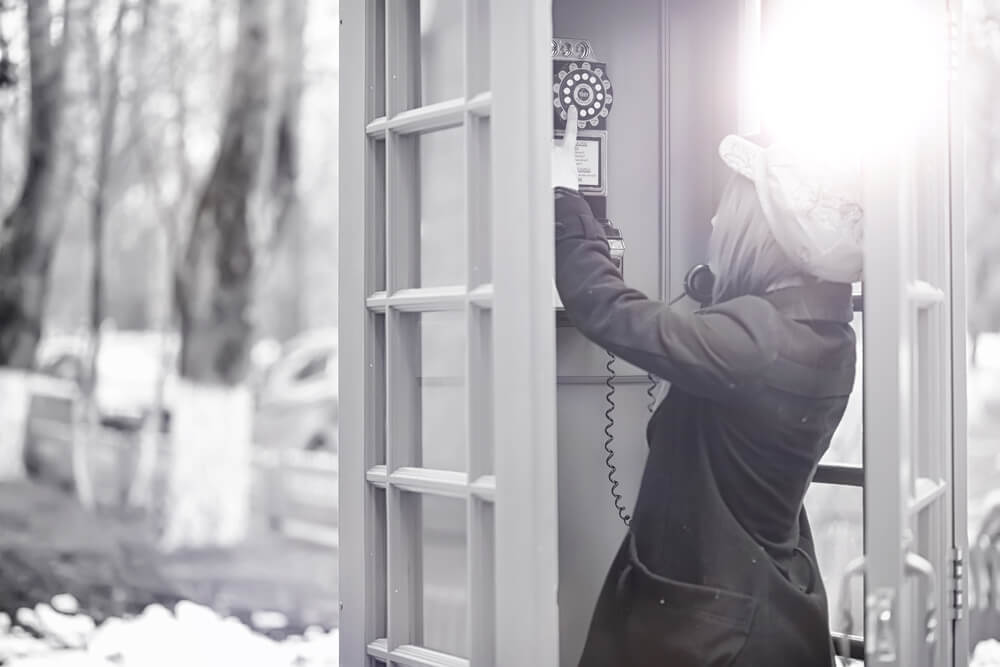
Booking lodging often meant stopping at a payphone along the highway to call ahead and confirm a room, sometimes after already driving hours toward a destination with no guarantee of availability. Families frequently arrived at a “No Vacancy” sign and had to improvise a new plan on the spot.
Mailing Postcards from the Destination
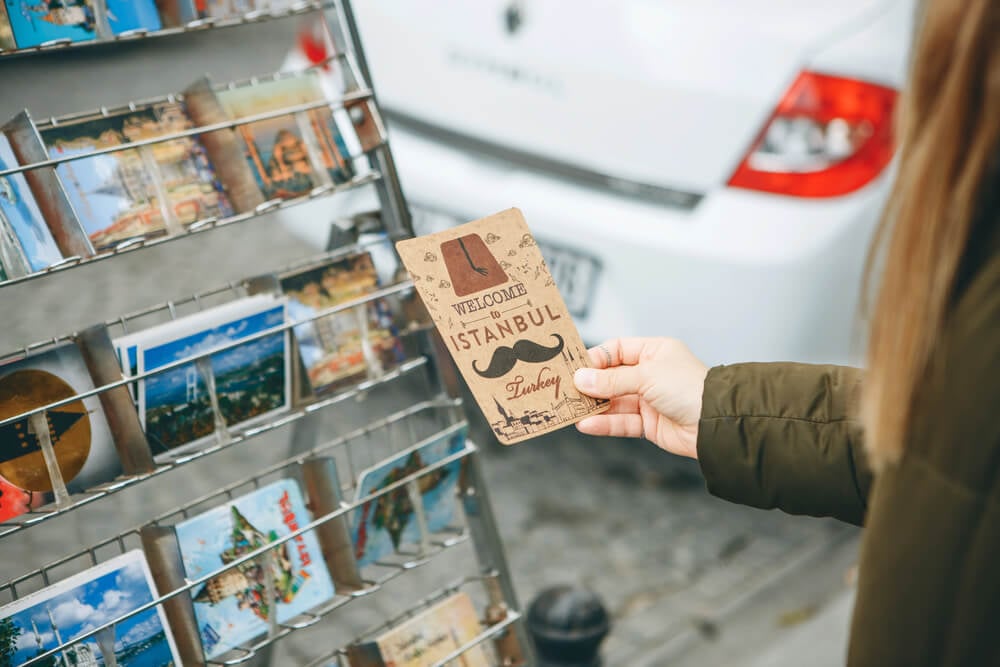
Buying a postcard, writing a short note, and dropping it in a mailbox before leaving a destination was a near-universal ritual, even though the card often arrived home after the family itself did. The delay was simply accepted as part of how travel communication worked.
Developing Vacation Photos at a Drugstore
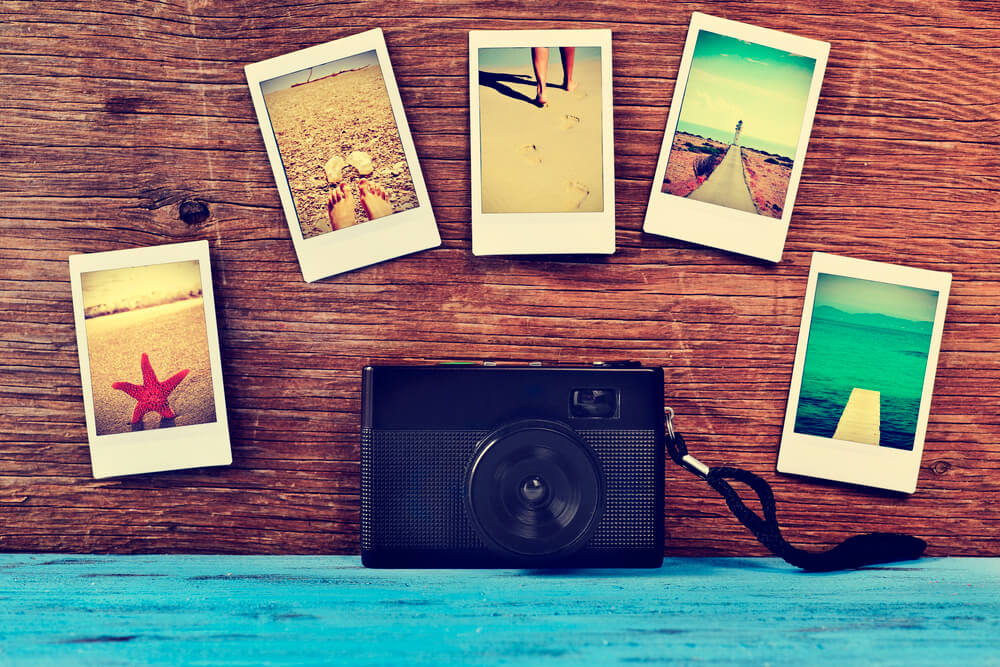
Rolls of film shot during a trip could not be seen until they were dropped off and developed at a drugstore counter, often days or weeks after returning home. Entire vacations existed only in memory until the prints came back, sometimes revealing that an entire roll had been ruined by a camera malfunction no one noticed at the time.
Packing a Physical Travel Alarm Clock

A small folding alarm clock was a standard item in any family’s suitcase, ensuring an early wake-up for a long driving day without relying on a hotel’s unfamiliar clock radio. Losing the travel clock partway through a trip was a minor but real inconvenience that required improvising a wake-up plan.
Using Traveler’s Checks
Before debit cards became reliable for travel, families carried traveler’s checks as a safer alternative to cash, requiring a signature at the time of purchase and again when cashed. The process of tracking, signing, and exchanging these checks added a layer of paperwork to nearly every purchase made away from home.
Stopping at Every Roadside Attraction Billboard
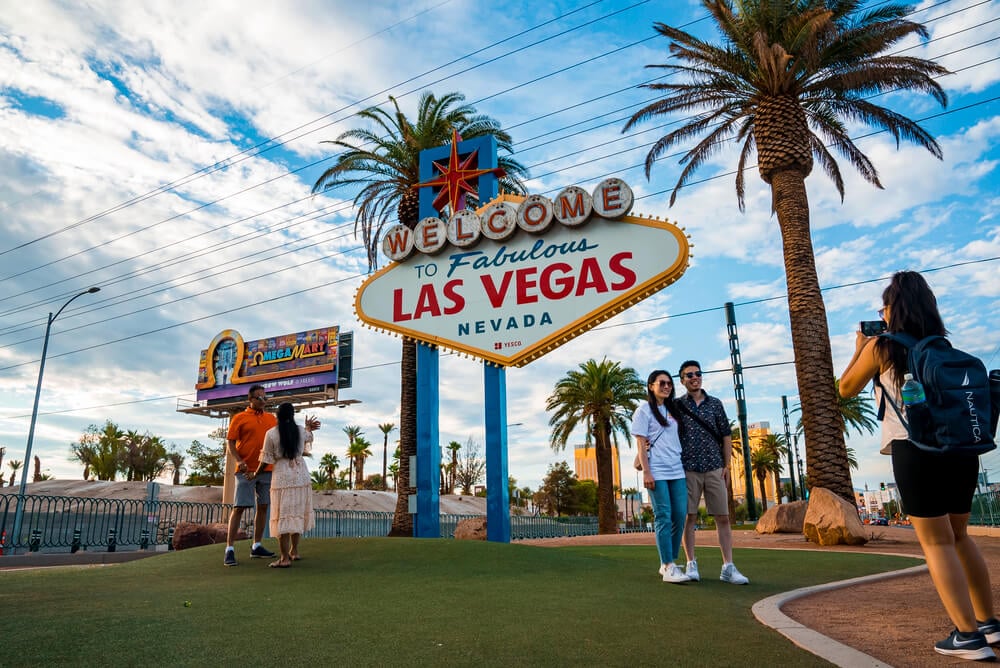
Highways were once lined with billboards advertising roadside attractions miles in advance, building anticipation for stops that ranged from genuinely interesting to deliberately absurd. Families often decided mid-drive to detour toward an attraction based purely on a sign glimpsed a hundred miles earlier.
Packing a Cooler with Ice Blocks

Before insulated bottles and gas-station convenience became reliable, road trip coolers were packed with large ice blocks meant to last multiple days, requiring careful planning around what went on top versus what needed to stay coldest longest. Melted ice pooling at the bottom of the cooler by day two was simply an expected part of the experience.
Bringing a Physical Camera Separate from Anything Else
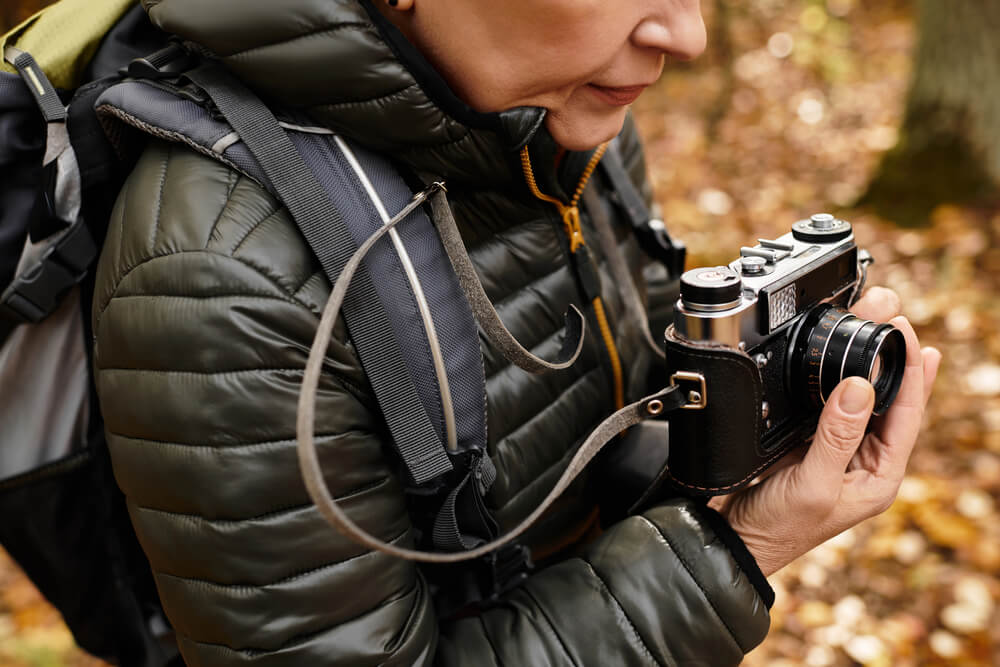
A dedicated camera, often a simple point-and-shoot model, was packed specifically for vacation use and rarely touched the rest of the year. Running out of film mid-trip meant a dedicated stop at a drugstore or gift shop to buy another roll before any more photos could be taken.
Writing Down Directions by Hand
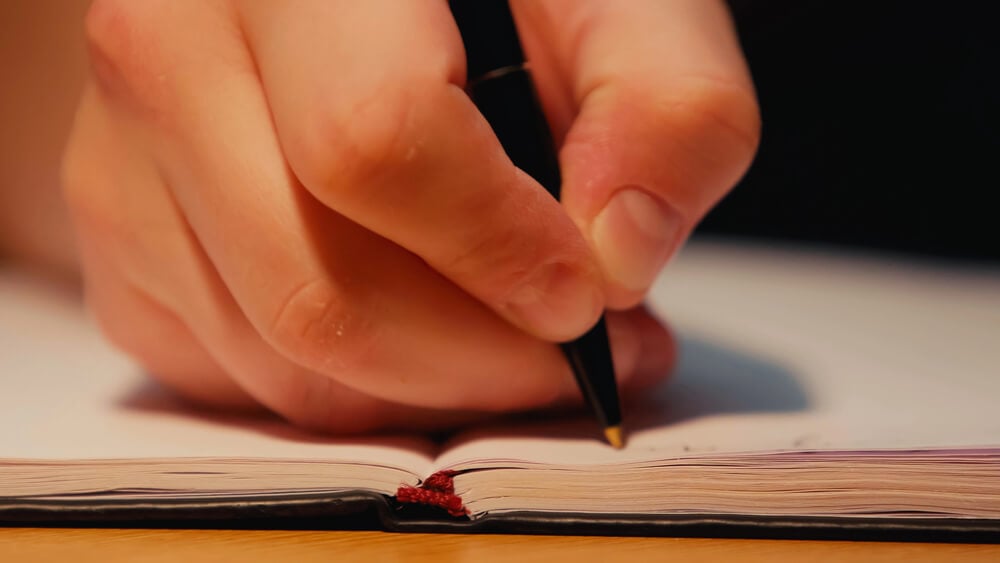
Before printable directions or GPS existed, families often called ahead or consulted an atlas to write out turn-by-turn directions by hand on a notepad before leaving the driveway. A single missed turn could mean being lost for an extended period with no way to recalculate other than stopping to ask someone.
Buying a Physical Travel Guidebook

Thick guidebooks with restaurant listings, hotel recommendations, and attraction hours were standard vacation packing items, often purchased weeks in advance and heavily annotated by hand. Outdated information was a common frustration, since a guidebook printed even a year earlier could list a restaurant that had already closed.
Watching a Single Shared Television in a Hotel Room

Hotel rooms typically had a single television for the entire family to negotiate over, with channel selection becoming its own small nightly diplomatic exercise. Falling asleep to whatever program had won that negotiation was simply part of the shared experience.
Collecting Physical Brochures from Hotel Lobbies
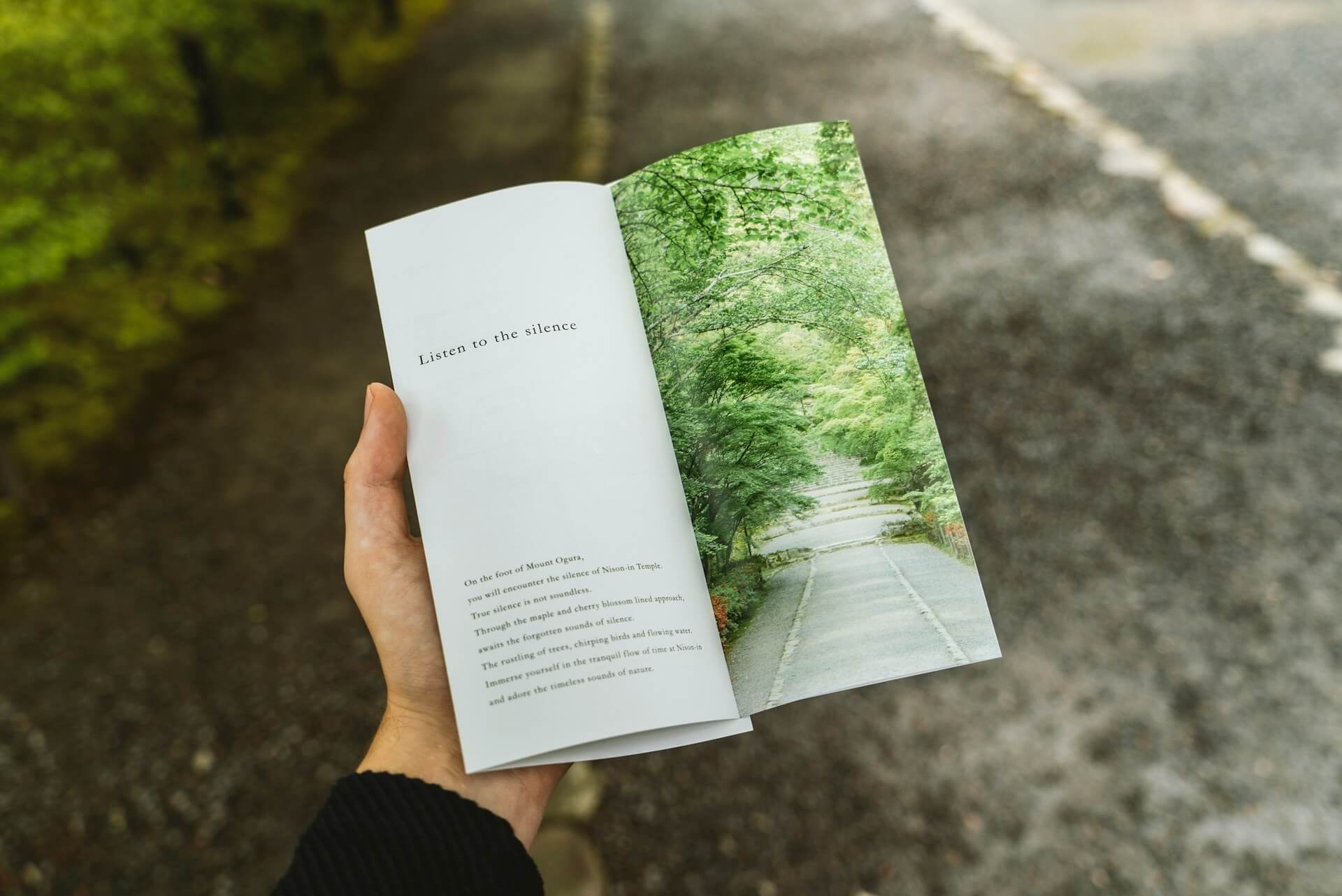
Hotel and rest-stop lobbies typically featured racks of brochures for nearby attractions, and collecting a handful became a habitual first stop upon arrival at any new destination. Deciding the day’s itinerary sometimes happened entirely based on whatever brochures had been picked up that morning.
Packing a Separate Bag Just for Snacks
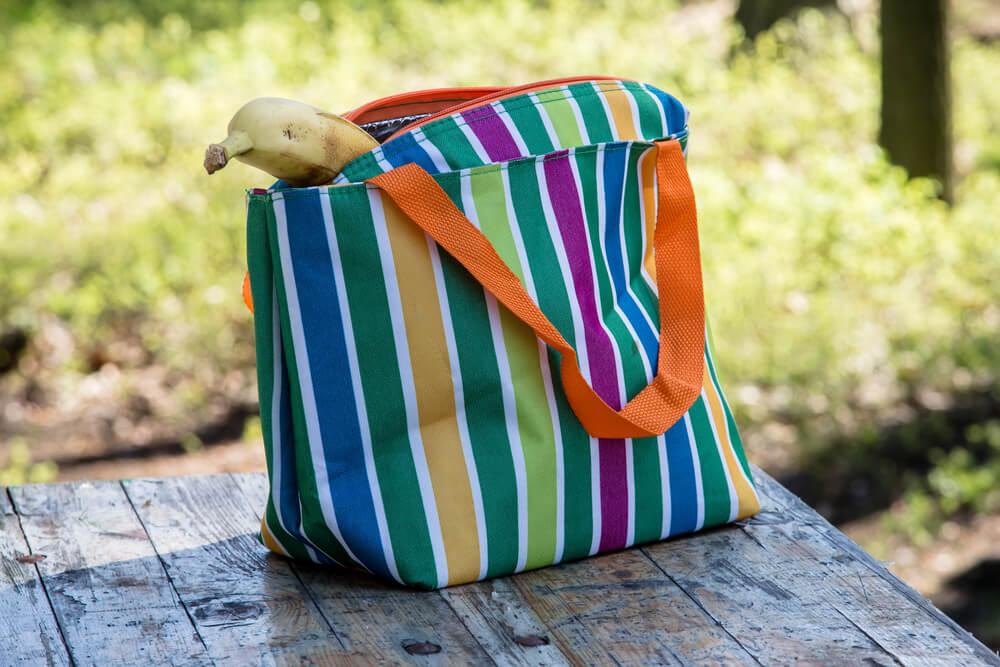
Long car trips often involved a dedicated snack bag packed the night before, stocked with items chosen specifically to survive hours in a hot car without melting or spoiling. Rationing that bag across a multi-day drive became its own small exercise in family negotiation.
Sending a Change-of-Address Card to the Post Office
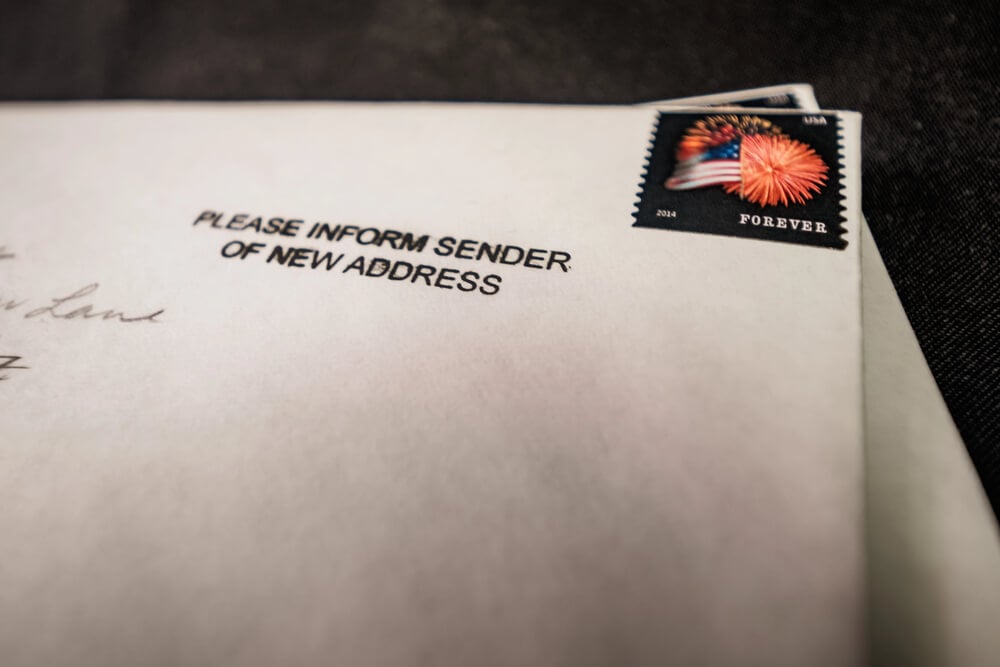
Families away for an extended trip sometimes filed a temporary hold or forwarding request with the post office in advance, a step that required planning and paperwork well before the vacation itself began. Forgetting this step meant returning home to an overflowing mailbox.
Using a Paper Boarding Pass Picked Up at the Counter
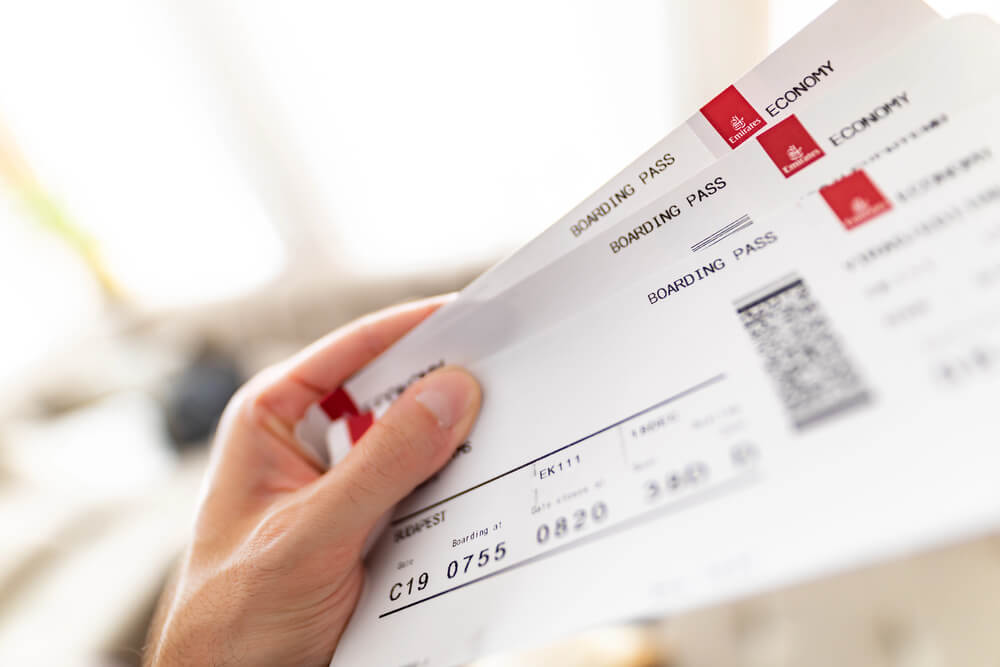
Air travel once required checking in physically at an airline counter to receive a paper boarding pass, with no option to print or display one from home in advance. Losing that paper pass mid-airport meant returning to the counter and starting the process over.
Playing License Plate Games as the Primary Entertainment
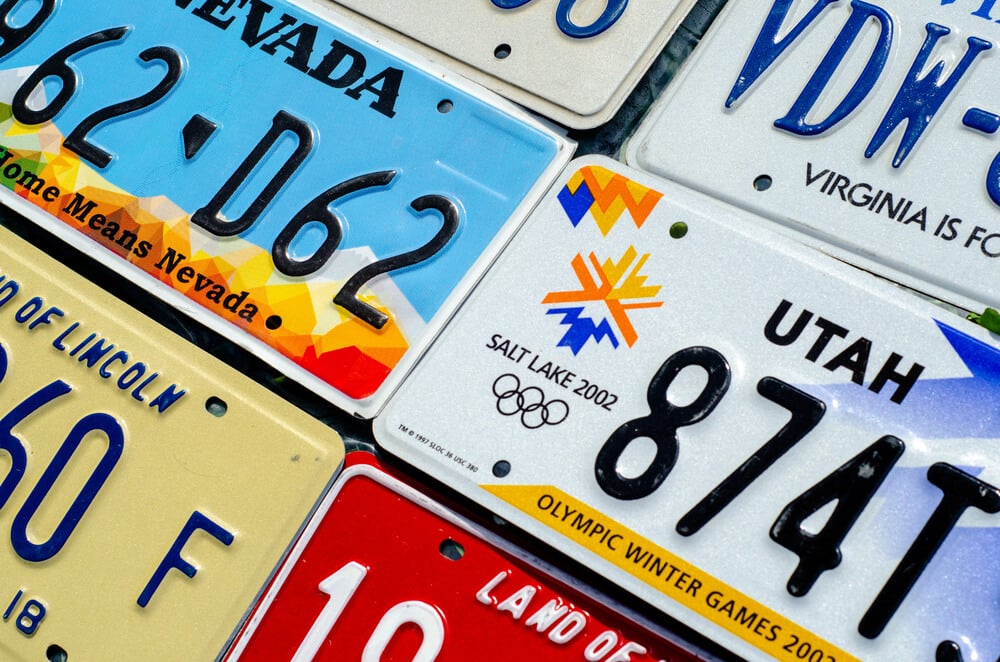
With no in-car screens or personal devices, long drives were filled with games built entirely around what was visible outside the car window, particularly spotting license plates from as many different states as possible. A full set of all fifty states was considered a genuine, hard-won accomplishment on a long enough trip.
Buying Souvenir Spoons or Thimbles

Small, inexpensive collectible items like souvenir spoons or thimbles were once a standard purchase at nearly every tourist destination, intended to be displayed at home as a physical record of where a family had traveled. Entire display racks or cabinets dedicated to these collections were common in many households.
Stopping Specifically to Buy Postcards Rather Than Take Photos
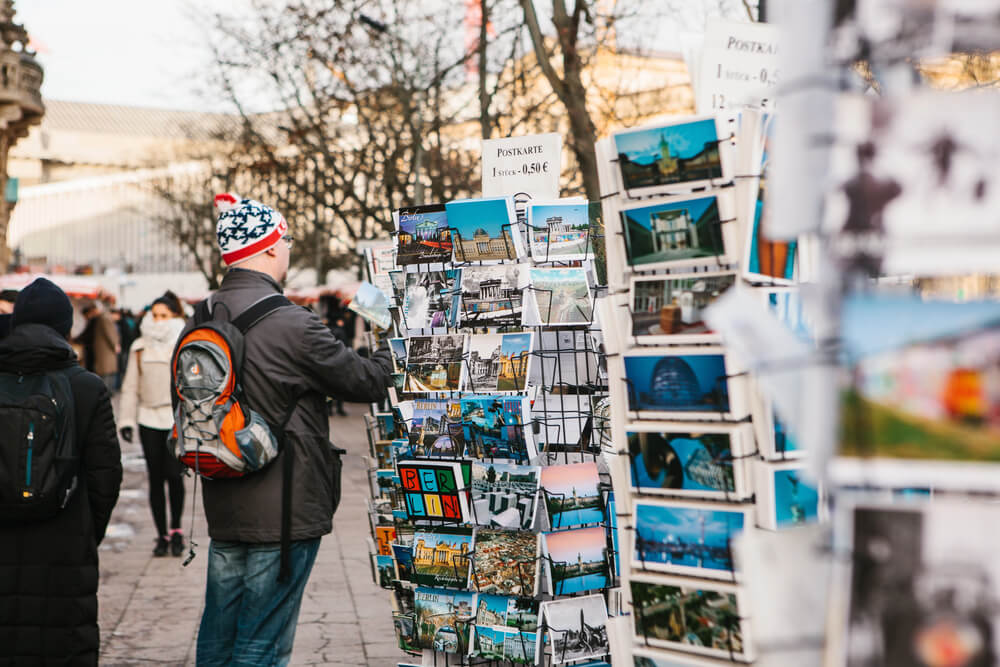
Because photography required carrying and rationing film, many families bought postcards specifically as a substitute for photographing a well-known landmark rather than as an additional souvenir. A postcard rack became a practical alternative to setting up a camera shot, not just a novelty item.
Checking a Paper Weather Forecast Before Leaving

Trip planning around weather relied on newspaper forecasts or brief radio updates rather than any detailed multi-day outlook, meaning packing decisions were frequently made with limited or outdated information. Arriving somewhere in entirely wrong clothing for the actual conditions was a common and mostly unavoidable travel mishap.
Relying on a Physical Camera Store for Film Purchases
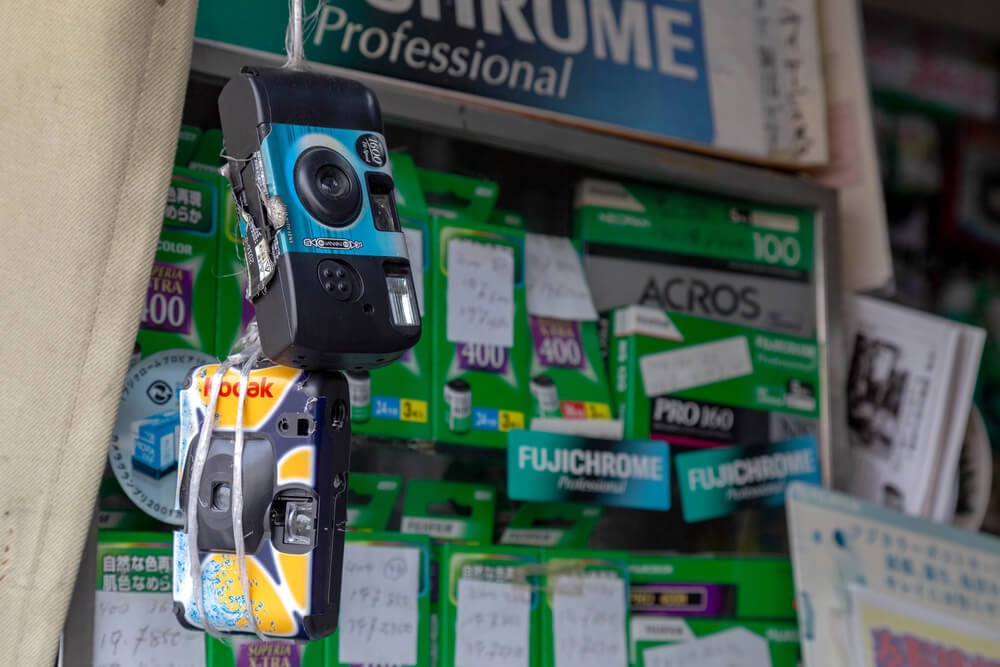
Running low on film while traveling meant locating an actual camera store or drugstore counter that stocked the correct film type for a given camera, sometimes a genuinely difficult errand in an unfamiliar town. Choosing between different film speeds for different lighting conditions added a layer of decision-making largely forgotten today.
Writing a Vacation Journal by Hand

Keeping a handwritten travel journal was a common family activity, sometimes assigned specifically to children as a way to document the trip in their own words. These journals often became keepsakes precisely because there was no other easily accessible record of the day-to-day details of the trip.
Calling Relatives Collect from the Road

Checking in with family back home while traveling often meant placing a collect call from a payphone, requiring the person on the other end to accept the charges before the conversation could even begin. Kept deliberately short due to cost, these calls rarely lasted more than a few minutes.
Packing a Physical Encyclopedia Volume for Trivia

Some families packed a single relevant encyclopedia volume to help answer questions that came up about a destination’s history, since there was no way to quickly search for an answer on the road. Arguments over historical facts sometimes went unresolved for the entire length of a trip if the right volume had not been packed.
Relying on a Hotel Wake-Up Call
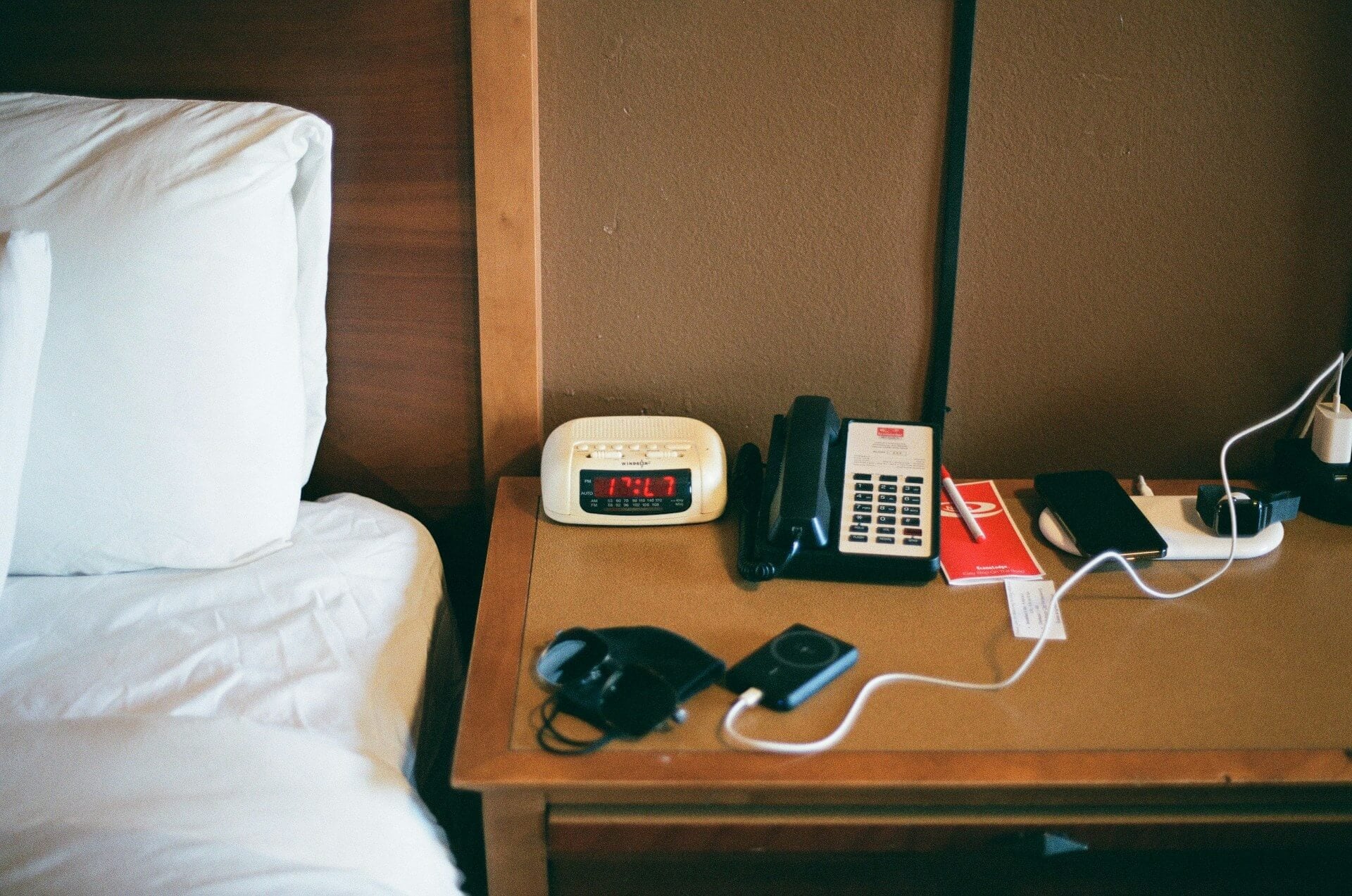
Before personal alarms became standard on every device, hotels offered a wake-up call service placed through the front desk the night before an early departure. Missing an intended wake-up call due to a front desk error was a real, if uncommon, travel mishap of the era.
Using a Physical AAA TripTik
The American Automobile Association’s custom-printed TripTik booklets, mailed to members in advance of a trip, laid out an entire route mile by mile in a spiral-bound format designed specifically for the front seat. Ordering one required planning weeks ahead, since the booklet had to be created and mailed before the trip could even begin.
Buying Film-Based Disposable Cameras for Kids
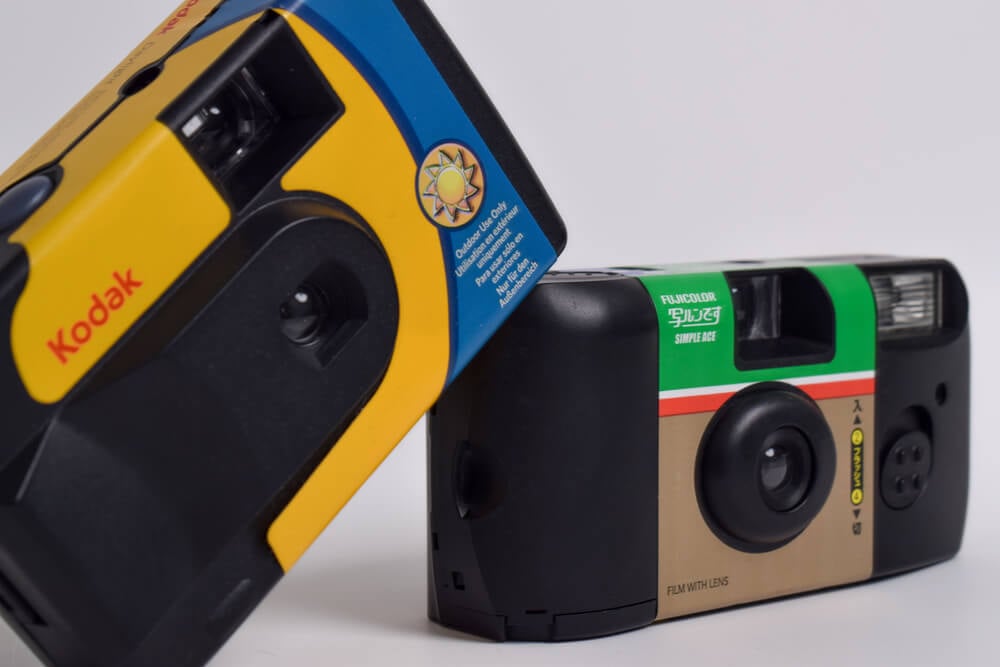
Giving children their own inexpensive disposable camera became a common way to let them document a trip from their own perspective, with the understanding that most of the resulting photos would be blurry or poorly framed. Developing that child-specific roll of film was often treated as a small, separate event once the family returned home.
Keeping Paper Ticket Stubs as the Only Proof of a Visit
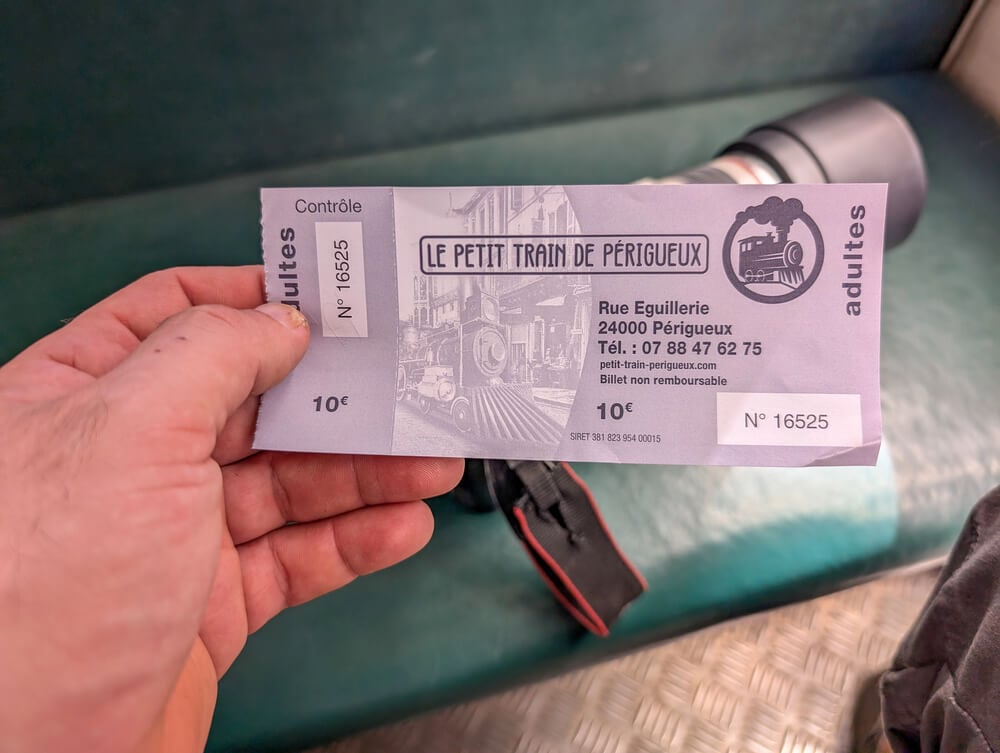
Amusement park and attraction tickets were physical stubs, often kept afterward as a genuine memento since there was no digital record of the visit otherwise. Scrapbooks built entirely around these small pieces of paper were a common way families documented an entire summer of trips.
Checking In with the Front Desk for Any Message

Before mobile phones, any message left for a traveling family had to go through a hotel’s front desk, with a small paper note left in a room’s mail slot or handed over at check-in. Missing an important message because it sat unclaimed at the front desk for a day was a real and occasionally significant inconvenience.
Buying a Disposable Camera Just for the Rental Car Drop-Off
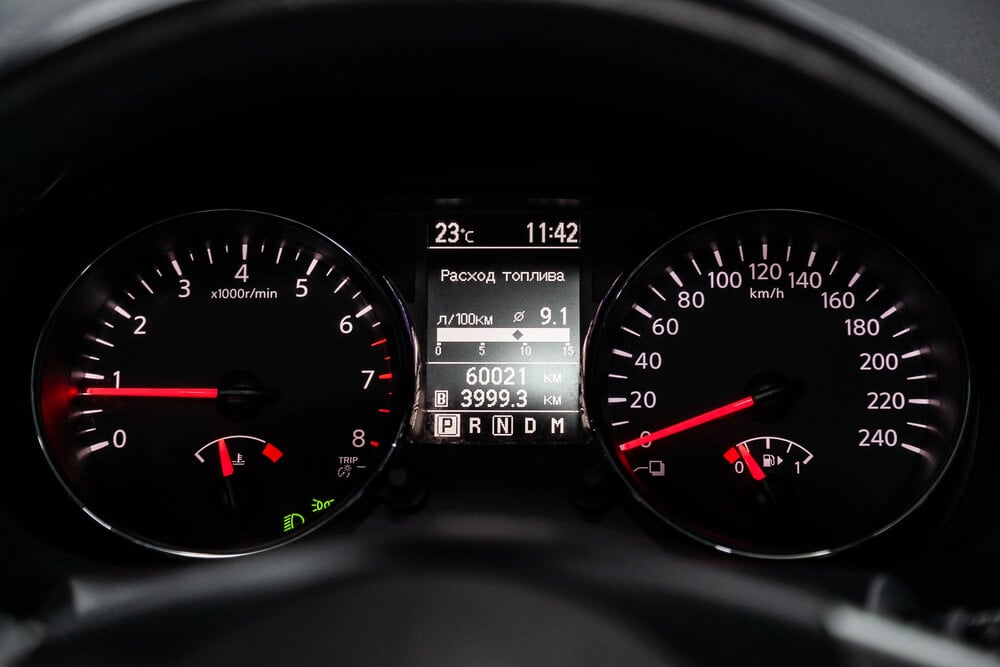
Returning a rental car often meant one last stop to photograph the odometer or fuel gauge as informal proof of condition, sometimes prompting a family to use their last few frames of film on paperwork rather than scenery. Disputes over rental charges were far harder to resolve without that kind of physical evidence on hand.
Where the Habits Went
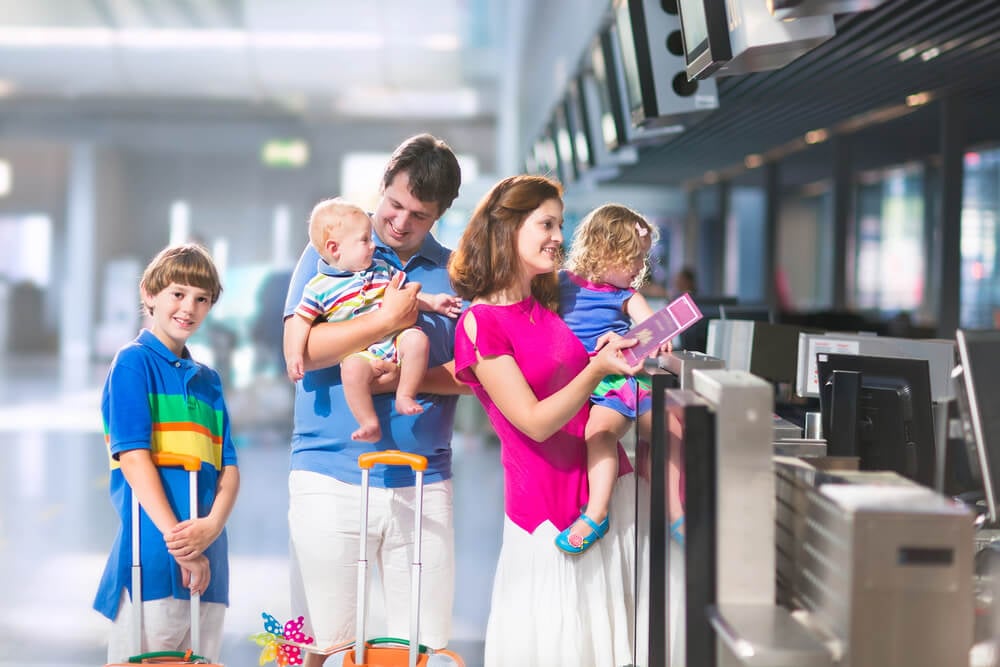
Nearly all of these routines disappeared for the same basic reason: something faster replaced the slower version, and once that happened, there was rarely a reason to go back. A phone now holds the map, the camera, the guidebook, and the boarding pass all at once, collapsing what used to be a dozen separate physical objects and rituals into a single device.
What got lost in that collapse was not just inconvenience. It was a particular kind of patience, and the specific memories that patience tended to produce along the way.
More from Go2Tutors!

- The Romanov Crown Jewels and Their Tragic Fate
- 13 Historical Mysteries That Science Still Can’t Solve
- Famous Hoaxes That Fooled the World for Years
- 15 Child Stars with Tragic Adult Lives
- 16 Famous Jewelry Pieces in History
Like Go2Tutors’s content? Follow us on MSN.