29 Spanish Words English Borrowed
English has never been shy about absorbing vocabulary from other languages, and Spanish has supplied some of its most everyday words without most speakers noticing the swap. Some arrived through ranching and the American Southwest, others through trade, weather, and food.
Here is where a few dozen common English words actually came from.
Rodeo
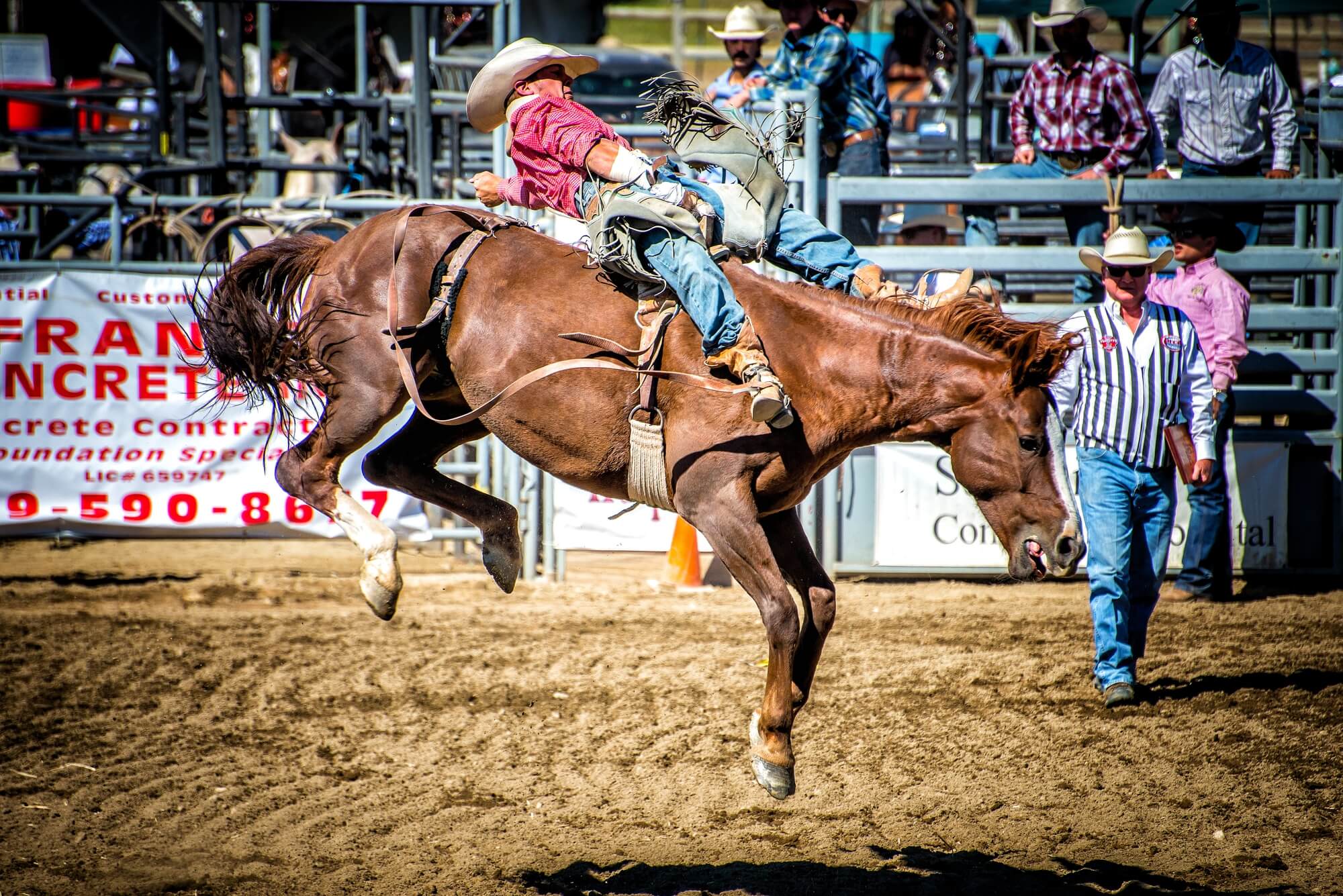
Rodeo comes directly from the Spanish verb “rodear,” meaning to go around or surround, originally describing the act of rounding up cattle. Spanish and Mexican vaqueros practiced the skills that became rodeo sport long before American cowboys adopted and competitively formalized the events.
The word entered English largely unchanged, keeping both its spelling and its original pronunciation influence.
Ranch

Ranch derives from the Spanish “rancho,” which referred to a small farm or a group of people sharing a meal and lodging. Spanish colonizers and later Mexican settlers used the term for cattle-raising operations across what is now the American Southwest.
The word was fully absorbed into American English by the 19th century as ranching culture expanded northward.
Patio

Patio kept both its spelling and its meaning almost entirely intact when it moved into English, originally referring to an inner courtyard open to the sky in Spanish architecture. American homebuilders adopted the term in the 20th century to describe an outdoor paved area attached to a house.
Its Spanish predecessor traces back to a Latin root related to open or flat spaces.
Plaza
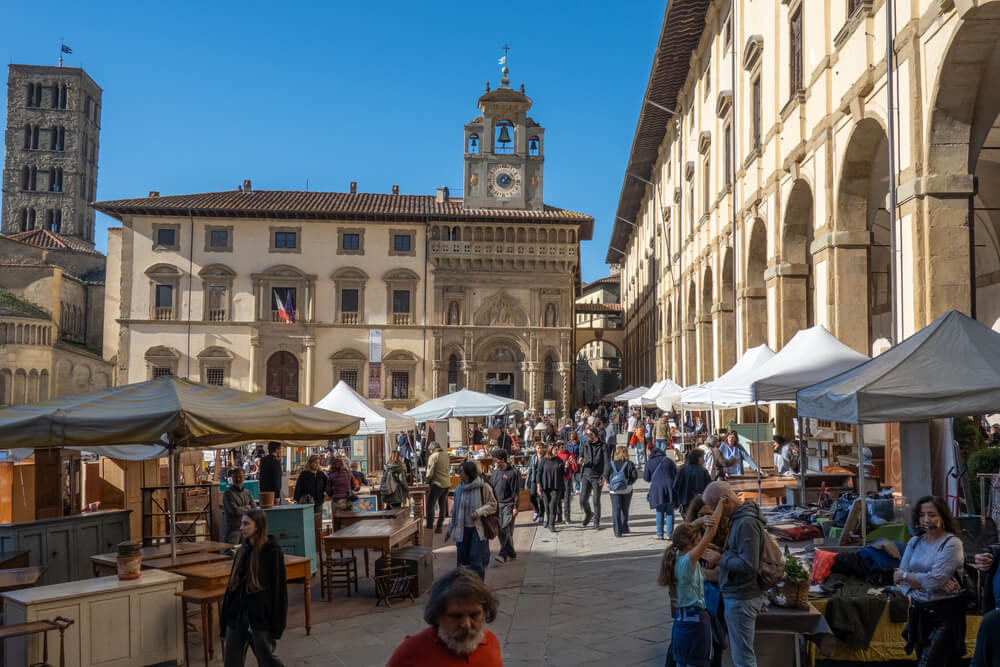
Plaza refers to a public square in Spanish, typically the social and commercial center of a town, and English adopted the word with its meaning largely unchanged. American city planners and shopping center developers borrowed the term freely throughout the 20th century, applying it to everything from town squares to strip malls.
The word ultimately traces back to the Latin “platea,” meaning a broad street.
Canyon

Canyon comes from the Spanish “cañón,” meaning tube or pipe, used to describe a deep, narrow gorge carved by a river. Spanish explorers mapping the American Southwest applied the term to the region’s dramatic rock formations, and English speakers adopted it wholesale, including for the Grand Canyon.
The double “n” of the Spanish spelling was simplified to the single “n” familiar in English today.
Mosquito

Mosquito is simply the Spanish word for “little fly,” a diminutive form of “mosca,” meaning fly. Spanish and Portuguese sailors encountering the insect throughout the Americas and the Caribbean carried the term back into wider use.
English adopted it directly, and it remains one of the more obviously Spanish-derived words in everyday scientific and casual vocabulary alike.
Alligator
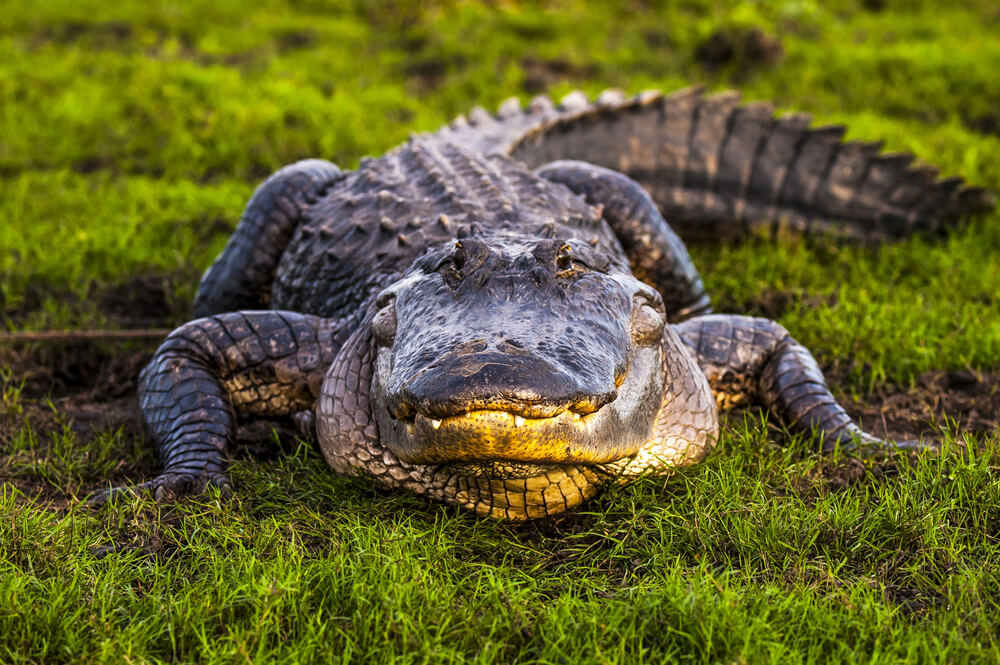
Alligator comes from the Spanish phrase “el lagarto,” meaning “the lizard,” used by Spanish explorers in Florida to describe the large reptiles they encountered. English speakers eventually mashed the article and noun together into a single word, obscuring the original two-word Spanish phrase.
The similar-sounding but biologically distinct crocodile comes from an entirely different, Greek-derived root.
Tornado
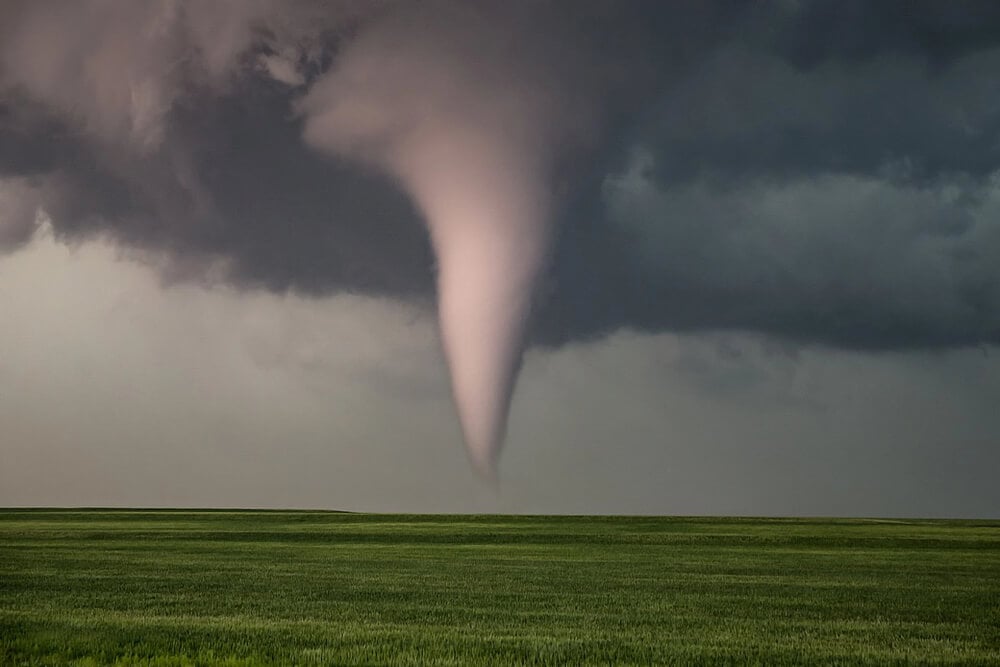
Tornado likely derives from the Spanish verb “tronar,” meaning to thunder, blended with “tornar,” meaning to turn or twist. Spanish sailors used a related term to describe violent Atlantic storms they encountered, and English speakers eventually applied the word specifically to the rotating funnel clouds associated with severe weather.
The spelling shifted over centuries of use before settling into its current form.
Hurricane

Hurricane traces back through Spanish “huracán,” which Spanish colonizers borrowed from the Taíno word for a powerful storm god. The term moved through Spanish and into English by the 16th century as European sailors adopted Indigenous Caribbean vocabulary for the violent tropical storms they encountered.
Nearly every major European language now uses some variation of the same root word.
Vanilla
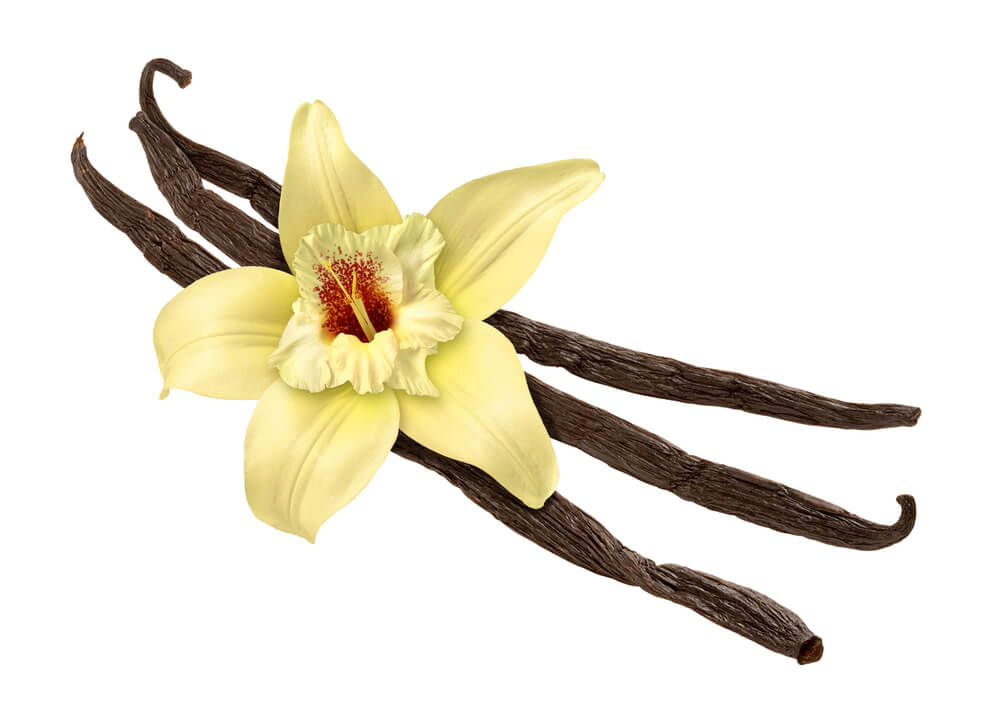
Vanilla comes from the Spanish “vainilla,” a diminutive of “vaina,” meaning pod or sheath, describing the shape of the vanilla orchid’s seed pod. Spanish colonizers encountered vanilla cultivation in Mexico and carried both the plant and the word back to Europe in the 16th century.
English adopted the Spanish term with only minor spelling adjustment.
Tomato
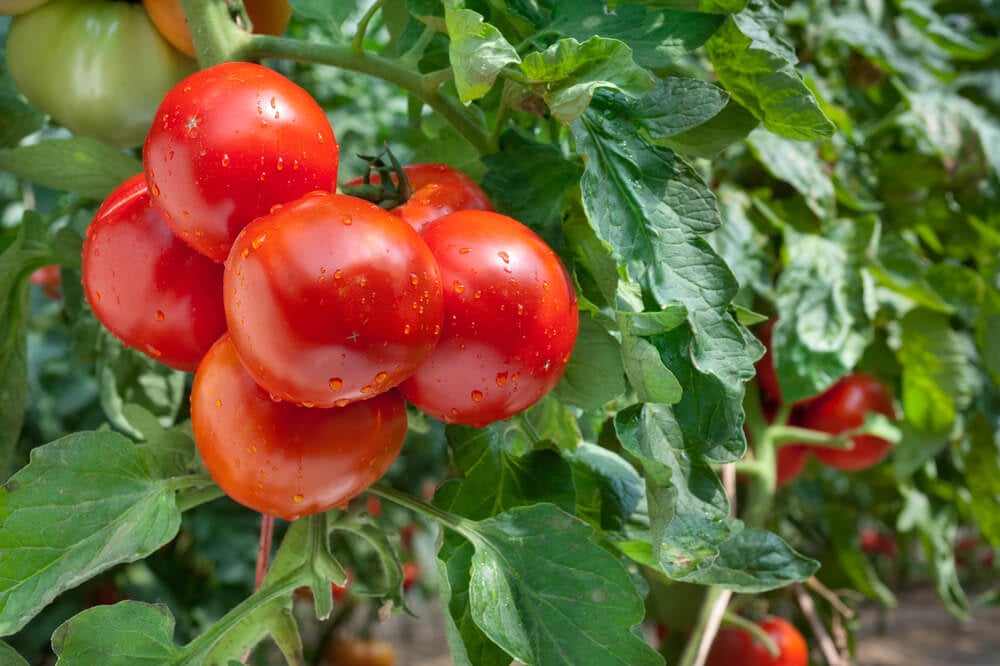
Tomato entered English through Spanish “tomate,” which Spanish colonizers borrowed directly from the Nahuatl word “tomatl.” The fruit and its name traveled from Mesoamerica through Spain and into other European languages before reaching English by the early 17th century.
Its Nahuatl origin makes it technically a double-borrowed word, passing through Spanish on its way into English.
Potato
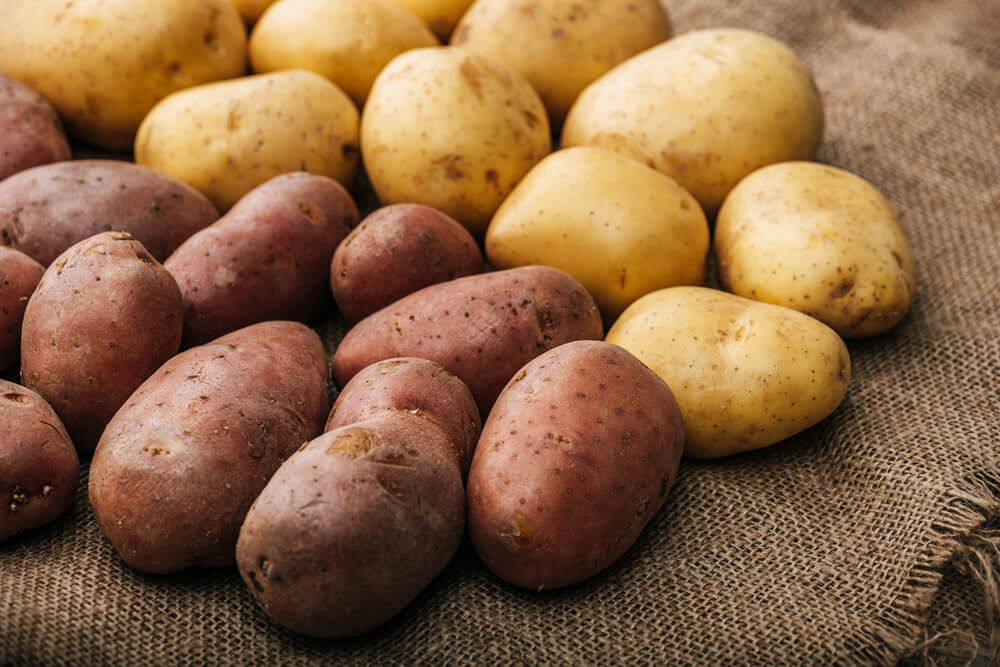
Potato comes from the Spanish word “patata,” itself a blend of two separate Indigenous words: “batata,” a Taíno term for sweet potato, and “papa,” a Quechua term for the Andean potato. Spanish colonizers conflated the two similar-looking tubers linguistically before the word crossed into English in the 16th century.
The confusion embedded in the word’s origin still occasionally shows up in how the two unrelated vegetables get casually grouped together.
Barbecue

Barbecue comes from the Spanish “barbacoa,” which Spanish colonizers borrowed from a Taíno or Arawakan word describing a wooden framework used for slow-cooking or grilling meat over a fire. The term moved into English by the 17th century and gradually broadened to describe both the cooking method and the social gathering built around it.
Its Caribbean Indigenous roots are rarely acknowledged in the word’s modern, thoroughly Americanized usage.
Guerrilla

Guerrilla is the diminutive form of the Spanish word “guerra,” meaning war, literally translating to “little war.” The term entered English during the early 19th century Peninsular War, when Spanish irregular fighters used decentralized, small-unit tactics against Napoleon’s occupying forces.
English speakers adopted the word to describe that specific style of asymmetric combat, a meaning it retains today.
Embargo
Embargo comes from the Spanish verb “embargar,” meaning to restrain, seize, or impede. English adopted the noun form in the 16th century initially to describe a government order restricting ships from entering or leaving a port.
Its meaning later broadened to cover any official ban on trade or commerce between nations.
Armada

Armada simply means “armed” or “fleet” in Spanish, derived from the same Latin root as “arms.” The word became permanently associated with naval power in English after the failed Spanish Armada’s attempted invasion of England in 1588.
English speakers still use the term generically for any large fleet of ships, decoupled entirely from its original Spanish context.
Aficionado

Aficionado comes from the Spanish word for someone devoted to a hobby or pastime, rooted in “afición,” meaning fondness or enthusiasm. English speakers, particularly in the 19th and 20th centuries, adopted the term to describe an avid enthusiast or devoted fan of a particular activity.
The word kept its full Spanish spelling and pronunciation almost entirely intact.
Bonanza

Bonanza means prosperity or fair weather in Spanish, originally a nautical term describing calm seas favorable for sailing. American miners during the 19th-century gold and silver rushes adopted the word to describe a sudden, highly profitable discovery.
Its meaning shifted permanently in English toward describing any unexpected windfall.
Bronco
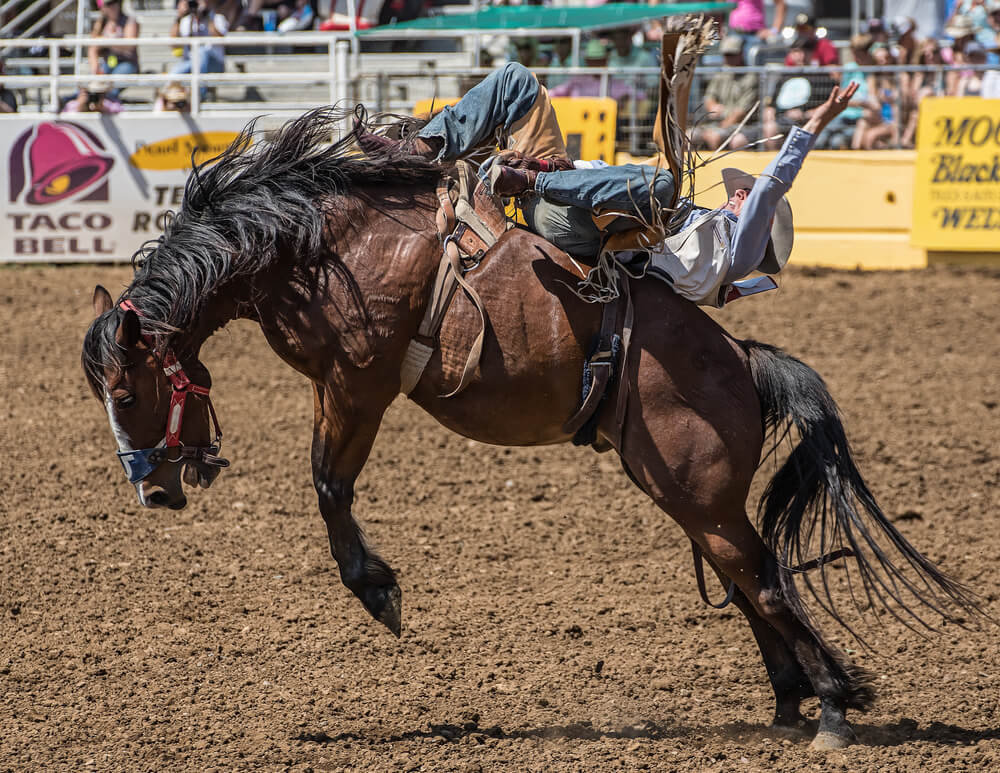
Bronco is the Spanish word for rough, wild, or rude, used to describe an untamed or unbroken horse. American cowboys in the Southwest borrowed the term directly from Spanish-speaking vaqueros to describe the wild mustangs they worked to tame.
The word later lent its name to Denver’s professional football team.
Cafeteria

Cafeteria comes from the Spanish word “cafetería,” meaning coffee shop, itself built from “café.” American English speakers adopted the word in the late 19th century but shifted its meaning to describe a self-service dining hall rather than a coffee-focused establishment.
The word retained its Spanish spelling almost exactly despite the meaning drifting considerably from its origin.
Cockroach
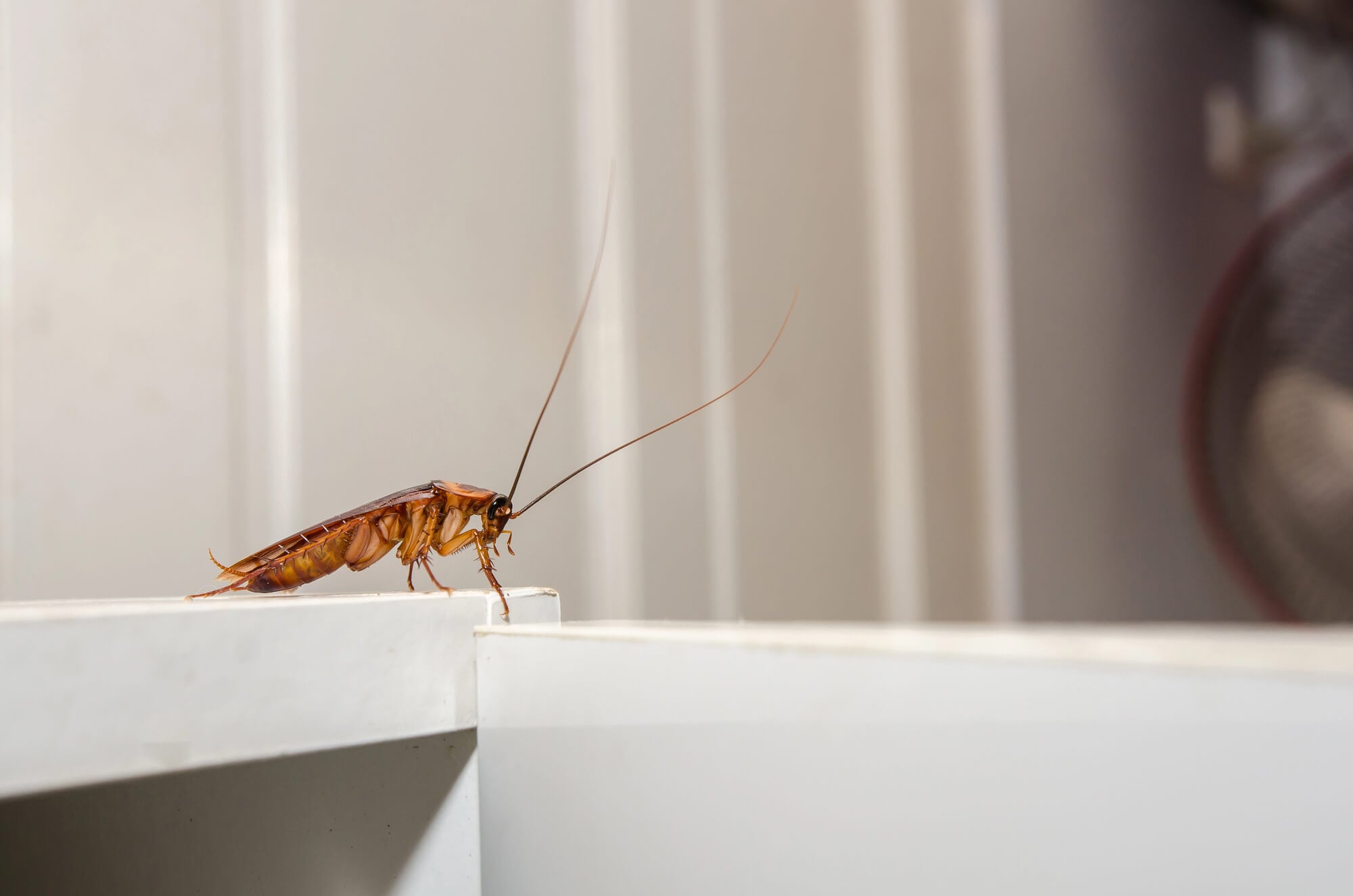
Cockroach comes from the Spanish word “cucaracha,” which English speakers gradually reshaped to sound like the existing English words “cock” and “roach.” The linguistic process, known as folk etymology, changed an unfamiliar foreign word into something that sounded more like recognizable English parts, even though the new pieces have nothing to do with the insect’s actual meaning.
The original Spanish word remains widely known in English through the folk song “La Cucaracha.”
Desperado

Desperado comes from the Spanish “desesperado,” meaning desperate or without hope, related to the same root as the English word “desperate.” American frontier fiction and journalism popularized the term in the 19th century to describe outlaws and dangerous fugitives operating outside the law.
English speakers slightly altered the spelling from its Spanish source while keeping the pronunciation close to the original.
Guitar

Guitar traces its immediate origin to the Spanish “guitarra,” though the word’s roots extend further back through Arabic and ultimately ancient Greek. Spanish musical culture, particularly flamenco and classical guitar traditions, helped popularize both the instrument and its Spanish name.
English adopted the word by simplifying the spelling while preserving the core pronunciation.
Junta

Junta means council, board, or committee in Spanish, derived from the verb “juntar,” meaning to join or unite. English speakers, especially in political journalism, narrowed the term’s meaning specifically toward a group that has seized political power, typically through military force.
The word’s original, more neutral Spanish meaning of a simple governing committee has largely been lost in English usage.
Lasso

Lasso comes from the Spanish word “lazo,” meaning knot, tie, or snare, used to describe the loop of rope used to catch livestock. Spanish and Mexican vaqueros developed and named the technique long before it became associated with American cowboys and rodeo culture.
English speakers added the doubled “s” spelling, altering the word slightly from its Spanish original.
Macho

Macho simply means male in Spanish, used as a plain descriptive term for the male of a species without any inherent connotation of toughness. English speakers borrowed the word in the 20th century and narrowed its meaning specifically toward exaggerated masculinity or toughness, a connotation the word does not carry in ordinary Spanish usage.
The shift illustrates how a borrowed word can pick up cultural baggage that never existed in its source language.
Mesa

Mesa is simply the Spanish word for table, applied descriptively to the flat-topped, steep-sided landforms common across the American Southwest. English speakers adopted the geological usage directly, keeping both the spelling and meaning close to the Spanish original.
The term is now standard in English-language geology and geography.
Fiesta

Fiesta is simply the Spanish word for party or celebration, borrowed into English largely intact in both spelling and meaning. American English speakers adopted it widely in the 20th century, particularly in the Southwest, to describe festive public celebrations and, later, brightly colored dinnerware and product branding.
Its casual, celebratory tone made it an easy word to absorb without any real translation effort.
Mustang
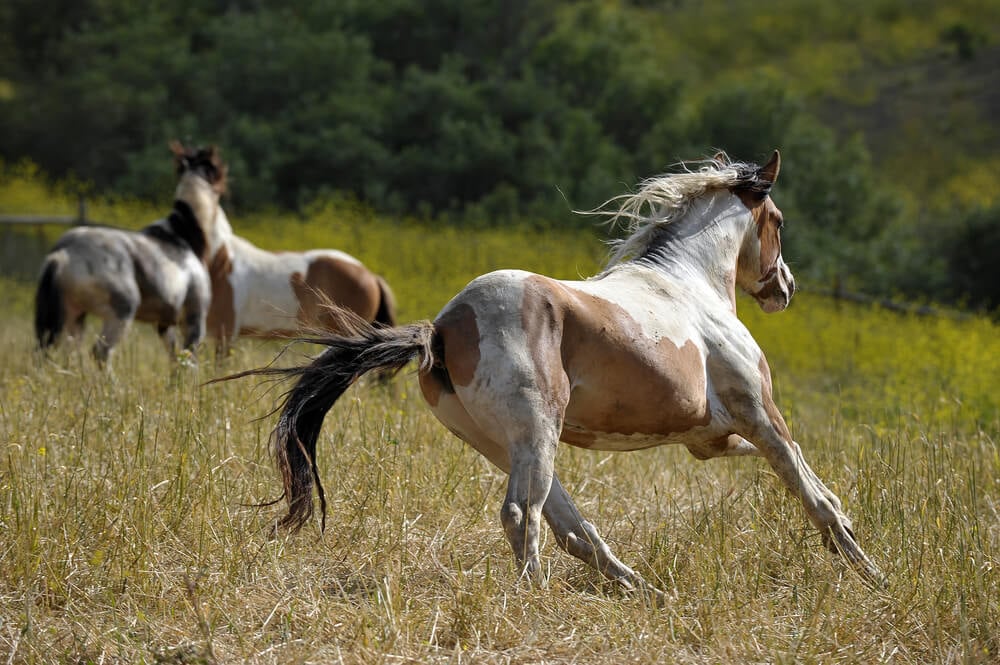
Mustang comes from the Spanish word “mestengo,” referring to a stray or ownerless animal, which itself may trace back to “mesta,” a term for an association of livestock owners in medieval Spain. Wild horses descended from Spanish colonial stock roamed the American West for centuries and became permanently associated with the borrowed name.
Ford later used the word for one of its most famous car models, extending the term’s cultural reach well beyond its ranching origins.
From Borrowed to Ordinary

What stands out across this list is how thoroughly these words shed their foreign status. Nobody pauses before saying “patio” or “plaza” the way they might before consciously reaching for a word still marked as foreign, which is exactly what happens to loanwords that get used often and long enough.
Language absorbs what it needs and rarely bothers crediting the source once a word becomes common enough. The words themselves are the only surviving record of that quiet borrowing, still carrying their Spanish shape even after English speakers stopped noticing where they came from.
More from Go2Tutors!

- The Romanov Crown Jewels and Their Tragic Fate
- 13 Historical Mysteries That Science Still Can’t Solve
- Famous Hoaxes That Fooled the World for Years
- 15 Child Stars with Tragic Adult Lives
- 16 Famous Jewelry Pieces in History
Like Go2Tutors’s content? Follow us on MSN.