13 Historical Speeches Delivered to Almost No Audience
History remembers speeches by their words, not by their attendance figures, which creates a strange distortion: some of the most quoted lines in the historical record were delivered to crowds so small that, at the time, almost nobody thought to write down exactly what was said.
The transcripts we have today often survive by luck, secondhand recollection, or reconstruction years after the fact — a reminder that significance and audience size have never had much to do with each other.
Gettysburg Address
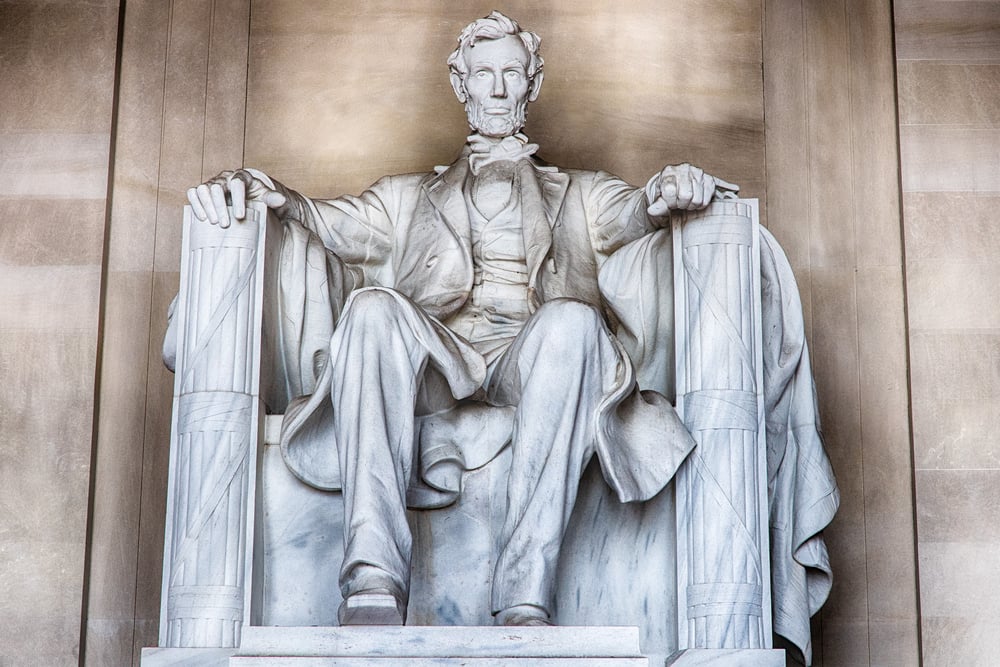
Abraham Lincoln’s two-minute speech at the dedication of a military cemetery in November 1863 followed a two-hour oration by the day’s featured speaker, Edward Everett, and contemporary accounts describe a crowd that had largely stopped paying close attention by the time Lincoln rose. Some newspapers barely covered it, and photographers reportedly missed capturing Lincoln mid-speech because it ended before they could set up their equipment.
Patrick Henry’s Liberty Speech
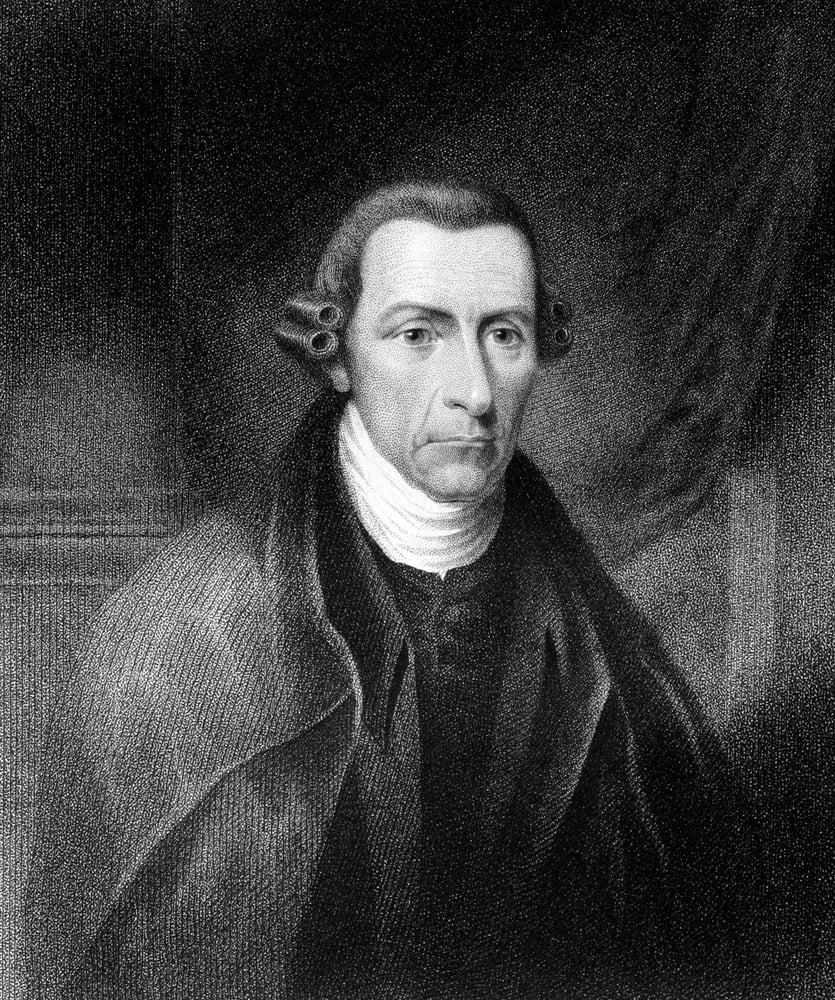
No verbatim transcript of Patrick Henry’s 1775 address to the Second Virginia Convention, including the line “give me liberty, or give me death,” survives from the time it was delivered. The version known today was reconstructed decades later, in 1817, by biographer William Wirt from the recollections of elderly attendees, meaning the wording is best understood as an approximation rather than a record.
Sojourner Truth’s Convention Speech
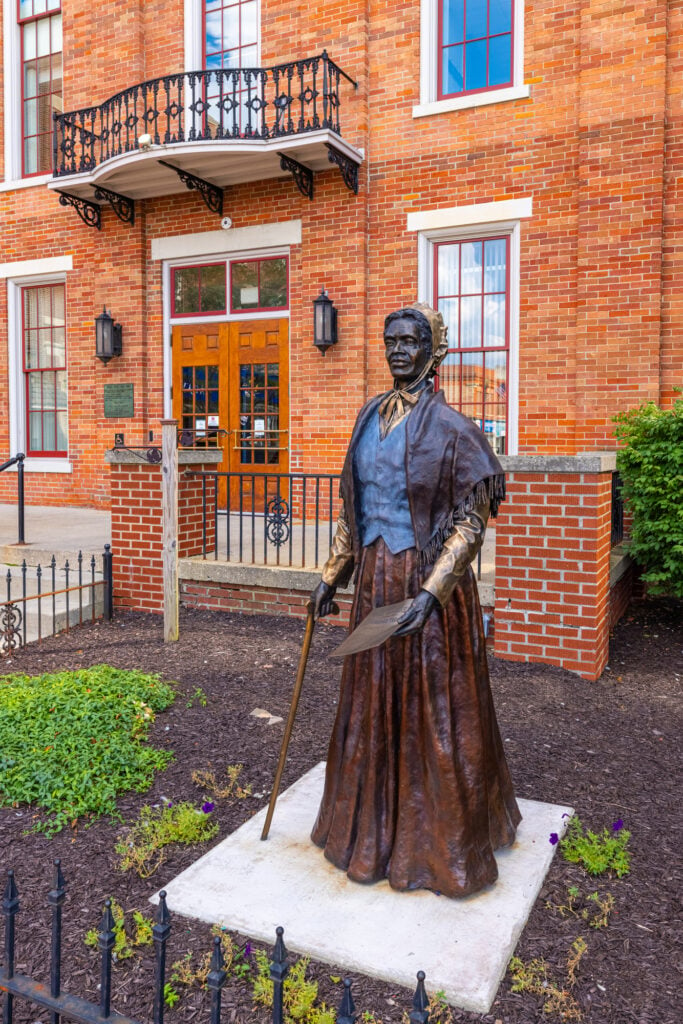
Sojourner Truth delivered her now-famous address on women’s rights and racial justice at a small regional women’s convention in Akron, Ohio, in 1851, before an audience modest enough that only a partial contemporary transcript was recorded at the time. The widely known version, including its refrain, was published years later by an organizer who reconstructed it from memory, and differs from the earliest surviving newspaper account.
Nelson Mandela’s Rivonia Trial Statement
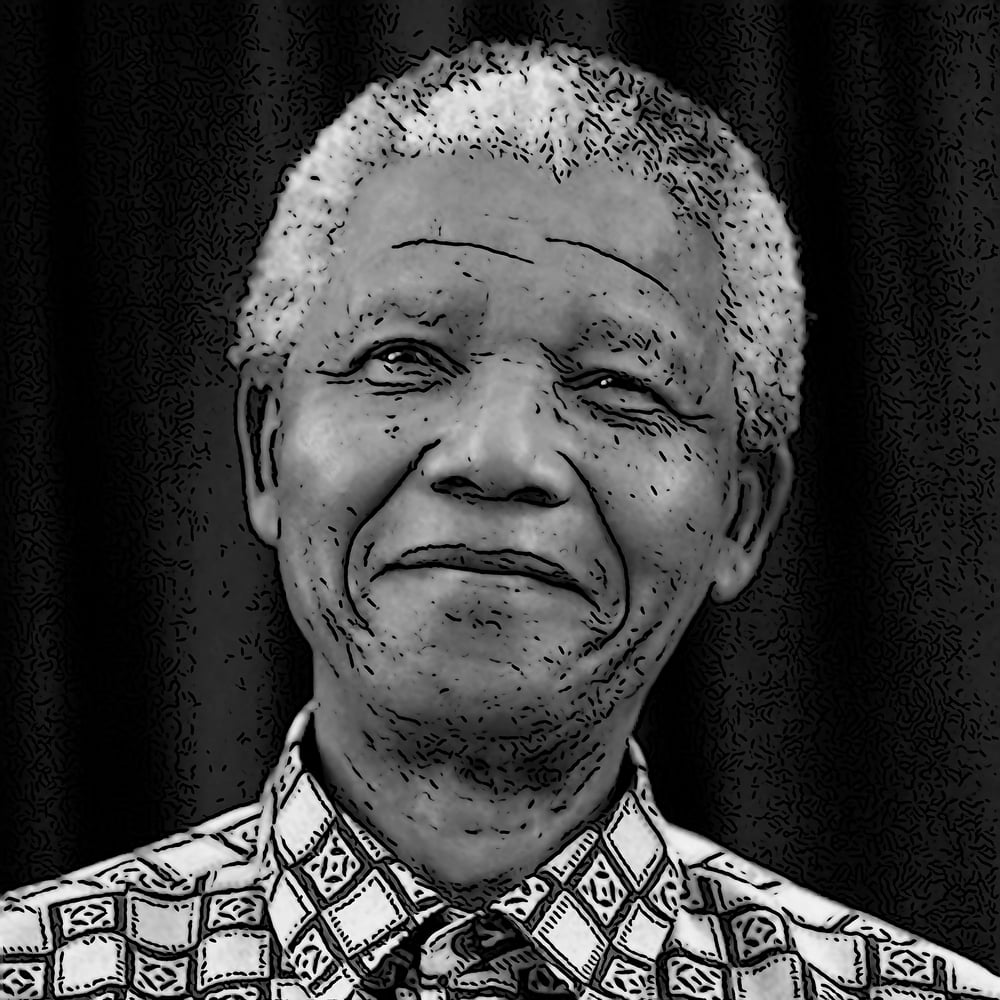
Mandela’s 1964 statement from the dock at the Rivonia Trial, including the line declaring himself prepared to die for the ideal of a free society, was delivered inside a courtroom to a limited audience of officials, lawyers, and a small number of observers. It reached a wider public only because reporters present managed to smuggle out notes, and the full text later circulated internationally despite South African restrictions on reporting the trial.
Chief Joseph’s Surrender
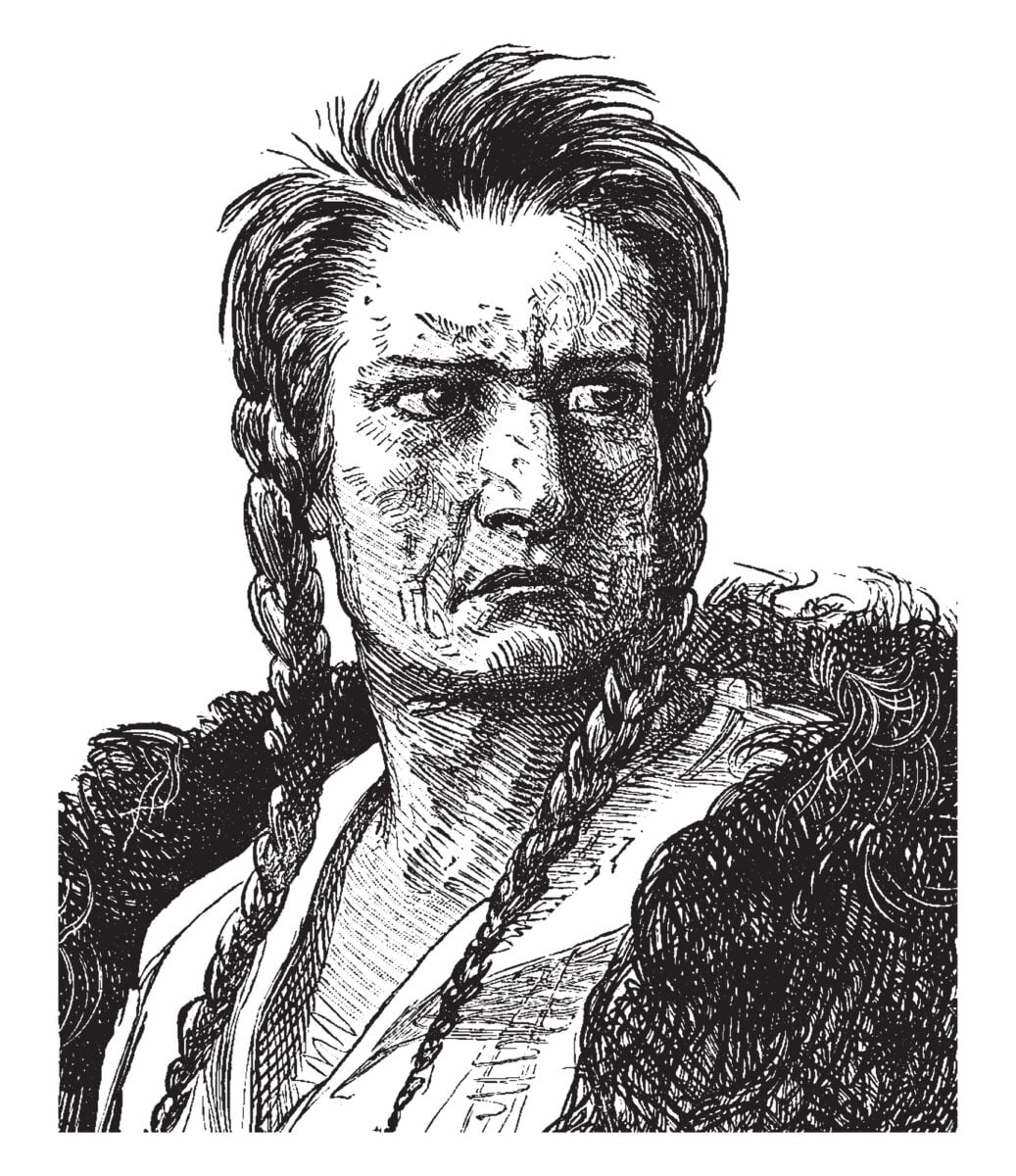
The Nez Perce leader’s words upon surrendering to US forces in October 1877, including the line “I will fight no more forever,” were spoken to a small group of officers and translators present at the immediate scene rather than any public gathering. The most widely cited version was recorded secondhand by an army officer, Lieutenant Charles Erskine Scott Wood, based on his notes and recollection of the moment.
Churchill’s Wilderness Years Warnings
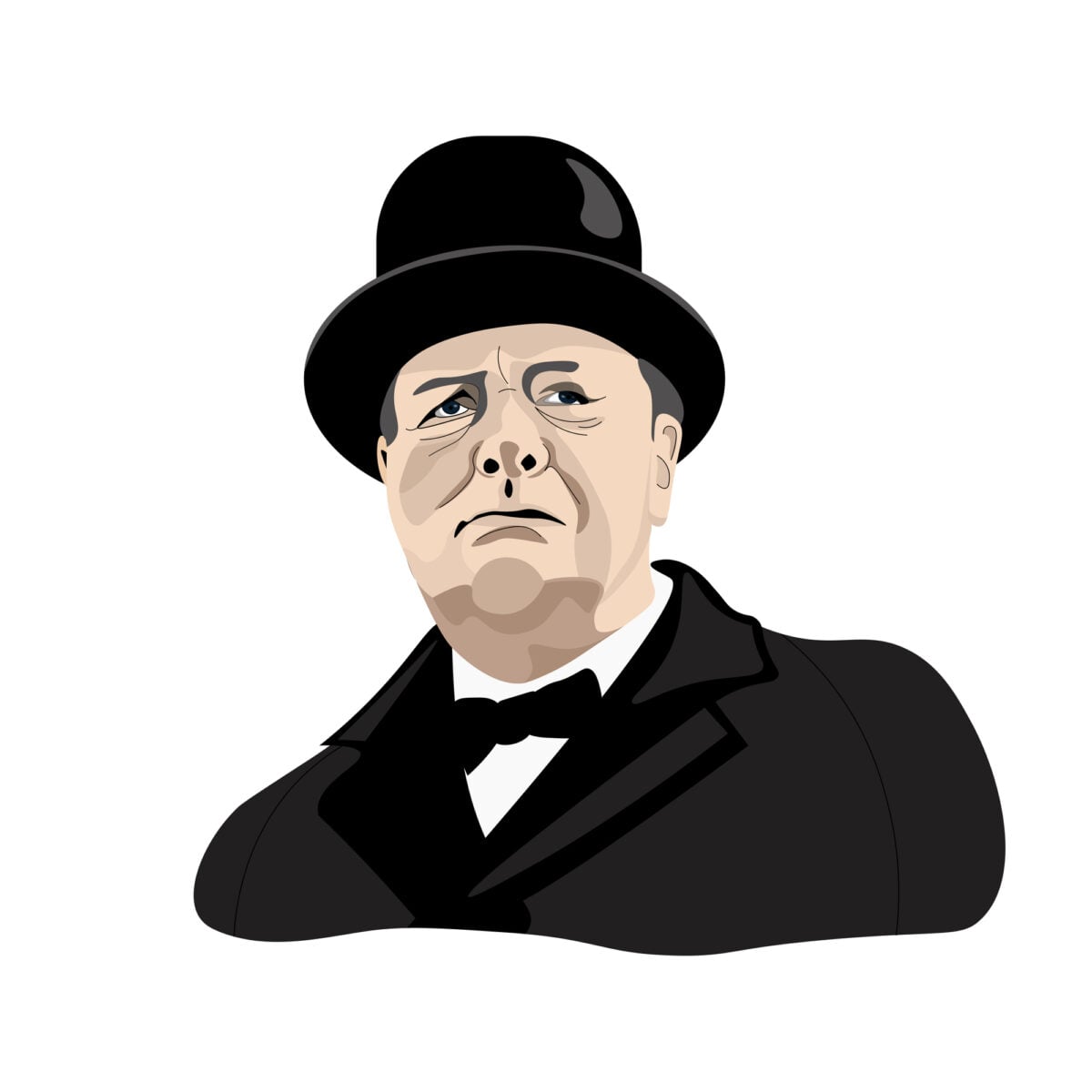
Through the mid-1930s, Winston Churchill repeatedly warned the House of Commons about Nazi Germany’s rearmament to a chamber that was frequently sparsely attended, as many colleagues considered his warnings alarmist or politically motivated. It was only after the outbreak of war in 1939 validated his position that these earlier speeches, given to half-empty benches, were widely revisited and quoted.
Havel’s Charter 77 Declaration

The founding statement of Charter 77, the Czechoslovak human rights initiative closely associated with Václav Havel, was drafted and initially circulated among a small circle of dissidents rather than delivered to any public gathering, since open assembly for such a purpose was illegal under the communist government. It spread through samizdat copies passed hand to hand before eventually reaching international audiences via smuggled transcripts.
Pankhurst’s Early Suffrage Speeches
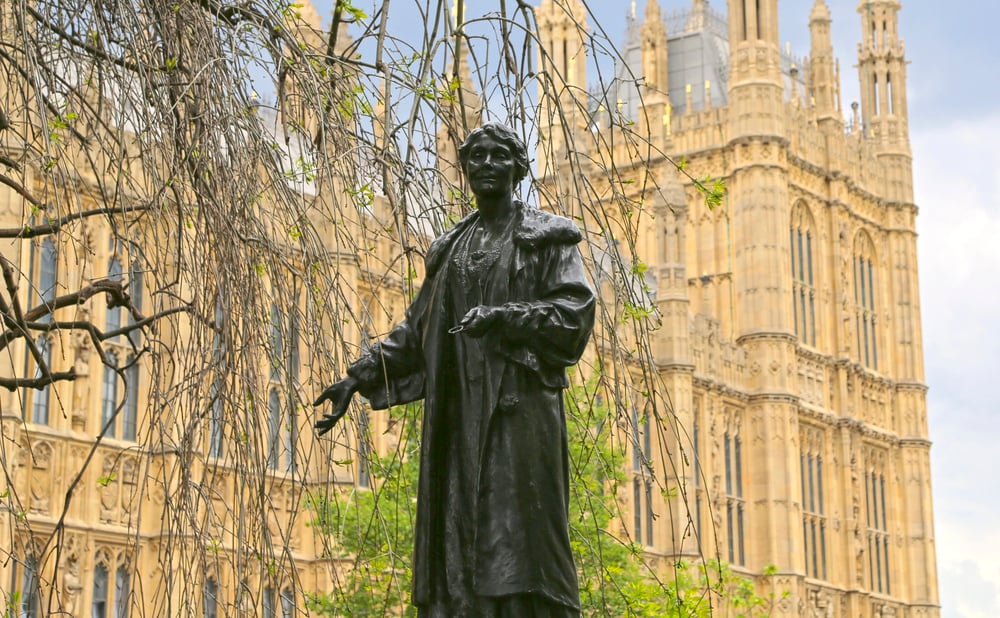
Before the British suffrage movement grew into a mass phenomenon, Emmeline Pankhurst delivered early organizing speeches to small, sometimes skeptical audiences in the first years after founding the Women’s Social and Political Union in 1903. Contemporary accounts describe some of these early meetings drawing only a handful of attendees, a sharp contrast to the tens of thousands who would later attend suffrage rallies she addressed.
Malcolm X’s Early Nation of Islam Speeches
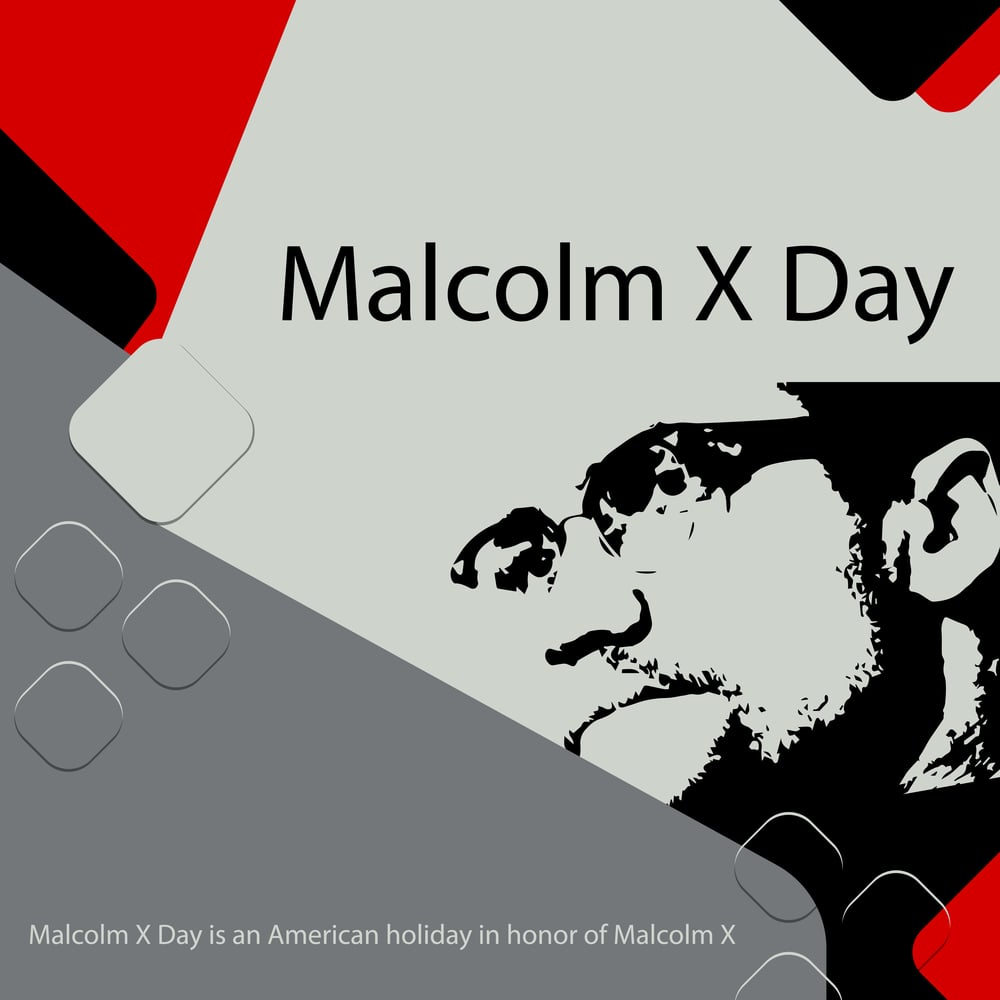
In the early 1950s, before he became a nationally recognized figure, Malcolm X delivered many of his first speeches as a minister to small storefront mosque congregations in cities including Detroit and Boston. Attendance at these early gatherings was modest, and it took years of organizing before his speeches began drawing the large audiences associated with his later public career.
Susan B. Anthony’s Voting Rights Speech
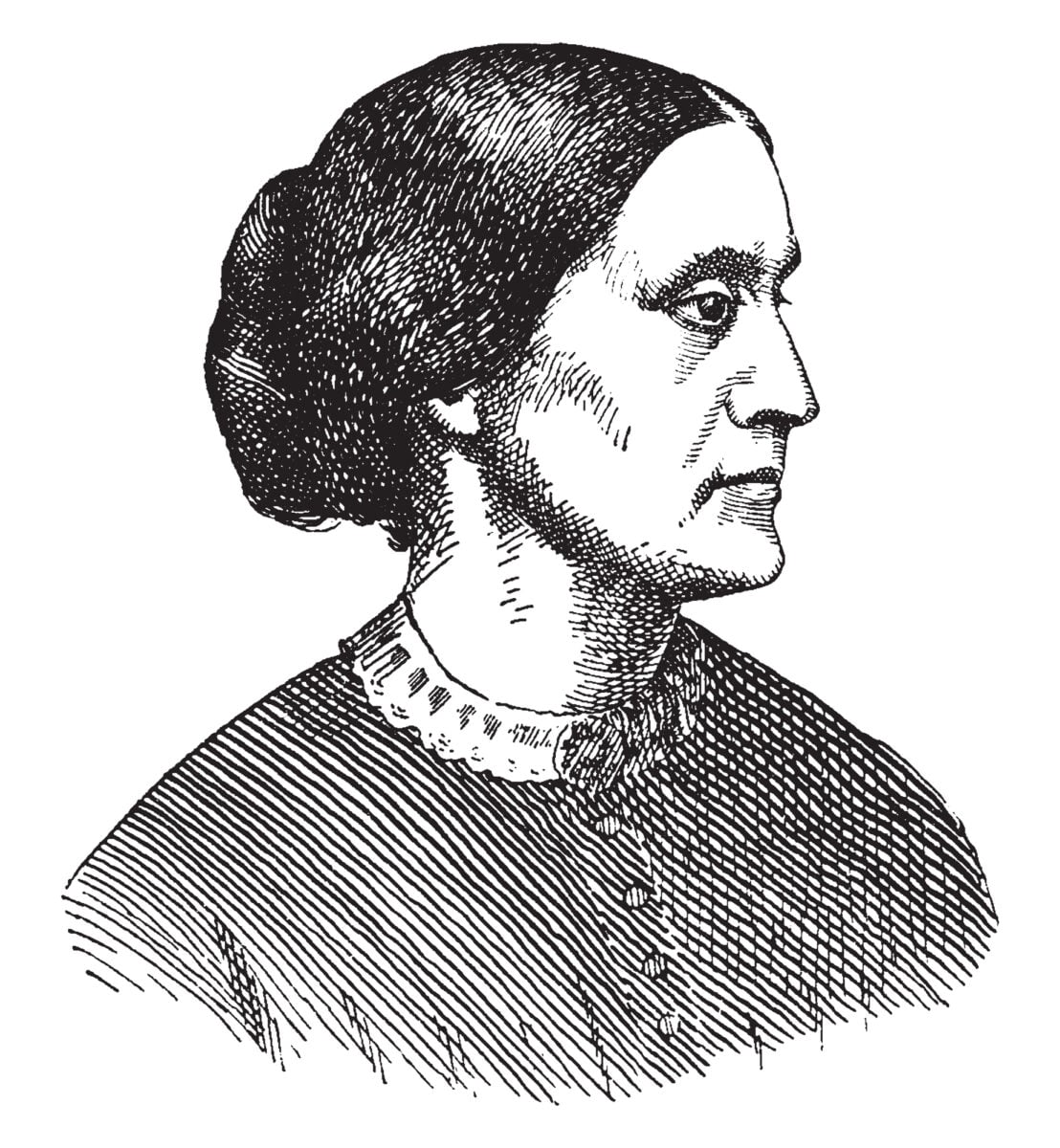
After her arrest for voting illegally in the 1872 US presidential election, Susan B. Anthony delivered her address “Is It a Crime for a Citizen of the United States to Vote?” repeatedly across small towns in Monroe County, New York, ahead of her trial, often to modest local gatherings rather than large halls. The touring strategy was later credited with making it difficult to seat an impartial jury, though a judge ultimately directed a guilty verdict without submitting the case to the jury at all.
Garrison’s First Abolitionist Address
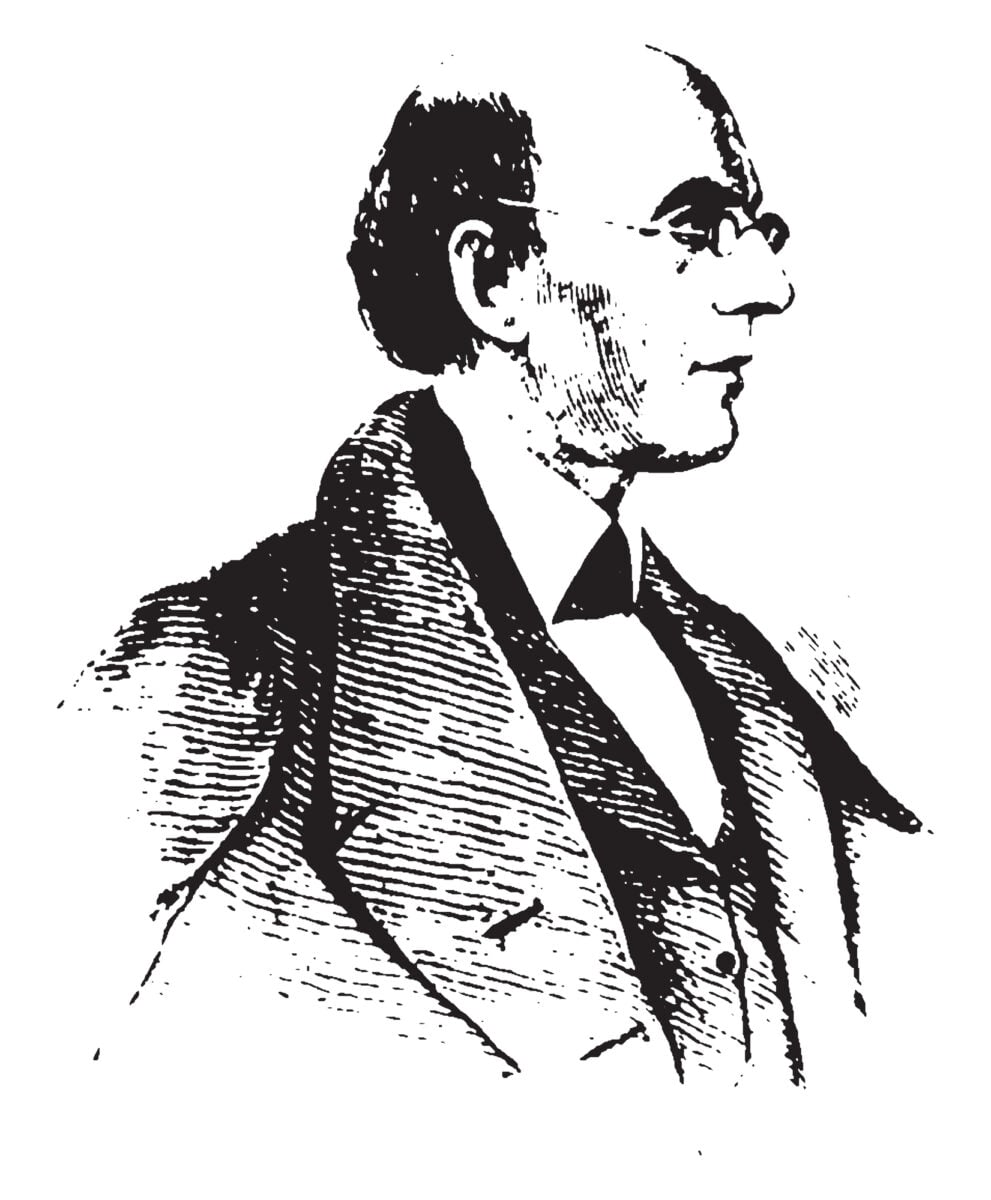
William Lloyd Garrison delivered some of his earliest public speeches against slavery in the late 1820s to small and sometimes hostile audiences in Boston, well before he founded his influential abolitionist newspaper, The Liberator, in 1831. Contemporary accounts describe these early meetings as poorly attended, reflecting how marginal the immediate abolitionist cause was in mainstream Northern politics at the time.
Sitting Bull’s Surrender-Era Remarks
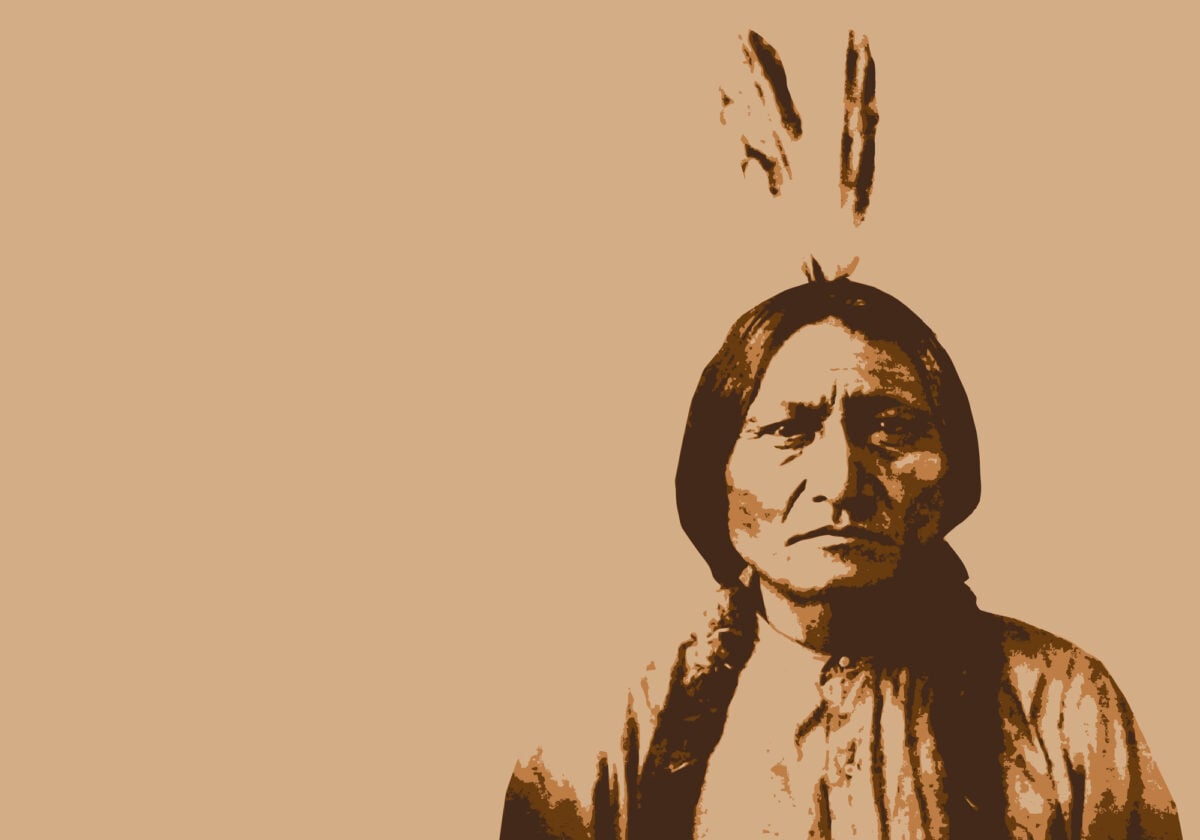
Following years of resistance after the Battle of the Little Bighorn, Sitting Bull’s remarks upon his eventual surrender to US authorities in 1881 were witnessed by only a small group of soldiers, officials, and fellow Lakota present at Fort Buford. No single authoritative transcript survives, and what is known comes largely from secondhand accounts recorded by officers present that day.
Sun Yat-sen’s Overseas Organizing Speeches
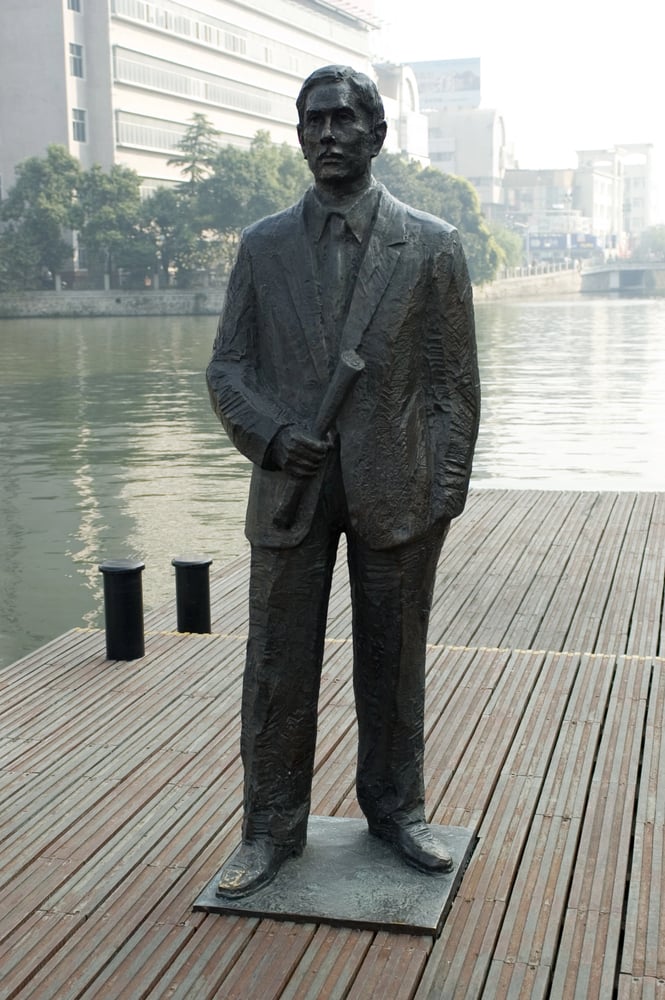
Years before he became the founding father of the Republic of China, Sun Yat-sen delivered organizing speeches to small gatherings of overseas Chinese communities in cities including Honolulu and San Francisco during the 1890s and 1900s, seeking support for revolutionary activity against the Qing dynasty. These modest meetings, some drawing only a few dozen attendees, laid the financial and organizational groundwork for a movement that would eventually topple an empire.
The Room Doesn’t Decide the Reach

What these thirteen moments share is a mismatch between the size of the room and the size of the consequence. A modest crowd in Akron, a half-empty chamber in Westminster, a courtroom with a handful of reporters smuggling notes past censors — none of these settings looked, at the time, like the site of anything historic. The speakers themselves, in most cases, had no way of knowing which words would outlast the room they were spoken in.
This is also why so many of these texts arrive to us slightly uncertain, reconstructed from memory or notes rather than preserved as clean official transcripts. Significance, it turns out, is usually assigned after the fact by people who were not in the room, working backward from consequences the original small audience could not have predicted.
More from Go2Tutors!

- The Romanov Crown Jewels and Their Tragic Fate
- 13 Historical Mysteries That Science Still Can’t Solve
- Famous Hoaxes That Fooled the World for Years
- 15 Child Stars with Tragic Adult Lives
- 16 Famous Jewelry Pieces in History
Like Go2Tutors’s content? Follow us on MSN.