Airports With the Most Unusual Runway Crossings
Most airports keep their runways completely separate from everyday traffic. Planes land and take off without worrying about cars, trains, or pedestrians wandering onto the tarmac.
But a handful of airports around the world took a different approach. Space constraints, geography, and sheer practicality forced engineers to get creative, resulting in some truly bizarre configurations where vehicles and aircraft share the same space.
Here is a list of airports where runways cross active roads, railways, or highways in ways that would make most pilots and drivers raise an eyebrow.
Gibraltar Airport
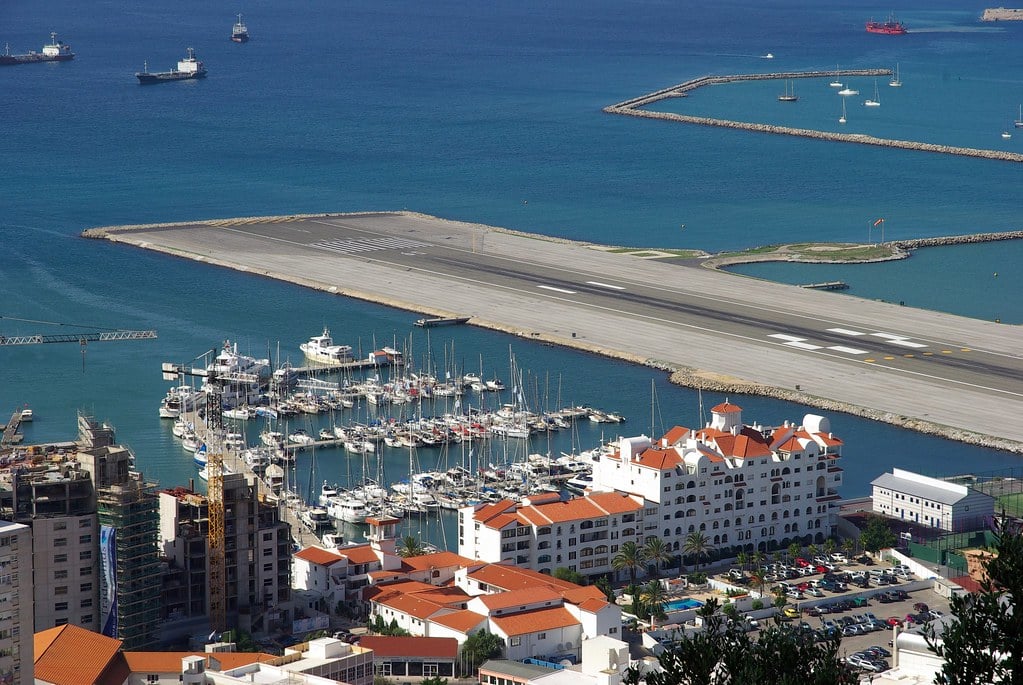
Winston Churchill Avenue cuts straight across Gibraltar Airport’s only runway, making it probably the most famous runway crossing in the world. Until 2023, cars had to stop at barriers every time a plane landed or took off.
Traffic would back up for miles during busy periods, which happened about 15 times a day. The whole setup existed because Gibraltar is tiny—just 2.6 square miles—and the runway literally spans the entire width of the peninsula.
The tunnel that opened in March 2023 finally rerouted vehicles underground, but pedestrians, cyclists, and scooter riders still cross the runway at ground level. Police manage the crossing, stopping foot traffic when planes need to use the runway.
John Lennon and Yoko Ono even posed for photos here after their wedding, making the crossing part of pop culture history.
Sumburgh Airport
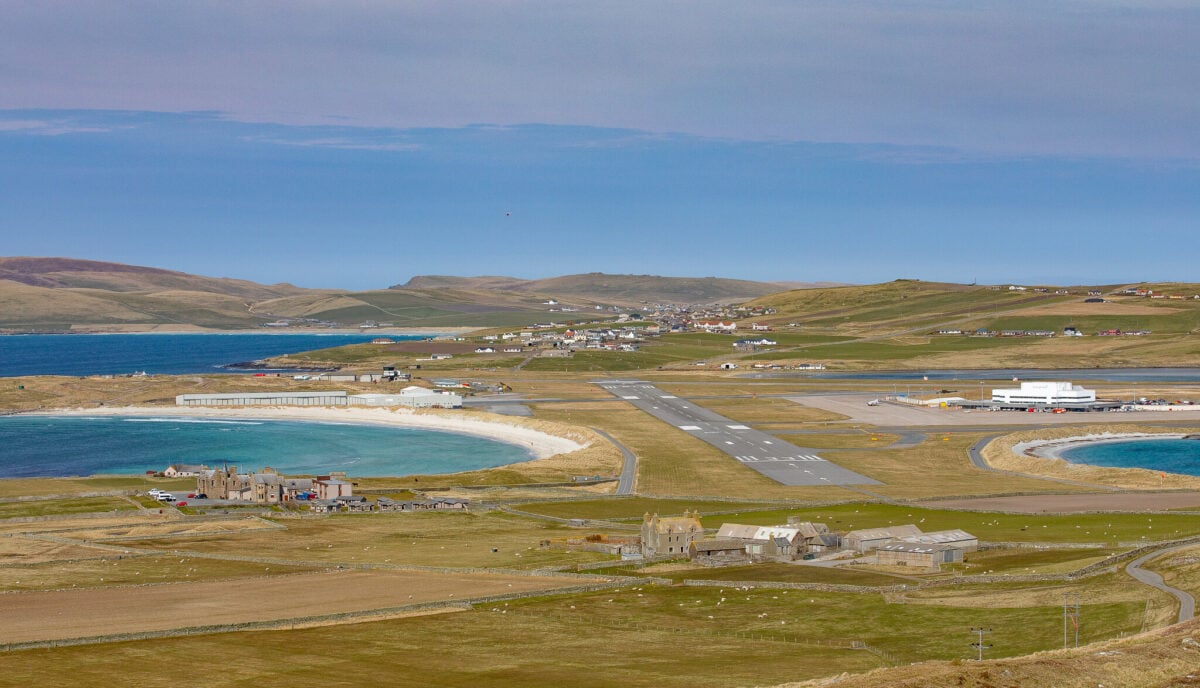
Way up in Scotland’s Shetland Islands, Sumburgh Airport has the A970 road running right across the western end of its main runway. Barriers drop down like a railroad crossing whenever a plane needs to land or take off.
The setup works because flights are relatively infrequent, and drivers in this remote part of Scotland have gotten used to the occasional wait. The airport started as an RAF base during World War II, and when it converted to civilian use, nobody wanted to tear up the perfectly good road that happened to intersect the runway.
Now it’s basically a local quirk that visitors find charming. You can be driving along, see the barriers come down, and watch a commercial airliner cross the road just feet above your car.
After Gibraltar’s tunnel opened, Sumburgh became the world’s only remaining airport where public road traffic actively crosses a runway.
Gisborne Airport

New Zealand takes the unusual crossing concept in a completely different direction. Gisborne Airport’s main runway has a railway line running straight through it. The Palmerston North-Gisborne railway crosses the asphalt about two-thirds down the strip, and trains actually use it.
Not freight trains hauling cargo day and night, but vintage steam locomotives pulling tourist carriages during cruise season. The railway was there first, back when the airport was just an idea.
Rather than reroute miles of track, engineers decided planes and trains could share the space if everyone communicated properly. Air traffic controllers coordinate with railway dispatchers to make sure nothing occupies the crossing at the same time.
The whole operation depends on precise timing and clear communication, but it works. Passengers sometimes get delayed by a few minutes while a steam train chugs across, which adds an oddly nostalgic touch to modern air travel.
Hartsfield-Jackson Atlanta International Airport

Atlanta handles more passengers than any airport in the United States, so when it needed a fifth runway in the early 2000s, space was tight. The solution involved building a massive structure that crosses Interstate 285—one of the busiest highways in the country.
The runway sits on bridges 70 feet above the highway, creating twin tunnels below that carry 10 lanes of traffic. Engineers had to move a million cubic yards of fill dirt to the site using a conveyor belt system that ran for miles.
The tunnels include fire detection systems, stopped-vehicle sensors, and emergency lighting because driving under an active runway carries obvious risks. When it opened in 2006, it was only the second airport runway in America to bridge over a highway.
Drivers heading to the airport now pass under thousands of tons of concrete while jets land directly overhead.
Los Angeles International Airport

LAX pioneered the whole concept of tunnels under runways back in 1953. Sepulveda Boulevard needed to maintain its straight route through the area, but the airport wanted to extend its runways.
Building the tunnel cost about three and a half million dollars at the time, which was serious money in the early 1950s. The six-lane tunnel runs 1,909 feet under two parallel runways on the south side of the airport.
It was the first tunnel of its kind in the United States, setting a precedent that other airports would follow decades later. The dim lighting inside caused complaints for years until LED upgrades finally arrived in the 2010s.
Thousands of cars pass through daily, most drivers barely aware that jets weighing hundreds of tons are landing and taking off just above their heads.
Fort Lauderdale-Hollywood International Airport
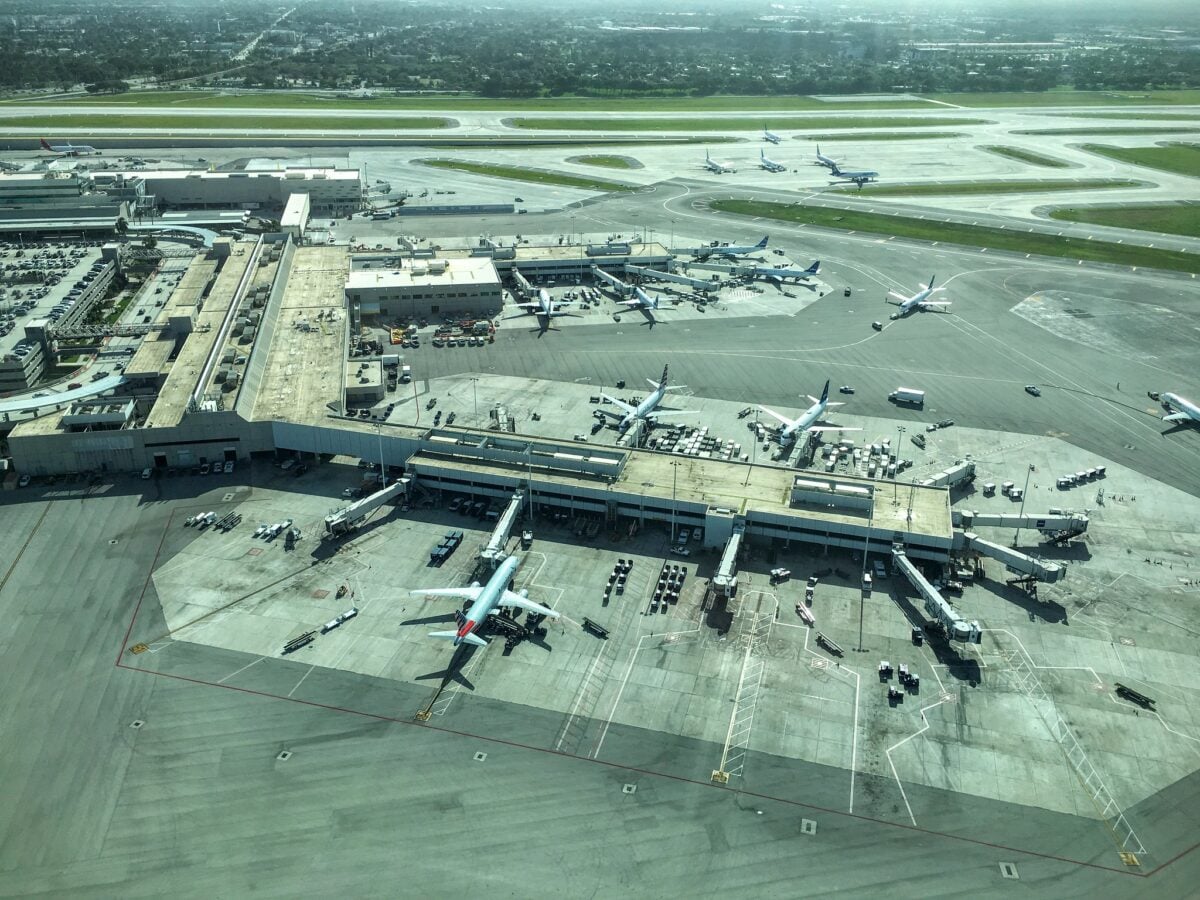
This Florida airport took the elevated runway concept to new heights—literally. The south runway climbs to 60 feet above ground level at its eastern end, rising on a 1.3 percent slope to clear US Highway 1 and the Florida East Coast Railroad tracks below.
The whole project cost nearly 800 million dollars and sparked fierce controversy when residents saw the proposed height. Local activists called it a ‘third-world design’ and predicted catastrophic failure.
The FAA approved it anyway because the slope fell within regulations. Six parallel tunnels run underneath the elevated section, each designed to handle life-safety systems including fire suppression and smoke evacuation.
The runway opened in 2014 despite all the complaints, and it handles heavy jets without issues. Aircraft approaching from the east land 1,500 feet past the elevated section as a safety precaution.
Manchester Airport
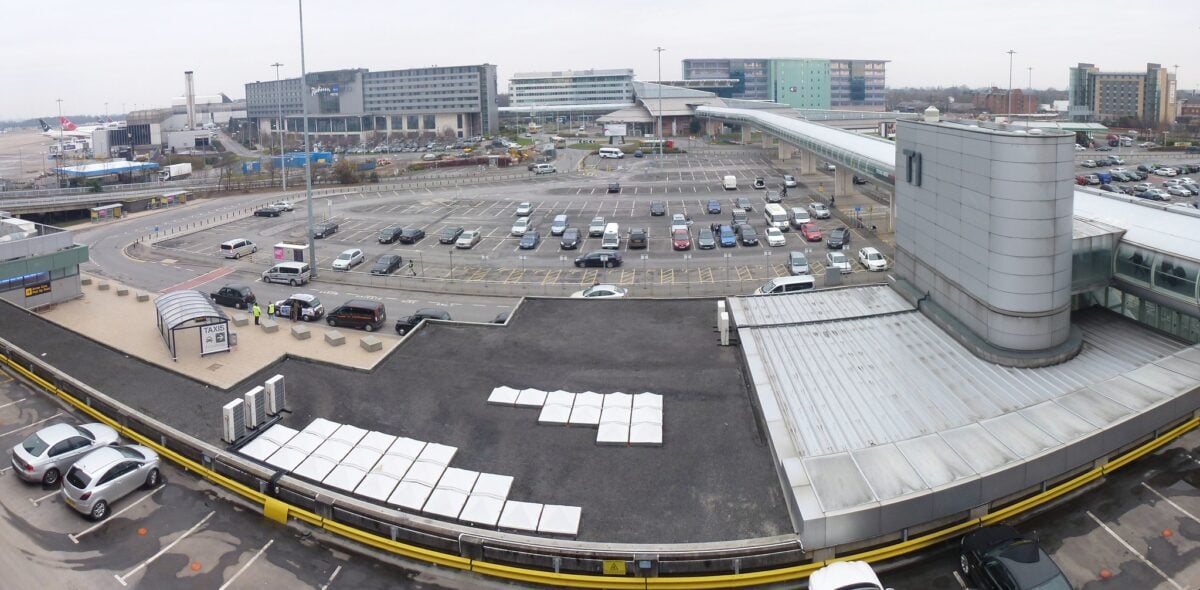
Manchester has two parallel runways, and the A538 road passes under both of them through separate tunnel sections. The road originally crossed the runway at ground level until the airport extended the runway in 1968 and diverted traffic underground.
When the second runway was added in the late 1990s, engineers simply extended the tunnel system. The tunnels handle significant traffic volume since the A538 connects Altrincham and Wilmslow, two towns on opposite sides of the airport.
Drivers experience a brief moment underground between the two tunnels where they can look up and see daylight before diving under the second runway. Lighting upgrades in recent years replaced older systems with LED fixtures to improve visibility and reduce maintenance costs.
Nashville International Airport

Nashville’s airport sits in a rapidly growing part of Tennessee, and when it expanded in the 1980s, Donelson Pike was in the way. Rather than reroute the four-lane divided highway completely, engineers built a tunnel system that carries the road under both a runway and a parallel taxiway.
The tunnel complex includes a service road and spans about 1,000 feet. The project involved massive earthwork, moving millions of cubic yards of soil to elevate the runway above the tunnel.
Recent expansion work replaced the old Donelson Pike interchange nearby with a diverging diamond interchange design, improving traffic flow around the airport. The tunnel now handles thousands of vehicles daily, most headed to or from the airport terminals.
Amsterdam Schiphol Airport

Schiphol Airport serves as a major European hub, and the A4 motorway runs right through it. The 650-meter Schiphol Tunnel carries the highway under one runway and two taxiways, making it an essential connection between Amsterdam and The Hague.
Traffic volume is enormous because the A4 is one of the primary routes through the western Netherlands. The airport has expanded repeatedly over the decades, adding runways and taxiways that required additional bridges and tunnels to maintain road access.
The most distant runway, called the Polderbaan, opened in 2003 and sits so far from the main terminal that taxiing can take 20 minutes. A taxiway bridge crosses the A5 motorway to connect it to the rest of the airport.
Passengers flying through Schiphol often have no idea their planes are crossing major highways on elevated taxiway bridges.
Singapore Changi Airport
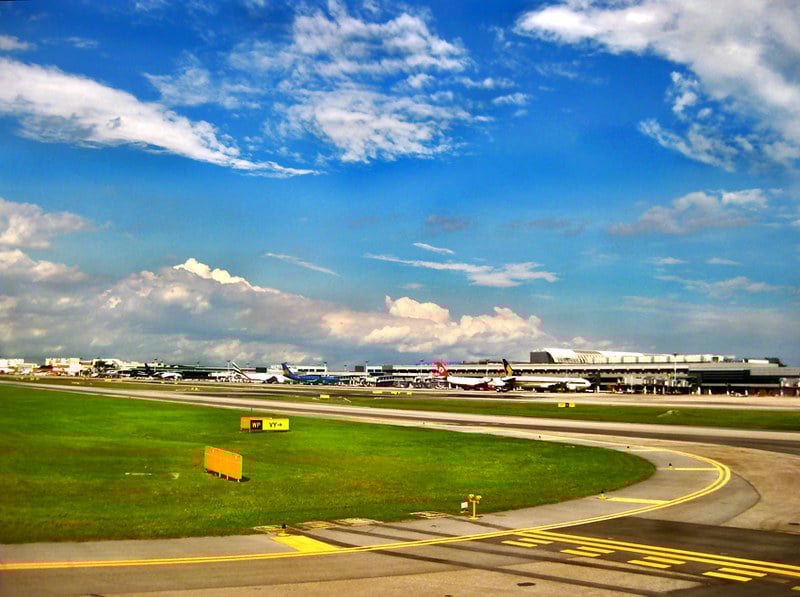
Changi Airport built its reputation on efficiency and passenger comfort, but it also features some impressive infrastructure. Two taxiway bridges span Airport Boulevard, allowing aircraft to cross between different parts of the terminal complex without interrupting road traffic below.
The bridges needed special shields installed on both sides to protect cars from jet blast when planes taxi overhead. The airport spent 60 million dollars modifying these structures to handle the Airbus A380, which weighs more than a million pounds fully loaded.
Engineers had to account for the massive forces generated when such heavy aircraft brake or accelerate on the elevated surfaces. The result is nearly invisible to most passengers, but it allows Changi to maintain smooth operations despite handling tens of millions of travelers each year.
London Heathrow Airport

Heathrow’s main entrance road, called Tunnel Road East, runs underneath both a runway and multiple taxiways. The tunnel configuration allows airport employees and passengers to access the terminals without creating conflicts with aircraft movements on the surface.
Heathrow handles more international passengers than almost any airport in the world, so keeping traffic flowing both on the ground and in the air requires careful coordination. The tunnel design reflects decades of incremental expansion at one of the world’s busiest airports.
As Heathrow grew from a small military airfield into a global hub, engineers had to find creative solutions to connect different parts of the sprawling complex. Underground passages became the answer, allowing vehicles and aircraft to operate in parallel without safety concerns.
Nauru International Airport

This tiny Pacific island nation has an airport where the coastal road practically hugs both ends of the runway. The road doesn’t actually cross the runway itself, but it comes close enough that traffic has to stop at both ends for landings and takeoffs.
Nauru measures just eight square miles total, so finding space for an airport meant working with extremely tight constraints. The runway slices across the southwest coast of the island, with residential streets backing up against it on one side and the ocean on the other.
Drivers get front-row views of planes landing and taking off, which happens infrequently since Nauru has limited air service. The whole setup reflects the challenge of building modern infrastructure on one of the world’s smallest island nations.
When Engineering Meets Geography

These airports prove that conventional planning doesn’t always work. Gibraltar couldn’t move its peninsula. Gisborne’s railway was already there.
Atlanta needed more capacity but ran out of flat ground. Each solution came from engineers who looked at impossible problems and found workable answers, even if those answers seemed bizarre to outside observers.
The barriers, tunnels, and bridges exist because people needed airports and couldn’t just relocate entire highways or abandon critical infrastructure. Sometimes progress means building around what’s already there, no matter how strange the result looks.
More from Go2Tutors!

- The Romanov Crown Jewels and Their Tragic Fate
- 13 Historical Mysteries That Science Still Can’t Solve
- Famous Hoaxes That Fooled the World for Years
- 15 Child Stars with Tragic Adult Lives
- 16 Famous Jewelry Pieces in History
Like Go2Tutors’s content? Follow us on MSN.



