20 Photographs Newspapers Held Back for Years
A photograph does not always run the day it is taken. Editors have spent decades weighing what a picture might do to a grieving family, a national mood, or an ongoing court case, and those decisions have kept some of the most consequential images of the last century out of print for months, years, or in a few cases, generations.
Some eventually ran anyway once the original reasons for caution faded; others are still debated.
The My Lai Massacre Photographs
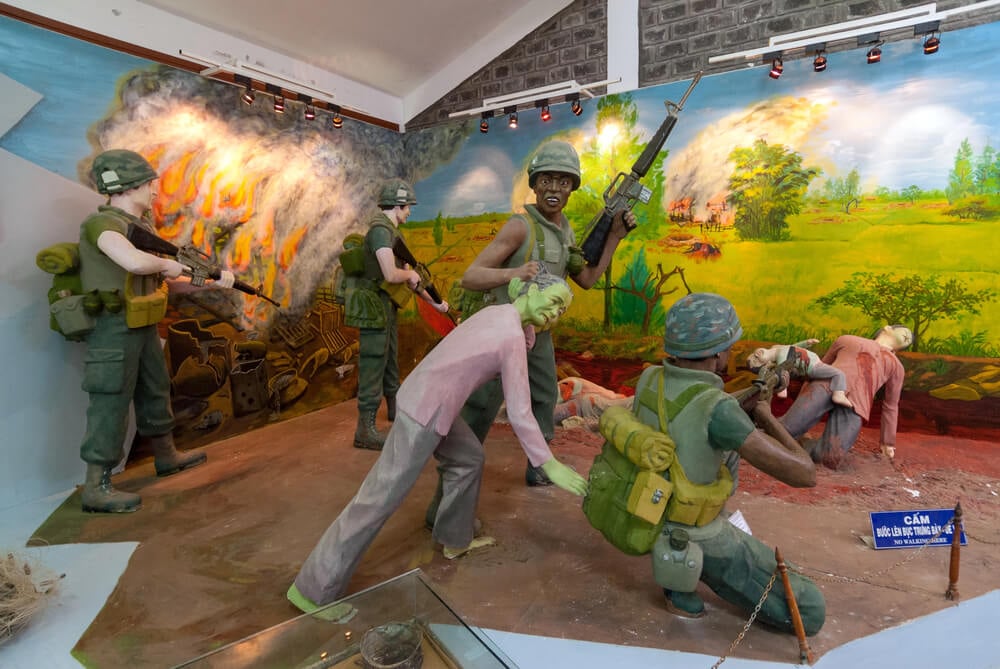
Army photographer Ronald Haeberle took color images of the 1968 killings of Vietnamese civilians by American soldiers, but the pictures did not reach the public until investigative reporter Seymour Hersh’s reporting broke open the story more than a year later, and Life magazine published them in December 1969. The delay stemmed partly from military reporting channels and partly from Haeberle’s own decision to hold some negatives back from his official Army-issued camera.
The photographs became central evidence in the courts-martial that followed and remain among the defining images of the Vietnam War.
The Zapruder Film Frames
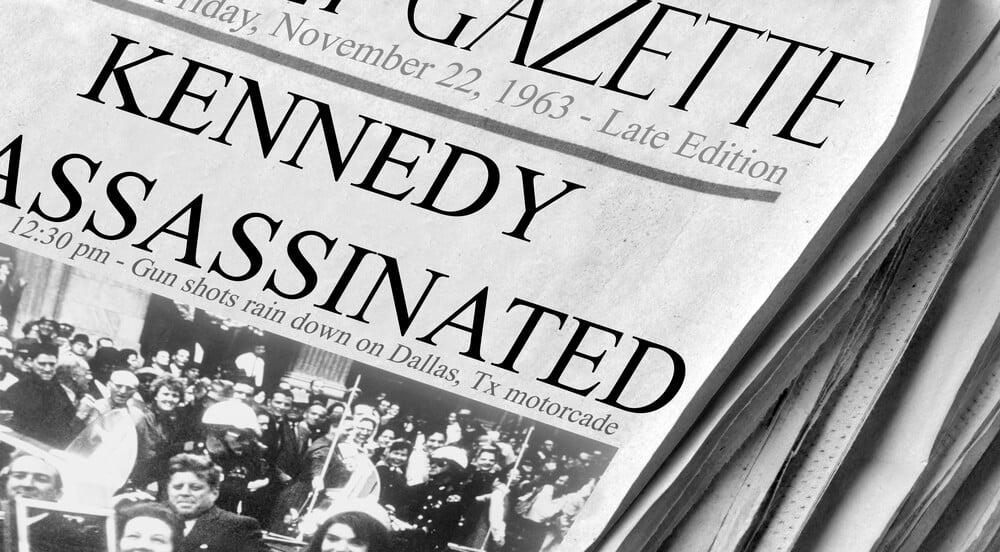
Abraham Zapruder’s home-movie footage of the assassination of President John F. Kennedy was sold to Life magazine within days of the November 1963 shooting, which held exclusive rights and published only selected still frames for years afterward. The full film was not broadcast on American television until 1975, when it aired on the program Good Night America.
Its restricted circulation fueled decades of public speculation before the government eventually acquired the original in 1999.
Abu Ghraib Detainee Abuse Photographs
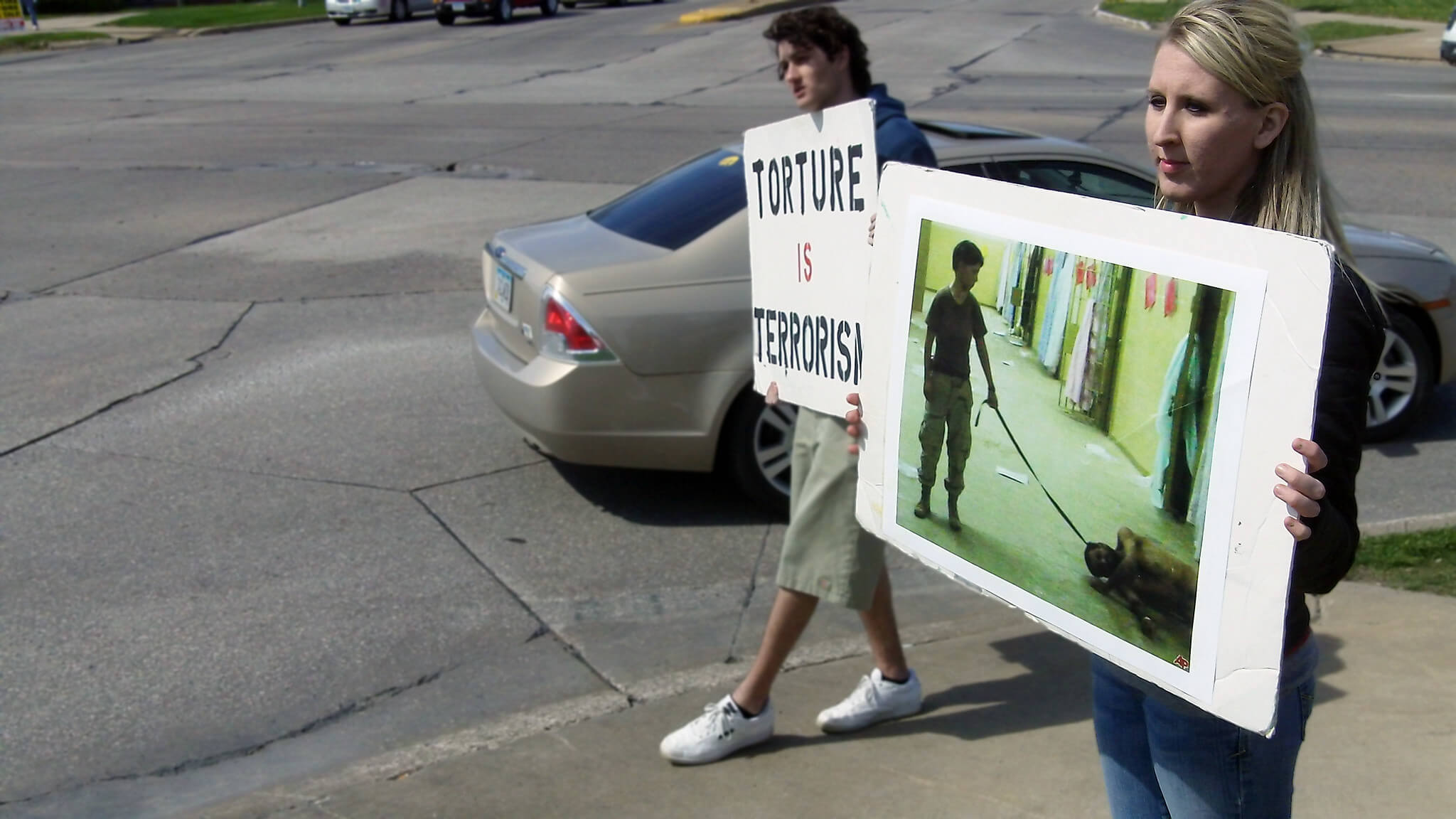
Photographs documenting the abuse of detainees at Abu Ghraib prison in Iraq were taken in late 2003, but most of the American public did not see them until CBS News broadcast a selection on 60 Minutes II in April 2004. Additional images from the same set were withheld by the Pentagon for years afterward and were only released in batches following Freedom of Information Act lawsuits, with some photographs still restricted more than a decade later.
The images became a defining controversy of the Iraq War.
The Falling Man
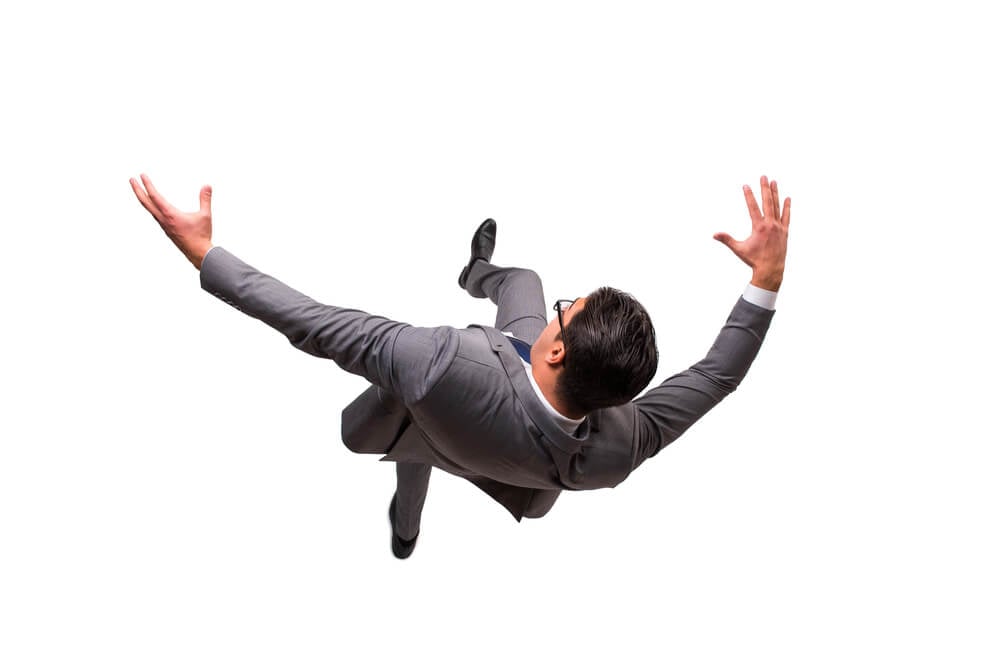
Richard Drew’s photograph of a man falling from the World Trade Center on September 11, 2001, ran in a handful of newspapers the following day before intense public backlash led most outlets to pull it from circulation entirely. The photograph was largely absent from American media for years until writer Tom Junod’s 2003 Esquire essay revisited the image and the identity of its subject.
It has since become a frequently discussed example of a photograph too difficult for its own moment.
Dorothea Lange’s Unpublished Migrant Mother Frames
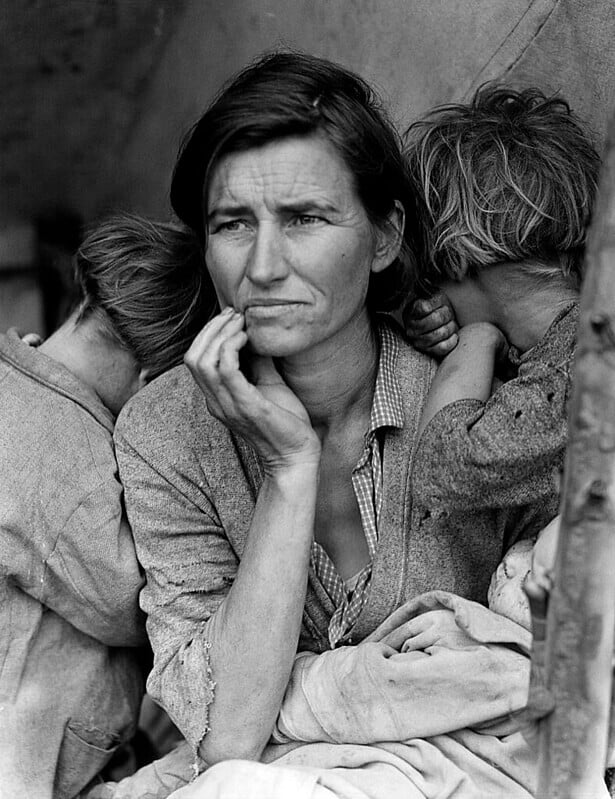
Lange photographed Florence Owens Thompson and her children at a California pea-pickers camp in 1936, producing six frames in quick succession, but only one became widely known as “Migrant Mother.” The other frames sat largely unexamined in the Library of Congress archive for decades before historians and researchers began publishing them alongside the iconic image.
Thompson herself said in later interviews that she never received payment for the photograph that came to define the Great Depression.
Buchenwald and Bergen-Belsen Liberation Photographs
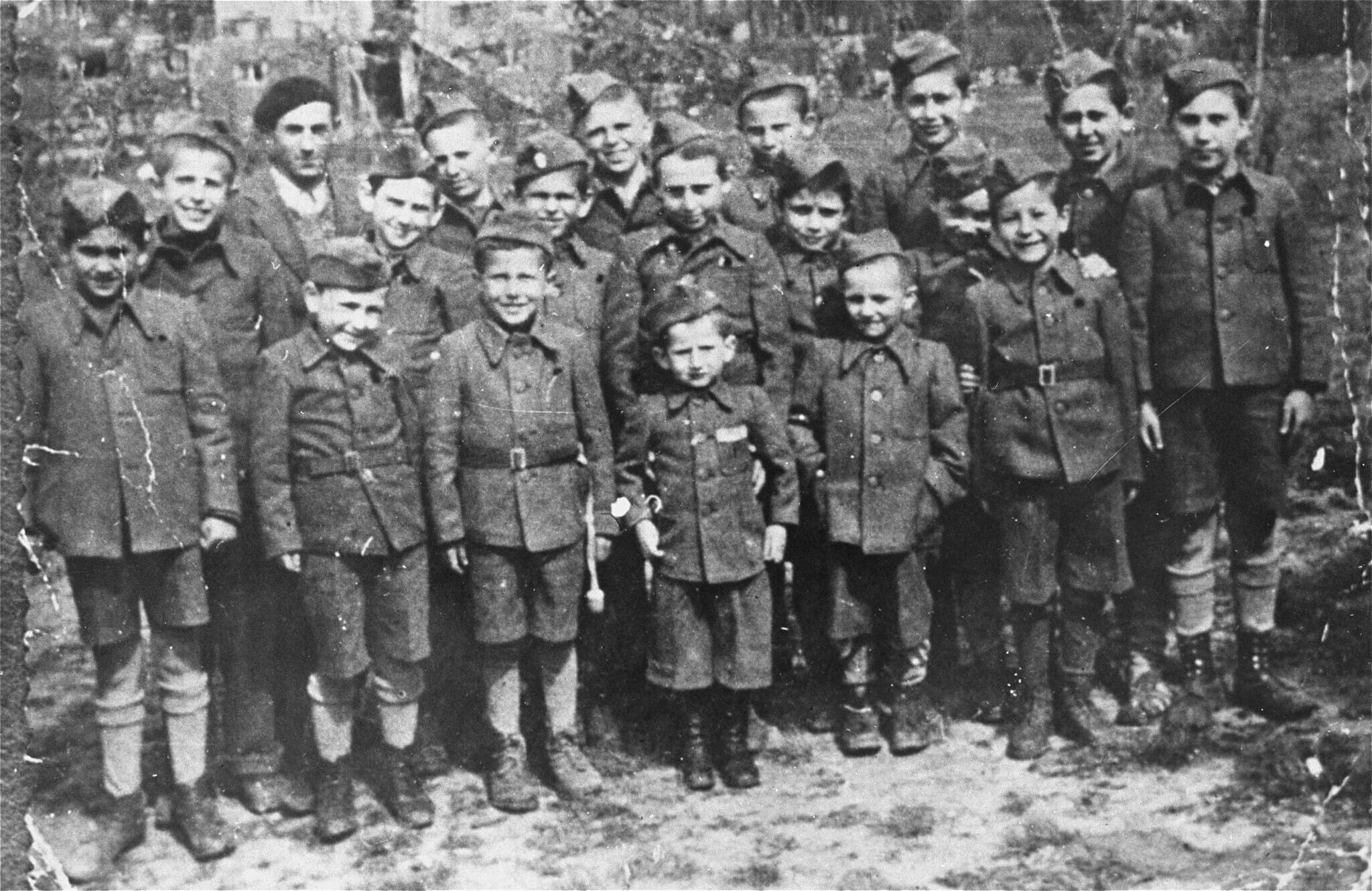
American and British military photographers documented the liberation of Nazi concentration camps in April 1945, but many of the most graphic images were held back from wide domestic publication for weeks or months due to their content. Some archival images from the liberations were not made broadly available to researchers and the public until decades later, as government and military archives were gradually opened.
The photographs remain central to Holocaust education and historical memory.
Hiroshima Aftermath Photographs
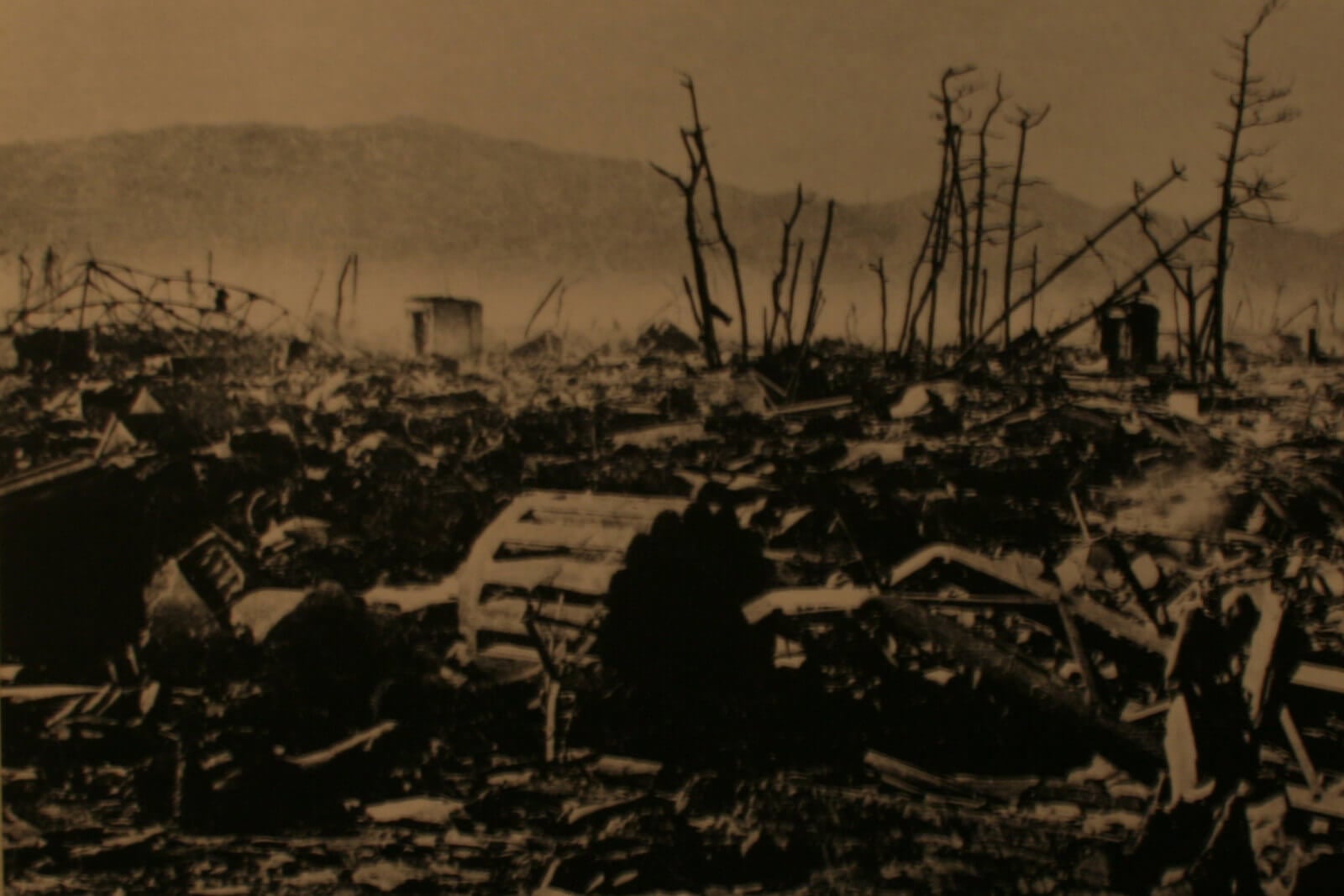
Japanese and American photographers captured the destruction of Hiroshima within days of the August 1945 atomic bombing, but American occupation authorities restricted the circulation of the most graphic images for years afterward. Many of these photographs were not published in the United States until the 1970s, after government restrictions on atomic bomb imagery had eased considerably.
Photographer Yoshito Matsushige’s images, among the only ones taken in the city on the day of the bombing, were not published until years after they were shot.
Pearl Harbor Attack Photographs
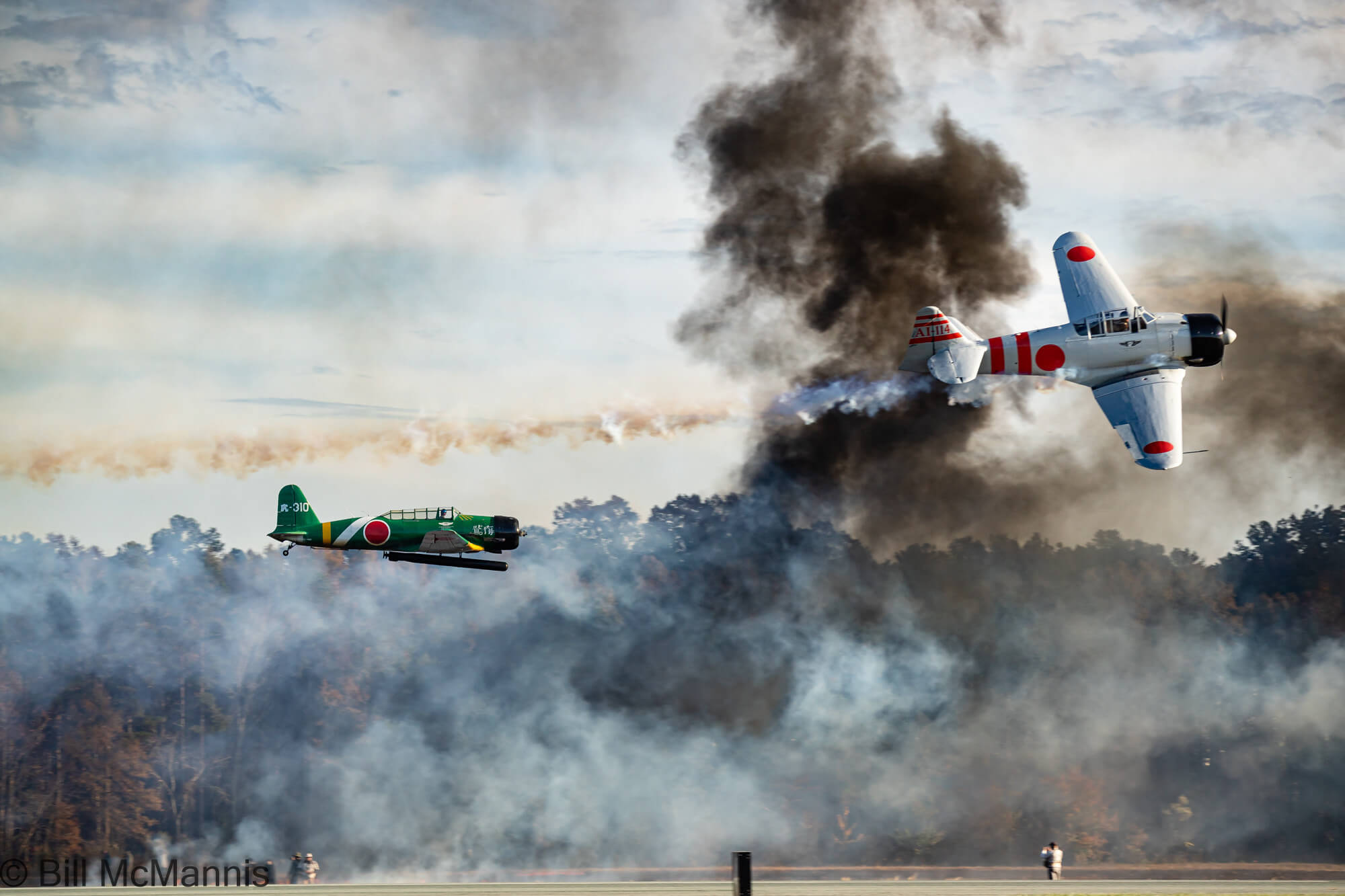
Military censors withheld many photographs of the December 1941 attack on Pearl Harbor from publication for months, and some images, including ones showing the USS Arizona in its final moments, were not released to the public until years after the war ended. Wartime censorship rules generally prohibited images that might damage civilian morale.
Several photographs from the attack were only declassified and made public in the decades that followed.
The JFK Autopsy Photographs
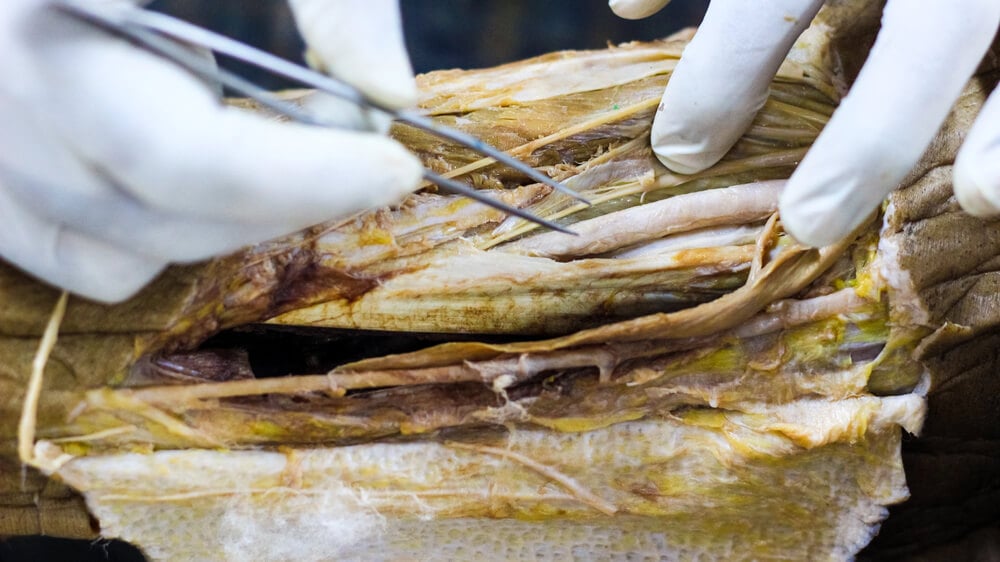
Photographs and X-rays from President Kennedy’s autopsy were sealed by the Kennedy family and the federal government immediately after his death in 1963 and were not made available even to government investigators until the House Select Committee on Assassinations reviewed them in the late 1970s. Limited access for researchers came later still, and the images have never been published in mainstream newspapers.
Their restricted status has fed decades of assassination-related speculation and litigation.
World War I Trench Photographs
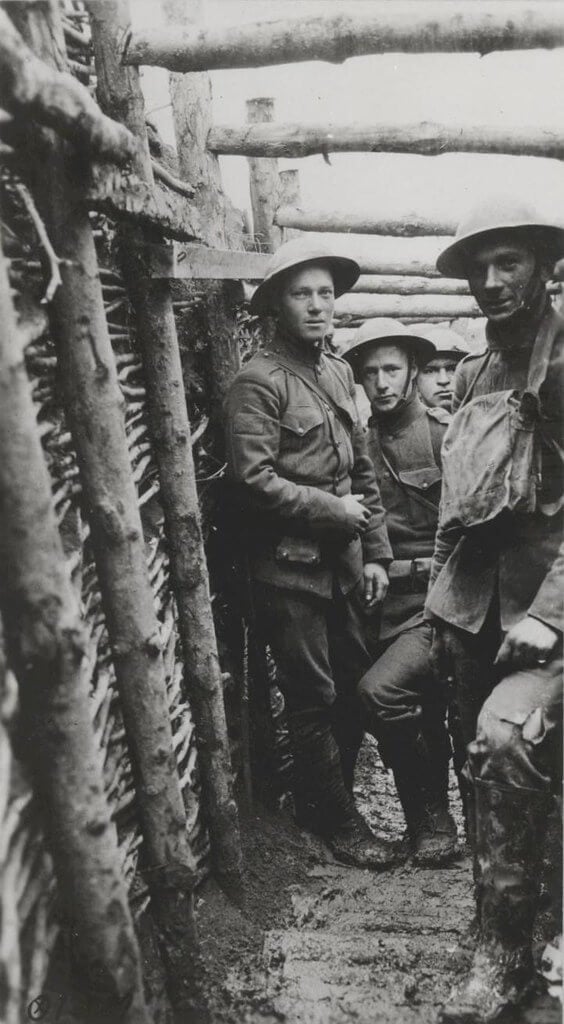
Government censors on both sides of the First World War restricted photographs showing dead soldiers or the true conditions of trench warfare, and many of the most graphic images taken by official war photographers were not released to domestic newspapers until years after the 1918 armistice. Some archival images remained restricted in government collections until historians gained fuller access decades later.
The gap between what photographers captured and what the public saw during the war itself has been widely documented by historians.
The Rodney King Assault Aftermath Photographs
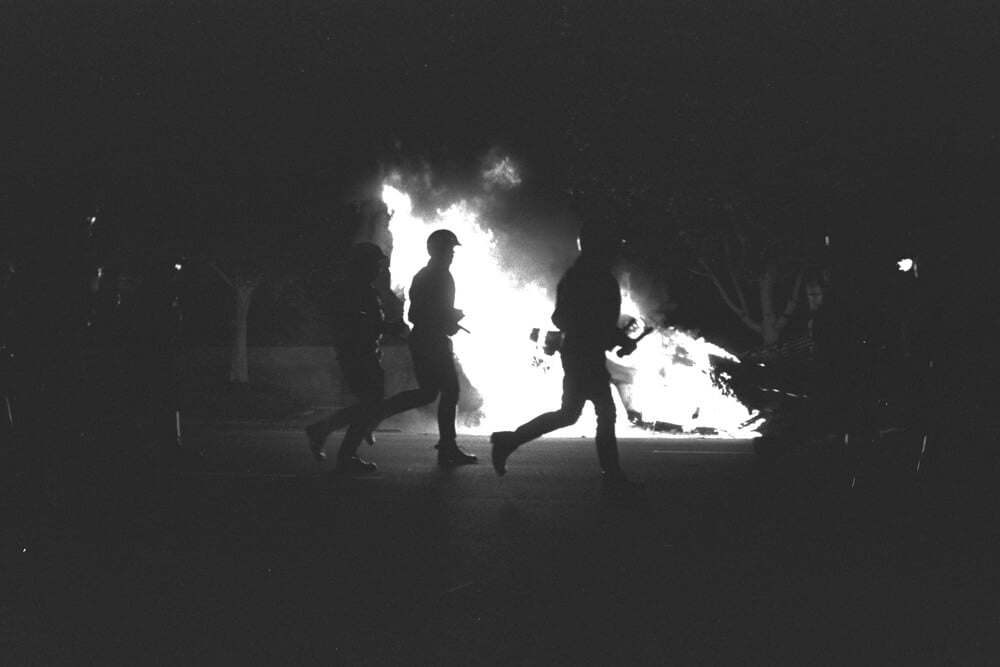
Amateur photographs and video stills documenting the aftermath of the 1991 beating of Rodney King by Los Angeles police officers circulated locally within days, but several news organizations held back the most graphic still images out of concern for the King family and ongoing legal proceedings. Fuller publication came only after the officers’ trial and the acquittal that triggered the 1992 Los Angeles riots.
The case remains a frequently cited example of newsroom debate over publishing images of police violence.
Diana, Princess of Wales, Crash Scene Photographs
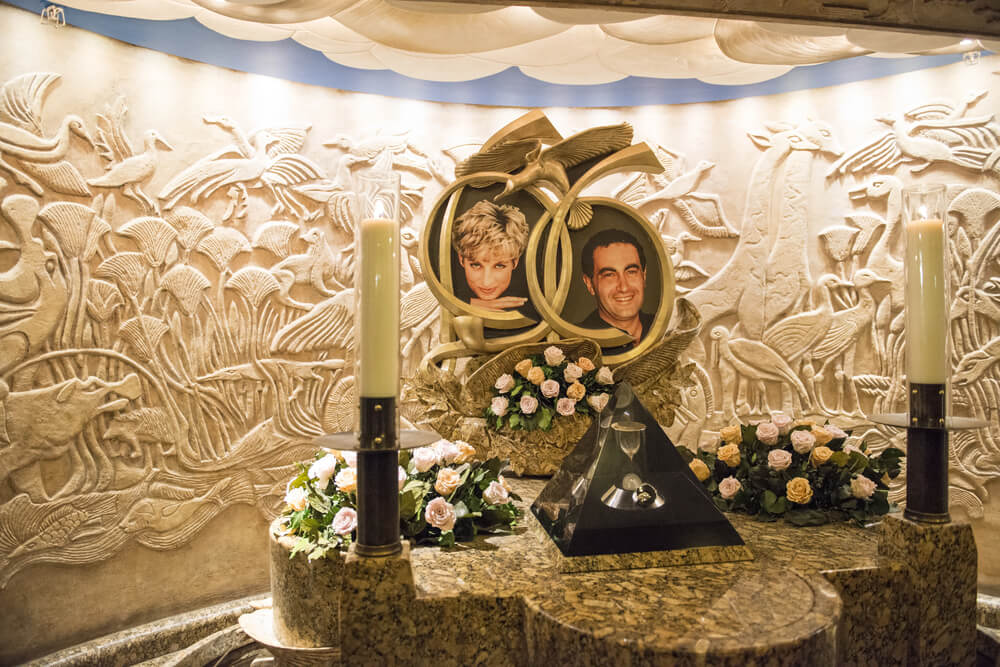
Photographs taken by photographers following Diana’s car on the night of her fatal 1997 crash in Paris were seized by French authorities as part of the criminal investigation into the paparazzi involved, and mainstream newspapers in Britain and the United States declined to publish the images entirely. Some of the photographs were shown only to investigators and courts over the following years.
The episode prompted lasting changes in how several countries regulate photographers pursuing public figures.
The Kevin Carter Struggling Girl Photograph
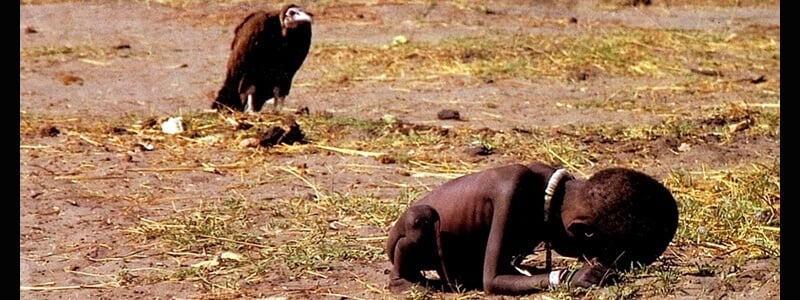
Photojournalist Kevin Carter’s 1993 image of a starving child in Sudan, taken during a famine, was not published by the New York Times until months after it was shot, and Carter faced years of criticism over whether he should have intervened rather than photographed the scene. The photograph won the Pulitzer Prize for feature photography in 1994.
Carter died by his own hand later that year, and biographers have connected his death in part to the sustained backlash over the image.
Emmett Till’s Open Casket Photograph
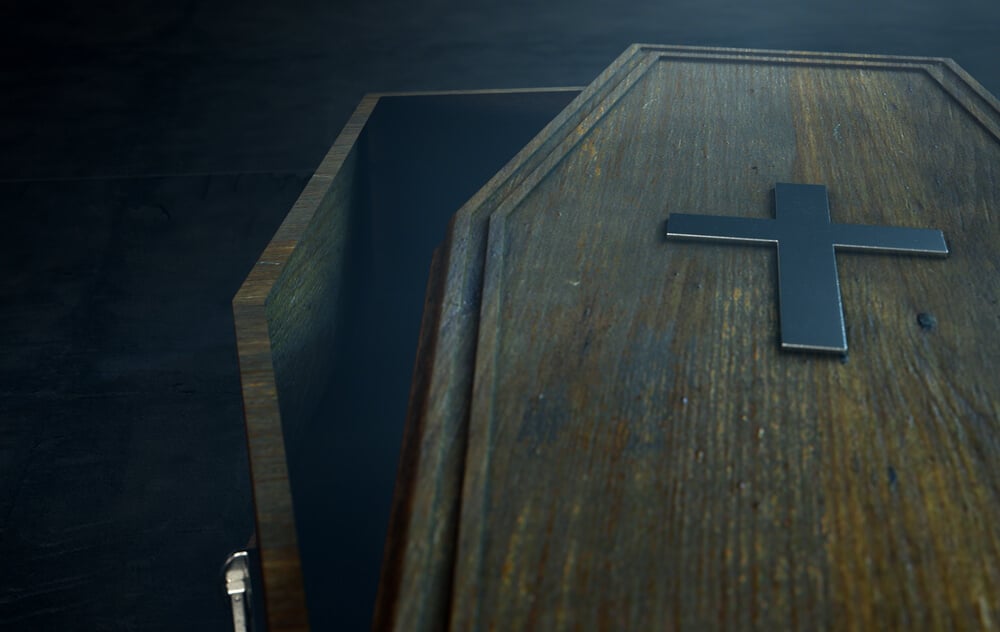
Mamie Till-Mobley insisted on an open casket for her son Emmett after his 1955 killing in Mississippi, and Jet magazine published photographs of his body weeks later, but many mainstream white-owned newspapers declined to run the images at the time. The photographs did not appear widely in mainstream American press until decades afterward, as later generations of editors and historians revisited the case.
Historians have credited the images with galvanizing early civil rights organizing.
The Bin Laden Raid Situation Room Follow-Up Photographs
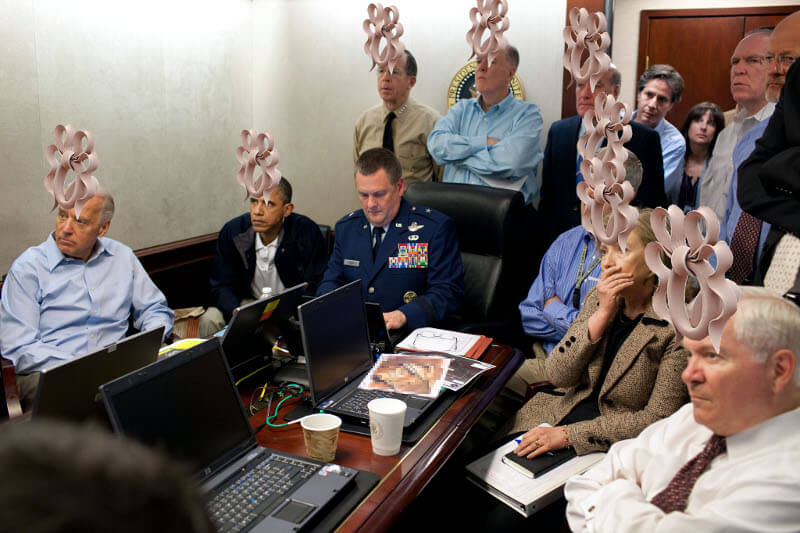
The White House released a widely seen photograph of officials watching the 2011 raid that killed Osama bin Laden, but photographs of the raid itself and its aftermath, including any images of the body, were withheld entirely and remain unreleased more than a decade later. The administration cited concerns about inflaming further violence as the reason for withholding the images.
The decision drew both criticism and support from press organizations at the time.
Great Depression Bonus Army Eviction Photographs
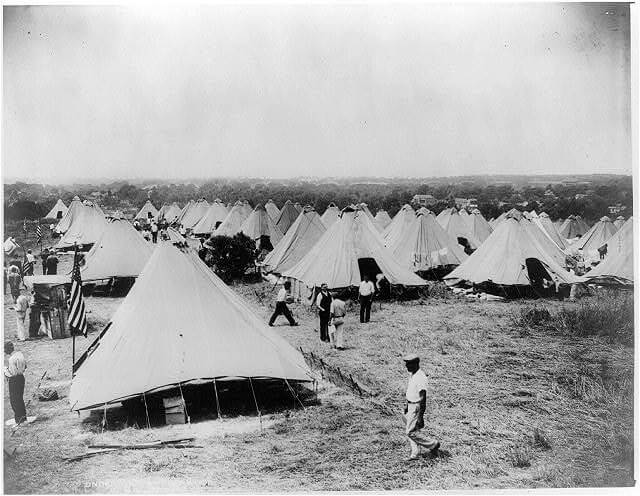
Photographers documented the 1932 eviction of the Bonus Army, a group of World War I veterans camped in Washington, D.C., but some of the more damaging images of federal troops attacking veterans were held back from immediate publication by several newspapers sympathetic to the administration at the time. Fuller documentation of the eviction reached the public gradually over the following years through congressional investigations and later historical accounts.
The episode is now considered a significant black mark on the Hoover administration’s public standing.
The Titanic’s Final Departure Photographs
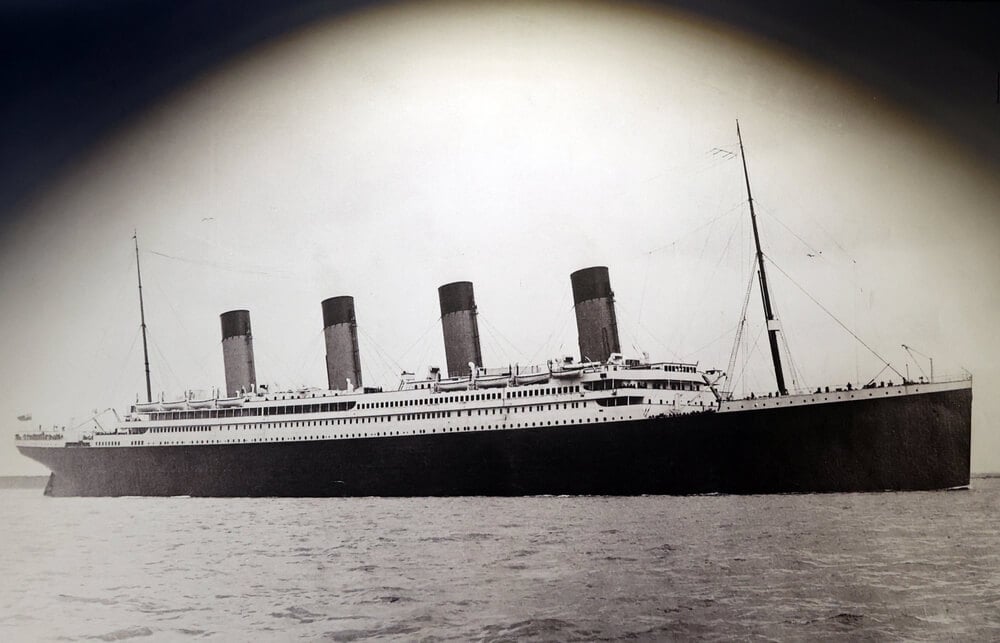
Several photographs taken aboard and near the Titanic in the days before its 1912 sinking, including images from passenger Francis Browne, were not widely published until years afterward because Browne’s photographs were held privately by his family and the Jesuit order he belonged to. The collection was not made broadly available to researchers and publishers until the 1980s.
The images now form some of the only visual record of the ship’s brief voyage.
Kent State Shooting Aftermath Photographs
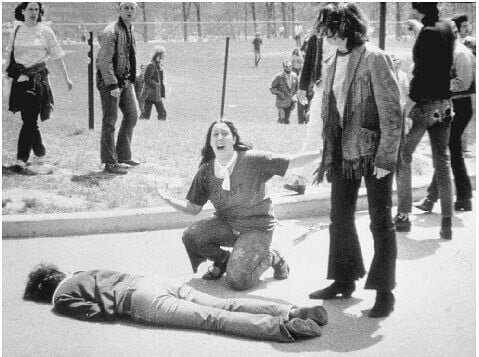
While John Filo’s photograph of a student kneeling over a shooting victim at Kent State University ran in newspapers within a day of the May 1970 shootings, several other images taken at the scene, including ones considered too graphic for publication, were held in wire service archives for years before being republished in later retrospectives. The most widely circulated photograph won the Pulitzer Prize in 1971.
Later reexaminations of the full set of images have informed ongoing historical reassessment of the shootings.
Thonis-Heracleion Underwater Discovery Photographs
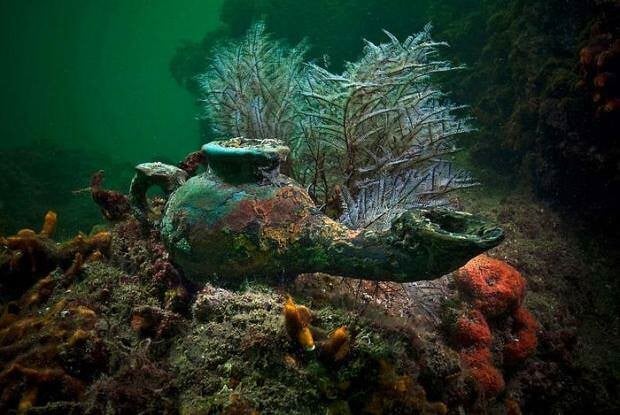
Photographs of the submerged Egyptian city of Thonis-Heracleion, rediscovered by underwater archaeologist Franck Goddio in 2000, were held for careful review and cataloguing by his research team for several years before being released to the international press. The delay allowed archaeologists to complete initial documentation before the site attracted wider public and media attention.
The photographs eventually introduced the sunken city to a global audience unfamiliar with its existence.
Nagasaki Aftermath Photographs by Yosuke Yamahata
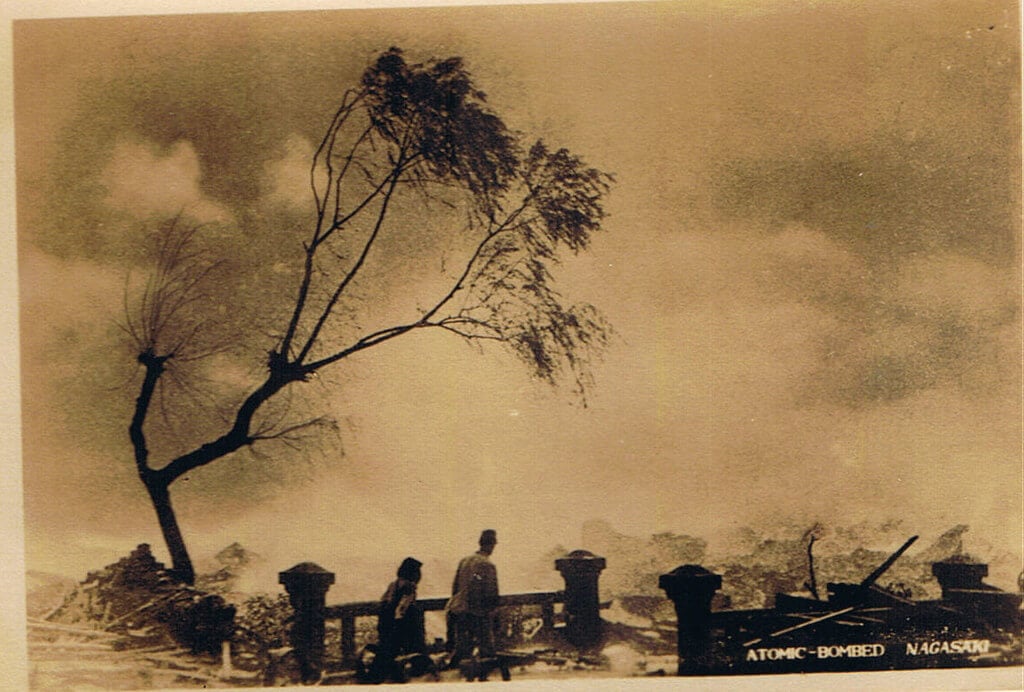
Japanese military photographer Yosuke Yamahata documented Nagasaki within a day of the August 1945 atomic bombing, but American occupation censorship kept most of his photographs out of print in Japan and abroad for years. A fuller set of his images was not published until 1952, after the end of the American occupation lifted restrictions on atomic bomb imagery.
The photographs are now held in museum collections as a primary visual record of the bombing’s immediate aftermath.
The Weight a Picture Is Made to Carry
Every photograph on this list eventually reached an audience, but the gap between the shutter clicking and the image appearing in print says as much about the era as the event itself. Editors weighed grief, propriety, ongoing legal cases, and national morale against the public’s claim to see what had actually happened, and those calculations changed depending on who was doing the weighing.
What looks like caution in the moment often reads as omission later, once history has had time to settle. The photographs that stayed in a drawer the longest tend to be the ones later generations return to first, precisely because someone once decided the public was not yet ready to see them.
More from Go2Tutors!

- The Romanov Crown Jewels and Their Tragic Fate
- 13 Historical Mysteries That Science Still Can’t Solve
- Famous Hoaxes That Fooled the World for Years
- 15 Child Stars with Tragic Adult Lives
- 16 Famous Jewelry Pieces in History
Like Go2Tutors’s content? Follow us on MSN.