25 Directors Whose First Films Were Ignored
Nearly every acclaimed filmmaker has a debut that almost nobody saw. Distribution deals fell through, budgets were microscopic, and reviews, when they existed at all, were tepid.
What separates these directors from the ones who quit is what came next. Looking back at these first attempts is a reminder that a quiet start rarely predicts what a career becomes.
Steven Spielberg
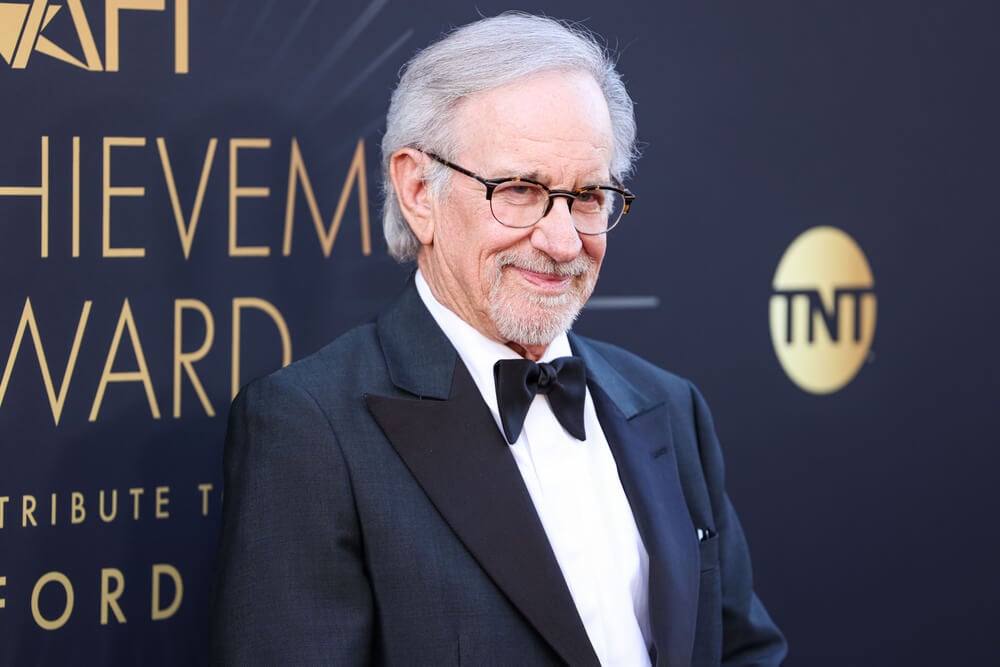
Before Jaws made him a household name, Spielberg’s 1974 theatrical debut The Sugarland Express underperformed at the box office despite decent reviews. The film, a crime drama loosely based on a real Texas police chase, gave little indication of the blockbuster instincts Spielberg would display the following year.
It remains one of his least-seen films even among fans of his later work.
Christopher Nolan
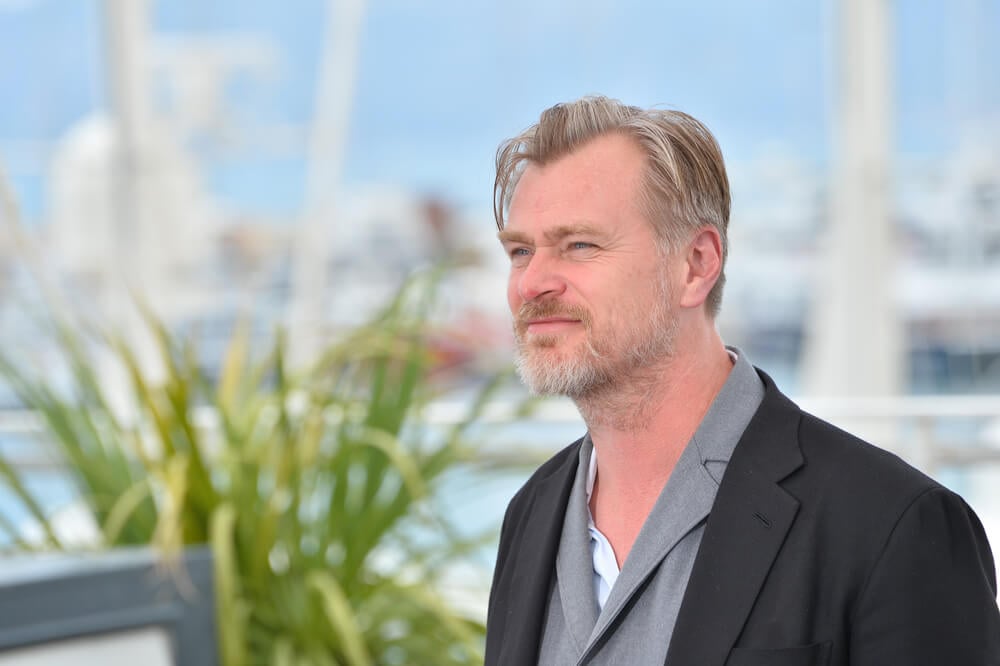
Nolan shot his 1998 debut Following on weekends over about a year, using a cast of friends and a budget reportedly under ten thousand dollars. It received a limited festival and art-house release and made almost no commercial impact.
The film’s fractured, nonlinear structure would become a recognizable Nolan signature only once Memento arrived two years later.
Martin Scorsese
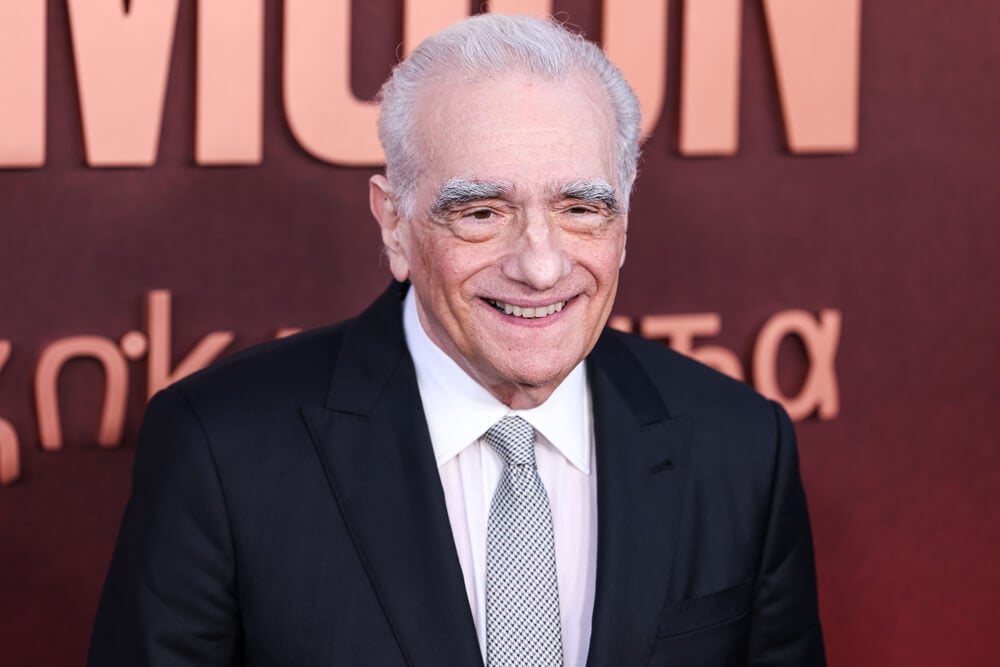
Scorsese’s 1967 debut Who’s That Knocking at My Door had a troubled, years-long production and a distribution so limited that most audiences never encountered it theatrically. It introduced Harvey Keitel and many of the Catholic guilt and street-life themes Scorsese would return to repeatedly.
At the time, it registered as a minor student-adjacent curiosity rather than the start of a major career.
David Fincher
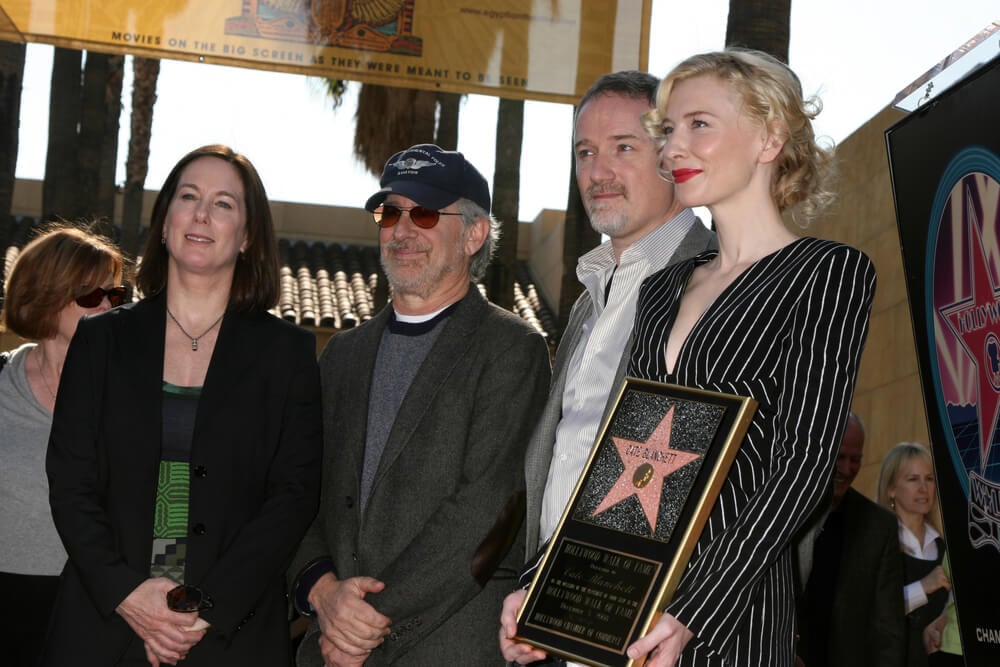
Fincher’s feature debut was Alien 3 in 1992, a production plagued by studio interference, script rewrites during filming, and a difficult post-production process that Fincher has said left him without final creative control. The film received a mixed critical reception on release.
Fincher has since distanced himself from the finished cut, though the experience shaped how carefully he controlled his later productions.
Wes Anderson
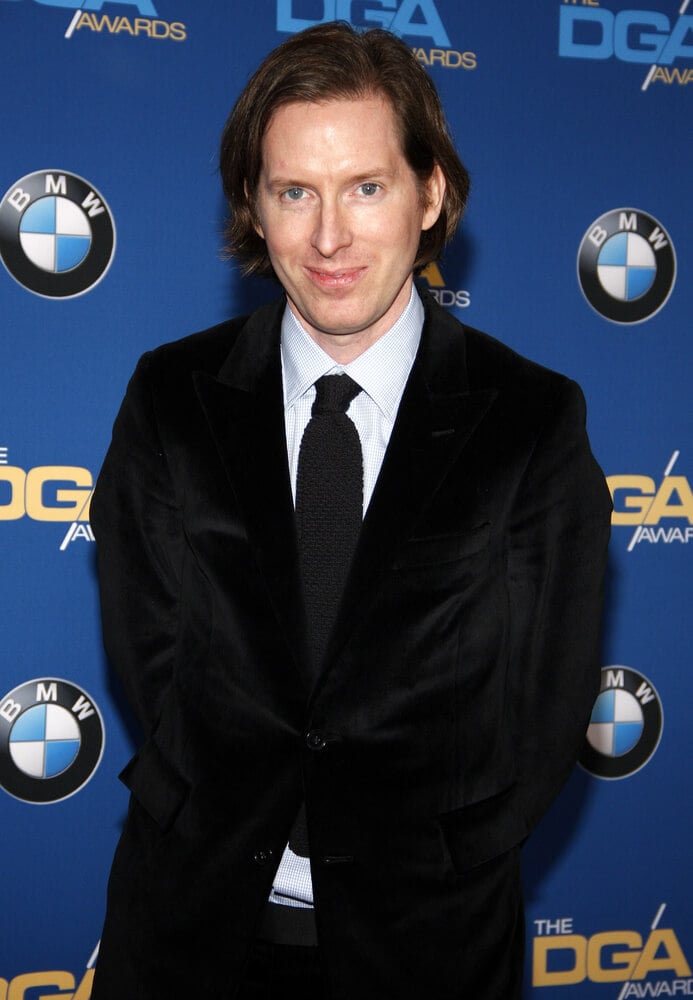
Anderson’s 1996 debut Bottle Rocket, expanded from a short film, was a box-office failure despite praise from a handful of critics, including Martin Scorsese, who championed it publicly. Its commercial failure nearly derailed Anderson’s career before it started.
The film’s deadpan tone and ensemble cast, including Owen and Luke Wilson, established a style he would refine across every subsequent film.
Ridley Scott
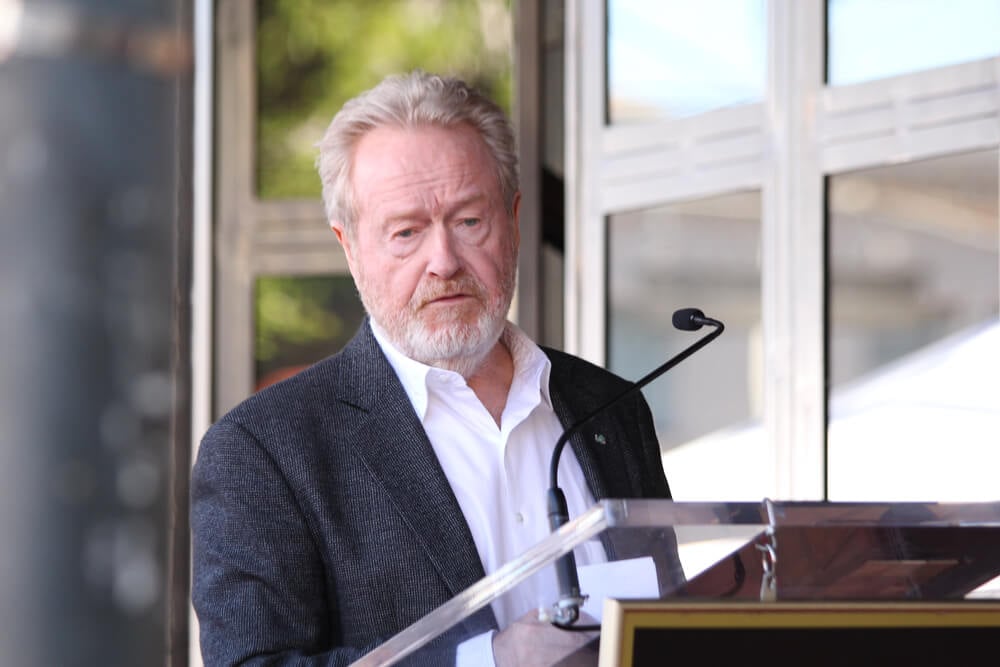
Scott’s 1977 debut The Duellists, a period drama about a decades-long feud between two officers, won a prize at the Cannes Film Festival but found almost no theatrical audience. Its limited release meant most moviegoers only encountered Scott’s work two years later with Alien.
The film’s meticulous visual composition, however, previewed the painterly style Scott would become known for.
James Cameron
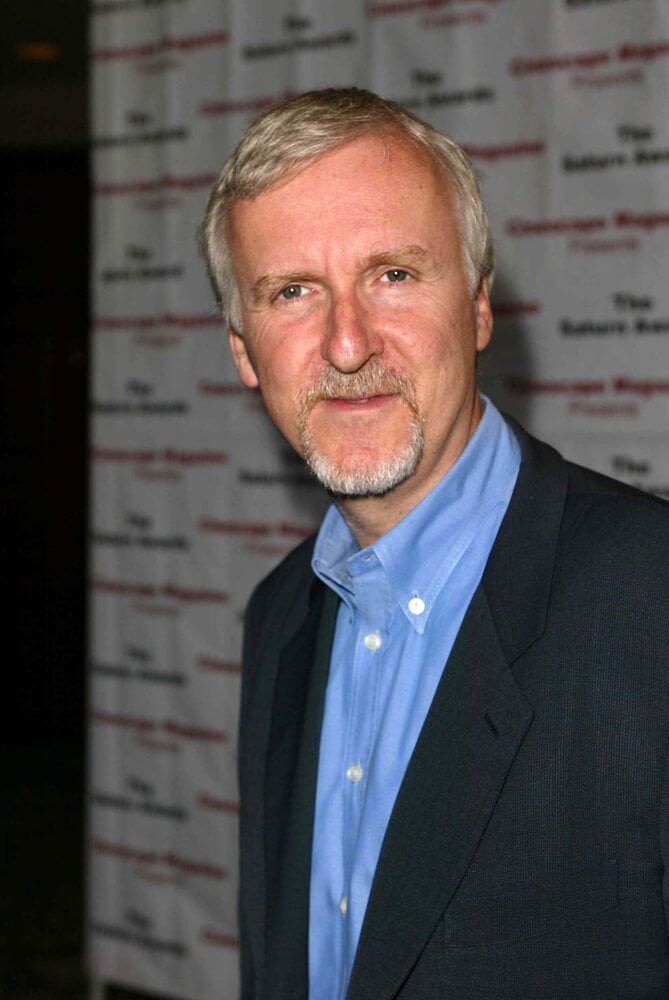
Cameron’s directorial debut, 1981’s Piranha II: The Spawning, was a low-budget creature feature made under a producer who reportedly fired Cameron partway through and re-edited the film without him. It was barely released and received almost no critical attention.
Cameron has spoken about the production as one of the most difficult experiences of his career, well before Terminator changed his trajectory entirely.
Peter Jackson
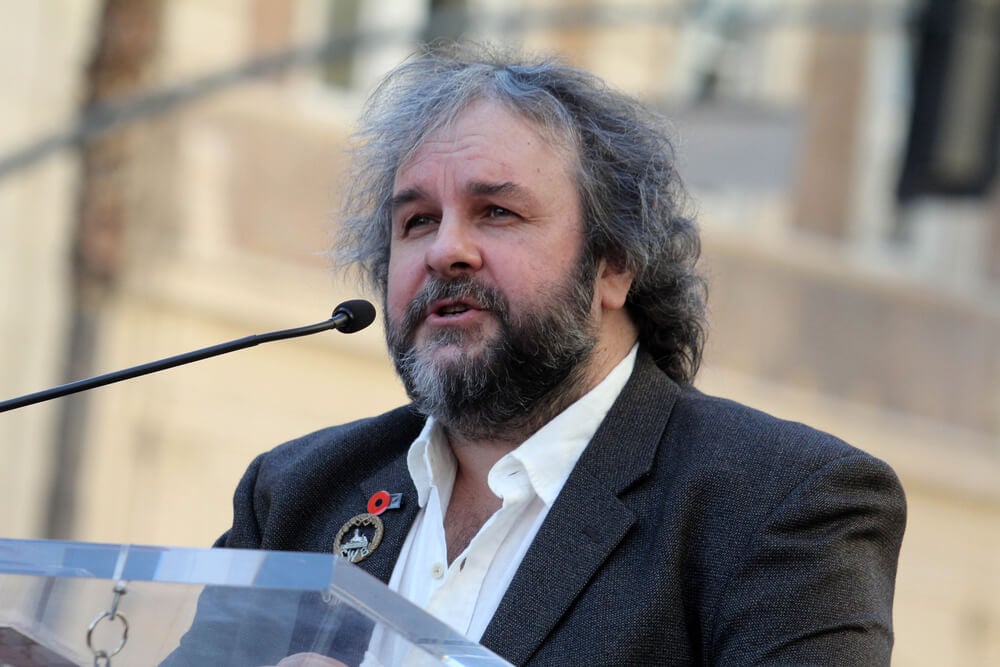
Jackson’s 1987 debut Bad Taste, a low-budget splatter comedy made largely with friends over several years of weekends in New Zealand, had almost no international distribution at release. It built a small cult following on video years before Jackson became known for Heavenly Creatures and eventually The Lord of the Rings.
The film’s homemade effects work is now seen as an early sign of Jackson’s resourcefulness.
Guillermo del Toro
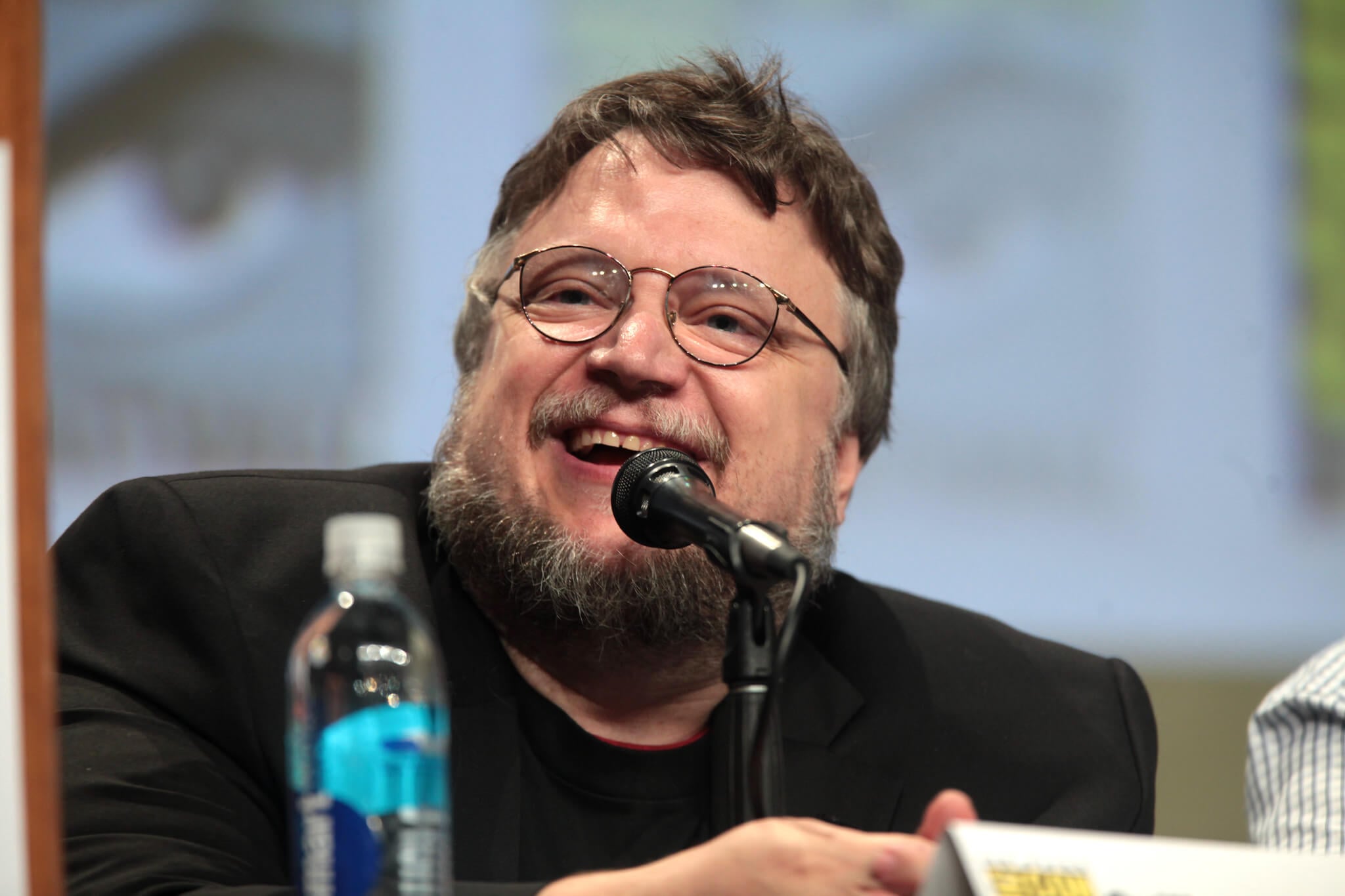
Del Toro’s 1993 debut Cronos, a Mexican vampire film blending horror with family drama, won prizes at smaller festivals but received only a limited release outside Mexico. It took years for international audiences to connect the film to del Toro once his later work gained wider attention.
Many of the film’s visual and thematic preoccupations, including body horror and fairy-tale structure, recur throughout his later films.
Darren Aronofsky
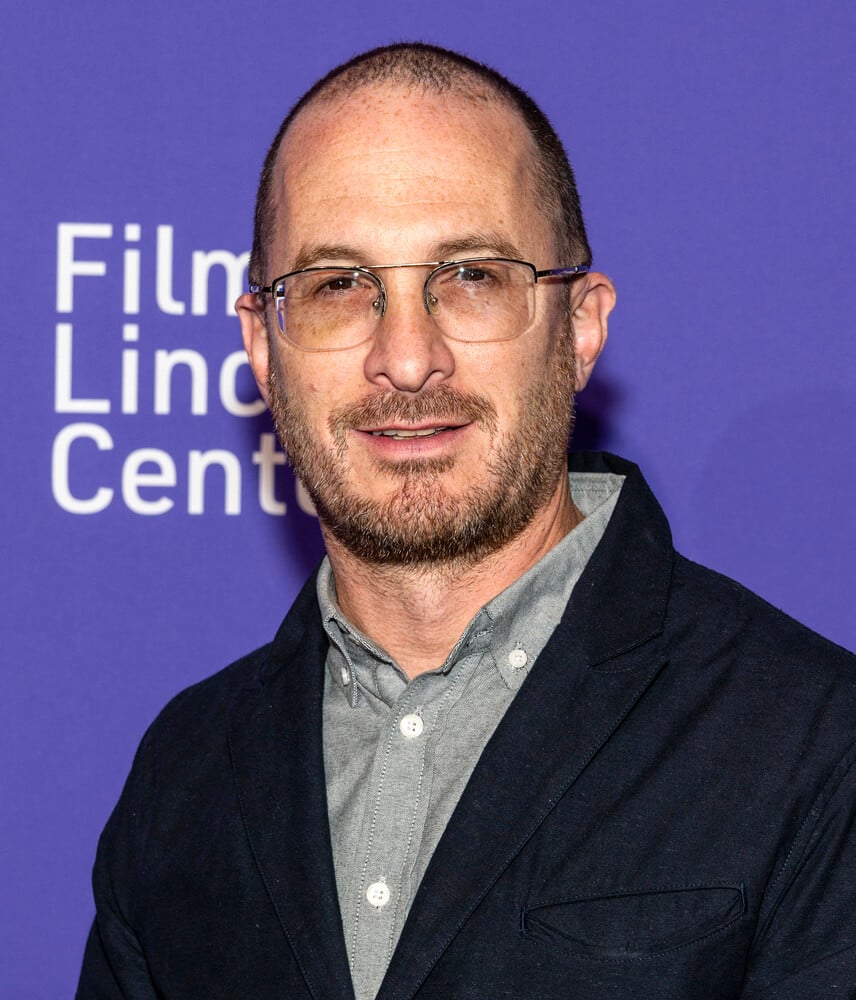
Aronofsky’s 1998 debut Pi was shot on a shoestring budget in black and white and received only a limited art-house release. Its intense, paranoid style found a small but devoted following before Requiem for a Dream broadened his audience two years later.
The film is now regarded as an early template for the psychological intensity that defines much of his subsequent work.
Richard Linklater
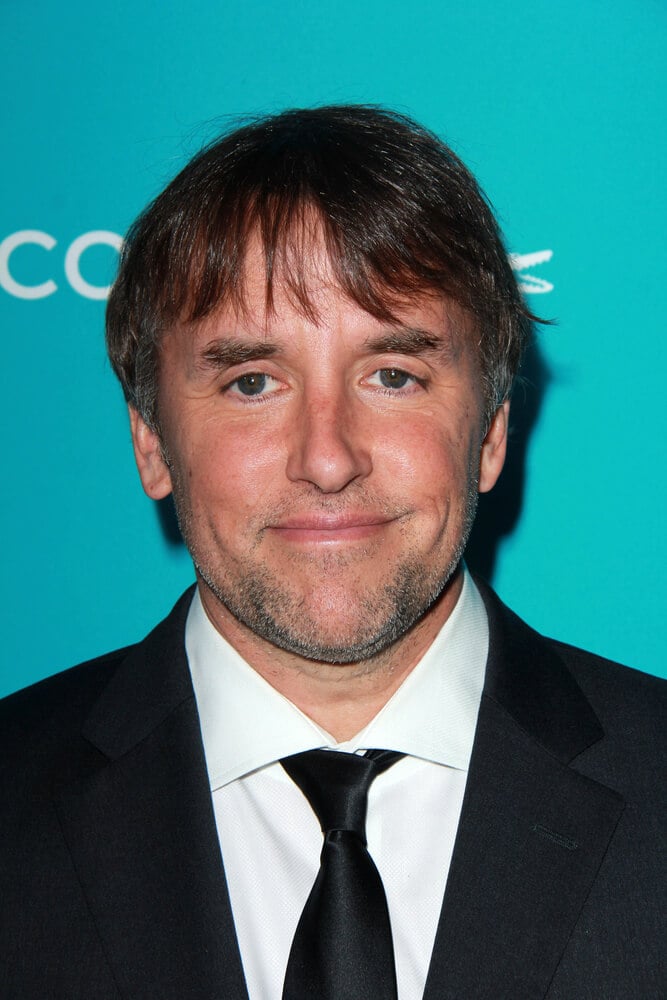
Linklater’s 1990 debut Slacker, an improvisational, plotless portrait of Austin, Texas, had almost no marketing and a tiny initial release. Its slow-building reputation through word of mouth eventually helped define an entire strand of low-budget American independent filmmaking.
At the time of release, it registered mainly within a small regional film community rather than nationally.
Kevin Smith
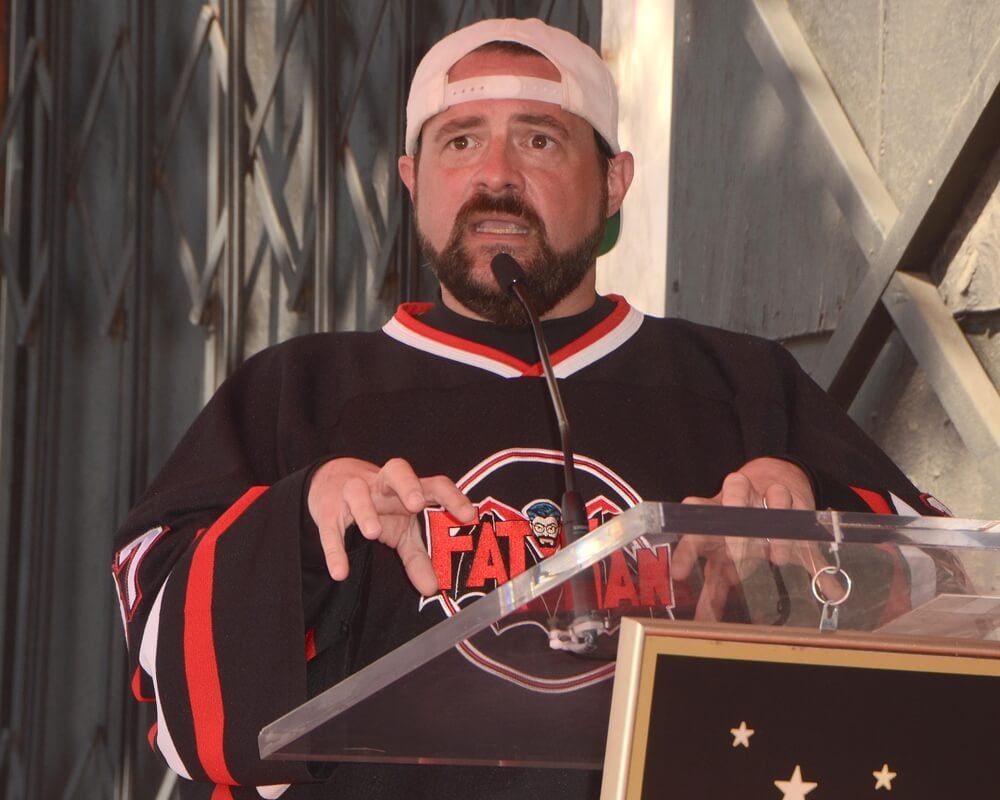
Smith’s 1994 debut Clerks was shot in black and white at the convenience store where he worked, financed largely through credit cards and the sale of his own comic-book collection. It struggled to find a distributor before eventually reaching a limited release.
Its eventual cult success helped define a wave of low-budget, dialogue-driven independent comedies through the rest of the decade.
Robert Rodriguez
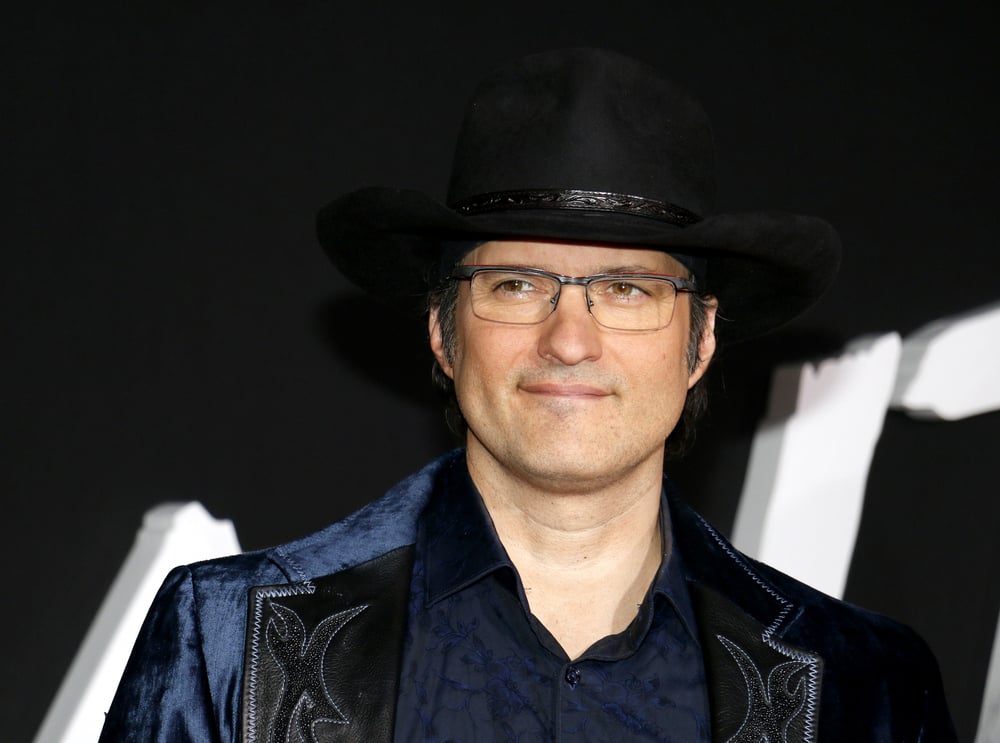
Rodriguez’s 1992 debut El Mariachi was made on a reported budget of around seven thousand dollars, financed in part by his participation in a medical drug trial. It was originally intended for the direct-to-video Spanish-language market and had no theatrical ambitions at all.
A film festival screening changed its trajectory entirely, but at the time of production almost nobody expected it to reach wide audiences.
Ang Lee

Lee’s 1992 debut Pushing Hands, a family drama about generational conflict within a Taiwanese immigrant household, received only a limited release outside a handful of markets. It took several more films before international audiences recognized Lee’s name.
The quiet, restrained family drama at its core would recur throughout his later, more widely seen work.
Barry Jenkins
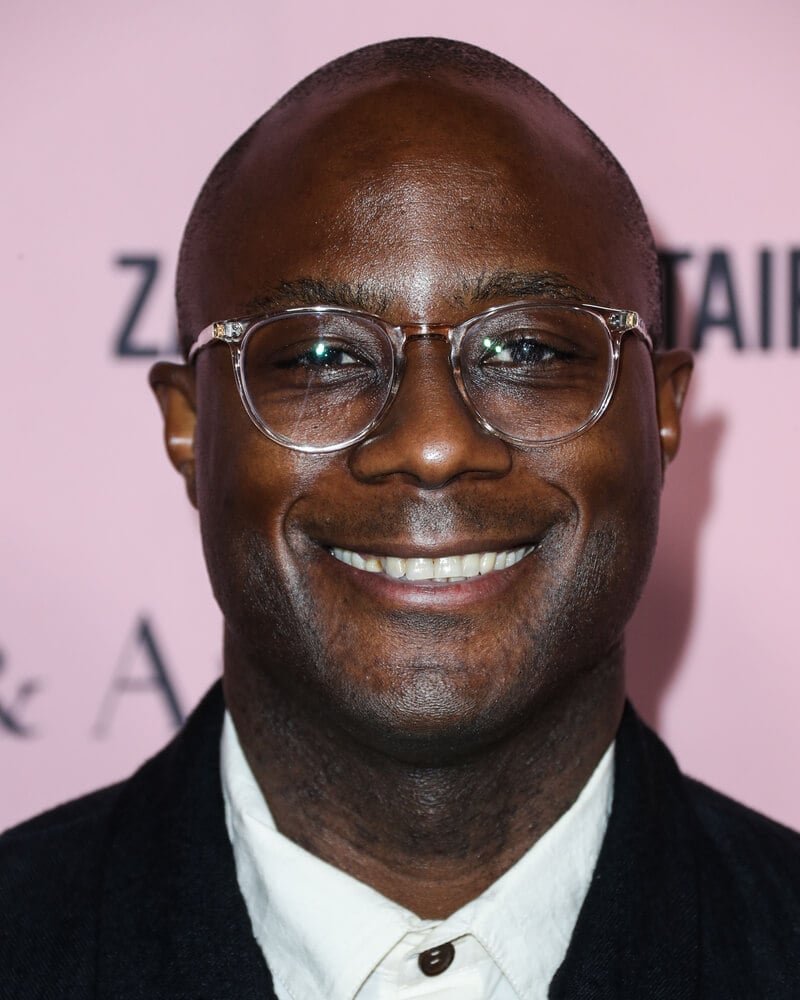
Jenkins’s 2008 debut Medicine for Melancholy, a low-budget drama following two characters through a single day in San Francisco, received a small festival release and little mainstream attention. Nearly eight years passed before Moonlight brought Jenkins wide recognition.
The intimate, conversation-driven style of the debut is clearly visible in retrospect as a rehearsal for his later work.
Greta Gerwig

Before becoming one of the most acclaimed directors of her generation, Gerwig co-directed 2008’s Nights and Weekends, a low-budget relationship drama that received only a minor festival release. It attracted little attention outside the mumblecore filmmaking circle she was working within at the time.
Her transition to acclaimed solo directing came nearly a decade later with Lady Bird.
Taika Waititi
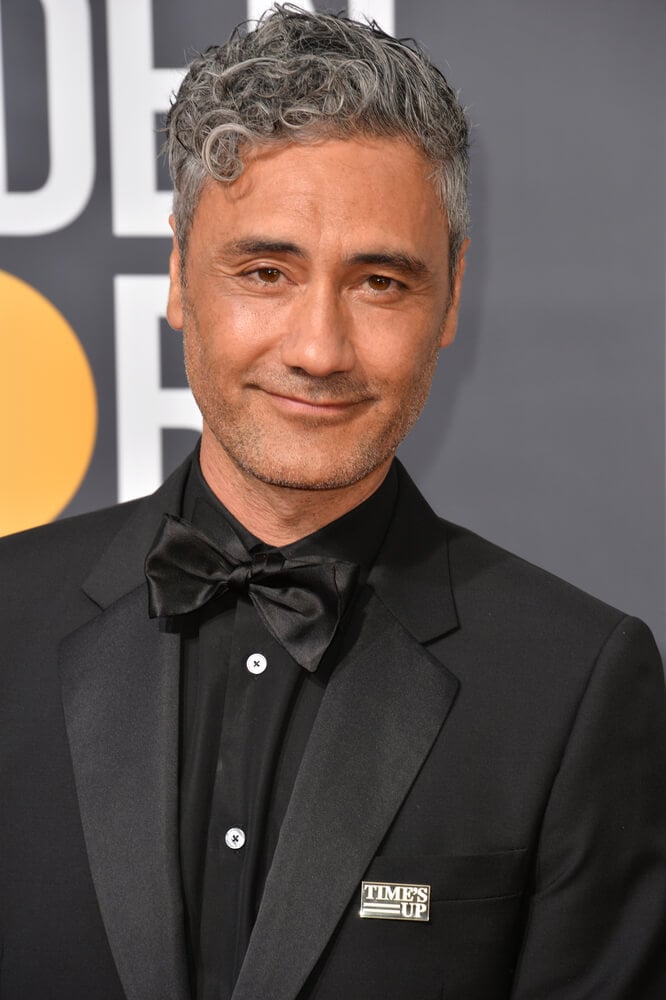
Waititi’s 2007 debut Eagle vs Shark, a deadpan romantic comedy set in New Zealand, received a modest theatrical release and mixed reviews that noted its similarity to other quirky comedies of the era. It found only a small audience at the time.
His distinctive comedic voice became far more widely recognized years later with Thor: Ragnarok and Jojo Rabbit.
Denis Villeneuve
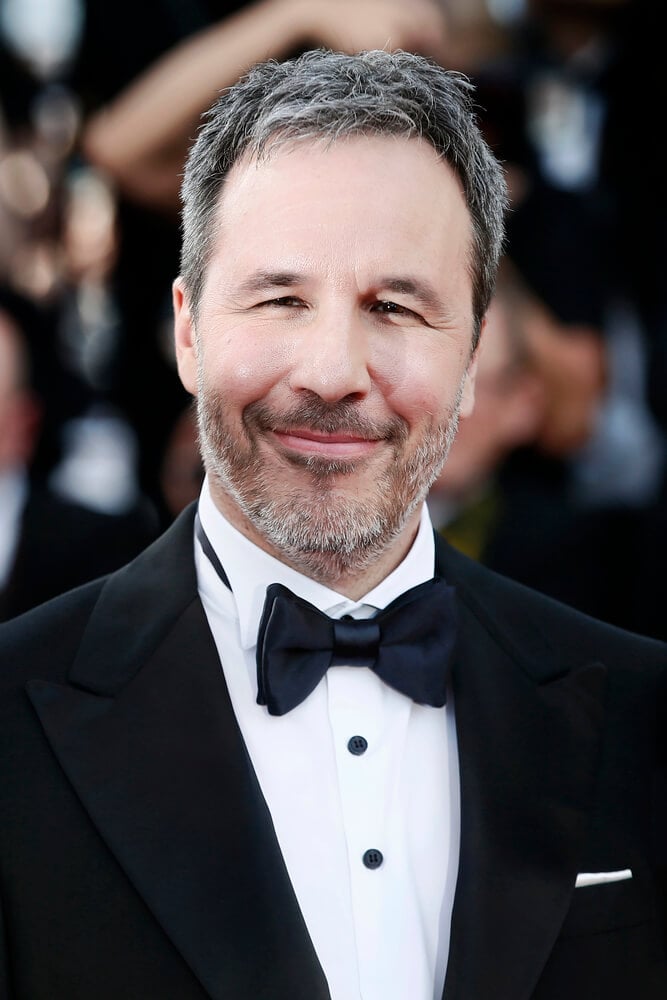
Villeneuve’s 1998 debut August 32nd on Earth, a Quebecois drama about a woman recovering from a car accident, received limited distribution even within Canada and almost none internationally. It would be more than a decade before Incendies brought him wider recognition outside French-language cinema.
The film’s restrained visual style previewed the tone he later brought to Arrival and Blade Runner 2049.
Bong Joon-ho
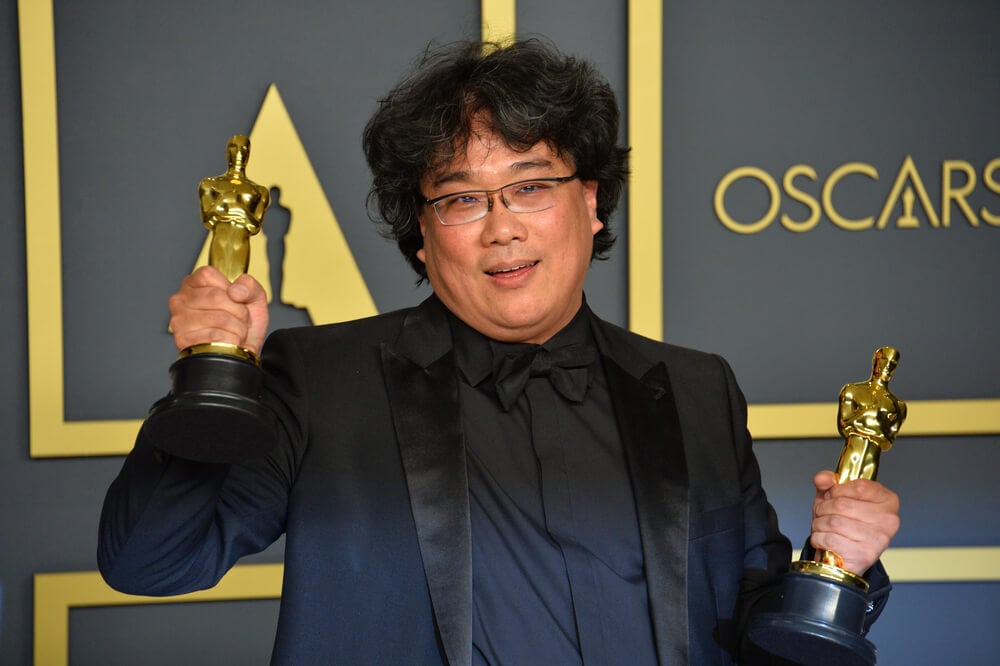
Bong’s 2000 debut Barking Dogs Never Bite, a dark comedy about a missing apartment-complex dog, was a commercial failure in South Korea on release. Its box-office performance was poor enough that Bong has spoken about it as a professional low point early in his career.
His reputation was rebuilt gradually through Memories of Murder and later international acclaim with Parasite.
Paul Thomas Anders
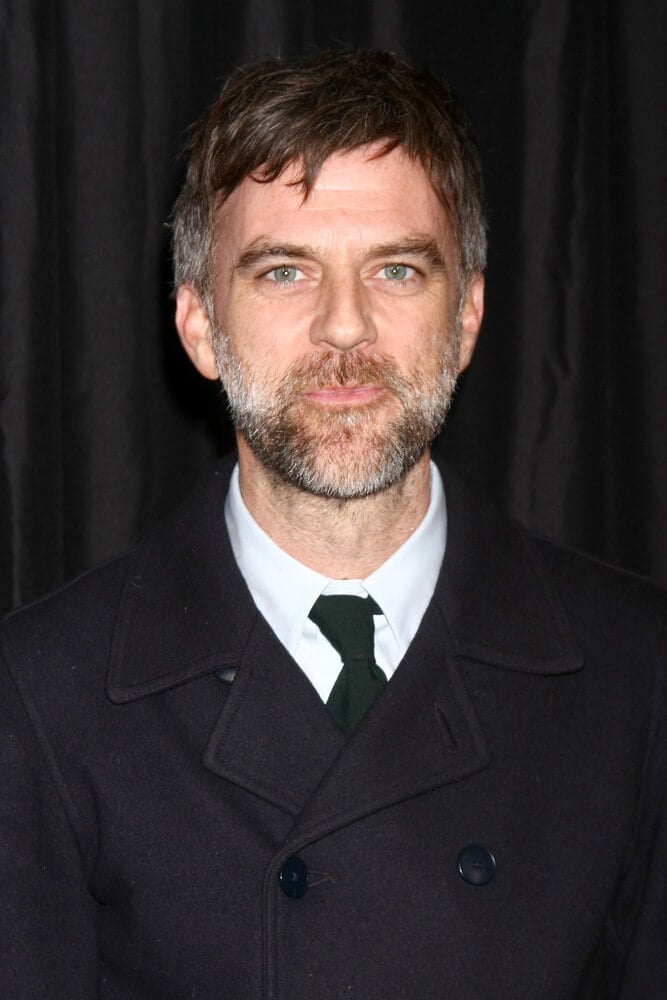
on
Anderson’s 1996 debut Hard Eight, a modest crime drama set around a casino, underperformed at the box office and was overshadowed almost immediately by his much larger follow-up, Boogie Nights, the next year. Studio interference during editing reportedly frustrated Anderson at the time.
The film is now viewed mainly as a preview of the character-driven ensemble style he expanded on afterward.
Sofia Coppola

Coppola’s 1999 debut The Virgin Suicides received a limited theatrical release and modest box-office returns, with some early coverage focused as much on her being Francis Ford Coppola’s daughter as on the film itself. Its critical reputation grew considerably over the following years.
It established the dreamlike, restrained visual style she carried into Lost in Translation and later films.
M. Night Shyamalan
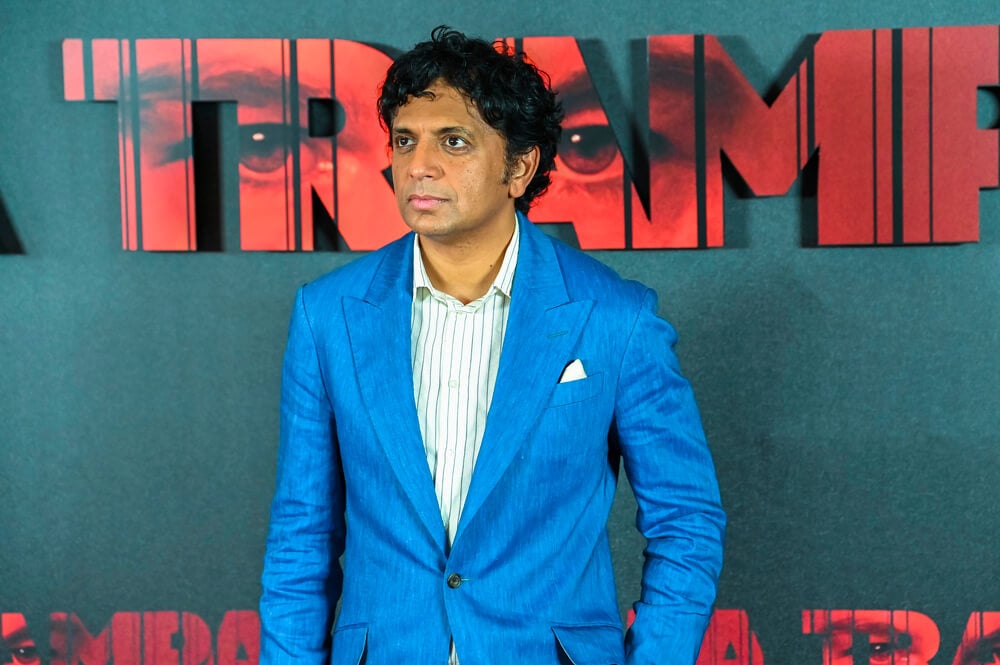
Before The Sixth Sense made him a household name, Shyamalan directed 1992’s Praying with Anger, a low-budget drama he also starred in, based loosely on his own experience studying in India. It received a minimal release and almost no national attention.
Shyamalan has rarely discussed the film publicly, and it remains obscure even among longtime fans of his later work.
Rian Johnson
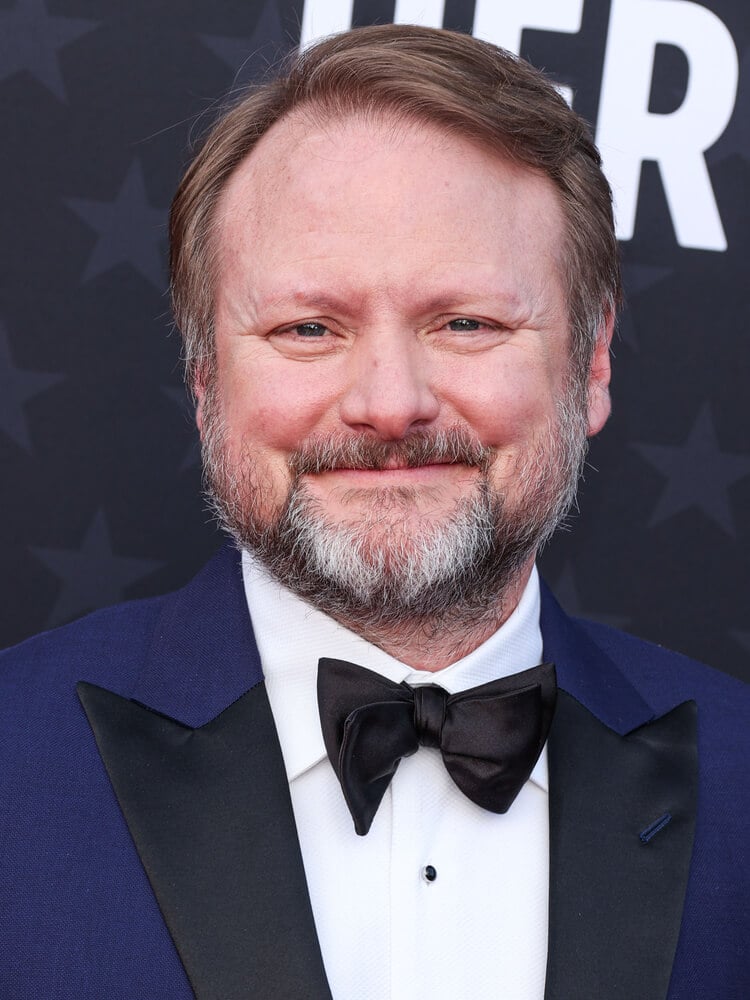
Johnson’s 2005 debut Brick, a high-school drama filmed in the style of classic detective fiction, had a small festival release before reaching a limited theatrical run. It won a prize for originality at Sundance but made little commercial impact at the time.
Its cult reputation grew steadily on home video well before Johnson directed Looper and later Knives Out.
Chloé Zhao
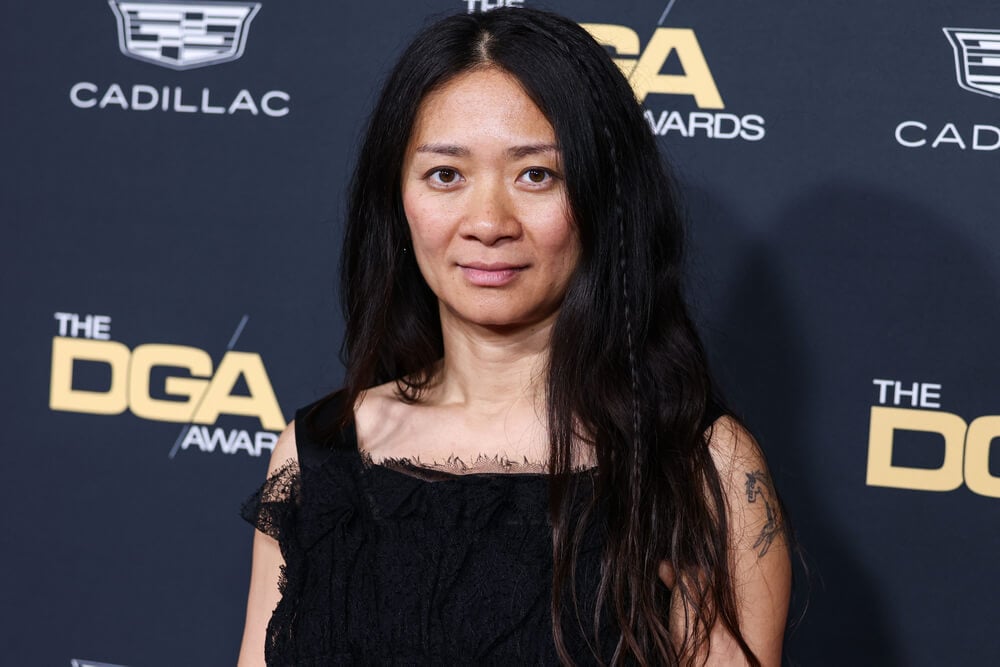
Zhao’s 2015 debut Songs My Brothers Taught Me, a drama filmed on South Dakota’s Pine Ridge Reservation with a largely nonprofessional cast, received a limited release and little mainstream attention. Its observational, documentary-influenced style drew praise from smaller festival audiences.
Zhao’s approach in the film became a clear throughline to her later, more widely seen work on Nomadland.
Sam Raimi
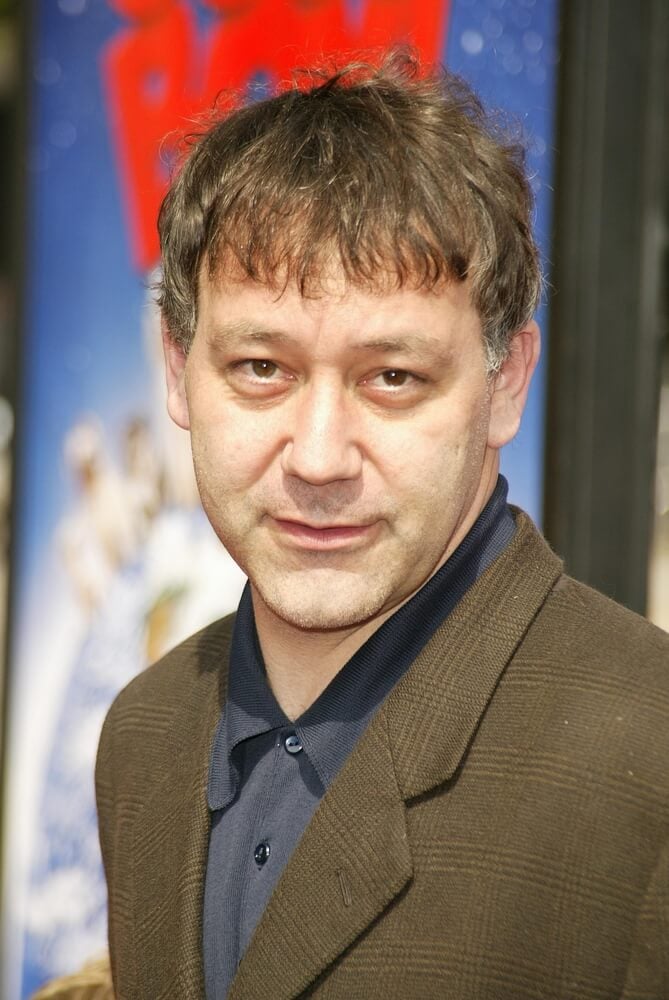
Raimi’s 1981 debut The Evil Dead was financed largely through investments from family friends and local businesses in his hometown, and its original American release was limited to a small number of theaters. It found a much larger audience overseas and on home video before earning wider recognition domestically.
The film’s frenetic camera work became a hallmark Raimi carried into his later, larger productions.
What a Quiet Start Actually Predicts

Almost none of these films signaled the career that followed in any way audiences at the time could have recognized. Some were financed through credit cards, medical trials, or family favors.
Others were simply mismatched with a distributor unwilling to give them a real release. None of that stopped the directors involved from making a second film, and then a third.
What the pattern actually shows is less about talent going unnoticed and more about how little a debut’s reception tends to predict. A filmmaker’s voice usually needs more than one attempt to become recognizable, and audiences, understandably, have no way of knowing which unassuming first film is worth paying closer attention to.
More from Go2Tutors!

- The Romanov Crown Jewels and Their Tragic Fate
- 13 Historical Mysteries That Science Still Can’t Solve
- Famous Hoaxes That Fooled the World for Years
- 15 Child Stars with Tragic Adult Lives
- 16 Famous Jewelry Pieces in History
Like Go2Tutors’s content? Follow us on MSN.