26 Summer Camp Traditions Kids No Longer Experience
Summer camp used to run on a set of rituals so consistent that kids from completely different regions could compare notes and recognize the same routines. Insurance requirements, changing parenting norms, and the arrival of cell phones have quietly retired most of them over the past few decades.
Here are the traditions that once defined a summer away from home.
Color War

A multi-day competition splitting an entire camp into rival teams for a marathon of relay races, tournaments, and spirit challenges, Color War built to an elaborate closing ceremony that campers would talk about for the rest of the summer. Many camps have scaled the tradition back or eliminated it entirely, citing concerns about the intensity of competition and the emotional toll on kids placed on the losing side.
Taps at Flag Lowering

Camps once closed each day with a formal flag-lowering ceremony, often accompanied by a bugle or recorded rendition of Taps, marking a clear transition from daytime activities to evening routine. The ceremony has faded at many camps as daily schedules have become less rigidly structured around fixed communal rituals.
Campfire Ghost Stories

Gathering around an open fire after dark to trade increasingly elaborate scary stories was a nightly ritual at camps for generations, often featuring the same local legend passed down from one summer’s counselors to the next. Stricter fire regulations, along with some camps moving away from open campfires entirely in favor of contained fire pits with limited hours, have made the spontaneous late-night version of this tradition far less common.
Camp Canteen Scrip

Rather than handling cash, many camps issued their own currency, printed scrip or tokens that campers could spend at the camp store on candy and souvenirs, teaching a lesson in budgeting a week’s worth of treats. Digital payment systems linked to parent accounts have largely replaced physical camp currency, removing both the tactile experience and the specific math of rationing a limited paper allowance.
Bunk Inspections

Counselors once conducted regular morning inspections of cabin cleanliness, sometimes with a points system or friendly competition between bunks for the tidiest space. The practice has become less common as camps shift toward less regimented daily structures and away from anything resembling institutional-style discipline.
Buddy Board Swim Checks
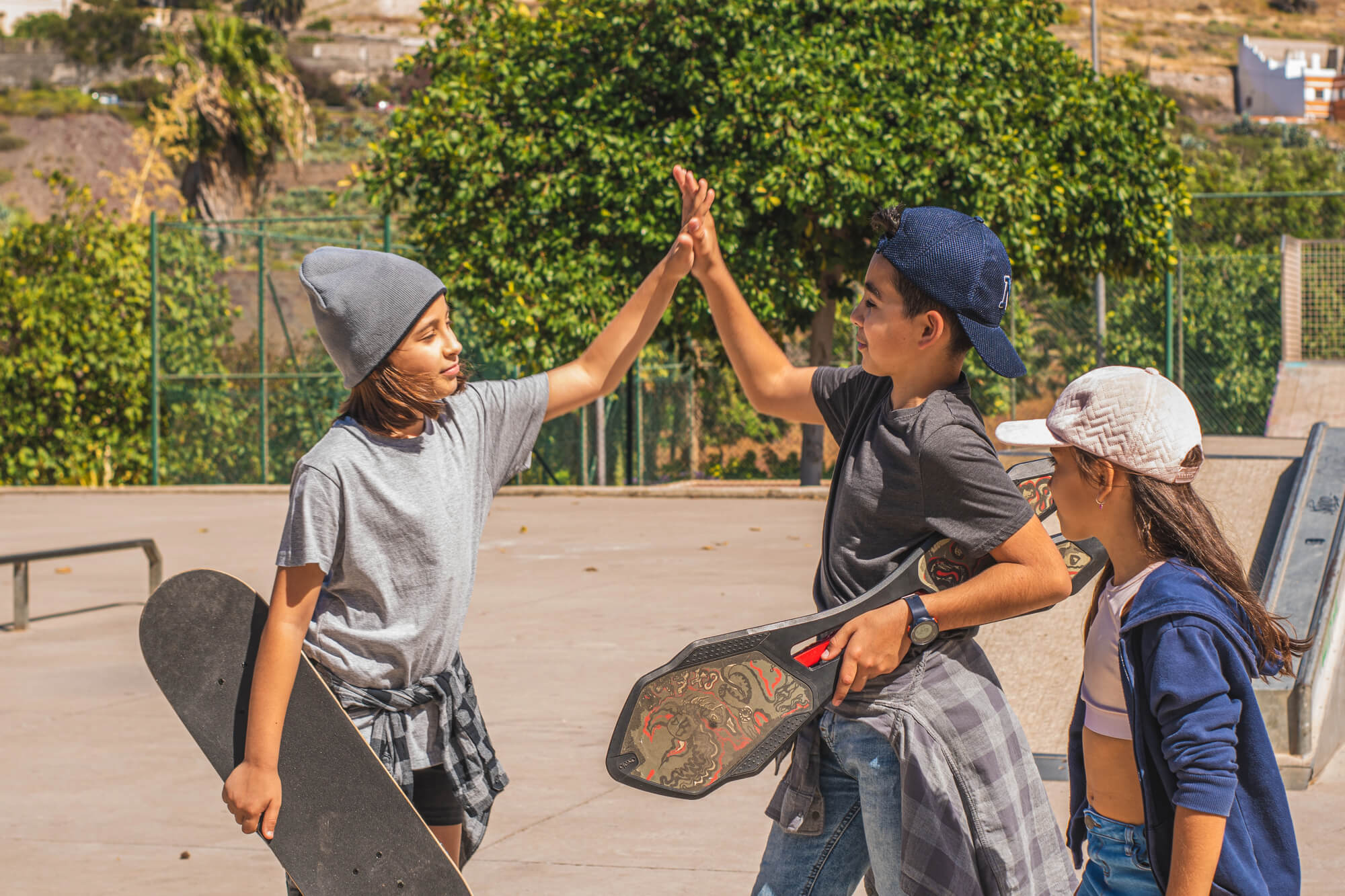
Before every swim period, campers paired off and flipped tags on a wooden buddy board to confirm both partners were accounted for, a simple but effective headcount system used at waterfront areas for decades. Many camps have replaced the physical board with digital check-in systems or wristband trackers, removing the manual, camper-run version of the ritual.
Gimp Lanyard Bracelets
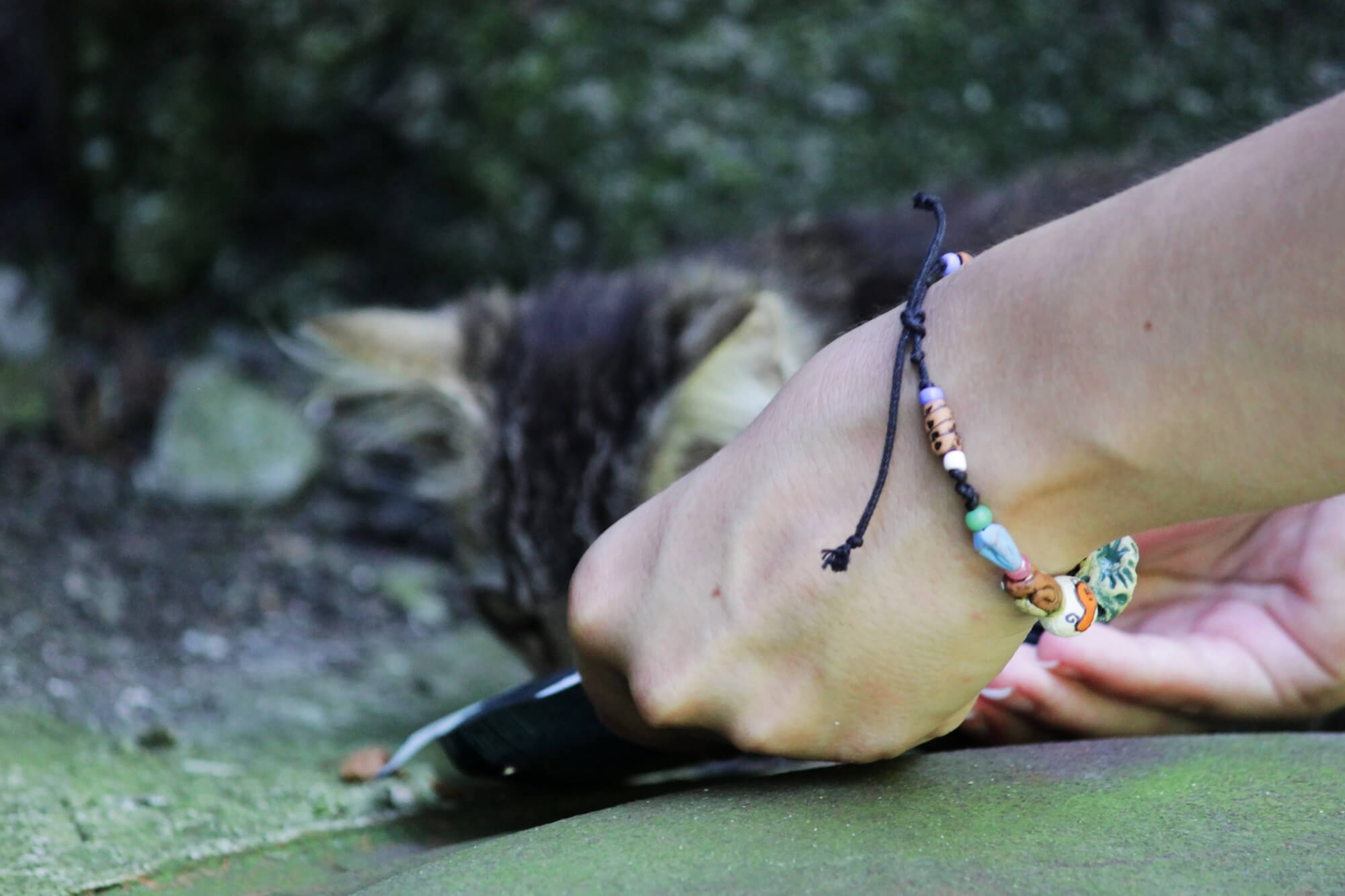
Weaving colorful plastic lacing, often called gimp or boondoggle, into bracelets and keychains during rainy-day activity periods was such a universal camp pastime that most former campers can still tie the basic box stitch from memory. The craft hasn’t disappeared entirely, but it has become far less central as camps diversify their rainy-day activity options beyond a single dominant craft.
Open-Range Archery
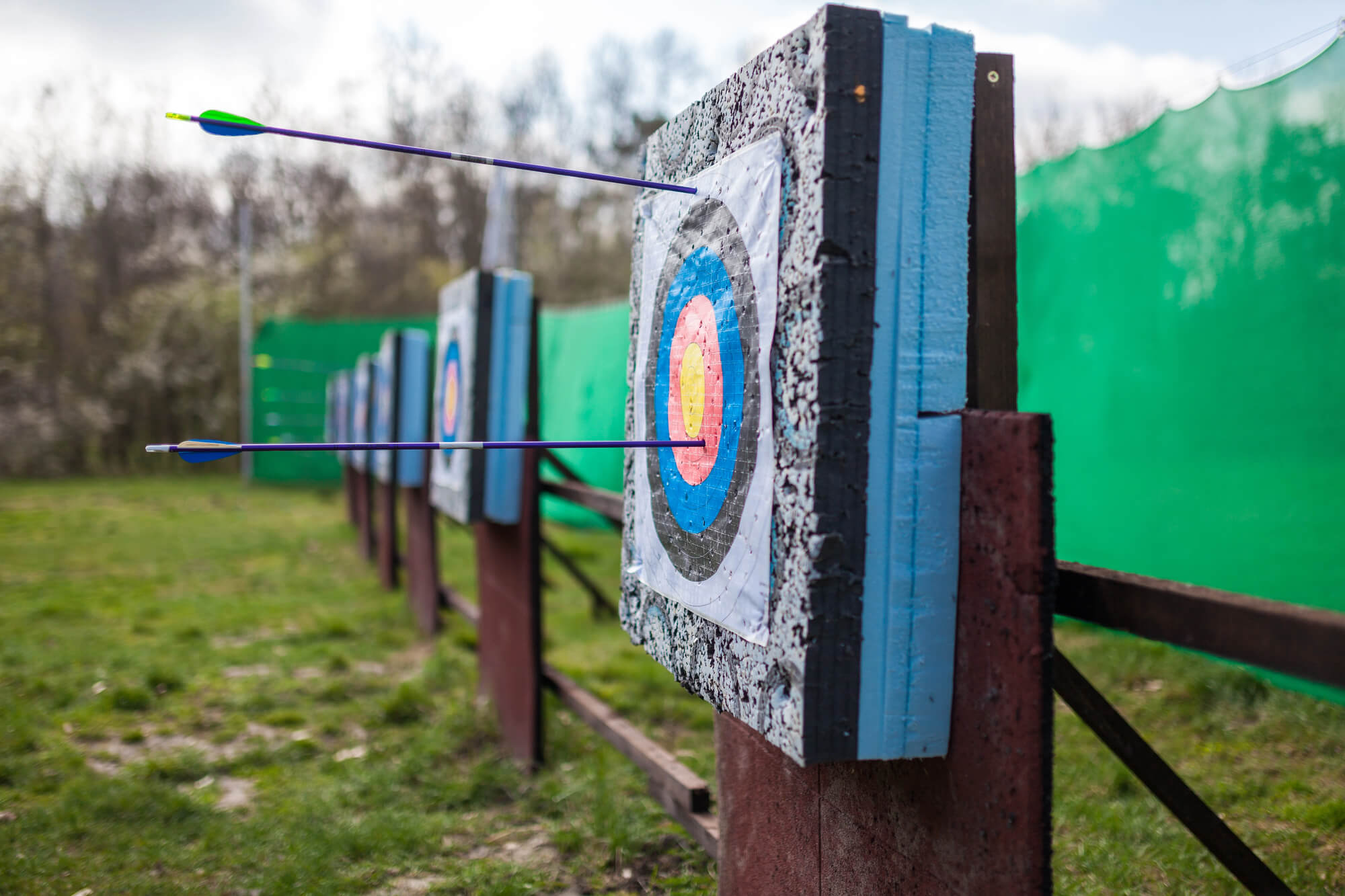
Archery ranges historically ran with looser supervision structures than would be considered standard today, sometimes with older campers instructing younger ones directly under minimal adult oversight. Modern camp insurance and safety certification requirements now mandate certified instructors and much stricter range protocols, changing both the pace and informality of the activity.
Camp Riflery Range
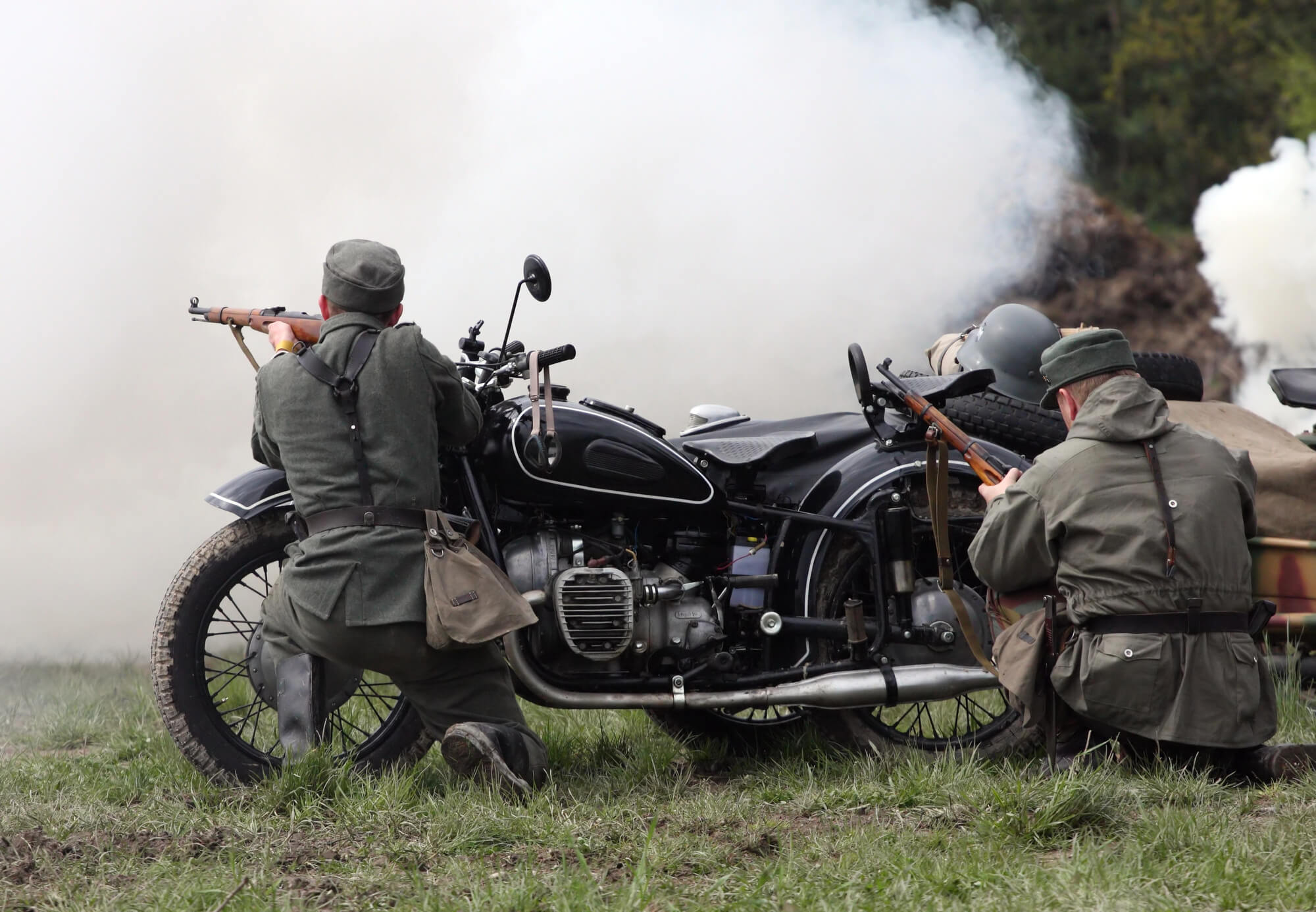
Supervised rifle and BB gun shooting ranges were once a standard camp activity, particularly at traditional overnight camps, offering campers a chance to earn marksmanship badges through the summer. Liability concerns and shifting parental attitudes have led a significant number of camps to discontinue riflery programs entirely in recent decades.
Mail Call

Camp mail call was a genuine daily event, with a counselor reading names aloud as campers gathered to see who received a letter or care package from home that day. Cell phones and permitted check-in calls have largely replaced written camp mail, and the specific communal anticipation of a named mail call has faded along with it.
Mimeographed Camp Newspaper

Many camps produced their own weekly newsletter, often reproduced on a mimeograph or ditto machine, filled with camper-written jokes, activity recaps, and cabin gossip distributed at the dining hall. Digital newsletters emailed directly to parents have replaced the camper-produced paper version at most camps, shifting the audience from campers themselves to their families back home.
Talent Show Night
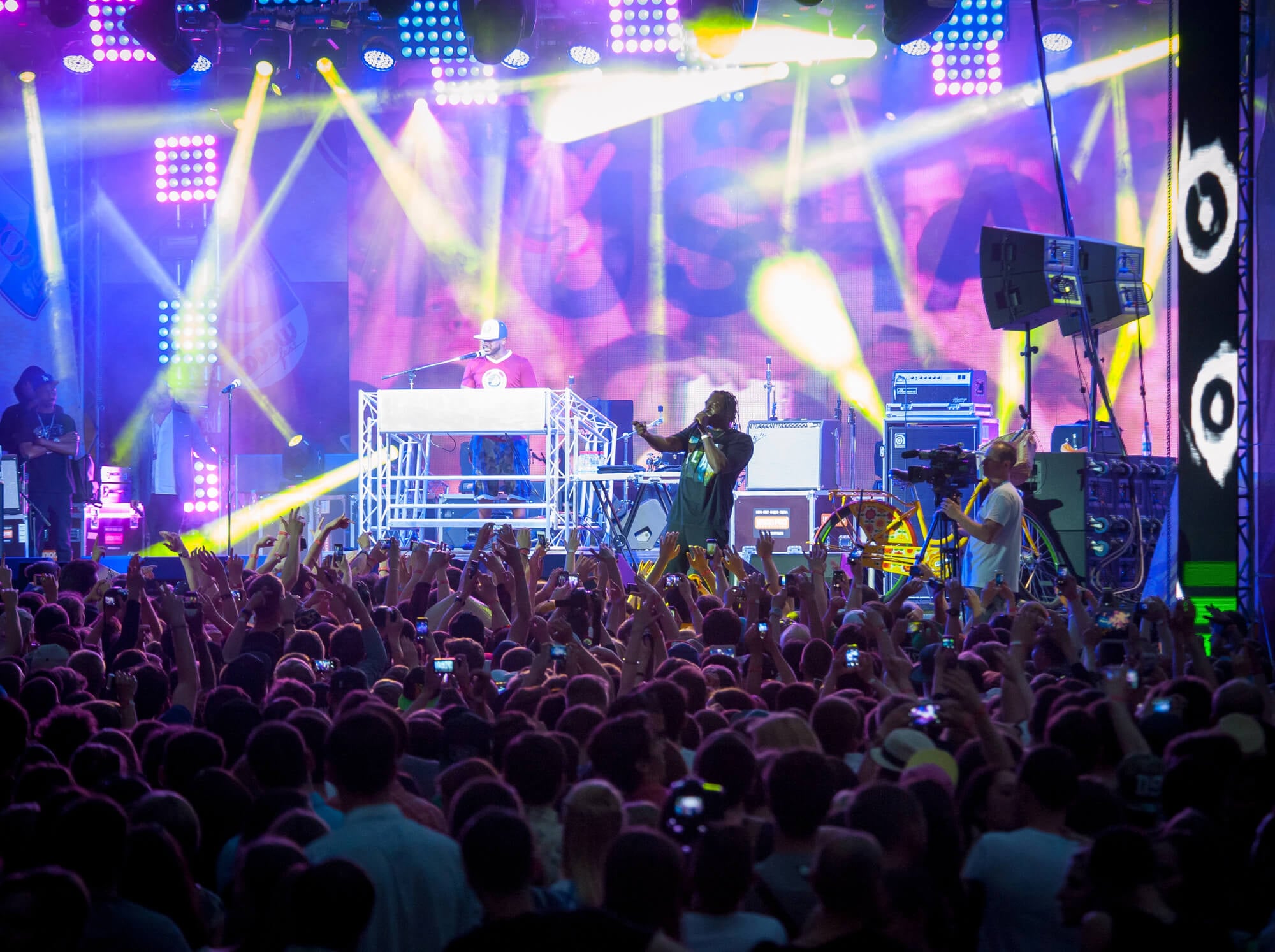
A traditional end-of-session talent show let campers perform skits, songs, and acts in front of the entire camp, often including inside jokes and impressions of counselors that became part of camp lore. While many camps still hold some version of a talent show, the specific format built around cabin-wide participation and camper-written material has become less universal as programming has diversified.
Campfire Sing-Alongs
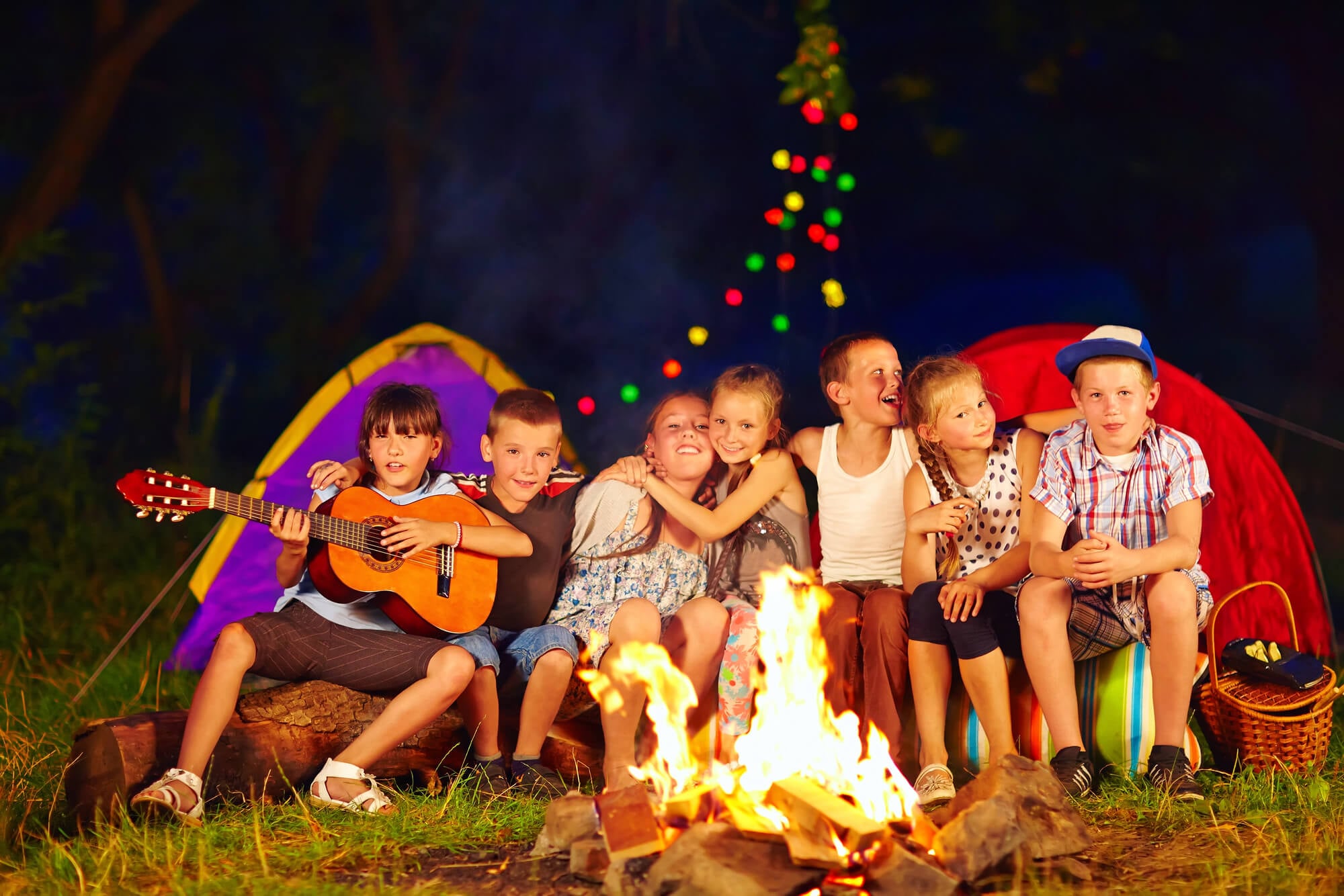
Communal singing around the campfire, often led by a counselor with a guitar working through a shared songbook of camp standards, was once one of the most consistent nightly rituals across nearly every type of camp. Fewer camps maintain a shared repertoire of traditional camp songs today, and the specific ritual of nightly group singing has become less common as evening programming has diversified.
Polar Bear Swim

An optional early morning swim in a cold lake, often before breakfast, tested willingness rather than skill and became a badge of honor for campers who braved the cold water voluntarily. The tradition has become less common as camps have shifted morning schedules and, in some cases, phased out unheated lake swimming in favor of controlled pool environments.
Nighttime Capture the Flag

A camp-wide game of capture the flag played after dark across the entire camp property, sometimes extending into the surrounding woods, relied on minimal adult supervision and natural darkness for its appeal. Modern camp safety protocols generally require much closer supervision during any nighttime outdoor activity, and the specific unstructured, sprawling version of the game has largely been replaced by more contained, better-lit alternatives.
Multi-Day Canoe Trips
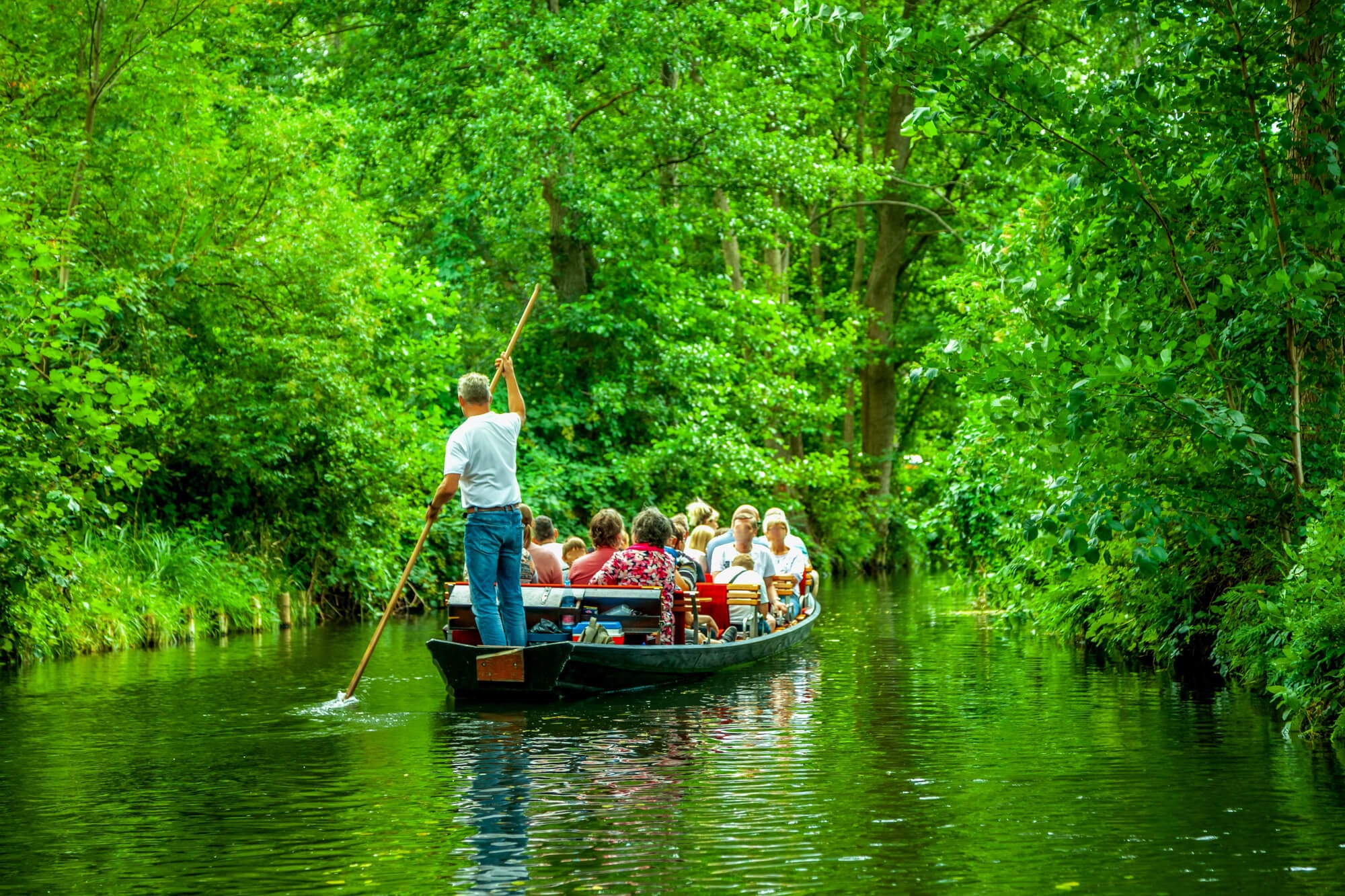
Extended overnight canoe trips, sometimes lasting a week or more and covering significant wilderness distance, were once a marquee offering at traditional camps, teaching independence and wilderness skills over consecutive days away from the main camp. These trips have become less common as insurance requirements and staffing costs for extended wilderness supervision have risen substantially.
Unsupervised Trail Horseback Rides
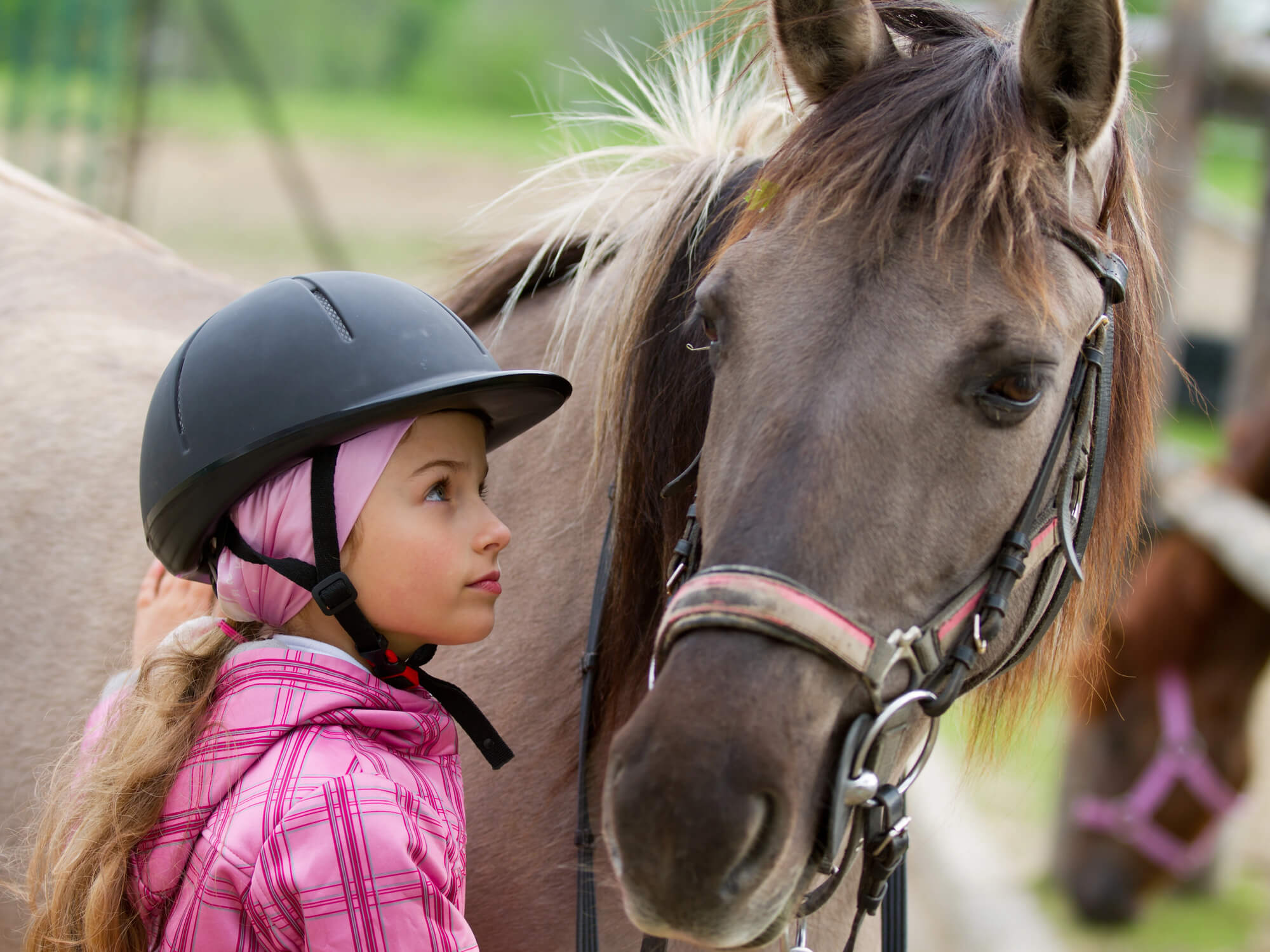
Older camp riding programs sometimes allowed experienced campers to lead trail rides with minimal direct adult oversight once they had demonstrated sufficient skill. Modern equestrian safety standards at camps now require much closer instructor supervision throughout any mounted activity, regardless of a camper’s experience level.
Camp Store Trading
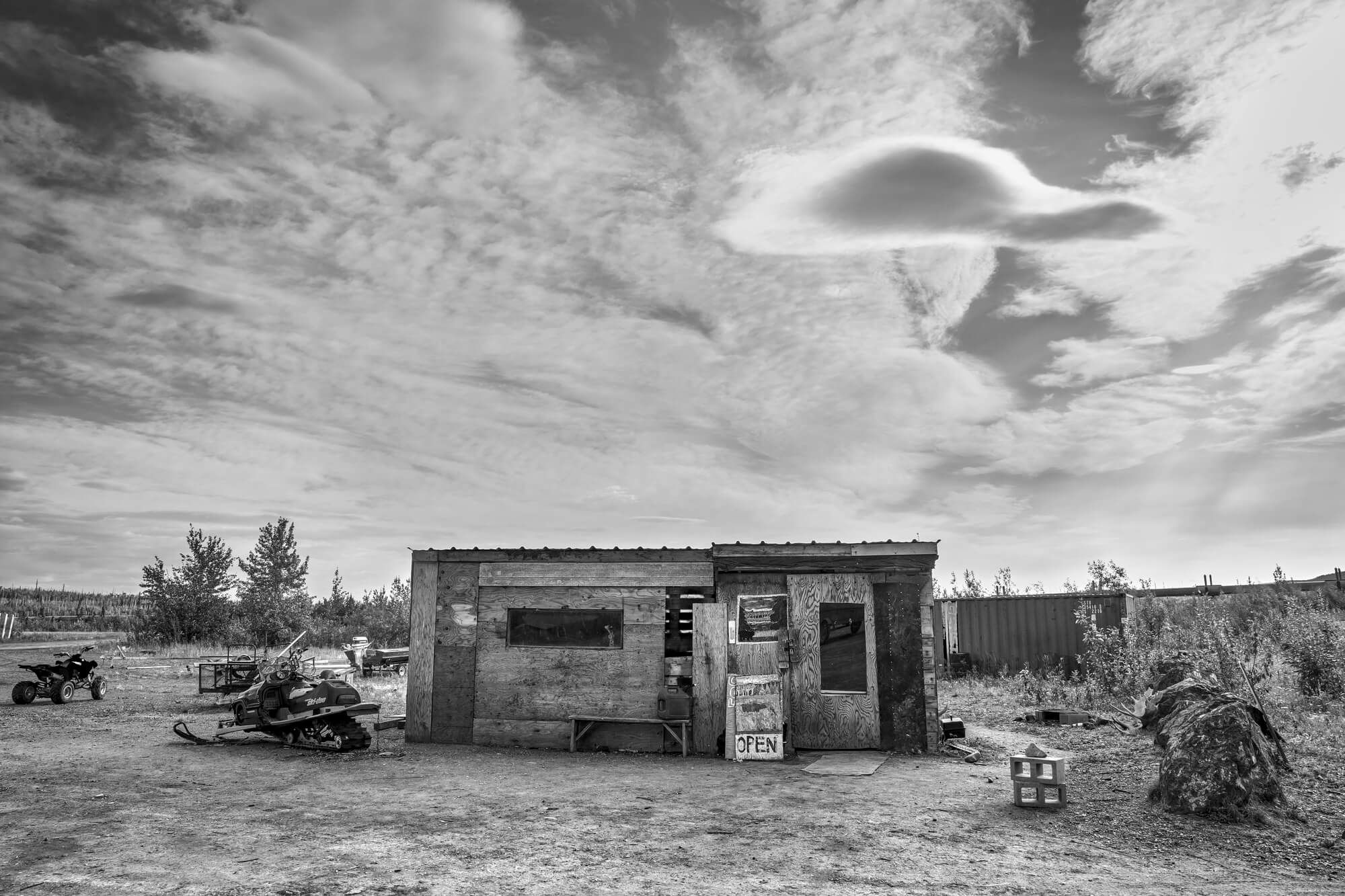
Beyond simply buying candy, campers often traded items purchased at the camp store, building informal economies around trading cards, candy, and small toys throughout a session. Reduced camp store hours and more limited inventory at many modern camps have made the sprawling trading culture that once surrounded the store less prominent.
Snipe Hunt Pranks
A classic first-night prank, older campers would send new arrivals into the woods after dark searching for a fictional creature called a snipe, usually equipped with a bag and flashlight and left to realize the joke on their own. The tradition has faded significantly as camps have moved away from initiation-style pranks aimed specifically at new or younger campers.
Oral Camp Songs Passed Down
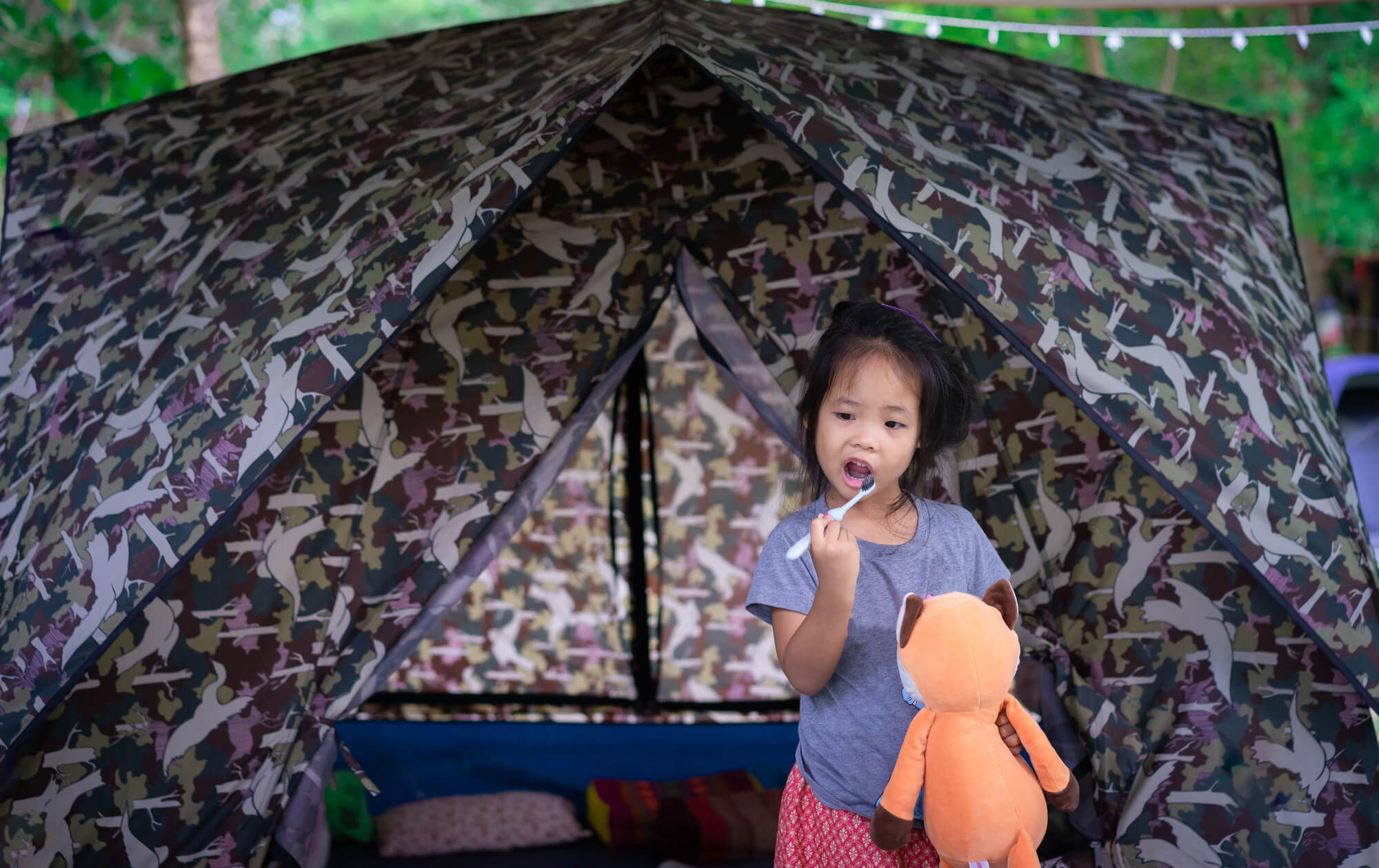
Beyond formal sing-alongs, many camps maintained an entire body of songs, chants, and inside references that existed only in oral tradition, taught by older campers to younger ones with no written record at all. As camp populations turn over and formal songbooks or recorded playlists have replaced person-to-person teaching, much of this specific oral tradition has been lost between generations of campers.
Long-Distance Overnight Hikes
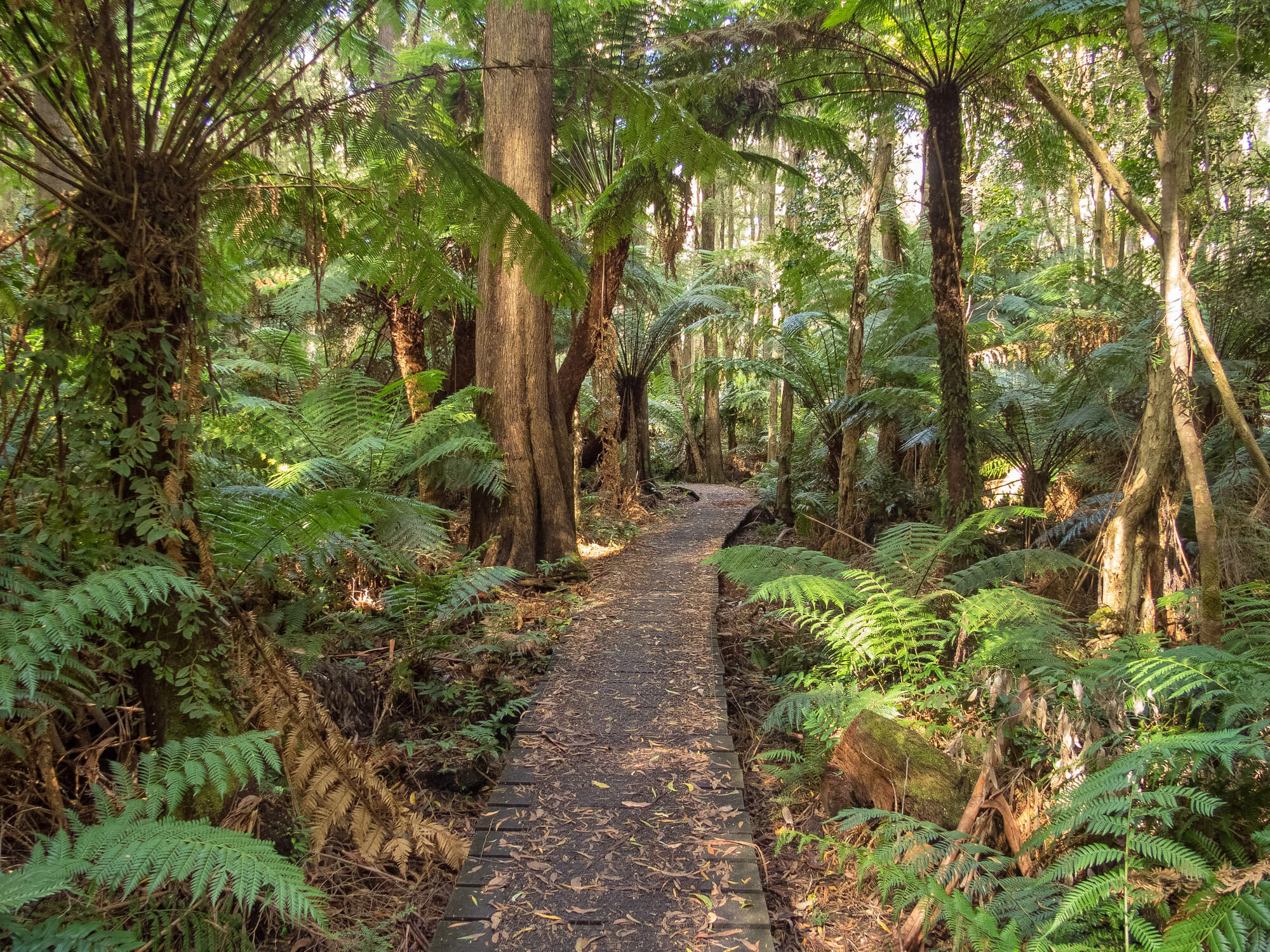
Extended hiking trips covering significant mileage over multiple days, often culminating in reaching a specific landmark or summit, were a hallmark of traditional camp programming built around physical endurance. Shorter, more closely supervised day hikes have become more common as camps balance programming ambition against staffing and safety requirements for extended backcountry trips.
Disposable Camera Photo Days
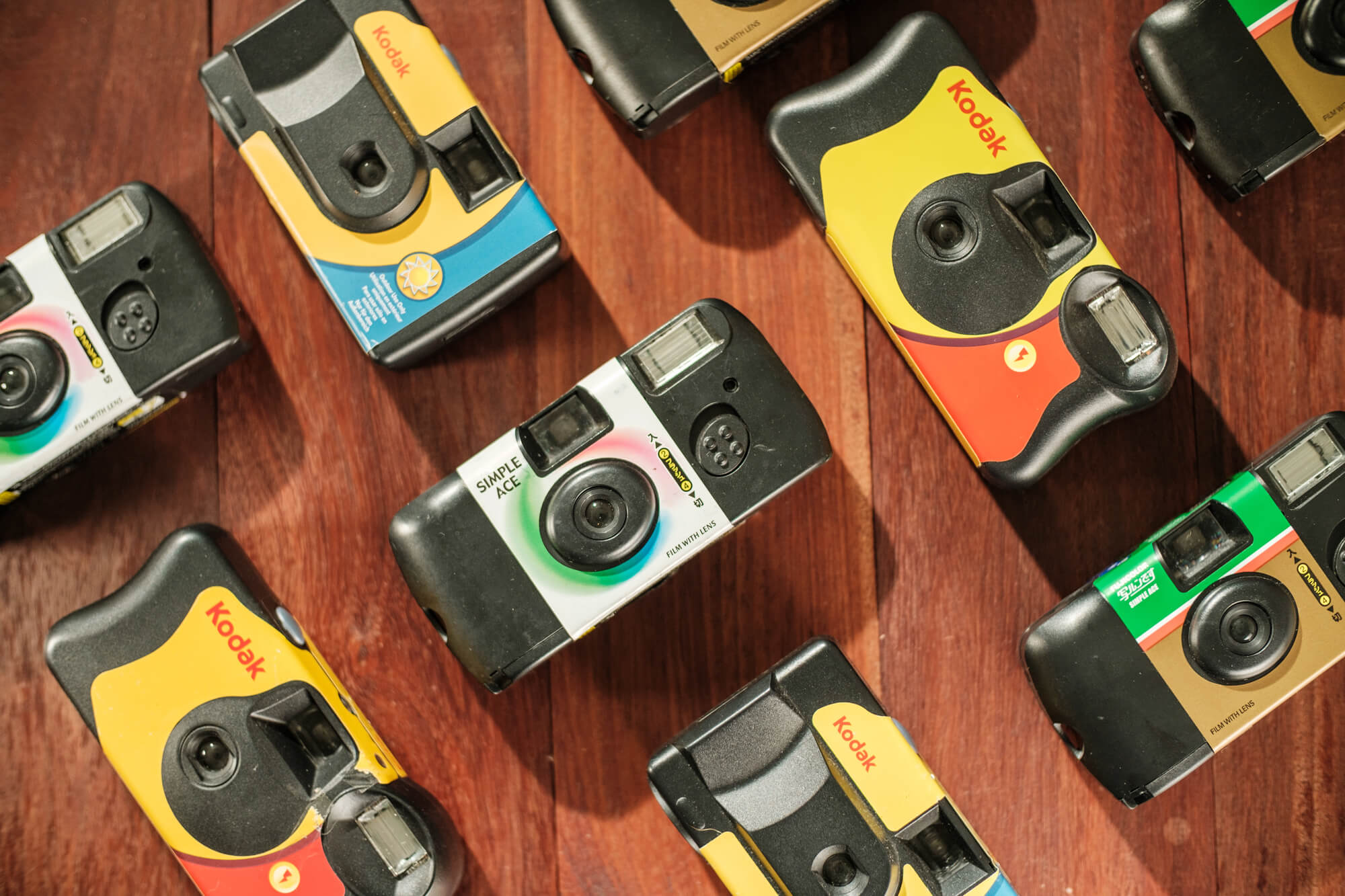
Before smartphones, camps would distribute disposable cameras to capture the summer, with campers waiting weeks after the session ended to see printed photos develop. Digital photography, much of it now handled by camp staff and shared instantly with parents through camp apps, has eliminated both the disposable camera itself and the specific anticipation of waiting to see how the pictures turned out.
Camp Postcards Home

Many camps set aside structured time for campers to handwrite postcards to family, sometimes as a required daily or weekly activity supervised by counselors. Parent communication apps and permitted phone calls have largely replaced the tradition of handwritten postcards as the primary way camps kept families updated.
Rustic Outhouse Facilities
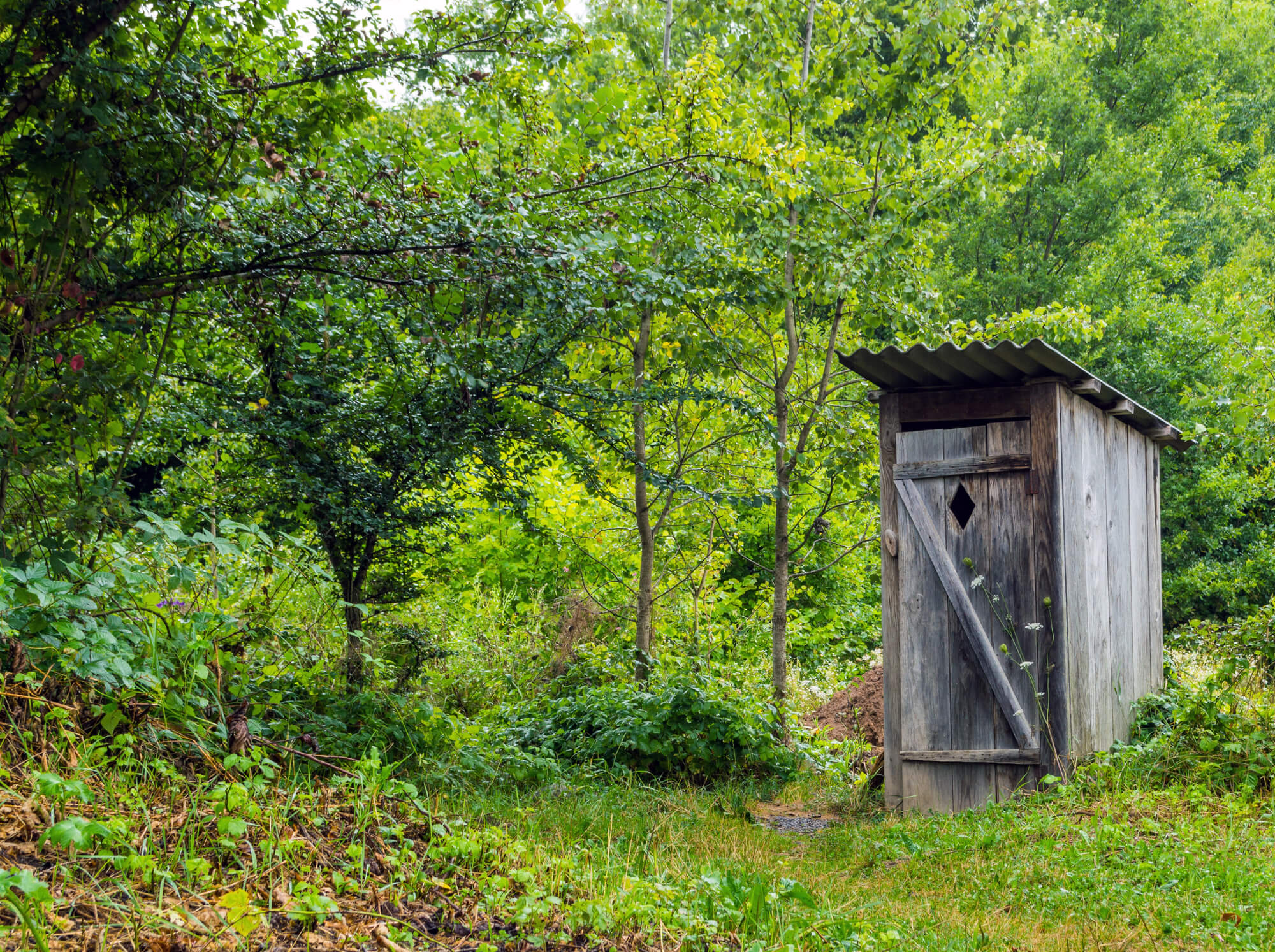
Older, more remote camps historically relied on basic outhouse facilities rather than plumbed bathrooms, an experience that became a defining, often exaggerated story campers told for years afterward. Most camps have since upgraded to modern plumbed facilities, driven by health regulations and general expectations around sanitation that have shifted significantly over the decades.
Friendship Bracelet Trading

Beyond simply making bracelets, many camps developed an entire trading and gifting culture around exchanging handmade friendship bracelets between cabins and friend groups throughout a session. While the craft itself persists, the specific camp-wide trading culture built around it has diminished somewhat as camps offer a wider range of craft options rather than concentrating on a single dominant activity.
Cabin Cheer Competitions
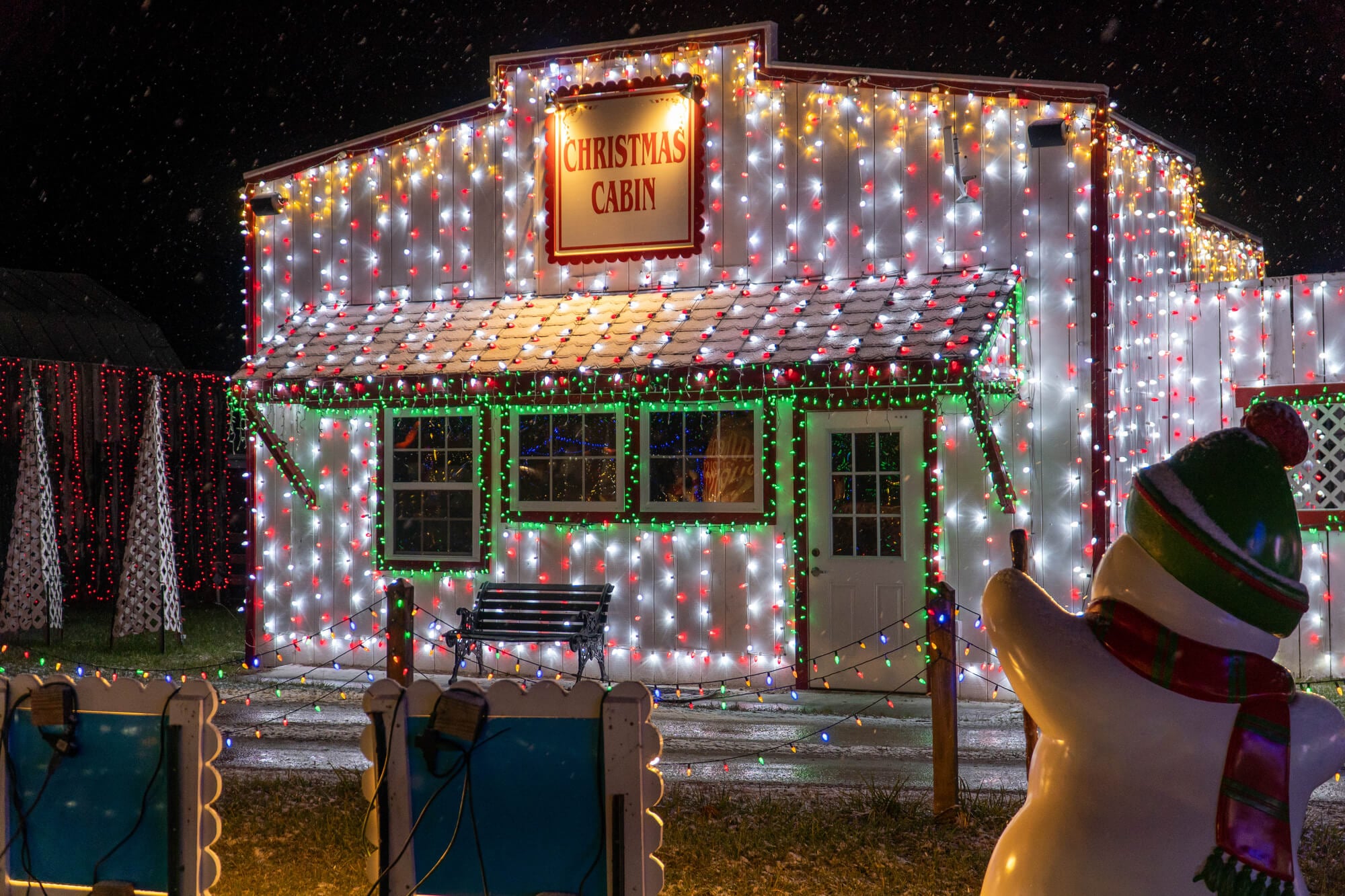
Cabins would develop their own chants, cheers, and rally calls to perform competitively at meals or campfires, building cabin identity through a shared, often silly, performance piece. As camps move toward less competition-focused programming models, the specific tradition of cabin-versus-cabin cheer competitions has become considerably less common than it once was.
What the Woods Used to Teach

Most of what disappeared from this list didn’t vanish because it stopped working. Buddy boards, mail call, campfire songs passed down without a script, these rituals worked precisely because they asked kids to navigate something slightly unsupervised, slightly uncertain, and entirely analog. That was the point.
What replaced them, digital check-ins, parent apps, closely supervised activity blocks, is undeniably safer and easier to manage at scale. But something specific gets lost in the trade: the particular kind of independence that comes from waiting for a letter with no way to check your phone, or navigating a trade at the camp store with only what you brought. Camp is still camp. It’s just a version built for a world that stopped trusting kids with quite as much unsupervised time as it used to.
More from Go2Tutors!

- The Romanov Crown Jewels and Their Tragic Fate
- 13 Historical Mysteries That Science Still Can’t Solve
- Famous Hoaxes That Fooled the World for Years
- 15 Child Stars with Tragic Adult Lives
- 16 Famous Jewelry Pieces in History
Like Go2Tutors’s content? Follow us on MSN.