26 Ruins Fenced Off to Stop Further Damage
For most of the twentieth century, tourists could walk up to, climb on, and sometimes chip souvenirs off some of the world’s most significant ancient sites. Decades of foot traffic, weather, and casual vandalism eventually forced site managers to choose between open access and the survival of the structures themselves, and the fence usually won.
Stonehenge
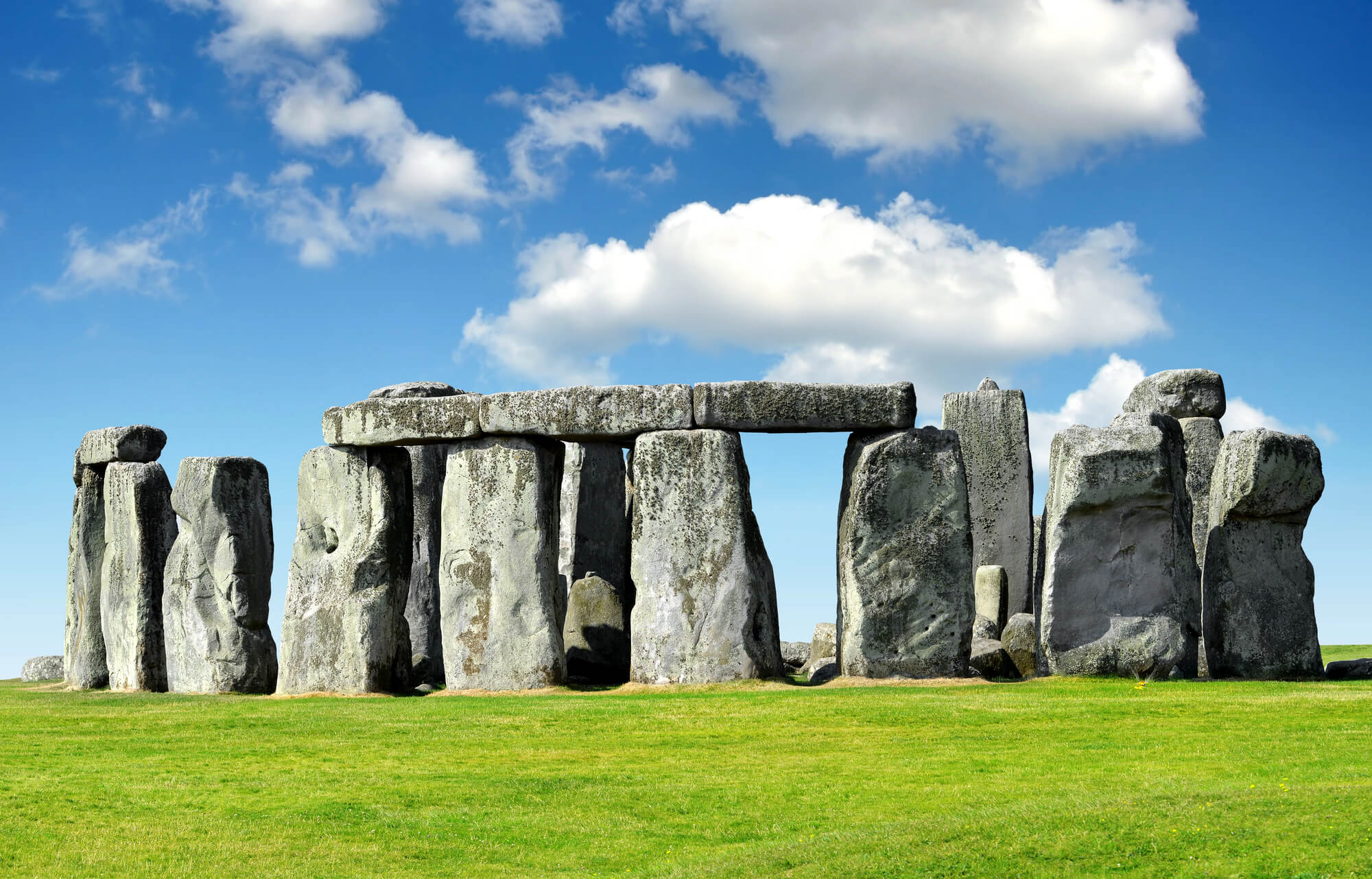
Visitors could walk freely among the stones and even climb on them until 1977, when English Heritage roped off the inner circle after decades of erosion from millions of footsteps compacted the ground and wore down the stone bases. General admission today keeps visitors on a surrounding path, though the site still allows special access for solstice gatherings and pre-booked stone circle tours outside normal hours.
The change followed years of documented damage to the turf and stone surfaces from unrestricted access.
Chichen Itza’s El Castillo Pyramid
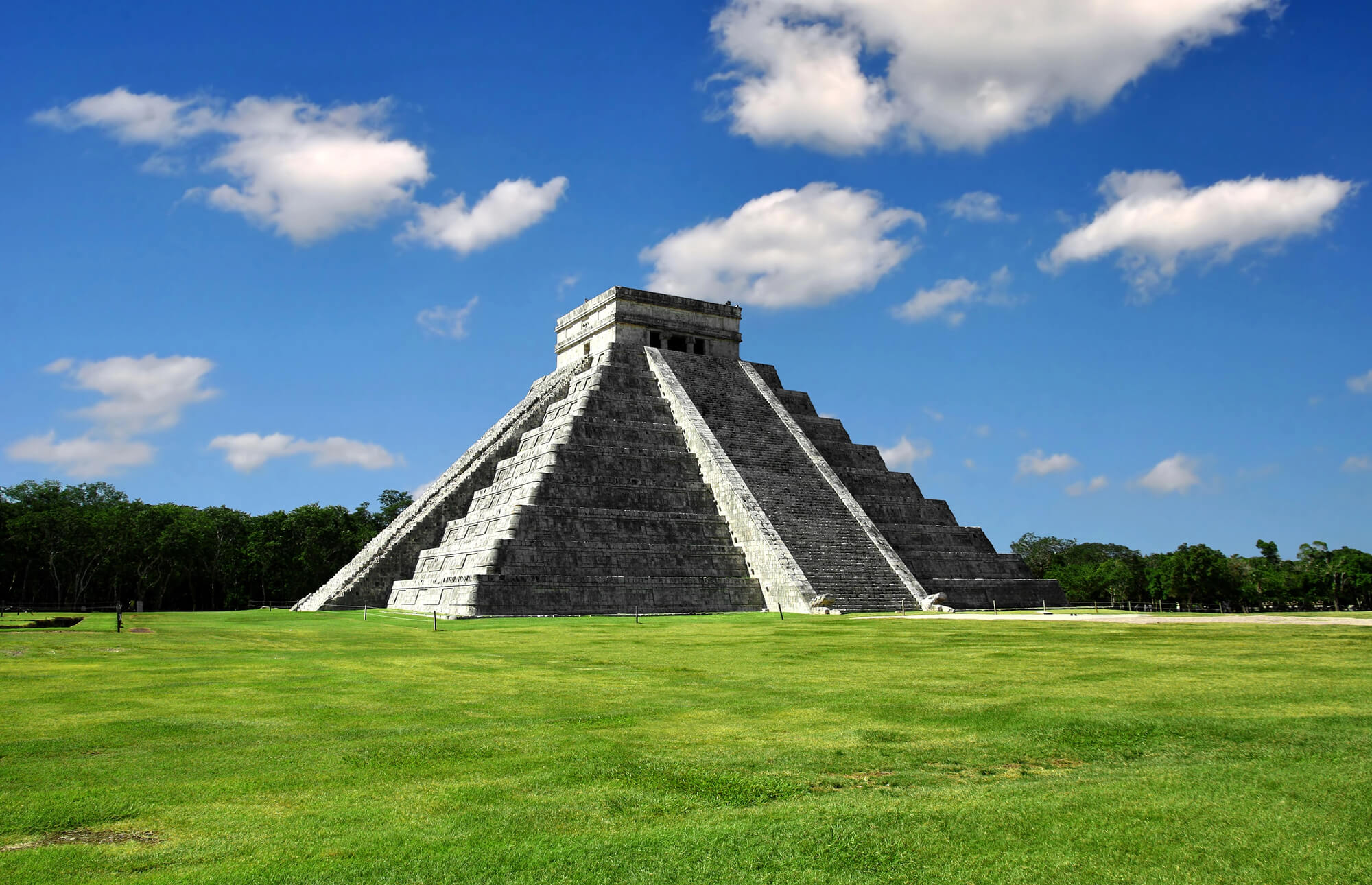
Climbing the steps of the main pyramid at this Maya site in Mexico was permitted for decades until Mexico’s National Institute of Anthropology and History banned it in 2008, following the death of a visitor who fell and years of erosion to the limestone steps. The decision came after a smaller fatal fall involving a tourist elsewhere in the complex drew renewed attention to the site’s safety.
Visitors can now only view the structure from ground level.
Machu Picchu’s Central Structures
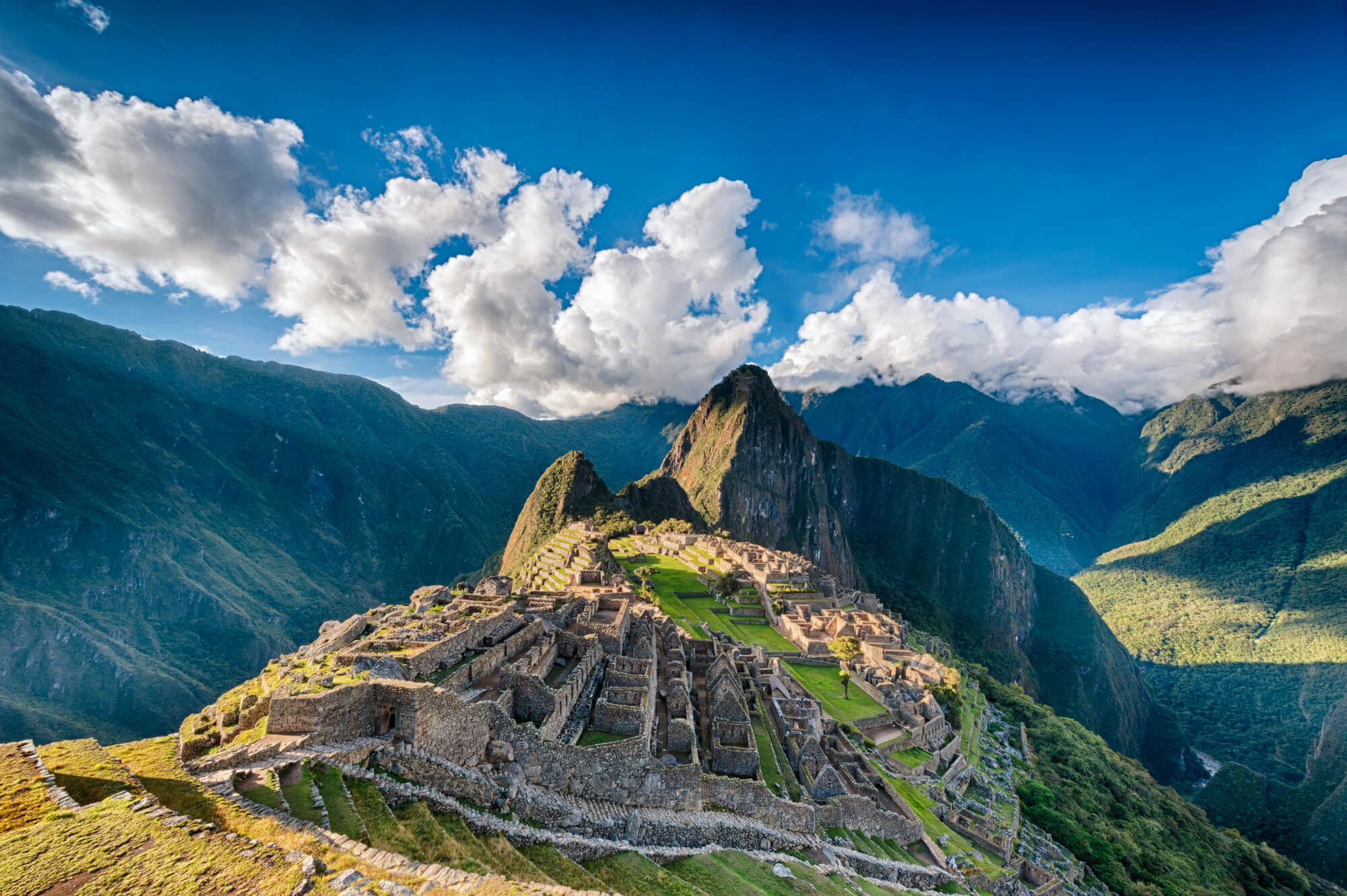
Peru’s Ministry of Culture has steadily restricted movement through the core of the Inca citadel since the early 2000s, roping off delicate walls and terraces and requiring visitors to follow one-way marked circuits rather than wandering freely. The changes followed documented soil compaction and structural stress linked to visitor numbers that once exceeded recommended daily limits.
Access to certain sections, including the Intihuatana stone, is now tightly controlled.
The Parthenon’s Interior
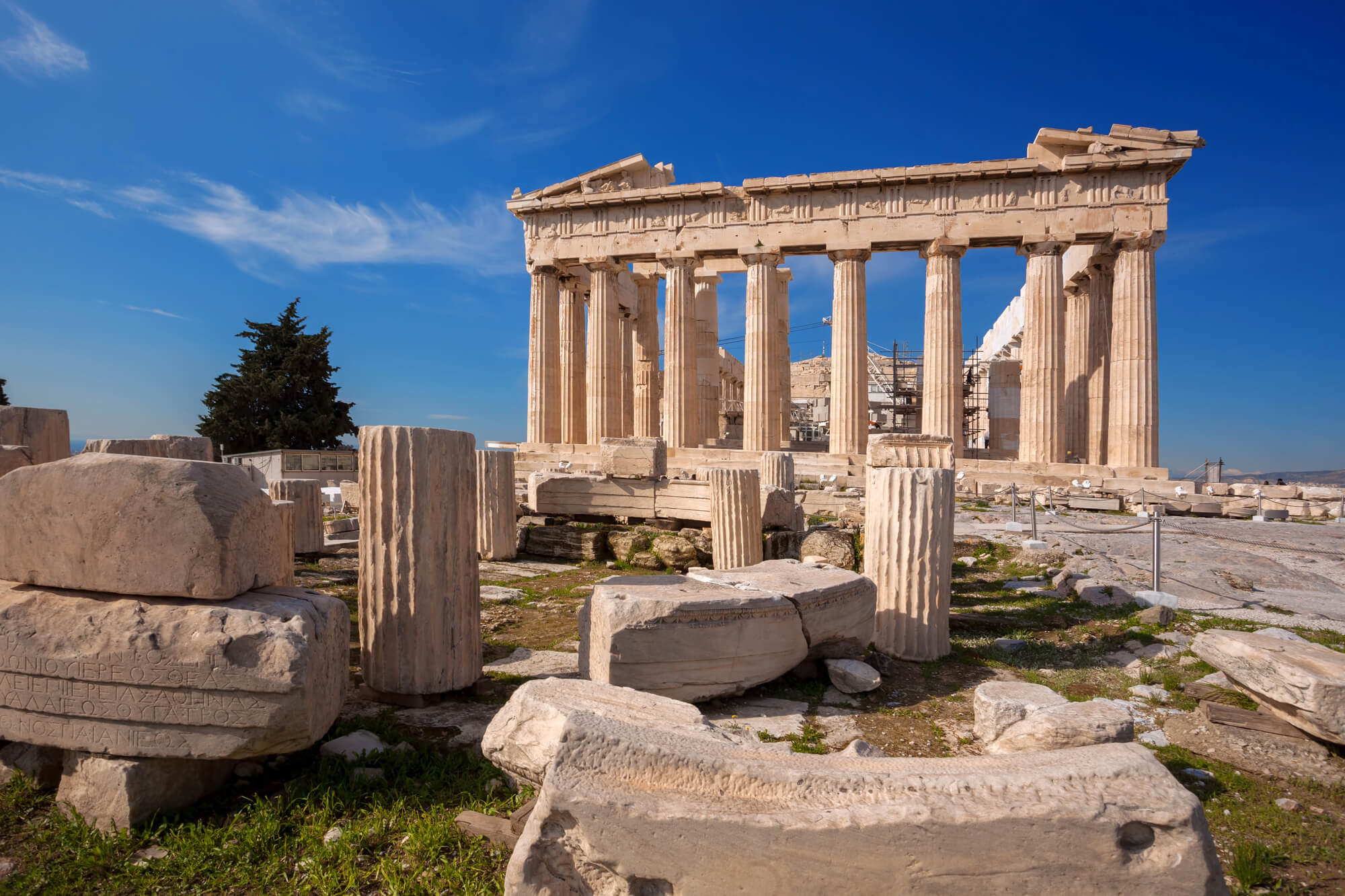
Visitors could once walk directly among the columns of the Acropolis in Athens, but Greek authorities have fenced off the interior of the Parthenon itself for decades to prevent contact with surfaces already damaged by pollution and a 1687 explosion that destroyed much of the roof. A raised walkway now keeps visitors circling the exterior rather than entering the structure.
Ongoing restoration work using cranes and scaffolding has kept sections closed intermittently for years at a time.
Newgrange’s Passage Interior
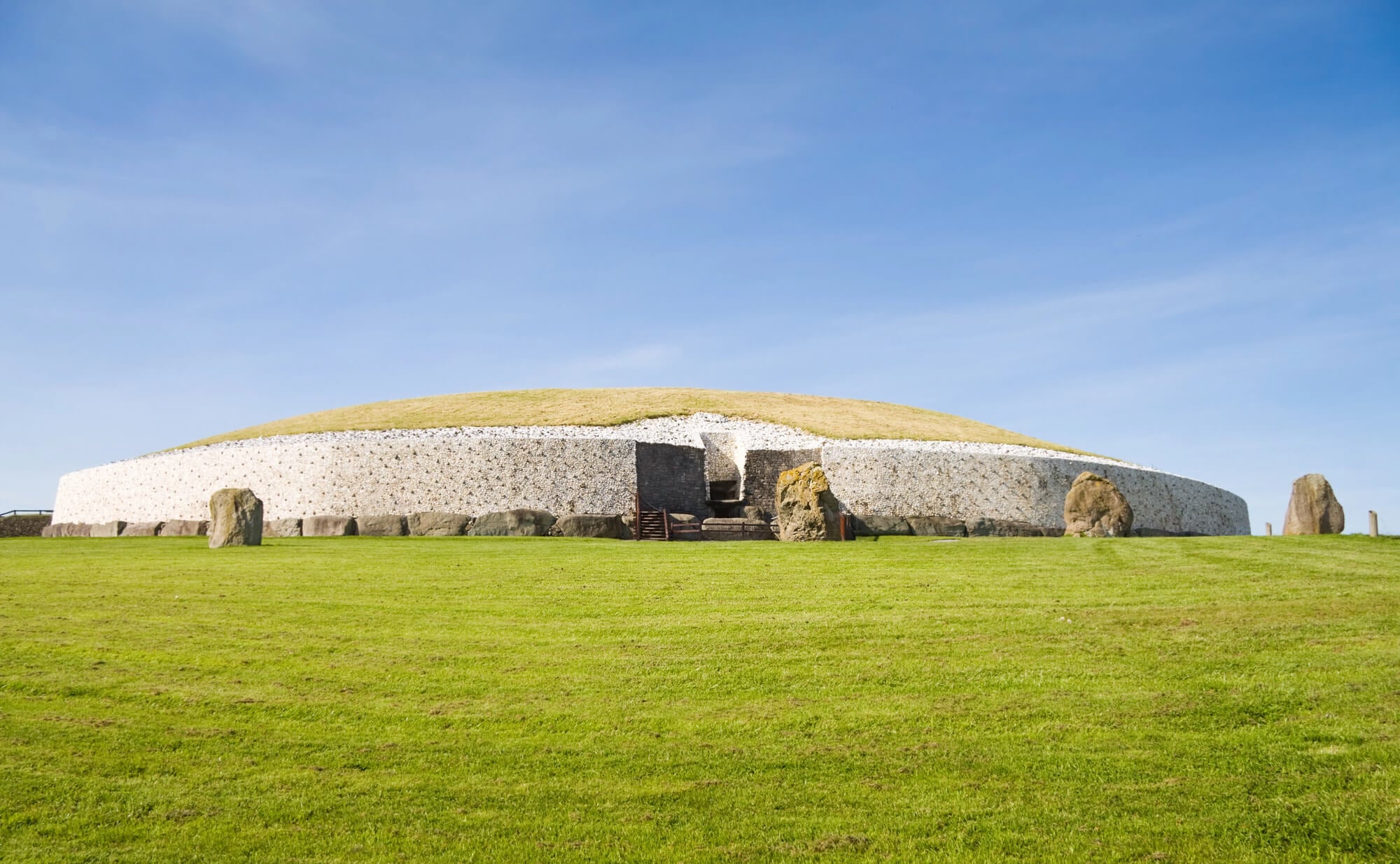
This Neolithic passage tomb in Ireland, older than Stonehenge and the Egyptian pyramids, now limits interior access to small guided groups due to humidity and carbon dioxide buildup from visitor breath, which can accelerate deterioration of the ancient stone carvings. Only a lottery-selected handful of visitors are permitted inside during the winter solstice alignment each year.
General visitors view a reconstructed exterior and a limited interior chamber on a timed tour.
The Sistine Chapel of Malta’s Ħal Saflieni Hypogeum
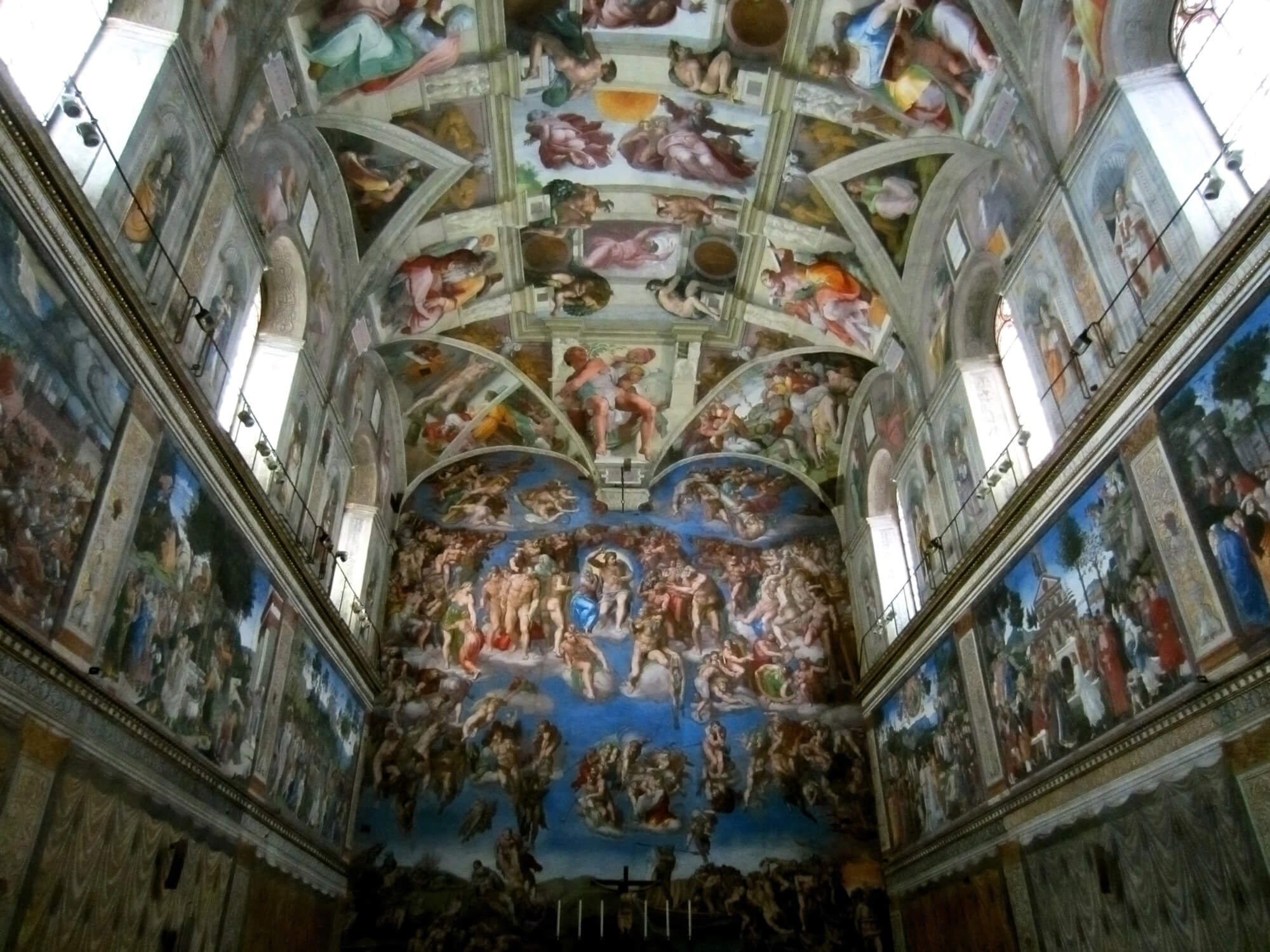
This underground Neolithic complex near Valletta limits visitors to a strict daily cap and requires advance booking specifically because humidity from human breath was found to be damaging the site’s prehistoric ochre pigment decorations. Heritage Malta installed climate control systems after documenting measurable deterioration linked to unrestricted visitor numbers in earlier decades.
The site remains one of the most tightly access-controlled prehistoric sites in the world.
Lascaux Cave Paintings
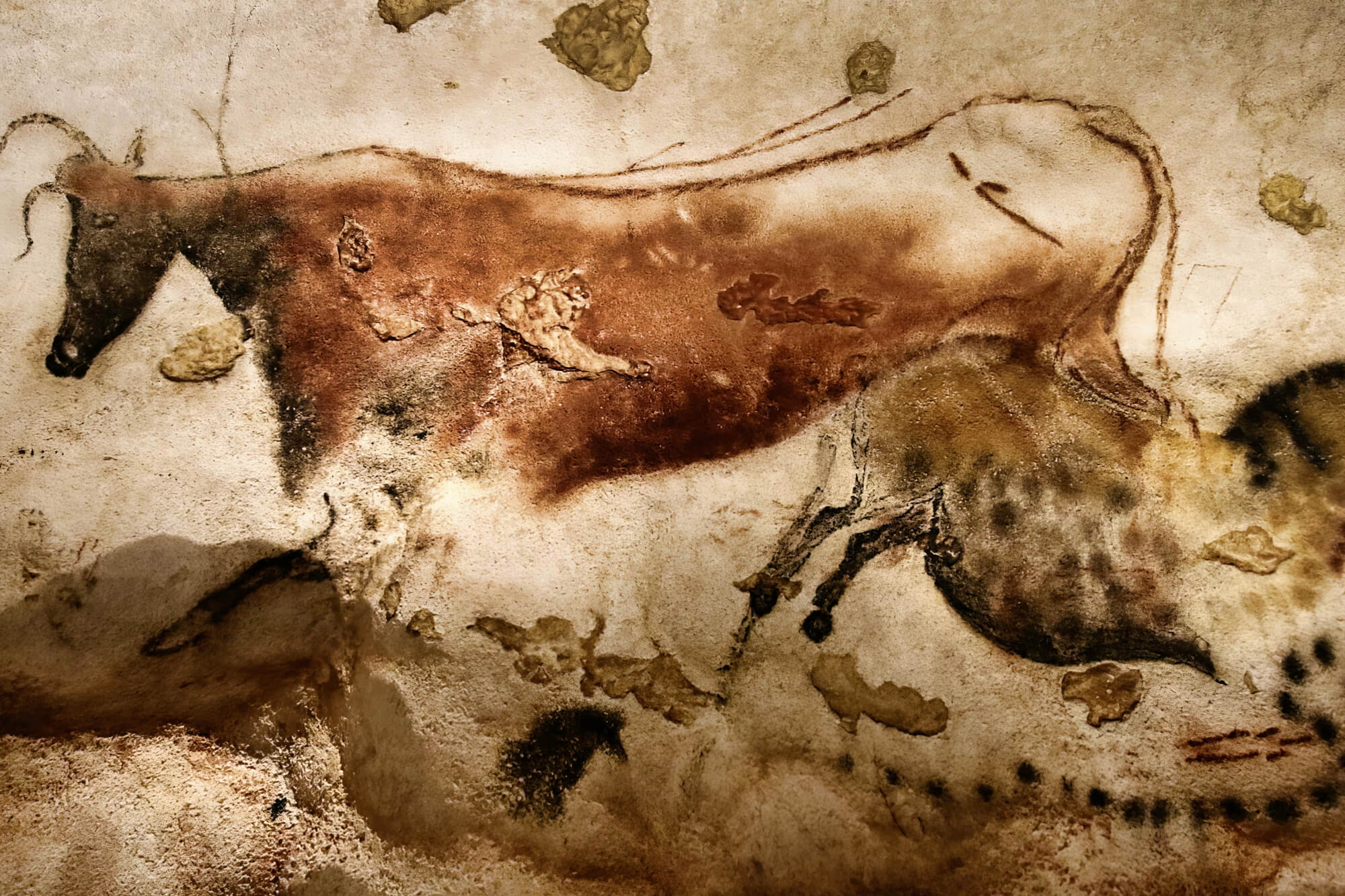
The original Lascaux cave in France, home to some of the world’s best-preserved prehistoric paintings, was closed to the public entirely in 1963 after carbon dioxide and humidity from visitors caused mold and lichen growth on the painted walls. A series of replica caves, most recently Lascaux IV, now let visitors see reproductions rather than the originals.
The closure is considered one of the earliest major examples of a site being sealed specifically to halt visitor-caused damage.
Angkor Wat’s Upper Terraces
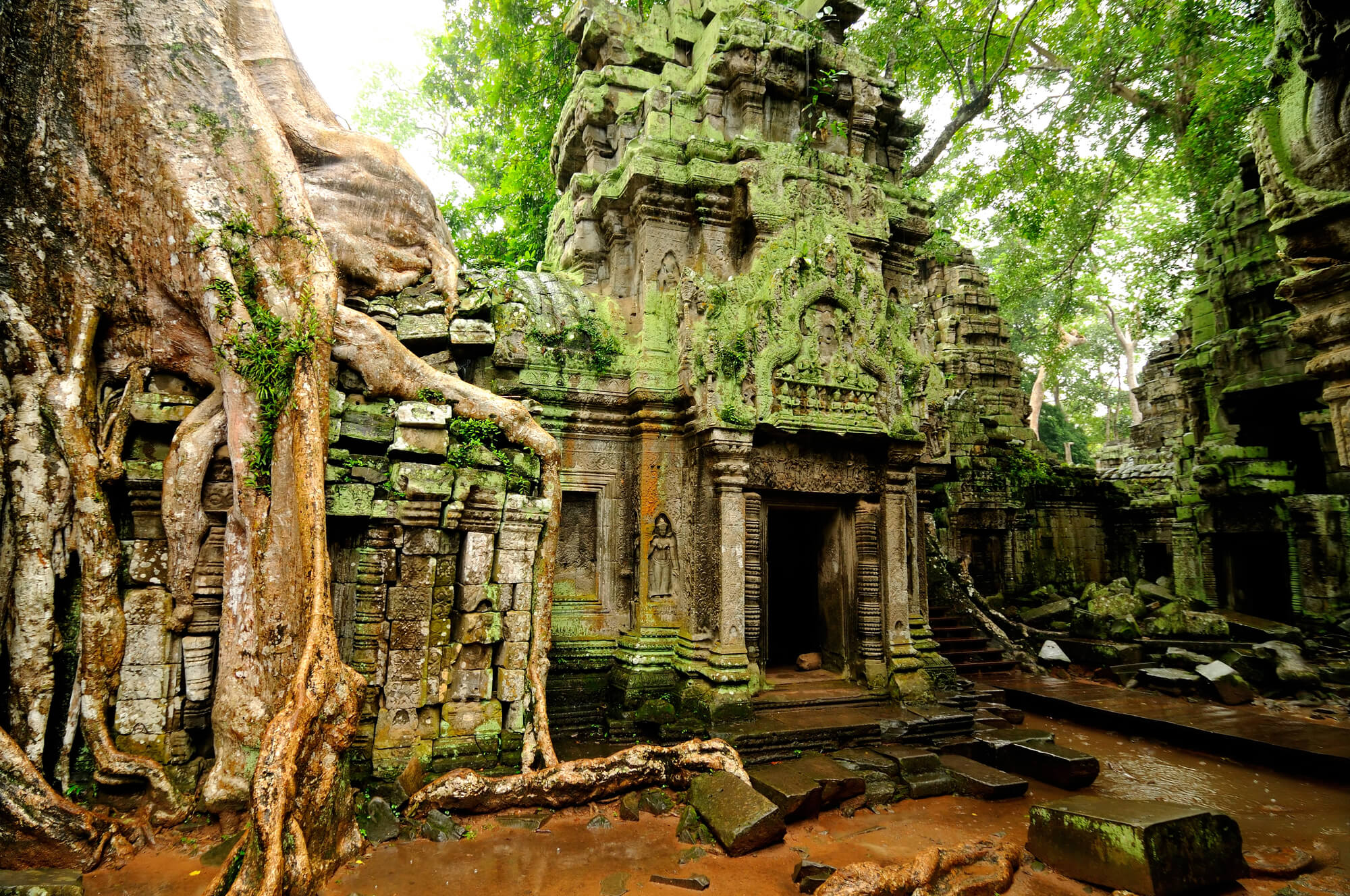
Cambodia’s Angkor Archaeological Park has fenced off and installed wooden staircases over some of the steepest original stone steps at its temple complexes, replacing the original stairs that had become dangerously worn and slick from centuries of foot traffic. Ta Prohm, the temple known for trees growing through its walls, uses raised walkways to keep visitors off unstable sections entirely.
The changes followed documented structural concerns raised by conservation teams working with international partners.
The Colosseum’s Upper Levels
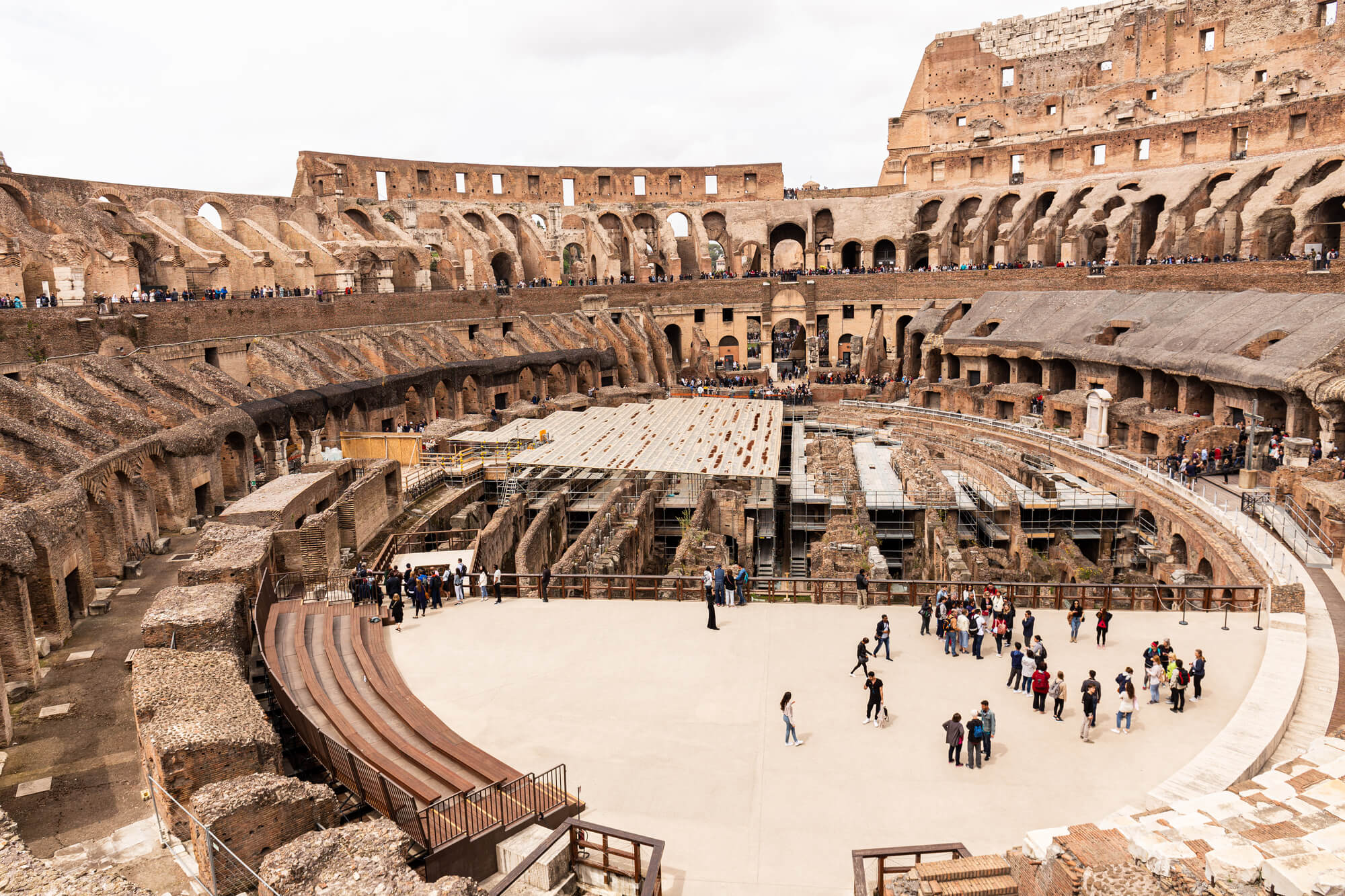
Rome’s Colosseum has restricted general visitor access to its upper tiers for years, permitting entry only through paid guided tours due to structural concerns and a history of erosion from foot traffic on ancient stonework. The arena floor itself, largely absent for centuries, was only partially reconstructed and reopened to visitors in 2021 under tightly controlled conditions.
Restoration funding from private donors has supported ongoing repairs to sections closed to general admission.
Pompeii’s House of the Vettii
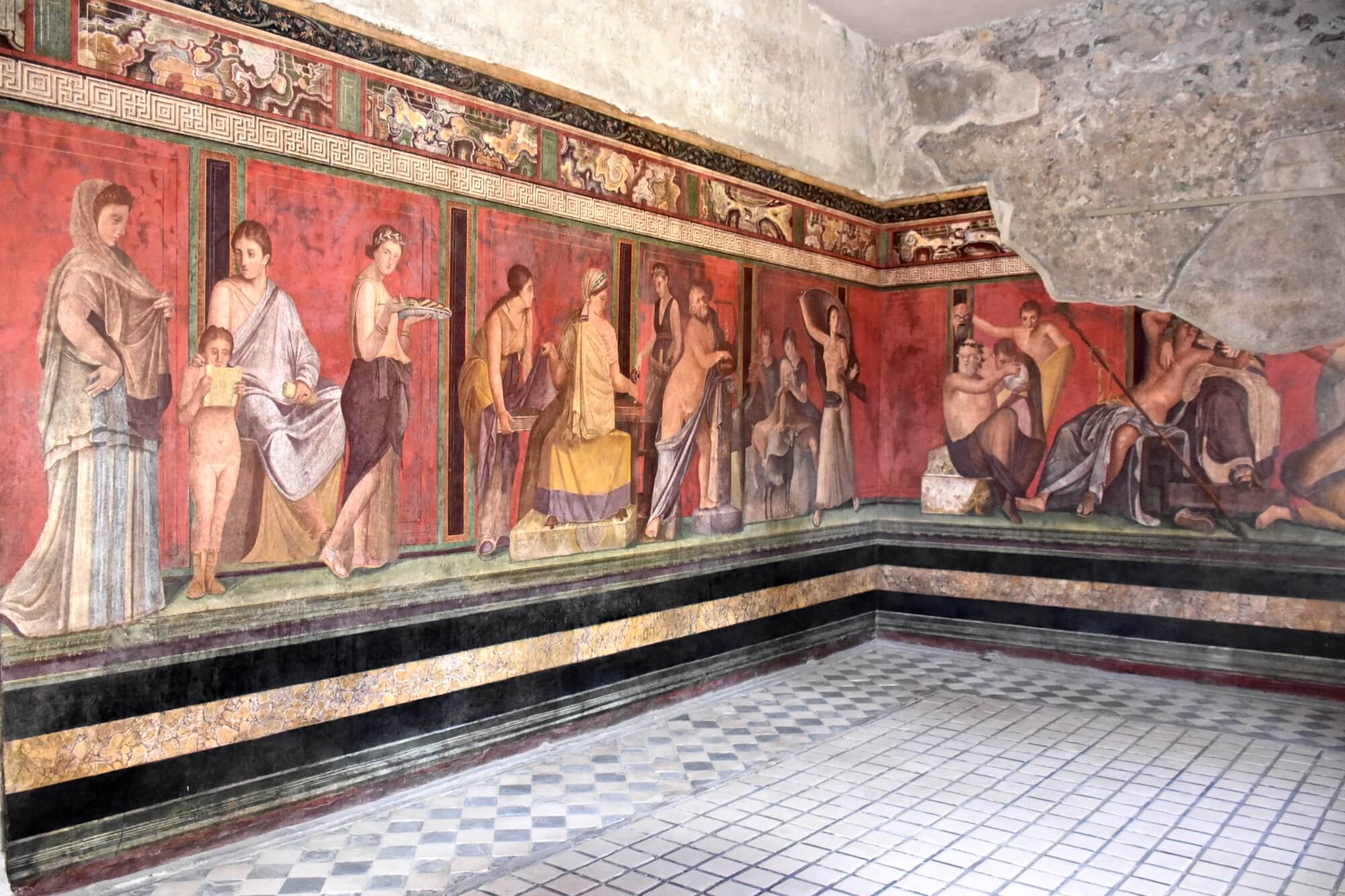
Many of the best-preserved houses within the ruins of Pompeii, including the House of the Vettii with its vivid wall paintings, are fenced or gated and only opened to the public periodically after extensive conservation work. Site managers cite exposure to weather and foot traffic as ongoing threats to frescoes that have already survived nearly two thousand years buried under volcanic ash.
Sections of the sprawling site are rotated in and out of public access as restoration funding allows.
Herculaneum’s Villa of the Papyri
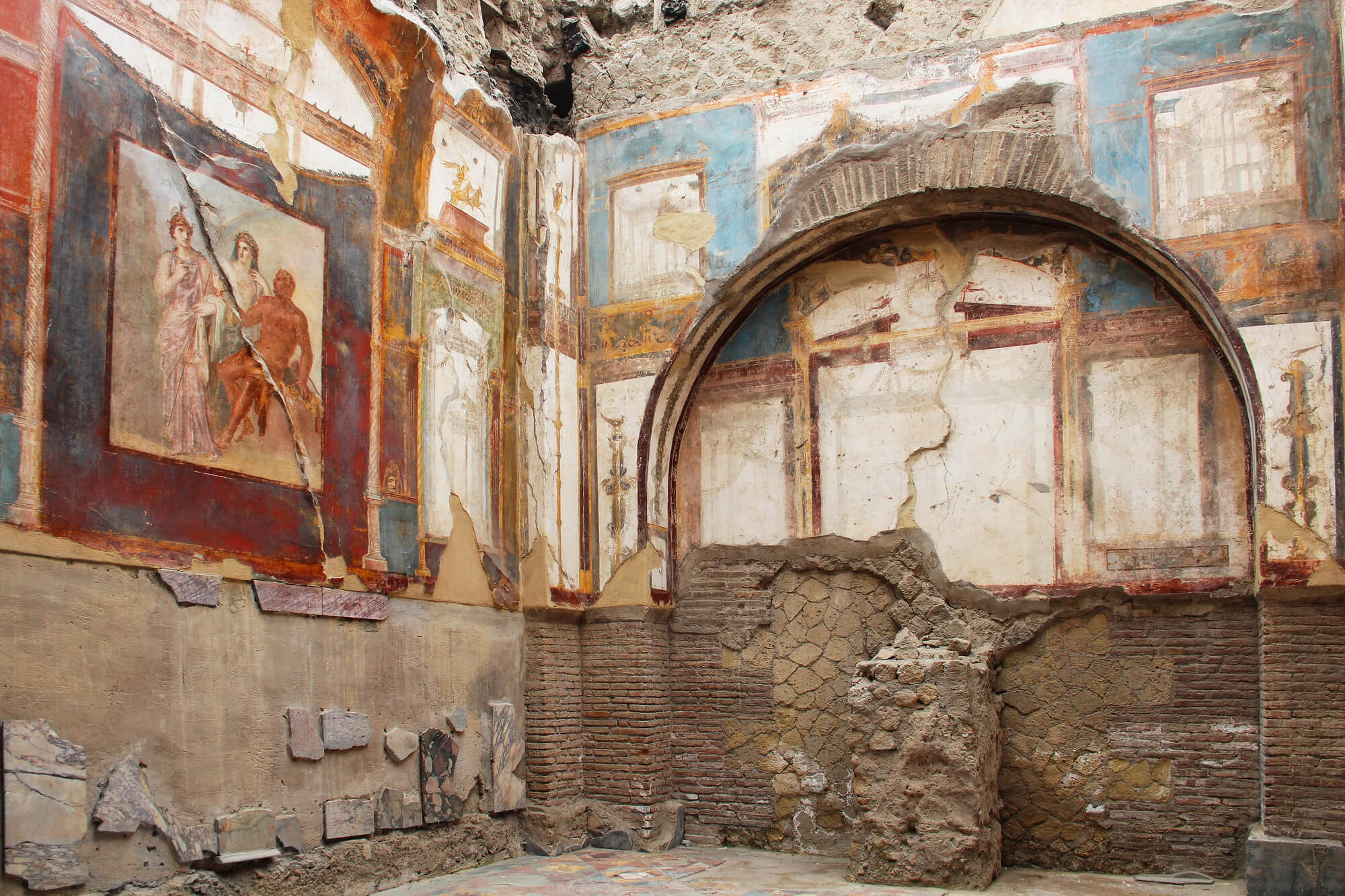
The excavated portion of this Roman villa near Naples, famous for its library of carbonized scrolls, remains largely closed to general visitors and accessible mainly to researchers, following decades of concern about water damage and the structural fragility of the site’s lower levels. Much of the villa is believed to remain unexcavated and buried, protected in part by the same restrictions that keep tourists out.
Modern imaging techniques have allowed some of the scrolls to be read without physically unrolling them.
The Great Wall’s Unrestored Sections
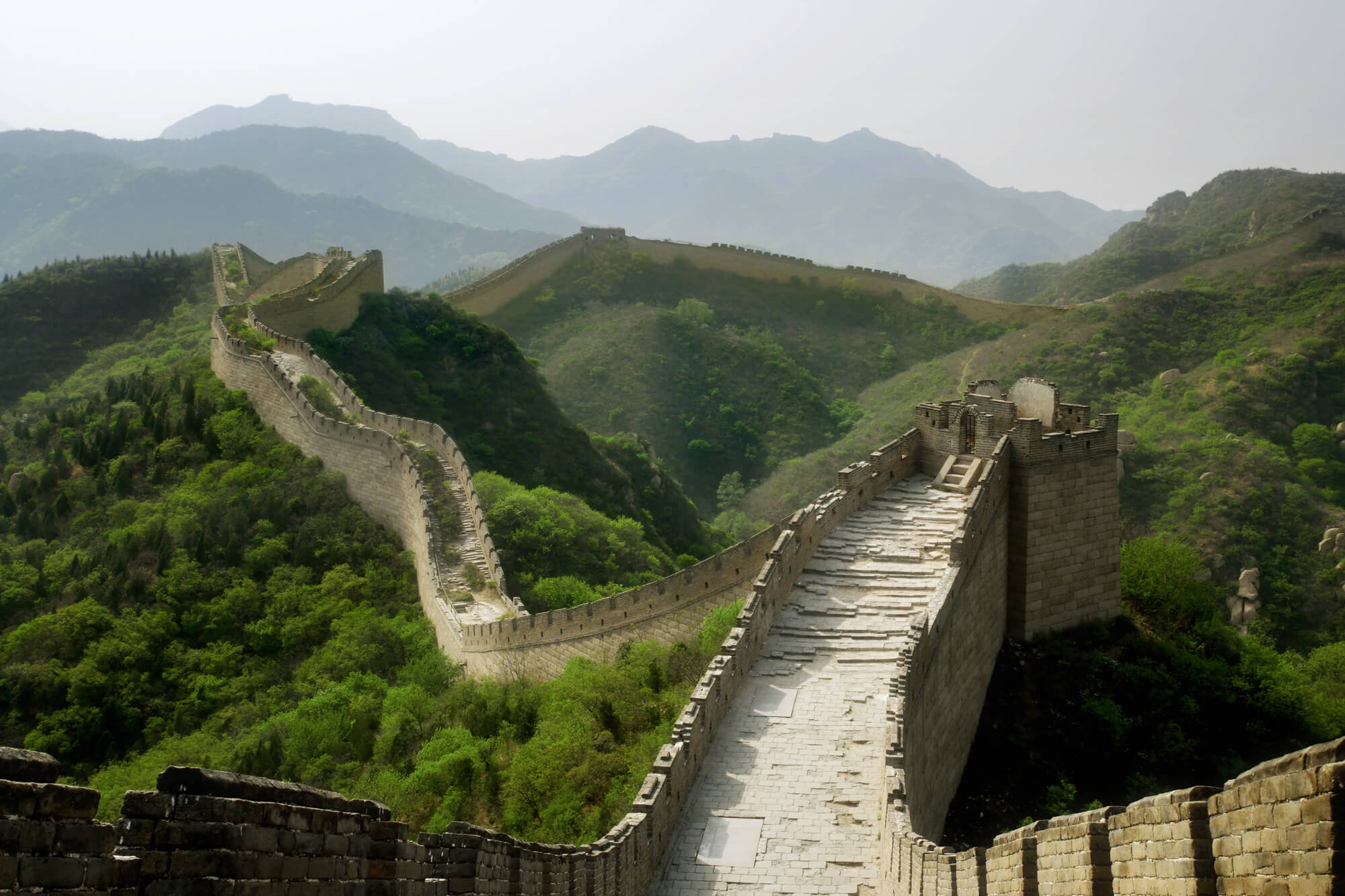
Certain wild, unrestored stretches of China’s Great Wall have been fenced off or had access formally restricted by local authorities after years of erosion worsened by hikers walking on crumbling brickwork. The most heavily visited restored sections, such as Badaling, remain open, while sections like parts of Jiankou have seen intermittent closures tied to conservation efforts.
Local governments have cited both safety and preservation concerns in restricting access.
Teotihuacan’s Pyramid of the Sun
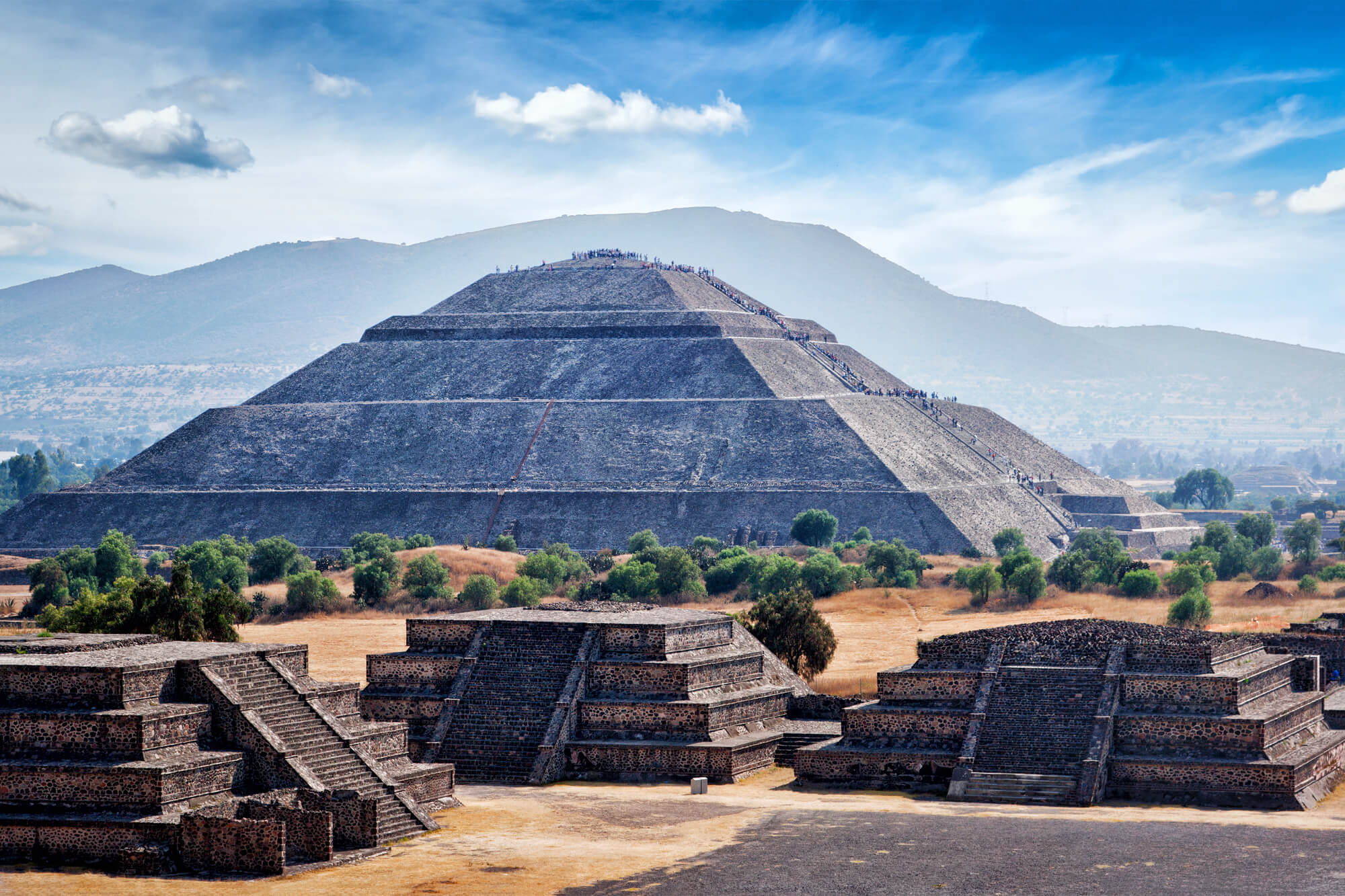
Mexican authorities have periodically restricted or fully closed climbing access to the Pyramid of the Sun, one of the largest structures in the pre-Columbian Americas, citing erosion of the original stone steps from decades of unrestricted climbing. Wooden reinforcement steps have been added in sections to protect the original stonework beneath.
The site’s other major structure, the Pyramid of the Moon, has similarly restricted upper-level access.
Petra’s Treasury Facade
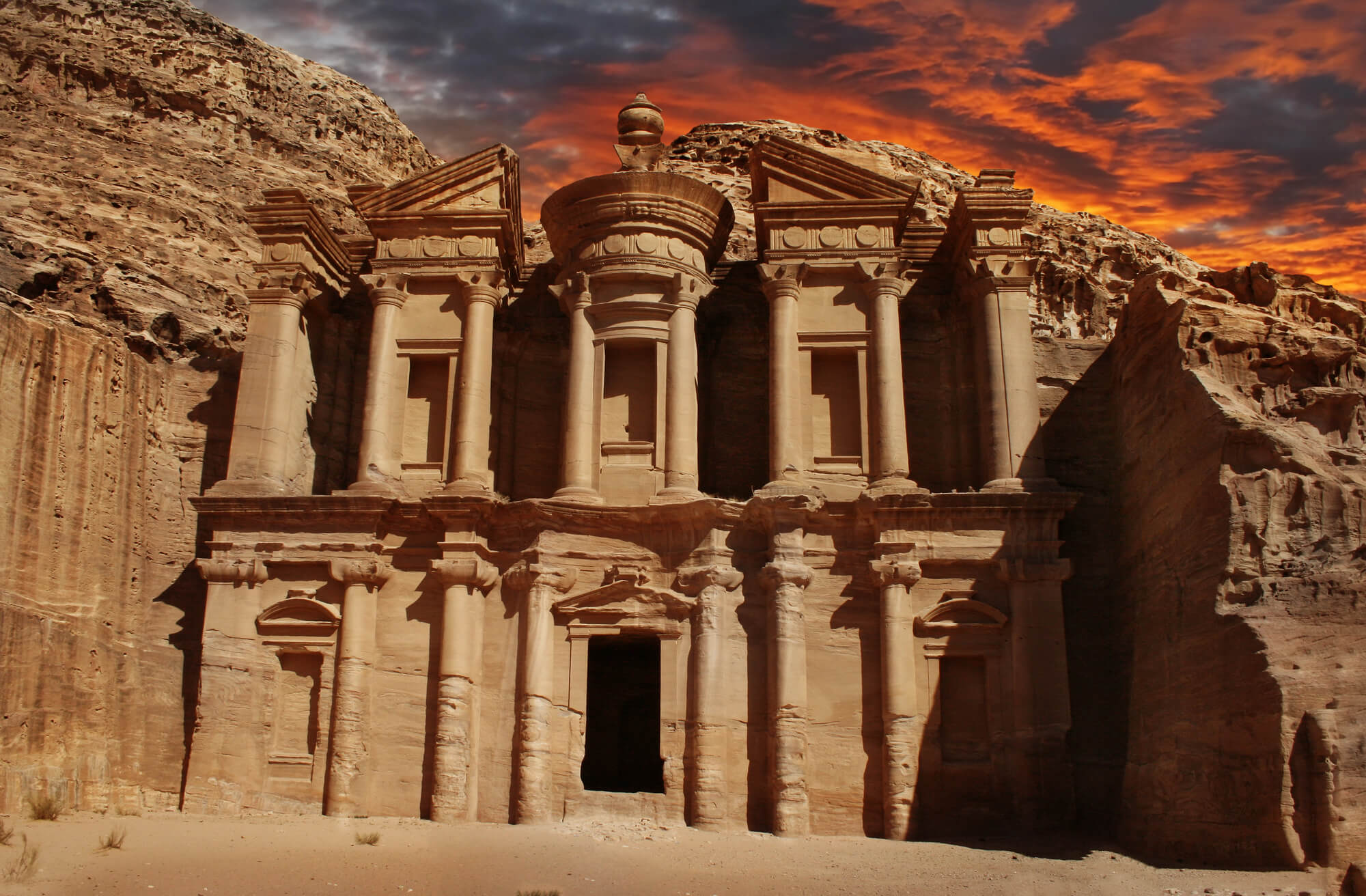
Visitors can no longer approach or touch the carved facade of Al-Khazneh, the most photographed structure in Jordan’s ancient city of Petra, after Jordan’s Department of Antiquities implemented barriers to prevent contact damage to the sandstone carving. The soft stone erodes easily from touching and climbing, prompting the restriction after years of visitors approaching the facade directly.
Guided access to nearby tombs remains more open than at the Treasury itself.
Chaco Canyon’s Great Kivas
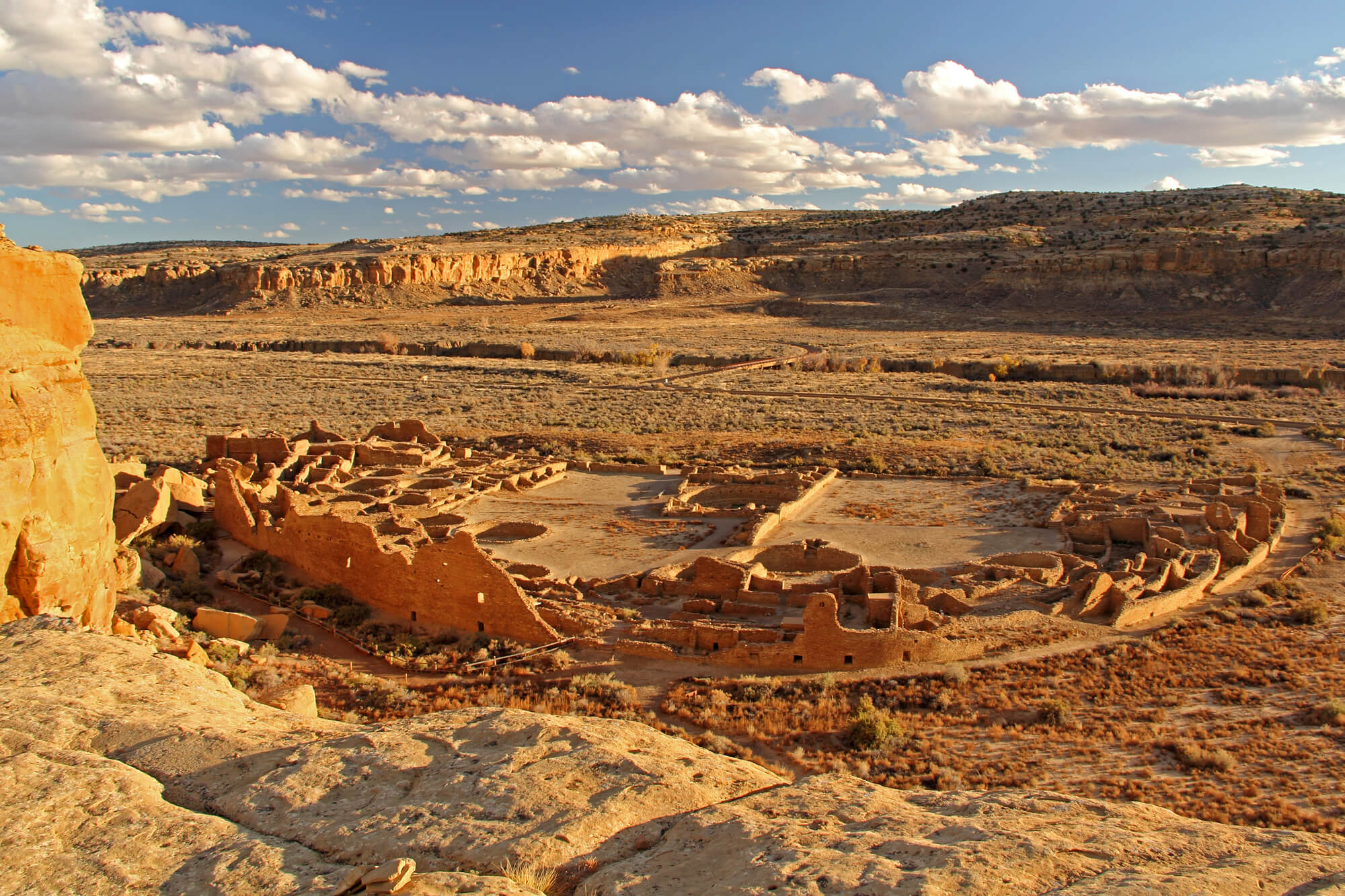
The ceremonial great kivas at this New Mexico site, central to understanding ancestral Puebloan culture, are fenced and only accessible via ranger-led tours after National Park Service studies documented erosion and structural stress from unsupervised visitor access. The park has similarly restricted climbing on several multi-story great houses within the canyon.
Restrictions expanded significantly after the site’s designation as a UNESCO World Heritage Site.
Cahokia Mounds’ Monks Mound
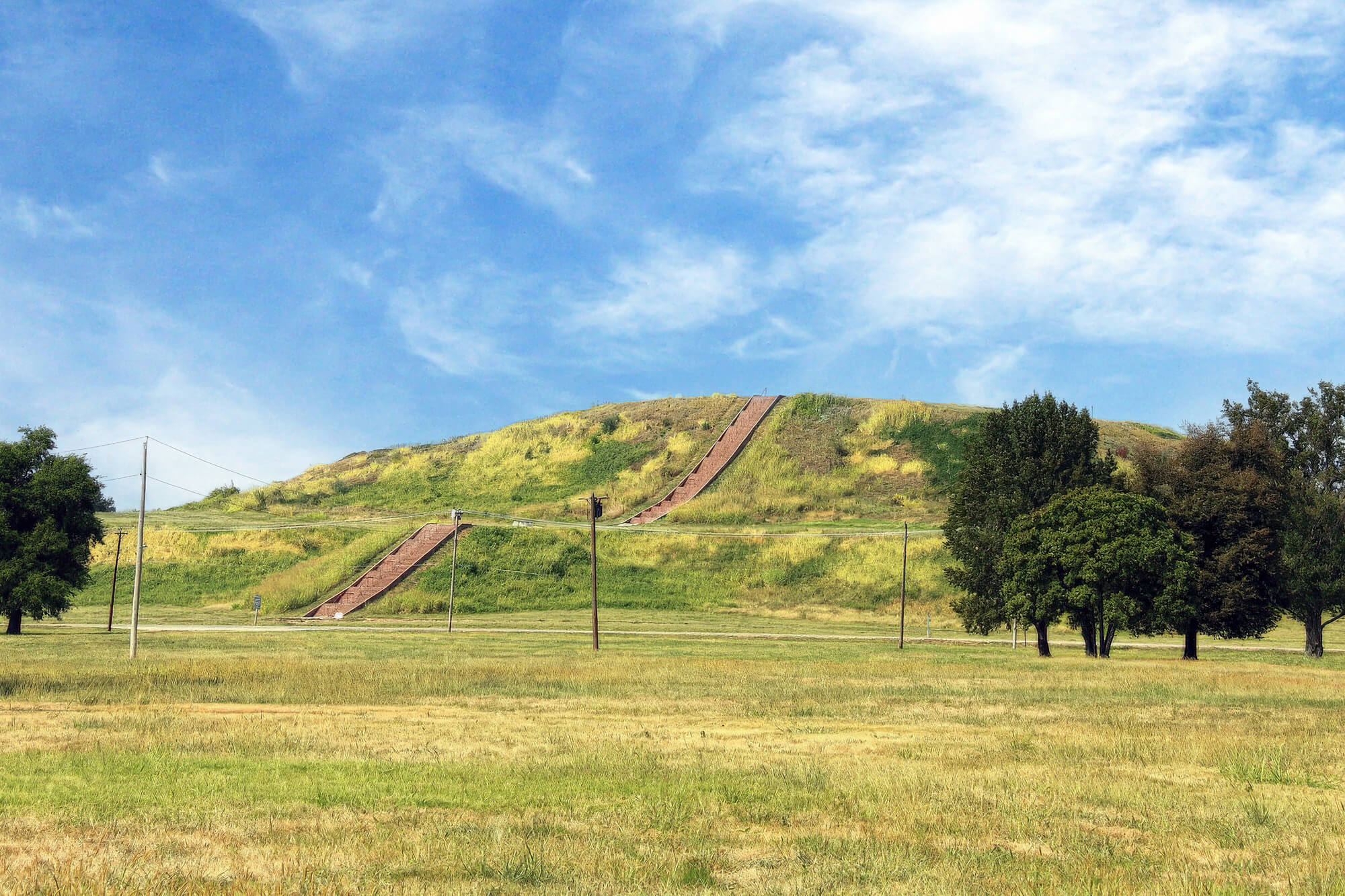
Illinois’ Cahokia Mounds, the largest prehistoric earthwork in the Americas north of Mexico, has restricted the original staircase to its largest mound, Monks Mound, after erosion from foot traffic threatened the earthen structure’s integrity. A reinforced staircase now guides visitors along a controlled path rather than allowing free climbing across the mound’s slopes.
Site managers continue to monitor erosion on the mound’s unreinforced sections.
Mesa Verde’s Cliff Dwellings
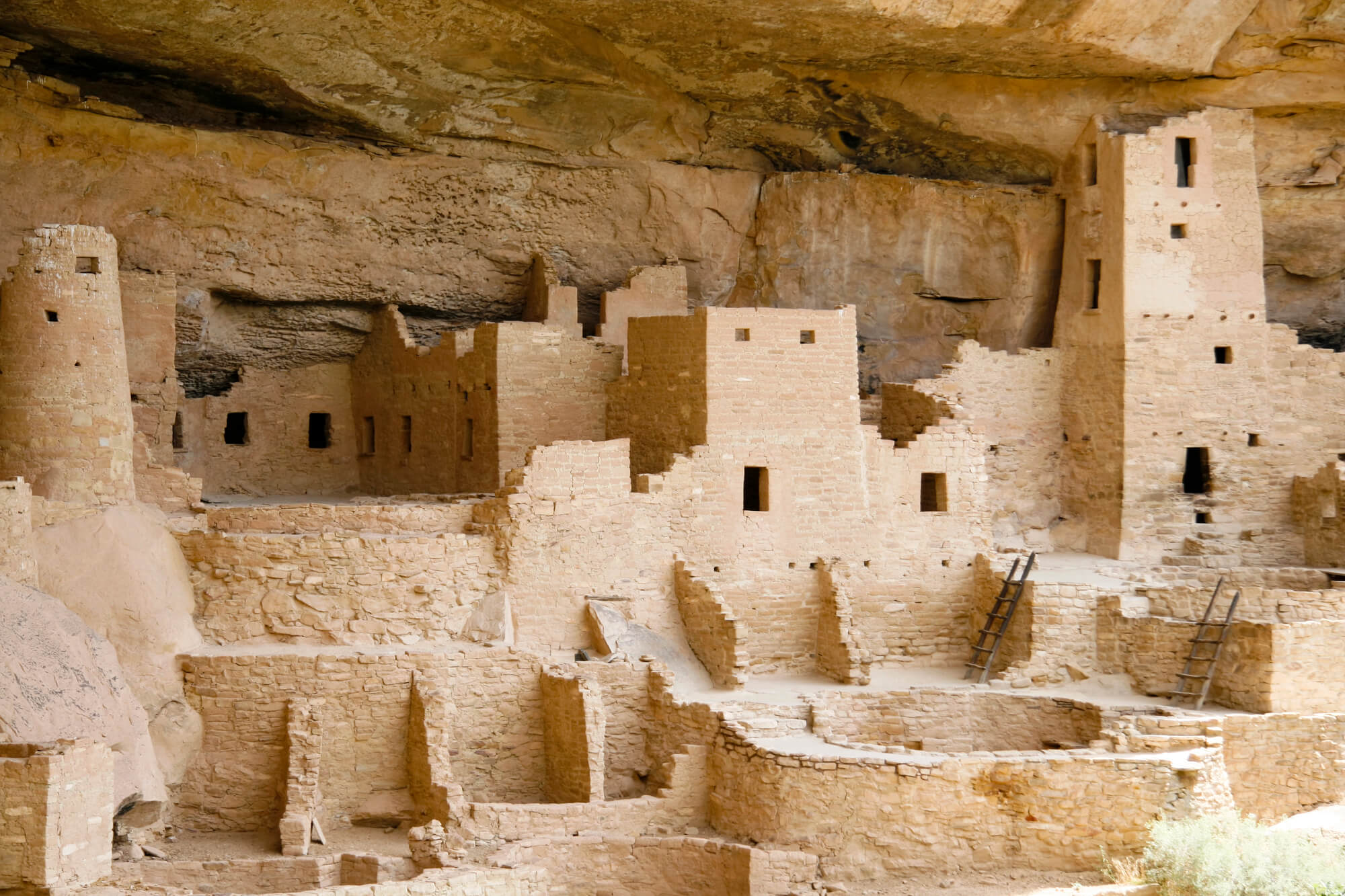
Colorado’s Mesa Verde National Park requires ranger-guided tours for entry into its major cliff dwellings, including Cliff Palace and Balcony House, after decades of unsupervised visitor access contributed to wear on original masonry and wooden structural elements. Several smaller dwellings within the park remain closed to any public entry at all.
The National Park Service cites both preservation and visitor safety as reasons for the guided-access model.
Delphi’s Temple of Apollo
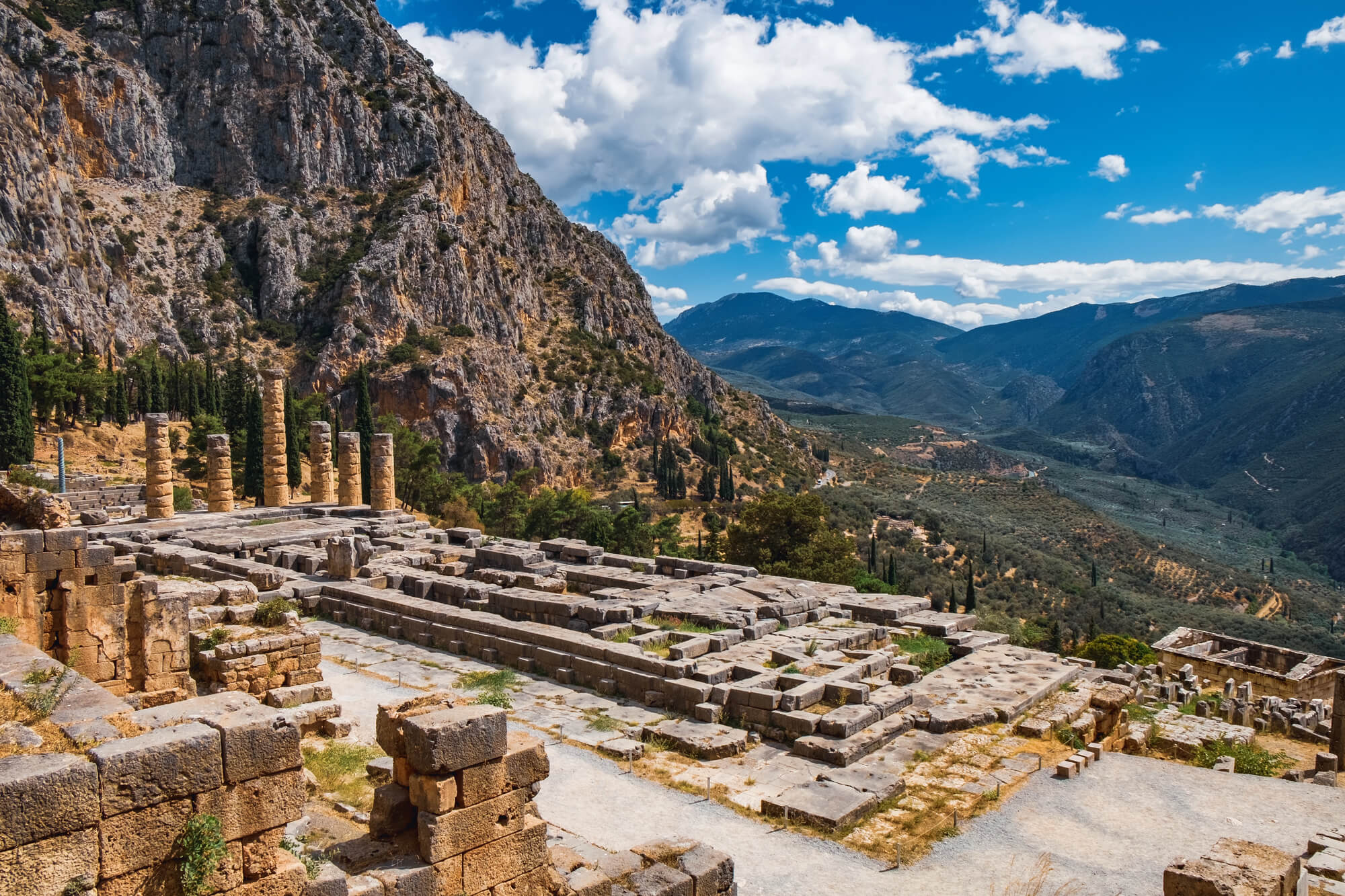
Greek authorities have fenced sections of the ancient sanctuary of Delphi, including areas around the Temple of Apollo, to prevent visitors from walking directly across foundation stones that have already suffered significant erosion and past earthquake damage. The broader archaeological site uses marked pathways to funnel foot traffic away from the most fragile excavated areas.
Restoration work has continued at the site intermittently for more than a century.
Ephesus’s Terrace Houses
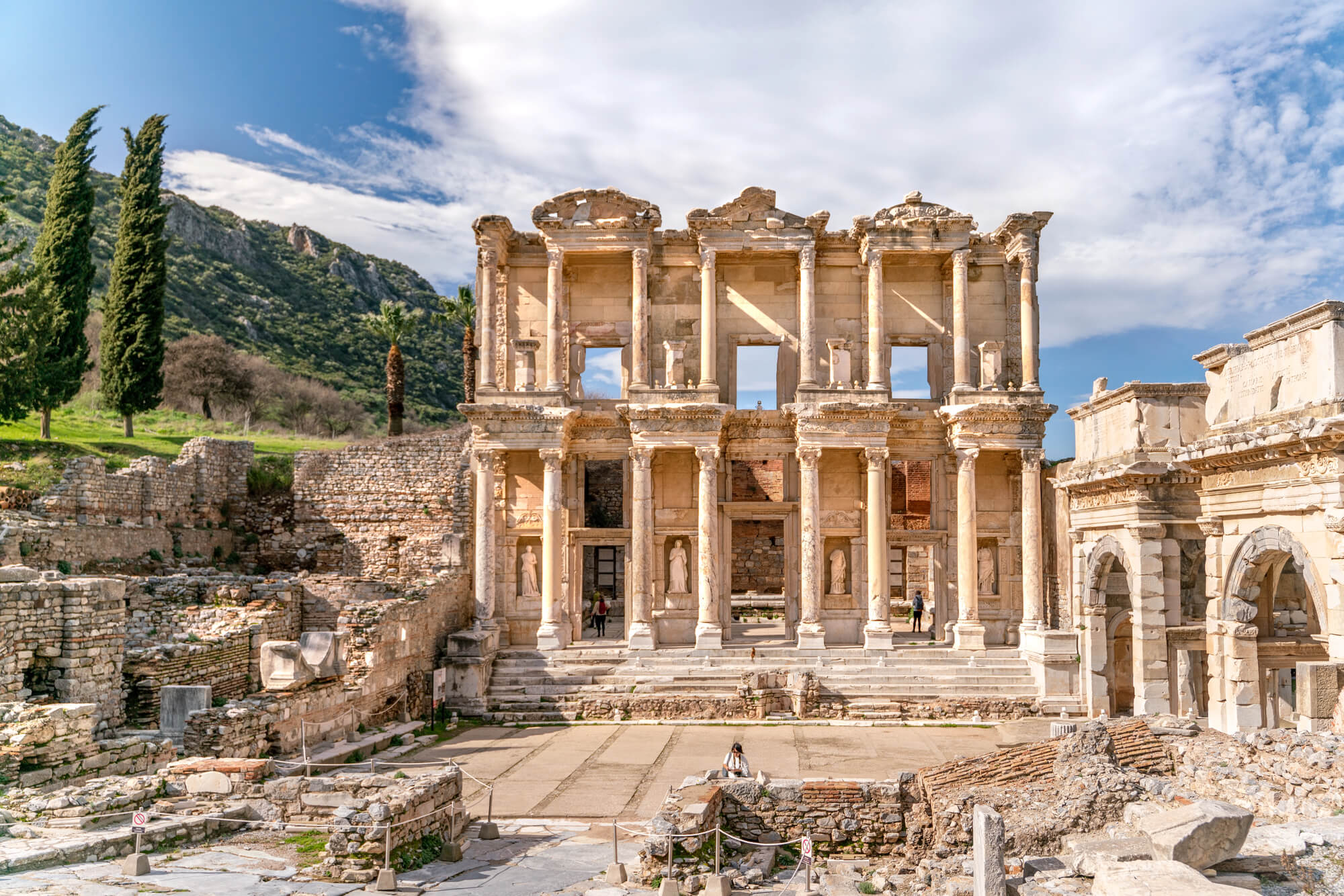
This well-preserved ancient Roman city in Turkey now requires a separate ticket and covered walkway system to view its Terrace Houses, a set of elite residences with mosaic floors and wall paintings, after conservators determined that open-air exposure and uncontrolled foot traffic were accelerating deterioration. The covering and walkway system also allows conservators to work on-site while limited visitor access continues.
The rest of the ancient city remains more openly walkable.
Nan Madol’s Basalt Ruins
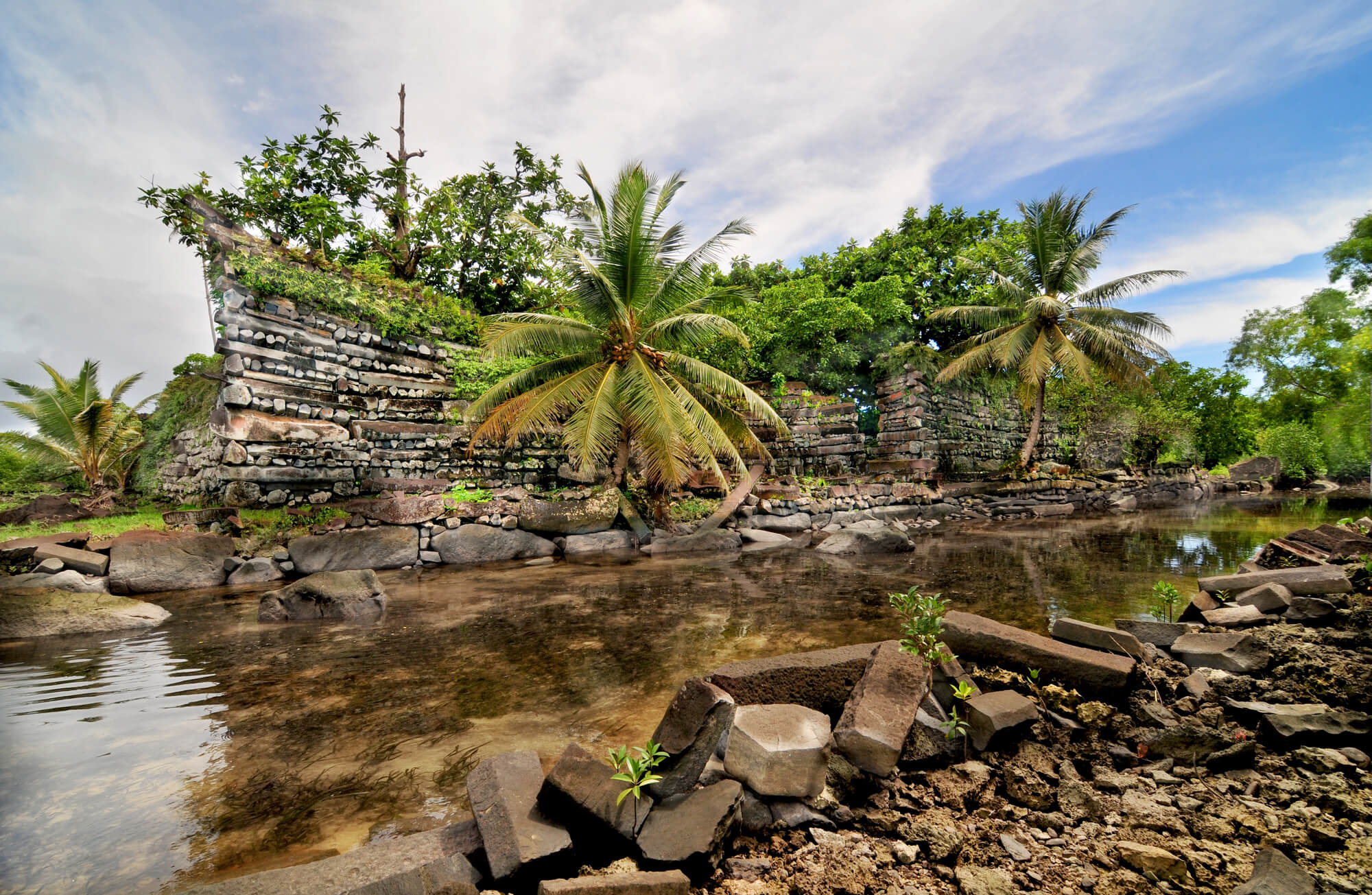
This artificial island complex off Pohnpei in Micronesia, built from massive stacked basalt columns, has seen access restricted by local authorities partly to manage the physical instability of walls already weakened by centuries of tidal erosion and partial collapse. UNESCO listed the site as endangered in 2016, citing mangrove overgrowth and structural decay as primary threats.
Visitor numbers remain low, but access to the most unstable structures is limited even for those who reach the site.
Great Zimbabwe’s Hill Complex
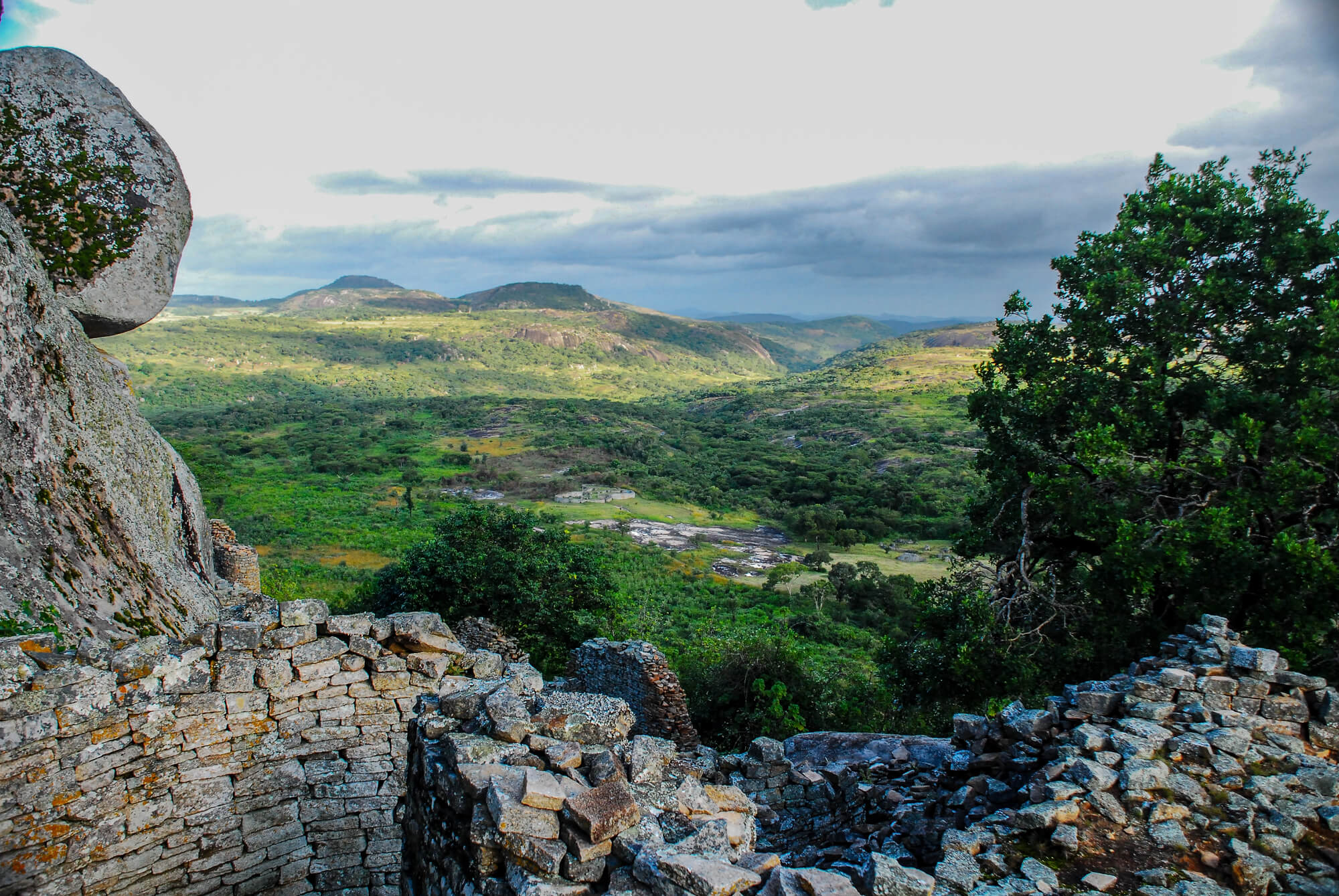
Zimbabwe’s national monument, the largest ancient stone structure in sub-Saharan Africa built without mortar, restricts unsupervised access to portions of its Hill Complex after erosion and loose stonework raised safety concerns for both visitors and the structure itself. Guided access remains available through the site’s monument authority.
The ruins were the namesake for the modern nation of Zimbabwe upon its 1980 independence.
Tikal’s Steepest Temple Staircases
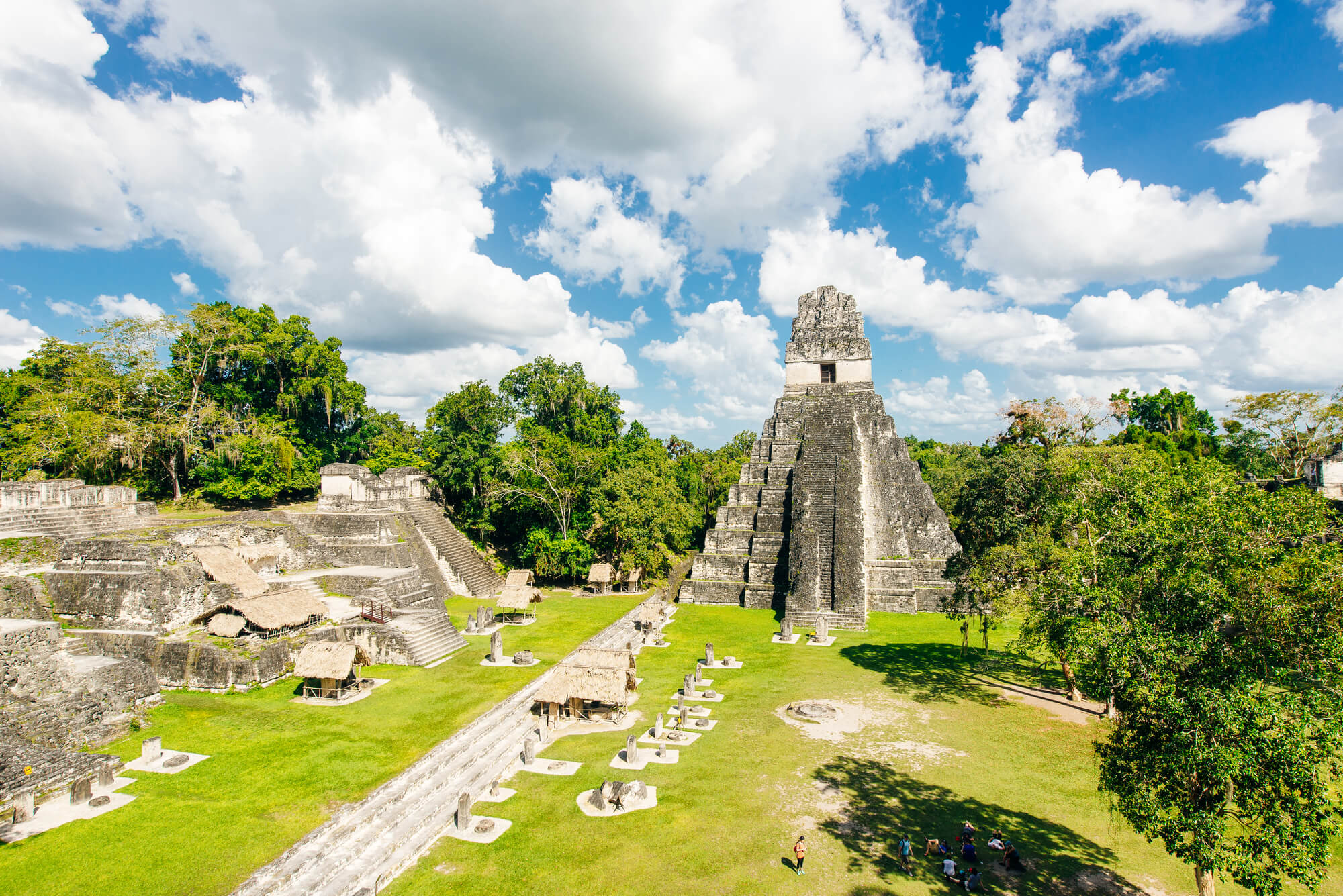
Guatemala’s Tikal National Park has closed the original front staircases of several of its tallest Maya temples, including Temple I, after decades of tourist climbing wore down the steep limestone steps and led to injuries. Wooden side staircases now provide the only means of ascent at temples that still permit climbing at all.
Other temples within the park have been closed to climbing entirely.
Palenque’s Temple of the Inscriptions
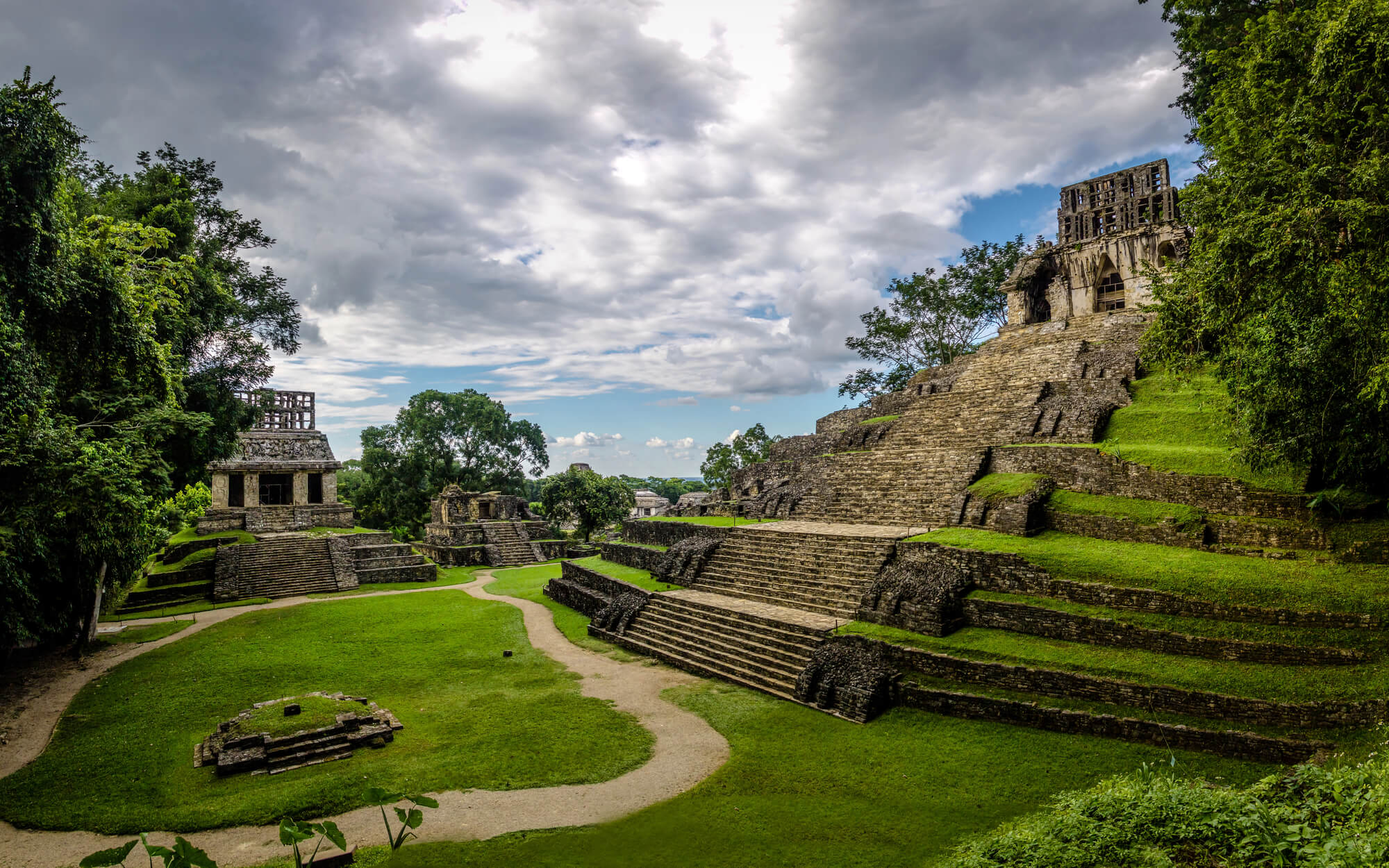
This Maya site in Mexico has restricted descent into the tomb chamber beneath the Temple of the Inscriptions, discovered by archaeologist Alberto Ruz Lhuillier in 1952, due to humidity concerns similar to those affecting painted caves elsewhere in the world. General visitors can view the temple’s exterior but not the burial chamber, which remains open mainly to researchers.
The restriction has been in place for years as conservators monitor conditions inside the sealed chamber.
Karnak Temple’s Hypostyle Hall Columns
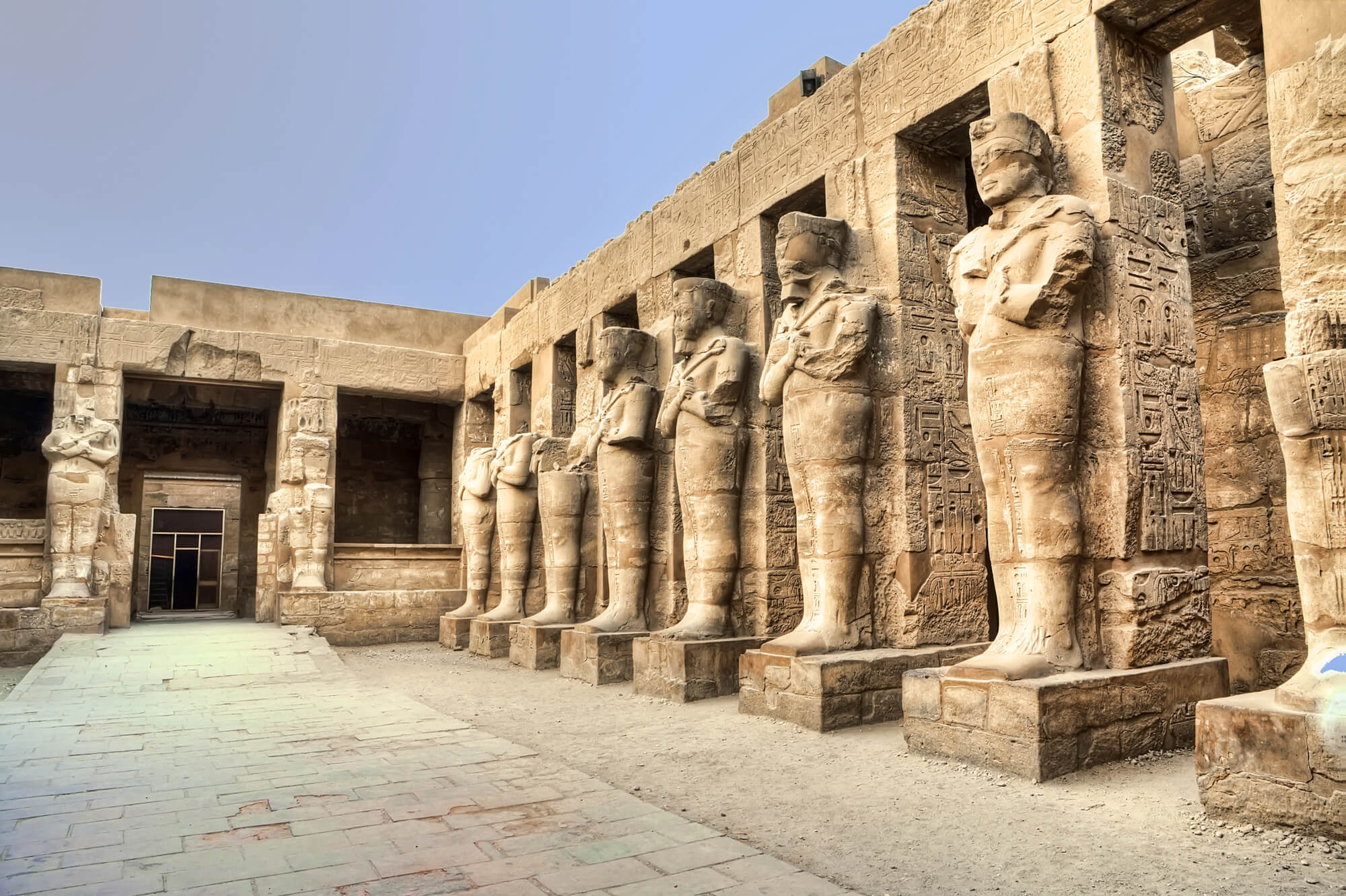
Egyptian authorities have fenced off certain column bases within the Hypostyle Hall at Karnak, near Luxor, after documenting damage from visitors touching and, in earlier decades, climbing on the massive carved columns. Rising groundwater and salt crystallization have compounded the physical wear from foot traffic across the site’s stone flooring.
Conservation teams continue long-term monitoring of both structural and chemical threats to the temple complex.
Skara Brae’s Stone Houses
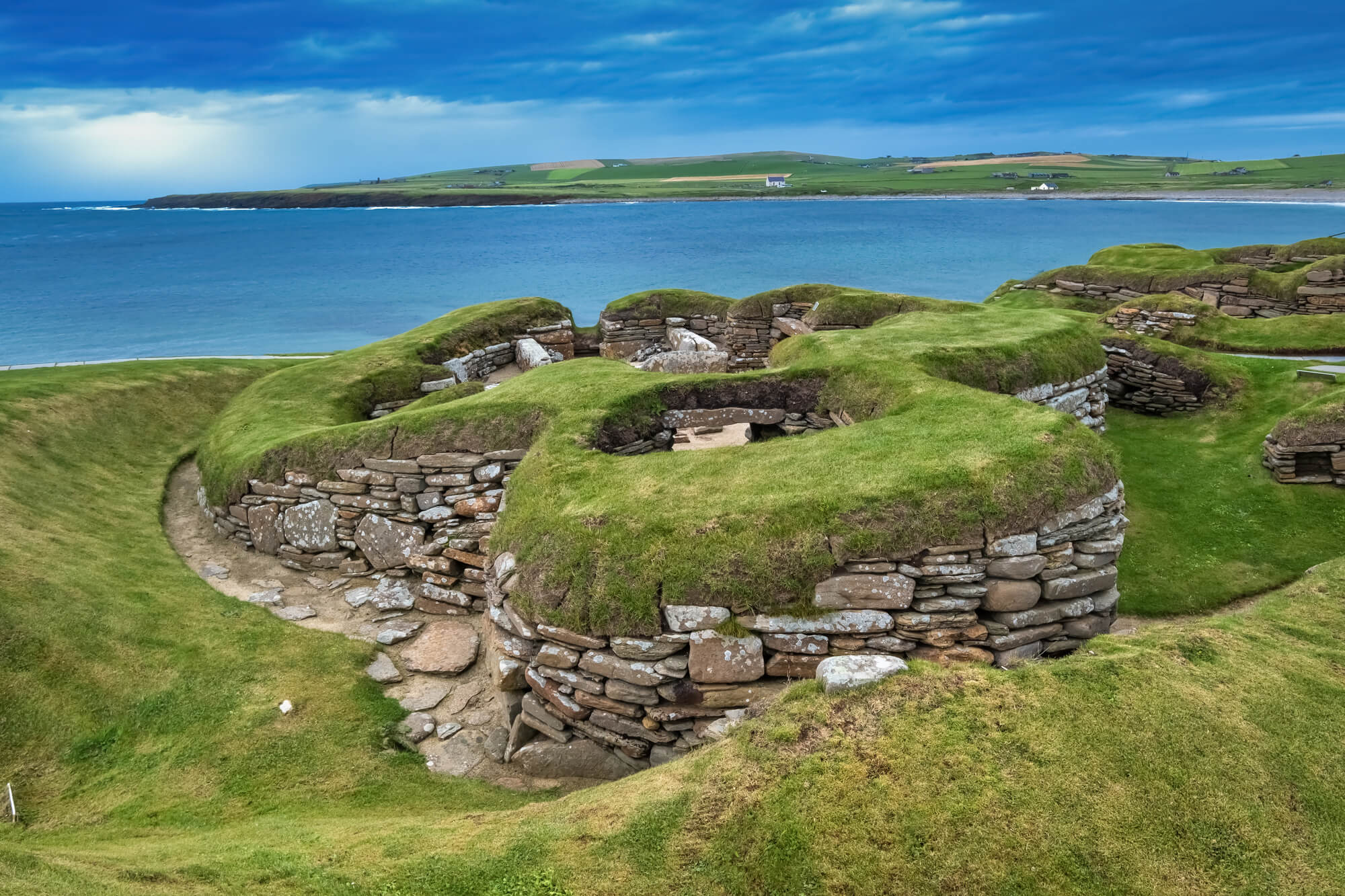
This Neolithic village on Orkney, Scotland, uncovered by a storm in 1850, now keeps visitors on an elevated walkway above the stone houses themselves rather than allowing entry into the ancient rooms, following erosion concerns tied to both foot traffic and the site’s ongoing exposure to coastal weather. Historic Environment Scotland has also invested in coastal defenses to slow erosion threatening the site from the sea itself.
The walkway system allows visitors to view the houses’ stone furniture without walking through them.
Hadrian’s Wall’s Best-Preserved Stretches
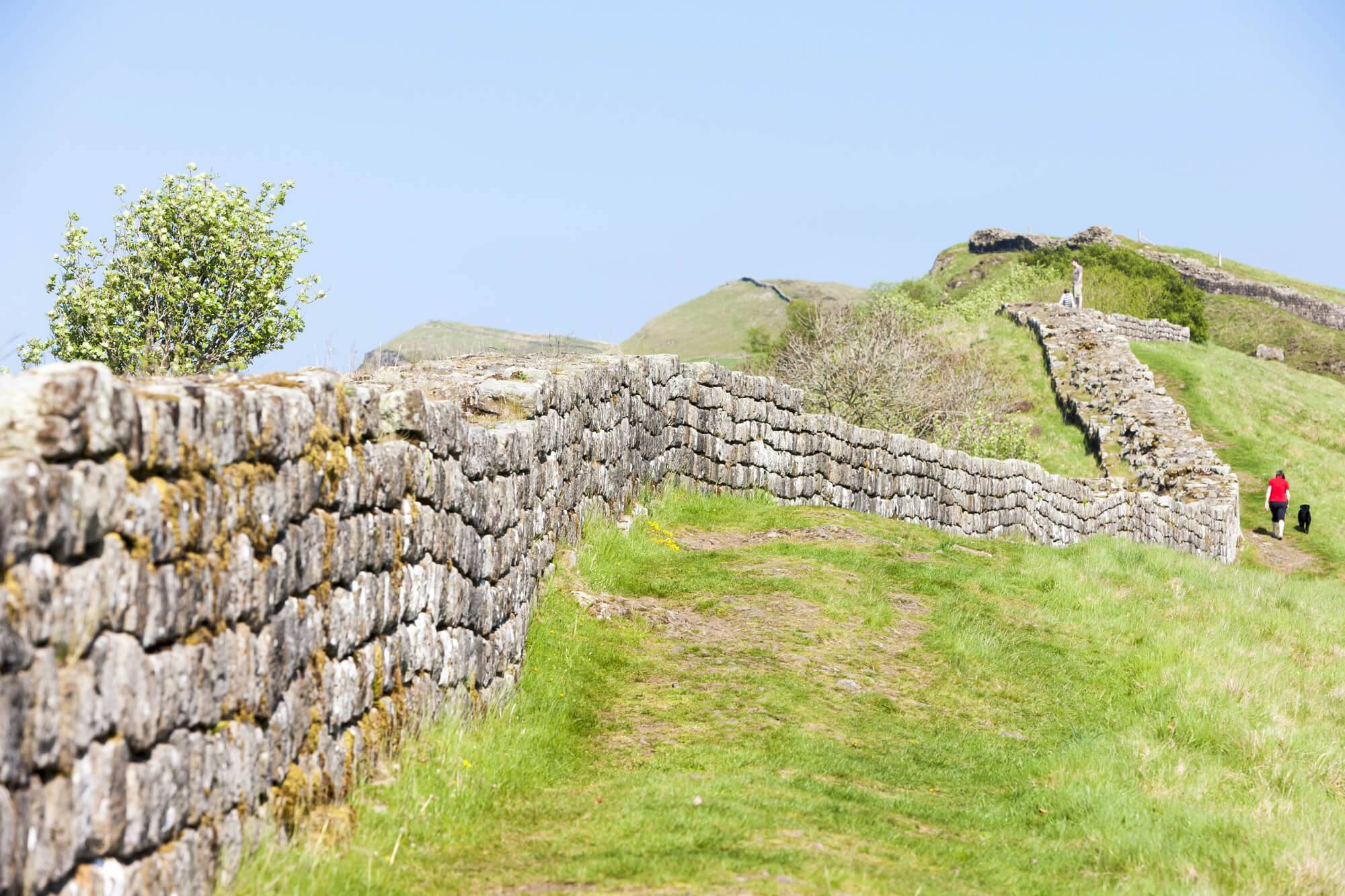
English Heritage and the National Trust have fenced or roped off several of the best-preserved stretches of this Roman frontier wall in northern England, including sections near Housesteads, after erosion from walkers stepping directly on the ancient stonework became measurable over years of monitoring. A designated National Trail runs alongside rather than atop the most fragile original sections in several areas.
The wall’s 1987 UNESCO World Heritage listing brought increased visitor numbers and, with them, increased pressure to formalize these restrictions.
The Fence as an Act of Faith

Every barrier on this list represents an admission that curiosity and preservation cannot fully coexist without some kind of limit. Site managers rarely make these decisions quickly, usually only after erosion, injury, or outright loss made the cost of open access impossible to ignore any longer.
What looks like a loss of access to any single visitor is, in aggregate, the reason these places are likely to still exist for the next generation of visitors at all. The rope line and the reinforced staircase are not really keeping people out so much as keeping the ruins in.
More from Go2Tutors!

- The Romanov Crown Jewels and Their Tragic Fate
- 13 Historical Mysteries That Science Still Can’t Solve
- Famous Hoaxes That Fooled the World for Years
- 15 Child Stars with Tragic Adult Lives
- 16 Famous Jewelry Pieces in History
Like Go2Tutors’s content? Follow us on MSN.