25 Classic Movies That Are Worth Rewatching
Some movies age like milk. These have aged like the good stuff, the kind that gets better the longer it sits. Rewatching a classic is not about nostalgia alone; it is about noticing what a second, third, or tenth viewing reveals that the first one missed.
These 25 films span five decades of American and international cinema, chosen not just for their reputations but for the specific reasons they still hold up. Each one earns its spot on a rewatch list for a different reason.
Casablanca
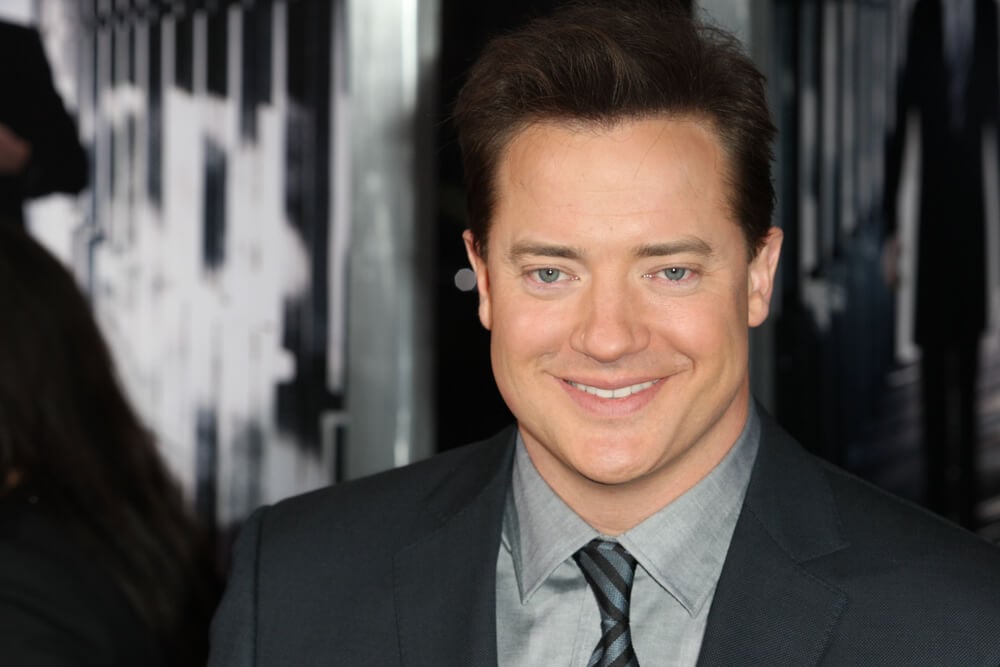
Released in 1942 during the height of American involvement in the Second World War, Casablanca was rushed into theaters without a finished ending, and the cast reportedly did not know until filming how the love triangle would resolve. It won the Academy Award for Best Picture the following year, and lines like “Here’s looking at you, kid” were largely improvised on set by Humphrey Bogart. Watching it again reveals how tightly the script balances romance, wartime anxiety, and moral compromise in under two hours.
Citizen Kane
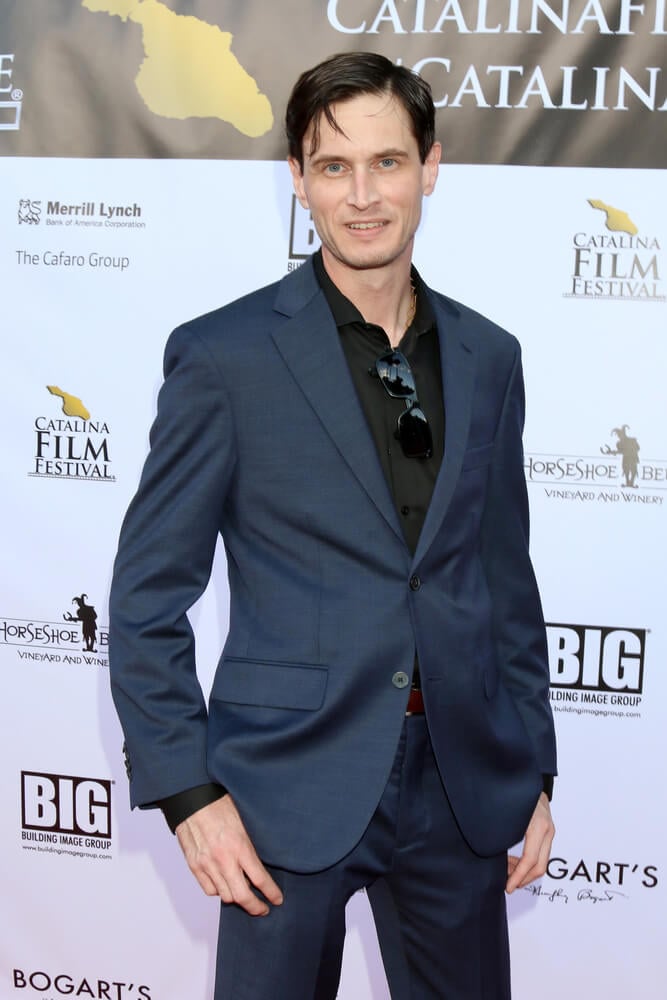
Orson Welles was 25 years old when he directed, co-wrote, produced, and starred in this 1941 film, widely credited with pioneering deep-focus cinematography and nonlinear storytelling. The film’s thinly veiled depiction of newspaper magnate William Randolph Hearst led Hearst to ban any mention of it in his papers. On rewatch, the fragmented structure, told through competing memories of people who knew Kane, becomes the entire point rather than a puzzle to solve.
The Godfather
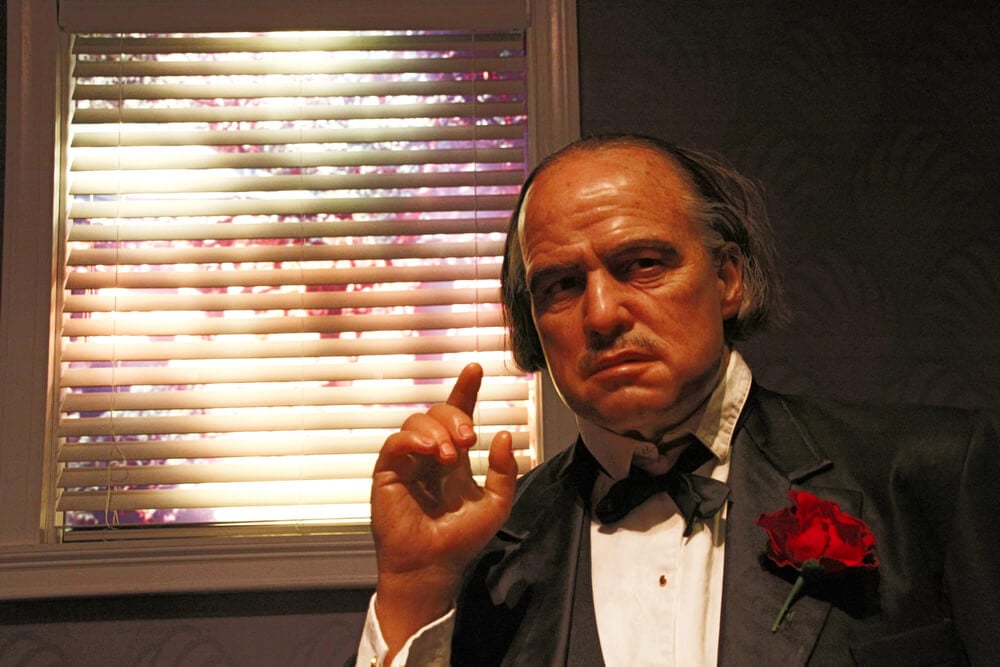
Francis Ford Coppola’s 1972 adaptation of Mario Puzo’s novel won Best Picture and turned Marlon Brando’s mumbling, cotton-stuffed performance as Vito Corleone into one of the most imitated in film history. Brando declined his Best Actor Oscar in protest of the treatment of Native Americans in the film industry, sending activist Sacheen Littlefeather to decline it on stage at the ceremony. A second viewing shifts the focus from Vito to Michael, whose transformation from reluctant outsider to ruthless heir is easy to miss the first time through.
Singin’ in the Rain
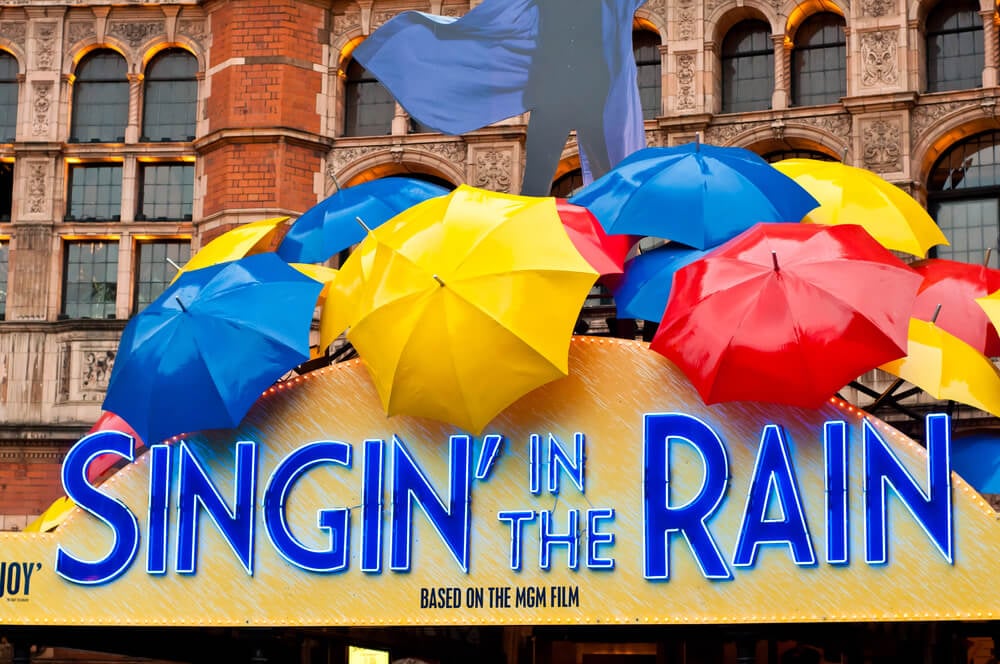
This 1952 musical, co-directed by and starring Gene Kelly, was a modest success on release and only later came to be regarded as one of the great American musicals. The film satirizes Hollywood’s own turbulent transition from silent films to talkies in the late 1920s, a subject the studio system rarely poked fun at itself. Rewatching it highlights how much of the humor depends on physical comedy and timing rather than dialogue alone.
Sunset Boulevard

Billy Wilder’s 1950 noir stars Gloria Swanson as a faded silent film star, a role that echoed her own real career decline in ways audiences at the time found unsettling. The film opens with its narrator already dead, floating face down in a swimming pool, and tells the entire story in flashback. On a second watch, every line Norma Desmond speaks about still being “big” carries the weight of dramatic irony that a first viewing simply cannot deliver.
12 Angry Men
Sidney Lumet’s 1957 courtroom drama takes place almost entirely in a single jury room, a constraint that forces the tension to come entirely from performance and dialogue. Henry Fonda, who plays the lone holdout juror, also produced the film, which was a box office disappointment on release despite critical praise. Rewatching it rewards attention to the physical staging, how characters move around the table as alliances shift throughout the film.
Vertigo
Alfred Hitchcock’s 1958 psychological thriller was a box office and critical disappointment in its era, only later climbing critics’ polls to be named the greatest film ever made in a 2012 Sight & Sound survey, displacing Citizen Kane after five decades at the top. The film’s dolly zoom technique, created to convey James Stewart’s character’s fear of heights, has since become a standard tool in filmmaking. On rewatch, knowing the ending recontextualizes nearly every scene involving Kim Novak’s dual role.
Some Like It Hot
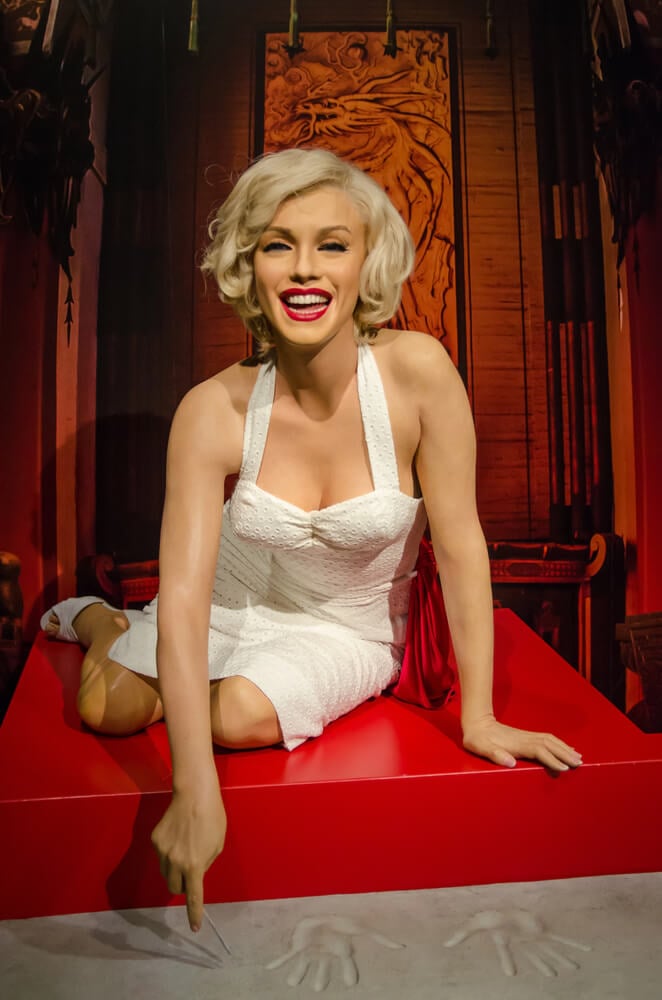
Billy Wilder’s 1959 comedy, starring Jack Lemmon, Tony Curtis, and Marilyn Monroe, was famously difficult to shoot because Monroe needed dozens of takes for simple lines, though the finished film shows none of that struggle. It was filmed in black and white specifically because color makeup tests made Curtis and Lemmon’s disguises look implausible rather than comedic. A rewatch highlights how precisely the film’s farce is constructed, with every disguise and mistaken identity paying off by the final scene.
Psycho
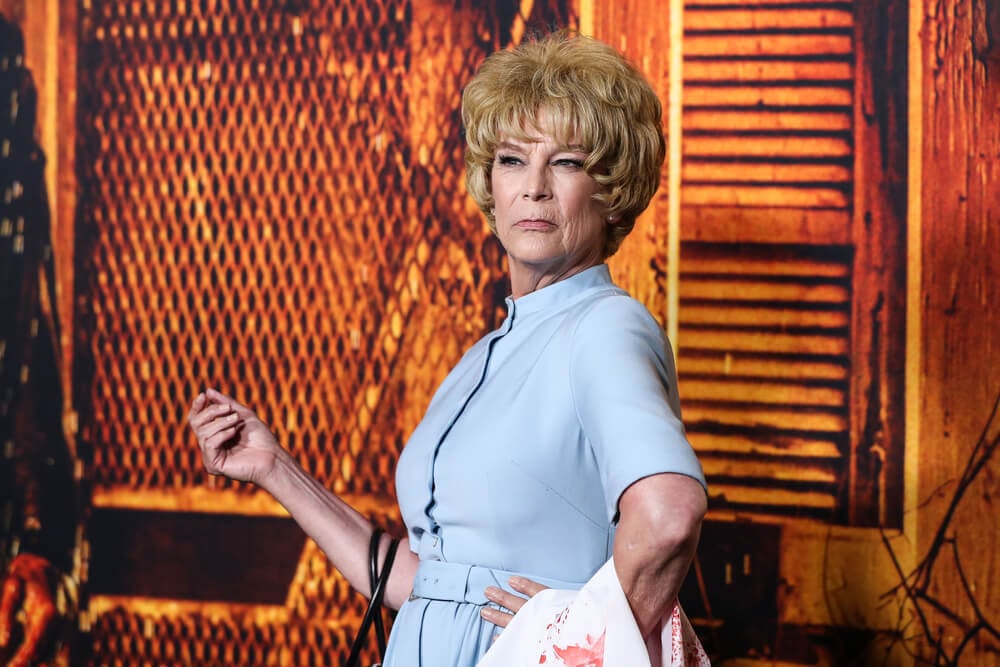
Alfred Hitchcock financed this 1960 thriller largely himself after Paramount balked at the material, and he insisted theaters refuse late admission once the film began, an unusual marketing move at the time. The famous shower scene took seven days to film and uses no visible blade contact, relying instead on editing rhythm to suggest violence. Watching it a second time shifts attention away from the twist itself and toward how carefully Hitchcock signals it in hindsight.
Lawrence of Arabia

David Lean’s 1962 epic runs nearly four hours and was shot largely on location in the desert landscapes of Jordan and Morocco rather than on soundstages, a decision that nearly broke the production. Peter O’Toole’s performance as T.E. Lawrence made him a star despite it being only his second major film role. On rewatch, the film’s slow, deliberate pacing reveals itself as a deliberate mirror of the vast, indifferent landscape it depicts.
To Kill a Mockingbird
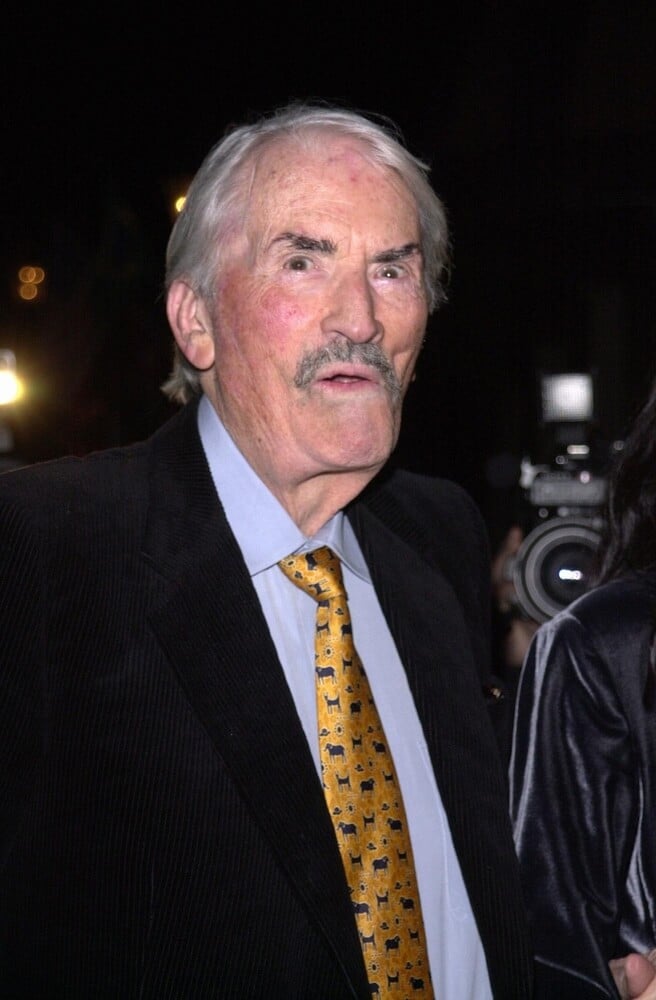
Adapted from Harper Lee’s novel and released in 1962, this courtroom drama earned Gregory Peck an Academy Award for his performance as small-town lawyer Atticus Finch, a role the American Film Institute later ranked as the greatest movie hero of the 20th century. Lee reportedly gave Peck her own father’s pocket watch as a gift after seeing his performance. A second viewing draws out how much of the story is filtered through a child’s limited understanding, which shapes what the audience is and is not shown.
Dr. Strangelove
Stanley Kubrick’s 1964 Cold War satire has Peter Sellers playing three separate roles, including the title character, after Kubrick decided one actor could anchor the film’s absurdist tone across different settings. The film was in production during the Cuban Missile Crisis, which added an uncomfortable real-world edge to its story about accidental nuclear war. Rewatching it clarifies how much of the humor is procedural, rooted in bureaucratic language and protocol rather than jokes.
The Good, the Bad and the Ugly
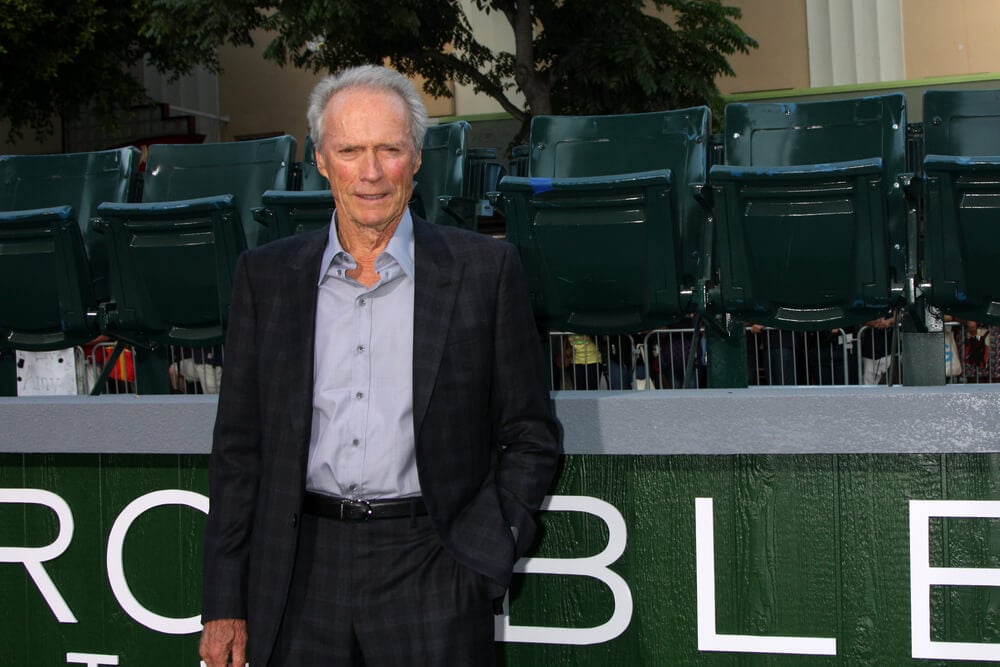
Sergio Leone’s 1966 Spaghetti Western, the third in his Dollars Trilogy, stars Clint Eastwood alongside Eli Wallach and Lee Van Cleef, and was shot largely in Spain standing in for the American Southwest. Ennio Morricone’s score, composed before much of the film was shot, directly influenced the pacing of several key scenes. A second watch makes clear how much the film relies on extended silences and close-ups of eyes rather than dialogue to build tension.
Bonnie and Clyde
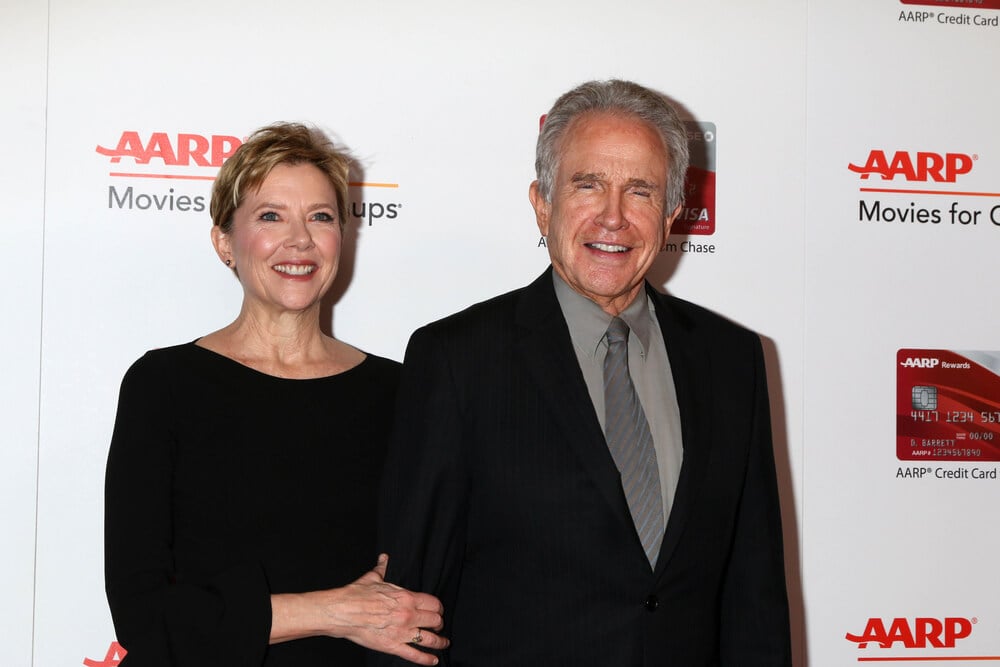
Arthur Penn’s 1967 crime drama, starring Warren Beatty and Faye Dunaway, was initially savaged by critics for its graphic violence before a wave of reassessment turned it into a defining film of the New Hollywood era. Its abrupt, unflinching final sequence broke sharply from the more sanitized endings typical of studio films at the time. Rewatching it highlights how the tone shifts gradually from breezy caper comedy to tragedy long before the ending arrives.
The Graduate
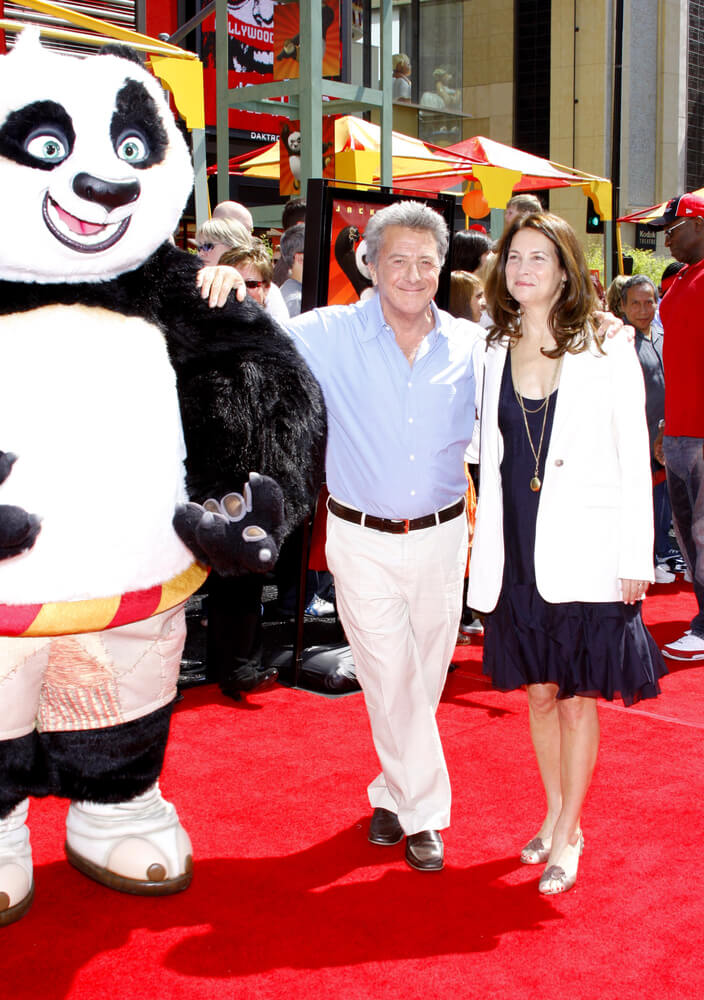
Mike Nichols’ 1967 film made Dustin Hoffman a star in his first major screen role, playing a recent college graduate adrift and drawn into an affair with an older family friend. Simon and Garfunkel’s soundtrack, including “The Sound of Silence,” was added largely at Nichols’ insistence after he used the songs as temporary placeholders during editing. A second viewing reveals how ambiguous the famous ending actually is, undercutting the romantic triumph it appears to depict at first glance.
Butch Cassidy and the Sundance Kid
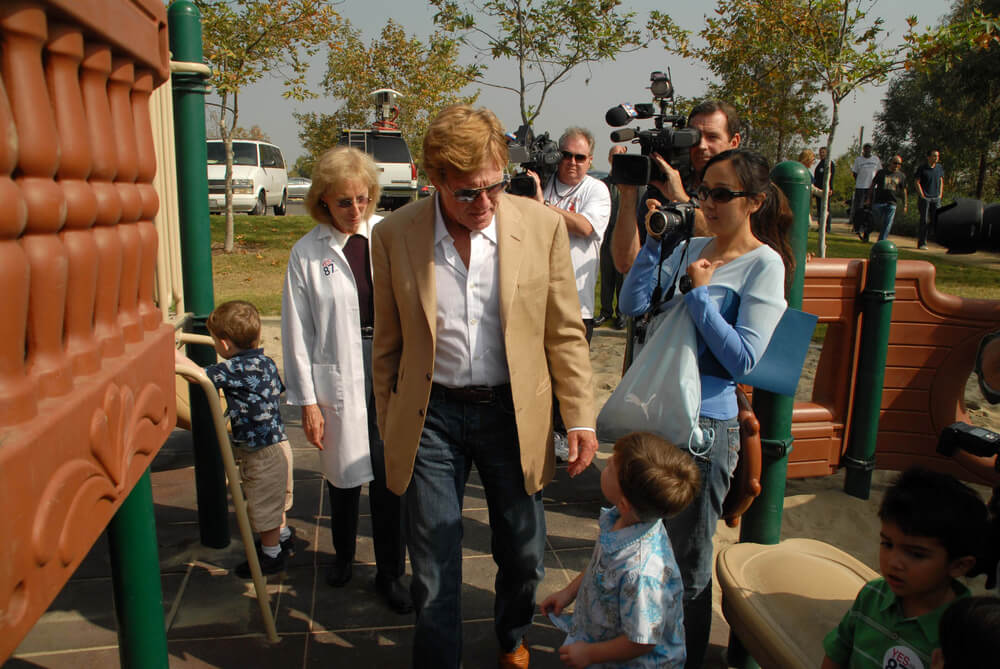
This 1969 Western, starring Paul Newman and Robert Redford as outlaws on the run, leans into comedy and buddy chemistry in a genre that had traditionally favored stoicism. Its famous bicycle scene, set to “Raindrops Keep Fallin’ on My Head,” was almost cut for being tonally inconsistent with the rest of the film. Rewatching it clarifies how the lighthearted tone throughout makes the ending’s abrupt violence land with more force, not less.
Chinatown
Roman Polanski’s 1974 neo-noir, written by Robert Towne and starring Jack Nicholson, is frequently cited as one of the most tightly constructed screenplays in American film. Its ending, considerably darker than Towne originally intended, was reportedly insisted upon by Polanski over the writer’s objections. A second viewing rewards close attention to the water rights subplot, which turns out to be inseparable from the personal mystery rather than incidental to it.
One Flew Over the Cuckoo’s Nest
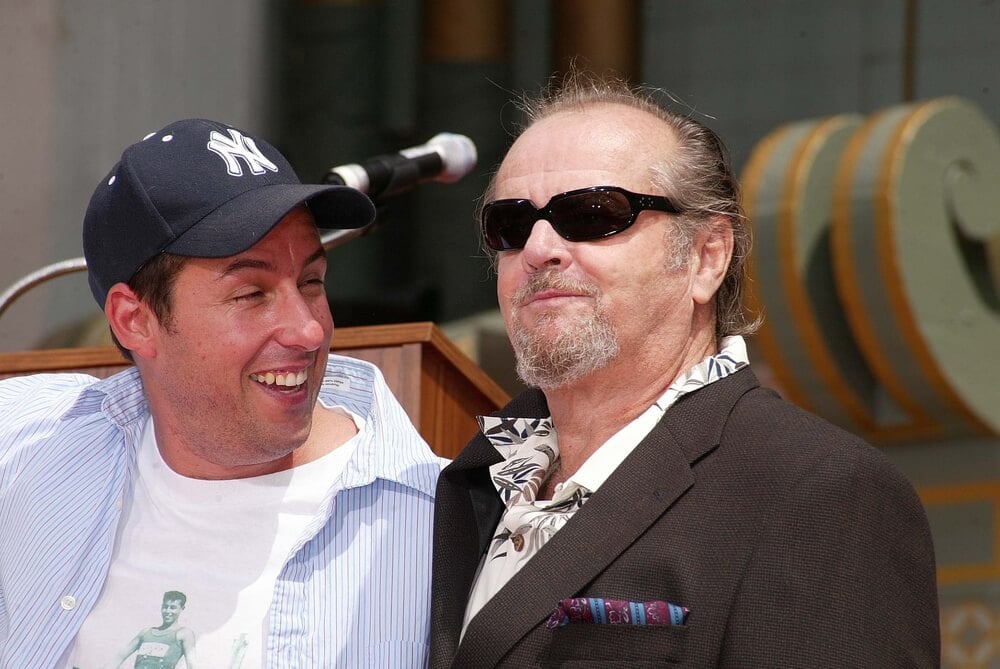
Milos Forman’s 1975 adaptation of Ken Kesey’s novel swept the top five Academy Awards, a feat only a handful of films have accomplished. Many of the supporting patients in the psychiatric ward were played by actual staff and patients at the Oregon hospital where filming took place. Rewatching it shifts sympathy in unexpected directions once the full scope of Nurse Ratched’s quiet institutional control becomes clear.
Jaws
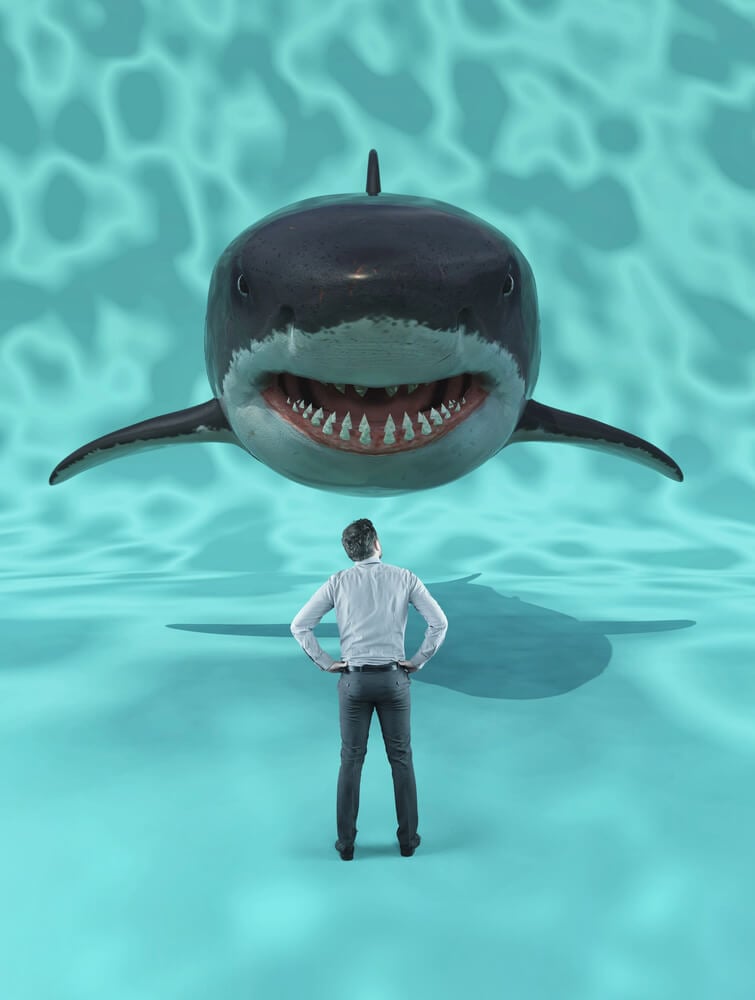
Steven Spielberg’s 1975 thriller about a great white shark terrorizing a resort town is widely credited as the first true summer blockbuster, becoming the first film to cross $100 million at the domestic box office. Constant mechanical failures with the shark prop forced Spielberg to rely on suggestion and suspense rather than direct depiction for much of the film, a limitation that became one of its greatest strengths. On rewatch, the shark’s near absence from the screen for the first half of the film is far more deliberate than it feels on a first, more anxious viewing.
Rocky
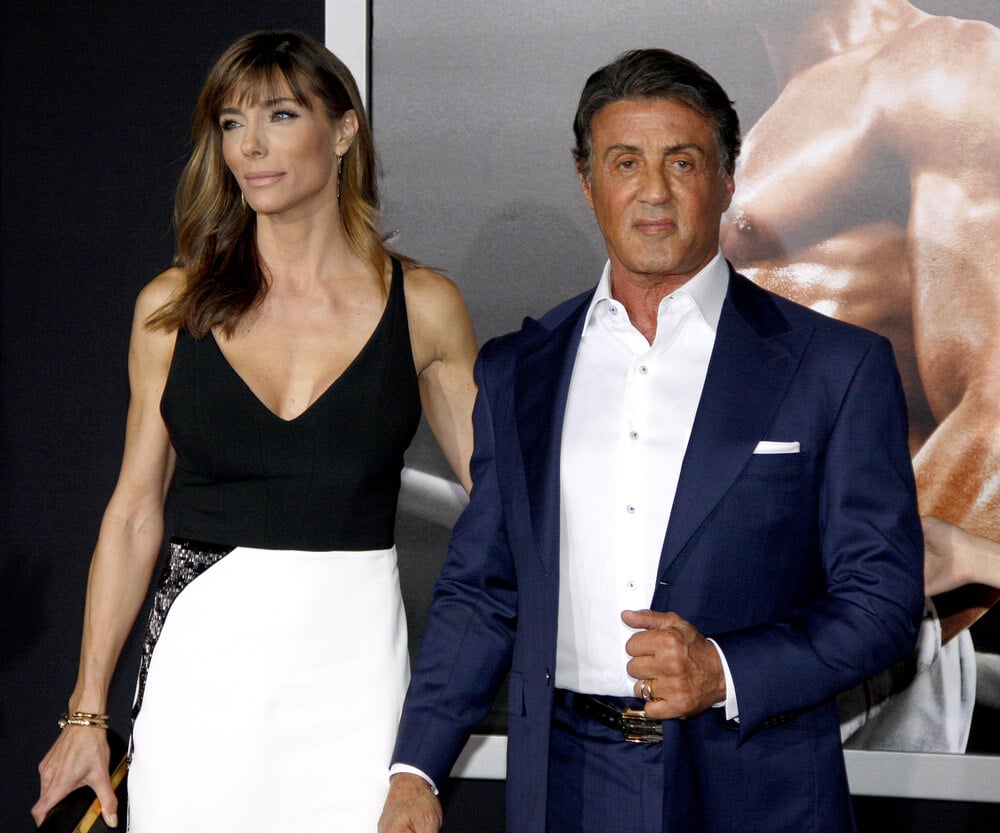
Sylvester Stallone wrote the script for this 1976 boxing drama in a matter of days and refused to sell it unless he was cast in the lead role, despite studio pressure to hire a bigger star. Made on a modest budget, it went on to win Best Picture and spawned one of the longest-running franchises in American film. A second viewing shows how little the film is actually about winning, with its emotional climax hinging on endurance rather than victory.
Annie Hall
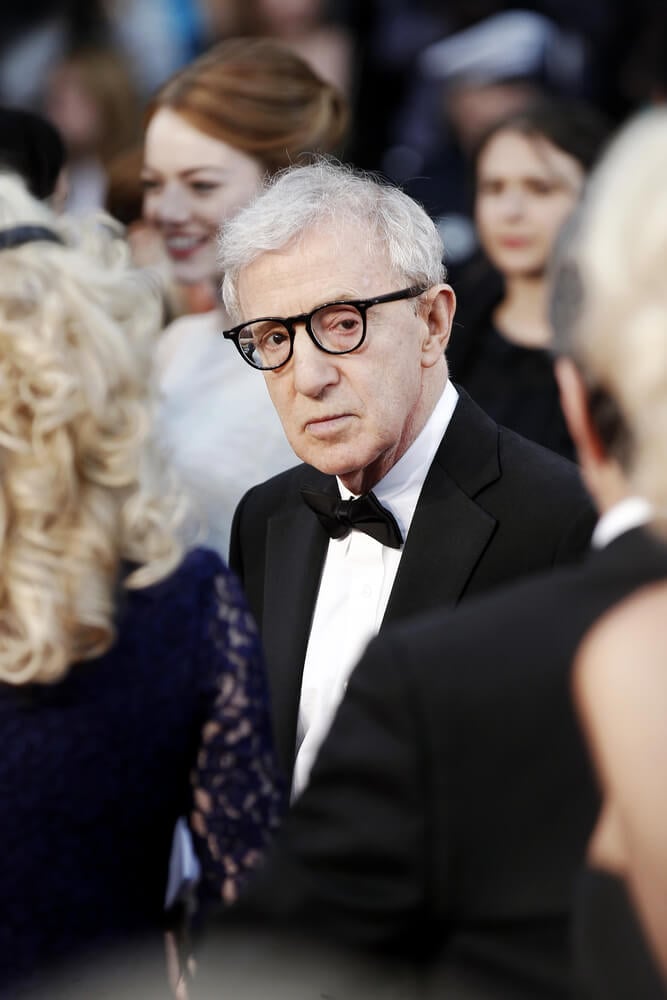
Woody Allen’s 1977 romantic comedy, starring Diane Keaton, broke from traditional narrative structure with direct address to the camera, animated sequences, and split-screen scenes depicting the same conversation from two perspectives. It won Best Picture over Star Wars that year, a result still debated among film historians. Rewatching it highlights how the nonlinear structure mirrors the way memory actually works, jumping associatively rather than chronologically.
Alien
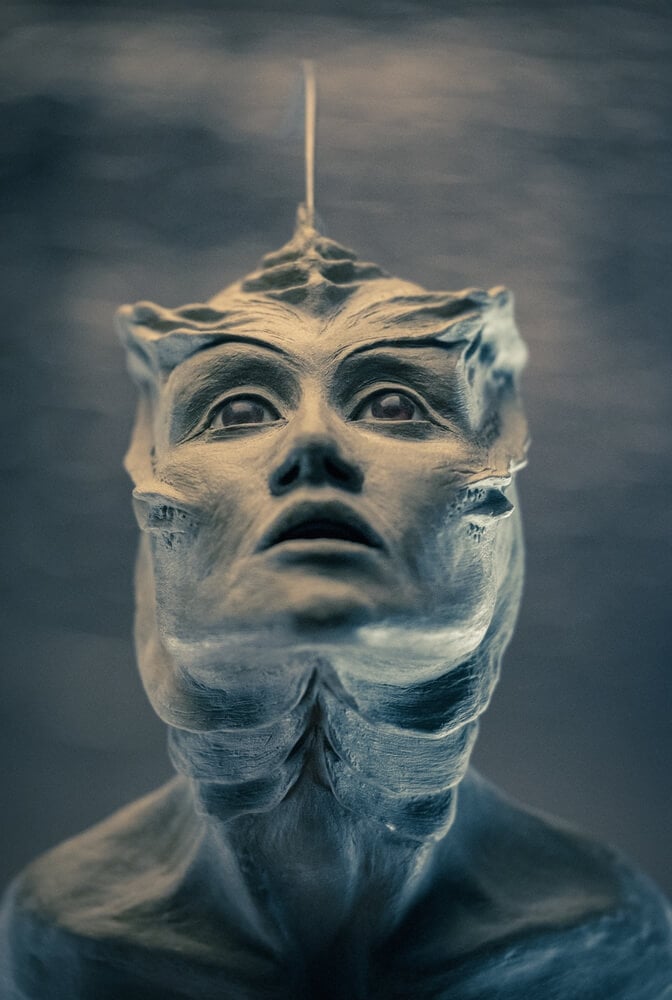
Ridley Scott’s 1979 science fiction horror film draws its dread largely from pacing, withholding a clear view of its creature for much of the runtime in favor of shadows and suggestion. Designer H.R. Giger’s biomechanical creature design was informed by his own surrealist artwork, giving the film a visual identity distinct from other monster movies of the era. A second viewing reveals how methodically the film establishes the ship’s claustrophobic geography before anything goes wrong.
Raging Bull
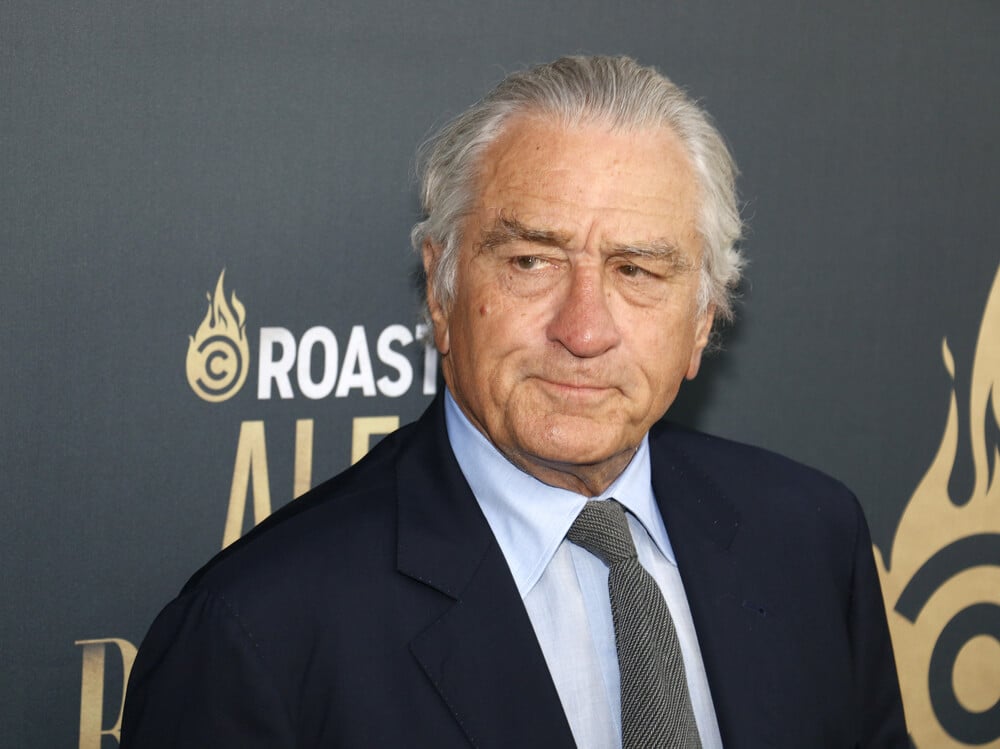
Martin Scorsese’s 1980 biopic of boxer Jake LaMotta, shot largely in black and white, features Robert De Niro gaining a significant amount of weight to portray LaMotta’s later years, a physical transformation that became one of the most discussed in film history. The fight sequences use exaggerated sound design and camera speed changes rather than realism to convey LaMotta’s subjective experience of violence. Rewatching it clarifies that the story is less about boxing than about a man whose self-destruction extends into every relationship he has.
Back to the Future
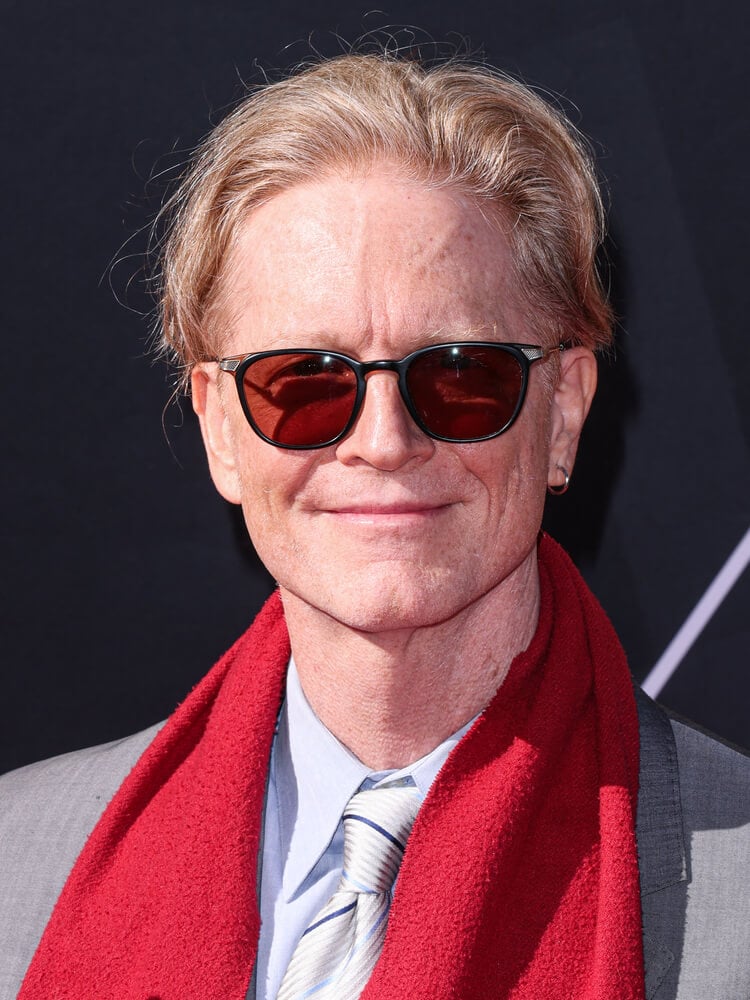
Robert Zemeckis’ 1985 time-travel comedy recast its lead actor five weeks into production, replacing Eric Stoltz with Michael J. Fox and reshooting the completed scenes. The film became the highest-grossing release of 1985 and helped popularize time-travel logic puzzles in mainstream comedy. On a second watch, the film’s careful planting of details in 1985 that pay off in 1955, and vice versa, becomes far more visible than it is on a first pass focused on plot.
The Shawshank Redemption
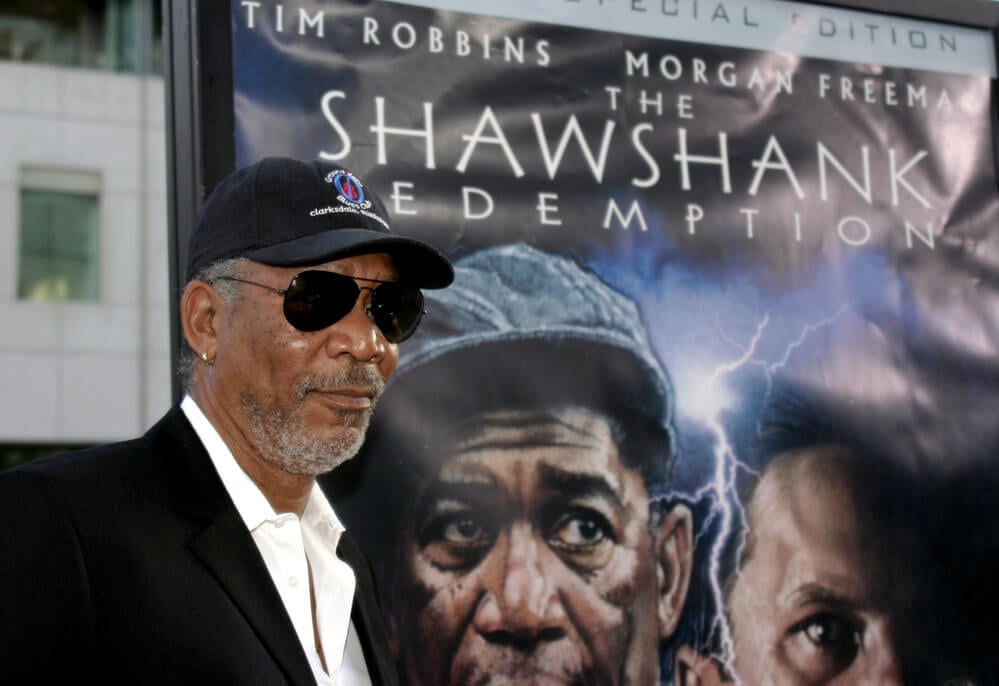
Frank Darabont’s 1994 prison drama, adapted from a Stephen King novella, was a box office disappointment on release before finding a much larger audience through home video and television broadcasts. It has topped audience-voted rankings like the IMDb Top 250 for years despite never winning a major award during its original release run. Rewatching it changes the experience considerably, since the twist involving Andy’s tunnel recontextualizes small details scattered throughout the entire film.
The Long Half-Life of a Good Story
A classic does not survive because it was popular once. It survives because something in its construction rewards return visits, a shot that means more once you know where the story is going, a line that lands differently once the ending is no longer a surprise. That is the real test separating a classic from a movie that was simply well-liked in its moment.
Rewatching these films is less an act of nostalgia than an act of noticing. The first viewing tells you what happens. Every one after that tells you how, and increasingly, why.
More from Go2Tutors!

- The Romanov Crown Jewels and Their Tragic Fate
- 13 Historical Mysteries That Science Still Can’t Solve
- Famous Hoaxes That Fooled the World for Years
- 15 Child Stars with Tragic Adult Lives
- 16 Famous Jewelry Pieces in History
Like Go2Tutors’s content? Follow us on MSN.