25 Movie Studios That Shaped a Country
Every national film industry has an origin point, usually a single studio willing to gamble on building infrastructure before anyone knew if a local audience existed. These 25 studios did more than release films. Each one helped define what their country’s cinema looked like, sounded like, and stood for.
Some of these studios still operate today. Others closed decades ago but left behind a template every studio that followed still uses.
Warner Bros. (United States)

Founded by four brothers in 1923, Warner Bros. took the enormous financial risk of committing to synchronized sound with The Jazz Singer in 1927, a gamble that effectively ended the silent film era within a few years. The studio built its early identity on gritty crime dramas and social-issue films, a grittier house style than its more glamour-focused competitors. Its willingness to make films addressing contemporary social problems, unusual for the period, shaped what American audiences expected mainstream studio films to tackle. The studio remains one of the oldest continuously operating major film companies in the world.
Walt Disney Studios (United States)

What began as a small animation shop in the 1920s became, with the release of Snow White and the Seven Dwarfs in 1937, the first studio to prove a feature-length animated film could succeed commercially. That gamble, widely mocked in the industry beforehand as “Disney’s Folly,” reshaped what animation could be as a medium rather than a novelty. The studio’s later theme park and merchandising strategy became a business model other entertainment companies spent decades trying to replicate. Its influence on how American children’s entertainment is produced and marketed remains difficult to overstate.
Metro-Goldwyn-Mayer (United States)
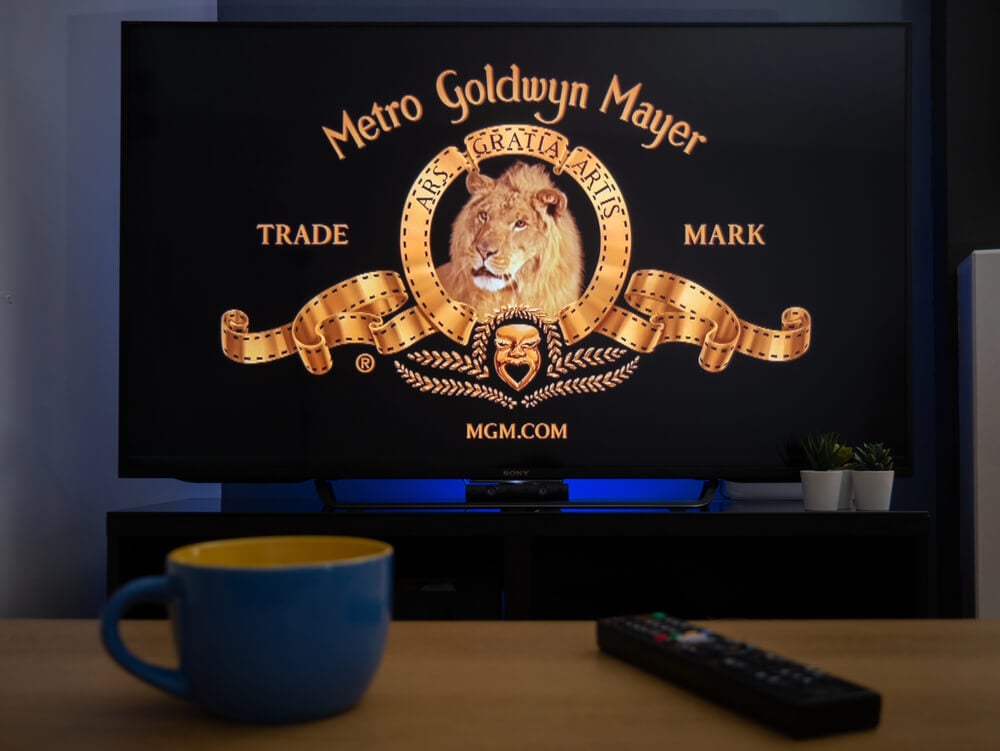
MGM built its identity in the 1930s and 1940s around glamour and scale, famously promoting itself as having “more stars than there are in heaven” due to its enormous roster of contracted talent. The studio’s lavish musicals, including The Wizard of Oz and Singin’ in the Rain, set a visual standard for studio-era production values that other Hollywood studios measured themselves against. Its financial collapse and asset sell-offs beginning in the 1970s became a cautionary case study in how quickly even a dominant studio could lose its footing. The studio’s roaring lion logo remains one of the most recognized symbols in entertainment history.
Toho (Japan)

Founded in 1932, Toho became the studio most responsible for defining Japanese cinema’s postwar international identity, releasing both the internationally acclaimed dramas of director Akira Kurosawa and the original Godzilla in 1954. Godzilla was conceived partly as a direct response to Japan’s experience with nuclear devastation, and the film’s success established an entire genre of giant-monster cinema that Toho continued producing for decades. The studio also built and maintained Japan’s largest network of movie theaters, giving it outsized influence over which films Japanese audiences actually got to see. Its dual legacy, serious arthouse cinema alongside monster spectacle, remains unusual among major studios worldwide.
Studio Ghibli (Japan)

Founded in 1985 by directors Hayao Miyazaki and Isao Takahata, Studio Ghibli built its reputation on hand-drawn animated films that treated young audiences with unusual seriousness, avoiding the broad comedy and merchandising focus common elsewhere in the industry. Spirited Away became the first non-English-language animated film to win the Academy Award for Best Animated Feature. The studio’s insistence on traditional animation techniques, even as digital tools became industry standard elsewhere, became part of its identity rather than a limitation. Its films remain a primary reference point for what Japanese animation can achieve outside the more commercially driven anime industry.
Toei (Japan)
Toei, formed through a 1951 merger, became one of Japan’s largest studios by dominating both live-action period films and, from the 1970s onward, television and film animation aimed at younger audiences. The studio’s animation division produced several of the longest-running anime franchises in Japanese television history, some of which remain in production decades after their debut. Toei also played a significant role in developing Japan’s tokusatsu genre, live-action productions built around special-effects superheroes and monsters. Its influence on Japanese children’s entertainment across multiple generations has been substantial.
Shaw Brothers Studio (Hong Kong)

Shaw Brothers Studio, which built a massive production facility in Hong Kong in the early 1960s, industrialized martial arts filmmaking at a scale no studio had previously attempted, producing hundreds of films through the 1970s and 1980s. Its assembly-line approach to production, including a contract system for actors and directors, allowed the studio to release new films at a pace that flooded regional markets across Asia. The studio’s stylized fight choreography and set design became visually synonymous with the martial arts genre for international audiences discovering it for the first time. Its film library remains one of the most influential archives in martial arts cinema history.
Golden Harvest (Hong Kong)
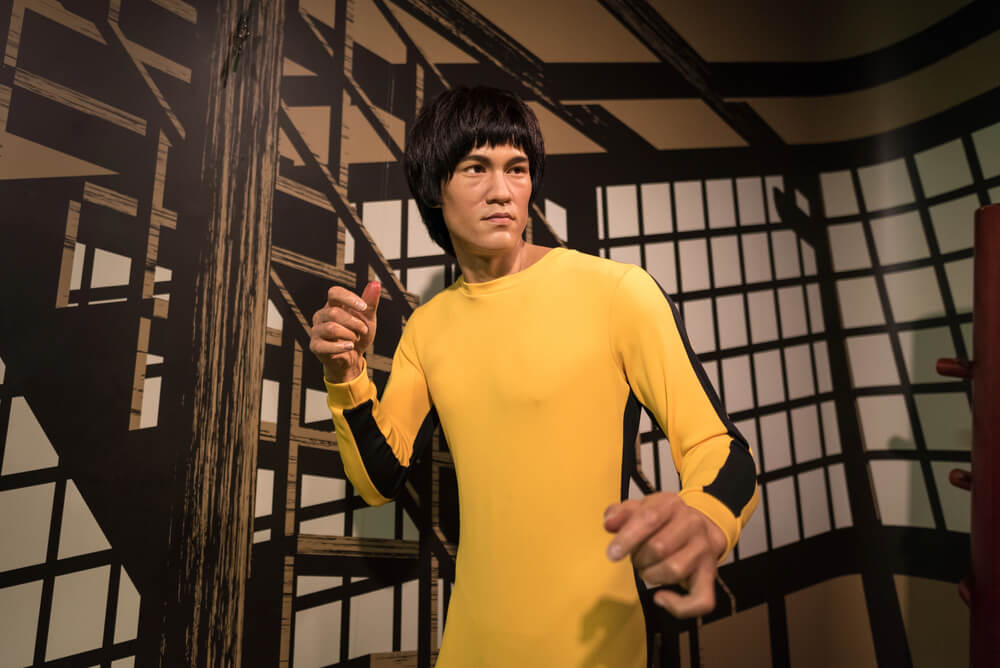
Founded by former Shaw Brothers executives in 1970, Golden Harvest broke from its rival’s rigid studio contract system and offered filmmakers and stars significantly more creative and financial independence, a shift that helped it sign performers including Bruce Lee and, later, Jackie Chan. That flexibility allowed the studio to produce films that crossed over into international markets far more successfully than its more insular competitor. Golden Harvest’s co-productions helped establish Hong Kong action cinema as a genuine global commercial force rather than a regional niche. Its business model influenced how independent film financing developed across Asia in the decades that followed.
UFA (Germany)
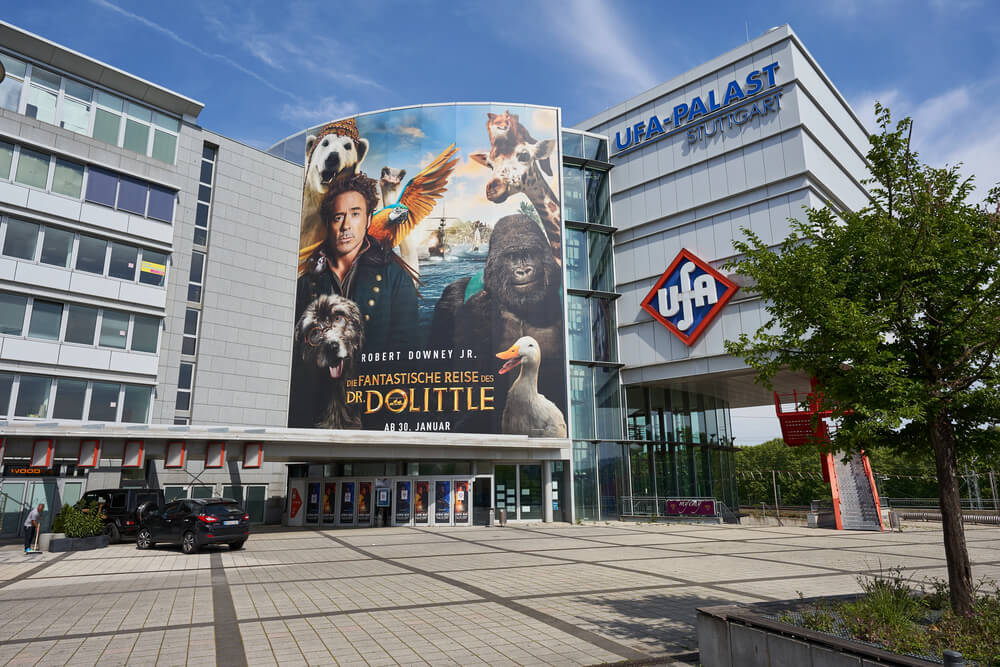
Universum Film AG, founded in 1917 partly as a wartime propaganda initiative, became the dominant force in German cinema through the 1920s, producing internationally influential films during the Weimar era’s period of remarkable artistic experimentation. The studio’s expressionist visual style influenced filmmakers worldwide, including many who would later shape Hollywood horror and film noir. UFA was later brought under direct government control during the Nazi era and used explicitly for propaganda purposes, a dark chapter that remains central to how the studio’s history is taught today. Its prewar creative legacy and wartime misuse are both essential to understanding twentieth-century German cinema.
Studio Babelsberg (Germany)
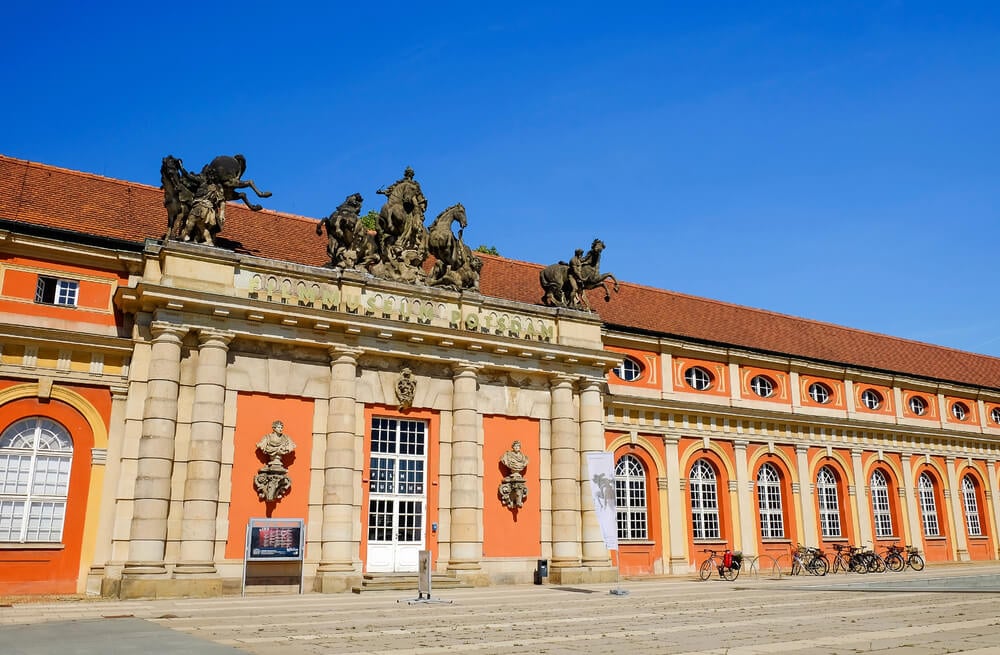
Studio Babelsberg, established outside Berlin in 1912, is the oldest large-scale film studio in the world still in continuous operation. It produced landmark German silent films in the 1920s before passing through state control under both the Nazi and later East German communist governments, each era leaving a distinct mark on the facility and its output. Following German reunification, the studio was privatized and rebuilt its business around hosting major international productions, leveraging its enormous soundstages and skilled crew base. Its century-long survival through multiple political systems makes it a unique case study in how a physical production facility can outlast the regimes that once controlled it.
Mosfilm (Russia/Soviet Union)

Mosfilm, founded in 1920 in the early years of the Soviet Union, became the primary vehicle for state-sponsored Soviet cinema, producing both officially sanctioned propaganda and some of the most technically ambitious films of the twentieth century. Its resources dwarfed those of most Western studios during peak Soviet production years, allowing for enormous historical epics with thousands of extras. The studio operated under direct government oversight for most of its existence, with scripts subject to approval before production could begin. Mosfilm continued operating after the Soviet collapse and remains one of the largest film studios in Europe today.
Gaumont (France)
Founded in 1895, Gaumont holds the distinction of being the oldest continuously operating film company in the world, predating even the earliest Hollywood studios by more than a decade. Its early years were shaped significantly by Alice Guy-Blaché, widely credited as one of the first filmmakers to direct a narrative fiction film, who ran the studio’s production operations before the medium’s basic conventions had even been established. The studio’s survival through more than a century of technological and industry upheaval reflects an unusually adaptable business model. It remains an active production and distribution company in France today.
Pathé (France)
Pathé, founded in 1896, became the largest film company in the world by the early twentieth century, at one point producing and distributing a substantial share of all films shown globally. The company pioneered the newsreel format, bringing filmed current events to audiences decades before television existed. Its dominance declined significantly after World War I as national film industries in other countries matured and began protecting their domestic markets. Pathé remains active today, primarily as a major European distributor and cinema chain operator.
Cinecittà (Italy)
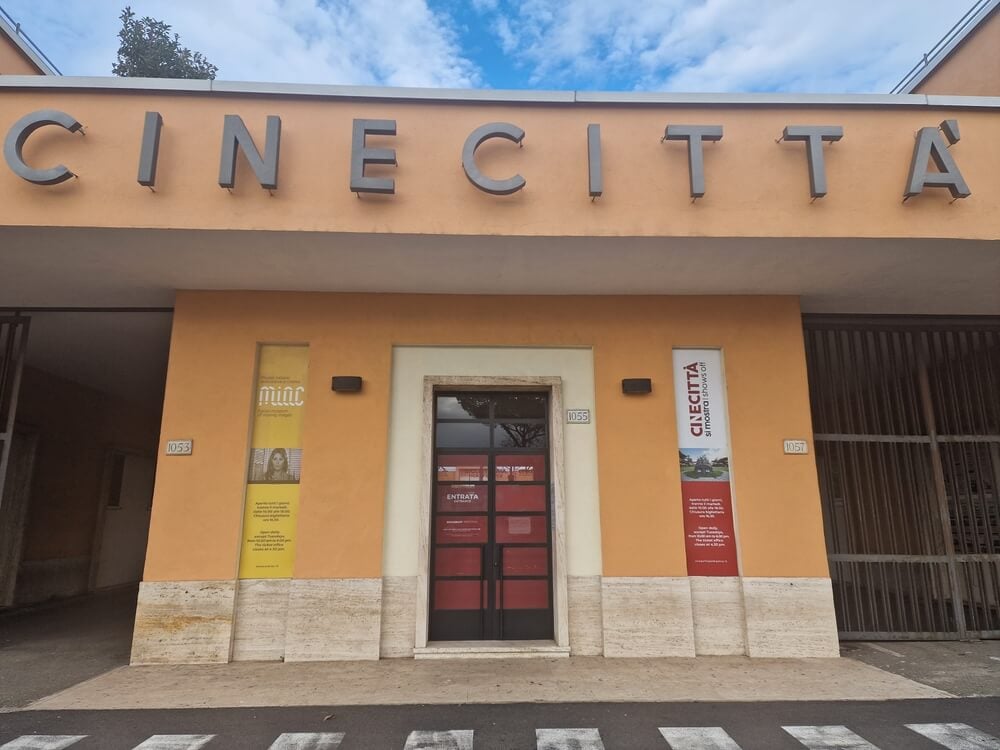
Cinecittà, built outside Rome in 1937 under the direct backing of Benito Mussolini’s government, was intended to rival Hollywood’s production capacity and further Italian film propaganda ambitions. After the war, the studio was repurposed and became central to Italy’s postwar neorealist movement, ironically now serving directors working in direct artistic and political opposition to the ideology that funded its construction. It later became a favored production base for major international filmmakers, including Federico Fellini, who built much of his career on its soundstages. The studio remains active and is often described as one of the most historically significant production facilities in Europe.
Rank Organisation (United Kingdom)

Founded by flour magnate J. Arthur Rank in 1937, the Rank Organisation became the dominant force in British cinema for decades, controlling production, distribution, and a significant share of the country’s actual movie theaters simultaneously. Its vertically integrated structure gave it outsized influence over what British audiences could see, since it could effectively favor its own productions in its own theater chain. The studio’s gong-striking logo, shown before its films, became one of the most recognizable openings in British cinema history. Its decline through the later twentieth century mirrored broader financial struggles across the British film industry.
Ealing Studios (United Kingdom)

Ealing Studios, operating under producer Michael Balcon’s leadership through the 1940s and 1950s, became famous for a specific run of dry, distinctly English comedies that came to be known collectively as Ealing comedies. The studio deliberately positioned itself against the more spectacle-driven output of Hollywood, favoring smaller-scale, character-driven stories rooted in recognizable British social settings. Several of its comedies remain frequently cited as among the finest examples of British screen humor ever produced. Ealing Studios itself remains the oldest continuously working film studio facility in the world, having operated since 1902.
Bombay Talkies (India)
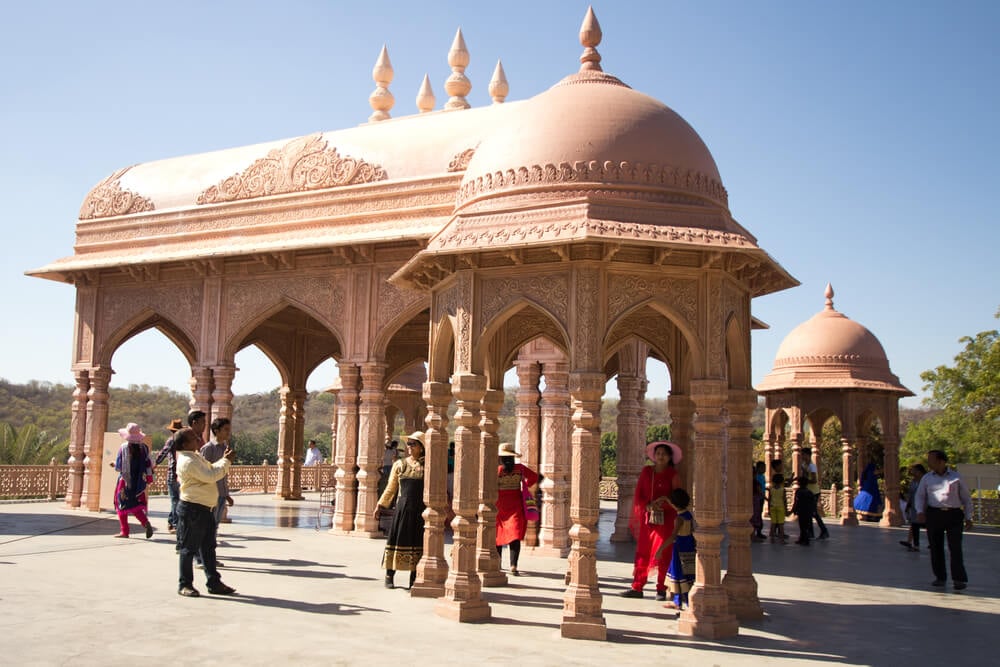
Founded in 1934, Bombay Talkies was among the first Indian studios to be built with genuinely modern production and sound facilities, helping professionalize an industry that had largely operated on an improvised basis up to that point. It was also notably progressive for its era, employing women in significant creative and business roles at a time when that was unusual in Indian cinema. The studio trained a generation of actors, directors, and technicians who went on to shape the broader Hindi film industry for decades after Bombay Talkies itself closed. Its influence on the professional structure of what later became known as Bollywood is considered foundational.
AVM Productions (India)

Founded in 1945, AVM Productions became one of the most influential studios in South Indian cinema, producing films across Tamil, Telugu, and Hindi simultaneously at a time when few studios attempted multilingual production on that scale. Its willingness to remake successful films across different regional languages helped establish a business model that remains common practice in Indian cinema today. The studio trained numerous actors and directors who went on to shape Tamil and Telugu film industries independently. It remains one of the oldest surviving production houses in India.
Yash Raj Films (India)
Founded in 1970, Yash Raj Films became one of the most commercially dominant studios in modern Bollywood, built initially around director Yash Chopra’s signature style of lush, romantic filmmaking. The studio later expanded into one of Bollywood’s most vertically integrated operations, controlling production, music, and distribution under a single company structure. Its consistent commercial success across five decades gave it significant influence over mainstream Hindi cinema’s visual and musical conventions. It remains one of the largest and most influential studios operating in India today.
Studio Misr (Egypt)
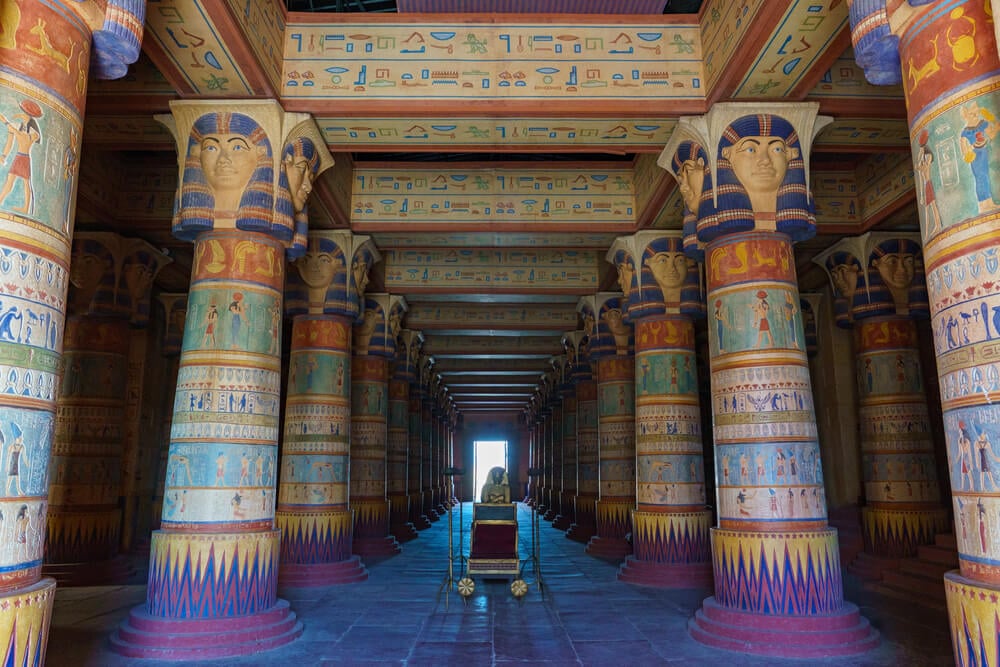
Founded in 1935 with backing from a prominent Egyptian bank, Studio Misr helped establish Cairo as the center of Arabic-language filmmaking for much of the twentieth century, exporting Egyptian films across the Middle East and North Africa. The studio invested heavily in training local technicians and actors rather than relying on imported expertise, a deliberate choice framed as building national cinematic capacity. Egyptian films produced under its influence became the dominant popular entertainment across large parts of the Arabic-speaking world for decades. Its legacy is often credited with making Egyptian Arabic the de facto entertainment dialect across the region.
Estudios Churubusco (Mexico)
Built in 1945 with partial backing from RKO Pictures, Estudios Churubusco became the central production hub of what is now remembered as the Golden Age of Mexican cinema, a period during which Mexican films dominated Spanish-language markets across Latin America. The studio’s large, well-equipped facilities allowed Mexican productions to compete technically with Hollywood output for the first time. It attracted international directors seeking a skilled crew base and lower production costs, a role the studio continues to play today. It remains an active production facility and is government-owned as part of Mexico’s cultural infrastructure.
Vera Cruz Studios (Brazil)
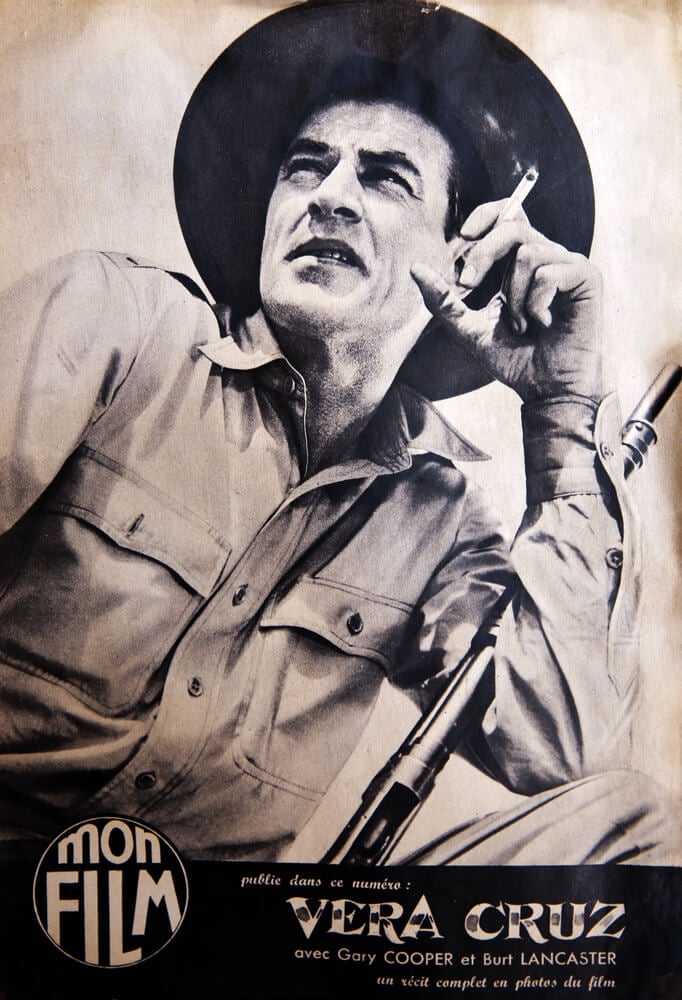
Vera Cruz Studios, founded in 1949, attempted to build an industrial-scale Brazilian film industry modeled directly on Hollywood’s studio system, importing equipment and technical staff from abroad to achieve a level of production polish Brazilian cinema had not previously attempted. The ambition proved financially unsustainable, and the studio collapsed within a few years under the weight of its own production costs. Despite its short life, the studio’s brief run produced some of the most internationally recognized Brazilian films of the era and trained a generation of local filmmakers. Its rapid rise and collapse remain a frequently studied cautionary case in Brazilian film history.
Svensk Filmindustri (Sweden)
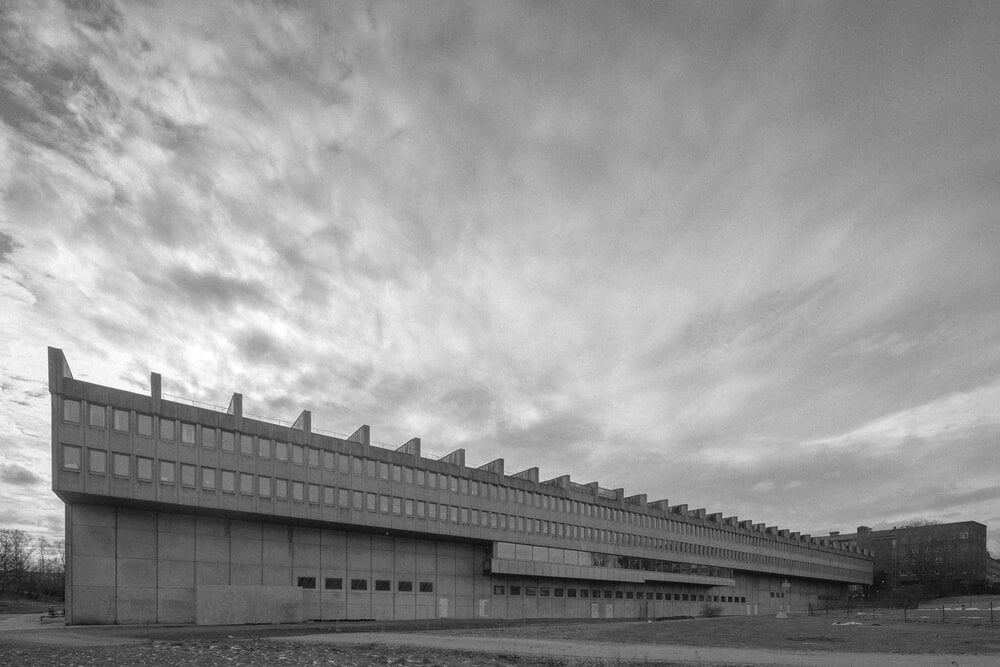
Formed in 1919 through a merger of two earlier companies, Svensk Filmindustri became the dominant force in Swedish cinema for most of the twentieth century, providing the infrastructure that supported directors including Ingmar Bergman across much of his career. The studio’s willingness to back serious, internationally ambitious art films, rather than purely commercial fare, helped establish Sweden’s outsized reputation in world cinema relative to its small population. It remains Sweden’s largest film company, still active in both production and distribution today.
CJ Entertainment (South Korea)

Founded in 1995 as part of a larger conglomerate’s push into entertainment, CJ Entertainment became central to what is now widely called the Korean Wave, financing and distributing films that helped establish South Korea as a major creative force in global cinema. The studio backed Parasite, which became the first non-English-language film to win the Academy Award for Best Picture. Its investment in multiplex theater chains alongside production gave it significant influence over the modernization of Korean cinema infrastructure. It remains one of the most commercially and critically influential studios in Asia today.
ROK Studios (Nigeria)

Founded in the 2010s as part of a larger push to professionalize Nigeria’s enormous but historically low-budget film industry, ROK Studios focused on higher production values and international streaming distribution at a time when most Nigerian films were shot and sold quickly on a direct-to-video basis. The studio’s model helped demonstrate that Nigerian films could find paying international audiences beyond the diaspora communities that had traditionally sustained the industry. Its approach influenced a broader shift toward higher-budget, internationally distributed Nigerian productions in the years that followed. The Nigerian film industry it operates within remains one of the largest producers of films by volume anywhere in the world.
The Studio as National Memory

A film studio is, in the end, just a piece of physical infrastructure: soundstages, equipment, and a payroll of skilled people. What separates the studios on this list from the hundreds that opened and quietly closed is that each one happened to be in the right place, with the right resources, at the moment a national audience was ready to see itself reflected back.
That timing rarely repeats. Once a studio establishes the visual and narrative language a country associates with its own cinema, every studio that follows is, in some way, still working in response to it.
More from Go2Tutors!

- The Romanov Crown Jewels and Their Tragic Fate
- 13 Historical Mysteries That Science Still Can’t Solve
- Famous Hoaxes That Fooled the World for Years
- 15 Child Stars with Tragic Adult Lives
- 16 Famous Jewelry Pieces in History
Like Go2Tutors’s content? Follow us on MSN.