29 Restaurant Chains That Closed Their Last Location
Most restaurant closures happen one storefront at a time, spread out over years until almost nobody notices the exact moment a once-national name disappears entirely. These chains all reached that final point, some slowly through decades of decline and others in a single announcement nobody saw coming.
Howard Johnson’s
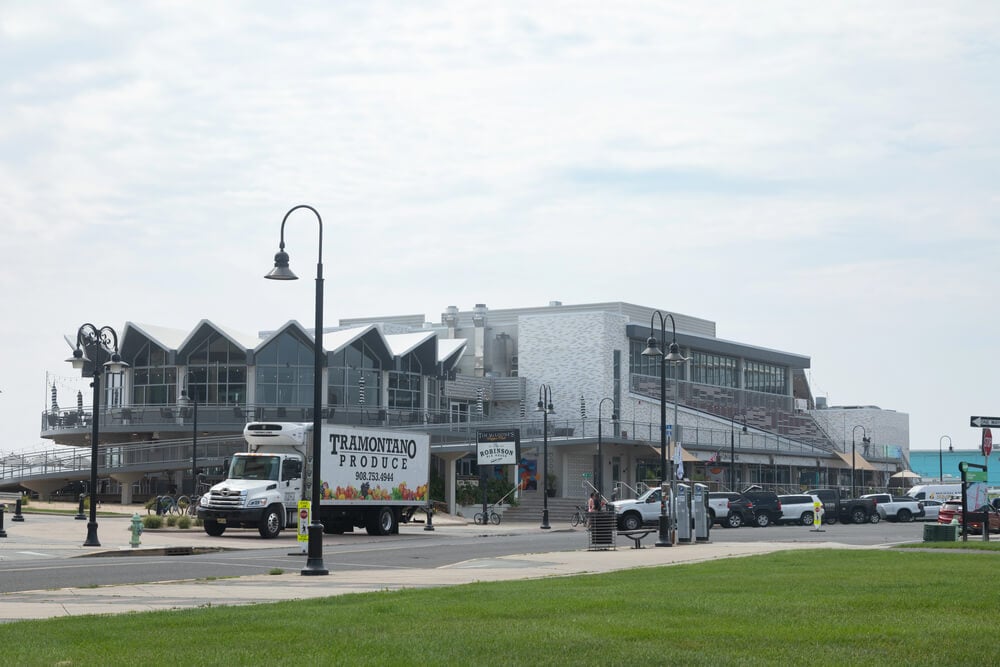
Once America’s largest restaurant chain with nearly 1,000 orange-roofed locations at its 1960s peak, Howard Johnson’s had dwindled to just three restaurants by the early 2010s. The Lake Placid, New York location closed in 2015, followed by the Bangor, Maine location in 2016, leaving only the original-style restaurant in Lake George, New York.
That final Lake George location closed for good in 2022, ending the restaurant side of the brand entirely, though the separately owned Howard Johnson hotel chain still operates under Wyndham.
K&W Cafeterias
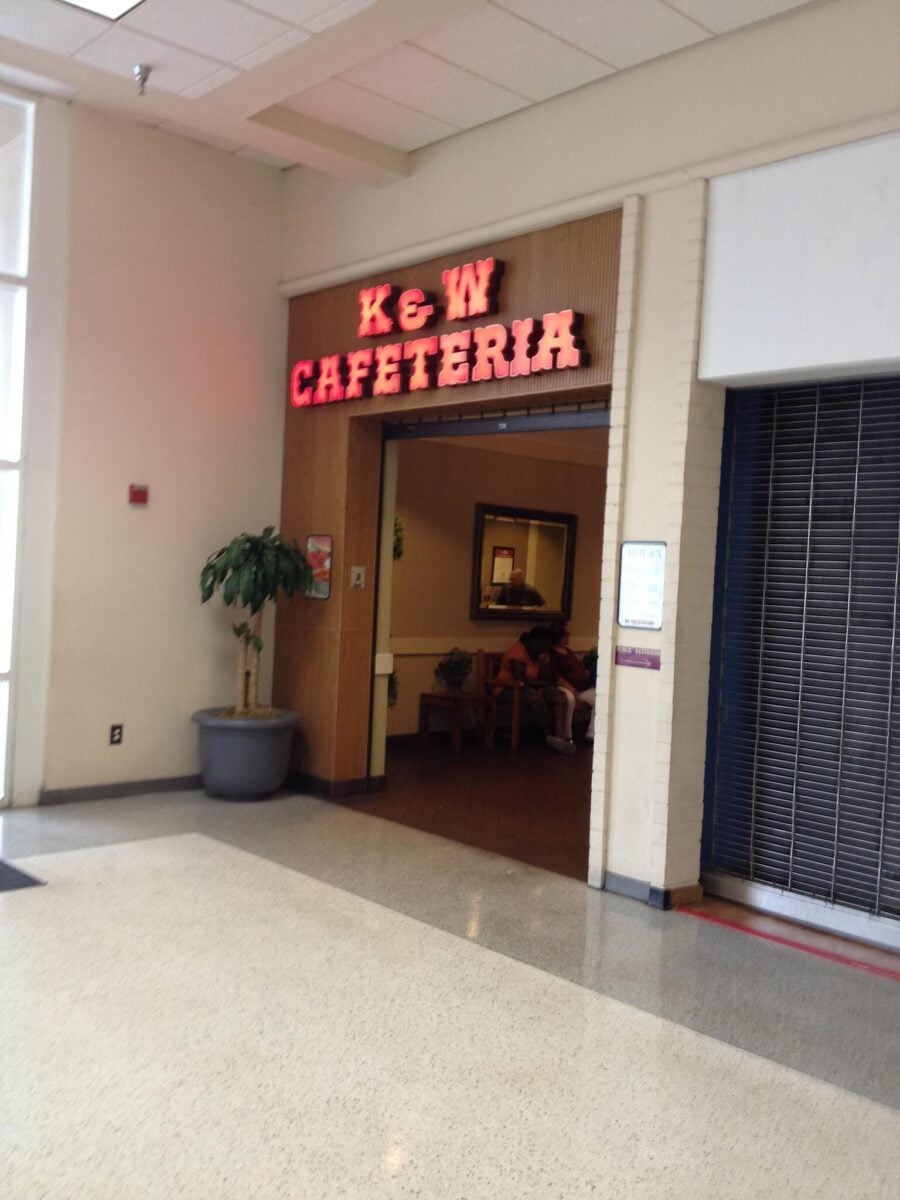
Founded in 1937, this Southern cafeteria-style chain known for comfort food and self-serve lines once operated as many as 35 locations across North Carolina and Virginia. The company had scaled down to nine remaining restaurants by the mid-2020s as cafeteria-style dining continued to lose ground to faster formats.
K&W Cafeterias closed all nine of its remaining locations on December 1, 2025, announcing the shutdown through a message posted on its storefronts.
Evos
This Florida-based regional burger chain built its identity around a lighter, baked-not-fried approach to fast food, positioning itself as a healthier alternative within the quick-service category. It never expanded much beyond its home state and struggled against larger competitors with far greater marketing budgets.
Evos closed all of its remaining locations in 2025, ending a business model that had always occupied a narrow niche within Florida’s fast food market.
Chi-Chi’s
This Mexican restaurant chain grew to more than 200 locations across the United States by the 1990s, known for tableside guacamole and a festive, family-oriented atmosphere. A 2003 hepatitis A outbreak traced to green onions served at a Pennsylvania location sickened hundreds of customers and proved fatal in several cases, dealing a severe blow to the brand’s reputation.
Chi-Chi’s filed for bankruptcy and closed all of its remaining United States locations by 2004, though the brand name continued for a time on packaged salsa and chips sold in grocery stores, and separately licensed restaurants still operate in parts of Europe.
Steak and Ale
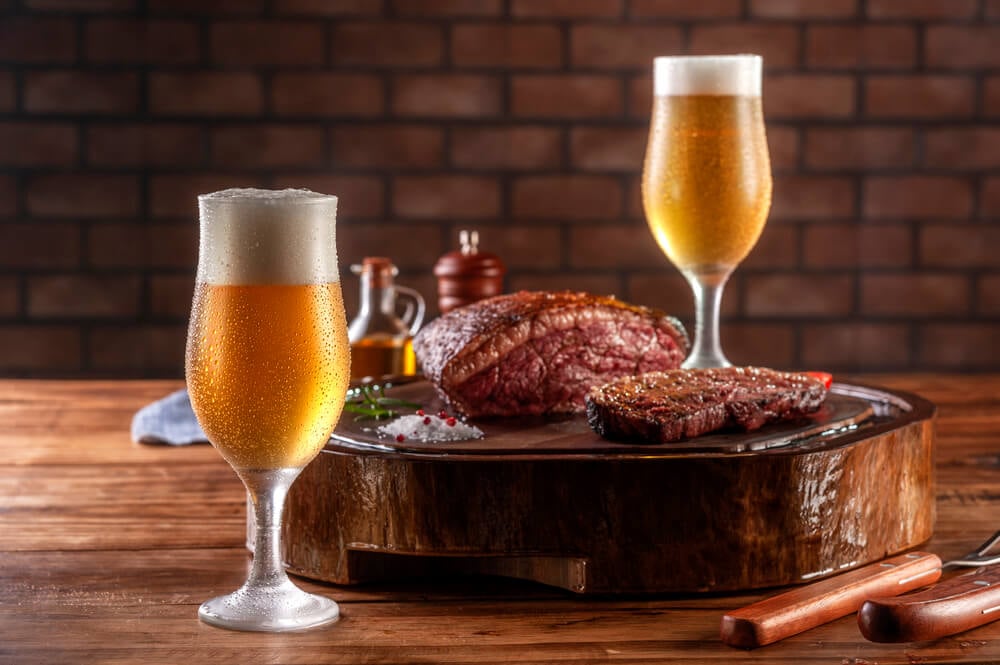
Founded in 1966, Steak and Ale helped popularize the casual steakhouse format with its salad bar and English pub-inspired decor, expanding to hundreds of locations across the country at its peak. The chain struggled through the 2000s against newer casual dining competitors offering similar value at lower price points.
Its parent company, Metromedia Restaurant Group, closed all remaining Steak and Ale locations in 2008 during the broader economic downturn of that year.
Burger Chef
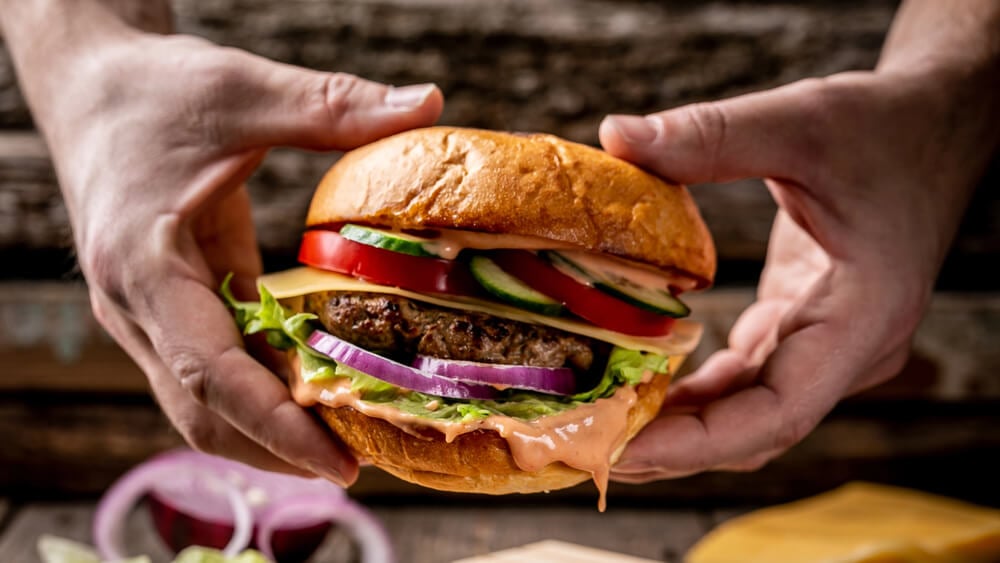
At its 1970s peak, Burger Chef operated more than 1,000 locations and briefly ranked as the second-largest burger chain in the country behind McDonald’s, known for introducing the combo meal concept years before competitors adopted similar bundles. General Foods sold the struggling chain to Hardee’s parent company Imasco in 1982, which began converting Burger Chef locations to the Hardee’s brand.
The last remaining Burger Chef-branded restaurants were converted or closed by the mid-1990s, ending the name entirely.
Lum’s
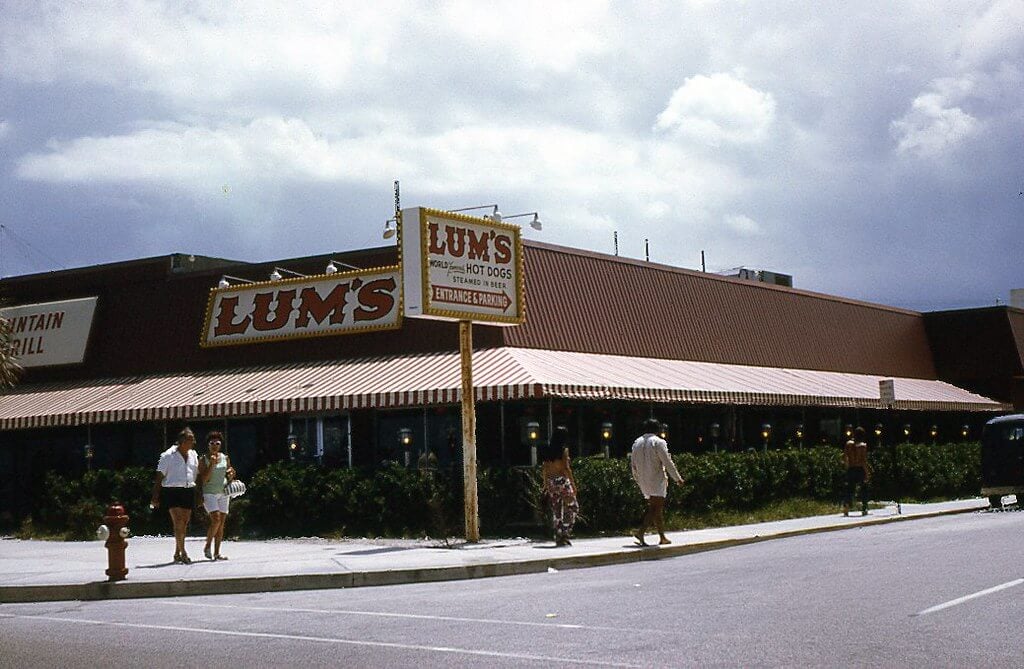
Built around a novelty menu item of hot dogs steamed in beer, Lum’s expanded rapidly through franchising in the 1960s and briefly owned Caesars Palace in Las Vegas as part of its corporate holdings during that decade. Financial troubles connected to its casino ownership and increasing fast food competition led to a steady decline through the 1970s.
The chain had closed its last remaining restaurants by the mid-1980s, and the Lum’s name disappeared from American menus entirely.
Red Barn
Recognizable for its distinctive barn-shaped restaurant buildings, Red Barn expanded to several hundred locations across the Midwest and South through the 1960s and 1970s, serving burgers and a fried chicken product it called the Big Barney. The chain changed ownership multiple times and struggled to keep pace with larger national competitors investing more heavily in advertising.
Red Barn’s remaining locations closed by the mid-1980s, though several of the distinctive barn-shaped buildings survived for years afterward under different restaurant names.
Minnie Pearl’s Chicken
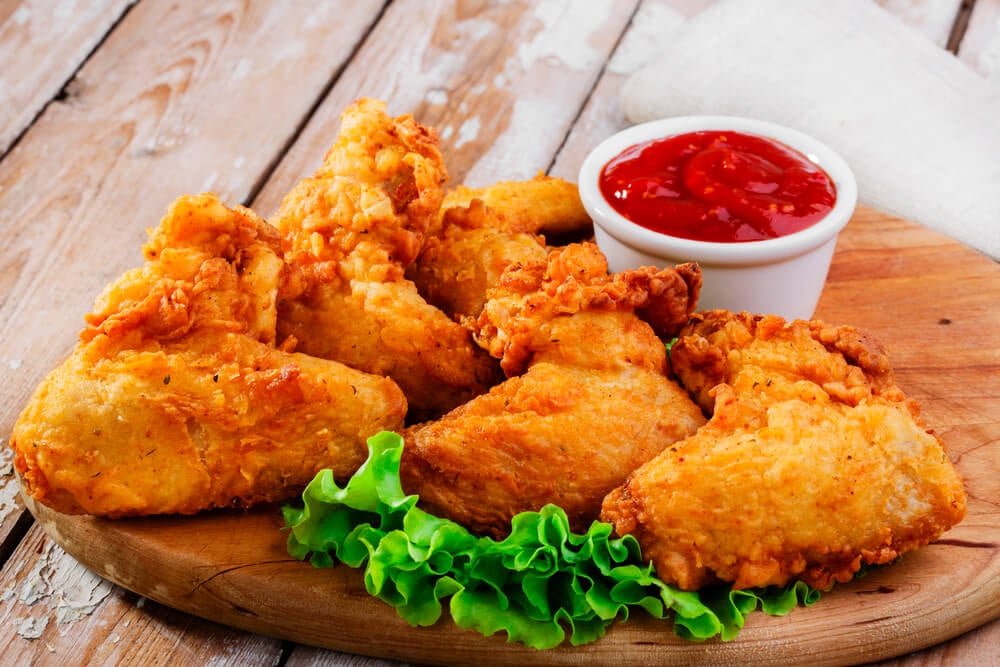
Named after and endorsed by the country music comedian, this fried chicken franchise expanded at an unusually fast pace during the late 1960s, signing hundreds of franchise agreements within just a few years. The rapid, poorly managed expansion led to financial collapse almost as quickly as the chain had grown, with many franchisees never receiving the support promised in their agreements.
Minnie Pearl’s Chicken had closed nearly all of its locations by the early 1970s, making it one of the fastest complete collapses in American franchise history.
Wetson’s
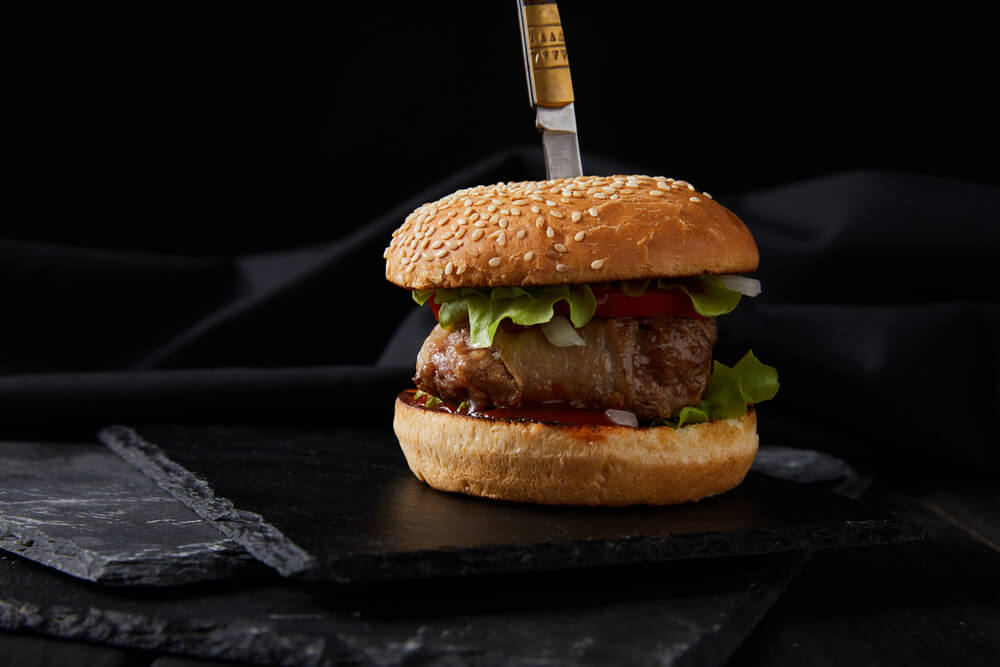
A New York area hamburger chain founded in 1959, Wetson’s grew to more than 70 locations across Long Island, New York City, and parts of New Jersey and Connecticut through the 1960s, competing directly with the expanding McDonald’s chain in the same market. Increasing competition from national chains with larger advertising budgets steadily eroded its market share through the early 1970s.
Nathan’s Famous acquired most of the remaining Wetson’s locations in 1975, converting them to other brands and ending Wetson’s as an independent chain.
Horn & Hardart Automats
Horn & Hardart pioneered the automat concept in the United States, letting customers select freshly prepared food from coin-operated glass compartments rather than ordering from a counter or table service. At its peak in the mid-twentieth century, the chain operated dozens of automats across New York City and Philadelphia, serving as an affordable, efficient dining option for office workers.
Changing dining habits and rising operating costs led to a steady decline through the later twentieth century, and the last remaining Horn & Hardart automat in New York City closed in 1991.
Farrell’s Ice Cream Parlour
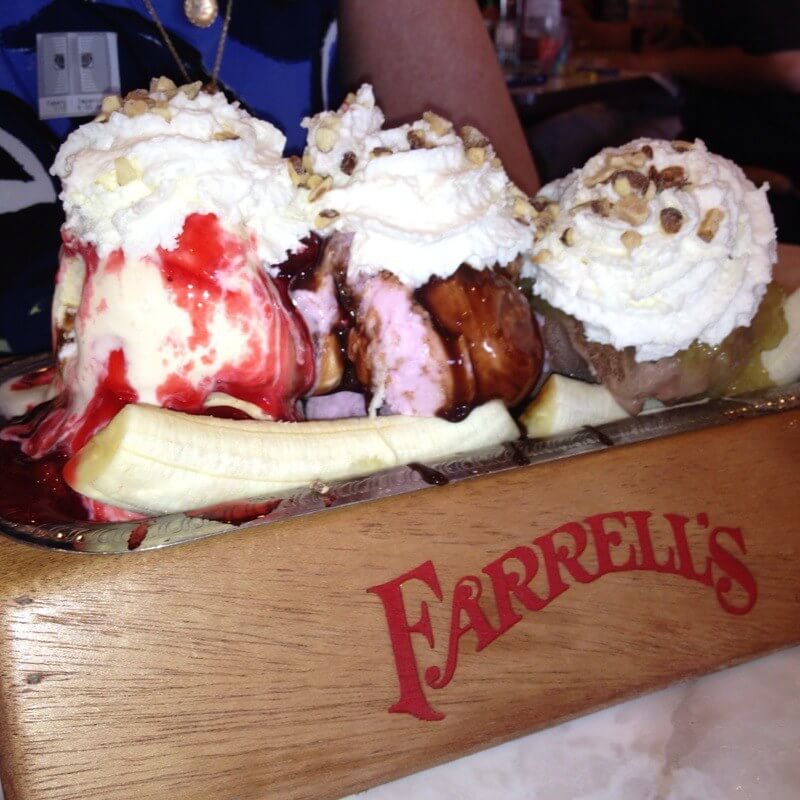
Founded in 1963 with an old-fashioned soda fountain theme complete with striped vests and elaborate celebratory sundae presentations for birthdays, Farrell’s expanded to more than 130 locations across the country by the late 1970s. Rising costs and changing tastes in family dining led to a steady decline through the 1980s and 1990s.
The original chain had closed all of its remaining locations by the early 2000s, though the brand and concept have been licensed and reopened in limited form by different owners since.
Sandy’s
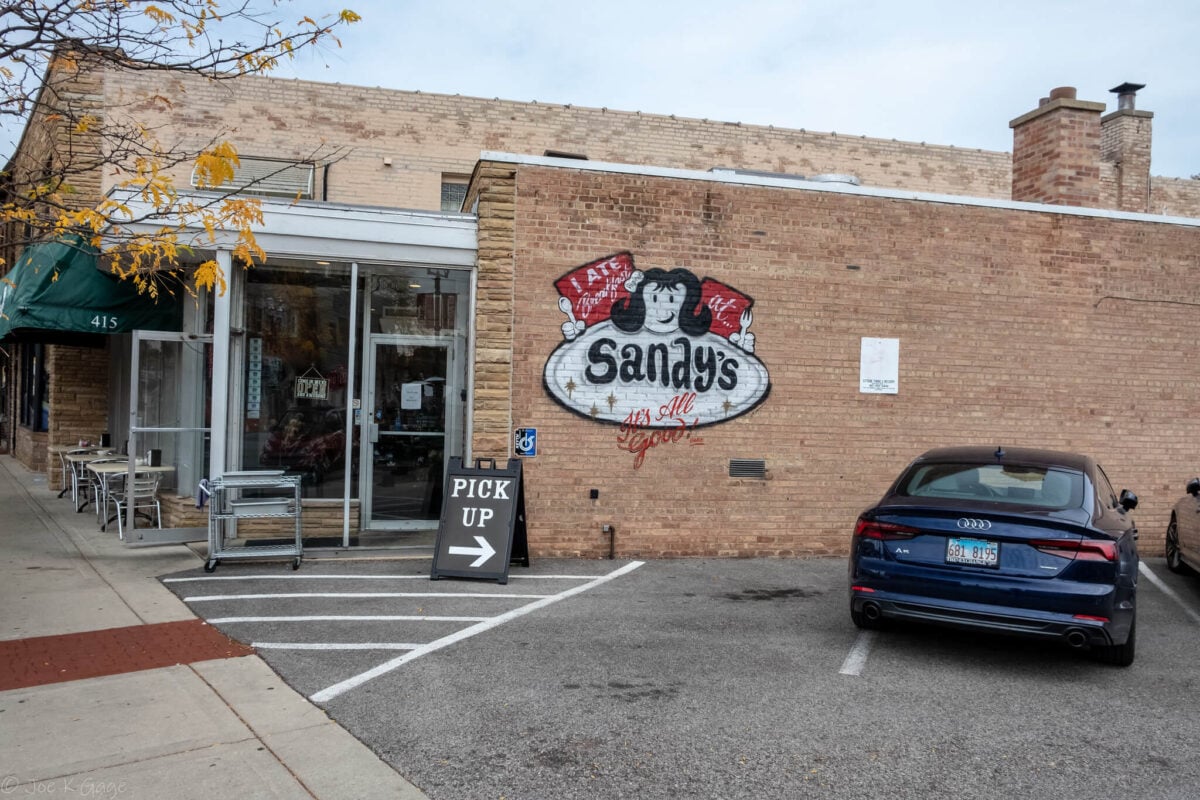
A Midwestern hamburger chain founded in Illinois in the 1950s, Sandy’s grew to several hundred locations and became one of the more significant regional competitors to McDonald’s during the 1960s. Hardee’s parent company acquired Sandy’s in 1972 and began converting the majority of locations to the Hardee’s brand over the following years.
The Sandy’s name had disappeared from virtually all of its former locations by the mid-1970s as the conversion process wrapped up.
Doggie Diner
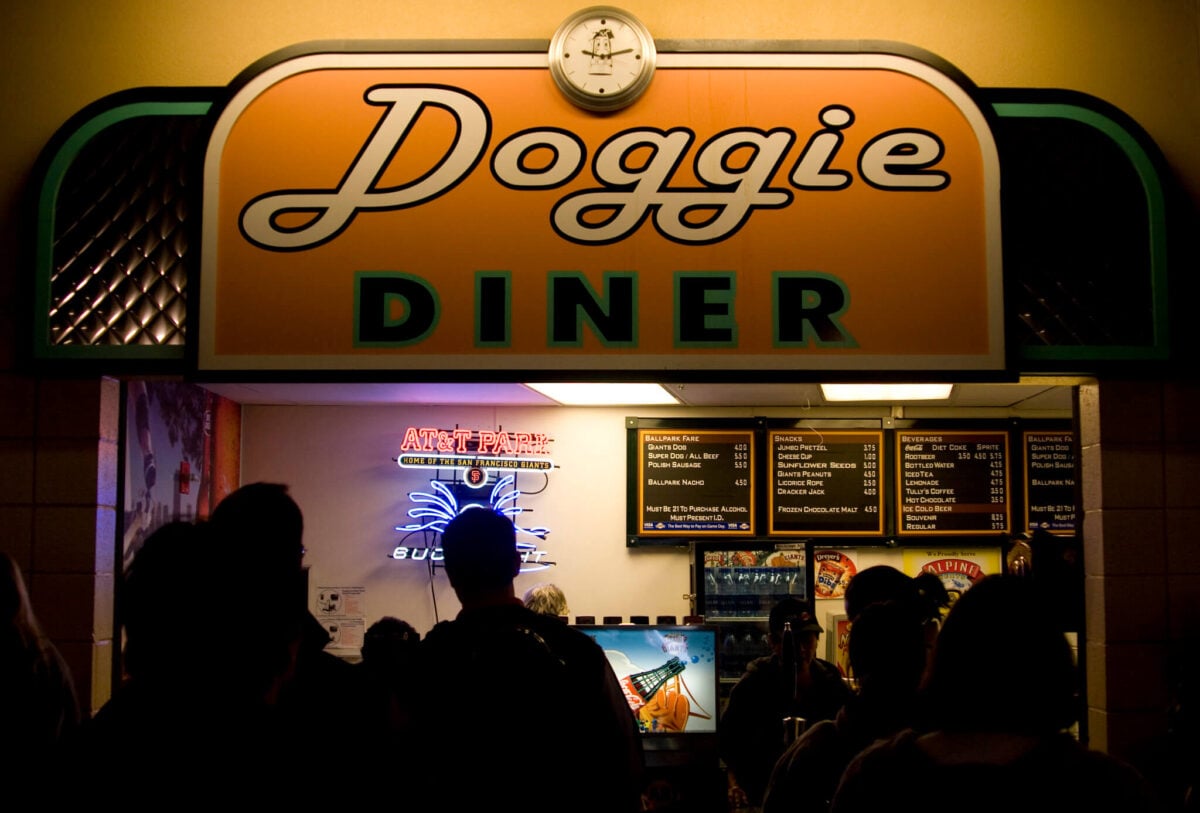
Known for the distinctive giant dachshund-head signs that stood outside its locations, Doggie Diner operated dozens of hot dog stands across the San Francisco Bay Area from the 1940s through the 1980s. The chain’s quirky roadside architecture made it a recognizable piece of regional pop culture even as its business struggled against expanding fast food competitors.
Doggie Diner closed its last remaining location in 1986, though one of the original dachshund-head signs was preserved and later designated a San Francisco city landmark.
White Tower
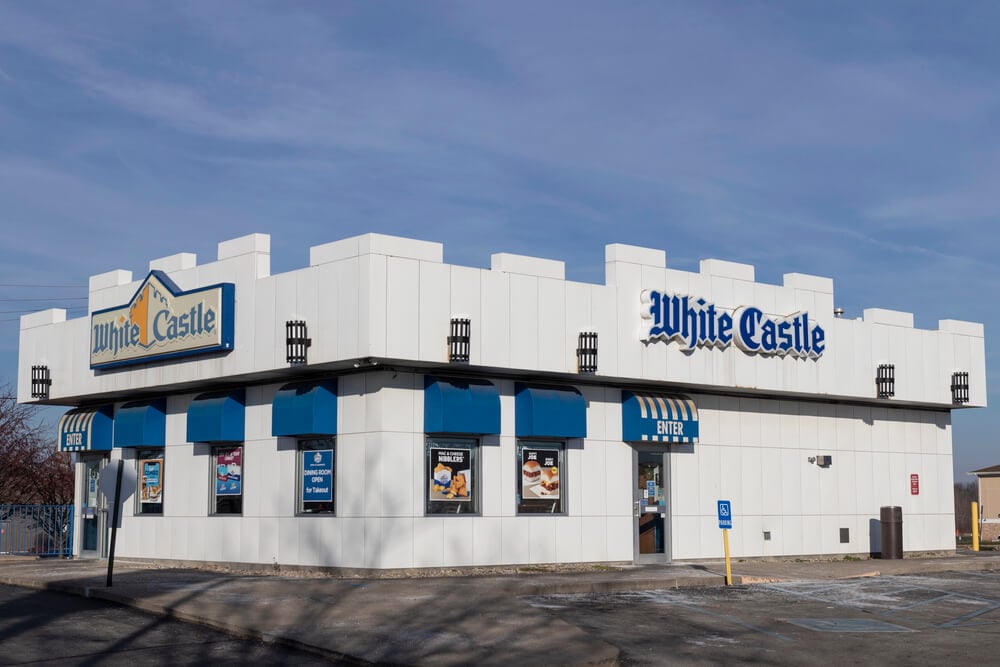
Modeled closely on the design and format of White Castle, White Tower expanded rapidly through the 1920s and 1930s, building small, castle-like restaurants that served inexpensive hamburgers across the Midwest and Northeast. A lengthy legal dispute with White Castle over the similarity of its branding shaped much of the chain’s early corporate history.
White Tower’s footprint shrank dramatically over subsequent decades, and its remaining locations closed by the early 2000s, ending a chain that once rivaled its more famous imitation-inspiring rival.
Chock Full o’Nuts Restaurants
Best known today as a packaged coffee brand still sold in grocery stores, Chock full o’Nuts originally operated a chain of quick-service restaurants across New York City, known for a simple menu built around a whipped cream cheese and nut-covered raisin bread sandwich alongside its coffee. The restaurant side of the business struggled against changing dining habits in Manhattan through the later twentieth century.
The company closed its remaining restaurant locations by the early 1990s, continuing on afterward as a coffee brand alone.
Naugles
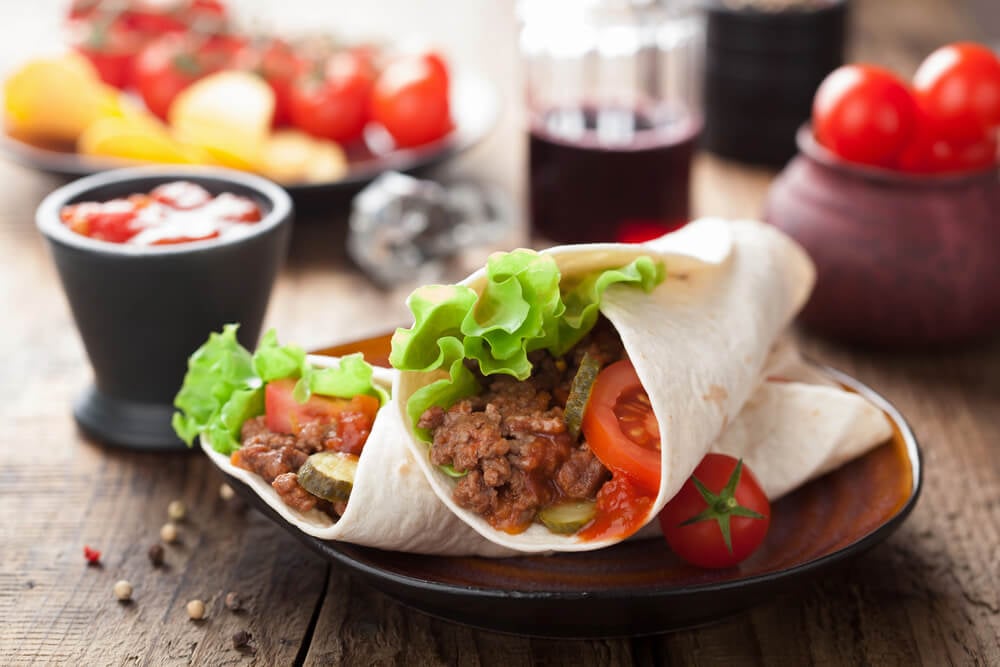
Founded in 1970, Naugles built a loyal following in Southern California for its distinctive Mexican fast food menu, competing directly with Del Taco and Taco Bell in the same regional market. A series of ownership changes and an eventual merger with Del Taco in the early 1990s led most Naugles locations to be converted or closed.
The original chain had closed its last remaining independent location by 1995, though a separate group of former fans later revived the Naugles name and menu as a new, unrelated company starting in 2015.
Gino’s Hamburgers
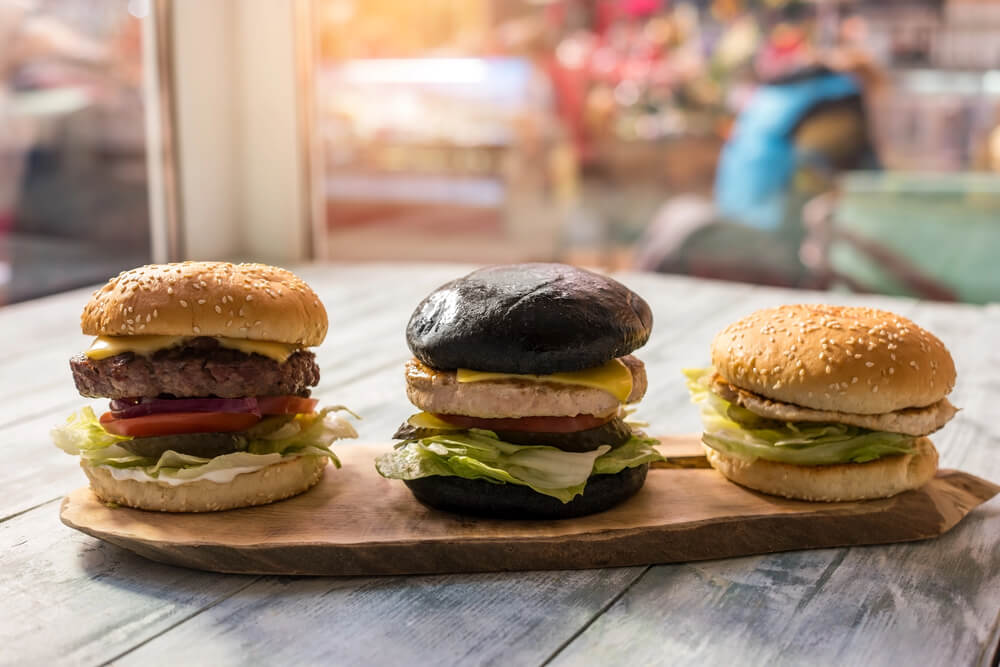
Founded in 1957 by former Baltimore Colts football players, Gino’s Hamburgers grew to hundreds of locations across the mid-Atlantic region by the late 1970s, known for its roast beef sandwiches in addition to burgers. Marriott Corporation acquired the chain in 1982 and converted most locations to its Roy Rogers restaurant brand, ending Gino’s as an operating chain.
The last original Gino’s-branded locations closed that same year, though a separate revival effort under new ownership reopened a small number of restaurants using the name decades later.
Kenny Rogers Roasters
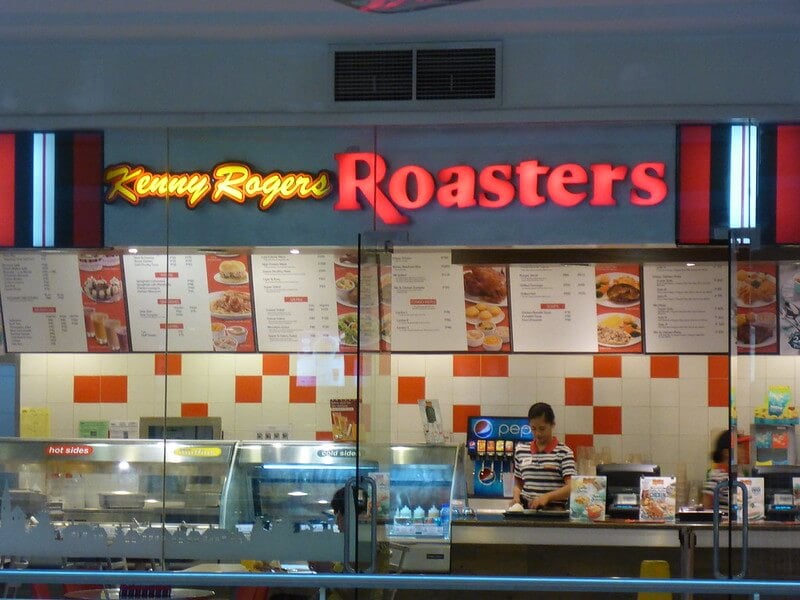
Launched in 1991 with country singer Kenny Rogers as a co-founder and namesake, this rotisserie chicken chain expanded quickly through the 1990s and gained additional cultural visibility after a “Seinfeld” episode built an entire storyline around the restaurant. The chain filed for bankruptcy in 1998, and its United States operations closed entirely that same year as the company restructured around its more successful international locations.
The brand continued operating restaurants in parts of Asia for years after disappearing completely from American strip malls.
Beefsteak Charlie’s
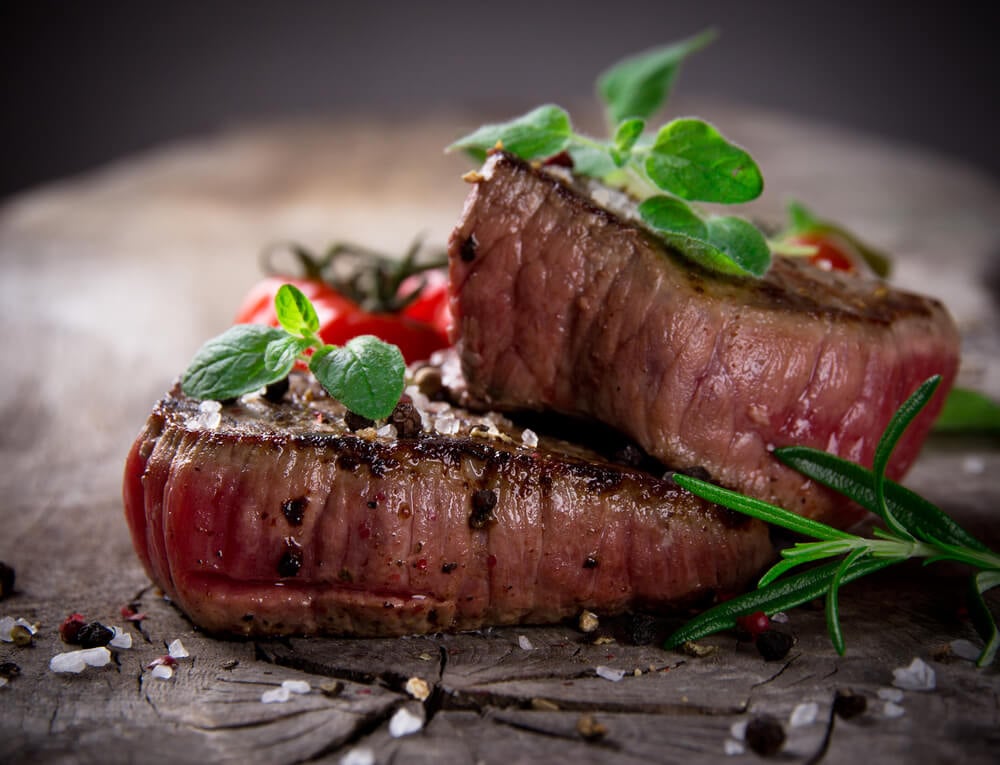
This casual steakhouse chain built its identity around an unusually generous unlimited salad bar, shrimp, and beer offer included with the price of a meal, a value proposition that drew strong customer loyalty through the 1970s and early 1980s. Rising food costs eventually made the all-you-can-eat model increasingly difficult to sustain profitably.
The chain closed its remaining locations by the late 1980s, unable to maintain the value promise that had originally built its following.
Bill Knapp’s

A Michigan-founded family restaurant chain known for its relish tray served at the start of every meal, Bill Knapp’s grew to more than 60 locations across the Midwest by the 1980s, built around a reputation for consistent, homestyle comfort food. The chain struggled through the 1990s against faster, cheaper casual dining competitors expanding into the same markets.
Bill Knapp’s closed its remaining locations in 2002, ending a regional institution that had operated for more than six decades.
Pup ‘N Taco
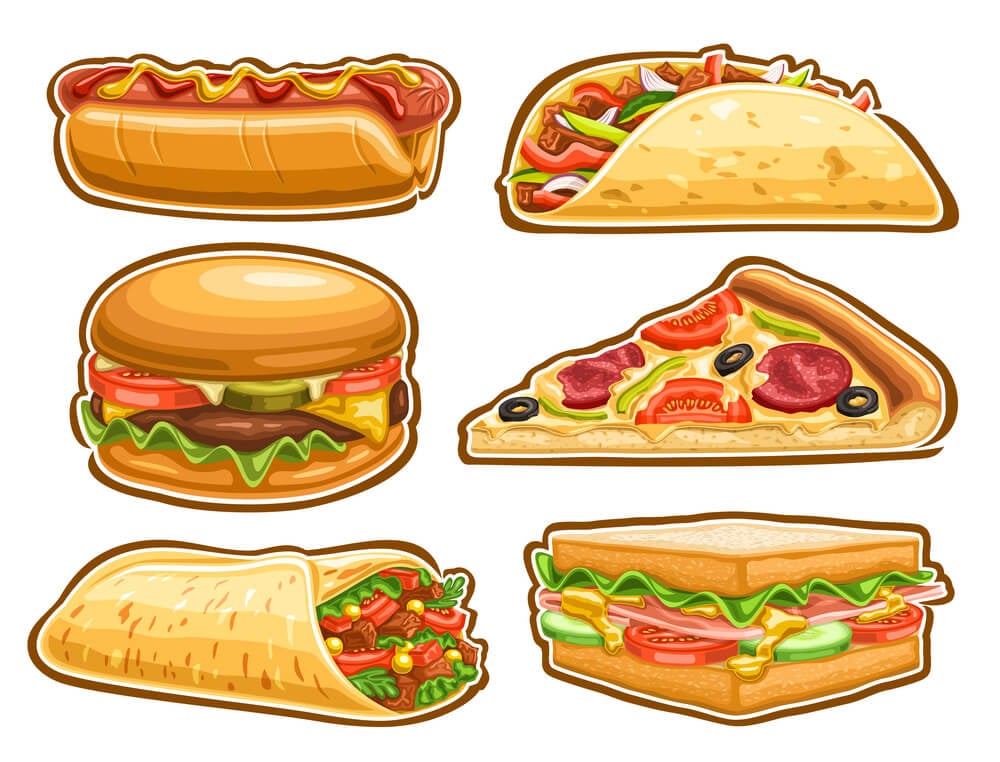
A Southern California fast food chain combining hot dogs and Mexican food on the same menu, Pup ‘N Taco expanded to about 100 locations by the early 1980s, an unusual combination that built a devoted regional following. Del Taco acquired most of the chain’s assets in 1984, converting many locations directly to its own brand.
The Pup ‘N Taco name disappeared from active use that same year, ending the chain as an independent operation.
Woolworth’s Lunch Counter
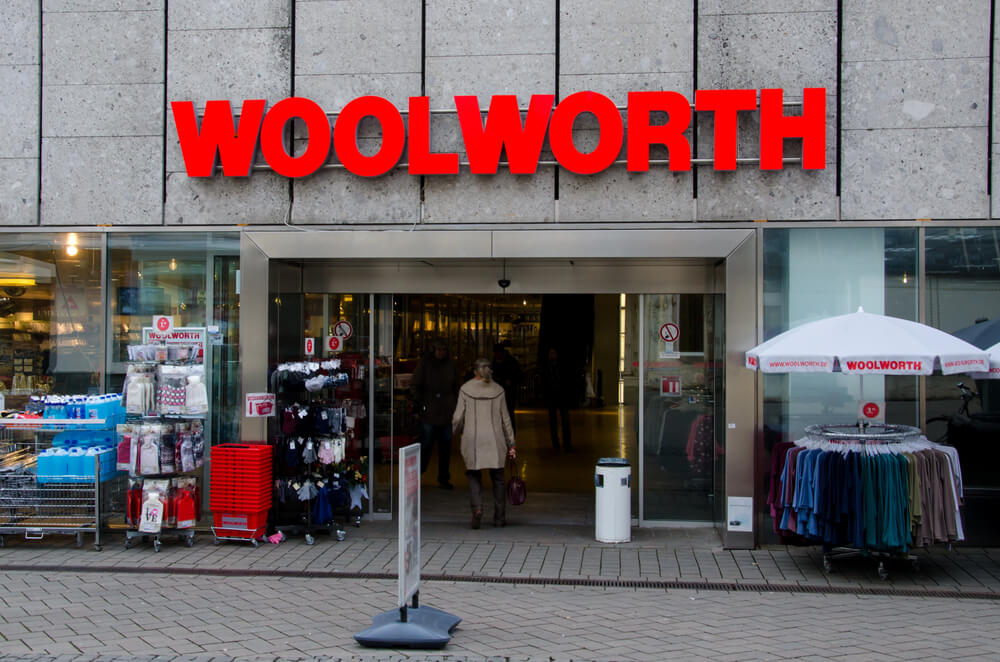
F.W. Woolworth department stores operated in-store lunch counters as a standard feature for decades, serving as an affordable meal option for shoppers and, in the 1960s, as the site of significant civil rights sit-in protests against segregated seating. As department store dining fell out of favor and Woolworth’s broader retail business struggled through the 1990s, the lunch counters closed along with the stores themselves.
Woolworth’s closed all of its remaining American stores, including their attached lunch counters, in 1997.
Zantigo
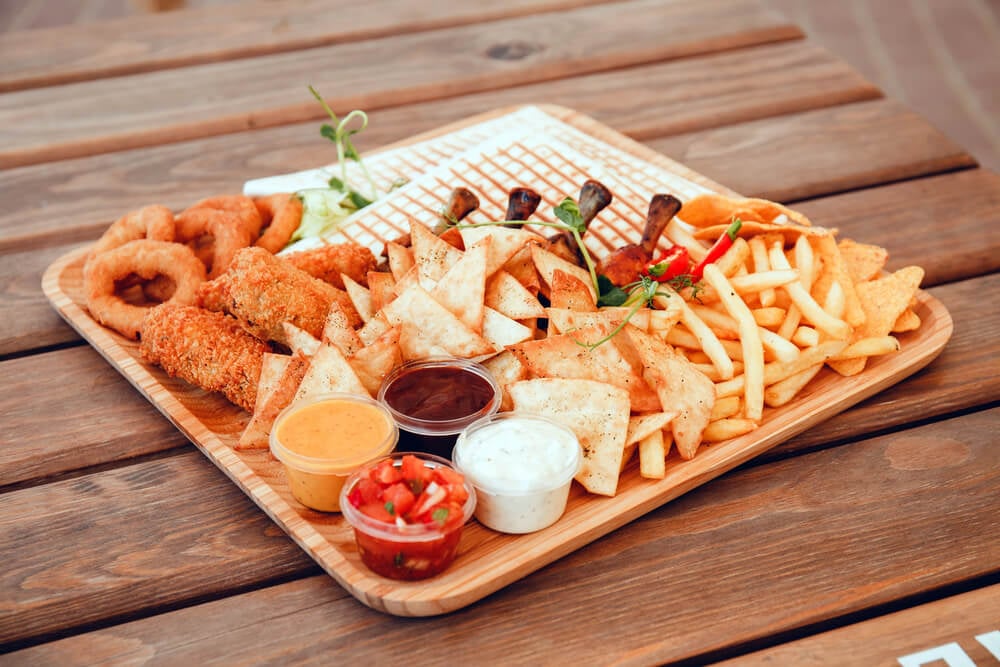
Founded in Minnesota in 1967, Zantigo built a strong regional following for its Mexican fast food menu, expanding to more than 100 locations across the Midwest by the 1980s. PepsiCo, which also owned Taco Bell at the time, acquired Zantigo in 1983 and gradually converted most of its restaurants to the Taco Bell brand over the following years.
The last independent Zantigo locations closed by 1987, though a small number of independently owned restaurants continued using the name under separate licensing for a period afterward.
Rustler Steak House
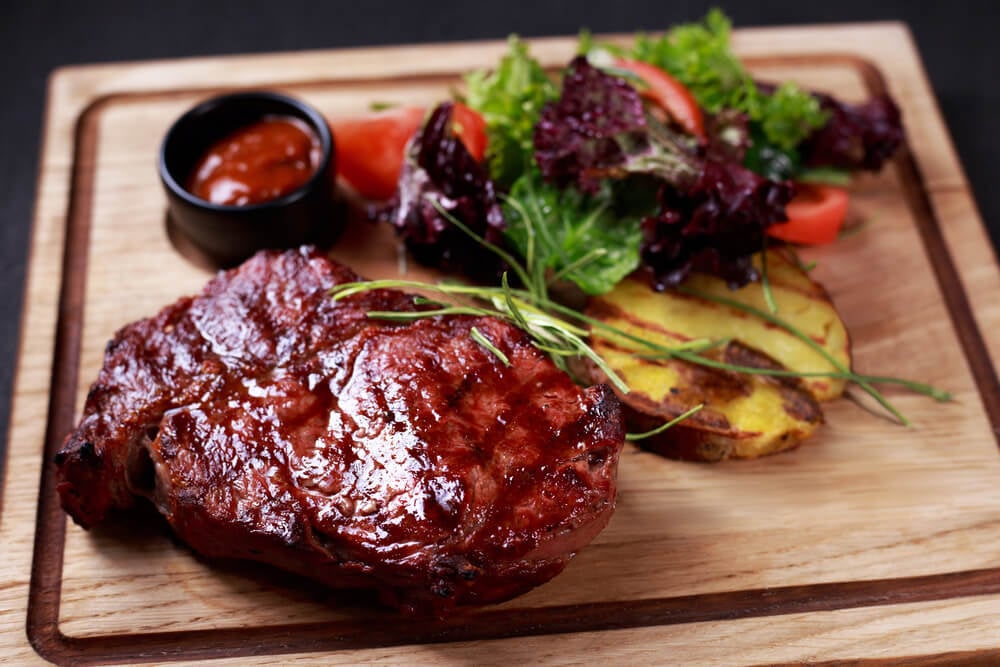
This budget-focused steakhouse chain expanded during the 1970s by offering low-priced steak dinners aimed at a more value-conscious customer than competitors like Steak and Ale. The chain grew to several hundred locations at its peak before financial difficulties in the 1980s led to a wave of closures and conversions to other restaurant brands.
Rustler’s remaining locations had closed by the late 1980s, and the chain’s low-price steakhouse concept largely disappeared from the casual dining landscape afterward.
Burger Queen
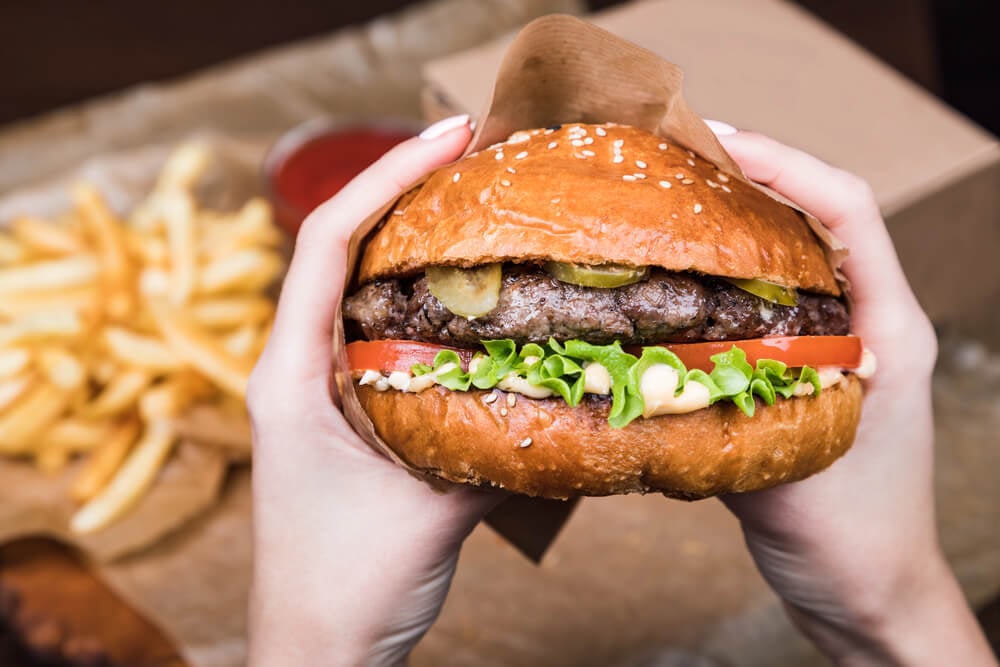
Founded in Kentucky in the 1950s, Burger Queen expanded through franchising to several hundred locations across the South and Midwest by the 1970s, competing in the same market segment as Burger King and other regional chains. Facing increased competition and brand confusion with its more famous rival, the company rebranded its remaining locations to the name Druther’s in the early 1980s in an attempt to establish a distinct identity.
The Burger Queen name itself disappeared entirely following that rebranding, and the successor Druther’s chain also closed the vast majority of its own locations in the years that followed.
Ollie’s Trolley
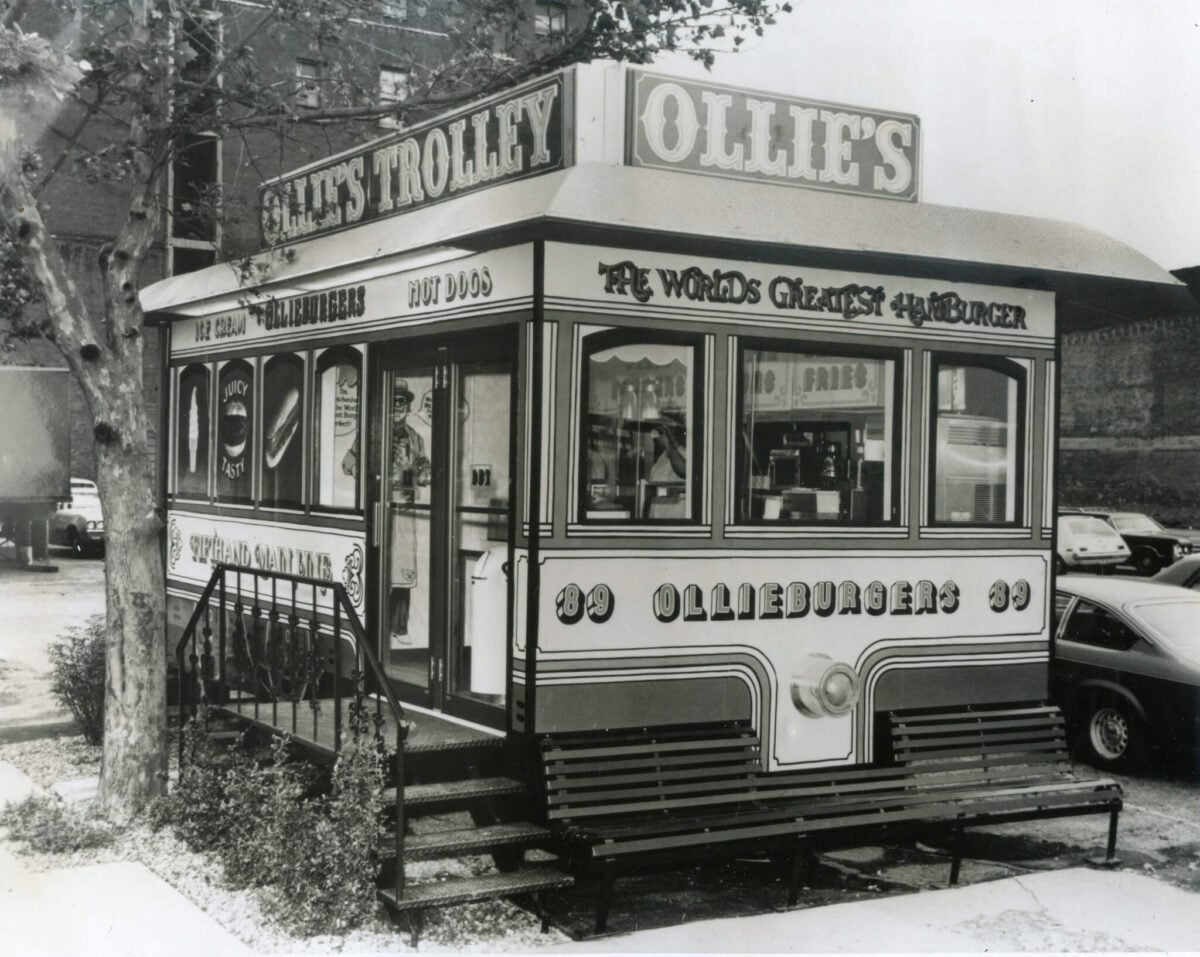
Built around a novelty trolley-car-themed building design and a hamburger recipe with a distinctive seasoned crust, Ollie’s Trolley expanded through franchising from its Kentucky origins starting in the 1960s. The chain never achieved the scale of its larger competitors and relied heavily on its unusual branding to stand out in a crowded fast food market.
Most Ollie’s Trolley locations had closed by the early 2000s, leaving the once-notable chain almost entirely gone from active operation.
G.D. Ritzy’s
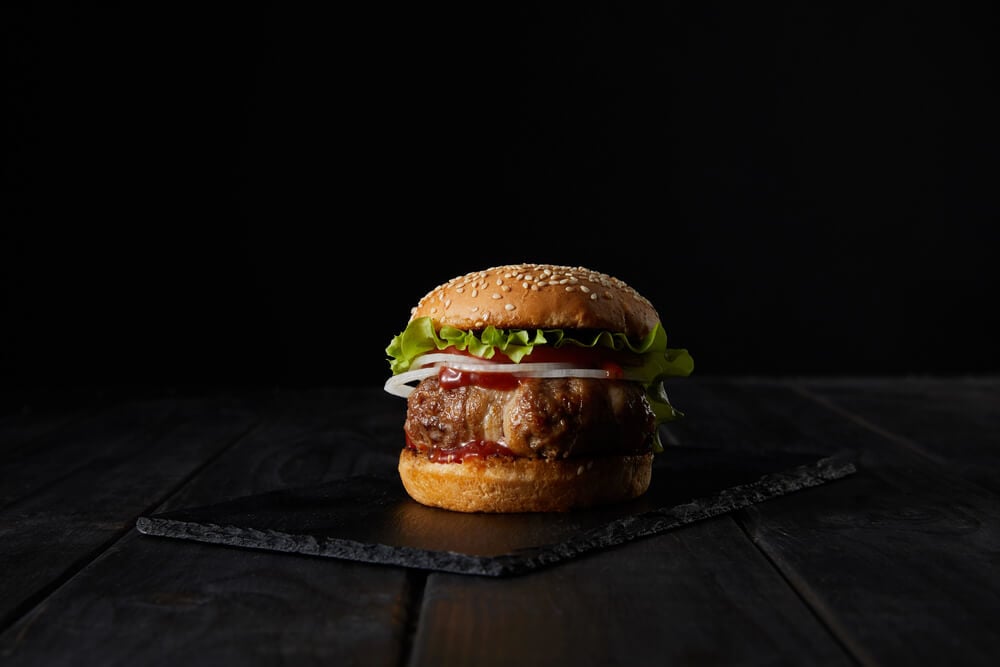
Launched in 1980, Ritzy’s combined a 1950s diner aesthetic with a menu of hamburgers, hot dogs, and hand-dipped ice cream, expanding to more than 100 locations across the Midwest and South during the decade. Increased competition from larger burger chains and changing consumer tastes through the 1990s steadily reduced the chain’s footprint.
The vast majority of Ritzy’s locations had closed by the early 2000s, ending the chain’s brief run as a notable regional competitor.
Wag’s
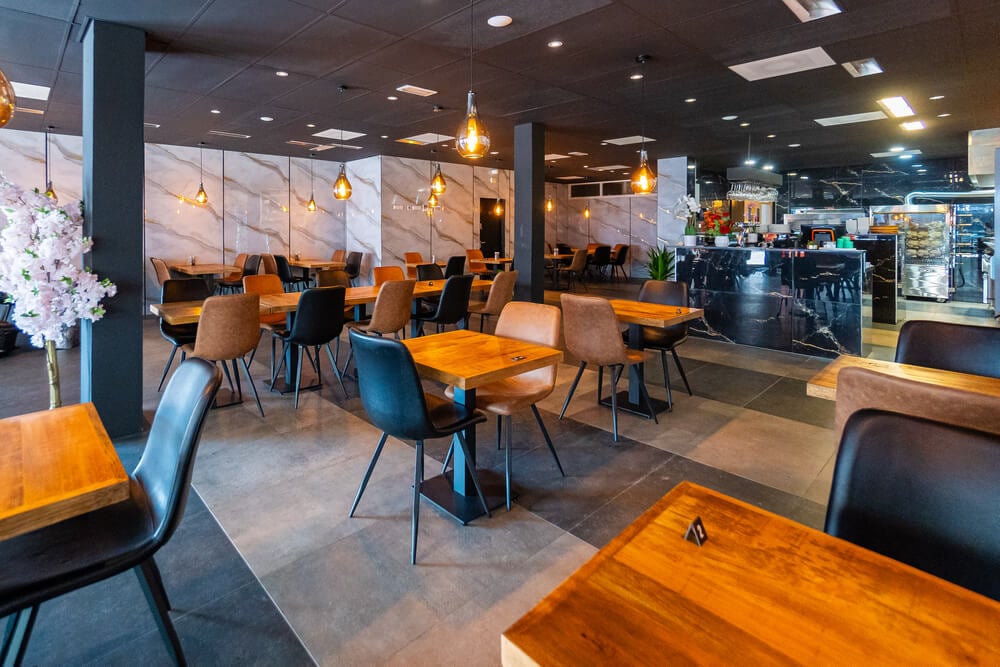
Walgreens operated Wag’s as a chain of full-service coffee shop-style restaurants attached to or near its drugstores, expanding to more than 100 locations across the Midwest by the 1980s as a way to diversify beyond pharmacy sales. The restaurant business never became as central to Walgreens’ strategy as the drugstore side of the company.
Walgreens sold the Wag’s chain in 1991 to Marriott Corporation, which converted most locations to other restaurant brands, ending Wag’s as an operating chain that same year.
The Sign Comes Down Eventually
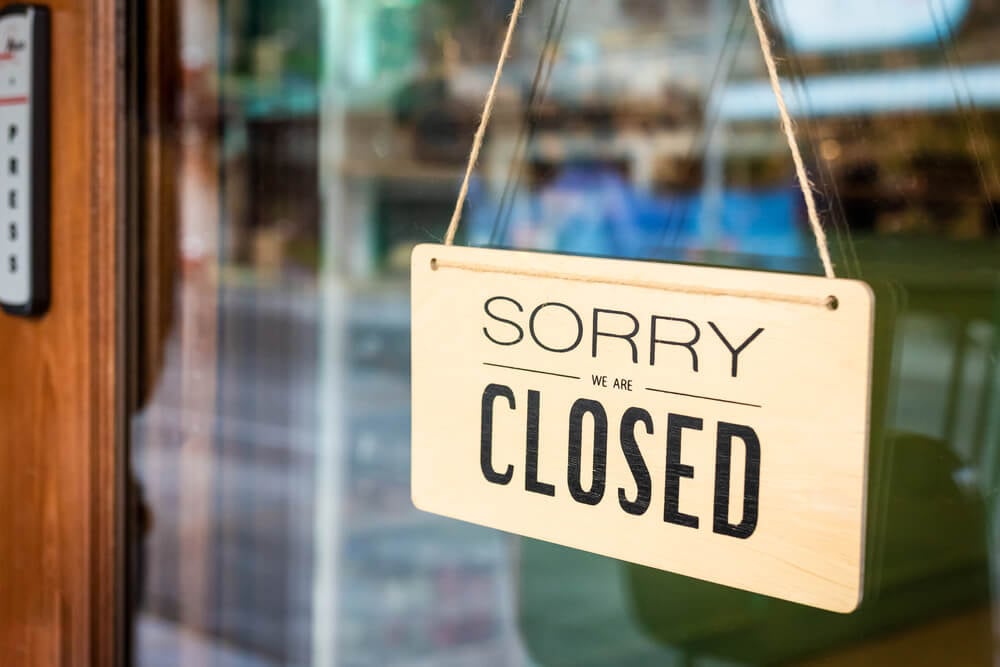
A restaurant chain rarely announces its own ending in advance. It shrinks by a location or two every year until the math stops working for whoever owns what’s left, and then one day the sign comes down for good, usually without much notice outside the town where it happened to be the last one standing.
What ties these chains together is not really how they failed, since the specific reasons vary from food safety scandals to slow financial decline to a single bad corporate acquisition. It is what they leave behind: a very specific taste, a jingle, a particular booth someone sat in as a kid, that no amount of nostalgia can actually reorder from a kitchen that no longer exists.
More from Go2Tutors!

- The Romanov Crown Jewels and Their Tragic Fate
- 13 Historical Mysteries That Science Still Can’t Solve
- Famous Hoaxes That Fooled the World for Years
- 15 Child Stars with Tragic Adult Lives
- 16 Famous Jewelry Pieces in History
Like Go2Tutors’s content? Follow us on MSN.