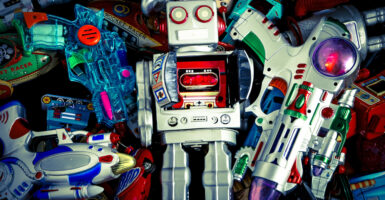
25 Toys From the ’70s That Rarely Show Up Anymore
The 1970s produced a wave of toys built from simple materials and simpler concepts, many of which vanished as safety regulations tightened, trends shifted, or manufacturers simply moved on. These weren’t collector’s items in their day; they were ordinary birthday and holiday gifts that have since become genuinely hard to find.
Clackers

Two acrylic spheres on a string, swung together to produce a sharp cracking sound, Clackers were pulled from shelves after the spheres occasionally shattered on impact, sending plastic shards flying.
Lawn Darts
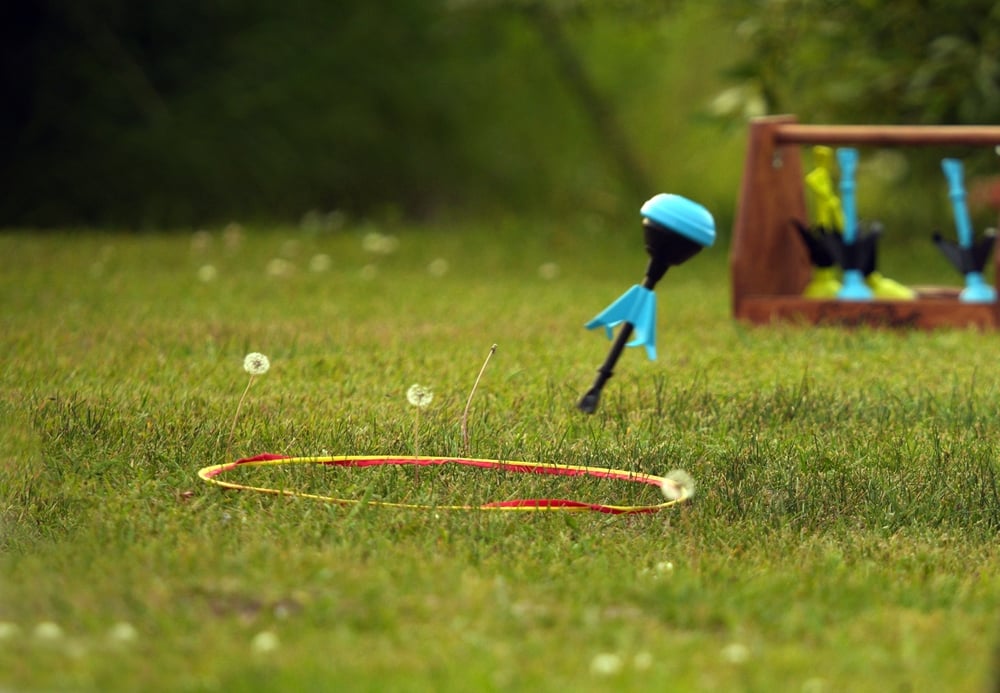
Large metal-tipped darts thrown at a ground target, Lawn Darts were eventually banned for sale in the United States after a series of serious injuries, ending what had briefly been a common backyard game.
Stretch Armstrong
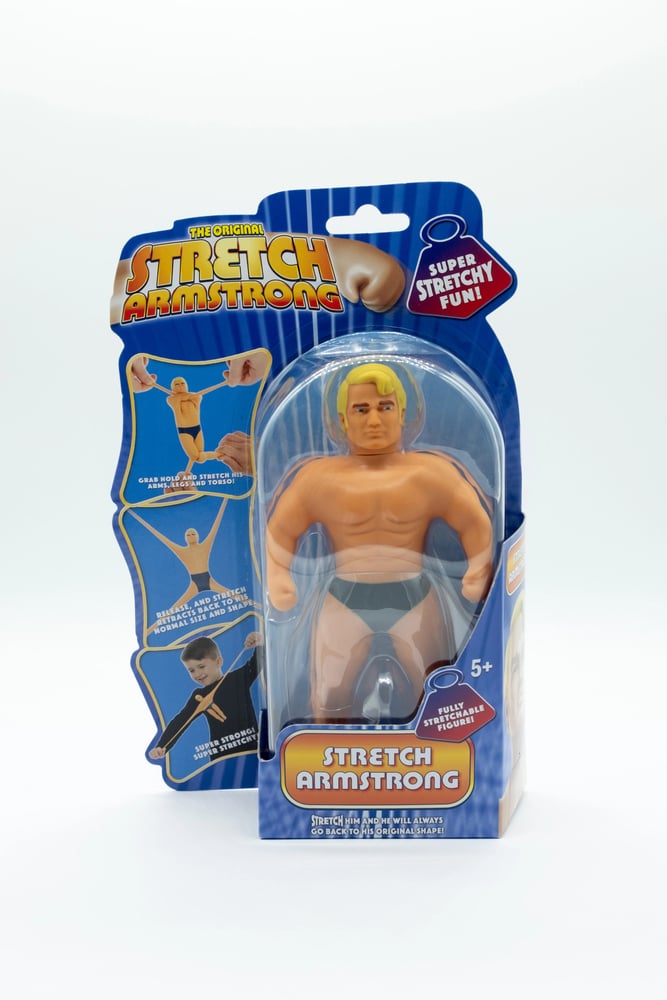
A rubbery figure filled with a gel-like substance that could be pulled to several times its original length, Stretch Armstrong became a durable favorite until the material inside began to degrade with age, ending most childhood versions early.
Weebles
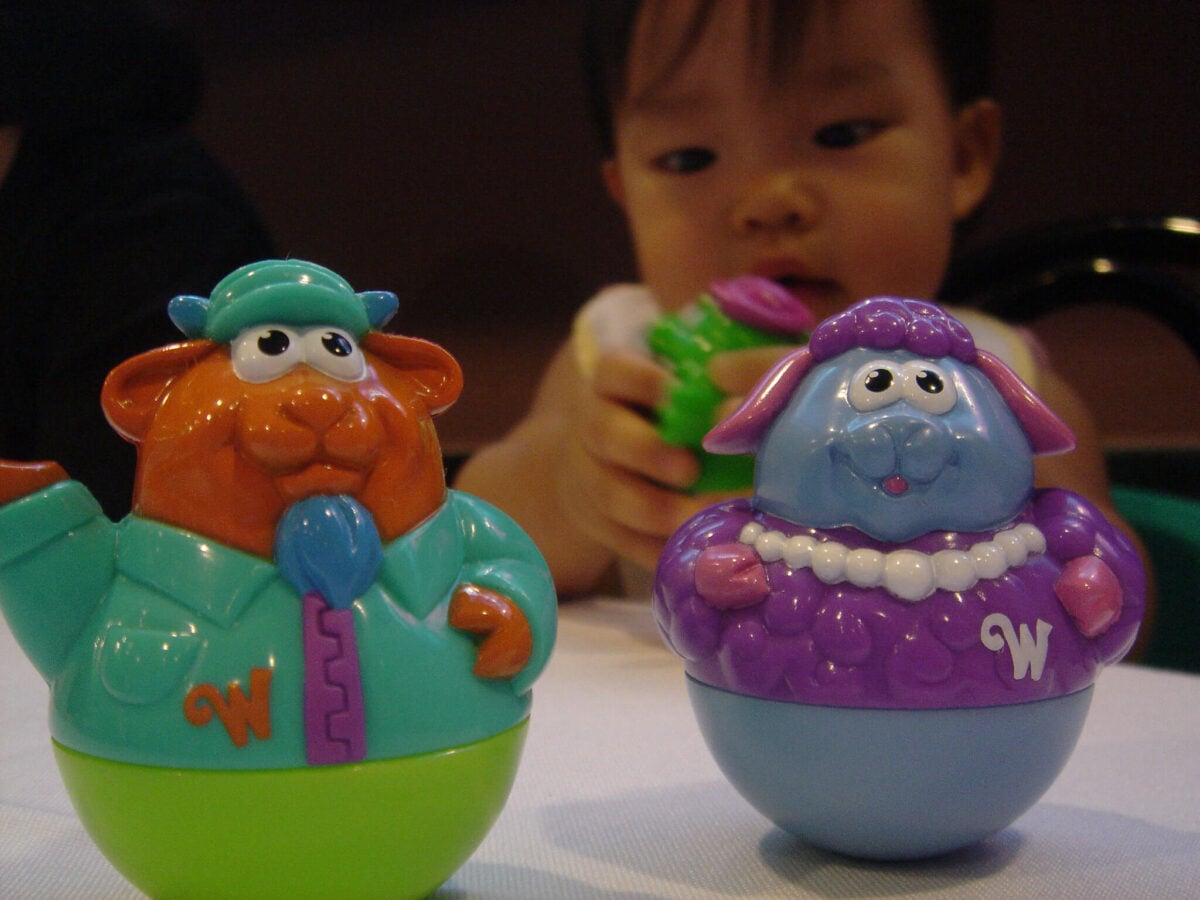
Egg-shaped figures weighted to always wobble back upright, Weebles came with their own catchy slogan and playsets, though the original figures are now far less common than modern licensed versions.
Shrinky Dinks
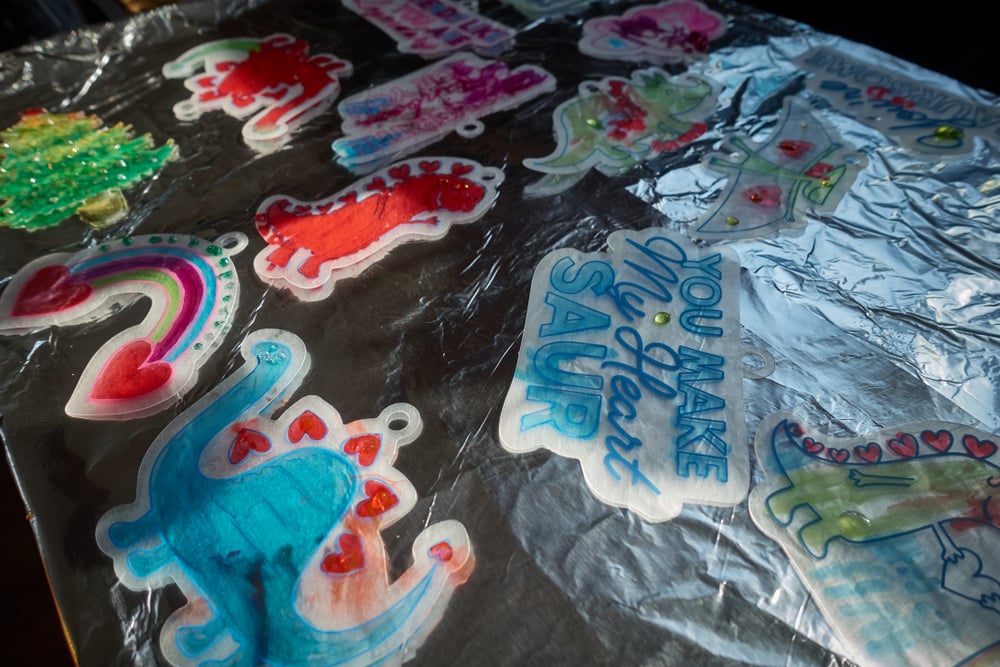
Sheets of special plastic that shrank dramatically when baked in an oven, Shrinky Dinks let kids draw a design and watch it thicken and shrink into a small, hardened keepsake.
Baby Alive
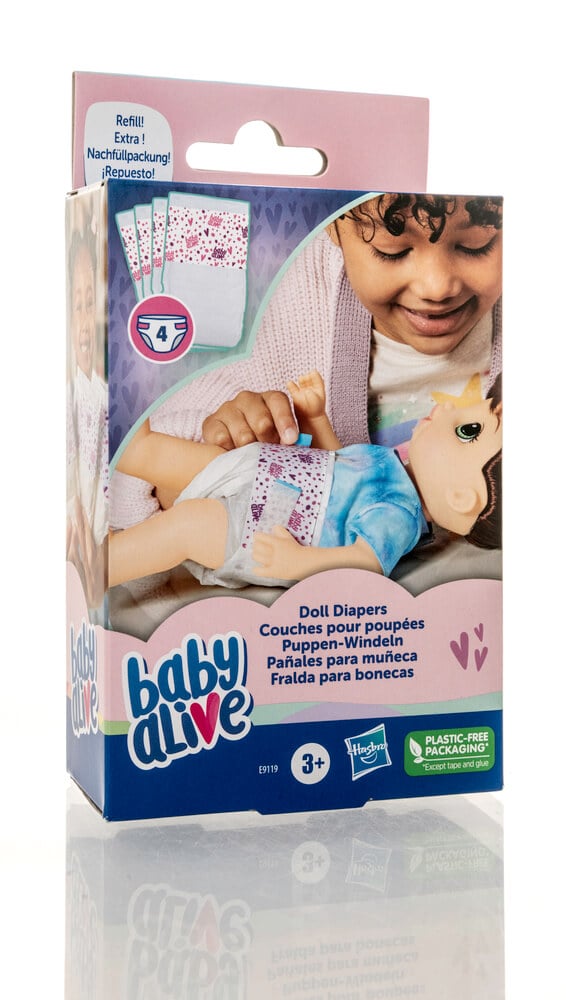
An early interactive doll that could “eat” food packets and produce a corresponding mess, Baby Alive was among the first mainstream toys to attempt realistic feeding play, later replaced by more advanced versions with little resemblance to the original.
Simon
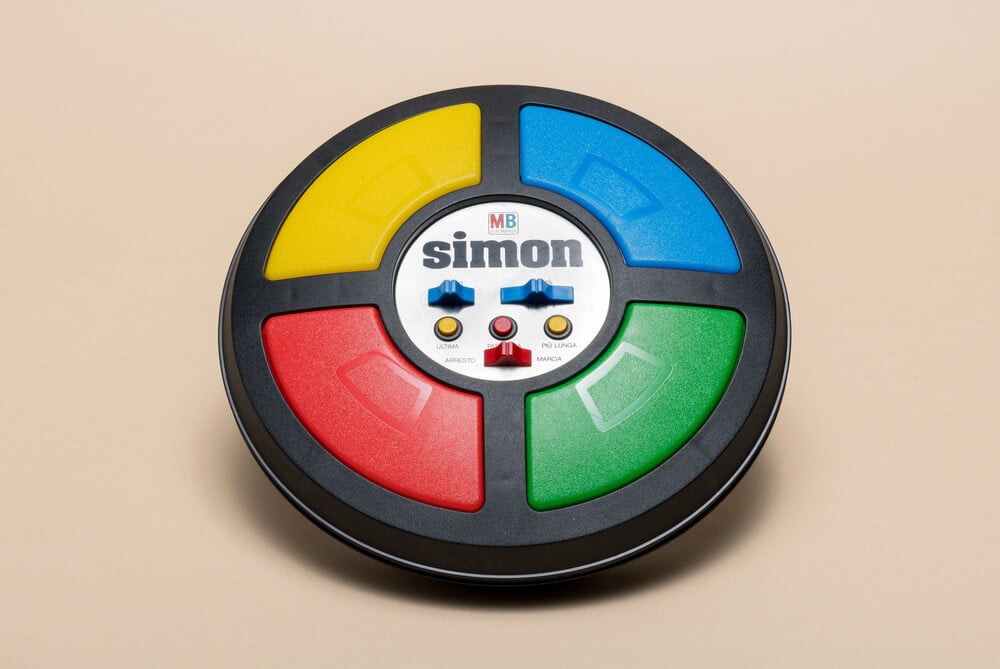
An electronic memory game that lit up in a sequence for players to repeat, Simon’s four-colored panel and distinct musical tones made it one of the earliest widely popular electronic toys.
Evel Knievel Stunt Cycle
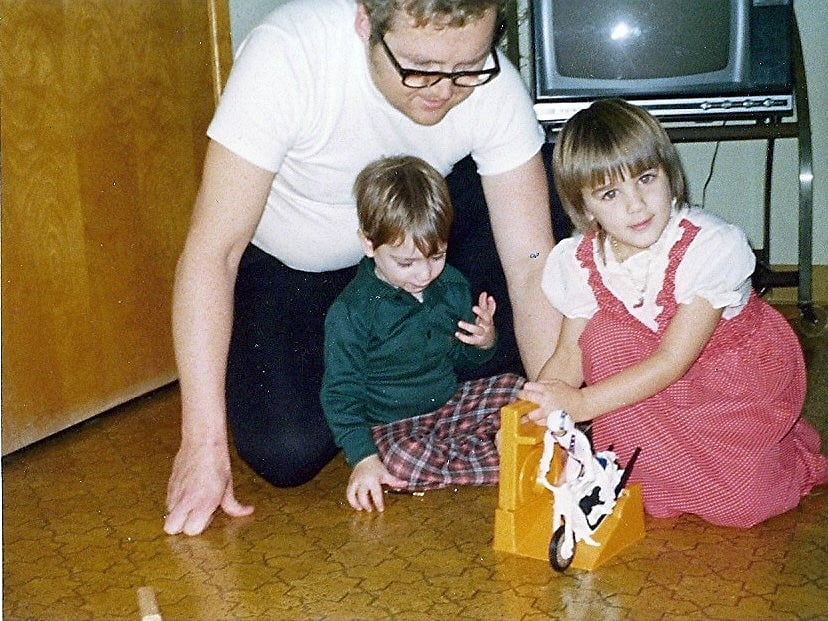
A wind-up motorcycle toy tied to the real-life daredevil’s fame, the Stunt Cycle used a hand-cranked launcher to send the toy speeding across the floor, capitalizing on Knievel’s stunts making national news.
Rock’em Sock’em Robots
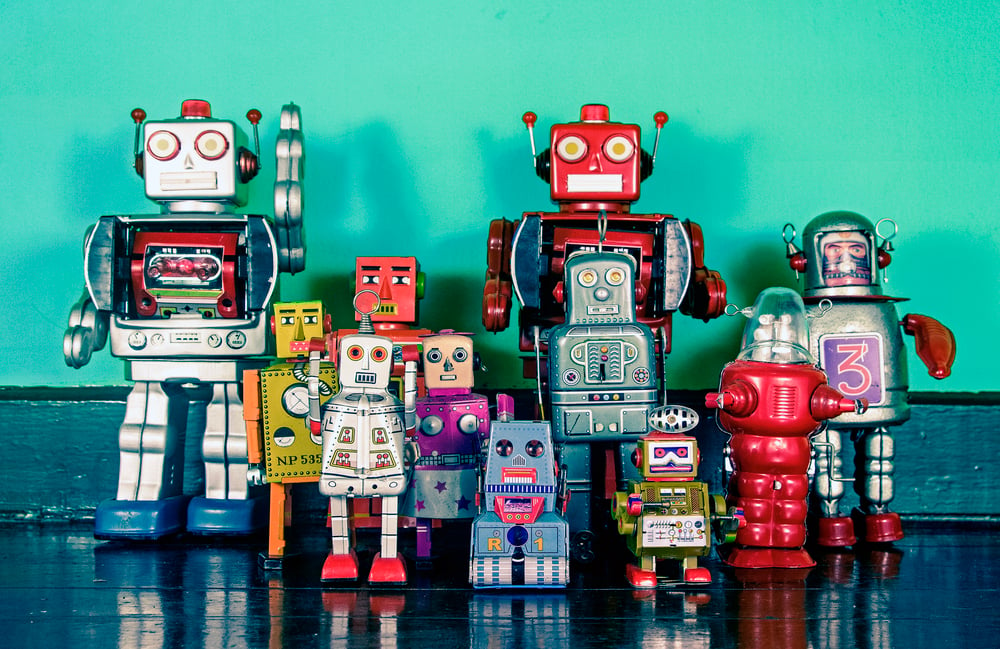
Two plastic boxing robots controlled by hand levers, the goal was to knock the opponent’s head off its spring-loaded neck, a simple mechanical toy that required no batteries at all.
Pet Rock
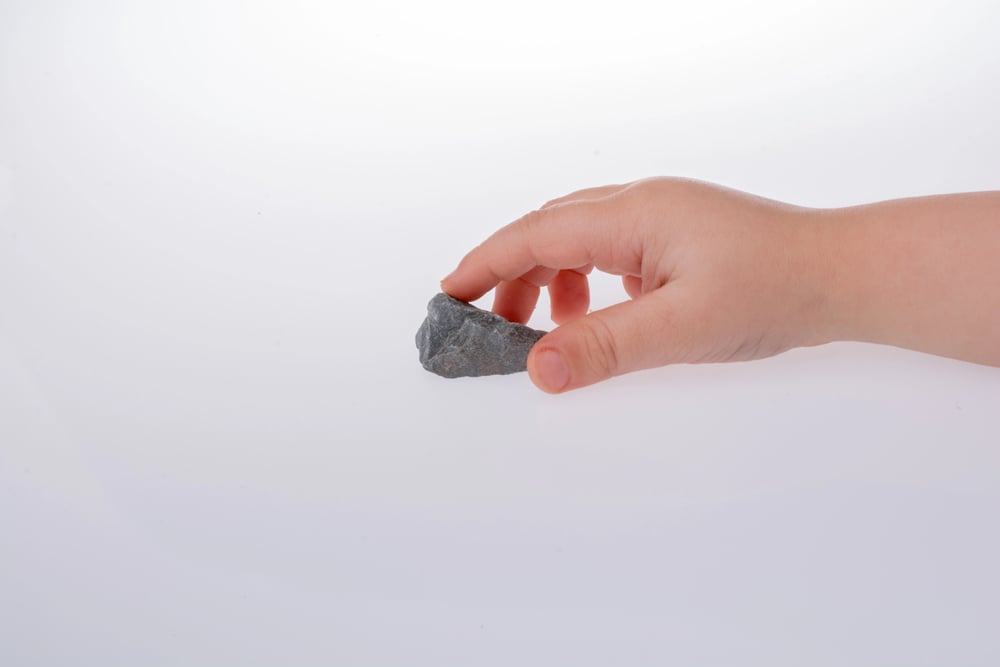
Sold with a straight face as an actual pet requiring no feeding or walking, the Pet Rock was a brief but massive fad, a literal rock packaged in a small box with a humorous care manual.
Talking Pull-String Dolls
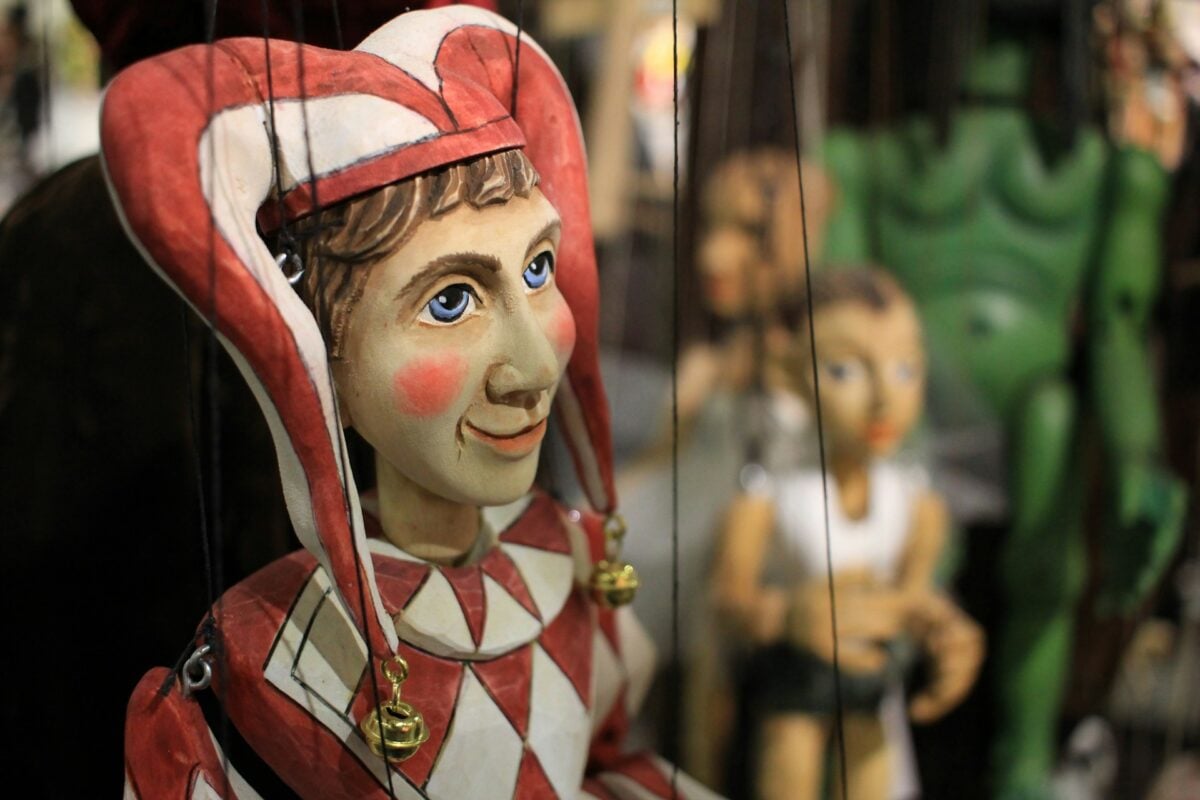
Building on an earlier concept, several 1970s dolls used recorded phrases triggered by a pull cord, a mechanism that has since been replaced almost entirely by electronic speech chips.
Metal-Ring Clacker Variants

A variant of the standard Clackers toy used metal rings instead of plastic, adding an extra layer of the same impact hazard that eventually led regulators to intervene.
Merlin Handheld Game
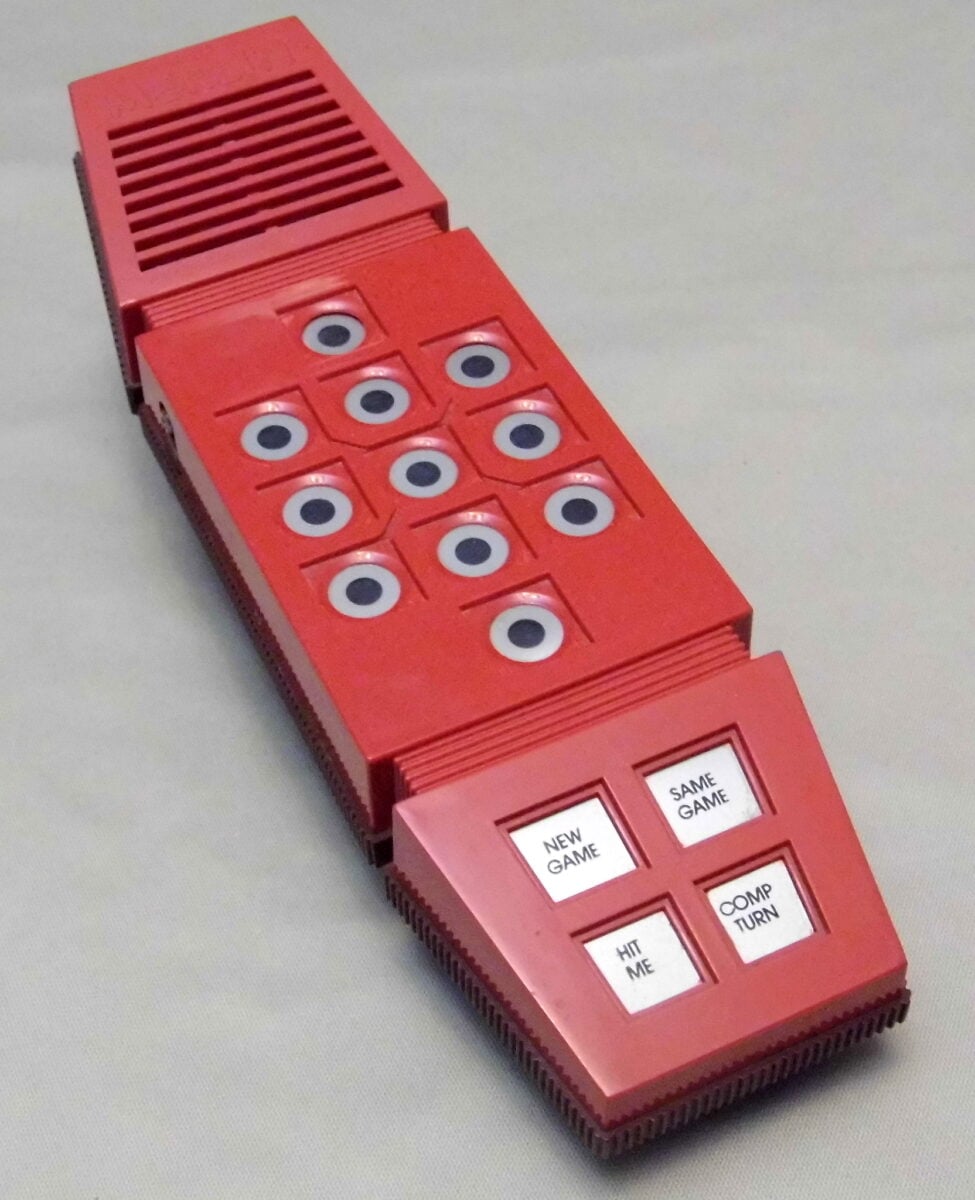
Photo by Joe Haupt, via Flickr. Licensed under CC BY-SA 2.0
An early handheld electronic game offering several built-in mini-games through a single grid of light-up buttons, Merlin predated the more famous handheld gaming devices that followed a decade later,
Creepy Crawlers Thingmaker
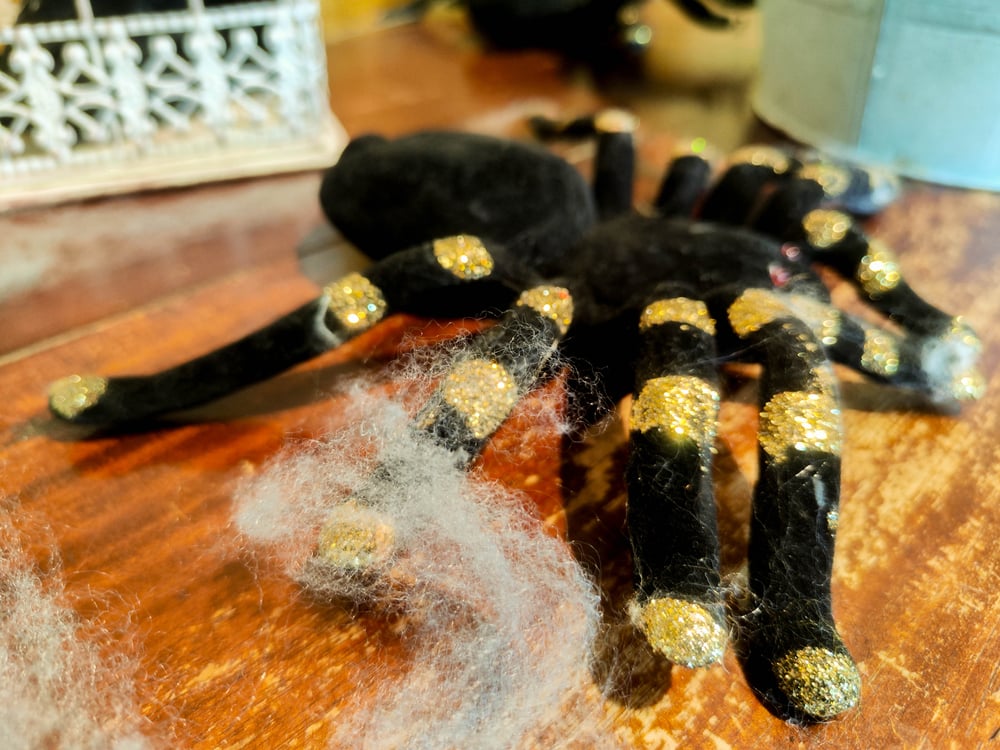
A toy oven that let kids pour liquid plastic into metal molds to create rubbery bugs, Thingmaker combined real heat with real risk in a way that later, safer versions never quite replicated.
Suzy Homemaker Ovens
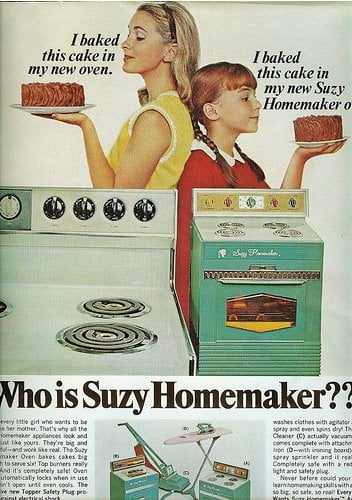
A toy oven capable of actually baking small cakes using a real heating element, Suzy Homemaker gave kids genuine, if miniature, cooking capability decades before child-safe alternatives became standard.
Big Jim Action Figures
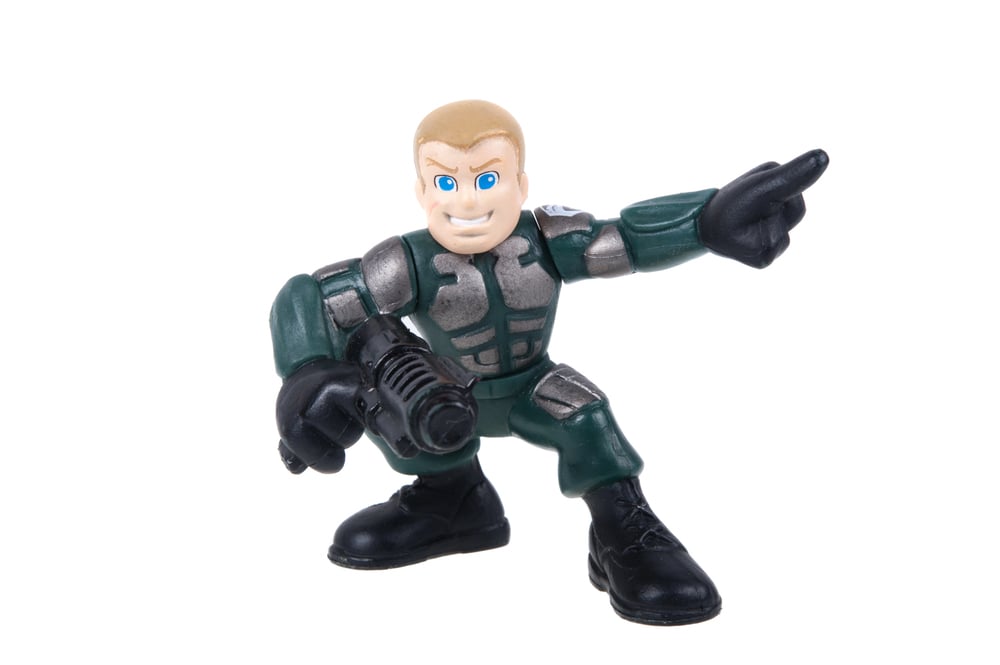
A rival to G.I. Joe with a distinct focus on adventure rather than military themes, Big Jim came with expansive accessory sets that have become increasingly rare outside of dedicated collector circles.
Colorforms
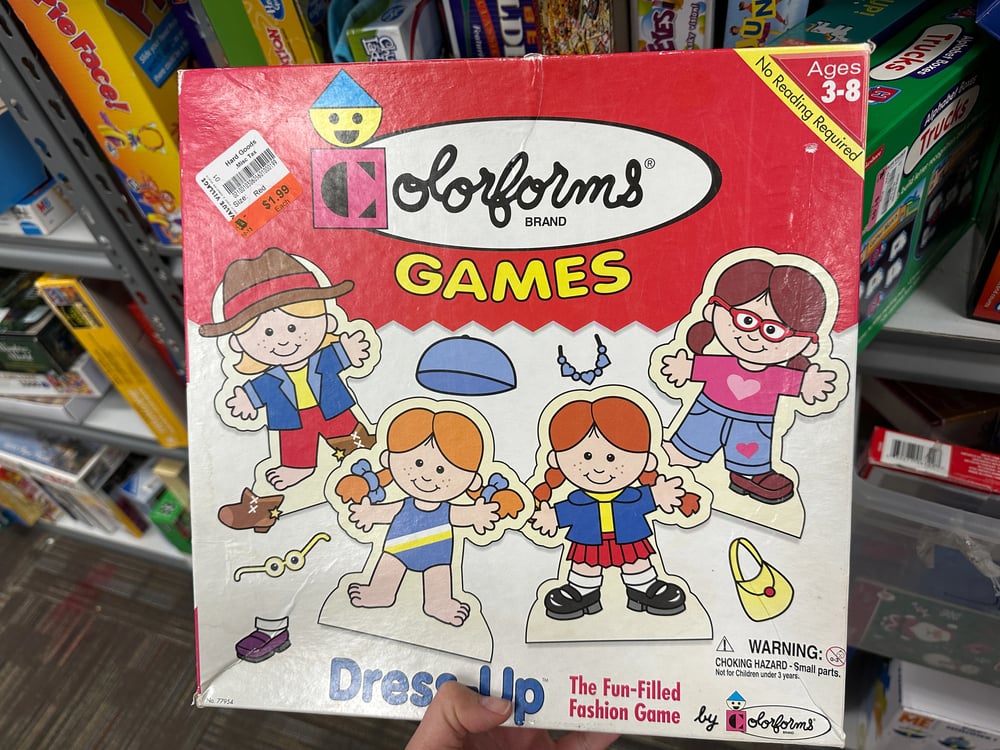
Reusable vinyl shapes that stuck to a glossy backdrop through static rather than adhesive, Colorforms let kids build and rebuild scenes endlessly without ever needing tape or glue.
Fisher-Price Adventure People
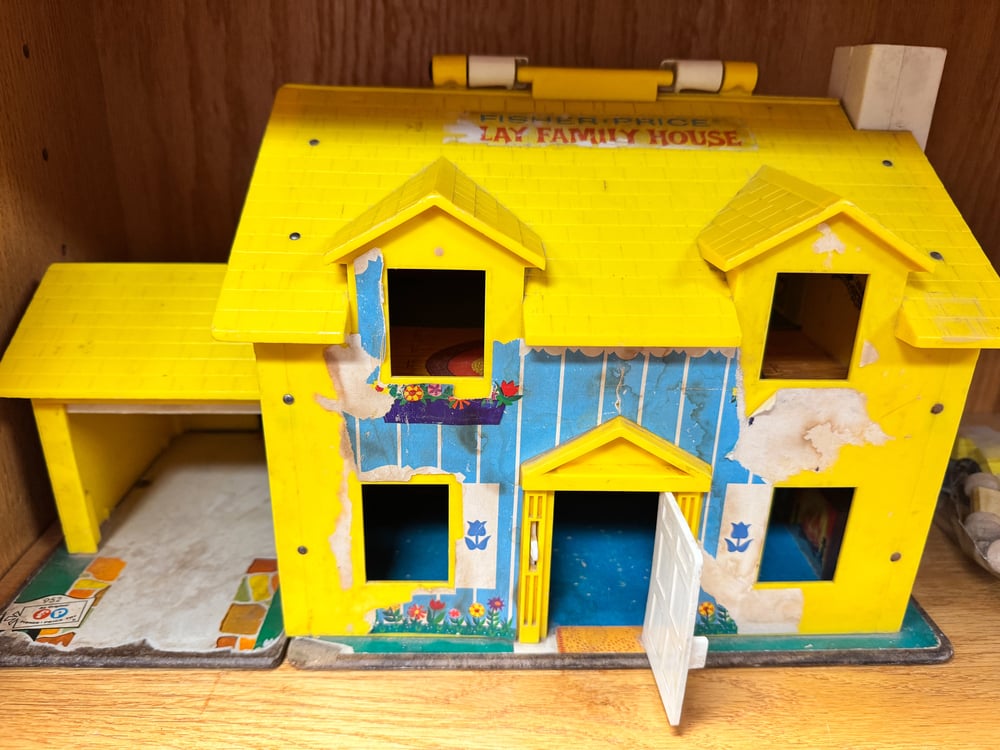
A line of poseable figures designed for outdoor-themed play sets like rescue helicopters and off-road vehicles, Adventure People predated the more elaborate action figure lines that eventually overtook the category.
Malibu-Era Barbie’s Printed Suntan Detail

A specific edition of Barbie sold with a printed suntan design meant to mimic sun exposure, this particular cosmetic detail was quietly phased out of later releases and rarely appears on reissued dolls.
Lite-Brite
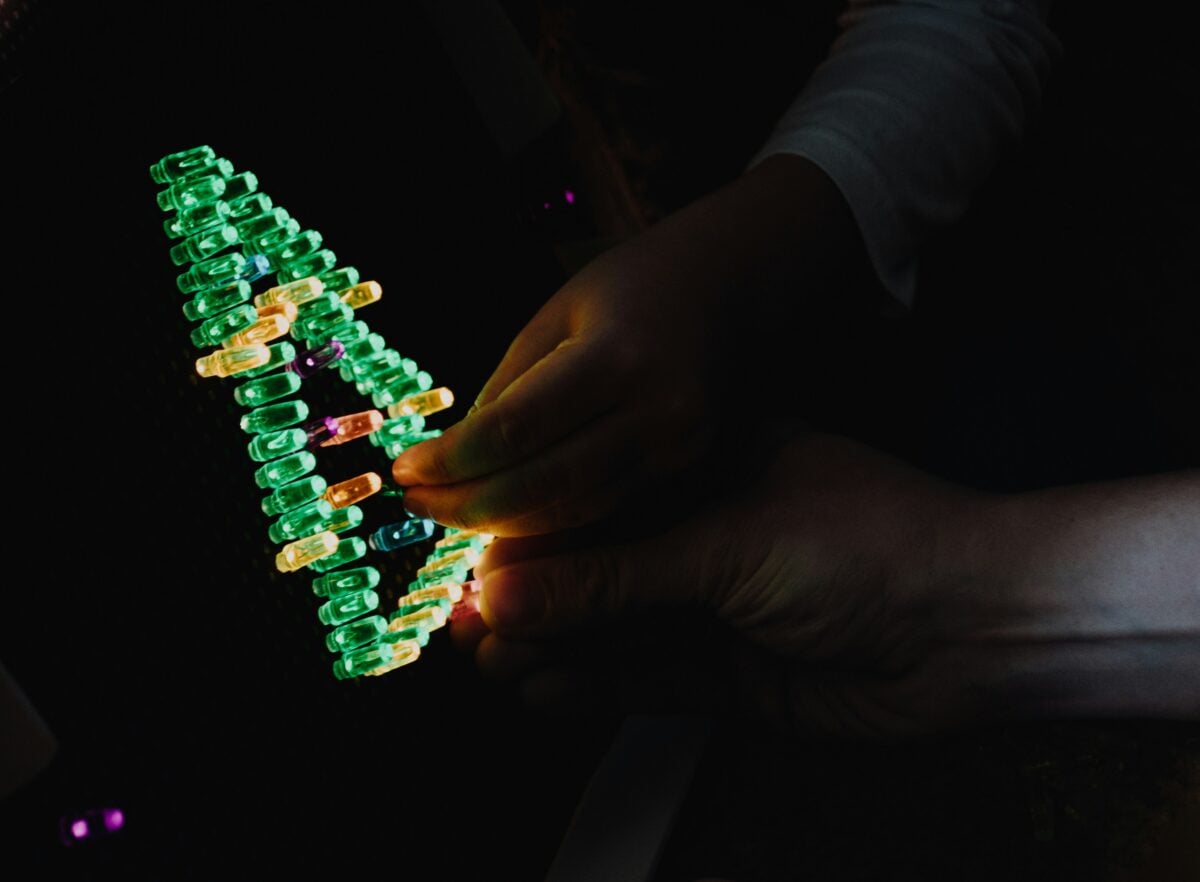
A light-up pegboard toy that let kids create glowing pictures by pushing colored pegs through a template, Lite-Brite required constant replacement bulbs that became increasingly difficult to find as the design was updated.
Slinky’s Original All-Metal Construction

While Slinky still exists today, the original all-metal coil version, prone to tangling permanently if mishandled, has largely been supplanted by plastic versions in most modern toy aisles.
Viewmaster with 1970s Licensed Reels
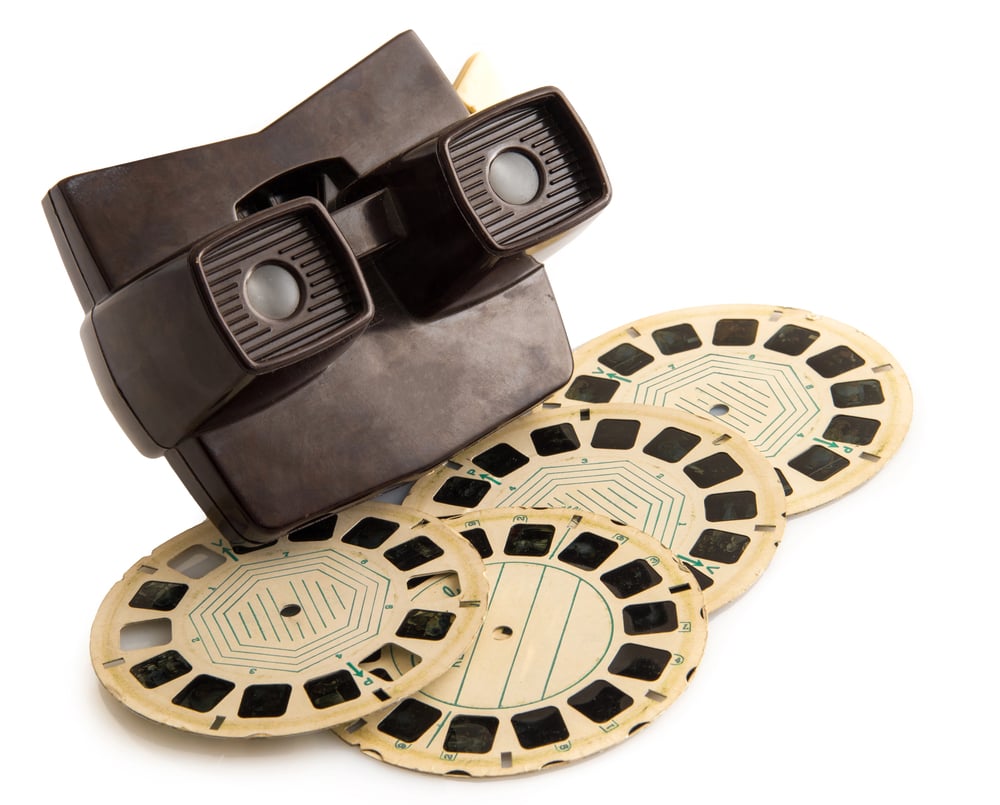
The 3D image viewer itself persisted for decades, but the specific reels sold in the 1970s, often tied to period television shows, have become collector items rather than everyday toy store stock.
Kenner SSP Racers
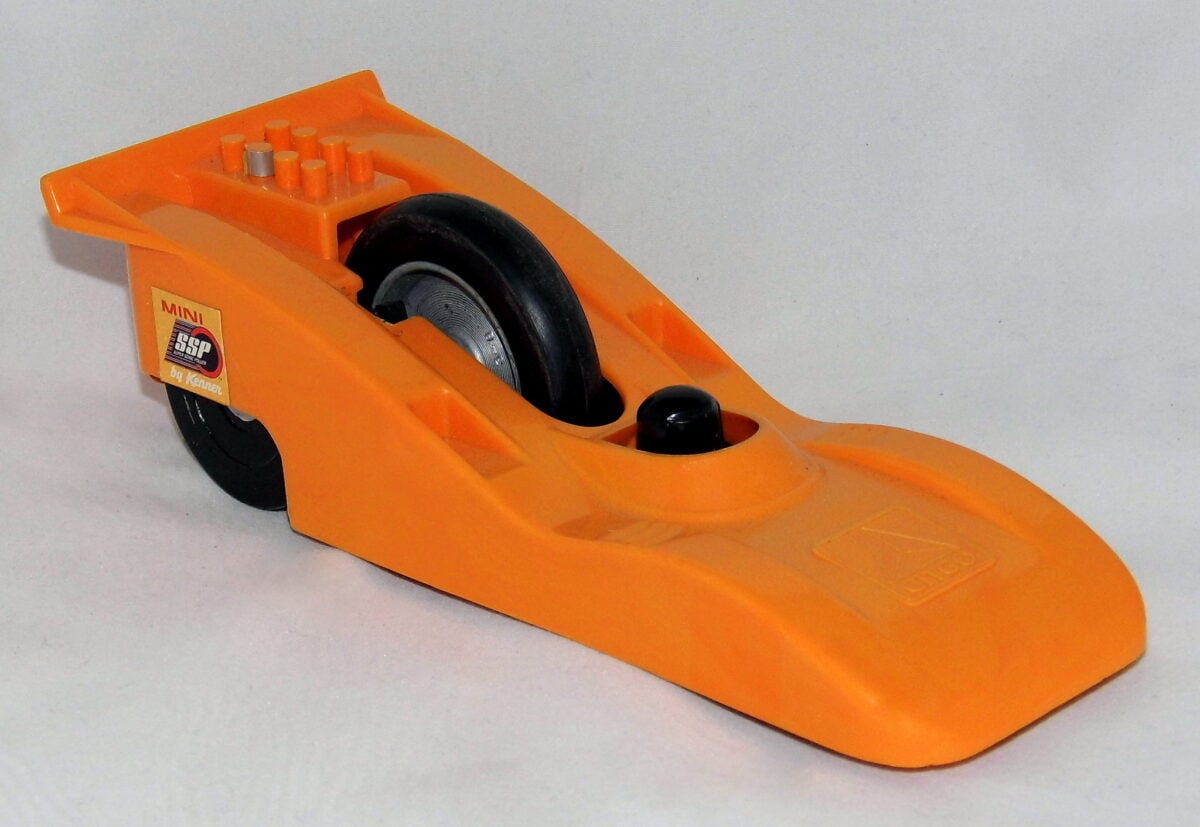
Friction-powered cars launched using a ripcord-style handle, SSP Racers offered genuine speed without batteries, a mechanism largely abandoned as battery-powered and remote-control cars became the norm.
Grow a Frog Kits

A mail-order kit that shipped live tadpoles for kids to raise into frogs at home, Grow a Frog combined science education with pet ownership in a format rarely marketed to children today.
Fisher-Price Movie Viewer
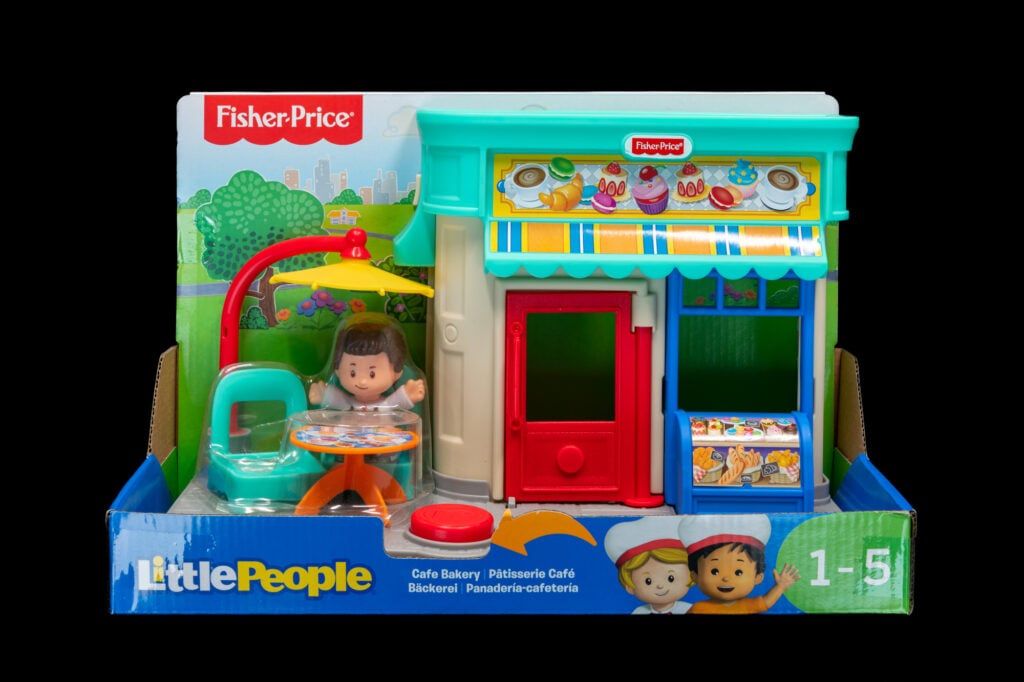
A hand-cranked toy projector that displayed short cartoon film reels onto a small built-in screen, the Movie Viewer offered kids private movie-watching years before personal screens were common.
Toys That Asked for Imagination
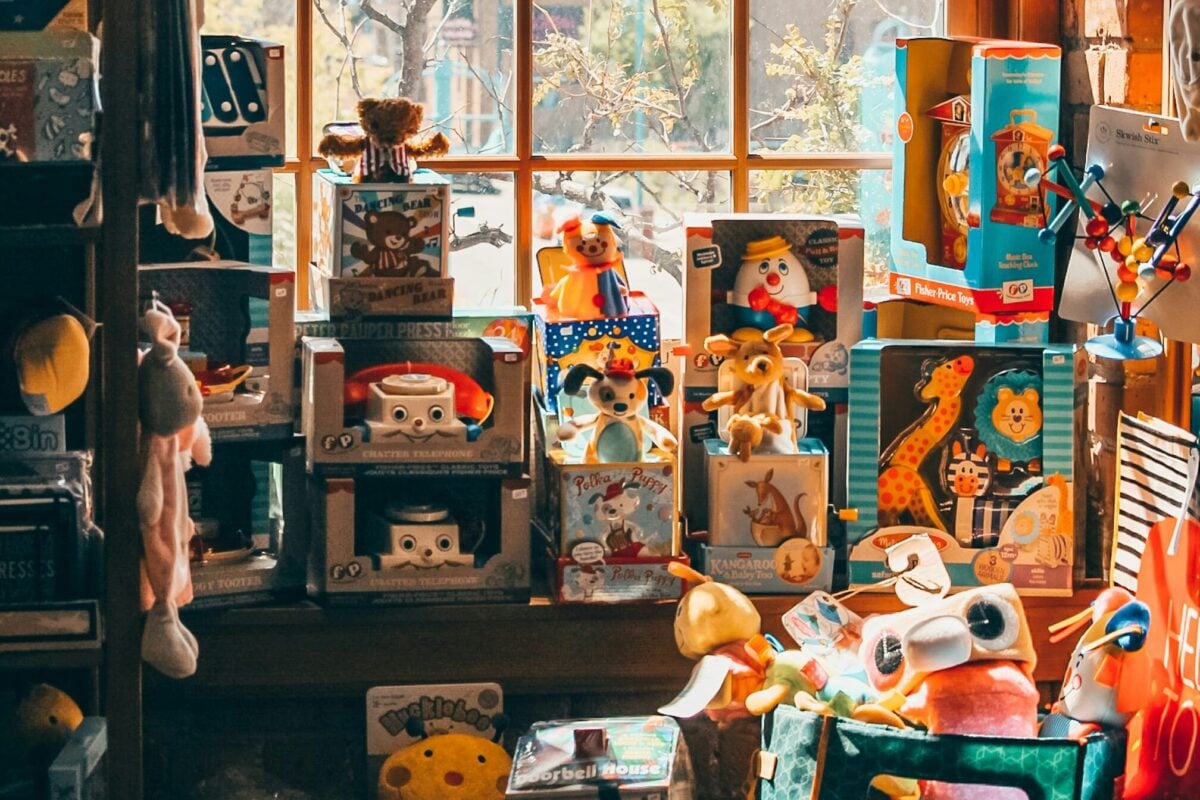
What united nearly all of these toys wasn’t sophistication; it was simplicity. A rock in a box, a wobbling egg-shaped figure, a hand-cranked film reel, none of it required batteries, screens, or complicated instructions. The imagination had to do most of the work.
That simplicity is exactly why so many of these toys disappeared. As manufacturing shifted toward electronics and safety standards tightened around sharp edges and small parts, an entire generation of low-tech, occasionally hazardous playthings quietly aged out of production, leaving behind mostly memory and the odd garage sale find.
More from Go2Tutors!

- The Romanov Crown Jewels and Their Tragic Fate
- 13 Historical Mysteries That Science Still Can’t Solve
- Famous Hoaxes That Fooled the World for Years
- 15 Child Stars with Tragic Adult Lives
- 16 Famous Jewelry Pieces in History
Like Go2Tutors’s content? Follow us on MSN.