28 Archaeological Finds That Changed Accepted Timelines
Textbooks present history and prehistory as settled fact, but the timelines behind them are only as good as the evidence available at the time they were written. Every so often, a single excavation forces researchers to tear up a chapter and start over, pushing a date back by thousands or even millions of years, or rewriting who was where and when entirely.
These 31 discoveries did exactly that, each one landing hard enough to shift the accepted story of the human past.
Göbekli Tepe
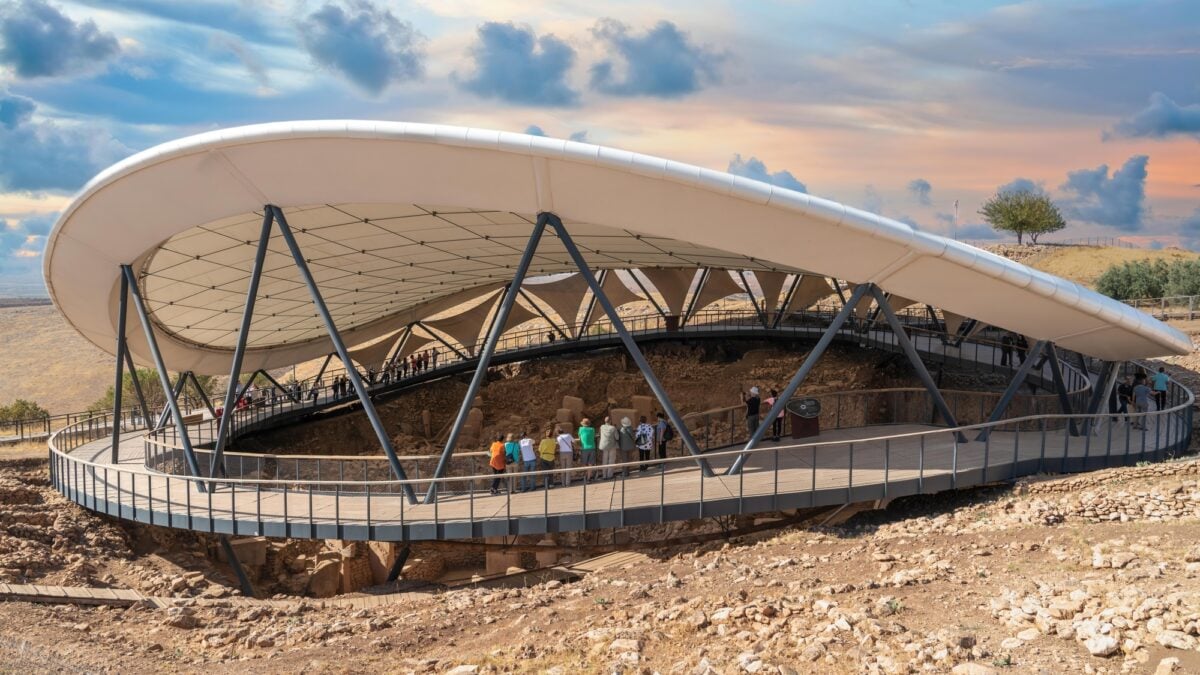
Excavations beginning in the 1990s at Göbekli Tepe in southeastern Turkey uncovered massive carved stone pillars arranged in circles, dated to roughly 9600 BC. The find pushed back the accepted timeline for large-scale monumental construction by thousands of years, predating agriculture and pottery, and forced a rethink of the long-held assumption that farming had to come before organized religious or ceremonial building.
Homo naledi in Rising Star Cave
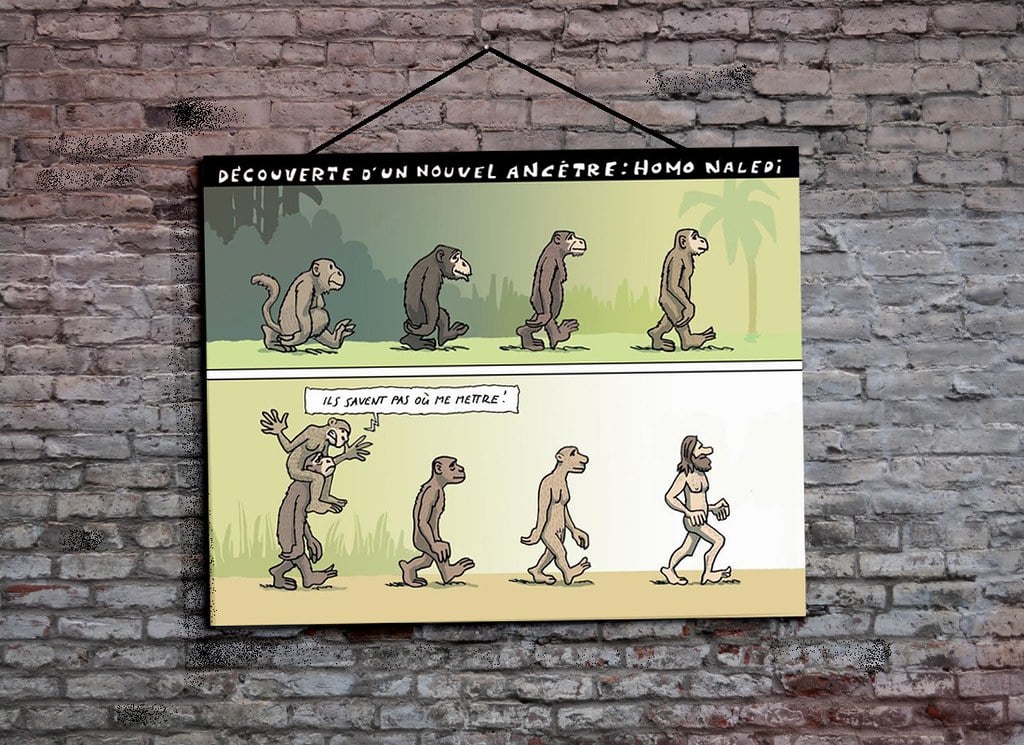
Photo by Sklokapus, via Flickr. Licensed under Public Domain Mark
Cavers exploring the Rising Star cave system in South Africa in 2013 discovered a chamber containing the remains of at least 15 individuals of a previously unknown hominin species, later named Homo naledi. The species had a small brain more similar to early human ancestors, yet the remains appeared deliberately placed in a nearly inaccessible chamber, raising questions about intentional burial behavior far earlier than most researchers had assumed possible.
The Jebel Irhoud Fossils
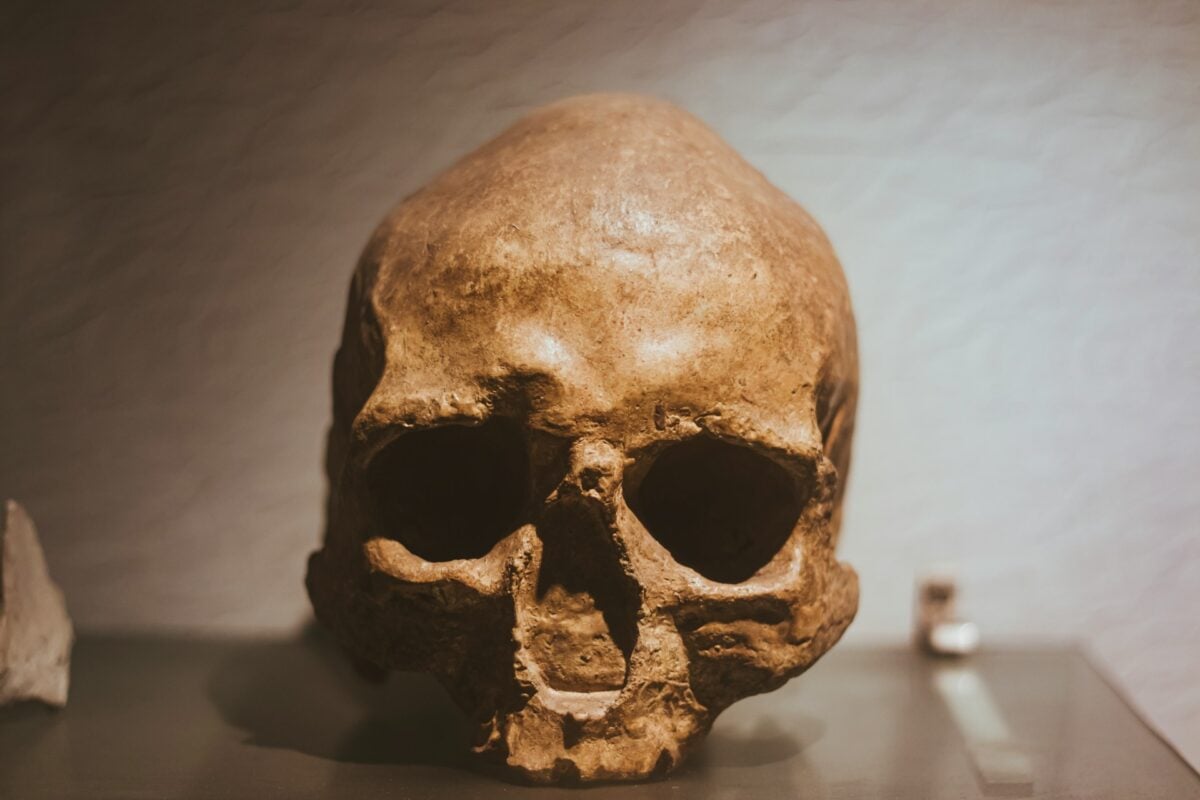
Fossils originally found in Morocco in the 1960s were re-examined with improved dating techniques in 2017, revealing the remains at Jebel Irhoud to be roughly 300,000 years old, about 100,000 years older than the previous oldest confirmed Homo sapiens fossils. The finding pushed back the accepted origin date for anatomically modern humans and shifted the geographic focus of early human evolution away from East Africa alone.
The Lomekwi Stone Tools

Stone tools discovered at the Lomekwi 3 site in Kenya and dated in 2015 to roughly 3.3 million years old predate the emergence of the genus Homo by around 700,000 years. The find upended the long-standing assumption that toolmaking was a defining trait of the Homo lineage, suggesting instead that earlier hominin species, or even non-Homo relatives, were already shaping stone.
The Dmanisi Skulls
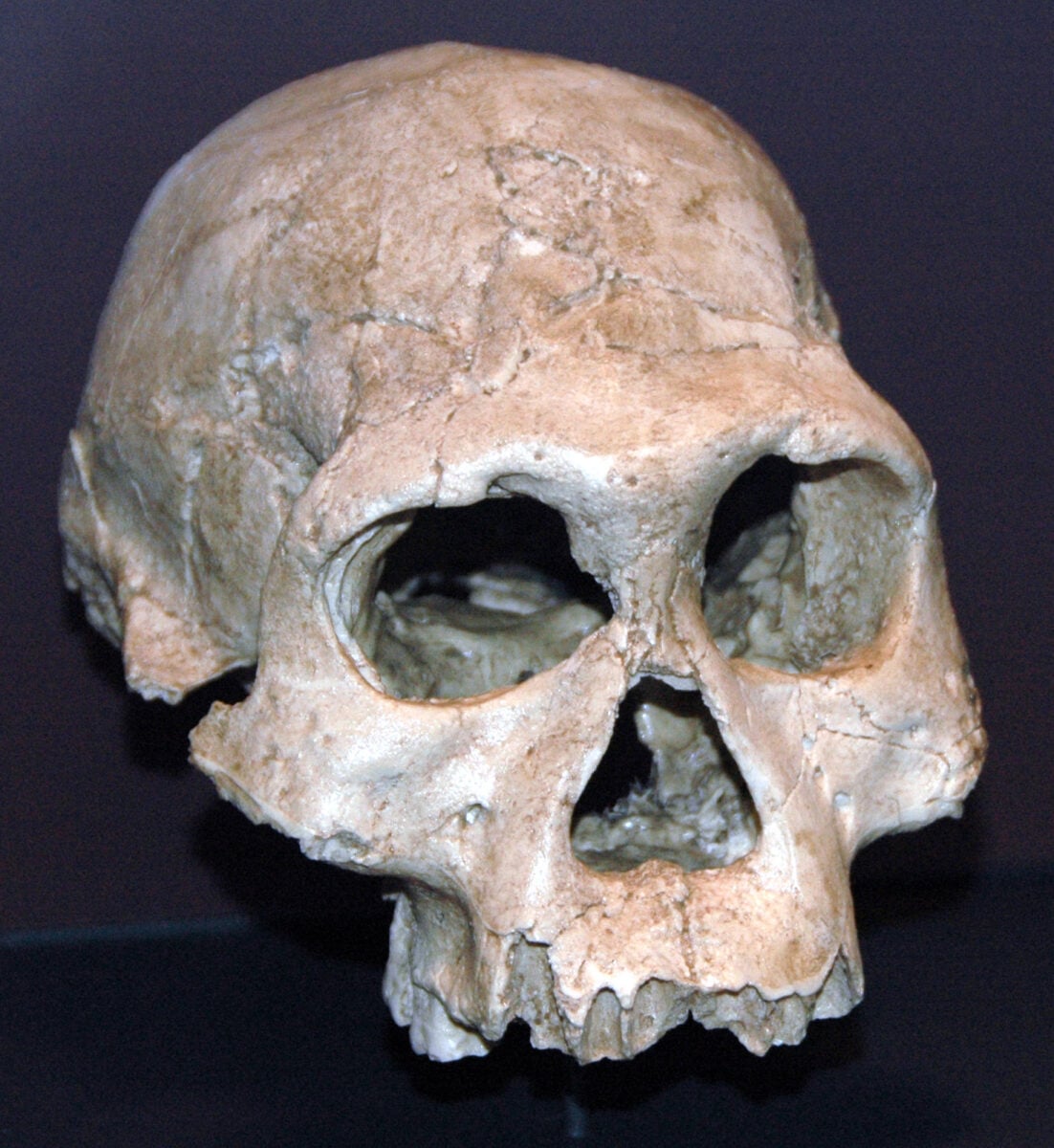
A series of skulls excavated at Dmanisi in the country of Georgia starting in the 1990s, dated to approximately 1.8 million years old, showed early Homo erectus had migrated out of Africa far earlier than previously believed. The remarkable variation among the skulls also reopened debate about whether several named early Homo species were actually just one variable species.
The Sungir Burials

Photo by Ronnie., via Flickr. Licensed under Public Domain Mark
Excavated in Russia starting in the 1950s, the Sungir burial site contains graves dated to roughly 34,000 years old, including one holding two adolescents buried head to head surrounded by thousands of painstakingly carved ivory beads. The sheer labor invested in the burial goods forced a reassessment of how socially complex Ice Age hunter-gatherer communities actually were.
Blombos Cave Ochre Engravings
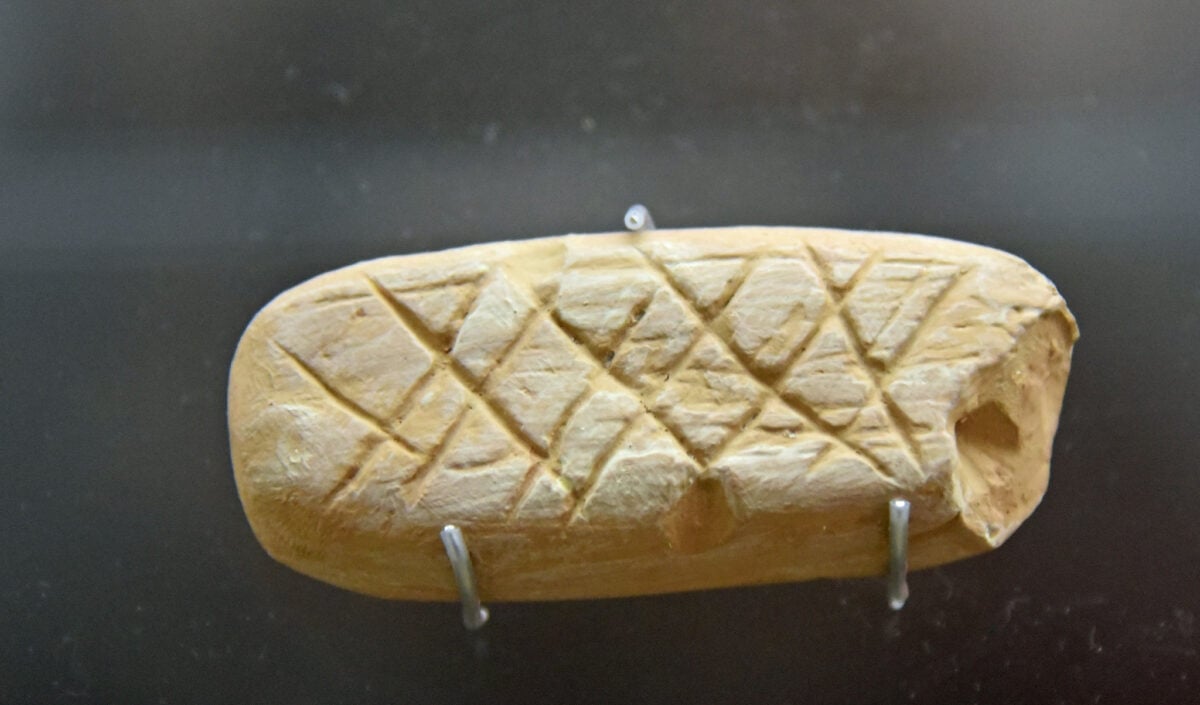
Pieces of ochre bearing deliberately incised geometric patterns, found in Blombos Cave in South Africa and dated to roughly 73,000 years old, are among the oldest known examples of abstract symbolic marking made by humans. The find pushed back the accepted emergence of symbolic thought and artistic behavior by tens of thousands of years.
Chauvet Cave Paintings
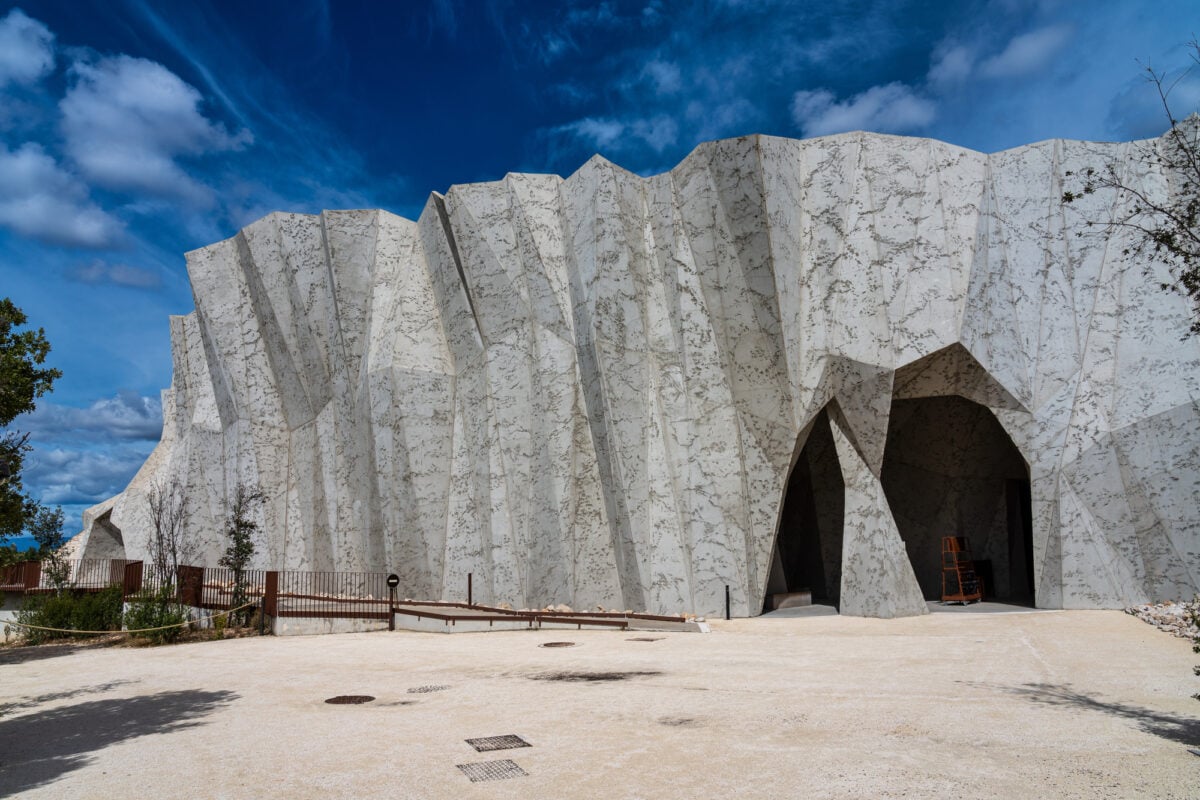
Discovered in southern France in 1994, the paintings inside Chauvet Cave were later radiocarbon dated to around 36,000 years old, making them roughly twice as old as researchers initially expected based on their sophisticated technique. The dating overturned assumptions that artistic skill developed gradually and steadily over the Paleolithic period, showing instead that highly accomplished art existed at a much earlier stage.
The Antikythera Mechanism
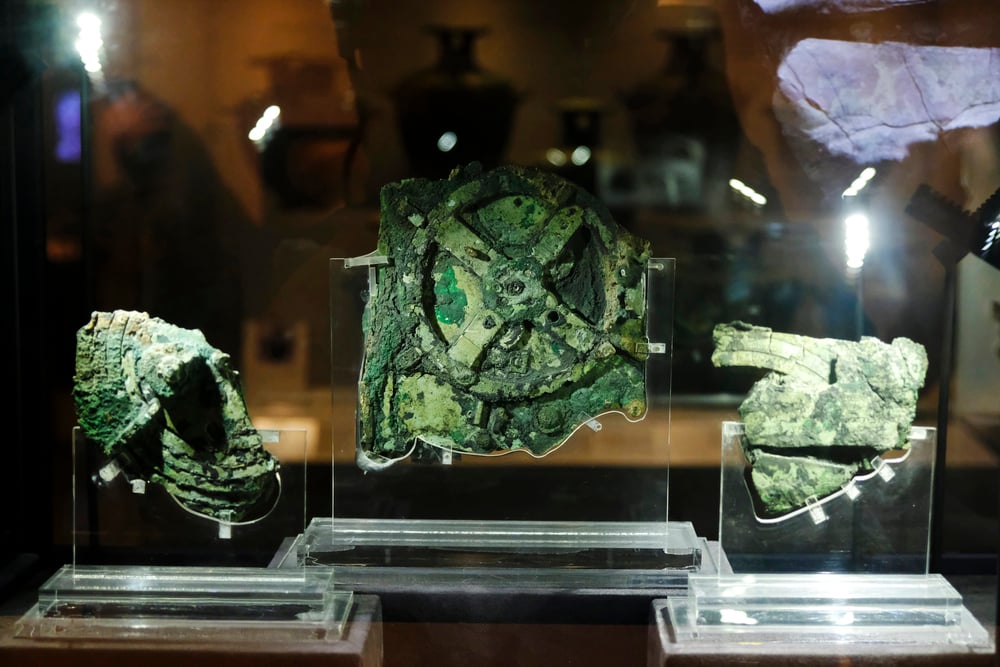
Recovered from a Roman-era shipwreck off the Greek island of Antikythera in 1901, this corroded bronze device was later found through X-ray analysis to contain an intricate system of gears capable of predicting astronomical events and eclipses. Nothing of comparable mechanical complexity was known to exist again in Europe for well over a thousand years, forcing historians to revise assumptions about the technological sophistication of the ancient Greek world.
The Terracotta Army

Farmers digging a well near Xi’an, China, in 1974 uncovered the first fragments of what turned out to be an army of thousands of life-sized terracotta soldiers, buried to guard the tomb of China’s first emperor, Qin Shi Huang. The scale and individualized detail of the figures reshaped understanding of the organizational and artistic capacity of the Qin dynasty in the 3rd century BC.
The Dead Sea Scrolls

Discovered starting in 1947 in caves near Qumran, the Dead Sea Scrolls include biblical texts roughly a thousand years older than previously known manuscripts, allowing scholars to check the accuracy of the biblical text’s transmission over that gap for the first time. The scrolls confirmed remarkable consistency in some books while revealing meaningful variation in others, reshaping the study of early religious textual history.
The Rosetta Stone

Uncovered by French soldiers in Egypt in 1799, the Rosetta Stone carried the same decree in Egyptian hieroglyphs, Demotic script, and Greek, providing the key that allowed Jean-François Champollion to decipher Egyptian hieroglyphics in 1822. Before that breakthrough, thousands of years of Egyptian written history were essentially illegible, making the stone responsible for opening an entire timeline that had previously been guesswork.
Tutankhamun’s Tomb

British archaeologist Howard Carter discovered the largely intact tomb of the young pharaoh Tutankhamun in Egypt’s Valley of the Kings in 1922, an extraordinary survival since most royal tombs had been looted in antiquity. The sheer volume of preserved artifacts gave Egyptologists a detailed, dated snapshot of royal life and burial practice in the 14th century BC that no other find has matched.
The Ruins of Troy
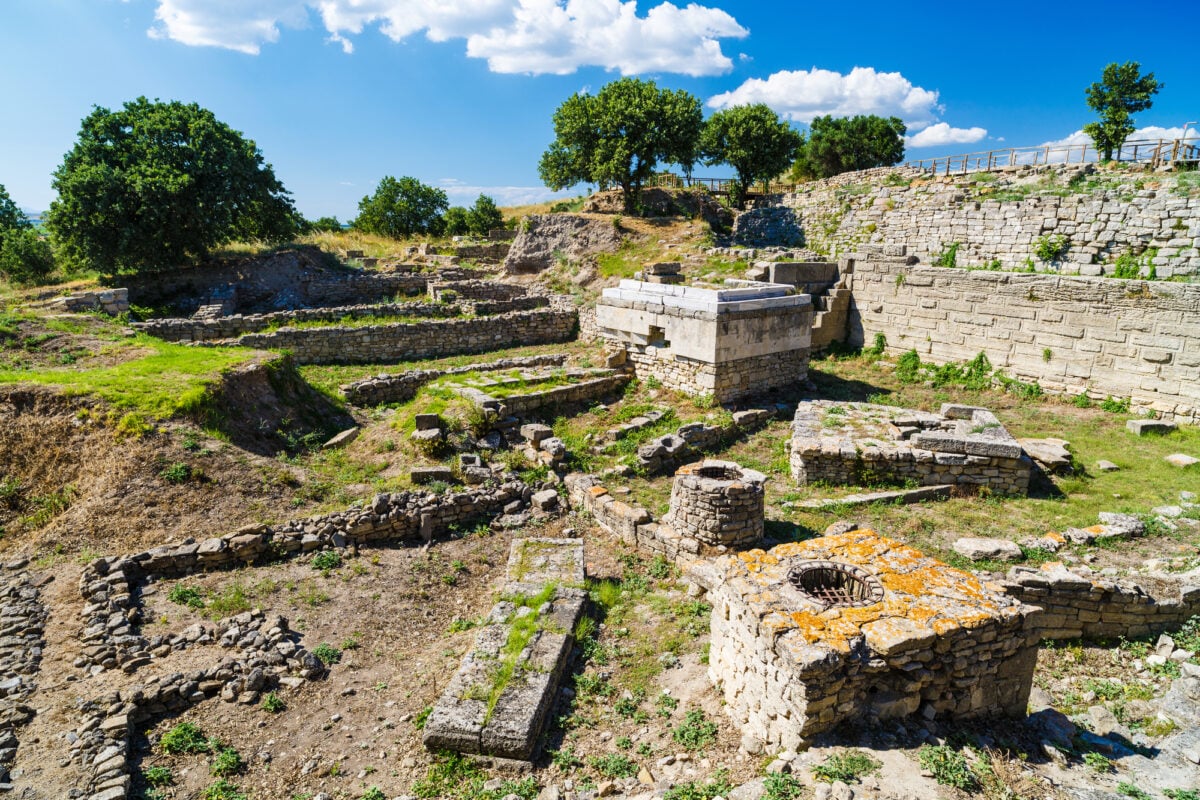
German businessman and amateur archaeologist Heinrich Schliemann began excavating a mound at Hisarlik in Turkey in the 1870s, uncovering multiple layered cities that most scholars now accept correspond to the historical basis behind Homer’s legendary city of Troy. The find shifted the Trojan War from pure literary myth into a subject with at least a plausible archaeological anchor in Bronze Age history.
The Palace of Knossos

British archaeologist Arthur Evans began excavating the Palace of Knossos on Crete in 1900, uncovering evidence of an advanced Bronze Age civilization he named Minoan after the legendary King Minos. The discovery revealed a sophisticated pre-Greek culture with writing, plumbing, and elaborate architecture that had been essentially unknown to history before the excavation began.
Mohenjo-daro
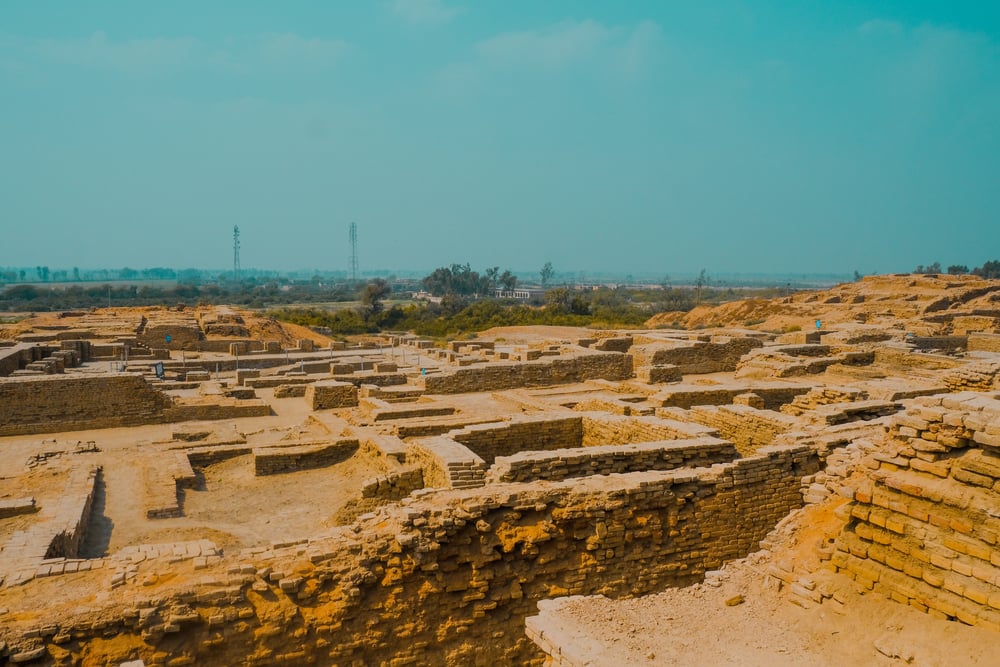
Excavations beginning in the 1920s revealed Mohenjo-daro in present-day Pakistan to be part of the Indus Valley Civilization, an advanced Bronze Age urban culture with standardized brick sizes, sophisticated drainage systems, and a still-undeciphered writing system. The discovery added an entire major civilization, previously unknown to history, to the accepted map of the ancient world.
The Sanxingdui Bronzes
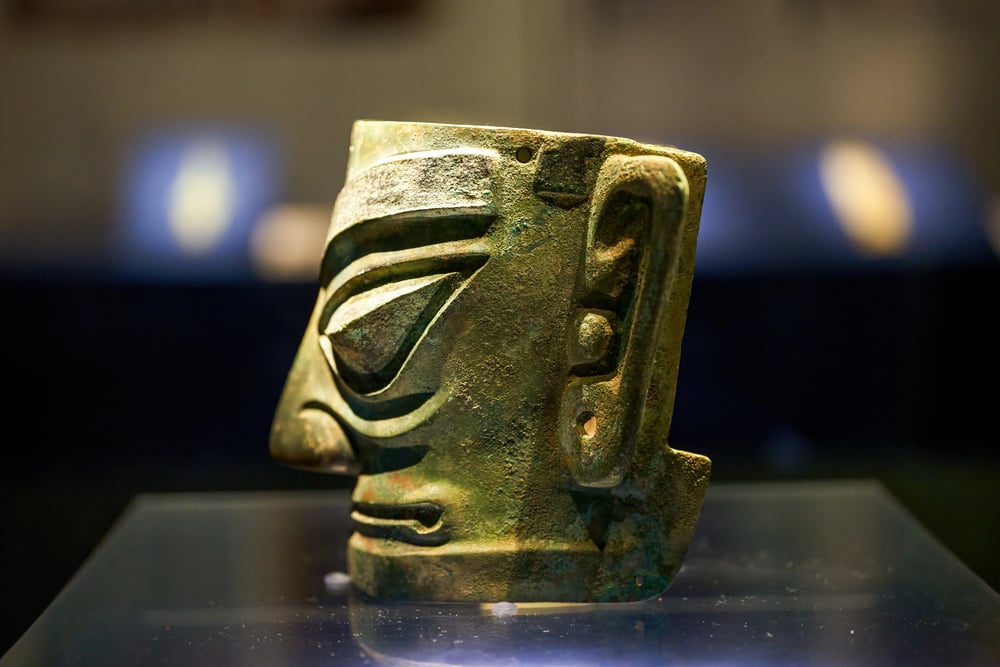
Farmers in Sichuan, China, accidentally discovered a pit of extraordinary bronze artifacts in 1929, with major excavations following in 1986 and again in 2019 through 2020 revealing masks, trees, and figures unlike anything known from traditional Chinese Bronze Age sites. The find revealed a sophisticated, previously unrecorded culture that existed alongside, but distinct from, the dynasties long considered central to early Chinese civilization.
Monte Verde in Chile
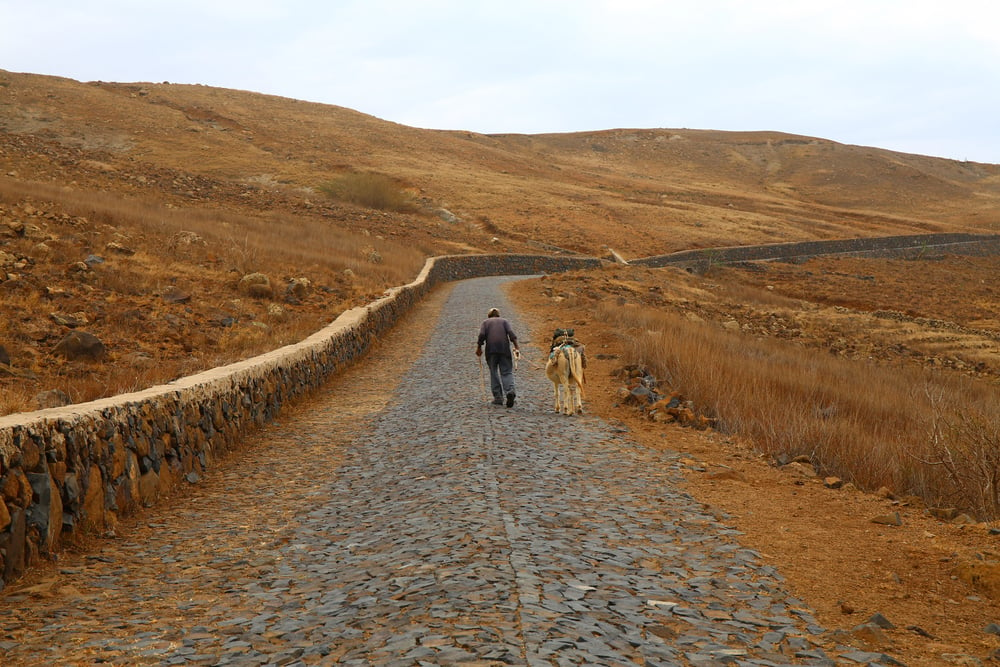
Excavations at Monte Verde in southern Chile, dated in the 1970s and confirmed through further study in the 1990s to roughly 14,500 years old, provided solid evidence of human presence in South America well before the previously accepted “Clovis first” theory allowed for. The find forced a fundamental revision of how and when the Americas were first peopled.
The White Sands Footprints

Fossilized human footprints preserved in ancient lakebed sediment at White Sands, New Mexico, were dated in a 2021 study to between roughly 21,000 and 23,000 years old, based on seed layers embedded above and below the tracks. If the dating holds up to continued scrutiny, it would place humans in North America thousands of years earlier than most previous evidence supported, during the height of the last Ice Age.
Cheddar Man
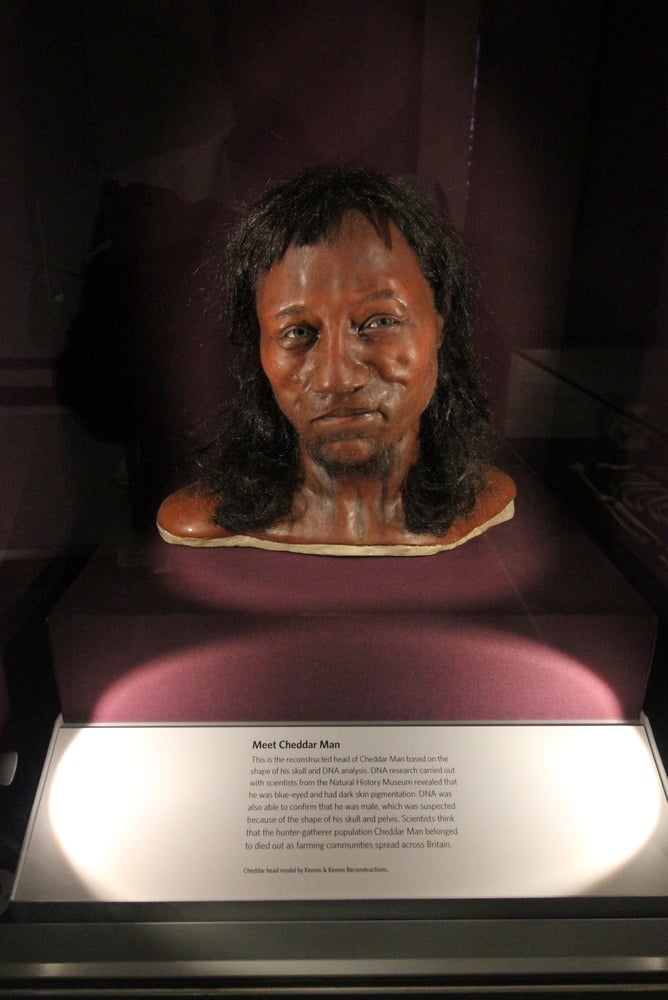
Skeletal remains found in Gough’s Cave in England in 1903, later identified as roughly 10,000 years old and nicknamed Cheddar Man, had their DNA sequenced in 2018, revealing that this ancient Briton likely had notably dark skin alongside blue eyes. The finding reshaped public assumptions about the appearance of early inhabitants of the British Isles.
Ötzi the Iceman
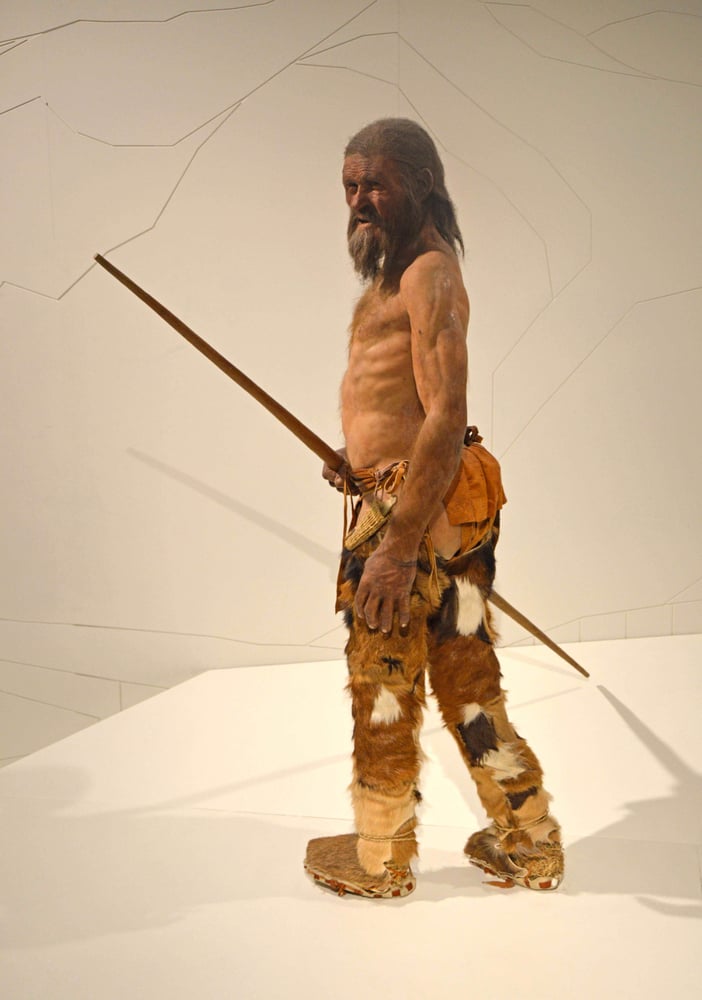
Hikers discovered a naturally mummified body preserved in Alpine ice near the Austrian-Italian border in 1991, later dated to roughly 3300 BC and named Ötzi. Detailed analysis of his tools, clothing, tattoos, and even stomach contents gave researchers an unprecedented, direct window into daily life, technology, and even violent death in Copper Age Europe.
Skara Brae

A storm in 1850 exposed the remains of Skara Brae, a remarkably preserved Neolithic village on Orkney in Scotland, complete with stone furniture still standing in place, dated to roughly 3100 BC. The site predates both Stonehenge and the Great Pyramid of Giza, and its level of preservation reshaped understanding of the domestic sophistication of Neolithic communities in northern Europe.
The Vindija Cave Neanderthal Genome
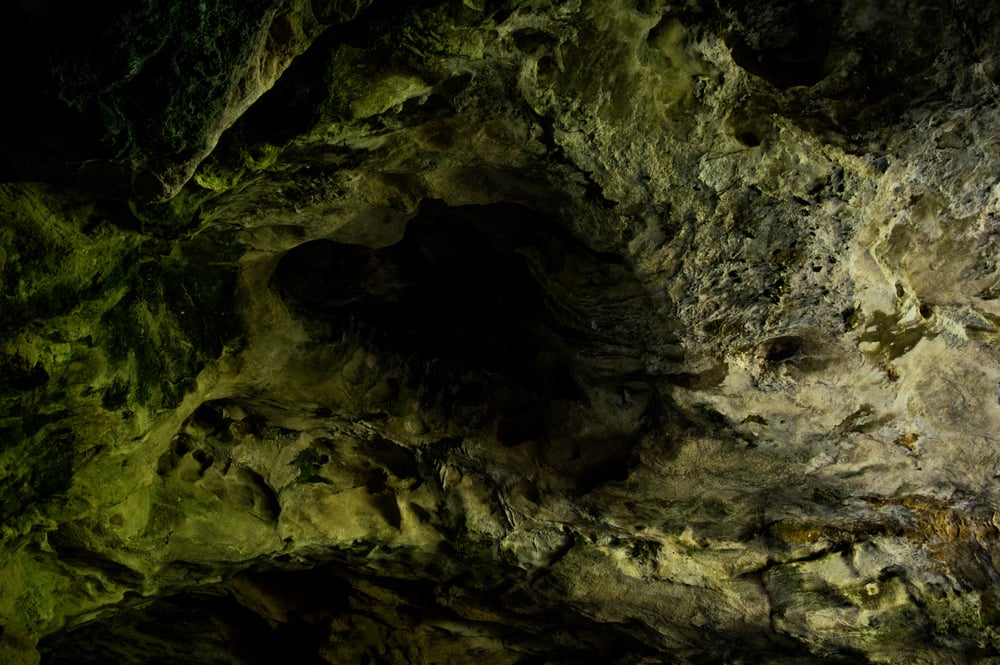
Bone fragments recovered from Vindija Cave in Croatia provided much of the genetic material used to sequence the first complete Neanderthal genome, published in 2010. The resulting data revealed that Neanderthal DNA persists in modern non-African human populations, overturning the long-standing assumption that Neanderthals contributed nothing genetically to living humans.
Xiaohe Cemetery
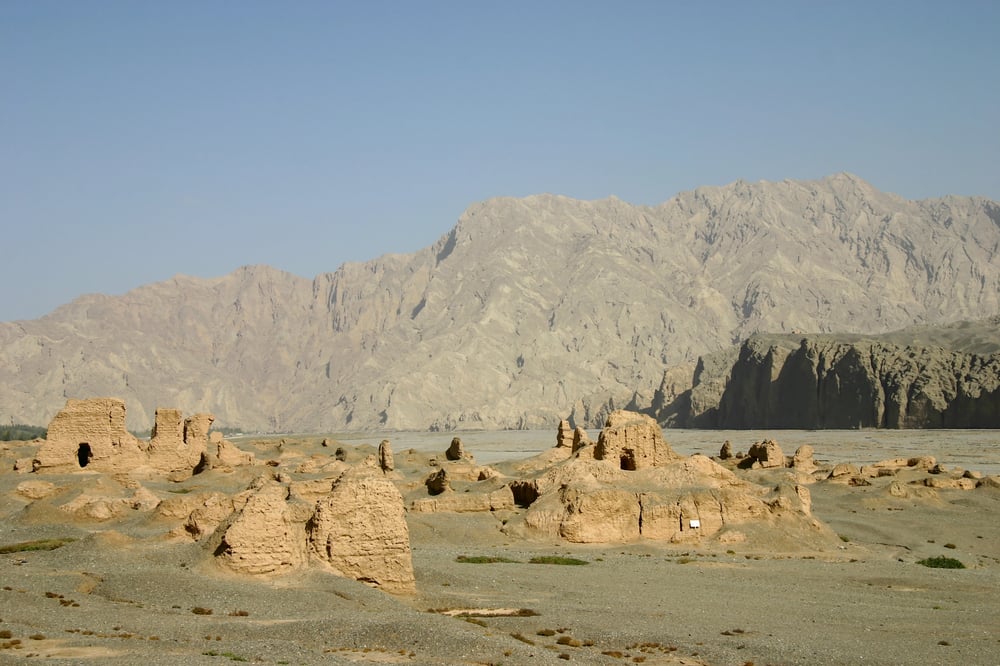
Excavations of the Xiaohe Cemetery in China’s Tarim Basin, with major work conducted in 2003 and 2004, uncovered mummies dated to around 2000 BC displaying features and textiles suggesting mixed ancestry from both eastern and western Eurasian populations far earlier than expected. The find reshaped understanding of ancient migration and contact across Central Asia.
Turkana Boy
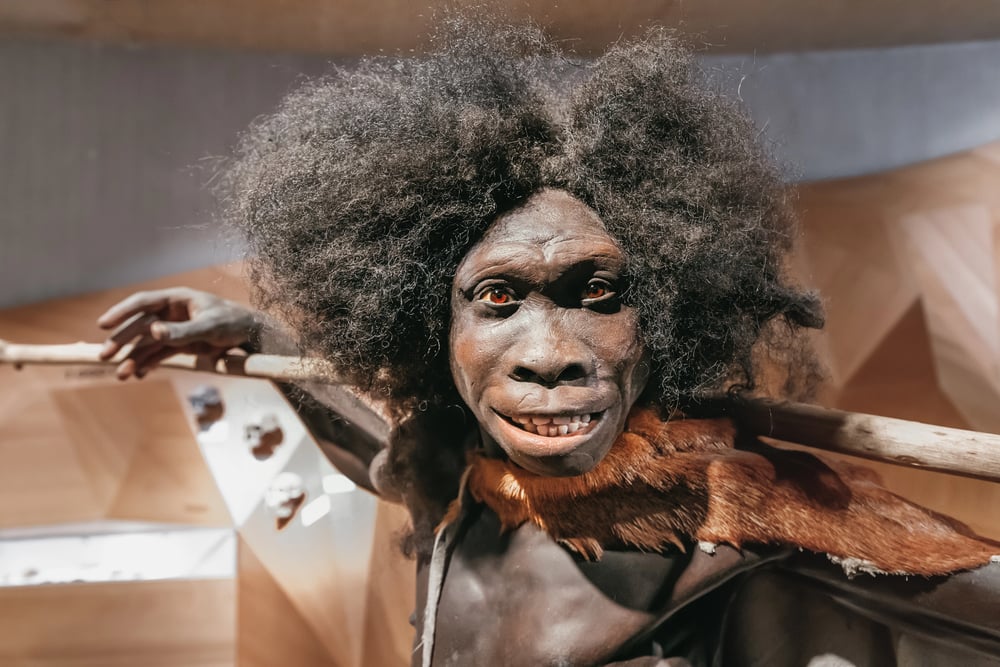
The nearly complete skeleton of a young Homo erectus individual, found near Kenya’s Lake Turkana in 1984 and dated to roughly 1.6 million years old, remains one of the most complete early human fossils ever recovered. The skeleton’s proportions provided crucial evidence about the body size, growth, and mobility of early Homo erectus, filling in details that fragmentary finds elsewhere could not.
The Laetoli Footprints
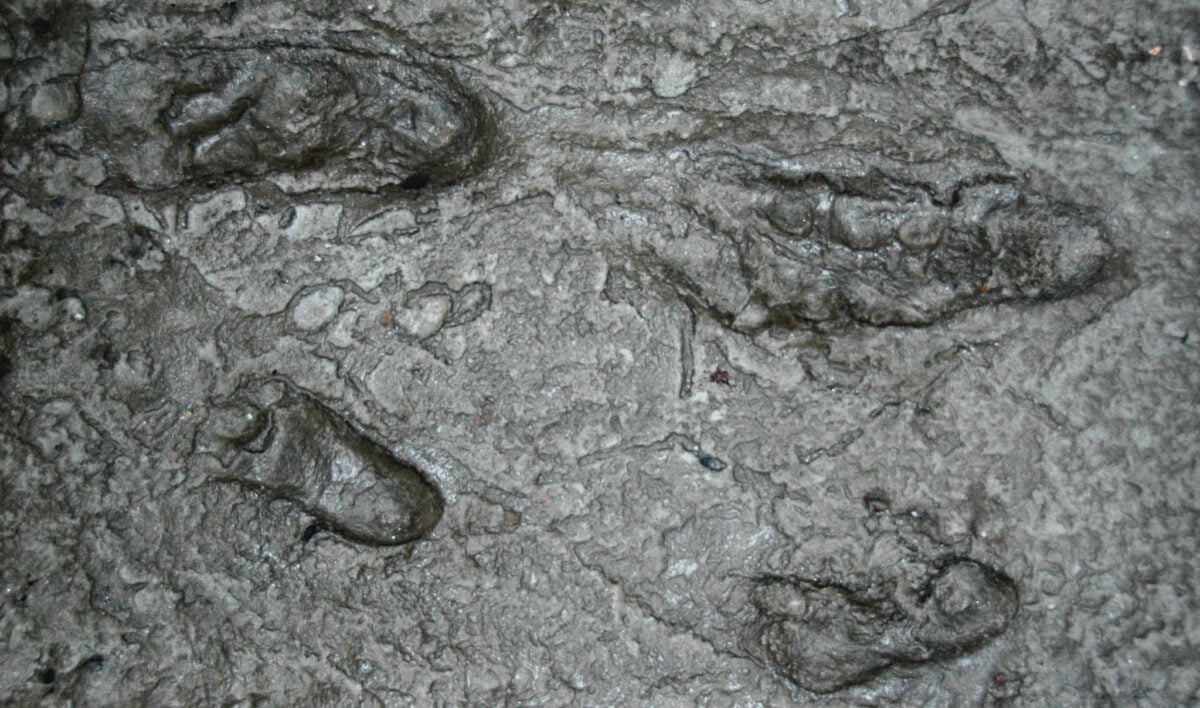
Photo by James St. John, via Flickr. Licensed under CC BY 2.0
A trail of footprints preserved in volcanic ash at Laetoli, Tanzania, discovered in 1978 and dated to roughly 3.6 million years old, provided direct physical evidence that human ancestors were walking upright on two legs far earlier than fossil bones alone had confirmed. The footprints remain one of the clearest pieces of evidence for the timeline of upright walking in human evolution.
Ardi
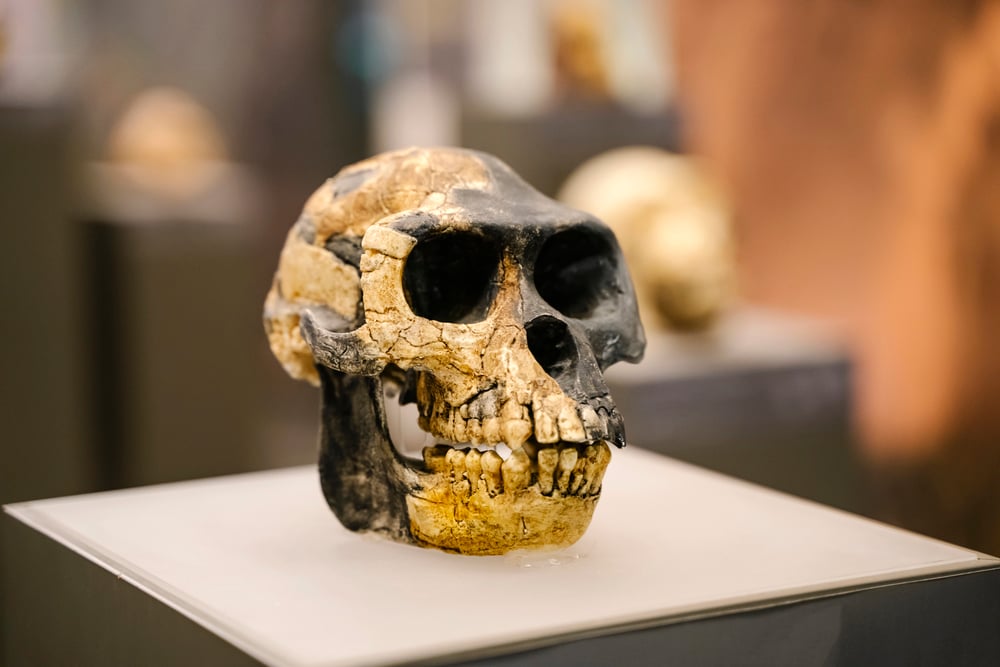
A partial skeleton of Ardipithecus ramidus, nicknamed Ardi, was excavated in Ethiopia starting in 1994 and fully described in 2009, dated to roughly 4.4 million years old. The find pushed the fossil record of possible human ancestors back further than previously available complete specimens and complicated assumptions about how directly early hominins resembled modern chimpanzees.
Lucy
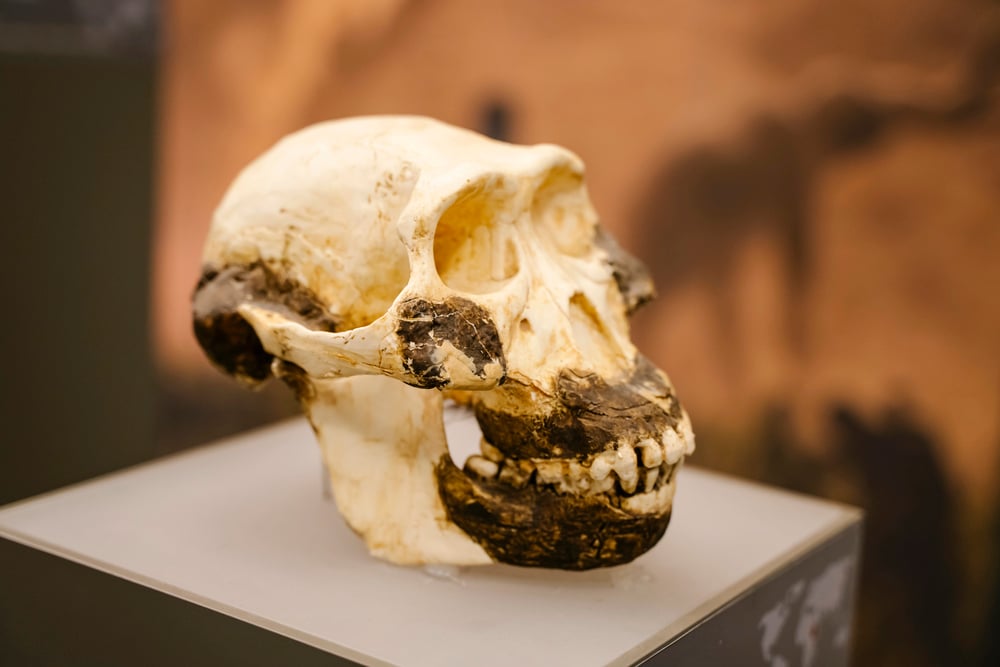
Discovered in Ethiopia in 1974 and dated to roughly 3.2 million years old, the partial skeleton nicknamed Lucy remains one of the most famous fossils in the study of human origins, providing clear evidence that Australopithecus afarensis walked upright while still retaining some tree-climbing adaptations. The find anchored a critical point in the accepted timeline of the transition toward the modern human body.
Rewriting the Same Story

What makes this list striking is how often the correction came not from a completely new field of study but from a single patch of disturbed ground, or in some cases a single bone fragment small enough to fit in a hand. The Denisovan finger bone weighed almost nothing and rewrote the human family tree anyway.
Timelines feel permanent because they are printed in textbooks and repeated in museum placards, but every date in the historical and prehistoric record is really just the best current answer, held provisionally until better evidence arrives. Given how many of the entries above are less than a few decades old, there is little reason to think the timeline currently accepted as settled will not be revised again.
More from Go2Tutors!

- The Romanov Crown Jewels and Their Tragic Fate
- 13 Historical Mysteries That Science Still Can’t Solve
- Famous Hoaxes That Fooled the World for Years
- 15 Child Stars with Tragic Adult Lives
- 16 Famous Jewelry Pieces in History
Like Go2Tutors’s content? Follow us on MSN.