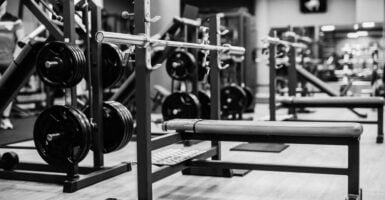
27 School Gym Photos Through the Decades
Every school keeps a few photographs of its gym, and every one of them tells you something about the decade. The equipment changes, the uniforms change, and the reasons children were told to exercise change right along with them.
These 28 images, some staged and some caught mid-motion, span more than a century of physical education.
Swinging Indian Clubs in Unison
Early photographs show rows of students holding wooden clubs shaped like bowling pins, each swinging them in circles at the teacher’s command. The drills came out of European gymnastics systems popular in the late 1800s. The goal was posture and discipline, and the photographs often look more like choreography than exercise.
Girls in Bloomers and Middy Blouses
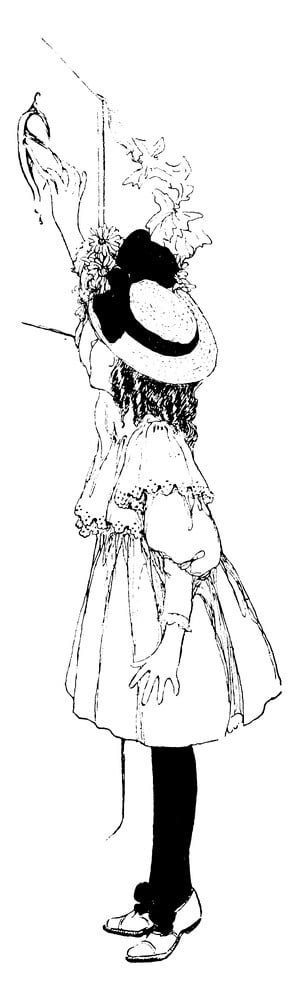
At the turn of the century, girls exercised in baggy bloomers, black stockings, and sailor-style middy blouses. Photographs show them in neat lines, arms extended, long sleeves buttoned at the wrist. The outfit covered nearly everything, a reminder of how carefully schools managed what girls could do in public.
Naismith’s Peach Baskets
James Naismith invented a new indoor game in Springfield, Massachusetts, in 1891, and the first goals were peach baskets nailed to the gym balcony. Early photographs show a stepladder used to fish the game piece out of the basket after every score. Schools across the country adopted the game within a few years.
Mass Calisthenics

In the 1910s and 1920s, photographers captured entire classes performing the same movement at the same moment. A teacher stood on a platform or a bench and counted out the repetitions. The photographs had a military precision that school officials took pride in.
Stall Bars on the Wall
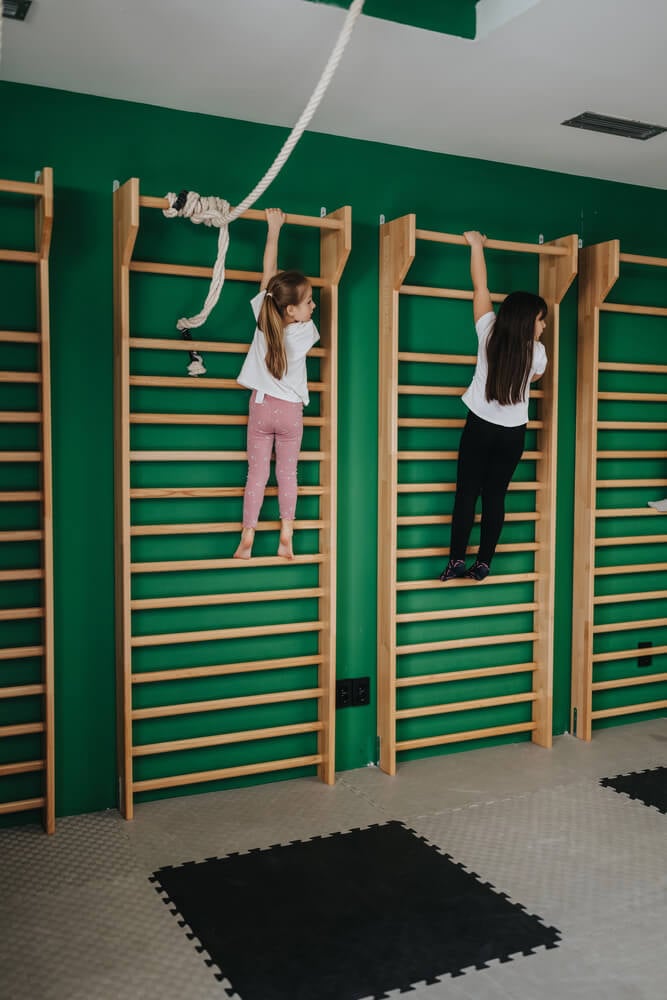
Wall-mounted wooden ladders, called stall bars, appeared in gyms influenced by Swedish gymnastics. Students hung from them, did leg lifts, and stretched against the rungs. They are among the oldest pieces of equipment that still turn up in photographs.
The Rope Climb

A thick manila rope hung from the ceiling, and the goal was to reach the top using only arms and legs. Photographs show children midway up with legs wrapped and hands gripping tight. A rope burn on the inside of a thigh was a rite of passage.
Maple Floors and Painted Lines
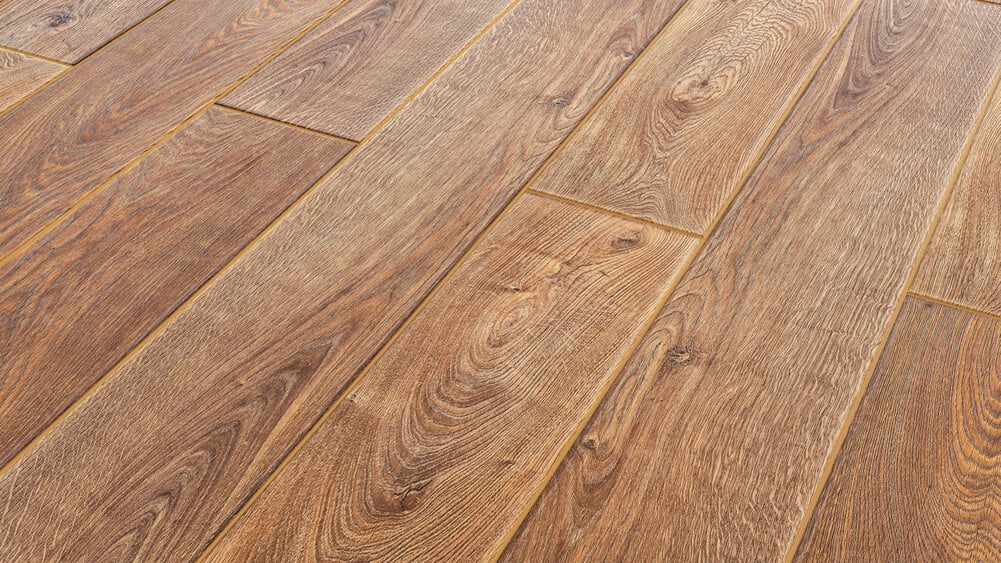
Photographs of an empty gym show a hardwood floor, often maple, marked with colored lines for several different games. The overlapping lines made the floor look like a diagram in an engineering textbook. Custodians treated the finish with reverence, which is one reason for the shoe rules that followed.
The Vaulting Horse

A leather-covered vaulting horse stood in the corner, and students sprinted down a runway to leap over it. Photographs show a teacher standing close by to spot each jump. For many students it was the single most terrifying piece of equipment in the building.
Parallel Bars
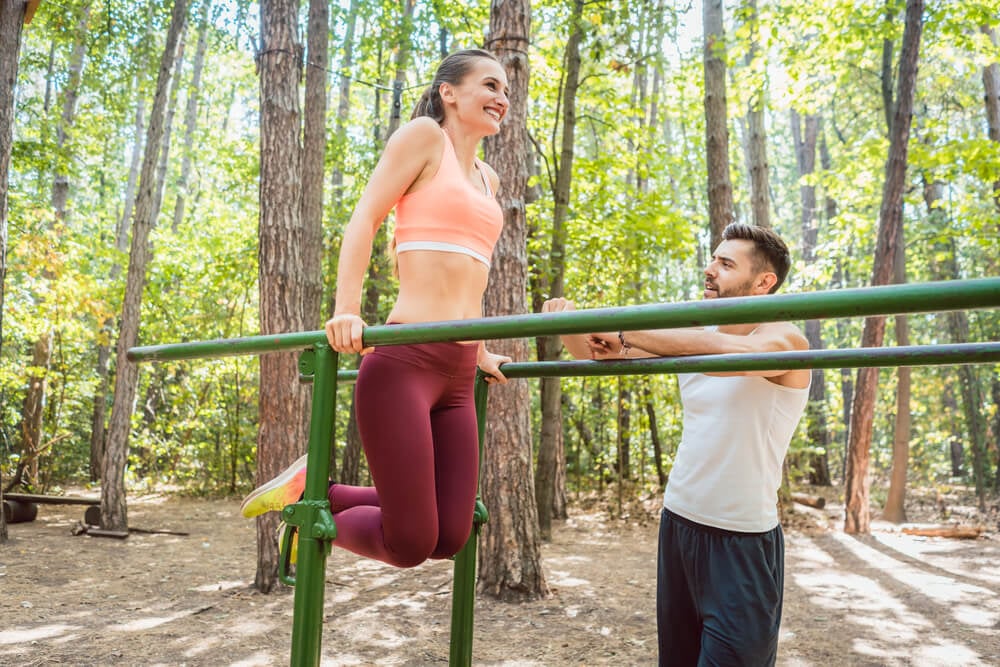
Two wooden or metal bars, set at shoulder height, supported students in handstands, swings, and dips. The apparatus was a staple of boys’ gymnastics for decades. Photographs frequently show a mat positioned beneath, in case a swing went wrong.
Canvas Tumbling Mats
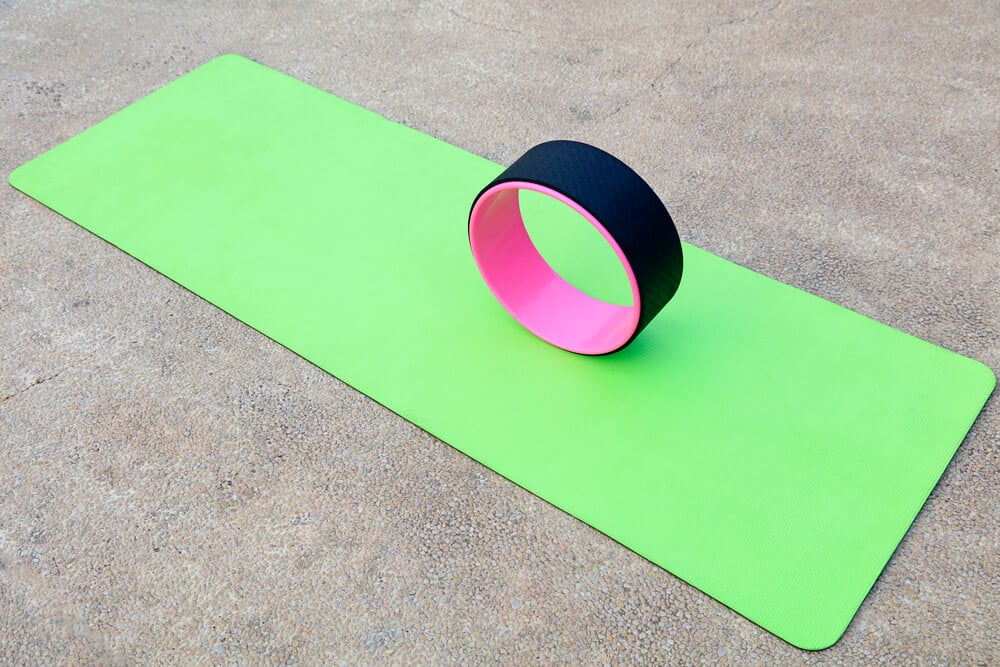
Thick canvas mats lay in rows for somersaults, cartwheels, and headstands. In class photographs, children wait their turn at the end of the mat with expressions of dread or glee. The mats were not particularly soft, but they were better than the floor.
The Trampoline
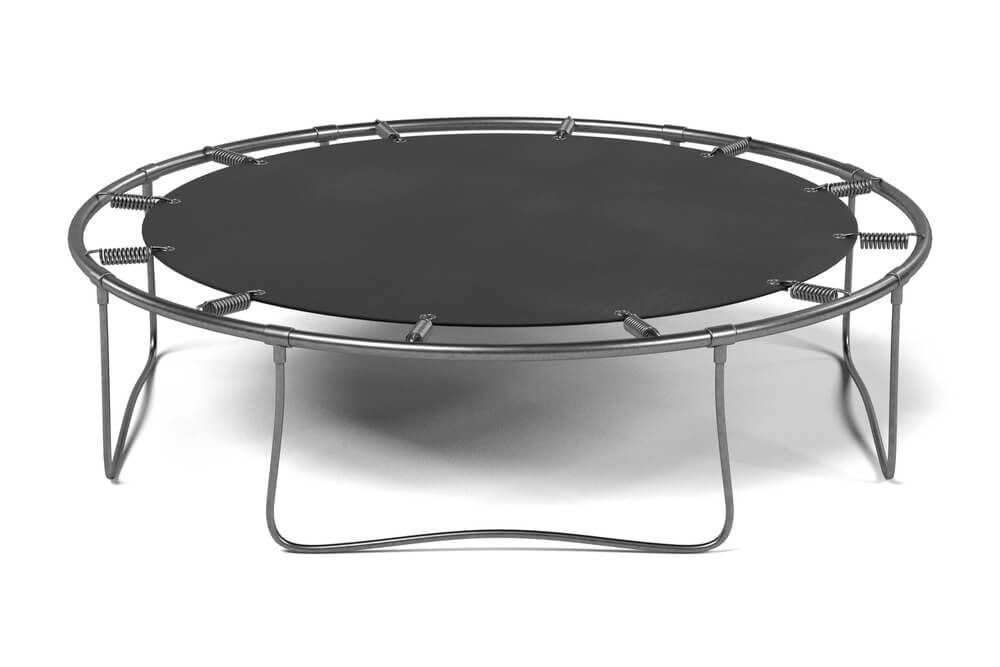
George Nissen and his coach, Larry Griswold, built early trampolines at the University of Iowa in the 1930s. The apparatus reached school gyms in the postwar decades, and photographs show students bouncing under a spotter’s watch. Injuries eventually led most schools to remove them.
The Flexed-Arm Hang and the Shuttle Run
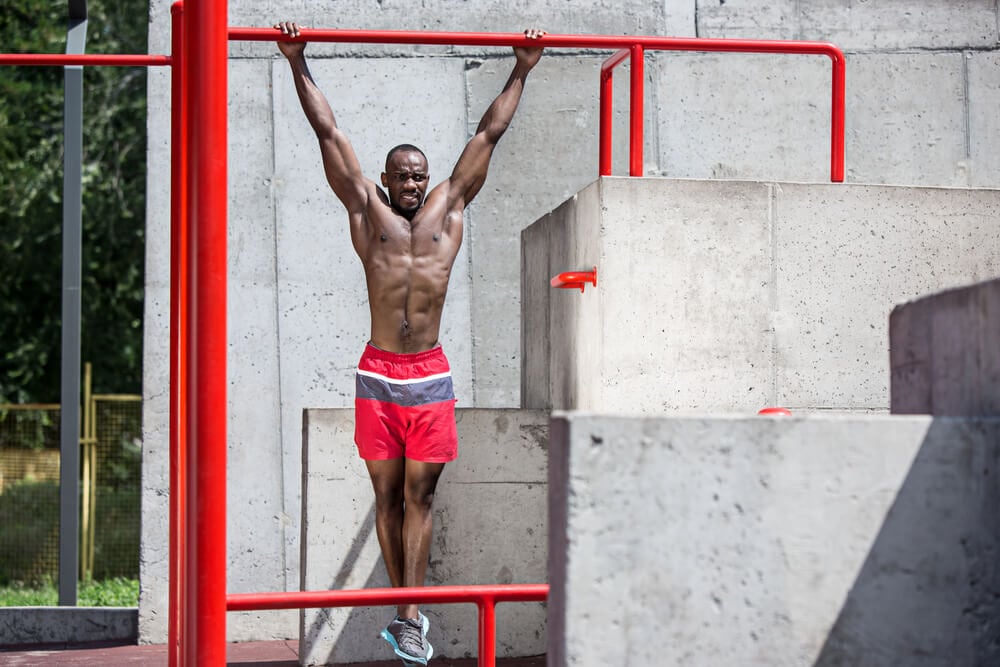
By 1966, the federal fitness test had been formalized, and its events included the flexed-arm hang, the shuttle run, and the sit-and-reach. Photographs show students hanging from a bar with chins above it, a timer counting aloud. The routine became a fixed point in the school calendar for generations.
The Presidential Fitness Patch
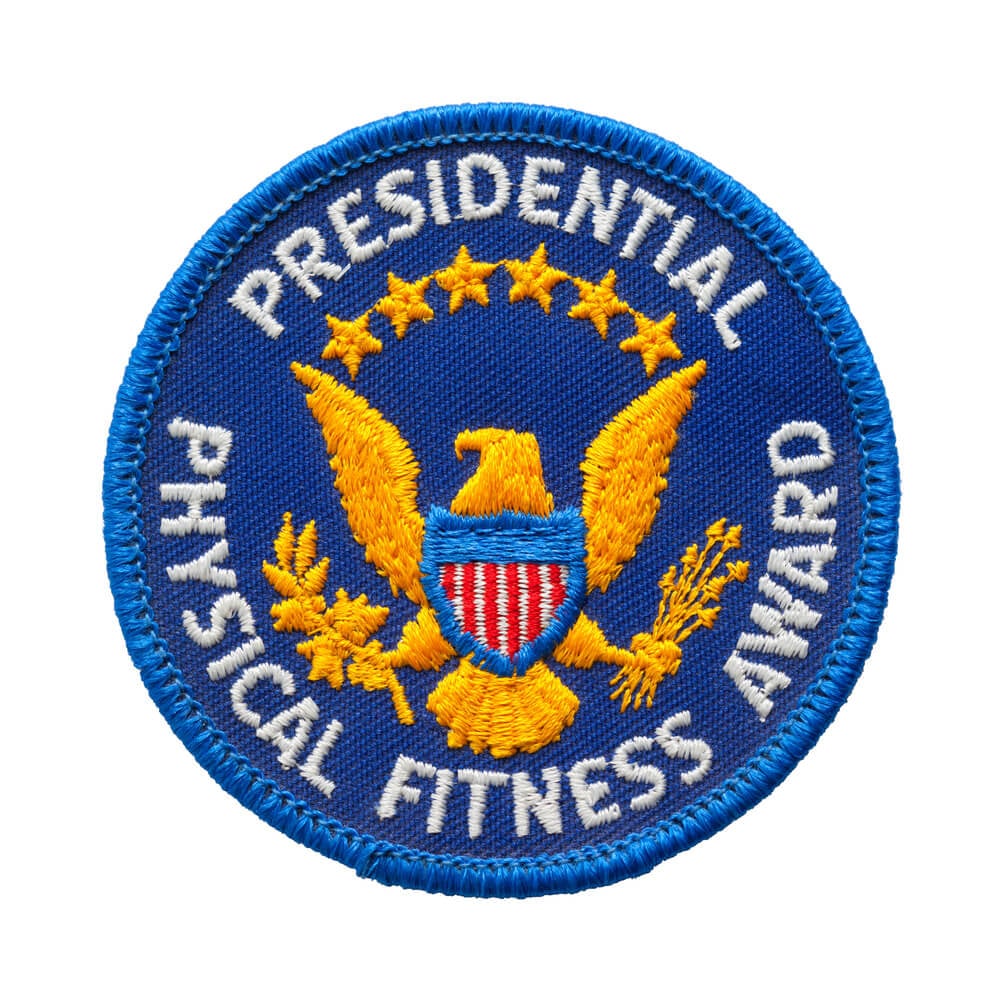
The Presidential Physical Fitness Award went to students who scored at or above the 85th percentile on every test item. Photographs of the award ceremony show students in line, waiting for the blue-and-white patch. The test was retired in 2012, and a 2025 executive order called for its return.
The Sock Hop

Dances in the school gym often required students to remove their shoes to protect the hardwood, which gave the sock hop its name. Photographs show couples in bobby socks and loafers set aside along the wall. The 1950s dance floor doubled as a game court by morning.
The Polio Vaccine Clinic

In 1955, after the Salk vaccine was licensed, school gyms and cafeterias across the country hosted vaccination clinics. Photographs show children in single file, sleeves rolled up. The gym was the largest space in the building, and it was the obvious choice for the line.
The Square Dance Unit
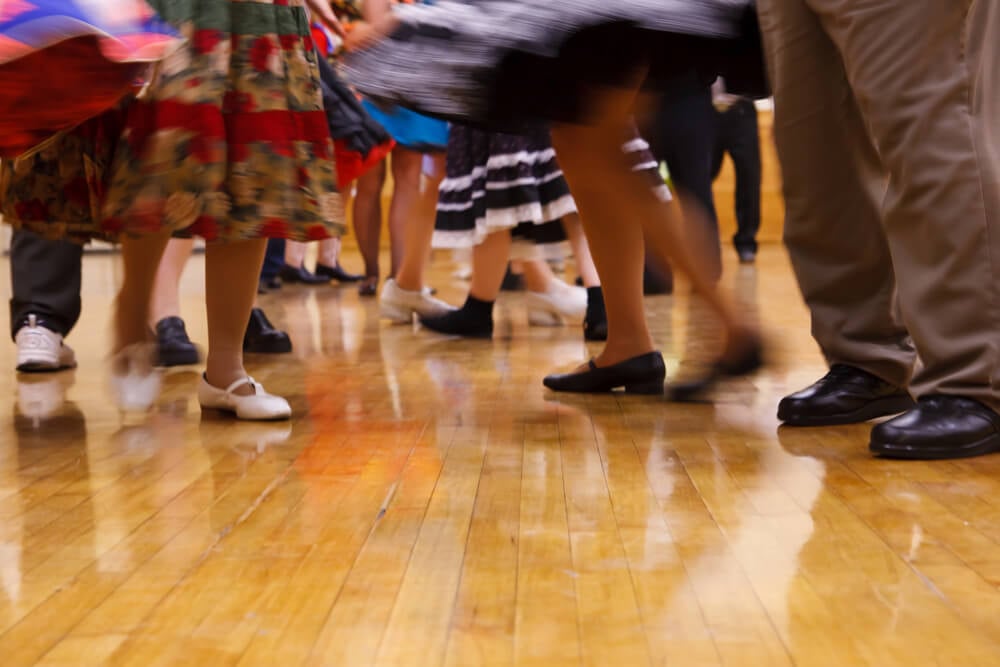
By the 1950s, physical education teachers in many schools taught square dancing, a practice linked to the revival led by Colorado educator Lloyd Shaw. Photographs show boys and girls in circles, hands joined, following a caller’s directions. Awkward partner assignments gave the unit its reputation.
Parachute Day

A large nylon parachute, brightly colored, was spread across the gym floor with students holding the edges. Teachers called out commands to ripple the fabric, raise it overhead, or run beneath it. Photographs capture a canopy mid-billow and a circle of children with faces turned upward.
Title IX and the Girls’ Team Photo

Title IX became law in 1972, and fewer than 300,000 girls played high school sports that year. Team photographs in the years that followed show a new kind of subject for the school yearbook. The number of girls in competitive sports has since grown to several million.
Snap-Front Gym Suits
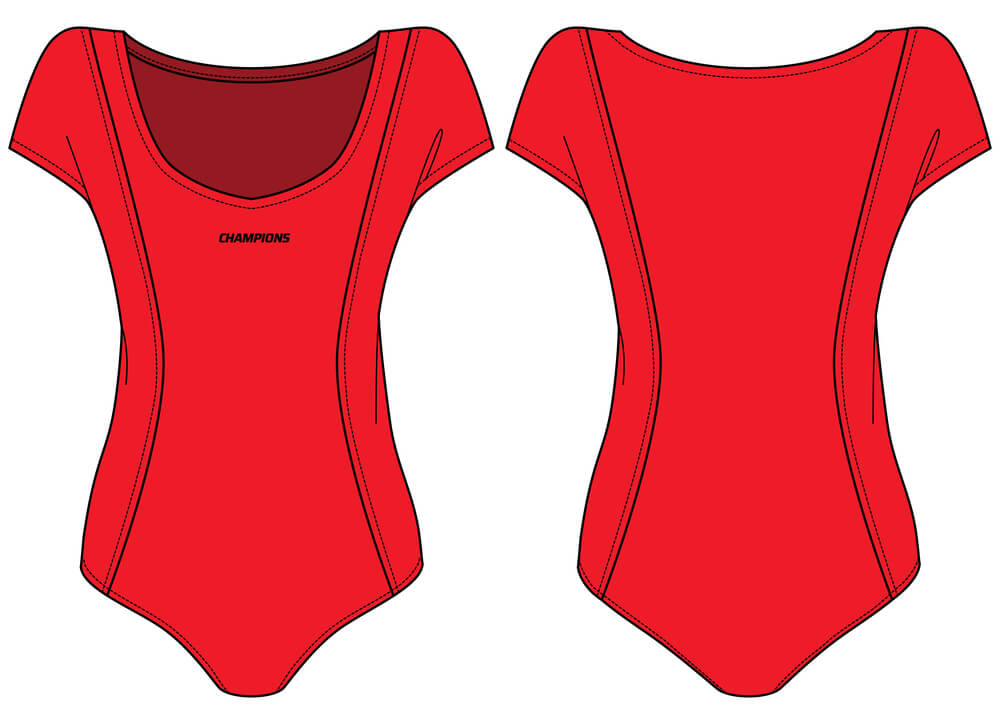
For decades, many girls wore one-piece gym suits that snapped up the front. The suits were often blue, with a bloomer-style leg and a school name stenciled on the chest. Photographs of classes in these uniforms look remarkably uniform.
Shorts and a Name in Marker

By the 1970s, gym clothes were usually shorts and a T-shirt, with a student’s name written on the tag in permanent marker. Photographs show rows of sweating teenagers in matching colors. A forgotten uniform meant a lecture, a lost point, or a borrowed shirt of uncertain freshness.
Folding Bleachers
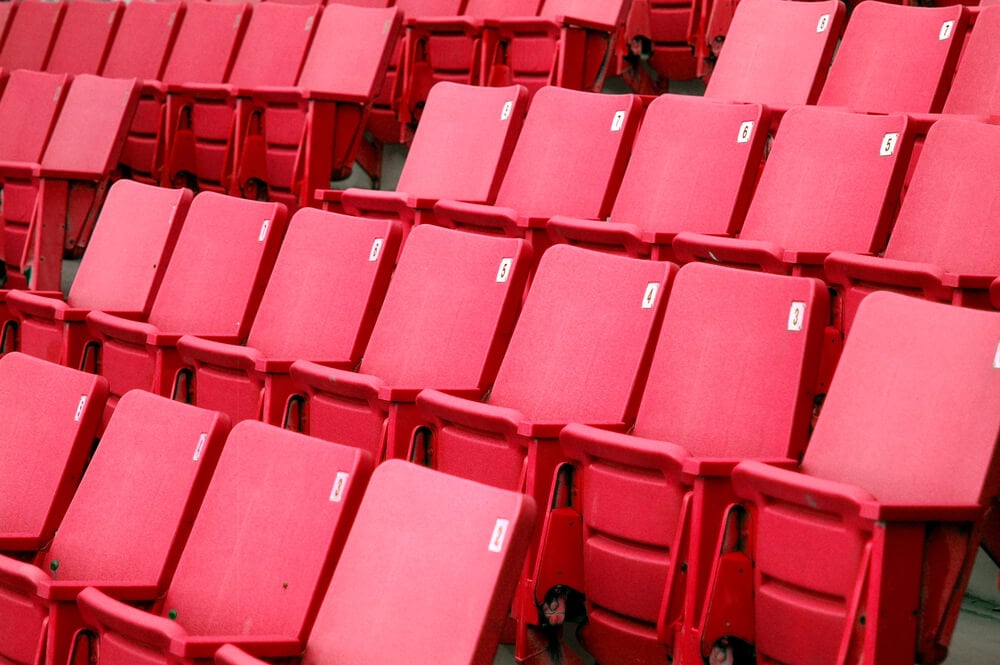
Wooden bleachers folded against the wall like an accordion and unfolded into rows of seats. Photographs show students perched on the benches during assemblies and games. The creak of those boards is a sound remembered by anyone who sat there.
Wire-Cage Lights

Overhead lights in the gym hung inside protective wire cages to survive stray shots. Photographs of the ceiling show a grid of metal and glare. They are easy to overlook, but they lit every school dance, tournament, and assembly.
The Gym That Was Also the Auditorium

In many schools the gym was also the lunchroom, the assembly hall, and the concert venue. Photographs show a folding stage rolled out under the hoop, or lunch tables unfolded across the center court. Students sometimes called the multipurpose space a cafetorium or gymnatorium.
The Pep Rally
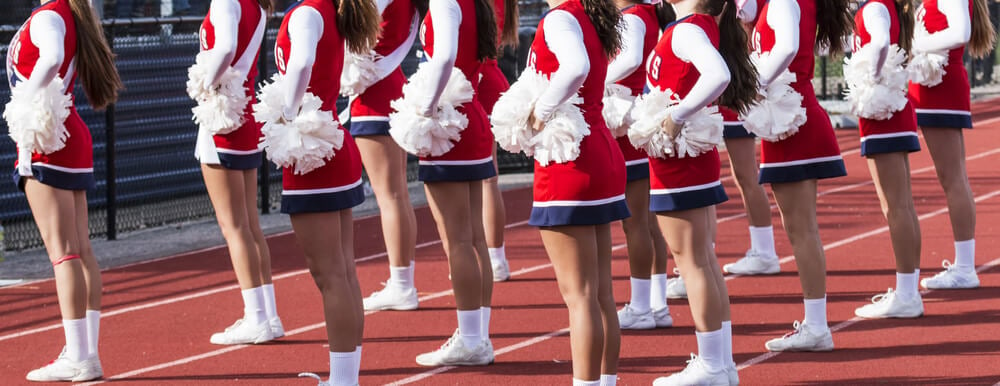
A pep rally photograph shows the entire school packed into the bleachers while cheerleaders and the mascot perform on the floor. The energy comes through even in a still image. Players were introduced one by one, to stomping and shouting.
The Wrestling Mat
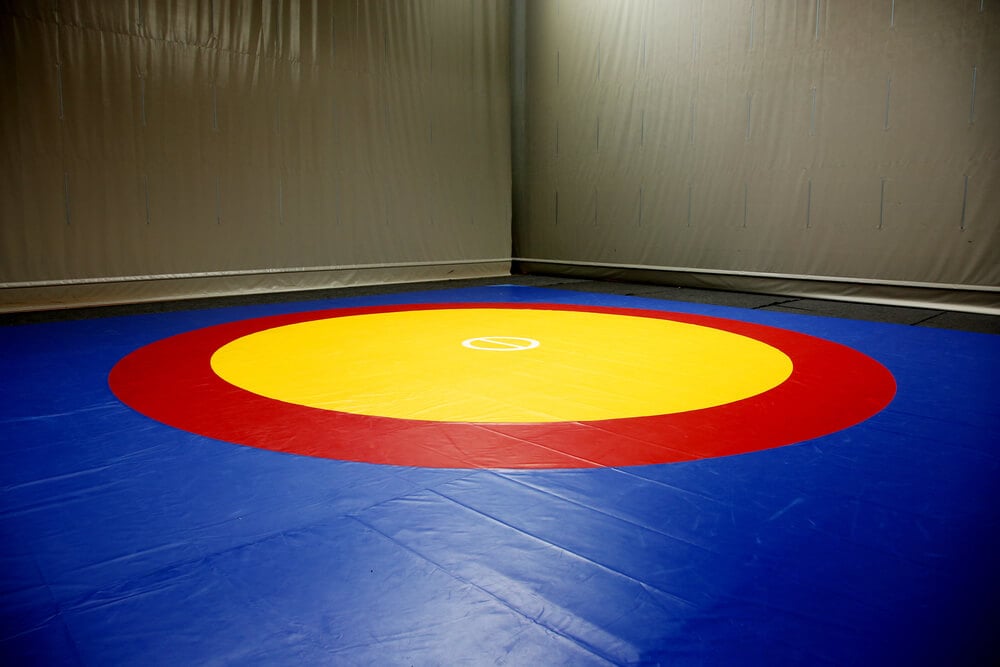
A round wrestling mat, often in school colors, covered much of the floor in winter. Photographs of practice show students locked in holds, coaches crouched beside them. The mat gave off a rubbery smell that lingered in the gym until spring.
Aerobics Day
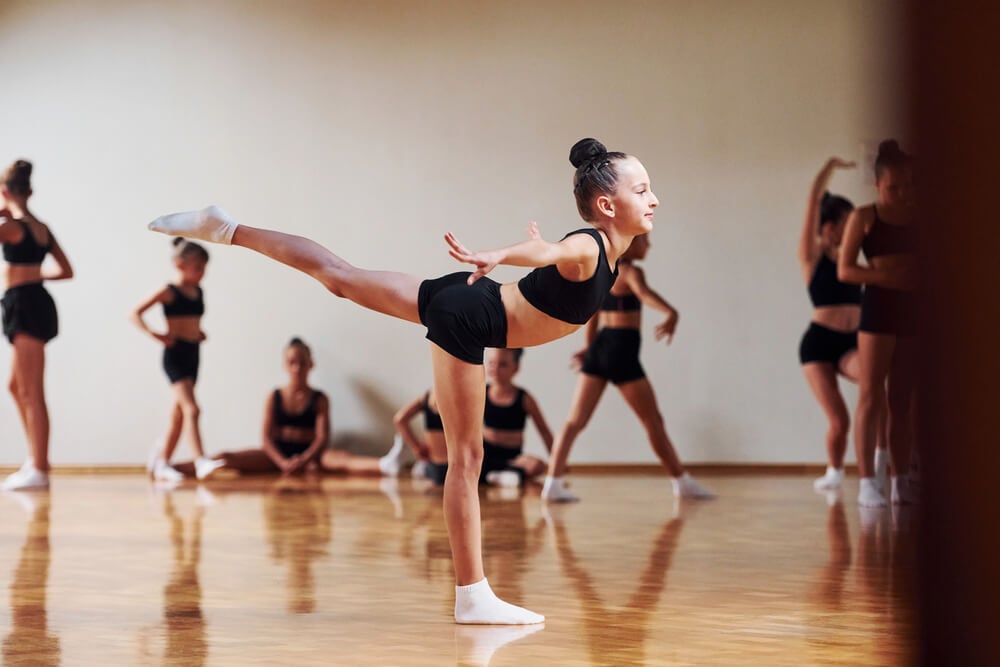
Jane Fonda’s Workout hit video stores in 1982, and school gyms soon added aerobic dance units set to pop music. Photographs show students in leg warmers and headbands stepping in time. The unit introduced many teenagers to exercise as something with a soundtrack.
Jump Rope for Heart
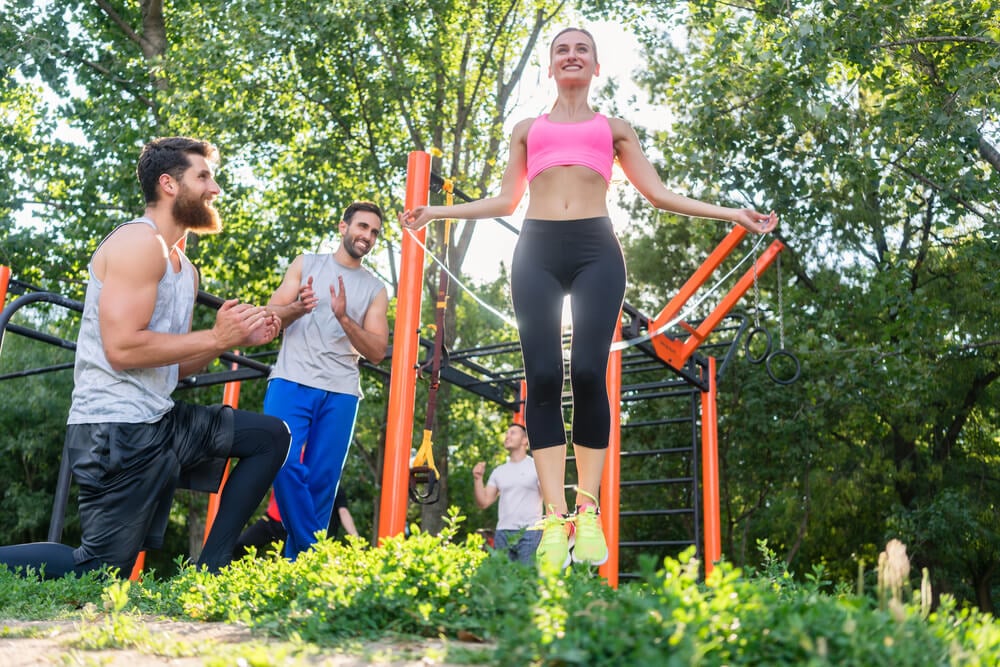
The American Heart Association and a national physical education group began Jump Rope for Heart in 1978. Students collected pledges and jumped for hours in the gym, raising money for research. Photographs show long lines of children skipping in sync under a banner.
What a Gym Photo Reveals
A gym photograph is rarely about the exercise. The pictures show what adults expected from children at a particular moment: discipline, strength, health, teamwork, or fun. The fitness test of 1953 and the Title IX team photos of 1972 captured very different ideas about who deserved to play.
The images also record a shared experience. Students in 1910 and students in 1990 both lined up, waited for their turn, and felt the squeak of a rubber sole on a varnished floor. That continuity is what makes an old gym photograph feel strangely familiar.
More from Go2Tutors!

- 27 Silver Dollars and Half Dollars Worth Keeping
- 28 Restaurant Menu Items Nobody Orders Anymore
- 17 Places Built in Seemingly Impossible Spots
- 27 Vintage Rings Worth More Than They Look
- 25 Restricted Sites Tourists Can’t Enter
Like Go2Tutors’s content? Follow us on MSN.